Year: 2014

  • THINGS CLUTTER YOUR LIVING ROOM

    THINGS CLUTTER YOUR LIVING ROOM

    If you have been thinking to renovate your home and get rid of the clutter for the longest time, then this festive season is the right time to start. However, if do not want to spend a lot and still want your house to look organised, then here’s a tip. Just get rid of these five simple things and you can change the look of your living room instantly.

    That jumbo music system and stacks of music CDs
    That big four-CD-changer music system cum cassette player with four huge speakers covering a complete wall of your living room, might have an emotional value, but it definitely adds to the clutter. Simply replace it with a sleek sound bar that would be hardly noticed but has an effective sound quality, and you will notice that the room looks less cluttered.

    Candles
    You definitely had a romantic evening in mind when you picked up those scented candles. However, they are now lying unattended in various corners coated with loads of dust. Get rid of those candles and buy lights that are easy to clean and can be used for a longer duration. Make sure they are all hanging ones so that the floor remain de-cluttered.

    Bean bags
    A lot of people buy bean bags to have a relaxed sitting arrangement, however, they are rendered redundant after a while as they trigger back problems. They then just lie there occupying a lot of space and we end up dumping things on it which adds to the clutter. Make way for a smart pair of antique wooden or recliners that will occupy less space and will prove useful as well.

    Artificial plants
    This is one of the most useless things in anybody’s living room, as they do not add any charm to the room whatsoever. In fact, a lot of feng shui and vastu experts warn for keeping artificial plants in homes as they have some kind of negative energy. Get rid of them as they attract a lot of dust and occupy unwanted space. Invest in real plants instead.

    Miniature artifacts
    Not many people can maintain an art-house like interior; as it needs a lot of cleaning. Miniature artifacts and handicrafts definitely enhance the look of your living room and make it look arty, it equally makes your house look dingy and unkempt if they are not dusted and maintained from time to time. If de-cluttering your house means having a clear space, then miniature artifacts need to be got rid off. In fact, a less-cluttered house looks bigger and better.

  • HAIR TREATMENTS TO GET THE MOP BACK

    HAIR TREATMENTS TO GET THE MOP BACK

    Even when you wear your best outfits and the most expensive shoes, if your hair is limp and untidy, the entire painstakingly-put-together look goes for a toss. A halo of healthy and wellgroomed hair framing a nicely done-up face can take your `looking awe some’ quotient, up by quite a few notches.

    When pampering your hair, you must actually make sure that you are also taking ample care of your scalp -for the simple reason that healthy roots are the crux of a healthy crop of hair.

    There are some special types of treatments recommended by the city trichologists, that can help maintain a healthy scalp.

    PLATELET RICH PLASMA VAMPIRE HAIR RESTORATION

    The Platelet Rich Plasma (PRP) therapy is also called the vampire treatment or the Dracula Therapy because one’s own blood is used in this procedure. A little amount of blood is extracted and then the PRP is extracted from it in the centrifuge machine. The natural growth factors are then injected in the scalp.

    GROWTH FACTOR DELIVERY TO ROOTS
    This is another new technology that stimulates hair growth from roots. It is a combination of two non-invasive techniques.Nutrients and growth factors are delivered directly to hair roots and follicles to strengthen it. And this is followed with a pulsed magnetic stimulation to enhance the growth factors in one’s hair. It also repairs hair roots and stimulates hair growth.

    SCALP COVERING SYSTEM

    Dr Shah says that hair thinning happens because of the male hormone testosterone, which some people may be surprised to know is present in women as well. He adds, “It is possible to fight hair thinning using advanced treatments like scalp covering treatments that use plant stem cells.Taking care of diet to include hair foods and correcting lifestyle to reduce stress will also help.The instant permanent scalp cover treatment can be done in two hours under local anaesthetic gel.”

    PHOTOBIOTHERAPY TREATMENT
    There are different techniques that can rejuvenate the scalp, explains trichologist Dr Apoorva Shah. The hair rejuvenation therapy or the photobiotherapy treatment is one of the latest advancements in hair and scalp care. The treatment works on the principle of a beam of low level cold laser treatment and has been proven as a breakthrough for fuller and stronger hair.

    LASER HAIRGROW SYSTEM
    This is another noninvasive, soft laser technology (LLLT) that improves microcirculation to your hair follicles and repairs and strengthens roots.

    TAKE PRECAUTIONS
    Trichologist Dr Snehal Sriram says, “Don’t neglect that little itching and dandruff -as it could intensify and weaken the roots. Use an anti-fungal shampoo two to three times a week. Keep it on the scalp for five minutes for best results.”

  • Scam targets Dallas Morning News subscribers

    Scam targets Dallas Morning News subscribers

    DALLAS (TIP): Subscribers of The Dallas Morning News are being targeted in a scam that asks readers to send hundreds of dollars to an out-of-state address to renew their subscription to the paper. The scam resembles those aimed at subscribers to other newspapers across the country. In the most recent local incident of a scheme that’s apparently been going on for several months, The News’ subscribers reported receiving a notice in the mail last weekend that asked for nearly $600 for a year’s worth of newspapers. The paperwork encouraged them to order or renew their subscription by paying online or sending payment to an Oregon P.O. box. The Dallas Morning News is aware of the scam and has taken action to stop it from succeeding, said the newspaper’s chief marketing officer, Jason Dyer, who oversees circulation. “At times, these things pop up and we deal with them,” he said. Dyer said the newspaper sent an email to subscribers several weeks ago warning them of the scheme and also posted social media alerts after the most recent incident. He said The News has alerted authorities in Texas and Oregon. Separately, the paper’s advertisers have received requests for credit card information from people posing as representatives of The News. The company sent letters to its advertisers about this last month. Last weekend’s subscription notices set off red flags for some readers who worried that other subscribers, particularly the elderly, might get confused and succumb to the fraudulent bill. “I knew it was a scam immediately,” said Patricia Biczynski of North Dallas. “Probably we were targeted because we are seniors … you know, just some vulnerable seniors who might just go ahead and pay.” Though the mail didn’t fool her, Biczynski warned other readers to look out for the nondescript envelope that asks for return payment to Readers Payment Services. The scam has been going on since at least August under several names, including Associated Publishers Network and Publishers Distribution Services. Vince Felchle, who said he has subscribed to the paper for more than two decades, said he also received the notice over the weekend. Alarm bells went off for Felchle because he has an auto-payment tied to his credit card and the envelope for return payment didn’t say anything about The News, he said. “I was tempted to cut out my name and send it back and say, ‘Nice try,’” he said. “But you don’t want to give these people anything to go on.” He advised others to stay “very alert” and pay attention if “it doesn’t feel right” to avoid falling victim to the scheme. Any authentic subscription renewal notices from this paper will ask that payments go to: The Dallas Morning News, P.O. Box 630054, Dallas, TX 75263-0054. When in doubt, call Customer Care at 1-800-925-1500 or email customercare@dallasnews.com.

    (Source-Dallas News)

  • CEASE FIRE

    CEASE FIRE

    Both sides need to serve national interest, not pride

    The Indian Defense Minister has warned Pakistan if it persists with its ‘adventurism, our forces will make the cost… unaffordable’. With a heavier Indian presence along the border, the cost has already become unaffordable for Pakistan. Unfortunately, with a weak government there and a military establishment that has an axe to grind, few in Pakistan are likely to be bothered by the cost in terms of civilian or even military casualties. That is the dynamics that has determined India-Pakistan relations, post Musharraf. As to what exactly is happening on either side of the border is hard for anyone not inside the top security echelons to know. But who fired the first bullet is not what matters. What matters is who has the confidence to hold fire, even momentarily, to give ceasefire a chance. The government in India is stable and secure, headed by a Prime Minister against whom one charge that cannot be leveled is of being weak or unsure. In fact, ever since Modi took over, the Indian response on the border has been unusually strident. Certain utterances by the Home Minister, or even the Defense Minister and a few other BJP leaders, referring to a changed and strong government in India are, therefore, jarring. It gives the impression that some of the decisions may be determined by the fact that the BJP leadership wants to be seen as strong, and not guided purely by security calculations. India may have the ability to respond overwhelmingly to any military initiative by Pakistan, but it stands to suffer on many counts in Jammu and Kashmir, which has seen a relatively peaceful period and is going to the polls. On its part, the Opposition too has been making matters worse by saying the government is doing nothing.

    Civilians are dying on both sides, and that is not collateral damage, as both armies would have us believe. It is targeted firing, and is doing good to neither side. As things stand, only one side has the stature to exercise restraint. India has sent Pakistan the message that needed to be conveyed. Now let us not make the message the news.

    (The Tribune, Chandigarh)

  • FOOD COMBOS TO MAKE YOU LEAN

    FOOD COMBOS TO MAKE YOU LEAN

    Eggs and Mango: Gives you firm skin

    There’s no need to apply several products to get good, firm skin. Just eat some eggs and mango, especially now that the fruit is in season. Eggs are naturally rich in amino acids that are essential for formation of skin-plumping collagen. And mango, which is rich in Vitamin C, works with these acids to boost collagen production. This helps build back lost stores in the body, which can significantly improve the appearance of skin.
    DO IT RIGHT: To give a boost to your next breakfast, pair an omelette with a cup of fresh mango chunks, which supply nearly an entire day’s supply of Vitamin C.

    Red Bell Peppers and Black Beans: Gives you better Immunity

    They look good at the veggie market and are expensive. But here’s a good reason to buy them. You’ll absorb more immune-boosting plant iron by adding in some red bell peppers on your plate. Iron in black beans is hard for the body to absorb, however, adding a dose of Vitamin C-rich produce like red peppers converts the iron into a type that’s easier for the body to use.
    DO IT RIGHT: There are great recipes online that show you how to mix your beans with red bell peppers and make the meal a tasty one too.

    Extra-Virgin Olive Oil and Tomatoes: Gives you protection from diseases

    Tomatoes boast of four major carotenoids (alpha-carotene, beta-carotene, lutein, and lycopene) besides three potent antioxidants (betacarotene, Vitamin E, and Vitamin C) which may help fight cancer and heart disease. These protective chemicals are better absorbed with extra-virgin olive oil, which is high in healthy monounsaturated fats.
    DO IT RIGHT: Leave the tomato skin on, since it is packed with phytochemicals.

    Extra-virgin olive oil is the least processed form, so it contains the most beneficial compounds. Store it away from heat and light to prevent it from going rancid.

    Broccoli and Tomatoes: Gives you protection against cancer

    Both are individually known to have cancer-fighting properties, but research has shown that together they are the Hulk of cancerfighting foods. Scientists found consuming tomato and broccoli at the same time was more effective at slowing the growth of cancerous prostate tumours than eating either vegetable alone.
    DO IT RIGHT: Have one-and-a-half cups of broccoli along with twoand-a-half cups of fresh tomato, with pizza or spaghetti.

    Oatmeal and Strawberries: Gives you a healthier heart
    Oats contain two important phytochemicals called avenanthramides and phenolic acids, which are known to work with Vitamin C to reduce harmful effects of bad cholesterol and help prevent plaque build-up that lead to heart attacks.DO IT RIGHT: Enjoy a half cup of sliced strawberries with your morning bowl of oatmeal.

    Green Tea and Lemon: Gives you a healthier heart
    Green tea, a rich source of powerful antioxidants called catechins, is known to help improve the heart’s health. However, according to studies only about 20 per cent of these compounds are absorbed by the human body. Adding lemon juice to green tea has been shown to increase the catechins level to 80 per cent.
    DO IT RIGHT: After brewing yourself a cup of green tea, squeeze in the juice of one whole lemon.

    Cinnamon and Whole Grain Toast: For quicker weight loss
    Sprinkling cinnamon on your toast may help keep your blood sugar at a healthier level, which prevents dips in your energy and spikes in your hunger level. In a study published in the American Journal of Clinical Nutrition, cinnamon was found to slow the rate of stomach emptying after meals and reduce the rise in blood sugar after meals to negate more bingeing later.

  • EXERCISES TO REDUCE EYE STRAIN

    EXERCISES TO REDUCE EYE STRAIN

    Do you find yourself squinting your eyes and rubbing them in irritation often? Owing to the exposure of the computer screens and mobile phones in our daily lives, a lot of people have started experiencing blurred vision, itchiness and headaches on a daily basis.

    Here are a few simple exercises to help rejuvenate and reduce the strain on your eyes.

    Palming

    Rub your hands together for about 10 to 15 minutes till they’re slightly warm, now place them upon your eyes. Don’t touch the eyeballs directly, instead just keep your hands lightly over your eyes.

    Repeated blinking

    Blinking every three or four seconds helps in reducing eye strain. When we watch television or work on the computer we tend to blink less, allow your eyes to rest by blinking every few seconds.

    Focus on a distant object

    Choose an object that is about six to ten meters away from you and focus solely on it for a few seconds without moving your head much. This gives some respite to the ciliary muscles that tend to be under a lot of stress.

    Eye Rolling

    Try rolling your eyes, tracing as big a circle as possible. Repeat about four times, then close your eyes, focus on your breathing and relax.

  • HOW TO BEAT FATIGUE AT WORK

    HOW TO BEAT FATIGUE AT WORK

    Do you often doze off on your desk at work?

    Fatigue is a major workplace hazard. It reduces your performance and productivity. Many studies have revealed that jaded people are often incompetent at work, and are thus paid less! To put it simply, fatigue is a feeling of weariness, tiredness, or lack of energy that does not go away even when you rest. People may feel fatigued in body or mind (physical or psychological fatigue). But what is the cause of fatigue?

    Most of the time, it can be traced to one or more of your daily habits or routines. It is usually a result of physical exertion, poor eating habits, emotional stress, boredom, lack of sleep or weight.

    With a few simple lifestyle changes, you can regain vitality and boost your energy levels.

    ALWAYS BE ACTIVE Walk over to your colleagues instead of using the chat messenger or email to communicate with your workmates. Take the stairs instead of the lift if your workstation isn’t too high up in a building. Park your car a little further off and walk to your office. You may think that these small moves don’t really matter, but your body is silently burning calories. You need to burn only 3,500 calories to lose 12 kg of weight.Even if you don’t remember the math, your body keeps count of every single move you make, or don’t make.

    GO FOR SMALL MEALS If you are used to eating three big meals a day, break it up into six to eight meals, and eat every two hours. Remember this, digestion is a calorie-burning activity in itself. Your body burns calories to digest the calories you eat. Eating at longer intervals fails to give your digestion sys tem a good workout. Apart from breakfast, lunch and dinner, go for mini meals (a fruit or biscuits) during your mid-morning and mid-afternoon snack breaks.

    HAVE A HEARTY BREAKFAST Not eating breakfast isn’t smart – you may think you are eating less food during the day by directly going for your mid-morning tea or lunch, but not eating breakfast makes you gain weight! Because your body has been starved of food while you were sleep ing, it needs food within an hour of waking up, to get its various systems running smoothly (including me tabolism). So, when you skip breakfast, your body panics because it thinks it’s starving and stores the next meal you eat in its fat reserves.

    SLEEP ON TIME Sleep deprivation causes weigh gain and makes people tired very easily. There are two main factors that regulate appetite. Leptin is the satiety hormone (which gives you the signal that you are full) while ghrelin is your hunger hormone (which gives you the signal that you are hungry). There are studies that suggest sleep deprivation causes both leptin and ghrelin to malfunction, leaving you with the feeling of not being full enough or making you feel hungry even when you may not need food.

  • 5 FACTS ABOUT INDIAN AMERICANS

    5 FACTS ABOUT INDIAN AMERICANS

    Indian Prime Minister Narendra Modi received a rapturous reception in New York City on Sunday, speaking to more than 19,000 people – largely Indian Americans, according to The New York Times – at Madison Square Garden. During his packed five-day visit, Modi also addressed the UN General Assembly and met with a bevy of U.S. business leaders Monday morning before heading to an “intimate dinner” with President Obama.

    This is the first official trip to the U.S. for Modi, who was elected in May. His visit not only marks an effort to repair strained U.S.-India relations, but also spotlights the growing presence of Indians and Indian Americans in American life. Two sitting governors (Louisiana’s Bobby Jindal and South Carolina’s Nikki Haley, both Republicans) are of Indian ancestry; so are Preet Bharara, U.S. attorney for the Southern District of New York, and Neel Kashkari, former Treasury Department official and current GOP candidate for California governor.

    In 2012, the Pew Research Center released a pair of reports on Asian Americans – one focused on demographics and attitudes, the other on religion. The reports, which drew from 2010 census data and 2012 survey results, included much information about the country’s nearly 3.2 million Indian Americans; we’ve selected a sampling of facts from both reports:

    1 Many Indian Americans are recent arrivals.
    87.2% of Indian-American adults in 2010 were foreign-born, the highest percentage among the six largest Asian-American groups; 37.6% of those had been in the U.S. 10 years or less. One consequence of so many Indian Americans having arrived so recently: Only 56.2% of adults were U.S. citizens, the lowest share among the six subgroups studied in detail.

    5 FACTS ABOUT INDIAN AMERICANS1

    2 Indian Americans are among the most highly educated racial or ethnic groups in the U.S.

    70% of Indian Americans aged 25 and older had college degrees in 2010, by far the highest rate among the six Asian-American groups studied and 2.5 times the rate among the overall U.S. population. More recent (2013) data from the American Community Survey provides more detail: 40.6% of Indian Americans 25 and older have graduate or professional degrees, and 32.3% have bachelor’s degrees; an additional 10.4% have some college education. One likely factor: the large segment of Indian Americans who entered the country under the H1-B visa program, which allow highly skilled foreign workers in designated “specialty occupations” to work in the U.S. In 2011, for example, 72,438 Indians received H1-B visas, 56% of all such visas granted that year.

    5 FACTS ABOUT INDIAN AMERICANS2

    3 Not all Indian Americans are Hindu.

    Only about half (51%) of Indian Americans are Hindu, though nearly all Asian-American Hindus (93%) trace their heritage to India, according to our 2012 survey. 18% of Indian Americans identified themselves as Christians (as both Haley and Jindal do); 10% said they were Muslim. The religious shares of Indian Americans are markedly different from those of India itself (where an estimated 79.5% of the population is Hindu and only 2.5% is Christian, according to Pew Research’s 2012 Global Religious Landscape report), reflecting differential migration patterns.
    5 FACTS ABOUT INDIAN AMERICANS3

    4 Indian Americans generally are well-off.
    Median annual household income for Indian Americans in 2010 was $88,000, much higher than for all Asian Americans ($66,000) and all U.S. households ($49,800) – perhaps not surprising, given their high education levels. Only 9% of adult Indian Americans live in poverty, compared with 12%of Asian Americans overall and 13% of the U.S. population. In 2010, by our analysis, 28% of Indian American worked in science and engineering fields; according to the 2013 American Community Survey, more than two-thirds (69.3%) of Indian Americans 16 and older were in management, business, science and arts occupations.

    5 FACTS ABOUT INDIAN AMERICANS4

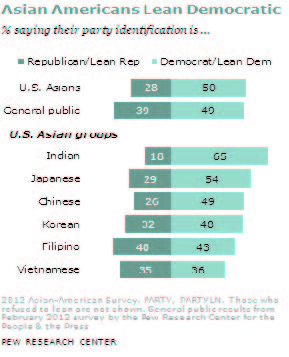
    5 Indian Americans lean left.
    65% of Indian Americans were Democrats or leaned toward the Democrats, making them the Asian-American subgroup most likely to identify with the Democratic Party. An identical share of Indian Americans approved of Obama’s job performance in 2012

    5 FACTS ABOUT INDIAN AMERICANS5

  • MARUTI UNDER SCANNER FOR BOOKING CARS WITHOUT DISPLAY

    MARUTI UNDER SCANNER FOR BOOKING CARS WITHOUT DISPLAY

    KOLKATA (TIP): Maruti Suzuki’s third attempt to crack the premium mid-sized sedan code has run into an unexpected bump after securing record pre-launch bookings. The company is under the consumer affairs ministry scanner following a complaint by MP Dinesh Trivedi, who has questioned how a company can book cars without displaying the vehicle or revealing its details.

    “In the modern days of total transparency, the manner in which the sale of Ciaz was promoted amounted to misleading consumers. I received multiple complaints from people who went to Maruti showrooms and could not view the car or learn about its specifications or price. On personally visiting a dealer at Delhi’s Connaught Place, I found it to be true. When I messaged to Maruti Suzuki chairman R C Bhargava on September 3, he was curt and said there were reviews available and customers had the option to not book the car or cancel the booking later. I then took up the matter with the consumer affairs department, which sent the company a notice,” Trivedi said.

    The company has received a show-cause. Consumer affairs ministry joint secretary Manoj Pardia wrote to Bhargava, questioning the practice (of pre-booking) and sought a reply on why action should not be initiated against the company under the Consumer Protection Act, which arms consumers with the right to be informed about the quality, quantity, potency, purity, standard and price of goods.

    Maruti Suzuki has defended its marketing strategy, saying that the booking is “completely voluntary for customers and entirely at their discretion”. The company said not only did other automakers do it, even Apple accepted bookings for iPhone 6 to manage customer rush on launch day.

    In recent times, Honda has similarly accepted bookings for the Mobilio, Fiat for Avventura, Hyundai for Elite i20 and Mahindra & Mahindra for the second generation Scorpio. But Trivedi is questioning the practice.

  • Apple beats Google and Samsung

    Apple beats Google and Samsung

    LONDON (TIP): Apple has emerged the world’s most valuable brand – worth nearly $119 billion (£80 billion).

    The tech company increased its brand value by 21% and was followed by Google which was valued at $107.43 billion – a brand value increase by 15%.

    For the first time in the history of Best Global Brands, two global brands – not just one – have each earned a brand value that exceeds $100 billion, according to closely followed Interbrand Best Global Brands annual report.

    Facebook has been the biggest riser in the chart, increasing its brand value by 86% to $14.3 billion and taking 29th place in the table.

    A year before, it was worth $562 million. Facebook’s ad business on mobile phones has been particularly strong. For the first time in its history, the company reported that revenue from advertising on mobile phones exceeded half (53%) of all its advertising for the quarter. Facebook’s acquisitions of messaging service WhatsApp for $19 billion and Oculus VR for $2 billion signal a new strategy unfolding.

    Huawei -the Chinese telecommunications and network equipment provider has made Best Global Brands history as the first Chinese company to appear on Interbrand’s ranking.

    With 65% of its revenue coming from outside of China and with its earnings continuing to climb both domestically and across Europe, the Middle East and Africa, Huawei is quickly becoming one of the largest telecommunications equipment makers in the world.

    The company is currently the third largest smartphone manufacturer in the world — just behind Samsung and Apple and is ranked 94th most important brand in the world.

    The Chinese brand is one of five new entrants to enter the Best Global Brands ranking this year — the others being DHL (81), Land Rover (91), FedEx (92) and Hugo Boss (97).

    Jez Frampton, Interbrand’s Global Chief Executive Officer said “Apple and Google’s meteoric rise to more than $100 billion is truly a testament to the power of brand building”.

    When determining the top 100 most valuable brands each year, Interbrand examined three key aspects that contribute to a brand’s value – the financial performance of the branded product and service, the role the brand plays in influencing customer choice and the strength the brand has to command a premium price or secure earnings for the company.

    Audi is the top-rising automotive brand in this year’s Best Global Brands report. It was a record-breaking year for the brand, having sold the greatest amount of cars in its history, and having achieved an operating profit of more than $6 billion. It is placed at 44th.

    Amazon was ranked 15 while Volkswagen was ranked 31st. Close rivals Nissan was ranked 56th while British carmaker Land Rover stands 91st in the elite list.

  • Infosys Q2 net profit up 28.6%

    Infosys Q2 net profit up 28.6%

    BANGALORE (TIP): Beating market expectations, IT major Infosys on Friday posted 28.6 per cent jump in consolidated net profit to Rs 3,096 crore for the quarter ended September 30.

    The Bangalore-based firm had reported a net profit of Rs 2,407 crore in the year-ago period, it said in a BSE filing.

    Consolidated revenue was up 2.9 per cent to Rs 13,342 crore in the said quarter from Rs 12,965 crore in the year-ago period.

    In the April-June quarter this fiscal, Infosys reported a net profit of Rs 2,886 crore and a revenue of Rs 12,770 crore.

    Buoyed by a strong set of numbers, the company has declared an interim dividend of Rs 30 per equity share as compared to Rs 20 in the previous year.

    It has also recommended a bonus issue of one equity share for every equity share held, and a bonus issue of a stock dividend of one American Depositary Share (ADS) for every ADS held, respectively.

    The better-than-expected set of numbers pushed the company’s stock up 5.61 per cent to Rs 3,850.05 apiece in early trade on the BSE.

    For FY15, the country’s second-largest software services firm maintained its revenue guidance of 7-9 per cent growth.

    In dollar terms, the NYSE-listed firm’s net profits grew 33.4 per cent to $511 million in second quarter of this fiscal from $383 million in the year-ago period.

  • GOVT PLANS DIAMOND HUB IN MUMBAI

    GOVT PLANS DIAMOND HUB IN MUMBAI

    NEW DELHI (TIP): The government is discussing a plan to set up a special zone with tax benefits for diamond import and trading in Mumbai, to try and develop the country’s financial capital as a rival to Antwerp and Dubai, which are currently trading hubs for the precious stone.

    Commerce & industry minister Nirmala Sitharaman held preliminary discussions with commerce secretary Rajeev Kher and revenue secretary Shaktikanta Das last week and asked officials to work out a possible road map, sources familiar with the development said.

    Gems & Jewelry Export Promotion Council’s (GJEPC) estimates suggest that in volume terms, 85% of the global cutting work takes place in India. At the same time, around 15% rough diamond is imported directly from the producing countries, while a majority is shipped in from the trading hubs.

    “A trading hub in India will mean that the role of middlemen is limited and the concerns over invoicing, that we often hear from tax authorities, are reduced,” said Parag Parekh, vice-chairman of GJEPC, which is pushing the plan. Parekh said the Bharat Diamond Bourse in Mumbai’s Bandra Kurla Complex has been suggested as a possible option.

    An official, however, said discussions on the likely location have not yet started and initially the government is looking at the package of measures that may be needed. The move to set up a special notified zone was first proposed by a task force headed by Anup K Pujari, the then director general of foreign trade, but the UPA failed to decide on it, prompting the BJP government to revisit it.

    An official said the move may help check China’s growing influence in the area as some Chinese companies had started acquiring shares in mines in Africa and are also pursuing direct deals with governments there for the supply of rough diamonds.

    The task force had suggested several tax-related moves, including duty-free re-import quota for cut and polished diamonds up to a specified level and fixing the net income, while allowing payment of taxes only on invoices raised to Indian companies. Similarly, easier valuation norms at ports had also been recommended. The task force had also suggested a shift to a presumptive taxation regime in the long run, with easier rules introduced for the time being.

  • MOM TO OBSERVE MARS’S CLOSE ENCOUNTER WITH COMET

    MOM TO OBSERVE MARS’S CLOSE ENCOUNTER WITH COMET

    MUMBAI (TIP): Isro’s Mars Orbiter Mission (MOM) will observe comet Siding Spring when it flies by the Red Planet around midnight on October 19.

    The space agency moved MOM to a “safer position” on Tuesday to avoid any damage to its payloads from the comet’s debris.

    “The spacecraft will carry out observations of the comet and even capture it on its Mars Colour Camera,” director of Isro’s Ahmedabad-based Space Application Centre, Kiran Kumar, said. He estimated that the duration between the comet’s arrival and departure on October 19 will be approximately one-and-a-half hours.

    Isro scientists said that MOM’s payload Methane Sensor for Mars will check for presence of Methane on Siding Spring, which is travelling at a velocity of 56km/second relative to the planet.

    At its closest approach Siding Spring will come within 1,32,000km of the Red Planet, which is about a third of the distance between Earth and moon. October 7 manoeuvre which consumed 1.9 kg of fuel will put the spacecraft at an approximate distance of 1,40,000km from the comet when it flies by. Kumar said MOM was now 400km away from the surface of the Red Planet on the opposite side of the comet.

    The comet was discovered by Robert H McNaught at the Siding Spring Observatory in Australia on January 3, 2013. The comet’s mass is equivalent to 1,500 Empire State Buildings in New York or 70,000 Eiffel Towers in Paris. On October 9, Nasa’s Maven was placed behind the Red Planet and an hour prior to the arrival of the comet, it will go into what is known as a “planned minimum risk mode”.

    MOM and Maven teams are expected to exchange data regarding the comet.

  • Isro to launch third IRNSS satellite on Oct 16

    Isro to launch third IRNSS satellite on Oct 16

    NEW DELHI: Isro will launch the third of seven satellites of its ambitious navigation system IRNSS on October 16, the space agency said on October 16. IRNSS-1C, the third satellite of the Indian Regional Navigation Satellite System (IRNSS) will be launched with the help of Polar Satellite Launch Vehicle (PSLV-C26) on October 16, Isro said. The launch window of the mission opens at 1.32am and last till 1.47am. The lift-off is scheduled at the opening of the launch window at 1.32am. The final phase of checks is in progress to carry the 1,425kg satellite. “The Mission Readiness Review (MRR) Committee and the Launch Authorization Board (LAB) met on October 7 to review the progress of pre-launch activities and cleared the launch for October 16. “The 67 hour countdown for the mission will commence at 6.32am on October 13,” Isro said in a statement. IRNSS is an independent navigation satellite system developed by India to provide accurate position information service to users in India.

  • MIND-CONTROLLED PROSTHETIC ARMS SOON

    MIND-CONTROLLED PROSTHETIC ARMS SOON

    LONDON (TIP): The world’s first mind-controlled prosthetic arms that work in daily life and experiences the sense of touch has finally become a reality.

    Scientists at Chalmers University of Technology in Sweden have made a breakthrough by anchoring bionic arms directly on to the bone to improve control and feel touch. The team mapped sensations to 19 different locations on the hand from the palm to the tip of the thumb and matched the sensors to the different electronic patterns of stimulation.

    They then moved on to pressure and textures. The patient could tell while blindfolded whether he is holding something. The direct skeletal attachment is created by what is known as osseointegration, a technology in limb prostheses pioneered by associate professor Rickard Branemark and his colleagues at Sahlgrenska University Hospital.

    The researchers said, “For the first time, robotic prostheses controlled via implanted neuromuscular interfaces have become a clinical reality. A novel osseointegrated (bone-anchored) implant system gives patients new opportunities in their daily life and professional activities”.

    In January 2013, a Swedish arm amputee was the first person in the world to receive prosthesis with a direct connection to bone, nerves and muscles.

    “Going beyond the lab to allow the patient to face real-world challenges is the main contribution of this work,” said Max Ortiz Catalan, research scientist at Chalmers University of Technology and leading author of the study.

    “We have used osseointegration to create a long-term stable fusion between man and machine, where we have integrated them at different levels. The artificial arm is directly attached to the skeleton, thus providing mechanical stability. Then the human’s biological control system, that is nerves and muscles, is also interfaced to the machine’s control system via neuromuscular electrodes. This creates an intimate union between the body and the machine; between biology and mechatronics,” he said.

    The patient’s arm was amputated over 10 years ago. The patient is also one of the first in the world to take part in an effort to achieve long-term sensation via the prosthesis.

    “Reliable communication between the prosthesis and the body has been the missing link for the clinical implementation of neural control and sensory feedback, and this is now in place,” Catalan said. “So far we have shown that the patient has a long-term stable ability to perceive touch in different locations in the missing hand. Intuitive sensory feedback and control are crucial for interacting with the environment, for example to reliably hold an object despite disturbances or uncertainty,” he added.

  • Researchers identify new Ebola drug target

    Researchers identify new Ebola drug target

    WASHINGTON (TIP): Researchers have identified a new Ebola drug target that will enable the discovery of therapies with the potential to treat any future epidemic, even if new virus strains emerge.

    University of Utah biochemists produced a molecule, known as a peptide mimic, that displays a functionally critical region of the virus that is universally conserved in all known species of Ebola.

    This new tool can be used as a drug target in the discovery of anti-Ebola agents that are effective against all known strains and likely future strains.

    The peptide mimics a highly conserved region in the Ebola protein that controls entry of the virus into the human host cell, initiating infection.
    The researchers were able to demonstrate this peptide target is suitable for use in high-throughput drug screens. These kinds of screens allow rapid identification of potential new drugs from billions of possible candidates.

    Current experimental drugs generally target only one of Ebola’s five species.

  • US navy eyes welding to make lighter uniforms

    US navy eyes welding to make lighter uniforms

    PAWTUCKET (TIP): Welding isn’t just for aircraft carriers anymore.

    The US Navy could be turning to ultrasonic welding to make its uniforms lighter, stronger and cheaper. And if the project by a Rhode Island company and the Navy Clothing and Textile Research Facility is a success, it could help bring manufacturing back from overseas.

    Welded seams — created when two pieces of fabric are essentially melted together by sound waves — are already used in some clothing that some Americans have in their closets. Patagonia and North Face both sell models of jackets with welded seams. But so far, most, if not all, of that manufacturing is done overseas.

    Propel LLC is trying to figure out how to make one of the Navy’s more expensive and challenging garments to assemble — the Navy parka, which it buys for $190.50 each — without stitches. It has spent the past year testing welded seams, adhesive techniques and other bonds using a federal grant from the Navy.

    “This was a good way for us to start to get an understanding of what the current state of the art is,” said Cleveland Heath, the technical program manager at the Navy facility in Natick, Massachusetts.

    Current garment assembly methods can be cumbersome and costly, Heath said. Different kinds of stitches are used and garments have to be moved from sewing machine to sewing machine as they are formed. One welded seam could replace several stitch types and the sewing machines associated with them, he said.

    The seam is a garment’s weak point, said Propel president Clare King. Using a needle and thread creates tiny holes that air and water can permeate, taping a seam to cover the holes adds weight.

    The welded seams have proven to be lightweight, flexible and waterproof, King said.

    “We have a lot of opportunity to improve the garments and also effect change at the factory level,” King said. “Some of these technologies have been used in factories overseas but we have no knowledge base here of how to do them or how to implement them.”

    Seams are welded on some large tents, liners and other specialty industrial fabrics, but not on typical, casual clothing. For the Navy project, King consulted Patagonia, whose M10 jacket has welded seams and is made in Vietnam. Joe Vernachio, a vice president at The North Face, said he knows of only four or five factories overseas that weld seams for apparel. The military is required by law to manufacture all uniforms in the United States.

  • ‘Nuclear Pakistan capable of fitting reply to India’

    ‘Nuclear Pakistan capable of fitting reply to India’

    ISLAMABAD (TIP): Nuclear Pakistan was fully capable of responding “befittingly” to Indian aggression on the LoC and the international border, the country’s defence minister, Khwaja Muhammad Asif, said on October 9, responding to an earlier statement by Arun Jaitley.

    “We don’t want the situation on the borders of the two nuclear neighbours to escalate into a confrontation. India must demonstrate caution and behave with responsibility,” Asif said.

    Prime Minister Nawaz Sharif has called a meeting of the National Security Committee on Friday to discuss the tense situation at the LoC and the IB, with firing and shelling intensifying to dangerous levels amid accusations from both sides.

    The Pakistani state media reported that two Pakistanis were killed and 12 injured in firing by Indian troops along the working boundary on Wednesday, raising the death toll to 12 and injured to 43. Sources here said India has targeted 73 Pakistani border posts while Pakistan has targeted 47 Indian border posts.

    Pakistan’s military said its troops were responding to
    “unprovoked” Indian firing and only targeting military positions, not civilian population, as claimed by the Indian military.

    The recent escalation comes in the wake of political changes in Pakistan where the military has allegedly managed to get concessions from the beleaguered civilian government, including, reportedly, a change in policy towards India.

    Sharif has been severely criticized by the opposition parties for failing to issue any hard-hitting statement against India over the tense situation. Observers believe Sharif’s speech at UNGA, in which he urged the Kashmir issue should be resolved according to UN resolutions, was an attempt to win military’s support at home.

  • Too much cricket hampering Indian pacers: TINU YOHANNAN

    Too much cricket hampering Indian pacers: TINU YOHANNAN

    KOCHI (TIP): Tinu Yohannan, the former India international turned bowling coach of Kerala’s Ranji Trophy team, feels that the current crop of Indian fast bowlers face an increased risk of burn-out owing to the amount of cricket being played, and that they need more time to recover in order to perform well.

    “Sincerely, there is too much of cricket being played now, and the load on the fast bowlers is a bit high. Recovery is a big factor for any athlete and for a fast bowler it is very important and we need to give time for recovery,” said Yohannan on the sidelines of the first ODI between India and West Indies.

    The 35-year-old, who represented India in three Tests and three ODIs during the 2001-02 season, felt that the amount of travel involved was also hampering the players’ recovery time and stressed on the need to provide fast bowlers enough time should between tours.

    “More travel, more practice keeps them tired and I think that is why we need to take care of our fast bowlers really well and give them enough time to recover from one tour before playing the other,” said Yohannan. “That is what I like to see. They should use the recovery period to train hard and get back into top fitness and come back and perform well. I think that is the key.”

    Yohannan, who took 114 first-class wickets for Kerala, is now focused on getting the state team ready for the upcoming domestic season and said he was exited about with the young fast bowlers. “It is a very good to get the opportunity and work with the boys. I have seen a lot of promise and watching them from the outside for last four five years, the way the bunch has been playing, especially the fast bowling department, am excited, seeing the talent available to work with,” he said.

  • BJP poised to create history in Haryana elections: Survey

    BJP poised to create history in Haryana elections: Survey

    NEW DELHI (TIP): A new poll shows that the Bharatiya Janata Party (BJP) is likely to score an outright win in the upcoming assembly election of Haryana on the back of a Modi wave. If it does win, it will be the first time for the BJP, which has had a poor record in assembly elections in the state (barring the period between 1977 and 1979 when it was a part of the Janata government in the state). The survey, conducted by Instavaani, a high-speed polling technology of the Bangalorebased Fourth Lion Technologies, reveals that prime minister Narendra Modi’s appeal to voters has carried over from the general election. To be sure, the poll was restricted to urban Haryana— the 2011 Census pegged the proportion of urban population in the state at 34.79%. Experts say that if the survey is any dipstick of BJP’s fortunes in state, it would be a unique win considering the party has no local face in the state, has been power at the centre for less than five months and has campaigned solely on the strength of the Modi brand. The BJP is facing off against the Indian National Lok Dal (INLD) and the Congress, the party that has ruled the state for 10 years and faces significant anti-incumbency, according to the experts. Instavaani polled 1,181 respondents in 20 urban constituencies of the state, and 46% of the respondents said they would vote for the BJP. While only 17% said they would vote for the incumbent Congress in the state, 10% claimed they would vote for Om Prakash Chautala-led INLD. Significantly, the survey was carried out on 8 October, a day after the prime minister completed all his election rallies in Haryana. According to the survey, corruption allegations against the Bhupinder Singh Hooda-led Haryana government and Modi’s election rallies (he has held over a dozen in the state) are the two main reasons for BJP’s “substantial margins” in the state. Experts concur. “The two factors— allegations of corruption against the Congress party and the effect of Modi’s rallies—fit very much into the narrative of the voter choices in the national elections. Even during national elections, our findings showed that people were not ready to trust the Congress,” said Manisha Priyam, a New Delhi-based political analyst. She is also the India coordinator of the London School of Economics’ EECURI (Explaining Electoral Change in Urban and Rural India) project. “In Haryana too, we are seeing something similar. The charges of corruption against the ruling state party are creating a mood for change and the BJP seems to be the only option which may benefit from it, given the INLD too is facing the same allegations as the Congress,” Priyam added. Chautala, a former chief minister, has been convicted and sentenced to a 10-year jail term in a corruption case involving the recruitment of teachers for government schools. He is campaigning while on bail for medical treatment. The survey also showed that voters in Haryana preferred the same party in the state and the centre. In the outgoing assembly, the Congress has 40 seats, INLD 31, the Haryana Janhit Congress (BL) six and the BJP only four. Haryana goes to polls on 15 October, with more than 16.31 million voters set to elect 90 legislators. The results will be announced on 19 October. Priyam added: “If the BJP wins these elections without a local leader in the state, that would be a tectonic shift in India. No political party, including the BJP, has ever won state elections without a local leader.”

  • Soaring Dallas apartment costs haven’t put a dent in rentals

    Soaring Dallas apartment costs haven’t put a dent in rentals

    DALLAS (TIP): An average new apartment in Dallas’ popular Uptown neighborhood can cost you twice as much as the mortgage payment on a mid-priced North Texas home.

    And developers can’t build apartments fast enough, even though most of their new renters – a combination of young professionals and affluent empty nesters – could save money buying a house in the suburbs.

    Of course, they don’t want to live there. They are willing to pay more for the luxury rental lifestyle and an address in the heart of Dallas. “A lot of them are people moving into town – people coming from other urban experiences,” Dallas developer Lucy Billingsley told developers at an apartment seminar this week. “We know we have lifetime renters who will be with us now.” While spending $1,800 to $2,000 a month for a unit of less than 1,000 square feet may sound crazy to many Dallas residents, there are thousands of tenants signing up for the newest wave of apartments. So far this year, more than 13,000 renters have signed leases in North Texas. New projects woo residents with luxe lifestyle amenities and hotel-style services. “Renting apartments is a much more attractive option than it used to be,” developer Dirik Oudt with Lang Partners says. “We are fiercely competing for tenants, and the only way to differentiate our project is with better amenities and better design. “Some of the apartments we live in now are like resorts.” A generation ago, apartments in Dallas were the waiting rooms for homeownership. That’s not the case anymore. Starter homes stall Changes in the job market and tougher mortgage qualifying standards have pushed home buying down on young America’s list of must-haves. “Thirty-five years ago when I started in the business, apartments were feeders into singlefamily homes,” said apartment builder Brad Miller with Encore Multi-Family. “Now, singlefamily homebuilders are not building starter homes anymore. “And people have to wait longer to be able to afford to buy a house.” While they are waiting, they want deluxe digs. Top-of-the-market apartment rents in Dallas are eye-popping, but they are still cheap compared to a lot of other major U.S. markets. Dallas ranked 15th among top apartment rental markets in a new report by Zumper Inc. Rents are, of course, less here than on the coasts. But we are also less expensive than Denver, Atlanta and Minneapolis, a new report shows. Thousands of residents who are moving to North Texas from California, Chicago and the Northeast to fill new jobs in Dallas-Fort Worth find our apartment rents a bargain. “We import people from all over the country,” said Drew Kile with Institutional Property Advisors. “For them, our apartments are cheaper, and they want to live in town.” Bargain for some Recently, I bumped into an exec working in Toyota Motors’ new headquarters up in Plano who just rented in Uptown. He’s moving from New York and knows all about urban lifestyle. The run-up in Dallas apartment rents still is big enough to make some industry analysts nervous. Zumper’s report on rents said that Dallas had the fastest month-over-month average rent increase among the 25 major markets it surveyed. And overall rents here are up about 40 percent from a decade ago. Greg Willett, vice president with longtime Dallas apartment market firm MPF Research, warns, “we need to pay attention to the affordability factor.” “You are pushing rents above the wage growth level,” Willett told developers meeting in Dallas this week. “You can do that for a while but not indefinitely. “A big share of the people that want that product don’t make near enough to afford it.”

    (Source: Dallasnews)

  • India need to develop hockey from grassroots: Sreejesh

    India need to develop hockey from grassroots: Sreejesh

    KOCHI (TIP): Architect of India’s memorable hockey win against Pakistan in the Asiad final, goalkeeper PR Sreejesh today said that the quality of domestic players was low and stressed the need to develop the sport from the grassroot level to get more international medals.

    “The quality of players at the domestic level is very low when they come to the Indian camp. From that level to reach the international level, they will have to do lot of hard work at the Indian camp,” Sreejesh said at a meet-the-press programme organised by the Ernakulam Press club here.

    The India vice-captain, who effected brilliant saves in the shoot-out helping the team clinch an Asian Games gold after 16 years, said it would take a year to reach international standards.

    Sreejesh said that Australia, who have maintained their supremacy at the top for quite sometime now, have reached the present level after a sustained programme of 20 years. “In India we want instant results. We also need to work long term,” he said.

    Pointing out that the Indian squad was fully confident of winning the gold in the recent Asian Games, he said they had gone with a positive approach. “We had not gone to defeat Pakistan, but to win gold for India,” he said adding this positive approach helped the team.

    Sreejesh rued that goalkeepers were not being given their due. “Today I am a hero because of the saves. But If I had failed in saving the goal-bound shots in the Asiad finals, I would have been called a traitor,” he said.

    “Even if they effect brilliant saves, their feat was not appreciated. “But if they fail to save a goal, the goalee has to shoulder all the blame for the team’s loss,” he added.

    Sreejesh, who has been offered the post of District Sports Officer in the education department by the Kerala Government to identify sports talents, said he would accept the offer. Presently working in IOB Chennai, the Kerala star said he was keen to return to the state and do whatever he can for hockey.

  • Mary Kom, Sarita Devi to skip nationals

    Mary Kom, Sarita Devi to skip nationals

    JAIPUR (TIP): When the senior national women’s boxing championship begins on October 11, after a gap of almost two-and-a-half years, the star quotient will be missing. With the World Championships lined up next month, MC Mary Kom and L Sarita Devi have decided to skip the tournament. Gold medalist at the recently concluded Asian Games, Mary has decided to rest a minor arm injury, while Sarita wants to spend time with family before getting busy for the World meet.

    The Manipur Amateur Boxing Association had sent the entries of both Sarita and Mary for the event to be held in Raipur, the two star boxers decided to stay away. “Mary is nursing a right arm injury, and it’s not possible for her to participate in the nationals. We have already named her substitute,” Mary’s husband Onlar, who will be travelling with the Manipur team to Raipur, told TOI on Wednesday.

    Even Sarita, who courted controversy by refusing to accept her bronze medal at the Asian Games, feels this rest is necessary ahead of the World meet in South Korea. “I wanted to participate initially but am not completely fit now,” Sarita explained. Asian Games participant Pooja Rani is also doubtful for the meet.

    Meanwhile, ahead of their first national meet, the newly elected Boxing India (BI) is in a spot over the selection of the match officials. The federation is yet to form a core group of referees and judges as all of them are still registered under the now unrecognized Indian Amateur Boxing Federation
    (IABF). “It’s just a stop-gap arrangement. We have invited all the match officials for the Nationals. Once we get permanent membership (from the world body, AIBA), we will start the process of selecting the core group,” BI secretary general Jay Kowli said.

    Caught in a tussle between AIBA and IABF, boxing activities had come to a standstill in the country but with 32 units set to participate at the Nationals now, the pugilists are hoping to make every opportunity count.

  • Djokovic survives scare to reach Shanghai quarters

    Djokovic survives scare to reach Shanghai quarters

    SHANGHAI (TIP): Reigning Shanghai Masters champion Novak Djokovic survived a scare as he overcome his 85th-ranked opponent to make the quarterfinals October 6, while Britain’s Andy Murray crashed out.

    Meanwhile, third seed Roger Federer eased through, beating Spaniard Roberto Bautista Agut 6-4, 6-2.

    Djokovic, the top seed in Shanghai, arrived at the tournament in the form of his life, but was forced into a third set by Mikhail Kukushkin as he claimed a hard-fought 6-3, 4-6, 6-4 victory.

    The world number one began in predictable style, breaking his opponent on his final service game in the opening set as he looked to be heading for a routine win.
    But in the second set, the Kazakhstani proved to be no pushover against an opponent who was seeking his 27th successive victory on Chinese soil.

    The 26-year-old broke the Serb on his opening service game, and then staged his first attempt to take the set as he earned a break-point with the scores at 5-3.

    Djokovic danced jubilantly when he saved set-point, and moments later appeared to have snuffed out the unexpected challenge when he broke back.

    But Kukushkin refused to submit to the 7-times Grand Slam winner and stole Djokovic’s serve again to set up a decider.

    Djokovic battled hard in the third set, losing his trademark coolness as he shouted and pumped his fist at almost every point won.

    He made a breakthrough in the fifth game, taking Kukushkin’s serve to march to a 4-2 lead, which ended any further heroics from his opponent.

    Djokovic will face David Ferrer in the quarter-finals Friday after the Spaniard overcame 11th seed Murray 2- 6, 6-1, 6-2.

    The result was a blow to Murray’s hopes of making the end-of-season World Tour Finals.

    The world number 11 took the first set with ease before crumbling, as Ferrer powered back to leapfrog Murray into ninth place in the race to reach the eight-man year-ender.

    It was a crushing setback for Murray, who has won seven of their previous 12 meetings and must now scramble if he is to make next month’s season finale in London.

    “Hopefully I can play well the last couple of tournaments, try and make a push for London,” he said following his defeat.

    A day after Rafael Nadal was one of five top-10 players to fall, Murray started the third-round match brightly, going 5-1 ahead within 25 minutes before closing the first set 6-2 with his fifth ace.

  • No Poll Code Violation in Haryana Nod to Vadra-DLF Land Deal, says EC

    No Poll Code Violation in Haryana Nod to Vadra-DLF Land Deal, says EC

    NEW DELHI (TIP): A controversial land deal involving Robert Vadra, son-in-law of Cong chief Sonia Gandhi, which was sanctioned recently by the Haryana government does not violate election rules, the powerful Election Commission has decided.

    Haryana, ruled currently by Gandhi’s party, votes on October 15 for its next government.

    In a recent election rally in the state, Prime Minister Narendra Modi said the Election Commission should scrutinise the deal, which, he alleged, was pushed through in a hurry to benefit Vadra.

    “Despite the Model Code of Conduct, the son-in-law was given land. They know after the results he won’t be given anything,” the Prime Minister had said. “The Election Commission should take cognizance and appropriate action in this regard.” (In Haryana Campaign, PM Modi Brings Up Vadra Land Deal)

    The PM’s party, the BJP, had described the legitimization of the deal between Mr Vadra and real estate major DLF as “a parting gift” from the state’s Congress government to the party’s First Family.

    Haryana Chief Minister Bhupinder Singh Hooda said Mr Modi’s speech was “factually incorrect and far from the truth,” and the deal was cleared following proper procedure in July before model code of conduct kicked in.

    The deal had been described as illicit in 2012 by senior Haryana bureaucrat Ashok Khemka, who alleged that the rules were being bent for Mr Vadra on account of his hefty connections. Khemka cancelled the mutation of the 3.5 acres sold by Vadra in 2008 to DLF — the mutation means the land title is officially transferred in local records to register the new owner. He was transferred three days later. The Haryana government said an inquiry had found his allegations to be baseless. In July this year, the mutation was sanctioned by the state government.

    Congress seeks PM’s apology

    The Congress on October 9 stepped up attack on Prime Minister Narendra Modi demanding an “apology” from him as Election Commission ruled that there was no violation of model code of conduct by the Haryana Government in clearing the land deal involving Robert Vadra. Party spokesperson Anand Sharma alleged that Modi was “embarrassing” the position of the Prime Minister by repeatedly making “false allegations” and he should stop doing it. “BJP has egg on its face after the EC’s order. Narendra Modi, being the Prime Minister of the country, gave a very irresponsible statement and made allegations against Haryana Chief Minister Bhupinder Singh Hooda. Will the Prime Minister now seek apology from the Chief Minister and people of Haryana for making wrong statements,” Mr. Sharma told reporters here. Maintaining that it
    “belittles” the high post if somebody in the seat of Prime Minister keeps making false allegations, the Congress spokesperson said, “Modi should apologise to Haryana Chief Minister.” Election Commission had on Wednesday ruled that there appears to be no violation of the model code of conduct by Haryana government in clearing the land deal between Sonia Gandhi’s son-in law Robert Vadra and real estate major DLF.