Month: January 2016

  • Indian American Entrepreneur gets Invite to ‘Shark Tank’

    Indian American Entrepreneur gets Invite to ‘Shark Tank’

    NEW YORK (TIP): A 26-year-old Indian-American entrepreneur from Nevada, in southwestern US, has been invited on Shark Tank, the popular American television series, the American Bazaar reported on Wednesday, January 20.

    Shaan Patel will be pitching for investment for his startup ‘2400 Expert’, a company that prepares students for SAT (scholastic assessment test) and ACT (American college testing) on the January 29th episode of ABC’s hit show which has the ability to make multi-millionaires in a few years of those who manage to get a deal.

    While SAT is more of an aptitude test, testing reasoning and verbal abilities, ACT is and always has been a curriculum-based achievement test, measuring what a student has learned in school.

    Patel’s start-up ‘2400 Expert’ offers six-week courses in 20 major US cities and online.

    A Clark High School graduate, Patel put in nearly 2,000 hours of work into developing the curriculum and books for his prep course.

    His product pitch claims 100 strategies developed by a perfect-scoring SAT student, double the course hours and half the price of top instructors.

    “The secret to getting on Shark Tank is to ignore Shark Tank. Entrepreneurs who would like to get on Shark Tank should not focus on getting Shark Tank. Instead, they should focus on building their business,” the American Bazaar quoted Patel as saying in an interview to CBS. Patel who has bootstrapped the venture is not resting on the possibility of whether he gets a deal or not on the TV series. However, he is creating a buzz within the community with his call-up on the show, said the report. “You should start with a great idea, but more importantly great execution of that idea. Once you have done that, Shark Tank will be much more interested in what you have to offer,” Patel said.

    Patel is also trying to “recruit” viewers for his Shark Tank episode. And he’s throwing a viewing party on January 29, 2016 at his alma mater Clark High School where he’ll also be giving away $30,000 worth of SAT prep books and another $100,000 in prep courses to the general public, revealed the report.

  • A Sikh Woman is Actor Leonardo DiCaprio’s stepmom

    A Sikh Woman is Actor Leonardo DiCaprio’s stepmom

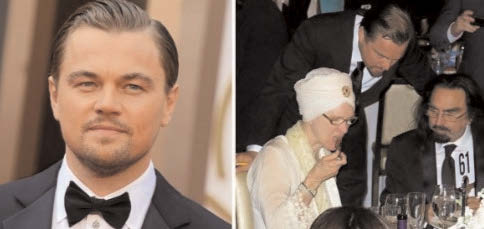
    LOS ANGELES (TIP): It may come as a surprise to many that Hollywood actor Leonardo DiCaprio’s stepmother is an Amritdhari Sikh who sports the 5 ‘Ks’. In the backdrop of strident debates on intolerance, peppered with hate crimes against Asians in general and Sikhs in particular, this news is refreshing.

    With the actor poised for a probable Oscar for “Revenent”, his Indian fans found all the more reason to cheer when news of Peggy Ann Farrar, his stepmother being an Amritdhari Sikh broke.

    According to reports, Peggy embraced Sikhism many years back, but has started wearing a turban recently. Peggy is Leo’s father George DiCaprio’s second wife. She married him in 1995, after he divorced Leo’s biological mother Irmelin Indenbirken when Leonardo was one-year-old. Leonardo DiCaprio is a heart-throb who commands millions for his work, while his bohemian father George is lesser known. The latter has been a comic book artist, editor and distributor.

    Quite conspicuous in her Indian traditional dress and turban, Peggy is often seen at award functions and other Hollywood events with her family. But the wave of appreciation for her has come with a dash of criticism. A video uploaded on YouTube claims that she cannot be described as an Amritdhari Sikh due to her connection with the Yogi Harbhajan sect. It also says that she has been seen participating in rituals of other faiths. But that may be the least of her concerns, given the troubled life of her biological son Adam Ferrar, who is said to have inspired his sibling Leo to adopt a career in acting. Adam has been on the wrong side of the law for possession of drugs, domestic violence and even an attempt to murder his former girl friend.

    A biography on Leonardo by Douglas Wight mentions how Peggy made the best of her new husband’s unconventional living arrangement with his ex-wife. To make sure Leonardo had a father figure all his life, George DiCaprio lived next door to Irmelin and the boy who would grow up to be a star. Peggy managed to maintain a harmonious relationship without any evidence of rancor.

    All said and done, the Indian connection has worked well for both Peggy and Leonardo.

    (Source TOI)

  • 14 Indian-Origin Students Picked to Compete in Top US Science Contest

    14 Indian-Origin Students Picked to Compete in Top US Science Contest

    NEW YORK TIP): Fourteen students from the Indian diaspora have been selected to compete for $1 million in prizes at the prestigious Intel Science Talent Search Competition this year by fielding high-level projects ranging from cancer vaccines to complex mathematical theories.

    They are among the 40 US high school students who made it to the finals of the competition sponsored by Intel Corporation and conducted by the Society for Science & the Public.

    Announcing finalists chosen from among 300 semi-finalists from across the nation on Wednesday, January 20 the president of the society, Maya Ajmera, said, “Finalists of the Intel Science Talent Search are the innovators of the future.”

    “Their research projects range from highly theoretical basic research to innovative practical applications aimed at solving the most vexing problems,” she added.

    Last year two Indian-Americans won second place medals and two others, third place medals in the competition.

    The finalists will travel to Washington in March for the competition that will award a total of more than $1 million in prizes from the Intel Foundation.

    The previous winners of the Science Talent Search competition include 12 Nobel laureates, two Fields Medals awardees and 18 MacArthur Foundation “Genius” Fellows.

  • Indian American Rajat Gupta released early for ‘good behavior’

    Indian American Rajat Gupta released early for ‘good behavior’

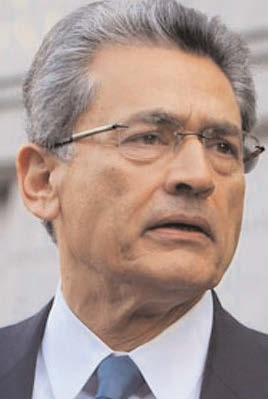
    NEW YORK (TIP): Indian American Former Goldman Sachs director Rajat Gupta is back home after serving 19 months in federal prison for leaking tips to hedge fund billionaire Raj Rajaratnam.

    Gupta was freed early after receiving credit for good behavior – will stay confined to his apartment until March with an ankle bracelet that will monitor his movements.

    Convicted in 2012 on insider trading charges, the IIT and Harvard-educated 67-year-old Rajat began serving a two-year prison term in June, 2014.

    He was freed from Federal Medical Centre Devens, a federal correctional facility in Ayer, Massachusetts, on January 5 to serve out the rest of the sentence at home after receiving credit for good behavior, New York Times reported.

    “Even though Gupta is no longer at Devens, he will remain a federal inmate until March 13, confined to his apartment and required to wear an ankle bracelet that monitors his movements,” the paper said.

  • Amitabh Bachchan, Priyanka Chopra Replace Aamir Khan as New Brand Ambassadors of Incredible India

    Amitabh Bachchan, Priyanka Chopra Replace Aamir Khan as New Brand Ambassadors of Incredible India

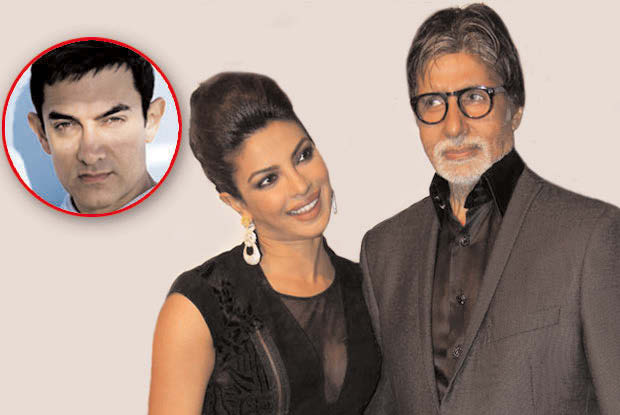
    NEW DELHI (TIP): Bollywood actors Amitabh Bachchan and Priyanka Chopra are all set to replace Aamir Khan as the new ambassadors of the Incredible India campaign.

    The selection of the two actors follows the Centre’s decision to discontinue the contract of actor Aamir Khan, who had angered the BJP-led government with his remarks on perceived intolerance in the country.

    The tourism ministry will be signing up the new faces of the campaign directly instead of going through an agency, which was protocol for past appointments.

    On the other hand, Khan had promoted Indian tourism for a decade as the brand ambassador.

    Defending Khan’s exit from the campaign, senior bureaucrat Amitabh Kant had said the actor, by terming India an ‘intolerant country’, worked against his role as that of a brand ambassador.

    Priyanka Chopra has been doing philanthropic work in the field of girl education and rights individually and as the UNICEF Child Rights Brand Ambassador since 2010.

    Amitabh Bachchan has been a major force behind the polio Eradication Campaign as UNICEF goodwill ambassador.

  • Nassau County Executive Mangano Announces Winter Storm Preparations

    Nassau County Executive Mangano Announces Winter Storm Preparations

    MINEOLA, NY (TIP): Nassau County Executive Edward P. Mangano announcedJanuary 20 that the Nassau County Department of Public Works (DPW) is prepared for the snowfall and flooding that is expected to hit the region on Friday, January 22nd. “Nassau County is monitoring the storm track and prepared to begin brining main County roadways, bridges and overpasses to prevent black ice from forming,” said County Executive Mangano. “DPW snowfighters are ready to keep our roadways clear and help ensuring residents have a safe commute.”

    Nassau County DPW has 28,000 tons of road salt and 3,650 tons of road sand on hand. DPW’s snowfighting fleet includes 103 plow/salt trucks, 20 pick-ups with plows and sanders, 10 payloaders and 3 brine trucks. Over the past 5 years, the snowfighting fleet has gone from an average age of 21 years old to 8.

    With the assistance of GPS, DPW supervisors monitor snowplows to determine when plows are down and where trucks are operating.

    With a deep winter freeze expected on Friday, County Executive Mangano encourages residents to begin preparing for the cold, snow and ice. To help ensure a safe winter season, Nassau County offers the following checklist:

    Property Owners:

    • Do not plow snow across the road or shovel snow from your driveway onto shoulders or roadways. ● Do not pile snow high near intersections or driveways obstructing others’ vision; Park vehicles away from the road and follow local parking ordinances related to snow removal. ● Keep rocks, timbers, fences, basketball hoops, garbage bins, reflectors and other items away from the road. ● Keep areas around mailboxes clear in order to assist in safe mail delivery and to help prevent damage to mailboxes. ● Maintaining the end of your driveway could decrease chances of getting plowed in, or having your mailbox damaged. ● Keep sidewalks and pathways clear for pedestrians.

    Children:

    • Never build snow forts, make tunnels, or play in ditches or snow banks by the road. ● Stay away from the edge of the roadway as you wait for the school bus, get the mail, or watch the snow plow. ● Stay away from the end of a driveway when a snow plow is approaching. ● Keep sleds and toys away from the roadways at all times. ● Remember, the plow driver can’t always see you.

    Drivers:

    • Drivers should use extra precautions on the roads this winter season, especially when driving near trucks that are plowing and salting. ● Always wear your seatbelt and allow extra time to reach your destination. ● Do your best to minimize distractions so your focus can be on driving. ● Don’t attempt to pass a snow plow vehicle while they are plowing. ● NEVER attempt to pass a snow plow on the right. Many plows are equipped with wings that weigh as much as a small compact car. ● Plows can suddenly move sideways from hitting drifts or by cutting through packed snow. ● Plow drivers have limited visibility and they cannot see directly behind their trucks. ● Avoid sudden starts, stops and turns. Accelerate carefully so car wheels don’t spin. ● Improve visibility by clearing all snow and ice from the entire car – hood, roof, trunk, turn signals, tail lights, headlights, windows, mirrors and fender wells. ● Driving with headlights on low-beam provides better road illumination in snow and fog than using high-beams.

    Family Disaster Plan:

    Families should be prepared for all hazards that affect their area and themselves. Follow these basic steps to develop a family disaster plan:

    Learn your community’s warning signals.

    Meet with your family to create a plan. Pick two places to meet: a spot outside your home for an emergency such as fire, and a place away from your neighborhood in case you cannot return home (a real possibility during the day when adults are at work and children are at school). Choose an out-of-area friend as your family check-in contact for everyone to call if the family becomes separated.

    Implement your plan. Post emergency telephone numbers by the phones. Install safety features in your house such as smoke detectors and fire extinguishers.

    Inspect your home for potential hazards and correct them.

    Have your family learn basic safety and first aid measures. Make sure everyone knows how and when to call 9-1-1 or your local emergency medical services phone number.

    Have disaster supplies on hand.

    Home Emergency Supplies:

    Winter has arrived and you should stockpile the following supplies in the event a winter storm or power outage prevents you from leaving your home.

    Flashlights and extra batteries.

    • Battery-operated radio and extra batteries. ● Emergency non-perishable foods that do not require refrigeration. ● Non-electric can opener. ● Bottled water. ● One week supply of essential medicines. ● Extra blankets and sleeping bags. ● First aid kit and manual. ● Fire extinguisher. ● Emergency heating equipment, used properly. ● Winterize Your Home

    Take the time now to get your home ready for the winter season by following these tips:

    ● Have your heating system checked by a professional annually. This will ensure that your system is working safely and efficiently which, in turn, will save you money. If you heat by wood, clean your fireplace or stove. Have your chimney flue checked for any buildup of creosote and then cleaned to lessen the risk of fire.
    ●Make sure your home is properly insulated. If necessary, insulate walls and attic. This will help you to conserve energy and reduce your homes power demands for heat.
    ●Caulk and weather-strip doors and windowsills to keep cold air out.
    ●Install storm windows or cover windows with plastic from the inside. This will provide an extra layer of insulation, keeping more cold air out.
    ●Inspect and flush your water heater.
    ●Clean gutters. Leaves and other debris will hamper drainage. Replace batteries of smoke, heat and carbon monoxide detectors. If you did not do it when you set the clocks back, do it now.

    Clearing Your Roof:

    As the snow and ice continues to build up, homeowners should think about safety before trying to clear the snow from their roof. Clearing roofs is a dangerous task. However, if you think safety, and work safely, you will get the job done. Here are some safety tips:

    ● When possible, use long-handled snow rakes or poles. ● If you must use a ladder, make certain that the base is securely anchored. Ask a friend, neighbor or adult family member to hold the ladder while you climb. ● Know where the snow is going to fall before clearing the area. ● Make certain not to contact electrical wires. ● If possible, do not attempt to clear the roof alone. ● If you are afraid of heights or think the job is too big for you, HIRE HELP.

    Protecting Water Pipes:

    To prevent the mess and aggravation of frozen water pipes, protect your home, apartment or business by following the simple steps below. ● To keep pipes from freezing: ● Wrap pipes in insulation or layers of old newspapers ● Cover the newspapers with plastic to keep out moisture ● Let faucets drip a little to avoid freezing ● Know how to shut off water valves

    Before Cold Weather:

    ● Locate and insulate pipes most susceptible to freezing, typically those near outer walls, in crawl spaces or in the attic. ● Wrap pipes with heat tape (UL approved). ● Seal any leaks that allow cold air inside where pipes are located. ● Disconnect garden hoses and shut off and drain water from pipes leading to outside faucets. This reduces the chance of freezing in the short span of pipe just inside the house.

    When It’s Cold:

    ● Let hot and cold water trickle at night from a faucet on an outside wall. ● Open cabinet doors to allow more heat to get to un-insulated pipes under a sink or appliance near an outer wall. ● Make sure heat is left on and set no lower than 55 degrees. ● If you plan to be away: (1) Have someone check your house daily to make sure the heat is still on to prevent freezing, or (2) drain and shut off the water system (except indoor sprinkler systems).

    If Pipes Freeze:

    ● Make sure you and your family knows how to shut off the water, in case pipes burst. Stopping the water flow minimizes the damage to your home. Call a plumber and contact your insurance agent. ● Never try to thaw a pipe with an open flame or torch. ● Always be careful of the potential for electric shock in and around standing water.

    Staying Warm Indoors:

    If heat goes out during a winter storm, you can keep warm by closing off rooms you do not need. Losing your heat when winters winds are howling is not pleasant. However, by following these simple tips, you will weather the storm more comfortably.

    Use only safe sources of alternative heat such as a fireplace, small well-vented wood or coal stove or portable space heaters. Always follow manufacturer’s instructions.

    Dress in layers of lightweight clothing and wear a cap.

    Eat well-balanced meals.

    If The Lights Go Out:

    If you lose electrical service during the winter, follow these tips:

    Call your utility provider first to determine area repair schedules. Turn off or unplug lights and appliances to prevent a circuit overload when service is restored. Leave one light on to indicate power has been restored.

    To help prevent freezing pipes, turn on faucets slightly. Running water will not freeze as quickly.

    Protect yourself from carbon monoxide poisoning:

    ● DO NOT operate generators indoors; the motor emits deadly carbon monoxide gas. ● DO NOT use charcoal to cook indoors. It, too, can cause a buildup of carbon monoxide gas. ● DO NOT use your gas oven to heat your home — prolonged use of an open oven in a closed house can create carbon monoxide gas. ● Make sure fuel space heaters are used with proper ventilation. ● Keep refrigerator and freezer doors closed as much as possible to help reduce food spoilage.

    Generator Safety:

    Electric generators can provide you with piece of mind and convenience when you are faced with a temporary loss of electric service. Follow these safety guidelines when operating a generator:

    ● Before installing a generator, be sure to properly disconnect from your utility electrical service. If possible, have your generator installed by a qualified electrician. ● Run generators outside, downwind of structures. NEVER run a generator indoors. Deadly carbon monoxide gas from the generators exhaust can spread throughout enclosed spaces. Install a carbon monoxide detector. ● Fuel spilled on a hot generator can cause an explosion. If your generator has a detachable fuel tank remove it before refilling. If this is not possible, shut off the generator and let it cool before refilling. ● Do not exceed the rated capacity of your generator. Most of the small, home-use portable generators produce from 350 to 12,000 watts of power. Overloading your generator can damage it, the appliances connected to it, and may cause a fire. Follow the manufacturer’s instructions. ● Keep children away from generators at all times.

    Fire Safety:

    ● Wood-burning stoves, fireplaces and heaters can add a cozy glow, but make sure you are using them safely. ● Always keep a screen around an open flame. ● Never use gasoline to start your fireplace. ● Never burn charcoal indoors. ● Do not close the damper when ashes are hot. ● When using alternative heat sources such as a fireplace, woodstove, etc. always make sure you have proper ventilation. Keep curtains, towels and potholders away from hot surfaces. ● Have your chimney checked before the season for creosote buildup — and then clean it. ● Have a fire extinguisher and smoke detectors and make sure they work!Establish a well-planned escape route with the entire family.

    Fireplaces:

    ● Keep the area around the hearth clear of debris, decorations and flammable materials. ● Leave the glass fireplace doors open while you are burning a fire. Close the doors when the fire is out. ● Always use a mesh screen with fireplaces that do not have glass doors. ● Do not use excessive amounts of paper when lighting a fire. ● Avoid using liquid fire starter or other flammable liquids to start a fire.

    Kerosene Heaters:

    If you use kerosene heaters to supplement your regular heating fuel, or as an emergency source of heat, follow these safety tips:

    Follow the manufacturer’s instructions.

    Use only the correct fuel for your unit. ● Refuel outdoors ONLY and only when the unit is cool. ● Keep the heater at least three feet away from furniture and other flammable objects. ● When using the heater, use fire safeguards and ventilate properly.

    Carbon Monoxide Poisoning:

    Carbon monoxide poisoning is a silent, deadly killer claiming about 1,000 lives each year in the United States. Such common items as automotive exhaust, home heating systems and obstructed chimneys can produce the colorless, odorless gas. The gas can also be produced by poorly vented generators, kerosene heaters, gas grills and other items used for cooking and heating when used improperly during the winter months.

    ● NEVER run generators indoors. Open a window slightly when using a kerosene heater. ● NEVER use charcoal to cook indoors. ● NEVER use a gas oven to heat your home. ● Symptoms of carbon monoxide poisoning include sleepiness, headaches and dizziness. If you suspect carbon monoxide poisoning, ventilate the area and get to a hospital.

  • Winter Storm Jonas to hit East Coast

    Winter Storm Jonas to hit East Coast

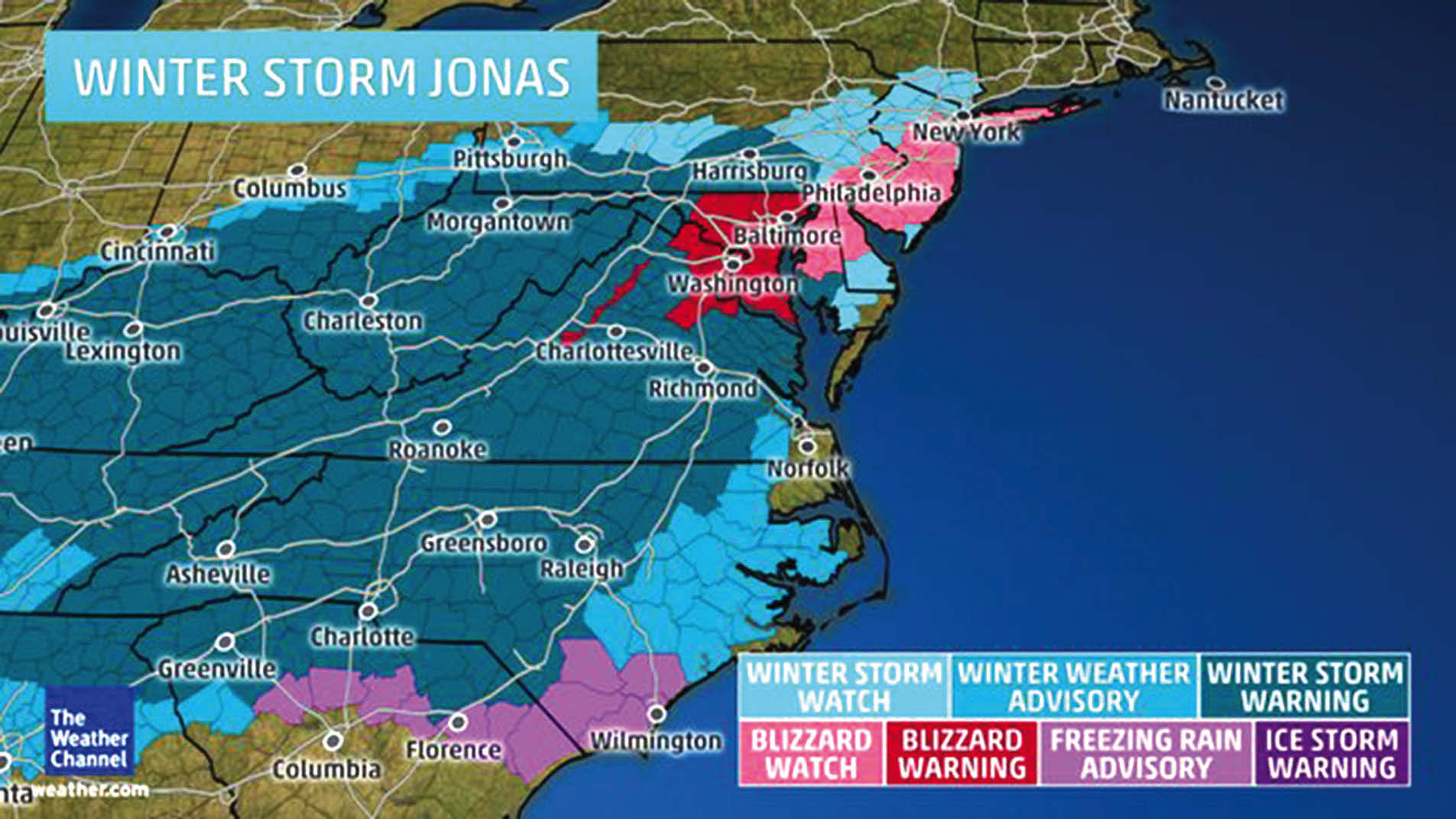
    NEW YORK (TIP): The monstrous winter storm is coming to disrupt life, starting Friday, January 22. After an initial round of snow and ice, Storm Jonas will turn into a major snowstorm for the East Coast with strong, possibly damaging winds, significant icing and coastal flooding.

    Heavy snow is expected to fall across parts of at least 15 states, with blizzard conditions possible over parts of the Washington D.C., Baltimore and New York City metro areas.

    More than 50 million people could be affected by the “potentially paralyzing storm” headed for the East Coast this weekend, according to National Weather Service Director Louis Uccellini said on a call with reporters Thursday afternoon. CNN put the figure at 75 million.

    The New York area will face the storm early Saturday for its first winter storm of the season and could see up to 8 inches of snow by Saturday night. Temperatures in the city are forecast to drop into the high 20s to the low 30s, according to the National Weather Service.

    New York City Mayor Bill de Blasio said during a news conference on Thursday, Jan 21, that anyone in the area who planned to take “big trips over the weekend, get that out of your mind” and urged motorists to stay off the road.

    CNN predicts it will be “one nasty snowstorm” that could leave the cities covered in a couple of feet of snow. The storm will start in the south and the Ohio Valley on Friday before moving north on Friday night and into Saturday morning, AccuWeather reported. By Sunday night, it will be over.

    The storm could shut down highways and airports, according to AccuWeather. “This could be a long-duration snowfall that could last more than 24 hours in some locations,” AccuWeather meteorologist Elliot Abrams said.

    Howling winds and pounding surf along the coasts could cause “substantial” beach erosion and coastal flooding, as well as property damage, the National Weather Service said.

    Parts of Missouri, Kentucky, West Virginia, Virginia and North Carolina can expect ice accumulations that will mean slick roads, tree damage and power outages, AccuWeather said.

    Snow and Ice Impacts

    • At least 6 inches of snow likely: I-95 corridor northward through New York City/Long Island, westward into the Ohio Valley and northwest Tennessee.
    • At least 1 foot of snow likely: Eastern Kentucky into most of West Virginia, Virginia except southeast portion, most of Maryland, D.C., northern Delaware, far southern Pennsylvania and extreme northwest North Carolina. Parts of these areas may see more than 20 inches of total snowfall.
    • Sharp snowfall gradient: There remains considerable uncertainty regarding snow amounts on the northern edge of Jonas’ snow shield from Pennsylvania to southern New England. These areas could see snowfall exceeding 6 inches, but confidence is not as high as areas just to the south.
    • Ice: The highest probability of accumulating ice to the extent of not only leading to slick roads, but also some tree damage and power outages is also possible.

    High Winds

    • Strongest wind potential: Delmarva Peninsula, Chesapeake Bay, New Jersey and Long Island Saturday. Occasional gusts to 60 mph, coupled with the weight of wet, heavy snow in some of these areas, will likely lead to power outages, downed trees and limbs, and perhaps some structural damage.
    • Additional strong gusts: Washington and Baltimore metropolitan areas, where blizzard conditions are possible; New England coast, particularly southeast New England, Cape Cod, Nantucket Island and Martha’s Vineyard; North Carolina’s Outer Banks. There will also be rather strong winds gusts in the Mid-South region of west Tennessee, southeast Missouri, eastern Arkansas and northwest Mississippi Friday that could also produce local blizzard conditions in spots. The combination of heavy snow and these strong winds could lead to power outages and some downed trees/limbs.

    Predictably, meteorologist message boards & social media are abuzz with the storm’s potential. One leading meteorologist on Twitter has already dubbed the storm a “blockbuster blizzard for the ages.” The person who literally wrote the textbook on major Northeast winter storms, Paul Kocin, wrote on Tuesday, Jan 19, that this week’s storm is “textbook.” Another meteorologist called the storm’s predicted evolution “perfection.”

  • Melinda Katz shares her vision ‘Only in Queens’ in the State of the Borough address

    Melinda Katz shares her vision ‘Only in Queens’ in the State of the Borough address

    QUEENS, NY (TIP): Borough President Melinda Katz shared some of the milestones reached in the first half of her term in office and outlined the priorities for the future of Queens in her second annual State of the Borough Address, delivered Thursday, January 21 morning at Colden Auditorium on the campus of Queens College.

    Building upon last year’s theme of “If It’s Good For Our Families, It’s Good For Queens,” Borough President Katz this year highlighted the ways in which the borough’s diversity is “an asset not just for Queens but for all New Yorkers.”  She cited the “inherent opportunity – by both necessity and design – to meet challenges with more creativity, more perspectives, and more innovation. And what may be Only in Queens today sets the template for our country of tomorrow.”

    Among the policy areas discussed in the speech included Economic Development, Education, Housing, Parks, Tourism and Culture, Transportation and Constituent Services. A copy of the full State of the Borough Address as prepared for delivery can be found at www.queensbp.org/speech-sotb- 2016.pdf.

    The Address concluded with special appearances from New York Mets General Manager Sandy Alderson, former player Edgardo Alfonzo and Manager Terry Collins. Borough President Katz praised the “hometown heroes” for their 2015 National League Championship victory that “reminded us what it means to believe”, likening their “true grit, determination and heart” to the “Queens identity.”

    Immediately following the State of the Borough Address, guests enjoyed a brief reception with refreshments provided by Paul Evans Catering.

    The 2016 State of the Borough event was partly sponsored by JetBlue Airways Corporation, headquartered in Long Island City, Queens.

  • Sarah Palin endorses Donald Trump

    Sarah Palin endorses Donald Trump

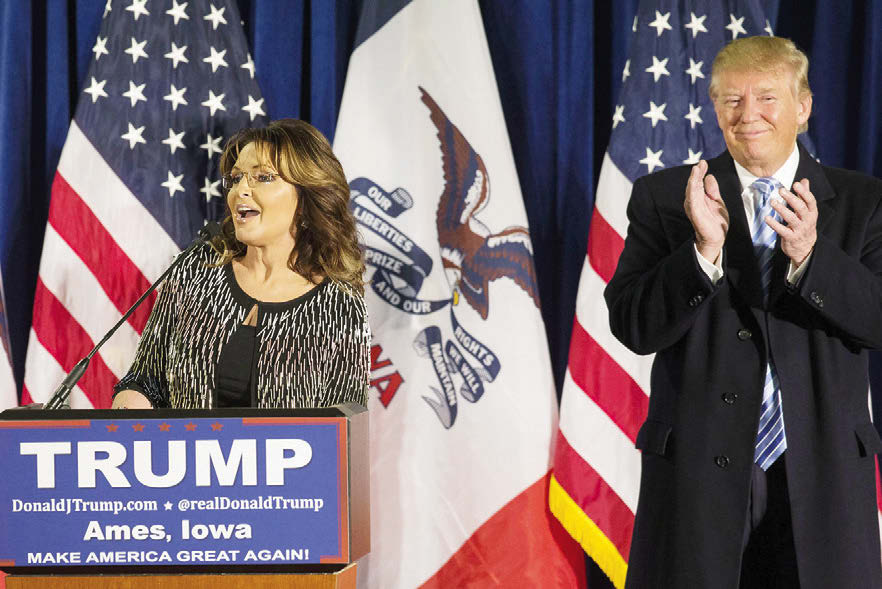
    AMES, IOWA (TIP): Republican presidential front-runner Donald Trump received a key endorsement Tuesday, January 19, from Tea Party darling and conservative heavy weight Sarah Palin, potentially giving the billionaire business-man a boost with some voters less than two weeks before voting begins with the Iowa caucuses.

    “Media heads are spinning,” she said after taking the stage at a Trump rally at Iowa State University in Ames. “This is going to be so much fun.”

    Palin is a former Alaska governor and was the running mate of Arizona Sen. John McCain in his 2008 bid for the White House. She said that with Trump as president, America would no longer apologize.

    “No more pussy-footing around,” she said, adding that Trump would allow the military to do its job and destroy the Islamic State in Iraq and the Levant (ISIL). “He’s going rogue left and right. That’s why he’s doing so well.” Her memoir was titled “Going Rogue” after a remark made by a McCain staffer who said she was off-message during the campaign.

    “I am greatly honored to receive Sarah’s endorsement,” Trump said in a statement announcing her support. “She is a friend and a high-quality person whom I have great respect for. I am proud to have her support.”

    He is in a tight contest with Sen. Ted Cruz of Texas for the support of Iowa Republicans, who lean conservative and whose evangelical Christians make up a major voting bloc.

    Joe Brettell, a Republican strategist in Texas, said he thought Palin would not help Trump much “beyond a jolt in the news cycle.”

    Lindsey Graham – a Republican senator from South Carolina said, “Sarah Palin can’t save Donald Trump from being crazy,” referring to some of Trump’s proclamations, such as a plan to bar Muslims from entering the U.S., which Graham said made Trump unelectable.

    Trump also received an endorsement from Aissa Wayne, the daughter of movie star John Wayne. Standing in front of a life-size rifle-toting model of the actor in full cowboy gear, Trump accepted her endorsement at the John Wayne Birthplace Museum in Winterset, Iowa.

    “America needs help, and we need a strong leader, and we need someone like Mr. Trump with leadership qualities, someone with courage, someone that’s strong, like John Wayne,” she said.

  • Oil prices plunge and trigger global market sell-off

    Oil prices plunge and trigger global market sell-off

    NEW YORK (TIP): Energy companies were pummeled as the price of crude oil sank 7 percent hit new lows of less than$27 a barrel, threatening more damage to an industry that has already been stricken with bankruptcies, layoffs and other cutbacks.

    The price of U.S. crude fell below $27 a barrel amid a global glut in oil supplies that seems to be getting worse. That’s the lowest price since May 2003 and a far cry from the $100 a barrel it fetched in the summer of 2014.

    Wednesday, January 20

    US stocks sank more than 2 per cent, with petroleum stocks diving, joining Asia and Europe in a sell-off prompted by sliding oil prices and worries about lower growth. The Dow Jones Industrial Average was down 428.81 points at 15,587.21 in early trade.

    Falling crude price and weakening global sentiments hit Indian bourses hard with the benchmark indices sinking to 20-month lows. Coinciding with this, the rupee breached the 68/$ mark, the lowest level since September 2013, before closing at 67.96.

    All the indices on the NSE ended in the red, with Nifty PSU bank, Nifty Realty and Nifty Metal being the top three losers. Vedanta, Hindalco Industries, Adani Ports and Special Economic Zone, Punjab National Bank and State Bank of India were the top five losers in the Nifty 50. India VIX, which measures the market’s expectation of volatility in the near term, jumped 13.75 per cent to 20.9650.

    Once market favorites, mid- and small-caps are taking a beating. Nifty Midcap 100 and Nifty Smallcap 100 declined 1.8 per cent and 2.37 per cent, respectively.

  • French President Francois Hollande arrives in India January 24 on a 3-day visit

    French President Francois Hollande arrives in India January 24 on a 3-day visit

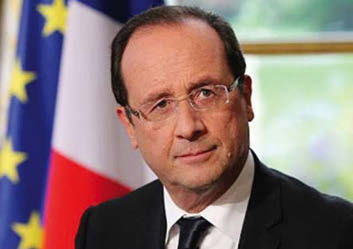
    NEW DELHI (TIP): French President Francois Hollande will arrive in a French architect Le Corbusier’s city, Chandigarh, on a 3-day visit on January 24. He will leave on January 26 after attending the at-home function at the Rashtrapati Bhavan.

    PM Modi and Hollande are likely to discuss defense, counter-terrorism and solar energy issues.

    During the visit, Modi and Hollande will inaugurate the international secretariat of the International Solar Alliance, which is being housed at the institute of solar energy at Gurgaon’s Gual Pahari.

    After landing in Chandigarh, Hollande will visit the most frequented tourist spots of the city accompanied by PM Modi. The city’s famous Rock Garden will also be a part of the tour.

    Before leaving for the national capital in the evening on January 24, both leaders will address the CEOs forum in Chandigarh. A number of business-to-business agreements are likely to be signed, sources revealed.

    On January 25, the French President’s engagements will begin with a meeting of business leaders and CEOs. He will also be given a ceremonial welcome at the Rashtrapati Bhavan. Later, he will visit Rajghat to pay tributes to Mahatma Gandhi. The talks with PM Modi, both in restricted format and delegation level, are scheduled for the same day, with a number of agreements likely to be inked after the discussions. The day will end with President Pranab Mukherjee hosting a banquet for him.

    On Republic Day, Hollande will attend the parade as chief guest, which will be followed by a private lunch with French and Indian celebrities. Before leaving for Paris, he will also attend the at-home program at the Rashtrapati Bhavan’s Mughal Gardens. Hollande will be the fifth French leader to be a Chief Guest at India’s Republic Day celebrations – the maximum number from any country so far, with earlier such visits being in 1976, 1980, 1998 and 2008. Sources added that the French contingent marching at the Republic Day parade will be something unique. India, too, had sent its troops at French national day parade in July 2009.

    The visit comes almost nine months after Modi visited France, in his first bilateral visit to Europe. During the visit, 19 pacts were signed encompassing diverse areas of cooperation such as nuclear energy, space, railways, conservation of cultural heritage, science and technology, sports, tourism, human exchanges, renewable energy and twinning of historical monuments. While a deal on Rafale fighters is expected, officials said that last round of negotiations were still underway.

  • Volume 10 Issue 03 | New York / Dallas

    Volume 10 Issue 03 | New York / Dallas

    Celebrating 10 Years of The Indian Panorama

    10 years

    A New Way to Read This Week’s Print Edition

    Reimagined for the Web
    Volume 10 Issue 03 | Desktop Edition | Jan 22

    Resolution (PDF) Normal


    Introducing Home Delivery Subscription:

    As a home delivery subscriber to The Indian Panorama, you enjoy the convenience and reliability of having the printed newspaper delivered to you first thing in the morning every Saturday.

    This incredible offer is available for 2016 at an introductory price of $5 per month (including shipping & handling – US Only). To know more email subscriptions@theindianpanorama.news

    Your subscription includes free Digital Access to www.theindianpanorama.news at no additional charge.


    Advertise with The Indian Panorama 

    Screen Shot 2016-01-08 at 11.58.35 AM
  • Making of a terrorist: Babri Masjid demolition triggered Azhar’s jihad

    Making of a terrorist: Babri Masjid demolition triggered Azhar’s jihad

    Masood Azhar, the stodgy, 5ft 3-inch Maulana, under detention for the audacious attack on Pathankot’s air base has had his eyes firmly set on India for two decades now.

    Most remember he was flown to freedom by a special plane on December 31, 1999 so that 155 passengers on board a hijacked plane to Kandahar could be rescued but few know that when Azhar first landed in India in 1994 on a fake Portuguese passport, Srinagar was not the city he first went to.

    The Maulana chose Lucknow as his first stop after landing at Delhi’s international airport on January 29, 1994.

    Reaching Ayodhya was far more important because the demolition of the Babri Masjid was the spark that ignited his desire for jihad. His visit to the disputed site, where all that was left of the Babri Masjid was rubble, is an experience best narrated in the Maulana’s own words.

    “I remember the day I was standing there. In front of me lay the Babri Masjid in ruins. Angrily, I was stamping the ground, squashing the Indian soil with my shoes and saying, ‘O Babri Masjid, we are ashamed, O Babri Masjid, we are sorry… you were a sign of our glorious past and we will not rest till we restore you to your former glory.’”

    These lines — translated by intelligence officials from tapes that sold openly in Bahawalpur, his home town in Pakistan’s Punjab — became part of speeches he gave to indoctrinate and motivate the militant cadre.

    Azhar, who formed the Jaish-e-Mohammad (Army of the Prophet) only after his release in Kandahar, started his learning at the Jamia Islamia school in Karachi’s Binori mosque, where he found himself in the company of students who were under the influence of leaders of the Harkat-ul-Mujahideen (HuM), a militant organization that was then active in Afghanistan and later extended its activities to Kashmir.

    The Maulana may never have turned his attention to India or Kashmir were it not for the demolition of the Babri Masjid. He was content playing the role of a ‘journalist’ through a militant journal called Sada-i-Mujahid (Knock of the Mujahid). He spent time spreading the message of jihad through his writings and also travelled to collect funds for his comrades in Afghanistan, where he went for training but failed because he was overweight.

    He was good at procuring donations through his speeches, he told interrogators after he was arrested in Kashmir.

    He came to the Valley – after a brief stop in Ayodhya – with a precise mission: To motivate the militants. Once in Srinagar, he contacted Sajjad Afghani, a sharpshooter who had performed bravely against the Russians in Afghanistan and whom Azhar had first met at the training camp in Yuvar in Afghanistan.

    Word had already reached Srinagar and the neighboring district of Anantnag that the Maulana had arrived and that he would soon be visiting and addressing them.

    Sajjad joined him at the mosque in Lal Bazaar that evening and they set off for a remote village in Anantnag, about 70km from Srinagar.

    The meeting or majlis-e-jehad that took place there is once again best described in Azhar’s own words: “About 25 armed mujahideen were gathered at a small house in the village. They greeted us warmly and soon a religious discourse began. The young men’s chests were decorated with magazines and within them burned the flame of courage and bravery. All of them were listening to me intently and their AK-47s lay cradled in their laps like children in their mother’s care. Some of them also had carbines and rocket launchers that they must have seized from the army. Three or four of our soldiers were guarding the door downstairs and they had wanted to join us too but then duty came first and they had to be content with listening to me over their wireless sets.”

    “After the majlis ended, my brothers stretched out on the floor and I decided to go down and join the mujahedeen who were on guard duty. Before I did that, I picked up a Kalashnikov and after feeling the weapon in my hands, found that it was ready to talk to the mushrikeen (enemy). The bullet was in the chamber and it was ready to fire and I felt ecstatic at the thought of enemy soldiers falling… my joy knew no bounds as I held the loaded gun in my hands.”

    Two days later, he was arrested along with Sajjad.

    Azhar spent the next few months in the hands of various interrogating officials, drawn from agencies like the Intelligence Bureau and the Research and Analysis Wing. The interrogating officer for Kashmir’s counter-intelligence wing, after several days of trying to break Azhar, interestingly noted in his report that “he (Azhar) was not himself involved in any subversive activity in Kashmir”.

    It was soon after his arrest that I had a chance to meet him. Azhar refused to look me in the eye for his religion forbade eye contact with women. It didn’t matter at all that the Indian Army surrounded him or that he was in captivity. He had no problems, rather, no reservations, narrating what he had done in the two days that he had spent in the Valley. He was fortunate, I remember him telling me, that Allah had chosen him for what he called an Islamic duty and his only regret was that he had been captured and not killed.

    “Had he been tortured?” I asked him. Driven by rage — he broke his own rule — and looking me straight in the eye and said sarcastically, “No, the army has been showering me with petals.”

    Unknown to his interrogators, the Pakistan establishment was devising desperate strategies to secure the Maulana’s release. The Pakistan high commission in Delhi even wrote to the ministry of external affairs. Azhar was also charged with an attempted jail break while he was in custody in Jammu.

    The plan to free Azhar finally came through after he was swapped in exchange for passengers in Kandahar. For Azhar himself, it was a moment when he had been blessed.

    His flight to freedom is, once again, best described by him. “The plane was flying high and heading for Pakistan and soon it would be over Baluchistan and then over Afghanistan… Jaswant Singh, the minister of Bharat, sat in the very first row. He had a personal physician with him who gave him some tablets. The cabin crew politely offered us refreshments but we declined, saying we were fasting. We were neither hungry nor thirsty but lusting for the freedom that would soon be ours. The historic moment arrived when the plane started descending…”

    “…The runway flashed by and I felt a mixture of emotions. The land where the plane had touched down, everything belonging to it was intensely dear to me. Mullah Omar (the one-eyed leader of the Taliban), the person whose deep love filled my heart, lived here in Kandahar. He, whose presence is a true blessing for Muslims, had made Islam proud. When I was in prison, I desperately yearned to behold this city and kiss the hand of Mullah Omar… The plane was racing towards the airport building and the sight of the beautiful faces of the thousands of Taliban armed guards was adding joy to my heart…”

    “A few feet away stood the Indian plane that had been hijacked a week ago. As I watched mesmerized, two masked men came down on a rope ladder and ran towards our car and hugged me in a warm embrace. A storm of emotions washed over us and tears welled up in our eyes. Had the world seen those tears, they would have known why these soft-hearted men — being called terrorists and extremists — had taken this step. It was because of the atrocities committed by India…”

    “…Both my hands were free and I was sitting in a Taliban car heading towards freedom, a freedom about which my prayer is: Ya Allah, make it a precursor to the liberation of Kashmir, the Babri Masjid and the Masjid-al-Aqsa (Jerusalem).”

    That freedom has been curtailed for the first time. Azhar, who formed the Jaish-e-Mohammed in 2001, is once again under the scanner for his and his organization’s role in the Pathankot attack. Once again, he finds himself under the scrutiny of AK Doval, the national security adviser who as a senior Intelligence Bureau officer then, was a key negotiator — talking to the hijackers — on the same tarmac where the Maulana had regained his freedom.

    HARINDER-BAWEJA

    By Harinder Baweja

  • 67th Republic Day of India | Greetings from Edward P. Mangano Nassau County Executive

    67th Republic Day of India | Greetings from Edward P. Mangano Nassau County Executive

    Dear Friends,

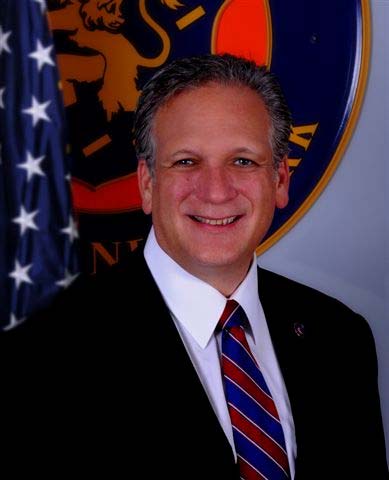
    I am pleased to extend my greetings to the readers of The Indian Panorama and to all those that are celebrating the historic 67th Anniversary of the Republic Day of India.

    Americans’ of South Asian heritage have enhanced the economic, social and cultural enrichment of our country and local communities, earning the respect and admiration of their fellow citizens. They are to be commended for their outstanding contributions, which have enhanced numerous aspects of heritage, history, literature, and social life.

    As the Nassau County Executive, it gives me great pleasure to honor the South Asian American community on the occasion of the anniversary of the Republic Day of India, in fitting tribute to the vital and vibrant contributions that South Asian Americans’ have made to the quality of life in Nassau County and throughout the nation.

    Best wishes for continued success in all your endeavors.

    Sincerely,

    Edward P. Mangano

    County Executive

  • 67th Republic Day of India | Greetings from Syed Akbaruddin

    67th Republic Day of India | Greetings from Syed Akbaruddin

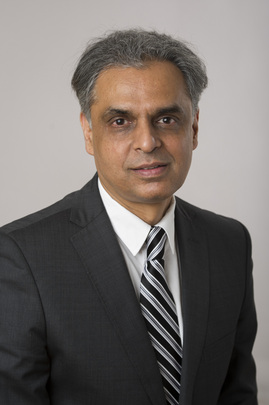
    The Permanent Mission of India to the United Nations congratulates the team of Indian Panorama for publishing this special issue on the occasion of the 67th Republic Day of India. On the occasion of the 67th celebration of Republic Day, I extend my warmest greetings to all Indian origin community in America.

    66 years ago, the people of India adopted our Constitution with a dream of building a nation on the fundamental principles of equality, justice, liberty and fraternity. In this short span of time, India has established itself as a rising global power, deriving strength from its over one billion people, ancient wisdom, values, traditions, scientific outlook, robust economic growth and rich natural resources. We are also proud that India is counted among the few nations that have robust space and nuclear programmes.

    As one of the founding members, India has enriched United Nations and the goals of UN Charter with its political and civilizational ethos. We have selflessly shared with the world our vision of vasudeve kutmbhkam and Om Sarve Bhavantu Sukhinah, bringing valuable contributions to the three pillars of the United Nations’ work: international peace and security, development and human rights. The proclamation of June 21 as the International Day of Yoga last year is the most recent example of India’s quest for healthy living.

    We have also played a key role in the evolution of the UN’s specialized programmes and agencies, and UN global initiatives including peacekeeping, global disarmament, fight against apartheid and decolonization. India respects foremost the sovereignty of nations, rule of law, pluralism, peaceful coexistence and non-interference.

    As a responsible nuclear power, India desires a peaceful, secure and stable environment for development. We are an important partner in UN Peacekeeping operations, and have contributed nearly 180,000 troops, the largest number from any country, participating in more than 44 UN-Peacekeeping Missions.

    India is the founding member of NAM and G77 and has acquired the leading role of pursuing the aspirations of developing countries and the creation of a more equitable international economic and political order. Similarly, as a long standing member of the Human Rights Council, India is committed to work tirelessly for the promotion and protection of human rights.

    Despite all progress, the 21st century remains fraught with existing and newly emerging challenges including terrorism, violent extremism, armed conflict, epidemics, natural disasters, poverty eradication, climate change and inequality. India is a strong advocate of the policy of “zero tolerance” on terrorism. India is a committed partner in the spirit of multilateralism to achieve comprehensive and equitable solutions to these challenges.

    The year 2015 was a historic milestone in the history of multilateral cooperation culminating in the adoption of the “transformative” Agenda 2030 for Sustainable Development, Addis Ababa Action Agenda on Financing for Development and the UNFCCC Paris Agreement on Climate change. There is no doubt that the ‘transformation’ desired to be achieved by 2030 can become a reality only if we uphold the inalienable right of every person to development and create an equitable and just international order for its full realization.

    It is our strong belief that the way forward is to address the much needed UN reforms, including the expansion of the Security Council in both permanent and non-permanent categories. This is an imperative for the collective efforts of the international community to realise the objectives of internationally agreed goals.

    Our Government is committed to transform India as a global power. Though the journey is long and arduous, our resolve is stronger.

    I wish the team of Indian Panorama and the Indian origin community a very happy new year and congratulate them for making India proud of their valuable contributions to society.

    Syed Akbaruddin

  • 67th Republic Day of India | Greetings from Dnyaneshwar M Mulay

    67th Republic Day of India | Greetings from Dnyaneshwar M Mulay

    I am happy to note that the Indian Panorama is bringing out a fully illustrated issue to mark the 67th Republic Day of India. On this occasion, I congratulate the Indian community based in US and convey my greetings and best wishes to the readers of The Indian Panorama.

    India in these 67 years of existence as a Republic has made tremendous strides at the national level as well as on the international stage. With its regular elections since 1952 and successful transfers of power, it has established an unmatched legacy as the largest democracy of the world.

    In our ever complex and increasingly challenging global environment, India with its strong heritage and equally strong capabilities has been playing an important role on the world stage. Whether it is peace keeping operations of the UN or technical assistance under its development partnership program (ITEC), India has always been ready to take on her responsibilities towards both international and regional partners. Towards this end, India has proactively cooperated with the major countries of the world and built strategic partnerships both at bilateral and multilateral levels.

    India-US relations have also reached a new high with cooperation extending to diverse fields such as nuclear energy, space, cyber security, counter-terrorism, science & technology, health and education as well as high level visits including two visits by the Hon’ble Prime Minister of India Shri Narendra Modi in 2014 and 2015 and the visit of the President of the United States Mr. Barack Obama as the Chief Guest at the Republic Day celebrations in 2015.

    The Indian Diaspora needs a special mention on this occasion. Overcoming formidable multiple challenges, over 4 million people of Indian origin have already created a strong imprint in the US. Their contributions in the fields of economic, culture, education, health and medical services, media and IT industry have been commendable and have built a strong bridge between their country of origin and their country of adoption.

    Through this Special Issue of the Indian Panorama, I once again convey my greetings and best wishes to the Indian Diaspora proud and auspicious occasion of the 67th Independence Day of India.

    ज्ञानेश्वर म. मुळे

  • 67th Republic Day of India | Greetings from Harish Parvathaneni

    67th Republic Day of India | Greetings from Harish Parvathaneni

    I extend my greetings and best wishes on the joyous occasion of Republic Day, through this Special Illustrated Issue of The Indian Panorama commemorating the 67th Republic Day of India, to Indian Citizens, the Indian American community and Friends of India in Texas and other States of USA served by the Consulate General of India, Houston.

    The Republic day is an occasion to rededicate ourselves to the values and ideals of the Indian constitution and the vision of the leaders of our Freedom Struggle.  These values have helped consolidate our democracy, strengthened our diverse society, nurtured our plural polity and bind our countries and peoples.

    I am fortunate to be serving in Houston at a time of a huge upswing in bilateral relations cemented by high level visits undertaken by Prime Minister Shri Narendra Modi and President Mr. Barack Obama. Texas has been the focus state for Indian investments in the US with the largest share of inbound Indian investments and jobs created in the US. Texas and Houston are home to numerous Indian oil and gas companies and manufacturing sector industries, and Dallas hosts numerous Indian companies in the Information Technology sector. We look forward to the first shipments of LNG from the US to India next year from Sabine Pass Terminal, further strengthening our energy sector cooperation.

    We have had a successful high level trade delegation led by the then Mayor of Houston Honorable Annise Parker in April 2015 and look forward to arranging a high level visit and accompanying trade delegation to India this year led by Texas Governor Honorable Greg Abbott.

    This is a special occasion for members of the Pravasi Bharatiya community who have distinguished themselves in India and the US by their hard work, contributions to nation building and community service. I specifically mention the numerous Indian students and faculty in institutions of higher learning in our consular jurisdiction who by their efforts and personalities bring together academia and research communities in India and US.

    On this joyous occasion of Republic Day, my best wishes to all for peace, progress and prosperity!

    Harish Parvathaneni


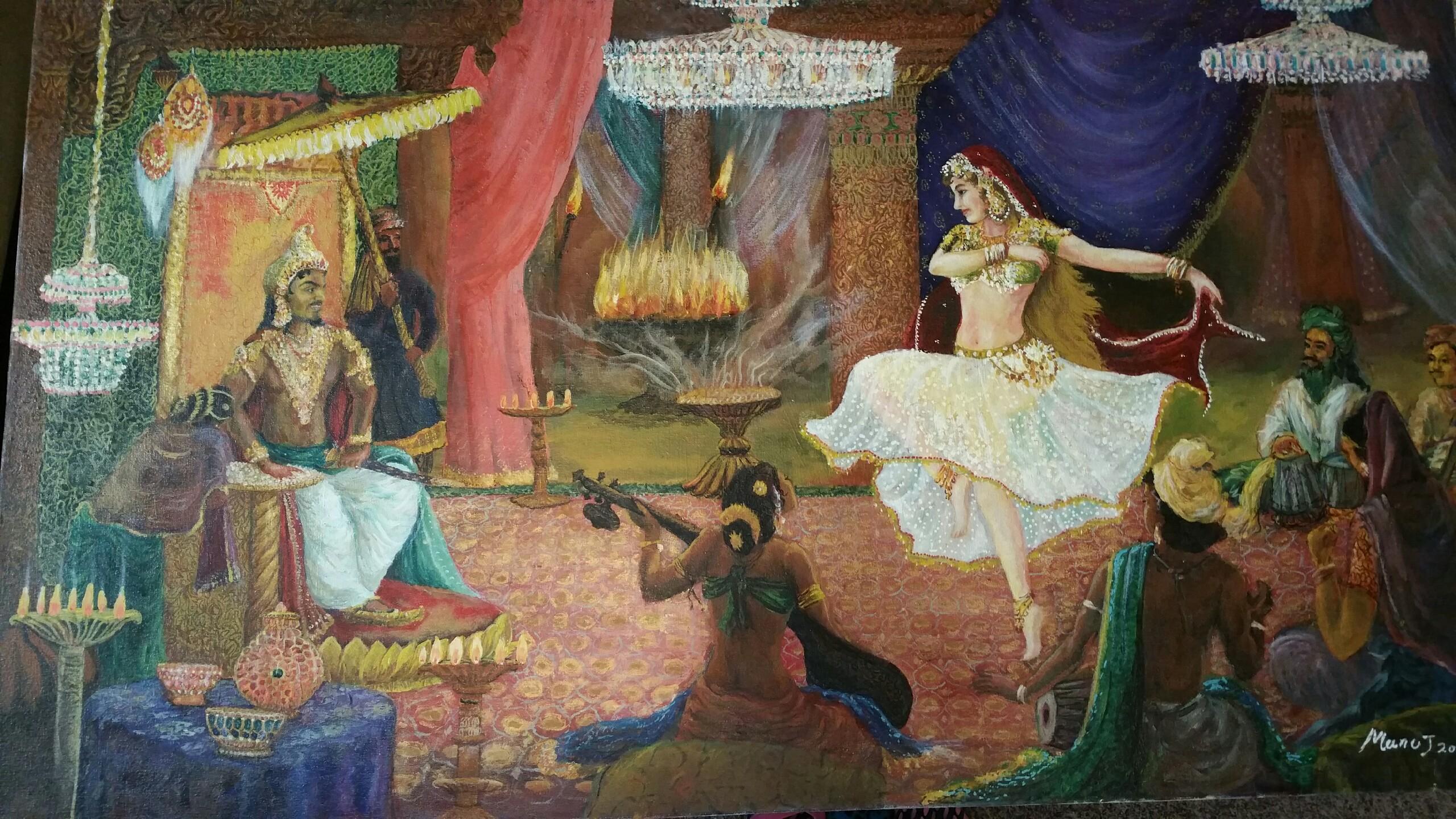
  • Bajirao Mastani of Manoj Vyas

    Bajirao Mastani of Manoj Vyas

    Born in India in 1956, Manoj Vyas began painting at the age of 8 when he
    amazed his father with his first mixed medium painting that he created out of
    whole rice. His father gave him paper and pencil encouraging him to draw on
    paper. But Manoj’s drawing found other mediums also. Many times he
    painted with coal and brick on the walls of the neighbors’ houses in his block
    and school rooms, and got scolded and spanked by them.

    He began participating in all drawing and painting competitions at his school
    and soon won a Drawing and Rangoli competition. He also sketched all his
    classmates’ portraits at school. His first recognition came when he won the
    Second Prize from Gujarat state in statewide competition. To continue his
    passion for painting, he joined the SSG School of Arts first, and then the
    famous Sir J.J. School of Arts in Bombay from where he got his Art degree.

    His first job was with Bombay’s prestigious daily newspaper Indian Express as
    a sketch and layout artist. His struggle continued even when he immigrated
    to the U.S. in 1985. But even here, his first job took him to the then
    prestigious and famous India Abroad newspapers where he worked 7 days a
    week. Unable to travel to participate in painting competitions and shows due
    to family obligations, he turned his profession into his hobby.

    Manoj has now started traveling to Europe in the last 5 years and has visited
    art galleries and museums at United Kingdom, Barcelona and other cities in
    Spain, and Rome and other areas in Italy. Painting still remains his passion
    and he now devotes more time to it, sometimes even waking up from sleep to
    quickly sketch ideas on canvas. He draws inspiration for painting from
    legends, folk tales and real life.

    The mediums for the little boy who used walls and coal have changed to
    canvas. Manoj has made a successful transition from his Indian background
    to his current American home. Today his canvas is large, covering real life
    portraits, religious paintings, and even Nudes as and when required by
    clients. And his mediums range from water colors and acrylics to oil and wax
    colors. His work depicts the conflicts between the spiritual and the material
    world, and conflicts between family obligations and the call of his heart, his
    art. Drawn from life, his work also represents his fears, hopes, pleasures and
    pains.

    About Bajiro Mastani:

    Manoj says about Bajirao Mastani: “I started this painting in the year of 1997 and it came to a completion in the year of 2005. After the painting was displayed, a lot of people asked me why did it take so long to finish this masterpiece.

    These were my descriptions for the painting:

    When I was in college, I had done many sketches on this subject but because of other obligations I could not start on the painting then. After that I researched a lot on the history of Bajirao Mastani, but due to the lack of information available at that time I was not successful at finding relevant information. My depiction of Mastani is clearly based on my imagination. Her beauty is so transparent that even in my painting you can visualize that when she devoured paan we can see the red juice going down her neck. Even the sketch of Bajirao was a struggle because once again I did not have any physical pictures. At my best knowledge I thought for having a male figure to draw, I would need a live person to visualize Bajiraos figure. I had a good friend who is an art lover, a south Indian movie actor and who has the understanding of the depth for art. He himself relates to Bajirao because he also married out of his caste because he was in love.

    “In the painting I have shown nine figures from which five of them are musicians, two of them are Bajiraos servants, and two are Bajirao and Mastani themselves. In the painting, I have shown that Mastani is dancing for the first time in front of Bajirao and this is when they both fall in love and he is ready to shower her with pearls which you can see in the beautiful painting. I even tried to reflect the historical interior that was used back in those days. The lavish, grand, and unique decor which also reflect the royal colors. The musicians that I have shown in the painting are described as wearing traditional Indian clothes, jewelry and are playing the traditional Indian instruments. They are sitting on majlis, which is a traditional sitting is surrounding Bajirao and Mastani. Out of the five musicians, four of them are Hindu and one male is a Muslim man that always went around with Mastani as her tabla player.

    “The painting has so much details that you cannot imagine by these few words written here. The words do not do justice to the original beauty that this painting showers.

    “I have purposely chosen not to spread the word about this painting in the past because ninety percent of the Indian people did not know about the historical part of the story. Now that movie has been released, I have decided to let this painting of mine go public.”
    Manoj is a versatile painter who paints in almost every medium- water color, acrylic, oil, pastel & stowing colors; on paper, wood, canvas & metal.
    He desires to make big paintings on mythological subjects like Ramayana and Baghvat Gita.

    Manoj’s paintings have been displayed at a number of art galleries in India, UK and USA. Recently, one of his paintings was on display at Ashok Jain Gallery in New York.
    For more information, please visit the website manojvyas.com

  • Ganga to Mississippi: Eminent artist Manav Gupta’s Art Project connects USA with India

    Ganga to Mississippi: Eminent artist Manav Gupta’s Art Project connects USA with India

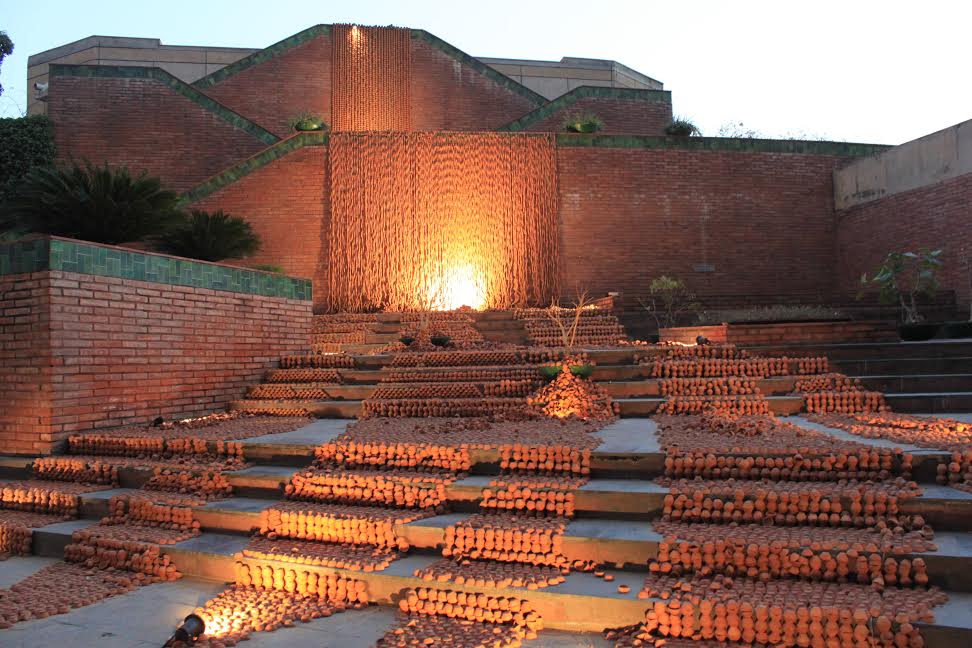
    A first of its kind Indo – US project is being initiated by one of India’s top ten eminent contemporary artists, Manav Gupta, that builds multiple linkages at different venues in the USA and India between the countries and the people via the great and sacred rivers of India and the USA and their waters, through art. The global project engages different other art forms as well as people from all walks of life, with the river of clay waterfront, created with the quintessentially Indian potters produce, engaging with cutting edge installations and signature paintings, with America’s people.

    After a record turnout of a hundred thousand footfalls at the Global India Preview of the Project at the India Habitat Centre in New Delhi, Gupta, who has been sought after for his depth of color light and composition in his paintings, was invited to deliver the prestigious President’s lecture at the Minneapolis College of Art & Design and the Forecast talk on Public Art by the two leading international organizations in the U.S. last month for disseminating his Global Public Art Project on sustainability that brings people of the two nations together in his upcoming Travelling Trilogy IV, USA edition.

    Also, the artist, who has been specially pre-commissioned last October to create a special suite of works from his signature series umbilical cords of earth, water on the theme by a US based collector couple, has started his on-sites research here , on an invitation by them for a long leg of this tour for absorbing insights, taking notes and sketches on how the cities along some of the rivers of America like the Mississippi to the Hudson and the East River respond to its waters and to look at sites of engagement where he would create dialogues on the above theme through his  public art. He is getting ready for a seminal suite of works that he would bring to the US, April 2016 onwards, marking the World Earth Day.

    Manav Gupta (right) with a friend
    Manav Gupta (right) with a friend

    Connecting the River Ganga with the River Mississippi, through the signature ‘umbilical cords series’ paintings that have been auctioned by Christie’s, Bonhams’ ,Philip de Pury and by deploying the humble Indian potter’s produce to form avant garde cutting edge installations series “excavations in hymns of clay”, the project stands to serve as an excellent tool to spread awareness on earth’s precious resources specially water and sustainable living through “healing of the rivers” with an engagement of people with a ‘little of their heart, soul and mind space’ ;besides building bridges between India and USA through the unique first of its kind conceptualization and idea of ‘Ganga to Mississippi” that it brings with it as the humble contribution of the artist culminating from the two decades of his experience of taking art beyond art to seek consciousness on environmental issues through his paintings, Public art, collaborative, performance and may other art initiatives beyond boundaries between nations and beyond just himself.

    It strives to reach new heights in a first of its kind initiative ever as an engagement with the Mississippi and the people of the land by the Indian artist via dialogues through art and literature, dance, music, poetry, theatre in a language that is contemporary, a vocabulary that’s global, art that’s avant garde as well as first of its kind in deploying Indian pottery to create cutting edge large scale art and a concept that’s as unique as its universal.

    With the New York Consul General of India organizing a grand preview of the project exhibition at the Consulate, the artist is working hard towards a run up to World Earth Day on 22nd of April 2016 in New York followed by multiple chapters of the project shaping up at multiple venues in different cities.

  • Reflections on the 67th Republic Day of India

    Reflections on the 67th Republic Day of India

    As India celebrates 67th year of Republic, it will be worthwhile to consider whether or not the nation has been moving in the direction that was envisaged by the architects of the Constitution of India. Going by the ground realities obtaining in the country, one would not miss the fact that the country has been forced in a direction not intended by thefounding fathers of free India and the framers of the Constitution.

    66 years after India became a Republic the country is still suffering the scourge of inequality, discrimination and intolerance. The fundamental rights speak of Right to Equality, Right to Freedom, Right against Exploitation, Right to Freedom of Religion, Cultural and Educational Rights and Right to Constitutional Remedies. Lofty thoughts. But when it comes to implementation part, the people of India realize with considerable pain that the rights promised are not theirs and within their each.

    All talk of India making rapid economic progress and getting ready to be one of the three world economic powers in the foreseeable future is simply insulting when one looks at the poverty, injustice, discrimination and intolerance reigning supreme over the lives of people.

    The greatness of a country lies not in the wealth some in the country come to have but in the system in which the poorest of the poor is able to live in dignity, without any fear of discrimination and oppression. India has to go a long way to provide to its people the basic human conditions before the dream of the founding fathers of the free India can be realized.

  • Constitution of India  ‘Of the people, for the people and by the people’

    Constitution of India
    ‘Of the people, for the people and by the people’

    The Indian Constitution, the longest of any sovereign nation in the world, provides a comprehensive framework to guide and govern the country, keeping in view her social, cultural and religious diversity.

    A distinctive document with many extraordinary features, the Constitution of India is the longest written constitution of any sovereign nation in the world. The original text of the Constitution contained 395 articles in 22 parts and eight schedules. It came into effect on January 26, 1950, the day that India celebrates each year as the Republic Day. The number of articles has since increased to 448 due to 100 amendments.

    The Constitution was framed by the Constituent Assembly of India, established by the members of the provincial assemblies elected by the people of India. Dr Sachidanand Sinha was the first president of the Constituent Assembly. Later, Dr Rajendra Prasad was elected its president. Dr BR Ambedkar, the chairman of its Drafting Committee, is considered the chief architect of the Indian Constitution which provides a comprehensive and dynamic framework to guide and govern the country, keeping in view her unique social, cultural and religious diversity. It establishes the main organs – executive, legislature and judiciary, defining their powers, demarcating their responsibilities and regulating the inter-se relationship. It inter alia lays down the basic structure of governance and the relationship between the government and the people. The rights and duties of citizens are also spelt out. The Constitution applies to the state of Jammu and Kashmir with certain exceptions and modifications as provided in Article 370 and the Constitution (application to Jammu and Kashmir) Order, 1954. It is the mother of all other laws of the country. Every law enacted by the Government has to be in conformity with the Constitution.

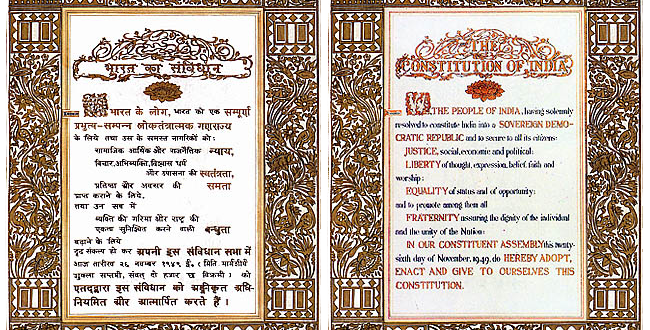
    The preamble to the Constitution declares India to be a Sovereign Socialist Secular Democratic Republic and a welfare state committed to secure justice, liberty and equality for the people and for promoting fraternity, dignity of the individual and unity and integrity of the nation. The objectives specified in the preamble constitute the basic structure of the Indian Constitution which cannot be amended. The opening and last sentences of the preamble: “We, the people… adopt, enact and give to ourselves this Constitution” signifies the power is ultimately vested in the hands of the people.

    The Preamble to the Constitution

    Although Article 1 of the Constitution says India shall be a Union of States, the Constitution provides for a federal structure with clear division of powers between the Centre and the states, each empowered by the Constitution to enact and legislate within their sphere of activity. The seventh schedule contains three legislative lists which enumerate subjects of administration viz union, state and concurrent legislative lists. The Central Government enjoys exclusive power to legislate on the subjects mentioned in the Union list. The state governments have full authority to legislate on the subjects of the state list. And both the Centre and the state can legislate on the subjects mentioned in the concurrent list with the residuary powers vested in the Central Government. It can be said that India has cooperative federalism. The Constitution provides for the Parliamentary form of Government with a bicameral legislature at the Centre consisting of Lok Sabha (Lower House of Parliament) and Rajya Sabha (Upper House of Parliament).While the Lok Sabha consists of the elected representatives of people, the Rajya Sabha consists of representatives elected by the state legislative assemblies. The President is the nominal head of the state and the Parliament. In actual practice, the Prime Minister, aided by the Council of Ministers, heads the executive and is responsible for governance.

    An impartial judiciary, independent of the legislature and the executive, is one of the main features of the Constitution. The Supreme Court of India is the highest court of the country and acts as guardian of the Constitution and serves as the final court of appeal. Each state has a High Court as its highest court. Under powers of judicial review, the Supreme Court and High Court can declare a law as unconstitutional or ultra vires if it contravenes any provisions of the Constitution. This power of judicial review constitutes a middle path between the American judicial supremacy on one hand and British Parliamentary supremacy on the other. In order to ensure the impartiality of the judiciary, the judges are appointed by a process free of influence of the executive. The judges can only be removed by a rigorous process of impeachment to be approved by both the houses of the Parliament.

    The Constitution vests many fundamental rights in citizens. These are (i) Right to Equality, (ii) Right to Freedom, (iii) Right against Exploitation, (iv) Right to Freedom of Religion, v) Cultural and Educational Rights and vi) Right to Constitutional Remedies. These rights are justiciable and an individual can move the Supreme Court or the High Courts if there is an encroachment on any of these rights. However, Fundamental Rights in India are not absolute. Reasonable restrictions can be imposed. By 42nd Amendment in 1976, fundaments duties were added in the Constitution to remind people that while enjoying their right as citizens, they should perform their duties for rights and duties are correlative.

    Another novel feature of the Constitution is that it contains a chapter on the directive principles of state policy, that are in the nature of directives to the Government to implement them for establishing social and economic democracy in the country. Though not justiciable, these principles are considered fundamental in the governance of the country.

    There are many autonomous institutions set up under the Constitution which perform a key role, such as, Election Commission (responsible for holding free and fair elections), Public Service Commission (responsible for selection to main government services) and an Auditor General (for independent audit of accounts of the government and its agencies).

    One of the strengths of the Constitution is that it is a dynamic instrument that can evolve with time either by its interpretation or amendment. On paper, an amendment to the Constitution is a difficult affair, and normally needs, at least, two-thirds of the Lok Sabha and Rajya Sabha to pass it. However, the Constitution of India is one of the most frequently amended constitutions in the world so as not to stand in the way of the growth and development of the nation and her people.

    The success of the Indian Constitution, for a country as diverse and complex as India, continues to intrigue, impress and inspire experts around the world.

     By Sumant Batra - The author is a corporate and policy lawyer
  • A Pluralist’s Republic Day Message to Indian Americans

    A Pluralist’s Republic Day Message to Indian Americans

    I am proud of the pluralistic ethos of my motherland, India and my homeland, America. It is a pleasure to call both the nations, “God’s own countries.” Let me explain why, and make a few suggestions that you can act upon as an individual to sustain the pluralistic ethos of India. Let’s do our bit in restoring dharma, the righteous living.

    Our nations, Democratic Republic of India and the United States of America are microcosmic representations of the universe we inhabit. We are blessed geographically with a range of topography from deserts to fertile lands, from mountains to the shining sea and the flat lands to valleys. Seasons wise, we enjoy all the four full seasons – winter, spring, summer and the fall. Indeed, we are blessed to be represented by every race, ethnicity and religion.

    Pluralistic ethos

    My interest as a social scientist is in sustaining the pluralistic ethos of India and America, which are threatened by a few short-sighted, but powerful rabble rousers among us.

    Pluralistic ethos simply means, living our life and letting others live theirs. It is accepting the God given uniqueness to each one of us. No matter what language we speak, how we look, what we eat, drink, wear, or how we worship the creator, we will accept each other’s uniqueness as legitimate, and then respect the otherness of others. You are who you are, and I am who I am.

    Hinduism talks about Vasudhaiva Kutumbukum, an idea that we are all part of one family despite our differences. Islam, Judaism and Christianity talk about having a common father and mother; Adam and Eve and we are an extended family. Sikhism blends us all under Wahe Guru and the Baha’i faith wraps all of us as many paths but one source, similarly Jainism, Buddhism, Tribalism and other traditions have richly contributed to the idea of cohesive societies.

    Cohesive Societies are communities where people mind their own business, live their own lives and let others live theirs, but yet, work together as one composite unit.

    As an example of cohesiveness, look at our own bodies, we are made up of several items like heart, brain, kidneys, lungs, liver, anus, mouth, nose, ears etc. No part can claim that his role is the most important one. Indeed, there was a battle once when the organs were arguing about their role in normal functioning of human body. The Anus claimed that he was the most important organ in the body, the other organs laughed and ridiculed him, and to show them, he decided to assert his claim and shuts down for two days causing unbelievable misery and havoc! Frustrated with the pain, the other organs acknowledged his importance, and rightfully called him an ass hole but begged him to start functioning, so others can function normally. A cohesive society is when all of us function together for common good.

    Every Indian and American has a need to feel that he or she is a part of the society, rejection will certainly create problems.

    Prime Minister Modi had surprised the nation with his inclusionary statement made on November 1, 2014. As a Pluralist, I whole heartedly welcomed that statement and congratulated him for taking that step. He said, “The BJP should be like a bouquet so that every Indian felt there was a flower in it that he or she could identify with. “And, “A poor and illiterate person living in a slum should think, ‘Yes, there is a flower for me in this bouquet’.

    At this precise juncture in our history, the Dalits do not feel like a flower in the bouquet. I do invoke the Prime Minister to act on his talk, and create an environment of inclusion. Unless he gets his party men to believe in what he has said, his leadership will remain a mere talk. A few rogue elements from his party are hell bent on throwing his bouquet into gutter; and his legacy is on the line.

    Modi can finish his term as another promiser and talker, or become the doer. The choice is clearly his, and he alone is the driver of his legacy. All he has to do is give a 3-minute speech on each major incident like Rape, farmers Suicide, Dalit Suicide, homicide of writers, and witch-hunting for beef and murder of Akhlaq, to assure the people that he does believe in the principle of Vasudhaiva Kutumbukum, and that he will not tolerate any Indian making the life of another Indian miserable. That is all it takes for Ram’s sake. We are losing the ideal of live and let live, and PM Modi can restore it far more effectively than any one in India at this time.

    As Indian Americans, most of us have cherished the values of America and have become Americanized. Being American is respecting and believing in the rights of others, and being American is to value others life liberty and pursuit of their happiness; being American is letting each faith member practice his or her faith, and build his or her place of worship; and being American is NOT drawing sadistic pleasure by denying others rights. Unfortunately, we have a few in both nations who have not imbued the great values of these nations, and it is our duty, and responsibility of each one of us to the be pracharaks of American values.

    The idea of Liberty is I don’t agree with you, but I’ll fight for your rights. Yes, if we the Indian Americans can truly call ourselves Americans, we have to speak up.

    Suggested actions for the organizations and individuals

    We have to have the following actions in building a cohesive India, where no Indian has to live in apprehension or fear of the other, and feel included in every sphere of life.

    1. Today, on this Republic Day, let India’s flag be hoisted together with fellow Indians who are Adivasis, Atheists, Bahá’ís, Bos, Buddhists, Christians, Dalits, Hindus, Jains, Jewish, Muslim, Sikhs, Tribal, Zoroastrians and every Indian representation. Let no Indian representation be left out. Reach out and bring them together at the Red Fort, and let them all proudly hoist our Tiranga, then go ahead and give them a hug, it will speak million words of our good intentions. It will generate the spirit of sab ka saath on a social basis.

    2. The Indian American Organizations can do the same, invite Indians of all hues to come together, and celebrate the Republic Day in the spirit of India. If your heart is dirty and a sewer runs through it, the people can see through you, and not come, clean it up, they will come. I will be happy to make the calls to those who are unwilling for the sake of India.

    3. Acknowledge that we see God as one, none and many; and in every form; male, female, genderless and non-existent, being and non-being, nameless and with innumerable names, and as Indians, we should not be biased towards any one.

    4. Today, proclaim that India is God’s own country, and is represented by every race, nationality, ethnicity, language, culture and religion. Announce that we are Adivasis, Native Americans, Atheists, Baha’is, Bos, Buddhists, Christians, Dalits, Hindus, and Jains, Jewish, Muslim, Pagans, Shinto, Sikhs, , Wicca, Zoroastrians and every possible grouping out there on God’s earth. We are Brown, Black, White, and Yellow and come in all the colors nature has produced us.

    5. Aspire for an India that the world can emulate; and not the other way around. India is a pluralistic democracy where everyone can eat, drink, wear or believe whatever he or she wants to in his or her pursuit of happiness.

    6. Announce that from this day forward, every Indian will have equal access to education, employment, housing, business loans, and entrepreneurial opportunities and if anyone is denied that opportunity, you will step up and stand up against the violators.

    7. Every Indian wants justice and demands a fair treatment of every one of the 1.31 billion Indians; rich or poor, connected or not, we must come to grips with the social and community life to create an exemplary India that will become a model nation in the world. Create an Equal Opportunity Commission based on US Model. Ask not what others will do, ask yourselves, are you capable of being a good Samaritan?

    Pledge to One India

    You can institute a pledge that every public office holder from the Peon to the President of India and everyone in between must take and live by it. Violation should disqualify him or her from holding the public office. Let it be monitored publicly.

    As Indians we can that pledge to both India and America on the Republic Day:

    1. I pledge allegiance to India, one nation that stands for liberty and justice for all.
    2. I pledge that I honor and treat every Indian with “full” dignity.
    3. I pledge that all individuals would be treated on par.
    4. I pledge that I will treat all religions with equal respect, equal access and equal treatment.
    5. I pledge that I will oppose any act that treats any Indian less than me.
    6. I Pledge that I will work for an India, where every individual can live with security and aspire for prosperity.
    7. I pledge that I will protect, preserve and value every inch of India and every human soul in India

    This would be the first step towards ensuring a just, peaceful and prosperous India that can sustain its progress and peace. If you can do it, then you can expect others to do it.

    I love my India.

    Jai Hind.
    Mike GhouseMike Ghouse – The author is a community consultant, social scientist, thinker, writer, news maker, and a speaker on Pluralism, Interfaith, Islam, politics, terrorism, human rights, India, Israel-Palestine and foreign policy.

  • Barack Obama To Present National Medal Of Science To Indian American Dr Rakesh K Jain

    Barack Obama To Present National Medal Of Science To Indian American Dr Rakesh K Jain

    WASHINGTON:  US President Barack Obama would present the prestigious National Medal of Science to an Indian-American scientist on January 22 for his outstanding contribution to science.

    Dr Rakesh K Jain is among 17 scientists, engineers, mathematicians and innovators who will be awarded by Obama at a White House ceremony.

    Awarded annually, the Medal of Science recognises individuals who have made outstanding contributions to science, engineering, and mathematics.

    Jain, an IIT-Kanpur alumnus, is professor of tumor biology at Massachusetts General Hospital in the Harvard Medical School.

    He has received numerous awards for his work on tumor biology, particularly research on the link between tumor blood vessels and improving the effects of chemotherapy and radiation treatment.

    The National Medal of Science was created by statute in 1959 and is administered for the White House by the National Science Foundation.

  • School District Adds Diwali, Eid To School Calendar Holiday in MD

    School District Adds Diwali, Eid To School Calendar Holiday in MD

    WASHINGTON:  A US school district has unanimously voted to add Diwali, Eid al-Adha and Chinese Lunar New Year’s Eve in the school holiday calendar, for the first time in the school system’s history.

    Indian-American community hailed the decision by Howard County Public School System, which manages 71 schools and serves nearly 50,000 students, as “historic”.

    “I am extremely pleased by the Board’s ability to discuss and unanimously agree to seek ways to recognise the diverse backgrounds of Howard County’s students and families,” Board of Education Chairwoman Christine O’Connor said in a statement after the eight member board unanimously supported such a motion.

    “We want to do our best to find flexibility within the calendar to provide opportunities for all students to experience all cultures within our community,” O’Connor said.

    The motion in this regard as proposed by board member Janet Siddiqui.

    “By taking this vote, the Howard County Board of Education has shown a great way forward in acknowledging diverse religious holidays without violating the spirit of church-state separation,” said Murali Balaji education director of Hindu American Foundation.

    HAF and Chinmaya Mission started a petition that collected over 250 signatures in under three weeks, while the Board received nearly 500 emails from parents asking for inclusion of Diwali.

    Indian Students at Centennial High School (ISAC) also collected and submitted signatures for the effort, said Balaji, who along with several Chinmaya Mission members, testified at the Board’s hearing last month.

    “This vote is proof that it is indeed possible to accommodate the religious needs of multiple faith communities in diverse school districts,” said Council on American-Islamic Relations (CAIR) Maryland Outreach Manager Zainab Chaudry, who has submitted testimony on the holiday inclusion issue.

    “Religious pluralism is the hallmark of an integrated and inclusive society. We see that reflected in the Howard County Board of Education’s decision,” Chaudry said.

    According to Baltimore Sun, as of the 2014-2015 school year, 42 per cent of Howard County students were white, 22 per cent were black, 19 per cent were Asian, nine per cent were Hispanic and six per cent were of two or more races.

    The school system does not record the religious backgrounds of its students, it said.

  • Dr. Narendra Nagareddy a.k.a ‘Dr Death’ Arrested After 36 Patients Die

    Dr. Narendra Nagareddy a.k.a ‘Dr Death’ Arrested After 36 Patients Die

    WASHINGTON:  An Indian-origin psychiatrist dubbed “Dr Death” by police has been arrested in the US after 36 of his patients died with at least 12 killed by overdose on prescription medication.

    Narendra Nagareddy, a psychiatrist in Clayton County, Georgia, has been put behind bars on suspicion of over- prescribing prescription medication and running a ‘pill mill’.

    Nearly 40 federal and local agents raided Dr Nagareddy’s offices and later moved on to his home to seize more assets.

    “He’s a psychiatrist in Jonesboro who has been over-prescribing opiates and benzodiazepine and the last several years has had a multitude of overdoses and overdose deaths,” Clayton County Police Chief Mike Register told WSB-TV Channel 2 News.

    Agents with the Drug Enforcement Administration (DEA), the Clayton County District Attorney’s office, the Clayton County Police Department and the Georgia Department of Community Supervision converged on Dr Nagareddy’s office on Thursday armed with a search warrant and an arrest warrant for the psychiatrist.

    “He’s charged with prescribing pain medication which is outside his profession as a psychiatrist and not for a legitimate purpose for the patient,” said Clayton County District Attorney Tracy Graham Lawson.

    According to legal documents, “36 of Dr Nagareddy’s patients have died while being prescribed controlled substances from Dr Nagareddy, 12 of which have been confirmed by investigators through autopsy reports to have been the result of prescription drug intoxication.”

    “Former and current patients have admitted to obtaining controlled substance prescriptions from Dr Nagareddy without having a legitimate medical need,” the documents said.

    “People come to this person for help, and instead of getting help, they’re met with deadly consequences,” Clayton County Police Chief Register was quoted as saying. “If the allegations are true, he is Dr Death, no doubt about it.”

    The district attorney’s office said they also filed a RICO civil action to seize Nagareddy’s assets.

    One of Dr Nagareddy’s patient has been identified as Audrey Austin, a 29-year-old mother of two. She died of a fatal prescription drug overdose just days after she visited Dr Nagareddy.

    “She was an addict and he made it very easy for her,” Audrey’s mother Ruth Carr was quoted as saying by New York Daily News.

    “Americans are abusing prescription drugs at a truly alarming level,” said Clyde E Shelley Jr with the DEA.

    “Doctors hold a position of public trust and to betray that position cannot be tolerated,” Ms Shelly said.