Month: May 2017

  • LAND OF KIINGS — RAJASTHAN

    LAND OF KIINGS — RAJASTHAN

    With palaces that still evoke the grandeur of their regal past, in literally every hamlet, and the Thar desert’s never-ending sand dunes that appear like golden-hued paintings, there’s no shortage of places to visit in Rajasthan that provide an ideal backdrop to a romantic escape. The Land of Kings—Rajasthan—is well known for its stunning heritage sites, luxurious hotels, scenic lakes and picture postcard desert stretches that look straight out of Arabian Nights. Hop on a camel to explore Jaisalmer’s fabled dunes, explore the exquisite Jal Mahal in Jaipur, sail on Mount Abu’s Nakki Lake on a paddleboat or have a candlelit dinner in Udaipur’s City Palace— Rajasthan’s palette of romantic experiences is kaleidoscopic. Here’s your guide to some of the most enchanting destinations in India’s largest state, for an unforgettable outing with your significant other.

    JAISALMER

    A magnificent fort looming over the city, picture-postcard vistas of sand dunes and an array of illuminated sandstone buildings— Jaisalmer is nothing short of a scene straight out of Arabian Nights. It attracts many couples, honeymooners and families with its erstwhile royal splendour. The Jaisalmer Fort (also known as the Golden Fort of Rajasthan) is the most splendid attraction of the city, perched on an elevated patch looking over the city. Surrounded by numerous golden-hued shrines, Gadsisar Lake is ideal for an evening picnic or a short paddleboat ride. The city’s most popular activity is taking a camel ride over the desert sands; best enjoyed at sunrise and sunset, the ride gives an insight into Rajasthan’s rural life and stunning vistas of the horizon. Jaisalmer’s winding alleys are home to vibrant markets from where you can pick up quintessential Rajasthani souvenirs. Rajasthani cuisine, famous for its spicy veg curries, mouth-watering meat dishes and delectable sweets is the icing on the cake.

    JODHPUR

    The second largest city (after Jaipur) in Rajasthan, Jodhpur is an architecture-lover’s feast for sore eyes. The older historic section of the city of Jodhpur is located around the grand Mehrangarh Fort which is bounded by a wall and several gates. Winding streets and unending bazaars run throughout the city that are littered with shops and thronged by visitors throughout the year. Also referred to as the Blue City, Jodhpur is home to the magnificent Umaid Bhawan Palace. A five hour- drive from the hill-station of Mount Abu, Jodhpur makes for a perfect getaway once the hill station’s charms stop making an impression on you.

    UDAIPUR

    Take a walk to any place in this picturesque city and you will spot historic structures which ooze regal splendour. Home to the most intricately designed palaces, havelis, buzzing streets, and beautiful lakes, the city of Udaipur is also called the ‘Venice of the East’ and ‘City of Lakes’. To accommodate the large influx of travellers each year, the city is well equipped with a wide variety of hotels and lodging options that suit every pocket, bazaars that are popular for their handicrafts and restaurants that offer lip-smacking Rajasthani dishes. If you’re going by road then the drive takes no more than four hours making it possible to make a hectic day trip. Make sure you include Lake Pichola, Fateh Sagar Lake, City Palace, Jag Mandir and Udaipur Ghat in your Udaipur itinerary.

    JAIPUR

    The majestic courtyard of City Palace, the intricately-carved walls of Hawa Mahal, the striking beauty of Jantar Mantar and the magnificently built mahals of Amber Fort— Jaipur is an evocative showcase of regal Rajasthani architecture. Home to historic structures, world-class hotels and an array of multi-cuisine eateries, the Pink City is a great escape for couples, families and history-buffs. The exquisite water palace located on the Man Sagar Lake—Jal Mahal—is another spectacular example of Rajasthani architecture, seemingly floating in the middle of the lake. When you’ve had your fill of exploring these fascinating monuments, explore Jaipur’s bustling markets that sell everything from spices, jewellery to household bric-a-brac. From gorgeous views of sunset, entertaining folk dance and music, and thoroughly enjoyable elephant and camel rides, the capital of India’s largest state, Rajasthan, will court you like royalty, and make you feel like one too.

    MOUNT ABU

    While you’ve had your fill of the magnificent cities Rajasthan is home to, a romantic escape to the state’s only hill station might not prove as a bad idea. Offering an eclectic mix of experiences, Mount Abu lures you with the serene Nakki Lake, magnificent Dilwara Temples and numerous hilltop points that offer panoramic views. Best visited at dusk, Sunset Point offers a spectacular sight of the colour-changing skyline against the Aravalli Hills. The Achalgarh Fort transports you to the 15th century with its intricately carved buildings and temples, and offers stunning vistas of the hill station from its highest point. From small eateries that serve delicious street food to fine-dining multicuisine restaurants, Mount Abu has something for every kind of foodie. Go on a boat ride, carry your own hamper for a lakeside picnic, or walk up the cobblestone pathways along Nakki Lake, Mount Abu is a picturesque oasis amidst the desert plains of Rajasthan and is a pleasant retreat for couples, honeymooners and families.

    Source: HappyTrips


  • NARADA JAYANTI

    NARADA JAYANTI

    Narada Jayanti is celebrated as the birth anniversary of Devrishi Narada Muni. According to Vedic Puranas and mythologies Devrishi Narada is a universal divine messenger and primary source of information among Gods. Narada Muni has the ability to visit all Teen Loks, Akash or Heaven Prithvi or Earth and Patal or Netherworld and is believed to be first journalist on the Earth. Narada Muni keeps travelling across the universe to communicate the information. However, most of His timely information creates trouble but that is for the betterment of the Universe.

    Sage Narada is ardent devotee of Lord Narayana, which is one of the forms of Lord Vishnu. Lord Vishnu in the form of Narayana is considered an embodiment of the truth. Narada Jayanti is observed on Pratipada Tithi during Krishna Paksha of Jyeshtha month according to North Indian Purnimant calendar. According to South Indian Amavasyant calendar Narada Jayanti falls on PratipadaTithi during Krishna Paksha of Vaishakha month. It is name of Lunar month which differs and in both type of calendars Narada Jayanti falls on the same day.

    Dev Rishi Narad or Narad Muni is the son of Brahma and a devotee of Lord Vishnu. He is known for gossiping and knows all the news from around the universe. He is also known for creating fights among people by spicing up facts. Rather, he is believed to be the first journalist on earth.

    Normally in India, a person is called Narad Muni, if he tries to make two parties fight. One of the glorious descriptions in Vishnupurana says, “Naram nar samuham Kalahena dhyati Khandayatiti.” The one who is a fomenter of disputes among people is Narad. But he is never malicious or vengeful and never has any vested interest. He works for the ultimate good.

    Narad Muni’s personality is quite complex. Even though he seems playful and happy all the time, he can also become serious and wise. As per the mythology, he has executed many miraculous tasks on lord Vishnu’s behalf.

    Narad is shown a divine messenger. He is constantly wandering around in all three worlds and he gives information to all, the Devas, the Rakshas and the men. He is mentioned in Shabdakalpadruma as one who gives knowledge of God. “Naram paramatma vishyakam gyanam dadati iti nardah.” Let’s take a look at some amusing stories related with Narada…

    Demon Jalandhar and Narad Muni

    Samudra brought the mighty demon Jalandhar and thus Lakshmi, the daughter of Samudra, had a soft corner for him. As Jalandhar grew up he became the cruelest demon king and forced Indra and Devas to vacate their positions in Swarga. Vishnu remained neutral due to Lakshmi’s reluctance to harm Jalandhar.

    However, Narad Muni created a problem for Jalandhar on two counts. He told the pompous king that Shiva’s riches and powers were by far the most superior and that his wife Parvati was the prettiest woman in the Universe. Jalandhar started pursuing Parvati and picked a war with Lord Shiva. Finally Jalandhar faced Shiva in a battle and the latter slit his throat by a fiery chakra produced from his left toe!

    Narad and Tridevi

    Once the Tridevi were having major ego issues with one another. A cold war was on. Narad intuitively perceived this turbulence. He approached each Goddess separately and deliberately sang laurels of the other two. In order to prove supremacy over the other two, each Goddess decided to perform a miracle.

    The Goddess of Knowledge, Saraswati blessed a dumb and deaf man and made him a scholar overnight. Lakshmi, the Goddess of Wealth, turned a poor lady into a queen. Finally, the Goddess of Strength, Parvati turned a coward into a mighty army leader. However, all hell broke loose when the people of the kingdom rebelled against the army leader who tried to oust the Queen who had earlier wanted to punish the scholar for refusing to sing her praise! The goddesses then realized that it was Narad’s mischief.

    Narad and Kansa

    Kansa, as we all know, was a cruel king. He and other rakshas used to torture people. His sister Devaki got married to Vasudeva. After the ceremony, there was a divine prophecy that stated “O Kansa, you shall meet your end at the hands of the eighth child of Devaki.” On hearing this, the angry demon king imprisoned Vasudeva but left Devaki unharmed.

    Later Narad met Kansa in secrecy and said, “O Kansa, the gods have conspired to kill you. Your father Ugrasen, Devaki and Vasudeva – all these people have joined hands with the gods.” On hearing this, Kansa was outraged. He immediately imprisoned Devaki and Ugrasen.

    The legend of Omkareshwara

    Situated on the banks of River Narmada is the Omkareshwara Jyotirlinga. The Legends have it that once Vindhya Mountain boasted of its height and might. Narad provoked Vindhya and said that it is nothing in comparison to the Meru Mountain. Hearing this, Vindhya felt jealous and prayed to Lord Shiva to establish a Shiva Linga on the banks of Narmada River.

    Puffed by Shiva’s presence there, Vindhya grew taller and taller to compete with Sumeru. This disturbed Surya’s routine circumambulation of the Universe and one half of the Universe remained dark. Devi Bhagavati asked Sage Agastya from Varanasi to visit Vindhya, who out of veneration for the Muni bent down. Agastya asked Vindhaya to be in that position till he returned return from Dakishna Bharat and chose never to come back again.

    When Narad revealed Krishna’s secret

    Kansa was attacking Krishna only on a premise. His suspicion was confirmed by Narad who spilt the beans by revealing the true identity of Balarama and Krishna as the seventh and eighth sons of Devaki. He said, “Balarama is not the son of Rohini as is made to believe. He is the seventh son of Devaki. The daughter of Devaki was actually Yashoda’s child, a form of the Lord’s Yoga-maya. The infant was interchanged with Krishna, the eighth son of Devaki, to save him from your clutches.”

    Narad and Durvasa

    Once, Narad was sitting in Lord Shiva’s court on Mount Kailasha. Sage Durvasa entered the assembly carrying a huge bundle of books. Ignoring the assembly he went and sat next to Shiva. Shiva smiled and asked about his studies. The saint proudly announced how he has read all the books. Narad stood up and called Durvasa a donkey carrying the burden of books. The sage thundered in wrath.

    Narad retorted, “There you are! You have not been able to get over your passions in spite of being a scholar. You have ignored the assembly and gone to sit by lord Shiva, What good is scholarship without patience and forgiveness?” Durvasa realized his folly, threw away the books and went into penance.

    Narad Muni’s monkey face

    Once, when Narad was meditating, other gods tried to disturb him by sending Kama (lord of lust). Kama tried a lot but did not succeed. Kama started praising Narad loudly. He said that Narad is better than Shiva who not only won his feelings of lust but also his anger. Narad opened his eyes after hearing all this praise. Narad went to Shiva and shared the story; Shiva listened patiently but advised Narad not to tell Vishnu. Narad couldn’t stop himself. He went to Lord Vishnu and repeated the whole story. To teach Narad a lesson, Vishnu set up a kingdom by his powers where a princess Vishwamohini was about to choose her groom. Inf;ated by his ego – Narad passed by and thought if Shiva and Vishnu can have wives, why can’t I. He prayed to Lord Vishnu and requested to help him in marriage.

    Vishnu made his face like a monkey. Later on when Narad was rejected he got angry and cursed Vishnu that you will have to suffer for a wife like me, and only monkeys will help you. Vishnu smiled and blessed him as that was the beginning of another epic – Ramayana.

    A legendary figure

    Narad is a truly global character who never required any passport to straddle Trilok. He was an institution in itself – a man of such diverse communication aptitude was not an ordinary sage, but a fierce intellectual with encyclopedic knowledge. It is mentioned that Narad knew all the 64 Vidyas. Narad is considered as one of the 12 chiranjivis. ‘Chiranjivi’ means one who lives forever. He is also regarded as the ‘mind’ of God – one who always knows God’s wishes.

    Narad’s Bhakti Sutra

    The Bhakti Sutras of Narad is one of the wonderful books on devotion and has no parallel. These texts outlive the philosophy and the classical authority of the concept of Bhakti. The ancient form of Sutra literature in Sanskrit is often very terse and its meaning is obscure and is liable to various interpretations. Fortunately, the Bhakti Sutras of Narad stand out their clarity, simplicity and internal coherence. The Narad Bhakti Sutra is a very ancient and authoritative scripture.

    The Narad temple

    Narad Temple is dedicated to the divine sage. These temples are located in Chigateri,which is 50 km away from Davanagere, and in Korva, which is 29 km north-east of Raichur in Karnataka. Korva is a beautiful island surrounded by the Krishna River. Korva is looked upon as a holy place and is popularly known as Naradgadde – one of the most scenic islands on the Krishna River.


  • ALIBABA INJECTS $488 MILLION HEALTH FOOD ASSETS INTO ALI HEALTH

    ALIBABA INJECTS $488 MILLION HEALTH FOOD ASSETS INTO ALI HEALTH

    HONG KONG (TIP): Alibaba Health Information Technology Ltd said on Friday controlling shareholder Alibaba Group Holding Ltd would sell HK$3.8 billion ($488.3 million) worth of health food and nutritional products businesses to the company, further developing it into Alibaba’s healthcare flagship platform.

    Alibaba Health will buy Ali JK Nutritional Products Ltd from Alibaba Group in a deal to be settled by the issue of 1.19 billion shares at HK$3.2 a piece, or a 6.16 percent discount to the last close, the company said in a filing to Hong Kong bourse. The deal will bring a broader set of merchants into the online healthcare community, while the company will obtain more stable and sustainable revenue growth, the Hong Kong-listed firm added.

    Alibaba Health saw its adjusted net loss narrowed to 98.3 million yuan ($14.3 million) for the year ended in March, from a 161.5 million yuan loss in the year-ago period amid rapid growth of its pharmaceutical e-commerce business.

  • Gold edges lower after biggest rally since Brexit vote

    Gold edges lower after biggest rally since Brexit vote

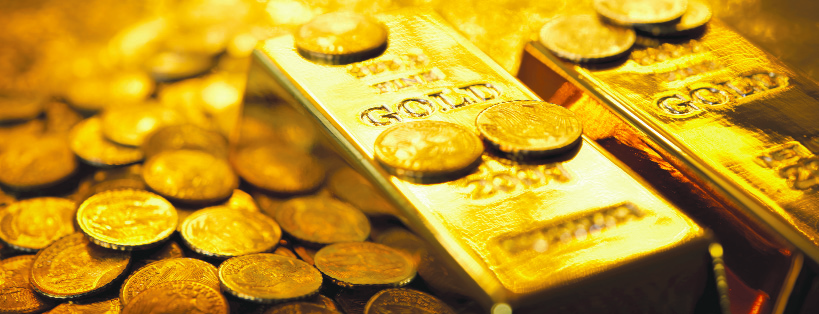
    LONDON (TIP): Gold eased on Thursday as a bounce in the dollar prompted some buyers to cash in gains after its biggest one-day rally in nearly a year, though uncertainty over the outlook for the Trump presidency underpinned the metal near two-week highs.

    Gold surged nearly 2% on Wednesday, its biggest one-day jump since Britain’s June vote to leave the European Union, on reports that U.S.

    President Donald Trump had tried to intervene in an investigation into alleged Russian interference in last year’s U.S. election. That prompted the sharpest drop in Wall Street stocks since Sept. 9 and knocked the dollar nearly 2% lower against the yen. The U.S. currency bounded back on Thursday, however, after stronger than expected jobs and business conditions data.

    Spot gold was down 0.1% at $1,258.75 an ounce at 1320 GMT, having touched its highest since May 1 at $1,265.04. U.S. gold futures for June delivery were flat at $1,258.70.

    “(Gold) is seeing a pullback after yesterday’s strong performance — it needs to take a breather,” said Heraeus precious metals trader Alexander Zumpfe. “It ran into resistance towards $1,260.”

    Nonetheless, sentiment has turned more positive and technical indicators are looking promising, he added.

    “Stock markets (are) also looking bit vulnerable. That helps,” he said. European shares were down 0.8% on Thursday, while world stocks extend their steepest fall in more than six months. A sell-off in U.S. stocks looked set to extend into a second day as a series of scandals cast a shadow over Trump’s presidency and the future of his pro-growth agenda.

    The latest reports on Trump came after a turbulent week in which he fired FBI Director James Comey and discussed sensitive national security information with Russia’s foreign minister, causing investors to question whether he can deliver on pledged tax cuts and deregulation.

  • ZOMATO HACKED, DATA OF 17 MILLION USERS STOLEN

    ZOMATO HACKED, DATA OF 17 MILLION USERS STOLEN

    PAYMENT INFO SAFE

    1. The stolen information contains user email addresses and ‘hashed’ passwords
    2. ? No payment information or credit card data has been stolen or leaked, Zomato said in a blogpost on its website
    3. ? The company has reset passwords for all affected users and logged them out of its app and website and all of the user accounts were secure

    NEW DELHI (TIP): Online restaurant guide and food ordering app Zomato today said about 17 million user records have been stolen from its database.

    The stolen information contains user email addresses and ‘hashed’ passwords but no payment information or credit card data has been stolen or leaked, Zomato said in a blogpost on its website.

    The startup’s disclosure comes at a time when the world is grappling with the cyber attack by ransomware ‘WannaCry’.

    Zomato said the data theft was discovered recently by its security team, without indicating the exact time or if it was related to the ‘WannaCry’ ransomware attack.“Our team is actively scanning all possible breach vectors and closing any gaps in our environment. So far, it looks like an internal (human) security breach,” it said.

    Assuring its users that their credit card information on Zomato is fully secure, the company said “payment related information on Zomato is stored separately from this (stolen) data in a highly secure PCI Data Security Standard (DSS) compliant vault”.

    Source: PTI

  • After 21 yrs, end of road for Chevrolet vehicles in India

    After 21 yrs, end of road for Chevrolet vehicles in India

    GM to stop selling products, focus on exports

    NEW DELHI (TIP): American auto major General Motors today decided to stop selling its vehicles in India as there was no turnaround in its fortunes here after struggling for over two decades to make a mark. It started its India journey in 1996.

    The company will now focus on exporting vehicles from its manufacturing plant at Talegoaon in Maharashtra after it stopped production at its first plant at Halol in Gujarat last month. It has also exited from four other international markets, including Russia and Europe.

    GM Executive VP and President of GM International Stefan Jacoby said after exploring many options the company determined that the increased investment originally planned for India would not deliver the returns of other significant global opportunities.

    “It would also not help us achieve a leadership position or compelling, long-term profitability in the domestic market,” he added.

    GM sales in India were down nearly 21% in 2016-17 to 25,823 units. Its production, however, grew about 16% to 83,368 units most of which were exported.

    In 2015, GM had announced plans to invest $1 billion to enhance manufacturing operations and roll out 10 locally produced models in India while deciding to stop production at its first plant at Halol in Gujarat. However, struggling to make a turnaround in India, the company put on hold the plan and undertook a full review of its future product portfolio here.

    VOLVO CARS TO START ASSEMBLY IN INDIA

    GOTHENBURG (TIP): Swedish auto major Volvo Cars will start assembly operations in India by the end of this year to expand in the local market and become more competitive and profitable. It will start assembling its premium SUV XC90 and has entered into a contract manufacturing agreement with Volvo Group India to use the latter’s existing infrastructure near Bengaluru and production licence. “It’s impossible to grow on imports in India. That’s why we are entering India with local assembly,” Volvo Cars president and CEO Hakan Samuelsson told a group of visiting Indian reporters.

    Source: PTI

  • PAYTM GETS RS 9,079 CRORE IN ITS WALLET FROM SOFTBANK

    PAYTM GETS RS 9,079 CRORE IN ITS WALLET FROM SOFTBANK

    TO INTRODUCE NEW FINANCIAL PRODUCTS
    1. ? The funding will help Paytm expand its soon-to-be launched payments bank operations as well as grow its user base and introduce more financial products for consumers
    2. ? SoftBank has committed investments of over $10 billion in India. While it has pumped in close to $2 billion into Indian startups like Snapdeal, Ola and Housing.com in the past few years, it has also written off a significant portion of that on account of loss in valuation
    3. ? With this round of funding, SoftBank joins long-time partner Alibaba Group as a major shareholder and will take a seat on the Paytm Board

    NEW DELHI (TIP): Digital payments platform Paytm today announced that Japanese internet and telecom major SoftBank Group has pumped in $1.4 billion (over Rs 9,079 crore) into it.

    This is the largest round of funding from a single investor in India. SoftBank joins long-time partner Alibaba Group as a major shareholder and will take a seat on the Paytm Board. Paytm plans to invest Rs 10,000 crore (approximately $1.6 billion) over the next three to five years towards its commitment to enabling half a billion Indians join the mainstream economy.

    As a part of this vision, the company will soon launch the Paytm Payments Bank, a mobile-first product that will reach every corner of the nation.

    This investment will help Paytm grow its leadership in the country’s payment ecosystem, expand its user base and build a suite of financial services products for its users, a company statement said.

    Masayoshi Son, Chairman & CEO, SoftBank Group Corp., said, “In line with the Indian government’s vision to promote digital inclusion, we are committed to transforming the lives of hundreds of millions of Indian consumers and merchants by providing them digital access to a broad array of financial services, including mobile payments. We are excited to partner with Paytm in this journey and will provide them with all our support.”

    Paytm founder and CEO Vijay Shekhar Sharma said, “We are at an inflection point in our journey with Paytm. We believe we have a great opportunity to bring financial inclusion to half a billion Indians.”

    Eric Jing, CEO, Ant Financial, said, “India has presented us with the world’s largest opportunity in terms of financial services and we are confident its market will grow exponentially over the next decade”. In January 2014, it launched the Paytm Wallet, which has emerged as India’s biggest digital wallet with over 220 million users and is accepted as the preferred mode of payment by over 5 million offline merchants across India.

  • HEAVY RAINS MAY HAVE SHAPED MARS SURFACE

    HEAVY RAINS MAY HAVE SHAPED MARS SURFACE

    WASHINGTON (TIP): Heavy rain on Mars may have reshaped the red planet’s impact craters and carved out river-like channels on its surface billions of years ago, a new study has found.

    Changes in the atmosphere on Mars made it rain harder and harder, which had a similar effect on the planet’s surface as seen on Earth, scientists said. The fourth planet from the Sun, Mars has geological features like the Earth and

    Moon, such as craters and valleys, many of which were formed through rainfall. Although there is a growing body of evidence that there was once water on Mars, it does not rain there today.

    In the new study, Robert Craddock and Ralph Lorenz from Johns Hopkins University in the US show that there was rainfall in the past – and that it was heavy enough to change the planet’s surface.

    Valley networks on Mars show evidence for surface runoff driven by rainfall. “Many people have analysed the nature of rainfall on the Earth, but no one had thought to apply the physics to understanding the early Martian atmosphere,” said Craddock.

    To understand how rainfall on Mars changed over time, the researchers had to consider how its atmosphere has changed. When Mars first formed 4.5 billion years ago, it had a much more substantial atmosphere with a higher pressure than it does now. This pressure influences the size of the raindrops and how hard they fall.

    Early on in the planet’s existence, water droplets would have been very small, producing something like fog rather than rain; this would not have been capable of carving out the planet we know today. As the atmospheric pressure decreased over millions of years, raindrops got bigger and rainfall became heavy enough to cut into the soil and start to alter the craters. The water could then be channelled and able to cut through the planet’s surface, creating valleys.

    “By using basic physical principles to understand the relationship between the atmosphere, raindrop size and rainfall intensity,we have shown that Mars would have seen some pretty big raindrops that would have been able to make more drastic changes to the surface than the earlier fog-like droplets,” said Lorenz.

    Source: PTI

  • CAT S60 SMARTPHONE: YOUR RUGGED COMPANION THAT CAN ‘SEE IN THE DARK’

    CAT S60 SMARTPHONE: YOUR RUGGED COMPANION THAT CAN ‘SEE IN THE DARK’

    NEW DELHI (TIP): If you have Rs 65,000 to splurge on a smartphone, which one will you buy: Apple or Samsung? What if you can get a military-grade, rugged smartphone with thermal imaging that can help you see in the dark (like in “The Predator” series) at the same price?

    Recognising India’s potential as a grown-up smartphone market, US-based construction machinery manufacturing company Caterpillar Inc. has for the first time launched the sturdy CAT S60 smartphone targeting both consumers and the B2B sector in the country.

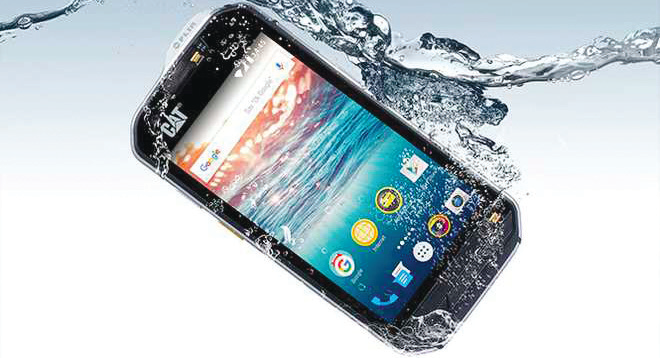
    Priced at Rs 64,999, CAT S60 is the first smartphone with an integrated thermal camera, allowing users to detect heat loss around windows and to see in complete darkness.

    Here is what works for the device.

     The device does not have great looks like the Samsung Galaxy S8 or iPhone 7 Plus, but the moment you hold the S60, it feels tough and robust, with heavy-duty specifications backing it up.

    The device is IP68 certified — a global standardization, which makes it dustproof and shockproof.

    It is also “MIL-SPEC 810G” certified, which means the device is ready to bear extreme temperature, vibration, humidity and is claimed to have been built to withstand drops from 1.8 metres.

    The device is waterproof up to two metres that extends up to five metres to block more water if you flip the “Lock Down” switches on the front-facing speakers which enables the smartphone to be used as an underwater camera.

    CAT S60 stands out from other smartphones for its thermal camera. The technology is provided by US-based company FLIR that specialises in the design and production of thermal imaging cameras, components and imaging sensors. Users need to use the FLIR app to take thermal images (which was a delight to experience).

    The thermal camera visualises heat that is invisible to the naked eye and highlights temperature contrasts. It can pick up heat and measure surface temperature from a distance of up to 50 feet and can also see through smoke.

    The app offers nine different filters, ranging in colour palettes that help make certain temperatures more visible than others. The thermal camera will come in handy for wildlife explorers, construction workers and users who like to trace moisture and missing insulation.

    Sporting 4.7-inch HD display, colours are not as sharp as in the Samsung Galaxy S8, but the touchscreen works nicely even with wet hands or while wearing gloves.

    Opening mid-to heavy apps and browsing among those with Snapdragon 617 octa-core processor paired with 3GB of RAM was smoother.

    Both front and rear cameras clicked decent images but were disappointing as they captured noise and graininess became apparent in low-light environments (but then, this is not a selfiephone, is it?).

    It runs on Android Marshmallow 6.0, has Corning Gorilla Glass 4 and houses 32GB internal storage expandable up to 256GB with an external memory card.

    The device is powered by 3800mAh battery that lasted almost a day-and-a-half with normal usage.

    The phone has a dedicated SOS button on the left that lets you send your location to a pre-entered number.

    What does not work?

    Weighing 225 grams, the smartphone did not feel heavy for the first time.However, after a few scrolls through Instagram or other social media apps or while browsing videos, you might get tired as it is a bit on the heavier side.

    Conclusion:CAT S60 makes for a perfect companion for those who want to live rugged lifestyles. But for the common users, it’s an expensive Android gadget and the thermal imaging is of little practical use. Still, a unique offering for the Indian smartphone market, which is evolving by the day.

    Source: IANS

  • US SCIENTISTS DISCOVER NEW METHOD OF WATER SPLITTING

    US SCIENTISTS DISCOVER NEW METHOD OF WATER SPLITTING

    HOUSTON (TIP): University of Houston physicists have found a new way of splitting water into hydrogen and oxygen, which could be an effective method of producing an abundance of clean hydrogen fuel in the future. This discovery would solve one of the primary hurdles of using water to produce hydrogen, the university release said.

    “Hydrogen is the cleanest primary energy source we have on Earth. Water could be the most abundant source of hydrogen if one could separate the hydrogen from its strong bond with oxygen in the water by using a catalyst.

    To split water into hydrogen and oxygen, two reactions are needed – one for each element,” Paul C W Chu, one of the team members, said. The main issue has been getting an efficient catalyst for the oxygen part of the equation, which is what these researchers say they have now cracked.

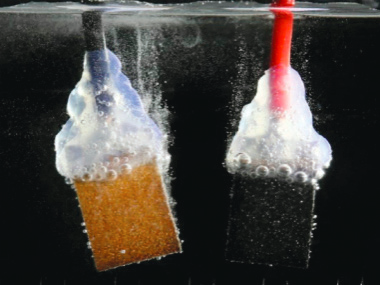
    The catalyst is made up of a ferrous metaphosphate and a conductive nickel foam platform, a combination of materials the team said is more efficient and less expensive than existing solutions.

    It also shows impressive durability in tests, operating for more than 20 hours and 10,000 cycles without a hitch. Using the new method means hydrogen can be produced without creating waste carbon. That is something that he existing production methods, like steam methane reforming and coal gasification, cannot avoid.

    Until now, oxygen reactions have often relied on electro catalysts that use iridium, platinum, or ruthenium – ‘noble’ metals that are difficult and expensive to source.

    Experts say oxygen reactions have become a bottleneck to the whole process. Nickel, in contrast, is more abundant, easier and cheaper to get. The metal forms the basis of another water splitting method discovered last year, so scientists now have several avenues to explore for improving hydrogen production. The actual splitting itself is usually powered by an electric current or solar power, but because water only captures a small portion of the light spectrum, it is more productive to convert sunshine into energy first, then use the electricity to release hydrogen.

    If scientists can crack the formula, hydrogen could eventually power everything from homes to cars. And it is a far better option for the environment than CO2 – gushing fossil fuels – hydrogen fuel produces water as a byproduct of combustion, which is both sustainable and non-polluting.

    And the good news is, should the water electrolysis route not work out, researchers are also exploring ways to get hydrogen from biomass.

    The less heat and the less energy we use in preparing the hydrogen in the first place, the better it is for our planet – and once we have it ready, it is far cleaner and greener than fossil fuels.

    “We believe our finding is a giant step towards practical and economic production of hydrogen by water splitting, which will significantly contribute to the effort to reduce the consumption of fossil fuels,” the Houston researchers said.

    Source: PTI

  • HYPERTENSION CAN KILL

    HYPERTENSION CAN KILL

    Hypertension kills 8 million people every year and its incidence is expected to go up by 60 per cent in 2025. It is a leading risk factor for heart diseases, pregnancy complications, diabetes, and dementia among other ailments.

    However, it is important to know that hypertension is preventable. Sedentary lifestyle, increased stress, unhealthy eating, smoking and alcohol consumption all contribute to the increased risk of hypertension. The fact that most people do not know about their hypertensive condition is extremely worrisome. Hence, it is extremely important to spread awareness.

    So what’s hypertension? According to World Health Organisation (WHO), hypertension, also known as high or raised blood pressure, is a condition in which the blood vessels have persistently raised pressure. Blood is carried from the heart to all parts of the body in the vessels. The higher the pressure the harder the heart has to pump. Monitoring blood pressure is very important because the higher the blood pressure, the higher the chances of health issues. Since high blood pressure has no symptoms, it is considered a silent condition.

    According to Padma Shri Awardee Dr K K Aggarwal, National President Indian Medical Association (IMA) and President, Heart Care Foundation of India (HCFI), “Blood pressure (BP) should be monitored regularly because it is a barometer of health and there are often no symptoms to alert one to the presence of high BP. It’s a silent killer. By the time symptoms develop, some damage has occurred to the target organs like eye, brain, heart, or kidney. Mostly, BP should be taken at each doctor’s visit. In addition, one should always remember the rule of 20 in hypertension.”

    If the blood pressure is high, it puts an extra strain on the arteries and the heart. Over a period, this strain can cause the arteries to become to become thicker and less flexible or become weaker. As a result, the arteries become narrow, making them more likely to become clogged up, explains Dr Sameer Pagad,

    Interventional Cardiologist, K.J. Somaiya Hospital Super Specialty Centre.

    If an artery gets completely clogged up (known as a clot), the condition can lead to a heart attack, dementia, kidney disease or a stroke or even lead to death.

    Diagnosis

    Dr. Anand M, Cardiologist, Frontier Lifeline Hospital explains, “The diagnosis of hypertension is the tip of iceberg phenomenon. Patients usually do not have any symptom and are diagnosed to have hypertension when they seek medical attention for hypertensive complications such as stroke, heart disease or kidney disease. There are no particular signs or symptoms to suggest patient has hypertension. Patients with other comorbid conditions like diabetes, high cholesterol level and obesity and persons with family history of hypertension in young age (more than 40 years of age) should check their BP regularly with the treating physician. Generally people over 40 years of age should have their BP checked when they come in contact with medical personnel or annually. It is also the duty of the doctor to check BP regularly for all the patients.”

    Risks

    The risk of CAD and heart attack in hypertension is 20 per cent, risk of peripheral vascular disease in hypertension is 20 per cent and risk of paralysis in hypertension is 20 per cent. Hypertension or high blood pressure can silently damage the body for years before any symptoms develop. One may end with a poor quality of life; develop a disability or even a fatal heart attack. Half the people with untreated hypertension die of heart disease due to poor blood flow (ischemic heart disease) and another third die because of stroke.

    Early signs

    High BP is known as hypertension and can cause headaches. However, the symptoms remain silent till there is damage to the blood vessels of a organ. This can further lead to a stroke or a heart attack. There are many reasons why a normal BP reading may fluctuate between high and low. Dr Aggarwal warns, “A difference of more than 20 points in the reading, in either direction, may indicate a serious health issue. Some factors responsible for fluctuating BP are stress, medication, caffeine, food habits, fever, or dehydration.”

  • EVERYTHING YOU KNOW ABOUT SALT MAY BE WRONG

    EVERYTHING YOU KNOW ABOUT SALT MAY BE WRONG

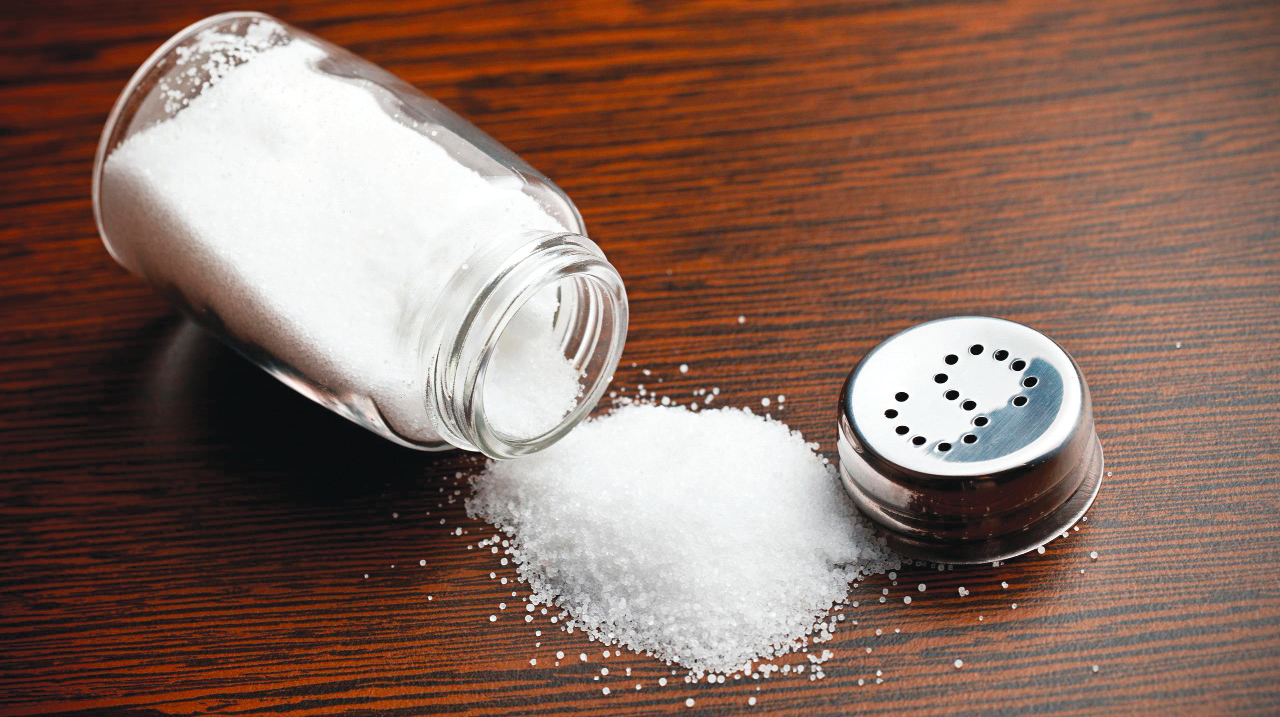
    Have you ever been told that consuming more salt will make you thirstier? Well, it could be just an old wives’ tale, say new studies by Russian cosmonauts. So far we have known that if your salt, or sodium chloride, intake is high, you will get more thirsty and hence, drink more water. This will ultimately dilute your blood to maintain an adequate concentration of sodium. This will lead you to excreting the excess salt and water through urination. However, recent studies show that this theory may be completely wrong.

    The experiment was conducted through the course of two separate space flight simulation studies where ten healthy men were given three salt intake levels (12, 9, or 6 g/d),while keeping all other dietary intakes constant.

    It concluded that eating more salt made the cosmonauts less thirsty and hungrier. Some subsequent experiments were also conducted on mice which showed how more salt intake burnt more calories, leading them to eat 25 per cent more to maintain their weight.

    This new study has contradicted conventional wisdom. It is actually a result of a quest by a scientist Dr Jens Titze, now a kidney specialist in Germany. A similar study was conducted in 2006 which concluded that the more salt the cosmonauts ate, the more salt they excreted.

    This ensured that the sodium content in the blood remained constant while increasing their urine volume. But, as the salt intake increased, water intake reduced. So, the question that remained was from where was the excreted water coming?

    After this experiment, Dr Titze studied mice. The more salt mice took, the lesser water they drank. But their water requirement was still getting fulfilled.

    Due to high salt, glucocorticoid hormones increased, breaking down fat and muscle and making water that the mice could use. This process needed more energy, hence, the mice ate 25 per cent more than their usual diet. This concluded that if your body broke down tissues to balance a high salt intake, it may even lead to weight loss.

  • Untitled post 84188

    It’s important to keep a check on the bacteria and toxins in the mouth as bacterial growth or infections travel quickly from there to other parts of the body. Here’s how you can keep your mouth smelling fresh and toxin-free.

    Oil pulling

    This method involves swishing about one tablespoon of organic coconut oil in the mouth for around 20 minutes. The oil helps reduce bad bacteria, remove stains from your teeth and to get rid of toxins, detoxifying not only your mouth but entire body.

    You can start with half a teaspoon for about two minutes and then later work your way up. Spit the oil out in a bin and rinse your mouth with warm water. Do this at least once a week.

    Tongue scraping

    Tongue scraping cleans bacterial build-up, food particles and dead cells from the surface of the tongue. You can use a flexible neem twig as a disposable tongue scraper by bending it into a U shape. Scraping your tongue with this on a regular basis stimulates metabolism as it helps get rid of bacteria and toxins.

    Massage your gums

    The antimicrobial, antifungal, antiviral, antioxidant and anti-inflammatory properties of tea tree oil help alleviate any oral problems. Neem oil lowers the chances

    of plaque and that of your gums bleeding. Apply a few drops of either of the oils on your gum line and massage for a few minutes. You can leave it overnight or rinse your mouth with cold water after an hour or two.

    Mouthwash

    While the disinfectant and antibacterial properties of mint prevents the growth of bacteria, cloves and parsley can help get rid of bad breath. To prepare the mouthwash, you will need two to three cloves, a handful of mint and some parsley leaves. Boil these together in two cups of water. Rinse your mouth with it at least twice a day.

  • F O O D C O R N E R CHEESE PANEER BALLS

    F O O D C O R N E R CHEESE PANEER BALLS

    INGREDIENTS

    200 gm grated cottage cheese, 1 tablespoon corn flour, 1 finely

    chopped green chilli, 1/3 teaspoon red chilli powder, 2 cup

    refined oil, 2 tablespoon gram flour (besan), 2 finely chopped

    onion, 1 inch finely chopped ginger, 2 tablespoon chopped,

    coriander leaves, 1 teaspoon salt

    For Filling

    50 gm cheese cubes

    METHOD
    1. ? In a large bowl, mix all the ingredients except cheese and oil.

    2. ? Take a small portion of mixture, roll it and press it on your palm like tikki (make it flat).

    3. ? Stuff one cheese cube inside the paneer piece, seal the edges and make a ball by rolling it on your palm.

    4. ? Repeat the same process to make balls from remaining mixture.

    5.. ? Turn on the flame and heat a pan, once the oil is heated, put the balls into the hot oil one by one.

    6. ? Fry it on medium flame till it turns golden brown from all  sides. Take out on a kitchen towel to absorb extra oil.

    7. ? Serve hot with tomato ketchup and green chutney.


  • EASY WAYS FOR NEW MOMS TO AVOID INJURIES

    EASY WAYS FOR NEW MOMS TO AVOID INJURIES

    Being a new mother is not only about a whole lot of joy and responsibilities, but also a few injuries that you have to handle. From carrying your baby on one hip to being the target of a tossed toy, there are a few things that can cause you serious harm. Here’s how to keep yourself safe:

    Wrist

    De Quervain’s syndrome or the mother’s wrist is a common complaint among new mothers. It’s caused by lifting your little one frequently, which leads to the soaring of the tendons in your thumb and wrist. To prevent this, hold your baby in a way that you keep your hand and wrist in the same line, that is least bending your wrist to hold their head.

    Hip

    Carrying your child on one hip and tilting your pelvis is how most mothers usually hold their children. What you should be doing instead is carrying the baby with your arms, with your body weight distributed equally on both legs.

    Neck

    Ever felt a twinging pain while breastfeeding your little one? That’s because of the hunched position you sit in, which strains your neck and shoulder muscles. To prevent it, make sure to roll back your neck at regular intervals, and support it with a soft pillow while at the same time raising your child slightly higher.

    Eyes

    Be it a tossed playing object or the children’s love for poking the eyes. Any hit to the cornea can cause a grievous injury. Make sure to keep your baby’s nails clipped short at all times. Also only buy them toys with soft edges, no metal involved.

    Back

    Months of carrying the little one inside you can give you a lower back ache. Add to it all the bending and lifting later to either pick the baby up or their toys, and you know what you are in for. While a good rest is the ultimate fix for back aches, you must also remember to bend your knees, instead of your torso, to lift the baby. A cold or hot pack can also help.


  • COCONUT-BASED FACE MASKS TO TRY

    COCONUT-BASED FACE MASKS TO TRY

    The miracles and virtues of coconut oil in diet and skincare have been extolled extensively. But the coconut itself can be a fabulous source of nourishment for the skin. Here are three ways you can use this wonder ingredient to make DIY face masks.

    Exfoliating mask

    Take the soft inner pulp of a single tomato along with the seeds, and blend it in a mixer with two tablespoons milk. To this, add half a cup of grated coconut. Mix well with a spatula and then apply all over face and neck, exfoliating in gentle upward motions for about five minutes. Leave on for another ten minutes, then wash and pat dry. Grated coconut is the gentlest exfoliant possible, since the flakes are soft, and so it is ideal for sensitive skins. The tomato and milk moisturise without being too greasy.

    Nourishing mask

    The pulp of the tender coconut contains nourishing benefits, and is a natural source of SPF (approximately SPF 4) against the harsh UV rays of the sun, which is why generations of local fishermen have been using them. Blend the flesh of the tender coconut till it achieves a smooth creamy consistency, and then add a few drops of almond or wheat germ essential oil. Apply and massage gently over face and neck, leave on for 10 minutes, then wipe off with a washcloth that has been dipped in warm water.

    Toning mask

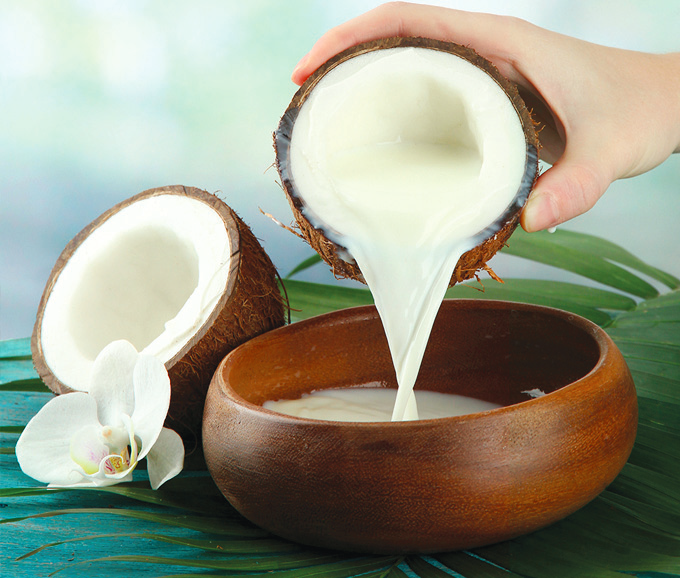
    Coconut water and coconut milk are the ultimate toners when applied onto the skin – and without shelling out big bucks too! Mix half a cup of coconut water or milk with a teaspoon of cucumber or pineapple juice, and 2 or 3 drops of aloe juice. Take a small ball of cotton wool, dip it in this mixture and gently run all over face and neck. Leave on for ten minutes, and then wash off with cold water. This is great to get rid of pigmentation, and add lustre to the skin.

    Source: Femina

  • King Arthur: Legend of the Sword Movie Review

    King Arthur: Legend of the Sword Movie Review

    CAST: Charlie Hunnam, Jude Law, Eric Bana, Astrid Berges-

    Frisbey, Djimon Hounsou

    DIRECTION: Guy Ritchie

    GENRE: Action

    DURATION: 2 hours 6 minutes

    STORY

    Clueless about his legacy, Arthur (Charlie Hunman) grows up in the black alleys of the city, resisting his prophecy. But he is forced to acknowledge his blue blood once he pulls the sword from the stone like Thor’s hammer, unleashing the evil in his uncle Vortigern (Jude Law). Can he reclaim his honour and lead the resistance.

    REVIEW

    As expected, this is Arthur’s origin story and is reminiscent of The Lion King.While we often believe that the visuals of an Indian action/ adventure are not a patch on Hollywood films, the tables seem to have finally turned. We can now proudly say that Baahubali (belonging to the same genre) beats this film hollow, when it comes to its scale, grandeur, opulence, storytelling and even emotional quotient.

    Of course Guy Ritchie has a unique style and if you fancy his idea of cool, this erratic film revolving around the Arthurian legend is bound to engage you. Replete with Ritchie’s trademark fast to slow-mo action cuts, witty oneliners, exciting chase sequences, elaborate sets and a swashbuckling hero who is always two steps ahead of his enemies, this action adventure keeps you on tenterhooks.

    While Hunman makes for an impressive Guy Ritchie’s Arthur, it is Jude Law, who turns out to be a total stunner, making evil look sexy. He is cold, cruel and irresistible. After playing Watson with much élan, his collaboration with the Sherlock director in a much diverse role does wonders for them once again. Hunman is delightful too. Astrid Berges- Frisbey makes her presence felt and Eric Bana is likable as usual as the righteous king.

    What doesn’t work is a rather embarrassing guest appearance by David Beckham and Guy Ritchie himself. Also, the visual effects in 3D seem pretty messed up after a while.

    Despite the inconsistency in pace and vision behind this unique take on the legend of Arthur, Ritchie pulls it off in style. This may not be one of his best works but it entertains, nonetheless. Daniel Pemberton’s music deserves a special mention too.

  • KRISTEN BELL DISLIKES SAYING ‘IT’S OK’ AROUND HER CHILDREN

    KRISTEN BELL DISLIKES SAYING ‘IT’S OK’ AROUND HER CHILDREN

    Kristen Bell said she does not like using the phrase “it’s ok” around her toddlers. The 36- year-old actress says she feels these words often leave children confused and they cannot understand what they feel when they hear the phrase.

    “I do really like re-evaluating how much we say to them, ‘It’s OK,’ because it weirdly shuts down their ability to have emotions. Because they think, ‘It’s OK. I shouldn’t be embarrassed. I shouldn’t be sad.’”

    “So now when they get sad or embarrassed, I say, ‘That’s a stinky feeling ? I’ve felt it, too.’ I just let them experience it, and hopefully it’ll make healthy adults (sic)” said Kristen.

    The ‘Bad Moms’ star has two daughters, four year- old Lincoln and Delta, two, with actor husband Dax Shepard.

  • CLAIRE FOY IN EARLY TALKS TO STAR IN ‘DRAGON TATTOO’ SEQUEL

    CLAIRE FOY IN EARLY TALKS TO STAR IN ‘DRAGON TATTOO’ SEQUEL

    The Crown star Claire Foy is in early discussed for the latest installment in the ‘Girl With the Dragon Tattoo’ series. The 33-year-old actress is the top choice to play the rogue hacker in ‘The Girl in the Spider’s Web’. If the deal gets finalised, Foy would take on the role that was played by Noomi Rapace and Rooney Mara in prior installments.

    ‘Don’t Breathe’ director Fede Alvarez will helm the film, which Sony recently dated for October 19, 2018. Steven Knight and Alvarez and Jay Basu penned the script.

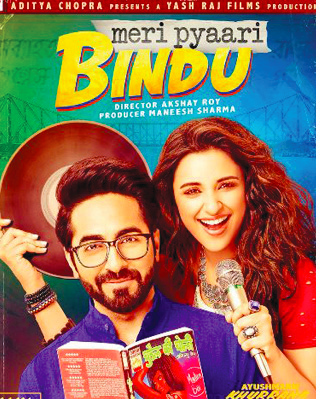
  • MERI PYAARI BINDU MOVIE REVIEW

    MERI PYAARI BINDU MOVIE REVIEW

    CAST: Parineeti Chopra, Ayushmann Khurrana

    DIRECTION: Akshay Roy

    GENRE: Romance

    DURATION: 1 hour 59 minutes

    STORY

    Bindu is an aspiring singer who doesn’t play by the rules, instinctively warms up to and then ditches new projects, cities and boys and cannot give her childhood sweetheart, Abhimanyu, the one thing he most craves: stability.

    REVIEW

    At one point, Abhimanyu’s (Khurrana) agent tells him, “Don’t try to write like Gulzar.” The writers of the movie should have paid heed to their own character’s advice. The dialogue often employs abstract lines to describe simple situations. An army Major randomly spouts, “One of you had to get hurt” with full emotion. You don’t expect this of him. There’s a throwaway pun about “coming” that just doesn’t fit. Bindu (Chopra) says something that’s right out of a self-help book but quickly declares it as, “Thought of the day,” as if to cover up the corny.

    The movie as a whole skirts the corny territory too. It’s the simplest rom-com plot: Boy meets girl. He climbs a tree into her room, childhood tricks turn into grown-up troubles and somewhere along the line, friendship jumps the fence. Existential crises, circumstantial woes and physical distance are placed at regular intervals and love is made to run this hurdle race.

    While the movie stumbles in a lot of places, it works purely on one count: as a romantic comedy designed to hit that sweet spot between your lungs, every once in a while. Chopra and Khurrana make for an electric couple; their real-life love for Bollywood music comes through. They’re silly and adorable together, like leads of a romcom are supposed to be. There’s ample Bong humour, sweet moments that allow the actors to shine and some catchy songs that play over montages. It’s like watching a string of meet cutes that don’t really lead to much.

    It’s a delight to watch Parineeti Chopra, especially because she has a lot more to do. Her character has quirks and flaws and lows and highs and she’s more realistic. In comparison, Ayushmann’s one-note character seems to exist only to deal with the consequences of Bindu’s actions. But Khurrana manages to be charming in spite of that. Meri Pyaari Bindu will appeal to the romantic in you, but watching the movie will be a battle between the brain and the heart. Your brain and the movie’s heart, that is.

  • DEEPIKA PADUKONE DONS AN EASY BREEZY SILK DRESS IN CANNES

    DEEPIKA PADUKONE DONS AN EASY BREEZY SILK DRESS IN CANNES

    Actress Deepika Padukone’s second wardrobe choice for her first day at the Cannes Film Festival is a bold, cut-out satin ensemble from the studios of Galvan London.

    Deepika stylishly put together her second look accessorising with beige Christian Louboutin heels, an unkempt top knot, statement jewellery by Messika and smoky eyes that could kill. Deepika was photographed in conversation with film critic Anupama Chopra.

    The 31-year-old actress is already turning heads and stealing much of the limelight with her sartorial picks. For example, earlier today, the Bajirao Mastani actress stepped out looking out-of-the-world in a red maxi dress by Johanna Ortiz. No words.

  • MANISHA KOIRALA TO CO-AUTHOR A BOOK WITH A CANCER SURVIVOUR

    MANISHA KOIRALA TO CO-AUTHOR A BOOK WITH A CANCER SURVIVOUR

    Speaking to Mirror earlier this year (January 28) Manisha had spoken about her plans to write a book. “I want to teach people how to live a holistic life. I’m obsessed with being healthy, constantly reading, researching and sharing my knowledge with others. My book will not be an autobiography but my reflections on life and films. When I was unwell I made lots of notes,” she had revealed.

    Now, Mirror has learnt that the actress is collaborating on a book with another cancer survivor. According to a source, she’s been in talks with a multinational publishing house since last year and the book is expected to be ready by the year end. “Having defeated the Big C, she wants to help others by sharing her journey and encouraging them to remain positive,” adds the source.

    Interestingly, her upcoming film, ‘Dear Maya’, is about finding hope. “After listening to the script, she sent me a message saying that she loved it and wanted to be a part of the film. I needed someone who can portray the different shades of life -happy and dark and everything in between. Manisha is a brilliant actress and she’s been our support system all through,” the film’s debutante director, Sunaina Bhatnagar, had said.

  • WOMEN WILL GET OPTION TO SAY NO TO TRIPLE TALAQ, MUSLIM BOARD TELLS SC

    WOMEN WILL GET OPTION TO SAY NO TO TRIPLE TALAQ, MUSLIM BOARD TELLS SC

    NEW DELHI (TIP): The All India Muslim Personal Law Board (AIMPLB) told the Supreme Court on Thursday that it would enable Muslim brides to include in the nikahnama (marriage contract) a provision allowing them to say no to triple talaq.

    “We also don’t want the practice to go on. We had a meeting yesterday. It will be part of the nikahnama. We will send an advisory to all ‘qazis’ stating that they should avoid instant triple talaq,” senior counsel Kapil Sibal, appearing for the AIMPLB, told a five-judge bench headed by Chief Justice J S Khehar.

    Concluding its hearing of a clutch of petitions challenging the practice of triple talaq, polygamy and nikah halala, the bench, which includes Justices Kurien Joseph, U U Lalit, R F Nariman and Abdul Nazeer, reserved its verdict.

    The bench had on Wednesday asked the AIMPLB if it was possible to include such a provision in the nikahnama. “Can it be made possible to give an option to a wife that she can say that she was agreeable to or not agreeable to it (triple talaq)?

    Is it possible to pass a resolution to all ‘qazis’ to include this condition in ‘nikahnama’? Give an option to wife to say ‘no’ to triple talaq,” the bench had asked. Reacting to Sibal’s submission today, Justice Kurien asked, “why not bring it on record”.

  • POST GST, LOWER TAX ON MILK, CEREAL, TOILETRIES

    POST GST, LOWER TAX ON MILK, CEREAL, TOILETRIES

    NEW DELHI/SRINAGAR (TIP): Foodgrain, milk, cereal, toiletries and a bulk of consumer items will become cheaper once the GST regime kicks in on July 1. The GST Council finalised the rates for about 1,200 items on Thursday. The rate for services will be decided on May 18.

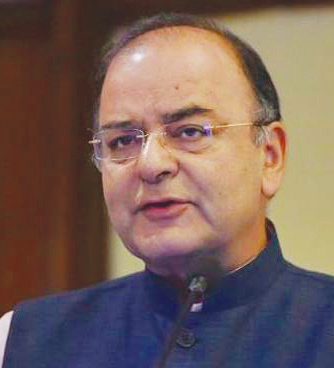
    On the first day of its two-day session in Srinagar, the council decided that a fifth of all goods sold in India would be taxed below 18%, making most goods cheaper under the GST regime. A few items, however, will cost more.  Talking to reporters after the meeting, Finance Minister Arun Jaitley said, “Tax rates for many items have been reduced.” With a better system in place, compliance will improve, he declared. Jaitley is confident rates for all goods and services would be finalised by Friday. If that doesn’t happen, the session will be extended by a day, he said.

    Revenue Secretary Hasmukh Adhia said only 19% of goods on the list would be taxed at 18%, while 81% of goods would be taxed lower. He said sugar, tea, non-instant coffee, edible oil and coal would be under the 5% category, while toothpaste, hair oil and soaps would be taxed at 18%.

    The current tax on toothpaste and soaps is close to 28%. In a boost to industry, the tax rate for capital goods and industrial intermediaries was fixed at 18%. The council had earlier decided a five-slab structure of 0%, 5%, 12%, 18% and 28%.

    Most luxury goods and sin items were expected to fall in the highest 28% bracket. It was assumed small cars would have a lower tax rate than 28%, but state finance ministers who attended the meeting on Thursday said the item hadn’t come up for discussion. The council approved seven GST rules required for its rollout. The remaining two, related to transition and return, are being vetted by the legal committee, Jaitley said. Jaitley assured Jammu and Kashmir that the Centre would respect its special status while rolling out GST.

  • POST GST, LOWER TAX ON MILK, CEREAL, TOILETRIES

    POST GST, LOWER TAX ON MILK, CEREAL, TOILETRIES

    NEW DELHI/SRINAGAR (TIP): Foodgrain, milk, cereal, toiletries and a bulk of consumer items will become cheaper once the GST regime kicks in on July 1. The GST Council finalised the rates for about 1,200 items on Thursday. The rate for services will be decided on May 18.

    On the first day of its two-day session in Srinagar, the council decided that a fifth of all goods sold in India would be taxed below 18%, making most goods cheaper under the GST regime. A few items, however, will cost more.  Talking to reporters after the meeting, Finance Minister Arun Jaitley said, “Tax rates for many items have been reduced.” With a better system in place, compliance will improve, he declared. Jaitley is confident rates for all goods and services would be finalised by Friday. If that doesn’t happen, the session will be extended by a day, he said.

    Revenue Secretary Hasmukh Adhia said only 19% of goods on the list would be taxed at 18%, while 81% of goods would be taxed lower. He said sugar, tea, non-instant coffee, edible oil and coal would be under the 5% category, while toothpaste, hair oil and soaps would be taxed at 18%.

    The current tax on toothpaste and soaps is close to 28%. In a boost to industry, the tax rate for capital goods and industrial intermediaries was fixed at 18%. The council had earlier decided a five-slab structure of 0%, 5%, 12%, 18% and 28%.

    Most luxury goods and sin items were expected to fall in the highest 28% bracket. It was assumed small cars would have a lower tax rate than 28%, but state finance ministers who attended the meeting on Thursday said the item hadn’t come up for discussion. The council approved seven GST rules required for its rollout. The remaining two, related to transition and return, are being vetted by the legal committee, Jaitley said. Jaitley assured Jammu and Kashmir that the Centre would respect its special status while rolling out GST.