Month: November 2023

  • Trying to lose weight? These mini meals can help in portion control

    Trying to lose weight? These mini meals can help in portion control

    When trying to lose weight, many people tend to skip meal(s) thinking that will help them in their journey. However, this is not what helps in weight loss. As per Anjali Mukerjee, a nutritionist, eating frequent and small meals throughout the day help achieve the goal.
    While people follow different diets and hacks like intermittent fasting and calorie counting, experts believe that portion control is one of the most popular and effective ways to keep your weight in check. Defined as “the process of making sure that the amount of food you eat for each meal is not too large, especially when you are trying to lose weight,” portion control can help you with your weight loss journey.
    As per Anjali, studies have shown that eating frequent mini-meals spread throughout the day prevents the metabolism from slowing down, reduces hunger pangs, optimally fuels your body, and has a positive impact on cholesterol and insulin levels.
    Stressing the importance of portion control, Anjali wrote, “In the world of nutrition, it is a known fact that you should burn more calories than you consume to lose weight and fat. And how can one achieve this? By portion control and optimal meal frequency.”
    “Portion size is a key driver of energy intake and also impacts the weight of a person. Therefore, measuring and controlling the portion size has become very crucial to control (and not gain) weight,” Dr Garima Goyal, a nutritionist, told indianexpress.com previously.
    Anjali suggested a few easy mini meals options that one can try and include in their diet routine when they are trying to lose weight.
    – 1 cup soya milk with almonds.
    – Half a sandwich made with 1 slice of whole wheat bread with either of the following fillings– shredded chicken, cucumber, tomato with chutney or paneer.
    – 1 bowl of moong sprouts with salad.
    – A handful of peanuts with chana in a ratio of 1:1.
    – Substitute your rotis with wheat bran rotis and reduce the number of rotis to half of your regular intake.
    – 1 toast with 2 egg whites omelette or one full egg omelette.
    – One fruit either an apple, orange, sweet lime, 20 cherries, or 1 bowl of watermelon.
    – A bowl of dal or curd with salad.
    Source: Indian Express

  • Whole genome sequencing personalising TB therapy: Expert

    Whole genome sequencing personalising TB therapy: Expert

    A new technique that uses whole genome sequencing can help personalise drug therapy in tuberculosis (TB) patients and ensure complete treatment for the disease, according to a biotechnologist. Anirvan Chatterjee, founder & CEO of HaystackAnalytics, a start-up incubated at the Indian Institute of Technology (IIT) Bombay, noted that the method provides a means for conclusively ascertaining drug resistance in a TB patient. Complete treatment of TB patients is significant as being a transmissible disease; TB presents the risk of spreading and evolving into a superior drug-resistant version of itself. Caused by the bacteria Mycobacterium tuberculosis (MTB), TB is an infectious disease that spreads through the medium of air when people with lung TB cough, sneeze, or spit. The symptoms include prolonged cough, chest pain, weakness or fatigue and fever.
    “Currently every TB patient undergoes a Nucleic Acid Amplification Test (NAAT) as the primary screening for confirmation of TB and detection of resistance to 1 or few drugs. If found resistant, the patient is advised more tests to get the complete drug-resistance profile,” Chatterjee told PTI in an interview. NAAT is a molecular test that detects the DNA of the TB-causing bacteria in a patient’s sputum or other respiratory sample. Leveraging whole genome sequencing (WGS), a method for analysing entire genomes, on a TB positive patient’s sample can eliminate this need for multiple tests and provide a comprehensive drug resistance profile against all the drugs currently prescribed by the World Health Organization (WHO), according to Chatterjee. “In case a WGS report is available for a TB patient, the therapy can be fully personalised while adhering to the drug combinations determined by the WHO,” he said.
    The WGS testing process involves sequencing the entire DNA of the TB-causing bacteria in the patient’s sample. Then, by analysing data from about 4.5 million data points on the genome using bioinformatics and machine learning technologies, the resistance of the bacteria to any of the 18 antibiotics is ascertained in under two weeks once the sample has reached the lab. “For the report, we analyse the (bacterial) strain type, depth of sequencing, coverage of the genome, drug resistance mutations which have been validated to be associated with in-vitro resistance, phylogenetic association with global strains,” said Chatterjee, who was a postdoctoral researcher at the University of Oxford, UK, when he developed this technology. Source: PTI

  • Simple blood test can help diagnose bipolar disorder accurately: Study

    Researchers have developed a simple blood test that in combination with an online psychiatric assessment provides an improved diagnosis of bipolar disorder.
    The team at the University of Cambridge in the UK found that the blood test on its own would diagnose up to 30 per cent of patients with bipolar disorder, but it was effective when combined with a digital mental health assessment. Incorporating biomarker testing could help physicians differentiate between major depressive disorder and bipolar disorder, which have overlapping symptoms but require different pharmacological treatments.
    Although the blood test was still a proof of concept, the study published in the journal JAMA Psychiatry found that it could be an effective complement to existing psychiatric diagnosis and can help researchers understand the biological origins of mental health conditions.
    Bipolar disorder affects approximately one per cent of the population – as many as 80 million people worldwide – but for nearly 40 per cent of patients, it is misdiagnosed as major depressive disorder. “People with bipolar disorder will experience periods of low mood and periods of very high mood or mania,” said study first author Jakub Tomasik, from Cambridge’s Department of Chemical Engineering and Biotechnology.
    “But patients will often only see a doctor when they are experiencing low mood, which is why bipolar disorder frequently gets misdiagnosed as major depressive disorder,” Tomasik said.
    The most effective way to get an accurate diagnosis of bipolar disorder was a full psychiatric assessment. However, patients often face long waits to get these assessments, and they take time to carry out. “Psychiatric assessments are highly effective, but the ability to diagnose bipolar disorder with a simple blood test could ensure that patients get the right treatment the first time and alleviate some of the pressures on medical professionals,” said Tomasik.
    The researchers used samples and data from the Delta study, conducted in the UK between 2018 and 2020, to identify bipolar disorder in patients who had received a diagnosis of major depressive disorder within the previous five years and had current depressive symptoms. Source: PTI

  • Make your hair super silky

    Make your hair super silky

    You know silky hair when you see it: shiny, healthy, and free of tangles. But if you, like me, put your hair through the ringer, styling it with hot tools, using tons of product, and coloring it regularly, silkiness seems only but a dream. Luckily, with the right products, you can improve the look and feel of our hair in just a few weeks—especially since silky hair relies on the health and condition of the cuticle (the outside layer).
    The surface of your hair is kind of like shingles on a roof. When all of those shingles lay downward and smooth from roots to ends, that’s when your hair looks and feels smooth and shiny—not knotty and tangled; it’s also when it reflects the most light.
    Be mindful when shampooing
    When shampooing, the tendency is to pile your hair on top of your head, and wash the entire length of your strands. This technique not only creates tangles, but also dries out the ends of the hair, which already lack moisture—especially of those with curly hair.
    With naturally straight hair, oil from the scalp can go from roots to ends very quickly because gravity will pull it down. But with curly hair, the oil has to travel around the coiled shaft, so the oil doesn’t get there as quickly. What this means is that people with curly hair don’t need to shampoo their hair as often. And, when it is time to wash, consider swapping out your regs shampoo with a cleansing conditioner to keep from stripping your hair of its necessary natural oils.
    Comb when wet, brush when dry
    Most people are not delicate enough when brushing, which can prevent your hair from looking its best. If you’re raking through wet hair with a paddle brush, that detangling noise that you’re used to hearing is actually the sound of your hair ripping. Instead of smoothing the cuticle, this action is causing damage to the outside layer. A gentler way to detangle hair? Using a comb when it’s wet (or a brush designed for use on wet hair), and only using a brush when your hair is dry. Work through the knots and tangles by starting at the ends before moving to the middle and roots, rather than working from roots to ends, which could worsen the problem.
    Use a T-shirt to dry your hair
    Somewhere along the way, we wrongly learned to “rough dry” hair by rubbing a towel back and forth against it. This action creates friction, which fluffs up the cuticle. And when the cuticles are fluffed up, they catch on one another, cause knots and breakage, and result in frizz. The number one key to having smooth hair is no friction. When someone’s hair gets super tangly, it’s usually because the cuticle is open. The tighter the cuticle, the more resistant it is to opening, and the smoother the hair is overall. So, switch out your fluffy friction-causing towel for a smoother cotton T-shirt. And instead of rubbing your head, wrap the ends in the shirt and squeeze all the water out, working it down to the ends.
    Sleep on silk pillowcases
    If you’re currently using a cotton pillowcase, that very well might be the cause of your frizzy or tangled hair. Makes sense if you think about it: a silky smooth pillowcase leads to silky smooth strands. Cotton absorbs all the moisture from your strands, while silk or satin maintains the oils necessary for nourished hair.

  • Things you need to do for healthy skin at any age

    As you get older, your diet, lifestyle and hormones take a toll on your skin. Wrinkles, loss of elasticity, dark circles and blemishes can be a shock when you look in the mirror. Therefore, you need to give your skin a little more care in your 50s than you did in your 20s or 30s. Here are some useful tips to ensure glowing, vibrant skin after 50.
    Balance the hormones
    The hormones in our body act like messengers. With ageing, these hormones become unbalanced and we can see the changes following menopause. Due to this, women experience dry skin or oily skin and even adult acne. When these hormones are well-balanced, we feel and look energetic, healthy and vibrant. As we age, it is important to know the interplay between hormone, health and beauty. There are superfoods like berries, walnut, avocado and turmeric when combined with proper diet and a healthy regime can give us glowing skin.
    High insulin is bad
    High levels of insulin can increase wrinkling of the skin. Our body gets an excess of insulin when we indulge in sugary foods like bakery items, packed juices, and other sweet items. If you go for sugar-laden eats, it’s not only bad for the waistline, you are also likely to have a dull complexion and damaged skin. The high level of insulin manifests as excess hair growth and dark patches on the neck and body folds. Try to avoid sugar in your diet.
    Prefer more probiotics foods
    Reach out for foods that are high in antioxidants as well as probiotics, which are naturally occurring and good-for-your-gut bacteria. Probiotics help in creating a healthy gut, so less toxins are absorbed into the bloodstream.Toxins obstruct the absorption of important vitamins, minerals and nutrients in our body. Consuming probiotics will promote better moisture absorption and help in delaying the signs of aging. Lactic acid helps reduce wrinkles and tighten pores.

  • Rogan Josh

    Rogan Josh

    Ingredients
    1 Kg Meat, 1 Cup Mustard/refined oil, 3 tsp Red chili powder, 3 tsp Fennel powder, 2 tsp Ginger powder, 2 tsp Cumin powder, 3 tsp Brown cardamom powder, 1 tsp Asafoetida, 4 Pieces Green cardamom, 2 Cinnamon sticks, 2 Bay leaves, 2 Cloves, 1/3 tsp Saffron (optional), 1 Cup Curd, A pinch of Salt.
    Method
    – Wash the meat properly. Heat oil in a pressure cooker.
    – Put cinnamon, bay leaves, green cardamom, cloves, a teaspoon of salt, asafoetida, and meat together.
    – Fry meat till it turns brown. Once browned, pour a cup of water. Add the red chili powder and saffron into the meat. Keep stirring for about a minute.
    – Mix the curd nicely in the mixer and pour it into the pressure cooker. Keep on stirring till you get a reddish tinge.
    – Add 2 cups of water, fennel powder, ginger powder, and pressure cook for 2 minutes.
    – Check if the meat is tender. Peel and grind green and brown cardamom and add to the meat dish.
    – Finally sprinkle cumin powder and simmer for a minute and serve.

  • Hrithik, Deepika finally wrap Siddharth Anand’s ‘Fighter’ shoot

    Hrithik, Deepika finally wrap Siddharth Anand’s ‘Fighter’ shoot

    Hrithik Roshan and Deepika Padukone have joined forces for the very first time for ‘Fighter’. Helmed by Siddharth Anand, the movie is one of the most-anticipated projects of next year. Now the makers of the film took to social media and announced the final schedule wrap of ‘Fighter’. On November 1, Siddharth Anand took to Instagram to announce the completion of the ‘Fighter’ shoot. Sharing a picture of a camera, he captioned, “And it’s a film shoot wrap on #FIGHTER (sic).”
    Hrithik Roshan also took to his Instagram handle to repost the picture.
    Earlier in October, a BTS picture of the cast of ‘Fighter’, from Italy, surfaced on social media. Actor Afreen Khan took to Instagram on October 3 to share a behind-the-scenes photo of Deepika and Hrithik along with Siddharth and his wife Mamta Anand, choreographer Bosco Martis and others. In the photo, they seem to be taking a coffee break in between their shots. The selfie was clicked by Hrithik Roshan. Hrithik Roshan will be seen playing an Air Force officer for the first time in ‘Fighter’. Deepika Padukone is also expected to have some high-octane action sequences in the film. The film also stars Anil Kapoor in a pivotal role. Directed by Siddharth Anand, ‘Fighter’ is set to release on January 25, 2024.

  • Dunki teaser: SRK brings comedy and drama to immigrant dreams

    Dunki teaser: SRK brings comedy and drama to immigrant dreams

    On Shah Rukh Khan’s 58th birthday on Thursday, November 2, the teaser for his third film of the year after the blockbusters Pathaan and Jawan, Dunki, was unveiled. The eagerly-awaited Dunki teaser gave the best look yet the at film that marks the first collaboration between Shah Rukh and filmmaker Rajkumar Hirani. Dunki also features Taapsee Pannu in the lead role alongside Shah Rukh. Vicky Kaushal also features in the film.
    Dunki is backed by Red Chillies Entertainment, Rajkumar Hirani Films and Jio Studios. Dunki will hit theatres in India on December 22. Dunki will clash with Prashant Neel’s Salaar: Part 1 – Ceasefire at the box office. The film stars Prabhas in the lead.
    Last year, Shah Rukh Khan had spoken about the title of his upcoming film Dunki, and explained how it actually meant donkey. As he attended the Red Sea International Film Festival in Saudi Arabia in December 2022, Shah Rukh spoke about Dunki during an interview with Deadline.
    The actor had said, “In English, my film would be called Donkey, it is Donkey. But the way a part of the country pronounces donkey in India, it is ‘dunki’. The Punjabis say it (donkey) like dunki… How much to tell you about the story… It is a film directed by one of the most brilliant filmmakers we have had in our country, Mr Raju Hirani. It is written by a very fantastic writer, Abhijat Joshi. It is a story of people, who want to come back home… when you finally get the calling.” The actor had further said about Dunki, “It is a comic film. His (Rajkumar Hirani) films are always a mix of comedy and a lot of emotions about the country. So, it is a big journey film, and the film goes through different areas around the world and finally comes back home to India.” Shah Rukh Khan has had the most successful year of his career in 2023. He started the year with Siddharth Anand’s Pathaan, also starring Deepika Padukone and John Abraham, and recently had the biggest hit of the year with Atlee’s Jawan, which also starred Vijay Sethupathi, Nayanthara and Deepika. SRK’s films in 2023 have grossed over Rs 2100 crore worldwide and it remains to be seen if Dunki can match up to the success of Pathaan and Jawan. Rajkumar Hirani, who has made films like 3 Idiots, PK, and the Munna Bhai series, has never had a flop at the box office. The film marks his return to direction after 2018’s Sanju, which was also a blockbuster.

  • Bobby reveals how Salman helped him get movies during his struggling days

    On the second episode of Karan Johar’s popular chat show ‘Koffee with Karan Season 8’, actor Bobby Deol talked about superstar Salman Khan’s relationship with the ‘He-Man’ of Bollywood Dharmendra. Bobby graced the ‘Koffee’ couch with his brother Sunny Deol.
    During a conversation with KJo, Bobby said, “Salman has always been there. He is completely in love with my dad. The bond they share is just amazing, he has so much respect for him. He has this obsessive love for my dad and my family. He is one guy who has got no insecurity.”
    Bobby also revealed how Salman helped him during the period when he was struggling and how ‘Race 3’ happened to him.
    Bobby shared, “One day Salman told me ‘When my career was struggling I climbed on your brother (Sunny Deol) and Sanjay Dutt’s back and moved forward, So I told him ‘Mamu (what Salman and I call each other), let me climb on your back’. So then he remembered that and then after a couple of years after that I got a phone call from him and he said Mamu will you be willing to take your shift off? Then I said Mamu I would do anything, so that’s how I got ‘Race’.”
    Bobby also spoke about how Red Chillies Entertainment has always given him ‘good stuff.’ He said, “I had to work hard. It doesn’t mean things will happen easily. Like Class of 83 is a subject, I always wanted to do those kind of subjects, but I never used to get them. When I got that, I think I have a relationship with Red Chillies. It started with Class of 83 and now Aryan’s show. And then I did Love Hostel. They have always given me good stuff.” (Sic)
    On the work front, Bobby will next be seen in the film Animal. Helmed by Sandeep Reddy Vanga, Animal also stars Ranbir Kapoor, Rashmika Mandanna and Anil Kapoor.

  • Sophie Turner seen cosying up to British heir in Paris

    Sophie Turner seen cosying up to British heir in Paris

    Sophie Turner, 27, was spotted kissing an English heir in Paris on Saturday, amid her divorce from Joe Jonas, 34, reported by the UK Sun. The ‘Game of Thrones’ actress was spotted in an affectionate moment with Peregrine ‘Perry’ John Dickinson Pearson, a 29-year-old who holds the title of heir to the 4th Viscount Cowdray, a region in Sussex.
    The outlet published a photo that allegedly shows the pair locking lips on the street, but their faces are not clear in the image. An eyewitness told the outlet that they saw them at the Gare du Nord railway station, where they seemed to be in a good mood.
    “They arrived together at the chauffeur pickup location outside of the station. It looked like they might have both come on the Eurostar from London,” the report says.“He then took his hat off and leaned in to give her a big kiss. After the kiss, they parted ways.”
    The woman in the photo wore a red baseball cap, black sunglasses, a long black coat, patent leather loafers and a teal Louis Vuitton bag. He was dressed in gray jeans, Adidas sneakers, a black peacoat, a brown scarf, and sunglasses.

  • Meg Ryan returns to Rom-Coms after 14 years

    Meg Ryan returns to Rom-Coms after 14 years

    Meg Ryan is making her long-awaited rom-com comeback with the upcoming film What Happens Later alongside David Duchovny, and fans finally got a first look at the 61-year-old reclaiming her throne when the trailer hit their inboxes.
    In true rom-com fashion, the movie starts with the perfect meet-cute between exes Willa (Meg) and William (David), who find themselves snowed in at a regional airport—their first encounter since their breakup 20 plus years ago.
    And when only their flights are indefinitely delayed Willa and William once again find themselves facing the same issues as when they dated decades prior. As the night goes on, the two rediscover that Willa is still independent with no ties holding her down, stating that kids just “wasn’t in the cards” for her, while William is navigating how to maintain relationships with his ex-wife and daughter. Of course, the “what ifs” start trickling in, sparking the age-old thought of what could have been between the former flames.
    The trailer also includes nods to the loyal romance fans, like when William goes to plug in his phone and unplugs a movie poster that reads: “Rom Com coming this summer. Fall in love with love again.”
    And although it’s been quite a bit since we’ve been sleepless in Seattle, What Happens Later officially marks 14 years since Meg’s last rom-com in 2009, Serious Moonlight, also starring Kristen Bell and Timothy Hutton.
    But despite her time away the You’ve Got Mail star—who also co-wrote and directed the upcoming movie—still knows how to tug at our heartstrings.
    “Sometimes there’s a question of: Will they be together? Will they not be together?” Meg teased to Entertainment Weekly Aug. 29. “For that reason, What Happens Later sort of evolves the rom-com genre just a little bit. It’s also about old people, and it’s still romantic and sexy.” And perhaps the film’s leading man was brought to Meg by the fate of the universe, as David’s portrayal of her love interest was exactly what the When Harry Met Sally actress was looking for. “My character, Willa, is a magical thinker and David’s character, Bill, is a catastrophic thinker,” Meg continued to the outlet. “These rom-coms really work when the two characters are somehow opposites and yet have a rhythm of intellect and humor and dialogue and banter that sort of indicates their compatibility.”
    She added, “So, it’s just been really fun to see David embrace this guy who I don’t think is anything really like David. Whereas the Willa thing I can really relate to. To see him dive into every single scene in the fullest way, he’s funny, and he’s smart, and he’s dear, and irresistible.” Source: Eonline.com

  • Ben Affleck bumps his luxury car after chatting with ex-wife Jennifer Garner

    Hollywood star Ben Affleck has bumped his luxury Mercedes-Benz into a car on a recent outing. He was involved in the accident after he was caught on camera chatting with his former wife Jennifer Garner. The 51-year-old Oscar-winning actor was spotted out and about in Santa Monica, California. In pictures making their rounds online, it could be seen that he accidentally backed his Mercedes-Benz into a white car, which was parked behind his luxury vehicle, reports aceshowbiz.com. Shortly before the incident, Affleck was spotted having a sweet interaction with Jennifer. In the photos, they were captured having a seemingly fun conversation while they were attending a Halloween celebration at their children’s school. At one point, Affleck was pictured placing one of his hands on Garner’s arm as they talked to each other. In the meantime, she was seen looking at him and frowned. She later let out a smile as she looked in another direction.
    For the day out, the ‘Argo’ actor looked clean in an ivory ribbed top that came with a high neck design, unbuttoned long-sleeved beige blazer with two big pockets and a pair of long blue pants. He completed the look with a pair of colorful Nike sneakers with white laces and a wedding ring. Throughout the outing, he was carrying a cup of coffee.
    In the meantime, Garner opted to wear an all-black ensemble. The actress of ‘The Adam Project’ donned a long-sleeved Moncler sweater under a matching insulated vest that came with a zipper. She covered her eyes with a pair of matching sunglasses. She let loose her shoulder-length hair and parted it in the middle. Similar to Ben, she was holding a glass of drink in one of her hands.
    Affleck and Garner tied the knot in 2005 before separating in 2015. Their divorce was finalised in 2018. The former couple share three children, 17-year-old Violet Anne, 14-year-old Seraphina Rose and 11-year-old Samuel. Later on, he married singer Jennifer Lopez in July 2022.

  • Stop calling me ‘My Lord’ and I will give you half of my salary: SC judge to senior advocate

    A Supreme Court judge has voiced unhappiness at being repeatedly addressed as “My Lord” and “Your Lordships” by lawyers during judicial proceedings.
    “How many times you will say ‘My Lords’? If you stop saying this, then I will give you half of my salary,” Justice P S Narasimha, who was sitting on the bench with senior presiding judge Justice A S Bopanna, told a senior lawyer during the hearing of a regular matter on Wednesday, November 1.
    Lawyers, during arguments, invariably address judges as “My Lord” or “Your Lordships”. Those opposed to the practice often call it a colonial-era relic and a sign of slavery.
    “Why don’t you use ‘Sir’ instead,” Justice Narasimha said, adding otherwise, he will start counting as to how many times the senior lawyer uttered the expression “My Lords”.
    In 2006, the Bar Council of India had passed a resolution deciding no advocate will address judges as “My Lord” and “Your Lordship” but it was not followed in practice.

  • Now, devotees can take along langar ration to Gurdwara Darbar Sahib in Kartarpur

    Now, the devotees going to pay obeisance at Gurdwara Sri Kartarpur Sahib in Pakistan will be able to take ration and other goods for langar (community food) from the Indian side.
    Christened as “Langar Rasad Guru Nanak Dev Ji Hut”, an exclusive store for ration has been opened at the Kartarpur corridor at Dera Baba Nanak in Gurdaspur.
    On the first day today, the devotees purchased vegetables, pulses and handkerchiefs from this store. The Kartarpur corridor was constructed by India and Pakistan for visa-free access to Indian pilgrims from Dera Baba Nanak to Kartarpur in Pakistan’s Narowal district where Guru Nanak Dev, the founder of Sikhism, had spent the last leg of his life.
    Since the inauguration of the corridor in November 2019, the devotees, during the initial months, used to carry ration for langar along with them, but this practice was discouraged after the Pakistan Rangers raised objections over it with their Indian counterparts.
    As the new store has opened after the intervention of the Centre, the devotees can now “officially” contribute in the langar of Gurdwara Kartarpur shrine kitchen.

  • Furnish data of all electoral bonds in 2 weeks: SC to EC

    NEW DELHI (TIP): The Supreme Court on Thursday, November 2, reserved the pleas challenging the validity of Central government’s electoral bond scheme, directing the Election Commission to provide within two weeks all data on donations that political parties received through the scheme till September 30 this year.
    A five-judge constitution bench led by Chief Justice DY Chandrachud said the electoral bonds scheme for funding political parties should not become a tool for “legitimisation of quid pro quo” between power centres and people who are benefactors of that power, stressing the need for reducing the cash component in the electoral process.
    After hearing for three days the pleas against the Centre’s scheme introduced in 2017, the bench also comprising Justices Sanjiv Khanna, B R Gavai, J B Pardiwala and Manoj Misra reserved its verdict on a batch of pleas filed by Congress leader Jaya Thakur, the Communist Party of India (Marxist) and NGO Association for Democratic Reforms (ADR), among others.
    During the hearing, the bench also said that at this stage, it will not ask the State Bank of India to reveal the identity of the donors, but it would like to know about the quantum of bonds subscribed.
    A major contention of the petitioners was that the identity of the donors could never be known to the public.
    Source: ENS

  • Delhi wakes up to dense haze as air quality turns ‘severe’

    Delhi wakes up to dense haze as air quality turns ‘severe’

    The air quality in several parts of Delhi reeled under the ‘severe’ category on Friday, November 3, morning with Mundka recording the highest Air Quality Index (498), as per the Central Pollution Control Board (CPCB). As the quality of air deteriorated, a thick haze blanketed the skyline of the national capital. According to the CPCB, the AQI in the Lodhi Road area was recorded at 438, in Jahangirpuri at 491, in the RK Puram area and in IGI Airport (T3) at 486 and 473 respectively.
    Air Quality Index (AQI) is a tool for effective communication of air quality status to people in terms, which are easy to understand. It transforms complex air quality data of various pollutants into a single number (index value), nomenclature, and colour.
    The AQI from 0 to 100 is considered good, while from 100 to 200 it is moderate, from 200 to 300 it is poor, and from 300 to 400 it is said to be very poor and from 400 to 500 or above it is considered as severe, which affects healthy people and seriously impacts those with existing diseases.

  • iPhone snooping alert to Opposition leaders: Apple joins CERT-In probe

    iPhone snooping alert to Opposition leaders: Apple joins CERT-In probe

    New Delhi (TIP)- Apple on Thursday, November 2, joined the CERT-In (Indian Computer Emergency Response Team) — the government’s nodal agency on cyber security — in connection with the probe into allegations of attempts to hack the iPhones of some Opposition leaders. The controversy erupted after some of the leaders who use Apple phones received warnings of “state-sponsored attacks” on their devices from the company.
    The government, meanwhile, said the investigation is focused on “determining if the Apple products are secure and safe and can be trusted to protect the privacy of the consumers”.
    The IT Ministry had sent a notice to Apple, seeking an explanation on the alert sent to political leaders and a few mediapersons, warning them of “state-sponsored attackers who are remotely trying to compromise” their iPhones, said Union Minister of State for Electronics and Information Technology Rajeev Chandrasekhar.
    “The government is determined to get to the bottom of this. Our investigation is focused on determining if the Apple products are secure and safe and can be trusted to protect the privacy of the consumers,” Chandrasekhar told The Indian Express. “If Apple devices are safe… we want to know what those ‘threat notification messages’ were. We have asked them to explain. If their devices are secure and safe, they should be transparent and disclose the vulnerabilities to their consumers and the government,” the minister said.
    The MoS said Apple should join the investigation. “Since the threat notifications have gone to 150 countries, it’s important that Apple joins the investigation and explain honestly and transparently,” Chandrasekhar added.
    On Wednesday, November 1, Union IT minister Ashwini Vaishnaw told The Indian Express that the CERT-In has started an investigation. Sources in the government said that an Apple team joined the investigation on Thursday.
    Several political leaders, mainly from the Opposition, including Congress MP Shashi Tharoor, TMC’s Mahua Moitra and AAP’s Raghav Chadha, as well as a few journalists, claimed to have received a notification from Apple about “state-sponsored attackers” remotely trying to compromise their iPhones. While Opposition MPs in the IT Standing Committee have sought a meeting of the panel to discuss the issue, CPIM MP John Brittas has written to the committee chairman Pratap Rao Jadhav, seeking a meeting. However, BJP’s Nishikant Dubey, who is a member of the panel, pointed out that the committee does not discuss “day-to-day issues”.
    The CERT-In (Computer Emergency Response Team) had identified certain vulnerabilities in iPhone’s operating system iOS and issued a formal advisory on October 27, just ahead of Apple launching its new products.

  • Mahua Moitra says experience at Ethics Committee meeting akin to ‘Vastraharan’

    Mahua Moitra says experience at Ethics Committee meeting akin to ‘Vastraharan’

    Kolkata (TIP)- Trinamool Congress MP Mahua Moitra accused the Chairman of Parliament’s Ethics Committee of “sordid, unethical and prejudiced” conduct during the hearing in connection with the cash for query allegations against her.
    In a strongly worded letter to Lok Sabha Speaker Om Birla, Mahua Moitra likened Thursday’s (nOV 2) ethics panel proceeding to “vastraharan” (disrobing).
    “How shameful is it that I, as one of only 78 female members of Lok Sabha, are subjected to Vastraharan in the name of ‘Ethics Committee’ hearing by the Chairperson of the Committee?” Mahua Moitra said in the letter.
    Mahua Moitra had stormed out of the Parliamentary panel’s meeting during an enquiry on whether she accepted a Rs 2 crore bribe to pose questions in Parliament. During her walkout, she was joined by BSP’s Danish Ali, who seconded her stand on the panel’s cross-examination.
    “The committee ought to designate itself under a name other than Ethics Committee as it has no ethics and morality left. Instead of asking questions pertinent to the subject, the Chairman exhibited a preconceived bias by maliciously and clearly in a defamatory way questioning me, so much so that 5 of 11 members present walked out and boycotted the proceedings in protest at his shameful conduct,” Moitra’s letter read.
    Moitra alleged that the panel’s Chairman Vinod Sonkar “stooped to a sordid line of questioning while reading from a script”. She also alleged that the panel’s head asked her “detailed and extremely personal questions about her private life”.
    “He (Chairman) continued even after being warned multiple times by other members of the Committee to refrain from this filthy line of questioning,” Moitra said in her letter.
    The Trinamool MP further alleged a breach of her privacy. She said that as a female MP, the cross-examination was no less than “humiliation”.
    “One of these was, for example, about who I speak to at night, how many times and asking for those call details,” Moitra said in the letter.
    MAHUA MOITRA ON BRIBERY CHARGES
    Rebutting Darshan Hiranandani’s affidavit to the Lok Sabha secretariat wherein the businessman admitted to using her credentials to pose questions in Parliament, Mahua Moitra, in her letter, said that Hiranandani did not provide any “evidence of cash”. Earlier, Mahua Moitra questioned the credibility of Darshan Hiranandani’s affidavit which he submitted before the Ethics Committee of Parliament and alleged that the Prime Minister’s Office forced him to sign a white paper that “was leaked to the media”.
    Shortly after Mahua Moitra walked out of the parliamentary meeting on the cash-for-query matter, BJP MP Nishikant Dubey said the Trinamool MP had made her “own narrative” of the cross-examination session. Dubey, who had initiated the charges against Moitra, said he had enough evidence to establish that Moitra breached the protocols of Parliament.
    Meanwhile, another member of Lok Sabha Ethics panel Aparajita Sarangi, who is BJP MP from Bhubaneswar, said, “When questions were raised about Hiranandani’s affidavit, Mahua Moitra became furious. She was very aggressive, rude, defensive, and arrogant. Mahua Moitra used unparliamentary language in the Assembly.”

  • Nitish blames Congress for INDIA bloc losing steam

    Nitish blames Congress for INDIA bloc losing steam

    Patna (TIP)- Bihar Chief Minister Nitish Kumar on Thursday , November 2, blamed the Congress’ preoccupation with assembly polls in five states for the INDIA bloc’s inability to build on the momentum it had gained in recent months. Speaking at ‘BJP Hatao Desh Bachao’ rally organised by the Communist Party of India (CPI) in the state capital, Nitish said that Congress seems to be more busy with upcoming assembly polls in five states.
    In a guarded language, JD(U) leader, who had played a key role in bringing non-BJP parties together to give a befitting answer to BJP in the Lok Sabha polls, said, “We have been talking to them, pushing them forward in ‘INDIA’ alliance. But of late there has not been much progress on that front.” He, however, hastened to add that the constituents of the Opposition ‘INDIA’ bloc would meet again to decide the future course of action after the state polls.
    “The constituents of ‘INDIA’ would sit again after the assembly elections to decide its future course of action,” he added. In February, Nitish had advised Congress not to rest on its laurels after the ‘Bharat Jodo Yatra’ and use the momentum to ally with the opposition parties at the national convention of CPI (ML).
    The JD(U) leader lambasted the ruling BJP at the Centre for “trying to alter the country’s history, to hide the fact that it had played no role in the struggle for independence”.
    It may be noted that recently, Nitish had created a flutter in political circles by telling former union minister and BJP MP Radha Mohan Singh from a dais that he (BJP leader) would remain his friend till he was alive.
    “All the people present here are my friends. You will remain connected to me as long as I live,” CM had remarked while addressing the first convocation ceremony of Mahatma Gandhi Central University in Motihari.

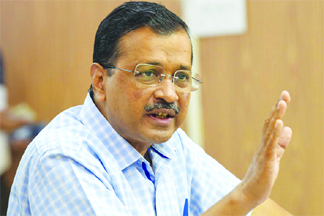
  • ‘Summons politically motivated’: Delhi CM Arvind Kejriwal skips ED questioning

    ‘Summons politically motivated’: Delhi CM Arvind Kejriwal skips ED questioning

    New Delhi (TIP)- Delhi chief minister Arvind Kejriwal on Thursday skipped summons by the Enforcement Directorate (ED) in connection with the now-scrapped excise policy and flew to poll-bound Madhya Pradesh to address a rally, alleging that the agency was acting at the behest of the Bharatiya Janata Party (BJP) to malign his image.
    Kejriwal was summoned to appear before ED at its headquarters in connection with its money laundering probe in the excise policy. On April 16, the Central Bureau of Investigation (CBI) questioned Kejriwal in a parallel probe it is conducting into allegations of irregularities in the same policy. But the Aam Aadmi Party (AAP) chief wrote a letter to ED, saying that the summons were politically motivated and didn’t clarify whether he was called as a witness or an accused, as the chief minister of Delhi or the AAP chief.
    “It is apparent that the said summons was leaked to select BJP leaders to malign my image and reputation and has been issued at the behest of the ruling party at the Centre,” Kejriwal wrote in the two-page letter. “…please recall the said summons, which is to say the least, is vague and motivated and I am advised, unsustainable in law.”
    Kejriwal also wrote that the summons failed to do three things — clarify in what capacity he was being asked to come, as a witness or a subject in the investigation, provide reasons why he was summoned, and specify whether he was called in his individual capacity or official role as CM or AAP convener — and called it a “fishing and roving” inquiry.
    ED did not respond to Kejriwal’s letter.
    In the afternoon, he flew to Singrauli in Madhya Pradesh, which goes to the polls on November 17, and addressed a road show.
    “On the day of counting (December 3), I do not know whether I will be in jail or outside but wherever I will be everyone should say that Arvind Kejriwal had come to Singrauli and the people of Singrauli gave (AAP) a historic victory,” Kejriwal said, flanked by Punjab CM Bhagwant Mann and local AAP candidates.
    Kejriwal’s decision to skip the summons sparked a political controversy with the AAP calling it a “conspiracy” to keep the CM from campaigning in poll-bound states and the BJP alleging that he was “running away” from ED.

  • A world of order and stability belongs to the graveyard

    A world of order and stability belongs to the graveyard

    • Democracy is the only form of government that privileges the notion of a public realm where citizens can think of ‘what is’ and ‘what should be’

    “Politics is not only about elections and ascending to power. It is about agreement and disagreement, and more importantly, about the institutionalization of processes that enable conversations between individuals, groups and the state. Unless I express my particularity and you express yours, we will not realize ourselves as humans who have thoughts, ideas, ideologies and who agree to resolve differences through reasoned public debate. This is what Aristotle sought, a society marked by not only disagreement but also deliberation on how to resolve disagreement.”

    Democracy is the only form of government that privileges the notion of a public realm where citizens can metaphorically come together to think of ‘what is’ and ‘what should be’. The process of participating in a discussion is what ancient Greek philosophers called doing politics

    By Neera Chandhoke

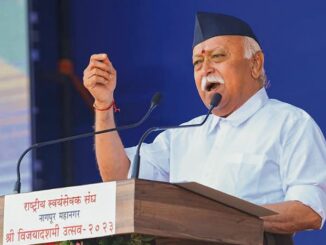
    In his Dussehra address at the Ramlila Maidan on October 24, PM Narendra Modi called for the uprooting of casteism and regionalism that threatened to fracture the unity of ‘Maa Bharati’. RSS chief Mohan Bhagwat, while addressing the Sangh’s annual Vijayadashami event in Nagpur, attacked ‘cultural Marxism’ or ‘wokeism’ that presumably controlled the media and universities. These forces, he said, were selfish, discriminatory and deceitful; they disrupted social cohesion, orderliness, morality, beneficence, culture, dignity and restraint in the world; they plunged education, culture, politics and social environment into confusion, chaos and corruption.

    The script sounds familiar. It seeks to suppress alternative perspectives, and thus make room for only one ideology, one sort of politics and one worldview which does not tolerate challenges. Ironically, thinkers who sought ‘a better world’, from Greek philosopher Plato to Sir Thomas More, to the utopian socialists from Robert Owen to Saint Simon, were skeptical of politics. They disapproved of factionalism, instability and contingency. Karl Marx’s socialist society and Gandhi’s notion of Swaraj are held to be utopias. The difference between an authoritarian project and a utopia is one of intent. The former seeks absolute power. The latter yearns for an ideal society in which humans can live a full life.

    In 1516, Sir Thomas More coined the term utopia to denote a society better than the one he lived in — in the court and then the jail of Henry the Eighth in 16th-century England. This work reflected the concerns of classical political thought that strove to seek the best order of human life. Gandhi’s search for a village republic was motivated by a sharp critique of Western industrial civilization, which focused on materiality and bodily well-being. This prevented self-knowledge and thus self-governance or Swaraj.

    Authoritarians do not seek a society in which individuals can realize the good life. They leave society as it is, unjust and unhappy. They only want a society where rival perspectives do not enable people to dream of a world that is far, far better than the one they inhabit. Curbing of imagination and the banning of dissent, even if society needs to be critiqued, distinguishes an authoritarian project from a utopia. True, both political projects result in a post-political society. But in political life, the consequences are often unintended. It is the intention that counts. So, let us set aside utopia and examine what authoritarianism does to a plural society.

    In a plural society, humans are distinct in their particularity. Even though ‘I’ am part of the ‘we’, I am distinct because I have different ideas of how our world should be organized. Therefore, some of us join political formations, others social movements, still others associations in civil society, and some rest content with expressing their opinions through social media, op-eds or letters to the editor. Each activity is fulfilling because, as Greek philosopher Aristotle had theorized, human beings are political animals. Politics is not only about elections and ascending to power. It is about agreement and disagreement, and more importantly, about the institutionalization of processes that enable conversations between individuals, groups and the state. Unless I express my particularity and you express yours, we will not realize ourselves as humans who have thoughts, ideas, ideologies and who agree to resolve differences through reasoned public debate. This is what Aristotle sought, a society marked by not only disagreement but also deliberation on how to resolve disagreement.

    Therefore, as eminent philosopher Hannah Arendt suggested in The Human Condition, attempts to subordinate plurality of ideas and action are against ‘democracy’. This inevitably turns into an argument against the essentials of politics. Plurality manifests itself in the public realm of debate and discussion. Attempts to do away with plurality are tantamount to the abolition of the public realm itself. The most obvious escape from plurality is a one-man rule in its many varieties, from outright tyranny of one against all to benevolent despotism. The problem with these forms of government is not that they are cruel, but that they might work too well. Tyrants may be kind and mild in everything. What they have in common is banishment of citizens from the public sphere and the insistence that whereas people mind their business, only rulers should attend to public affairs. Escape from the frailty of human affairs into the solidity of quiet and order has much to recommend it, Arendt suggests, but it is an escape from politics: “The hallmark of all such escapes is the concept of rule, that is, the notion that men can lawfully and politically live together when some are entitled to command and the others forced to obey.”

    Democracy is the only form of government that privileges the notion of a public realm where citizens can metaphorically come together to think of ‘what is’ and ‘what should be’. The process of participating in a discussion is what ancient Greek philosophers called doing politics. Think of how dismal and dreary a world without contestation will be. We can think of such a world in concentration camps, not in the rich plurality of India with its many traditions and varied philosophical doctrines, its colorful religious festivals and regional variety. We would never trade this messy but creative world for a world of order and stability. That world belongs to the graveyard.

    (The author is a political scientist)


  • Ethics, parliamentary conduct and the Indian MP

    Ethics, parliamentary conduct and the Indian MP

    A parliamentary probe against a Member of Parliament is not the same as a judicial probe

    By P.D.T. Achary

    The Lok Sabha Ethics Committee’s proceedings against the All India Trinamool Congress Member of Parliament (MP) from West Bengal, Mahua Moitra, have resulted in much public debate. A senior MP from the Bharatiya Janata Party, Nishikant Dubey, lodged a complaint with the Speaker alleging that Ms. Moitra had received money from a businessman for putting questions up in Parliament with a view to promoting the person’s business interests. The Speaker in turn referred the complaint to the Ethics Committee for examination and a report.

    Expulsion and instances

    It must be clarified at this point that if an MP takes money for putting questions up in Parliament, they will be guilty of breach of privilege and contempt of the House. Such complaints are invariably referred to the Committee of Privileges for investigation. This committee, after a proper investigation, submits its findings in a report along with the recommendation for action against the MP in question. If a case involving illegal gratification for conducting parliamentary work is proven, the MP may even be expelled from the House. There have been such instances in the Lok Sabha where MPs were expelled from the House on this ground.

    In the first case, in 1951, H.G. Mudgal, an MP of the Provisional Parliament, was found guilty of promoting the interests of a business association in return for financial benefits by putting questions up, and moving amendments to a Bill which affected the interests of that business association. A special committee of the House found that his conduct was derogatory to the dignity of the House and inconsistent with the standards which Parliament is entitled to expect of its members. But he resigned before he was expelled by the House (the action recommended was his expulsion). In 2005, a sting operation by a private channel showed 10 Members of the Lok Sabha accepting money for putting questions up in Parliament. Again, a special committee was appointed which found them guilty of conduct unbecoming of a member and recommended their expulsion which was accepted by the House. All the MPs were expelled. Thus, complaints of MPs accepting money for parliamentary work are referred to the privileges committee or special committees appointed by the House for that purpose. However, Ms. Moitra’s case has been referred to the Ethics committee although the allegation is about illegal gratification for doing parliamentary work.

    The Ethics Committee of the Lok Sabha is a relatively new committee which was set up in 2000, with a mandate to examine every complaint that related to the unethical conduct of MPs referred to it and to recommend action. It was also tasked with formulating a code of conduct for MPs.

    What is unethical is undefined

    An interesting aspect of this committee is that the term ‘unethical conduct’ has not been defined anywhere. It is left entirely to the committee to examine a particular act of conduct and decide whether it is unethical or not. A couple of cases decided in the past certainly point to the type of conduct which can be called unethical. In one instance, an MP took his close female companion along with him on a parliamentary tour, personating her as his wife. The committee found the MP guilty of unethical conduct and its recommendation was that he was to be suspended from 30 sittings of the House. He was also barred from taking any companion or his spouse on any official tour till the end of tenure of that Lok Sabha. Thus, the moral vagaries of MPs definitely come under scrutiny of the ethics committee.

    But there are also other cases of misconduct which were either examined by the ethics committee or special committees. For example, an MP misused the car parking label issued by Parliament. The case was referred to the Ethics Committee which, after examination of the case, closed it as the MP owned up to his mistake and apologized. In another case, an MP took along a woman and a boy on a foreign tour using the passports of his wife and son. This was treated as a serious case as it involved the violation of the Passports Act. This case was referred to a special inquiry committee which held him guilty of grave misconduct as well as contempt of the committee and recommended his expulsion. It must be noted here that more serious cases involving serious misconduct are dealt with by either the Committee of Privileges or special committees, and not by the ethics committee.

    In Ms. Moitra’s case, if the complaint is about her having accepted illegal gratification, then the case becomes a case of breach of privilege and cannot be dealt with by the ethics committee. Since a public servant accepting a bribe is a criminal offence; it is normally investigated by the criminal investigative agencies of the government. Parliamentary committees do not deal with criminal investigation. They decide on the basis of evidence whether the conduct of the MP is a breach of privilege or contempt of the House and punish them accordingly. But the punishment by the House relates to his functioning in the House. Otherwise, he will be liable to be punished for the criminal offence, as in the law. It may be remembered that the 10 MPs who were expelled from the Lok Sabha are still facing trial under the Prevention of Corruption Act.

    Cash for query: The Political storm surrounding Mahua Moitra

    A parliamentary probe is not the same as a judicial probe. A judicial body probes a matter as in the statutes and Rules, and is conducted by judicially trained persons. Parliamentary committees consist of Members of Parliament who are not experts. Since Parliament has the power to scrutinize the executive, which is accountable to it, it possesses investigative power also. It also has the power to punish those including its own members in order to protect its honor and dignity.

    But the methods followed by Parliament in investigating a matter are different from those of the judiciary. Parliament does the investigative work through its committees which function under the Rules of the House. The usual methods are examination of the written documents placed before the committee by the complainant and the witnesses, oral examination of all the relevant witnesses, deposition of experts, if deemed necessary, sifting of the whole volume of evidence placed before the committee, and arriving at findings on the basis of the evidence. If the committee examines a complaint against a member of the House, he can appear before it through an advocate and also cross-examine the complainant and other witnesses on permission by the chair. Findings are arrived at after the analysis of all the evidence made available to the committee. In the ultimate analysis, the committee takes a view on the basis of common sense. The findings of the committee of Parliament can be said to be on the basis of preponderance of probabilities. The rules of evidence under the Evidence Act are not applicable to a probe by a parliamentary committee. The question of the relevance of the evidence of a person or a document is finally decided by the Speaker only, and not according to the Evidence Act.

    Online submission of questions

    The issue of MPs sharing their password and login details with another person has come into focus now. In reality, MPs do not have the time to sit down and write out questions. So, they are said to be sharing the password with personal assistants, which can be called a practical necessity. Moreover, the Lok Sabha does not seem to have framed any rules to regulate the online submission of questions. Further, an MP is free to engage any person to do his parliamentary work. He also does not have any obligation to disclose the sources from where he gets information to do his parliamentary work. Article 105 of the Constitution gives them the freedom to say “anything” in the House. This right should be deemed to be extended to the tapping of any source for information for putting questions up or framing Bills or resolutions to be placed in Parliament. Therefore, an investigation into the sources of information of an MP may not have legal sanction. Otherwise, Parliament has the power to discipline its members.

    (The author is a  former Secretary-General, Lok Sabha)

  • Lost voice: On India’s abstention on the Gaza vote at the UN

    • India should have made efforts for a consensus on the Gaza vote at the UN

    India has explained its decision to abstain at last week’s vote at the UN General Assembly (UNGA) for a ceasefire in the Israel-Palestine conflict as its way of protesting the omission of any “explicit condemnation” of the heinous October 7 terror attack by Hamas militants on Israel. India’s principled stand on terrorism, which the Deputy Permanent Representative to the UN articulated, cannot be questioned. However, the death toll is rising and the need for global solidarity to stop the violence is imperative, a task that New Delhi, with its traditionally balanced position on the issue, and its recent G-20 role in bridging global divides, would have been well suited to play. Every other country in the neighborhood, in the extended BRICS grouping and much of the developing world, was part of the 120 countries that voted for the UNGA resolution on Friday. Regardless of its reasoning, New Delhi had other options which it overlooked or ignored. The resolution at the emergency special session entitled “Protection of civilians and upholding legal and humanitarian obligations” does include a paragraph “condemning all acts of violence aimed at Palestinian and Israeli civilians, including all acts of terrorism and indiscriminate attacks”. India could have played a prominent diplomatic role with countries proposing the resolution to ensure clearer mention of the October 7 attacks, including during Prime Minister Narendra Modi’s recent conversation with Jordan’s King Abdullah bin Al Hussein about the conflict. India’s leadership of such an amendment may have fared better than the Canadian proposal that failed to secure two-thirds of the UNGA membership present. Alternatively, India could have voted for the motion, while recording in its Explanation of Vote (EoV) that it regretted the omissions of the specific references to the October 7 attacks, which is what France did. In its EoV, India did not itself name Hamas for the terror attacks, nor has it so far designated Hamas as a terror group, leaving some doubt about the explicit mentions that New Delhi had wanted. On the other hand, if India wanted to convey a strong line on fighting terrorism, it could have voted against the resolution, along with the U.S., the U.K. and Israel.

    India’s abstention indicates a shift in the Modi government’s stand, seeking a ‘safe’ position, rather than taking a stand on the violence in Israel and Palestine. This is a departure from India’s UNGA vote in 2018 that called for Israel to cease “excessive force” in retaliatory strikes on Gaza at the time, and is more in line with its decision to abstain on votes at the UN in 2021 on resolutions critical of Russia’s war in Ukraine. The government lost an opportunity to make India’s voice heard in the growing geopolitical conflict. Abstaining on a matter of global importance without making efforts to forge a consensus is out of sync with a desire to be the voice of the Global South, or for a seat at the global high table.
    (The Hindu)

  • The Misuse of Government Agencies in India: A Threat to Democracy

    By Prof. Indrajit S. Saluja

    In recent years, there has been a growing concern over the alleged misuse of government agencies by the Modi government in India. The accusations revolve around the intimidation and implicating of opposition party politicians and governments in false cases, potentially to gain a stronger foothold for the Hindutva ideology. This trend has raised questions about the state of democracy in India and the potential threat it poses.Several government agencies, including the Central Bureau of Investigation (CBI), the Enforcement Directorate (ED), and the Income Tax Department, have come under scrutiny for their alleged misuse to target opposition figures. These agencies are intended to uphold the rule of law, maintain transparency, and ensure accountability. However, their recent actions have raised concerns about their independence and impartiality.

    These agencies have initiated investigations without substantial evidence, leading to the implication of opposition politicians and governments in false cases. Such actions erode public trust in these agencies and, by extension, the democratic institutions that are supposed to safeguard the nation’s interests.

    The timing of these investigations often coincides with significant political events, such as state elections. This raises suspicions of politically motivated actions intended to disrupt the opposition and consolidate the power of the ruling party.

    The alleged misuse of government agencies is closely tied to the promotion of the Hindutva ideology in India. Hindutva is a form of Hindu nationalism that seeks to establish the cultural and political dominance of Hindus. While it is distinct from Hinduism, the ideology has gained prominence in Indian politics in recent years.

    The Modi government, led by the Bharatiya Janata Party (BJP), is associated with Hindutva, and critics argue that this ideology is influencing the government’s actions. The use of government agencies to target political opponents is seen as part of a broader strategy to consolidate power and promote the Hindutva agenda.

    The implications for democracy are concerning. Democracy relies on the principles of pluralism, freedom of expression, and the protection of minority rights. The promotion of a singular cultural and political ideology at the expense of others threatens these democratic principles.

    A fundamental tenet of any democracy is the rule of law. It implies that all citizens, regardless of their political affiliation, are equal before the law. The alleged misuse of government agencies in India challenges this principle, as it appears that certain individuals are being selectively targeted for political purposes.

    Democracy also depends on the separation of powers, with the executive, legislative, and judicial branches acting independently to check and balance one another. When government agencies are used to target opposition figures, this balance is disrupted, and it raises concerns about the government’s ability to impartially uphold the law.

    To protect democracy in India, it is essential to address the alleged misuse of government agencies and promote transparency and accountability. This can be achieved through an independent oversight, judicial scrutiny, public awareness, and international scrutiny

  • The Long Struggle for Palestinian Statehood: Unjust Denial and the Tragedy in Gaza

    The Long Struggle for Palestinian Statehood: Unjust Denial and the Tragedy in Gaza

    The ongoing conflict between Israel and Palestine, the unjust denial of Palestinian statehood, and the tragic loss of innocent lives in Gaza are deeply troubling and require immediate attention. It is crucial to condemn the violence and human suffering that persist in this long-standing conflict while recognizing the legitimate rights and aspirations of both Israelis and Palestinians.

    By Prof. Indrajit S. Saluja

    The conflict between Israel and Palestine has been one of the most protracted and deeply rooted conflicts in modern history. It is a complex and multifaceted issue that has resulted in immense human suffering and a prolonged denial of statehood for the Palestinian people.

    The roots of the Israel-Palestine conflict can be traced back to the late 19th and early 20th centuries when Jewish immigration to Palestine increased as part of the Zionist movement, which sought to establish a Jewish homeland in the region. The decline of the Ottoman Empire and the subsequent British Mandate in Palestine further fueled tensions between Jewish and Arab communities.

    In 1947, the United Nations proposed the partition of Palestine into separate Jewish and Arab states, with Jerusalem under international administration. The plan was approved by the United Nations General Assembly but rejected by Arab states and Palestinian leaders, who saw it as an infringement on their right to self-determination and an unfair division of territory.

    The creation of the State of Israel in 1948 led to a war between the newly established Israel and its neighboring Arab states, including Jordan, Egypt, Syria, and Iraq. The outcome of this conflict, known as the 1948 Arab-Israeli War, left Israel in control of a significantly larger territory than initially allocated by the UN plan, and hundreds of thousands of Palestinian Arabs became refugees.

    Unjust Denial of Statehood

    The denial of statehood to the Palestinian people is a tragic and unjust aspect of the Israel-Palestine conflict. For over seven decades, Palestinians have been deprived of their right to self-determination, sovereignty, and a homeland of their own. This denial is not only a violation of international law but also a stark injustice that continues to fuel the conflict.

    Israel has maintained a military occupation of the West Bank, East Jerusalem, and Gaza Strip since the 1967 Six-Day War. During this period, Israeli settlements have expanded in the occupied territories, displacing Palestinian communities and hindering the prospects for a viable Palestinian state.

    Israel’s construction of a separation barrier, annexation of East Jerusalem, and imposition of restrictions on Palestinian movement have further undermined the prospects for Palestinian statehood.

    The lack of progress in peace negotiations has left the Palestinians in a state of political limbo, without a clear path to statehood. The ongoing conflict and distrust between both parties have hindered the peace process.

    The international community, particularly the United States, has played a significant role in enabling the denial of Palestinian statehood. Veto power in the United Nations Security Council has been used to shield Israel from international condemnation, making it difficult for the UN to enforce resolutions aimed at addressing the conflict.

    Tragic Loss of Innocent Lives

    The most heartbreaking aspect of the Israel-Palestine conflict is the loss of innocent lives, particularly in the Gaza Strip. The densely populated territory has been the epicenter of numerous military conflicts and Israeli military operations, resulting in significant civilian casualties. The situation in Gaza has been exacerbated by a crippling blockade that restricts the movement of people and goods, leaving its residents in dire humanitarian conditions. The blockade has had severe consequences for the delivery of basic services such as healthcare, education, and clean water.

    Israeli military operations in Gaza, particularly in 2008-2009, 2012, and 2014, have led to high civilian casualties, including women and children. These operations have raised concerns about proportionality and the indiscriminate use of force, leading to allegations of war crimes and human rights abuses.

    The tragedy in Gaza is a stark reminder of the urgent need for a resolution to the Israel-Palestine conflict, which includes addressing the humanitarian crisis and protecting the rights of innocent civilians.

    Role of the United Nations and the International Community

    The United Nations has played a central role in addressing the Israel-Palestine conflict since its inception. However, the UN’s efforts have been marred by political divisions, particularly in the Security Council, where the United States has consistently used its veto power to shield Israel from criticism and block resolutions aimed at addressing the conflict.

    Over the years, the United Nations has passed numerous resolutions aimed at addressing the conflict and promoting a two-state solution. UN Security Council Resolution 242 (1967) and Resolution 338 (1973) called for Israel’s withdrawal from territories occupied during the 1967 war and the need for negotiations. However, these resolutions have not been fully implemented.

    UN agencies, such as UNRWA (United Nations Relief and Works Agency for Palestine Refugees), have provided critical humanitarian assistance to Palestinian refugees and populations affected by conflict. These agencies have faced funding challenges, putting essential services at risk.

    The UN has hosted multiple peace initiatives and negotiations aimed at resolving the conflict, including the Oslo Accords and the Road Map for Peace. However, progress has been slow, and the fundamental issues remain unresolved.

    The UN has conducted inquiries into human rights violations and alleged war crimes committed during the conflict. These investigations have called for accountability for those responsible for violations of international law.

    The international community, including key actors like the United States, the European Union, and regional powers, has a significant role to play in addressing the Israel-Palestine conflict. Their influence can be used to encourage both parties to return to the negotiating table and work toward a just and lasting resolution.

    The ongoing conflict between Israel and Palestine, the unjust denial of Palestinian statehood, and the tragic loss of innocent lives in Gaza are deeply troubling and require immediate attention. It is crucial to condemn the violence and human suffering that persist in this long-standing conflict while recognizing the legitimate rights and aspirations of both Israelis and Palestinians.

    To address these issues, several steps need to be taken. To begin with, both sides must commit to ending the cycle of violence and adhering to international humanitarian law, which prohibits attacks on civilians and the use of disproportionate force. An immediate ceasefire is essential to protect innocent lives.

    A return to negotiations is the next step. Diplomatic efforts should be revived, and both parties should return to the negotiating table. A two-state solution, based on the 1967 borders with mutually agreed-upon land swaps, remains the most viable path to peace.

    Third, the international community should pressure Israel to ease the blockade on Gaza, allowing for the delivery of humanitarian aid, reconstruction efforts, and economic development. Four, allegations of war crimes and human rights abuses on both sides must be thoroughly investigated, and those responsible should be held accountable in accordance with international law. Five, the international community should provide political and financial support for peace initiatives, humanitarian assistance, and state-building efforts in Palestine.

    Finally, the United Nations should continue its efforts to promote a peaceful resolution to the conflict, uphold international law, and ensure that resolutions passed by the General Assembly and Security Council are implemented. The international community, including the United Nations, must work together to bring an end to the violence, ensure accountability for human rights violations, and support the aspirations of both Israelis and Palestinians for a peaceful and prosperous future. The denial of Palestinian statehood and the suffering of innocent civilians must not be tolerated, and the world should collectively strive for a resolution that guarantees the rights and dignity of all those living in the region.