Tag: Diabetes

  • Indian-American Scientist Arnab De Wins Springer Theses Award

    Indian-American Scientist Arnab De Wins Springer Theses Award

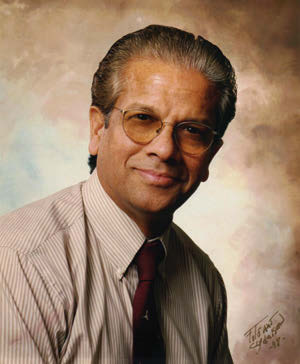
    An Indian-American scientist has received the prestigious Springer Theses Award in recognition for his outstanding research in which he developed transgenic mice to study a critical tumor-suppressor called A20.

    Arnab De’s thesis was nominated by New York’s Columbia University. Before this, De, who has also developed peptide-based prodrugs as therapeutics for diabetes, had received the Young Investigator Award at the American Peptide Symposium.

    The thesis prize is awarded by Springer, a leading global publisher of renowned scientific journals and books, to recognize outstanding PhD research.

    Internationally top-ranked research institutes select their best thesis annually for publication in the book series: “Springer Theses: Recognising Outstanding PhD research”.

    Additionally, winners also get a cash prize of 500 euros. The research work was highlighted by the European Molecular Biology Organization (EMBO) Reports.

    Only research considered to be of ‘fundamental relevance to a general readership’ is chosen to be highlighted by EMBO.

    Mr De has dedicated his PhD thesis to cricketing legend Sachin Tendulkar and his alma mater, Kolkata’s Presidency University.

    Mr De said: “Two things that have influenced me the most is sports and education. This thesis is dedicated to Sachin Tendulkar not only for the cricketing joy he provided me, but also for being a constant source of inspiration to all Indian youth.”

    Ole John Nielsen (University of Copenhagen), who shared the 2007 Nobel peace Prize as a member of the Intergovernmental Panel on Climate Change along with US vice president Al Gore, had in 2012 described the Springer award as an “insanely great honor”.

  • Diabetic diet tips for the busy Indian-Americans

    Diabetic diet tips for the busy Indian-Americans

    The first thing that comes to your mind after being diagnosed as a diabetic is, ” What do i eat ? ” ” What is carbohydrate?” and ” what is low glycemic index food ? ” .  well we would make the answer simple for you in this Type 2 Diabetic diet plan for Indians (1500 calories)

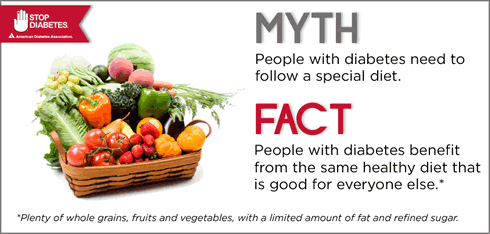
    Diabetes control is governed by following the right diabetic diet. What to eat and what not to eat is important for Diabetes control and diabetes cure or diabetes reversal.  

    These are the top 15 diabetes diet tips from diabetologists and nutritionists. Even if you are pre-diabetic or borderline diabetic, or diabetes is part of your family, it is important to follow a diabetic diet to prevent diabetes.

    Diabetes diet for Indians should have the ratio of 60:20:20 for carbs, fats and proteins. Health experts say, “Per day calorie intake should be between 1,500-1,800 calories with a proportion of 60:20:20 between carbohydrates, fats and proteins, respectively.”

    Diabetes diet should “have at least two seasonal fruits and three vegetables in a diet plan.”

    Though dry fruits may seem like a healthy snack, it is not a good option for diabetics, as the fructose can spike your sugar level. Go for fresh fruits rather than dry fruits for diabetes control (but there are some restrictions… we’ll come to it). But you can still opt for nuts as a healthy snack.

    The doctor shares his recipe for diabetes diet for Indians:

    – One teaspoon of methi seeds soaked overnight in 100 ml of water is very effective in controlling diabetes.
    – Drink tomato juice with salt and pepper every morning on an empty stomach.
    – Intake of 6 almonds (soaked overnight) is also helpful in keeping a check on diabetes.

    Rekha Sharma, President and Director of Indian Dietetic Association, shares some major diabetes diet pointers that one should follow at home or at a restaurant.

    Whole grains, oats, channa atta, millets and other high fibre foods should be included in the meals . If one feels like consuming pasta or noodles, it should always be accompanied with vegetable/sprouts.

    Milk is the right combination of carbohydrates and proteins and helps control blood sugar levels. Two servings of milk in a daily diet is a good option.
    Diabetes Control: Diabetic Diet Tips

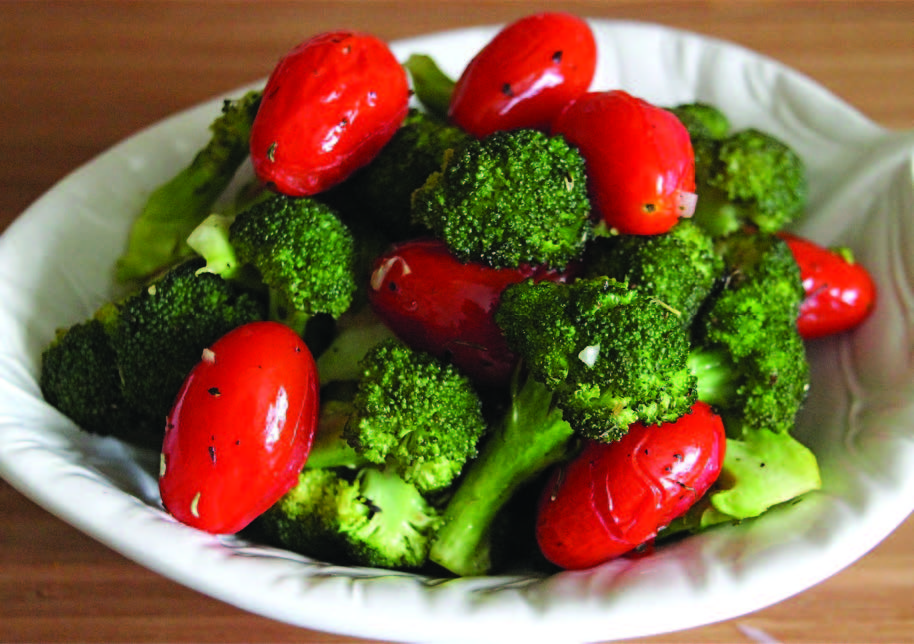
    High fibre vegetables such as peas, beans, broccoli and spinach /leafy vegetables should be included in one’s diet. Also, pulses with husk and sprouts are a healthy option and should be part of the diet.

    Pulses are important in the diet as their effect on blood glucose is less than that of most other carbohydrate containing foods. Vegetables rich in fibre help lowering down the blood sugar levels and thus are healthy.

    Good fats such as Omega-3 and monounsaturated fats (MUFA) should be consumed as they are good for the body. Natural sources for these are canola oil, flax seed oil, fatty fish and nuts. These are also low in cholesterol and are trans fat free.

    Fruits high in fibre such as papaya, apple, orange, pear and guava should be consumed. Mangoes, bananas, and grapes contain high sugar; therefore these fruits should be consumed lesser than the others.

    Small frequent meals:

    A large meal gives rise to higher blood sugar in one’s body, therefore it is essential to take small frequent meals to prevent both higher and very low blood sugar values and keep them constant. Small in between snacks can be dhokla, fruit, high fibre cookies, butter milk, yogurt, upma/poha with vegetables etc.

    A person with diabetes should follow a diet which is low in carbohydrates, high in fibre and contains adequate amounts of proteins, vitamins and minerals; and avoid fatty foods and sweets . He/she should also take frequent small meals (5 meals pattern).

    What not to do:
    Artificial sweeteners can be used in cakes and sweets for diabetic people (in moderation).
    Have lots of fluid.
    Limit intake of alcohol.

    Should you have non-veg?

    In non-vegetarian diet, seafood and chicken can be taken rather than red meat as red meat contains higher amount of saturated fats. Also, patients with  high cholesterol should avoid egg yolk and red meat.

    The diabetes diet for Indians includes carbohydrates, proteins and fats. As always, a balanced and planned diet can build and improve personal health. A controlled diabetes diet may seem like a drag and bore, but a good cook can add life to a diet. Time to call up mom and experiment with diabetes diets!

    Read more on Health, Diet & Fitness on  www.theindianpanorama.news/health

    • Kick off Ceremony of 2nd International Yoga Day

      Kick off Ceremony of 2nd International Yoga Day

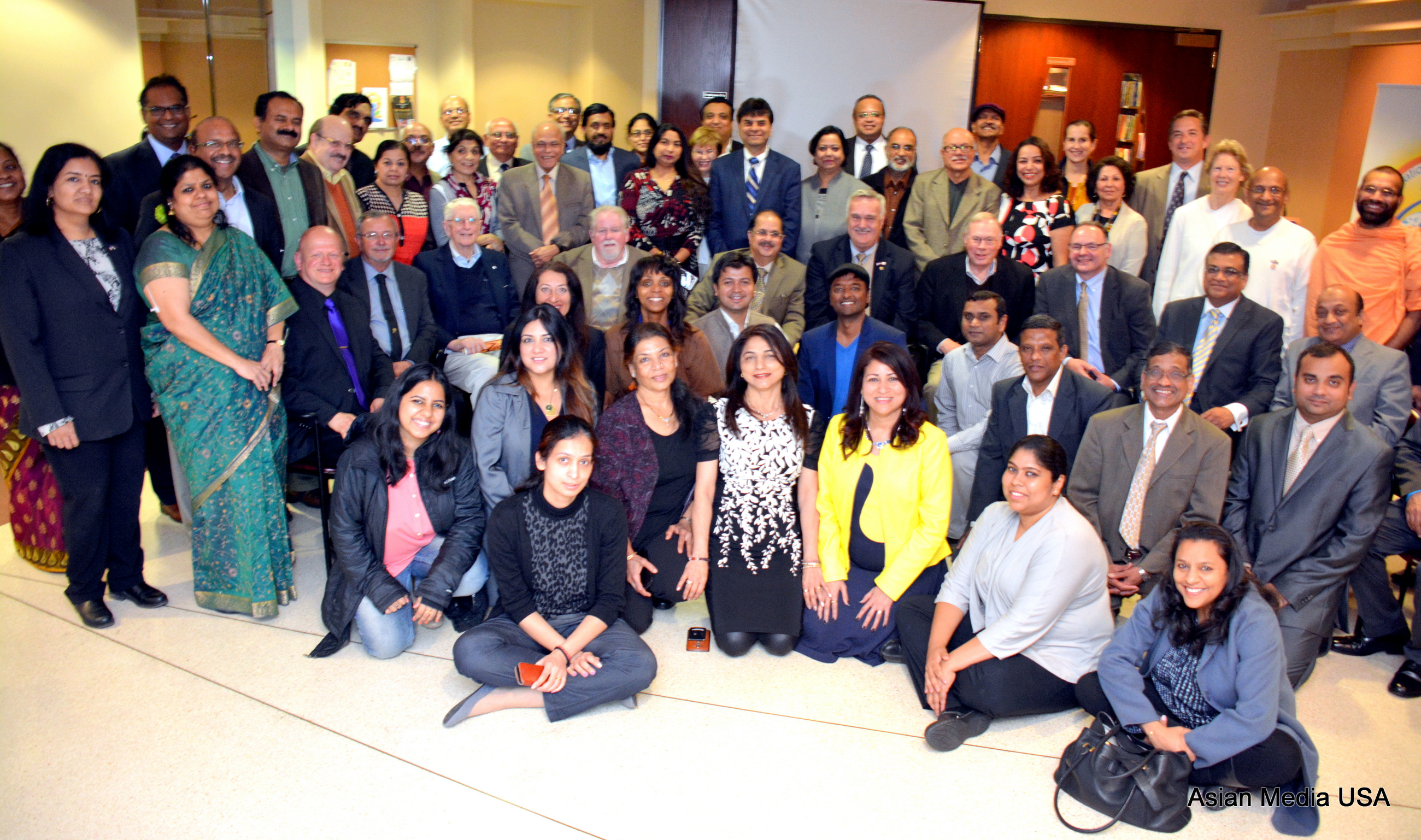
      CHICAGO: The second International Day of Yoga will be celebrated by the Consulate General of India in collaboration with the City of Sandwich on 25th June, 2016 at Timber creek Inn, 3300 Drew Ave, Sandwich, Illinois. In this connection, the kick off ceremony of 2nd International of Yoga Day was celebrated on 17th May, 2016 in the Consulate premises.

      The Hon’ble Mayor of city of Sandwich, Rick Olson, attended the ceremony with the representatives of City of Sandwich including Mr. Jim Teckenbrock, Executive Director, Sandwich Economic Development Corporation, Mr. Cort Carlson, Executive Director, Aurora Area Convention and visitor’s Bureau and Chief of Police of city of Sandwich, Jim Bianci. The ceremony was also attended by different community organizations, established yoga and spiritual centers and members of the Media. O.P. Meena, Consul, welcomed the guests. The ceremony started with screening of extracts of Messages of Prime Minister of India, EAM & Minister [IC] derived from Common Yoga Protocol 2016.

      During kick off ceremony, Dr. Ausaf Sayeed, Consul General, addressed the gathering & shared information with participants on celebration of 2nd International Yoga Day.
      The following are the important details.
      Second International Yoga Day celebrations in US Mid-west is from 10:00 AM to 05:00 PM on Saturday, June 25th, 2016 at Timber Creek Inn, 3300 Drew Ave, Sandwich, Illinois.

      Participating Organizations:
      The Art of living Foundation, Isha Foundation, Brahma Kumaris Meditation Centers, SEWA International, Science of Spirituality, Hindu Swayamsevak Sangh, Yog Sadhan Ashram, Sahaj Yoga Ashram, Temple of Harmony, Swami Sahajananda, Balaji Temple, BAPS Swaminarayan Mandir, American Association of Retired Asians (AARA) and Metropolitan American Federation of Seniors [MAFS]

      The following events would be organized as part of the Second International Yoga Day:
      Book Exhibition: A special book exhibition on Yoga will be exhibited on the occasion.
      Photo exhibition: Selected photographs on Yoga will be displayed
      Screening of the documentary films
      Common Yoga Protocol / demonstration of Common Asanas and
      Breathing Techniques by The Art of Living Foundation.
      Guided Meditation Workshop & Children’s Activiti ties by the Brahm Kumaris Meditation Center
      Surya Namaskar Demonstration by the Hindu Swayam Sevak Sangh
      Talk on the science of Kriya Yoga and meditation by Swami Sahajananda
      Surat Shabd:’Yoga An Ageless Technique’ by The Science of Spirituality
      Hath Yoga posture & Cleansing demonstration by Yog Sadhan Ashram
      Cyclic Meditation Workshop (Stop Diabetes Movement) by SEWA International
      Chair Yoga demonstration for seniors by American Association of Retired Asians (AARA)

      Last year, several organizations in different parts of the US-Midwest are also anticipated to organize series of activities to mark the International Yoga Day.

      The Consulate is expecting the participation of several local dignitaries and elected officials in the inaugural ceremony of the International Yoga Day. The City of Sandwich has declared its support to the celebrations and would be issuing a special proclamation declaring the Day by the city as International Yoga Day.

      Consul General appreciated willingness of the Mayor of City of Sandwich and thanked for taking initiative to collaborate with Consulate for celebration of 2nd International Yoga Day in the City of Sandwich. Consul General also appreciated Mr. Deepak Kant Vyas, Chairman & CEO, Red berry for offering the venue, Timber Creek Inn, for celebration of 2nd International Yoga Day event free of cost.

      The Consul General concluded the Meeting and urged all the Community organizations and Media partners to extend whole-hearted support in celebrating the Second International Day of Yoga in a befitting manner not only in the City of Sandwich but in the entire US Midwest.

      (Photographs and Press release by: Asian Media USA)

    • SCIENTISTS SAY FASTING HELPS FIGHT FATTY  LIVER DISEASE

      SCIENTISTS SAY FASTING HELPS FIGHT FATTY LIVER DISEASE

      Scientists have found that upon deprivation of food a certain protein is produced that adjusts the metabolism in the liver, assisting in warding off fatty liver disease.

      According to researchers, a reduced intake of calories, such as in the framework of an intermittent fasting diet, can help to whip the metabolism back into shape.

      The findings showed that during fasting, the stress molecule reduces the absorption of fatty acids in the liver and improves sugar metabolism.

      In the study, published in the open access journal EMBO Molecular Medicine, the researchers found that during fasting GADD45 beta — protein, whose name stands for ‘Growth Arrest and DNA Damage-inducible’ – controls the absorption of fatty acids in the liver.

      Mice who lacked the corresponding gene were more likely to develop fatty liver disease.

      However when the protein was restored, the fat content of the liver normalised and also sugar metabolism improved.

      “The stress on the liver cells caused by fasting consequently appears to stimulate GADD45 beta production, which then adjusts the metabolism to the low food intake,” said Stephan Herzig, professor and Director of the Institute for Diabetes and Cancer (IDC) at the Helmholtz Zentrum München in Germany.

      Also, in humans, a low GADD45 beta level was accompanied by increased fat accumulation in the liver and an elevated blood sugar level.

      “Once we understand how fasting influences our metabolism we can attempt to bring about this effect therapeutically,” Herzig added.

      The researchers now want to use the new findings for therapeutic intervention in the fat and sugar metabolism so that the positive effects of food deprivation might be translated for treatment.

    • 10 Credit Hours of CME offered to Participants during 34th Annual AAPI Convention in New York

      10 Credit Hours of CME offered to Participants during 34th Annual AAPI Convention in New York

      NEW YORK CITY, NY (TIP): The American Association of Physicians of Indian Origin (AAPI) that represents more than 100,000 Indian American Physicians, reflects the range of physician specialties seen in the physician community at large with 61% in Primary Care, 33% in Medical sub-specialties and 6% in surgical sub-specialties. Medical specialty representation includes pediatrics, psychiatry, anesthesiology/pain management, cardiology, family medicine, obstetrics and gynecology, oncology, gastroenterology pathology, endocrinology, nephrology, rheumatology along with many other fields.

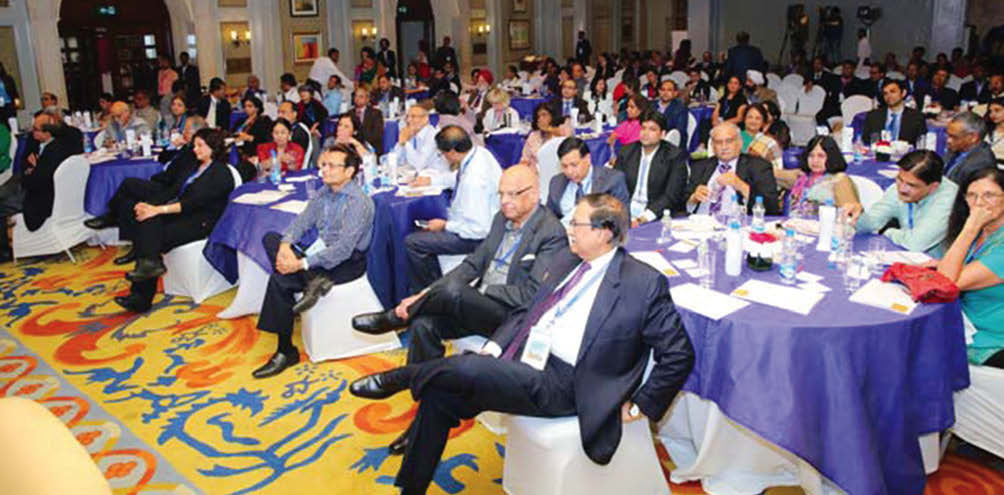
      The 34th Annual AAPI Convention & Scientific Assembly will be held at Marriott Marquis in New York, NY from June 30 to July 4, 2016. The multidisciplinary CME conference during the convention allows specialists and primary care physicians to interact in an academic forum. World-renowned speakers will discuss gaps between current and best practice of wide-ranging topics of CME sessions.

      It’s a well-known fact that physicians of Indian origin excel in their respective areas of work and continue to play key roles in patient care, administration, academics and medical research. In order to cater to its diversity of medical specialties, AAPI continues to use a multi-disciplinary conference format. “The essence of AAPI is educational,” Dr. Seema Jain, president of AAPI, while describing the purpose of CME said.

      According to Dr. Seema Jain, “That translates into numerous Continuing Medical Education and non-CME seminars by experts in their fields. CME will provide comprehensive and current reviews and guidelines for the diagnosis and treatment of various disease states to reduce morbidity and mortality and achieve cost effective quality care outcomes. At the end of the activity, it is expected that attendees will gain an understanding of the causation, diagnosis and the best clinical practices for the management of the diverse group of diseases discussed during this program.”

      On Friday, July 1st, Dr. Donald Lloyd Jones, Writer of AHA and ACC Guidelines & Chairman of PSM at North Western University, Chicago IL will present CME on New Cholesterol Guidelines and Implication. Dr. Jeffrry Mackanick, Director of Clinical Diabetes MSSM will discuss with the delegates on Guidelines in management of Metabolic Syndrome and Diabetes. Dr. Clive Rosendoeff will present on Recent trends in Management of Hypertension.

      Management of Prostate related disease and Cancer of Prostate will be the topic discussed by Dr. Ashutosh Tiwari, Chair of Urology at Mt. Sinai Medical Center, while Modern Trends in Management of Multiple Myeloma will be presented by Dr. Sunder Jaggannath, Director of Multiple Myeloma Center, NY. New Imaging Guidelines for smokers and Contemporary Management will be addressed in his presentation by Dr. Manjit Bains at Sloan Kettering Memorial Hospital, NYC. Dr. Sanjeev Gupta will address the delegates on New Development Inflammatory Liver Disease.

      On Saturday, Dr. Valentine Fuster, Editor in Chief of JACC, will deliver his address on ways to “Promoting Cardio Vascular Health Globally from Heart to Head.” Dr. Robert Banow, Editor in Chief of JAMA Cardiology, will discuss with participants about the “Timing of Surgical intervention for Mitral/Aortic Valve regurgitation.” Dr. Javed Butler, Chief of Cardiology at State of New York University, Stony Brook, will focus his lecture on Advances in Heart Failure, while Dr. Devendra Mehta,

      Director of EP Services at St. Luke Hospital, NYC will present on Advances in Treatment of Arrhythmias. The lecture by Dr. John Puskus, Chairman of Cardio Thoracic Surgery at Beth Israel Medical Center, NY will be on Complete Arterial Vascularization, and, Dr. Samin Sharma, Chair of Cardiology at Mt Sinai Medical Center, NYC will address the audience on Advances in Interventional Cardiology.

      On Sunday, July 3, 2016, the focus will be on mental health issues. Depression and Mood Disorder of Moods in Women will be topic addressed by Dr. A. Patkar and Association, while Dr. Samuel Gandy will address on Mild Cognitive Dysfunction to Alzheimer Disease is Prevention or Option. Dr. Sharmila Makhija, Chair of OB/GYN at Albert Einstein Medical Center’s theme will be on Recent Advances in Management of Cancer of Ovary, Dr. James Abraham from the Cleveland Clinic will address on New Advances in Management of Cancer of Breast, and the final presentation will be on Women Health and Advances.

      The 34th annual AAPI Convention in New York from June 30th through July 1st, 2016, while providing physicians of Indian origin an opportunity to come together in an atmosphere of collegiality, it will enable them to retrace and appreciate their common roots, culture and the bond that unites them as members of this large professional community.

      Giving them a platform to celebrate their accomplishments, the annual convention to be attended by nearly 2,000 physicians of Indian origin, it will also provide a forum to renew their professional commitment through continuing medical educations activities.

      The annual convention this year is being organized by AAPI’s New Jersey Chapter, headed by Dr. Rita Ahuja, who said, “The 2016 AAPI Annual Convention & Scientific Assembly offers an exciting venue to interact with leading physicians, health professionals, academicians, and scientists of Indian origin. Physicians and healthcare professionals from across the country will convene and participate in the scholarly exchange of medical advances, to develop health policy agendas, and to encourage legislative priorities in the coming year.”

      “Many of the physicians who will attend this convention have excelled in different specialties and subspecialties and occupy high positions as faculty members of medical schools, heads of departments, and executives of hospital staff. The AAPI Convention offers an opportunity to meet directly with these physicians who are leaders in their fields and play an integral part in the decision-making process regarding new products and services,” Dr. Seema Jain added.

    • DIABETES PILLS UP RISK OF BLADDER CANCER

      DIABETES PILLS UP RISK OF BLADDER CANCER

      LONDON (TIP): According to a new study, a drug used in the treatment of diabetes can increase bladder cancer risk. What’s worse is that the risk increases with the rising duration of use and dose.

      Pioglitazone belongs to a class of drugs called thiazolidinediones and helps to control blood sugar levels in patients with type 2 diabetes. However, the findings of the study revealed that taking the drug increases risk of bladder cancer by 63 percent.

      The researchers wanted to assess the drug after a number of bladder cancer cases were identified among people taking the drug in a trial in 2005. Since then different studies have reported contradictory findings on the subject.Canadian-based researchers examined the use of pioglitazone with other anti-diabetic drugs and found an increased association of risk of bladder cancer in patients with type 2 diabetes.

      The team analysed data for 145,806 patients from Britain’s Clinical Practice Research Database (CPRD), who were newly treated with diabetes drugs between 2000 and 2013.

      Potential influential factors such as age, sex, duration of diabetes, smoking status and alcohol-related disorders, were also taken into account. In contrast, the use of rosiglitazone was not associated with an increased risk of bladder cancer in any analysis, suggesting the risk is drug-specific and not a class effect, the researchers maintained in the study published in the journal The BMJ.

      In another large cohort study, the experts from University of Nottingham in Britain found clinically important differences between different drugs (alone and in combination) and risk of five key outcomes – blindness, amputation, severe kidney failure, high blood sugar (hyperglycaemia) and low blood sugar (hypoglycaemia) events.

      The results may have implications for prescribing, and suggest doctors and patients should be aware when assessing the overall risks and benefits of diabetes drugs, the researchers pointed out. Though the risk of bladder cancer remains low, in absolute terms, the authors suggested that the doctors and patients should be aware of this association when assessing the overall risks and benefits of this therapy. Working closely with their clinicians, “patients can identify the agent that is best for them given their context, both clinical and personal,” suggested Victor Montori, professor at Mayo Clinic in the US in an accompanying editorial.

    • Poop test can tell if you are diabetic, say docs

      Poop test can tell if you are diabetic, say docs

      Scentists from Madras Diabetes Research Foundation will sequence the DNA of bacteria in the bowel to see if they contain enough ‘good’ bacteria or too much ‘bad’ bacteria that can trigger metabolic diseases.

      The research centre has tied up with University of Copenhagen for the research, which earlier found a strong link between gut bacteria and diabetes. At least 1.5kg of bacteria in a human body, mostly in the gut, play an active role in not just digesting food also in the development and functioning of the immune and neural systems as also in a wide range of metabolic functions, doctors said.

      Danish scientists spearheading the study, including Dr Oluf B Pedersen, a professor of molecular metabolism and metabolic genetics at University of Copenhagen, Denmark, said bacterial DNA extracted from stool samples of 292 individuals showed 23% of Danish adults had a 40% reduction in the abundance of bacterial genes. The DNA sequence of the bugs represents what is going on in the colon.

      “We found people with fewer and less diverse types of bacteria had a higher body fat percentage and elevated blood lipids,” Pedersen said. “This is a significant correlation.We are curious to know if results are similar in Indians.”

      His Indian counterparts are curious about this too. They have sequenced DNA from bacteria found in more than 450 stool samples from an equal number of diabetics, pre-diabetic and non-diabetic people.

      “Our hypothesis is that Indians are at greater risk because we have less good bacteria that reduce diabetes risk and more bad bacteria that in creases the risk,” diabetologist and Madras Diabetes Research Foundation chief Dr V Mohan said.

      There isn’t yet adequate evidence to show links in humans but stool samples from the lean twin mice given to germ-free mice, make them remain lean and stool from the obese mice given it to germ-free mice make them obese. “We can’t rule out that bacteria, in this case, may cause obesity. It may be more than just an innocent bystander,” Dr Pederson said.

      He said looking at the bugs is like exploring a tropical rainforest, there are trillions in the body in anaerobic (without oxygen) environment. That means they are difficult to culture in the lab and there can’t be a quick fix solution to refill these bacteria.

      Source: TOI

    • PRE-LABOUR CAESAREAN DELIVERY MAY UP CHILDHOOD LEUKAEMIA RISK

      PRE-LABOUR CAESAREAN DELIVERY MAY UP CHILDHOOD LEUKAEMIA RISK

      A pooled analysis by researchers at Masonic Cancer Centre, University of Minnesota in US, which covered 13 studies, using data from the Childhood Leukaemia International Consortium (CLIC), has concluded that children born by pre-labour caesarean delivery may have a higher risk of developing acute lymphoblastic leukaemia (ALL) — a cancer of the white blood cells.

      The analysis looked at 33,571 subjects overall, including 23,351 control subjects and 8,655 cases of ALL. The analyses were controlled for a number of outside factors, including breastfeeding, parental education levels, and ethnicity. After looking most closely at deliveries where the reason for caesarean were available, no link was found between emergency caesareans and ALL or Acute myeloid leukaemia (AML).

      However, the analysis showed a 23%? increase in risk of ALL in children born by pre-labour caesarean delivery. There was also no observed correlation between AML and pre-labour caesarean delivery. “Our goal was to determine if there was an association between caesarean deliveries and ALL, to identify potential new targets for research into cancer prevention if there is a correlation,” said Erin Marcotte, assistant professor at University of Minnesota.

      “While the link between overall caesarean delivery and childhood leukaemia was not statistically significant, it was notable to find an association between pre-labour caesarean delivery and ALL,” Marcotte said. The reason for the increased risk of ALL with pre-labour caesarean delivery is not known, researchers said.

      Several mechanisms may be at play, including the stress response in the foetus caused by labour and the colonisation of microbiota a newborn experiences during a vaginal delivery that is missed during a caesarean birth. “The most plausible explanation for the association between ALL and pre-labour caesarean delivery is in the cortisol, or stress-related, mechanism,” said Marcotte.

      “Because ALL is not associated with all caesarean deliveries, it seems less likely the microbiota colonisation is a significant factor in this phenomenon,” Marcotte said. Researchers note the strength of association in these findings is comparable to other studies looking at caesarean delivery rates and other childhood outcomes, including Type I diabetes and asthma.

      “Cortisol exposure is plausible since similar compounds are used to treat ALL,” said Logan Spector, professor at the University of Minnesota Medical School. “We also know that some are born with cells that are on the path to becoming leukaemia. Thus, our working hypothesis is that cortisol exposure at birth may eliminate these pre-leukemic cells,” Spector said.

      Source: PTI

    • Chew the fat. It’s good for you

      Chew the fat. It’s good for you

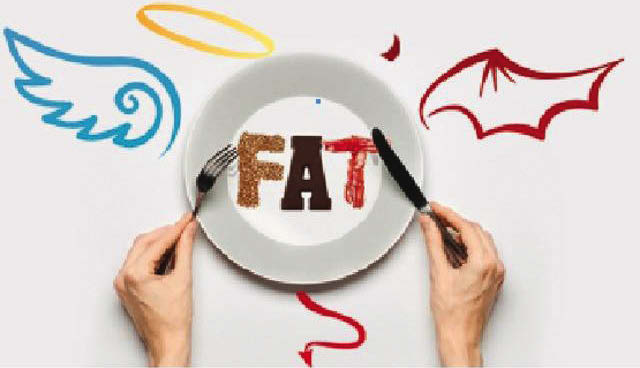
      Are you constantly hunting for foods that are fat-free? And when you hear the word ‘fat,’ do you automatically think ‘bad’? If you answered yes to both questions, you couldn’t be more wrong.

      For over half a century, people have believed that low-fat food was the key to a healthy diet. They chose low-fat and fat-free products over and over, only to become more unhealthy, fat and diseased. How did we get it so wrong? Because news about fat has always been complicated and contradictory.

      Now, research is proving that fat is not a bad word at all. In fact, it is essential for good health, as long as you eat the right kind. Of course, some types of fat are still bad, and too much of any kind, good or bad, will spell doom for your long-term health.

      Research now says you should replace all the bad fats in your diet with good fats, and then allow fats to constitute not more than a quarter of your total calorie intake per day. In other words, if you are on a 2,000-calorie diet, then not more than 500 calories should come from fats, both visible (the cooking medium) and invisible (inherent in the foods you eat). All fats deliver nine calories per gram, which means you should stick to just 20gm or ml (two teaspoons) of cooking oil per person per day. Yes, that’s less than you would have thought.

      [button color=”” size=”” type=”s3d” target=”” link=””]Score the good fats[/button] Since good fat works best when it replaces bad fat or bad carbohydrates, it’s important to understand the difference between the two. The National Institute of Nutrition and the Indian Council of Medical Research recommend an equal ratio of saturated fatty acid (SFA), monounsaturated fatty acid (MUFA), and polyunsaturated fatty acid (PUFA) in cooking oil. Let’s find out what those clunky terms mean:

      [button color=”” size=”” type=”3d” target=”” link=””]Poly Unsaturated Fatty Acids (PUFA)[/button] – PUFAs are the essential fats that your body cannot produce but must consume. These are omega 6 and omega 3. They are called essential fatty acids (EFAs). Just like vitamins, minerals and other essential nutrients, you must get your EFAs from what you eat.

      Both omega 3 and omega 6 are essential. But just as important, they must be balanced. If not, they can cause an inflammation. The ideal ratio of omega 6 and omega 3 is somewhere between 3:1 and 1:1, but because of our excessive use of vegetable oils and consumption of processed foods our consumption ratio is about 15:1. This means that we consume way too much Omega 6. Cut down the vegetable oils and processed foods (omega 6) and eat more fatty fish (salmon, mackerel, tuna, surmai, singhara, hilsa, rohu), walnuts, flaxseeds (kalsi seeds), and greens like methi and mustard leaves for omega 3.

      [button color=”” size=”” type=”3d” target=”” link=””]Monounsaturated Fatty Acids (MUFA)[/button] – MUFAs provide essential fats that play a role in healthy eyesight, nervous system function and brain development. They also lower bad cholesterol and raise good cholesterol levels. Oils of olive, canola, flaxseed, almond, sesame, peanut and cashew contain a high concentration of MUFA. Dark chocolate, peanut butter, almonds, cashews, pistachios, peanuts and seeds like sesame, pumpkin, poppy, chia and flax are other good sources.

      [button color=”” size=”” type=”3d” target=”” link=””]Saturated Fatty Acids (SFA)[/button] Sorry cooking-oil ads. New research shows that saturated fat does not lead to heart disease. But too much of it can. So eat butter and ghee, but go easy on them. Also enjoy the SFAs in red meat, poultry, cheese, full-fat dairy products, coconut oil and palm oil.

      [button color=”” size=”” type=”3d” target=”” link=””]Bad fat: Transfats[/button] In June 2015, the US Food and Drug Administration gave the food industry until 2018 to rid foods of this fat. Transfats increase bad cholesterol and triglycerides, and reduce good cholesterol. They also trigger cancer, diabetes, immune dysfunction, obesity and reproductive problems. They have been linked to poor memory too. Transfats are found almost everywhere: in cookies, crackers, cake icing, potato chips, corn chips as well as tortilla chips. They’re in microwaveable popcorn, doughnuts, margarine, and other processed foods. And all fried food including pakoras, kachoris, french fries, fried chicken, and even fried sweets like gulab jamuns and jalebis. Another name for transfats is
      “partially hydrogenated oils”, so steer clear of vanaspati too.

    • World’s fattest man dies after ‘drinking too many energy drinks’

      World’s fattest man dies after ‘drinking too many energy drinks’

      MAXICXO (TIP): The world’s fattest man has died of a heart attack at the age of 38 after reportedly drinking more than six energy drinks a day.

      Andres Moreno, from Ciudad Obregon in Mexico, reached a weight of over 70 stone at his heaviest.

      His doctor reportedly said he had been drinking more than six energy drinks a day in the three days running up to his death.

      As he was very obese and suffering from diabetes, such stimulate drinks could have caused “an irregular heartbeat”.

      He died on Christmas Day after a heart attack and complications from peritonitis.

      Two months ago, Mr Moreno had undergone extreme weight-loss surgery where three quarters of his stomach was removed.

      His remaining stomach was then reshaped into a tube to help prevent him from overeating.

      Mr Moreno had lost 19 stone naturally to reach the weight of 50 stone in preparation for the surgery.

      Dr Jorge Ojeda, who treated Mr Moreno, told MailOnline: “He drank more than six energy drinks a day according to his family and we believe it could be a lot more than six.

      “As an obese man, although he was losing weight and was starting to move, exposing yourself to a stimulant can cause an irregular heartbeat, and that or a heart attack can lead to death.”

      Another Mexican, 88-stone Manuel Uribe, previously held the record for the world’s fattest man.

    • STEM CELL CURE FOR DIABETES A REALITY: STUDY

      STEM CELL CURE FOR DIABETES A REALITY: STUDY

      BOSTON (TIP): Diabetes may soon be cured after scientists have managed to halt the condition in mice for six months, thanks to the use of insulin-producing cells that had been generated from human stem cells.

      Experts from US hospitals and institutions, including Harvard University, managed to transplant cells into mice, which immediately began producing insulin.

      The team was also able to show they could prevent the cells being rendered useless by the body’s own immune system, which was effectively “switched off”, thanks to scientific work. It means a cure for type 1 diabetes – which affects 400,000 people in the UK – could be much closer. Scientists are now working to replicate the results in humans with the condition. The findings build on the news at the end of 2014 that experts had discovered how to make huge quantities of insulin-producing cells.

      The man who led that breakthrough – Harvard Professor Doug Melton, who has been trying to find a cure for the disease since his son was diagnosed with type 1 diabetes as a baby – also worked on the new studies.

      The human islet cells used for the new research were generated from human stem cells developed by Professor Melton.

      “Encapsulation therapies have the potential to be groundbreaking for people with type 1 diabetes.

      “These treatments aim to effectively establish long-term insulin independence and eliminate the daily burden of managing the disease for months, possibly years, at a time without the need for immune suppression,” said Juvenile Diabetes Research Foundation (JDRF) vice-president of discovery research, Julia Greenstein.

      Source: PTI

    • ARCHITECT OF INDIA’S CONSTITUTION DR. BHIMRAO AMBEDKAR

      ARCHITECT OF INDIA’S CONSTITUTION DR. BHIMRAO AMBEDKAR

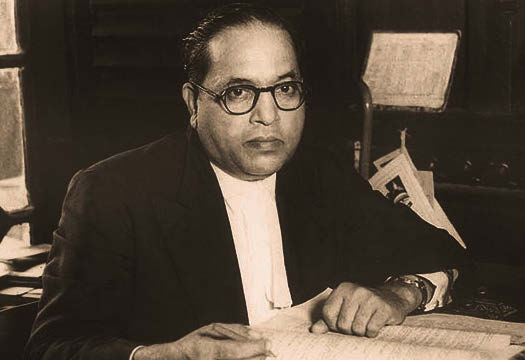
      Dr B R Ambedkar, popularly known as Babasaheb Ambedkar, was one of the architects of the Indian Constitution. He was a well-known politician and an eminent jurist. Ambedkar’s efforts to eradicate the social evils like untouchablity and caste restrictions were remarkable. The leader, throughout his life, fought for the rights of the dalits and other socially backward classes. Ambedkar was appointed as the nation’s first Law Minister in the Cabinet of Jawaharlal Nehru. He was posthumously awarded the Bharat Ratna, India’s highest civilian honor in 1990.

      “Unlike a drop of water which loses its identity when it joins the ocean, man does not lose his being in the society in which he lives. Man’s life is independent. He is born not for the development of the society alone, but for the development of his self.”

      Bhimrao Ambedkar was born to Bhimabai Sakpal and Ramji on 14 April 1891 in Madhya Pradesh. He was the fourteenth child of his parents. Ambedkar’s father was a Subedar in the Indian Army and posted at Mhow cantonment, MP. After the retirement of his father in 1894, the family moved to satara. Shortly after, his mother passed away. Four years later, his father remarried and the family shifted to Bombay, where he cleared his matriculation in 1908. His father Bhimabai Sakpal died in Bombay, in 1912.

      Ambedkar was a victim of caste discrimination. His parents hailed from the Hindu Mahar caste, which was viewed as “untouchable” by the upper class. Due to this, Ambedkar had to face severe discriminations from every corners of the society. The discrimination and humiliation haunted Ambedkar even at the Army school, run by British government. Fearing social outcry, the teachers would segregate the students of lower class from that of Brahmins and other upper classes. The untouchable students were often asked by the teacher to sit outside the class. After shifting to Satara, he was admitted to a local school but the change of school did not change the fate of young Bhimrao. Discrimination followed wherever he went. In 1908, Ambedkar got the opportunity to study at the Elphinstone College. Besides clearing all the exams successfully Ambedkar also obtained a scholarship of twenty-five rupees a month from the Gayakwad ruler of Baroda, Sayaji Rao III. Political Science and Economics were the subjects in which he graduated from the Bombay University in 1912. Ambedkar decided to use the money for higher studies in the USA.

      “Political tyranny is nothing compared to the social tyranny and a reformer who defies society is a more courageous man than a politician who defies Government.”

      After coming back from the US, Ambedkar was appointed as the Defense secretary to the King of Baroda. Even, there also he had to face the humiliation for being an ‘Untouchable’. With the help of the former Bombay Governor Lord Sydenham, Ambedkar obtained the job as a professor of political economy at the Sydenham College of Commerce and Economics in Bombay. In order to continue his further studies, in 1920 he went to England at his own expenses. There he was awarded honor of D.Sc. by the London University. Ambedkar also spent few months at the University of Bonn, Germany, to study economics. On 8 June, 1927, he was awarded a Doctorate by the University of Columbia.

      After returning to India, Bhimrao Ambedkar decided to fight against the caste discrimination that almost fragmented the nation. Ambedkar opined that there should be separate electoral system for the Untouchables and lower caste people. He also favored the concept of providing reservations for Dalits and other religious communities.

      Ambedkar began to find ways to reach to the people and make them understand the drawbacks of the prevailing social evils. He launched a newspaper called
      “Mooknayaka” (leader of the silent). It was believed that, one day, after hearing his speech at a rally, Shahu IV, an influential ruler of Kolhapur dined with the leader. The incident also created a huge uproar in the socio-political arena of the country.

      In 1936, Ambedkar founded the Independent Labor Party. In the 1937 elections to the Central Legislative Assembly his party won 15 seats. Ambedkar oversaw the transformation of his political party into the All India Scheduled Castes Federation, although it performed poorly in the elections held in 1946 for the Constituent Assembly of India.

      “For a successful revolution it is not enough that there is discontent. What is required is a profound and thorough conviction of the justice, necessity and importance of political and social rights.”

      Ambedkar objected to the decision of Congress and Mahatma Gandhi to call the untouchable community as Harijans. He would say that even the members of untouchable community are same as the other members of the society. Ambedkar was appointed on the Defense Advisory Committee and the Viceroy’s Executive Council as Minister for Labor. His reputation as a scholar led to his appointment as free India’s first, Law Minister and chairman of the committee responsible to draft a constitution.

      Bhimrao Ambedkar was appointed as the chairman of the constitution drafting committee. He was also a noted scholar and eminent jurist. Ambedkar emphasized on the construction of a virtual bridge between the classes of the society. According to him, it would be difficult to maintain the unity of the country if the difference among the classes were not met.

      In 1950, Ambedkar traveled to Sri Lanka to attend a convention of Buddhist scholars and monks. After his return he decided to write a book on Buddhism and soon, converted himself to Buddhism. In his speeches, Ambedkar lambasted the Hindu rituals and caste division. Ambedkar founded the Bharatiya Bauddha Mahasabha in 1955. His book “The Buddha and His Dhamma” was published posthumously.

      On October 14, 1956 Ambedkar organized a public ceremony to convert around five lakh of his supporters into Buddhism. Ambedkar traveled to Kathmandu to attend the Fourth World Buddhist Conference. He completed his final manuscript, “The Buddha or Karl Marx” on December 2, 1956.

      Since 1954-55 Ambedkar was suffering from serious health problems including diabetes and weak eyesight. On 6 December, 1956 he died at his home in Delhi. Since, Ambedkar adopted the Buddhism as his religion, a Buddhist-style cremation was organized for him. The ceremony was attended by hundreds of thousands of supporters, activists and admirers.

    • Sugary drinks can up dangerous ‘deep’ fat

      Middle-aged adults who drink sugary beverages like soda and coke every day are likely to have higher amount of a particular type of body fat that may affect diabetes and heart disease risk, a new study has found.

      The data showed that among middle-aged adults, there was a direct correlation between greater sweetened beverage consumption and increased visceral fat.

      Visceral fat or “deep” fat wraps around a number of important internal organs such as the liver, pancreas and intestines, which may boost Type-2 diabetes and heart disease risk. This type of fat affects how our hormones function and is thought to play a larger role in insulin resistance -which may boost Type-2 diabetes and heart disease risk.

      “There is evidence linking sugar-sweetened beverages with cardiovascular disease and Type-2 diabetes,” said lead author Caroline Fox, special volunteer with US National Institutes of Health (NIH).

      “Our message to consumers is to follow the current dietary guidelines and to be mindful of how much sugar-sweetened beverages they drink. To policy makers, this study adds another piece of evidence to the growing body of research suggesting sugar-sweetened beverages may be harmful to our health,” Fox added.

      For the study, a total of 1,003 participants with an average age 45 answered food questionnaires and underwent CT scans at the start and the end of the study to measure body fat changes.

      They were ranked into four categories: non-drinkers; occasional drinkers; frequent drinkers; and those who drank at least one sugar sweetened beverage daily.

      Over a six-year follow-up period, independent of the participants’ age, gender, physical activity, body mass index and other factors, they found visceral fat volume increased.

      Source: IANS

    • CUT DOWN ON SITING TIME TO CURB HEART DISEASE RISK

      CUT DOWN ON SITING TIME TO CURB HEART DISEASE RISK

      If you are suffering from obesity, reducing the time spent on watching television or playing computer games may be as important as doing exercise to reduce the risk of diabetes and heart diseases, suggests new research.

      Sedentary behaviour is associated with poor cardiovascular health and diabetes in adults with severe obesity, independent of how much exercise they perform, the study said.

      According to the researchers, the findings could be used to design and test programmes for adults with severe obesity that emphasise reducing time spent sitting, rather than immediately working toward increased moderate- to vigorous-intensity physical activity or exercise, such as brisk walking.

      “Adults with severe obesity often have difficultly following national guidelines to participate in at least 30 minutes per day of moderate- to vigorous-intensity physical activity for health benefits,” said lead author Wendy King, associate professor at University of Pittsburgh in the US.

      “Our findings suggest that replacing sedentary behaviour, like watching television or sitting at the computer, with low-intensity physical activities, such as light housework or going for a casual stroll, may improve cardio-metabolic health in this population,” King added.

      For the study, the researcher followed 927 patients participating in a prospective study of patients undergoing weight-loss surgery at one of 10 different hospitals across the US.

      For every hour per day participants spent in sedentary bouts of at least 10 minutes, their odds of having diabetes increased by 15 percent, metabolic syndrome by 12 percent and elevated blood pressure by 14 percent.

      “These findings indicate the importance of investigating sedentary behaviour as a distinct health risk behaviour, not simply lack of moderate- to vigorous-intensity physical activity, among adults with severe obesity,” King pointed out.

      Source: TOI

    • In 2016 | Expecting to combat Type-1 Diabetes (used to be called juvenile Diabetes)

      In 2016 | Expecting to combat Type-1 Diabetes (used to be called juvenile Diabetes)

      Type -1 diabetes is the second most common chronic disease in children in India. There are one million children with diabetes in India.(may be more)

      One author called them “step children”. Twelve thousand children die each year because of diabetes. They don’t need to.

      The real cause of Type-1 diabetes is elusive, but we do have few theories:

      1. Genetic susceptibility.
      2. Autoimmunity
      3. Environmental trigger
      4. Entero viruses

      Hence the research for the cause of type-1 diabetes is of paramount importance.

      In spite of the efforts of many organizations, the management of these children is less than satisfactory.

      In 2016, The Eye Foundation of America would like to work with the local organizations in India to promote awareness; supplying insulin to the deserving poor families and prepare the children to lead a normal productive life. Preparedness is a lifestyle: EFA would like to collaborate with the organizations in India( in 2016) and make it an ongoing program.

      Dr. V.K. Raju


      Author: Dr. V.K. Raju

      Eye Surgeon Morgantown, WV

      [vc_row][vc_column][td_block_14 custom_title=”Related Posts on Dr. V. K. Raju” custom_url=”theindianpanorama.news/dr-v-k-raju” tag_slug=”dr-v-k-raju” limit=”3″][/vc_column][/vc_row]

    • OVEREATING CAN CAUSE DEPRESSION

      OVEREATING CAN CAUSE DEPRESSION

      In a recent study, it has been found that chronic overeating and stress are tied to an increased risk of depression and anxiety.

      The researchers from Yale University report that the anesthetic ketamine reverses depression-like symptoms in rats which are fed a high-fat diet in a similar way it combats depression and synaptic damage of chronic stress in people.

      Senior author Ronald Duman said that the effects of a high-fat diet overlap with those of chronic stress and could also be a contributing factor in depression as well as metabolic disorders such as Type 2 diabetes.

      In the research scientists have shown that ketamine, also known as Special K and abused as a recreational drug, can quickly and dramatically reduce symptoms of chronic depression in patients, who are resistant to typical antidepressant agents.

      They also found that a single low dose of ketamine reversed those symptoms quickly, and reversed the disruption of mTORC signaling pathways.

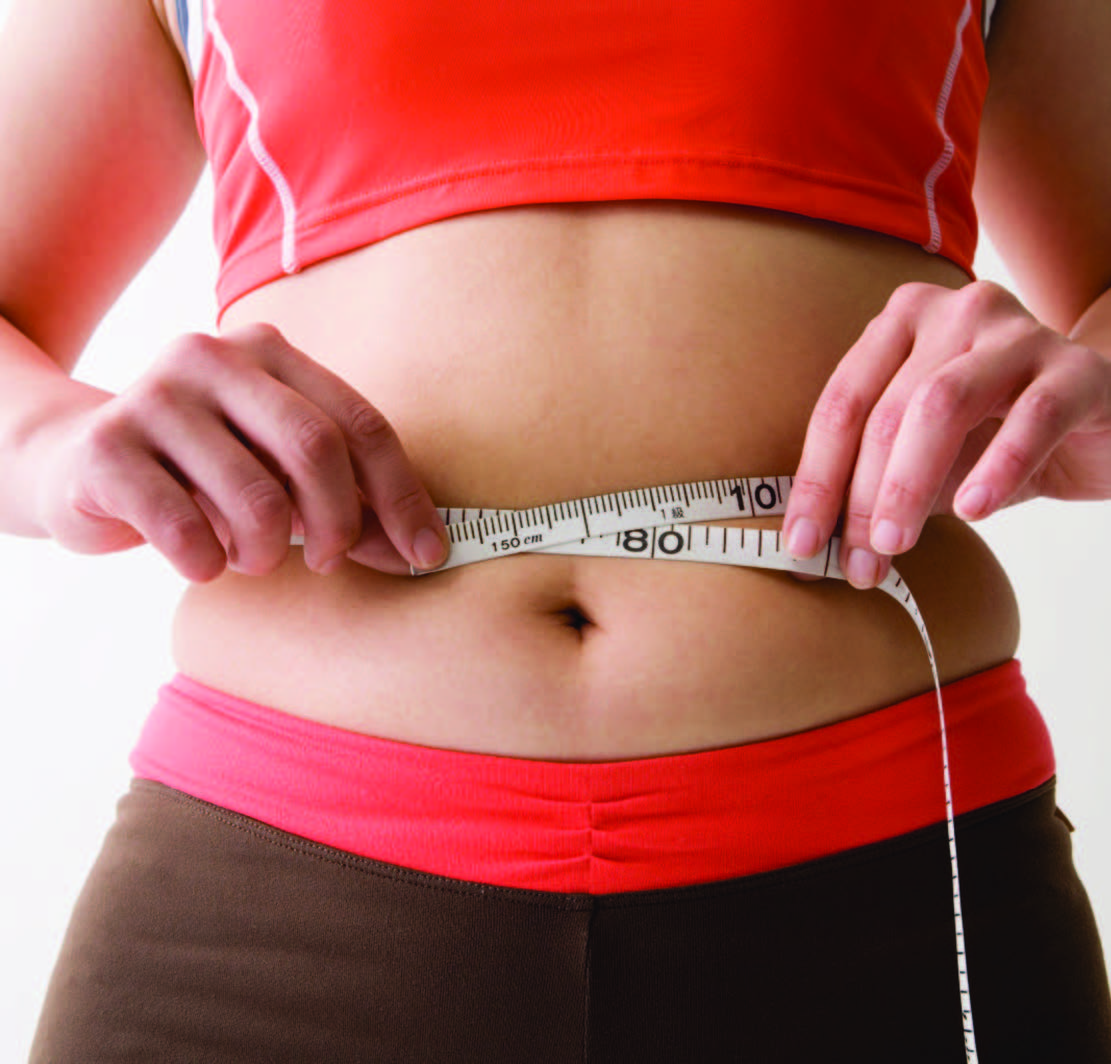
      KNOCK OFF THAT STUBBORN BELLY FAT WITH FISH OIL

      Fish oil could be your answer to fighting belly fat. According to a research by Kyoto University, fish oil helps burns fat faster than all the fat-burning pills which could lead to efficient weight loss in overweight or obese people in their 30s and 40s.

      Fish oil activates receptors in the digestive tract, fires the sympathetic nervous system and induces storage cells to metabolise fat.

      Fat tissues do not all store fat. So called ‘white’ cells store fat in order to maintain energy supply while ‘brown’ cells metabolise fat to maintain a stable body temperature.

      Brown cells are abundant in babies but decrease in number with maturity into adulthood.

      A third type of fat cell – ‘beige’ cells — have recently been found in humans and mice, and have shown to function much like brown cells.

      Beige cells also reduce in number as people approach middle age and without these metabolising cells, fat continues accumulating for decades without ever being used.

    • FOODS THAT LOWER BLOOD PRESSURE

      FOODS THAT LOWER BLOOD PRESSURE

      Though it affects more than one in three adults worldwide, many people do not know they have high blood pressure because it does not always cause symptoms.

      As a result, it leads to more than nine million deaths every year. Horrified with these facts, or tensed because you have been diagnosed with blood pressure recently? Then worry not!We have planned a very tasty and beneficial way to lower down your blood pressure with the help of Ms. Sunita Pathania – Sr. Registered Dietician and Diabetes Educator, Healthy Living Diet Clinic, Mumbai. Start the slideshow and begin your journey to lower your blood pressure with these yummy foods.

      Bananas

      If you want to lower your blood pressure, then bananas are a great option. They are cheap, available all throughout the year and are loaded with potassium. Potassium helps to lower your blood pressure by 2 to 3 points and helps to lower the risk of stroke. Banana is one of the best foods, as it is loaded with potassium. Potassium helps the kidney to filter more pressure-boosting sodium out of your bloodstream and helps tiny blood vessels relax and make pressure in the artery walls function more efficiently.

      Skimmed milk

      Skimmed milk will do wonders for your body, as it loaded with calcium and vitamin D. These two nutrients work as a team and help to lower down your blood pressure and strengthen your bones. Besides, it also helps to reduce the risk of various cardiovascular ailments.

      Watermelon

      Watermelon is not just a summer-refreshing food, but it is also a heart health promoting food. Watermelon is loaded with fiber, lycopenes, vitamin A and potassium. All these nutrients have blood pressure-lowering effects.

      Oranges

      This super rich vitamin fruit – is another best food you should indulge in, to lower down your risk of developing high blood pressure. Opt in for a glassful of orange juice or eat the whole fruit to load yourself with fiber and vitamin C.

      Dark chocolate

      Chocolate lovers rejoice! Eating a square piece of dark chocolate every day, will help to lower down blood pressure readings, because of their richness in flavonoids – they are the natural compounds that cause dilation of the blood vessels. Sunita recommends, choose dark chocolates, which have approximately 50 to 70 percent cacao.

      Sunflower seeds

      Sunflower seeds are rich in vitamin E, folic acid, protein and fiber. Just a handful of sunflower seeds consumption, will helps to lower your blood pressure and promote your heart-health. Sunflower seeds, release a peptide that inhibits the body’s production of enzymes that’s known to raise blood pressure. So start munching in salt less, sunflower seeds to promote your health.

      Whole grain

      Indulging into whole grain rich breakfast like cereals and oats is one of the best ways to promote good health. Eating oatmeal or wheat for breakfast, not only helps us to stay full for a long time but it also helps to lower down your blood pressure. So, if you have been diagnosed recently with blood pressure, then start taking you breakfast as the most important mean of the day.

    • India’s leading Ayurveda destinations

      India’s leading Ayurveda destinations

      From being the ‘science of life’, Ayurveda has become the ‘slice of life’ for many with the advent and positive growth of rejuvenation centres and Ayurvedic resorts in the country.
      People are willing to experience a ‘healthier’ side to an otherwise indulgent holiday by touring healing resorts as an escape from the mundane, hectic everyday existence. These resorts located at the outskirts of the cityscape over sprawling and pristine forests lure tourists into its peaceful and quiet edifices.

      Let’s discover and learn about some of the best Ayurveda resorts our country has:

      Somatheeram Ayurveda Resort, Kerala: Nestled on a hillock a few kilometres south of the Kovalam beach is the world’s first Ayurvedic resort Somatheeram. Spread across a wide expanse of greenery, Kerala prides in Somatheeram as a getaway destination for those in search of an Ayurvedic haven away from the cacophony of city life. Established in 1985, Somatheeram has emerged as one of the frontrunners in encouraging a culture of Ayurvedic holidays and meditation tours among travel enthusiasts. The serenity of the resort by the sea, goodness of traditional Ayurvedic therapies and a healthy diet routine help people unwind here.

      Acute health conditions of paralysis, fluctuating levels of blood pressure, arthritis, high cholesterol and breathing problems are first examined by a team of yoga experts and doctors after which a series of corresponding healing exercises and diet regime ensue.

      Massage therapies: The massages here at Somatheeram serve more than a short-term purpose; the sessions are extensive and extend till days. ‘Pizhichil’ for instance is a special massage that uses a variety of herbal oils (lukewarm) and has been effective in curing diseases like paralysis and nervous disorders. Every session lasts 60-90 minutes over a span of 7-21 days. People with diabetes and obesity can go for the Ayurvedic ‘Abhyangam’ treatment which is again a type of oil massage for 45 minutes a day. ‘Nasyam’, ‘Snehapanam’ and ‘Kizhi’ are among the many treatments that have been proven medically capable of battling severe skin diseases, leukemia and sports injuries.

      Yoga classes and boat tours in the backwaters too are included in Ayurveda packages at Somatheeram.

      Where: Somatheeram Ayurveda Resort, South of Kovalam, Thiruvananthapuram. About 21 kms from International Airport at Thiruvananthapuram and about 9 kms south of the famous Kovalam beach.

      1)Ananda in the Himalayas, Uttarakhand: As the name suggests, the experience too replicates a blissful journey amid the towering and guarding Himalayas. Ananda focuses on an interesting and fruitful blend of Ayurveda and Aromatherapy with contemporary spa technology for complete wellness of the human body. Located 260 kms north of New Delhi, Ananda stands tall around Maharaja’s palace estate with the views of the Ganges on one side and the mountain peaks on the other pleasing the tourist’s eyes, mind and spirit upon waking up every morning. Yoga pavilions, landscaped gardens, terraces facing a clear sky, spas equipped with hydrotherapy services, a golf course on its Himalayan axle and Rejuvenation Cuisine are some of the many distinguishing features of the resort you can indulge in.
      Ayurveda, yoga & meditation:

      European and Thai treatments are employed in the spa boutiques here at Ananda. The Viceregal Hall is the quaint hillside garden that doubles as a refuge post an exhaustive yoga session. Marvel at the breathtaking panorama as you sip on the Himalayan tea. For couples, the Kama Suite with steam shower and exclusive massage facilities can surely add a sensual flavour to the Ayurveda tour. The Ayurvedic treatments are fashioned according to the Himalayan conditions. Use of less oil, slow and synchronised massages and regulation of a nutritious diet go into the making of customised treatments for guests under the supervision of physicians and therapists. An aftercare programme is planned for the benefit of the client at the last leg of the Ayurveda trip.

      Where: The Palace Estate, Narendra Nagar, Dist. Tehri-Garhwal, Uttarakhand

      Air: A 45-minute flight from New Delhi to Dehradun Jolly Grant airport followed by a one-hour drive.

      Train: A four-hour journey from New Delhi to Haridwar railway station followed by a one-hour drive.

      Road: The driving time between New Delhi and Narendra Nagar is approximately five and a half hours.

      1)Devaaya, The Ayurveda and Nature Cure Centre, Goa: If beaches and nightlife are the first things that come to mind upon hearing Goa, then probably it’s time to widen your horizon. As much as it is a ‘party’ destination, Goa as a city has carved an identity that appreciates art, culture and holistic living. And speaking of holistic living, the city has emerged as one of the potential tourist spots on the map of Ayurveda tourism in India. Coconut palms swinging to the rhythm of the breeze and the Mandovi River flowing alongside one of the islands in Goa complete the scenery at Devaaya Ayurveda Centre in Goa. Naturopathy becomes a way of life at this Ayurvedic paradise that brings together the essential elements of ‘Panchakarma’ treatments with yoga, meditation, music, lifestyle correction, diet planning and medicines for tourists. The centre has been designed on the science of ‘Vaastu Shastra’ that adds to the harmony of the overall rejuvenation process.

      Where: Devaaya – Ayurveda & Nature Cure Centre, Divar Island, Goa

      1)Kairali Ayurvedic Health Village, Kerala: The captivating beauty of the Western Ghats and the rich flora define the picturesque town of Palakkad in Kerala which is home to the Kairali Ayurvedic Health Resort. Ram Mohan, Vice President of the Resort is proud to declare how the Ayurveda village has travelled miles over the recent years, “Today, we have over 20 centres abroad apart from the 25 centres across India.” Ask him about the future of Ayurveda tourism in India and he has his reservations, “The Indian mindset is still not ready to embrace the culture of Ayurveda in a manner that the European market has possibly built an industry around. Patience is a virtue we have still not mastered the art of. It is believed that Ayurveda is an expensive affair but so is allopathy. If we are willing to shed a fortune on a bypass surgery then why not spend half the money on a recreational therapy that will guarantee the elimination of the ailment from its root?”, asks Ram. The system of Ayurveda he asserts is “not superficial but comes with permanent and effective results.”

      Agrees Niika Quistgard, Founder and Director Rasa Ayurveda Traditional Healing Centre for Women, Kerala and says, “People are often dissatisfied with allopathic medicines and are wary of the side-effects of drugs; natural alternatives and organic methods of healing are the preferred options. At Rasa Ayurveda we offer free consultation and treatment to women. All remedies are derived from herbal plants, a tradition that dates back to the era of our grandmothers,” adds Niika.

      The Leela, Udaipur:

      The city of lakes and palaces, The Leela’s ESPA Spa is yet another hot spot for Ayurvedic retreat. The ‘haveli’ style architecture of spas, tents done up in shades of royalty and opulence and the welcoming gardens contribute to the development of a relaxed mind and soul of the human body. Tricia Bannister, Group Spa Manager, says, “Our clientele has grown from in-house guests to both in-house and local guests requesting for a wellness experience set amidst the cultural heritage of Rajasthan.” From hot stone massages, facials, yoga and meditation, The Leela also features private yoga studio for visitors. On being asked if Ayurveda treatment is a rich man’s pastime Bannister replies, “There is a range of Ayurvedic resorts available for spa travellers, from more relaxed, to 5-star properties. Ayurveda tourism is growing dramatically in India; both for pure Ayurvedic treatments as well as Ayurvedic-inspired experiences. Travellers from all income-levels are curious to experience new wellness treatments,” adds Tricia.

      Where: The Leela Palace, Lake Pichola, Udaipur

    • HOW GENES INFLUENCE WOMEN’S FIGURES, DIABETES RISK

      HOW GENES INFLUENCE WOMEN’S FIGURES, DIABETES RISK

      Now you know what conditions a woman’s body shape and how susceptible she is to diabetes: A genetic variant! This variant near the KLF14 gene regulates hundreds of genes that govern how and where women’s bodies store fat, which affects their risk of developing Type 2 diabetes, according to research presented at the American Society of Human Genetics (ASHG) 2015 Annual Meeting in Baltimore.

      Specifically, different ’alleles’ or ’versions’ of the variant cause fat-storing cells to function differently. At the whole-body level, these differences between alleles are not associated with changes to overall weight or body mass index, but they do affect women’s hip circumference, explained lead author Kerrin Small of King’s College London.

      “Previous studies have shown that on average, women who carry fat in their hips — those with a ‘pear-shaped’ body type –are significantly less likely to develop diabetes than those with smaller hips. Looking at the variant we studied, large-scale genome-wide association studies show that women with one allele tend to have larger hips than women with the other one, which would have a protective effect against diabetes,” she said.

      These findings have important implications as researchers move toward more personalised approaches to disease detection and treatment, Small said, noting that if they can identify the genes and protein products involved in diabetes risk, even for a subset of people, we may be able to develop effective treatment and prevention approaches tailored to people in that group.

      The researchers have found that women have higher baseline levels of the KLF14 mRNA transcript, a precursor to the KLF14 protein, than men. This suggests the possibility of a threshold effect, in which men rarely or never attain the levels necessary to cause an increased risk of diabetes. Another hypothesis is that a different, sex-specific protein may interact with the KLF14 protein, enhancing or diminishing its effect in men or women.

    • 80% OF INDIANS HAVE NO HEALTH INSURANCE

      NEW DELHI (TIP): More than 80 per cent Indians do not have any medical insurance cover, though they predominantly rely on expensive private healthcare for their medical needs.

      Almost 86 per cent of rural population and 82 per cent of urban population are not covered by any scheme of health expenditure support, according to the National Sample Survey Office in its latest survey after interviewing more than 3,33,000 people.The government was able to bring only about 12 per cent urban and 13 per cent rural population under health protection coverage through Rastriya Swasthya Bima Yojana and similar plans.

      Only 12 per cent households in urban area had some arrangement of medical insurance from private providers. For all others, this share is negligible. In the absence of health insurance, 75 per cent people tap into their hard-earned savings while more than 18 per cent borrow.

      Borrowing is more in rural areas compared to the cities, where the tendency is more to draw from the savings and household incomes. “The private sector provides nearly 80 per cent of outpatient and 60 per cent of inpatient care. But the cost of private-sector health care is unaffordable for most Indians,” said K Srinath Reddy, president of the Public Health Foundation of India, in an article published in the July 1 issue of the “New England Journal of Medicine”. When NSSO compared the cost of care at public and private sectors, it found while the private health care is four times more expensive than government-run hospitals and clinics in general, treatment of specific diseases cost four, five or even ten times more in private hospitals.

      For instance, the obstetric and gynaecological problems, and child care is ten time costlier to treat in the private sector. Similarly, treatment of injury, gastro enteritis diseases, eye and skin problems and metabolic disorders like diabetes are 5-6 times more costly in private care. Private institutions dominate the field in treating the in-patients for all these years, both in the rural and urban settings. A steady decline in the use of government sources and corresponding increase in the use of private sources are clearly seen over the last three surveys between 1995 and 2014.

    • NEK CHAND, CREATOR OF CHANDIGARH’S ROCK GARDEN, DIES AT 90

      NEK CHAND, CREATOR OF CHANDIGARH’S ROCK GARDEN, DIES AT 90

      NEK CHAND
      NEK CHAND

      CHANDIGARH (TIP): The creator of Chandigarh’s iconic Rock Garden, Nek Chand, breathed his last at the Post Graduate Institute of Medical Education and Research, Chandigarh, on June 12. He was 90. PGIMER sources said that Nek Chand had been ailing for some time. He was suffering from diabetes, hypertension and was also diagnosed with cancer. He had been admitted to the local Inscol Hospital in Sector 34 for the past few days. He had been undergoing dialysis but his condition kept on deteriorating. Earlier in the day, UT adviser Vijay Dev and home secretary Anurag Agarwal also visited him at the private hospital. They found that his condition was critical and suggested that he be shifted to the PGIMER at the earliest. He was brought to the PGIMER late on Thursday evening.

      His son, Anuj Saini, who helped him in maintaining Rock Garden, and his UK-based daughter were by his side when he passed away at PGIMER.

      [quote_center]KNOW THE MAN, THE LEGEND[/quote_center]

      Born at Shakargarh (now in Pakistan) in Gurdaspur district, Nek Chand and his family settled in Punjab after Partition. At the time when Chandigarh was being designed as India’s first truly modern city by Swiss-born French architect Le Corbusier, he found work as a roads inspector for the Punjab public works department in 1951.It was in the early 1960s that he began to clear a little forest patch near Sukhna Lake to create a small garden. He set stones around the little clearing and then sculpted a few figures from discarded and recyclable materials he found at hand. His creation grew covering several acres and comprising hundreds of sculptures.

      THE SECRET GARDENER

      Nek Chand toiled away secretly in the dead of night for nearly two decades to create his wonderland in north India. Riding his bicycle after dark to a state-owned forest, Nek Chand spent night after night clearing patches of ground and transforming the landscape into a majestic garden. When his secret was finally discovered in 1975, authorities threatened demolition, claiming he had violated strict land laws. But an amazed public rallied behind him.

      Eventually, the decision to give Chand a salary to help him work on his project fulltime, besides a workforce of 50 labourers, was taken. The garden was inaugurated as a public space in 1976, bringing him glory that would last a lifetime and beyond. He was awarded the Padma Shri in 1984.

      LEGACY LIVES ON

      The man, who saw beauty and art in what others said was junk, continued to work on the garden even in his last days. Made from recycled materials, Chand built the mass with a cement and sand mix before adding a final coating of smoothly burnished pure cement combined with waste materials such as broken glass, bangles, crockery, mosaic and iron-foundry slag.

      Now over 25 acres of several thousand sculptures set in large mosaic courtyards linked by walled paths and deep gorges, Nek Chand’s creation also combines huge buildings with a series of interlinking waterfalls. The Rock Garden is now acknowledged as one of the modern wonders of the world and receives over 5,000 visitors each day.

    • Type 2 Diabetes – How to Watch it, Control it, Live with it

      Type 2 Diabetes – How to Watch it, Control it, Live with it

      A diagnosis of type 2 diabetes can bring with it feelings of guilt, regret and fear. While many have a genetic predisposition to the disease, it’s also tied to diet and weight problems. Its effects can be devastating–among them, blindness, heart disease and debilitating nerve damage.

      The truth is that because of its association with a less than healthy lifestyle, diabetes often doesn’t elicit the same level of sympathy as many other chronic conditions. Yet it is a disease without a cure, one that can only be managed–and that requires a deep personal commitment.

      Diabetes is a problem with your body that causes blood glucose (sugar) levels to rise higher than normal. This is also called hyperglycemia. Type 2 diabetes is the most common form of diabetes.

      If you have type 2 diabetes your body does not use insulin properly. This is called insulin resistance. At first, your pancreas makes extra insulin to make up for it. But, over time it isn’t able to keep up and can’t make enough insulin to keep your blood glucose at normal levels.

      Learn more on how to mange and control at http://www.diabetes.org/diabetes-basics/type-2/


    • SKIPPING MEALS CAN INCREASE BELLY FAT

      SKIPPING MEALS CAN INCREASE BELLY FAT

      If you are dieting with a size zero figure in mind, think again!Researchers have found that skipping meals can ultimately result in abdominal weight gain.

      “This does support the notion that small meals throughout the day can be helpful for weight loss, though that may not be practical for many people,” said senior author of the study Martha Belury, professor of human nutrition at The Ohio State University in the US.

      “But you definitely do not want to skip meals to save calories because it sets your body up for larger fluctuations in insulin and glucose and could be setting you up for more fat gain instead of fat loss,” Belury explained.

      In the study, mice that ate all of their food as a single meal and fasted the rest of the day developed insulin resistance in their livers.

      When the liver does not respond to insulin signals telling it to stop producing glucose, that extra sugar in the blood is stored as fat.

      These mice initially were put on a restricted diet and lost weight compared to controls that had unlimited access to food.

      The restricted-diet mice regained weight as calories were added back into their diets and nearly caught up to controls by the study’s end.

      But fat around their middles – the equivalent to human belly fat – weighed more in the restricted-diet mice than in mice that were free to nibble all day long.

      An excess of that kind of fat is associated with insulin resistance and risk for Type-2 diabetes and heart disease

    • ‘Suicide will soon become India’s number 1 killer’: Vikram Patel

      LONDON (TIP): India’s foremost mental health expert who spends most of his time between Goa and London has now been named as among TIME magazine’s 100 most influential people in the world.

      Professor Vikram Patel, who has done seminal research on suicides in India hopes that his presence in the list makes the Indian government wake up to the serious shortage of programmes and experts meant specially to deal with mental health problems.

      Speaking to TOI from Montreal, professor Patel who teaches at the London School of Hygiene and Tropical Medicine in UK and heads an organisation called Sangath in Goa said “the vast majority of people with mental disorders do not receive care which can greatly improve the quality of their lives. The treatment gap exceeds 90% for community based psychosocial interventions”.

      He added ” hope very much that this recognition will increase the attention that the world’s governments and donors afford to mental health, not just in India where issues like suicide, alcohol abuse, depression, autism and schizophrenia are almost entirely ignored by public health systems leading to enormous unmet needs and human rights abuses”.

      On being asked whether he thought the government of India was doing enough for mental health problems in India, Patel told TOI “Nowhere near the need, witness the complete absence of public health approach to suicide for example”.

      An earlier research by professor Patel on suicides in India had thrown up shocking findings. Four of India’s southern states — Tamil Nadu, Andhra Pradesh, Karnakata and Kerala — that together constitute 22% of the country’s population were found to have recorded 42% of suicide deaths in men and 40% of self-inflicted fatalities in women in 2010. Nadu, Andhra Pradesh, Karnakata and Kerala — that together constitute 22% of the country’s population were found to have recorded 42% of suicide deaths in men and 40% of self-inflicted fatalities in women in 2010.

      Maharashtra and West Bengal together accounted for an additional 15% of suicide deaths. Delhi recorded the lowest suicide rate in the country. In absolute numbers, the most suicide deaths in individuals, aged 15 years or older, were found to be in AP (28,000), Tamil Nadu (24,000) and Maharashtra (19,000).

      This was the first national study of deaths in India which was published in the British Medical journal The Lancet.

      Patel said suicide has become the second-leading cause of death among the young in India. Of the total deaths by suicide in individuals aged 15 years or older, about 40% suicide deaths in men and about 56% in women occurred in individuals aged 15-29 years. Suicide deaths occurred at younger ages in women (average age 25 years) than in men (average age 34 years). Educated persons were at greater risk of completing a suicide. The risk of completing a suicide was 43% higher in men, who finished secondary or higher education, in comparison to those who had not completed primary education. Among women, the risk increased to 90%.

      So what is professor Patel who is also from the Centre for Chronic Conditions and Injuries, Public Health Foundation of India, working on now? 

      He told media “I am working in five major areas – developing psychological treatments which can be delivered by community health workers, working in rural communities to increase awareness about and strengthen community responses to mental health problems, working with colleagues in cardiology and diabetes to develop integrated approaches for the care of chronic conditions, working with neuroscientists and computer engineers to develop novel diagnostic tools for brain disorders and working with government departments of health to scale up evidence based interventions for mental disorders through the district mental health programme”.

      The TIME 100 list describes Prof Patel as a “well-being warrior” and includes a tribute from Dr Barbara Van Dahlen, a psychologist and the founder of Give an Hour, a network of volunteer mental-health professionals, as well as the Campaign to Change Direction. She writes “It is hard to imagine a more difficult challenge than addressing the unmet needs of those from resource-poor countries who live with and suffer from mental-health disorders. And yet Vikram Patel has spent his career doing just that. He is a gifted psychiatrist, a dedicated researcher, a successful author of books and academic papers, and he is an effective communicator. In fact, he seems to have an unending supply of these critical skills. And as a co-founder of the NGO Sangath and the Centre for Global Mental Health at the London School of Hygiene & Tropical Medicine, he helps spread the simple yet profound idea of mental health for all. He provides hope that mental illness and trauma make us neither weak nor unworthy of love and respect”.

    • THREE-FIVE CUPS OF COFFEE DAILY GOOD FOR HEART

      People consuming three to five cups of coffee a day have the lowest risk of clogged arteries and heart attacks, says new research.

      An international team of researchers led by the Kangbuk Samsung Hospital, Seoul, South Korea, set out to examine the association between coffee consumption and the presence of coronary artery calcium (CAC) which is an early indicator of coronary atherosclerosis (when arteries become clogged).

      It can cause the arteries to harden and narrow, leading to blood clots which can trigger a heart attack or a stroke.

      They studied a group of 25,138 men and women -average age 41 – who had no signs of heart disease.

      The researchers estimated the CAC score ratios associated with different levels of coffee consumption compared with no coffee consumption.

      They categorised coffee consumption as none, less than one cup a day, one to three cups a day, three to five per day and at least five or more per day.

      The calcium ratios were 0.77 for people who had less than one cup per day, 0.66 for those having one to three cups every day, 0.59 for those consuming three to five cups per day, and 0.81 for people having at least five cups or more every day compared with non-coffee drinkers.

      The researchers found the prevalence of detectable CAC was 13.4 percent among the whole group of people and the average consumption of coffee was 1.8 cups per day.

      Possible explanations for the findings, said the researchers, were that chronic coffee consumption had a possible link to reduced risk of Type 2 diabetes, a strong risk factor for atherosclerosis.

      “Coffee consumption might be inversely associated with CVD (cardiovascular disease) risk. Further research is warranted to confirm our findings and establish the biological basis of coffee’s potential preventive effects on coronary artery disease,” the authors concluded.