Tag: FDI

  • A New Sunrise

    A New Sunrise

    India and Japan have enjoyed the best of relations over the decades. Yet, their trade and economic partnership has, strangely, been underperforming, belying the promise and potential. Bilateral trade at $16.29 billion in 2013-14 accounted for just 2.13 per cent of India’s total trade and barely 1 per cent of Japan’s.

    The low-profile trade relationship is especially disappointing considering how much Japan has to offer in terms of investment and technology, and how much India needs both. India may be one of the largest recipients of Japanese ODA (Official Development Assistance), but when it comes to foreign direct investment (FDI), it ranks low, well behind China.

    Between April 2000 and February 2014, Japanese companies cumulatively invested $15.97 billion in India, accounting for just 7.46 per cent of total FDI inflows into India, which in a way epitomises the state of the economic relationship between the second and third largest economies of Asia. All this could change for the better, post-Prime Minister Narendra Modi’s visit to Japan, which seems to have breathed new life into economic relations.

    Japan has said it would invest 3.5 trillion yen ($33.5 billion) in India in the next five years in the sectors of infrastructure, manufacturing, transport and clean energy, and on smart cities, all thrust areas for development for the Modi government. To be sure, this is not the first time we have seen positive intent in the leadership of the two Asian giants to improve trade and investment. Ever since India liberalised in the early 1990s, there has been steady interest among Japanese companies and investors – but they have often been frustrated by complicated procedures and cumbersome processes.

    Actually, Japanese companies willingly ceded market space in India to competitors from South Korea and China rather than deal with the red tape. It is in this context that Mr. Modi’s promises of “red carpet, not red tape”, and a special track in the Prime Minister’s Office to facilitate Japanese investments, have to be seen. Mr. Modi harped on all the right themes including the three Ds that India can boast of, namely democracy, demography and demand, while making his pitch to Japanese business.

    With manufacturing costs increasing in China and given the political issues between the two countries, Japanese businesses are looking to diversify, and India presents a good choice with its huge market. New projects such as those for superfast trains and smart cities are ideal destinations for Japanese investments. The Modi government has to now move quickly to fulfil its promises of easing procedures and facilitating investment to capitalise on the optimism and goodwill generated from what has clearly been a successful visit in economic terms.

    British English (The Hindu)

  • Basics very much in Indian economy’s favor

    Basics very much in Indian economy’s favor

    INDIA’S JOURNEY TO DEVELOPMENT AND CHALLENGES

    The economy of India is the tenthlargest in the world by nominal GDP and the third-largest by purchasing power parity (PPP).The country is one of the G-20 major economies, a member of BRICS and a developing economy that is among the top 20 global traders according to the WTO.

    India was the 19th-largest merchandise and the 6th largest services exporter in the world in 2013. India’s economic growth slowed to 4.7% for the 2013-14 fiscal year, in contrast to higher economic growth rates in 2000s. However, India’s decisive election outcome has created the potential for further structural reform that could result in a near 7 per cent GDP growth rate over the coming decade, and bank capital injections could enable banks to facilitate funding for that growth.


    32


    This would have meaningful implications for India’s fixed income markets. It is believed that the next decade for India’s foreign exchange (FX) and fixed income markets will be marked by policy-driven reforms driving accelerated growth with increasing market liberalization. Recent figures already appear more encouraging than the dynamics that have been supporting stagflationary recession conditions: The country’s balance of payments has improved, spurred by FX depreciation and the Reserve Bank of India’s (RBI’s) non-conventional measures. The growth outlook has turned moderately positive, helped by a global recovery; and bad loan formation, even at state-owned banks, may now be moderating.


    33


    The narrative for Indian markets began to brighten even before the elections. Following the second stage of India’s economic liberalization and the foreign direct investment (FDI) reforms initiated in September 2012, foreign investment will likely be a major contributor to a jump in private investment. However, despite liberal FDI limits, it has remained moderate, constrained, in part, by administrative hurdles. As the obstacles are reduced, we expect FDI to lead an investment boom over the next decade, similar to China’s mid-1990s experience. We project FDI will rise to an average of 2.5 per cent of GDP (FY2014-24) from an average of 1.5 per cent of GDP (FY2008-14). We believe such foreign capital flow will lend significant support to India’s balance of payments trajectory.

    Improving public health

    Health care services in India have undergone a vast change over the past few decades and encompass the entire nation. The industry is expected to supersede China by 2030 in terms of population expansion. Hence, it becomes one of the essential duties of the state to raise the nutrition level, the standard of living of the people together with improving public health.

    Health care Industry of India The rapidly increasing health care industry of India is one of country’s largest sectors, both in terms of revenue and employment. It has been estimated that the healthcare industry of India is will grow by & 40 billion. The continuous increase in the population of India is considered one of the principal reasons for the growth in the healthcare industry of India. The rise in the infectious as well as chronic degenerative diseases has contributed to the rise in the healthcare sector of India. Additionally, because of diseases like AIDS and several lifestyle diseases of India, the healthcare sector of India will have a constant growth.

    In spite of the fact that the Indian healthcare industry is rapidly expanding, healthcare infrastructure in India is very poor. A noticeable percentage of India suffers from poor standard of healthcare services. Most of the healthcare facilities of India provided by the various healthcare services are limited and of low standard. In order to understand the current status of the healthcare services in India, it is important to know about the different healthcare services found in the country.

    Public health services, essential public health services, preventive health services, mental healthcare services, home health services, magellen health service and school health services are some of the healthcare services found in India. Companies providing Health Insurance in India The various companies providing health insurance policies in India can also be put under the healthcare services of India. Some of the companies that provide health insurance coverage in India are Appollo DKV Insurance Company Ltd., Bajaj Alliance General Insurance Co. Ltd., Birla Sun Life Insurance, Aviva Life Insurance and the like.

    Points to note

    1).It has been found out that while the private health services have been rising for meet the needs of the rich citizens and foreigners, public health services in India are lagging behind and suffering in a major way.

    2).It has also been found out that less than 1% of the GDP is spent on the public health care services in India.

    3).Surveys made throughout India points out that 65% of the Indian population cannot access to modern medicines.

    4).In addition, a number of drugs and even many diagnostic tests are still unavailable in the public health care sector of India.

    5).Most of the hospitals, one of the prime healthcare services in India, are located in the urban areas, thereby making it almost impossible for the rural people to access.

    Indian industry sees green shoots of manufacturing growth
    A green shoots of revival have started to appear in the manufacturing sector, which is critical for job creation, with a majority of segments likely to post higher output, according to industry bodies. The survey conducted by CII-Ascon for the April-June quarter indicates positive growth in important sectors like consumer durables including the vehicle industry and white goods industry, which recorded a growth of 5- 10 per cent, leading to improvement in the overall industry growth.

    The FICCI survey found that eleven out of fourteen sectors are likely to show improvement in production during the second quarter (Jul-Sept) of the current fiscal. Over 64 per cent respondents are not likely to hire additional workforce in the next three months, though this proportion is less than that of the previous quarter (75 per cent), indicating improvement in hiring outlook in coming months.

    The survey gauges the expectations of manufacturers for Q2 for fourteen major sectors namely textiles, capital goods, metals, chemicals, cement, electronics, automotive, leather and footwear, machine tools, FMCG, tyre, textile machinery and more. Responses have been drawn from 392 manufacturing units from both large and small and medium (SME) segments with a combined annual turnover of over Rs 4 lakh crore.

    An upturn in demand condition is also reflected in the improved order books of the manufacturers, said Ficci survey. While only 36 per cent respondents reported higher order books for the April-June quarter in the last survey, 43 per cent respondents reported higher order books for July-September quarter.

    Foreign relations
    Soon after the 2014 Lok Sabha election results declared a thumping victory for the BJP-led NDA government, Prime Minister Narendra Modi invited the heads of all the SAARC countries including Pakistan, Bangladesh, Sri Lanka, Nepal, Maldives, Bhutan and Afghanistan, for his oath-taking ceremony, sending a major diplomatic signal to the global community.

    Credited with being a focused administrator, Modi signalled that his decisive win would reshape India’s foreign relations and leverage the diaspora to increase investments, business opportunities and better relations. Modi went on to choose neighbouring country Bhutan over others for his first foreign visit.

    “I will follow the (foreign) policies of the Vajpayee-led NDA government, and that also applies to the relationship with the United States. I don’t think a decision taken by any individual or one event should impact the overall policy,” Modi said in an interview. The winds of change were clearly being felt at home and abroad.


    29


    SAARC: A refocus on the neighbourhood
    For the first time, leaders of all South Asian Association Regional Corporation (SAARC) countries were invited for the swearing-in ceremony of an Indian Prime Minister. The presence of all seven countries, Pakistan Prime Minister Nawaz Sharif, Afghanistan President Hamid Karzai, Sri Lanka President Mahinda Rajapaksa, Bhutan Prime Minister Tshering Tobgay, Maldives President Abdulla Yameen Abdul Gayoom, Nepal Prime Minister Sushil Koirala, Speaker of Jatiyo Sangshad in Bangladesh Shirin Sharmin Chaudhury, was a welcome step towards strengthening India’s relations with the SAARC countries. However, political parties in Tamil Nadu voiced their displeasure at Sri Lanka’s president Mahinda Rajapaksa attending the ceremony and held demonstrations against him.


    30


    Bhutan visit: Asserting influence in South Asia
    PM Narendra Modi’s maiden foreign trip to Bhutan was intended to show that in the new scheme of things, the neighbourhood enjoys high priority. Inaugurating Bhutan’s Supreme Court building that was built with India’s assistance, Modi also laid the foundation stone of the 600MW Kholongchu Hydro-electric project, a joint venture between the two countries.

    He also proposed to hold a joint sports festival between Bhutan and north-eastern states of India, doubling scholarships for Bhutanese students in India and establishing e-libraries in 20 districts in Bhutan Though his faux pas of referring to Bhutan as Nepal while addressing the Bhutan Parliament caused some embarrassment, Modi went ahead to say that “when Bhutan calculates its happiness quotient, having a friend in India is also a major factor.”

    Meet with Pakistan Prime Minister Nawaz Sharif: Picking up the threads
    Relations between India and Pakistan have always been tense, but differences between the two countries had escalated after the 26/11 Mumbai terror attack. Modi’s invitation to Pakistan’s Prime minister Nawaz Sharif for his oath ceremony was seen as an attempt at cooperation rather than confrontation, which was reciprocated by his Pakistani counterpart.

    In their first meeting, Modi pressed for confidence-building measures, peace and security as well as enhancing bilateral trade, sending a positive message among the people of both the countries. Modi struck a pragmatic note with Sharif, underlining India’s concerns on terrorism and urging his Pakistani counterpart to crack down on militants and speed up trial of the 2008 Mumbai attack suspects.

    Sharif also responded to the meeting positively, accepting the fact that the two countries must strive for better cooperation. In the interaction which was widely seen as an “icebreaker”, the leaders also decided that their foreign secretaries would be in touch and discuss a way forward on talks that had been suspended since January 2013.

    BRICS Summit: New inroads
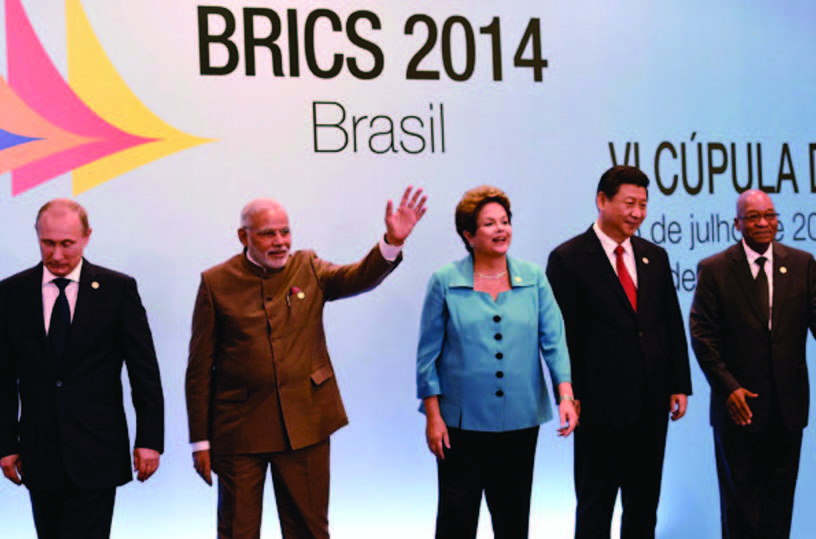
    Pushing for better international governance, Narendra Modi said he favoured an open, rule-based, international trading regime which is critical for global economic growth. Modi’s first BRICS summit saw significant inroads towards the establishment of the New Development Bank and though the headquarters of the bank is slated to be in China, its first President will be from India.

    Addressing the BRICS leaders, Modi also pressed for zero tolerance towards terrorism. He also met Chinese President Xi Jinping and both addressed the need for a solution to the boundary question. Further, Modi also favoured broadening the strategic partnership with Russia in nuclear, defence and energy sectors and invited President Vladimir Putin to visit the Kudankulam atomic power project during his trip in December.

    India poised to make further progress on UN’s development goals
    India has made progress on different indicators such as health and nutrition under the UN’s Millennium Development Goals and is expected to improve further upon them. “There has been progress in all the indicators and further progress is expected to be made in the remaining period up to 2015,” Planning Minister Rao Inderjit Singh had said recently.

    Challenges
    As far as India is concerned, 8 MDGs with 12 targets are relevant which are sought to be achieved during the period 1990 to 2015, the minister said. MDGs are international development goals that UN member states and numerous international organizations, including India, have agreed to achieve by the year 2015.

    Eradicating poverty
    These include eradicating extreme poverty and hunger; achieving universal primary education; promoting gender equality; reducing the child mortality rate and ensuring environmental sustainability. The minister’s said India had achieved the MDG target regarding poverty eradication. India had to halve the proportion of people whose income is less than one dollar a day between 1990 and 2015.

    In 1990, India had 47.8 per cent such poor people and thus the proportion of this population is to be reduced to 23.9 per cent. However, India’s poverty ratio was 21.92 per cent for 2011-12. Similarly, India has to half the proportion of people who suffer from hunger by 2015 to 26 per cent. However, the latest figure for 2004-05 reveal that the percentage of such population was 40 per cent.

    Education: Improving enrolment ratio
    In the education sector, India has to improve the net enrolment ratio in primary schools to 100 per cent by 2015. The country achieved 99.89 per cent enrolment in primary education in 2011-12. The proportion of pupils starting grade 1 who reach grade 5 was 86.05 per cent in 2011- 12 against the target of 100 per cent. The literacy rate in India was 61 per cent in 1990. It went up to 86 per cent in 2017-08.

    The ratio of girls to boys in primary education was 0.73 in 1990 which went up to 1.01 in 2011-12. Similarly the ratio of literate women to men (15-25 years) was 0.67 in 1990, which was 0.88 in 2007-08. MDGs target for both ratios is 1. The mortality ratio among children under the five-year age was 126 per 1,000 live births in 1990 which was brought down to 52 in 2012. The MDGs target is 42 for that.

    Infant mortality ratio
    The infant mortality ratio was 80 per 1,000 live births in 1990 which was brought down to 42 in 2012 against the MDGs target of 27. The proportion of one year old children immunized against measles was 42.2 per cent in 1990 which was improved to 74.1 per cent against targeted 100 per cent coverage.

    Similarly, the maternal mortality ration per 1,00,000 live births was 437 in 1990 which was brought down to 178 by 2011-12 against targeted 109 by 2015.

  • US Bonhomie for India: US Secretaries Storm New Delhi

    US Bonhomie for India: US Secretaries Storm New Delhi

    The recent visits of Secretary of Commerce Penny Pritzker, Secretary of State John Kerry, and Secretary of Defense Chuck Hagel are being seen as demonstrative of the resurgence of U.S. interest in India as both countries try to strengthen ties.

    NEW DELHI (TIP): It may be a coincidence that the Union cabinet announced August 6, a day before US Secretary of Defense arrived in New Delhi, the decision to allow 49% FDI in Defense. Also announced were the cabinet decisions to allow 100% FDI in Close on the heels of the visits to India by U.S. Secretary of Commerce Penny Pritzker and U.S. Secretary of State John Kerry, U.S. Secretary of Defense Chuck Hagel arrived in India Thursday, August 7, for a three-day visit.

    The fact that these high-profile trips by American officials have occurred so close to one another indicates the resurgence of American interest in India. Furthermore, the emergence of a strong, decisive, and reformist government under the Bharatiya Janata Party (BJP) in India has suddenly put India back on the U.S. agenda. India’s Prime Minister Narendra Modi is keen on reminding the world that India is a large country that cannot be ignored and whose interests must be taken seriously.

    Secretary Hagel is scheduled to meet Prime Minister Narendra Modi and India’s Defense and Finance Minister Arun Jaitley on Friday, August 8 as well as U.S. and Indian defense company executives. Talks are expected to be fruitful for both countries. Hagel is in India to strengthen defense ties between the two nations. Although the two nations have been moving closer over the past decade, they have not become as close as some U.S. policymakers would have liked.

    In fact, events of the past year, including India’s support for Russia in Crimea and the Devyani Khobragade case, show the limitations of a U.S.-India relationship. Nonetheless, both countries are interested in strengthening defense ties when possible, as they still share many common interests, including stability in Afghanistan, as well as concerns over China. It is unlikely that India and the U.S. will remain on anything but cordial terms, despite some occasional bumps. Secretary Hagel himself recognized this, stating that U.S. relationships with new partners in Asia represented both opportunities and challenges.

    The Wall Street Journal quotes Rear Admiral John Kirby, the Pentagon press secretary, as saying that “Secretary Hagel’s meetings will focus on the United States’ and India’s converging interests in the Asia Pacific, our common interests in Afghanistan and initiatives to strengthen our defense cooperation, including military exercises, defense, trade, co-production and co-development and research.” One of Secretary Hagel’s goals is to seek more defense projects between the two countries.

    There is much scope for this. India is the largest importer of U.S. arms, although it still imports up to 75 percent of its arms from Russia. The two countries are close to finalizing a $1.4 billion deal in which India will buy at least 22 U.S. Apache and 15 Chinook helicopters made by Boeing, as well as other aircraft. Discussion of this deal will be at the top of Hagel’s agenda during his visit. India is also keen on bringing in more foreign investment in its defense sector, so it can meet more of its defense needs indigenously.

    India is becoming increasingly ambitious on this front, building, for example, ever-larger warships in India. U.S. investment in India’s defense sector could bolster India’s ability to meet its security needs and be another way in which both the U.S. and India cooperate and profit together. Hagel may also discuss a U.S. offer to jointly develop and produce the next generation of the Javelin missile in India for the Indian market as well for export.

    Analysts are optimistic on the outcome of Hagel’s visit to India. According to Vivek Lall, a former Boeing executive and current chairman of the aerospace and defense committee of the Indo-American Chamber of Commerce, “this visit could be the inflection point of deeper defense ties between both countries, specifically to help boost defense production and state-of-the-art technology absorption.”

  • Budget 2014 lacks a ‘wow’ factor: Jim O’Neill, Former Chairman, Goldman Sachs

    Budget 2014 lacks a ‘wow’ factor: Jim O’Neill, Former Chairman, Goldman Sachs

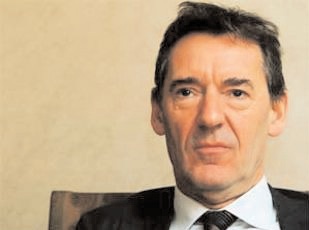
    After the excitement of the election and Narendra Modi’s very large victory, and the associated rally in Indian markets since, for me personally, the budget was a slight disappointment. While emphasising a commitment to budget restraint especially for future years, as well as announcing some steps for boosting FDI in a couple of sectors, there was no real “wow” factor from what I could see. I might be simply suffering from very high expectations of course as I was, and still am, hoping that this is a leader that is going to take India closer to its true potential of economic growth and deliver the policies that are necessary to take the country there.

    In many ways, the fact that the government only had six weeks in which to prepare might be important. I would like to see India under Modi develop a stronger framework for fiscal policy in which there is a distinction made between current expenditure on consumption and investment expenditure, and move away from the perennial focus on just the overall budget balance and deficit. Given India’s need for significant expenditure on things like education and infrastructure, I think the markets would be forgiving for higher near-term deficits if they were purely a result of increased expenditure on things like this, and at the same time show restraint on its many expenditure for consumption and maintenance.

    In addition, I would like to see something stronger in terms of the inflation target and central bank independence in achieving a target set for them, as we can see takes place in some other important emerging economies. As I say, maybe I have very high expectations and I judge the Modi government on the ‘maximum governance, minimum government’ that the PM prides himself on, as well as a paper I first wrote back in 2007 I think on 10 things India needs to do to reach its potential.

    Modi’s colleagues share my belief in all these things and I have updated them to be more current, and I think as and when these general things are embraced, Indian economic growth could accelerate notably toward 8% and perhaps achieve something closer to 10%. It looks to me as though the scene is being set for more down the road and this budget was really presented to ensure near-term fiscal credibility.

    It is of course always possible that external factors may become less helpful to India with either higher oil prices because of Middle East disruptions and/or lower growth, but there is nothing India can do about these factors.

    It just needs to concentrate on what it can control and improve itself. I would also add that from the data I have trained myself to follow, both the US and China, the two most important economies in the world, look as though they are improving.

  • Towards Rebooting Growth: A BMR Analysis of Union Budget 2014

    Towards Rebooting Growth: A BMR Analysis of Union Budget 2014

    Budget 2014 reflects a number of priorities identified in the BJP election manifesto – the need to simply the taxation regime, provide a nonadversarial tax environment, revamped dispute resolution mechanisms and the need to build a consensus with state governments to introduce GST expeditiously.

    Beyond this, the other material priority was to leverage tax policy to the extent possible to kick start the investment cycle leading to job creation and economic growth. Budget 2014 addresses each of these priorities to varying extents. Budget 2014 takes a number of steps to mitigate tax disputes.

    A mechanism of advance rulings which is only available to non-resident taxpayers (and public sector undertakings), it is now proposed to be extended to cover resident taxpayers as well. While it is a laudable move, there are concerns about the efficacy of the forum. Acknowledging this, the finance minister has proposed to augment the capacity of the ruling authority. Disputes emanating from the transfer pricing domain are sought to be curtailed through a number of amendments, the most significant being a 4-year ‘roll back’ of an advance pricing arrangement. The scope of the Settlement Commission is proposed to be redefined to make it a potentially more effective dispute resolution forum. Details in this regard are to be released in the current session of the parliament.

    A high level committee which will interact on a regular basis with industry and issue clarifications on a current basis on direct and indirect tax issues is proposed to be constituted. The finance minister reiterated the government’s intent to provide a nonadversarial and business friendly tax environment.

    A widely anticipated move that would have signalled this intent was an abolition of the retrospective ‘Vodafone’ amendment in the income tax law. While the finance minister stressed that the government would consider retrospective amendments only in exceptional circumstances, it did not repeal the retroactivity of the ‘Vodafone’ amendment. It has proposed that CBDT will constitute a committee which will review indirect transfer cases, thereby perpetuating uncertainty that envelops such transactions.

    Finally, a government-appointed committee had made a number of recommendations with regards to how these provisions should operate, clarifications in this regard do not find any mention in Budget 2014. Accordingly, and at least in this area, greater clarity and certainty remained elusive.

    The financial services sector and the capital markets received focus. A taxation framework for real estate and infrastructure investment trusts has been proposed. The finance minister reiterated his government’s commitment to implement the recommendations of the FSLRC and also indicated that the government would implement a number of recommendations made by the Sahoo Committee to permit greater flexibility in the market for ADRs, GDRs and Indian depository receipts. There is a proposal to permit trading in and settlement of trades in government securities outside India, with enabling tax provisions.

    Infrastructure financing has been given a boost by relieving long-term funds raised by banks for this purpose from statutory reserve obligations. FDI in insurance has been enhanced to 49 percent. Largely, the budget proposals of this year have sought to address key concerns in indirect taxes, without being reformative or populist. It appears that the government will probably make reformative changes in the next year.

    However, not all curative amendments made this year have been accurate, leaving many questions unanswered. The biggest expectation this year, was introduction of a road-map to GST, however, there was no commitment from the finance minister on a firm deadline with respect to its implementation and neither was there any indication on a clear way forward for its introduction.

    The only statement made was in readying key enablers of GST in the coming year – the Constitutional Amendment Bill and draft GST legislation. This non-commitment of the government has been disappointing for all stakeholders considering the amount of clamour made off late regarding its implementation. The centre would now be faced with the task of gaining the support of all the state governments and also ironing out other important aspects like rate of GST, items to be left outside its scope and IT preparedness. On service tax, the approach has been to widen the tax base and thinning down on existing exemptions.

    On the excise front, there has been a focus on boosting domestic manufacturing and addressing the issue of the inverted duty structure in some specific industries like IT hardware, chemicals and petrochemicals. The government has given special attention on enhancing growth of the nonconventional energy sector by providing customs duty concessions and exemptions on inputs.With a significant increase in excise duty rates on tobacco products, aerated drinks with sugar, increase in clean energy cess, it seems that the government is keen on environment sustainability and well-being of individuals.

    All in all, while the budget announcements have tried to address current tax issues of the industry for bold reforms, we will have to wait for the government to present its first full-year budget in the next year. However, possibility of tax law amendments during the course of the year cannot be ruled out.

  • BUDGET A VALIDATION OF UPA POLICIES: CHIDAMBARAM

    BUDGET A VALIDATION OF UPA POLICIES: CHIDAMBARAM

    NEW DELHI (TIP): Former finance minister P Chidambaram, who presented the interim budget ahead of the Lok Sabha polls, has said he is happy to find the BJP government’s first Budget validating the figures presented by him. “The imprint of the UPA government’s policies can be found throughout the Budget speech and in the budget documents,” Chidambaram said in a statement. He said it’s not possible to come out with a “Congress- Mukt Budget”.

    “Welcome to the real world… BJP sought a mandate for Congress-Mukt Bharat.My friend, Arun Jaitley, would have realised that it is not possible to have even a Congress- Mukt Budget,” the former finance minister said. He said Arun Jaitley’s Budget has the imprint of UPA policies on fiscal consolidation, GST, FDI cap in insurance and social sector schemes. “I am glad that Arun Jaitley has acknowledged the basic validity of the numbers presented in the Interim Budget for 2014-15 and has stuck to them…He has also maintained the tax revenue estimates for Corporation Tax, Customs and Service Tax,” he said. Chidambaram referred to the numbers with regard to the fiscal deficit at 4.1% and revenue deficit of 2.9% (marginally lower than 3%).

    Mamata: Budget visionless
    KOLKATA: Chief minister Mamata Banerjee came down heavily on the NDA for what she called a ‘visionless, missionless and actionless’ budget as far as the common man is concerned. According to her, the first Union Budget tabled by the Narendra Modi government can’t stimulate growth or lead to development of the poor. “We heard about a strong and vibrant India before the government came to power.

    We thought that it will be delivered to provide good governance. But from the beginning, we are getting disappointed. Only one positive sign of the new government is established in two budgets that they have become a government of the FDI, by the FDI and for the FDI. Already, there is FDI in the retail. Now FDI is increased to 49% in Defence, and Insurance Sectors. In addition, disinvestment in banking sector is up to 49%.

  • BUDGET LACKS ROADMAPS: MANMOHAN SINGH

    BUDGET LACKS ROADMAPS: MANMOHAN SINGH

    NEW DELHI (TIP): The Modi government’s first budget is short on that one big idea, or, indeed, a clear road map on how to achieve its objectives — that was the consensus view in the Congress. Much of Finance Minister Arun Jaitley’s budget proposals, the party stressed, were devoted to providing additional allocations for programmes launched by the Manmohan Singh-led UPA government. “This is a budget which could have well been presented by the UPA itself and I am happy the Finance Minister is keeping to the fiscal deficit target, and hope he achieves it,” former Prime Minister Manmohan Singh said on July 10.

    Asked whether the NDA government’s budget will kick-start growth, he said, “There is no road map, … nothing on specifics; like the rail budget, there is nothing to show.” While Congress spokesperson Abhishek Manu Singhvi said the budget lacked any new idea, he acknowledged there was an emphasis on the defence sector – substantial allocations on border management, increase in capital expenditure as well as the proposal for increase in FDI in defence.

    The former Union Minister Jairam Ramesh, like his party colleagues, stressed that Jaitley’s budget did not show any signs of a directional change. He, however, said that Mr Jaitley was constrained by the fact that he just had 45 days in which to prepare his budget, a limitation that only one Finance Minister – in his memory – had overcome: Dr Manmohan Singh’s epochal budget in 1991, a budget that irrevocably changed the direction of the Indian economy.

  • A scene from the movie 12 Years

    A scene from the movie 12 Years

    supervision of voter registration in states and individual voting districts where such tests were being used. The act had an immediate and positive effect for African Americans. In 1965, Mississippi had the highest black voter turnout at 74% and led the nation in the number of black public officials elected. Atlanta elected its First black mayor, Andrew Young, as did Jackson, Mississippi, with Harvey Johnson, Jr., and New Orleans, with Ernest Morial. Black politicians on the state level included first Southern woman Barbara Jordan, elected to the Texas house of as Representatives.

    Julian Bond was elected to the Georgia State Legislature in 1965. On April 4, 1968 Dr King was assassinated in Memphis, Tennessee, and Riots broke out in black neighborhoods in more than 110 cities across the United States in the days that followed, notably in Chicago, Baltimore, and in Washington, D.C. The damage done in many cities destroyed black businesses and homes, and slowed economic development for a generation. But Americans were not deterred. America ushered into an era of real vibrant Democracy with participation of all. But it took America nearly two hundred years to let all enjoy the fruit of freedom and liberty, with real equality still eluding the nation. Economic inequality was destroying the American Dream. The deindustrialization of the late 1960s and early 1970s manipulated by American Bankers and Multinational companies to enhance their own fortunes, forced income inequality to increase dramatically to levels never seen before.


    25
    On August 28, 1963, Martin Luther King Jr., prominent figure of the Civil Rights Movement, stood before the Lincoln Memorial in Washington, DC and delivered his iconic “I Have A Dream” speech. Here was a turning point in the history of America.

    Supporters of this illconceived deindustrialization wrote death warrants for American Dream, domestic Industry and the Middle Class; the economists and most policy makers across the isles pointed to the fact that consumers could buy so many goods, even with the inflation of the 1970s, as evidence that the general shift away from manufacturing and into services was creating widespread prosperity. In 2008 economic disasters hit the country and indeed the entire world. 8.8 million jobs were lost and many for forever by July 2010, according to the Bureau of Labor Statistics. The worst recession since the great depression began with the collapse of housing prices and the construction industries all around USA.


    24
    Wall Street in New York: Symbol of America’s economic power

    Millions of mortgages mostly averaging about $200,000 each had been bundled into exotic financial instruments/securities called collateralized debt obligations that were resold worldwide. Many banks and hedge funds had borrowed hundreds of billions of dollars to buy these securities, which were now “toxic” because their value was unknown and no one wanted to buy them. Number of largest US and European banks collapsed; some went bankrupt, such as Lehman Brothers with $690 billion in assets; others such as the leading insurance company AIG, the leading bank Citigroup, and the two largest mortgage companies were bailed out by the government.

    Congress voted $700 billion in bailout money ($418 billion actual disbursement) under the program, and the Treasury and Federal Reserve committed trillions of dollars to shoring up the financial system, but the measures did not reverse the declines. Banks drastically tightened their lending policies, despite infusions of federal money. The government for the first time took major ownership positions in the largest banks. The stock market plunged 40%, wiping out tens of trillions of dollars in wealth; housing prices fell 20% -30% nationwide wiping out trillions more. By late 2008 distress was spreading beyond the financial and housing sectors, especially as the “Big Three” of the automobile industry; General Motors, Ford and Chrysler were on the verge of bankruptcy, and the retail sector showed major weaknesses.

    The Critics of the $700 billion Troubled Assets Relief Program (TARP) expressed anger that much of the TARP money that has been distributed to the rich at Wall Street rather then saving the common people who lost their jobs, houses and life savings. In an international study, Americans ranked 11th in happiness and a discouraging 24th in economy. Another study of 8th graders found only 7 percent of American students rated advanced in mathematics compared to 47 and 48 percent in Singapore and South Korea. Our President, according to a Forbes power rating, comes in second behind Vladimir Putin. Yet, the United States is the world leader and likely to remain there for decades. It has the greatest soft power in the world by far.

    The United States still receives far more immigrants each year (1 million) than any other country in the world. The United States leads the world in high technology (Silicon Valley), finance and business (Wall Street), the movies (Hollywood) and higher education (17 of the top 20 universities in the world in Shanghai’s Jaotong University survey). The United States has a First World trade profile (massive exports of consumer and technology goods and imports of natural resources).

    It is still the world’s leader for FDI at 180 billion dollars, almost twice its nearest competitor. The United States, spending 560 billion dollars a year, has the most powerful military in the world. Its GDP (16 trillion dollars) is more than twice the size of China’s GDP. As the first new nation, it has the world’s longest functioning democracy in a world filled with semidemocratic or non-democratic countries. Its stock market, at an all time high, still reflects American leadership of the global economy.

    For the past 80 years, the United States is the leader in fundamental advances in telecommunications and technology. AT&T’s Bell Laboratories spearheaded the American technological revolution with a series of inventions including the light emitted diode (LED), the transistor, the C programming language, and the UNIX computer operating system. SRI International and Xerox PARC in Silicon Valley helped give birth to the personal computer industry, while ARPA and NASA funded the development of the ARPANET and the Internet. In Physics and Chemistry, Americans have dominated the Nobel Prize for physiology or medicine since World War II. US biomedical research has played a key role in the advancement of diagnosis, medicines, cure and patient care in the world. America’s Walmart is the world’s largest public corporation.

    According to the Fortune Global 500 list in 2014, Walmart is the biggest private employer in the world with over two million employees with 11,000 stores in 27 countries, and the largest retailer in the world with a revenue of US $ 476.294 billion. US Entertainment Industry is world leader and generated $522 billion dollars in revenue in 2013. The United States with over $ 48 Billion Dollars; is the world’s leading donor of government aid to other countries, distributing twice as much as any other nation. Besides, another $30 Billion was given by US foundations, Corporations, religious organizations, Universities, Private and voluntary organization.

    As the old political saying goes, you can’t beat someone with no one. And, right now, there is no one on the horizon that will overtake or even seriously challenge the United States, however ailing, for at least the next decade or two. I salute the great nation, its vibrant democracy and its people, as we celebrate Independence of America.

  • RAIL BUDGET LIKELY TO FOCUS ON PASSENGER SAFETY

    RAIL BUDGET LIKELY TO FOCUS ON PASSENGER SAFETY

    NEW DELHI (TIP): On the back of two train accidents within a month of Modi government taking charge, railway minister Sadanand Gowda is likely to announce a slew of measures in his July 8 budget to enhance passenger safety. The may include installing indigenous Train Collision Avoidance System (TCAS) on more routes to enable safe running of more trains on the same track even under low visibility. As railways are facing a huge fund crunch, the plan support for the staterun transporter for special projects, can see a significant hike in the budget. An official said the budget may propose to set up a dedicated safety fund. The fund is likely to be created by imposition of a safety cess on fares.

    The budget is also expected to provide clarity on foreign direct investment in the sector as the BJP government has hinted at allowing 100% FDI in railway infrastructure (including high speed tracks, dedicated freight corridors and station development). Following Prime Minister Narendra Modi’s footsteps, Gowda is also pushing to make the railways go green. The budget is expected to announce projects related to harnessing solar energy and development of offshore wind energy, including those related to use of solar energy to power local trains and use of innovative technology to run AC coaches.

    The focus is expected to be on electrification of around 2000 km of tracks, considering that the railways have almost 38% (24,800 km) of its network electrified, carrying almost 67% of the freight traffic and 51% of the passenger traffic. The budget is likely to have many sops for northeast region, another priority area for the Modi government.

    The railways would announce to expedite the construction of 14 strategic projects — mainly in border areas — that are struck for environment clearance and paucity of funds. These projects involve laying down of 2,888 km of railway tracks in Jammu & Kashmir, Arunachal Pradesh, Assam, Himachal Pradesh, Uttarakhand, Rajasthan and Punjab. The budget could allocate more funds for faster execution of dedicated freight corridor to ensure speedier transportation of goods in important routes.

  • National imperatives in a complex world

    National imperatives in a complex world

    A well-thought-through response combining intelligence, the internal security apparatus and mature political initiatives are called for. The design and execution of a response that is successful will need to ensure that the response itself does not exacerbate the problem, as would appear to be the case so far. Use of a sledge hammer either leaves a crater or results in diffusion and dispersion even more difficult to address”, says the author.

    Adecisive electoral mandate provides just the opportunity required for a comprehensive review of the national security architecture long overdue. It gives the Prime Minister the freedom and authority to evaluate existing systems. Considered judgment will be needed on the efficacy of existing systems and structures, particularly of their cohesiveness and efficient functioning. Should the “review” so warrant, new systems capable of assessing threats and delivering appropriate responses to challenges to the nation’s security will need to be put in place early before existing systems are tested.

    New threats

    The nature of threats to national security is fast altering. These emerge inter alia from the changing nature of violence in troubled hotspots like Afghanistan, Yemen, from Syria and Iraq where there are deepening and exploding sectarian fault lines, from transnational organized crime like piracy and terrorism, weapons of mass destruction, cyber security and from instability in fragile states and cities. The BJP’s election manifesto acknowledges the comprehensive canvas of national security to include military security, economic security, cyber security, energy, food, water and health security and social cohesion and harmony.

    In the BJP’s view, the lack of strong and visionary leadership over the past decade, coupled with multiple power centers, has led to a chaotic situation. Clarity is required on the factors that have led to this. Revisiting the genesis of the national security architecture as it has evolved, including prior to 1998 when the first National Security Advisor (NSA), Brajesh Mishra assumed office is instructive. It was clear all along that crafting a national security architecture on a Cabinet Parliamentary model would pose difficulties.

    Members of the Cabinet, entrusted with responsibility for defense, external affairs, home and finance invariably are senior political figures. As members of the Cabinet Committee on Security (CCS), given their seniority and influence, there was anticipation they could operate as independent silos. Experience has shown there are in-built institutional constraints to correctly assess emerging threats in an evolving and fastchanging strategic landscape by functionaries within a silo. The institution of a National Security Adviser (NSA) has worked best in a Presidential system, such as in the United States, where the NSA draws authority from the President as the chief executive.

    This apprehension has been validated over the past decade and a half, variations in the personality of individuals notwithstanding. The strategic community, both within the country and outside has looked to the NSA to obtain the government’s line on issues central to the nation’s security. The ability to respond quickly, appropriately and, if necessary, decisively to threats to national security, imminent and real is of vital essence. This has, however, not always been the case.

    The “review” being proposed could catalogue the challenges to national security over the past decade and a half and critically examine them as case studies to evaluate the efficacy of our response. Caution needs to be exercised. Not always is the failure to respond appropriately due to institutional constraints. Weak political leadership in the past has also been an important factor.

    The attack by the Haqqani network on our Embassy in Kabul was anticipated by the CIA but could not be prevented. By the time its deputy director reached Islamabad, the terror machine had struck. No self-respecting nation can allow itself to be repeatedly wounded. Unless retribution is demonstrated, further attacks will follow.

    Bifurcation of two jobs

    The first NSA’s success was partly due to the fact that he doubled up as the Principal Secretary and was known to enjoy the full confidence of the Prime Minister. Healthy disagreements between the first NSA and the then External Affairs Minister, in spite of both being familiar with issues relating to defense, intelligence and diplomacy, the three components of national security, viewed holistically, was, however, an early pointer of the shape of things to come. The decision to bifurcate the two jobs for a short period under UPA-I is well documented for its shortcomings. Even Mani Dixit, the tallest professional of his generation, could not manage the pressures from the EAM and turf battles within the PMO.

    The performance of successors largely content “to push files”, succeeded or failed depending on how weak or strong the silos were in defense, external affairs and home. The NSA’s influence fluctuated particularly in relation to the incumbent in the Home Ministry. In the absence of full play in the areas of defense and home, even a talented professional ended up as no more than a foreign policy advisor. The portfolios of home, defense, finance and external affairs now have incumbents who, in terms of seniority within the BJP, have the benefit of several decades of association with the Prime Minister.

    This gives them clout which no civil servant can ever hope to acquire. Battles for turf are central to the functioning of any democracy. Weak political leadership in the Ministry of External Affairs (MEA) over the last decade, in spite of a first-rate Foreign Service has led to the relative weakening of the MEA. This weakness has been most manifest in relation to the conduct of our bilateral relationships in our immediate neighborhood which are in varying degrees of disrepair, as are our relations with China and the United States.

    The policy of acquiescence with China will need to be shed at the earliest and more clinical and realistic assessments put in place. Deep incursions into our territory cannot continue to be explained away in terms of an un-demarcated border. With the United States, the transactional nature of the relationship resulting from absence or insufficient attention in Washington has been more than matched by our own shortsightedness. It will be easier to deal with China, if our relations with the United States are perceived to be on the upswing.

    Focusing on Japan alone will place us in an untenable situation. The game changer will be the twin focus on US and China. In terms of military strength, there has been lack of clarity in what capability we are seeking. Most war games and doctrines are still addressing either 1971- type scenarios or a tactical nuclear weapons exchange. It is a sad reflection on the state of play that we are the biggest importers of conventional armaments, even after acquiring strategic capability.

    Rationalization of armed forces

    Every other country, including China and now the United States have “rationalized” their Armed Forces, a euphemism for reducing. On the other hand, we are seeking creation of three more Commands – Special Forces, Aerospace and Cyberspace. The Central Army and Southern Air force Commands have limited roles yet, we keep increasing our “tails and turf”. There is an urgent need to rationalize our defense thinking and structures as part of an overall national security review.

    In 1965, the Government of India had commissioned Arthur D. Little, an American consultancy firm to make recommendations on defense production in India. Many of their recommendations, including on the involvement of the Indian private sector, are still valid. It should not be difficult given the visible and available political will to break through the dependence on imports to modernize our own defense production structures using FDI and an infusion of technology. The present system is unsustainable.

    Resources are not only limited but the evolving situation in Iraq could place us in dire straits. Every dollar increase in the benchmark price of brent crude results in an additional liability of Rs 3,000 to 5,000 crore. The producers of oil are salivating at the prospect of oil prices touching new highs. This could spell gloom and even doom for importing countries, particularly those heavily dependent on imports, the price having gone up from $106 to $115 in just five days.

    Shoring up security
    ● In 1965, the Government of India had commissioned Arthur D. Little, an American consultancy firm to make recommendations on defense production in India. Many of their recommendations, including on the involvement of the Indian private sector, are still valid.
    ● Given the political will, it will be easy to break through the dependence on imports to modernize our own defense production structures using FDI and an infusion of technology.
    ● Along with an evaluation of existing systems, a comprehensive review of all security challenges emanating from developments outside our borders is imperative.
    ● We are the biggest importers of conventional armaments, even after acquiring strategic capability. Every other country, including China and now the United States have “rationalized” their Armed Forces The attack by the Haqqani network on our Embassy in Kabul was anticipated by the CIA but could not be prevented. Along with an evaluation of existing systems, a comprehensive review of all security challenges emanating from developments outside our borders is imperative.

    Entities known to be inimical to India’s interests, particularly those enjoying some form of support from agencies of the state, if not outright patronage, in a few countries in our immediate neighborhood would readily suggest themselves and constitute the relatively easier part of this exercise. The ability of these entities to make common cause with sections of our own population whose alienation quotient has been enhanced by internal mismanagement is easy to identify if not easy to counter.

    A well-thought-through response combining intelligence, the internal security apparatus and mature political initiatives are called for. The design and execution of a response that is successful will need to ensure that the response itself does not exacerbate the problem, as would appear to be the case so far. Use of a sledge hammer either leaves a crater or results in diffusion and dispersion even more difficult to address. The BJP’s election manifesto separately calls for a study of India’s nuclear doctrine and its updating to make it relevant to current challenges.

    (The author, a retired diplomat, was till early 2013 India’s Ambassador and Permanent Representative to the United Nations in New York. He is presently Non- Resident Senior Adviser, International Peace Institute, New York. He has recently joined the BJP).

  • Top Senator proposes first 100 days action plan for India-US

    Top Senator proposes first 100 days action plan for India-US

    WASHINGTON (TIP): A powerful American Senator has proposed “100 days action plan” for the Modi government and the Obama administration to “refresh” the India-US relations. Senator Mark Warner, who is the Democratic co-chair of the Senate India Caucus, has suggested the Modi government to modify the defense-offset regime, agreeing to build community colleges in India, lifting the foreign direct investment caps in some of the sectors, and announcing a new electronic payment systems.

    In the first 100 days of the Modi government, Waren has proposed to the Obama administration to name a senior official for defense trade, review tourist visa policies and access to high skill visas. Among other action plans for the first 100 days, he has advised the Modi government and the Obama administration to announce a joint energy project, convene a meeting of India-US strategic dialogue, hold bilateral talks on Afghanistan, restart negotiations to achieve a bilateral investment treaty (BIT), re-launch the defense policy group, and establish a publicprivate working group on infrastructure investment.

    “I believe we have an opportunity, in the early days of the new Indian administration, to refresh the US-India relationship and work cooperatively to make progress that will benefit both of our countries,” Warner said in a fourpage 100-days action plan. As a co-chair of the US Senate India Caucus for several years,Warner has been working with US and Indian government officials and business leaders to address important issues for both countries, including education, skills development, infrastructure and energy.

    “However, over the last 18-24 months, the relationship lacked a catalyst.With this month’s historic Indian election, we can harness the enthusiasm of the Indian people to boost our partnership. “We can use the first 100 days to move from dialogue to action and build a path forward for more ambitious cooperation,” he said. “There are many areas where a partnership between our countries would serve goals on both sides, and if the respective administrations choose just two or three deliverables to shoot for in the first 100 days, we could provide the business community on both sides a new optimism that we can work together and get things done,” Warner added.

    In his action plan,Warner has proposed that the India-US Strategic Dialogue this year be held in New Delhi, instead of Washington DC as originally scheduled. “Since the new Indian government will just be getting started, holding the Dialogue in Delhi will be less disruptive to organizing meetings and will provide both sides the opportunity to meet and get to work early in the term on joint initiatives,” he said. India and the US have meandered through several rounds of stop and start negotiations about how to proceed with BIT, he said.

    “Announcing that both sides will sit down and negotiate a framework would boost confidence that a BIT is possible. A BIT would provide important protections for investors, help unleash needed investment, and provide a level playing field for both countries,” he added. The Obama administration, he said, should name a senior-level official who reports directly to the secretary of defense to lead the defense trade and technology Initiative.

    “Under Ash Carter’s leadership this was one of the most successful programs and helped shepherd billions of dollars of defense deals through the pipeline as well as clearing out inefficiencies on both sides of the US-India defense trade to make defense trade simpler, more responsive, and more effective,” Warner said. Warner said the US should conduct a review of visa policies with an eye toward further opening of global entry and trusted traveler programs for frequent travelers, including business leaders and investors.

    “A review of policies for high-skill employees would help ensure companies in both countries have access to talent to help US companies and the American economy grow and innovate and encourage more joint research and cooperation between universities,” he said. An agreement to increase travel and tourism between the two countries would increase more people to people interaction, he argued. For the Modi government, he said lifting FDI caps in some of the sectors that have been under discussion for years would be a positive signal to foreign firms that India was again “open for business.”

    Specifically, defense, insurance, railways, e-commerce and banking sectors are ripe for reform, he said. Warner said India and the United States share a unique bilateral relationship. “As the world’s oldest and largest democracies there are many areas in which our strategic interests combine, and when we find ways to cooperate and work together both of our countries benefit,” he said. “The historic and sweeping election that has made Narendra Modi Prime Minister of India is a testament to a thriving democracy and a signal that the people of India are ready for economic growth and productivity,” he added.

  • USIBC Congratulates India on Successful Elections: Looks forward to working with new NDA Government

    USIBC Congratulates India on Successful Elections: Looks forward to working with new NDA Government

    WASHINGTON, DC (TIP): The U.S.- India Business Council (USIBC), on May 16, 2014,congratulated India on concluding the world’s largest democratic elections. The industry body looks forward to partnering with the NDA Government to usher in an energetic era of development.

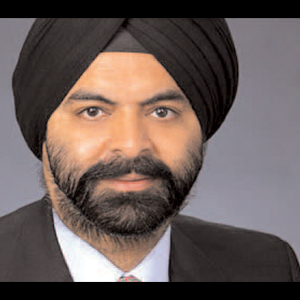
    “The successful conclusion of the largest elections in history calls for recognition and celebration. On behalf of USIBC’s member companies and its Board of Directors, our heartfelt congratulations go out to the people of India and to Mr. Narendra Modi and the NDA. USIBC member companies stand ready to roll up their sleeves and get to work with the new government to advance the U.S.-India partnership and deepen bilateral economic ties,” said USIBC Chairman Ajay Banga, President and CEO, MasterCard.

    “The keys to attracting much needed investment are predictability and transparency. When these fundamentals are consistently applied, particularly to areas like tax and intellectual property, business will boom for both countries,” said Banga. “Bilateral trade currently stands at $100 billion. Increasing trade five-fold is achievable if we work together as partners and avoid protectionist tendencies.

    We must allow for the free movement of skilled professionals, and lift FDI caps in important sectors like insurance and defense.” “Both the U.S. and India have deep pools of entrepreneurial talent and energy, and both countries need to stimulate economic growth and create new jobs. This requires a forwardlooking partnership between these two great democracies,” he added.

    Formed in 1975 at the request of the U.S. and Indian governments, the U.S.- India Business Council (USIBC) is the premier business advocacy organization advancing U.S.-India commercial ties. Today, USIBC is the largest bilateral trade association in the United States, with liaison presence in New York, Silicon Valley, and New Delhi, comprised of 300 of the top-tier U.S. and Indian companies.

  • OFFICIALS EYE FOREIGN POSTINGS POST-POLLS

    OFFICIALS EYE FOREIGN POSTINGS POST-POLLS

    NEW DELHI (TIP):With a week to go for election results to be declared and little chance of the ruling coalition getting a fresh term, UPA ministers and their staff have started winding up. Most offices wear a deserted look with ministerial staff either looking at foreign postings or starting to scout for their next assignment within the country.

    The early birds have already taken up new assignments. For instance, Indu Shekhar Chaturvedi, who was private secretary to PM Manmohan Singh, has moved to Washington as a senior advisor in the International Monetary Fund. Similarly, Anjali Prasad, who was the additional secretary responsible for FDI policy, has joined as India’s ambassador to WTO in Geneva.

    There are several others who are in contention for foreign assignments, starting with the government’s chief spokesperson Neelam Kapoor, who is said to be headed for Nehru Centre in London. Also in the race for a job at the Indian high commission in London is commerce and industry minister Anand Sharma’s private secretary Ashish Kundra, while the minister’s officer on special duty Ayush Mani Tiwari may move to the Indian mission in Brussels.

    Even finance minister P Chidambaram’s OSD, Vijay Singh Chauhan, is a candidate to be an advisor to India’s executive director to the World Bank in Washington. Officials, however, say this is not a surprise given that bureaucrats often get prized postings after stints with ministers. Even in 2009, Pulok Chatterjee, who was then a secretary in the PMO, had moved to Washington as executive director to the World Bank. Similarly, DPS Sandhu, who was also part of the PMO, went to Washington.

    Shakti Sinha, a trusted aide of former PM A B Vajpayee, sought and got a posting with the World Bank after the NDA government lost the trust vote by a single vote. Although outgoing regimes take care to ensure that choice foreign postings for their trusted officers are secured, the practice has over the years become so institutionalized that it is seen as a ‘given’, even an entitlement which succeeding governments will not like to interfere with for the risk of appearing mean-spirited.

    The ministers themselves are bidding farewell, starting this weekend itself. Commerce and industry minister Anand Sharma, for instance, has invited senior officials for lunch at a kebab joint in a five-star hotel near the Delhi airport for what appears to be his last such meeting before election results are out. Finance minister P Chidambaram is scheduled to meet regulators and top North Block officials at the meeting of the Financial Sector Development Council, where the agenda, apart from the immediate issues facing banks, insurance companies and stock markets, will be to bid adieu after spending years with most of the regulators.

    Later, he meets public sector bank chiefs. “Obviously, with just days to go with the result, he can’t be telling us what we should do during the financial year,” said a bank chairman who did not wish to be identified. In fact, the mood has already begun to change in the ministries and departments with information flow suddenly increasing, often causing embarrassment to the government (Doordarshan’s interview of Narendra Modi and the industry department report on Gujarat land intervention being cases in point).

    Packing has already begun at 7 Race Course Road, the PM’s official residence, with books and others articles being carefully catalogued as Singh prepares to move into a new bungalow on Motilal Nehru Marg. An agency report said all gifts received by Singh or members of the PMO are being catalogued and handed over to the treasury.

  • TATA-AIRASIA GETS LICENCE FROM DGCA

    TATA-AIRASIA GETS LICENCE FROM DGCA

    NEW DELHI (TIP): Indian flyers are soon going to be spoilt for choice and low fares may make a comeback. The Tata Sons’ JV budget airline with Malaysia’s AirAsia got the licence to fly from the directorate general of civil aviation (DGCA) on Wednesday.

    This clearance, however, is subject to the judicial ruling in this regard as BJP leader Subramanian Swamy has moved court against forming startup airlines using FDI from foreign airlines route. The JV, AirAsia India Pvt Ltd (AAIPL), will be India’s seventh airline and aims to start flying anywhere between one to three months from now. Its CEO Mittu Chandilya says the new low-cost carrier will offer “35% lower fares” from current fare levels.

    “As of now we have one Airbus A- 320 and we will induct one aircraft every month. We will like to begin operations with a fleet of three planes. While three network options have been worked out, the first flight could be out of Chennai (the airline’s hub). Initially, our network will be all the metros except Mumbai. We may fly to Delhi as leaving the national capital out of the network does not seem feasible for a national airline like AAIPL,” Chandilya said after getting the air operator’s permit from DGCA chief Prabhat Kumar.

    Prabhat Kumar said: “We have granted the Air Operator’s Permit (AOP or flying licence) to AirAsia India, subject to the final decision of the high court and that is, under the directions of the Supreme Court.” The airline marks the re-entry of the Tatas into airline business after several decades. They had tied up with Singapore Airlines (SIA) in the late 1990s to acquire a stake in Air india but due to opposition from some players in the airline business and political interference, the move fizzled out.

    Once UPA-II allowed FDI by foreign airlines into Indian carriers, the Tatas came back with a bang. While Tata-AirAsia has been cleared to take off, the DGCA is in the process of granting licence to a Tata-SIA JV full service airline that should also start flying this year. AirAsia CEO Tony Fernandes tweeted: “History has been made today in Aviation. Everything has been hard for Airasia but we never give up.

    Today AirAsia India has got APPROVAL….. Our CEO @MittuChandilya with Air Operators permit. What a battle that was. Proud day for me and all AirAsia stars.” Chandilya also tweeted: “Boom! 1815hrs(IST) today AirAsiaIndia was born. So, proud of my team. Who is ready to revolutionize Air Travel in India.” But, not everyone was happy. Swamy, who is opposing the Tata JVs, ‘condemned’ the move and said it was done “reckless disregard of the rules and regulations”.

  • The United States and India: Global Partners in the Global Economy

    The United States and India: Global Partners in the Global Economy

    Remarks made by Nisha Desai Biswal, Assistant Secretary, Bureau of South and Central Asian Affairs, at Tampa Convention Center, Tampa, FL on April 25, 2014

    Thank you, Dr. Singh, for your warm welcome. It is a great honor to participate in the 2014 FICCI-IIFA Global Business Forum. Tampa is an ideal location to talk about the important and growing economic ties between the United States and India. Not only is Tampa the seventh-largest port in the United States by volume, it also handles the highest volume of goods headed to India.

    And FICCI is certainly the right partner for this conversation, as they have been such a key player in advancing our economic relationship. And how thrilling it is for the IIFA Awards to be held in the United States for the first time! Indian culture is increasingly influencing popular culture, not just in America but around the globe. I recall a moment some two decades ago,when I was a Red Cross volunteer in Tbilisi, Georgia, and I went to a local theater where Sholay was playing, dubbed in Russian.

    Imagine listening to some of the most iconic dialogues of Hindi cinema in Russian! And I will never forget the time I was in the small mountain town of Kutaisi and was asked to sing a folk song. I started singing “mera joota hai japani,” and the entire room of 200 Georgians started singing with me. They knew all the words! Indian art, culture, and film have global appeal. Every day, ethnic, linguistic, and cultural lines are blurred, because from Kabul to Kinshasa, from Moscow to Mumbai, from Tampa to Trivandrum,we are all under the thrall of Indian popular culture. But it isn’t just pop culture.

    It is the idea of India itself that holds such special appeal to so many around the world. As for the United States, we want to take what three successive presidents and two prime ministers and most importantly our 1.6 billion citizens have built in 15 years, in this defining partnership of the 21st century, and make it even better. Today, I want to discuss the opportunities that lie ahead as the U.S.-India economic relationship expands and matures, and as our two economies become increasingly intertwined and interdependent.We are living in a truly globalized world, brought closer by technology and trade – and yes, even movies! But despite the lightning speed of technological advances that are transforming so many aspects of our life for the better,we’re also contending with one of the most complex moments in world affairs with very real challenges, including conflict, poverty, and climate change.

    Nowhere is this more apparent than in Asia, which boasts nearly two-thirds of the world’s population, squeezed into only a third of its landmass. It is a region with tremendous promise and potential. As President Obama said in Tokyo yesterday,when he reiterated that we are and always will be a Pacific nation, “America’s security and prosperity is inseparable from the future of this region,” and that’s why we’ve made it a priority to renew American leadership in the Asia Pacific. By 2050, Asia may well comprise half of global GDP. But for the region to realize its potential, it must embrace strong, inclusive, and sustainable economic growth, one where the private sector, not government, leads economic development.

    It must defeat terrorism and counter violent extremism,while at the same time advancing human dignity and human rights. And in an age where citizens have more access to information and are demanding more accountability than ever, governments must promote effective and transparent governance. Despite these challenges,we’ve never been more optimistic about the future of Asia – and the role the United States and India will play in advancing prosperity and stability in the region. One reason is India’s growing economic connectivity – eastward with Bangladesh, Burma, and Southeast Asia; and we see promise in links westward with Pakistan, Afghanistan, and Central Asia. These are vital to the prosperity and stability of Asia.We are committed to supporting economic linkages that will cultivate new markets and knit these countries even closer together – and make them more integrated with the global economy. We’re advancing regional initiatives that do just that.

    First, there’s the historic opportunity to connect South and Southeast Asia into an integrated economic landscape. This Indo-Pacific Economic Corridor is a unique geography teeming with opportunity, but traditional northsouth trade still trumps east-west movement of goods and services by a factor of five. And through our New Silk Road initiative,we have been focused on creating regional energy markets that link Central Asia with South Asia; promoting trade and transportation routes and investing in critical infrastructure; improving customs and border procedures; and linking businesses and people. Today, Afghanistan and its neighbors are increasingly championing and owning that New Silk Road vision, creating new transit and trade routes that complement the very vibrant east-towest connections across Eurasia.

    And the region is making concrete efforts to reduce barriers to trade, invest in each other’s economies, and support development and cross-border projects. At the heart of all of that is India, because prosperity in South Asia hinges on dynamic growth of its economic powerhouse. The United States is committed to working with India to fully unlock the true potential of our economic ties. Today, the United States is one of India’s largest trade and investment partners. Our bilateral trade in goods and services has grown to nearly $100 billion. I think India’s excellent envoy in Washington, Ambassador Jaishankar, said it best recently when he noted that the extraordinary growth in our trade relations has “changed the chemistry of our ties.”

    Tectonic shifts in global economics have helped bring us to where we are today. And it didn’t happen overnight. After the Second World War, the creation of a rules-based trading system increased commerce, connectivity, and prosperity across the globe.While India’s economic transformation is more recent, its progress has been swift. Import tariffs on average are more than 30 times lower than they were in 1991,when then-Finance Minister Manmohan Singh began sweeping reforms. And since 2005 we have seen an increase in goods trade by 250%, in services trade by 350%. But we can do even better.

    As Vice President Biden said last July, there is no reason why our bilateral trade shouldn’t quintuple again if our countries work to grow together and remain candid with each other about the obstacles that exist. I believe $500 billion in total trade is entirely possible. Bilateral investment flows have also grown immensely, with foreign direct investment into India from the United States reaching $28.2 billion last year. Cumulative Indian FDI into the United States has also grown remarkably, from a negligible $96 million in 2000 to $5.2 billion by 2012. Even so,we still lack the investment diversity needed to fuel the growth of new and emerging sectors in our respective economies.

    India needs a transparent, straightforward way of attracting foreign investment, offering private capital a way to share in India’s opportunity. There must be a welcoming business environment that allows every dollar of investment to work efficiently. Currently, the United States and India are negotiating a Bilateral Investment Treaty, or BIT, which will be critical to deepening our economic relationship, improving investor confidence, and supporting economic growth in both countries. A BIT will go a long way toward bringing our economies closer and reducing the friction that’s only natural with two complex free-market systems such as ours. It will help us move past the choppiness that comes from not having an over-arching investment framework. And it will open up even more opportunities for American and Indian firms.

    Beyond our BIT, India’s investment and tax policies need to be designed to attract capital flows from across the world. Regulatory requirements need to be transparent and consistently enforced. Contracts must be upheld and honored across jurisdictions, and perhaps most importantly, intellectual property rights – based on international norms – must be recognized. And the future of India’s economy critically depends on the ability of people and goods to move where they are needed – efficiently and affordably. Soon, some sixty-eight Indian cities will have populations of over one million people each. India’s planned trillion-dollar commitment to infrastructure, with its strong emphasis on public-private partnerships, is both ambitious and admirable.

    No doubt infrastructure improvements will help to relieve the congestion on roads, railways, ports, airports, and in the power supply. American businesses are eager to participate – an effort the U.S. government fully supports. India’s future prosperity will also depend on one of our shared strengths – innovation. Increasingly, our two countries are putting our best minds together, to make growth more sustainable and inclusive and address 21stcentury challenges like climate change and energy security. That’s why we are so excited about the U.S.-India Technology Summit and Expo in November of this year in Delhi. The event will showcase our cooperation on science and technology, helping commercialize technology for economic growth and development, and shaping an ecosystem that incentivizes innovation.

    Policy-makers, industry leaders, educators, and scientists will discuss topics including manufacturing; life sciences and healthcare technologies; clean and renewable energy; IT; and earth science – all areas where U.S.-India collaboration can help us seize the opportunities, and respond to the challenges, of the 21st century. The Tech Summit is the idea place to showcase initiatives like the Millennium Alliance with FICCI,where we support Indian innovators and entrepreneurs who are coming up with new technologies to meet India’s development challenges. In March, I saw first-hand some of the most cutting-edge cooperation in science and technology,when I visited the Indian Space Research Organization, ISRO.NASA’s cooperation with ISRO on India’s Mars Orbiter Mission – India’s first inter-planetary space launch – and ongoing discussions about future joint initiatives, show that even the sky is not the limit when it comes to our partnership. And our energy partnership is changing the way our economies are powered.With 400 million people in India lacking reliable access to energy, the stakes for India’s future growth are enormous.

    We’re collaborating on clean and renewable energy, oil and gas, new technologies, energy efficiency, and civil nuclear energy. But real prosperity is only possible if it is also truly inclusive. That’s why ensuring women and girls are part of the conversation is a critical element to all these areas of partnership. Positive linkages between women’s engagement and a country’s economic status have been definitively proven, and the Obama Administration is determined to elevate the status of women and girls as a critical aspect of our foreign policy.We firmly believe that women’s rights are human rights, and women’s security is national security. While India is a leader in supporting women’s leadership across government, civil society and certainly in business, in many ways the potential of women and girls in India remains untapped and underutilized as a force for growth and development.

    This is why we support efforts like the Girl Rising Project to encourage public dialogue on gender and education issues to encourage community level interventions to help improve girls’ education. So I look forward to the next panel as a way to advance this discussion. In this area and in so many others, our relationship is much broader than our government and business ties. As the late Senator Edward Kennedy noted, our relations are not just government to government, but people to people, citizen to citizen, and friend to friend. Nowhere is that more evident than in the deep and rich ties between the people of the United States and India. Nearly 100,000 Indian students are studying at colleges and universities in the United States. Last year, almost 700,000 Indians visited the United States for business or tourism.

    It is these connections, between our entrepreneurs, scientists, scholars, and artists that make this partnership whole. We find that the relationship is also flourishing at the state and city level. And our cities and states are partnering more extensively than ever before, helping plant even deeper and stronger roots for our partnership. A growing number of states and cities are tailoring their international outreach efforts for India, with delegations from Arizona, Iowa, Indianapolis and San Francisco visiting the subcontinent over the last year. And these trips are yielding real results, opening new doors for business, educational exchanges, and workforce skill development.

    A great example is California and Maharashtra, home to the megacities of Los Angeles and Mumbai, sharing ideas on how to improve fuel quality for India’s fast-growing vehicle fleets. These efforts will not only improve the health of urban inhabitants, but help mitigate climate change. So in conclusion, let me say that I am bullish on this relationship because I believe in the strength and vibrancy of our two countries. I know there is no challenge that we can’t address, no problem that we can’t solve when we bring our two societies together. Thank you again for this opportunity. I would be happy to take a few questions.

  • Indian Americans ensure a full house at FICCI FRAMES 2014 in Mumbai

    Indian Americans ensure a full house at FICCI FRAMES 2014 in Mumbai

    The 15th Annual FICCI FRAMES conference on the Media & Entertainment (M&E) industry is back at the Rennaissance Hotel & Convention Centre situated on the picturesque Powai Lake in Mumbai. It’s Wednesday, March 12th 2014; Day 1 of the event, and the Indian American community is here again in full strength; veterans from the media business, aspirants in the field of entertainment, panelists, delegates, you name it, the conference has them all.

    About FICCI FRAMES 2014
    FICCI FRAMES is Asia’s largest global conference on the business of Media and Entertainment. Spanning three days, the conference covers the entire spectrum of the M&E industry, with back-to-back presentation sessions, panel discussions & master-classes focused on microspecializations such as film, television, radio, print, internet/digital media, animation and gaming among others. This highly-anticipated & most-respected industry event currently draws over 2,500 participants from all over the world, with India & USA together accounting for over 80% of the attendees.

    The list of known names at the conference reads like a virtual Who’s Who of the global M&E industry. Attendees get to rub shoulders and interact one-on-one with top achievers in the business; for 2014, the list of presenters & panelists boasts (in alphabetical order of first name) Abhay Deol, Abhishek Bachchan, Anupam Kher, Arnab Goswami, Ajit Pai, Andy Paterson, Collin Burrows, Farhan Akhtar, Guneet Monga, Hiromichi Masuda, Javed Akhtar, Jim Egan, Kajol, Kazutaka Akimoto, Kirron Kher, Lakshmi Praturi, Mark Eyers, Michael Best, Nancy Silberkleit, Priyanka Chopra, Punit Goenka, Rajeev Masand, Rakeysh Omprakash Mehra, Ramesh Sippy, Roger Fisk, Sanjay Gupta, Shanker Tucker, Siddharth Roy Kapur, Sonam Kapoor, Shaan, Sudhanshu Vats, Sudhir Mishra, Stuart Haskayne, Stuart Sender, Uday Shankar and Vikram Chandra, to name a few.

    Day 1 of the event saw the inauguration by actress Sonam Kapoor lighting the ceremonial lamp. This was followed by the welcome address from Harshavardhan Neotia, Vice President, FICCI. Harshvardhan highlighted critical developments within the M&E industry over the past 15 years. He spoke about the digitization of cable television, privatization of FM radio, clarifications in GST, introduction of a single window clearance system and future trends such as FDI in media, the mobile internet and simplification of policies. He ended his address by emphasizing the role of media in corporate governance and social responsibility. This was followed by opening remarks from Uday Shankar, Chairman, FICCI and also CEO, Star India.

    He discussed the role of government in the industry. Uday stated that government and the media needed to work together to sustain the vibrancy of the industry. He stressed that media’s role has evolved from mere reporting to seeking accountability & transparency from elected office-bearers of the nation. He also touched upon obstacles faced by the media when it published or broadcast coverage critical of the government of the day. He ended with the hope that the new government elected in May 2014 would look at media as a partner and not as an adversary. Punit Goenka, CEO, Zee Entertainment delivered the theme address next. He was followed by the vision statement from Bimal Julka, Secretary, Ministry of Information & Broadcasting.

    Bimal dwelt on the importance of censorship in the Indian media. Srivatsa Krishna, Secretary, Government of Karnataka (partner state for FRAMES 2014) was next; he emphasized the various initiatives being undertaken by his government in the field of media & entertainment. Finally, it was the turn of Ajit Pai, the dynamic young Commissioner of the FCC, USA (Federal Communications Commission). A second-generation Indian American, he shared insights about the role of FCC in America and the way in which the American government facilitates innovation within the M&E industry. He provided instances of successful partnerships between the government and key players from within the private sector in USA, which helps in enabling worldclass infrastructure for the industry. His address was very well-received by the audience.

    The FCC is an independent agency of the United States government, created by Congressional statute to regulate interstate and international communications by radio, television, wire, satellite, and cable in all 50 states, DC and US territories. The FICCI-KPMG 2014 report on the Indian Media & Entertainment industry was officially released after Ajit’s address; the highlight of this report is the growth registered by various disciplines within the industry. This inaugural session was followed by a series of presentations, panel discussions & master-classes. Detailed coverage of these sessions along with interviews of key presenters & panelists will be provided at the end of the conference.

    The list of media corporations at this year’s convention includes Archie Comics, BBC, Bloomberg, CNN IBN, Discovery Networks, Disney India, Fox Star Studios, Google, India Today, INK Salon, Microsoft, NBA, NDTV, Reliance Entertainment, Sony, Star India, Shochiku (Japan), Times Now, Turner International, TV France, Viacom18 and Zee Entertainment. The convention also features government bodies or political organizations such as the Australian High Commission (partner country for FRAMES 2014), BJP, CBFC, FCC (USA), INC, Ministry of Information & Broadcasting (India) and Obama’s Presidential Campaign Team for 2008 & 2012. Finally, there are a number of M&Ecentric corporations with booths at the event, looking to showcase a wide range of industry tools & accessories such as filmmaking & broadcasting equipment, studio apparatus, animation tools, software solutions & related technology.

    About FICCI
    Established in 1927, FICCI (Federation of Indian Chambers of Commerce & Industry) is the largest and oldest apex business organization in India. FICCI’s history is closely interwoven with India’s struggle for independence and subsequent emergence as one of the most rapidly growing economies globally. FICCI plays a leading role in policy debates that are at the forefront of social, economic and political change. A non-government, not-for-profit organization, FICCI is viewed as one of the major voices of India’s business and industry.

    It works closely with the government on policy issues, enhancing efficiency, competitiveness and expanding business opportunities for industry through a range of specialized services and global linkages. Partnerships with countries across the world carry forward it’s initiatives in inclusive development, which encompass critical issues such as health, education, livelihood, governance & skill development. Through its dedicated team of over 400 professionals, FICCI is active in 38 sectors of the global economy. FICCI’s stand on policy issues is sought out by think tanks, governments across the world and academia; it has joint business councils with 79 nations.

    Its publications are widely read for their in-depth research and policy prescriptions. FICCI’S Entertainment Division serves as the vital link between the Media & Entertainment industry, the Ministry for Information & Broadcasting (India) and global players. In addition to organizing FICCI FRAMES annually, this division conducts & releases pioneering studies related to the industry, assists in policy decisions and helps in scaling up the industry through various initiatives. The division is currently headed by Uday Shankar (Chairman) and Ramesh Sippy (Co-chairman).

  • ENTRY OF FOREIGN UNIVERSITIES TO SET UP THEIR CAMPUSES IN INDIA

    ENTRY OF FOREIGN UNIVERSITIES TO SET UP THEIR CAMPUSES IN INDIA

    NEW DELHI (TIP):
    The Government has prepared the University Grants Commission (UGC) (Establishment and Operation of Campuses of Foreign Educational Institutions) Rules, 2013. Under the proposed Rules, Foreign Educational Institutions (FEIs) can set up campuses in India once the FEIs have been notified as Foreign Education Provider (FEPs) by the UGC, subject to fulfillment of certain eligibility conditions. The Rules would ensure that only high quality foreign educational institutions are permitted to set up campuses and offer education services in the country, since only the top 400 institutions as per global rankings would be eligible to open campuses in the country.

    Existence of high quality FEIs would contribute to enhancing existing capacity of higher education system; arresting the brain drain and drain of resources from the country; availability of education and research facilities of international standards; quality gains in Indian higher educational institutions through collaborations and partnerships etc. This would also facilitate higher investments in the higher education system including Foreign Direct Investment (FDI) in the higher education system.

    Indian students would be benefitted with the entry and operation of FEP through access to globally renowned and quality academic institutions in Indian higher education sector at relatively lower costs. These FEPs would also add to the existing capacity in higher education in India. The Ministry had sought comments and observations of the Department of Industrial Policy and Promotion (DIPP) and the Department of Economic Affairs (DEA) on the Rules. Both DIPP and DEA have supported the proposal.

  • India Seeks Congressional Help over Immigration Bill

    India Seeks Congressional Help over Immigration Bill

    WASHINGTON (TIP): India has sought Congressional help in addressing its concerns over certain alleged discriminatory provisions of the comprehensive immigration bill, which if passed into law would adversely impact Indian IT companies. “One of the concerns, Indian businesses are seeking to address, and where the US Congress can help them, is about the current debate, on restrictions on the movement of high-skilled non-immigrant professionals employed by Indian IT companies into the United States,” Taranjit Singh Sandhu, Charges d’Affaires of the Indian Embassy in the U.S., said.

    “These discriminatory provisions, if they are enacted, will essentially create a market access barrier, for Indian IT companies in the US and will, not only cause damage, to their operations, but will also impact the ability of US companies, who depend on their services to innovate, grow and be competitive, and affect the local economies,” Mr. Sandhu said on Tuesday. He was addressing the ‘Indian American Meetup’ event organized by the GOP Conference and the House Foreign Affairs Committee, at the Capitol Hill.

    The Indian IT industry has led the way, in strengthening the India-U.S. trade and investment relationship, Mr. Sandhu said adding that today, companies like TCS, Wipro, Infosys and HCL employ well over 50,000 U.S. citizens and support more than 280,000 other local U.S. jobs. “They are integral, to the operations of many US companies, helping them in developing new products, and improving operations and efficiencies,” he argued. Trade and economic partnership, remains a central pillar of expanding India-U.S. ties, creating jobs for hundreds of thousands of people in both countries, he said.

    “Our bilateral trade today, has reached $100 billion, and maintains an upward trajectory. Indeed, despite global economic slowdown, US exports in goods and services to India, which is nearing $50 billion, have grown by an impressive 12 percent, in the first half of 2013,” Mr. Sandhu said. Noting that U.S. is an important source, for foreign direct investment, in India, he said for the U.S., India is now, among, the fastest growing sources, of inward investment.

    More than 65 large Indian corporations, including TATA, Reliance, ESSAR, Piramal and others, have invested in the U.S., about $17 billion, in a number of U.S. states, including Colorado, Oklahoma, Georgia, Idaho, Tennessee and Kansas among others over the last five years, he said. Taking note of the concerns expressed in U.S. about the pace of reform in India and its investment climate, Mr. Sandhu said New Delhi is sensitive to these views.

    “Government of India has focused, on improvement of our investment regulations, leading to significant FDI liberalization, in the past year, in a number of sectors, of U.S. interest – including, multi-brand and singlebrand retail, civil aviation, telecommunications and defense,” he observed. “In addition, clearances for pending projects, have been fast-tracked, taxation issues have been addressed upfront and clarified, and the much talked about Preferential Market Access guidelines for private sector companies have been kept in abeyance,” Mr. Sandhu said.

  • ETIHAD CHECKS INTO JET WITH $900M

    ETIHAD CHECKS INTO JET WITH $900M

    NEW DELHI (TIP): Concluding the first instance of FDI by a foreign carrier into an Indian airline, Jet Airways on Wednesday announced that it has given equity shares worth Rs 2,060 crore to Abu Dhabi’s Etihad-representing a 24% stake in Naresh Goyal’s airline. Also, Etihad president James Hogan and CFO James Rigney have been named as additional directors on board of Jet, giving the Gulf carrier a firm say in how Jet will be steered now.

    With this announcement, the $900-million deal was finally concluded seven months after it was announced. The final approval had come with the last week giving it the nod. Jet chairman Naresh Goyal said: “I am confident that this investment will greatly benefit all our stakeholders while significantly benefitting our customers, who will now have access to a more expanded global network” apart from expanding network. Etihad president James Hogan said: “India is one of the largest and fastest-growing markets in the world and a key part of the Etihad growth strategy.

    Through this association, Etihad and Jet will both be strengthened, as will the economies of India and the UAE. By linking our two networks and adding new flights, new routes and more code-share options, travel to, from and within India will become much easier.” The two airline chiefs said their collaboration will begin immediately. In fact, Etihad been enforcing changes at Jet much earlier. This saw Jet CEO Nikos Kardasis, investor relation chief K G Vishwanath and longstanding director Victoriano P Dungca resigning. This change came as Jet saw its finances crumble: combined loss of over Rs 2,000 crore since 2006; long term debt of Rs 9,134 crore on September 30 and most recent record loss of Rs 998.5 crore for the group this Q2.

    49

  • India Seeks Congressional Help over Immigration Bill

    India Seeks Congressional Help over Immigration Bill

    WASHINGTON (TIP): India has sought Congressional help in addressing its concerns over certain alleged discriminatory provisions of the comprehensive immigration bill, which if passed into law would adversely impact Indian IT companies. “One of the concerns, Indian businesses are seeking to address, and where the US Congress can help them, is about the current debate, on restrictions on the movement of high-skilled non-immigrant professionals employed by Indian IT companies into the United States,” Taranjit Singh Sandhu, Charges d’Affaires of the Indian Embassy in the U.S., said.

    “These discriminatory provisions, if they are enacted, will essentially create a market access barrier, for Indian IT companies in the US and will, not only cause damage, to their operations, but will also impact the ability of US companies, who depend on their services to innovate, grow and be competitive, and affect the local economies,” Mr. Sandhu said on Tuesday. He was addressing the ‘Indian American Meetup’ event organized by the GOP Conference and the House Foreign Affairs Committee, at the Capitol Hill.

    The Indian IT industry has led the way, in strengthening the India-U.S. trade and investment relationship, Mr. Sandhu said adding that today, companies like TCS, Wipro, Infosys and HCL employ well over 50,000 U.S. citizens and support more than 280,000 other local U.S. jobs. “They are integral, to the operations of many US companies, helping them in developing new products, and improving operations and efficiencies,” he argued. Trade and economic partnership, remains a central pillar of expanding India-U.S. ties, creating jobs for hundreds of thousands of people in both countries, he said.

    “Our bilateral trade today, has reached $100 billion, and maintains an upward trajectory. Indeed, despite global economic slowdown, US exports in goods and services to India, which is nearing $50 billion, have grown by an impressive 12 percent, in the first half of 2013,” Mr. Sandhu said. Noting that U.S. is an important source, for foreign direct investment, in India, he said for the U.S., India is now, among, the fastest growing sources, of inward investment. More than 65 large Indian corporations, including TATA, Reliance, ESSAR, Piramal and others, have invested in the U.S., about $17 billion, in a number of U.S. states, including Colorado, Oklahoma, Georgia, Idaho, Tennessee and Kansas among others over the last five years, he said. Taking note of the concerns expressed in U.S. about the pace of reform in India and its investment climate, Mr. Sandhu said New Delhi is sensitive to these views.

    “Government of India has focused, on improvement of our investment regulations, leading to significant FDI liberalization, in the past year, in a number of sectors, of U.S. interest – including, multi-brand and singlebrand retail, civil aviation, telecommunications and defense,” he observed. “In addition, clearances for pending projects, have been fast-tracked, taxation issues have been addressed upfront and clarified, and the much talked about Preferential Market Access guidelines for private sector companies have been kept in abeyance,” Mr. Sandhu said.

  • Substantial Foreign Direct Investment in the United States: Report

    Substantial Foreign Direct Investment in the United States: Report

    WASHINGTON (TIP): The United States has been the world’s largest recipient of foreign direct investment (FDI) since 2006. Every day, foreign companies establish new operations in the United States or provide additional capital to established businesses. With the world’s largest consumer market, skilled and productive workers, a highly innovative environment, appropriate legal protections, a predictable regulatory environment, and a growing energy sector, the United States offers an attractive investment climate for firms across the globe.

    Foreign direct investment in the United States is substantial
    ● In 2012, net U.S. assets of foreign affiliates totaled $3.9 trillion. The United States consistently ranks as one of the top destinations in the world for foreign direct investment (FDI), with inflows totaling $1.5 trillion in FDI just since 2006. For 2012, FDI inflows totaled $166 billion.
    ● The U.S. manufacturing sector draws a considerable share of FDI dollars, led by pharmaceuticals and petroleum and coal products. Outside manufacturing, wholesale trade; mining; non-bank holding companies; finance and insurance; and banking receive the greatest shares of foreign investment.
    ● Investment flows into the United States come mostly from a small number of industrial countries. Since 2010, Japan, Canada, Australia, Korea, and seven European countries collectively have accounted for more than 80 percent of new FDI. Although still small, flows from emerging economies like China and Brazil are growing rapidly.

    Foreign direct investment benefits the U.S. Economy
    ● In 2011, value-added by majority-owned U.S. affiliates of foreign companies accounted for 4.7 percent of total U.S. private output.
    ● These firms employed 5.6 million people in the United States, or 4.1 percent of private-sector employment. About one-third of jobs at U.S. affiliates are in the manufacturing sector.
    ● These affiliates account for 9.6 percent of U.S. private investment and 15.9 percent of U.S. private research and development spending.
    ● In the 2008-09 recession and subsequent recovery, employment at U.S. affiliates was more stable than overall private-sector employment. As a result, U.S. affiliates’ share of total U.S. manufacturing employment rose from 14.8 percent in 2007 to 17.8 percent in 2011.
    ● Compensation at U.S. affiliates has been consistently higher than the U.S. average over time, and the differential holds for both manufacturing and non-manufacturing jobs. Looking ahead, the United States will remain an attractive destination for foreign investment, and this investment will help bolster our economy. However, we need to continue to nurture and build upon the underlying strengths of the U.S. economy that make firms want to invest here; including an open investment regime, a large economy, a skilled labor force, community colleges, world-class research universities, predictable and stable regulatory regime, adequate infrastructure, and new energy sources.

  • Haryana CM Inaugurates INOC (I) Haryana Chapter

    Haryana CM Inaugurates INOC (I) Haryana Chapter

    NEWYORK (TIP): In an impressive ceremony at the Haryana Pradesh Congress Committee office in Chandigarh, the Chief Minister of Haryana Ch. Bhupinder Singh Hooda inaugurated the Haryana Chapter of Indian National Overseas Congress (I) The event was hosted by ChPhool Chand Mullana, President Haryana Pradesh Congress Committee to welcome the INOC (I) USA delegation led by its President ShudhParkash Singh. The Chairman of NRI Cell of HPCC BudhParkash Singh welcomed the Chief Minister and the delegates from USA. In his opening address, Phool Chand Mullana spoke in detail about the importance of the contribution of the NRI’s. He congratulated the newly appointed Chapter President, Sher Singh Madra and assured him of HPCC’s total support. ShudhParkash Singh spoke about the work being done by Indian National Overseas Congress (I). He said Indians living abroad felt proud of the State of Haryana. “We believe the present Chief Minister is doing an outstanding job”, he said.

    He thanked the CM for bringing the crime rate down and making Haryana a truly progressive State. He underscored the need to have greater FDI in India. As part of those efforts, as President of the INOC (I) he had asked skilled and able men, such as Madra, to join the INOC Overseas. Madra has the experience of being a banker for over 40 years and as a former Global Banking Head of Citigroup, he is more than able to help in that effort. Additionally, as the President of the NargisDutt Memorial Cancer Foundation he has been involved for many years in helping to fight cancer in India. Sher Singh Madra thanked ShudhParkash Singh for his appointment. He said it is a dream come true for him to be inaugurated by the Chief Minister himself in the presence of the state party President. Hooda appreciated the role of NRI’S for building India. He said new schemes will be implemented soon to facilitate the investments and charity work conducted by NRI’S. He lauded the hard work and dedication of ShudhParkash Singh and his team, the delegation of the INOC (I) that included Kanwal Sra, Ravi Chopra, Mohan Wanchoo and Edward Troy.

  • India-US Partnership

    India-US Partnership

    Defense Trade to be the Driving Engine

    Contrary to the forecasts of doom and gloom and the skepticism surrounding his visit to Washington, the third Manmohan- Obama Summit meeting on September 27 has been quite productive. With hindsight, one can say that media reports about growing impatience of US NSA Susan Rice, impact of the comprehensive immigration law, lobbying in the Capitol Hill by Microsoft, IBM and American drug manufacturing giants against Indian IT and drug manufacturing companies and differences on Afghanistan, Iran, Syria, nuclear liability Act etc were highly exaggerated. An honest and dispassionate assessment of India-US relations in the last decade clearly shows that they have been transformed beyond recognition; India-US strategic partnership is for real and it is in for a long haul in spite of serious differences on some issues in the short run. Nothing demonstrates this better than the exponential expansion of defense trade; US exports of defense and military hardware to India in the last five years have crossed US$ 9bn; with the long shopping lists of the Indian Army, Air Force and Navy this is bound to expand further.

    If the promise of transfer of defense technology, joint research and co-production mentioned in the joint statement is taken to its logical conclusion, this collaboration could become the driving engine of closer Indo-US strategic partnership. In this regard, the US decision to supply offensive weapons to India will be the leitmotif of this burgeoning relationship. Notwithstanding these positive signals, well-known strategic analyst Brahma Chellaney feels that India-US strategic relationship is somewhat “lopsided and unbalanced” on account of structural and strategic limitations of India. A lot is made out of the flattering phrases such as the “defining relationship of the 21st century” (used by Obama and John Kerry) which might transcend into the 22nd century and India being the “lynch pin” of the US policy in Asia (used by Leon Panetta) and optimistic projections made by the heads of think tanks such as Ashley Tellis of Carnegie Endowment. Visiting American dignitaries seldom fail to stress the commonalities between India and the US: democracy, rule of law, human rights, and multi-ethnic, multireligious, multi-lingual, plural societies. These are, no doubt, important factors but must be taken with a pinch of salt.

    In the real world, so long as it serves their national interests, countries don’t mind doing business with other countries where these factors don’t hold water. The US-China relations are an obvious example of this phenomenon. While the US IT companies might continue urging the US government to apply some indirect brakes on the Indian IT companies, the fact is they have been receiving “great service, great quality at low costs” from Indian companies and it has enabled them to operate efficiently and profitably. The misperception created by media reports that the US wishes to “contain” China and hence is trying to warm up to India warrants closer scrutiny. The US-China economic, financial, trade, business and investment ties are so huge and millions of jobs in the US depend on this collaboration that the US will never risk them. As a matter of fact, the US has been quite careful not to hurt China’s sensitivities; it’s decision to call its new approach in Asia now as “Asia Rebalance” instead of “Asia Pivot” is a “course correction” keeping China in mind. On the issues of alleged incursions into Indian territories by the Chinese troops and the India-China spat regarding the ONGC-Vietnam offshore oil drilling collaboration, the US has maintained strict neutrality.

    Conversely, it is also a fact that the US won’t like to see a China-dominated Asia. This, apart from the economic considerations, explains its concerted efforts to come closer to India, ASEAN and beyond to shore up its influence in Asia-Pacific and maintain pressure on China to keep trade routes through the South China Sea open to international trade according to international laws. Some recent developments have eased the alleged “drift”, “wrinkles” and imaginary or real “plateau” in relations. The preliminary contract between the US nuclear companies, Westinghouse and NPCIL for setting up a nuclear plant in Gujarat is a welcome beginning. The establishment of “an American India- US climate change working group” and convening the “India-US Task Force on HFCs” are viewed as positive developments. And the reiteration of US support for a place for India in the reformed UNSC should be music to Indian ears. Besides, a temporary postponement by the US Federal Reserve to end the stimulus package should give countries like India some breathing time to put their finances in order. Though nothing concrete has been promised, some negotiated compromise on the new Immigration laws shouldn’t be ruled out.

    In the field of foreign affairs, the biggest relief has come from Iran. There is thaw in the air in the US-Iran relations thanks to the speech of the newly elected President Rouhani in the UN General Assembly and his wishes on the Jewish New Year on his Twitter which prompted Obama to make the historic Presidential phone call for the first time in 30 years! Unless, this process is cut short by the Iranian supreme leader, US-Iran relations should see some further easing of tension and resolution of the nuclear issue which has led to the imposition of crippling UN sanctions on Iran. This thaw has the potential of lightening India’s oil import bill if more Iranian oil comes on the market. India’s expectations from the US to put further pressure on Pakistan to bring the perpetrators of 26/11 Mumbai attack to book and rein in the terrorist groups like Al-Qaida and LeT and dismantle terror infrastructure and go slow on co-opting the Taliban in the talks on the future of Afghanistan aren’t likely to be met fully because of the US priorities to exit from Afghanistan smoothly. In the meanwhile, India should brace itself for a Taliban-dominated Afghanistan after the withdrawal of the American troops in 2014.

    What role India could play in Afghanistan after the US exit can’t be guaranteed by the US; it will have to work out a strategy with countries like China, Russia, and Iran and, of course, the US. As the economies of India and the US aren’t doing as great as they would have expected, there are domestic pressures in both countries which impact negatively on the bilateral relations. The IT and pharma MNCs in the US and the constituencies in India which didn’t favor FDI in retail and pressed for a more stringent nuclear liability Bill are manifestations of such domestic pressures. As both India and the US have strategic partnership with a number of countries, in crises situations each country will take a decision based on its strategic interests. From this perspective, KS Bajpai, a former Ambassador to the US, injects a reality check: “If ever India finds herself in an open conflict with another country, she will be just by herself; none will come to her help”. That should give us a wake-up call to mend our fences with our neighbors and create an environment of goodwill and warmth without lowering our guards and ignoring defense preparedness.

  • Japan, India chalk out roadmap for investment in export led manufacturing

    Japan, India chalk out roadmap for investment in export led manufacturing

    NEW DELHI (TIP): India and Japan have charted out a roadmap to boost investment between the two countries. In a meeting headed by the Union Minister of Commerce & Industry Shri Anand Sharma and Mr. Toshimitsu Motegi, Minister of Economy, Trade and Industry, Japan, business leaders from both the countries were of a firm view that India’s growing economy and stable investment climate offer large opportunities for Japanese companies. “Our action plan focuses investment in export oriented manufacturing. Japan has shown tremendous interest that will lead not only foreign investment flows, bring in a culture of quality and high-end management practices in Indian industry along with creation and strengthening supply chains” said Shri Sharma at the meeting. In order to make the business environment amiable, the Japanese side agreed to hold business matching activities for procurement of automobile parts and raw materials in Chennai and Pune this year. It will be organized by Japan External Trade Organization (JETRO) for further consolidation of supply chain networks between both the countries.

    The Japanese side will also hold Japan-India Energy Exhibition in 2013 by JETRO and New Energy and Industrial Technology Development Organization (NEDO) for business alliances in energy-saving sector. Same business matching exercise will be carried in the companies involved in creative industries. For further enhancing cooperation with the Central and State Governments on investment promotion and facilitation, the Indian and Japanese side felt the need of the establishment of institutional mechanisms and frameworks for exchange of views on issues related to investment among Government of Japan, Indian and Japanese businesses, Ministry of Commerce and Industry and various State Governments. The business delegation of both the countries strongly urged for the promotion of dissemination of investment information related to both Central and State Governments including investment rules, regulations, policies and procedures. Acting on this, the Japanese side will provide information to Indian investors on all aspects of doing business in Japan, offer free temporary office space throughout Japan by JETRO, and receive any inquiries from Indian investors regarding investment in Japan to give assistance on individual case in cooperation with relevant ministries by JETRO.

    Apart from this, the Japanese side will also support Japanese small and medium enterprises’ investment in India through the establishment of SME Overseas Business Support Platform in Mumbai and Chennai by JETRO from 2013. The Japanese side will also support capacity enhancement of export supporting institutions such as Federation of Indian Export Organizations (FIEO) through JETRO. Both sides will also start industrial human resource development by utilising The Overseas Human Resources and Industry Development Association (HIDA) programmes to develop and upgrade skills and promote investments in India’s manufacturing sector. Both sides will promote investment in India by Japanese companies which will enable these companies to export from India to neighbouring countries including countries in Indian Ocean Rim Association for Regional Cooperation (IOR-ARC). The Indian and Japanese business leaders also sensed the need to establish one-stop investment centres in the respective countries to provide assistance and advisory services to the business sectors including information on regulatory regimes, incentives, infrastructure and facilitation of operating licenses and permits. Shri Sharma further stressed on the fact that although there has been increasing flow of Japanese investments over the last five years, it is still much below the potential that exists between our two countries.

    “There are huge opportunities for investment in sectors like infrastructure including investments in DMIC region; power; metals; renewable energy; manufacturing; automobiles and auto parts; agro processing and food processing; Electronics Hardware Manufacturing (EHM) and creative industries,” said Shri Sharma. The presence of Japanese companies in India has increased from 555 sites in 2008 to 1422 sites in 2011 and is expected to reach 2500 sites by 2015. Japan has partnered India in several high-key, high-value, highpriority projects like the Western Dedicated Freight Corridor Project and the Delhi-Mumbai Industrial Corridor Project. From April 2005 to March 2013, the cumulative Indian investments into Japan are around USD 371.46 million. While, on the other hand, according to JETRO, Japanese investments in India are around USD 15.93 billion inclusive of FDI as well as portfolio investment and M&A.

  • Lok Sabha passes pension overhaul, foreign investors wary

    Lok Sabha passes pension overhaul, foreign investors wary

    MUMBAI/NEW DELHI (TIP): The Lok Sabha approved changes aimed at luring foreign asset managers to run retirement funds, a small victory in government efforts to rescue the economy before elections next year. September 4 vote will slightly loosen rules governing foreign investment in pensions, and is a step towards creating a viable private pension industry to cater to the growing middle class in the world’s second most populous nation. “When the bill is passed, I expect that some more FDI will come in,” Finance Minister P. Chidambaram said after the debate, referring to foreign direct investment. The bill must now go to the Rajya Sabha, where it is expected to get final approval.

    But foreign firms say the new law is unlikely to immediately trigger the flood of investment the government is looking for to kickstart Asia’s third largest economy and help stem a sharp depreciation in the rupee. The bill links the ceiling on foreign investment in pensions to a related law governing the insurance industry. A revised insurance law in the works would raise the cap to 49 percent from 26 percent in insurance, and therefore pensions, but it is opposed by opposition parties and unlikely to be approved soon. Even at 49 percent, some fund managers say the current economic crisis means new investors will be slow to step up. “This is a welcome push for the industry as the bill has a progressive approach, but increasing the FDI cap in the pension sector might not immediately result in a large inflow of foreign capital,” said Anil Ghelani, chief investment officer at India’s DSP BlackRock Pension Fund Managers Pvt. Ltd, in which U.S.-based BlackRock Inc is a minority partner.

    HIGH-PROFILE EXITS
    Foreign firms thronged to India when they were allowed to invest in the insurance and mutual fund industries last decade, but once in place they generally found it difficult to flourish. In the last two years there have been high profile exits such as ING and New York Life from insurance and Fidelity Investments from the mutual fund industry. The move for pension sector reform comes a decade after India established an interim regulator to steer the industry. So far, there has been little interest from private players, with just eight asset managers, including Blackrock, operating schemes managing about 300 billion rupees in private sector assets. This compares with the combined 5 trillion rupees managed by the state-owned provident fund and pension fund and over 7.60 trillion rupees managed by Indian mutual funds.

    The push for a more inclusive pension industry is part of Indian financial planners’ broader agenda to expand social support and channel domestic savings into the capital markets. Most of India’s half a billion workers still have little or no access to social security and stick to buying gold and real estate instead. The new law will regulate private asset managers who run retirement funds under a New Pension Scheme (NPS), open to pension contributions even from workers who do not have a stable monthly income. At present, almost all pension obligations in the country are managed by the stateowned pension fund, which has been criticised for providing measly inflationadjusted returns and catering for only a fraction of the workforce.