Tag: Mauritius

  • London ‘Run for Unity’a Grand Success: Jolly

    London ‘Run for Unity’a Grand Success: Jolly

    Gujarat Leader Amit Thaker mandated for organizing ‘Run for Unity’ globally

    NEW DELHI (TIP): Encouraged by the success of London Run for Unity, OFBJP Convener Vijay Jolly announced January 29 that “Run for Unity” programs will be organized in various countries soon.

    Jolly mandated OFBJP Co-Convenor & Gujarat leader Amit Thaker to coordinate globally the “Run for Unity” programs. Thaker will plan, propose, organize & coordinate all such programs in close association with OFBJP units in USA, UK, Norway, Sweden, Denmark, Nepal, Mauritius, Canada, Kenya, Nigeria etc.

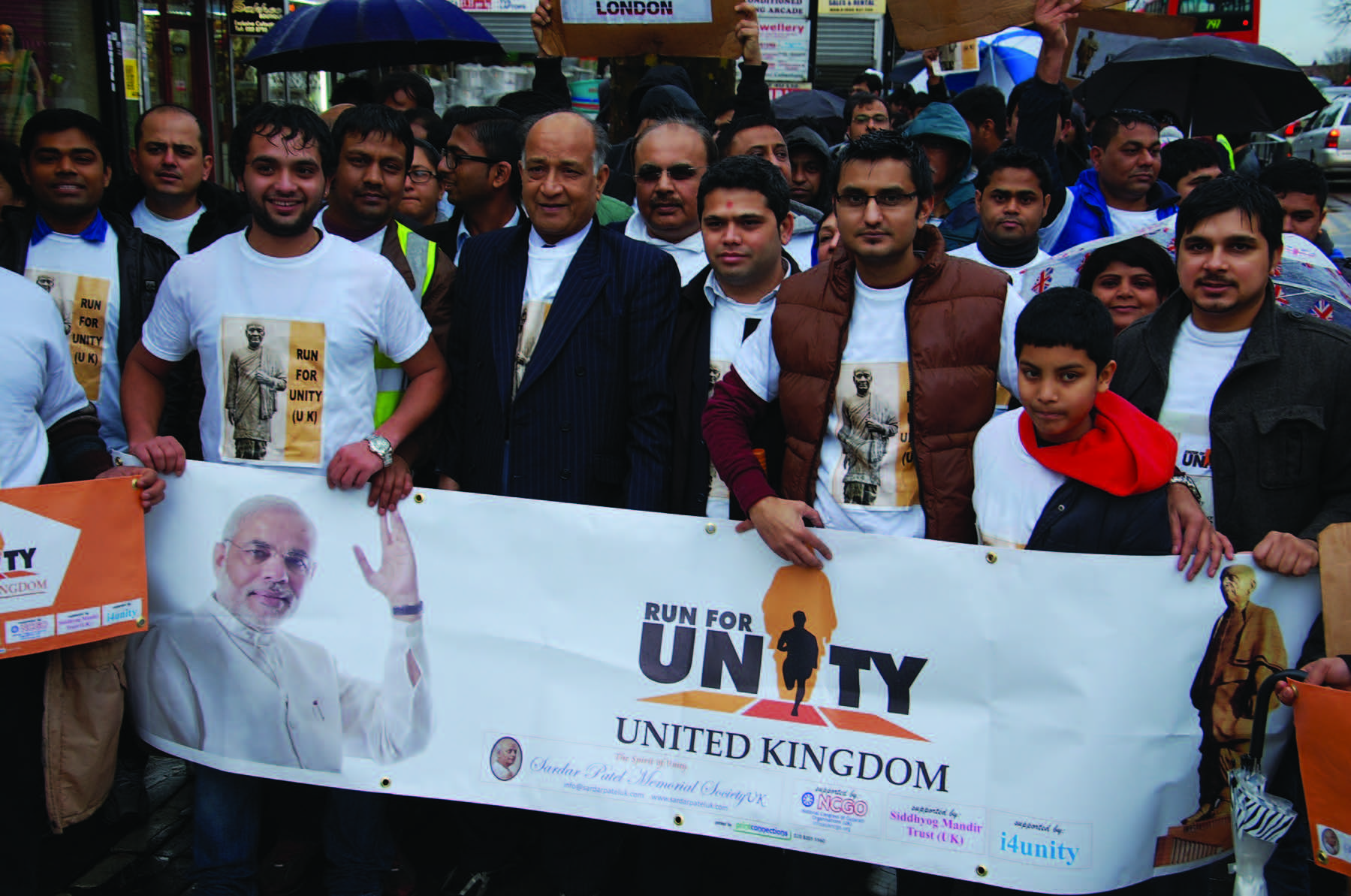
    Jolly claimed that “RUN FOR UNITY” recently organized in London attracted a large crowd of NRI’s. The UK program was organized by “14 – Unity” a young professional group in UK led by dynamic Nachiket Joshi, OFBJP Central Committee Member (Bharat) and permanently based in London. Gujarati, Punjabi and English British leaders participated along with young boys & girls.

    Over 1000 strong crowd and participants walked in pouring rain wearing raincoats & carrying umbrellas in severe cold London weather, stated OFBJP leader Vijay Jolly. Cheering for “Modi” and national unity, wearing T-shirt of Sardar Patel’s image, the ‘London Run for Unity’ was flagged off by Bob Blackman, British MP & Chairman of All Party Parliamentary Group for British Hindus.

    Bob, in his speech on the occasion pledged British support for Modi and hoped that trade between UK & India will increase “ten -times” in case Narendra Modi became PM of India. Muhammad Butt, leader of London Council, Lord Sardar Singh, Virendra Sharma South Hall MP, C.B. Patel Chairman Asian Voice & Gujarat Samachar, Lalu Bhai Parekh (OFBJP, UK President), Councilor Darshan Grewal (OFBJP-UK Vice President), P.G. Patel Chairman SPMS, UK, Mahendra Jadeja Sec. Gen. of NCGO, C.J. Robheru, Narendra Thakran, Vinod Halai, Dr. M. Ambekar etc. participated in the historic program in London.

  • Challenges in Indo-Pacific Region

    Challenges in Indo-Pacific Region

    INDIA MUST PLAY A PROACTIVE ROLE FOR LONG-TERM SECURITY AND STABILITY

    It would be in India’s interest to readily join cooperative efforts aimed at maintaining stability. India has acquired robust military intervention capabilities and is formulating a suitable doctrine for intervention”, says the author.

    The security environment in the Indo- Pacific region has been vitiated by territorial disputes on land in the South China Sea and the East China Sea as well as terrorism, the proliferation of small arms and piracy in the Malacca Strait. Freedom of navigation on the high seas is of critical importance for the economies of most Asian countries.

    Maintaining peace and stability and ensuring the unfettered flow of trade and energy supplies through the sea lanes of communications will pose major challenges for the Asian powers as well as the United States. Only cooperative security architecture can provide long-term stability and mutual reassurance. Through its forward military presence and its abiding military alliances, the US has played a key role in providing stability in the Indo-Pacific region through many decades of turbulence during and after the cold war.

    The US is now re-balancing or ‘pivoting’ from the Euro-Atlantic zone to the Indo-Pacific in tune with its changing geo-strategic priorities and the rise of emerging powers. It is also simultaneously downsizing its forces and will need new strategic partners to help it maintain order and stability. According to Rory Medcalf, Senior Fellow, Brookings Institution, Washington, “the choreography of this geopolitical interplay will depend on the quality of leadership and decisionmaking in Beijing, New Delhi and Washington.”

    As C Raja Mohan has averred in his book “Samudra Manthan: Sino-Indian Rivalry in the Indo-Pacific”, the major powers in the region, including Australia, China, India, Indonesia, Japan and the US, need to work creatively to frame acceptable rules for the commons in the Indo-Pacific. Unless such realization comes about, subterranean tensions will continue to hamper stability. China has so far been ambivalent in seeking to join a cooperative framework and has preferred to stand apart. It has failed to realize that its growing trade and massive dependence on energy imports through the Indian Ocean make it imperative for it to join the efforts being made to establish such a framework.

    It would be in India’s interest to readily join cooperative efforts aimed at maintaining stability. India has acquired robust military intervention capabilities and is formulating a suitable doctrine for intervention. Though India has a pacifist strategic culture rather than a proactive one that nips emerging challenges in the bud through pre-emption, it has not hesitated to intervene militarily when its national interests warranted intervention, both internally and beyond the shores. The Army was asked to forcibly integrate the states of Goa, Hyderabad and Junagadh into the Indian Union soon after Independence as part of the nation-building process. The Indian armed forces created the new nation of Bangladesh after the Pakistan army conducted genocide in East Pakistan in 1971.

    India intervened in the Maldives and Sri Lanka at the behest of the governments of these countries and was ready to do so in Mauritius in 1983 when the threat to the government there passed. India had airlifted 150,000 civilian workers from Iraq through Jordan during Gulf War I in what became known as the largest airlift after the Berlin airlift. Also, almost 5,000 civilian workers were evacuated by ship from Lebanon in 2006. After the 2004 South-East Asian tsunami, 72 naval ships had set sail within three days to join the international rescue and relief operations even though India’s eastern sea board had itself suffered extensive loss of life and damage. India’s limited military presence overseas has been mostly benign.

    According to Shyam Saran, a former Foreign Secretary, “…most South-East Asian countries and Japan welcome a larger presence of Indian naval assets in the region.” As part of the Indo-US defense cooperation, joint patrolling of the SLOCs in the Indian Ocean is already being undertaken up to the western mouth of the Malacca Strait as part of joint naval exercises. Other military exercises have led to a broad understanding of each other’s military capabilities and limitations and many interoperability challenges have been ironed out. The Indian Army has designated one infantry division as a rapid reaction division, with an amphibious brigade, an air assault brigade and an infantry brigade. The Army also has an independent parachute brigade that can be deployed at short notice.

    The Indian Navy now possesses the INS Jalashva (USS Trenton) that can carry one infantry battalion with full operational loads and is in the process of acquiring additional landing ships. Besides long-range fighter-bomber aircraft with air-to-air refueling capability like the SU-30MKI, the Indian Air Force has acquired fairly substantive strategic airlift capabilities, including six C-130 Super Hercules aircraft for the Special Forces. A permanent corps-level tri-Service planning HQ with all-weather reconnaissance and surveillance capabilities needs to be set up under the aegis of the HQ Integrated Defense Staff to monitor emerging situations on a regular basis and act as a control HQ for intervention operations.

    In future, India may undertake joint military operations in its area of strategic interest if the country’s major national interests are at stake. Such a campaign may take the form of an intervention under the UN flag – something that India would prefer – or even a “coalition of the willing” in a contingency in which India’s vital national interests are threatened. There will naturally be several caveats to such cooperation as India will not join any military alliance. It will also be necessary to work with other strategic partners and friendly countries in India’s extended neighborhood and with organizations like the Gulf Cooperation Council (GCC), the ASEAN Regional Forum (ARF) and, when possible, even the Shanghai Cooperation Organization (SCO). The aim should be to establish consultative mechanisms through diplomatic channels for the exchange of ideas, and conduct joint training and reconnaissance. Small-scale joint military exercises with likely coalition partners help eliminate interoperability and command and control challenges and enable strategic partners to operate together during crises.

  • Sri Lanka rights abuse allegations divide Commonwealth

    Sri Lanka rights abuse allegations divide Commonwealth

    COLOMBO (TIP):THE heads of government of the 53 nations of the Commonwealth come together every two years for a summit. This time, several have decided to stay away, to boycott the gathering in Sri Lanka. The prime ministers of Canada, India and Mauritius say they cannot take part. Their basic complaint: Sri Lanka’s President, Mahinda Rajapaksa, should not have been allowed to host the Commonwealth and then take over for the next two years as chairperson of an organisation committed to values of democracy and human rights which he is accused of flouting. Other leaders are still coming, despite pressure on them to join the boycott.

    So Britain’s Prime Minister, David Cameron, has flown in from neighbouring India, although his counterpart, India’s Manmohan Singh, has pulled out. Mr Cameron says it’s better to engage and ask tough questions rather than risk making the Commonwealth irrelevant as an organisation. The case against Sri Lanka’s government stems partly from allegations against the security forces of war crimes, including the killing of civilians, rape and sexual violence against women, particularly during the final months in 2009 of a civil war against Tamil separatists. Critics also say there is considerable evidence of abuses both then and more recently, including the abduction or “disappearance” of opponents and the murder of journalists. The government in Colombo rejects all these allegations, a denial repeated to me in a BBC interview by the country’s minister of mass media and information, as Commonwealth leaders arrived in the country.

    Test of will

    “We wanted zero civilian casualties,” said the minister, Keheliya Rambukwella, who is the government’s spokesman. He added that it was well documented that the Tamil Tigers or LTTE, whom he called “terrorists”, “used civilians as human shields”. The minister also rejected demands from Britain’s prime minister. David Cameron is calling for an end to the intimidation of journalists and human rights defenders, action to stamp out torture, demilitarisation of the north and reconciliation between communities. Mr Cameron says there needs to be a thorough investigation into alleged war crimes, and that if it does not happen rapidly, then an international independent investigation will be needed.

    The Sri Lankan government accuses him of colonialism, of trying to dictate to a sovereign nation and of abusing his invitation to come to Colombo to discuss the issues on the formal agenda of this summit. But that agenda includes debate over what should replace the United Nations Millennium Development Goals when they expire in 2015. That may allow any leader in the room to raise a whole host of human rights concerns, precisely because they are central to many people’s belief that you cannot eradicate poverty without at the same time upholding rights, including the freedom to make political choices and freedom of speech. Some people ask whether or not anyone would notice if the Commonwealth disappeared.

    Supporters argue its achievements are often ignored. They point to a strong set of rules on democracy and elections: Commonwealth observer missions often play a significant role in limiting or preventing ballot-rigging. Military takeovers are punished. Thirty years ago many Commonwealth countries were ruled by men in uniform. Not any more. The Commonwealth is also much more than a club of political leaders. Its grassroots organisations, bringing together civil society groups around the globe, or professional associations exchanging best practice, or promoting trade are often more effective than gatherings of the political elite.

    Small states also value the collective political weight they can sometimes exert via the Commonwealth in a world where their voices might otherwise be drowned out. Critics, on the other hand, assemble lists of Commonwealth failings. Many have to do with promises made by leaders and then broken. Other charges involve rules which are not rigorously enforced. The current controversy over the decision to meet in Colombo is seized on by the critics as further evidence the Commonwealth is all too flexible when it comes to sticking to its principles. This year’s new Commonwealth Charter commits leaders to uphold these principles.

    So this summit will be seen by many as a test of the Commonwealth’s real commitment to values and a test of its collective will.

  • SAHARA TO SELL ICONIC LONDON AND NEW YORK HOTELS

    SAHARA TO SELL ICONIC LONDON AND NEW YORK HOTELS

    MUMBAI (TIP):
    The embattled Sahara Group has put up for sale the iconic luxury hotels it acquired over the last three years — The Plaza and Dream Downtown in New York and London’s Grosvenor House — with an Arab business family said to have made a £1-billion offer for all of them, according to three people close to the development. The family based in the Middle-East has extensive interests in hospitality and has offered a little over Rs 10,000 crore for the three trophy properties in the “Sahara portfolio” of Aamby Valley Mauritius, said the people cited above. If the deal goes through, Sahara stands to get about Rs 4,000 crore, or almost three times what it invested in the hotels, after repaying its debt to Bank of China of close to $1 billion against the properties.

    Dealmakers in Europe told ET Sahara would be the only business group globally to have earned that kind of return on investment in hospitality since the 2008 financial crisis. Subrata Roy, founder and head of Sahara Group, has been in talks with royal and business families in the Middle-East and Europe to sell the hotels for more than two months now, said the people cited above. The UK’s Halkin Investments, which has former Pakistan prime minister Shaukat Aziz on its board, is one of the key advisers to Sahara Group’s Aamby Valley Mauritius. Sahara Group did not respond to emails.

    Halkin Investment said it “acts for Aamby Valley Mauritius in an occasional and advisory-only capacity”. It did not answer other queries in the email. Sahara needs to repay holders of debentures that the capital market regulator said were sold in violation of rules. The Securities and Exchange Board of India (Sebi) was backed by the Supreme Court, which asked Sahara to refund the money. Sahara has said it has repaid much of the amount, but the regulator disagrees. The 494-room Grosvenor House, once home to the Duke of Westminster, was purchased by Sahara in 2010 from Royal Bank of Scotland for £470 million, or $726 million.

  • SAHARA TO SELL ICONIC LONDON AND NEW YORK HOTELS

    SAHARA TO SELL ICONIC LONDON AND NEW YORK HOTELS

    MUMBAI (TIP): The embattled Sahara Group has put up for sale the iconic luxury hotels it acquired over the last three years — The Plaza and Dream Downtown in New York and London’s Grosvenor House — with an Arab business family said to have made a £1-billion offer for all of them, according to three people close to the development. The family based in the Middle-East has extensive interests in hospitality and has offered a little over Rs 10,000 crore for the three trophy properties in the “Sahara portfolio” of Aamby Valley Mauritius, said the people cited above. If the deal goes through, Sahara stands to get about Rs 4,000 crore, or almost three times what it invested in the hotels, after repaying its debt to Bank of China of close to $1 billion against the properties. Dealmakers in Europe told ET Sahara would be the only business group globally to have earned that kind of return on investment in hospitality since the 2008 financial crisis.

    Subrata Roy, founder and head of Sahara Group, has been in talks with royal and business families in the Middle-East and Europe to sell the hotels for more than two months now, said the people cited above. The UK’s Halkin Investments, which has former Pakistan prime minister Shaukat Aziz on its board, is one of the key advisers to Sahara Group’s Aamby Valley Mauritius. Sahara Group did not respond to emails. Halkin Investment said it “acts for Aamby Valley Mauritius in an occasional and advisory-only capacity”. It did not answer other queries in the email. Sahara needs to repay holders of debentures that the capital market regulator said were sold in violation of rules. The Securities and Exchange Board of India (Sebi) was backed by the Supreme Court, which asked Sahara to refund the money. Sahara has said it has repaid much of the amount, but the regulator disagrees. The 494-room Grosvenor House, once home to the Duke of Westminster, was purchased by Sahara in 2010 from Royal Bank of Scotland for £470 million, or $726 million.

  • Sri Lanka rights abuse allegations divide Commonwealth

    Sri Lanka rights abuse allegations divide Commonwealth

    COLOMBO (TIP):THE heads of government of the 53 nations of the Commonwealth come together every two years for a summit. This time, several have decided to stay away, to boycott the gathering in Sri Lanka. The prime ministers of Canada, India and Mauritius say they cannot take part. Their basic complaint: Sri Lanka’s President, Mahinda Rajapaksa, should not have been allowed to host the Commonwealth and then take over for the next two years as chairperson of an organisation committed to values of democracy and human rights which he is accused of flouting. Other leaders are still coming, despite pressure on them to join the boycott. So Britain’s Prime Minister, David Cameron, has flown in from neighbouring India, although his counterpart, India’s Manmohan Singh, has pulled out. Mr Cameron says it’s better to engage and ask tough questions rather than risk making the Commonwealth irrelevant as an organisation. The case against Sri Lanka’s government stems partly from allegations against the security forces of war crimes, including the killing of civilians, rape and sexual violence against women, particularly during the final months in 2009 of a civil war against Tamil separatists. Critics also say there is considerable evidence of abuses both then and more recently, including the abduction or “disappearance” of opponents and the murder of journalists. The government in Colombo rejects all these allegations, a denial repeated to me in a BBC interview by the country’s minister of mass media and information, as Commonwealth leaders arrived in the country.

    Test of will
    “We wanted zero civilian casualties,” said the minister, Keheliya Rambukwella, who is the government’s spokesman. He added that it was well documented that the Tamil Tigers or LTTE, whom he called “terrorists”, “used civilians as human shields”. The minister also rejected demands from Britain’s prime minister. David Cameron is calling for an end to the intimidation of journalists and human rights defenders, action to stamp out torture, demilitarisation of the north and reconciliation between communities. Mr Cameron says there needs to be a thorough investigation into alleged war crimes, and that if it does not happen rapidly, then an international independent investigation will be needed. The Sri Lankan government accuses him of colonialism, of trying to dictate to a sovereign nation and of abusing his invitation to come to Colombo to discuss the issues on the formal agenda of this summit. But that agenda includes debate over what should replace the United Nations Millennium Development Goals when they expire in 2015. That may allow any leader in the room to raise a whole host of human rights concerns, precisely because they are central to many people’s belief that you cannot eradicate poverty without at the same time upholding rights, including the freedom to make political choices and freedom of speech. Some people ask whether or not anyone would notice if the Commonwealth disappeared.

    Supporters argue its achievements are often ignored. They point to a strong set of rules on democracy and elections: Commonwealth observer missions often play a significant role in limiting or preventing ballot-rigging. Military takeovers are punished. Thirty years ago many Commonwealth countries were ruled by men in uniform. Not any more. The Commonwealth is also much more than a club of political leaders. Its grassroots organisations, bringing together civil society groups around the globe, or professional associations exchanging best practice, or promoting trade are often more effective than gatherings of the political elite. Small states also value the collective political weight they can sometimes exert via the Commonwealth in a world where their voices might otherwise be drowned out. Critics, on the other hand, assemble lists of Commonwealth failings. Many have to do with promises made by leaders and then broken. Other charges involve rules which are not rigorously enforced. The current controversy over the decision to meet in Colombo is seized on by the critics as further evidence the Commonwealth is all too flexible when it comes to sticking to its principles. This year’s new Commonwealth Charter commits leaders to uphold these principles. So this summit will be seen by many as a test of the Commonwealth’s real commitment to values and a test of its collective will.

  • CELEBRATIONS AROUND THE WORLD

    CELEBRATIONS AROUND THE WORLD

    Diwali is also celebrated outside of India mainly in Guyana, Fiji, Malaysia, Nepal, Mauritius, Myanmar, Singapore, Sri Lanka, Trinidad & Tobago, Britain, Indonesia, Japan, Thailand, Africa, Australia and the US among the Hindus across the world.

    Britain
    The Indians are the second largest ethnic minority in Britain. To get rid of the feeling of missing their homeland, especially during festival times, the Indians here celebrate most of the festivals. The occasion is marked by visit to the local temple to worship the shrine of Lakshmi, which they have made for Diwali. Eating special sweets, burning of incense sticks, lighting the home and surroundings and the blowing of the conch shell follows the prayer session in the Lakshmi temple. The festival here is celebrated according to the Hindu solar calendar hence it falls in the months of October-November, amongst the cold, damp and windy months in Britain. Still the enthusiasm of the festival celebration makes the task of leaving small lamps on windowsills or by open doorways possible ignoring the chill. The lamps and diyas play their part in maintaining the atmosphere of Diwali at home.

    Guyana
    Guyana, formerly known as British Guiana, is located on the northeast coast of South America. Guyana is 82,978 square miles in area and has a population of about 7,70,000. Hindus constitute 33% of Guyana’s total population. The Co-operative Republic of Guyana in Southern America celebrates Diwali according to the Hindu Solar calendar. The day of the festival is declared as a national holiday in the official calendar of Guyana. The tradition of celebrating the festival is believed to have been brought to Guyana in the year 1853 by the first indentured people from India.

    The legends related to the festival are similar to that of India. The celebration of the festival includes, distribution of sweets, illuminating the inside and outside of the house, exchange of greetings, cleaning of houses and wearing of new clothes. The celebrations hold special significance for the people of Guyana. The distribution of sweet signifies the importance of serving and sharing whereas exchange of greeting cards denotes the goodwill of each other.

    The sweets distributed mainly consist of pera, barfi, and kheer. The tradition of wearing new cloth for the people of Guyana is significant especially in this festival. They believe that wearing new cloth is the symbol of healthy souls in healthy bodies. Cleaning of their homes and keeping them well illuminated in and outside is a practice meant to illuminate the road for Goddess Lakshmi so that while goddess Lakshmi visits their home she faces no problem of light as the Diwali night is regarded as the darkest night of the year.

    Indonesia
    The name Indonesia came from two Greek words: “Indos” meaning Indian and “Nesos” meaning islands. The majority of population follows Islam. Hindus constituent about 2% of Indonesia’s total population. However, the Indonesian island of Bali is famous for celebrating the festival of Diwali, as a majority of the population here is that of Indians. It is one of the most revered festivals of the locals here. The celebration and rituals of the festival is mostly similar to that celebrated by their counterparts in India.

    Malaysia
    Fascinating in its diversity, Malaysia has many mesmerizing charms and attractions. With a population of about 20 million, comprising of a harmonious multi-ethnic mix of Malays, Malaysia promises a colorful potpourri of cultural traditions. Most are based on the various religious practices, beliefs and traditions influencing the costumes, festivals, ceremonies and rituals. The Hindu community of Malaysia constitutes about 8% of its total population .The community celebrates Diwali as a symbol of triumph of good over evil. The Malaysian people call Diwali as Hari Diwali.

    This festival is celebrated during the 7th month of the Hindu solar calendar. The south Indian traditional of oil bath precedes the festivities. The celebration includes visits to temples and prayers at household altars. Small lamps made from clay and filled with coconut oil and wicks are a common sight to signify the victory of Lord Rama, the hero of the Hindu epic Ramayana, over the demon king Ravana. Diwali is celebrated almost all over the Malaysia except in Sarawak & Federal Territory of Labuan.

    Mauritius
    Mauritius is an island in the Indian Ocean that lies to the east of Madagascar. This beautiful landmass is full of picturesque landscapes and enchanting spots. Mauritius accounts a 63% of Indian majority of which 80% follow Hinduism. Hence, celebration of almost all the Hindu festivals in this island is a common phenomenon. In Mauritius, Diwali celebration is an age-old tradition. It holds special significance for the natives, who believe that Diwali has been celebrated even long before the return of Lord Rama from 14 years of exile and his coronation as the king. The festival is marked by lightening of earthen lamps in rows making images out of the rows. Lakshmi is worshiped as the goddess of wealth and crackers are burnt to scare away evil spirits.

    Nepal
    Nepal is a landlocked country nestled in the foothills of the Himalayas. Nepal, a multi-ethnic and multi-lingual society is the only Hindu Kingdom of the world. Diwali is celebrated here with the usual Hindu festivities and rituals. Diwali in Nepal is known as Tihar. Just like most places in India Diwali is celebrated here to honor the goddess of wealth and god of prosperity Lakshmi and Ganesh respectively. The festival of light falls in the months of October or November on the day of Amavasya – the darkest day of the year. The festival here continues for five days. Every day has its special significance. The first day is dedicated to cows as they cook rice and feed the cows believing that goddess Lakshmi comes on cows. The second day is for Dogs as the Vahana of Bhairava.

    Preparation of delicious food especially meant for the dog is a typical characteristic of the day. Lights and lamps are lit to illuminate the entire surrounding and some of the specialty items are prepared to mark the third day of the festival. Fireworks, Lamps and crackers are widely used. The fourth day is dedicated to Yama, the Hindu God of Death. He is prayed for long life. The fifth final day is Bhhaya Dooj dedicated for the brothers who are wished long life and prosperity by their sisters.

    South Africa
    South Africa is located at the southern tip of the continent of Africa. It is a mix of cultures and has one of the largest immigrant Indian communities in the world. The country has almost one million immigrant Indians. Most of these Indian immigrants are concentrated in the eastern regions of Natal and Transvaal of the country. About 65% of Hindus, 15% of Muslims and 20% of Christians live in this area. Due to the majority of the Hindu population, a number of Hindu festivals are celebrated here. Diwali also holds an important place in the festival calendar of the region. The celebration is more or less same to that in India. Most of the Hindus here are from Gujarat and Tamil Nadu and continue to follow their regional variations of Hinduism.

    Trinidad & Tobago
    Trinidad is the most southern of the Caribbean islands, lying only seven miles off the Venezuelan coast, is one of the most exciting, colorful islands of the West Indies. Considered as the land of the Humming Bird, Trinidad and Tobago has a good number of Indian population. For that reason, Hindu festivals, customs, traditions and observances forms an integral part of the society, which comprises the unique beauty of the twin island state. The Diwali celebration has a unique flavor here in the Caribbean island nation. Here 43 per cent of the 1.3 million populations are ethnic Indians. The Diwali celebrations are usually marked as an occasion to unify the nation that consists of Hindus, Muslims, Christians, Indo-Trinidadians and Afro- Trinidadians.

    The festival day is regarded as a national holiday. The festival is also marked by scores of functions besides the usual rituals of the festivity. The functions and celebrations also have an official imprint as the Ministers of the Government also participate in the celebrations sometimes. The belief behind the festival is same as of India, which is, prevalence of good over evil. The celebrations continue for over a week and the headquarters of the National Council of Indian Culture at Diwali Nagar becomes the focal point.

    America
    Diwali is one of the biggest Hindu festivals celebrated among many people and communities in the United States. Many schools, community groups, Hindu associations, Indian organizations and corporate businesses get involved in celebrating Diwali. Politicians, including governors and past presidents, previously made public announcements expressing their greetings and well wishes to Hindus on Diwali. Many Indian stores sell jewelry and traditional outfits, such as chiffon saris, as well as statues of Hindu deities and incent sticks used in prayer around this time of the year. Many women and girls use mehendi, which is a temporary henna decoration, on their palms. It is also common to wear fine jewelry and silk outfits to celebrate this joyous festival.

  • Actor – Politician Shatrughan Sinha attends PMI Diwali Celebrations

    Actor – Politician Shatrughan Sinha attends PMI Diwali Celebrations

    NEWYORK, NY (TIP): The Permanent Mission of India in New York celebrated Diwali on Tuesday, November 5, with esteemed guests and celebrities. Several senior UN officials and ambassadors attended the event. Honorable Peter Thomson, Ambassador of Fiji to the UN, Honorable Rodney Charles, Ambassador of Trinidad and Tobago to the UN, Honorable Milan Jaya NyamrajsinghMeetarbhan, Ambassador of Mauritius to the UN were some of the honored guests present at the celebrations.


    img13
    Mrs. Namrata Puri, wife of DPR Manjeev S. Puri (left of the statue) is joined by women officials and spouses of PMI staff

    Bollywood Actor Shatrughan Sinha, father of lead actress Sonakshi Sinha made a brief appearance at the event. He extended his warm greetings to the Indian American community. “I am extremely honored to be here with the Permanent Mission to celebrate this auspicious day and I would like to wish the Indian American community a very happy and prosperous Diwali,” said Mr. Sinha. Indian Ambassador to the UN, Honorable Asoke Kumar Mukerji was away on urgent business to India. Deputy Permanent Representative Manjeev Singh Puri stood in as host and exuberantly took part in the festivities. On behalf of the Permanent Representative Mr. Mukerji and the Permanent Mission of India at the UN, Honorable Manjeev Singh Puri wished every one present at the event and the Indian community a very prosperous Diwali.

  • CELEBRATIONS AROUND THE WORLD

    CELEBRATIONS AROUND THE WORLD

    Diwali is also celebrated outside of India mainly in Guyana, Fiji, Malaysia, Nepal, Mauritius, Myanmar, Singapore, Sri Lanka, Trinidad & Tobago, Britain, Indonesia, Japan, Thailand, Africa, Australia and the US among the Hindus across the world.

    Britain
    The Indians are the second largest ethnic minority in Britain. To get rid of the feeling of missing their homeland, especially during festival times, the Indians here celebrate most of the festivals. The occasion is marked by visit to the local temple to worship the shrine of Lakshmi, which they have made for Diwali. Eating special sweets, burning of incense sticks, lighting the home and surroundings and the blowing of the conch shell follows the prayer session in the Lakshmi temple. The festival here is celebrated according to the Hindu solar calendar hence it falls in the months of October-November, amongst the cold, damp and windy months in Britain. Still the enthusiasm of the festival celebration makes the task of leaving small lamps on windowsills or by open doorways possible ignoring the chill. The lamps and diyas play their part in maintaining the atmosphere of Diwali at home.

    Guyana
    Guyana, formerly known as British Guiana, is located on the northeast coast of South America. Guyana is 82,978 square miles in area and has a population of about 7,70,000. Hindus constitute 33% of Guyana’s total population. The Co-operative Republic of Guyana in Southern America celebrates Diwali according to the Hindu Solar calendar. The day of the festival is declared as a national holiday in the official calendar of Guyana. The tradition of celebrating the festival is believed to have been brought to Guyana in the year 1853 by the first indentured people from India. The legends related to the festival are similar to that of India. The celebration of the festival includes, distribution of sweets, illuminating the inside and outside of the house, exchange of greetings, cleaning of houses and wearing of new clothes. The celebrations hold special significance for the people of Guyana. The distribution of sweet signifies the importance of serving and sharing whereas exchange of greeting cards denotes the goodwill of each other. The sweets distributed mainly consist of pera, barfi, and kheer. The tradition of wearing new cloth for the people of Guyana is significant especially in this festival. They believe that wearing new cloth is the symbol of healthy souls in healthy bodies. Cleaning of their homes and keeping them well illuminated in and outside is a practice meant to illuminate the road for Goddess Lakshmi so that while goddess Lakshmi visits their home she faces no problem of light as the Diwali night is regarded as the darkest night of the year.

    Indonesia
    The name Indonesia came from two Greek words: “Indos” meaning Indian and “Nesos” meaning islands. The majority of population follows Islam. Hindus constituent about 2% of Indonesia’s total population. However, the Indonesian island of Bali is famous for celebrating the festival of Diwali, as a majority of the population here is that of Indians. It is one of the most revered festivals of the locals here. The celebration and rituals of the festival is mostly similar to that celebrated by their counterparts in India.

    Malaysia
    Fascinating in its diversity, Malaysia has many mesmerizing charms and attractions. With a population of about 20 million, comprising of a harmonious multi-ethnic mix of Malays, Malaysia promises a colorful potpourri of cultural traditions. Most are based on the various religious practices, beliefs and traditions influencing the costumes, festivals, ceremonies and rituals. The Hindu community of Malaysia constitutes about 8% of its total population .The community celebrates Diwali as a symbol of triumph of good over evil. The Malaysian people call Diwali as Hari Diwali. This festival is celebrated during the 7th month of the Hindu solar calendar. The south Indian traditional of oil bath precedes the festivities. The celebration includes visits to temples and prayers at household altars. Small lamps made from clay and filled with coconut oil and wicks are a common sight to signify the victory of Lord Rama, the hero of the Hindu epic Ramayana, over the demon king Ravana. Diwali is celebrated almost all over the Malaysia except in Sarawak & Federal Territory of Labuan.

    Mauritius
    Mauritius is an island in the Indian Ocean that lies to the east of Madagascar. This beautiful landmass is full of picturesque landscapes and enchanting spots. Mauritius accounts a 63% of Indian majority of which 80% follow Hinduism. Hence, celebration of almost all the Hindu festivals in this island is a common phenomenon. In Mauritius, Diwali celebration is an age-old tradition. It holds special significance for the natives, who believe that Diwali has been celebrated even long before the return of Lord Rama from 14 years of exile and his coronation as the king. The festival is marked by lightening of earthen lamps in rows making images out of the rows. Lakshmi is worshiped as the goddess of wealth and crackers are burnt to scare away evil spirits.

    Nepal
    Nepal is a landlocked country nestled in the foothills of the Himalayas. Nepal, a multi-ethnic and multi-lingual society is the only Hindu Kingdom of the world. Diwali is celebrated here with the usual Hindu festivities and rituals. Diwali in Nepal is known as Tihar. Just like most places in India Diwali is celebrated here to honor the goddess of wealth and god of prosperity Lakshmi and Ganesh respectively. The festival of light falls in the months of October or November on the day of Amavasya – the darkest day of the year. The festival here continues for five days. Every day has its special significance. The first day is dedicated to cows as they cook rice and feed the cows believing that goddess Lakshmi comes on cows. The second day is for Dogs as the Vahana of Bhairava. Preparation of delicious food especially meant for the dog is a typical characteristic of the day. Lights and lamps are lit to illuminate the entire surrounding and some of the specialty items are prepared to mark the third day of the festival. Fireworks, Lamps and crackers are widely used. The fourth day is dedicated to Yama, the Hindu God of Death. He is prayed for long life. The fifth final day is Bhhaya Dooj dedicated for the brothers who are wished long life and prosperity by their sisters.

    South Africa
    South Africa is located at the southern tip of the continent of Africa. It is a mix of cultures and has one of the largest immigrant Indian communities in the world. The country has almost one million immigrant Indians. Most of these Indian immigrants are concentrated in the eastern regions of Natal and Transvaal of the country. About 65% of Hindus, 15% of Muslims and 20% of Christians live in this area. Due to the majority of the Hindu population, a number of Hindu festivals are celebrated here. Diwali also holds an important place in the festival calendar of the region. The celebration is more or less same to that in India. Most of the Hindus here are from Gujarat and Tamil Nadu and continue to follow their regional variations of Hinduism.

    Trinidad & Tobago
    Trinidad is the most southern of the Caribbean islands, lying only seven miles off the Venezuelan coast, is one of the most exciting, colorful islands of the West Indies. Considered as the land of the Humming Bird, Trinidad and Tobago has a good number of Indian population. For that reason, Hindu festivals, customs, traditions and observances forms an integral part of the society, which comprises the unique beauty of the twin island state. The Diwali celebration has a unique flavor here in the Caribbean island nation. Here 43 per cent of the 1.3 million populations are ethnic Indians. The Diwali celebrations are usually marked as an occasion to unify the nation that consists of Hindus, Muslims, Christians, Indo-Trinidadians and Afro- Trinidadians. The festival day is regarded as a national holiday. The festival is also marked by scores of functions besides the usual rituals of the festivity. The functions and celebrations also have an official imprint as the Ministers of the Government also participate in the celebrations sometimes. The belief behind the festival is same as of India, which is, prevalence of good over evil. The celebrations continue for over a week and the headquarters of the National Council of Indian Culture at Diwali Nagar becomes the focal point.

    America
    Diwali is one of the biggest Hindu festivals celebrated among many people and communities in the United States. Many schools, community groups, Hindu associations, Indian organizations and corporate businesses get involved in celebrating Diwali. Politicians, including governors and past presidents, previously made public announcements expressing their greetings and well wishes to Hindus on Diwali. Many Indian stores sell jewelry and traditional outfits, such as chiffon saris, as well as statues of Hindu deities and incent sticks used in prayer around this time of the year. Many women and girls use mehendi, which is a temporary henna decoration, on their palms. It is also common to wear fine jewelry and silk outfits to celebrate this joyous festival.

  • CARE Ratings to enter Europe via Singapore consortium

    CARE Ratings to enter Europe via Singapore consortium

    NEW DELHI (TIP): Credit rating agency Credit Analysis & Research Ltd (CARE) is entering the European market through a Singapore-based international arm. It has joined hands with credit rating agencies in four other countries — Brazil, Malaysia, South Africa and Portugal — to set up a Singapore-based entity called ARC Rating Holding. CARE will hold 20 per cent stake in this Singapore entity, which will hold 100 per cent in ARC Rating Europe, D. R. Dogra, Managing Director and CEO, CARE Ratings, told Business Line. “We can’t go international on our own and that is why the joint venture route. But we see lot of growth opportunities for us in Europe. ARC Rating Europe will have an office in London,” Dogra said. ARC Rating Europe will cater only to large companies and not offer rating services for small businesses. CARE, which had launched an initial public offering in December 2012, is the country’s second largest credit rating agency by revenue.

    A presence in London will help it serve Indian corporate clients, which have spread their wings in Europe, better. Indian companies need not only look to entrenched foreign credit rating players in those markets for their needs, it was pointed out. Dogra also said that CARE will set up an entity in Mauritius this fiscal, in which it would have a controlling interest of 51 per cent. The remaining stake may be picked up by African Development Bank, South African credit rating company Global Credit Rating (GCR) and others. CARE would look to enter Africa through the Mauritius entity. In Africa, plans are afoot to offer rating services for large companies as well as small and medium businesses, he said.

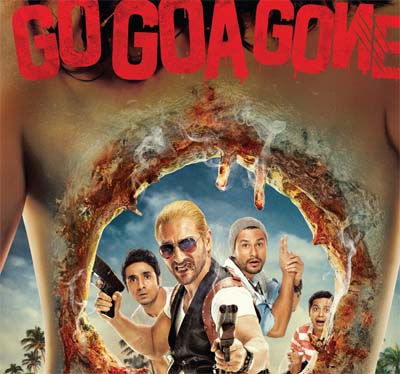
  • Go Goa Gone

    Go Goa Gone

    Cast: Saif Ali Khan, Kunal Khemu, Vir Das, Anand Tiwari,
    Pooja Gupta
    Direction: Krishna D.K., Raj Nidimoru
    Genre: Comedy
    Duration: 1 hour 37 minutes

    STORY: In a first of its kind zomcom(zombie-comedy) three friends gatecrash a rave party on an island and find themselves attacked by zombies the morning after. Will they make it the shore safely?

    MOVIE REVIEW: So who’s a zombie? For some it’s a sleep-derived person who walks around as if in a trance. For others, it’s a soulless creature who can be revived by witchcraft. But in Krishna D K and Raj Nidimoru’s Go Goa Gone, the zombies are some interesting creatures who’ve overdosed on a drug that is said to be more dangerous than MDMA, or Ecstasy as most of us know it. And now these living people have turned into a braindead lot who know nothing but hunger. So where do you find these zombies. Wait. Let’s start at the beginning. Three fun-seeking friends—Kunal Khemu(Hardik), Vir Das(Luv) and Anand Tiwari(Bunny) join Puja Gupta(Luna) at a rave party in Goa.

    Their host is a Russian Don—Saif Ali Khan(Boris). The night is young; the company vivacious. Drinks are aplenty and the drugs lethal. As the party reaches a crescendo, the friends find themselves enthralled. Alas, there’s a price to be paid. Each of the three friends wakes up the next morning `wasted’ and in fairly interesting company. They have a zombie or two in their vicinity. Scared out of their wits, the three friends and their girlfriend, Luna, run for their lives. But it isn’t that easy. The island is now home to a large group of fastmutliplying zombies, who are eager to make these human-beings `meat’ for their insatiable appetite. Boris, their knight-in-shining-armour attempts to rescue them but the zombies are not easy to shake off. As the part hilarious, part scary adventure continues, you find yourself laughing aloud with the three boys and their wisecracks.

    And you also find yourself scared shitless of the zombies who keep cropping up unannounced in their creepy avatar. Go Goa Gone is positively different from anything you seen before. And for the young and restless(tattooed, ring-pierced, rave-party enthusiasts) or even those who like whacked-out fun, it’s a great ride. With easy performances from Kunal, Saif, Vir and Anand and the crackerjack dialogue, the film will keep you in splits for the most part. What is a little tiring though,is the pace of the zombies, who are a bit too monotonous. Sachin- Jigar’s Babaji ki booti adds to the mood, almost tempting you to light up and lie back. The shores of Goa and Mauritius seem enticing enough. However some of the situations in GGG are repititive. Hence, the laughs that were coming spontaneously till a point become a bit forced at some juncture.

  • Indian American Community Organizations Welcome The New Consul General

    Indian American Community Organizations Welcome The New Consul General

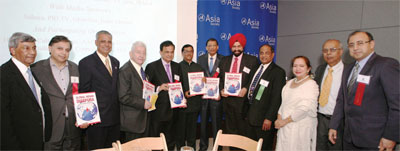
    NEW YORK, NY (TIP): The Global Organization of People of Indian Origin (GOPIO), in collaboration with several community organizations and groups in the New York/New Jersey/Connecticut tri-state area, held a well attended and highly successful welcome reception and dinner in New York for incoming Indian Consul General Dnyaneshwar Mulay. The event was held on April 26, 2013 at the Asia Society in New York and provided a unique opportunity to welcome, meet and greet the new Consul General. The Indian Consul General in New York is a high profile position in the largest city in USA amongst the highest concentration of Non- Resident Indians (NRIs) and Persons of Indian Origin (PIOs), and host to numerous visits on a regular basis by prominent officials of the Government of India for meetings with US officials, the United Nations and the Indian- American community on issues of interest to NRIs and PIOs. The welcome reception and dinner was a combined community event, organized by GOPIO in partnership with GOPIO Chapters of New York, New Jersey and Connecticut; GOPIO Health, Cultural, Youth,Women’s & Business Councils; Life Members; GOPIO News Team. The event was co-sponsored by various prominent community organizations and companies, with support from media groups and others as co-sponsors. Sponsors include: Indian American Chamber of Commerce – USA, Tulsi Restaurant, Asia Society, Bharat Travel, Kingfisher, Parikh Media, HH-Resorts, Peter Advani, TV Asia, Society of Indian American Architects & Engineers of America (SIAEA); Media- Sponsors: Sahara, PIO TV, GloboSat, India Abroad; and participating organizations: Hyderbadi Cultural Assoc, Association of American Physicians of Indian origin (AAPI), Indian Dental Assoc, Indian Jewish Council IJC), National Federation of Indian Associations (NFIA), Association of Indians in America (SAIA); attending organizations: TelugU Association, Bengali Association, Gujarati Association, and several others. Also in attendance were Ambassador of Trinidad & Tobago to USA, Dr. Neil Parsan; Ambassador of Mauritius to United Nations Milan Meeterban; former Ambassador of Suriname to United Nations, Krishna Nandoe; Deputy Speaker of New Jersey Assembly Upendra Chivukula; New York City Councilwoman, Leticia James; John Bartlett, Jr, Freeholder of Passaic County in New Jersey. Event coordinator was J. Nami Kaur, Secretary of GOPIO International, ably assisted by Mridul Pathak, GOPIO’s Director of Diaspora Development. Other members of the organizing team included: Anita Bhat, Dr Asha Samant, Ashook Ramsaran, Jaswant Mody, Lal Motwani, Patsy Leopold, Quddus Mohammed, Dr. Renuka Misra, Sangeeta Ahuja, Dr. Thomas Abraham. Following a video biography highlighting Ambassador Mulay’s career and his impressive accomplishments, GOPIO International president Ashook Ramsaran made the formal welcome, stating that, “the Indian American community of the New York/New Jersey/Connecticut area is a significant population of NRIs and PIOs, very progressive, quite supportive – and also very vocal on matters of interest and concern”. Ramsaran added that, “we bid you a warm welcome with open hearts and open arms, with confidence that you will achieve much success during your tenure as Consul General if India in New York”. Ambassador Mulay thanked GOPIO and the community organizations for the warm and overwhelming welcome. In his remarks, he stated that, “huge opportunities exist for the Indian Diaspora in connecting India and the USA. India requires massive investments, is looking for technologies, continuously expanding education sector and health services and looks forward to proactive contributions of Diaspora in its developmental aspirations”. He added that, “the Government of India has taken enormous measures for promoting the wellbeing of the diaspora and connecting them with India. Since the setting up of the Ministry of Overseas Indian Affairs Ministry several special steps have been taken and a number of schemes introduced”. “Global Indian Diaspora – GOPIO Making an Impact” a comprehensive publication authorized by GOPIO, was presented to Amb Mulay as part of the New York release during the program. In addition, GOPIO’s founding life member and former secretary general Dr Jagat Motwani presented his latest book “India Reborn: Bharat Mahan, As Perceived by Westerners, Gandhi, Nehru, Tagore & Others” to Amb Mulay. GOPIO’s founding president, Dr. Thomas Abraham, spoke about GOPIO and its long history of serving the interests of the diaspora on a global scale. Prominent community leaders and supporters also welcomed Amb Mulay, extending good wishes and support: Dr. Sudhir Parikh (Parikh Media); H. R. Shah (TV Asia); Norman Solovay (Indian American Chamber of Commerce – USA); Upendra Chivukula (Deputy Speaker of New Jersey Assembly); and others. GOPIO presented to Ambassador Mulay a “Memorandum of critical issues and suggestions from the Indian American community of the New York/New Jersey/Connecticut area”. These issues include recommendation for improved communication with the Indian-American community, including more responsiveness to telephone calls placed to consulate and staff for regularly needed consular services; recommendation to provide answers on a timely basis to more FAQs on current issues on website, email advisory. Examples: OCI card, Passport Surrender procedures and fees; recommendation to set up a community feedback system on matters of interest and concern via community and consulate meetings, interactive forum, interviews on television and print, outreach to Indian- American community and other ethnic groups; posting a “calendar of events” which can be readily viewed for advance planning purposes; holding or collaborating on seminars on current critical issues such as youth, health, inter-generation, inter-ethnic, etc. – as well notable events such as Gadar Centennial Commemoration in USA. Media, however, was not invited to the event. (Based on a press release issued by Dr. Thomas Abraham)

  • Diplomats celebrate the festival of Spring, Holi

    Diplomats celebrate the festival of Spring, Holi

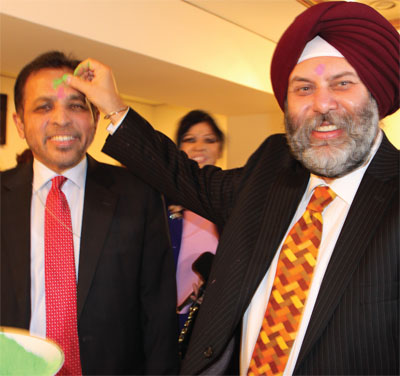
    NEW YORK (TIP): The Permanent Mission of India to the United Nations celebrated Holi at the permanent mission here on Wednesday, March 27, in style and with great enthusiasm. Colors and flower petals expressed the feeling of joy and delight that pervaded the atmosphere.

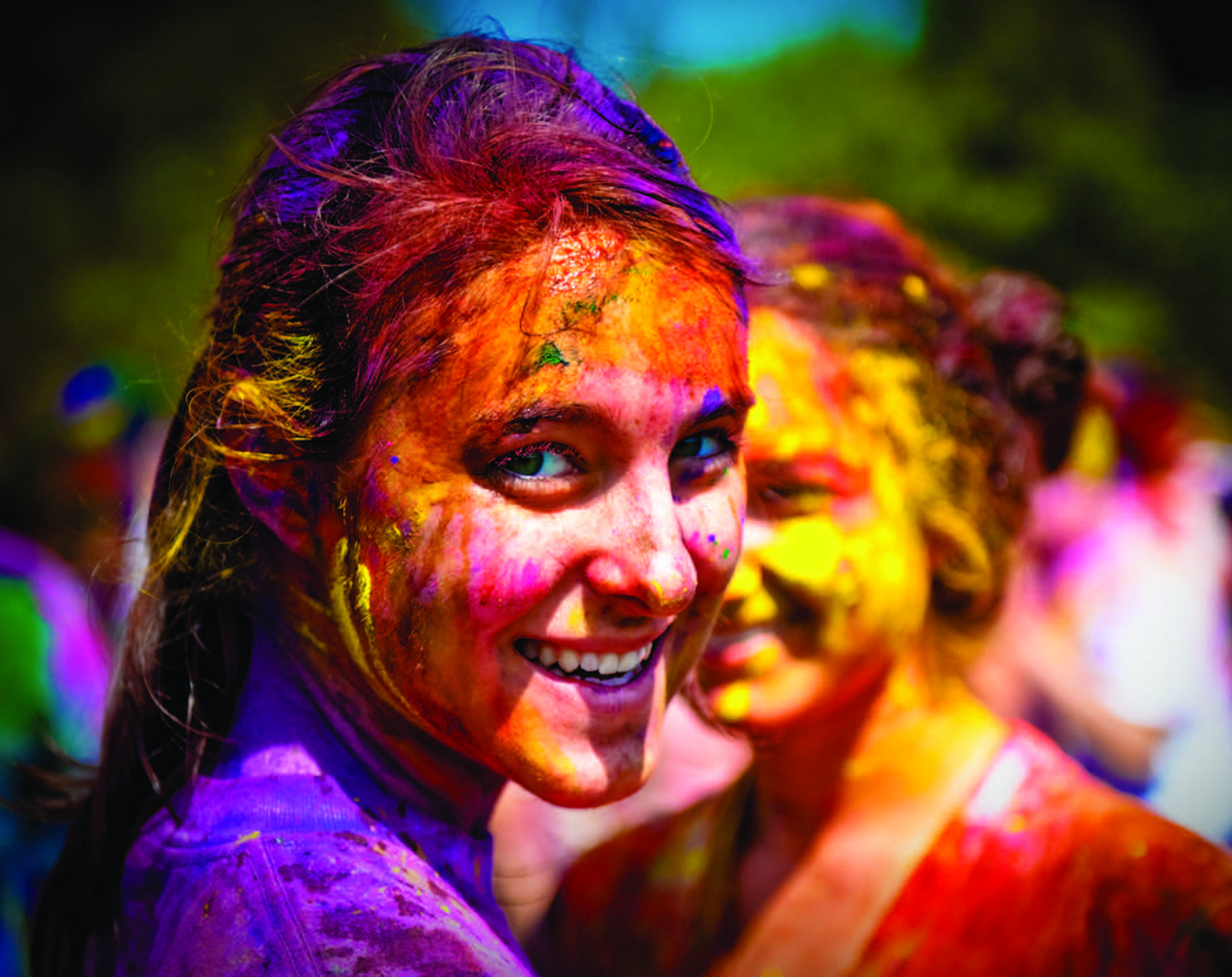
    Holi is one of the most popular festive occasions in India. The holiday celebrated mainly by the Hindus in India and Nepal marks the beginning of spring and the triumph of good over evil. Bonfires are set on the eve of Holi, and the next day the Hindus throw colored dry powder and water in celebration. It is also observed by the minority Hindus in Bangladesh and Pakistan as well in countries with large Indian Diaspora populations following Hinduism, such as Suriname, Malaysia, Guyana, South Africa, Trinidad and Tobago, the United Kingdom, the United States, Mauritius, and Fiji. Holi is of particular significance in the Braj region of North India, which includes locations traditionally connected to the Lord Krishna: Mathura, Vrindavan, Nandagaon, and Barsana, which become tourist destinations during the season of Holi. There is a legend associated with celebration of Holi. The word Holi originated from “Holika”, sister of Hiranyakashipu.

    The festival of Holi is celebrated because of a story in the old Hindu religion. In Vaishnavism, Hiranyakashipu is the great king of demons, and he had been granted a boon by Brahma, which made it almost impossible for him to be killed. The boon was due to his long penance, after which he had demanded that he not be killed “during day or night; inside the home or outside, not on earth or in the sky; neither by a man nor an animal; neither by astra nor by shastra”. Consequently, he grew arrogant and attacked the Heavens and the Earth. He demanded that people stop worshipping gods and start praising respectfully to him.

    According to this belief, Hiranyakashipu’s own son, Prahlada, was a devotee of Vishnu. In spite of several threats from Hiranyakashipu, Prahlada continued offering prayers to Vishnu. He was poisoned by Hiranyakashipu, but the poison turned to nectar in his mouth. He was ordered to be trampled by elephants yet remained unharmed. He was put in a room with hungry, poisonous snakes and survived. All of Hiranyakashipu’s attempts to kill his son failed. Finally, he ordered young Prahlada to sit on a pyre in the lap of Holika, Hiranyakashipu’s demoness sister, who also could not die because she had a boon preventing her from being burned by fire. Prahlada readily accepted his father’s orders, and prayed to Lord Vishnu to keep him safe. When the fire started, everyone watched in amazement as Holika burnt to death, while Prahlada survived unharmed.

    The salvation of Prahlada and burning of Holika is celebrated as Holi. In Mathura, where Krishna grew up, the festival is celebrated for 16 days (until Rangpanchmi) in commemoration of the divine love of Radha for Krishna. The festivities officially usher in spring, the celebrated season of love. The party at the Permanent Mission of India was hosted by Acting Permanent Representative Ambassador Manjeev S. Puri and his staff, who were in the best of spirits of Holi throughout the evening. Mrs. Puri who was dressed in a beautiful multicolored Saree for the multicolored occasion was enthusiastically going round, supervising arrangements and taking care of guests.

    The event was attended by Permanent Representative of Sri Lanka, Ambassador Palitha Kohona, and Permanent Representative of Republic of Singapore, Ambassador Albert Chua besides diplomats from many countries, and officials at the UN. Ambassador Puri was seen applying colors on his guests and welcoming them to the heavily attended celebratory party. He joyously threw flower petals and colors at the guests, as is the custom during Holi. The authentic Indian menu included Thandai, a special drink made during Holi and much other Holi specialty food that included chats and sweets, among many other delicacies.

  • A Deep-Dive Into The Secrets Of Andamans

    A Deep-Dive Into The Secrets Of Andamans

    The charming, astonishingly diverse archipelago of the Andaman and Nicobar Islands is far removed from the excesses and gloss of the coastal hotspots of Goa, Seychelles and Mauritius. Here are 10 things in the Andamans, including its capital Port Blair, that are likely to make your trip one for the memory-books:
    Barefoot Scuba Resort
    Havelock Island is the Andamans’ Holy Grail, a magnet for those in search of some spiritual and scuba manna. A twohour journey from Port Blair’s Phoenix Bay Jetty on a rickety ferry takes me there. I land up at the Barefoot Scuba Resort on Beach No 3, and am met by a parade of divers, kayakers, snorkellers and random bohemians. The vibe here is lazily hypnotic, helped along by sea-facing duplex cottages, the rustic Café Del Mar and, if you really must exert yourself, a fantastic water sports facility that ticks all the boxes. Budget and bohemia don’t often make such amiable bedfellows.
    Festival Fever
    Come festival time and everyone’s game for one united party. I land bang in the heart of Durga Puja and am privy to an island-wide spectacle of colour, flavour and splendour.
    ANET
    A chance encounter leads me to the Andaman Nicobar Environment Team (ANET), a grassroots NGO focussed on research and education in the Andamans’ rich environmental sphere. ANET’s assistant director Tasneem Khan takes me through their initiatives, including a collaborative programme that gives school kids first-hand knowledge of physics, biology and botany, all through scuba-diving. ANET’s base in South Andamans’ verdant majesty of Wandoor sports several thatched huts, a large twostoreyed wooden library / presentation centre and a transient community of volunteers, interns, staff and core ANET officials.
    Mandalay Restaurant
    Picture this: a gorgeously overcast day, with a breeze blowing in from the sea, miles of ocean spread out before you and ahead, a plate of excellently grilled lobster. As dining experiences go, you could do much worse than Mandalay at the Fortune Resort Bay Island, up on Marine Hill in Port Blair. One of the island’s few rarefied cuisine options, Mandalay scores with its spectacular setting overlooking the Bay of Bengal, with the North Bay lighthouse in the distance.
    Collinpur Beach
    Some things stay with you endlessly, irrespective of whether you have them on camera/film or not. The vision of Collinpur Beach stretched out in front of my eyes, with not a soul to disturb the picture, is now burned on my mind forever. This sandy white beauty lies southwest of the main island and getting there from Port Blair (a roughly hourlong journey through lush mangrove forests) is an experience in itself.
    Megapode Nest
    One of Port Blair’s oldest addresses, this resort guesthouse lies up in the hilly Haddo locale. It’s usually the go-to place for government officials, but don’t fret. You don’t need to be staying here to visit their restaurant and enjoy the view: miles of blue, punctuated by distant hills and the odd yacht, dinghy or sailboat. And if you do decide to splurge on one of their Rs8,000-a-night cottage villas, you’ll have balcony (and bathtub) seats to the sky and ocean playing off of each other in an unforgettable dance.
    Wildgrass
    A forest lodge situated deep in the forests of South Andamans, on the southernmost tip of the main island Chidiya Tapu, Wildgrass comes fresh off the oven. The resort is so new, it doesn’t even have a website yet. But what it lacks in finesse, it makes up for in intimate uniqueness. You’ll stay in one of four wooden chalet-cottages, basic but comfy; you’ll look out from a raised balcony onto acres of lush wilderness; you’ll tuck into fish caught that very evening, and you’ll often have the resort’s amiable owners, retired Navy Commander Baath and his wife Mona, for company.
    Grub Island
    A tiny, secluded gem that it doesn’t even feature on the average traveller’s map, Grub Island is a protected reserve— due to its habitat and fragile ecosystem— and is out of bounds for almost everyone. But if you’re fortunate enough to get invited by a forest official or some such, you’ll have front-row seats to a Robinson Crusoe-type scenario, complete with white sandy beaches, utter seclusion, mangrove forests, caves, limestone rocks and snorkelling. Time your visit here so that you’re making your way back from Grub to Wandoor as the sun begins its descent. The result: a stunning sunset as the island is rendered a dark silhouette, framed by manic orange skies and mysteriously calm waters.
    Corbyn’s Cove
    This beach, located seven kilometres from Port Blair, wouldn’t figure too high on most locals’ recommendations. The beach itself is just a tiny, curvaceous speck of brown sand framed by palm trees, ideal for a spot of lazy sunbathing. But it’s the drive along Marine Shore Road from the heart of the city that will keep you coming back for more. You’ll have the breeze in your face, an endless ocean at your disposal and a constant audience with swaying palms, rolling clouds and the distantly ominous Ross Island.

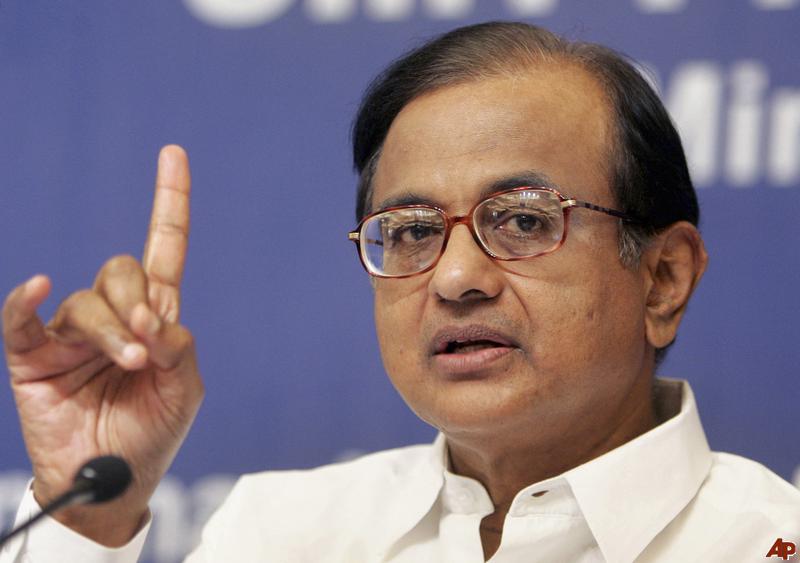
  • Finance Minister P Chidambaram Boldly Votes For Growth Over Politics

    Finance Minister P Chidambaram Boldly Votes For Growth Over Politics

    NEW DELHI (TIP): Never before has a finance minister rejected populist giveaways so decisively in an election year. Never before has a finance minister sought to win the next elections not through tax breaks and freebies, but by accelerating GDP growth and taming inflation through fiscal consolidation. Palaniappan Chidambaram has gambled on good economics proving to be good politics too. This is risky, but admirably bold. Stock markets crashed, fearing that fine print in the Finance Bill implied capital gains tax on investors coming through Mauritius and other countries with which India has a Double TaxationAvoidance Agreement. However, finance ministry officials later clarified that capital gains through Mauritius would not be affected. If so, stock markets should rise sharply on Friday.

    How has Chidambaram delivered on his promise of fiscal prudence (restricting fiscal deficit to 5.2% of GDP this year and 4.8% next year), yet provided for a 29% rise in Plan spending next year? By assuming very high tax buoyancy. Against nominal GDP growth of 13.4%, he hopes tax revenue will rise 19%, a very optimistic estimate. He will fall short on this, and will surely also fall short on the 29% rise in Plan spending.Ministries are simply not geared for such acceleration. So the planned fiscal consolidation can indeed happen. The finance minister will get much additional revenue by accelerating GDP growth from 5% this year to around 6.5% next year. He has proposed no new taxes, only a temporary surcharge of 10% on high-income individuals and corporates for one year. That sits well with his commitment to tax stability. What’s in it for the aam aadmi?

    Or shall we say the aam voter? Chidambaram’s implicit promise is that he will conquer the high inflation that has dogged the economy for three years. The big electoral danger earlier was a credit downgrade by rating agencies. This would have meant an outflow of billions of dollars, causing the exchange rate to crash to maybe `60 to the dollar and inducing a big jump in prices of imported items. That would have sent inflation soaring to 15%, and doomed the UPA to a massive defeat in the next elections. His Budget now staves off any possibility of a ratings downgrade. Dollars should f low in, not out.

    That should help strengthen the rupee and put downward pressure on import prices. The consequent fall in inflation should then lead to a cut in interest rates, sparking fresh investment as well as reducing EMIs. A budget is just one element in the broad framework needed to improve the investment climate and rejuvenate growth. Much more is needed outside the budget to cut red tape, expedite clearances and improve governance. This Budget is low on election slogans, but aims to provide concrete outcomes in the form of faster growth and lower inflation. Success on these counts will win votes in the coming elections. It is a less showy approach than a farm loan waiver, but could be as effective.

  • Chinese New Year 2013

    Chinese New Year 2013

    Chinese Spring Festival, also called Lunar New Year,has more than 4,000 years of history. Being one ofthe traditional Chinese festivals, it is the grandestand the most important festival for Chinese people. It isalso the time for the whole families to get together, which issimilar with Christmas Day to the westerners. Originatingduring the Shang Dynasty (about 17th – 11th century BC),Spring Festival, which celebrates family reunion, is full ofrich and colorful activities, and new hopes with the adventof spring and flowers blossoming. People from differentregions and different ethnic groups celebrate it in theirunique ways.

    Festival Time
    The Spring Festival comes on the first day of Chineselunar calendar and lasts for almost half of a month. But infolk custom, this traditional holiday lasts from the 23rd dayof the twelfth month to the 15th day of the first month(Lantern Festival) in the lunar calendar. Among these days,the New Year’s Eve and the first day of the New Year is thepeak time of the festival. The exact days are different inevery year according to the lunar calendar. Schedule ofSpring Festival in recent years is offered in the followingtable.Chinese New Year begins according to the Chinesecalendar which consists of both Gregorian and lunar-solarcalendar systems. Because the track of the new moonchanges from year to year, Chinese New Year can beginanytime between late January and mid-February.

    Below isa chart that shows the beginning day of Chinese New Yearand the animal sign for that year.Chinese New Year is the longest and most importantfestivity in the Chinese calendar. The origin of ChineseNew Year is itself centuries old and gains significancebecause of several myths and traditions. Chinese New Yearis celebrated in China and in countries and territories withsignificant Chinese populations, including Hong Kong,Macau, Singapore, Thailand, Indonesia, Malaysia, Taiwan,Mauritius, Philippines, and also in Chinatowns elsewhere.Chinese New Year is considered a major holiday for theChinese and has had influence on the lunar new yearcelebrations of its geographic neighbors.Within China, regional customs and traditionsconcerning the celebration of the Chinese new year varywidely.

    People will pour out their money to buy presents,decoration, material, food, and clothing. It is alsotraditional for every family to thoroughly cleanse thehouse, in order to sweep away any ill-fortune and to makeway for good incoming luck. Windows and doors will bedecorated with red color paper-cuts and couplets withpopular themes of “good fortune” or “happiness”, “wealth”,and “longevity.” On the Eve of Chinese New Year, supper isa feast with families. Food will include such items as pigs,ducks, chicken and sweet delicacies. The family will endthe night with firecrackers. Early the next morning,children will greet their parents by wishing them a healthyand happy new year, and receive money in red paperenvelopes.

    The Chinese New Year tradition is to reconcile,forget all grudges and sincerely wish peace and happinessfor everyone.Although the Chinese calendar traditionally does not usecontinuously numbered years, outside China its years areoften numbered from the reign of the Yellow Emperor. Butat least three different years numbered 1 are now used byvarious scholars, making the year beginning in 2012 AD the”Chinese Year” 4710, 4709, or 4649.Every family does a thorough house cleaning andpurchases enough food, including fish, meat, roasted nutsand seeds, all kinds of candies and fruits, etc, for thefestival period. Also, new clothes must be bought,especially for children. Red scrolls with complementarypoetic couplets, one line on each side of the gate, are pastedat every gate. The Chinese character ‘Fu’ is pasted on thecenter of the door and paper-cut pictures adorn windows.

    Taboos
    The Spring Festival is a new start for a new year, so it isregarded as the omen of a new year. People have manytaboos during this period. Many bad words related to”death”, “broken”, “killing”, “ghost” and “illness” or”sickness” are forbidden during conversations. In someplaces, there are more specific details. They consider itunlucky if the barrel of rice is empty, because they thinkthey will have nothing to eat in the next year. Takingmedicine is forbidden on this day, otherwise, people willhave sick for the whole year and take medicine constantly.

    Festival Food
    Food during this festival has its characteristics, which isthe representative of Chinese festival food culture.Dumplings and the reunion dinner are indispensable atthis time. Cold and hot dishes are all served. Fish is alwaysan important dish then, which expresses people’s hope ofhaving a wealthy new year.

    History
    It is said that the custom of Spring Festival started inwhen people offered sacrifice to ancestors in the last monthof Chinese lunar calendar. At that time, people preparedthe sacrifice by doing thorough cleaning, having bathesand so on. Later, people began to worship different deitiesas well on that day. It is the time that almost all the farmworks were done and people have free time. The sacrificingtime changed according to the farming schedule and wasnot fixed until the Han Dynasty (202BC-220AD). Thecustoms of worshipping deities and ancestors remainseven though the ceremonies are not as grand as before. It isalso the time that spring is coming, so people held all kindsof ceremonies to welcome the spring.

    Legends
    There are many legends about the festival in Chineseculture. In folk culture, the Spring Festival is also called”guonian” (meaning “passing a year”). It is said that the “nian”(year) was a strong monster which was fierce and cruel andate one kind of animal including human being a day. Humanbeings were scared about it and had to hide on the eveningwhen the “nian” came out. Later, people found that “nian” wasvery scared about the red color and fireworks. So after that,people use red color and fireworks or firecrackers to driveaway “nian” every year. As a result, the custom of using redcolor and setting off fireworks remains.

    Festivities Schedule
    Preparing the New Year starts 7 days before the NewYear’s Eve. According to Chinese lunar calendar, peoplestart to clean the house on Dec. 24, butcher on Dec. 26th andso on. People have certain things to do on each day. Thesefestival activities will end Jan. 15th of the lunar calendar.

  • Prime Minister Inaugurates 11th Pravasi Bharatiya Divas At Kochi

    Prime Minister Inaugurates 11th Pravasi Bharatiya Divas At Kochi

    KOCHI (TIP): Prime Minister, Dr. Mamohan Singh declared his government’s unequivocal commitment to deepen the connection of expatriate Indians with their country of origin and advance their interests. “While honoring their achievements, we will also seek to facilitate their travel, business and education and make it easier for them to be a part of life of India, enjoy due rights and participate in India’s economic development,” he said while inaugurating the 11th Pravasi Bharatiya Divas here on Tuesday, January 8.

    The Prime Minister said that the challenges to achieve an annual growth rate of 8% as set out in the 12th Plan were enormous, adding that “We will require enormous resources, reforms in policies and institutions, new models of public private partnership and community participation and innovation-driven science and technology.” Apart from the focus on rural areas, there is an urgent need to pay greater attention to our expanding cities and towns, the Prime Minister said, for which, new approaches would be needed to address challenges in areas like infrastructure, education, energy, water and agriculture.

    The Prime Minister observed that across India, there are also countless inspirational stories of innovation, enterprise and leadership by citizens and communities that are transforming lives and generating hope for millions of our citizens. “There is now a surge of expectation from an increasingly empowered and articulate public, for more responsive, transparent, participative, clean and efficient governance. The Government is determined to turn any setback into an opportunity to improve legal and regulatory frameworks. I have no doubt that the energy and the passions of our citizens, particularly our youth, will be a force of positive change in our country,” he declared.

    He invited the overseas Indian community to be a strong and vital partner and participant in India’s social and economic development. “Whether you wish to invest or share your knowledge, technology and skills, whether your enterprise takes you to the cities or your compassion brings you to a remote village, I assure you of our continuing effort to support your endeavors,” Dr. Singh said. The Prime Minister assured the Indian expatriate community that their safety and security was uppermost in the government’s mind. “We derive comfort from the assurances that we have received from governments in the countries of your residence that they will do everything for your safety and security.

    We recognize that the primary responsibility rests with the host countries, but when needed, as was the case last year in Libya, our government will provide prompt and necessary assistance.” “Apart from physical safety, we are also concerned with the social and emotional well-being of our overseas brethren. We have therefore launched an insurance scheme for workers, established welfare funds in our embassies for distressed Indians, and created mechanisms to help vulnerable women abroad,” he pointed out. He said that the protection and promotion of the rights and interests of Indian businesses, professionals and workers abroad is also a key task for our Missions in various countries.

    India’s Comprehensive Economic Partnership Agreements and Social Security Agreements with a number of countries play an important role in this regard. On the occasion, the Prime Minister released a stamp on ‘Gadar Movement’ and two publications, namely, ‘India Supports’ and ‘Handbook for Emigrants’. Mr. Rajkeswur Purryag, President of Mauritius, the Chief Guest at this year’s Pravasi Bharatiya Divas, declared, amid huge applause, that “We take pride in the rise of India… we share common values, a common heritage and we are grateful to India for its selfless support to Mauritius in its social and economic development process.”

    The Indian Diaspora, he said, needed to capitalize on India’s growth story and seek active partnerships with Indian companies is areas such as science & technology, education and other hard and soft infrastructure sectors. Mauritius, he said, offered a great opportunity for Indian companies to reach out to the entire African market, now dubbed as the continent of the century. The President of Mauritius also pledged his country’s support for India’s permanent membership of the United Nations Security Council Mr. Vayalar Ravi, Union Minister for Overseas Indian Affairs, announced that the emigration system was being amended to keep in step with the needs all concerned with the process of emigration.

    “We have worked on a law in this regard and we hope to finalize it soon,” he said. Mr. Ravi announced that the merger of the OCI and PIO cards would soon be done to create a single OCI card. He said that his Ministry had widened the scope of the Indian Community Welfare Fund to include payment of penalties to release Indian nationals who are in prisons for no fault of their; support to local overseas Indian associations to establish Overseas Indian Community Centers and support to start and run overseas Indian community-based student welfare centers.

    Mr. Oommen Chandy, Chief Minister of Kerala, in his address, pointed out that he expected the Planning Commission, Government of India, to respond positively to his suggestion to formulate a Centrally-sponsored scheme to supplement the efforts of the State Government in the rehabilitation of returning migrants. Some of the major concerns still being faced by Indian expatriates in their host countries, especially in the Gulf, related to issues of job security, reasonable living conditions and legal protection for the unskilled and semi-skilled workers. These, Mr. Chandy said, needed to be addressed by the Union Government.

  • President Urges Overseas Indians To Invest In India

    President Urges Overseas Indians To Invest In India

    KOCHI (TIP): President of India, Mr. Pranab Mukherjee expressed confidence that the Indian economy would bounce back to an 8-9% GDP growth due to its strong economic fundamentals and the reforms driven policy initiatives of government of India.

    Addressing the valedictory session of the 11th Pravasi Bharatiya Divas here on January 9, Mr. Mukherjee said, “To achieve this order of growth over a sustained period of time, would need large doses of investment. The overseas Indians could help by investing in Indian companies and in the capital market and earn higher dividends as the yield of the equity markets in India was much higher than elsewhere.”

    India, he said, was a “land of immense opportunity; the second fastest growing economy after China. But for a brief period of economic deceleration, six of the nine years that have gone by witnessed a GDP growth of around 8%.”

    The President said that he wished to see the Indian Diaspora as a strong partner in India’s development, not just in economic growth but in the knowledge economy. “Knowledge and experience you have gained can ply decisive role in the growth story of India”, he said. “Together, we will keep our tryst with destiny,” he said, amid huge applause an added “we are proud of your services to India”. Earlier, the President gave away the Pravasi Bharatiya Samman Awards to 15 eminent persons of Indian origin for their outstanding contribution for enhancing India’s prestige in a tangible way.

    The award winners for 2013 included Mr. Rajkeswur Purryag President of Mauritius, who was “recognized for his outstanding contributions in public service and fostering friendly relations between India and Mauritius; Australia-India Society of Victoria (award received by Mr. Gurdip Singh Arora) “recognized for its role in protecting the rights of Indian migrants and establishing a network of welfare activities”;

    Mr. Ashok Shambhomal Vaswani, Guinea “recognized for his efforts in building strong bridges between India and the people of the Republic of Guinea”; Indian Doctors Forum, Kuwait (award received by Dr. Narayan Namboori) “recognized for its contribution to the field of healthcare facilities for Indians and Kuwaitis”; Tan Sri Ravindran Menon, Malaysia “honored for his contribution in fostering better understanding of Indian community in Malaysia, and for his philanthropic works”; Dr. Rasik Vihari Joshi, Mexico “honored for eminence in his field of work, for enhancing India’s image and for promoting better understanding of India abroad”;

    Dr. Satendra Kumar Singh, Fiji “honored for his immense contribution to promotion of Indian culture and heritage in New Zealand, Fiji and South Pacific”; Mr. Gilbert Canabady Moutien, Reunion Islands “recognized for his immense contribution to strengthening and fostering business ties between India and Reunion Island and his efforts in promoting Indian culture and heritage”;

    Mr.Mohammed Rabeeh Karuvanthodi, Saudi Arabia “honored for his efforts and contribution in promoting healthcare facilities in GCC countries and his philanthropic activities”; Mr. Ismail Ebrahim Ebrahim, South Africa “recognized for his commitment to the principles of liberty, equality and fraternity, his outstanding contribution to public service and fostering closer ties between India and South Africa”; Mr. Bava Pandalingal, Abu Dhabi, UAE “honored for his efforts and dedication in the service of Indian communities in UAE”; Ms. Patricia Maria Rozario, UK “recognized for her outstanding contribution to the Western Classical Music and her eminence in skills which have enhanced India’s prestige abroad”; Dr. Narendra Ramkrishna Kumar, USA “honored for his contribution in the healthcare sector and promoting India and Indians abroad”; Mr. Subash Razdan, Chairman and Co- Founder of Gandhi Peace Foundation, USA “recognized for enhancing the prestige of India through his contribution to public and the Indian community”; and Prof. Dr. Gurcharan Singh Chatwal, Germany, “honored for fostering closer scientific relations between India and Germany, and for enhancing India’s prestige abroad”. Dr. Chatwal, however, could not arrive to receive the award due to “unavoidable reasons”.

  • Pravasi Bhartiya Divas: Organizing Committee office inaugurated

    Pravasi Bhartiya Divas: Organizing Committee office inaugurated

    KOCHI (TIP): Prof. K.V. Thomas, Minister for Consumer Affairs, Govt. of India inaugurated the organizing committee office of the Pravasi Bharatiya Divas 2013 to be held in Kochi from 7 to 9 January , in the presence of Vayalar Ravi, Minister for Overseas Affairs. K.C. Joseph, Minister for NORKA, Govt. of Kerala, Hibi Eden MLA and Kochi Mayor Tony Chammany were also present at the function held at the office of the Protector of Immigrants, Kochi.

    On the occasion, Vayalar Ravi told the media that Prime Minister Dr. Manmohan Singh will inaugurate the PBD on 8th and President of India Pranab Mukherjee will deliver the valedictory address on 9th and confer the Pravasi Bharatiya Samman Awards. Mauritius President Rajkeswur Purryag will be the chief guest at the inaugural session.

    The theme of the Convention is ‘Engaging Diaspora: The Indian Growth Story’. There will be pre-PBD seminars on 7th, related to developmental issues such as skill development, pure sciences, tourism, youth and the issues faced by NRIs in the Gulf.. Vayalar Ravi said that more than 1500 delegates from all over the world will attend the session and considering the overwhelming response, the number may rise to 2000.

    PBD 2013 is being conducted in partnership with the Government of Kerala. Kerala has been chosen as the host for the Convention since Keralites constitute one of the largest expatriate communities of India. Since the Country is celebrating the centenary of the Gadar Movement in 2013, the PBD Oration this time will be on the Gadar Movement. There will also be an exhibition on the Gadar Movement.

    The purpose of the Pravasi Bharatiya Divas is to have a meaningful interaction with overseas Indians that would address their issues and concerns. Overseas Indians have emerged as important constituents of their adopted countries. They have contributed to transforming the economies, participating in political process and added value to thought and innovation of their destination countries. They also serve to build bridges between their present homeland and the land of their ancestors.

  • SC stays all 2G proceedings in Delhi HC

    SC stays all 2G proceedings in Delhi HC

    NEW DELHI (TIP): The Supreme Court on Friday stayed all proceedings before the Delhi High Court relating to 20 petitions by 2G spectrum scam accused, including former telecom minister A Raja, DMK MP Kanimozhi and others who had challenged the trial court’s decision to frame charges against them.

    Appearing for the CBI, senior advocate K K Venugopal informed a bench of Justices G S Singhvi and K S Radhakrishnan that though the high court had not stayed the trial proceedings, the multitude of petitions by the accused questioning framing of charges against them appeared to be dilatory tactics.

    The CBI had requested the court to call for the records of the cases and transfer all the petitions to the SC. The bench issued notices to the accused who moved the HC against the trial court order. It gave six weeks to the accused to file their responses to the CBI’s plea.

    Venugopal and additional solicitor general Harin Raval informed the court that the CBI had taken out 4GB of data from the computers of a firm, BTS Belvoir, during its raids and it was transcribing the contents. It promised to provide the court with the data relevant to the 2G scam.

    He said each MB of data when transcribed runs into 500 pages and at this rate, 4GB could be a compilation of 20 lakh pages. The bench allowed CBI to show it the relevant portions on November 19, the next date of hearing. The CBI, in its Letters Rogatory (LR) sent to Swiss authorities, had requested them to provide details and relevant documents pertaining to investment of $4 million by Mavi Investment Fund Limited Mauritius in Swan Telecom, which later became Etisalat DB Telecom, through Delphi Investment.

    It had also sought details of the bank accounts of BTS Belvoir Investment and also of any funds transferred by it to Mavi Investment during the period 2005-10.

    The CBI had requested the Registrar of Companies to examine its officers regarding nominee shareholders of BTS Belvoir since January 2007 till date and also examine Alastair Guggunbehi, one of the directors of the company, besides providing the ‘Know Your Customer’ documents. The LRs had also communicated to the Swiss authorities that two group companies of BTS Belvoir Group were incorporated in Mumbai and claimed that Guggunbehi was “personally linked to the investment of $4 million by Delphi Investment in Swan Telecom and is also aware of its ultimate beneficiary owners”. The LRs said that during investigations, it had come on record that at the time of incorporation, the sole founder share of Delphi Investment was held by Conqueror Limited which transferred it to Mavi Investment on December 11, 2007.

  • EX-COAL MINISTER BAGRODIA’S BROTHER GOT HEFTY MINING CONTRACT

    EX-COAL MINISTER BAGRODIA’S BROTHER GOT HEFTY MINING CONTRACT

    NEW DELHI (TIP): Between 2006 and 2010, PSU power giant National Thermal Power Corporation awarded a coal mine contract worth over Rs 23,000 crore to a joint venture company in which 10% shares are held by the family of former coal minister Santosh Bagrodia. Significant parts of the tender for awarding Pakri-Barwadih (PB) coal block took place when Bagrodia was minister of state for coal in the UPA government. The company which lost out in the race for the contract was another PSU, Singareni Collieries, that reported directly to Bagrodia. Bagrodia, a former Rajya Sabha MP from Rajasthan, was the minister of state for coal, with Prime Minister Manmohan Singh as the cabinet minister, between April 2008 and May 2009. The commercial bid submission, regarded as a crucial step in awarding the contract, happened when Bagrodia was in office.

    NTPC board awarded the PB coal block mining project to Thiess Minecs India, in which the Bagrodia family holds a 10% stake, in the first week of December 2010. When contacted, Bagrodia denied any role in Thiess Minecs getting the contract, while claiming that he has been estranged from his family in business matters since 1986 when he became an MP. Bagrodia: I wasn’t aware of bros’ bid Vinod is my brother, but I have no idea whatsoever about what kind of business he is doing. We don’t consult each other, advise each other or interfere in each other’s business,” Bagrodia said. Thiess Minecs, too, said Bagrodia played no role in the contract.

    The company said in a statement: “Thiess Minecs India Private Ltd denies any role of Mr Santosh Bagrodia in winning the Pakri Barwadih Project, which has been awarded to TM by NTPC Ltd following a 56-month long, competitive tender process.” The estimated contract price is “Rs 230,030 million equivalent to $5111.78 million (considering 1$= Rs 45)” and the contract was for 27 years, NTPC told TOI in a written statement. NTPC said Thiess Minecs is a joint venture company where “90% of the shares are held by Thiess (Mauritius) Pty Ltd which is a 100% subsidiary of Thiess Pty Australia and 10% of the shares are held by Minecs Centre Pvt Ltd, a 100 % subsidiary of Cuprum Bagrodia Ltd.” Cuprum Bagrodia is owned by the Bagrodia family.

    The former minister’s brother Vinod and Vinod’s son Songit are directors of the company. NTPC said the “ownership details of Minecs Centre Pvt Ltd are neither available in the bid nor sought for by NTPC as Thiess Minecs India Pvt Ltd have been qualified on the technical experience and financial strength of its promoter Thiess Pty, Australia (Majority share holder).” When asked if it was aware of the minister’s family’s involvement, NTPC said, “A general description of Minecs Centre Pvt Ltd has been given in the bid.” On Singareni Collieries losing out the contract, NTPC said, “Both the bids were technically and commercially responsive. Thiess Mines India Pvt Ltd’s bid price was lowest and has been awarded the contract.”

    The contract to Thiess Minecs is mired in allegations that the award price of coal is almost Rs 200 per tonne higher than what was estimated by NTPC’s advisors, MECON Ltd, a government owned engineering consultancy firm, and others. The price is allegedly higher than the award price of Coal India in the region. “It can be said that the price is broadly in line with the estimates, considering implication of strict quality parameters and risks involved in execution of the nature of contract which is for 27 years,” NTPC said. Dr R Srikanth, Thiess India’s chief executive said that Cuprum Bagrodia had been a dealer for Komatsu Mining, a Japanese construction and mining equipment maker that was working with Thiess in other parts of the world. It was because of Komatsu’s reference that Thiess got into JV with Cuprum Bagrodia, he said.

    “It is no sweat equity, they have to pay for it,” Srikanth, a former Tata executive, said, arguing that the presence of Bagrodia had no impact on the contract. “We were L1 by a huge margin,” he said. “TM was formed in December 2005 (more than 27 months before Mr Santosh Bagrodia was appointed as minister of state for coal in April 2008) to bid for and execute specific coal mining projects in India as a mine developer & operator,” Thiess Minecs said in a statement. And on March 31, 2006, NTPC invited bids for the 15mt per annum Pakri-Bawardih (PB) coal mining project in Jharkhand. While the technical bids were submitted in April 2007, much before Bagrodia became coal minister, the crucial commercial bids were submitted in July 2008, when he was the coal minister overseeing Singareni Collieries.