Dhemaji (TIP-Cl aiming that the demography of Assam changed during Congress rule, Union Home Minister Amit Shah on Friday said the BJP-led government under Prime Minister Narendra Modi is working to reverse the trend.
Addressing the closing ceremony of the 10th Mising Youth Festival organised by Takam Mising Porin Kebang (All Mising Students’ Union) at Kareng Chapori here as the chief guest, Shah appealed to people to vote for the BJP in the upcoming Assembly elections to free the state from infiltration.
“Assam’s demography totally changed during the Congress rule. The population of infiltrators rose to 64 lakh from nil, and infiltrators became a majority in seven districts,” he alleged.
Shah asserted that the Modi government was working through various means to reverse the demographic trend in the state.
“If you want to stop infiltration in Assam, then elect the BJP government for a third term and strengthen the hands of Chief Minister Himanta Biswa Sarma in the fight against illegal immigrants. Two BJP state governments in Assam have freed 1.26 lakh acres of land from encroachment by infiltrators,” he added.
The Union home minister also stressed the role played by the Mising community in stopping infiltrators from settling in Upper Assam through their lifestyle of hard work.
“It’s the responsibility of the Mising community to stop infiltration. You do not need to take up guns. Through your culture of hard work, infiltrators have not been able to come to this side,” he said.
Talking about the Bogibeel bridge over Brahmaputra river connecting Dibrugarh and Dhemaji, Shah said it stands as a symbol of India’s progress before the entire world.
“However, very few people in India know that the Bogibeel Bridge was built through the hard work and sweat of my brothers and sisters from the Mising community. Today, this bridge has become a powerful representation of the vision of a New India, both across the nation and globally,” he added.
The Union home minister further said that Rajya Sabha MP from Assam, Manmohan Singh had served as Prime Minister for 10 years but this bridge remained incomplete.
“The people of Assam placed their trust in Modi Ji, and it was under his leadership that this bridge was completed in just four years,” he added.
Shah also alleged that several tribal communities struggled to protect their identity during the Congress regime, while asserting that the BJP was committed to addressing the issues of the Mising society through an interlocutor appointed by the Centre. He lauded the unique ‘chang ghar’ or stilt house of the community, saying its architectural design in a way gives way to river during the flood, thereby silently fighting the global warming.
The Union home minister announced that a special requirement drive will be conducted for Mising youths for the central paramilitary forces.
“If I had not attended the Mising Youth Festival, my life would have felt incomplete without witnessing this truly magnificent spectacle. Today, I bow with deep respect to the sacred ‘Donyi-Polo’ tradition, which embodies nature worship and the faith of our Mising community,” he added.
Tag: Lifestyle
-

64 lakh infiltrators entered Assam in Congress rule: Amit Shah
-

15 Aug 2024 to 15 Aug 2025: India’s hits & misses
A Year of Contrasts: From space milestones and semiconductor breakthroughs to economic turbulence and climate calamities, India’s story from August 2024 to August 2025 has been one of ambition tempered by reality. The challenge now is clear: translate scientific and strategic achievements into broad-based prosperity while safeguarding people against economic and environmental shocks. If India can bridge this gap, the road to its centenary of independence in 2047 will be far more secure and sustainable.
As India marched past its 78th Independence Day on August 15, 2024, it carried the momentum of an economy on the rise, a space program gaining global attention, and a rapidly digitizing society. Yet, the following year also brought sobering reminders of deep-rooted vulnerabilities-from economic turbulence to climate shocks.
The period between August 2024 and mid-2025 was marked by scientific breakthroughs, infrastructure gains, and diplomatic assertiveness-but also by economic strains, natural disasters, and policy challenges.
The Hits: Bright Spots in India’s Progress
Space Successes and Tech Ambitions
– ISRO achieved satellite docking in December 2024, making India the fourth country after the U.S., Russia, and China to master this complex capability.
– Preparations for Gaganyaan, India’s first human spaceflight, moved into final abort-test stages, strengthening India’s credentials in crewed space exploration.
– ISRO also intensified outreach programs, inspiring millions of students and predicting a Rs 40 lakh crore space economy capable of generating 3 crore jobs in coming decades.
Digital Leap and AI Leadership
– India led the world in Generative AI training enrollments in 2024-25, reflecting its drive to upskill youth for the future economy.
– The National Academic Depository pilot advanced secure digital credentialing, reducing document fraud and boosting employability.
Semiconductor Push and
Manufacturing Growth
– The government approved four semiconductor manufacturing projects worth Rs 4,594 crore in Odisha, Andhra Pradesh, and Punjab- part of India’s ambition to become a global chip hub.
– Defense Public Sector Undertakings (DPSUs), led by HAL, continued to build indigenous aerospace capability, cutting dependence on foreign suppliers.
Climate Action and
Sustainability Recognition
– Mission LiFE (Lifestyle for Environment) gained traction, promoting eco-friendly practices nationwide and earning international support.
– A women-led self-help group in Karnataka won the UN’s Equator Initiative Award for millet-based natural farming and biodiversity conservation, highlighting India’s grassroots climate leadership.
Strategic Diplomacy and Global Standing
– India deepened engagement with G20, BRICS, and Quad partners, using forums to push for tech cooperation, clean energy investment, and balanced global governance.
– Efforts to establish a global code of conduct against pilot poaching reflected India’s growing voice in international aviation policy.
The Misses: Setbacks and Challenges
Economic Strains and Market Volatility
– GDP growth slowed to 6.5% in FY 2024-25, the lowest in four years. While agriculture and construction performed well, manufacturing and job creation lagged.
– A stock market crash in mid-2025, fueled by global uncertainty and foreign fund withdrawals, shook investor confidence and triggered government intervention.
Climate Disasters and Resource Stress
– The 2024 monsoon floods affected over 7.7 million people and caused nearly 1,900 deaths across multiple states.
– A record heatwave (April-July 2025), with temperatures soaring to 48°C, led to over 450 deaths, crop failures, and severe water stress.
Diplomatic and Trade Frictions
– India-Canada tensions deepened over allegations in the Nijjar case.
– India-U.S. trade relations soured, with Washington imposing a 25% duty on Indian imports-prompting India to lean further into partnerships with BRICS, Russia, and China.
Innovation and Skills Gaps
– Despite leading the world in AI course enrollments, India still faces a critical skill gap-too few workers are industry-ready in advanced technology fields.
– India continues to lag in creating homegrown global tech giants, with systemic hurdles in R\&D investment, venture capital access, and commercialization.
Social and Governance Concerns
– Organ donation rates remained far below potential, with institutions like KGMU performing only 29 cadaveric transplants despite capacity for 50 annually, revealing structural and cultural challenges.
– Persistent wealth inequality and youth unemployment dampened the benefits of headline economic growth.
Looking Ahead: Lessons from a Mixed Year
India’s year since Independence Day 2024 showcases a nation in rapid transition-capable of reaching the Moon and preparing for human spaceflight, yet vulnerable to economic shocks and climate extremes.
To sustain momentum and avoid future setbacks, India must:
– Close the skills gap by aligning education with industry needs in AI, robotics, and semiconductor manufacturing.
– Diversify the economy, boosting manufacturing while ensuring rural development.
– Invest in climate resilience, including heat-resistant infrastructure, urban water management, and disaster preparedness.
– Strengthen global trade diplomacy to prevent tariff disputes and maintain investor confidence.
– Build inclusive social systems, ensuring the benefits of growth reach every section of society. -

Why minimalist wardrobes are the smartest way to dress
In today’s fast-paced world, the idea of “less is more” is gaining traction—especially when it comes to clothing. Minimalist wardrobes and capsule closets are no longer just trends; they’re lifestyle choices that help simplify fashion and make everyday dressing easier and more mindful.
Understanding the Minimalist Wardrobe
A minimalist wardrobe strips away the excess and focuses on core essentials. Rather than a closet packed with options, it contains a small number of items that are versatile and meaningful. These garments are typically neutral, timeless, and high in quality—allowing you to mix and match effortlessly.
What Does a Capsule Closet Mean?
A capsule closet takes minimalism to the next level by creating a planned set of 30 to 40 items, including clothing, shoes, and accessories. This curated collection changes seasonally and ensures every piece serves a purpose. It’s about being intentional, not repetitive, and avoiding impulse buys.
Why It Works: The Benefits
Choosing to simplify your wardrobe can help reduce daily stress. With fewer decisions to make in the morning, you save time and mental energy. Focusing on essential, well-made clothing also means you invest in items that last longer, look better, and align with your personal style.
It’s Also a Greener Choice
Minimalism in fashion isn’t just about ease—it’s also eco-conscious. When you buy less and choose quality over quantity, you’re contributing to a reduction in textile waste. This shift challenges the throwaway culture of fast fashion and supports a more sustainable industry.
Getting Started with Minimalism
The first step is to declutter your current wardrobe—let go of items you never wear, that don’t fit, or that no longer feel like ‘you’. Then, rebuild thoughtfully with durable, classic pieces. Neutral tones and quality materials like cotton, wool, and linen are ideal choices for long-term use.
A Movement, Not a Moment
Minimalist wardrobes and capsule closets are part of a larger lifestyle movement that values simplicity, intentionality, and sustainability. As awareness grows about the downsides of overconsumption, more people are adopting this approach not just in fashion but in life. Embracing a minimalist wardrobe can transform how you think about clothing. It’s not about limiting your style—it’s about refining it. With fewer distractions and a deeper focus on what truly matters, you can create a wardrobe that’s not only functional but also aligned with your values. -

Symbols and tenets of Sikhism
A Path of Oneness, Courage, and Compassion
Sikhism, or Sikhi, is more than a religion-it’s a spiritual way of life rooted in devotion, equality, and service. It began in the late 15th century with the teachings of Guru Nanak Dev Ji and was developed over 239 years by Ten Gurus who collectively shaped a powerful synthesis of spiritual discipline, social reform, and community service.
The Sikh worldview is expressed not only through profound philosophical teachings but also through distinctive symbols that offer constant guidance in daily life. These tenets and symbols help the Sikh remain connected to the Divine, conscious of their duties, and committed to justice in society.
Fundamental Tenets of Sikhism: The Building Blocks of a Sikh Life
– Belief in One Timeless God (Ik Onkar)
At the very heart of Sikh belief lies Ik Onkar-“There is but One God.”
– God is Formless (Nirankar), without image, gender, or limits
– God is Truth (Satnam), the Eternal Creator (Karta Purakh)
– God is accessible through Naam Simran (meditation on the Name)
This universal God is not exclusive to Sikhs but is present in all creation, transcending caste, religion, or race.
“There is but One God, whose Name is Truth, the Creator, Fearless, Timeless, Unborn, Self-existent.” – Guru Granth Sahib Ji (Japji Sahib)
– Three Pillars of Sikh Practice (Guru Nanak’s Code)
Guru Nanak Dev Ji established a revolutionary lifestyle model based on spiritual awareness within society, not outside of it.
– Naam Japna (Remembering God’s Name)
– A meditative practice that focuses on internal connection with the Divine
– Promotes humility, detachment from ego (Haumai), and spiritual peace
– Encouraged through recitation (Jap), singing (Kirtan), and contemplation (Simran)
– Kirat Karni (Honest Living)
– Earn your livelihood through truthful and fair means
– Avoid cheating, corruption, or exploitation
– Work is seen as divine duty, not separate from worship
– Vand Chakna (Sharing with Others)
– Sharing wealth, food, and time with those in need
– Builds community, reduces inequality, and promotes compassion
– Practiced practically through Langar, charity, and volunteering (Seva)
– Rejection of Ritualism and Superstition
Sikhism encourages direct connection with God, free of:
– Idol worship
– Ritual sacrifices
– Astrology, fasting, or pilgrimage as a substitute for inner devotion
Instead, it teaches ethical conduct, prayer, and honest effort.
“Superstition is the root of bondage. Seek the truth within.” – Guru Nanak Dev Ji
Equality and Social Reform
The Sikh Gurus fought entrenched social hierarchies:
– Caste system was firmly rejected. The Gurus dined and served with people of all backgrounds.
– Women’s equality was emphasized. Sikh women were empowered as spiritual leaders, warriors, and scholars.
“Why call her inferior, from whom kings are born?” – Guru Nanak Dev Ji
– Seva (Selfless Service) and Compassion
Seva is sacred work done without desire for reward. It embodies:
– Compassion for all beings (Daya)
– Egolessness (Nimrata)
– A sense of universal responsibility
From local Gurdwaras to global disaster relief, Seva is a core expression of love and spirituality in Sikh life.
– Justice and Righteous Action (Sant-Sipahi)
Sikhs are encouraged to live as saint-soldiers (Sant-Sipahi), combining:
– Spiritual wisdom (Sant) with
– Moral courage (Sipahi)
Standing up against injustice is not just a right-it’s a duty.
“When all other means fail, it is righteous to draw the sword.” – Guru Gobind Singh Ji
Sacred Symbols of Sikhism:
Expressions of the Inner Journey
Sikh symbols are visible commitments to the Guru’s teachings and reminders of one’s spiritual and moral obligations.
– Ik Onkar
– Pronounced “Ik Oangkar”
– The first word in Guru Granth Sahib Ji
– Represents unity of God, creation, and eternal truth
It is the starting point of Sikh theology, often inscribed at the top of scriptures, Gurdwaras, and Sikh literature.
– Khanda: The Sikh Emblem
The Khanda symbolizes divine sovereignty, justice, and spiritual balance.
Three Elements:
– Double-edged sword (Khanda): Power of truth and spiritual knowledge
– Chakkar (circle): Unity of all creation and eternity
– Two Kirpans: Miri (temporal power) and Piri (spiritual authority)
This symbol reflects the Khalsa ideal: devotion, discipline, and defense of righteousness.
– Nishan Sahib: The Sikh Flag
– A tall triangular flag outside every Gurdwara Sahib
– Saffron/orange for courage, sacrifice, and humility
– Flown as a beacon of sanctuary, community, and unity
During celebrations, the flag and its pole are respectfully washed and rewrapped with fresh cloth in a Nishan Sahib Seva ceremony.
– The Five Ks (Panj Kakaar): Living the Khalsa Code
Introduced at the historic event of Khalsa Sajna Diwas (1699), these articles are worn by baptized Sikhs (Khalsa) as daily discipline and identity.
Kakkar Symbolizes Spiritual Significance
– Kesh (Uncut Hair) Respect for God’s creation Spiritual wisdom, submission to divine will
– Kangha (Wooden Comb) Cleanliness and order Daily hygiene, mental clarity
– Kara (Steel Bracelet) Bond with God Infinity, moral restraint
– Kachera (Cotton Undergarment) Chastity and modesty Self-control, alertness
– Kirpan (Ceremonial Sword) Courage and justice Duty to protect the innocent
These symbols transform the body into a spiritual instrument and a living shrine of discipline.
Guru Granth Sahib Ji: The Eternal Guide
After Guru Gobind Singh Ji, the scripture itself became the Guru:
– Comprises hymns (Shabads) of Sikh Gurus and Bhagats (saint-poets of Hindu and Muslim backgrounds)
– Written in Gurmukhi, blending Punjabi, Sanskrit, Persian, and Braj
– Focuses on Naam, truth, service, and divine love
It is read with utmost reverence, and its teachings are central to Sikh worship and decision-making.
The Gurdwara: House of Worship and Service
– Open to all people, regardless of faith
– No idols or images-only Guru Granth Sahib Ji as the spiritual focus
– Langar (free communal meal) offered daily
– Core values practiced: equality, humility, hospitality
Five Takhts: Seats of Sikh Authority
– Akal Takht Sahib (Amritsar) – Supreme temporal authority
– Takht Sri Keshgarh Sahib (Anandpur Sahib) – Birthplace of Khalsa
– Takht Sri Damdama Sahib (Talwandi Sabo) – Site of Guru Granth Sahib Ji’s final compilation
– Takht Sri Patna Sahib (Bihar) – Birthplace of Guru Gobind Singh Ji
– Takht Sri Hazur Sahib (Nanded) – Where Guru Gobind Singh Ji passed the Guruship to the scripture
Universal Message and Modern Relevance
– Equality for all, regardless of background
– Environmental stewardship as part of spiritual responsibility
– Humanitarian service through global Sikh organizations
– Moral leadership in politics, military, medicine, and public service -

Back & neck pain: Protect your spine health when it gets cold outside
Low temperatures during winter may cause the muscles and ligaments around the spine to contract, leading to stiffness and discomfort. Reduced physical activity, combined with shorter daylight hours, impacts circulation and spinal mobility. People with conditions such as arthritis, herniated discs, and spinal stenosis are particularly vulnerable. With proper care and lifestyle adjustments, you can prevent back pain and keep your spine healthy during winter months.
Add layers
Cold weather stiffens muscles and the spine, increasing the risk of pain and discomfort. Wearing thermal clothing, scarves, and shawls helps retain body heat. For added relief, use heating pads or hot water bottles to keep your back warm. Pay special attention to covering your lower back.
Proper posture
Spending more time indoors often means extended sitting, whether working on a laptop or watching TV. Poor posture strains the spine and worsens back pain. Sit with your back straight, shoulders relaxed, and feet flat on the floor. Use ergonomic chairs for lumbar support. These habits reduce spinal stress and preserve its strength.
Keep moving
While winter may discourage outdoor workouts, staying active is vital for spine health. Gentle stretches and exercises boost blood circulation and keep spinal muscles flexible. Activities like yoga and brisk walking strengthen the back and prevent stiffness. Home workouts using simple props or bodyweight exercises ensure consistent movement during cold weather.
Eat a spine-healthy diet
Nutrition plays a key role in spine health. Include calcium, vitamin D, and omega-3-rich foods such as milk, leafy greens, nuts, and fatty fish. Stay hydrated, as water helps maintain tissue lubrication and prevents discomfort. Consider consulting a physician for a vitamin D supplement during winter when sun exposure is limited.
Sleep well
A comfortable sleeping setup helps prevent back pain. Use a firm mattress and sleep on your side with a pillow between your knees to reduce lower back pressure. Quality sleep rejuvenates the body, allowing natural repair processes to occur, essential during colder months.
Manage stress
Winter often brings stress due to reduced outdoor activities and gloomy weather. High stress levels are linked to muscle tension, which frequently impacts the back. Practice relaxation techniques such as meditation, deep breathing, or mindfulness exercises. Winter-friendly activities like indoor yoga can help reduce stress and improve flexibility. -

Add these foods to your diet to control blood pressure naturally
When we think about trying to lower high blood pressure, we usually think of limiting salt and processed foods. But a heart-healthy diet is more than just lowering your sodium intake. The DASH diet (Dietary Approaches to Stop Hypertension), which is specifically designed to help manage blood pressure, emphasizes eating many fruits, vegetables, low-fat dairy, and other fiber-rich foods. Incorporating many of these foods that lower blood pressure into your diet can be a great way to facilitate a healthier lifestyle. And, there are even foods that lower blood pressure quickly so you can get started on your journey to better health.
Low-fat or fat-free yogurt
Low-fat dairy products are a great source of calcium, which is one of the main compounds that help fight high blood pressure. Feller adds that potassium, protein, vitamins, and minerals from yogurt are great compliments to your diet as well. A 12-ounce serving of low-fat yogurt will give you about 30 percent of the recommended amount of calcium for the day.
Bananas
Bananas are rich in potassium, with one average-sized banana packing about 420 milligrams. That’s about nine percent of the recommended daily intake. Prest notes that potassium is great for blood pressure management and research has shown diets low in potassium are associated with higher blood pressure. Bananas are also rich in fiber and lend a natural sweetness to smoothies, baked goods, and frozen treats. Peel and freeze mushy bananas when they start to go bad.
Berries
Berries, but specifically blueberries, are packed with nitric oxide, a gas that helps increase blood flow, thus lowering blood pressure. A March 2015 study by the Academy of Nutrition and Dietetics found that even less than an ounce of blueberries a day can help significantly lower blood pressure.
Leafy greens
Leafy greens that include kale, spinach, collard greens, arugula, Swiss chard, beet greens, and romaine lettuce are excellent sources of potassium and magnesium. These work together to regulate blood pressure, Bland says. Think outside of the salad and glorify your greens in omelets, smoothies, and sandwiches.
Beets
Similar to blueberries, beets are high in blood pressure-reducing nitric oxide. Research has shown that drinking beetroot juice can help lower your systolic blood pressure by four to five mmHg. Try adding beetroot juice to your diet, and if you buy store-bought juice, make sure there isn’t added sugar. -

Lifestyle changes to lower cholesterol
High cholesterol increases your risk of heart disease and heart attacks. Medications can help improve your cholesterol. But if you’d rather first make lifestyle changes to improve your cholesterol, try these five healthy changes. If you already take medications, these changes can improve their cholesterol-lowering effect.
Eat heart-healthy foods
A few changes in your diet can reduce cholesterol and improve your heart health:
Reduce saturated fats. Saturated fats, found primarily in red meat and full-fat dairy products, raise your total cholesterol. Decreasing your consumption of saturated fats can reduce your low-density lipoprotein (LDL) cholesterol — the “bad” cholesterol. Eliminate trans fats. Trans fats, sometimes listed on food labels as “partially hydrogenated vegetable oil,” are often used in margarines and store-bought cookies, crackers and cakes. Trans fats raise overall cholesterol levels. The Food and Drug Administration has banned the use of partially hydrogenated vegetable oils by Jan. 1, 2021. Eat foods rich in omega-3 fatty acids. Omega-3 fatty acids don’t affect LDL cholesterol. But they have other heart-healthy benefits, including reducing blood pressure. Foods with omega-3 fatty acids include salmon, mackerel, herring, walnuts and flaxseeds.
Increase soluble fiber. Soluble fiber can reduce the absorption of cholesterol into your bloodstream. Soluble fiber is found in such foods as oatmeal, kidney beans, Brussels sprouts, apples and pears.
Quit smoking
Quitting smoking improves your HDL cholesterol level. The benefits occur quickly:
Within 20 minutes of quitting, your blood pressure and heart rate recover from the cigarette-induced spike
Within three months of quitting, your blood circulation and lung function begin to improve
Within a year of quitting, your risk of heart disease is half that of a smoker
Lose weight
Carrying even a few extra pounds contributes to high cholesterol. Small changes add up. If you drink sugary beverages, switch to tap water. Snack on air-popped popcorn or pretzels — but keep track of the calories. If you crave something sweet, try sherbet or candies with little or no fat, such as jelly beans.
-

Lifestyle changes to cleanse and keep your liver healthy
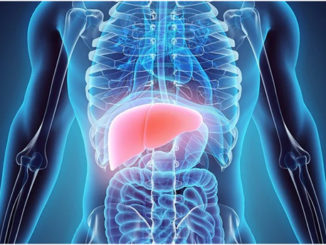
The liver is an essential part of the human body. It filters the blood that leaves the stomach and intestines and then breaks down, regulates, and produces nutrients in this blood, as well as digesting drugs into forms that are easier for the human body to use or that are harmless. Hence, it is extremely necessary for us to take good care of our liver. This Work Liver Day, we will focus on ways in, which we can maintain a healthy and proper-functioning liver. Here are some changes you can make to your lifestyle to promote healthy liver:
Workout regularly
Working out is extremely important and beneficial not only for maintaining a healthy liver but for our overall health. Exercise relieves liver tension, boosts productivity, and helps avoid obesity, which is a potential risk for liver problems. Lifting weights enhances muscle and bone strength. Women, in particular, need to retain muscle and bone strength since liver disease makes bones more prone to osteoporosis. Weight lifting also helps to reduce body fat, build correct body weight, and improve metabolic activity.
Eating a healthy diet
Just like working out, eating healthy is extremely important too. We need to consume a diet high in nutrients in order to maintain good health. Liver health is also boosted when we consume a healthy, high-nutrition diet. The body requires 7 different types of nutrients; Carbohydrates, proteins, lipids (fats), vitamins, minerals, fibre, and water, all of which should be consumed daily. In order to regularly consume a balanced diet, we must know what foods provide us with these 7 important nutrients. Here’s a list of foods to incorporate into your diet:
Carbohydrates
Carbs are often considered unhealthy or low in nutrition however, they are extremely important for a healthy balanced diet. Healthy carbs boost metabolism and the digestive system. High carb foods include milk, potatoes, grains and grain products (flour, rotis, bread, pizza, etc.).
Proteins
Proteins generally assist the body in repairing tissues. They also protect the liver cells from fatty deposits and/or any damages they may cause. High-protein foods include dairy products, fish, poultry, chickpeas etc.
Lipids (fats)
Fats are another nutrient that is often considered unhealthy however they are not. Healthy fats are very important for the body as they are healthy the body extracts various vitamins. Various vitamins are fat-soluble. Meaning, that they cannot be absorbed by the body without the help of fats. Some of the healthy fat foods include nuts (dried fruits), whole eggs, cheese, etc.
Vitamins
Vitamins help boost our immune system, heal injuries and support bones. Furthermore, vitamins help the body convert food into energy. Some vitamin-rich foods include citrus fruits (lemons, oranges), and green and/or leafy vegetables (broccoli, spinach, green beans).
Minerals
Minerals are very important for the proper functioning of various organs. Minerals include calcium, iron, etc. Some high-mineral foods are meats, dairy products, fruits and vegetables, etc.
Fibre
Fibre helps digest foods smoothly. It is essential in maintaining a healthy bowel. Some high-fibre foods are: fruits (apples, pears, etc.) and vegetables (beetroots, carrots, etc.)
Water
Water is extremely important for the liver. It helps maintain and detoxify the liver. An average person must consume at least 2.7 litres of water daily.
Say no to alcohol and substances
Alcohol and illicit drugs hugely contribute to the degradation of the liver. Several liver cells die every time our liver processes alcohol. Our liver can regenerate new cells, however long-term alcohol abuse can weaken its capacity to do so. Our liver can be irreversibly harmed as a result of excessive drinking. Drugs can harm the liver by causing serious harm to liver cells and/ or preventing biliary flow out of the liver. Source: NDTV
-

TIRLOK MALIK LAUNCHES HAPPY LIFE YOGA, A NEW EDUCATIONAL PLATFORM FOR A HAPPY & HEALTHY LIVING
NEW YORK CITY (TIP): In honor of International Yoga Day 2019, HAPPY LIFE YOGA, conceptualized by Filmmaker, Restaurateur, and Ayurveda Speaker, will be launching on June 29th. The curtain raiser event for this educational platform will be inaugurated by Deputy Consul General of India in New York, Shatrughna Sinha. . Manhattan Borough President Gale Brewer will be the chief guest. Padma Shri Dr. Sudhir M. Parikh will be attending as a guest of honor, and many VIPs will be in attendance as well.
This intriguing, interactive, and entertaining experience will include a panel discussion on topics such as how to use Ayurveda in every day life, the place of Western Medicine in holistic wellness, and the benefits of Yoga. Speakers include Dr. Bhupendra Patel, M.D., Ayurvedic Dr. Bhaswati Bhattacharya, and Long Island yoga teacher Ranju Narang.
HAPPY LIFE YOGA, created by Tirlok Malik, is the yoga of life. This educational platform offers a unique holistic approach to health and happiness using tools from Ayurveda, Indian Philosophy, and Yoga to help better manage modern day challenges such as work, finances, relationships, family and other social pressures and ultimately guides you towards a happier life.
Tirlok Malik believes India has always been a spiritual teacher of the world and that Indian Philosophy provides the blueprint of how to live a happy life. Indian Philosophy teaches that we must practice balance in all four aims of human life: Artha, Dharma, Kama and Moksha. These philosophical concepts can be applied to all cultures.
An asana yoga practice and healthy eating alone will not make us healthy. Kama, the world of all our desires, can be a double edge sword and we must understand and manage this part of the four aims of human life to be healthier and happier. According to Indian Philosophy we can have it all, but as Tirlok Malik says “Fix your Kama, and be happier!”
Indu Jaiswal of The Indian American Forum, one of the oldest organizations of Indian Americans on Long Island, and Prof. Indrajit Saluja publisher and editor of the Indian Panorama, an Indian American Newspaper in New York & Dallas sponsored the event and are committed to spreading the message of HAPPY LIFE YOGA.
Tirlok Malik created HAPPY LIFE YOGA as well as Ayurveda Cafe in Manhattan. He is a happy lifestyle speaker and a New York Emmy Nominated Filmmaker. He is a proud Upper Westsider. He has promoted Ayurveda for the last 20 years and now he and the team bring the gifts of India through HAPPY LIFE YOGA.
HAPPY LIFE YOGA will provide workshops, excursions, events and more. A unique mix of tools and exercises are used in our workshops to apply these philosophical concepts in every day life. www.happylifeyoga.org
-

Huge Enthusiasm for Yoga: More than 15,000 people participated in various Yoga Day Celebrations
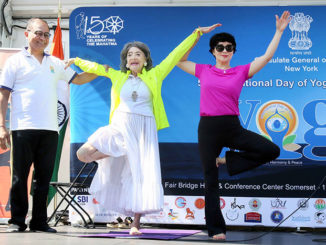
NEW YORK (TIP): Consulate General of India in collaboration with Friends of Yoga celebrated the 5th International Day of Yoga on June 23rd, 2019 at Fair Bridge Hotel & Conference Center, 195 Davidson Avenue, Somerset, NJ 08873. Over 2000 Yoga enthusiasts joined this grand celebration. World’s oldest Yoga instructor and practitioner Padma Shri Ms. Tao Porchon Lynch taught some Yoga Asanas at the event. Mr. Vikas Khanna, celebrity chef and film maker spoke at the event. Motivational Speaker Mr. Gaur Gopal Das also spoke to the audience about the importance of Yoga. Assemblyman Mr. Daniel R. Bensen, New Jersey, Mr. Philip Kramer, Mayor, Franklin Township, New Jersey, Mr. Rajiv Prasad, Councilman At-Large, Franklin Township, New Jersey and Ms. Crystal Pruitt, Council woman At-Large, Franklin Township, New Jersey also attended the IDY 2019 celebration.

Yoga enthusiasts doing Yoga Welcoming the participants to the Yoga Day celebrations, Mr. Sandeep Chakravorty, Consul General of India in New York, said that ‘Yoga for all and all for Yoga’ should be our motto. He highlighted worldwide momentum that Yoga is gathering in combating lifestyle related diseases, he noted that Yoga is a timeless gift from India to humanity. A guided yoga session based on the Common Yoga Protocol was performed by the participants.
The session was led by Dr. Dayashankar Vidyalankar, Teacher of Indian Culture at the Consulate General of India, New York. Various other yoga sessions were conducted by professionally trained Yoga teachers. The Consulate had organized several curtain-raiser events in collaboration with yoga organizations resulting in a record turnout for the Yoga Day celebrations. In addition to the Consulate’s flagship event, Yoga enthusiasts gathered to celebrate the 5th International Day of Yoga in Pittsburgh, Westchester and Time Square, New York. The Times Square’s Summer Solstice Yoga event saw a gathering of over 11,000 participants.

Representatives of participating organizations and guest speakers with Consul General Sandeep Chakravorty, Deputy Consul General Shatrughna Sinha who coordinated the celebrations, and the Consulate staff who all made it a memorable event. Seen in chair is Padma Shri Ms. Tao Porchon Lynch International Day of Yoga 2019 successfully managed to create a broad-based awareness about the benefits of yoga to all sections of the society and also reintroduced the ancient mind -body practice and breathing techniques to a technology driven, fast-paced world. The celebration in Somerset, NJ offered a wonderful and enriching experience thanks to the energetic performance by yoga schools and associations. The IDY event also featured several cultural performances by talented local artists and partner organizations.
More than 30 organizations participated with the Consulate in the celebration of International Day of Yoga 2019. More than 15,000 people participated in the various Yoga day Celebration this year.
Yoga is an ancient Indian discipline, which has evolved over thousands of years for physical and spiritual wellbeing of the humankind. The word ‘Yoga’ derived from Sanskrit, means to join or to unite, symbolizing the union of body and consciousness. It has gained worldwide popularity due to its immense health benefits. It not only helps in improving physical health but also brings about inner peace by reducing stress and anxiety. Medical research in recent years has uncovered many physical and mental benefits that Yoga offers, corroborating the experience of millions of practitioners.
The United Nations General Assembly (UNGA) on December 11th, 2014 declared June 21st as the International Day of Yoga. The date of June 21st was chosen since this is the summer solstice which is the longest day of the year in the northern hemisphere and has special significance in many parts of the world.
-

5th International Day of Yoga Celebrations kick off at the United Nations
UNITED NATIONS (TIP): 5th International Day of Yoga celebrations kicked off at the United Nations, with a laser lighting display of Yoga at the iconic United Nations building, June 19.
After the overwhelming success of last few years’ International Day of Yoga celebrations, Permanent Mission of India to the United Nations made it larger in the fifth edition. Instead of a single day celebration, this time it is a larger than life event.
Ambassador Syed Akbaruddin, India’s Permanent Representative to the UN in New York said: “ UN has a special place in the remarkable growth of Yoga in our own lifetimes. It was here that the ancient practice of Yoga was transformed into an annual global observance”.
While addressing the 69th session of UNGA on Septembe2014, Prime Minister Narendra Modi urged the world community to adopt an International Day of Yoga. On December 11, 2014, the 193 members UNGA approved the proposal by consensus to declare 21 June as “International Day of Yoga.” In its resolution, the UNGA recognized that Yoga provides a holistic approach to health and well-being and wider dissemination of information about the benefits of practicing Yoga for the health of the world population. Yoga also brings harmony in all walks of life and thus, is known for disease prevention, health promotion and management of many lifestyle-related disorders. Keeping these in mind, the Government of India has adopted IDY Logos and a Common Yoga Protocol, a booklet intended to give a brief overview about Yoga and Yogic practices in order to orient the readers towards comprehensive health for an individual and the community.
From its maiden year IDY became hugely popular around the globe. Yoga Day also follows different themes each year. The theme for this year’s World Yoga Day is ‘Yoga for Heart’ which highlights how beneficial yoga is towards reducing cardiovascular risk.
On the occasion of the 5th International Day of Yoga, the Permanent Mission of India to the United Nations in New York has organized five events at the United Nations Headquarters in New York:
EVENT ONE
Projection of Yoga Postures
On North Facade of UN Headquarters Building
Wednesday 19 June 2019
EVENT TWO
Yoga with the Gurus
Thursday 20 June 2019
North Lawn, United Nations Headquarters
The outdoor event at North Lawn of United Nations had a Yoga Session led by Yoga Gurus Swami Paramananda of (Sivananda), Kevin Tobar and his associates from Bhakti Cente and Sunaina Rekhi from India. In addition, there was musical and dance performances by” Indian Raga”. Amina J. Mohammed, Deputy Secretary-General was the Chief Guest.
EVENT THREE
Panel Discussion
Theme: Yoga for Climate Action
Friday 21 June 2019
ECOSOC Chamber, United Nations Headquarters
1100-1230 Hrs
Moderator
Ambassador K. Nagaraj Naidu,
Deputy Permanent Representative
Panelists
Gaur Gopal Das
Lifestyle coach & motivational speaker
Srinivasan
Acharya, International Sivananda Yoga Vedanta Centre
Eddie Stern
Yoga teacher, author & lecturer
Simon Haas
Author, speaker & philosopher
Kusumita Pedersen
Professor of Religious Studies, St. Francis College, Brooklyn
EVENT FOUR
PANEL DISCUSSION
Theme – Yoga and Climate Action
1300 – 1500 Hrs
ECOSOC CHAMBER
Moderator
Renee Mehrra
Panelists
Kyle McDonald (Institute of International Social Development, NGO with the UN)
Renee Mehrra (Science of Spirituality, NGO with the UN, UNSRC SOS Club)
Poonam Gupra (Laughter Yoga)
Germany Bravo-Casas (UNSRC Yoga Club)
Guru Dileepji (World Yoga Community)
EVENT FIVE
- Exhibition on Yoga
South Wall, Near East Lounge
United Nations Headquarters
On display until 21 June
- Exhibition on International Day of Yoga – World Photo Series
Curved, Near East Lounge
United Nations Headquarters
On display from 19-21 June
-

Hundreds of Cities across world will celebrate International Day of Yoga, June 21
In December 2014, the United Nations General Assembly unanimously adopted a resolution, co-sponsored by 177 countries, and declared June 21 as International Day of Yoga with a view to promoting a healthier lifestyle.
The first International Day of Yoga was celebrated on June 21, 2015.Since then, International Day of Yoga is observed each year in hundreds of cities across the world.
-

Unique start to unique Olympics!!!

Special Report by
Prabhjot Singh
Have you ever heard or imagined opening ceremony of Olympic Games being held outside a stadium! Buenos Aires is all set to create history by holding the opening ceremony of the 3rd Youth Olympic Games on Saturday. The ceremonial start to the World Youth Games organised by the International Olympic Committee on the pattern of summer and winter Olympic games will be a celebration like no other. Downtown of Buenos Aires, the second Olympic city of South America – after Rio that hosted the 2016 summer Olympic Games – will have its streets bursting into life with a display to complement gender equality, inclusiveness and Argentina’s Latin spirit.
On Saturday, October 6, the ceremony will begin outside the confines of any Olympic Stadium Instead the organisers are throwing an enormous street party. The festivities will take place in downtown Buenos Aires at the famous Obelisk landmard, with all members of the public welcome.Believe me the event is free and all are welcome.The opening ceremony will involve 2000 people, including 350 performers, technicians and musicians from Argentine theatre company Fuerza Bruta. More than half a million spectators are expected to line the Avenida 9 de Julio, with millions more following on TV and online.
Incidentally, Buenos Aires will be the first Olympic event ever to feature equal number of male and female participants.This equality will be reflected in the opening ceremony, where a man and a woman will light the cauldron together. Nearly 4000 athletes have already arrived in Buenos Aires who will compete in the city’s venues over the following 12 days.
The innovative event is designed to capture the audiences’ imagination with displays that awaken the senses.Once all 241 events in 32 sports have been completed, the closing ceremony will then be held on October 18 in the Youth Olympic Village.
The 2018 Games in Buenos Aires will be so much more than a festival of first-class sport.The Argentine capital is also known as the Paris of South America due to its diverse culture, culinary delight and European history..
You must have heard a lot about Tango.In Buenos Aries it is seen as a lifestyle, not a hobby. African and gaucho styles Fast-forward to modern times and the seductive dance enjoys global popularity with every race and class.The original areas have stayed true to their routes and tango dancers can be seen entertaining and taking photos with tourists on the streets today.For something a little more authentic, you can visit a milonga and enjoy some live music while watching or partaking in the tango with a local dancer.
You cannot think of Buenos Aires or Argentina without football. The city has produced one of the game’s greatest ever players in Diego Mardona , who wore the famous blue and yellow of Boca Juniors and led Argentina to FIFA World Cup glory in 1986. Boca’s iconic La Bombonera stadium is famous for its electric atmosphere, especially when arch rivals Plate are in town for the Superclásico. Intense football rivalries are a mainstay of the Argentinian top division, where 8 of the top 20 teams hail from the capital.Despite not being as popular as football,polo is also a highly-revered sport in Buenos Aires with a rich history – demonstrating perfectly the cosmopolitan nature of the city. Fun fact: Argentina won polo Olympic gold at Paris 1924 and Berlin 1936. Eva Peron’s story was given worldwide recognition when Madonna played her character in the Hollywood film Evita. The Argentinian First Lady was the nation’s spiritual leader, working tirelessly for women’s rights and helping sick and poor Argentinians.Maybe this is part of the reason why the streets and monuments of Buenos Aires. Puerto Madira neighbourhood are almost exclusively named after women.She famously addressed the nation from the presidential headquarters in Buenos Aires, the Casa Rosada which still retains its distinct pink colour today.Her grave can be seen in the opulent La Recoleta Cemetery, which features hundreds of hand-carved mansion tombs. Parillas or Barbeque grill restaurants are everywhere in Buenos Aires where cooking steak is an art form.If you like your beef slow cooked in coals, served with minimal seasoning and washed down with affordable, first-class red wine… you’re in luck.If steak is too much for your pallet, why not try a tasty empanada or two. These are small, baked pastries with a variety of different fillings and are available on most street corners.And for pudding? Buenos Aires shows its strong Italian influence with his many gelatos serving delicious ice cream by the kiloBuenos Aires has more book stores per capita than any other city in the world.There are at least 734 shops, providing the ideal escape from the city’s bright lights.Elsewhere there are approximately 300 theatres catering to every taste: From popular musicals to independent underground shows.Buenos Aires has also become a global hub for some of the world’s best street art. A mix of international and local artists have turned the streets of Palremo, Colegiales, Barracas, Montserrat and La Boca into colourful open-air galleries.(The author is executive editor with PTC TV ) -

Vaishnav Samaj of Midwest (VSM), Shreejidwar Haveli celebrates 10th Patotsav (Anniversary) in a traditional way including Chappan Bhog Manorath
CHICAGO, IL (TIP): Vaishnav Samaj of Midwest (VSM), Shreejidwar Haveli, Addison, Illinois celebrated 3 days their 10th Patotsav (Anniversary) in a grand fashion, including hosting Chappan Bhog Manorath. The historical celebration was attended by more than 3000 vaishnavs. This is the first Haveli in Midwest to complete 10 years.
Dignitaries and faith leaders from US and India attended the occasion. World renowned Yuvavaishnavacharya Pujya Goswami 108 Shri Vrajrajkumarji Mahodayshri graced the occasion and provided discourses on Path of Grace, Sharnagati (surrender to God) and Power of Efforts to help improve one’s daily life, as well as better the communities around us through selfless service. Pujya JejeShri Vrajrajkumarji Mahodayshri in discourses addressed the audience that Vaishnavism (a sect of Hinduism) is not just a religion but a way of life. He clarified that Pushtimarg in Vaishnavism is a krupa marg (grace of God). In this Lord Shri Krishna’s grace plays a major role in devotee’s life and God does krupa on everyone. He also illuminated that by doing Brahma-sambandh we surrender ourselves to Lord Shri Krishna and total surrender (mental, physical and spiritual) is the path to achieve higher enlightenment. In power of efforts he emphasized the goal to keep clear conscience and move forward with a vision that leads to the betterment of the community. Much of his lectures focused on storytelling and providing real life examples so that attendees can relate to the messages.
The event was also attended by Hon. Raja Krishnamoorthi (U.S. Representative for Illinois 8th congressional district), Hon. Tim Schneider (Illinois State GOP Chairman), and Hon. Nimish Jani (Schaumburg Township Trustee).
In addition to discourses, the three days of celebration included various cultural, educational and entertainment events to keep the audience engaged. Planning for the celebration had been ongoing for past 2 months with the help of over 100 volunteers. Every day after discourse all the attendees were treated to a Mahaprasad. Raas Garba was organized by Nalini Parikh on the evening of June 15th and was attended by over 500 participants. Chappan Bhog manorath was organized on June 16th, that encompassed preparation of over 1000 kg of 56-different sweets placed on a stage (16’ x 28’) inside the Haveli to offer it Lord Shri Krishna. Chappan Bhog is a major celebration in Vaishnav culture and Shreejidwar Haveli performed it with grand elegance.
Vallabh Youth Organization- Education (VYOE) also took part in the event and organized children’s Dashavatar Musical Cultural show on the evening of Saturday, June 16th. In the show 70 VYOE students enacted Lord Vishnu’s Dashavatars (10 avatars) in front of a packed audience of over 2000 people. On Sunday, June 17th, VYOE hosted the graduation ceremony of their students with over 100 students graduated in the presence of Pujya JejeShri Vrajrajkumarji Mahodayshri.
VSM leadership (Dr. Umang Patel, MD -Chairman and Mr. Jyotin Parikh, R.Ph -President) mentioned, “This has been a very successful event. The unity of Vaishnavas and dedication of volunteers was the main reason for the success of this event”. The visionary VSM leaders and generous donors have greatly helped in the progress of the haveli that has impacted the growth of Vaishnava community in the Midwest region.
(Photograph and Press release by Asian Media USA)
-

Indian American Organization HAF Helps Serve Pakistani Refugees with Medical Services
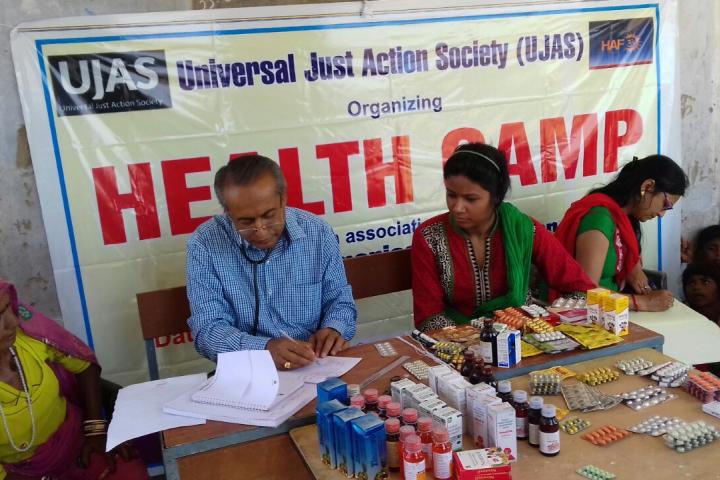
WASHINGTON (TIP): The Hindu America Foundation (HAF) in partnership with the Sindhi Alliance, recently provide critical medical services to Pakistani Hindu refugees living in makeshift settlements and camps in Jodhpur, India. HAF raised $17,600, which is being disbursed as an ongoing grant to the Universal Just Action Society (UJAS), the primary non-governmental organization working with Pakistani Hindu refugees in Jodhpur.
So far, $8,533 has been used to help the refugees through the following initiatives:
- Engaged with government stakeholders and assisted 900 refugees complete registration for migrant health cards to facilitate admission into health facilities that provide services beyond the scope of the health clinic
- Established and staffed a health clinic in Jodhpur; hosted several medical camps in settlements; and provided medical consultations, medicinal support, and vaccinations
- Held hygiene awareness and health education seminars and distributed health/hygiene education materials
- Created community health and hygiene committees in three refugee settlements to empower refugees to take initiatives to improve community health
The refugees suffer from a wide range of physical and mental health conditions, such as situational depression, anxiety, psychosomatic disorders, high incidence of respiratory disease, hypertension, malnutrition and lifestyle disorders, and infectious diseases. Women, children, and elderly refugees, in particular, remain vulnerable to various health risks and face psycho-social trauma from their experience of suffering religious persecution and fleeing their homes. Many of the refugees avoid going to healthcare facilities due to their illiteracy and lack of health awareness, as well as an absence of civil and legal documents required to access basic facilities. They also fear harassment if they disclose that they are Pakistani nationals.
Ms. Kaalu, a 67-year old woman that fled Pakistan and is now living in a refugee settlement in Aaganwa village in Jodhpur, for instance, is one of many refugees that has received assistance through this project.
Ms. Kaalu and her family, including her husband, son, daughter-in-law, grandson, and granddaughter, are struggling to survive economically and are dealing with several health issues. She had been experiencing chest pain for at least a month, but due to a lack of health education and awareness and an inability to access a medical facility, she was unable to receive adequate care for her condition. She indicated that she avoided going to government hospitals out of fear that she would be turned away as a refugee without proper identity documents and because of her poor family economic conditions.
When UJAS organized a health camp at her settlement, she was identified as a priority patient in critical health condition and was seen by a first aid doctor and the UJAS team helped facilitate her access to Mahatma Gandhi Hospital, Jodhpur. Ms. Kaalu is now hopeful that she will able to receive proper treatment to alleviate her critical health conditions and live a happy and healthy life again.
-

WEIGHT LOSS MISTAKES YOU’RE MAKING WHILE AT WORK
Starting a weight loss programme is easy, but following it up with your busy work schedule is not. Especially with a sedentary lifestyle, it is often difficult to keep a track of what goes inside your tummy. Birthdays, anniversaries, baby showers, farewells – we are all part of celebrations while sitting on our desk and answering our emails simultaneously. However, these small nooks end up hurting our weight loss regime in a major way. Here are some common mistakes which we all make while at work:
Skipping breakfast
There is a reason why skipping breakfast is considered to be a sin. Skipping breakfast is a mistake which needs to be rectified. When we sleep at night, our body repairs itself. This is the reason why our body is generally hungry in the morning. If we do not feed our body anything at this time, we are not only slowing our metabolism but also heading towards weight gain more than anything else. Therefore, skipping breakfast is not the wisest decision.
Obliging co-workers
One bite of chocolate from your work buddy or one slice of pizza because everyone in the team wants to order pizza can hamper your weight loss more than you think. It may look like a small quantity initially, but small quantities can add up to large ones and hence show on your weighing scale. Your solution: say NO!
Eating on your desk
Getting a boiled vegetable salad with dal prepared by your mother will not help if you are eating on your desk. While eating on your desk not only resonates inactivity but also, you’re not burning calories. Taking out 20 minutes for lunch may seem difficult on busy days, but make sure you make your desk a no-lunch zone. Take your lunch box to the cafeteria or any setting which is away from your desk. This will help you in two ways: firstly, you get a break and secondly, your food is being digested simultaneously and hence you’re burning calories.
Stress is eating you up
Stress is eating you up: Work stress can often get to the best of us. Late working hours, long meeting hours, desk jobs which require mental calmness can lead us to eating foods all the time. This happens because your body requires fuel to work and concentrate. Involuntarily our hands start reaching out for anything and everything that we see when we face mental pressure and stress. At such times, we often forget to drink even water. Here’s help. You can try two things: firstly, start with keeping a bottle of water with you always and secondly, keep healthy snack nibbles like dry fruits or gur (sugarcane), which are instant energy-providers.
Unhealthy snacks
That vending machine in your office pantry maybe stocked up with all your favourites and may seem like the ideal choice at certain times, but snacking on unhealthy foods can hurt you more than you think. You may consider burning calories next day in the gym, but eating unhealthy snacks everyday can hurt you in the long run as this can lead to weight loss plateau. Solution: Bring your home cooked snacks. This will help you because you will not munch on unhealthy snacks after a long meeting or a very tiring task.
Source: TOI
-

ANTI-AGEING TIPS AND TRICKS
Nothing signals the end of the carefree days of youth than the appearance of the early signs of ageing. The first fine lines and the first grey hair all serve to remind us that the glory days of our easy-going beauty routines are over. After a certain age, you just cannot afford to go out without sunscreen or be careless with your health without the effects showing up on your face and body. Eating healthy, exercising, eliminating stress, sleeping well and, of course, genetics, will all determine how fast you will show your age. But there are certain time-tested natural therapies that will help you care for your skin and hair and, maintain a basic level of health and vitality.We got some of India’s top beauty experts to share their formulae with us.
Back to the basics
One way in which you can increase the potency of these remedies is by supplementing them with a clean lifestyle. According to Suparna Trikha, director, Suparna Herbs, a company that manufactures natural skin and hair products, “Ageing is a state of mind. You can be young at 90 or look haggard at 19. Lifestyles and our changing temperaments and tempers are responsible for early ageing.” The beauty guru advocates some simple changes that will make all the difference.
STOP WORRYING: “I see people worry all the time! Stop it because it will only give you more wrinkles and lines. If you have a problem without a solution, sleep over it.”
DESTRESS: “Most people spend a majority of their time doing things they don’t want to. To stay young, you should make the time to do something you enjoy at least four times a week. Play, follow a dream, listen to music, meditate, read a book or exercise.” Avoid luxury: “Too much luxury can be stifling. For instance, avoid air-conditioning as it completely ruins the skin. Breathe fresh air and let your skin hydrate naturally.”
STAY TRUE TO NATURE: “Walk outdoors, eat lunch under the open sky whenever you can, and meditate and exercise in the fresh air. Just being with nature calms the mind and eases tension.”
EAT FRESH: “Have healthy eating options for every meal and add plenty of fresh fruits, salads, dry fruits, greens and lean meats to your diet.”
LAUGH: “We don’t laugh often and enough! Try to spend time with people who make you happy.”
DRINK UP: “I call water ambrosia for the skin. No matter what your skin type is, water will keep you hydrated and younger-looking. It helps flush out toxins from the body and cleanses the skin like nothing else.”
Boost your reserves
According to Bharti Taneja, founder-director of the Alps Beauty Group, as one gets older, the skin naturally becomes less elastic and more fragile. Decreased production of natural oils dries the skin and makes it appear more wrinkled. Fat in the deeper layers of the skin diminishes and this causes loose, saggy skin and more pronounced lines and crevices. She advocates a good skincare regimen to look young.
CLEANSING: “First thing in the morning, wash your face with a deep-pore, soap-free and non-foaming cleanser, as the foaming ones tend to leave the skin drier. Take a little on your palm and massage your face for two to three minutes.Wash off with cool water and pat dry with a clean towel.”
TONING: “A toner is a liquid meant to close open pores while cleansing. Toning firms up the skin and should follow every cleansing ritual. You can also try making a homemade toner by boiling tulsi, neem and mint leaves together in a litre of water till half of it evaporates. Store and apply whenever needed.”
Source: Femina
-

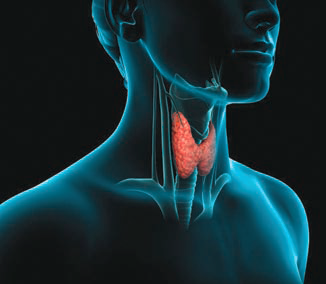
Make these lifestyle changes for a healthy thyroid
A few lifestyle changes can make a big difference if you have thyroid issues. A well maintained diet and exercise plan can maintain and regulate your thyroid to function well.
Choose from these foods to have a healthy thyroid:
- ? To include iodine in your diet you can include sea vegetables and seafood apart from egg, spinach, garlic and sesame seeds.
- ? For a good selenium count include mushrooms, meat, sunflower seeds and soya bean.
- ? Zinc encourages a healthy thyroid so have peas, walnuts, whole grains, almonds.
- ? Iron plays an important role so have oysters, lentils, pumpkin seeeds in good quantity.
How to Know If You Are Hypothyroid
Identifying hypothyroidism and its cause is tricky business. Many of the symptoms of hypothyroidism are vague and overlap with other disorders. Physicians often miss a thyroid problem since they rely on just a few traditional tests, leaving other clues undetected.
The most sensitive way to find out is to listen to your body. People with a sluggish thyroid usually experience:
Lethargy – Fatigue and lack of energy are typical signs of thyroid dysfunction. Depression has also been linked to the condition. If you’ve been diagnosed with depression, make it a point that your physician checks your thyroid levels.
? It’s essential to note that not all tiredness or lack of energy can be blamed on a dysfunctional thyroid gland. Thyroid-related fatigue begins to appear when you cannot sustain energy long enough, especially when compared to a past level of fitness or ability. If your thyroid foundation is weak, sustaining energy output is going to be a challenge. You will notice you just don’t seem to have the energy to do the things like you used to.
? Some of the obvious signs of thyroid fatigue include:
- ? Feeling like you don’t have the energy to exercise, and typically not exercising on a consistent basis .
- ? A heavy or tired head, especially in the afternoon; your head is a very sensitive indicator of thyroid hormone status
- Falling asleep as soon as you sit down when you don’t have anything to do
- ? Weight gain – Easy weight gain or difficulty losing weight, despite an aggressive exercise program and watchful eating, is another indicator
-

Cannabis extract reduces seizures in epilepsy: Study
The first large-scale clinical trial of a cannabis derivative known as cannabidiol shows it was able to cut the frequency of severe epileptic seizures by 39%, say researchers.
Cannabidiol, or CBD, is derived from cannabis plants, but does not cause users to get high. The study in the New England Journal of Medicine comes after years of anecdotal evidence of cannabidiol’s effects. It focused on young patients with Dravet syndrome, a rare form of epilepsy.
“Cannabidiol should not be viewed as a panacea for epilepsy, but for patients with especially severe forms who have not responded to numerous medications, these results provide hope that we may soon have another treatment option,” said lead investigator Orrin Devinsky, professor of neurology, neurosurgery, and psychiatry at New York University Langone Medical Centre.
Researchers used an experimental liquid form of CBD, which has not been approved for use by the US Food and Drug Administration. “We still need more research, but this new trial provides more evidence than we have ever had of cannabidiol’s effectiveness as a medication for treatment-resistant epilepsy.”
A total of 120 children and adolescents, aged two to 18, with Dravet Syndrome were randomised to receive either a placebo or CBD, in addition to their usual treatment. The trial took place at 23 sites in the United States and Europe over the course of 14 weeks. “Seizure frequency dropped in the CBD treated group by 39% from a median of nearly 12 convulsive seizures per month before the study to about six,” said the study. “Three patients’ seizures stopped entirely.”
The placebo group saw a much smaller 13% reduction in seizures. Most patients reported side effects, most commonly vomiting, fatigue and fever. A total of 93.4% of patients in the CBD group and 74.6% of those treated with placebo experienced side effects, which were generally reported as mild or moderate.
But eight patients in the CBD group withdrew from the trial because of side effects, compared to one participant in the placebo group.
Chocolate can lower risks of ‘heart flutter’
Chocoholics take note: new research shows that eating chocolates can lower risks of developing irregular heartbeats, a condition that affects over 33 million people worldwide. Previous research has linked eating chocolates, especially dark chocolate, to improvements in heart health.
Scientists, including those from Harvard TH Chan School of Public Health in the US, wanted to see if it may be linked to lower rate of atrial fibrillation, also known as heart flutter. It is not clear exactly what causes the condition, and there is currently no cure or contenders for its prevention.
The associations seemed to be strongest for 1 weekly serving for women and between 2 and 6 weekly servings for men, according to the research published in the journal Heart.Researchers collected data from 55,502 (26,400 men and 29,100 women) participants, aged between 50 and 64. Participants provided information on their usual weekly chocolate consumption, with one serving classified as 30 grammes.Information on heart disease risk factors, diet, and lifestyle was obtained when the participants were recruited to the study.Their health was then tracked using episodes of hospital treatment and deaths.
During the monitoring period, which averaged 13.5 years, 3,346 new cases of a trial fibrillation were diagnosed. After accounting for other factors related to heart disease, the newly diagnosed atrial fibrillation rate was 10% lower for 1-3 servings of chocolate a month than it was for less than 1 serving a month.