Sant Kabir Das Jayanti
Sant Kabir Das (1440-1518 circa) was a famous poet, saint and social reformer of India. His writings have greatly influenced the Bhakti movement. Kabir Panth which is a religious community recognizes him as its founder […]
Nirjala Ekadashi falls on the eleventh day (Ekadashi) of the waxing fortnight in Jyestha month. The Ekadashi derives its name from the water-less (Nir-jala) fast observed on this day. It is considered most sacred Ekadashi. […]
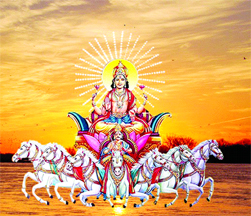
Kamda Saptami Vrat has special significance in astrology. Kamda Saptami Vrat is completely dedicated to the sun. In the scriptures, this fast has been considered special to fulfillment. This faster to fulfill the wishes is […]
Guru Arjan Dev was born in 1563 at Goindval, and was the youngest of the sons of Guru Ram Das and Bibi Bhani, the daughter of Guru Amar Das. Before his death, Guru Ramdas nominated […]
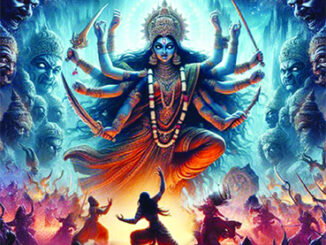
Bhadrakali Jayanti is a Hindu festival that celebrates the birth anniversary of Goddess Bhadrakali. This festival is observed on the ‘ekadashi’ (11th day) of the Krishna Paksha (the dark fortnight of the moon) in the […]
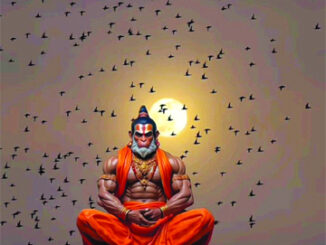
Budhwa Mangal falls during Jyeshtha month every year. On this day, the aged form of Lord Hanuman is worshiped and that’s why it is known as Budhwa Magal. By Worshiping Hanuman ji, one can get […]
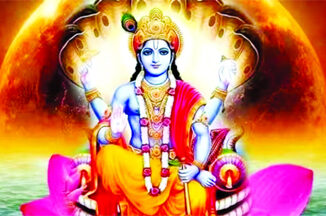
Mohini Ekadashi is regarded as one of the most important fasting days for Hindus. The day of Mohini Ekadashi is celebrated to worship Lord Vishnu and his incarnated form of Mohini. Devotees observe a Mohini […]
The Akshaya Tritiya festival is also known as Akti or Akha Teej. This festival is an auspicious festival of Hindus and Jains. This festival falls on the third day of the Shukla Paksha of the […]
The Hindu Lunar calendar is divided into two different phases of the Moon. One phase is waxing Moon which is known as ‘Shukla Paksha’, in which the Moon grows in size (visually) and brightness everyday […]
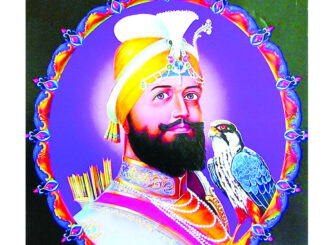
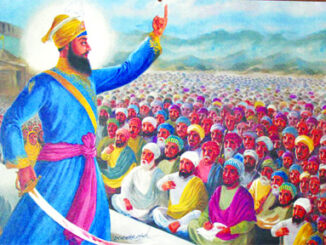
Guru Gobind Singh was the tenth and last Sikh Guru, a spiritual leader, philosopher, poet and a great warrior. Born as Gobind Rai, he emerged as tenth Sikh Guru at age nine after his father […]
Sikhs believe in one God. He is the same for all people of all religions. Sikhism teaches equality of all people. Sikhism preaches that people of different races, religions, or sex are all equal in […]
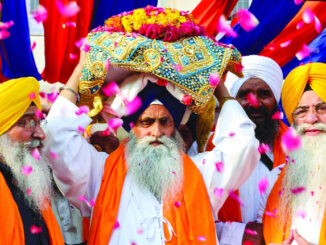
Khalsa, the purified and reconstituted Sikh community, instituted by Guru Gobind Singh on March 30, 1699 (Vaisakhi Day). His declaration had three dimensions: it redefined the concept of authority within the Sikh community; it introduced […]
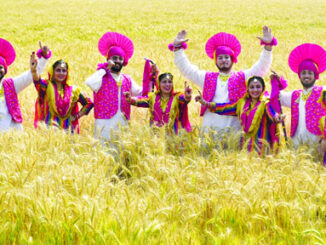
The Sikh celebration called Vaisakhi happens annually either on 13th or 14th day of April. The origins of Vaisakhi stem from a spring harvest festival native to the Punjab region of South Asia, but more […]
By Prabhjot Singh Vaisakhi, after Diwali, has emerged as the biggest Indian festival whose celebrations with fervor and gaiety are gradually gaining the tones of acceptance of a global event. It has given the overseas […]
Mahavir Janmakalyanak is the main festival of Jainism. Mahavir Janmakalyanak is also known as Mahavir Janma Kalyanak Divas. Lord Mahavira is the twenty-fourth and last Tirthankara of Jainism. This festival falls in the month of […]
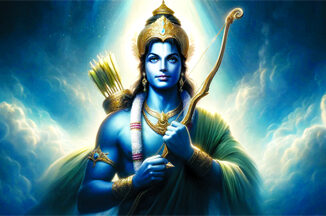
Ram Navami is a joyous occasion celebrated by millions of people around the world. It marks the birth anniversary of Lord Rama, the seventh avatar of the Hindu deity Vishnu. This auspicious festival falls on […]
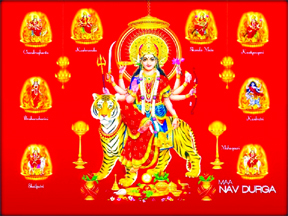
Chaitra Navratri is a nine-day Hindu festival celebrated annually from the first day of the Hindu New Year. This year, it will begin on April 9 and end on April 17. While there are four […]
Somvati Amavasya is a very important day in Hinduism. Amavasya which falls on Monday is called Somvati Amavasya. Somvati Amavasya falls only once or twice in a year. This fast is observed by married women. […]
Ranga Panchami (also spelt as “Rang Panchami” or “Rang Panchmi”) is a significant festival for Hindus, predominantly celebrated in Uttar Pradesh, Madhya Pradesh, Maharashtra and other northern Indian regions. It falls on the Panchami tithi […]
Purnima’s are considered the most fortunate days of the year, they are celebrated all over India in the name of Poonam, Poornima, and Poornamasi, and so on. On this holy occasion, most devotees keep a […]
In the Hindu calendar, the period of Holashtak holds great significance. Commencing from the Ashtami date of Shukla Paksha in the month of Phalgun, Holashtak, spanning eight days leading up to the festival of Holi, […]
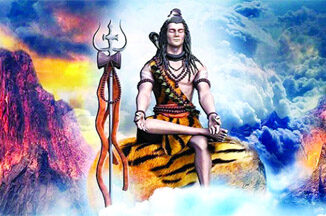
Maha Shivaratri (‘The Great Night of Shiva’) is a Hindu festival celebrated annually in honor of the deity Shiva, between February and March. According to the Hindu calendar, the festival is observed on the fourteenth […]
Ekadashi is the eleventh day of the Shukla Paksha or the bright fortnight of waxing Moon and the Krishna Paksha or the darkish fortnight of the waning Moon, as consistent with the Hindu Lunar calendar. […]
Ratha Saptami or Surya Saptami marks the birth of Surya to sage Kashyapa and his wife Aditi and hence celebrated as Surya Jayanti. A legend is narrated by the Kamboja empire’s King Yashovarma, a noble […]
The Indian festival of Basant Panchami, also known as Saraswati Puja, marks the beginning of the spring festival. The festival typically takes place between the end of January and the beginning of February. This year, […]
© The Indian Panorama