Month: July 2015

  • Pope calls for new economic order, criticises capitalism

    Pope calls for new economic order, criticises capitalism

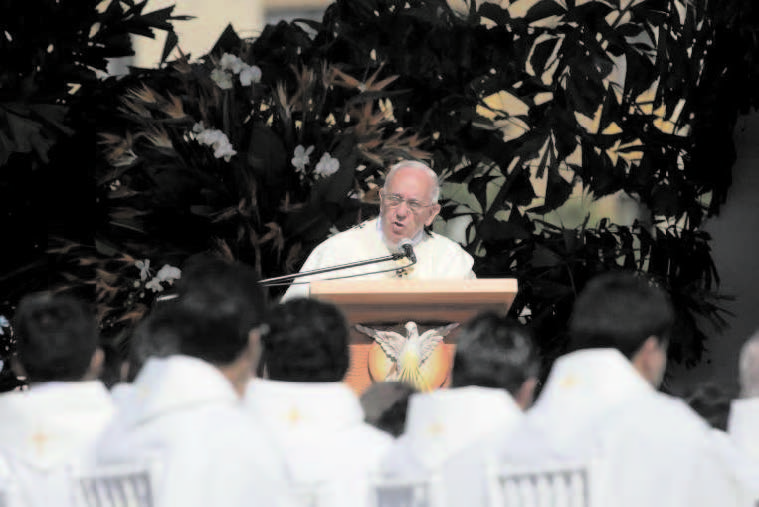
    SANTA CRUZ(BOLIVIA) (TIP): Pope Francis on July 9 urged the downtrodden to change the world economic order, denouncing a “new colonialism” by agencies that impose austerity programs and calling for the poor to have the “sacred rights” of labor, lodging and land.

    In one of the longest, most passionate and sweeping speeches of his pontificate, the Argentine-born pope also asked forgiveness for the sins committed by the Roman Catholic Church in its treatment of native Americans during what he called the “so-called conquest of America.”

    Quoting a fourth century bishop, he called the unfettered pursuit of money “the dung of the devil,” and said poor countries should not be reduced to being providers of raw material and cheap labour for developed countries.

    Repeating some of the themes of his landmark encyclical “Laudato Si” on the environment last month, Francis said time was running out to save the planet from perhaps irreversible harm to the ecosystem.

    Francis made the address to participants of the second world meeting of popular movements, an international body that brings together organisations of people on the margins of society, including the poor, the unemployed and peasants who have lost their land. The Vatican hosted the first meeting last year.

    He said he supported their efforts to obtain “so elementary and undeniably necessary a right as that of the three “L’s”: land, lodging and labor.”

    His speech was preceded by lengthy remarks from leftist Bolivian President Evo Morales, who wore a jacket adorned with the face of Argentine revolutionary Ernesto “Che” Guevara. He was executed in Bolivia in 1967 by CIA-backed Bolivian troops.

    “Let us not be afraid to say it: we want change, real change, structural change,” the pope said, decrying a system that “has imposed the mentality of profit at any price, with no concern for social exclusion or the destruction of nature.”

    ‘Intolerable’ system 

    “This system is by now intolerable: farm workers find it intolerable, laborers find it intolerable, communities find it intolerable, peoples find it intolerable The earth itself – our sister, Mother Earth, as Saint Francis would say – also finds it intolerable,” he said in an hour-long speech that was interrupted by applause and cheering dozens of times.

    Since his election in 2013, the first pope from Latin America has often spoken out in defence of the poor and against unbridled capitalism but the speech in this Bolivian city was the most comprehensive to date on the issues he has championed. Francis’ previous attacks on capitalism have prompted stiff criticism from politicians and commentators in the United States, where he is due to visit in September.

    The pontiff appeared to take a swipe at international monetary organisations such as the IMF and the development aid policies by some developed countries.

    “No actual or established power has the right to deprive peoples of the full exercise of their sovereignty. Whenever they do so, we see the rise of new forms of colonialism which seriously prejudice the possibility of peace and justice,” he said.

  • UK stunned by scale of child sex abuse: Judge

    LONDON (TIP): A judge says Britain has been stunned by revelations about child sexual abuse, warning that the true scale of the crime has been underestimated and one in 20 children may have been a victim.

    Justice Lowell Goddard opened a public inquiry into decades of abuse on July 9, vowing that “no one, no matter how apparently powerful, will be allowed to obstruct our inquiries.”

    In the past few years, revelations of abuse have implicated taxi drivers, entertainers, clergy, senior politicians and others. There have been claims that police failed to investigate allegations of abuse for decades.

    Goddard, a New Zealand judge, was appointed earlier this year to head an inquiry into how public agencies —including government bodies, police, hospitals, churches and the BBC — handled child-abuse allegations.

  • DNA test couples before marriage: UK Asian peer

    LONDON (TIP): Britain’s first Asian woman peer -Baroness Flather – has raised a storm by telling the House of Lords that couples who are getting married should be forced to have a DNA test first to ensure they are not cousins.

    Raising serious concern around how first cousin marriages in Pakistani communities in the UK were leading to disability among the children born out of such unions, Baroness Flather said during a debate that the practice is rampant among Pakistanis who come from the Pakistan occupied Kashmir.

    She said, “We know so much about DNA now, but there is so much disability among the children, which is absolutely appalling. You go to any such family and there will be four or five children, at least one or two of whom will have some disability. That is absolutely unacceptable, and if we cannot do anything about it, is it fair to the children?” house She added, “Never mind the parents — it is not fair to the children that they should be allowed to become disabled because of a social practice. It is a social practice which does not belong in today’s age. There should at least be some rule which says that you must have a DNA examination before your marriage can be registered.”

    Reacting to the debate, the parliamentary under-secretary of state for communities Baroness Williams of Trafford said “My Lords, I can confirm that first-cousin marriages are against the law in this country and the church does not condone them.”

  • Saud al-Faisal, former Saudi foreign minister, dies

    RIYADH (TIP) (Saudi Arabia): Saudi Arabia’s prince Saud al-Faisal, who was the world’s longest-serving foreign minister with 40 years in the post until his retirement this year, has died, the ministry spokesman said July 9. He was 75.

    The tall, stately Prince Saud was a fixture of Mideast diplomacy, representing the oil-rich Gulf powerhouse as it wielded its influence in crisis after crisis shaking the region _ from Lebanon’s civil war in the 1970s and 1980s, through multiple rounds of Arab-Israeli peace efforts, the 1990 Iraqi invasion of neighboring Kuwait and the subsequent Gulf War, al-Qaida’s Sept. 11, 2001, attacks in the United States, the 2003 U.S.-led invasion of Iraq to the current day’s tensions between the Arab Gulf bloc and Iran, Arab Spring uprisings, Syria’s civil war and the spread of Islamic State group extremists.

    The country’s government-owned media announced Saud’s death after midnight Friday. The official announcement, carried by state television, did not state the cause of death. The prince had undergone multiple surgeries in recent years for his back, which left him walking with a cane, and for other ailments.

    Word of his passing first emerged late Thursday when Saudi Foreign Ministry spokesman, Osama Nugali, wrote on his official Twitter feed, “The eye tears, the heart saddens. We all are saddened to be separated from you.”

    The prince, who took the ministry post in 1975, retired on April 29, citing health reasons. At the time, U.S. Secretary of State John Kerry hailed him, saying he “has not just been the planet’s longest-serving Foreign Minister but also among the wisest.” He was succeeded in the post by Adel al-Jubeir, who before that was Saudi Arabia’s ambassador in Washington.

    Kerry expressed his condolences to Saud’s family and friends, King Salman and to the people of Saudi Arabia, saying the prince was “a man of vast experience, personal warmth, great dignity, and keen insights who served his country loyally and well.” “I personally admired him greatly, valued his friendship, and appreciated his wise counsel,” Kerry added. “His legacy as a statesman and diplomat will not be forgotten.” President Barack Obama said in a statement that generations of U.S. leaders and diplomats benefited from Saud’s “thoughtful perspective, charisma and poise, and diplomatic skill.”

  • Sikh in US wins religious freedom at his Disney job

    Sikh in US wins religious freedom at his Disney job

    NEW YORK (TIP): A Sikh-American employee at the Walt Disney World in Florida, who was barred from working in view of guests due to his religious appearance, for seven years, has achieved a significant victory, with the company agreeing to end the segregation and accommodate his religious beliefs.

    Gurdit Singh had been employed as a mail carrier at the popular amusement park in 2008, but was told by his Disney bosses that he would not be permitted to run mail routes visible to park guests, because his religious appearance “violated” the company’s ‘Look Policy,’ according to the rights group Sikh Coalition. In a letter to Disney, Sikh Coalition and American Civil Liberties Union (ACLU) said the “segregation” relegated Singh to a mail route that had a greater workload than other routes. It created “animosity” among his co-workers because he could not assist in operating other routes and it precluded his opportunities for advancement. Following the intervention by Sikh Coalition and ACLU, Walt Disney World finally reversed its decision and granted Singh a religious accommodation, permitting him to run all mail routes.Singh will no longer be kept hidden from public view of Disney visitors because of his turban and beard, and he will be permitted to run all mail routes just like every other mail carrier, Sikh Coalition said. Singh had contacted the Coalition to help him assert his right.

    “For seven years, Singh was restricted to delivering mail to Disney’s corporate offices –a mail route that shielded him from areas where Disney guests congregate,” it said, adding, all of Singh’s co-workers rotated their routes every three weeks and delivered mail throughout the park.

    Singh had contacted the Coalition to help him assert his right to be free of discrimination in the workplace.

    Earlier this year, the Sikh Coalition partnered with the ACLU and sent a “forceful demand letter” to Disney explaining that its treatment of Singh violated the law.

    “No one should have to face daily humiliation because of his or her religious beliefs. I am also grateful to Disney and hope this decision opens the door for other Sikhs and religious minorities who wish to work for this company,” he said in a statement.

    The ACLU said, “Because Disney is a major multinational corporation, its decision to grant Singh a religious accommodation is an important step forward in achieving workplace equality for Sikhs and others of minority faiths, and Disney should be applauded.”

  • Indian American Night 2015 showcases Indian culture

    Indian American Night 2015 showcases Indian culture

    LONG ISLAND, NY (TIP): Eisenhower Park was gleaming with decorations and colors from India. Indian music was heard all over the park, commencing the Indian American Night presented by Indian American Forum on Tuesday June 30, 2015 , at Harry Chapin Lakeside Theatre, Eisenhower Park, East Meadow, Parking Field 6 & 6A.

    The program started with Yoga sessions conducted by Anita Sehgal (Neelu), certified and experienced Yoga instructor in Long Island.

    Yoga session
    Yoga session

    Health awareness services were organized by President Dr Madhu Korrapati, Dr Sunil Mehra, Dr Tarun Wasil, Dr Reena Loona, Dr Parul Bahl, Dr Vijay Shah, and Dr Shah of AAPIQLI.

    Health awareness camp Volunteers
    Health awareness camp Volunteers

    Asian Indians in Nutrition and Dietetics member interest group of The Academy of Nutrition and Dietetics presented Nutrition Booth organized by Rita Kashi Batheja RDN, Dr Pardanani, Susan Escobar and Nassau County Health department Dr Meena Jaiswal DDS for Dental Services

    This program is part of the 2015 summer concert series sponsored by Nassau County Department of Parks, Recreation and Museums.

    Indian American Night is a showcase of Classical Indian Music and folk dances from all regions of India.

    Children giving a performance
    Children giving a performance

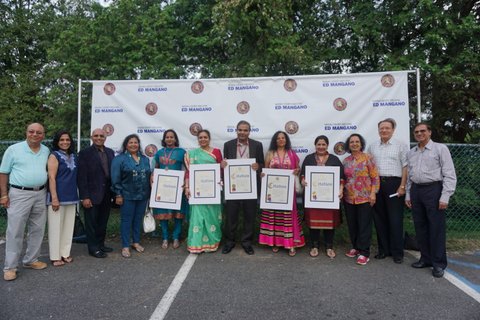
    Nassau County Executive Edward P Mangano was represented by Deputy Commissioner of Employment Vocational at Nassau County Ms. Sunita Manjrekar who welcomed every one and presented the honorees with Medals and Citations from Nassau County. Each Year members from Indian America Community are recognized for their outstanding services and contributions.

    Also present were Rosemarie Walker, Nassau County Parks Commissioner Brian Nugent, and several other officials.

    Honorees for the evening included Mr. Naveen C Shah, a prominent Certified Public Accountant (CPA) and an exuberant personality, president and chief Executive Officer of Navika Group of Companies, and President of Rajasthan Association of North America (RANA).

    Another honoree, Dr Vijay Shah, is well known for his volunteer services. He is the Vice Chairman of Friends for Good Health, helping and providing services all over the world.

    A well-known Oncologist in LI Ms. Trupti Shah was recognized for her services with Friends for Good Health

    Ms. Sangeeta Sethi, President of the Rotary Club of Jericho Sunrise , Dr Madhu Korrapati President of AAPI QLI and Chief of Nephrology at St Joseph Hospital, Mrs. Raji Kuncham President of TLCA, and Kalpana Patel, well known business entrepreneur and President and CEO of Unique Comp were also honored.

    Indu Jaiswal Chairperson of Indian American Forum welcomed every one and thanked all the sponsors and supporters for their participation.

    Beautiful decorations were provided by Glamorous Event Planner Ms. Sunita Sadhnani.

    A Cultural program, organized by Jaya Bahadkar, was emceed by Arvin Batra. Several music and dance performances lent color and charm to the celebrations. Students from different schools took part.

  • A Taste of India in Houston

    A Taste of India in Houston

    HOUSTON (TIP): Two Ratha Yatras (Hindu Festival of Chariots) have been planned in Houston (Texas) during this month.

    It is like getting a taste of India and Hinduism without leaving Houston.

    “Greater Houston Rath Yatra” at Discovery Green on July 11, besides a procession of hand-pulled chariots bearing Hindu deities, will also include vegan dinner, traditional dance performances, multicultural entertainment and activities for children.

    “8th Annual Chariot Festival” on Bellfort Village Drive on July 18, besides pulling the chariot, will also include live musical performance by Pandit Jasraj and troupe and a free health fair.

    Meanwhile, Hindu statesman Rajan Zed, in a statement in Nevada, July 9, applauded efforts of the organizers and Houston community to realize these wonderful festivals, exhibiting the richness of Hinduism.

    Rath Yatra is said to be the oldest known parade in the world and it is believed that pullers of this Lord Jagannatha’s chariot receive immense spiritual benefit. Popularized outside India by International Society for Krishna Consciousness founder A.C. Bhaktivedanta Swami Prabhupada, this annual parade festival has reportedly been held annually in over 50 major cities in USA, Canada, Europe, etc., since 1960s.

    The original Ratha Jatra is held on a grand scale in Puri (Odisha, India), where the presiding deities of Sri Mandira—Jagannatha, Balabhadra and Subhadra—with celestial wheel Sudarshana are driven on the chariots to about two miles north Gundicha temple in an elaborate ritual procession, where the huge colorfully decorated chariots are drawn by thousands of devotees. After a stay for seven days, the deities return to their abode in Sri Mandira. A glimpse of Lord Jagannatha on the chariot is considered to be highly auspicious and even a touch of the chariot is believed to yield benefits equivalent to several pious deeds. Many poets have written its glories. This year, it will be held on July 18.

    Rajan Zed points out that ancient Hindu scripture Katha Upanishad talks about the concept of chariot, where soul is the deity, body is the chariot, and intellect the charioteer. Skanda Purana glorifies Rath Jatra’s sanctity.

  • Conscience and the Body Politic

    Conscience and the Body Politic

    Bureaucrats have social status and power. They also possess personal knowledge of the rules. So, as a reasonably educated Indian citizen knows, it is pointless to argue with a bureaucrat: one can only plead with him or her. The case of politicians is different. They seem to be one of “us”, as they derive their power from their popularity among ordinary men and women. Also, we learn at school that democratic politics is all about discussion and debate. So, when we grow up and attain adult citizenship, we live in the hope that our views will be heard by those who represent us.

    This hope — and the belief that keeps it alive — received a body blow during the 21 months of Emergency rule, in effect from June 25, 1975 until its withdrawal on March 21, 1977. Ordinary citizens realized with shock that they had no rights whatsoever under the new system. When Indira Gandhi became supreme leader, the politicians surrounding her became small dictators. The new style of exercising control was copied all the way to the municipal level. Civil servants radiated jubilation over the clarity of orders they had from above. Many prominent public voices turned into sycophants.

    The exceptions took refuge overseas. The ethos of everyday life turned bleak quite smoothly while the totalitarian state apparatus took charge. Many chose to rejoice following the new sense of normality — trains ran on time while some people you knew went missing. The initial shock that this could happen in India faded within a few weeks though arrests continued as though it was a routine matter.
    Relevant lessons

    The benchmark of totalitarian power set under the Emergency continues to serve both politicians and civil servants as a secretly inspiring feat. Memories of the Emergency differ, depending on who remembers what. Stories also differ because cities, towns and villages suffered differently. It was not merely a dark period as many kept saying it was. It demonstrated how vulnerable the democratic system was in India. It also showed how weak some of our key institutions were.

    Forty years on, the messages of the Emergency still remain sharp and relevant. When faced with a crisis, the ordinary citizen who does not know at least a few important people, does tend to end up feeling lonely and helpless. The democratic system, especially the electoral process, remains open to misuse and chicanery. Institutions remain weak and dependent on individual whims. Someone in charge of running a public institution can substantially distort its functioning without being noticed or stopped. Not everyone in the new, richer middle class regards dictatorial behavior as a high cost to pay for efficiency. Rather, appreciation of authoritarian use of power is quite common. The fragile balance between power and reason was jolted during the Emergency. Ultimately, reason returned, almost as a gesture of courtesy from someone of good upbringing. Nothing in particular happened to suggest that those with power and status will from now onwards bow to reason and practice moderation. The Emergency changed politics in a manner that reason alone cannot address or influence. That was the real damage and we are still coping with it.
    State’s opacity

    After the Emergency was over and the electoral process was resumed, one expected that the new regime would be sustained by its claim to taking the moral high ground. That did not happen. The tall figure of Jayaprakash Narayan (popularly known as JP) failed to keep politicians within the bounds of reason. Ideological interests and habits wrecked the first experiment of bandaging the injury that India’s body politic had suffered. Indira Gandhi’s return to power accompanied no public acknowledgement of regret. It conveyed the indispensability of her style. From that point onwards, the citizen’s bewilderment could only grow.

    In the 1980s, it became clear that politics was not so much about representation and debate over alternatives as about launching of personal visions. The Emergency had intensified the state’s opacity; it now seemed like its nature. New social forces and forms of communication established the impression that arguing was not worth the time it took. Getting on with life and having an income were more desirable than making sense of the whims and deeds of politicians. A generation of youth grew up groomed in the conviction that politics was essentially murky; therefore, it was better to leave it to politicians and their progeny. Neither schools nor colleges had the pedagogic will and rigor to tell the young what had happened in the mid-1970s and why.

    Politics as entertainment

    Soon enough, a better way to cope with politics became accessible through television. In the first round, news bulletins underwent a facelift. News designers, editors and readers worked together to serve politics as an evening drink. Bad news posed no problem. It was the job of designers to make all news fit for pleasant consumption. The meaning and purpose of news changed quite dramatically. Accidents offered opportunities to bash up state officials; explosions created an occasion for sound and light effects. A whole new world of entertainment opened up for everyday exploitation and profit. Then came the live debates that now dominate prime time television. They work on the principle of theatre: all participants must follow their scripts. If no one is supposed to deviate from an expected role, what is the attraction? It comes from scratchiness and the anticipation of a few drops of blood. The participants know each other well and often use first names to display intimacy and a commonality of business. They act like verbal acrobats, making repetitious, circular arguments to defend the positions they have been called to represent. Their skilled ease at ignoring the opposition or questions makes the seasoned anchor smile as an aside, and we laugh.

    The slogans painted in buses during the Emergency marked the beginning of this cynical, simplified democracy. Some of the slogans directly mocked the citizen’s right to grasp what was going on. One that was painted inside every Delhi bus specifically asked us to “Smile all the time”. Another said, “Talk less, Work more [baatein kam, kaam zyada”]. The all-powerful regime wanted us to think positive thoughts rather than worry about the loss of our crucial rights, liberties and dignity. The Hindi poet and journalist, Raghuvir Sahay, used the regime’s injunction to be positive in the title of his collection of poems written during the Emergency, “Laugh, Laugh, Laugh, hurry up and laugh [Hanso hanso jaldi hanso”]. If you felt cheated and cynical, you had to learn to shed these feelings. Humor and satire had no relevance or place either. When Shankar’s Weekly declared its closure, in 1975, an era ended and another started. This modest magazine symbolized the citizen’s right to be an ordinary human in the face of powerful people. K. Shankar Pillai — its founder, and considered to be the father of political cartooning in India — and his associates drew cartoons and wrote funny articles in an ethos where tolerance was taken for granted. It didn’t have to be eulogized as a great quality of India’s ancient civilization or taught in the moral-education period. When asked to submit the contents of each issue for prepublication scrutiny by censor officials, Shankar chose to close down his magazine with voluntary grace.

    Forgotten legacy

    Shankar’s decision reminds us of a legacy of the Emergency that has now been forgotten. It is about the role of conscience. JP mentioned it in a public speech. At the historic Ramlila grounds on the night of June 25, endorsing the call for Indira Gandhi to step down, JP recited Ramdhari Singh Dinkar’s evocative poem, “Singhasan khaali karo/ke janata aati hai (surrender your throne, for the people are coming”). His plea that government servants, even the police, should not ignore their conscience while following orders from above was perceived as a provocation.

    As an idea, it was neither new nor original. Gandhiji had used it several times to mobilize people against colonial rule — both its excesses and its normality. By appealing to the conscience of those who directly served the state, JP was trying to remind them that they too were human, like all other citizens. He was also reminding the audience that citizens matter, not merely as constituents of a powerful nation, but as ordinary human beings as well.

    The idea that human beings have a conscience offers an interesting perspective on democracy. If politics is about a competitive opportunity to serve and build the nation, loyalty and a sense of duty are naturally important but not sufficient. Both politicians and citizens need space to demonstrate their humanity by acting on their conscience. Emphasis on accountability and transparency does not necessarily help, especially when they are enforced by technological means. The exercise of conscience in the public space has to do with examples, set and followed in the course of ordinary life. If this lesson is learnt and remembered, the damage and hardships that the Emergency caused would not look wasted.

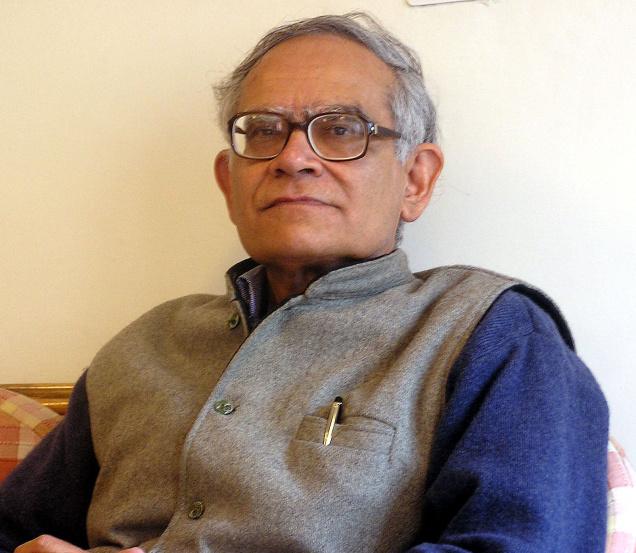
    (The author is Professor of Education at the University of Delhi and a former Director of NCERT.)

  • 80% OF INDIANS HAVE NO HEALTH INSURANCE

    NEW DELHI (TIP): More than 80 per cent Indians do not have any medical insurance cover, though they predominantly rely on expensive private healthcare for their medical needs.

    Almost 86 per cent of rural population and 82 per cent of urban population are not covered by any scheme of health expenditure support, according to the National Sample Survey Office in its latest survey after interviewing more than 3,33,000 people.The government was able to bring only about 12 per cent urban and 13 per cent rural population under health protection coverage through Rastriya Swasthya Bima Yojana and similar plans.

    Only 12 per cent households in urban area had some arrangement of medical insurance from private providers. For all others, this share is negligible. In the absence of health insurance, 75 per cent people tap into their hard-earned savings while more than 18 per cent borrow.

    Borrowing is more in rural areas compared to the cities, where the tendency is more to draw from the savings and household incomes. “The private sector provides nearly 80 per cent of outpatient and 60 per cent of inpatient care. But the cost of private-sector health care is unaffordable for most Indians,” said K Srinath Reddy, president of the Public Health Foundation of India, in an article published in the July 1 issue of the “New England Journal of Medicine”. When NSSO compared the cost of care at public and private sectors, it found while the private health care is four times more expensive than government-run hospitals and clinics in general, treatment of specific diseases cost four, five or even ten times more in private hospitals.

    For instance, the obstetric and gynaecological problems, and child care is ten time costlier to treat in the private sector. Similarly, treatment of injury, gastro enteritis diseases, eye and skin problems and metabolic disorders like diabetes are 5-6 times more costly in private care. Private institutions dominate the field in treating the in-patients for all these years, both in the rural and urban settings. A steady decline in the use of government sources and corresponding increase in the use of private sources are clearly seen over the last three surveys between 1995 and 2014.

  • US: More than 21 million affected by government data breach

    US: More than 21 million affected by government data breach

    WASHINGTON (TIP): Hackers stole Social Security identification numbers and other highly sensitive data from more than 21 million people, the Obama administration said July 9, acknowledging that the breach of US government computer systems was far more severe than previously disclosed.

    The scope of the data breach, believed to be the biggest in US history, has grown dramatically since the government first said earlier this year that hackers had gotten into the Office of Personnel Management’s personnel database and stolen records for about 4.2 million people.

    Since then, the administration has acknowledged a second, related breach of the systems housing private data that individuals submit during background investigations to obtain security clearances.

    That second attack affected more than 19 million people who applied for clearances, as well as nearly 2 million of their spouses, housemates and others who never applied for security clearances, the administration said. Among the data the hackers stole: criminal, financial, health, employment and residency histories, as well as information about their families and acquaintances.

    The new revelations drew indignation from members of Congress who have said the administration has not done enough to protect personal data in their systems, as well as calls for OPM director Katherine Archuleta and her top deputies to resign. Yet Archuleta insisted she would not step down. In a conference call with reporters, Archuleta said the hackers also got hold of the user names and passwords that prospective employees used to fill out their background investigation forms, as well as the contents of interviews conducted as part of those investigations.

    Yet the government insisted there were no indications that the hackers have used the data they stole.

    Numerous US lawmakers have said China was behind the attack. But Michael Daniel, president Barack Obama’s cybersecurity coordinator, said the government wasn’t yet ready to say who was responsible. Officials have acknowledged that the same party was responsible for both of the breaches, which took place in 2014 and early 2015. Investigators previously told The Associated Press that the U.S. government was increasingly confident that China’s government, and not criminal hackers, was responsible for the extraordinary theft of personal information.

  • Finally, racist flag to come down in South Carolina

    Finally, racist flag to come down in South Carolina

    WASHINGTON (TIP): Indian-American South Carolina Governor Nikki Haley on Thursday said a “new day” has dawned for her state as lawmakers voted for removal of the controversial Confederate flag – a symbol of nation’s racist past.

    “It is a new day in South Carolina, a day we can all be proud of, a day that truly brings us all together as we continue to heal, as one people and one state,” Haley said in a statement after the State House of Representatives voted overwhelmingly to remove the flag.

    Last month, after a White man shot down several black people inside a historic church, Haley had taken the courageous step to remove the controversial Confederate flag from the State Capitol – a move which was welcomed across the nation including the US President, Barack Obama. “Removing this symbol of our nation’s racist past is an important step towards equality and civil rights in America.

    The flag may soon no longer fly at the State Capitol, but there is still unfinished business in confronting and acting on the inequalities that still exist in our country” Hillary Clinton, the Democratic presidential candidate, said. “We can’t hide from the hard truths about race and justice. We must do everything in our power to have the courage to name them and change them,” she said.

    Local media reported that confederate flag could be removed from the State House by Friday. South Carolina’s House of Representatives passed the vote with 94-20, more than the two-thirds vote needed for approval. Haley is expected to sign the bill – now passed by both chambers of the State legislature today.

  • New York – JUL 10 Edition

    New York – JUL 10 Edition

    A New Way to Read This Week’s Print Edition

    The Latest from The Indian Panorama | New York Desk

    Reimagined for the Web
    Volume 9 Issue 27 | Desktop Edition | July 10

    VOL9ISSUE27NY

    The Indian Panorama is a South–Asian English newspaper with print editions in New York City, the Tristate area and now also as the first English Indian Newspaper from Dallas, printed weekly every Friday with in-depth coverage on Indian-Americans, Diaspora, India & The World.

    The newspaper is distributed free across the United States and is available at all Indian Temples, gurdwaras & Indian Stores.

  • Dallas JUL 10 Edition

    Dallas JUL 10 Edition

    A New Way to Read This Week’s Print Edition

    The Latest from The Indian Panorama | Dallas Desk

    Reimagined for the Web
    Volume 3 Issue 21 | Desktop Edition | July 10

    VOL3ISSUE21TX

    The Indian Panorama is a South–Asian English newspaper with print editions in New York City, the Tristate area and now also as the first English Indian Newspaper from Dallas, printed weekly every Friday with in-depth coverage on Indian-Americans, Diaspora, India & The World.

    The newspaper is distributed free across the United States and is available at all Indian Temples, gurdwaras & Indian Stores.

  • Indian American farmer appointed to advisory board of Fresno State University

    Indian American farmer appointed to advisory board of Fresno State University

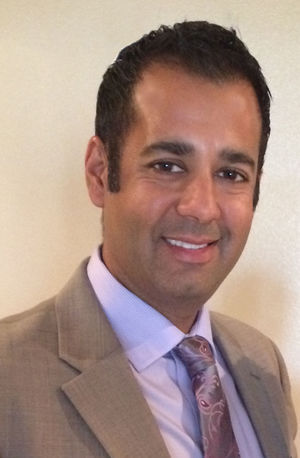
    SACRAMENTO (TIP): Indian American farmer Tejpal “Jay” Mahil has been named to the Fresno State University Advisory Board, a panel of community members who provide advice on improvement and development of the University.

    Mahil is a partner in a family farming operation, Creekside Land Company LLC. He was the first in his family to attend college and earned a bachelor’s degree in agricultural business from Fresno State in 1999.

    “Jay is an outstanding example of a Fresno State alumnus who is active in his community and the agricultural industry,” Castro said, in a statement. “His Central Valley experience and unique professional insights will be of great value to the advisory board as we work together to serve the University.”

    Mahil is a fourth-generation farmer and the first generation of his family to be born in the United States. His great grandfather emigrated from Punjab, India, in 1906.

    Mahil is president of the Madera County Farm Bureau, a board member of the San Joaquin Valley Winegrower Association and a member of the Madera Sunrise Rotary.

  • Shahid Kapoor & Mira Rajput tie the Knot

    Shahid Kapoor & Mira Rajput tie the Knot

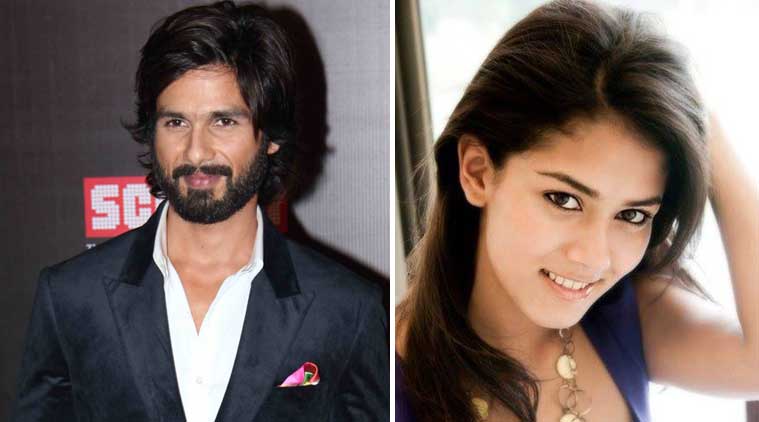
    Bollywood actor Shahid Kapoor on Tuesday, July 7, tied the knot with Delhi-based Mira Rajput at a farmhouse here in a ceremony attended by close family members and a few friends of the couple.

    The nuptials drew immense media interest, but Shahid’s wish of keeping all details guarded turned out to be quite successful as the paparazzi largely failed to get a glimpse of either the duo, the wedding proceedings or even the guests.

    The 35-year-old “Vivah” actor, wanted it to be a close-knit affair and so, only about 50 people are reported to have been present to witness his union with Mira, 21 and a graduate from Delhi university’s Lady Shri Ram College.

    Shahid and Mira, who got engaged earlier this year, reportedly met at a ‘satsang’ as both their families are followers of the religious group Radha Soami Satsang Beas.

    After having dated actress Kareena Kapoor Khan for three years and following link-ups with co-stars including Vidya Balan, Priyanka Chopra and Bipasha Basu, it’s interesting how Shahid — son of veteran actors Pankaj Kapur and his now estranged wife Neelima Azim — has chosen to settle down with a woman who has no previous connection with the film industry.

    Earlier this year, while acknowledging his relationship status with Mira, he had shared with the media that “she is a normal girl and I am a normal guy, and we should treat it like something normal and regular”.

    According to sources close to the actor, he wanted their wedding also to be a simple affair, and he has left all the glamour and glitz to happen at a grand celebration in Mumbai on July 12. It is likely to be attended by Bollywood celebrities galore.

    But before that, a post-wedding celebration is slated for Tuesday night at a luxury hotel, where Shahid has also booked the Presidential Suite, priced at over Rs.600,000 per night, for himself, a source told IANS.

    At another hotel, as many as 50 rooms were booked for the wedding guests.

    The groom arrived in Delhi only on Monday in time for his sangeet ceremony at a farmhouse, where he was seen dancing away with Mira on the song “Saj dhaj ke tashan mein rehna” — as revealed by some videos that were leaked online. Another image featuring Shahid on one knee, with Mira dancing, went viral after celebrity photographer Rohan Shrestha shared it on Twitter on Monday night.

    While Mira wore an Anita Dongre peach and yellow ensemble, Shahid looked suave in a deep red kurta, bandhgala and black pyjama.

    After their wedding, the duo has no time for a honeymoon.

    Shahid has to return to shoot celebrity dance reality show “Jhalak Dikhhla Jaa Reloaded”, where he is coming in as a judge. And his film assignments include Vikas Bahl’s “Shaandaar” opposite Alia Bhatt and “Udta Punjab”, which is produced by Vikramaditya Motwane

  • Indian American Physicians Group AAPI Launch Research Foundation – SARF

    Indian American Physicians Group AAPI Launch Research Foundation – SARF

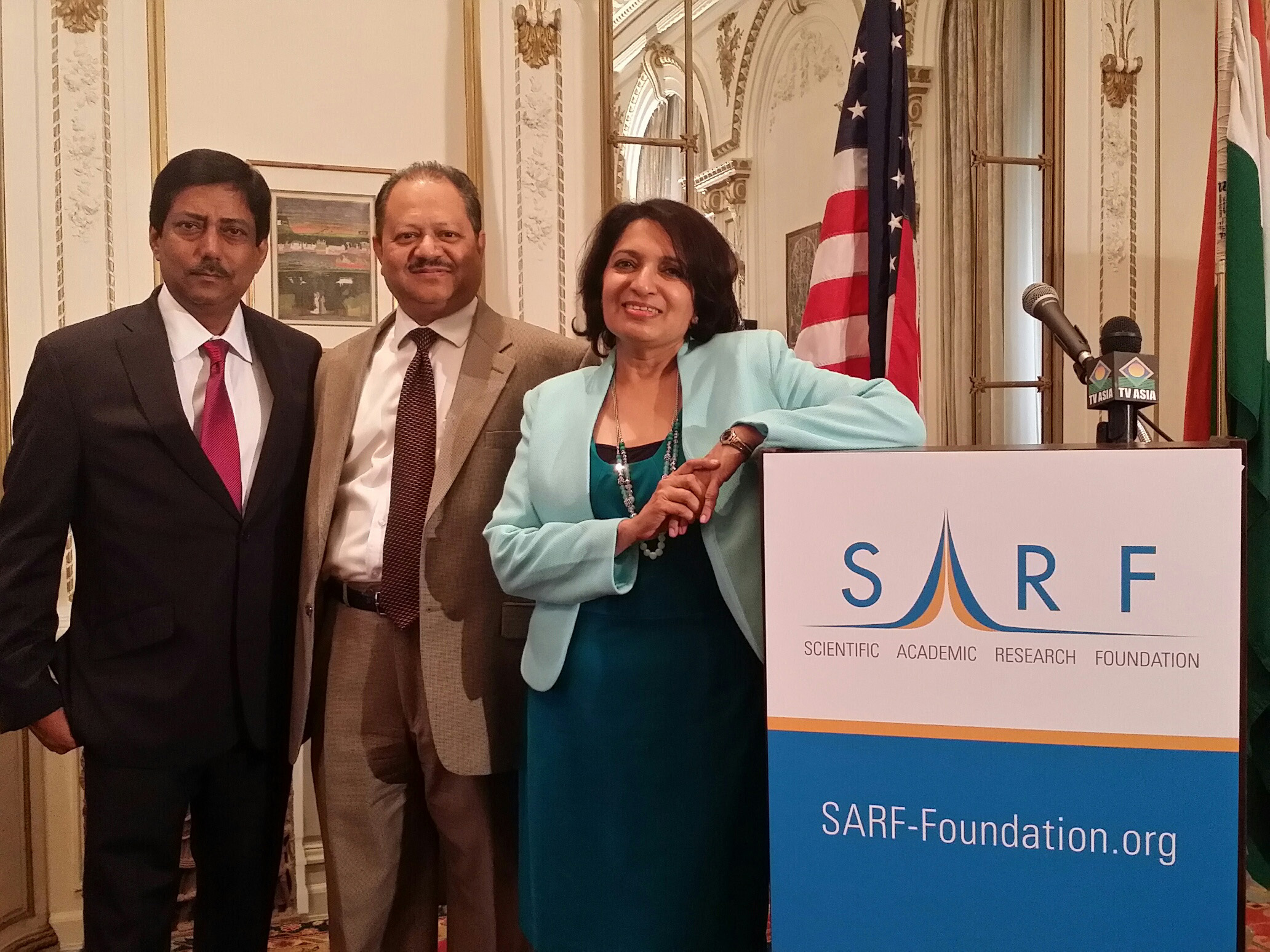
    The American Association of Physicians of Indian Origin (AAPI), the largest ethnic association of medical professionals in the US, has launched a Scientific, Academic Research Foundation (SARF) for supporting key academic research initiatives.

    The pioneering initiative was launched during a solemn ceremony, attended by physicians, community leaders and international media personnel at the Indian Consulate in New York on Friday, according to an AAPI release.

    “SARF has been founded to support and promote excellence in medicine, advance key research and academic initiatives and establishing a robust and credible process of recognizing significant contributions of Indian American Physicians with Excellence awards,” AAPI President Seema Jain said.

    SARF award categories include: Lifetime Excellence for Research & Innovation, Excellence in Leadership to Young Physician Award, Excellence in Global Health, Physician of the Year award and Hall of Fame award.

    The first ever SARF Inaugural Awards Gala will be held on August 14 at the Pierre Hotel in New York.

    The inaugural gala will be addressed among others by Hardeep Singh Puri, Secretary General of the Independent Commission on Multiculturalism, Bob Oliver, President and Chief Operating Officer, Otsuka America Pharmaceuticals and Dnyneshwar Mulay, Consul General of India in New York.

    “It is estimated that there are 1.2 million physicians of Indian origin working not only in India, but also, in most of the countries around the world,” Ms Jain said.

    “Their contributions to the world of healthcare is enormous. It’s in this context, AAPI’s new initiative becomes very timely and unique,” she said.

    The SARF awards are for individuals who distinguish themselves and are at the cutting edge of their field, rising up above thousands of others, Ms Jain said.

    In his inaugural address, Mr Mulay metaphorically described the Indian American community as a “fertile ground,” where AAPI has grown to be a “Banyan tree,” and SARF is a “beautiful flower.”

  • Indian American Jailed for 6 Years for Ponzi Scheme

    Indian American Jailed for 6 Years for Ponzi Scheme

    34-year-old Indian-American investment manager has been sentenced to six years in prison for defrauding investors of millions of dollars through a Ponzi scheme to fund his “extravagant lifestyle”, and has been ordered to pay over USD 9 million in penalty.

    Neal Goyal fraudulently obtained millions of dollars from investors in a sophisticated Ponzi scheme to fund his extravagant lifestyle was sentenced to six years in federal prison.

    He was the sole managing member and founder of an asset management firm and was also ordered to pay more than USD 9.2 million in restitution, by US District Judge Matthew Kennelly.

    Goyal had pleaded guilty in February to one count of wire fraud and has been ordered to surrender to begin serving his sentence on September 17 this year.

    “Goyal was running a Ponzi scheme and he stole much of his investors’ money to prop up his extravagant lifestyle,” Assistant US Attorney Kenneth Yeadon argued in a government sentencing memorandum.

    “There is no justification for the crimes that Goyal committed other than his own desire to place his own self-interests in front of the interests of his investors.”

    From 2006 to 2014, Goyal perpetrated the scheme by setting up a fake trading shop in Chicago in order to fool his investors into believing that his trading strategy generated market-beating returns.

    He concealed his scheme by using existing investor money to repay investors, and by creating and distributing false account statements.

    Many of the duped investors were Goyal’s friends and family members.

  • 57-year-old Rohit Patel beaten up in a Racist Attack in New Jersey

    57-year-old Rohit Patel beaten up in a Racist Attack in New Jersey

    57-year-old Rohit Patel Indian-origin man was left bleeding on the road with broken teeth in New Jersey in the US in an apparent hate attack by a man who was taken into custody.

    Patel needed stitches on his mouth and forehead after being assaulted allegedly by Nyle Kilgore in North Brunswick last week.

    A report in CBS New York said the police had taken Kilgore, 24, into custody and charged him with bias intimidation and aggravated assault. He is now out on bail. The report quoted the police as saying that the attacker targeted Mr Patel because he is Indian, and there have been many such attacks in the area.

    “My dad is a very fragile, innocent man who was just on his daily walk,” said Mr Patel’s son Dipen.”What went through your mind to see him and actually want to cause him pain?”

    The attacker allegedly followed Mr Patel for less than a minute before knocking him down with a blow to the head.

    Dipen questioned the bail granted to Kilgore, saying, “I don’t understand how you can have someone who is continuously committing hate crimes, violent hate crimes, and he’s able to get out the same night.”

    Mr Patel said he’s afraid to step out of home and many in the local Indian community feel equally worried. He and his wife moved to the US from the UK in May, but say they are contemplating moving back.

    New York and New Jersey have a sizeable Indian-origin population. The Indian-American community has in recent times been the target of robberies, particularly after the Diwali festival when many families have cash and gold jewelry at home.

    Earlier this year, a US grand jury indicted an Alabama police officer who was caught on camera slamming an elderly Indian man to the ground.

    On February 6, Sureshbhai Patel, 57, was thrown with such force that he was partially paralysed. He had just moved from India to help his son’s family care for a young child, and could not communicate with the cops as he knew very little English.

  • Indian Scientist from Jharkhand Finds Breakthrough Malaria Cure

    Indian Scientist from Jharkhand Finds Breakthrough Malaria Cure

    LONDON:  An Indian scientist, who suffered from malaria as a child, is among a group of top international scientists which has identified a key protein that if targeted stops the disease, paving the way for new treatments.

    Dr Mahmood Alam, from Lohardaga in Jharkhand, is among the authors of the new study published in the journal ‘Nature Communications’ today.

    Dr Alam and others at the Medical Research Council’s (MRC) Toxicology Unit based at the University of Leicester and the London School of Hygiene & Tropical Medicine identified a key protein, called a protein kinase, that if targeted stops malaria.

    “There has been a great deal of excitement among malaria scientists about the outcome of our research since it not only tells us about the biochemical pathways that are essential for the parasite to survive in our bodies but it also allows us to design drugs that can spot these essential pathways and thereby kill the parasite,” said Dr Alam.

    “As a kid I had malaria few times and I always wanted to study the malaria parasite so that effective drugs or vaccines could be developed,” said the scientist, who graduated in biotechnology in Ranchi and moved to Pondicherry for his Master’s in the subject from Pondicherry University.

    “To study the survival mechanisms of P falciparum, I joined the research group of Prof Andrew Tobin at University of Leicester and then at Medical Research Council, Toxicology Unit. Here I have used the cutting edge technology of phosphoproteomics to further study the biochemical pathways in malaria parasite,” he added.

    Malaria is caused by a parasite that lives inside an infected mosquito and is transferred into the human through a bite. Once inside the body, parasites use a complex process to enter red blood cells and survive within them. By identifying one of the key proteins needed for the parasite to survive in the red blood cells, the team has prevented the protein from working, thus killing the parasite. The discovery could be the first step in developing a new drug to treat malaria.

    The scientists – funded by the UK’s MRC and the Welcome Trust – used state-of-the-art methods to dissect the biochemical pathways involved in keeping the malaria parasite alive. This included an approach called chemical genetics where synthetic chemicals are used in combination with introducing genetic changes to the DNA of the parasite.

    They found that one protein kinase (PfPKG) plays a central role in various pathways that allow the parasite to survive in the blood. Understanding the pathways the parasite uses means that future drugs could be precisely designed to kill the parasite but with limited toxicity, making them safe enough to be used by children and pregnant women.

    Co-lead author of the study Professor Tobin said: “This is a real breakthrough in our understanding of how malaria survives in the blood stream and invades red blood cells.

    We’ve revealed a process that allows this to happen and if it can be targeted by drugs we could see something that stops malaria in its tracks without causing toxic side-effects.”

    According to the World Health Organisation, malaria currently infects more than 200 million people worldwide and accounts for more than 500,000 deaths per year.

  • Salman Khan hit-and-run case hearing to begin on July 13

    Salman Khan hit-and-run case hearing to begin on July 13

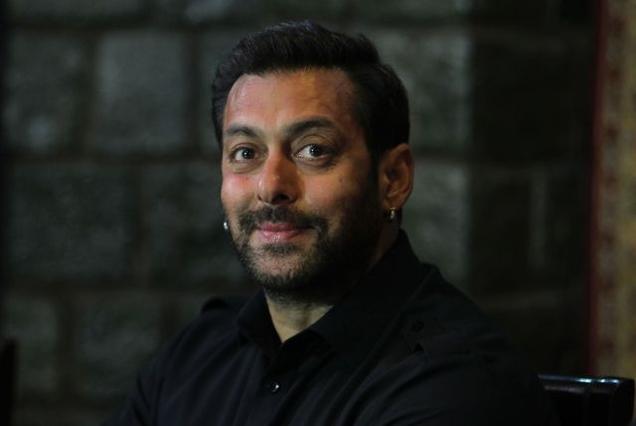
    The Bombay High Court has just adjourned the hearing on Salman Khan’s appeal against conviction in 2002 hit-and-run case to July 13.

    Currently, the Bajrangi Bhaijaan actor’s lawyers are busy preparing the case papers for the hit-an-run case. Earlier the Bombay High Court while admitting Salman’s appeal against his conviction posted the matter for June 15 and then to July 1 but now, the hearing will begin only on July 13.

    On May 6, a Sessions Court had announced a 5-year sentence in the long impending 2002-hit-and-run case in which Khan was involved. Two days after this, the actor, however, was granted bail on May 8 by the Bombay High court and his sentence was five-year long sentence was suspended.

  • US economy adds 223,000 jobs in June but wages flat

    US economy adds 223,000 jobs in June but wages flat

    WASHINGTON (TIP): The US economy added 223,000 net new jobs in June, the Labor Department said on Thursday in a mixed report on the jobs market.

    The unemployment rate fell to 5.3 percent, the lowest level since April 2008, but job creation numbers for the previous two months were revised significantly lower, and there was no upward movement on wages.

    Data from the volatile household labor survey showed the labor force shrank by 432,000 people in the month, largely explaining the 0.2 percentage point fall in the jobless rate.

    At the same time, job creation numbers for April and May from the more consistent establishment survey were reduced by a total of 60,000 positions, indicating that the pace of new hiring in US business and government is more moderate than had been thought.

    Average hourly earnings were flat from May at $24.95, and up a modest 2.0 percent year on year, lower than what most analysts had been expecting after the steady hiring gains of the past year.

  • “Hollywood’s Favorite Bollywood Choreographer” who made Michelle Obama dance to his beats, will now Judge DID North America 2015

    “Hollywood’s Favorite Bollywood Choreographer” who made Michelle Obama dance to his beats, will now Judge DID North America 2015

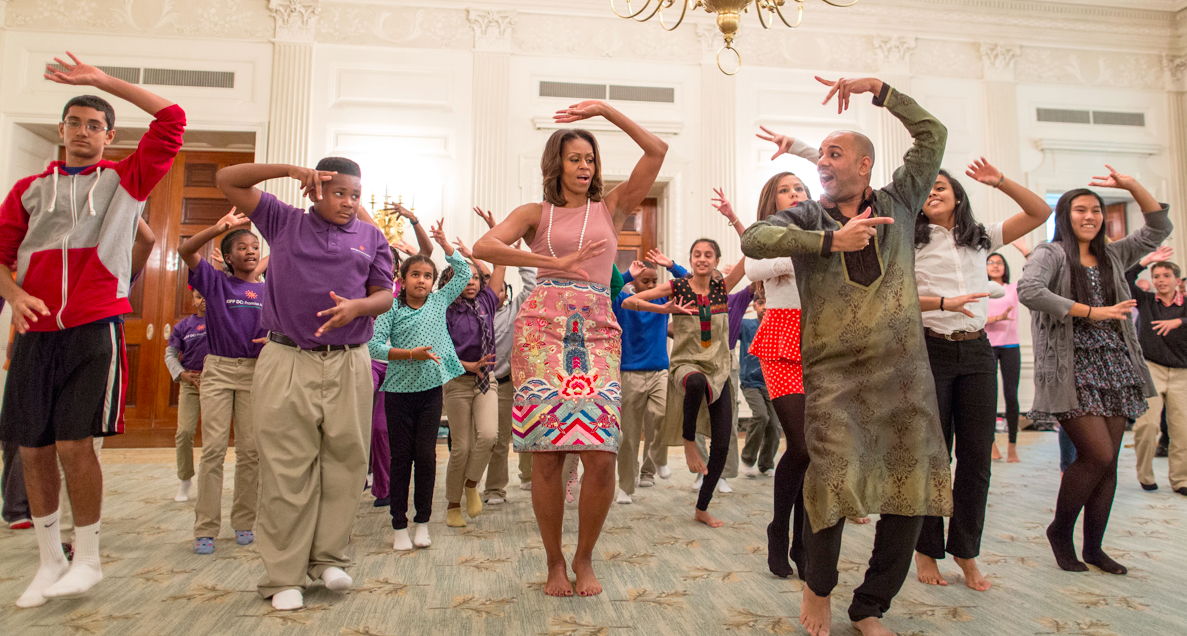
    July, 2015—New York, NY) ZEE TV America is all set to open doors for DID North America 2015 and Nakul Dev Mahajan, “Hollywood’s Favorite Bollywoodzeetv Choreographer” who made Michelle Obama and Nina Davuluri dance to his beats will now Judge DID North America 2015. Nakul Dev Mahajan, an America Bollywood choreographer and dancer, has been choreographing and dancing for more than 25 years. He has choreographed for all major TV networks and is best known for his work on “So You Think You Can Dance.”

    DID North America gets even more grand this season, 20 finalists have been selected from over 18,000 entries received. These 20 finalists will fly to Mumbai and compete for the title of DID North America 2015.

    DIDSameer Targe, General Manager of ZEE TV Americas says, “This is the 4th season of Dance India Dance North America and every year we strive to take it a notch higher. This is not just a show for us – this is a platform where we try to give back to our community and take people closer to their dreams and passion! I truly feel that there could be no one better choice than Nakul Dev Mahajan– to judge our very talented South Asian Gen Y”

    Nakul Dev Mahajan says, ”Dance India Dance is a household name and the North America chapter is such a huge platform for the 2nd generation of aspiring dancers to showcase their talents. Not only am I honored to be a part of the judging panel, but also excited to see these kids rock that stage.”

    ZEE Americas

    A pioneer in South Asian entertainment, ZEE TV has become synonymous with unparalleled quality in broadcasting for more than 20 years.  As a global brand, ZEE is committed to delivering top-notch international content.

    
ZEE in the Americas has established itself as a mainstay in American households, reaching more than 2 million viewers.  As a market leader in the South Asian entertainment space since its entry into America in 1998, ZEE is continuously evolving its content to meet the changing needs of the market across genres and languages.  As the exclusive distributor of the ZEE channels in the Americas, Asia TV USA Ltd. caters to a wide audience with a growing number of channels, including ZEE TV, ZEE Cinema, ZEE Khana Khazana, Zing, ZEE Business, ZEE Smile, TEN Cricket, ZEE Aflam, ZEE Alwan, ZEE Russia, ZEE Marathi, ZEE Kannada, ZEE Telugu, ZEE Tamizh, Alpha ETC Punjabi, ZEE Bangla, ZEE Salaam, ZEE 24 Taas, ZEE 24 Ghanta and ZEE 24 Ghantalu

    About Nakul Dev Mahajan

    Nakul Dev Mahajan is known as “Hollywood’s Favorite Bollywood Choreographer.” He opened the first Bollywood Dance Company and School in the United States, NDM Bollywood Dance Productions and Studios Inc. Since its opening, NDM Bollywood Dance has been the “Leading Authority on the Art of Bollywood Dancing.” Nakul is best credited for his work on “So You Think You Dance,” A.R. Rahman Jai Ho World Tour, Miss America (Nina Davuluri) talent segment and bringing Bollywood to the White House with Michelle Obama.

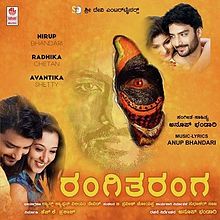
  • Quality addition to Indian Cinema – RANGITARANGA: Movie Review

    Quality addition to Indian Cinema – RANGITARANGA: Movie Review

    Story Line: Gautam, a novelist leads a reclusive life in Ooty. Gautam’s latest novel is titled RangiTaranga, a word which might hold the key to his past. Indu, a soft natured girl, paints the cover pages of all Gautam’s novels. Sandhya, a self proclaimed journalist, is in search of an anonymous writer who goes by the pen name “ANASHKU”. Unforeseen circumstances lead Gautam to Indu’s ancestral home in the village of Kamarottu. Upon his arrival in Kamarottu, he befriends the post master, Kalinga, and the elderly school head master, Shankara. Gautam experiences a lot of strange occurrences and his investigation into these incidents irks the powerful men in the village. Meanwhile, Sandhya’s trail leads her to Kamarottu. And then, the unexpected happens!!!

    Cast:

    Nirup Bhandari, who holds the movie and all the charaters around has done neat job for his first venture. Radhika and Avantika’s charaters are backbone of the film. Both have performed well. Anantavelu and Arvind Rao have done a great job in their roles. But it is SaiKumar who steals the show as a post master.

    Music and Background score:

    Music by Anup Bhandari is soothing. Recreation of ‘denanna denanna’ from the famous 90’s ‘Guddada Bootha’ serial is the best among all.

    Background score by Ajaneesh Loknath is what makes the film reach out to audience and the thrilling journey you go through during the movie stays with you for a long time.

    Cinematography:

    Kannada film Industry gets the touch of Hollywood style of cinematography with ‘Rangitaranga’. Lance Kaplan, who has worked in short films like ‘Words’ is the DoP along with our local boy William David. This film proves that India has in itself beautiful locations for any kind of movie.

    Direction:

    A promising director has made debut in Kannada Film Industry. Anup Bhandari has also written the script and has taken a big risk to bring such unusual story on screen. The director is successful in keeping the audience glued to their seats before interval. Post interval, the movie becomes a little slow paced with back to back songs. Just when the audience starts feeling bored with too many colorful songs, the director comes back with a bag full of surprises, twists and turns that will eventually reveal the truth.

    The movie, overall, is a super thriller and a must watch. It is worth seeing many times and find ourself discovering characters and explore the music and visuals. It is great to see that young directors are coming out from shadows and making quality movies. Hope the trend continues.

    RIDE THE NEW WAVE.

    – Sourabha B – Movie Critic & An IT Professional @ Bengaluru

  • Greeks  Votes “No” to EU demands – Syriza readies IOU currency

    Greeks Votes “No” to EU demands – Syriza readies IOU currency

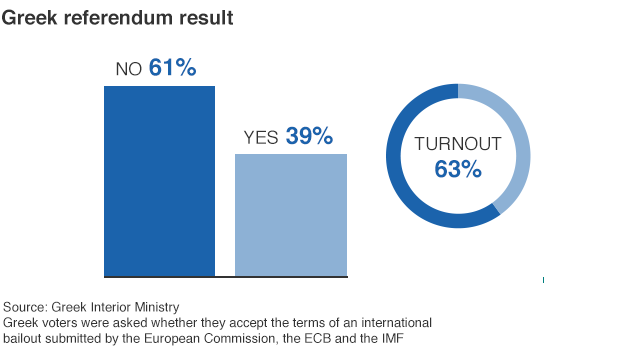
    ​Greeks have voted and have rejected the “ridiculed” austerity demands of Europe’s creditor powers by a stunning margin, sweeping aside warnings that this could lead to the collapse of the banking system.

    The final result in the referendum, published by the interior ministry, was 61.3% “No”, against 38.7% who voted “Yes”.

    Greece’s governing Syriza party had campaigned for a “No”, saying the bailout terms were humiliating.

    Greek Prime Minister Alexis Tsipras said late on Sunday that Greeks had voted for a “Europe of solidarity and democracy”.

    “As of tomorrow, Greece will go back to the negotiating table and our primary priority is to reinstate the financial stability of the country,” he said in a televised address.

    “This time, the debt will be on the negotiating table,” he added, saying that an International Monetary Fund assessment published this week “confirms Greek views that restructuring the debt is necessary”.

    Alexis Tsipras has called the eurozone’s bluff – and it appears to have gone his way. There is still a 39% of the Greek nation deeply unhappy with what has happened. And the government will have to unite a divided country.

    4 out of 10 Greeks did not want this situation where they might have to exit the EU. More than that, a deal with the eurozone has to be struck fast.

    Greek banks are running critically low and will need another injection of emergency funds from the European Central Bank.

    Greece’s Finance Minister, Yanis Varoufakis called the eurozone’s strategy “terrorism”.

    The banking crisis and tax revenues plummeting amidst the instability, Greece’s economy has weakened again, making a deal even harder to reach.

    European Commission President Jean-Claude Juncker said he was consulting the leaders of eurozone member states, and would have a conference call with key EU officials and the ECB on Monday morning.

    French President Francois Hollande and German Chancellor Angela Merkel are scheduled to meet in Paris on Monday.

    A summit of eurozone heads of state has been called for Tuesday, June 7.

    The European Commission – one of the “troika” of creditors along with the IMF and the ECB – wanted Athens to raise taxes and slash welfare spending to meet its debt obligations.

    Greece’s Syriza-led government, which was elected in January on an anti-austerity platform, said creditors had presented it with an “ultimatum”, using fear to put pressure on Greeks.

    The Greek government’s opponents and some Greek voters had complained that the question in Sunday’s referendum was unclear. EU officials said it applied to the terms of an offer that was no longer on the table.

    The turnout in Sunday’s referendum was 62.5%.

  • HWL: Indian hockey eves beat Italy, keep Olympic dreams alive

    HWL: Indian hockey eves beat Italy, keep Olympic dreams alive

    ANTWERP (TIP): India kept their Olympic qualification dreams alive by beating lower-ranked Italy in the shoot-out in a classification match of the women’s Hockey World League Semifinals at the KHC Dragons Stadium, on July 2.

    The Indian hockey eves, ranked 13 in the world, prevailed 5-4 over world rank 16 Italy in the shoot-out of the first play-off match for the fifth to eighth positions, after both the teams were locked at 1-1 at the end of the regulation 60 minutes.

    India failed to capitalise on numerous opportunities during the regulation time. The ensuing shoot-out also failed to break the deadlock as both the teams scored four times each from their five shots and the contest went to sudden-death.

    Taking the first try in sudden-death, Rani Rampal shot on target before goalkeeper Savita brought off a fine save against Giuliana Ruggieri to spark celebrations in the Indian camp.

    Rani Rampal had earlier scored the equaliser for India in the 33rd minute after Italy opened the scoring against the run of play in the ninth minute of the contest.

    In the shoot-out, experienced striker Vandana Katariya muffed her attempt while Navjot Kaur, Anuradha Thokchom, Rani Rampal and Deepika scored for India. For Italy, Valentina Braconi, Marcela Casale, Guiliana Ruggieri and Chiara Tiddi shot on target but Dalila Mirabella was denied by the Indian custodian.

    The victory takes India into the play-off for the fifth and sixth spot on Saturday, where they will face the winner of the another classification contest between hosts Belgium and Japan. Three Olympic spots are on offer in this tournament, but even some teams not advancing to the semifinals are likely to qualify as five continental champions might have already books a ticket to Rio de Janeiro.

    India’s only previous appearance in the women’s hockey tournament of the Olympics was in 1980.

    India were the dominant side from the beginning against Italy, but failed to make it count. Repeated circle penetrations were of no use as the strikers could not produce a goal-bearing shot in the often crowded circle.

    Occasionally the crosses could not be trapped in the goalmouth with the defenders beaten.

    The story of missed chances began in the third minute itself when Katariya’s reverse shot from the top of the circle was padded away by the Italia goalkeeper as others failed to get a stick to the ball.

    Continuing to build pressure, India were thwarted again in the sixth minute when the Italians held on in a goalmouth scrimmage. At this stage, 10 Indian players were in the rival territory.

    Italy opened the scoring against the run of play in the ninth minute, catching the Indian defence off-guard with a quick switchover. Two unmarked Italian players were standing next to goalkeeper Savita when she blocked a long-range shot into the circle and the rebound was swept into the board by Elisabetta Pacella.

    Despite Italy taking the lead, the Indians continued to dominate but their circle penetrations were not rewarded with a goal.

    India muffed a 29th minute penalty corner as the ball could not be stopped and Italy went into halftime leading 1-0.

    India equalised three minutes into the second half when Rani Rampal picked up a ball that Italian captain Tiddi failed to connect. Rani capitalised on the opening by moving to the right to get away from another defender and beat goalkeeper Martina Chirico with a deft shot into the board.

    Then the Italian goalkeeper made a good diving save to her right on India’s second penalty corner in the 37th minute. At the other end, Italy’s lone penalty corner of the match did not pose any threat as Namita Toppo rushed out to block the drive in the 45th minute. Rani Rampal could have scored the match-winner for India on two occasions in the last quarter of the encounter, but she failed to have a shy in the crowded circle.