Month: July 2015

  • Italy Takes The International Arbitration Route On The Marines Issue with India

    Italy Takes The International Arbitration Route On The Marines Issue with India

    Rome July 1 (TIP): Italy has decided to enter into international arbitration with India over the case of two Italian marines accused in the 2012 shooting of two Indian fishermen.

    The foreign ministry said on June 26 the decision was taken after three years of negotiations with India and the “impossibility of arriving at a solution to the controversy.”

    Italy said Friday it had initiated international arbitration proceedings in the case of two of its marines facing trial in India for the 2012 killing of two fishermen.

    The unilateral move by the Italian government follows the failure of direct negotiations with the Indian government aimed at resolving a case which has severely strained diplomatic relations between the two countries, the foreign ministry said in a statement.

    India insists that the fate of the two marines, Massimiliano Latorre and Salvatore Girone, must be resolved by its courts because its citizens were shot in its territorial waters.

    Italy maintains that the shooting, which happened while the two marines were serving as part of an anti-piracy mission, occurred in international waters off southern India and should be dealt with under the UN Convention on the Law of the Sea (UNCLOS).

    Under UNCLOS, parties to a dispute can seek arbitration through an ad hoc panel or the creation of a special tribunal.

    Other alternatives are to seek a judgement from the International Court of Justice in the Hague or the International Tribunal for the Law of the Sea, in Hamburg, Germany.

    Italy’s foreign ministry did not specify the exact procedure it was starting but said they would be making an immediate request for both the marines to be allowed to stay on home soil pending the outcome of the arbitration procedure.

    India is holding the marines without charge and insists it has jurisdiction in the case. Latorre has been in Italy since last year having been granted permission to leave India on health grounds due to a heart condition which required minor surgery. Girone remains confined to Italy’s embassy in Delhi pending a trial which Italian officials say has taken far too long to come to court.

    The marines have denied shooting the fishermen deliberately but have conceded they mistook the fishing boat for a pirate vessel and fired what were supposed to be warning shots.

  • ‘Inside India’ – Moody’s Investors Service report shows Disappointment over slow reforms

    ‘Inside India’ – Moody’s Investors Service report shows Disappointment over slow reforms

    In its latest ‘Inside India’ report, Moody’s Investors Service said the consensus view on India’s economic growth prospects is relatively optimistic and in line with Moody’s baseline forecast of 7.5% expansion in current fiscal.

    The agency said it expects India’s weakened rural economy to remain subdued through this fiscal, particularly if the risk of below-average monsoon rainfall materialises.

    “A sustained soft patch for India’s rural economy would weigh on private consumption and non-performing assets in the agricultural sector, which is a credit negative for the sovereign and banks,” Moody’s vice-president and senior research analyst Rahul Ghoshsaid.

    “Forecast represents the highest projection amongst G20 economies, and provides a key pillar of support for the Baa3 sovereign rating and positive outlook,” said the rating agency. This is the lowest investment grade rating, but a ”positive” outlook indicates room for further upgrade.

    However, the results of the latest polls conducted by it have thrown up “some disappointment” with regard to the pace of reforms by the Modi government, and increasing concerns over slow-paced reform process as well as the “ongoing policy stagnation”.

    The rating agency said there are growing concerns about risk of policy stagnation and that “some disappointment” has emerged over the pace of reforms under the Modi government.

    “Specifically, almost half of the poll respondents identified sluggish reform momentum as the greatest risk to India’s macroeconomic story.”

    “The multi-party, federal democracy in India underpins a gradual pace of policy implementation” and many of the policies are positive for India’s institutional strength.

    However, the direct impact of growth-enhancing reforms is only likely to take full effect over a multi-year horizon, it said.

    Moody’s raised the concerns on a day when core sectors in the country locked themselves into a faster growth trajectory, after reporting a long muted growth. Electric generation, coal and refinery products have recorded faster growth in May.

    The output of eight infrastructure sectors expanded by 4.4% in May, the highest growth rate in past six months, and up from 3.8% in May 2014. The growth comes after a decline in the output posted in previous two months of March and April. The core sectors had expanded at a rate of 3.8% in May 2014.

    The core sectors’ growth rate in May this year is the highest since November 2014, when these segments reported a 6.7% jump.

    Despite the new government’s focus on building infrastructure, the sector saw its fortunes take a turn for worse by 2014-end. The growth rate of core sector industries fell to 2.4% in December 2014, from 6.7% in the previous month, and then, to 1.8% in January and 1.4% in February. The overall growth of eight core industries in the entire 2014-15 fiscal stood at 3.5% against 4.2% in the previous fiscal.

    The growth in May 2015 was driven by healthy output of coal (7.8%), refinery products (7.9%) and electricity generation (5.5%). Crude oil production went up 0.8% while steel and cement grew 2.6%. Fertiliser output grew 1.3%. Natural gas, however, recorded a negative growth of 3.1% in May 2015.

    In March and April, the eight sectors, which contribute 38% to overall industrial production, had declined 0.1% and 0.4%, respectively.

    During April-May period of the current fiscal, the sectors’ output expanded 2.1% as against 4.7% in the same period last year.

  • Heart disease deaths can be halved : Indian American researcher Dr. Shivani Patel

    Heart disease deaths can be halved : Indian American researcher Dr. Shivani Patel

    According to new research led by Indian American Dr. Shivani Patel of the Rollins School of Public Health at Emory University in Atlanta, Georgia – Half of heart disease deaths in the United States are caused by preventable factors which can be avoided and the number of deaths can be halved.

    Major modifiable cardiovascular risk factors collectively accounted for half of cardiovascular deaths in U.S. adults aged 45 to 79 years in 2009 to 2010 according to the analysis.

    Research showed that fatalities due to preventable risk factors like obesity and smoking etc account for 50% of the deaths and this ratio changes from state to state.

    Unexpectedly, “there wasn’t a huge difference” in cardiovascular-related deaths “between best off and worst off states,” said lead author Shivani A. Patel.

    To estimate how many heart disease deaths are due to preventable factors, Patel and her coauthors analyzed responses from more than 500,000 people, ages 45 to 79, to a landline phone-based behavioral risk factor survey in 2009 and 2010, as well as data from the National Health and Nutrition Examination Survey.

    The researchers write in Annals of Internal Medicine that had it been possible to completely eliminate every case of high cholesterol, high blood pressure, diabetes, obesity and smoking in the U.S., 54 percent of heart disease deaths among men and almost 50 percent of heart disease deaths among women in 2010 could have been prevented.

    Research further showed that if every state brought levels of such risk factors down to the best level any state has so far achieved, about 5 percent of heart disease deaths would be prevented.

    “Even the best states aren’t doing that well,” Patel said.

    Smoking is on the decline, and obesity and diabetes may soon become the number one risk factors for cardiovascular disease, Patel said.

    Health care providers should work to not only treat these risk factors, but also prevent them by intervening with patients at an early age, she said.

    In 2009 and 2010, the states with the lowest levels of risk factors were in the West, like Colorado, and those with the highest levels were in the South, including Kentucky, West Virginia, Mississippi, Alabama and Louisiana.

    The study’s complete findings can be found here : http://annals.org/article.aspx?articleid=2362308 | Cardiovascular Mortality Associated With 5 Leading Risk Factors: National and State Preventable Fractions Estimated From Survey Data

    The Research Team : Dr. Shivani A. Patel, PhD; Munir Winkel, MSc; Mohammed K. Ali, MBChB; K.M. Venkat Narayan, MD; and Neil K. Mehta, PhD

    About : Dr. Shivani A. Patel – Shivani Patel is a social epidemiologist who received her MPH from the University of Michigan and her PhD from the Johns Hopkins Bloomberg School of Public Health. Her dissertation focused on household- and community-level determinants of child neurocognitive development in the southern plains of Nepal. She prioritizes research that addresses health concerns of marginalized populations, particularly in South Asia.

    Dr. Patel joined the Emory Global Diabetes Research Center as a postdoctoral fellow in 2013, and was hired as assistant professor in January 2015. Her primary project includes quantifying the contribution of modifiable risk factors to state-level disparities in cardiovascular mortality in the US. In addition, she is collaborating with EGDRC faculty to investigate socioeconomic determinants of cardiometabolic health in India, including the study of urban-rural differences in weight status across the lifecourse.

  • Indian shuttlers Jwala Gutta and Ashwini Ponnappa win Canada Open

    Indian shuttlers Jwala Gutta and Ashwini Ponnappa win Canada Open

    Indian shuttlers Jwala Gutta and Ashwini Ponnappa won the Canada Open women’s doubles title after upstaging the top-seeded Dutch pair of Eefje Muskens and Selena Piek in the summit clash here.

    The third-seeded Indian pair triumphed 21-19 21-16 in the contest which lasted 35 minutes.

    In a closely-contested opening game, Jwala and Ashwini broke away from the 19-19 and converted the lone game point opportunity to grab the initiative.

    The Indians dominated the second game and raced to a 5-0 lead before going from 10-6 to 15-6 up.

    However, Muskens and Piek fought back to win nine points straight and tie the game at 15-15. But Jwala and Ashwini did not let the advantage slip and won 6 of the next 7 points to clinch the title.

    This was Jwala and Ashwini’s first title since their reunion after the 2012 London Olympics. — PTI

  • Winners of the 40 Under 40 Emerging Leaders Awards – The M&A Advisor

    Winners of the 40 Under 40 Emerging Leaders Awards – The M&A Advisor

    New York (TIP) July 1: The M&A Advisor, a New York-based advisory firm offering intelligence about merger and acquisition activity, recognized the winners of the 6th annual “40 Under 40 Emerging Leaders Awards” on June 29th, New York at the Roosevelt Hotel.

    The M&A Advisor, renowned globally for its recognition and presentation of leading M&A, financing and turnaround professionals, created this recognition awards program to promote mentorship and professional development amongst the emerging leaders of our industry.

    The Awards Gala is a feature of the 2015 Emerging Leaders Summit – an exclusive event pairing current and past 40 Under 40 winners together with their peers and industry stalwarts and to introduce the 40 Under 40 Emerging Leaders Award Winners to the business community and celebrate their achievements.

    Seven Indian Americans and one Indo-Canadian were among the winners and were recognized at the Awards Gala held at the Roosevelt Hotel in Manhattan, June 29, New York.

    Saurin Mehta, MD at Lincoln International; Satish Raman, global head of corporate development at Sutherland Global Services; and Vamsi Yadlapati, MD and co-head, M&A, at Focus Financial Partners from the “dealmaker” category.

    Deepak Gill, partner at Cassels Brock & Blackwell LLP in Vancouver, Canada; and Henrik Patel, partner at White & Case LLP from the “legal advisor” category.

    Navine Aggarwal, vice president of M&A at Allied World Assurance Company; Sanjeev Parlikar, managing director at Accordion Partners; Dhwani Vahia, head of private equity marketing at S&P Capital IQ; and Shashi Yadavalli, partner at Deloitte Consulting in Cleveland and Akron, Ohio from the “service professional” Category.

    “In 2010, we initiated the 40 Under 40 Awards to recognize high achieving young women and men in our industries of M&A, financing and restructuring”, said David Fergusson, President and Co-CEO of The M&A Advisor.

    The 2015 Award Winners have been chosen from a pool of prominent nominees for their notable accomplishments in business and in service to the community.

    To view a complete list of Winners Click Here.

  • Canadian woos Punjab for closer ties

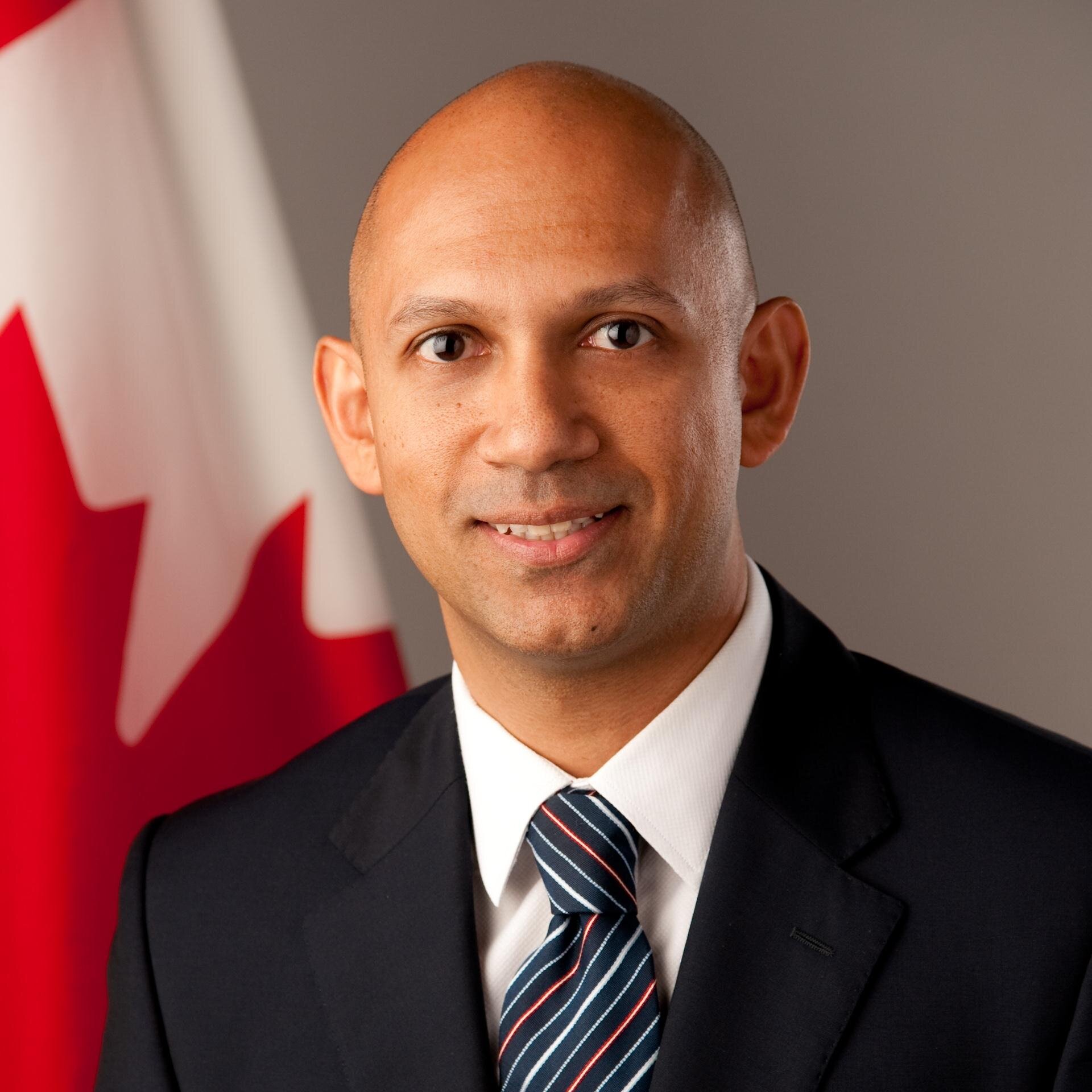
    “Canada and India share extremely strong relations. Now, we are focusing on trade and agricultural technology in India,” said Nadir Patel, High Commissioner for Canada to India.

    He was speaking at a special session ‘India-Canada relationship in today’s interconnected world’ hosted by the Indian School of Business (ISB) here this evening.

    Terming Indian Prime Minister Narendra Modi’s recent visit to Canada as very successful, Patel said more opportunities to further strengthen ties between both countries were being explored.

    “Things are moving in the right direction as far as bilateral relations between the two countries are concerned,” said Patel Patel, the first Indo-Canadian to be appointed to this top position.

    He added that Canadians of Indian origin have been contributing to the Canadian $2 trillion economy and there was immense scope to boost investment further in terms of entrepreneurial ventures in various sectors.

    The High Commissioner added that Canada’s start-up visa programme has specially been formulated to facilitate entrepreneurial ventures in Canada.

    “We are positive about the way business opportunities are shaping up in India but the gap between the vision and public policy implementation has to be bridged for better integration of the two nations,” said Patel.

    On various points, including the nuclear deal between both countries, the ‘Make in India’ programme and trade, Patel said that
    Canada was very keen to strengthen ties with India through various initiatives in the education sector.

    “Students are the best brand ambassadors of the Indo-Canadian relationship,” he said, adding that 46,000 Indian students are presently studying in Canada.

    “The number of Indian students in Canada has grown by 17 per cent over the past five years and is surging every year. We would like to see more students from Canada too studying in Indian educational institutions.”

  • Canadian high commissioner promotes India for studies to youths

    Canadian high commissioner promotes India for studies to youths

    CHANDIGARH: Nadir Patel, Canadian high commissioner to India, highlighted possibility of greater educational collaboration with not just Indian students studying on Canadian campuses but also vice versa coming true.

    “At present we have 46,000 Indian students studying in Canada. But we would like to see students from Canada also studying in Indian educational institutions. The number of Indian students in Canada has grown by 17% over the past five years and is surging every year,” he said while speaking on the topic ‘India-Canada relationship in today’s interconnected world’ at the Indian School of Business (ISB) in Mohali on Wednesday.

    Pael, the first Indo-Canadian to be appointed to this top position, met Punjab deputy chief minister Sukhbir Singh Badal earlier in the day. He informed that Canadians of Indian origin had been contributing a lot to the $2 trillion economy of the North American country, yet there was immense scope to boost investment further in terms of entrepreneurial ventures in various sectors.

  • Sunny Leone’s ‘Mastizaade’ Faces Problems From Censor Board

    Sunny Leone’s ‘Mastizaade’ Faces Problems From Censor Board

    “Mastizaade” is an upcoming sex comedy movie starring Tusshar Kapoor and Vir Das in the lead alongside Leone with  Ritesh Deshmukh as a guest appearance.

    “Mastizaade” had been banned by both Examining Committee (EC) and the Revising Committee (RC). Later, Milap Zaveri, the director, approached the Film Certification Appellate Tribunal (FCAT) to challenge the reports of the previous committees. Bollywood Hungama reported that the Bollywood movie was waiting for certification from the censor board that resulted the delay in releasing the movie. However, recently, the censor board has confirmed that the film cannot be given green signal to hit the big screen.

    “The film is only concerned with the exploration of the different parts of the human anatomy, both male and female and is such as to deprave the minds of the audience,” according to a report released by Tribunal.

    “Freedom of expression cannot and should not be interpreted as a license for the cine-magnates to make huge sums of money by pandering to shoddy and vulgar tastes,” the report also added.

    Sunny Leone, who is an Indo-Canadian actress and model, started her career in the porn industry in 2001. She was voted number 13 (up from 41) on “Genesis” magazine’s “Top 100 Porn stars” list in 2007. An international men’s magazine named “Maxim” ranked Leone as one of the top 12 female stars in porn in 2010.

    After her Bollywood debut in Pooja Bhatt’s erotic thriller “Jism 2” in 2012, Leone started focusing on mainstream acting. She also received good critics for her performance in her previous Bollywood films “Jackpot,” “Ragini MMS 2” and “Ek Paheli Leela.”

  • Indian American Professor R Paul SIngh named World Agriculture Prize laureate

    Indian American Professor R Paul SIngh named World Agriculture Prize laureate

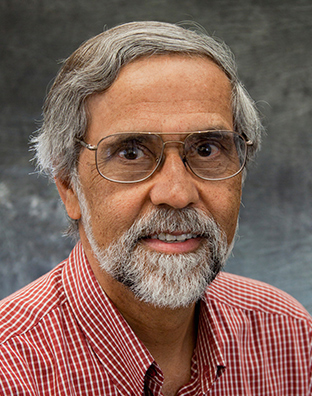
    Indian American Professor Emeritus R. Paul Singh who has held dual appointments in the departments of Biological and Agricultural Engineering and of Food Science and Technology at the University of California, Davis, has been named as the 2015 Global Confederation for Higher Education Associations for Agriculture and Life Sciences World Agriculture Prize laureate.

    The award was announced at the annual GCHERA conference, held June 24-26 at the Holy Spirit University of Kaslik, Jounieh, Lebanon. Formal presentation of the award will take place Sept. 20, during a ceremony at Nanjing Agricultural University, Jiangsu Province, China.

    “I’m deeply humbled and honored, upon receiving news of this award,” Singh said. “I’m proud of my students, postdoctoral fellows and visiting scientists for their numerous contributions to our research program. I’m also indebted to my UC Davis colleagues for their consistent support, which has allowed me to pursue my research and teaching activities in food engineering.”

    Singh earned a bachelor’s degree in agricultural engineering at India’s Punjab Agricultural University, then a master’s degree and Ph.D. at the University of Wisconsin-Madison and Michigan State University, respectively. He joined the UC Davis faculty one year later, in 1975.

    “For over four decades, Professor Singh’s work as a pioneer in food engineering has been improving lives the world over,” said UC Davis Chancellor Linda P.B. Katehi. “This prestigious, and well-deserved, honor is a testament to the importance of his research, and UC Davis is tremendously honored to call him a member of our faculty.”

    Singh became recognized for a body of research in areas such as energy conservation, freezing preservation, postharvest technology and mass transfer in food processing. His research on airflow in complex systems helped design innovative systems for the rapid cooling of strawberries, and his studies on food freezing led to the development of computer software that is used to improve the energy efficiency of industrial freezers. Under a NASA contract, his research group created food-processing equipment for a manned mission to Mars.

    He has helped establish and evaluate food-engineering programs at institutions throughout the world, including in Brazil, India, Peru, Portugal and Thailand. As of June 2015, his 115 video tutorials have been viewed more than 150,000 times by individuals from 193 countries.

    In recent years, his research focused on the physical mechanisms responsible for the digestion of foods in the human stomach, with an eye toward developing the next generation of foods for health.