Month: July 2015

  • New York – JUL 17 Edition

    New York – JUL 17 Edition

    A New Way to Read This Week’s Print Edition

    The Latest from The Indian Panorama | New York Desk

    Reimagined for the Web
    Volume 9 Issue 28 | Desktop Edition | July 17

    VOL9ISSUE28NY

    The Indian Panorama is a South–Asian English newspaper with print editions in New York City, the Tristate area and now also as the first English Indian Newspaper from Dallas, printed weekly every Friday with in-depth coverage on Indian-Americans, Diaspora, India & The World.

    The newspaper is distributed free across the United States and is available at all Indian Temples, gurdwaras & Indian Stores.

  • Indian American NBA Player Satnam scores | Thrilling win for Mavericks Vs LA Lakers

    Indian American NBA Player Satnam scores | Thrilling win for Mavericks Vs LA Lakers

    Indian-origin basketball player Satnam Singh Bhamara got to ply his trade in a brief four-minute appearance as the Dallas Mavericks knocked off the LA Lakers 88-86 in a thrilling encounter in the elimination round of the 2015 NBA Summer League.

    Satnam entered the game with two minutes left in the first quarter. He immediately made an impact grabbing a defensive rebound with 1:44 left on the clock.

    He went on to score his first points in the game with a free throw in the second quarter. Jeremy Tyler led the Mavericks with 25 points and 11 rebounds in the late game nail-biter.

    The 24-year-old Dallas center, whose NBA career includes stops in Atlanta, Golden State and New York, was 11-of-15 from field goal range and also had four offensive rebounds.

    Justin Anderson added 16 points for the Mavericks on 6-of-15 shooting, including 4-of-7 from 3-point range.

    Dwight Powell had 12 points and nine rebounds and Maalik Wayns had 12 points and three assists.

    Dallas cruised to a 30-20 lead at the end of the first quarter, thanks to nine points from Tyler and eight from Anderson. Anderson added five points in the second and as the Mavericks led by 12 at the half.

    Trailing 68-63 at the end of three, Los Angeles tied the game at 76-76 on a 3-point play by forward Jabari Brown with 6:19 left in the final period. Tied at 88-88 with under 10 seconds to play, Wayns missed a contested floating layup attempt from the baseline for Dallas.

    Tyler grabbed the rebound on the other side of the rim and dropped it in with 1.4 seconds. After a Lakers timeout, 27th overall pick Larry Nance Jr inbounded the ball to Julius Randle from 30-feet out, but the former Kentucky Wildcat couldn’t get a 3-point shot off before time expired.

    Dallas moves on to the second round of the winner’s bracket, where they’ll face the NBA Development League Select team next.

  • Aishwarya Rai to take the ramp after 5 years for Manish Malhotra : Delhi Couture Week

    Aishwarya Rai to take the ramp after 5 years for Manish Malhotra : Delhi Couture Week

    Aishwarya Rai had taken a vacation from the fashion shows after her pregnancy in 2011. The last time she was on the ramp was for designer Manish Malhotra in 2010 for HDIL India Couture Week and now she is making a comeback again for Manish Malhotra.

    Ace designers from Indian fashion fraternity will be participating in the 2015 Delhi Couture Week which is beginning from July 29.

    Manish Malhotra is known for his extravagant shows, with A-listers on the runway and the front row and this time he is all set to grab the eyeballs with the finale. According to Hindustan Times, the couturier has roped in Aishwarya Rai Bachchan to walk on the ramp for the grand finale.She is now making her comeback on the runway after 5 long years, and the show has to be extra special.

  • On a lighter Side: Canadian man sings ‘Tum Hi Ho’ for his Sikh bride

    On a lighter Side: Canadian man sings ‘Tum Hi Ho’ for his Sikh bride

    Weddings are very special and this Christian wedding has gone viral on social media for a very different reason. Frank Gregoire, The Groom, a Canadian, struck a special note –by singing the popular Hindi song ‘Tum Hi Ho’ for his Indian-origin bride to tell her how he loved her in a very unique way as part of the vows.

    The video of Gregoire humming the Bollywood song from the love story ‘Aashiqui 2’ to impress his Sikh bride has gone viral on social media.  Arijit Singh’s original song is a cult romantic song which featured in the Bollywood blockbuster movie ‘Aashiqui 2’.

    Simran Malhotra, the bride, was initially taken aback as she realised her soon-to-be husband was singing a Hindi song. She eventually started crying, seemingly with tears of happiness.

    Frank Gregoire reportedly took six weeks to learn the famous song which he performed on their wedding day.

    Not unlike the song and its singer, the wedding looks like it was a concoction of western-Indian traditions. Simran was seen wearing traditional bangles with a white gown and has even applied henna on her hands, commonly applied by brides in India.

    The award-winning song was sung by Arijit Singh, a Bengali playback singer, and is a cult romantic song which featured in the Bollywood blockbuster movie ‘Aashiqui 2’.

  • ‘Champion of Change’ – Indian American Sunita Viswanath honored at White House

    ‘Champion of Change’ – Indian American Sunita Viswanath honored at White House

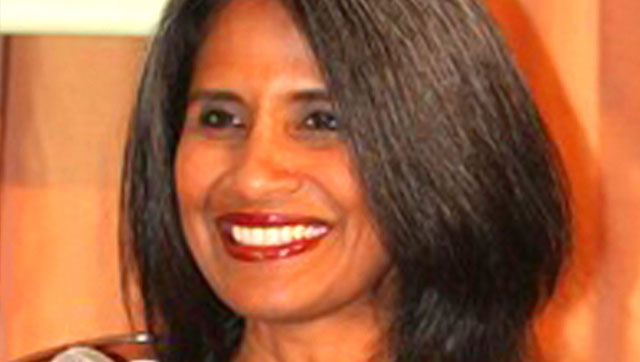
    The White House honoured an Indian-American woman Sunita Viswanath as one of the 12 ‘Champions of Change’ for her effort in protecting environment and communities from the effect of climate change.

    Viswanath was the only Indian American to figure in the list, and was selected for her work in encouraging Hindus to take care of the environment.

    Working with women’s and human rights organisations for almost three decades, Sunita is co-founder and active board member of the 14-year-old front-line women’s human rights organisation, Women for Afghan Women.

    “Sunita is also co-founder and board member of Sadhana: Coalition of Progressive Hindus, living and building a Hinduism that prioritises social justice, and upholding the Hindu principles of ekatva (oneness), ahimsa (non-violence) and sadhana (faith in action),” the White House said.

    “Sunita is being honoured for her work with Sadhana to encourage Hindus to live out these principles by taking care of the environment,” it added.

    Born in Chennai, Viswanath says her childhood was steeped in ritualistic practice of Hinduism.

    “I have always been secure in my identity as a Hindu. Growing up, I thought a lot about faith and religion, but I also had a very strong sense of social justice — what was fair,” Sunita said.

    “I imbibed profound lessons of love and justice from my religious upbringing, from the stories we were told, the prayers we learned, the texts we read. I went on as an adult to devote my life to advancing social justice causes, particularly women’s human rights,” she said.

    “If Hinduism cares deeply about all people and all living beings, then there must be an active, vocal Hindu movement for social justice and human rights today,” she said, adding that a small group of like-minded individuals got together to explore this question and Sadhana was born.

    One Sadhana’s initiatives is Project Prithvi – a grassroots green project, which mobilises Hindus, especially the youth, to live out the principle of ahimsa by taking care of the environment.

    Currently, they are working on a project to clean up specific beaches in Jamaica Bay where Hindus worship and litter the place.

  • Punjab AAP leader Dr Daljit Singh expelled

    Punjab AAP leader Dr Daljit Singh expelled

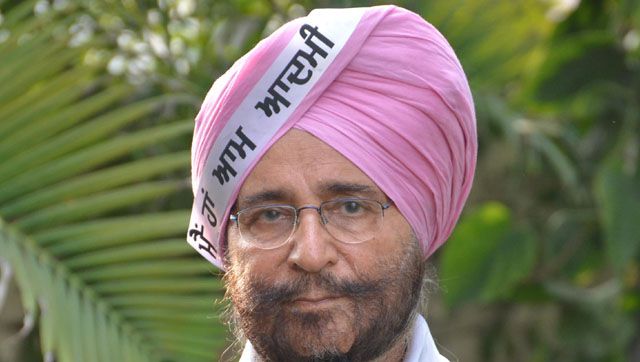
    Chandigarh (TIP) July 16: In an attempt to quell rebellion in the Punjab unit of the Aam Aadmi Party, took a swift decision on Thursday to expel its Punjab disciplinary committee chairman and state executive member Dr Daljit Singh.

    Dr Daljit Singh had made a statement last week that party spokesman and Punjab affairs in charge Sanjay Singh and the state convenient Sucha Singh Chottepur were out to destroy the AAP in the state.

    Dr Daljit Singh, a prominent eye surgeon of Amritsar, had unsuccessfully contested the Lol Sabha elections from Amritsar against Capt Amarinder Singh of the Congress and Arun Jaitley of the BJP.

    He was issued a show cause notice on Sunday and he had sent his reply the next day denying the charges.

    He had made the statement after at least two of the four MPs had raised their voice against Sanjay Singh who had later asked them to submit their report card as MPs

  • Modi government to table bill for NRI voting

    Modi government to table bill for NRI voting

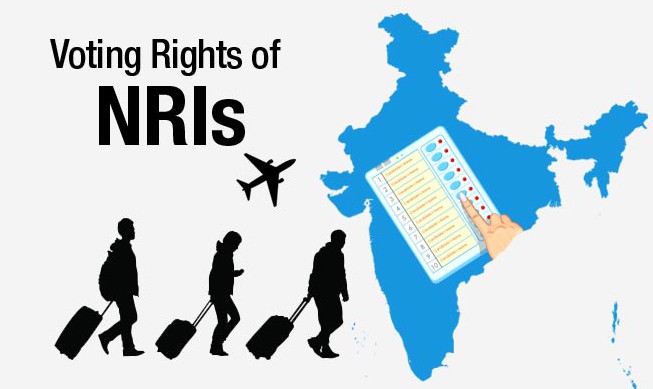
    NEW DELHI (TIP): The Modi Government has informed the Supreme Court that the union cabinet would soon consider a draft bill to enable e-ballot system for Non Resident Indians (NRIs). Once activated, the e-ballot system will enable the NRIs to vote from their respective hometown and they won’t have to fly all the way to India for casting their vote.

    The Supreme Court has directed the government to enable e-voting for NRIs within two months after making some amendments to the Representation of the Peoples Act, 1951. The Act deals with elections in the country.

    The government submitted before the Supreme Court on July 8 that the Union Cabinet would soon consider a draft Bill in this regard before it is tabled in Parliament. It is likely to be tabled in September.


  • Modi-Sharif  bonhomie under Strain

    Modi-Sharif bonhomie under Strain

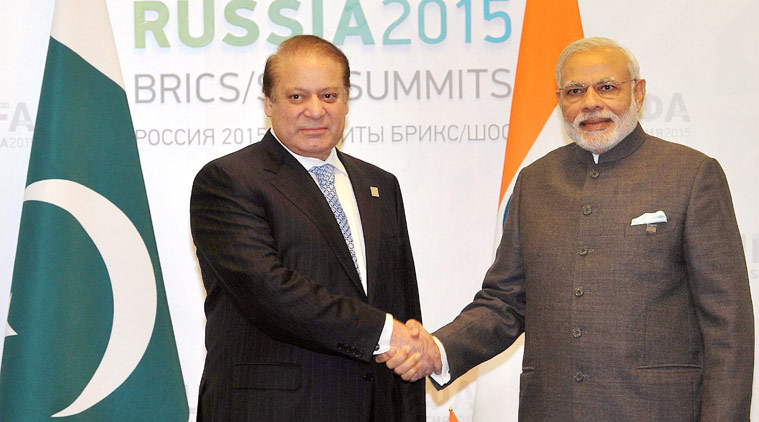
    NEW DELHI (TIP) : The bonhomie emerging from the meeting between the Indian Prime minister Narendra Modi and his Pakistan counterpart Nawaz Sharif in Ufa last weekend appeared too good to be true.

    Perhaps for the first time, Pakistan had not insisted on the ‘K’ word – or Kashmir issue – in a joint statement. The joint statement by the Foreign Secretaries of the two countries was also vague on specifics and was open to different interpretations by both sides.

    The backlash from the Pakistan media and ‘intelligentsia’ was expected and instant. Pakistan TV anchors and debaters cried foul and forced the government to back off and issue an official clarification.

    Sharif’s Adviser on National Affairs Sartaj Aziz, who was present in the meeting between the two PMs, said on Monday, July 13 that “no dialogue will take place with India unless the Kashmir issue is included in the agenda”.

    Aziz released a two-page statement asked for “more evidence and information ” from India in the 26/11 Mumbai terror attack case” even though the joint statement after Modi-Sharif talks had said that the two sides will find ways to expedite the 26/11 trial. The Indian Government has been affirming that it has supplied sufficient information and evidence to nail the accused in the attack.

    The statement issued on behalf of the Pakistan Government also said that Sharif had sought information on the trail of Samjhauta Express terrorist incident.

    While the joint statement had referred to the need to curb terrorist activity, the two sides had a different interpretation. The Indian side took it as a reference to the militancy in Jammu and Kashmir, Pakistan has said it was deeply concerned “about Indian interference in Pakistan, including continuing support for insurgency in Balochistan”.

    Aziz said it was to address these “acrimonious concerns” that the National Security Advisers of the two countries will meet.

    Taking this (the proposed meeting of the two NSAs) as an indication, the Indian side claimed that there was no U-turn and that the talks would continue.

    However given the mood, particularly of the hawks on either side, not much progress is expected in the near future. That the Pakistan government had to come out with a clarification to clear its stand is enough indication that it was skidding on thin ice. The situation can change a little by the time Prime Minister Modi visits Pakistan next year for the Saarc meet, provided the two sides handle the situation in a more mature manner.

  • Here’s how Iran’s Nuke Deal can benefit India

    Here’s how Iran’s Nuke Deal can benefit India

    Breakthrough Nuclear Deal

    • Iran has agreed to limit the scope of its nuclear program
    • US-led sanctions on Iran will be lifted
    • Tehran has accepted managed access to its nuclear facilities
    • Tehran has accepted a ‘snapback’ clause where sanctions can be re-imposed if there is any violation of the enrichment commitments

    The long-awaited nuclear rapprochement between Iran and the US-led P 5 + 1 nations is a development of significant import both at the regional and global level with many overlapping strands of strategic relevance — many of which will have a bearing on the Indian calculus.

    While the full text of the final agreement — ‘where even one comma could make a difference’ — is yet to be released, the broad contours are as follows: Iran has agreed to limit the scope of its nuclear program so that it is not nuclear weapon capable; US-led sanctions on Iran will be lifted; Tehran has accepted managed access to its nuclear facilities (this issue had delayed the agreement and now a modus vivendi has been reached whereby Iran can challenge the access sought by external inspectors); and Tehran has accepted a ‘snapback’ clause where sanctions can be re-imposed in a period of 65 days if there is any violation or transgression of the enrichment commitments entered into.

    ‘Surrendered’ Too Much for Too Little?

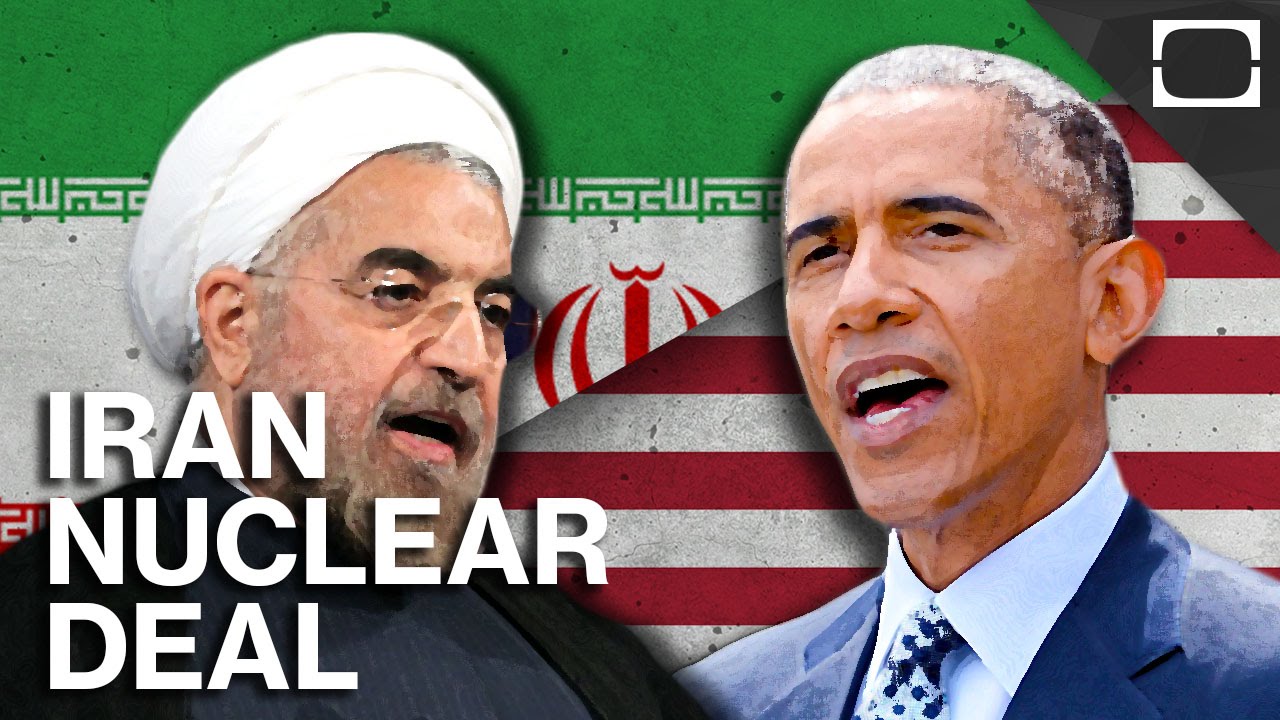
    This is an agreement that has been on the horizon for some months and in April last the first glimmer of hope was articulated by the principal interlocutors. US President Obama and his Iranian counterpart Hassan Rouhani must be commended for their perspicacity and determination in staying the course despite the bitter opposition of hard-liners or allies (in the case of the US).

    Late night Monday there was heightened expectation that the agreement had been sealed when the Iranian President sent out a tweet that read:
    #IranDeal is the victory of diplomacy & mutual respect over the outdated paradigm of exclusion & coercion. And this is a good beginning.
    — Hassan Rouhani, Iranian President

    However this was a case of jumping the gun and was soon withdrawn, but in a matter of 12 hours the elusive end had been reached. For sure, there will be intense criticism mounted against both the Presidents (Obama and Rouhani) for having ‘surrendered’ too much for too little. But the triumph of diplomacy — even if it is nascent and has to be monitored almost weekly — is welcome for many reasons.

    The extended southern Asian region has been in a state of uneasy and contested geo-political flux since the beginning of the Iranian revolution in 1979. Concurrently the Soviet occupation of Afghanistan and the events of that decade saw the spread of the mujahedin ideology which culminated in the collapse of the Soviet Union in December 1991 that marked the end of the Cold War.

    Will the Deal Help India?

    India has been affected by these convulsions and the estrangement between Iran and the US-led western alliance has adversely impacted India’s holistic national interest.
    The better known eventuality has been the pressure on India and other Asian economies to reduce their hydrocarbon imports from Iran.

    The tentative rapprochement between Iran and the US-led cluster will have a bearing on India’s interests across three determinants — the geo-political; geo-economic; and geo-physical. Bringing Iran back into the global comity will have an immediate impact on issues like Afghanistan, Iraq and Syria where varying degrees of jihadi/terror-related violence and sectarian civil war are now unspooling on a daily basis. How Tehran will position itself given the Saudi Arabia- Iran (read Sunni-Shia ) relationship remains to be seen but the operative point is that Iran has now been brought back into the regional and global geo-political and diplomatic tent.

    Specific to Afghanistan, it may be recalled that India had engaged with both Iran and Russia in the early 1990s in supporting the Northern Alliance against the Taliban.
    The geo-economic implications are also considerable, for Iran is the world’s fourth largest oil producer and has been extracting its valuable natural resource well below optimum levels. The lifting of sanctions will see a major investment and modernization of Iran’s long-neglected hydrocarbon sector and this will be good news for major oil importers like India.

    The third strand — the geo-physical encompasses the trade and connectivity possibilities that are very significant for India. Iran and its ports — particularly Chabahar open up transport linkages for India that will trump Pakistani intransigence. In the most positive exigency, Iran can offer transit routes to Afghanistan and Central Asia with concomitant geo-political and geo-economic returns for India.

    These are broad contours of what may ensue over the coming months – but the possibility of domestic backlash in both Washington and Tehran cannot be discounted.

    (The author is Director, Society for Policy Studies, New Delhi.)

  • Historic nuclear deal with Iran “built on verification “: Obama

    Historic nuclear deal with Iran “built on verification “: Obama

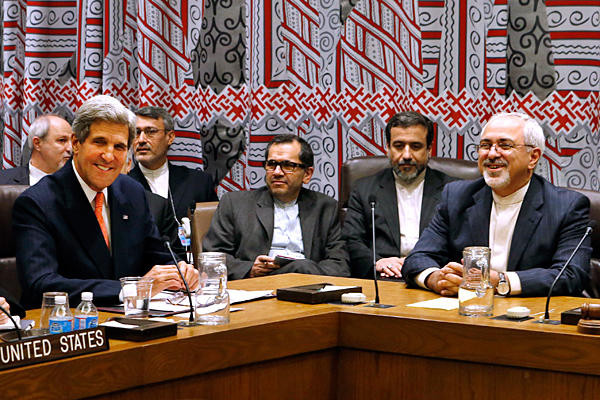
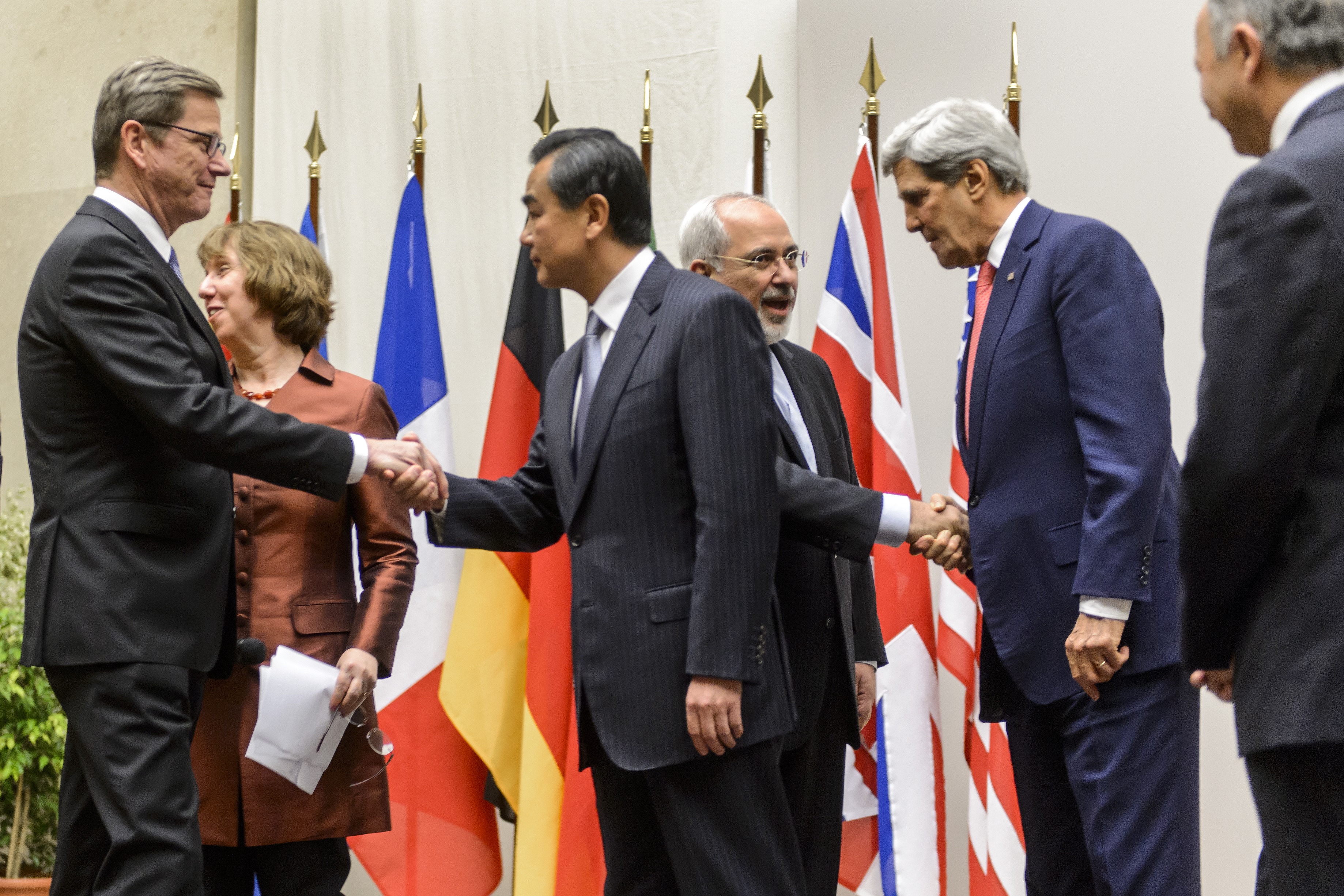
    VIENNA (TIP): Capping more than a decade of negotiations, Iran and six major world powers reached a nuclear deal on Tuesday, July 14, with an agreement that shall have a wide ranging impact.

    The agreement, seen as one of the most important international agreements of nuclear age, would prevent Iran from manufacturing nuclear weapons, could transform the Middle East, ease gas prices across the world and lift sanctions against Iran to facilitate international trade.

    While US president Barack Obama said the agreement was “not built on trust. It is built on verification “, Israel called it a “historic surrender”.

    Under the deal, sanctions imposed on Iran would be lifted in return for Iran agreeing long-term curbs on a nuclear program that the West has suspected was aimed at creating a nuclear bomb. Iran will cut its current stockpile of low enriched uranium.

    The agreement will keep Iran from producing enough material for a nuclear weapon for at least 10 years and impose new provisions for inspections of Iranian facilities, including military. A UN weapons embargo would remain in place for five years and a ban on buying missile technology would remain for eight years.

    The main deal with the world powers depends on the United Nations nuclear watchdog, the International Atomic Energy Agency (IAEA) being able to inspect Iranian nuclear sites and on Iran answering the watchdog’s questions about possible military aims of previous research.

    The IAEA announced an agreement with Iran on a roadmap to resolve its own outstanding issues with Iran by the end of this year.

    The U.S has said that Iranian cooperation is needed for all economic sanctions to be lifted. The prospect of an agreement benefiting Iran is a worry to US allies in the Middle East.

    The end of sanctions could bring a rapid economic boom for Iran by lifting restrictions that have drastically cut its oil exports and hurt its imports. The prospect of a deal has already helped push down global oil prices because of the possibility that Iranian supply could return to the market.

    The deal is a major policy victory for both US President Barack Obama and Iran’s President Hassan Rouhani, elected two years ago on a vow to reduce the diplomatic isolation of a country of 77 million people.

    The two nations had been describing each other as “the Great Satan” and a member of the “axis of evil”. The agreement will not come into force immediately. The two countries will have 90 days for domestic reviews and Iran, in the meantime, shall take steps to dismantle its nuclear infrastructure. In case Iran reneges, the sanctions will “snap back”.

    U.N. Secretary-General Ban Ki-moon said in a statement that he hoped, “and indeed believe – that this agreement will lead to greater mutual understanding and cooperation on the many serious security challenges in the Middle East. As such it could serve as a vital contribution to peace and stability both in the region and beyond.”

    To a Republican led Congress, President Obama gave a clear message that he would expect the lawmakers to debate but not try to kill the deal. Obama said that he will “veto any legislation that prevents the successful implementation of this deal.”

    “I welcome a robust debate in Congress on this issue, and I welcome scrutiny of the details of this agreement,” Obama said. “But I will remind Congress that you don’t make deals like this with your friends.”

  • Iran’s Nuclear Deal

    Iran’s Nuclear Deal

    Iran and six world powers sealed a historic accord to curb the Islamic Republic’s nuclear programme in return for ending sanctions, capping two years of tough diplomacy with the biggest breakthrough in decades.

    Diplomats reached the deal in Vienna on Tuesday, July 14, their 18th day of talks.

    US President Barack Obama said it blocks “every path to a nuclear weapon” for Iran, while Iranian foreign minister Mohammad Javad Zarif called it a “win-win”.

    Banks including Goldman Sachs Group Inc. and Barclays Plc say it would take 6-12 months for the holder of the world’s fourth largest crude reserves to revive production by about 500,000 barrels a day. Sanctions cut the country’s crude exports by more than half from a peak of more than six million barrels a day in the 1970s.

    With new oil flows expected to hit an oversupplied market, Brent, the global benchmark, fell as much as 2.1% to $56.63 a barrel in London and was trading $57.87 at 9.02pm India time. Iran’s benchmark TEDPIX Index, led by oil and gas companies, advanced 0.3% at the close, the highest since April.

    In China, Europe and Russia, the agreement will be welcomed by companies eager to access an untapped market of 77 million people. With an economy bigger than Thailand’s and oil reserves rivalling Canada’s, Iran is the most important market still closed to major equity investors, according to investment bank Renaissance Capital.

    Ending economic penalties could open Iran’s stock market to investors in early 2016, Renaissance’s Charles Robertson and Daniel Salter wrote in a report on Monday. Inflows could total $1 billion in the first year, they said.

    Oil-importing countries such as India should use the period of subdued oil prices to strengthen their monetary policy framework along with fuel pricing and taxation reforms, the International Monetary Fund (IMF) recommended in a report released, coincidentally, on Tuesday.

    Low oil prices could boost India’s gross domestic product (GDP) by 0.4-0.6 percentage point over this year and next.

    Boon for oil importers

    India follows the US, China and Russia in energy use, accounting for 4.4% of global energy consumption. Petroleum product consumption in India has been growing. According to the oil ministry, it grew 3.14% to around 163.17 million tonnes in 2014-15.

    In its report tiled Global Implications of Lower Oil Prices, IMF said: “Oil importers, in deciding how much of the windfall to save, should balance rebuilding policy space with managing domestic cyclical risks. Those with significant vulnerabilities should save much of the windfall, while those facing large output gaps should spend it.”

    It added that “countries should use this period as an opportunity to strengthen their monetary policy frameworks; evidence of second-round disinflationary effects could open space for reducing policy rates in some countries”.

    The fund said countries such as India will reap modest benefits from lower global oil prices as it does not fully pass on the benefits to consumers. While lower oil prices are expected to boost global growth by one percentage point in 2015 and 2016, the IMF said India’s GDP is expected to get a boost of between 0.4 and 0.6 percentage point in the same period.

    The multilateral agency is right to point out that governments like India may be absorbing the benefits of lower oil prices to meet their budget deficit targets and are not passing on the benefits to consumers, which could be less growth-inducing, said Madan Sabnavis, chief economist at CARE Ratings. “There is nothing wrong or correct about it. The Indian government has a huge subsidy burden and it is using the opportunity to correct it,” he said.

    Low international crude prices have helped the National Democratic Alliance (NDA) government bring retail inflation below 5%, better its fiscal deficit target of 4.1% of GDP for 2014-15, and bring the current account deficit to 1.6% of GDP in the January-March quarter, against 2% in the preceding three months.

    “Low oil prices provide a window of opportunity to undertake serious fuel pricing and taxation reform in both oil-importing and oil-exporting countries,” the report said.

    In October, the government freed diesel prices. When crude oil prices fell, it cut fuel prices but simultaneously raised excise duties. This way, the government garnered additional revenue, while resisting the temptation to fully pass on the benefit of lower crude oil prices.

    Crude oil prices in the Indian energy basket averaged at $61.75 per barrel in June, against $84.16, $105.52, $107.97 and $111.89 in 2014-15, 2013-14, 2012-13 and 2011-12, respectively.

    The fall in prices has also presented countries such as India an opportunity to revise terms of imports. India has made a pitch for price and terms correction with the Organization of the Petroleum Exporting Countries (Opec) and has asked for a concession rather than having to pay the so-called Asian premium.

    “India alone is not going to benefit. Japan, China, Korea are also going to benefit. We are talking together at many forums and will be raising it together as well. We are the largest buyers for the Opec, so we need a favourable treatment and things are on right track. There is a positive signal from the seller side also,” said oil minister Dharmendra Pradhan in a 16 June interview.

    India is one of the major consumers of Opec’s production, with the group accounting for 85% and 94% of India’s crude oil and gas imports, respectively.

    “This is a very good time to review this practice and to provide more fair conditions for all parties,” Fatih Birol, chief economist at Paris-based International Energy Agency (IEA), said in an interview published on 2 July.

    Bouyed by the subdued crude oil prices, the 2015-16 budget has estimated India’s subsidy bill at Rs.2.43 trillion, around 9% less than the revised estimate of Rs.2.66 trillion for 2014-15.

    The petroleum subsidy is estimated at Rs.30,000 crore for 2015-16, 50% less than the revised estimate of Rs.60,270 crore. The difference between market prices and retail fuel rates—to be borne by oil marketing firms this fiscal year—is estimated at Rs.42,500 crore.

    The budget has earmarked Rs.22,000 crore for subsidy on domestic cooking gas and Rs.8,000 crore for kerosene. While petrol and diesel prices are deregulated, the prices of domestic cooking gas and kerosene continue to be set by the government.

    The Iran deal

    Full implementation depends on Iran meeting obligations to curb its nuclear programme and address concerns about possible military dimensions of its work. Iran has until 15 December to answer 12-year-old questions about its weapons capabilities. Once inspectors verify compliance, the oil-rich nation will be allowed to ramp up energy exports, re-enter the global financial system, and access as much as $150 billion in frozen assets.

    “This is probably going to go down in history as one of the biggest diplomatic successes of the century,” Ellie Geranmayeh, a policy fellow at the European Council of Foreign Relations, said by phone from London.

    Congress has 60 days to review the document in Washington, where it will meet resistance from lawmakers who oppose making any nuclear compromises with Iran.

    Israel, which has threatened military action to prevent Iran from getting a nuclear bomb, said it will use “every means” possible to persuade Congress to reject it, though Obama vowed to veto such a move. The House and Senate would each need a two-thirds majority to override a veto.

    Israeli Prime Minister Benjamin Netanyahu denounced the deal as a “historic mistake”, saying in a statement that “sweeping concessions were made in all areas meant to block Iran from the ability to arm itself with nuclear weapons”.

    Should the agreement survive review, it would become one of the biggest foreign policy achievements for Obama, who kicked off the initiative with a call to Iranian President Hassan Rouhani nearly two years ago. The US cut diplomatic ties with Iran in 1980, after revolutionaries seized the American embassy in Tehran and held hostages for more than a year.

    Iran agreed to cut 98% of its stockpile of enriched uranium and eliminate two-thirds of its centrifuges, according to a copy of the accord obtained by Bloomberg.

    “This is a sign of hope for the entire world,” European Union (EU) foreign policy chief Federica Mogherini said in Vienna. “And we all know this is very much needed in these times.”

    Relief, including sales of aircraft by companies including Boeing Co., would be phased in after 15 December if Iran complies. The United Nation’s (UN) International Atomic Energy Agency will negotiate access to all suspect sites, including military bases such as Parchin.

    Once UN monitors verify Iran has taken all steps to curb its nuclear activities, the US and the EU will also lift restrictions on most of its financial institutions except those sanctioned for terrorism or human rights abuses. Iranian banks, including the central bank, will be able to process transactions once again through SWIFT, the leading global financial messaging system, US officials said.

    The US and the EU will also allow any nation to buy Iranian oil and ease curbs on trading refined products, chemicals and natural gas. Iran holds the second largest gas reserves in the world, after Russia.

    “If Iran violates the deal, all these sanctions will snap back into place,” Obama said at the White House.

    The UN ban on conventional weapons imports and exports by Iran will remain in place for five years, while the UN embargo on ballistic missiles will hold for eight years, according to the draft. The unilateral US arms embargo will stay in place.

    Utpal Bhaskar is with Mint. Bloomberg’s Stepan Kravchenko in Vienna, Nafeesa Syeed in Dubai, Gregory Viscusi in Vienna, Kambiz Foroohar in New York and Angela Greiling Keane in Washington and Mint’s Asit Ranjan Mishra in New Delhi contributed to this story.

  • FDI in equity jumped 48% after launch of ‘Make in India’: Commerce and industry ministry

    FDI in equity jumped 48% after launch of ‘Make in India’: Commerce and industry ministry

    New Delhi: Foreign direct investment (FDI) into equity jumped 48 per cent after the launch of the ‘Make in India’ programme, the commerce and industry ministry said on Tuesday, July 14.

    The ‘Make in India’ initiative, which seeks to make the country a global manufacturing hub, was launched on September 25 last year. Between October 2014 and April 2015, equity FDI rose 48 per cent, according to the ministry. Total FDI includes fresh equity inflows and reinvested earnings of foreign investors.

    The ministry also said that in 2014-15, investment by foreign institutional investors (FIIs) rose 717 per cent to $40.92 billion. “These indicators showcases remarkable pace of approval being accorded by the government and confidence of investors in the resurgent India,” the ministry said.

    FDI inflows under the approval route grew 87 per cent to $2.22 billion in the last fiscal.

    “The increased inflows of FDI in India, especially in a climate of contracting worldwide investments, indicate the faith that overseas investors have imposed in the country’s economy and the reforms initiated by the government towards ease of doing business,” the ministry added.

    The ‘Make in India’ initiative and its outreach to all investors have made a positive investment climate for India, it said.

  • Government clears defence proposals worth Rs 30,000 crore, to buy four P8I maritime patrol aircraft

    Government clears defence proposals worth Rs 30,000 crore, to buy four P8I maritime patrol aircraft

    New Delhi: The Defence Acquisition Council has cleared purchases of over Rs 29,000 crore of equipment, including four maritime spy planes from Boeing worth Rs 4,380 crore and hundreds of air defence guns. The largest order approved was for 428 L-70 and ZU-23 air defence guns worth around Rs 16,900 crore, a defence spokesman said after the meeting chaired by minister Manohar Parrikar.

    The guns are to be manufactured in India, the spokesman said, as part of the push to expand the defence industry and end the country’s status as the world’s largest arms importer. As reported by ET, only two Indian companies — Punj Llyod and Bharat Forge — had responded to an Army request on the project. But there is now a possibility to broadbase the competition by inviting other players as well.

    Other proposals cleared include upgradation of the weapons and sensor systems of six ships of the Delhi and Talwar class for Rs 2,900 crore, a Brahmos training facility in Gujarat for Rs 3,000 crore and an air combat manoeuvring system for the Navy’s MiG-29Ks and Hawk aircraft for Rs 200 crore.

  • Murderer Texas Fugitive Amit Livingston extradited from India to Texas will serve 23 years

    Murderer Texas Fugitive Amit Livingston extradited from India to Texas will serve 23 years

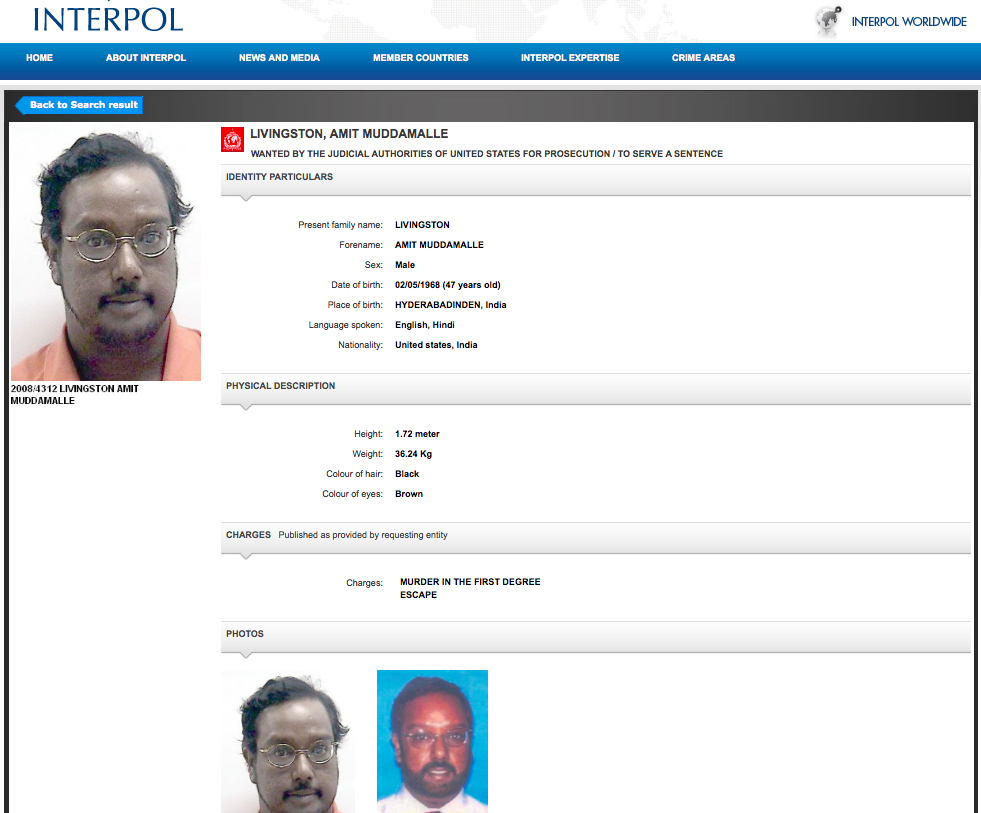
    Convicted murderer Amit M. Livingston a.k.a Andy Livingston was extradited to the United States on July 13. Livingston was arrested by the Indian Police after a manhunt lasting over 7 years.

    Former state district Judge Abel Limas sentenced Livingston to 23 years in state prison in 2007, but allowed him 60 days to put his affairs in order. Livingston, however, managed to escape to India, and was on the run before being arrested in Hyderabad on May 6, 2014.

    Amit, an American medical billing specialist, was convicted over the killing of Hermila Hernandez, a married mother of three children, in southern Texas in 2005. Livingston had admitted to having killed her. He pleaded guilty to the crime and was sentenced in Cameron County, Texas, to a 23-year prison term on February 13, 2007.

    Livingston was listed by Interpol as a person wanted in the United States, and his mugshot was featured on America’s Most Wanted in June 2007.

    In 2008 the U.S. Marshals Service (USMS) requested assistance in the case from the Diplomatic Security Service (DSS).

    When local Indian authorities discovered Livingston was using a false name, they charged him with having used a false identity. This pending case held up Livingston’s extradition back to the United States for more than a year.

    Finally, Livingston’s false identity case was dropped, and he was cleared for extradition. On July 13, 2015, DSS special agents boarded a flight with Livingston out of New Delhi International Airport. Upon arriving at Newark International Airport in New Jersey, they handed him over to U.S. Marshals, who escorted him to Culver County, Texas, the U.S. State Department said Tuesday, July 14.

  • 100 Indian companies invested $15 billion in United States creating 91,000 jobs so far: Report

    100 Indian companies invested $15 billion in United States creating 91,000 jobs so far: Report

    New York (TIP) July 15: A total of one hundred India-based companies have invested over $15 billion across the US and have created more than 91,000 jobs in a wide range of sectors across 35 American States, according to a latest report released by the Confederation of Indian Industry (CII) and Grant Thornton (GT).

    The southern State of Texas received the maximum ($3.84 billion) foreign investment from Indian companies followed by Pennsylvania ($ 3.56 billion), Minnesota ($1.8 billion), New York ($1.01 billion) and New Jersey ($1 billion), said the report titled “Indian Roots, American Soil”.

    More than 20 top lawmakers including Senators, John Cornyn and Mark Warner, attended the report released yesterday at the Capitol Hill.

    “As India surges forward to become the fourth fastest growing source of FDI into the US, it is critical that we recognise the positive impact of Indian business investments in the country,” said Senator Warner, co-chair of the Senate India Caucus.

    The top five states where the Indian companies have generated maximum employment are New Jersey (9300 jobs), California (8400), Texas (6,200), Illinois (4,800) and New York (4,100) and are home to the most Americans directly employed by Indian companies.

    The CII study draws attention to the growing contribution and influence of the Indian industry, which forms an important component of our growing and vibrant relationship with the United States, said Indian Ambassador to the US Arun K Singh.

    “Today Indian companies are not just investing and creating jobs, they have also become significant stakeholders in the growth and prosperity of their local communities,” Mr Singh said.

    Highlights

    * Together, 100 Indian companies employ more than 91,000 people across 35 states and the Washington DC, the American capital.

    * The total value of tangible investments made by these 100 companies exceeds $15.3 billion.

    * The top five states in which Indian companies have generated maximum employment are: New Jersey (9,278 jobs), California (8,937 jobs), Texas (6,230 jobs), Illinois (4,779 jobs) and New York (4,134 jobs).

    * The top five states in which Indian companies have contributed the highest foreign direct investment are: Texas ($3.84 billion), Pennsylvania ($3.56 billion), Minnesota ($1.8 billion), New York ($1.01 billion) and New Jersey ($1 billion).

    * The average amount of investment received from Indian companies per state is $443 million.

    * 84.5% of the companies plan to make more investments in the US.

    * 90% of the companies plan to hire more employees locally in the next five years.

  • AAPIP Leaders in Action | Five Indian Americans Among 25 honorees

    AAPIP Leaders in Action | Five Indian Americans Among 25 honorees

    Asian Americans/Pacific Islanders in Philanthropy (AAPIP); An organization dedicated to increasing charitable investments for underserved AAPI communities recently recognised 25 Leaders including five Indian Americans who are taking important actions every day to lift up communities around the world.

    Surjeet Ahluwalia (Executive Director, Asian American LEAD) from Metro DC, Rajasvini Bhansali (Executive Director, IDEX) from San Francisco Bay Area, Raj Jayadev (Co-Founder, Silicon Valley De-Bug) from Silicon Valley, Karthick Ramakrishnan (Founder, AAPIData.com) from Los Angeles and Neville Vakharia (Assistant Professor/Research Director, Drexel University also Co-Chair, Asian Mosaic Fund) from Philadelphia.

    Each honoree has done extensive work on issues from immigrant rights to LGBTQ matters, from education and affordable housing to racial equity. For More details visit : http://aapip.org/what-we-do/25-leaders-in-action-awards

    AAPIP which completed 25 years as a national membership organization represents a diverse group spanning a wide range of organizations, years of experience, roles, and sectors throughout the country.

  • Indian American Bhavuk Uppal arrested for killing 3 people in fiery New Jersey Route 80 crash

    Indian American Bhavuk Uppal arrested for killing 3 people in fiery New Jersey Route 80 crash

    Bail for Bhavuk Uppal has been increased to $750,000. Uppal is accused of killing three people while driving drunk. (July 13, 2015 6:23 PM)
    Bail for Bhavuk Uppal has been increased to $750,000. Uppal is accused of killing three people while driving drunk. (July 13, 2015 6:23 PM) – News12

    A Mountain Lakes man was arrested Saturday morning by The New Jersey State Police for allegedly causing a chain reaction crash on Route 80 that killed a man, a woman and a baby.

    Bhavuk Uppal, 22, of Mountain Lakes, was charged with three counts of death by auto, two counts of assault by auto, causing death or injury while driving while suspended, possession of drug paraphernalia and DWI, State Police spokesperson Sgt. Jeff Flynn said.

    According to the preliminary investigation and the State Police report, Bhavuk Uppal, 22, of Mountain Lakes was driving a 2014 Cadillac Escalade in the left-center lane when he struck the Kia, which then impacted the Jeep, causing the Kia to become “fully engulfed” in flames. Uppal’s Cadillac then ran off of the right side of the roadway and overturned in a grass embankment.

    The Kia became fully engulfed in flames after the crash, Flynn said. The three occupants of the vehicle were pronounced dead at the scene at 4 a.m. (in Video above – Courtesy Youtube – Jay Edwards Wrnj)

    (According to Morris County prosecutors, Uppal has a long history of motor vehicle violations.

    “He has infractions for speeding, unsafe driving, driving without a license, fictitious plates, reckless driving, driving while suspended, and he’s been involved in multiple crashes,” says Prosecutor Matthew Brown) – Courtesy News 12

    Uppal is lodged in the Morris County Correctional Facility in lieu of $750,000 bail with no 10-percent option.

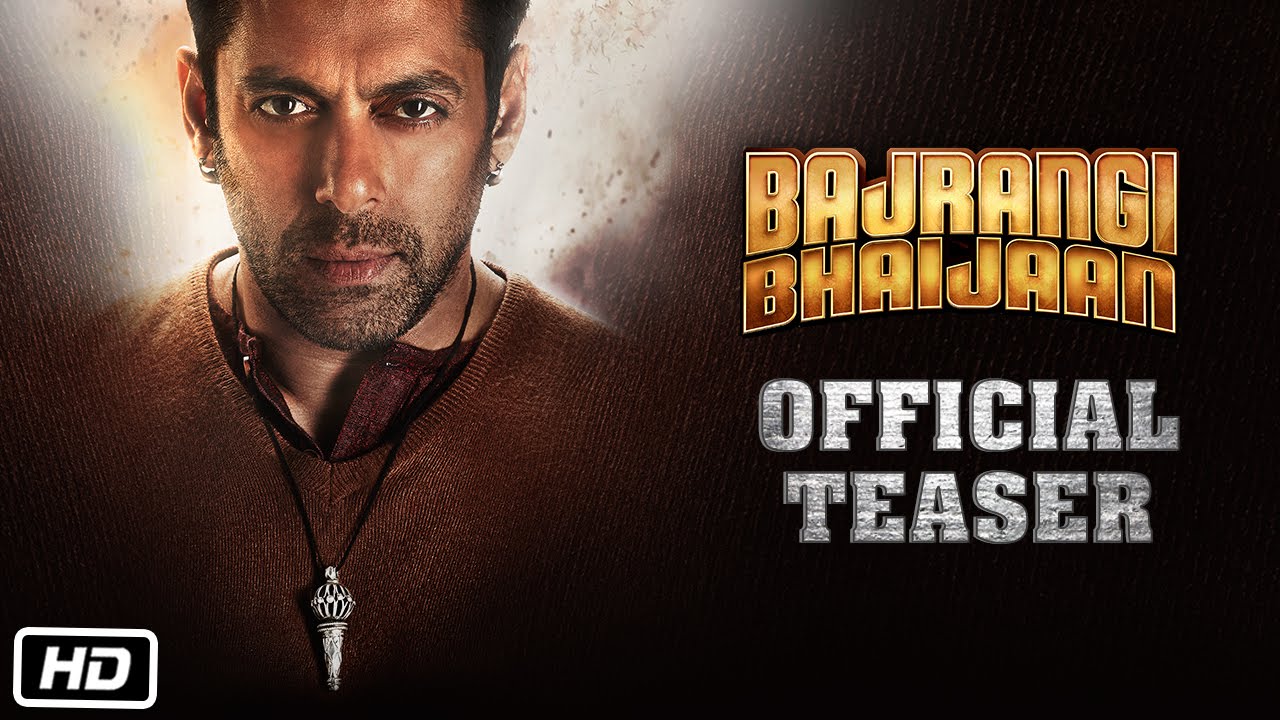
  • ‘Bajrangi Bhaijaan’ to release in Pakistan this Eid

    ‘Bajrangi Bhaijaan’ to release in Pakistan this Eid

    Salman Khan’s “Bajrangi Bhaijaan” has become the first film revolving around the Indo-Pak theme to get a clearance for a screening in Pakistan this Eid.

    The Pakistan Central Censor Board has given a go ahead to the Kabir Khan-directed movie, about an Indian man’s attempt to help a young, speech-impaired girl from Pakistan return to her homeland with some cuts.

    Bollywood films revolving around Indo-Pak themes face trouble when it comes to their release in the country and recently Salman’s “Ek Tha Tiger”, Saif Ali Khan’s “Agent Vinod”, “Haider”, “Baby” and “Tere Bin Laden” failed to get a release in Pakistan.

    The Chairman of the Central Board of Film Censors Mobashir Hasan said that “Bajrangi Bhaijaan” has been approved for Eid release by the CBFC but with several cuts.

    “We recommended these cuts after thorough discussion by our panel which comprises members of natural security agencies, film critics and members of the civil society.”

    Hasan revealed that since the CBFC is a regulatory body, determining the time of release of a film doesn’t fall within its jurisdiction, but that it has “approved” the movie for Eid.

    He said that so far, the Board has not gotten any instructions from the Information Ministry for the film’s release to be delayed or restricted.

    Satish Anand, the chief executive of Eveready Pictures, played down reports that the Lahore censor board still had not given clearance for the exhibition of the film in Punjab.

    Nadeem Mandviwalla, a well known distributor and exhibitor, told PTI that the CBFC doesn’t hold the power to censor the film across Pakistan after the passing of the 18th Amendment and subsequent decentralization of censor boards. He said presently, all the cinemas in the Islamabad Capital Territory, Khyber Pakthunkhawa province and cantonments around the country come within the CBFC’s ambit.

    Mandviwalla played down media reports that the Pakistani film industry personalities were pressuring the government to delay the release of “Bajrangi Bhaijaan,” as some major Pakistani films were slated for release at Eid as well.
    The two big Pakistani releases include “Wrong No” and “Bin Roye,” and they are bound to face stiff competition with the Salman-starrer during the Eid holidays.

    HUM films, which have produced “Bin Roye,” are said to be keen to have no international competition at Eid. “Bin Roye” is the second film appearance for the popular Mahira Khan, who is making her Bollywood debut opposite Shah Rukh Khan in “Raees.”
    After a premiere in Dubai, it will release in Indian theaters on Eid. Mahira and Fawad Khan have become popular faces in India thanks to the success of their serial “Humsafar.”

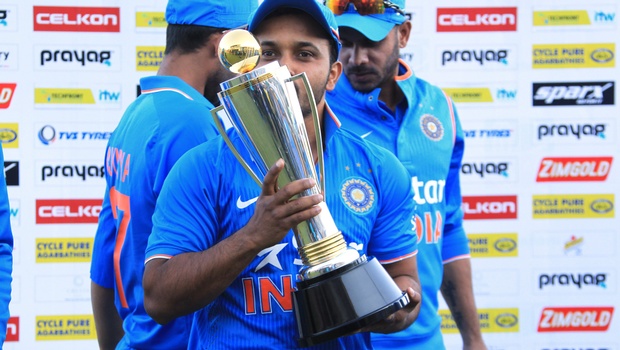
  • India Whitewash Zimbabwe, Clinch Last ODI by 83 Runs

    India Whitewash Zimbabwe, Clinch Last ODI by 83 Runs

    Half-centuries from Ajinkya Rahane and Murali Vijay and four wickets from Bhuvneshwar Kumar saw India beat Zimbabwe by 62 runs in the second one-day international.

    India beat Zimbabwe in the second game to clinch the three-game series with one to spare, and put behind it an embarrassing recent loss to Bangladesh.

    Stand-in captain Ajinkya Rahane and Murali Vijay both made half-centuries in a century opening to lead India to 271-8 batting first.

    Rahane and Vijay put on 112 for the first wicket after India were put in to bat, and although the tourists could not fully capitalise on that platform, they were still able to post 271 for eight.

    Vijay top-scored with 72, his first half-century in ODI cricket, while Rahane made 63. The duo put on 144 runs after coming together at 82/4. Pandey finished with 71 off 86 deliveries, while his partner Jadhav top-scored with an unbeaten 105 off 87 balls.

    With the ball, India kept Zimbabwe on a tight leash for the first five overs, giving away just 12 runs. The pressure paid off for the team in blue as medium pacer Mohit sent Hamilton Masakadza packing for seven.

    The other opener, Chibhabha, and Regis Chakabva then got together to forge a delightful 70-run partnership studded with some well-timed and perfectly placed boundaries. However, left-arm spinner Patel castled Chakabva for 27. After 25 overs Zimbabwe were 97/2.

    Skipper Elton Chigumbura started off well but was adjudged leg-before-wicket off a delivery from Murali Vijay who was accurate with his part-time off-spinners. Chibhabha remained unfazed by the situation and kept on making merry out in the middle, clubbing a few big ones.

    However, the Indians struck back again getting rid of Richmond Mutumbami and Chibahabha in space of a few overs, courtesy Binny who kept on hurling at a tight channel in one of the turning points of the game.

    The medium pacer stuck again getting Malcolm Waller caught behind, but television replays showed Binny had over-stepped and the batsman was given not out in the 36th over.

    In the next over though veteran offspinner Harbhajan Singh made up for Binny’s error, picking up two back-to-back wickets and in turn reducing the hosts to 172/7 and taking the sting out of the contest.

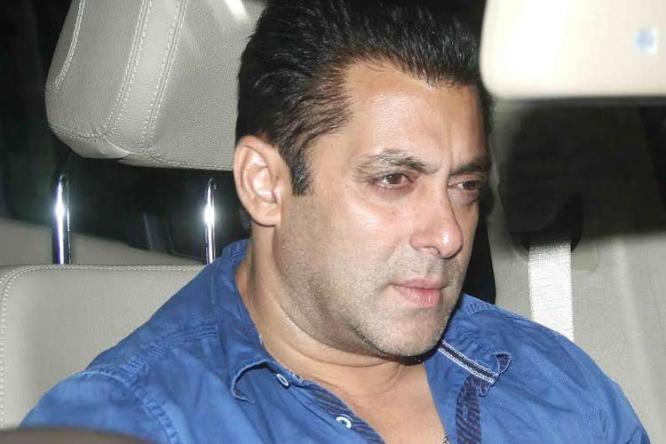
  • Salman Khan hit-and-run case hearing adjourned again!!! till July 20

    Salman Khan hit-and-run case hearing adjourned again!!! till July 20

    The Bombay High Court adjourned the hearing on Salman Khan’s appeal till 20th july. The court deferred the July 1 hearing till July 13 but again adjourned it further.

    An appeal has been filed by Bollywood superstar Salman Khan against the five-year sentence awarded to him in the hit-and-run case. Although the ‘paper book’ (compilation of evidence and documents) is ready and copies have been served to both the sides by the court), Salman’s counsel Amit Desai urged for three weeks’ adjournment to check whether the documents were in order. Justice A R Joshi, however, granted adjournment till July 13 to carry out the drill of checking documents.

    Currently, the Bajrangi Bhaijaan actor’s lawyers are busy preparing the case papers for the hit-an-run case.

    Earlier the Bombay High Court while admitting Salman’s appeal against his conviction posted the matter for June 15, then to July 1 and then to July 13 before adjourning it again to July 20.

    On May 6, a Sessions Court had announced a 5-year sentence in the long impending 2002-hit-and-run case in which Khan was involved. Two days after this, the actor, however, was granted bail on May 8 by the Bombay High court and his sentence was five-year long sentence was suspended.

  • 4 Indians Among 32 Young Leaders Named by Asia Society in New York

    4 Indians Among 32 Young Leaders Named by Asia Society in New York

    Four Indians are among 32 young leaders named by a prestigious global non-profit organization as its 2015 class of young leaders, focused on shaping a brighter future for the Asia-Pacific region and confronting the most vexing challenges facing the region.

    Mishi Choudhary, Sanjay Vijayakumar, Aarti Wig and Manish Dahiya have been named the Asia 21 Young Leaders by New York-based Asia Society in its leadership program that identifies and brings together Asia-Pacific’s top leaders under 40.

    In its tenth year, the Asia 21 Young Leaders Initiative is a robust network of more than 800 young leaders from 30 nations. “They are all in their own ways focused on shaping a brighter future for the Asia-Pacific region, and confronting the most vexing challenges facing the region today,” the organisation said in a statement.

    Ms Choudhary is a technology lawyer and an online civil liberties activist. She is the founding executive director of SFLC.in, a pro-bono legal services organisation based in New Delhi that focuses on free speech and expression, privacy, software patents, network neutrality, internet governance and access to knowledge.

    Mr Vijayakumar is the chairman of the board of Startup Village, India’s first incubator for public-private partnerships, promoted jointly by the Government of India and private sector entities.

    Mr Dahiya is the executive director and global head of Energy Complex at Noble Group Limited and his work focuses on enabling the requirements of an energy-short world as it balances its demands for growth with the obligation of providing basic power requirements to the populace, the organisation said.

    Ms Wig is co-founder of the Indian arm of the Yunus Social Business (YSB). She helped set up the world’s first Yunus Social Business Fund in Mumbai, which has funded seven social entrepreneurs across India.

    This year’s class of 32 young leaders represent 22 countries and are divided almost evenly between men and women, with 50 per cent working in the private sector, 44 per cent in the non-profit sector, and six per cent in the public sector.

    Members of the class include social entrepreneur and champion of accountability in Nepal Narayan Adhikari, founder of a for-profit social venture that develops low-cost technology for women in the developing world Zubaida Bai from the US, founder of the first massive open online course (MOOC) platform in Vietnam Duong Giap, Mongolia’s first female chancellor of a state university Yanjmaa Jutmaan and Lisa Katayama of Japan, who is empowering social activists and entrepreneurs in Japan with leadership, design, and storytelling tools.

    Asia 21 alumni from India include Director of Filmkaar Productions Nitin Das, Supreme Court advocate Menaka Guruswamy, Founder and Director of Centre for Environmental Research and Education Rashneh Pardiwala and NASA Engineer Sabrina Singh-Gilmore.

  • India launches satellite-based air navigation services

    India launches satellite-based air navigation services

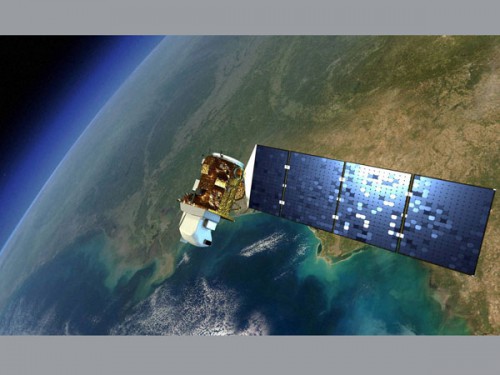
    India on Monday, July 13, launched its satellite-based air navigation services, thereby joining a select league comprising the US, Europe Union (EU) and Japan which have similar systems.

    Civil Aviation Minister, Ashok Gajapathi Raju launched the GPS-Aided Geo Augmented Navigation system, which would make airline operations more efficient and reduce costs.

    GAGAN is a satellite-based navigation system which provides autonomous, high precision geo-spatial location information of the user in terms of latitude, longitude and height along with velocity and time.

    It is jointly developed by the Indian Space Research Organisation and the Airports Authority of India, at an investment of Rs 774 crore. Gagan works by augmenting and relaying data from GPS satellites with the help of two augmentation satellites and 15 earth-based reference stations. The process corrects any anomalies in the position data and gives accurate routes, landing guidance and time saving information to the pilots.

    GAGAN will offer seamless navigation to the aviation industry. The benefits of GAGAN include improved efficiency, direct routes, increased fuel savings, approach with vertical guidance at runways, significant cost savings due to withdrawal of ground aids and reduced workload of flight crew and Air Traffic Controllers.

    GAGAN will provide augmentation service for GPS over the country, from Bay of Bengal, South East Asia and Middle East expanding up to Africa.

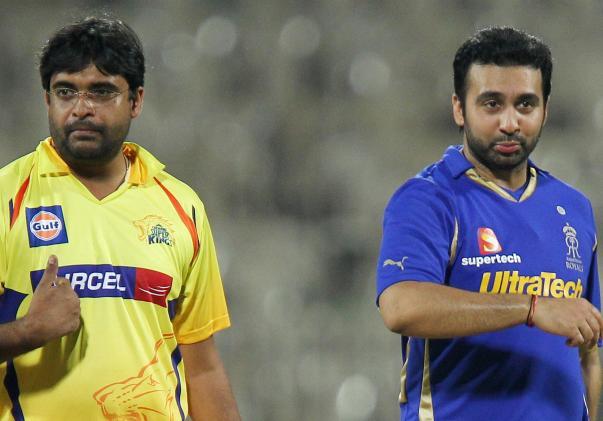
  • IPL VERDICT: CSK & RR banned for 2 years – Meiyappan, Kundra suspended for life

    IPL VERDICT: CSK & RR banned for 2 years – Meiyappan, Kundra suspended for life

    The Supreme Court-appointed Justice Lodha Committee has suspended the owners of IPL franchises Chennai Super Kings and Rajasthan Royals from cricket for two years and banned team officials Gurunath Meiyappan and Raj Kundra for life on the grounds that the former were liable for the gambling sins of the latter.

    Both Meiyappan and Kundra were found guilty of betting on IPL matches while being IPL team owners and thus violated the IPL’s rules and regulations while also bringing the game into disrepute.

    Gurunath Meiyappan was held (CSK team official) guilty in the IPL spot fixing case and has been suspended for life.

    Meiyappan is the son-in-law of N Srinivasan, the current chairman of International Cricket Council (ICC) and former president of the BCCI.

    “Gurunath Meiyappan acted in violation of IPL laws. It is evident from the decision of SC that matter is serious. India Cements did not take any action against Meiyappan,” he added.

    “The fact that Meiyappan was integral part of CSK, he ought not to have indulged in corrupt practices. Any person who has true passion for the game will never be involved in betting. Gurunath has not only indulged in betting but he has brought disrepute to cricket & the IPL. Being the face if franchise, Gurunath’s actions reflects on the owners India Cements,” said Justice Lodha.

    Part owner of Rajasthan Royals – Raj Kundra – too has been found guilty of misconduct. The panel said Kundra’s actions have caused serious disrepute to BCCI and IPL and also the game of cricket. The SC panel declared him ineligible for participation in cricket for five years. Kundra too has been for suspended for life.

    Chennai Super Kings and Rajasthan Royals have been suspended for 2 years from participating in the 20-20 cricket tournament.

    The players of the banned teams can join any other team.


  • IKEA buys first land parcel in Hyderabad for retail store

    IKEA buys first land parcel in Hyderabad for retail store

    IKEA, world’s largest furniture retailer, has purchased a 13 acre land close to the IT hub in Hyderabad’s HITEC city.

    This first land purchase is part of their larger objective of expansion by setting up 25 stores in India at an investment of Rs 10,500 crore (US$ 1.65 billion) over the next decade, the approval for which was given by Government of India in May 2013.

    According to sources in the State industry department, the Telangana Government had offered the Swedish major land at ₹19 crore per acre along with several incentives and support, the Hindu told.

    The Chief Minister of Telangana State, K Chandrasekhara Rao, said: “We believe that IKEA will bring best business practices, great employment opportunities and contribute to the overall development of the city. It’s a priority for the state government to attract global brands which can bring modern processes, global know-how and innovation.”

    Juvencio Maeztu, Chief Executive Officer, IKEA India, said: “India is a very promising market for IKEA as it offers us the opportunity to source, retail, conduct CSR initiatives through IKEA Foundation and empower social entrepreneurs through Next Generation projects.

    “Our focus now is to bring all of it together in Hyderabad as we have bought our first land to build an IKEA store.

    The company is evaluating suitable cities including Bengaluru, Mumbai, Delhi NCR for the same.

    IKEA is also planning to double its volume in India by FY 2020 and had organised three ‘Make More in India’ campaigns, including one in Telangana, to look for new suppliers.

  • FIPB clears Bandhan, 22 other FDI proposals

    FIPB clears Bandhan, 22 other FDI proposals

    New Delhi (TIP) July 14: The foreign Investment Promotion Board (FIPB) today cleared 23 FDI proposals out of the 47 proposals which were considered in the meeting.

    The proposals cleared includes Bandhan, Catholic Syrian Bank, GSK Pharma, Mylan Laboratories and Den Networks, among others.

    Universal banking licence has been granted to Bandhan by the Reserve Bank of India (RBI) and Catholic Syrian Bank has received approval from Securities and Exchange Board of India(SEBI) to raise up to Rs 400 crore (US$ 63 million) through an initial public offer.

    During FY2014-15, Foreign Direct Investment(FDI) registered a growth of 27 per cent Y-o-Y to reach US$ 30.93 billion as against US$ 24.29 billion in FY2013-14, according to the data released by Department of Industrial Policy and Promotion (DIPP).