Month: May 2016

  • 16 Dead In Fire At Pulgaon, Indian Army’s Largest Ammunition Depot In India

    16 Dead In Fire At Pulgaon, Indian Army’s Largest Ammunition Depot In India

    NEW DELHI May 31 (TIP): A fire at a massive military ammunition depot in Pulgaon in Maharashtra has killed two Army officers, a jawan and 13 civilian fire fighters. 17 people were injured and reported to be are in stable condition, the Army said today.

    The blaze began at 1:30 am at a shed in the depot, about 115 km from Nagpur, with television footage showing flames lighting up the night sky above the largest ammunition centre in India and the second-largest in Asia.

    Ammunition stored and distributed from here includes AK-47s and BrahMos missiles.

    Prime Minister Narendra Modi asked Defence Minister to visit the central ammunition depot in Maharashtra’s Pulgaon to take stock of the situation after a major fire killed at least 17 security personnel, including two Army officers, there.

    Modi also expressed pain over the loss of lives caused by the fire and prayed for quick recovery of the injured.

    “I pray that those who are injured recover quickly. Have asked RM @manoharparrikar to visit the spot & take stock of the situation.

    “Pained by loss of lives caused by a fire at central ammunition depot in Pulgaon, Maharashtra. My thoughts are with the bereaved families,” the Prime Minister said on micro-blogging site twitter.

    Defence Minister Manohar Parrikar and Army Chief General Dalbir Singh Suhag visited the depot today. “The cause of fire will be known after Army’s inquiry,” said Mr Parrikar. He also visited the injured in hospital.

    Earlier, Maharashtra Chief Minister Devendra Fadnavis said he had been informed that the fire has been contained.

    The injured reportedly include the Commanding Officer of the depot who was leading efforts to protect the ammunition. However, NDTV does not have independent confirmation of this.

    Thousands of families living in nearby towns and villages have been evacuated from around the depot.

    The army has ordered a Court of Inquiry or investigation; sources said they cannot confirm if the fire was an accident or sabotage.

    Firefighters using 10 fire engines worked through the night to contain the blaze, said Ramesh Barde, a fire officer with the Nagpur fire department.

    “The fire was brought under control by 6:15 am. The situation is under control and a report is being prepared,” he added, speaking from the scene.


  • India’s GDP jumps 7.9% in January – March 2016

    India’s GDP jumps 7.9% in January – March 2016

    #India retained its position as the world’s fastest-growing economy, registering a #GDP rate of 7.9% for the January-March 2016 quarter, up from 7.3% the previous quarter, according to data released by the government on Tuesday.

    By comparison, the world’s number two economy, China, saw growth slowing to 6.7% for the 2016 January-March quarter, the slowest posted by the world’s second largest economy in seven years.

    India’s numbers were better than analysts’ estimates. A Reuters survey of economists expected India’s GDP to have grown 7.5 per cent between January and March.

    India’s GDP rate for 2015-1016 was 7.6%.

    Speaking about the analysts’ estimates earlier, Finance Minister Arun Jaitley said that such growth, in a global slowdown environment, “has a potential to pick up even more.”

    Moody’s Investor Service said earlier that a recovery in private investment is needed if India’s growth has to last.

    “Combined with the fact that external demand is likely to remain lacklustre, a sustained improvement in domestic private investment would be required for the growth momentum to be sustained,” the rating agency’s analysts wrote in a note

  • A Morning of Spiritual Experience with Pandit Jasraj Ji and Gurudev Manak Muni Ji

    A Morning of Spiritual Experience with Pandit Jasraj Ji and Gurudev Manak Muni Ji

    FLUSHING, NY (TIP): The morning of May 22 brought to the auditorium of Hindu Temple Society in Flushing a large number of people, particularly from Jain community, for a rare spiritual experience. There was music. There was simple philosophy of life which often goes by the name of religion. And it all came from two great souls-Sangeet Martand Padma Vibhushan Pandit Jasraj Ji and Pujya Gurudev Shri Manak Muni Ji

    One of the organizers Anu Jain honors Pandit Jasraj Ji
    One of the organizers Anu Jain honors Pandit Jasraj Ji

    Dr. Ajay Lodha, who recently received the prestigious Ellis Island Medal of Honor which ranks with him the presidents of USA and other top dignitaries of USA and his friends who included Anil Jain, Anu Jain, K.K. Mehta, Kanak Golia, Rajendra Bafna and Dr. Raj Bhayani, organized a morning of devotional music and a religious discourse by Pujya Gurudev Shri Manak Muni Ji who is on a visit to the US these days.

    The presence of Sangeet Martand Padma Vibhushan Pandit Jasraj Ji as chief guest lent special grace to the spiritual event of which Muni ji was the star attraction.

    The highlights of the spiritual morning was a musical narrative presented by Pandit Jasraj Institute of Music. The medley of bhajans filled the audience with rare inner peace. The musical segment also included a Ganesha Vandana in dance form.

    Gurudev Shri Manak Muni Ji in his more than an hour long discourse dwelt on what makes human beings unhappy and how they can insulate themselves against the feeling of unhappiness. He said “dukh” and “sukh” are parts of life. It is the “mann” which needs to be kept under check to keep the feeling of “dukh” away.

    Gurudev Manak Muni Ji giving discourse
    Gurudev Manak Muni Ji giving discourse

    Muni ji’s recipe to prevent the feeling of unhappiness overtaking human beings is to be always cheerful, always wearing a smile, and if possible, laugh. When people do that, they will experience peace and the feeling of “dukh” will not haunt them.

    Muni Ji also spoke of the basic tenets of religion. He said love, brotherhood, compassion and peace are essentials of Dharma. These qualities keep conflicts away and bring happiness to the entire mankind.

    Both Pandit Jasraj Ji and Gurudev Manak Muni Ji were profusely praised by Dr. Ajay Lodha who welcomed them. Both were presented bouquets by one of the organizers Anu Jain and some others and honored with traditional scarfs.

    Pandit Jasraj Institute of Music students and teachers singing bhajans
    Pandit Jasraj Institute of Music students and teachers singing bhajans

    Dr. Shashi Shah emceed the program.


  • WONDER TEAS THAT MAKE YOU SLIM

    WONDER TEAS THAT MAKE YOU SLIM

    If you are unhealthily starving yourself and still not losing weight, you are certainly doing it all wrong! While it’s a known fact that gaining pounds is much easier than losing them, your approach towards weight loss is what matters. People try gymming, dieting and end up falling sick thanks to their desperate attempts and though we believe in exercising moderation when it comes to working out and following a particular diet, there’s a secret mantra of losing weight that many of you don’t know about. Slimming teas! Well, you read that right, sipping onto that comforting cup of tea can actually make you slim, but we are not talking about the regular tea, but some specific teas which have the ability to aid weight loss. Here’s a look at 5 of those wondrous teas which can give out unbelievable results if you are serious about losing that flab.

    Peppermint tea Since it helps in speeding up the process of digestion, it’s best to have a cuppa of this concoction daily in order to burn more calories than usual. What’s more, it will also curb your food cravings, thereby making you eat just as much as you should eat.

    Prepare mint tea by taking a spoonful of fresh/dried mint leaves and adding them to boiling water. Let the leaves boil for 5 minutes and then strain the water. Add honey, if you like you tea a little sweet.

    Rose tea The easiest to make and the most flavourful of the lot, rose tea is a blessing in disguise as it clears all the toxins inside the body. Also, since it prevents constipation, the intake of rose tea ensures your metabolism is in place.

    You can prepare rose tea by mixing fresh rose petals with a spoonful of tea leaves and boiling the same for 4-5 minutes.

    Green tea Though it might be a part of your daily diet already, green tea needs to be prepared in the right form (don’t remove the tea bag/tea leaves before 3 minutes) for best weight loss results. A gift to mankind, the antioxidant catechins found in green tea not only boost metabolism, but also help in burning fat.

    Oolong tea Extremely popular in China and now widely available in India, courtesy the online shopping portals,oolong tea is nature’s guard against obesity and can reduce cholesterol to a great extent.

    Prepare oolong tea by putting a spoonful of tea leaves in boiling water and steeping the same for 4-5 minutes.

    Drink twice a day for best results.

    Black Tea All of us have tasted black tea at least once in our lives, either when there’s no milk in the fridge or when we are feeling too full. And well, despite having it quite regularly, most of us are not aware about its weight loss aiding abilities. Black tea helps controlling blood sugar levels and curbs the appetite to a great extent.

    Can be simply prepared by boiling the tea leaves in water.

    Explore More!!!

  • HERBAL PASTES, OIL MASSAGES TO COLOR YOUR GREY HAIR

    HERBAL PASTES, OIL MASSAGES TO COLOR YOUR GREY HAIR

    Tired of applying chemical dyes to colour your grey hair?? Here are a few homemade pastes and mixes that you can use to naturally colour your hair. Natural colouring causes less damage to the hair say experts.Skin care expert Vasundhra Ravi suggests a few oil massages and herbal mixes to darken your hair. “They will not darken your hair like a chemical mix, but they will colour your hair and help keep it healthy ,” she says.

    HOMEMADE OIL Take 50ml coconut oil, 50ml gingelly oil and 50ml olive oil. Mix all these and heat on low flame. In kadai, spurt 10gm mustard, 20gm curry leaves, 20gm dry amla and 20 henna leaves. Saute till they are almost dry . Now, add the oil and heat this mixture for another 10 minutes. Store it in an airtight bottle and keep it in direct sunlight for four days. Let the ingredients settle at the base. Now, use this oil and massage your scalp and hair every day . This oil helps darken your greying hair.

    HENNA PASTE Make a paste out of henna and apply over the hair for two hours and rinse. After a few hours, mix 100g of indigo (auri) powder with warm water and make a paste. Apply this paste all over the hair. Leave it on for 45 minutes and rinse. You will be surprised to see that your grey hair has turned black to an extent. Apply this paste once a week.

    HAIR PACK Make your own hair darkening pack by mixing the following together: henna leaves 50gm, aloe vera gel 20ml, haritaki or kadukkai skin 5gm, fresh seedless amla 20gm. Grind all the above to a smooth paste, add the juice of half a lemon to this mixture and apply on the hair. Apply 10ml olive oil on hair prior to applying this pack. Leave on for 20 minutes and rinse to get a reddish-brown tint to your hair.

    OLIVE OIL MASSAGE Olive oil is an excellent hair darkener. Slightly warm 20ml of olive oil and apply it on the scalp and give a gentle massage for eight minutes. Leave it on for one hour. Wash with homemade shikakai. Apply this twice a week to get back your beautiful dark hair.

    HENNA-AMLA-KADUKAI PASTE Take henna powder 200gm, amla powder 25gm, kadukai powder 10gm, tulsi powder 10gm, tea decoction 100ml, eucalyptus oil 2ml, curd 100ml, lemon juice 10 drops, and olive oil 2tsp. Mix all the ingredients in an iron vessel and soak overnight. Next morning, apply this mixture on the scalp and hair.Leave it on for two hours, and rinse. Do not apply shampoo while washing the hair. This paste gives a beautiful maroon tint to your hair. It also prevents further greying.

    TO GET NATURAL BURGUNDY TINT Henna leaves 100gm, beetroot one (small), aloe vera 100gm and multani mitti 2tsp. Make a hair pack by blending henna leaves, beet root and aloe vera. Mix some multani mitti to the mixture. Apply this on your hair and leave it on for one hour. This paste gives a burgundy tint to hair.

    PREVENT PREMATURE GREYING Take a handful of curry leaves, hibiscus leaves, karisalai leaves, coriander leaves and grind them together into a smooth paste. Add five drops of lemon juice to this paste. Apply on the scalp and the hair. Leave it on for an hour and then wash. Apply this paste once a week. Regular application of this pack can darken existing grey hair and it also prevents PREMATURE GREYING.

    Explore More

  • COMPARING PARTNER COULD MAKE OR BREAK YOUR RELATIONSHIP

    COMPARING PARTNER COULD MAKE OR BREAK YOUR RELATIONSHIP

    Your happiness in a relationship and how much energy you devote to maintain that relationship depend on how the partner compares with other potential mates you may have, suggests new research.

    The findings suggest that how well our partner fulfils our ideal preference is not very important.”We do not need ideal partners for relationship bliss. Instead, satisfaction appears to come, in part, from getting the best partner available to us,” said one of the researchers Daniel Conroy-Beam from the University of Texas at Austin in the US.

    For the study, published in the journal Evolution and Human Behavior, the researchers surveyed 259 adults — 119 men and 140 women — who had been in relationships for an average of seven and a half years.

    Each participant rated the importance of 27 traits in an ideal mate and the extent to which they felt each trait described both their actual partner and themselves.

    Participants also reported their relationship satisfaction and happiness.

    The study discovered that satisfaction was not reliably dependent on how a partner compared with a person’s idea of the perfect mate, but rather whether other potential mates better matched a person’s ideal preferences.Those with partners more desirable than themselves were satisfied whether or not their partners matched their ideal preferences. But, participants with partners less desirable than themselves were happy with their relationship only if their partner fulfilled their ideal preferences better than most other potential mates in the group, Conroy-Beam said.

    In a follow-up study, the researchers again tested relationship satisfaction but also surveyed participants’ mate retention efforts — energy devoted to maintaining their relationships.They found that people with partners difficult to replace, either because their partner was more desirable than themselves or their partner more closely matched their ideal preferences than others in the group, reported being happier and devoted more effort to mate retention.

    Read more 

  • “Waiting” – MOVIE REVIEW

    “Waiting” – MOVIE REVIEW

    WAITING is a movie about loss, grief and the human need for emotional attachment. As correctly termed by the veteran actor Naseeruddin Shah, “Waiting” is not for the audience, who whistle in the movies of Bollywood superstars Salman and Shah Rukh Khan.

    “It is a simple, sober, sweet and true film written and made by heart. I think no other formula than this can make a film successful. I believe this film will touch everyone’s heart.”

    “Audience, who whistle at or watch Salman and Shah Rukh Khan’s films, ‘Waiting’ is not for them. But, thankfully there is a set of audience, who enjoy or like such films,” Shah said in an interview.

    “Waiting” is Menon’s second feature film after “London, Paris, New York,” and praising the young brigade of filmmakers Shah said he always had good experiences with new directors.

    Review: The two principal characters, both at the receiving end of the cruel vagaries of destiny, dangle between positivity and fatalism as they hope for a miracle to put them out of their misery.

    Waiting hinges on the unlikely bond that develops between a retired Kochi professor and a young Mumbai woman who are yoked together by a tragic turn of events and compelled to view existence in a new light.

    It is eight months since the professor’s comatose wife was put on life support in a hospital.

    The newly married woman’s husband, on the other hand, has just been wheeled into the same medical facility.

    He has serious head injuries sustained in a road accident during an official business tour.

    The anguished duo spends hours in the hospital’s waiting room and seeks solace in each other’s company even as they get into violent arguments over the fate of their respective spouses.

    The man, Shiv Natraj (Naseeruddin Shah), has been married for 40 years and is determined to ensure that his wife Pankaja (Suhasini Maniratnam) gets a new lease of life.

    The woman, Tara Kapoor-Deshpande (Kalki Koechlin), married for only six months “and a day”, is understandably equally desperate to see her sports-loving husband Rajat (Arjun Mathur) come out of the ordeal in one piece.

    Both Shiv and Tara, who strike up an easy friendship and have good-natured digs at each other, have serious issues with the hospital’s doctors.

    Waiting is elevated several notches by the two central performances. Naseeruddin Shah, effortless and characteristically effective, is an epitome of Zen master-like poise.

    He moves from sorrow to hope and from anger to cheerfulness with minimum visible effort, which, of course, is par for the course for the seasoned actor.

    Kalki Koechlin, in the garb of a far more temperamental figure, provides the ideal foil, adding immensely to the emotional depth of the tale and heightening the conflict between two unlike poles.

    Watch the trailer:

  • Kalki learns Bengali for Konkona Sensharma’s Hindi film

    Kalki learns Bengali for Konkona Sensharma’s Hindi film

    KOLKATA: Bollywood actress Kalki Koechlin, who is playing the role of an Anglo-Indian woman in Konkona Sensharma’s directorial debut, has picked up a little bit of Bengali for her character.

    “I had to learn some Bengali for the film as I am playing a woman who is half Bengali. There are some Bengali words in the film,” said Kalki.

    Death In The Gunj is an upcoming drama film written and directed by Konkona Sen Sharma in her debut. The film features an ensemble cast including Vikrant Massey, Tillotama Shome, Om Puri, Tanuja, Gulshan Devaiah, Kalki Koechlin and Ranvir Shorey.

    The film traces the journey of five individuals who are on a holiday.

    It was shot extensively in McCluskieganj town, near Ranchi, which was once famous for its considerable population of Anglo-Indian community, but has gradually dwindled in numbers after the sixties.

    kalki-konkona-759“There is one scene in the film where everyone is singing the famous Bengali song ‘Dhitang dhitang bole’. I had to learn it by heart. It was fun and interesting. Bengal has such a rich culture,” Kalki said.

    Born to French parents in Puducherry, which was once a French colony, the actress who is playing a 34-year-old woman called Mitali, said she could relate to her character because of the French connect.

    The shooting of the film is over and it is now on the editing table.

    Kalki, who has done critically acclaimed films like “Margarita with a Straw”, “Dev D”, “Zindagi Na Milegi Dobara” and “That Girl in Yellow Boots” will now be seen in a comedy drama film “Waiting” alongside Naseeruddin Shah.

  • India’s NSG membership is about civil nuclear energy: United States Tells Pakistan

    India’s NSG membership is about civil nuclear energy: United States Tells Pakistan

    WASHINGTON: In an apparent snub to Pakistan over its opposition to India’s bid to become a member of the elite NSG, the US has said it is not about an arms race, but about peaceful use of nuclear energy.

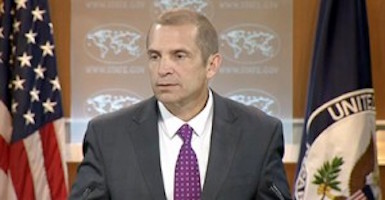
    “This is not about an arms race and it’s not about nuclear weapons. This is about the peaceful civil use of nuclear energy, and so we would certainly hope that Pakistan understands that,” State Department Deputy Spokesman Mark Toner told reporters at his daily news conference on May 27.

    He was responding to questions raised by Jahanzaib Ali of ARY News about India’s membership application to NSG and opposition to it by Pakistan on the grounds that this would give pace to nuclear arms race in the region.

    However, the US has fingers crossed, ahead of the crucial meeting of the 48-nation NSG.

    “Look, all I can say is that during his visit to India in 2015, President (Barack) Obama did affirm the US view that India meets missile technology control regime requirements and is ready for membership. But it’s a consensus body, so we’ll wait and see how the vote goes,” Toner said.

    “Deliberations about the prospects of new members joining the Nuclear Supplier Groups are an internal matter among the current members. I don’t have much to say beyond that other than that I think they meet regularly,” he said.

    The upcoming NSG meeting has not been set up for this purpose. “This I not a specific meeting, I believe – not set up to particularly talk about this issue,” Toner said.

    “They (Pakistan) have made public their interest, and certainly any country can submit its application for membership.  We will consider based on a consensus decision,” the spokesman said.

    Skip to 25:00 min

  • Indian-American Scientist Arnab De Wins Springer Theses Award

    Indian-American Scientist Arnab De Wins Springer Theses Award

    An Indian-American scientist has received the prestigious Springer Theses Award in recognition for his outstanding research in which he developed transgenic mice to study a critical tumor-suppressor called A20.

    Arnab De’s thesis was nominated by New York’s Columbia University. Before this, De, who has also developed peptide-based prodrugs as therapeutics for diabetes, had received the Young Investigator Award at the American Peptide Symposium.

    The thesis prize is awarded by Springer, a leading global publisher of renowned scientific journals and books, to recognize outstanding PhD research.

    Internationally top-ranked research institutes select their best thesis annually for publication in the book series: “Springer Theses: Recognising Outstanding PhD research”.

    Additionally, winners also get a cash prize of 500 euros. The research work was highlighted by the European Molecular Biology Organization (EMBO) Reports.

    Only research considered to be of ‘fundamental relevance to a general readership’ is chosen to be highlighted by EMBO.

    Mr De has dedicated his PhD thesis to cricketing legend Sachin Tendulkar and his alma mater, Kolkata’s Presidency University.

    Mr De said: “Two things that have influenced me the most is sports and education. This thesis is dedicated to Sachin Tendulkar not only for the cricketing joy he provided me, but also for being a constant source of inspiration to all Indian youth.”

    Ole John Nielsen (University of Copenhagen), who shared the 2007 Nobel peace Prize as a member of the Intergovernmental Panel on Climate Change along with US vice president Al Gore, had in 2012 described the Springer award as an “insanely great honor”.

  • Donald Trump’s Xenophobia Worsening Climate Of Fear: Sikh-American

    Donald Trump’s Xenophobia Worsening Climate Of Fear: Sikh-American

    A Sikh-American councilman, who was called a “terrorist” on Twitter by a Donald Trump supporter, has said the Republican presidential candidate’s “xenophobic political rhetoric” has worsened the “climate of fear” against minority communities across the US.

    Ravinder Bhalla, councilman-at-large of the City of Hoboken, New Jersey, in an opinion piece on NJ.com said that fear-mongering and divisiveness had never worked to solve people’s differences and “no public official, locally or nationally, should ever be telling you otherwise.”

    “As Donald Trump and others continue to inject charged xenophobic political rhetoric into our public discourse, the climate of fear directed towards minority communities across our nation has worsened dramatically,” Mr Bhalla said.

    He underscored that diversity and unity is what makes the United States great.

    “We are a nation of immigrants, where each new wave has strengthened and reinvigorated our nation,” he said.

    Mr Bhalla was called a terrorist last week by Robert Dubenezic, an open supporter of Mr Trump after the Sikh-American had tweeted about new bike lanes in his city.

    Mr Dubenezic replied to his tweet, saying “How the hell did Hoboken allow the guys to be councilman? Shouldn’t even be allowed in the US #terrorist.”

    Mr Bhalla was quick to answer, exclaiming, “Sir, I am born and raised in America. You clearly don’t know what it means to be an American #ignorant.”

    Mr Bhalla, who is also a partner at a law firm, said innocent people across America get called “terrorist” or some other epithet just because of the way they look and now “it was my turn to be falsely labelled based on my Sikh appearance.”

    Such offensive remarks raise the question that what should be the proper response of Americans to the rising tide of hate speech and violence in the US in 2016, not only against Sikh-Americans but other minorities like Muslims and Latinos, he said.

    “It is important at a time when loud, bigoted and divisive voices are crowding the public square that we remind the public of this basic fact and celebrate a nation founded on the unifying idea that we are all created equal,” Mr Bhalla said.

    “We must continue to call out bigotry and hatred when we see it, but in a manner that does not lower ourselves to the level of those that spew hate speech,” he said.

    Citing data by civil rights organisation Sikh Coalition, Mr Bhalla said Sikh-Americans had seen an increase in cases of profiling, backlash and hate crimes over the past six months.

    “Racists in our own country have desecrated Sikh gurdwaras (houses of worship) and brutally assaulted innocent Sikh Americans. Other minority communities, including the Latino and Muslim communities have also experienced a step up in racially charged incidents,” he said.

    Mr Bhalla asserted that his turban and beard represent his commitment to equality, justice and diversity.

    “These values are not only Sikh, they are also distinctly American,” he said.

    Read our coverage on Donald Trump #Trump

  • JACQUELINE FERNANDEZ HAS GOT A TRAINER FOR COMEDY

    JACQUELINE FERNANDEZ HAS GOT A TRAINER FOR COMEDY

    Well, we have heard of fitness trainers, even life coaches, but this one is a first. While talking to Bombay Times about her comic caper, ‘Housefull 3’, Jacqueline Fernandez revealed that she loves the comedy genre but it’s tougher than most other parts that she has played.

    But what made all the difference was her coach for comedy. She says, “I had the best trainer with me – Akshay Kumar. If I have managed to do any comedy at all in this movie, it is only because of him. He says things with such a straight face even while cracking a joke that it’s hilarious. In comedy, if you don’t have the right tuning with your co-actor, the humour can fall flat. I wish actors got more credit for humour. I’ve worked with Akshay in an intense movie (Brothers) and the kind of effort he takes to get into the role is a learning experience.”

  • NO NEW FILMS, BUT KAREENA’S STILL ON TOP OF THE WORLD

    NO NEW FILMS, BUT KAREENA’S STILL ON TOP OF THE WORLD

    Her last release, ‘Ki & Ka’, may have bombed at the box-office, but Kareena Kapoor’s not losing sleep. While she has not signed any new films, she is looking forward to her upcoming film, ‘Udta Punjab’, which also Shahid Kapoor and Alia Bhatt.

    “I’m feeling on top of the world,” the actress, who is holidaying in London currently, was reported to have exclaimed. “I don’t know what I’m going to do next. It is an amazing feeling. It is so dated to say, ‘Oh, I have so many films’. I have no interest in doing numerous films in a year. I will just pick one or two, and that’s it. I have a life. I also want to do other things (besides acting),” she adds.

    When pointed out that by not doing too many films, she stands to lose her visibility, she reportedly shot back, “I have never been insecure, as a person, or as an actor. People don’t know me, so they shouldn’t judge me.”

    Kareena does not seem keen to follow her contemporaries to Hollywood or turning producer. “I am ambitious, but I am not overambitious. I have always said that I will be a star, I will be a mother, I will be a wife, and I will keep on acting,” she was quoted as saying, adding that she is happy with her life her.

  • Depression lowers your chances of motherhood

    Depression lowers your chances of motherhood

    Severe depressive symptoms can decrease your chances of becoming pregnant, says a study.

    The study found a 38 percent decrease in the average probability of conception in a given menstrual cycle among women who reported severe depressive symptoms, compared to those with no or low symptoms.

    The results were similar, regardless of whether the women were on psychotropic medications.

    Despite associations in prior studies between infertility and the use of antidepressants, antipsychotics or mood stabilisers among already infertile women, “current use of psychotropic medications did not appear to harm the probability of conception,” said lead author Yael Nillni, an assistant professor at Boston University Schools of Public Health and Medicine in the US.

    “Our findings suggest that moderate to severe depressive symptoms, regardless of current psychotropic medication treatment, may delay conception,” Nillni said.

    The findings were published in the American Journal of Obstetrics and Gynecology.

    Although the study does not answer why women with more depressive symptoms may take longer to become pregnant, the authors noted several potential mechanisms.

    Depression has been associated with dysregulation of the hypothalamic-pituitary-adrenal axis, which may influence the menstrual cycle and affect the ability to conceive, for example.

    Data for the study came from more than 2,100 female pregnancy planners, ages 21-45 years, enrolled in a study known as PRESTO (Pregnancy Study Online) that is looking at factors influencing fertility.

    The participants were asked to report their current depressive symptoms and psychotropic medication use, among many other factors.

    Read More

  • YOUR DAILY BREAD MAY LEAD TO CANCER: CSE STUDY

    YOUR DAILY BREAD MAY LEAD TO CANCER: CSE STUDY

    NEW DELHI (TIP): The pre-packaged bread may be a silent killer as it is laced with chemicals suspected to cause cancer, a new study has warned.

    Most of the breads made by the Indian companies are found to contain potassium bromate and potassium iodate — chemicals banned in many countries for their adverse effects on human health, a study conducted by the Centre for Science and Environment (CSE) said.

    Potassium bromate is a powerful oxidizing agent, use of which makes bread fluffy, soft and gives it a good finish.

    The food safety regulations of India allow use of potassium bromate as flour treatment agent in bread and other bakery products.

    However, several bread companies and fast food chains have denied using these chemicals.

    “The use of these chemicals in the bread-making sector has been banned in many countries because they are listed as hazardous for public health: One is a category 2B carcinogen and the other could trigger thyroid disorders,” the CSE report said.

    The CSE tested 38 commonly available branded varieties of pre-packaged breads, ‘pav’ and buns, ready-to-eat burger breads and ready-to-eat pizza breads of popular fast food outlets from Delhi.

    “We found 84 percent samples positive with potassium bromate or iodate. We re-confirmed the presence of chemicals in a few samples through an external third-party laboratory. We checked labels and talked to industry and scientists,” CSE’s deputy director general Chandra Bhushan said.

    In 1999, the International Agency for Research on Cancer (IARC) classified potassium bromate as possibly carcinogenic (cancer causing) to humans. It was found to cause tumours of the kidney, thyroid and cancer of the abdominal lining in laboratory animals.

    The European Union had banned its use in 1990. The other countries which have banned potassium bromate include Britain, Canada, Australia, New Zealand, China, Sri Lanka, Brazil, Nigeria, Peru and Columbia.

    “Globally, potassium bromate was allowed to be used on the assumption that the bromate residues would not be present in the end product. This assumption failed across the world. Residues were being detected even after reducing the permissible limits of use, and therefore countries started banning it,” Bhushan said.

    “Our study confirms that residues of potassium bromate are present in bread sold in India,” he added.

    Interestingly, only one company was found to be labelling the use of potassium bromate on its pre-packaged products.

    The CSE results showed high levels of potassium bromate or iodate in sandwich bread, ‘pav’, bun and white bread. Products of Harvest Gold, Britannia and Perfect Bread were those with higher levels, according to CSE.

    “Of these, only Perfect Bread labels the use of potassium bromate. No maker among those tested labels potassium iodate. Only Britannia denied use of potassium bromate or iodate,” the study said. “Products of all five popular multinational fast food outlets selling pizza and burger were found positive with potassium bromate/iodate. These include KFC, Pizza Hut, Domino’s, Subway and McDonald’s. Except Domino’s, others have denied use in a response to CSE,” it added.

    Samples of two other fast food outlets — Nirula’s and Slice of Italy — also tested positive for potassium bromate/iodate. Slice of Italy denied use of the chemicals to CSE.

    Read More

  • LONG-TERM USE OF ANTIBIOTICS COULD DISRUPT BRAIN FUNCTION

    LONG-TERM USE OF ANTIBIOTICS COULD DISRUPT BRAIN FUNCTION

    Treatments involving long-term use of antibiotics have the potential to disrupt brain functions, suggests a new research which found that healthy gut bacteria is crucial to keeping the mind sharp.

    A special kind of immune cell serves as an intermediary between gut bacteria and the brain, showed the findings that could also help to alleviate the symptoms of mental disorders.

    The gut and the brain “talk” to one another via hormones, metabolic products or direct neural connections.

    In this study, the researchers switched off the gut microbiome in mice, that is their intestinal bacteria, with a strong concoction of antibiotics.

    Compared to the mice that had not undergone treatment, they subsequently observed significantly fewer newly formed nerve cells in the hippocampus region of the brain.

    The memory of the treated mice also deteriorated because the formation of these new brain cells – a process known as neurogenesis – is important for certain memory functions.

    As well as impaired neurogenesis, the researchers also found that the population of a specific immune cell in the brain – the Ly6C(hi) monocytes – decreased significantly when the microbiota was switched off.

    Applied to humans, the findings do not show that all antibiotics disrupt brain function, as the combination of drugs used in the study was extremely potent.

    “It is possible, however, that similar effects could result from treatments involving long-term use of antibiotics,” said one of the researchers Susanne Wolf from Max Delbruck Centre for Molecular Medicine in the Helmholtz Association, Berlin, Germany.

    The findings were published in the journal Cell Reports.

    The research team also found that the antibiotics may affect neurogenesis directly, and not act only via the gut bacteria.

    The new study is also of significance for treating people with mental disorders such as schizophrenia or depression, who also have impaired neurogenesis, Wolf said.

    “In addition to medication and physical exercise, these patients could potentially also benefit from probiotic preparations,” Wolf noted.

  • ANCIENT MARS HOSTED HABITABLE ENVIRONMENTS

    ANCIENT MARS HOSTED HABITABLE ENVIRONMENTS

    WASHINGTON: Scientists have found evidence for widespread buried deposits of iron- and calcium-rich carbonates on Mars, which suggests that the red planet once hosted habitable environments with liquid water.

    “Identification of these ancient carbonates and clays on Mars represents a window into history when the climate on Mars was very different from the cold and dry desert of today,” said Janice Bishop of the SETI Institute in the US.

    Carbonates beneath the surface of Mars points to a warmer and wetter environment in that planet’s past. The presence of liquid water could have fostered the emergence of life.

    The fate of water on Mars has been energetically debated by scientists because the planet is currently dry and cold, in contrast to the widespread fluvial features that etch much of its surface.

    Scientists believe that if water did once flow on the surface of Mars, the planet’s bedrock should be full of carbonates and clays, which would be evidence that Mars once hosted habitable environments with liquid water.

    Researchers have struggled to find physical evidence for carbonate-rich bedrock, which may have formed when carbon dioxide in the planet’s early atmosphere was trapped in ancient surface waters. They have focused their search onM Mars’ Huygens basin.

    This feature is an ideal site to study carbonates because multiple impact craters and troughs have exposed ancient, subsurface materials where carbonates can be detected across a broad region, researchers said.

    “Outcrops in the 450-km wide Huygens basin contain both clay minerals and iron- or calcium-rich carbonate-bearing rocks,” said James Wray, from the the Georgia Institute of Technology.

    The study has highlighted evidence of carbonate-bearing rocks in multiple sites across Mars, including Lucaya crater, where carbonates and clays 3.8 billion years old were buried by as much as 5 km of lava and caprock.

    The researchers identified carbonates on the planet using data from the Compact Reconnaissance Imaging Spectrometer for Mars (CRISM), which is on the Mars Reconnaissance Orbiter.

    This instrument collects the spectral fingerprints of carbonates and other minerals through vibrational transitions of the molecules in their crystal structure that produce infrared emission.

    The team paired CRISM data with images from the High Resolution Imaging Science Experiment (HiRISE) and Context Camera (CTX) on the orbiter, as well as the Mars Orbiter Laser Altimeter (MOLA) on the Mars Global Surveyor, to gain insights into the geologic features associated with carbonate-bearing rocks.

    The extent of the global distribution of martian carbonates is not yet fully resolved and the early climate onthe red planet is still subject of debate.

    However, this study is a forward step in understanding the potential habitability of ancient Mars.

  • New form of light discovered

    New form of light discovered

    LONDON: In a breakthrough, scientists have discovered a new form of light, which will impact our understanding of the fundamental nature of light.

    One of the measurable characteristics of a beam of light is known as angular momentum. Until now, it was thought that in all forms of light the angular momentum would be a multiple of Planck’s constant, the physical constant that sets the scale of quantum effects.

    Now, researchers from Trinity College Dublin’s School of Physics and CRANN Institute have demonstrated a new form of light where the angular momentum of each photon (a particle of visible light) takes only half of this value.

    This difference though small is profound, researchers said.

    “We’re interested in finding out how we can change the way light behaves and how that could be useful. What I think is so exciting about this result is that even this fundamental property of light, that physicists have always thought was fixed, can be changed,” said Assistant Professor Paul Eastham.

    “Our discovery will have real impacts for the study of light waves in areas such as secure optical communications,” Professor John Donegan said.

    “This discovery is a breakthrough for the world of physics and science alike,” said Professor Stefano Sanvito, Director of CRANN.

    In the 1830s, mathematician William Rowan Hamilton and physicist Humphrey Lloyd found that upon passing through certain crystals, a ray of light became a hollow cylinder.

    The team used this phenomenon to generate beams of light with a screw-like structure.

    Analyzing these beams within the theory of quantum mechanics they predicted that the angular momentum of the photon would be half-integer, and devised an experiment to test their prediction.

    Using a specially constructed device they were able to measure the flow of angular momentum in a beam of light. They were also able, for the first time, to measure the variations in this flow caused by quantum effects.

    The experiments showed a tiny shift, one-half of Planck’s constant, in the angular momentum of each photon.

    Theoretical physicists since the 1980s have speculated how quantum mechanics works for particles that are free to move in only two of the three dimensions of space.

    They discovered that this would enable strange new possibilities, including particles whose quantum numbers were fractions of those expected. This work shows, for the first time, that these speculations can be realized with light.

    The research was published in the journal Science Advances.
    Read More

  • APPLE EXPLORES CHARGING STATIONS FOR ELECTRIC VEHICLES

    APPLE EXPLORES CHARGING STATIONS FOR ELECTRIC VEHICLES

    Apple is investigating how to charge electric cars, talking to charging station companies and hiring engineers with expertise in the area, according to people familiar with the matter and a review of LinkedIn profiles.

    For more than a year, Silicon Valley has been buzzing about Apple’s plan to build an electric car. Now the company appears to be laying the groundwork for the infrastructure and related software crucial to powering such a product.

    The moves show Apple responding to a key shortcoming of electric vehicles: “filling up” the batteries. A shortage of public charging stations, and the hours wasted in charging a car, could be an opportunity for Apple, whose simple designs have transformed consumer electronics.

    Apple, which has never publicly acknowledged a car project, declined to comment for this story. Neither the LinkedIn profiles nor sources said specifically that Apple was building charging stations for electric cars.

    But automotive sources last year told Reuters that Apple was studying a self-driving electric vehicle (EV), as the Silicon Valley icon looks for new sources of revenue amid a maturing market for its iPhone.

    Apple is now asking charging station companies about their underlying technology, one person with knowledge of the matter said. The talks, which have not been reported, do not concern charging for electric cars of Apple employees, a service the company already provides. They indicate that Apple is focused on a car, the person added.

    Charging firms are treading carefully, the person added, wary of sharing too much with a company they view as a potential rival.

    It is unclear whether Apple would want its own proprietary technology, such as Tesla Motors’ Supercharger network, or would design a system compatible with offerings from other market players.

    Several charging station suppliers contacted by Reuters declined to comment about any dealings with Apple, which typically requires potential partners to sign non-disclosure agreements.

    Arun Banskota, president of NRG Energy Inc’s electric vehicle charging business, EVgo, did not respond directly to questions about Apple, but said repeatedly that his company was “in discussions with every manufacturer of today and every potential manufacturer of tomorrow.”

    Apple has hired at least four electric vehicle charging specialists, including former BMW employee Rónán Ó Braonáin, who worked on integrating charging infrastructure into home energy systems as well as communication between EVs, BMW and utilities, according to a LinkedIn review.

    As recently as January Apple hired Nan Liu, an engineer who researched a form of wireless charging for electric vehicles, for instance. Quartz earlier this month reported that Apple had hired former Google charging expert Kurt Adelberger.

    Electric vehicle charging stations are manufactured, installed and operated under varying business models. Players in the space include Car Charging Group Inc and privately held ChargePoint, SemaConnect and ClipperCreek, infrastructure companies such as Black & Veatch and AECOM as well as General Electric, Siemens and Delta Electronics Inc.

    The three largest utilities in California also have plans to install charging stations.

    Read More

  • G7 LEADERS PLEDGE COLLECTIVE ACTION ON SAGGING GLOBAL GROWTH

    G7 LEADERS PLEDGE COLLECTIVE ACTION ON SAGGING GLOBAL GROWTH

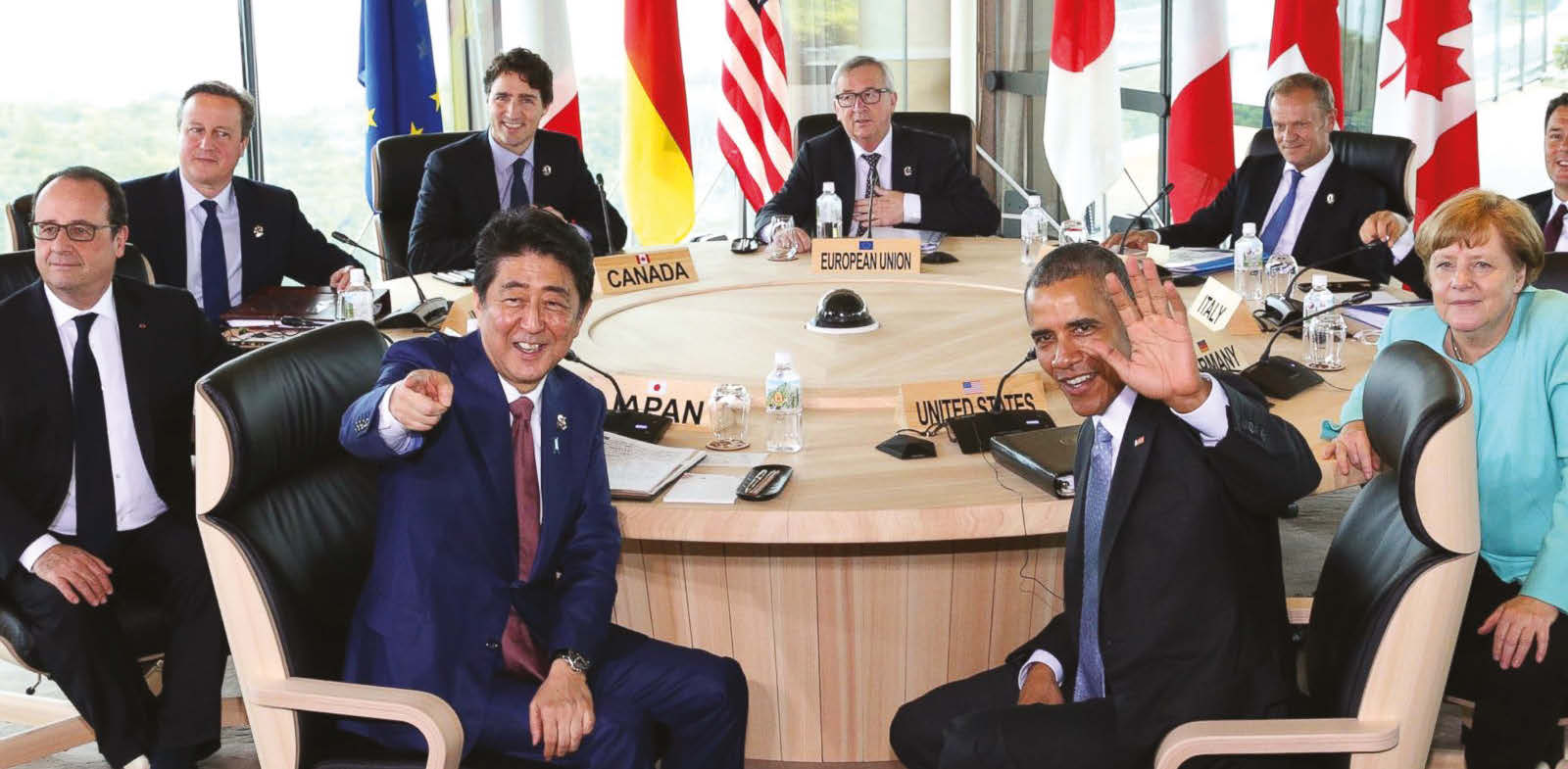
    SHIMA (TIP): The leaders of the Group of Seven rich economies pledged on May 27, Friday, to “collectively tackle” major risks to global growth, including direct political threats to the international order from terrorist attacks, violent extremism and refugee flows.

    Meeting at a seaside resort with expansive views of a scenic bay and emerald-green islands, G7 leaders wrapped up their annual summit Friday in central Japan claiming a
    “special responsibility” for leading international efforts to cope with those challenges. They also committed to a cooperative approach in beefing up policies to stimulate and sustain growth of their sluggish economies.

    “Weak demand and unaddressed structural problems are the key factors weighing on actual and potential growth,” they said in a declaration. “We have strengthened the resilience of our economies in order to avoid falling into another crisis and to this end commit to reinforce our efforts to address the current economic by taking all appropriate policy responses in a timely manner.”

    “We remain committed to ensuring that growth is inclusive and job-rich, benefiting all segments of our societies,” it said.

    The wording of the leaders’ declaration glosses over differences on the issue of fiscal stimulus by saying each will take into account “country-specific circumstances” in committing to stronger policies to support their economies. Germany, in particular, has balked at committing to expansionary fiscal policy.

    In a nod to such concerns, the declaration includes a reference to the need to ensure debt is “on a sustainable path.”

    While Japan is moving toward more public spending, and the likely postponement of a sales tax increase next year, to revive faltering growth, its own gross public debt is more than twice the size of its economy.

    The G7 host, Japanese Prime Minister Shinzo Abe appealed to his fellow leaders to act to avert another global crisis, comparing the current global economic situation to conditions just before the 2008 financial crisis.

    Vigilance is crucial for averting a relapse, he said: “We learned a lesson that we failed to respond properly because we did not have a firm recognition of the risks.”

    President Barack Obama backed Abe’s call, saying it was crucial not just to put people back to work but also raise wages and maintain the momentum of the recovery.

    “We’ve all got a lot of work to do and we agreed to continue to focus on making sure that each country, based on its particular needs and capacities, is taking steps to accelerate growth,” Obama said.

    G7 countries denounced protectionism and trade barriers. They also noted the negative impact from overcapacity in some industries and government subsidies and other incentives that tend to make such problems worse.

    During talks on the sideline of the summit, the US, EU and Japan reiterated their determination to reach agreement on various trade agreements meant to expand mutual market access.

    In their declaration, the summit leaders cited a possible departure of Britain from the European Union, depending on the outcome of a June 23 vote, as one of many potential shocks for the global economy .

    The leaders also expressed concern over territorial tensions in the East and South China seas. The declaration does not mention China and its expansion into disputed areas specifically, but calls for respecting freedom of navigation and of overflight and for resolving conflicts peacefully through law. The summit declaration also highlighted joint efforts on corruption, cybercrimes, terrorism, global health and migration — which has become a huge headache especially for European nations — as other top priorities.

    It said a global response was needed to cope with the surge in refugees, migrants and other displaced people to its highest level since World War II and committed to increasing assistance to meet their immediate and long-term needs. But there were no specific, concrete offers of extra help.

    Earlier, Donald Tusk, president of the European Council, said the EU was creation of resettlement schemes and expansion of other forms of legal migration around the world.

    Expanding their discussions to issues of “inclusive” growth, the group met Friday with leaders of seven developing countries. The “outreach” session invited leaders from some of Asia’s poorest countries, such as Laos and Papua New Guinea, and also some of its biggest, most dynamic emerging economies, like Vietnam and Indonesia. The president of Chad, Idriss Deby, was representing the African union, and top international leaders such as Christine Lagarde of the IMF also attended.

    Read More

  • Patanjali faces flak from ASCI  for misleading ads

    Patanjali faces flak from ASCI for misleading ads

    NEW DELHI (TIP): Baba Ramdev’s Patanjali Ayurved has come under the scanner of Indian advertising watchdog Advertising Standard Council of India (ASCI) for several misleading ads. ASCI ruled that ads by the Haridwar-based FMCG company “unfairly denigrates” other products in the market. Patanjali took flak for ads of hair oil, mustard oil and washing powders.

    Patanjali Kesh Kanti Natural Hair Cleanser & Oil’s advertisement’s claim, “mineral oil is carcinogenic in nature and may cause cancer” was false and misleading by ambiguity and by gross exaggeration,” said ASCI. The company’s Kachi Ghani Mustard Oil advertisement’s claim that most of the other edible refined oils and mustard oils are made using neurotoxin Hexagon solvent extraction process, as many companies mix cheap palm oil in mustard oil, to make profits at the cost of consumers’ health, was also not substantiated and was misleading, ASCI added.

    Similarly, for its Herbal Washing Powder, Cake and Dishwash Bar, the claim of “herbal washing powder, cake and dishwash bar” was not substantiated with data regarding which herbal ingredients in the product provide the cleaning benefit and was deemed misleading by ASCI.

    Read More

  • United Spirits writes off Rs 566 cr from Mallya’s UB Group cos

    United Spirits writes off Rs 566 cr from Mallya’s UB Group cos

    BENGALURU (TIP): United Spirits (USL), India’s largest spirits maker, said it wrote off Rs 566 crore in connection with the recovery of funds that were diverted from the company to “alleged UB Group entities” including now-defunct Kingfisher Airlines.

    The maker of McDowell and Black Label whiskey said these funds, transferred between 2010 and 2013 to certain UB Group companies, were used to enhance capacity, obtain exclusivity and lease deposits with regard to tie-up manufacturing units and agreement on specific projects among others.

    The company, controlled by Britain’s Diageo, added its internal probe related to these transactions indicated
    “various improprieties ad potential violation of provisions , inter alia, of the Companies Act 1956 and the then listing agreements signed by the company with various stock exchanges in India on which its securities are listed.”

    During the previous fiscal, USL explained it reached a settlement with four such companies for about Rs 55 crore to whom funds were transferred. It is yet to reach an agreement with other parties, the company said in its quarterly report on Thursday.

    Read More

  • RBI ask co-op banks to monitor NPA levels in SHG segment

    RBI ask co-op banks to monitor NPA levels in SHG segment

    MUMBAI (TIP): RBI has asked co-operative banks to “immediately start” monitoring the NPA levels in the Self Help Group (SHG) segment and also stressed on their credit rating.

    Earlier, the RBI had asked co-operative banks to report the member level data relating to the SHGs. A working group of RBI also stressed on the need for putting in place the credit information reporting for SHG members soon.

    “The information requirements will be implemented in two phases. The first phase will commence from July 1, 2016 and last for one year. The depth of the credit related information to be collected would increase in Phase II to be implemented from July 1, 2017,” RBI said.

    The collection and reporting of credit information in respect of SHG members will be restricted to the members of those SHGs that take bank loans exceeding Rs 1 lakh.

    Read More @ TheIndianPanorama.news

  • SEBI Wilful defaulters can’t tap markets

    SEBI Wilful defaulters can’t tap markets

    MUMBAI (TIP): Market regulator Sebi on Thursday notified rules aimed at banning wilful defaulters from raising money from the markets. The rules will impact companies and individuals categorized as ‘wilful defaulter’ by the RBI. The entities who could be banned include promoters and directors of a company, as well as the company.

    The Sebi move comes at a time when the government and the RBI are fighting a menace that is partially responsible for the huge pile-up of non-performing assets (NPAs), mainly in public sector banks. Earlier in March this year, when the controversy around loan default by flamboyant Indian businessman Vijay Mallya was at its peak, the Sebi board had taken a decision on banning wilful defaulters from the market. It has now been notified.

  • India home to 56 of the world’s largest public firms: Forbes ‘Global 2000’

    India home to 56 of the world’s largest public firms: Forbes ‘Global 2000’

    NEW YORK (TIP): Mukesh Ambani-led Reliance Industries leads the pack of 56 Indian firms in Forbes’s annual list of the world’s 2,000 largest and most powerful public companies, with the US leading the list with 586 companies.

    The 2016 Forbes ‘Global 2000’, a snapshot of the world’s largest companies, shows the dominance of US and China in the current global business landscape.

    US and China-based companies dominate the top 10, with only Japan’s Toyota Motor at the 10th tenth preventing a clean sweep for the two nations.

    India’s tally of 56 of the world’s biggest companies remains the same as last year and Reliance Industries maintains its top position of leading the largest public companies in India.

    Reliance improved its ranking this year to 121 from 142 last year, with a market value of $50.6 billion and assets worth $91.5 billion.

    Reliance is followed by State Bank of India which is ranked 149 and has a 23.3 billion dollar market value.

    The other Indian companies on the list are Oil and Natural Gas ranked (220), ICICI Bank (266), HDFC Bank (275), Indian Oil (371), Tata Consultancy Services (385), NTPC (400), Bharti Airtel (453), Axis Bank (484), Infosys (590), Bharat Petroleum (650), Wipro (755, Tata Steel (1178) and Adani Enterprises (1993).

    Also making to the list are Coal India (465), Larsen and Toubro (505), ITC (781), Kotak Mahindra Bank (899), Mahindra and Mahindra (901) and HCL Technologies (943).

    Chinese banks held on to the top three spots in the list, a comprehensive annual ranking of the world’s largest public companies.