Month: October 2016

  • MS Dhoni: The Untold Story ~ MOVIE REVIEW

    MS Dhoni: The Untold Story ~ MOVIE REVIEW

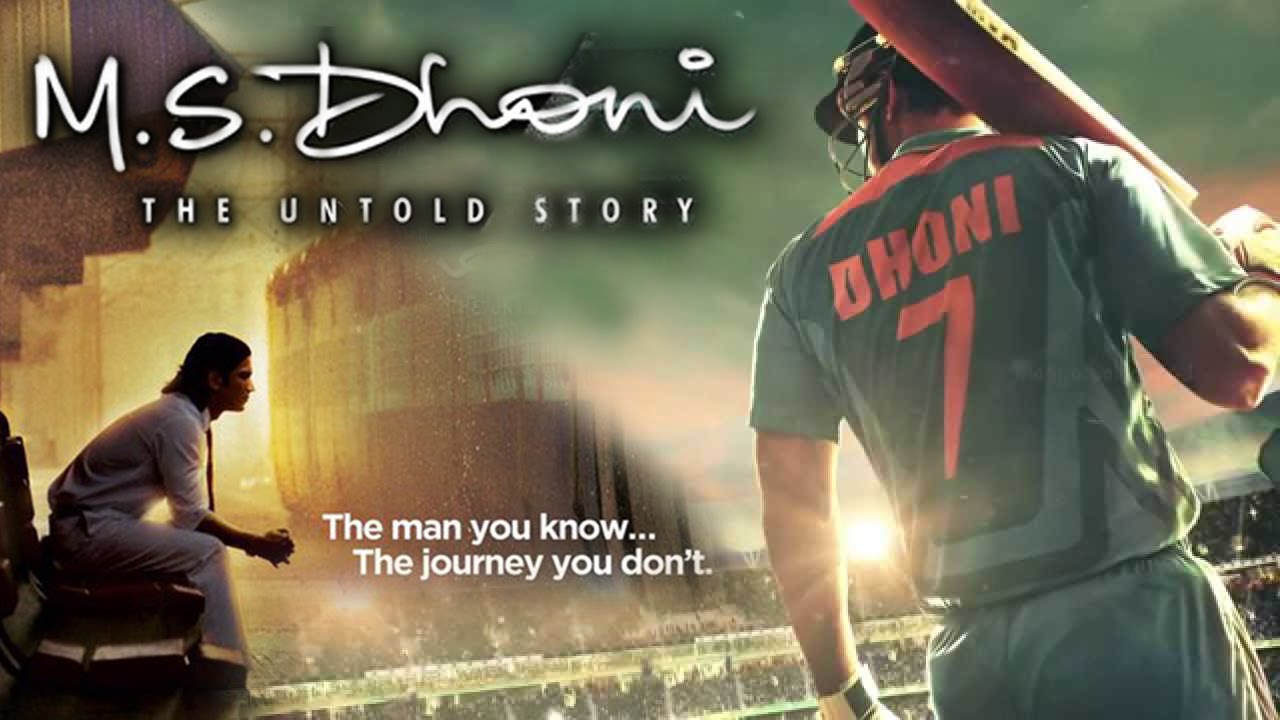
    STORY: The biopic on India’s celebrated skipper, MS Dhoni (played by Sushant Singh Rajput) is the cricketer’s ode to his well-wishers, friends and family, who stood by him at all times – in success and failure. Their immense contribution in fulfilling his dream, his faith in himself and ability to battle professional and personal setbacks, forms the story.

    dhoniREVIEW: If you are a diehard fan of MS Dhoni and cricket (in that order), you are bound to love this film, which reveres its protagonist. Despite the glorification, what works is Sushant’s impeccable portrayal of a stoic Dhoni and the latter’s inspiring untold story – his journey from being a ticket collector to a renowned attacking batsman/wicket-keeper/captain.

    Sushant internalises his character and becomes MSD, without heavily mimicking the cricketer. He even nails his iconic helicopter shot and restrained personality. The actor scores a winning knock. The film also boasts of a spectacular first-half, which showcases Dhoni’s initial struggle as an aspiring professional cricketer. It reminds you why sportsmen deserve the fame and money they get.

    Neeraj Pandey recreates Dhoni’s Ranchi life beautifully. He keeps it authentic and relatable. This one scene shot at Kharagpur station particularly stands out. Sushant is seen trying to make his way through a sea of people. It’s him going against the tide, summing up Dhoni’s life journey as well. Supporting actors deserve a special mention as their performances tug at your heartstrings. A scene featuring Yuvraj Singh (Herry Tangri) is outstanding.

    However the biopic loses its momentum in the second half with Dhoni’s love life getting undue prominence. Also, the cricketer’s questionable decisions or possible vices are mostly overlooked. His tiff with the senior players (Sehwag, Gambhir), rivalry with Yuvraj Singh, love-hate relationship with the media, team politics and criticism faced on occasions, barely find a passing reference. As a full-fledged biopic, this one-dimensional approach towards the lead character leaves you a tad discontented. But since you see the film through Dhoni’s eyes, it’s justified as one rarely sees faults in oneself.

  • ANGELINA JOLIE EYED FOR WAR DRAMA ‘SHOOT LIKE A GIRL’

    ANGELINA JOLIE EYED FOR WAR DRAMA ‘SHOOT LIKE A GIRL’

    Actress Angelina Jolie is in early negotiations to star in the adaptation of ‘Shoot Like a Girl’, based on the memoir of US Air Force Major Mary Jennings Hegar.

    The 41-year-old actress is eyed to take the role of real life Afghanistan war hero Hegar in the film, reported Deadline.

    The Gotham Group is producing the film. No director has been attached, but Frank Baldwin is penning the screenplay based on the memoir titled ‘Shoot Like A Girl: How One Woman’s War Against the Taliban Led to Her Victory Over the Department of Defense’.

    Nicole Brown, who brought the book into TriStar, will oversee the project with Hannah Minghella.

    The film follows Hegar who served multiple tours in Afghanistan as a rescue helicopter pilot.

    She saved hundreds of men and women on and off the battlefield in the Middle East. She sued the Department of Defense in Washington DC over the Combat Exclusion Policy which kept female officers from serving in combat roles.

  • Rachel McAdams to star in Disobedience

    Rachel McAdams to star in Disobedience

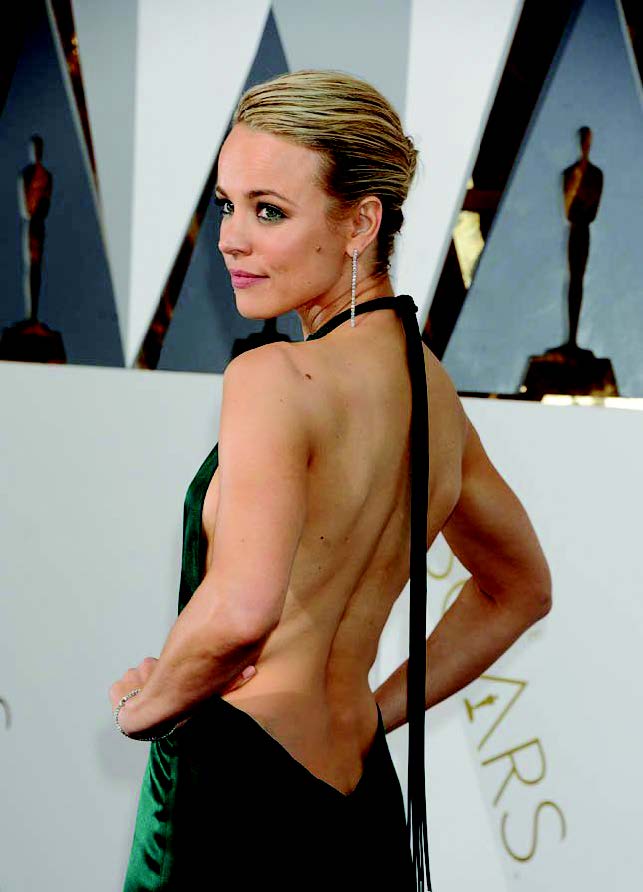
    Actress Rachel McAdams is set to star with Rachel Weisz in love story ‘Disobedience’.

    The movie is an adaptation of Naomi Alderman’s novel of the same name, reported Variety.

    Sebastian Lelio will direct the film based on a script he co-wrote with Rebecca Lenkiewicz.

    The original story in the novel revolves around young woman (Weisz), who returns to her Orthodox Jewish home after learning about the death of her estranged father.

    She causes an upheaval in the quiet community when she rekindles a repressed love with her best friend, a woman now married to her cousin. McAdams will play the best friend in the film.

    Production is expected to star in the first quarter of 2017.

  • LILY COLE WANTS TO SEE FEMALE JAMES BOND

    LILY COLE WANTS TO SEE FEMALE JAMES BOND

    Actress Lily Cole said she would like to see female version of popular spy James Bond.

    The 28-year-old star revealed that she would rather play 007 than a Bond girl as she is not a fan of how ‘stereotypical’ the character is, reported FemaleFirst.

    Asked if she would like to play a Bond girl, Cole said, “I would rather be Bond. I think the Bond girl character would be a fun one to cross off your bucket list.

    “But they are not the most interesting characters historically, whereas, Bond could be a bit more fun. I also don’t like male and female stereotype. I think it is about time we had a female Bond put it that way,” she said.

    Cole said she would love to see the Oscar-winning actress Cate Blanchett as the MI5 secret agent.

    “There are so many strong female actresses. Cate Blanchett comes to mind again. I think she would be pretty good,” she said.

  • KIDMAN OPENS UP ABOUT HER MARRIAGE TO CRUISE

    KIDMAN OPENS UP ABOUT HER MARRIAGE TO CRUISE

    Actress Nicole Kidman has opened up about her marriage to actor Tom Cruise more than two decades ago at the age of 23.

    “I was so young when I got married. I look back now and I’m like, ‘What?’” Kidman told Red magazine, reports people.com.

    She added: “You look at Taylor Swift, I mean how old is she? She’s 26. I had two kids by the time I was 27 and I’d been married for four years. But that’s what I wanted.”

    Kidman, 49, married Cruise in 1990 after meeting him on the set of “Days of Thunder”. They later adopted two children – Isabella, now 23, and Connor, now 21.

    The Oscar-winner is now married to country star Keith Urban.

  • Will war rhetoric defeat development agenda?

    Will war rhetoric defeat development agenda?

    All that Lt Gen Ranbir Singh, Director General Military Operations said in the afternoon of September 29 is that there were limited “surgical strikes” across the border to foil the attempts of terrorist teams planning to carry out infiltration and terrorist attacks in India resulting in “significant casualties” on them. He was emphatic when he said: “the operations aimed at neutralizing the terrorists have since ceased. We do not have any plans for continuation of further operations.”

    But media pounced on it and along with assorted columnists/journalists, ex-diplomats, ex-Generals and party hawks went for the kill with unabashed hatred-peddling. As if eye-witnesses, they rattled out the number of launch pads attacked, Army units that conducted the strike, number of soldiers in the strike force, distance the soldiers walked, weapons used, ammunition fired and precise number of terrorists killed. They also talked of intense diplomatic engagement by National Security Advisor (NSA) and Foreign Secretary and the critical conversation between the former and his US counterpart. Nothing was left to the imagination.

    Electronic media went ballistic and encouraged use of expletives and jingoist language. Anchors and panelists did not separate fact from fiction. They just chose to be cheerleaders of the government and its spin-doctors. Saner voices were shut down as heretic. Debates were so scary that there was panic all over as if war was imminent. People living in the border areas of Punjab evacuated their abodes, abandoning crops ready for harvesting. Soon enough the cat was out of the bag.

    Mukesh Aghi, president of the US-India Business Council, a business advocacy organization working to boost India-US trade, made a brazen statement that the expected increase in India’s defense spending due to the current stand-off with Pakistan has presented a “tremendous opportunity” to major US companies including Boeing, Lockheed Martin and Raytheon to expand their Indian operations. He went on to say that the technology on big- ticket items will definitely come from the US, either from the aircraft carriers or secured communications or from the missile side!

    The military view, echoed by some former Generals, is that the successful “surgical strikes” could kick-start a new phase of confrontation between India and Pakistan, possibly characterized by wholly new strategies which will be tested over time and refined. The big question is: confrontation for what purpose — to wage another full-fledged war after 45 long years? Unfortunately, an analysis of various reports shows that it is highly unlikely that India has the artillery and ammunition resources even to fight a limited war like Kargil.

    On war India has three options-conventional, sub-conventional and nuclear. An all-out nuclear war is out of question. Sub-conventional warfare involves stealth attacks and guerrilla tactics, similar to the Army’s surgical strikes. The third option is conventional warfare. Notwithstanding the importance of regional, strategic and political considerations and all that is lost in the rhetoric, the truth is India is not economically prepared to wage war in this manner.

    In any conventional warfare with Pakistan, it is the Indian Army that will be at the forefront. As of now, the revenue to capital ratio of Army spending is highly skewed in favor of the former as much as 85:15. This indicates that a large amount of budget spend for the Army is towards pay and allowances rather than for capital expenditure. Further examination of data suggests that ratio of indigenous acquisition to foreign sources for the Army is approximately 70:30. Since the Army’s artillery and ammunition needs are exclusively met by ordinance factories (OFs) it is over-dependent on domestic acquisition. This has made army very vulnerable in terms of its war wastage reserves (WWR).

    As per the Army’s operational doctrine, India is required to maintain a WWR of 40 “days of intense war” (war (I)). After the Kargil war of 1999, the Army headquarters introduced a new target of Minimum Accepted Risk Level (MARL), which was set at 20 war (I). The findings of a CAG report show that the Army’s current WWR stands at a critical low of 10 war (I) or even less as of March 2013. As per data in the report, of the 48 ammunition categories audited by CAG, it was found that OFs were unable to meet their production targets across 52 per cent of the product categories. Of this 52 per cent, in 23 per cent of the product categories, the shortfall was well over 50 per cent.

    The Army top-brass has been continuously pointing out this severe flaw to the government, but to no avail. Realizing these constraints and shortfalls, they have been reticent and restrained.

    Coming to brass-tacks, the surgical strikes are the fallout of the failure of the Uri Brigade commander to secure his base, which led to his removal from that position. But retired Army brass insists it was an institutional weakness and not command failure. They want citizens and even uniformed personnel to be better sensitised about national expectations versus national willingness to part with more resources for defense and security. One of them has gone to the extent of asking the Army to unequivocally state that the nation will get the security it pays for and no more. One wonders whether mercenary language is creeping in!

    These worthies should realize that Uri closely followed the Pathankot air base mess-up by the Indian Air Force, National Security Guards, Indian Army and Defense Security Corps all put together. A disturbing pattern continues —–confusion in command and control, indifference to warning of a terrorist attack, abysmal physical security measures, leadership without responsibility, incoherent public communication and political one-upmanship. Added to this is the same old media nautanki and Paki-bashing. The regime change in 2014 has not made any difference.

    Why this? The answer is not far to seek. Despite the cacophony of reforms, ‘Make-in-India’, FDI, and what not, India’s basic governance and administration is at its nadir and national security forms part of this basic. In the event, India does not even have a national security architecture. We have Ministries of Home and External Affairs responsible for internal security and foreign affairs respectively. But we have no geopolitical-based foreign policy or national security system. Instead we have the NSA, an office that has neither institutional sanction nor parliamentary accountability. It is this entity which is in command of all affairs concerning external and internal security. We saw this happening in Pathankot and now in Uri, wherein the Army Chief was playing second fiddle.

    Unless this severe malady is addressed with urgency and remedied any amount of warmongering will be of no avail and India will continue to remain a nation sans security. There is a famous saying: “Freedom is the outcome of the tranquility of peace.” Without these two attributes in a nation there cannot be any “development.” War is the enemy of freedom and peace and, therefore, that of “development”. The question in everyone’s mind is whether Prime Minister Narendra Modi is abandoning the “development” agenda by drumming up the war cry. Or is it to cover-up the failure of this agenda in the first half of the Modi government? Will not warmongering, using soldiers as cannon-fodder, divert scarce resources towards massive arms purchase? Will this cost India security and development? These questions need to be asked and answers found. The sooner, the better.

    (The author is a former IAS officer of Haryana Cadre)

  • Online Petition to Declare Pakistan a Terrorist State Shut Down

    Online Petition to Declare Pakistan a Terrorist State Shut Down

    NEW YORK (TIP): In an unexplained move, The White House has abruptly shut down the online petition that asked it to designate Pakistan a state sponsor of terrorism on suspicion of fraud. The White House officials have not explained the kind of suspected “fraud” that shut down the petition.

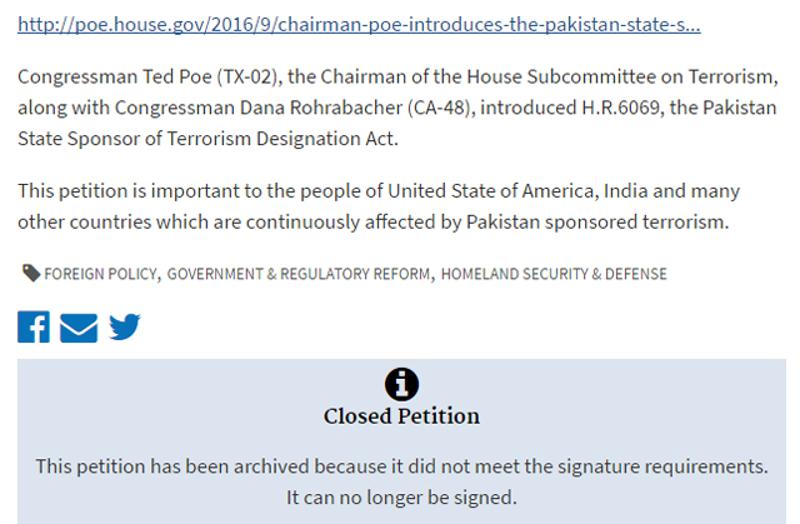
    In a blurb headlined, ‘Closed Petition’ (Bottom), the White House’s ‘We the People’ web page, which hosts the initiative inviting petitions to the administration, said on Monday, “This petition has been archived because it did not meet the signature requirements. It can no longer be signed.”

    The petition had, until October 21, to gather 100,000 signatures to merit a response from the White House under the rules of the programme, which it had already collected, and several times more. At closure, the petition had 625,723 signatures.

    The first petition seeking the Pakistan designation was started by an individual known by initials ‘RG’ on September 21, the day after Republican congressmen Ted Poe and Dana Rohrabacher introduced a legislation in the House of Representatives demanding Pakistan be designated a state sponsor of terrorism.

    Citing the legislation in the petition, the sponsor wrote, it (designating Pakistan a state sponsor of terrorism) was “important to the people of United State of America, India and many other countries which are continuously affected by Pakistan sponsored terrorism”.

    Anyone can start a petition after opening an account — just a name and email would do. (This reporter opened an account on Monday, and it took barely a few minutes.) But you don’t need one to merely sign an ongoing petition.

    Under the terms of participations, every individual is allowed only one email account, whether the intention is merely to sign or start a petition. The individual must be over 13 (as the general age-bar for starting an email account)—and cannot sign the same petition more than once.

    An official, though, when asked if signatories must be based in the US or be US citizens, said they can be “anyone provided they follow terms of service”.

    The We the People page said “The White House may disable user accounts, remove associated signatures and remove petitions created or signed by users that it has reasonable belief do not satisfy the above rules.”

    That seems to be what happened to the petition, which had generated considerable amount of excitement in the Indian American community. It was no different back in India, with signatures coming at a phenomenal speed, raising talk of a record turnout.

    The petition seeking a “terrorist state” designation for India was slow in comparison, collecting 66,000 signatures till late Monday evening. Starting on September 27, it needed roughly 34,000 more to get a response from the White house.

    It accused India of waging a “proxy war” against Pakistan especially in “the province of Balochistan, Federally Administrated Tribal Areas and Metropolitan City of Karachi”, and urged the White House to declare India a “terrorist state”.

    Online Petition to Declare Pakistan a Terrorist State Shut Down

  • Row over surgical strikes deepens

    Row over surgical strikes deepens

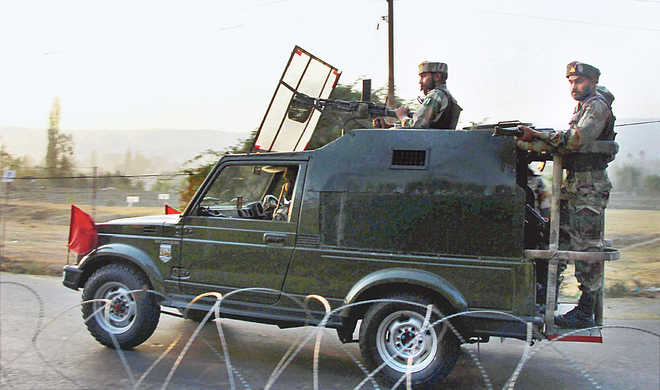
    NEW DELHI (TIP): The army has handed over video evidence of its September 29 surgical strikes on terrorist launchpads in Pakistan-occupied Kashmir but the government doesn’t see the need to make them public, two senior ministers said.

    Meanwhile, Prime Minister Narendra Modi has asked his ministers not to indulge in chest-thumping over the raid, sources said, adding the army, too, is not in favor of making public the details of the sensitive operation.

    Urban development minister Venkaiah Naidu rejected the opposition’s demand for proof of the strikes, saying any further discussions would be an “insult” to the army. “There is no need to respond to such irresponsible comments and demands. Fortunately, the Congress has also realized its mistake and distanced itself from the comments of its leaders,” Naidu told mediapersons a day after he said that the proof would be presented at an appropriate time.

    Defense minister Manohar Parrikar has also concurred with the army. Parrikar and National Security Advisor Ajit Doval were shown unedited footage of the September 29 operation on October 1, followed by a presentation of an edited version the next day by the Director General of Military Operations (DGMO).

    After seeing the visuals, Parrikar conveyed to the Prime Minister that he was satisfied and felt there was no need to release the footage.

    “The opposition should understand the difference between a covert and overt strike. And it is not incumbent on the Indian army to release video footage every time they do their duty,” a senior official said on conditions of anonymity.

    South Block sources said there was no need to rub Pakistan’s nose in the dirt after the successful surgical strike.

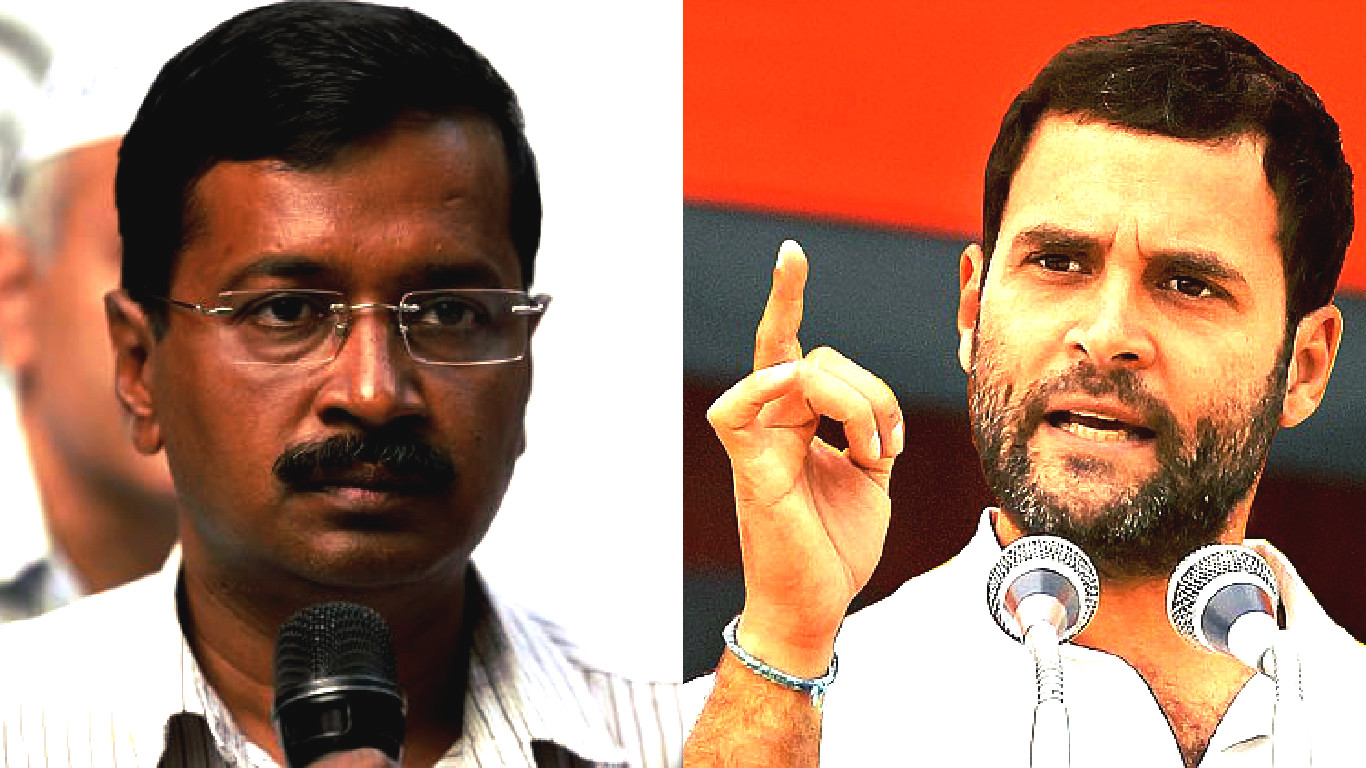
    Delhi chief minister Arvind Kejriwal and a section of Congress leaders have been calling for evidence, couching it as a must to debunk “Pakistan propaganda” that the raid was nothing but cross-border fighting.

    Several ministers had taken on the opposition for “questioning” army’s courage in demanding evidence for the raid. “I don’t think any Indian citizen has got any doubt… It would be an insult to the army if we further discuss,” Naidu said. “Only Pakistan is saying something because they have to say something. They are not in a position to conduct funeral or last rites of their own citizens…This is their culture.”

    Sources in the army said the force was not in favor of releasing the evidence though the final decision lay with the government. The army would like to keep under wraps the tactics of its special forces.

    The army, they said, was proud of its apolitical and secular credentials and didn’t want to be dragged into political wrangling.

    Nawaz Sharif warns Pak army not to shield militants

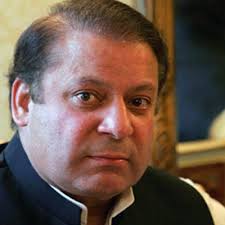
    nawaz-sharif-warns-pak-army-not-to-shield-militantsISLAMABAD (TIP): Facing international isolation, Pakistan prime minister Nawaz Sharif has warned the powerful military not to shield banned militant groups and has directed authorities to conclude the Pathankot terror attack probe and the 2008 Mumbai attack trial, a leading Pakistani daily reported on October 6.

    Sharif’s orders came after a series of meetings between military and civilian leaders, Dawn newspaper said. The government delivered a “blunt, orchestrated and unprecedented warning” to the military leadership and sought consensus on several key actions, including action against banned militant groups, the paper quoted unnamed individuals, who were involved in the meetings.

    However, the spokesman of Pakistan Prime Minister’s Office strongly rejected the Dawn report. “The spokesman has termed the contents of the story not only speculative but misleading and factually incorrect. It is an amalgamation of fiction and half truths which too are invariably reported out of context,” an official statement said.

    “The fact that the report itself states that none of the attributed statements were confirmed by the individuals mentioned in the story, clearly makes it an example of irresponsible reporting,” it said. The PMO spokesman said, “It is imperative that those demanding the right to information at par with the international best practices, also act in a manner which is at par with international reporting norms and standards.”

    The Pakistan Foreign Office termed the report as “speculative”. Asked about the report, Pakistan foreign office spokesman Nafees Zakaria said, “The story you are referring to is purely speculative and as the author himself acknowledged that ‘none of the attributed statements were confirmed by the individuals mentioned’.”

  • Nawaz Sharif warns Pak army not to shield militants

    Nawaz Sharif warns Pak army not to shield militants

    ISLAMABAD (TIP): Facing international isolation, Pakistan prime minister Nawaz Sharif has warned the powerful military not to shield banned militant groups and has directed authorities to conclude the Pathankot terror attack probe and the 2008 Mumbai attack trial, a leading Pakistani daily reported on October 6.

    Sharif’s orders came after a series of meetings between military and civilian leaders, Dawn newspaper said. The government delivered a “blunt, orchestrated and unprecedented warning” to the military leadership and sought consensus on several key actions, including action against banned militant groups, the paper quoted unnamed individuals, who were involved in the meetings.

    However, the spokesman of Pakistan Prime Minister’s Office strongly rejected the Dawn report. “The spokesman has termed the contents of the story not only speculative but misleading and factually incorrect. It is an amalgamation of fiction and half truths which too are invariably reported out of context,” an official statement said.

    “The fact that the report itself states that none of the attributed statements were confirmed by the individuals mentioned in the story, clearly makes it an example of irresponsible reporting,” it said. The PMO spokesman said, “It is imperative that those demanding the right to information at par with the international best practices, also act in a manner which is at par with international reporting norms and standards.”

    The Pakistan Foreign Office termed the report as “speculative”. Asked about the report, Pakistan foreign office spokesman Nafees Zakaria said, “The story you are referring to is purely speculative and as the author himself acknowledged that ‘none of the attributed statements were confirmed by the individuals mentioned’.”

  • International Day of Non-Violence celebrated at the UN

    International Day of Non-Violence celebrated at the UN

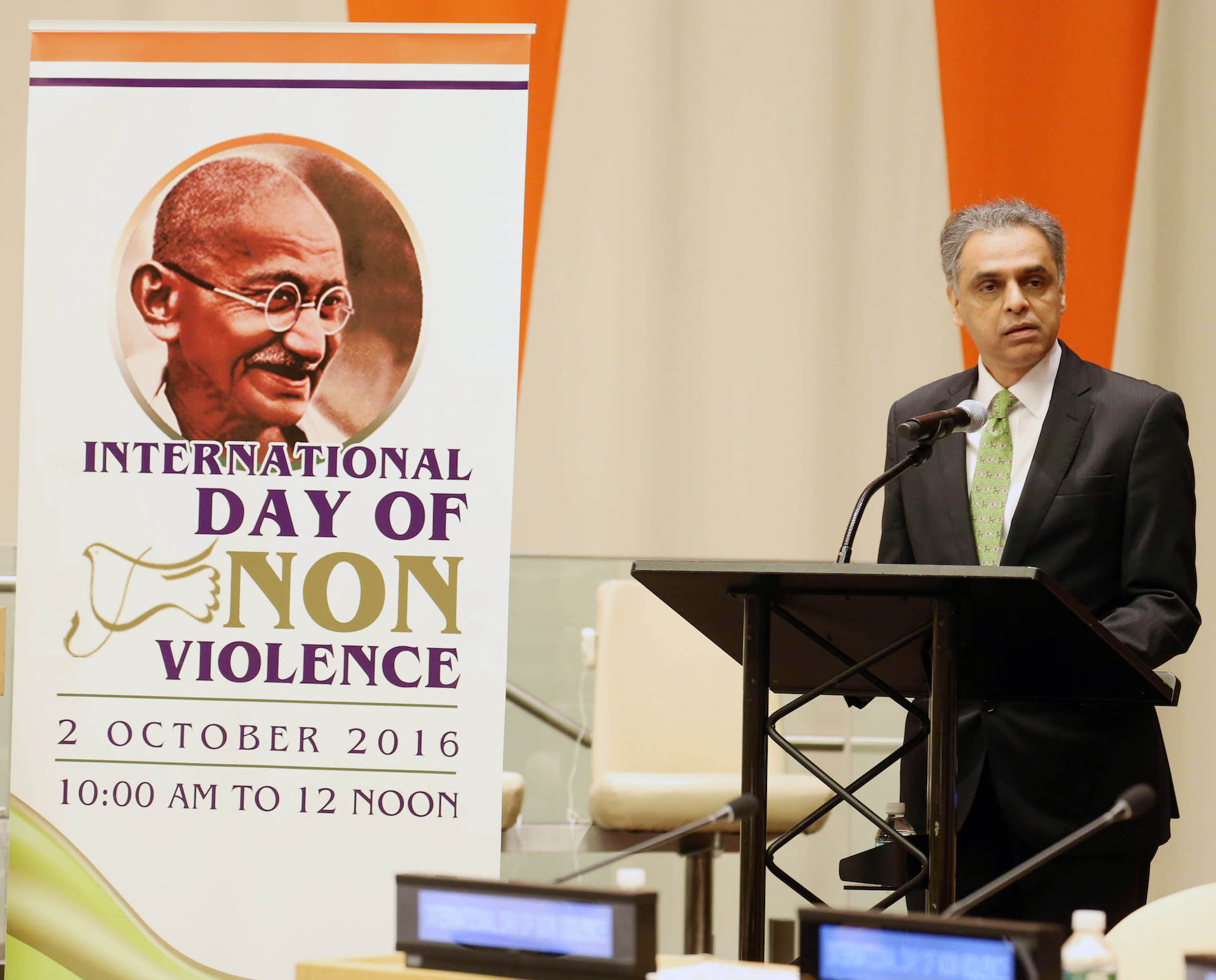
    UNITED NATIONS (TIP): The birth anniversary of Mahatma Gandhi and Non-Violence Day was observed, October 2, with a program that included, besides India’s ratification of the Paris Agreement, performance by renowned classical music singer Sudha Raghunathan as well as the unveiling of a commemorative UN postage stamp of Indian music legend M.S. Subbulakshmi.

    Sudha Raghunathan, India’s leading Carnatic Music singer performing on the occasion Photo / Mohammed Jaffer-Snapsindia
    Sudha Raghunathan, India’s leading Carnatic Music singer performing on the occasion

    Photo / Mohammed Jaffer-Snapsindia

    India deposited its Instrument of Ratification to the Paris Agreement under the convention on Climate Change today, coinciding with the International Day of Non Violence. The day also commemorates the Birth Anniversary of Mahatma Gandhi who epitomized a lifestyle with the smallest carbon footprint. With this India became the 62nd country to ratify the Agreement taking the cumulative emission of the countries that have ratified the Agreement so far to 51.89 percent.

    This significant contribution towards the early entry into force of the Paris Agreement underlines Prime Minister Narendra Modi’s commitment to global cause of environmental protection and climate justice and reaffirms India’s responsive leadership in addressing the impact of climate change.

    The speakers included UN Deputy Secretary-General Jan Eliasson, General Assembly President Peter Thomson, and Professor Barry L. Gan, India’s Ambassador to the UN Syed Akbraruddin, Director of Center of Non-Violence, St. Bonaventure University, New York.

    The event was followed by a Carnatic Music concert by Sudha Raghunathan. The MC of the event was Manjunath Chennerrappa Head of Chancery of the Permanent Mission of India to the UN.

    UN Secretary General Ban Ki-moon stressed the link between non-violence, peace and nature as he observed the International Day of Non Violence. “Every year on the International Day of Non-Violence, we re-commit ourselves to the cause of peace, as exemplified by the life of Mahatma Gandhi who was born on this day 147 years ago,” Ban said. The UN General Assembly, through a resolution in 2007, designated 2 October as the International Day of Non-Violence to coincide with the birthday of Gandhi, who led the country’s independence movement and pioneered the philosophy and strategy of non-violence.

    UN Postal Administration unveiled the commemorative stamp of M.S. Subbulakshmi, Indian music legend on the 50th anniversary of her performance at the UN in 1966, during an event on the International Day of Non-Violence at the UN Headquarters on 2nd October 2016. The first copy is presented to musician Sudha Raghunathan (extreme left). Ambassador Akbaruddin is seen extreme right.                                                                                                       UN Photo/Evan Schneider
    UN Postal Administration unveiled the commemorative stamp of M.S. Subbulakshmi, Indian music legend on the 50th anniversary of her performance at the UN in 1966, during an event on the International Day of Non-Violence at the UN Headquarters on 2nd October 2016. The first copy is presented to musician Sudha Raghunathan (extreme left). Ambassador Akbaruddin is seen extreme right.

    UN Photo/Evan Schneider

    “We know that a culture of non-violence begins with respect for others, but it does not end there. To nurture peace, we must respect nature. I am pleased this year’s International Day of Non-Violence puts the focus on sustainability and the environment,” Mr. Ban said.

    “In all he did, Gandhi honored our obligation to all living things. He reminded us that ‘Earth provides enough to satisfy everyone’s needs, but not everyone’s greed.’ Gandhi also challenged us to ‘be the change we wish to see in the world,’” the Secretary-General noted. India’s commitment is reflected in a momentous way, the UN chief said, as its government is depositing its instrument of ratification for the Paris Agreement on climate change.

    There is no better way to commemorate Gandhi and his legacy for people and planet, he said, urging all countries to complete their domestic processes for ratification and also strive in all activities to achieve progress through non-violence. The Day is annually observed worldwide with commemorative events.

  • AIA Deepavali at the South Street Seaport drew huge crowds

    AIA Deepavali at the South Street Seaport drew huge crowds

    NEW YORK CITY (TIP): The Association of Indians in America, NY Chapter (AIA-NY) celebrated their 29th Annual Deepavali Festival at the South Street Seaport in New York City on Sunday October 2nd, 2016 from 12 noon till 7pm.

    The event was attended by thousands of people throughout the day that enjoyed Indian culture, food, heritage, live performances and a spectacular display of Live Fireworks. Deepavali was a full day extravaganza with highlight performances by North American artist Mickey Singh & The Jungle Book actor, Neel Sethi.

    The AIA Team responsible for the success of the 29th Annual Deepavali Festival
    The AIA Team responsible for the success of the 29th Annual Deepavali Festival
    The highly sought after inter-collegiate dance competition, Naach Inferno, in its third year saw first-time entrants Rutgers Bhangra as their winner this year. Arya International interacted the audience with Bollywood moves and made the entire crowd dance. Mickey Singh had the entire youth audience along with their families light up South Street Seaport with glow sticks, cheers and hands up in the air. Neel Sethi interacted with the audience and answered questions on how he became Hollywood’s most adorable and successful new star. Numerous local performing arts schools and academies also showcased their talents on both stages throughout the day. This year, Deepavali also marked the birthday of Mahatma Gandhi. There was a special tribute for Gandhiji along with an Essay & Drawing Competition for the youth to showcase the importance and meaning of Peace. Winners of the competitions were acknowledged and awarded by Neel Sethi on stage in front of the audience. The event culminated with a VIP Hour which was attended by Ambassador Riva Ganguly Das, Counsel General of India in NY; Manhattan Borough President Gale Brewer; Public Advocate Letitia James among many other business leaders and community leaders of the Indian American community in NY. Live Fireworks sponsored by CheapOair & Qatar Airways from the East River illuminated the New York City skyline and served as the Grand Finale.

    This year, support from sponsors such as CheapOAir.com, Qatar Airways, Toyota, Pepsi, New York Life, Swan Club, MoneyGram, Kotak Bank, New York Life, HAB Bank, Navika Capital, Star Plus, Sony Entertainment, Jus Punjabi, TV Asia amongst many others have helped made the event possible.

    The Association of Indians in America (AIA) is one of the oldest not-for-profit organization of Asian Indians in America founded on August 20, 1967. It is the grassroots national organization of Asian immigrants in the United States. With chapters and membership spread across the United States of America, AIA represents the hopes and aspirations of those immigrants who are united by their common bond of Indian Heritage and American Commitment.

  • United Nations Security Council nominates Portugal’s Guterres as the next World Body Chief

    United Nations Security Council nominates Portugal’s Guterres as the next World Body Chief

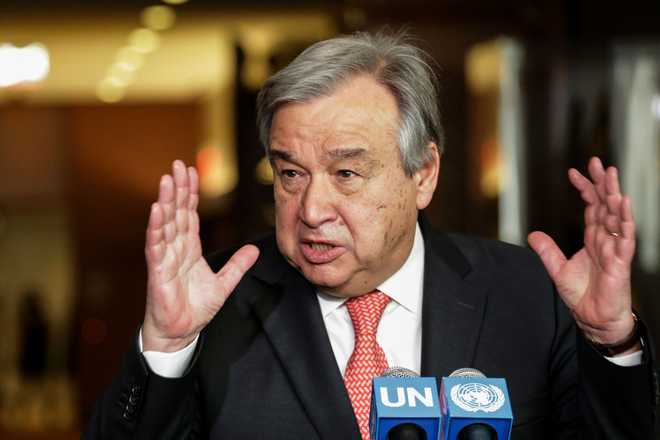
    UNITED NATIONS (TIP): The United Nations Security Council on Thursday unanimously nominated former Portuguese Prime Minister Antonio Guterres to be the next Secretary-General, recommending that the 193-member General Assembly appoint him for five years from Jan. 1, 2017.

    The General Assembly is likely to meet next week to approve the appointment of Guterres, 67, who would replace Ban Ki-moon, 72, of South Korea. Ban will step down at the end of 2016 after serving two terms.

    Ban, speaking during a visit to Rome, described Guterres as a “super choice” as his successor.

    “I am sure he will carry the torch on the full range of key challenges, from strengthening peace operations to achieving sustainable development, upholding human rights and easing humanitarian suffering,” Ban told reporters.

    Guterres was prime minister of Portugal from 1995 to 2002 and served as United Nations High Commissioner for Refugees from 2005 to 2015. Guterres is due to speak to reporters in Lisbon later on Thursday.

    “He has great United Nations credentials … and being High Commissioner for Refugees means traveling the world and seeing some of the most gruesome conflicts we have to deal with and then of course he is a high-level politician,” said Russian UN Ambassador Vitaly Churkin, president of the council for October.

    “He is a person who talks to everybody, listens to everybody, speaks his mind, a very outgoing, open person so I think it was a great choice and I’m glad that we rallied around Mr. Guterres,” Churkin told reporters.

    The council met behind closed doors on Thursday to adopt a two-paragraph resolution recommending to the General Assembly that Guterres be appointed.

    “Antonio Guterres has shown … that he is the strongest candidate, he has a vision and a moral authority and integrity that put him at the top of the league table,” British UN Ambassador Matthew Rycroft told reporters.

    French UN Ambassador Francois Delattre said Guterres was “the right leader able to bring the nations and the community of nations together”.

  • India Committed To Stronger Engagement With UK: Navtej Sarna

    India Committed To Stronger Engagement With UK: Navtej Sarna

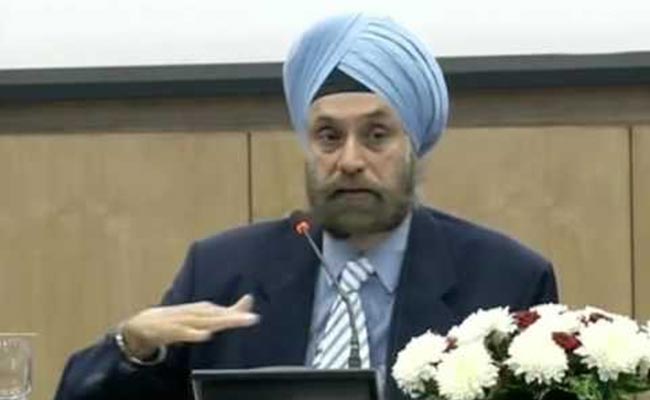
    London: India’s relations with the UK will get stronger in the coming years due to the high level of interest the two governments have in promoting their bilateral strategic ties, Indian High Commissioner to the UK Navtej Sarna has said.

    In what would be one of the last few major speeches before he leaves to take up his post as Indian Ambassador to the US next week, Mr Sarna’s address at the High Commissioner’s Reception for the Conservative Friends of India focussed on the strategic ties between India and the UK.

    “India is committed to a stronger engagement with the United Kingdom in the years to come, given the interest levels of the two governments in the major economic initiatives undertaken in India,” he told the gathering on the sidelines of the annual Conservative Party conference in Birmingham on Monday.

    Senior UK ministers, including foreign secretary Boris Johnson, international trade secretary Liam Fox, communities and local government secretary Sajid Javid, chairman of the Conservative Party Patrick McLoughlin and minister for universities, science, research and innovation Jo Johnson, reiterated their commitment to the Indo-UK partnership at the reception, hosted by Mr Sarna.

    Mr Fox remarked that while historical ties and past engagements have been steadfast and strong, it is the shared future that makes the bilateral relationship between India and the UK so important, especially post-Brexit.

    He called on the need to review the existing tariff and non-tariff barriers to reap the “phenomenal potential” of India-UK trade relations.

    Mr Fox, who will be co-chairing the India-UK Joint Economic Trade Committee (JETCO) later this year, stressed his personal commitment to UK’s engagement with India.

    Boris Johnson hailed the partnership between India and the UK and the potential of a stronger economic relations between the two countries with India as a “huge market” for British goods.

  • Indian-Americans Gain Edge In ‘Minor League’ Spelling Bees

    Indian-Americans Gain Edge In ‘Minor League’ Spelling Bees

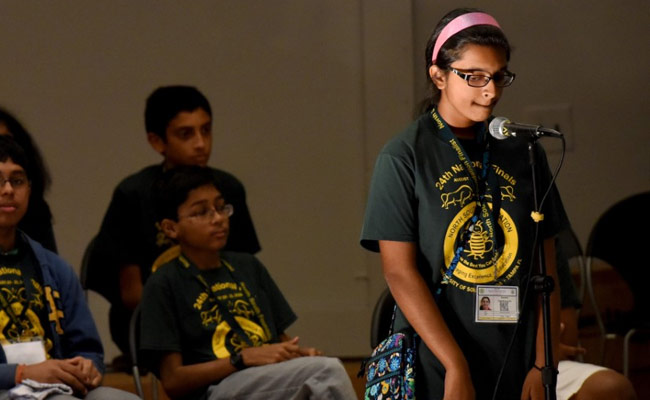
    Tampa, Florida: There were no streams of confetti when the winner spelled her final word at the North South Foundation spelling bee.

    Unlike the glamorous Scripps National Spelling Bee, no trophy was handed out. The top 12 spellers faced off in a lecture hall with seating for 200, not a ballroom with space for thousands. When competitors missed a word, they didn’t retreat to a “crying couch” to commiserate with their families and do TV interviews before an audience of millions. They just shuffled off stage and sat in the crowd. Instead of $45,000 in cash and prizes, the winner got $500.

    Yet it’s likely that next year’s National Spelling Bee champion spent a Saturday in August at the North South Foundation’s national finals.

    The last dozen winners of spelling’s biggest prize have been Indian-Americans who share more than heritage. Every single one has participated in bees staged by the nonprofit foundation, which was launched in 1989 to raise scholarship money for poor kids in India.

    Among the many reasons for Indian-Americans’ dominance of spelling, perhaps none is as important as the training and competitive experience they get from the foundation, where many participants start as early as first grade. The foundation organizes one of two national spelling bees exclusively for kids with South Asian heritage.

    “The National Spelling Bee is the major leagues. We’re the minor league feeding into the major leagues,” NSF founder Ratnam Chitturi said.

    He launched the spelling bee as a way to serve children of Indians who immigrated to the United States. Now the foundation also has competitions in other subjects, including math, science, vocabulary, geography, public speaking and essay writing. The last five winners of the National Geographic Bee also honed their skills in NSF competitions.

    But they are not open to children without Indian heritage. Chitturi said he fields one or two requests a year from parents who seek to enroll children of other ethnicities. The all-volunteer organization simply lacks the resources to host bees for everyone, he said.

    More recently, another high-stakes bee has emerged: the South Asian Spelling Bee, which launched in 2007 and has its national finals every year at Rutgers University in New Jersey. It carries a substantial cash prize – $10,000 for the winner – and some spellers believe the words are even tougher than those used at the National Spelling Bee.

    Paige Kimble, the longtime executive director of the National Spelling Bee, said she has not heard any complaints that Indian-Americans have an unfair advantage because they come up through the minor-league bee system. Two decades ago, she fielded questions about whether home-schooled kids had an edge, a controversy that has largely faded.

    “We heard far more concerns then about fairness, and we just don’t hear that now,” Kimble said. “What I would say is the edge goes to the individual, regardless of heritage, who works the hardest.”

    The emergence of the NSF and South Asian bees reflects the importance that Indian-American families place on academic achievement, said Sanjoy Chakravorty, a professor of geography and urban studies at Temple University and the co-author of an upcoming book, “The Other One Percent,” about the wealthy, highly educated Indian-American community.

    The emphasis on rote memorization in the Indian education system creates a level of comfort for parents who coach their kids for spelling contests, Chakravorty said. And because the community does not place a great emphasis on sports, Indian-Americans have a potential advantage over kids who pursue a wide range of activities.

    Spelling bees require concentration and poise, the ability not to freeze in pressure situations. It’s at NSF where participants learn the techniques of top spellers. They take their time, repeating the word several times and asking for the definition, the part of speech and the language of origin.

    This year’s National Spelling Bee co-champion, Nihar Janga, took the title in his first attempt at age 11. But he started with NSF in kindergarten and finished second in last year’s bee.

    “I gradually built up all that confidence and poise on stage,” Nihar said. “NSF prepared me because it was really competitive.”

    The high level of competition also creates some intense rivalries. This year’s NSF bee was the last of many duels between the top two finishers.

    Two years in a row, Ananya Kodali and Smrithi Upadhyayula went head-to-head at the Scripps regional bee in Dallas, and both times, Smrithi came out on top.

    Smrithi went on to finish fifth at the National Spelling Bee. She believes Ananya could have fared just as well. But Ananya never got the chance.

    “In the beginning, I was kind of bitter, like, ‘Why didn’t I get to make it? I’m sure I’m as good as those people up there,’” Ananya said. “But I’ve kind of accepted it.”

    Both girls were about to start ninth grade when they squared off for the NSF title in August on the University of South Florida campus. That meant the bee would be their last.

    This time, the words were kinder to Ananya. After Smrithi stumbled on “stigmonose,” a disease in plants, Ananya sealed the title with “glace,” which means having a smooth, glassy surface. The crowd saluted her with a standing ovation.

    Ananya also finished second at the South Asian Spelling Bee – twice, including this year, when she beat Smrithi in the regionals.

    The spelling bee wasn’t Smrithi’s only competition that day.

    “I also did the vocabulary bee afterwards,” she said.

    And how did she fare?

    “I won it.”

  • Keep US close, Russia closer

    Keep US close, Russia closer

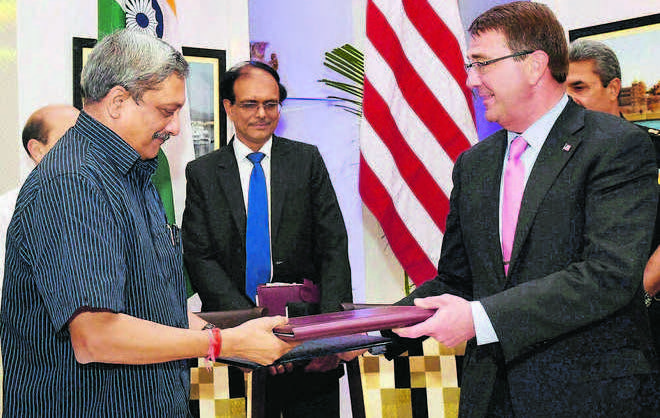
    During his recent visit to the US, Defence Minister Manohar Parrikar signed the LEMOA with his American counterpart, Ashton Carter. The memorandum outlined a framework for the provision of supplies like food, fuel and berthing for visiting naval ships and on overflight and landing facilities for military aircraft. The opposition Congress and the Left cried “foul” and accused the government of mortgaging the country’s sovereignty, the country’s policy of “non-alignment”, and even its “strategic autonomy”. This, despite the fact that the agreement contained provisions for providing such facilities, only on a case-by-case basis.

    The present agreement logically follows the remarkable transformation in India-US relations, during the presidency of George Bush, by the actions of the two UPA government stalwarts – Prime Minister Manmohan Singh and Mr. Pranab Mukherjee. It was Mr. Mukherjee, as defence minister, who signed a 10-year agreement in June 2005, titled “New Framework for the US India Defence Relationship (NDFR)”, with his American counterpart, Donald Rumsfeld. This framework covered a wide range of activities, including collaboration in multinational operations, when such operations were found to be in “their common interest”. Such cooperation was envisaged in areas like terrorism and curbing nuclear weapons proliferation. There has been a substantial increase in military-to-military cooperation, arms acquisitions and joint exercises between the two militaries, since then. Negotiations, thereafter, continued for signing three framework agreements in defense cooperation, logistics, communications and information security and geospatial information.

    The most path breaking agreement that India has signed in this century came barely a month later, when PM Manmohan Singh and President Bush agreed that the US would end nuclear sanctions against India. They also agreed to persuade other nuclear suppliers to end global nuclear sanctions imposed on India after its nuclear test in 1974, by the establishment of the Nuclear Suppliers Group. President Bush stood by his word and even personally intervened with then Chinese President Hu Jintao to fall in line. In the meantime, in August 2008, Mr. Mukherjee, then external affairs minister, signed an agreement with his counterpart, Condoleezza Rice, for the resumption of bilateral nuclear cooperation. The question, which remains, is whether India historically ever provided facilities for positioning foreign warships and aircraft on its soil?

    India has historically shaped its military cooperation with foreign powers, from the days of its first PM, Jawaharlal Nehru, based on geopolitical realities, and not ideology. Even before the Sino-Indian border conflict broke out in 1962, the CIA was permitted to position facilities along the border with China, to monitor Chinese nuclear tests. Panicking after the humiliation heaped on India in the 1962 conflict, a desperate Nehru wrote to President Kennedy, appealing him to deploy 12 squadrons of fighters and two squadrons of fighter bombers, together with radar cover, on Indian soil. The US was permitted to use a staging base in Charbatia, Odisha, for flying its U2 spy planes over China. Strangely, our non-alignment was such in the 1950s that we fought shy of seeking defense equipment from the Soviet Union, despite signs of a growing Sino-Soviet rift!

    In less than a decade, thereafter, the geopolitical situation turned upside down, with Nixon and Mao embarking on a clandestine love affair, midwifed by Pakistan. This “love affair” came to light when Henry Kissinger flew secretly to China from Pakistan. Indira Gandhi had no hesitation in entering into a defense agreement with the Soviet Union to deal with the emerging US-China-Pakistan axis. The Soviet Union had proposed a bilateral treaty with India in 1969, when its defense minister Marshal Grechko visited India. The draft treaty proposed by the Soviets gathered dust for two years in South Block. It was spruced up once it became clear that a Sino-US-Pakistan axis was emerging to counter the Soviet Union and, incidentally, India also, even as the Pakistan army proceeded with its genocide in Bangladesh.

    Once this geopolitical reality was recognized in Moscow and New Delhi, DP Dhar was sent to Moscow to finalize the treaty in the first week of August 1971. Sardar Swaran Singh and Andrei Gromyko signed the treaty on August 21, 1971. Despite our claims of being “non-aligned”, there was a clear military provision in Article 9 of the Indo-Soviet Treaty. It read: “In the event of either party (India and the Soviet Union) being subjected to an attack or a threat thereof, the High Contracting Parties shall immediately enter into mutual consultations, in order to remove the threat and to take appropriate effective measures, to ensure peace and security of their countries.” I was then a young First Secretary in Moscow and took notes in meetings as events unfolded. When the conflict broke out in December 1971, the Soviets, though isolated, vetoed every effort by the US-China axis to stop us from liberating Bangladesh. According to what the Soviets told us, they had deployed mechanized forces and airpower on their borders with China and warned China of serious consequences if it militarily intervened. A Russian nuclear submarine followed the USS Enterprise, as it crossed the Straits of Malacca.

    The world situation has changed drastically since the 1970s. What has, however, continued, is the Sino-Pakistan axis, with a growingly powerful China providing Pakistan with nuclear weapons and ballistic missile capabilities, while enhancing Pakistan’s maritime, air and land power. The China-Pakistan Economic Corridor is being accompanied with the establishment of a direct fiber optic link between the headquarters of the Western Theatre Command of China’s People’s Liberation Army in Kashgar (in China’s Muslim-majority Xinjiang province) and the GHQ of the Pakistan army in Rawalpindi.

    Signing defense cooperation agreements with the US does not mean we are compromising our “strategic autonomy”. We will continue to differ with the US on some of its policies; in Syria and elsewhere. We should understand Russian imperatives in its immediate neighborhood, in Crimea and elsewhere, while strengthening defense and energy cooperation with Moscow. We should spare no effort to enhance mutual trust and confidence in the India-Russia relationship.

    In the meantime, both India and China hopefully share a common interest in maintaining peace and tranquility along their borders. The 2005 agreement outlining the guidelines for a settlement of the border issue remains the most viable framework for moving forward.

    (The author is a career diplomat and author)

  • Trump was slaughtered by his own buffoonery

    Trump was slaughtered by his own buffoonery

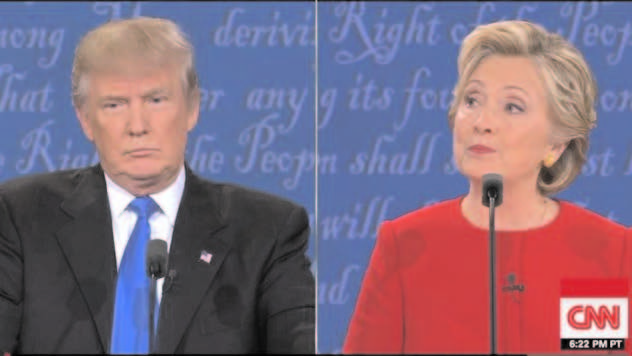
    In a world on nodding terms with sanity, that surely would be that. After a gruesomely electrifying, barely moderated first presidential debate, you could stick a fork in Donald Trump in the certain knowledge that his juices would run clear, and give thanks that America will overcome its distaste for Hillary Clinton and make her its 45th President.

    But right now, lest this has escaped you, it is by no means a sane world. No world in which Trump is quoted at shorter odds to reach the White House than the Road Runner, Elmer Fudd, Muttley, Mr. Magoo or any other cartoon character can be considered that. So often have rumors of his political death proved exaggerated that to write the obituary again risks stretching that Einsteinian definition of madness beyond breaking point. He could recover yet again.

    But God alone knows how. Trump was absolutely slaughtered, partly by his own capacious buffoonery, and in part by a Hillary Clinton who started slowly but ended up owning the terracotta grifter. While you might draw the same conclusion from the verbal exchanges, as in fact I will, the optics made a compelling case. Not once in 90 minutes did she cough or touch her water. Red-eyed and snifflier than a cokehead at a white pepper festival, Trump relentlessly sipped his.

    Radiating authoritative stillness, Hillary smiled him to destruction. She grinned at him like an irked but indulgent aunt, while he gurned and fidgeted like a bored and bad-tempered schoolboy.

    For the first 10 or 15 minutes she was tense and unfocused, on the defensive. But once the nervousness lifted, a smile played almost incessantly at the corners of her mouth as she slew both the malicious rumors about her health and her opponent. While she grew in strength the longer it went it was Trump, who does like to question her stamina, who visibly tired. She looked far younger than her 68 years (hats off to the make-up artist). He looked every moment and more of his 70.

    She looked like she belonged on a banknote. He looked like he belonged in detention. With any debate, you can no more overstate the importance of the visual messaging than a candidate’s ability or otherwise to beat expectations. Hillary soared above her caricature as an ailing, humorless virago. She even got more laughs than Trump, who married unusual witlessness (every crack at a zinger fell flat) to the familiar rambling ignorance.

    Trump said so much that was false, stupid and grotesque that it seems invidious to choose a winner. Reminded that he had looked forward to the imminent 2008 crash, which cost some eight million Americans their homes, because it would help him buy property cheaply, he said “that’s called business, by the way”.

    When she suggested he won’t publish his tax returns because they would show him avoiding all federal taxes, he brazenly observed “that makes me smart”. When Hillary accused him of “stiffing” his hotel contractors for their money, he shrugged insouciantly. If we absolutely must pick a champion from a crowded field of braggardly foolishness, the laurels should probably go to the brag about ending the Birther fantasy he peddled for years – and would continue to peddle for years – by forcing Barack Obama to release his birth certificate. The giggle she just about suppressed then erupted later, when he cited his temperament as his greatest presidential asset. The chuckle seemed as lethal to Trump as his own mesmerizing inability to articulate a coherent thought. His sentences were bamboozling hybrids in which one half-expressed idea collided with another. He spoke like the winner of one of those beauty pageants Hillary archly mentioned that he “likes to hang around”.

    After more than a year as a candidate, it was plain that Trump had made no more effort to educate himself on the detail of domestic and geopolitical issues than to jettison the racism and sexism that were the fuel injectors for his insurgency.

    Whether his indolence is more or less staggering than his arrogance is as close a call as this election appeared before this debate. But it is hard to believe that this transparent huckster can recover from being dismantled by Hillary on so many fronts, among them his references to women as pigs, dogs and – in the case of someone Clinton took the trouble to name -“Miss Housekeeping” (purely because she was Latina). Hard, but not impossible. Every instinct screams that even now, with two more debates to come, the combination of Hillary’s wry competence and an angry, outclassed Trump’s cluelessness has settled this race. But writing after a long, draining, sleepless night in which much malt whisky was taken for the nerves, I must acknowledge the perils of wishful thinking.

    There is a chance that the terror of a Trump presidency influences the judgement. Let’s show a little faith in the sense and sanity of our cousins across the Atlantic and make a prediction. To what extent she won it, and he threw it away, is a matter of perspective. But by any objective measure, Hillary gave Trump such an elegantly vicious hiding that it will be she who takes the oath to defend the Constitution on January 20 next year.

    (Source: The Independent)

  • WATCH: White Helmets volunteer cries after rescuing baby in Syria

    WATCH: White Helmets volunteer cries after rescuing baby in Syria

    Harrowing pictures of a one-month-old baby said to have been pulled alive from the rubble of a collapsed building in Idlib, northern Syria, was uploaded online on Friday.

    A member of Syrian Civil Defence team, popularly called the White Helmets, can be seen weeping as he holds the baby in his arms, while a paramedic treats the infant’s head injuries.

    The footage appears to have been shot inside an ambulance traveling to a hospital.

    The Syrian Civil Defence member said it had taken two hours to retrieve the baby from the rubble of a four-storey building.

    The paramedic said the building had been hit by an airstrike carried out by Syrian government forces.

    According to the Syrian Observatory for Human Rights at least 11 civilians, including seven children, died during attacks on Idlib and nearby provinces on Thursday.

  • Indian-Origin South African Teen Wins Big At Google Science Fair

    Indian-Origin South African Teen Wins Big At Google Science Fair

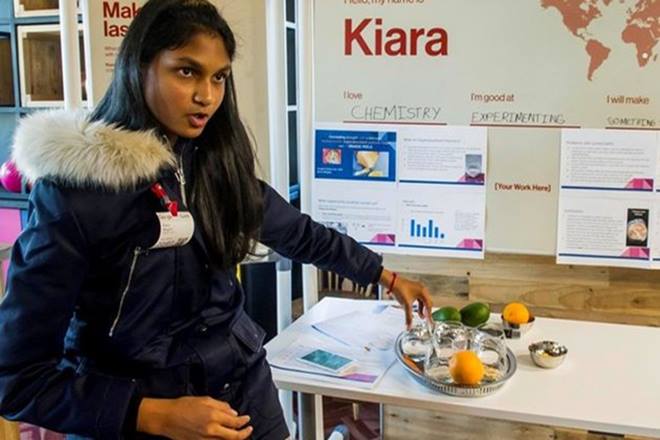
    Johannesburg:   A 16-year-old Indian-origin South African teen has won a USD 50,000 scholarship at the annual Google Science Fair in the US for using orange peel to develop a cheaper “super-absorbent material” that helps soil retain water.

    Kiara Nirghin, a Grade 11 student at private school St Martin’s, submitted her project titled ‘No More Thirsty Crops’ which was aimed at alleviating the severe drought plaguing South Africa.

    Her solution to the problem of drought uses the peels from orange and avocado fruits, which were normally discarded. The Google Science Fair is a programme for any budding scientists between the ages of 13 to 18, who are invited to solve world’s biggest challenges using science and technology.

    “I have always had a great love for chemistry since I was young. I vividly remember at the age of seven experimenting with vinegar and baking soda solutions in plastic cups,” Nirghin said in her submission, in which she cited a renowned Indian scientist as her greatest inspiration.

    “M S Swaminathan, has always been an inspiration of mine as he truly believed in the necessary movement of not only India but the whole world towards sustainable agricultural development,” she said.

    “I hope to one day become a scientist specialising in agricultural science and also become a molecular gastronomist,” she added.

    Nirghin explained how she had found an alternative in the fruit peels to super-absorbent polymers (SAPs), which absorb and carry about 300 times its weight in liquid relative to their own mass.

    “These SAPs are not biodegradable, costly and full of acrylic acid, sodium hydroxide and other chemicals. During more research in the topic, I found that natural occurring polymers exist in most citrus fruits,” Nirghin said.

    After 45 days of experimentation, Nirghin was successful in creating a low-cost super-absorbent polymer, made out of waste products found in the juice manufacturing industry, that is biodegradable, can retain large amounts of water, keep soil moist and improve crop growth without regular water supplements.

    “The only resources involved in the creation of the ‘orange peel mixture’ were electricity and time, with no special equipment or materials required,” she said.

    Nirghin’s discovery has huge financial implications for agriculture, as her creation could retail at USD 30 to USD 60 per metric tonne, as compared to the USD 2,000 plus costs of SAPs.

    The young scientist is convinced that her mixture will help assist farmers in agricultural drought disaster areas, where food security could increase by 73 per cent.

    Now Nirghin has set her sights on using orange peel SAP in experiments testing water filtration and oil removal from water.

    “I would also like to make large amounts of orange peel SAP and apply it to crops such as maize and wheat in poorer communities in South Africa,” she added.

  • High testosterone levels may affect behaviour in men: study

    High testosterone levels may affect behaviour in men: study

    London, Oct 3 – Increased levels of male hormone testosterone can cause men to engage in both social and antisocial behaviours, a new study has found.

    Modern society has taken a less-than-positive view of testosterone, blaming it for aggressive, boorish or simply bad behaviour in men – but there may be more to the impact the steroid hormone has on men than has been suspected.

    The researchers, including those from Trinity College Dublin in Ireland, concocted a game called the Ultimatum Game, which involved a pot of money that was spilt and shared with the aim of maximising the amount participants would get in the end.

    The experiment enlisted the assistance of 40 male volunteers – half were given an injection of testosterone while the other half were given a placebo.

    The men where then asked to play the Ultimatum Game in two ways – one group played by responding to predetermined proposals, while another group played in pairs against one another.

    In both versions, volunteers were presented with a proposal of accepting money from a split pot of cash. If they accepted the cash, they got to keep it; if not, the other person did not get to keep their share, either.

    Afterwards, the volunteers were allowed to reward or punish their opponents for being fair or not by using their own winnings to reduce or increase the amount their opponent got.

    By watching and comparing player behaviour of those that had received the testosterone shots versus the placebo, the researchers found that those that received the shots tended to be more likely to reject proposals and to punish opponents they found unfair – which was expected behaviour.

    However, surprisingly, those operating on heightened levels of testosterone were also found to be more generous with opponents they deemed fair.

    The researchers suggest this form of ultraism was likely due to what they described as a “status display” – a move meant to make the player seem more impressive to their peers.

    The research was published in the journal Proceedings of the National Academy of Sciences.

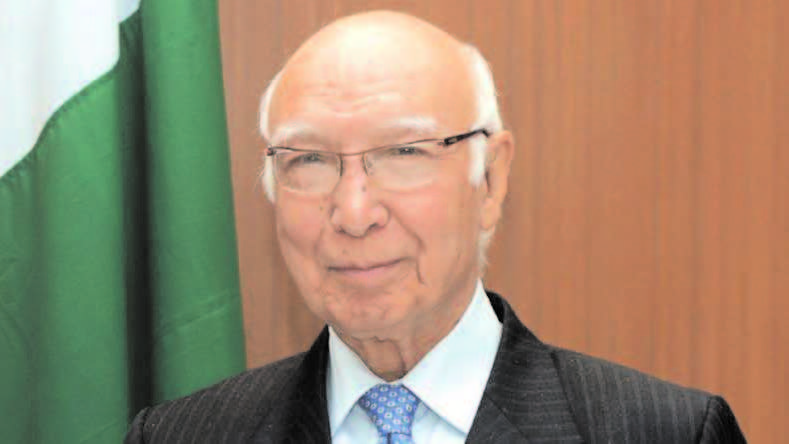
  • Pak, India NSAs resume Talks, agree to reduce tension: Sartaj Aziz

    Pak, India NSAs resume Talks, agree to reduce tension: Sartaj Aziz

    Islamabad, Oct 3; Pakistan and India have agreed to reduce tensions after their National Security Advisors spoke over phone, top Pakistani diplomat Sartaj Aziz said today about the first such contact after the Uri attack and Indias retaliatory surgical strikes on terror launch pads across the LoC, reports PTI.

    Aziz said a contact was established between Indias NSA Ajit Doval and his Pakistani counterpart Nasir Janjua after recent tension between the two countries on the Line of Control (LoC).

    They agreed to reduce tensions on the LoC, Aziz said about the contact between the two NSAs for the first time after the September 18 Uri terror attack by Pakistani militants that soured ties.

    “Pakistan wants to reduce tensions on LoC and focus on Kashmir,” Geo News quoted him as saying.

    He said that India wants to divert the worlds attention from Kashmir by escalating tensions.

    Last week, Indian Army carried out surgical strikes on seven terror launch pads across the LoC in Pakistan-occupied Kashmir, inflicting heavy casualties on terrorists waiting to sneak into India.

    The surgical strikes came days after Pakistani terrorists stormed an Army camp in Kashmirs Uri, killing 19 soldiers.

    Pakistan has denied that the surgical strikes took place on Thursday and have called it “cross-border” firing.

    Talking about Sharifs recent US visit, Aziz said the Prime Minister had explained to the world leaders that incidents of border tensions would continue between both countries without the resolution of Kashmir dispute.

  • SBI becomes first domestic bank to open branch in Yangon

    SBI becomes first domestic bank to open branch in Yangon

    Mumbai, Oct 3 : The State Bank of India today announced its entry into Myanmar by opening a branch in the capital city of Yangon, becoming the first domestic lender to do so.

    The Yangon branch is the 54th foreign branch of the nations largest lender, chairperson Arundhati Bhattacharya, who opened the office, said in a statement here today.

    This branch extends the global presence of SBI in 37 countries through 198 offices, she said.

    Bhattacharya, who became the first chairman to get a second term at SBI last Saturday, said: “SBI has been associated with Myanmar since 1861, when the erstwhile Bank of Bengal operated its branch in the then Rangoon. Later, as part of bank nationalisation, the operations of the Rangoon branch of SBI were taken over by the Peoples Bank of Burma in February 1963.”

    The Myanmarese central bank earlier this year allowed SBI to open a branch with the primary objective of extending wholesale banking services to foreign corporates.

    India has been a major trading partner of Myanmar for centuries. Since the signing of India and Myanmar trade agreement in 1970, bilateral trade has been growing steadily and rose from USD 328 million in 1997-98 to USD 2.052 billion in 2015-16.

    Bhattacharya also donated equipment for recreation of cancer-surviving children to the Yangon Childrens Hospital.

    Ghanshyam Srivastava has been appointed as the chief executive of SBI Yangon branch.

  • Indian Paralympics medal winners felicitated

    Indian Paralympics medal winners felicitated

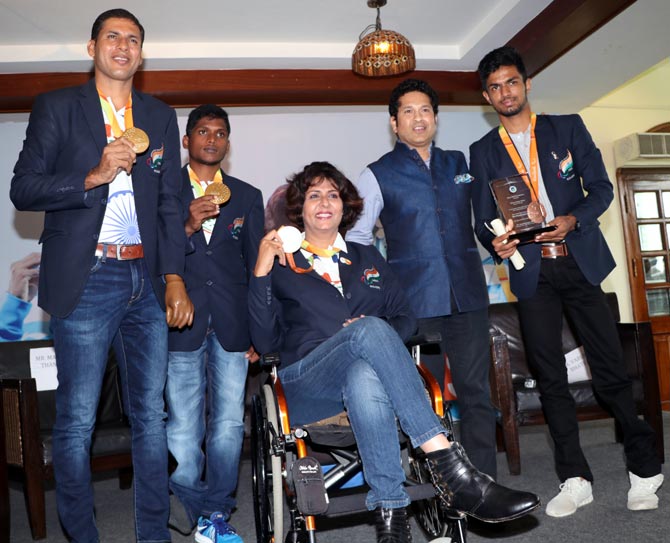
    Mumbai, Oct 3 (PTI) Four Indian Rio Paralympics medal winners — Devendra Jhajharia, Mariyappan Thangavelu, Deepa Malik and Varun Singh Bhati — were today felicitated here today by a host of personalities, including cricket legend Sachin Tendulkar.

    Jhajharia had won the gold medal in mens javelin throw F46 and is the only Indian to have clinched two gold medals in Paralympics.

    Thangavelu also clinched a gold medal in mens high jump T42 while Bhati won a bronze in the same event.

    Malik became the first Indian woman to bag a medal in Paralympics by clinching a silver in womens F53 shot put.

    Each of the medal winners received a cheque of Rs 15 lakh. It was also announced that medal winners in earlier editions of Paralympics will also be presented Rs 15 lakh each.

    These include Murlikant Petkar (1972), Bhimrao Keskar, Joginder Singh Bedi (both 1984), Rajinder Singh Rahelu (2014) and H N Girisha (2012).

    The GoSports Foundation would also receive Rs 35 lakh to continue its endeavour in supporting and developing future Paralympic champions.

    The contributors to the corpus of fund include Tendulkar, V Chamundeshwarnath (President Hyderabad District Badminton Association), Nimmagadda Prasad (Industrialist and Co-owner Kerala Blasters), Dr Azad Moopen (Chairman and Managing Director, Aster DM Healthcare), Sanjay Ghodawat (Chairman, Sanjay Ghodawat Group) and Abhay Gadgil (Director, Abhay Gadgil Constructions).

    Speaking on the occasion, Malik said, “It is sad that every time we say Paralympics, we have to add it is Olympics Paralymics. It is still not understood that Paralympics also means Olympic-level competition (for the differently abled). I am grateful to Sachin Sir (for the initiative).”

    “My world record was broken after 12 years in Rio. Before this, I held the world record in 2004, which no one was able to break. I went to Finland for training and used to train for 8 hours which is the longest training of my life,” said Jhajharia.

    “I was the flag-bearer of the country in Rio, so the responsibility was more on me for India. People discussed that Devendra is 35 years-old and will not be able to do. But age is not a factor, your efforts (matter). “I consider Sachin Sir as my role model. I am happy I could meet him,” he added.

  • After Phones, Now Samsung Washing Machines Are ‘Exploding’!!!

    After Phones, Now Samsung Washing Machines Are ‘Exploding’!!!

    Samsung’s woes just got worse. Close on the heels of the Galaxy Note 7 fiasco, Samsung has a new problem – exploding washing machines.

    A federal class action suit has been filed against Samsung for selling washing machines that explode.

    The lawsuit alleges that Samsung was aware of the problem but did nothing to warn customers. The plaintiffs in the case are demanding that the product be recalled, a safety warning be issued, and the manufacturing and distribution of the product be ceased.

    According to the company, the problem occurs while washing certain kinds of items although it didn’t specify which models were affected. It has said that the problem is confined to top-loading washing machines manufactured between March 2011 and April 2016 that have been sold in the US.

    A statement released by Samsung and the Consumer Product Safety Commission states that, “In rare cases, affected units may experience abnormal vibrations that could pose a risk of personal injury or property damage when washing bedding, bulky or water-resistant items.”

    The Commission has stated that it is actively working with the company to handle the safety concerns and arrive at a “remedy”.

    In the meanwhile, the company has advised customers to use in the lower-speed delicate cycle to wash items that may cause the vibrations. Samsung also pointed out that customers have “completed hundreds of millions of loads without incident since 2011.”

    The lawsuit however highlights a scary picture. One of the plaintiffs Melissa Thaxton states in the lawsuit that she was next to her machine when it exploded, sounding like “a bomb went off.”

    One complaint available on the SaferProducts.gov shows how dangerous it can get. According to the user, the machine, during the spin cycle, simply “broke free, throwing itself against walls and throwing parts and water everywhere. Had someone been nearby they could have been severely injured.”

    Samsung has provided a resource for consumers to check if their washing machines have the serial numbers that are affected by the defect.