Year: 2017

  • SUPREME COURT GETS FIVE NEW JUDGES

    SUPREME COURT GETS FIVE NEW JUDGES

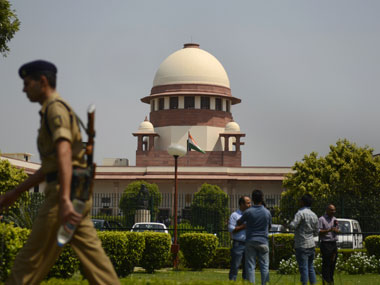
    New Delhi, February 17 – The Supreme Court on Friday got five new judges, taking its strength to 28, which is still three short of its sanctioned strength of 31.

    The new judges were administered oath of office by Chief Justice of India JS Khehar at 10.30 am.

    Those elevated to the Supreme Court are Madras High Court Chief Justice Sanjay Kishan Kaul, Rajasthan High Court Chief Justice Naveen Sinha, Kerala High Court Chief Justice Mohan M Shantanagouder, Chhattisgarh High Court Chief Justice Dipak Gupta and Karnataka High Court Judge S Abdul Nazeer.

    The top court–which has almost 60,000 cases pending–had been functioning with only 23 judges. The appointments were stuck due to differences in the collegium as Justice J Chelameswar raised the issue of lack of transparency in its functioning.

    President Pranab Mukherjee had signed the Warrants of Appointment for the five judges earlier this week. Four of the judges elevated to the top court were chief justices of state high courts while one was a high court senior judge.

    Chief Justice of India JS Khehar, Justice Pinaki Chandra Ghose and Justice Prafulla Chandra Pant are due to retire later this year.


  • I’m UP’s adopted son, won’t betray, says PM Modi

    I’m UP’s adopted son, won’t betray, says PM Modi

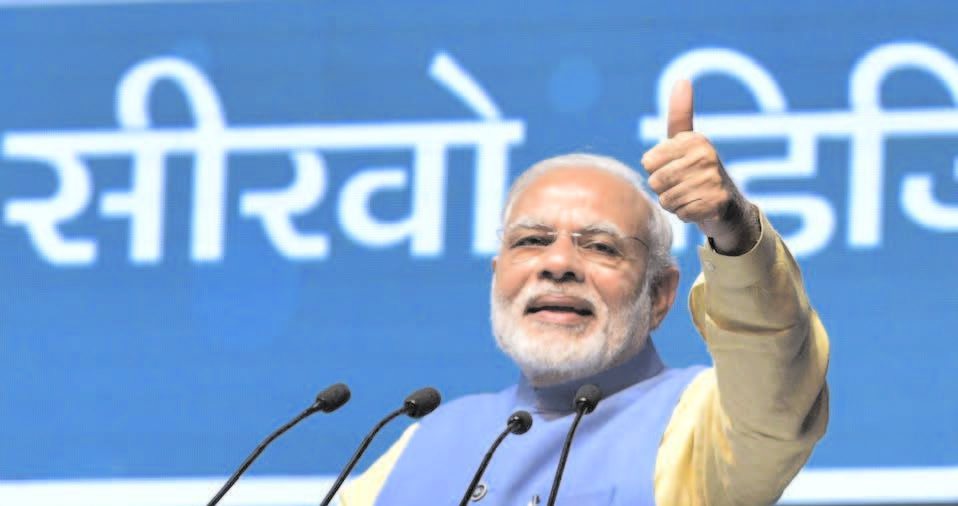
    HARDOI (TIP): Calling himself the “adopted son” of UP, Prime Minister Narendra Modi today said the future of the state cannot be ensured without ridding it of the SP, BSP and Congress.

    Invoking Lord Krishna at an election meeting here to suggest a strong connect between Gujarat and UP, Modi, who represents Varanasi Lok Sabha constituency, said the state was his ‘mai-baap’ (parents) and he would not desert it.

    “Lord Krishna was born in UP and made Gujarat his ‘karam bhoomi’ (land of work). I was born in Gujarat and UP has adopted me…Uttar Pradesh is my ‘mai-baap’. I am not the son who would betray his ‘mai-baap’. You have adopted me and it is my duty to work for you,” he said in an emotional speech at a poll rally here.

    “Vote for a full majority to the BJP government. I promise to show you the ways of all problems you are facing within five years,” he said, telling the crowd that all pollsters have predicted BJP getting massive support in the first two phases of polling.

    Highlighting the problems faced by the state and its national importance, Modi said poverty would be removed from the country only when it is eradicated from UP. “This is the land of Ganga and Yamuna where the land is most fertile with crores of labourers but poverty still exists here…why is this so? There is nothing wrong with the people here or their capabilities or shortage of resources,” he said. “It is the problem of the government’s lack of intention (which is responsible for it). SP, BSP and Congress have not thought as to how the state should be developed…all those who had been at the helm have only worked to safeguard their vote bank, help them in whichever way possible…the future of UP cannot be changed till it is freed of SP, BSP and Congress,” he said.

    SP-Cong alliance to continue for LS poll

    Senior Congress leader Ghulam Nabi Azad on Thursday said the SP-Congress alliance will continue for the 2019 Lok Sabha elections and that other secular parties would also be part of this coalition

    When asked whether BSP will be part of this grand alliance, Azad said they were asking all secular parties to come together and fight the saffron party

    “The secular parties suffered a loss during the 2014 elections and BJP gained from this and that is why they were able to win 73 seats in UP. However, if Congress, SP and RLD fight the 2019 Lok Sabha elections together, BJP will only be able to get 10-15 seats in the state,” Azad said

    ‘Inexperience’ barb: Akhilesh hits back

    CM Akhilesh Yadav on Thursday made light of the PM’s ‘inexperience’ barb at him, saying he has learnt to cycle fast so that neither BSP’s elephant nor BJP’s lotus can come anywhere near the SP

    A day after the PM questioned as to how the SP chief could form a coalition with

    ‘those who tried to murder’ his father, Akhilesh said Modi’s advisers could have done better by telling him to cite a more recent example of Firozabad

    “Modiji said in Kannauj that by entering into an alliance with Congress, I have shown inexperience…we have done this so as to remove all doubts about government formation,” he said

  • 65% voter turnout in UP, 68% in Uttarakhand

    65% voter turnout in UP, 68% in Uttarakhand

    LUCKNOW (TIP): A voter turnout of 66% was recorded in Uttar Pradesh as 69 constituencies went to the polls in the second phase of Assembly elections. In the first phase of polls in the state, 63%of the electorate voted. In Uttarakhand, where elections to 69 seats were being held, 68% of the electorate came out to vote till 5 pm.

    Assembly Elections 2017

    Voting began at 7 am in both states on Wednesday. In Uttar Pradesh, there were reports of glitches at some electronic voting machines.

    Polling in Uttarakhand’s Karnaprayag seat was postponed to March 9 on as Bahujan Samaj Party candidate Kuldeep Singh Kanwasi’s died in a road accident on Sunday.

    Around 74.2 lakh voters will elect the next government in Uttarakhand. As many as 628 candidates are in the fray. The ruling Congress party, headed by Chief Minister Harish Rawat, is combating anti-incumbency as well as corruption charges. The Bharatiya Janata Party, on the other hand, hopes to gain from this. Recently, Prime Minister Narendra Modi had accused the Congress of turning the “dev bhoomi” into “loot bhoomi”.

    In Uttar Pradesh, the 67 constituencies that are voting today are spread across 11 districts. The ruling Samajwadi Party had won 34 of these seats in the last Assembly election. However, the BJP and the BSP have upped the stakes this time, highlighting the state’s poor law-and-order situation.

  • ISRO creates world record with 104 satellites launch

    ISRO creates world record with 104 satellites launch

    NEW DELHI (TIP): Isro successfully placing a record 104 satellites—101 foreign satellites and three Indian ones—in orbit in a single launch cements India’s position as a global leader in space technology.

    But, more important, it also underlines the fact that the space agency has made innovation in low-cost space technology somewhat of a habit, and that could pay rich dividends in the coming years. In the present instance, there were 103 small satellites—apart from the main satellite, India’s Cartosat-2, that formed the bulk of the launcher’s payload—88 of which were from Planet Labs, an Amercian company that acquired Google’s satellite imaging subsidiary recently; the company was using Isro’s PSLV for the second-time.

    In all, 96 of the 101 foreign satellites were from the US—the largest spender on space technology—while the rest were from Israel, Kazakhstan, the United Arab Emirates (UAE), The Netherlands and Switzerland. While UAE, whose own space agency was created only in 2014, plans to set up a human colony on Mars by 2117, Israel is a major spender on defence and agriculture, both of which require cutting-edge satellites in orbit to transmit critical intelligence.

    All this should throw into sharp relief the opportunity Isro—or rather, its commercial arm, Antrix—has in building up a reputation as a low-cost, high-efficiency launcher of small satellites (weighing less than 500 kg).

    According to a projection by Space Works Enterprise Inc, a research firm, roughly 5,000 “micro” (10-100 kg) and “nano” satellites (1-10 kg) need to be hurled into space in 2020—compared with just 92 launched in 2013. Over 60% of these satellites will be from the commercial sector—viz. companies with play in communication, weather-tracking, remote-sensing, providing high-speed internet in remote areas, etc. Softbank-funded OneWeb alone is looking to launch 648 small satellites, as per a Business Standard article.

  • VIKAS SWARUP APPOINTED CANADA ENVOY

    VIKAS SWARUP APPOINTED CANADA ENVOY

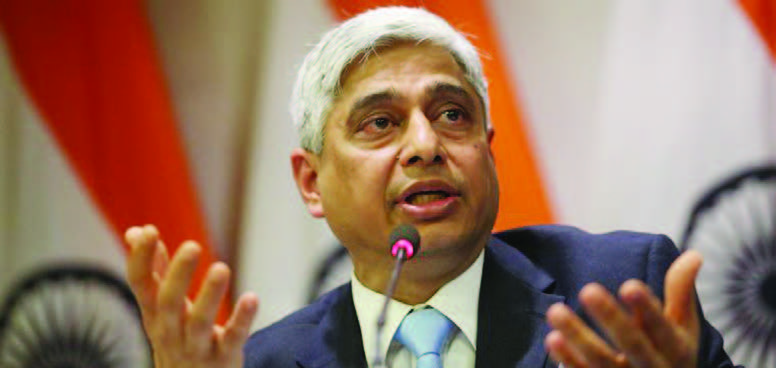
    NEW DELHI (TIP): Ministry of external affairs spokesperson Vikas Swarup will be the next Indian high commissioner to Canada, the government said on Thursday.

    Swarup, whose novel ‘Q & A’ was made into the Oscar-winning movie ‘Slumdog Millionaire’, had been at the helm of the MEA office since April 2015. He is credited with expanding MEA’s social media outreach.

    Swarup is currently an additional secretary in the MEA.

    Gopal Baglay, joint secretary in the Pakistan, Iran, Afghanistan division in MEA, will succeed Swarup.

  • CONSTITUTION BENCH TO DECIDE PETITIONS ON TRIPLE TALAQ: SUPREME COURT

    CONSTITUTION BENCH TO DECIDE PETITIONS ON TRIPLE TALAQ: SUPREME COURT

    NEW DELHI (TIP): A five-judge constitution bench would be set up by the Supreme Court to hear and decide on a batch of petitions relating to the practice of triple talaq, ‘nikah halala’ and polygamy among Muslims.

    A bench headed by Chief Justice J S Khehar took on record three sets of issues framed by parties with regard to the cases and said the questions for consideration of the constitution bench would be decided on March 30.

    The bench, also comprising Justices N V Ramana and D V Chandrachud, said “the issues are very important. These issues cannot be scuttled”.

    Referring to the legal issues framed by the Centre, it said all of them relate to the constitutional issues and needed to be dealt by a larger bench.

    The bench asked the parties concerned to file their respective written submissions, running not beyond 15 pages, by the next date of hearing, besides the common paper book of case laws to be relied upon by them during the hearing to avoid duplicity.

    When a woman lawyer referred to the fate of the apex court judgement in the famous Shah Bano case, the bench said “there are always two sides in a case. We have been deciding cases for last 40 years. We have to go by the law and we would not go beyond the law.”

    The bench also made it clear that it is willing to sit on Saturdays and Sundays to decide on the issue as it was very important.

    During the last hearing, the apex court had said it would decide the issues pertaining to ‘legal’ aspects of the practices of triple talaq, ‘nikah halala’ and polygamy among Muslims but not deal with the question whether divorce under Muslim law needs to be supervised by courts as it fell under the legislative domain.

    ‘Nikah halala’ means a man cannot remarry a woman after triple talaq unless she has already consummated her marriage with another man and then her new husband dies or divorces her.

    The bench headed by the CJI had said “You (lawyers for parties) sit together and finalise the issues to be deliberated upon by us.”


  • ‘Indian economy is resilient to global headwinds’: Dr. Raghavan Seetharaman

    ‘Indian economy is resilient to global headwinds’: Dr. Raghavan Seetharaman

    CHENNAI (TIP); The US ruling on cancellation of H-1B visa rules poses risk towards IT companies immigrants and offshore projects, expectation is that costs may escalate for these companies operating in US. Global growth is challenging, however Indian economy is resilient to global headwinds on account of the strong domestic fundamentals, said Dr Raghavan Seetharaman, CEO of Doha Bank in Qatar.

    The recent budget had given thrust on infrastructure, agriculture and aims to revive the growth of Indian economy. India exported $6 billion worth of drugs to the US in 2015 and restrictions on pharmaceutical imports and manufacturing abroad could impact the industry in India, he said.

    The Indian government has encouraged global investors to participate through FDI. The recent budget has stated that foreign investment promotion board will be abolished, which will improve ease of doing business.

    IMF has pegged India growth at 7.2 percent in 2017.India’s Current Account Deficit decreased from about 1 percent of GDP last year to 0.3 percent of GDP in first half of 2016-17. India has pegged fiscal deficit for 2017-18 at 3.2 percent and its Forex Reserves at $361 billion offer a comfortable cover for 12 months of imports thanks to better financial management by Narendra Modi government, he said.

    Contentious issues are coming between developed and developing world on global trade and investment. The lack of convergence between politics and economics could impact global growth. We’re entering a new stage of international global relations where national policies could shape how globalization eventually develops, he said.

    Dr. R. Seetharaman highlighted the opportunities for India arising from global developments. “After Brexit better trading opportunities with India than is possible as part of a 28-member EU. India has had a trade surplus with UK in the recent years. It is thus crucial for India to have a first mover advantage by executing a bilateral trade agreement with UK encompassing goods, services and technology.

    For UK, India is an attractive trade partner, given its high proportion of skilled working-age population and high growth rate. This strengthens the possibility of an FTA between UK and India and presents a significant opportunity for India’s financial and small and medium-sized enterprises (SME) sectors. European Union (EU) hopes to soon re-engage with India on negotiations regarding the proposed Free Trade Agreement (FTA), he said.

    Dr. R. Seetharaman said” India should also continue to strengthen bilateral relationships with GCC in trade and in other segments. GCC – India Bilateral trade is close to $100bn in 2015-16. In Feb 2016 India and the United Arab Emirates (UAE) signed a wide-ranging set of seven agreements, including on cyber security, infrastructure investment and insurance.

    GCC Sovereign Wealth funds can look forward to participate in India’s infrastructure development. UAE and India have agreed to collaborate closely to identify bottlenecks to trade and new areas of trade with the aim of increasing two way trade by 60 per cent in five years while significantly boosting investment. The new goal set by both sides is to boost trade by 60 per cent by 2020.Qatar and India can look beyond the buyer-seller relationship to include joint ventures, joint research and development and joint exploration. Indian can invest in the port sector of Qatar. Indian companies can participate in Qatar’s infrastructure development pertaining to FIF World Cup 2022.Qatar and India will enhance bilateral cooperation in the field of cyber security, including prevention of the use of cyberspace in support of terrorism and extremism.”

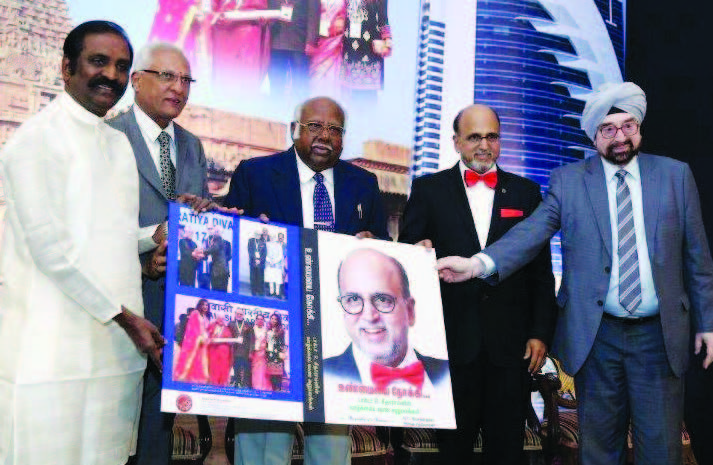
    The Institute of Directors hosted a Felicitation Function of Doha Bank CEO, Dr. R. Seetharaman on being recognized by the Government of India with the Pravasi Bharatiya Samman Award, the Highest Honor Conferred on Overseas Indians. The felicitation was held on Feb 10 at Hotel The Residency Tower Town Hall, Chennai, India.

    Justice Dr AR Lakshmanan, former Judge of Indian Supreme Court and former Chairman of Law Commission of India released a book on Dr Seetharaman titled “In search of truth” a biography on him in Tamil and first copies were received by Poet Laureate Vairamuthu, Judge of Madras High Court Justice PN Prakash and Lt.Gen JS Ahluwalia, President of Institute of Directors. The authors of the book- Prof Aranga Nedumaran and NC Mohandas of Kuwait -were also honored.

  • Sasikala’s new identity: Qaidi Number 9234 in Bengaluru Central Prison

    Sasikala’s new identity: Qaidi Number 9234 in Bengaluru Central Prison

    We have the family format now firmly consecrated. The Chautalas, the Badals, the Muftis, the Abdullahs, the Gandhis, the Deve Gowdas, the Karunanidhis, the Lalu Yadavs, and many other aberrations have mocked our democratic pretensions. Yet there was something so blatant, so ignominious in the Sasikala’s chief ministerial push that it disturbed our collective equanimity”, says the author – Harish Khare

    Tamil Nadu has a new chief minister. And the new chief minister’s name is not VK Sasikala. Even if the new man, Edappadi K Palaniswami happens to be a Sasikala proxy, the Indian democracy has something to celebrate. A judicial intervention has stopped a power grab in its tracks. Instead of lording over the secretariat at Chennai, Ms Sasikala now has to do with the crowded quarters in cell number 9234 in Bengaluru Central Prison. Why this sense of relief ?

    Over the decades the Indian democracy has indeed become inured to many aberrations and absurdities. After all, we have had the spectacle of a Rabri Devi presiding over Bihar, in circumstances somewhat similar to what prevailed after Jayalalithaa’s death. We have the family format now firmly consecrated. The Chautalas, the Badals, the Muftis, the Abdullahs, the Gandhis, the Deve Gowdas, the Karunanidhis, the Lalu Yadavs, and many other aberrations have mocked our democratic pretensions. Yet there was something so blatant, so ignominious in the Sasikala’s chief ministerial push that it disturbed our collective equanimity. Rabri Devi was 1997; 20 years later, we do not feel we need to countenance ‘a chief minister Sasikala’. Have we not evolved as a polity? Has our democracy not deepened these last two decades? Why was the sense of a cheapening of our democracy felt so acutely, not just in Tamil Nadu but across the land?

    Maybe we were offended because Ms Sasikala sought to extend the principle of ‘family’ to ‘household’ control. Her only claim to the AIADMK leadership was/is that she was a trusted aide and a confidante of “Amma” and, therefore, was best equipped to carry forward the revolutionary leader’s legacy. Suddenly, we felt our democratic sensibilities violated. Irrespective of whatever help and assistance and comfort she provided to Jayalalithaa in the privacy of the Poes Garden, this companionship did not qualify her for a public role. What the country witnessed was how an established political party, with a sizeable presence in the two Houses of Parliament, had got reduced to a den of intrigue and conspiracy. All of a sudden we understood that why our political parties have become so devoid of legitimacy and respectability.

    Admittedly, Tamil Nadu is no stranger to this household syndrome. Not long ago, the Karunanidhi household had produced its own script of warring sons, greedy cousins, rapacious daughters, formal and informal wives, each more wayward than the other, each extracting corrosive rent from the formal structure of government. That type of family control and its collateral benefits were deemed ‘normal’ and acceptable. But the stench could be smelled all the way up in New Delhi. The DMK’s first family can claim the dubious honor of blue-printing this family control and command model. The only redeeming aspect of the Karunanidhi clan was that its major honchos got themselves sanctified and certified in the electoral arena.

    Despite this familiarity was the family nexus, there was something deeply disagreeable about Sasikala’s hijacking of the AIADMK leadership. It is bad enough that political parties stand reduced to family heirlooms, but a profound transformation was inflicted in converting a political outfit into a household arrangement. And it was her chief ministerial putsch that got our democratic goat. As has been pointed out by every sensitive observer, Ms Sasikala has had no experience of public or political life. As part of the Jayalalithaa household she may have domain knowledge of the AIADMK’s internal affairs but these limited encounters in intrigue and conspiracy could not make up even remotely for her total unfamiliarity with the rites and obligations of public office. Whatever trust or confidence Jayalalithaa reposed in this domestic impresario could not be deemed as certificates of competence for a chief ministerial innings.

    This narrow escape should also make us re-state the meaning and purpose of an electoral ‘mandate.’ In this time and age of democratic discontent no leader or a political party can claim that a certain number of seats in the Vidhan Sabha/Lok Sabha bestows a license for experiments in authoritarianism. Political parties in India are beyond the reach of most institutional arrangements of accountability.

    Sasikala could come so close to a total usurpation of the chief ministerial gaddi because as a political party the AIADMK is beyond public scrutiny. Henceforth, this immunity would need to be justified and located in public good.

    And, it also follows that just because a ‘leader’ is successful in leading a political party to victory at the hustings does not necessarily mean that he or she be granted god/goddess-like reverence and obeisance. No chief minister or prime minister need be elevated beyond the democratic mortal ordinariness. Nor does a victory in an election give to anyone a mandate to subvert the established procedures of decision-making and lawful conduct of authority.

    Tamil Nadu is a good example of governing arrangements being reduced to rogue operations. It is no consolation that the DMK and the AIADMK could take turns in allowing their leaders, cadres and activists to inflict unhappiness on the citizens. Time has come to note that such delinquencies go unchallenged only because the bureaucracy becomes an enabling agent. Had the Sasikala chief ministerial gambit come to pass, she would have not had any difficulty in securing the requisite acquiescence of a handful of IAS and IPS officers and their state-level counterparts. This nexus has to be smashed, not just in Tamil Nadu but all over India and in New Delhi as well.

    No one can foresee whether the new chief minister of Tamil Nadu would allow himself to be dictated to by the Sasikala-aligned mafia. But it must be devoutly hoped by one and all that trappings and pomp of the office would make the worm turn, sooner than later. Any attempt to govern decently and reasonably would garner its own public goodwill and support – two basic ingredients in good governance. Civil society has found its voice and it must not allow itself to be shut down by the new goons.

    Perhaps it is possible to suggest that we are entering an inflection phase in our national political life. In a changing India we seem ready to demand that political arrangements justify themselves in terms larger and nobler than just a will of the ‘leader’ or the ‘demand of the cadres’ or the ‘internal affairs’ of a party. It is inevitable that sooner or later our democratic energy and vibrancy would demand that the political parties become an institution of popular aspiration rather than a handmaiden of private control and command. This Tamil Nadu spasm has painful lessons way above the Deccan plateau.

    (The author is the editor-in-chief of Tribune group of newspapers)

  • China warns US against fresh naval patrols in South China Sea

    China warns US against fresh naval patrols in South China Sea

    China’s Foreign Ministry on Wednesday warned Washington against challenging its sovereignty, responding to reports the United States was planning fresh naval

    patrols in the disputed South China Sea. On Sunday, the Navy Times reported that US Navy and Pacific Command leaders were considering freedom of navigation patrols in the busy waterway by the San Diego-based Carl Vinson carrier strike group, citing unnamed defence officials.

    Chinese Foreign Ministry spokesman Geng Shuang said tension in the South China Sea had stabilised due to the hard work between China and Southeast Asia countries, and urged foreign nations including the US to respect this.

    “We urge the US not to take any actions that challenge China’s sovereignty and security,” Geng told a regular news briefing on Wednesday.

    The United States last conducted a freedom of navigation operation in the area in October, when it sailed the guided-missile destroyer USS Decatur near the Paracel Islands and within waters claimed by China.

    Dave Bennett, a spokesman for Carrier Strike Group One, said it did not discuss future operations of its units. “The Carl Vinson Strike Group is on a regularly scheduled Western Pacific deployment as part of the US Pacific Fleet-led initiative to extend the command and control functions of the US 3rd Fleet,” he said.

    “US Navy aircraft carrier strike groups have patrolled the Indo-Asia-Pacific regularly and routinely for more than 70 years,” he said.

    China lays claim to almost all of the resource-rich South China Sea, through which about $5 trillion worth of trade passes each year. Brunei, Malaysia, the Philippines, Taiwan and Vietnam also claim parts of the waters that command strategic sea lanes and have rich fishing grounds, along with oil and gas deposits. The United States has criticised Beijing’s construction of man-made islands and build-up of military facilities in the sea, and expressed concern they could be used to restrict free movement.

  • Buckingham Palace offers £30,000- a-year to run Queen’s Twitter

    Buckingham Palace offers £30,000- a-year to run Queen’s Twitter

    Buckingham Palace is offering a 30,000 pounds annual package for a job to run Queen Elizabeth’s personal Twitter account, having 2.77 million followers.

    A job advertisement has been placed on the Queen’s official website seeking a new ‘digital communications officer’ to join a “fast-paced” and “dynamic” team.

    The full-time role will involve managing the Queen’s Twitter account and letting the world know about her work and the Royal Family’s public role.

    Tasks will include writing posts on the Queen’s social media accounts including Facebook and YouTube as well as documenting state visits, award ceremonies and Royal engagements, The Sun newspaper reported.

    The Royal job comes with a “comprehensive benefits package” and the perks include 15 per cent employer contribution pension scheme as well as training and “personal development”.

    The online advert reads: “It’s knowing your content will be viewed by millions. It’s finding new ways to maintain The Queen’s presence in the public eye and on the world stage”.

    “This is what makes working for the Royal Household exceptional,” it said.

    According to the advertisement, the right candidate must be university educated with an “eye to the future” and experience of managing websites.

    They also need to be “innovative and with creative flair” and have good photography and video skills.

    The advertisement, which is posting a maternity cover role, reads: “The reaction to our work is always high- profile, and so reputation and impact will be at the forefront of all you do”.

    The Queen also personally tweeted on her 90th birthday in June last year.

    She posted: “I am most grateful for the many digital messages of goodwill I have received and would like to thank you all for your kindness. Elizabeth R.”

    The monarch has 2.77 million followers on Twitter, as well her own website and Youtube channel.

  • 150-yr-old wedding dress found after social media appeal

    150-yr-old wedding dress found after social media appeal

    LONDON (TIP): A 150-year-old hand-made antique wedding gown has been retrieved following a social media plea by a distressed bride in Scotland, months after it was lost.

    The dress was a family heirloom from the 1870s, which had belonged to the great-great grandmother of Tess Newall from the town of Morham in the East Lothian region of Scotland. It went missing when Kleen Cleaners in Edinburgh closed down permanently as a result of bankruptcy last year. The 29-year-old wore the antique lace gown when she married husband Alfred Newall, 30, in June 2016 and gave it in for dry-cleaning later that year.

    A recent Facebook post about the loss of her dress was shared more than 200,000 times across social media. She posted an update this week saying the dress was found “in a crumpled heap” at the closed shop. “My parents received a phone call this afternoon from the landlord of the property where the dry cleaners is, whose nephew had read about the dress,” she told BBC.

    “He really searched and he found a pile of old lace which he realised was what he thought was the dress. My parents went straight there and were just overjoyed and couldn’t believe it was the dress, not cleaned, and still with its ticket,” Newall added.

    She said she still planned to have the dress cleaned, but probably at a lace specialist in London. She added: “Somewhere where we can’t let it out of our sight”.

  • RINGS MOVIE REVIEW

    RINGS MOVIE REVIEW

    CAST: Matilda Anna Ingrid Lutz, Alex Roe, Johnny Galecki DIRECTION: F. Javier Gutiérrez GENRE: Horror DURATION: 1 hour 47 minutes
    CAST: Matilda Anna Ingrid Lutz, Alex Roe, Johnny Galecki
    DIRECTION: F. Javier Gutiérrez
    GENRE: Horror
    DURATION: 1 hour 47 minutes

    STORY: In order to save her boyfriend, a woman called Julia watches the ‘cursed videotape’ that kills its viewer within the next seven days. As per the tape’s rule, Julia gets a phone call soon after warning the same. Turns out, what Julia sees is a never-seen-before extended version of the footage. What’s the twist?

    REVIEW: The third instalment of the The Ring horror franchise, based on the famous Japanese films is less of a sequel and more of a remake. The ghostly girl (Samara) with long dark hair, who crawls out of the television, is not scary anymore. You want to shave her head and tell her that Phoebe’s artwork in ‘Friends’ (read Gladys) was more terrifying. Nothing about Samara intrigues you so it’s time the makers let her evil character rest in peace. You’d rather see her hilarious parody in the Scary Movies.

    What makes this outing the worse among its series so far is its imitation of the ‘Final Destination’ death pace and sensibility. People die in various ways before you bother to care and the uninspiring investigation that follows fails to arouse interest. At least the 2002 Naomi Watts film kept the mystery alive till the end, involving you in its story. Its eerie silence and unhurried proceedings allowed fear to creep in.

    The 2005 sequel was tolerable too if not as effective but the latest film is a total damp squib. The lead actors meet obscure characters, who help decode Julia’s signs as people die. The plot is clichéd and unnecessarily complicated. By the time the protagonists solve the puzzle, you lose interest in their existence or consecutive death. There seems to be a serious dearth of scares as not a single scene manages to leave you shaken.

    If you love horror as a genre, skip this one and revisit the 2002 film instead or perhaps, watch Gurmeet Ram Rahim Singh’s latest MSG film. That’s bound to give you the creeps.

  • China ‘Silk Road’ project in Sri Lanka delayed

    China ‘Silk Road’ project in Sri Lanka delayed

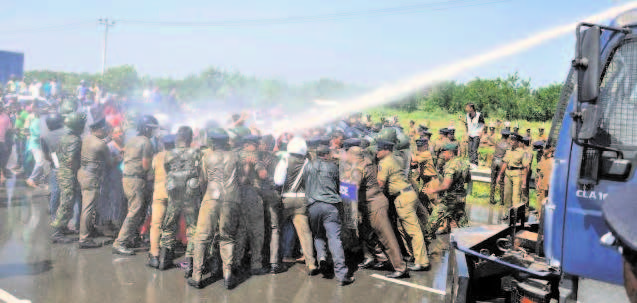
    China will delay a planned $1.1 billion investment in a port on its modern-day “Silk Road” until Sri Lanka clears legal and political obstacles+ to a related project, sources familiar with the talks said, piling more pressure on the island nation.

    Heavily indebted Sri Lanka needs the money, but payment for China’s interests in Hambantota port could be delayed by several weeks or months, the sources added.

    After signing an agreement last December, state-run China Merchants Port Holdings had been expected to buy an 80 per cent stake in the southern port before an initial target date of January 7.

    Beijing also has a separate understanding with Colombo to develop a 15,000-acre industrial zone in the same area, a deal that Sri Lanka was hoping to finalize later.

    But Colombo’s plans to sell the stake and acquire land for the industrial zone have run into stiff domestic opposition, backed by trade unions and former President Mahinda Rajapaksa.

    A legislator close to Rajapaksa is also challenging the government’s plans in court.

    Now Beijing has linked the signing of the port deal with an agreement to develop the industrial zone, saying it would hold off on both until Colombo resolved domestic issues, officials on both sides of the talks said.

    “China has said that when they start the port, they want the land also,” Sri Lankan Finance Minister Ravi Karunanayake said, although he added that China had not made it a precondition.

    Yi Xianliang, Chinese ambassador to Sri Lanka, said the two deals were related.

    “If we just have the port and no industrial zone, what is the use of the port? So you must have the port and you must have the industrial zone,” he said.

    A source familiar with China’s thinking said it may wait until May, when Sri Lankan Prime Minister Ranil Wickremesinghe visits Beijing, to sign both deals. The Chinese foreign ministry did not respond to a request for comment. The previously unreported setback for Sri Lanka suggests Beijing is digging in its heels as it negotiates its global “One Belt, One Road” initiative to open up new land and sea routes for Chinese goods. (Reuters)

  • Making an Environmental Impact through Fashion: Premal Badiani showcases clothes made from wood pulp

    Making an Environmental Impact through Fashion: Premal Badiani showcases clothes made from wood pulp

    She strongly believes that every individual has a social responsibility and they can make an impact in the society in any field they belong to. And India-born US-based designer Premal Badiani is trying to make global awareness on the human impact on environment through fashion.

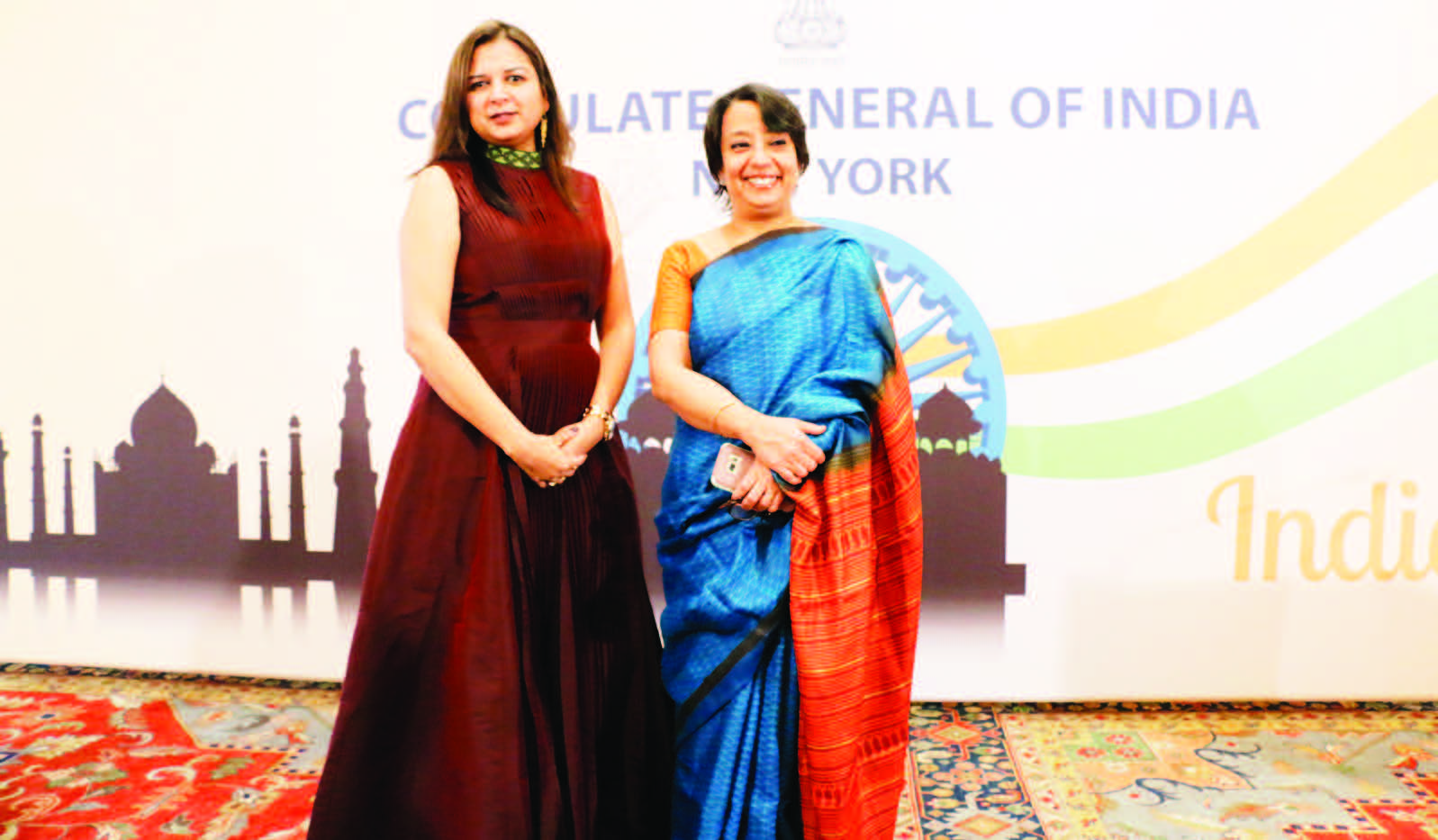
    On February 15Premal Badiani’s “Root Cause” collection – clothes made from wood pulp – was showcased at the Indian Consulate in New York City. Indiaspopup.com, a premier online destination for luxury designer wear which promotes talented Indian designers by showcasing their work on an international level organized the event.

    “We are very proud of the craftsmanship and creativity of our Indian Designers and hope to make a major dent in the global fashion market,” said Dr. Shweta Reddy, Founder of Indiaspopup.com.

    Premal in her speech explained why she named her collection ‘Root Cause.’ “It has two reasons. First, I am proud of my Indian heritage. So, it ties me back to my roots. Second, it’s part of green initiative. The inspiration behind this collection is to bring awareness of the human impact on the environment and to promote social responsibility by adopting sustainable fashion as a lifestyle choice. Being eco-friendly is a lifetime choice. I want to promote 360 degree sustainability through fashion globally. It’s a small initiative but I am trying to make a difference in the industry I belong to.”

    Premal Badiani’s “Root Cause” collection –
    clothes made from wood pulp – was
    showcased at the Indian Consulate in New
    York City Photos/ Jay Mandal on assignment

    Badiani said that by using eco-friendly fabric, extracted from the outer bark of a special palm tree in South India without harming the tree, she is eyeing to promote plantation of more trees. She has also joined hands with NGO Hearts@Work foundation led by the successful entrepreneur Viral S. Desai who has been persistently making tremendous efforts with his various initiatives in the field of environmental awareness to bring in the 360-degree sustainability in the society. The brand is also associated itself with the ‘Clean India, Green India’ initiative.

    Consul General Ambassador Riva Ganguly Das in her welcome address stressed on the need of Indian Branding. “Indian designers are doing extremely well. But we need to do a little more to promote our(Indian) fabric. There is an issue with the branding. With every brand, association with India is needed”, she said.

    The event was held at the consulate as part of the New York Fashion week and helped open an avenue for an entire community of Indian Textile makers.

  • Mac Duggal makes an emphatic statement with his designs at New York Fashion Week

    Mac Duggal makes an emphatic statement with his designs at New York Fashion Week

    NEW YORK (TIP): Starting with designer Mac Duggal, sought after for his pageant and prom dress line, it was his first showing at #NYFW Feb. 11, featuring glamorous, gorgeous gowns with bling and an eye-popping wow factor, noted PRNewswire.

    In addition to the expected gowns with lots of shimmer and bejeweled adornments, there was the unexpected. This collection from Mac Duggal featured floor-length capes, unconventional slacks, shorts and even body suits.

    An Indian American designer who resides in Chicago, Mac Duggal’s enthusiasm for women’s couture fashion began with the merging of the vibrant designs of his homeland’s royal history and opulent traditions with a sophisticated and contemporary design aesthetic.

    Arriving in the United States in 1983 at the age of 23, Duggal began his road to success with his first collection, “Creative Creations,” a line of dazzling gowns blending Indian beauty and elegance with Western styling.

    The Mac Duggal brand further elevated itself with the introduction of designer couture gowns and pageant wear. It was his high fashion prom dresses that put him at the forefront of the emerging designer prom dress market, and won him such awards as the 1998 Diva Fashion Award for Designer of the Year in the Prom/Pageant category.

    Expanding his collection to 12 distinct social occasion lines, the Mac Duggal brand has transformed into a highly sought after label courted by A list celebrities including Shakira, Carrie Underwood, Gwenyth Paltrow, Khloe Kardashian, Eva Longoria, Paris Hilton and many more.

  • ITV Gold hosts appreciation event for ‘Insight Tonight with Ashok Vyas’

    ITV Gold hosts appreciation event for ‘Insight Tonight with Ashok Vyas’

    An afternoon of appreciation was organized here to mark three years of ‘Insight Tonight with Ashok Vyas’ and celebrate four decades of the popular Indian channel ITV Gold. The luncheon event at Heritage of India in Queens dwelled on intellectually stimulating themes for the select audience with the help of speakers as well as a satirical play performed by the NJ based theater group named ‘Prayaas’.

    ‘Insight Tonight with Ashok Vyas’ is a unique, interactive live show with panel discussions on contemporary social, political, cultural and philosophical issues every Monday and Tuesday on ITV Gold.

    The event emceed by Ashok Vyas began auspiciously with Vedic mantras chanted by Shastri Jagdish Tripathi. CEO of ITV Gold Deepak Viswanath thanked all program hosts and program producers of his channel.

    Author and motivational speaker Sunil Robert Vuppula spoke on the ‘Importance of dialogue’ and emphasized the need to be open to listen to others. Corporate coach and consultant Vibhuti Jha focused on the need of integrity and honesty for a TV news and conversation to be credible. ‘How media is playing its role in stimulating relevant dialogue’ was elaborated by Fellow of World Policy Institute Swadesh Rana.

    How politicians, religious leaders and media often exploit the plight of victims to their advantage — this thread ran through a small skit titled ‘Aaj Ka Gaddha’, which generated peals of laughter. The skit’s director Ameeya Mehta and performers Dhana Shri, Dhananjay, Himanshu Joshi and Deepak received generous applause from the audience.

    President of ITV Mrs Sathya Viswanath gave away token of appreciation to artists and panelists of the show as well as guests. She had co-founded ITV with her husband, Dr Banad Viswanath who left his mortal frame two years ago.

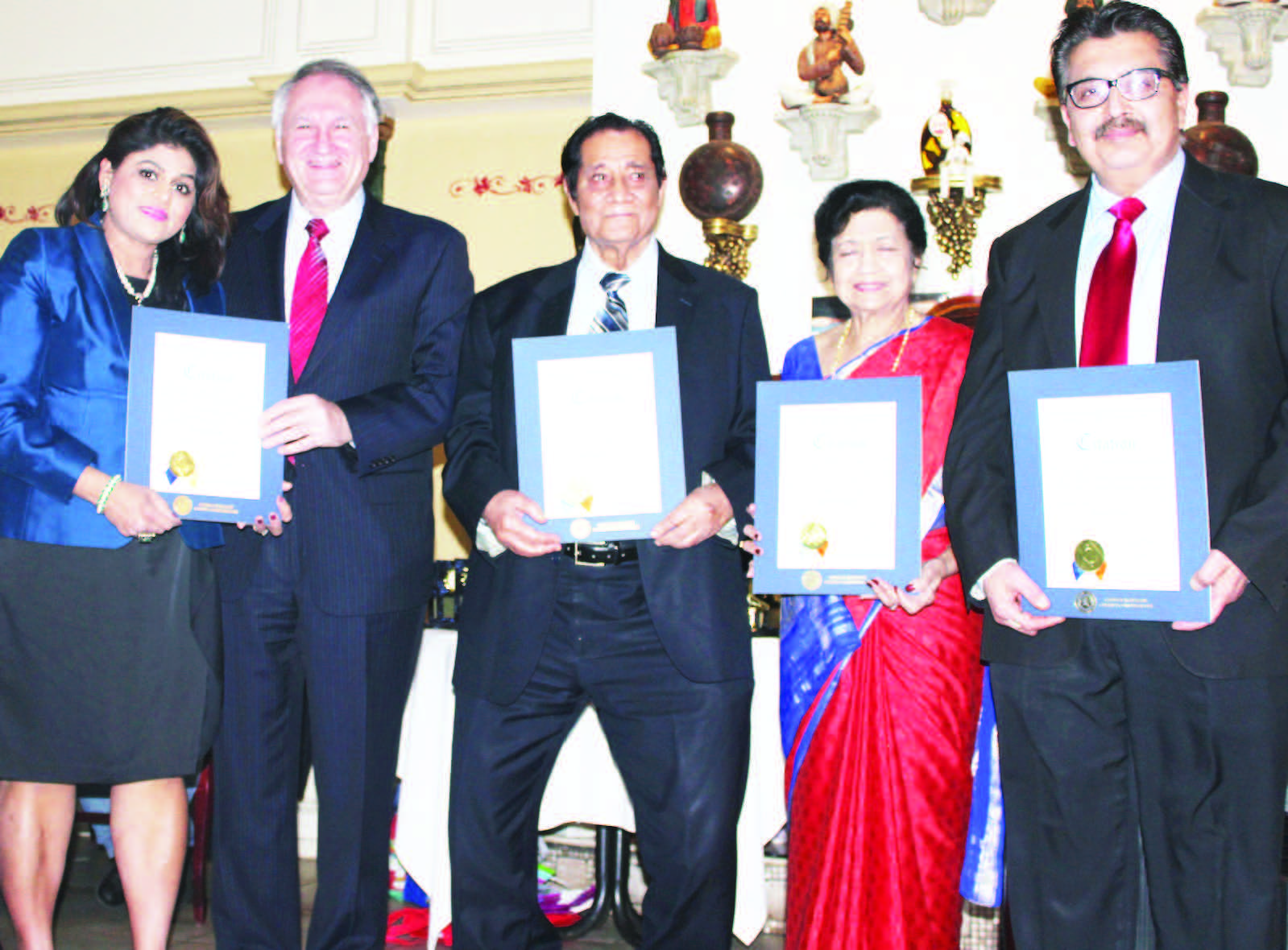
    This was also an afternoon of love and memories and inspirations. Dr Shashi Shah appreciated the role of ITV for the community and touched upon the versatility as well as interviewing skills of Ashok Vyas. In his speech, Nassau County Comptroller George Maragos also mentioned Ashok’s skill of asking pointed questions in polite but firm manner. He also urged Indian Americans to take active role in the political process of their adopted country. Maragos presented citations from his office to Mrs Sathya Viswanath, attorney Michael Phulwani, Dr Hetal Gor and Ashok Vyas.

    Leaders of the Indian community present on the occasion included senior advisor to  Comptroller Maragos, Dilip Chauhan, Publisher of The South Asian Times Kamlesh Mehta, Dr Narinder Kukar, CPA Rajeev Kaul, Prof A D Amar, Prof Maya Chaddha, Rashmin Master and Dr Rakesh Sharma.

  • Consulate General of India, New York hosts International Food Festival

    Consulate General of India, New York hosts International Food Festival

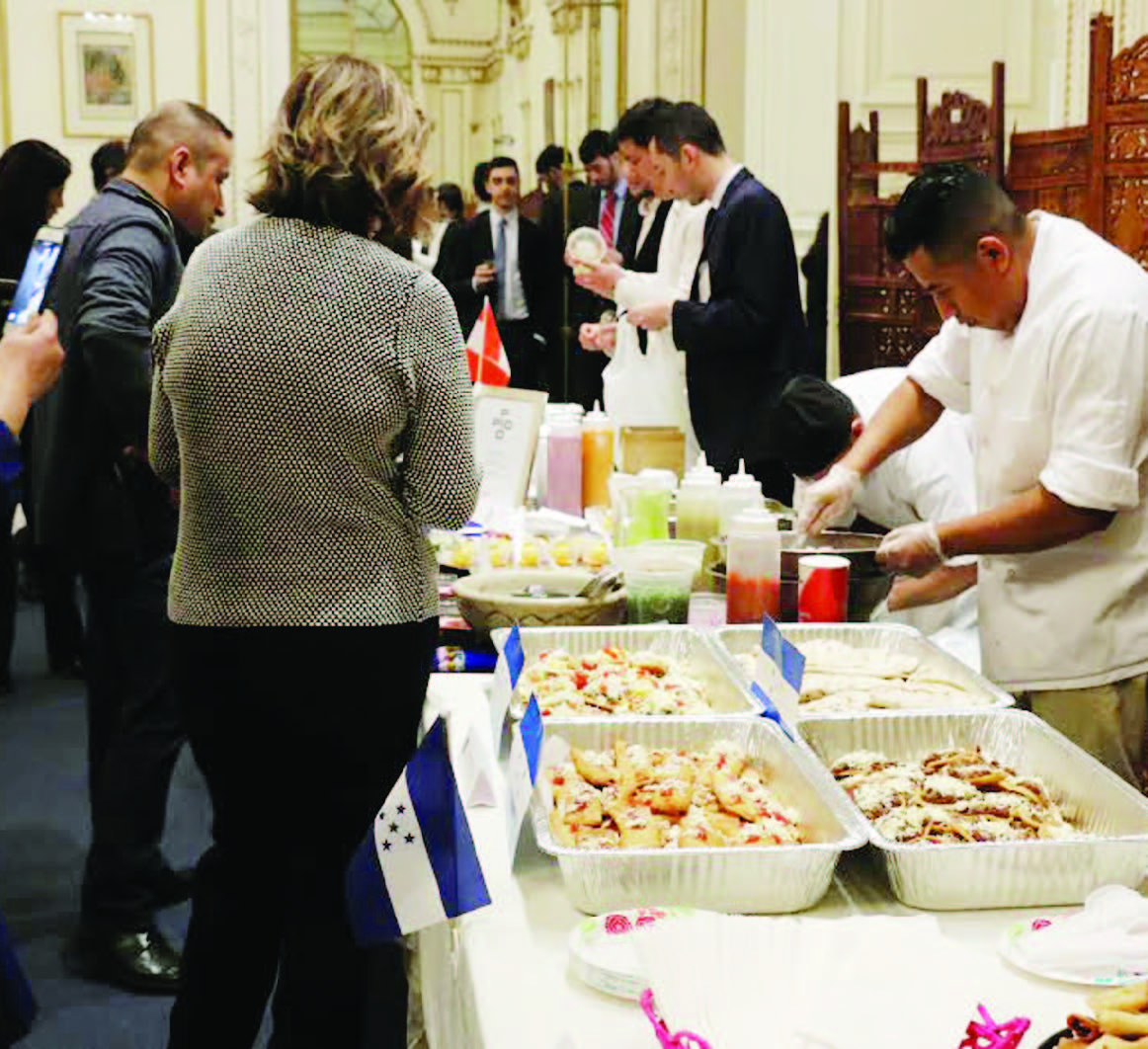
    The Society of Foreign Consuls (SOFC), New York, in association with the Consulate General of India, New York, organized the International Food Festival on February 09, 2017 at the Consulate premises.

    More than 25 countries showcased their rich cuisine and culture during the event. A large number of people including Manhattan Borough President Ms. Gale Brewer, Brooklyn Borough Deputy President, Ms. Diana Reyna and members of the Diplomatic Corps attended the festival.

    Consul General Riva Ganguly Das welcomed the guests while President of SOFC and Consul General of Columbia, María Isabel Nieto Jaramillo made the opening remarks. Cultural troupes from various participating countries enthralled the audience who got to taste the delectable flavors from around the world.

    Consul General Riva Ganguly Das with dignitaries
    Consul General Riva Ganguly Das with dignitaries
  • Mayor de Blasio Announces Interactive ‘NYC Love your Local’ Initiative to Celebrate Independent, Neighborhood Businesses and Offer $1.8 Million in Grant Funding

    Mayor de Blasio Announces Interactive ‘NYC Love your Local’ Initiative to Celebrate Independent, Neighborhood Businesses and Offer $1.8 Million in Grant Funding

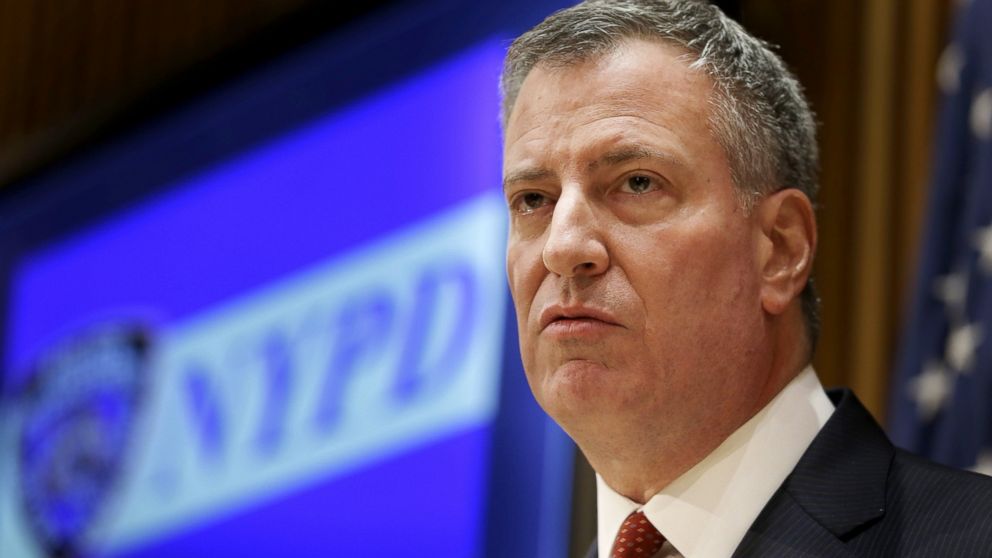
    NEW YORK CITY (TIP): Mayor Bill de Blasio and Department of Small Business Services Commissioner Gregg Bishop has announced the launch of ‘NYC Love Your Local,’ a new initiative to celebrate and promote the diverse, independent, small businesses that enrich neighborhoods across New York City. The program encourages New Yorkers to share their favorite independent, non-franchise businesses, which will add them to an interactive map that is now available online at nyc.gov/loveyourlocal. Shared businesses may also apply for a share of $1.8 million in grant funding and expert advice to help them better meet competitive pressure. New Yorkers may share why they love their favorite local business on social media by using the hashtag #LoveYourLocalNYC.

    “New York City thrives on the energy, culture and diversity of small businesses,” said Mayor Bill de Blasio. “The NYC Love Your Local program gives New Yorkers a chance to support their favorite businesses by bringing the local establishments they love into the limelight and giving them the chance to cultivate business through a nomination to win a $1.8 million grant.”

    “Independent, small businesses are the backbone of our neighborhoods, and the NYC Love Your Local initiative recognizes and supports their vital role in the fabric of New York City,” said Gregg Bishop, Commissioner of the Department of Small Business Services. “New York City is full of unique neighborhoods that are given character by local merchants and entrepreneurs. New Yorkers should share their favorite neighborhood business and be sure to show their love.”

    This new initiative will tap into New Yorkers’ love for the neighborhood staples they frequent to spread the word about shopping local. Small businesses face unique challenges but have an important place in the fabric of New York City.

    The New York City Economic Development Corporation is a funding partner for the business grants.

    About the Department of Small Business Services (SBS) : SBS helps unlock economic potential and create economic security for all New Yorkers by connecting New Yorkers to good jobs, creating stronger businesses, and building a fairer economy in neighborhoods across the five boroughs. For more information on all SBS services, go to nyc.gov/sbs or call 311.

  • Centennial of Abolition of Indian Indentureship commemoration at Consulate of India in New York Date: March 3, 2017

    Centennial of Abolition of Indian Indentureship commemoration at Consulate of India in New York Date: March 3, 2017

    The Indian Diaspora Council (#IDC) will hold its New York, USA commemoration of Abolition of Indian Indentureshipat the Consulate of India at 3 East 64th Street in New York starting at 6:30pm on March 3, 2017. The theme of the event is: “Centennial of Abolition of Indian Indenturedship: Challenges, Achievements and Charting New Frontiers”.

    Year 2017 marks the 100th anniversary of the official abolition of Indian Indenturedship, an era spanning 1834-1917. Indian Indentureship was an intense and harrowing period of Indian migration from several Indian states to far way lands of then British colonies throughout the world: Pacific, Atlantic and Caribbean regions. The majority of those laborers came from Uttar Pradesh, Bihar, West Bengal, Jharkand, Madhya Pradesh, Tamil Nadu and Pondicherry.

    The history and consequences of Indian Indenturedship are deeply embedded with tremendous significance, meaningful history and sometimes painful reflections to millions of descendants living in many countries which were the recipients of Indian Indentured laborers seeking better livelihoods: Mauritius, Fiji, S. Africa, Trinidad, Suriname, Guyana, Belize, Guadeloupe and other countries of the Caribbean; as well as second migration to USA, Canada, UK, Netherlands, France and other countries.

    The upcoming New York event is commemorating the centennial of abolition of Indian Indenturedship in the NY-NJ-CT-PA-MA region where a significant population of PIOs and NRIs reside: Over 200,000 PIOs descendants of Indian Indentured immigrants from Guyana, Trinidad, Suriname, Jamaica, South Africa and other countries presently reside in the region.

    The March 3 program includes remarks by consul generals of India and other countries impacted by Indian indentureship, followed by prominent historians and speakers on: History of Indian Indenturedship; Impacted countries & second migration; Perspectives on the end of an era; Challenges, Unparalleled Progress and Achievement; Evolution of economic and political standing; Descendants of Indian Indenturedship and the PIOs experience. After an audience interactive Q/A, there would be presentation of music, dance and poetry on Indian migration, followed by an assortment of foods from the Caribbean and other PIO countries.

    Similar commemoration events are being held by Indian Diaspora Council (IDC) and its affiliates in several countries impacted by Indian indentureship during the month of March 2017, including a 2-day conference in New Delhi on April 22-23.

    This New York event precedes the Indian Diaspora World Convention 2017, the grand global commemoration on March 17-20, 2017 to be held in Trinidad & Tobago: Grand opening ceremonies, conferences, panel sessions, workshops, resolutions, action items team, future projects, cultural presentations and receptions. Several Indian officials as well as officials, civic and community leaders from neighboring Caribbean countries would be engaged in discussions on engagements and collaboration.

    For more information, please contact Ashook Ramsaran @ ashookramsaran@gmail.com

    Indian Diaspora Council (IDC) is an international non-profit organization of shared heritage, aspirations and interests.

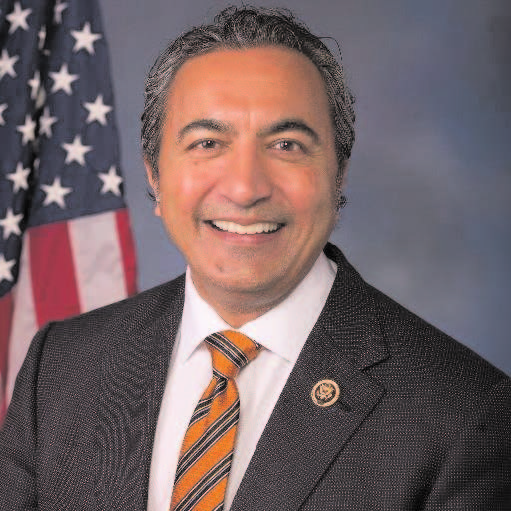
  • Indian American Congressman Ami Bera named ranking member of House space subcommittee

    Indian American Congressman Ami Bera named ranking member of House space subcommittee

    WASHINGTON (TIP): House Democrats have named Rep. Ami Bera (D-Calif.) as the new ranking member of the space subcommittee as they finalized the roster of members who will serve on that subcommittee.

    Bera, entering his third term in the House, succeeds Donna Edwards, a Maryland Democrat who previous served as the top Democrat on the subcommittee. Edwards chose not to run for reelection to the House in 2016, unsuccessfully running for the Senate instead.

    “As a kid who grew up during the height of the space race dreaming of what lay beyond us, it’s an honor to be selected to serve as the ranking member for the subcommittee on space,” Bera, 51, said in a Feb. 14 statement about his selection as subcommittee ranking member. His district, which covers part of the Sacramento area, includes a major Aerojet Rocketdyne facility.

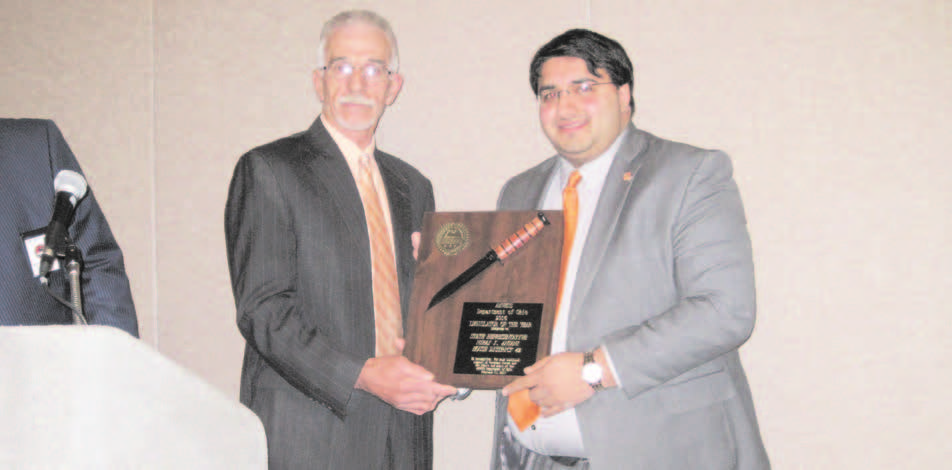
  • Indian American State Representative Niraj Antani Named AMVETS 2016 ‘Legislator of the Year’

    Indian American State Representative Niraj Antani Named AMVETS 2016 ‘Legislator of the Year’

    COLUMBUS (TIP): State Representative Niraj Antani (R -Miami Township) has received the 2016 Legislator of the Year award by American Veterans (AMVETS) Department of Ohio.

    “I am very thankful to AMVETS for this award, but I am more thankful for all the veterans they serve who protected our nation while in the military,” Antani said. “I will continue to fight for our veterans at the Statehouse. The post 9/11 veteran unemployment rate in Ohio is abysmal. Our veterans deserve better when they return home, and I will fight for them.”

    Each year, AMVETS Department of Ohio recognizes legislators who have shown continued support of veterans issues and demonstrated the ideals and goals of the AMVETS Department of Ohio. Antani accepted this award on Saturday, February 11th, 2017 in Columbus.

    Antani is serving his second term in the Ohio House. He represents the 42nd District, which covers most of southern Montgomery County. Having been elected age 23, now 25, he is the youngest currently serving member of the House. In addition, he is the second Indian-American state elected official in Ohio history, and the first Indian-American Republican.

    Antani was named to Forbes Magazine’s list of the top “30 Under 30” people in the United States for Law & Politics in 2015. In 2016, the conservative media organization Newsmax named him the 2nd most influential Republican in the nation under age 30. In addition, in 2013 he was named to the “Top 30 Conservatives Under Age 30 in the United States” list by Red Alert Politics and the Montgomery County Republican Party named him the “Republican Man of the Year.”

  • Indian American NASA Scientist Detained at U.S. Border

    Indian American NASA Scientist Detained at U.S. Border

    WASHINGTON (TIP): A U.S.-born Indian American NASA scientist was detained by U.S. Customs and Border Patrol officials and was not permitted to enter the country unless he unlocked his PIN-protected work phone.

    Sidd Bikkannavar, who works in NASA’s Jet Propulsion Laboratory, was detained Jan. 30 upon returning to the U.S. from Santiago, Chile, the Verge reported.

    Bikkannavar said he was pressured to give the CBP agents his phone and access PIN. Since the phone was issued by NASA, it may have contained sensitive material that wasn’t supposed to be shared.

    Bikkannavar’s phone was returned to him after it was searched by CBP, but he doesn’t know exactly what information officials might have taken from the device.

    Bikkannavar is a natural-born U.S. citizen enrolled in CBP’s Global Entry program, which allowed participants who have undergone a background check to speed up their entry into the U.S.

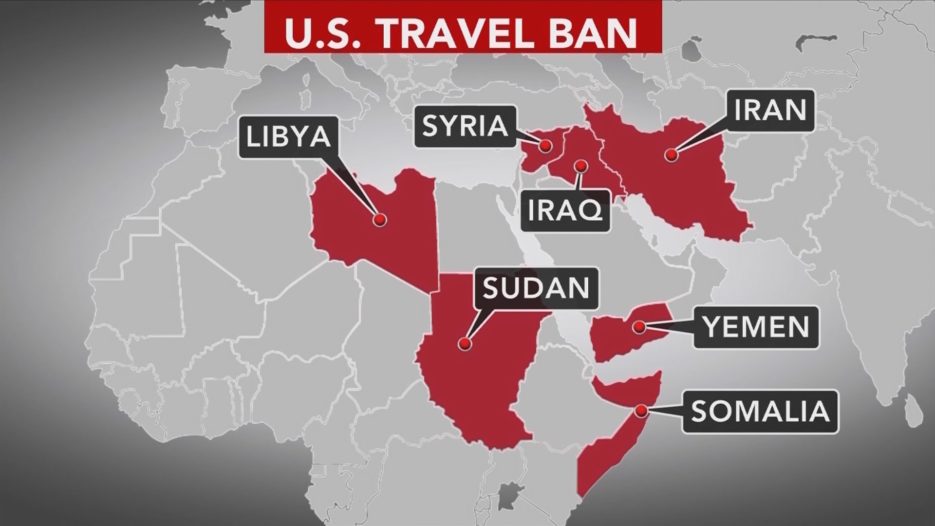
    He had not visited any of the countries mentioned in Donald Trump’s ‘Muslim’ travel ban, but Bikkannavar told the Verge that agents may have become suspicious about his family name, which is southern Indian.

    The JPL scientist returned to the U.S. four days after the signing of a sweeping and controversial executive order on travel into the country. The travel ban caused chaos at airports across the U.S., as people with visas and green cards found themselves detained, or facing deportation.

    Within days of its signing, the travel order was stayed, but not before more than 60,000 visas were revoked, according to the U.S. State Department.

    “Sorry for my absence. On my way back home to the U.S. last weekend, I was detained by Homeland Security and held with others who were stranded under the Muslim ban,” he wrote on Facebook.

    “CBP officers seized my phone and wouldn’t release me until I gave them my access PIN for them to copy the data.

    I initially refused since it’s a JPL-issued phone and I must protect access.”

    He added, “Just to be clear – I’m a U.S.-born citizen and NASA engineer, traveling with a valid U.S. visa.”

    Bikkannavar said he was eventually released. His employers gave him a new phone.

    According to the Verge, Bikkannavar was yet to receive an explanation for why he was stopped at Houston’s George Bush Intercontinental Airport.

    He had traveled to South America for personal reasons, pursuing his hobby of racing solar-powered cars. He had recently joined a Chilean team.

    “It was not that they were concerned with me bringing something dangerous in, because they didn’t even touch the bags,” he said. “They had no way of knowing I could have had something in there. You can say, ‘Okay well maybe it’s about making sure I’m not a dangerous person,’ but they have all the information to verify that.”

    Earlier this week, Homeland Security Secretary John Kelly said in a statement that people visiting the U.S. may be asked to give up passwords to their social media accounts.

    “We want to get on their social media, with passwords. What do you do? What do you say?” Kelly told the House Homeland Security Committee. “If they don’t want to cooperate, then you don’t come in.”

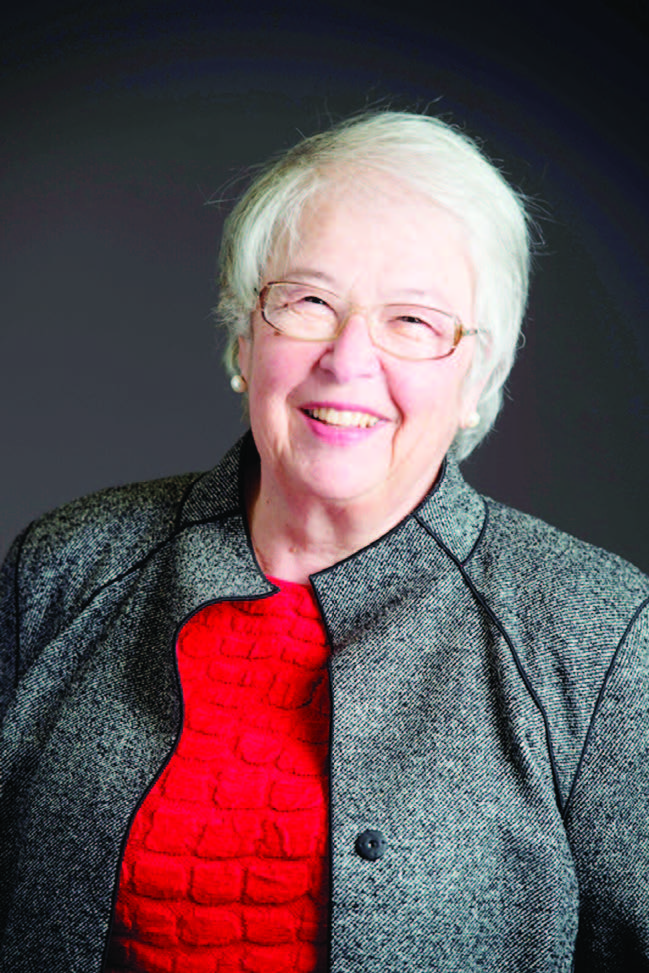
  • Chancellor Fariña Announces $3 Million Investment in Classroom Libraries through Universal Literacy Initiative

    Chancellor Fariña Announces $3 Million Investment in Classroom Libraries through Universal Literacy Initiative

    Through Universal Literacy, 103 reading coaches are strengthening literacy instruction at all 107 elementary schools in Districts 9, 10, 17, and 32

    Schools Chancellor Carmen Fariña announced that the 107 elementary schools participating in the Universal Literacy initiative this year are receiving $3.05 million to build classroom libraries for Kindergarten, 1st, and 2nd grades. Chancellor Fariña made the announcement at PS 375 in Brooklyn, where she celebrated World Read Aloud Day with a 2nd-grade class.

    “We are laser-focused on building a stronger early foundation for New York City’s students, and that’s reflected in our investment in Pre-K for All, Universal Literacy, and Algebra for All,” said Schools Chancellor Carmen Fariña. “This $3 million investment will help strengthen our students’ early learning by increasing access to quality, age-appropriate books and building a love of reading. I am also excited to celebrate and foster a love of reading through World Read Aloud Day.”

    This year, the Universal Literacy initiative – one of the initiatives in Mayor de Blasio and Chancellor Fariña’s Equity and Excellence for All agenda – is being implemented in all 107 elementary schools in Districts 9 and 10 in the Bronx, and Districts 17 and 32 in Brooklyn. There are 103 Universal Literacy reading coaches supporting these 107 elementary schools. The goal of the initiative is for, within six years, at least two-thirds of students to read proficiently by the end of 2nd grade, with the target of 100 percent of all 2nd-graders reading at grade level by 2026. By the 2018-19 school year, this initiative will expand to all 32 New York City school districts.

    Principals will work with their Universal Literacy reading coaches to purchase classroom library books as well as collections of texts for small group instruction in the three target grades. “Big books” may also be purchased. In schools with large English Language Learner populations, new books will reflect all of the languages spoken in the school.

    The allocation is $105.61 per student; schools will receive a share of the $3.05 million based on their number of students in the three target grades. Individual schools’ allocations range from about $7,000 to $77,000. This is the first allocation of its kind; allocations for classroom library and book purchases will be part of the Universal Literacy initiative as it expands to additional districts next year and in 2018-19.

    Contact: Chancellor’s Press Office (212) 374-5141

  • Indian Americans raise pitch against ‘travel ban’

    Indian Americans raise pitch against ‘travel ban’

    According to a study at California State University San Bernardino’s Center for Study for Hate and Extremism, the anti-Muslim hate crimes in the US rose sharply in 2015 to the highest levels since the aftermath of the September 11 terror attacks. The study also suggested that President Trump’s anti-Muslim rhetoric could have contributed to this backlash against American Muslims.

    And recently we saw the President going as far as severely restricting the entry of nationals of seven majority Muslim countries, causing a rash of protests across the country with various Indian communities taking part in it.

    The Sikh Center of Seattle is one such religious organization raising its voice against the so-called travel ban. Recently, the Center deputed Harjinder Singh Sandhawalia for a roundtable discussion of all faith leaders of the Seattle held in the Redmond city mosque. This meeting was hosted by the Muslim community of the area. It was in this meeting that Congresswoman Suzan DelBene said she had introduced a bill (HR 489) in the Congress to stop the order registering Muslims in the country. Sandhawalia was present in the discussion and called for protecting religious freedom of minority communities.

    Members of other Sikh communities have also joined hands in the protest marches being organized across the country. Ravinder Singh, CEO of the Khalsa Aid Foundation who has been involved in humanitarian work at the Syria border, has also condemned the decision in his tweets. ‘Donald #Trump only BANNING MUSLIMS from countries where he has ZERO business interest! Well done USA’ reads one of his tweets.

    With more American Indian communities joining the protests, the anti-Trump voices are now being amplified collectively across the country. A Punjabi community calling itself Punjabi Aunties took to streets holding placards written in Hindi and Punjabi. Swaroop Kaur, homemaker from Seattle, has been running a Vegan store for 22 years now. Swaroop finds this decision demeaning and hurting. “22 years in Seattle, will you Mr Trump, still call me an immigrant?” she questions.

    On the other hand, Jamie Quinn consultant physiotherapist at Swasthya Kendra Clinic, vehemently opposes the decision on the Internet. She writes, “It’s not about who is banned and who isn’t. This is a **** move towards several refugees who are just trying to escape war and for several students and working people who want to earn money for a good life in the USA. Aaj unko ban Kiya toh kal hume bhi kar sakte Hai (today they have banned them, tomorrow it could be us).”

    While on ground, protests gain momentum, social networking sites, FB pages being run by Indian communities staying in America are also garnering support from non-Indian communities: ‘Stop Donald Trump’, ‘Stand Againist Trump’, ‘Trump O Bar’, ‘Hindi Hai Hum’ are some of the pages that have been rallying support against the President’s order.

    Anita Vohra, a Google employee in San Francisco led a silent protest in her vicinity with other Google employees joining her.

  • Indian Ambassador hosts Congressional Reception on Capitol Hill

    Indian Ambassador hosts Congressional Reception on Capitol Hill

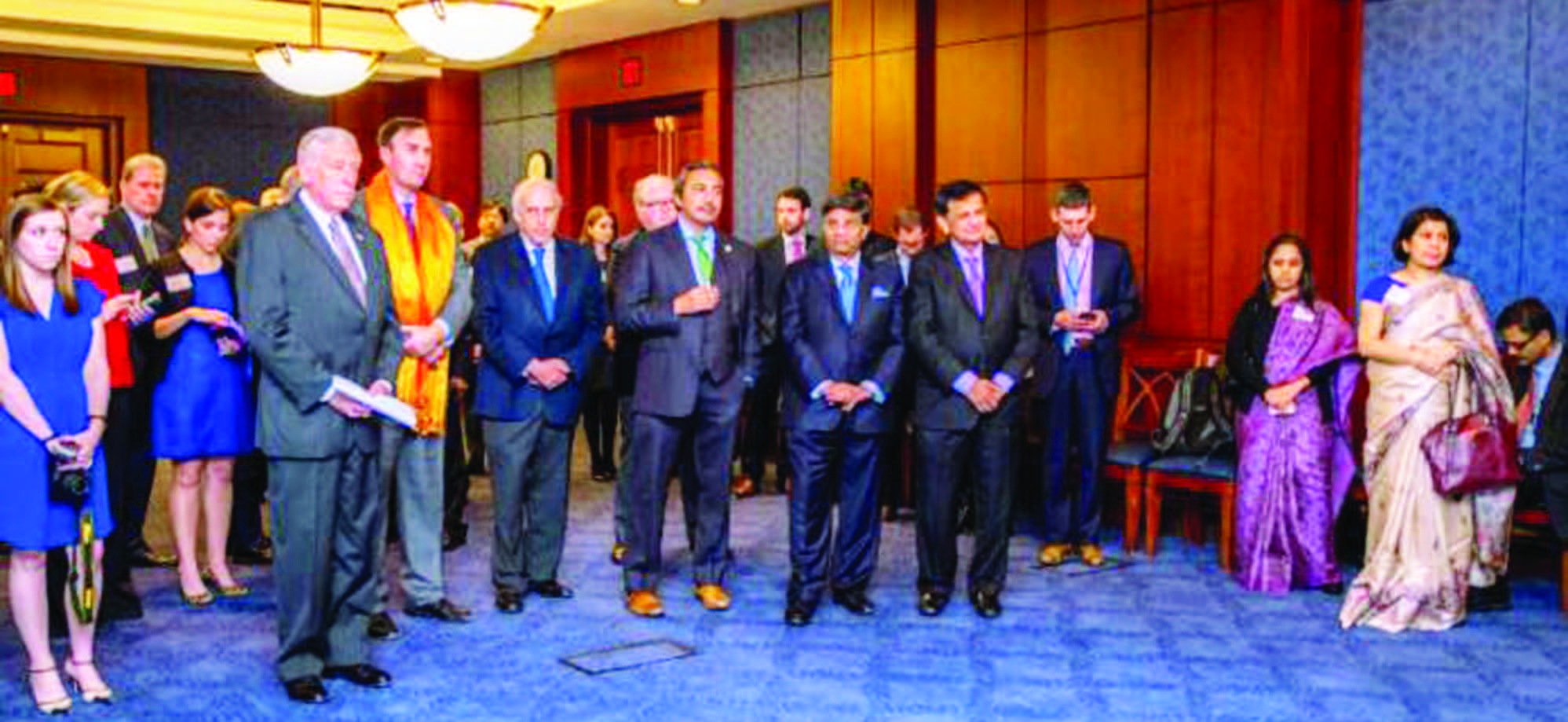
    Ambassador of India Navtej Sarna hosted a Congressional Reception at the Capitol “to celebrate India’s engagement with the 115th US Congress” on February 14.

    Addressing an impressive gathering of members of Congress, prominent Indian-Americans, congressional staffers, business representatives and media, Ambassador described the upcoming visit of 27 distinguished members of Congress as a very important milestone and demonstrative of the high degree of interest in India, and the strong bipartisan support for the India-US relationship, based on shared democratic values and converging strategic interests. He looked forward to a more robust economic and commercial cooperation as India retains its spot as the fastest growing major economy.

    Congressman Steny Hoyer, House Democratic Whip echoed the bipartisan support for the India relationship and emphasized cooperation on security issues between the two largest democracies. Congressman Pete Olson spoke glowingly of the positive contributions of the Indian-American community in the way of life of Texans.

    He emphasized the significance of the port of Houston for energy exports. Congressman Dana Rohrabacher, Chairman of House Foreign Affairs Sub-committee on Europe, Eurasia and Emerging Threats emphasized the importance of US-India cooperation in addressing the threat arising from extremist radical terrorism. He also spoke of the potential of US companies contributing in the economic transformation of India. Congressman Ami Bera, Democratic Chair of the House India Caucus said that the increase in number of elected Indian-Americans currently in Congress is a testimony to the remarkable strides that the Indian-American community has made and the growing closeness between the two countries that is based on shared values. He noted that the India Caucus is the largest one on the Hill and his firm belief that the US-India relationship will be a defining one for the 21st century.

    Congressman George Holding, Republican Chair of House India Caucus spoke of the importance of building the economic cooperation alongside the political relationship and looked forward to his upcoming visit to India. Congressman Hank Johnson noted India’s millennial old history and reputation for peacefulness and the link between the non-violent movement for civil rights led by Dr. Martin Luther King and the teachings of Mahatma Gandhi and looked forward to his forthcoming visit to India.

    Other Members of Congress present included Senator Jeff Flake, Congressman Bob Goodlatte- Chairman of House Judiciary committee, Congressman Andy Harris, Congressman Ted Poe- Chairman House Foreign Affairs Subcommittee on Terrorism, Non- proliferation and Trade and Congressman Joe Kennedy.

    Two distinguished Congressional delegations shall be visiting India in the week of 19th February. One delegation travelling under the auspices of the Aspen Institute and comprising 19 senior Congressmen shall be visiting Delhi, Hyderabad and the other led by Chairman of the House Judiciary Committee, Chairman Bob Goodlatte, and comprising 8 distinguished Congressmen has Delhi and Bangalore on its itinerary. They would have the opportunity to engage with Indian Ministers, decision makers, thinkers, business representatives and partake of the rich Indian cultural palette.