Month: March 2022

  • Heart attack plus cardiac arrest survivors at higher risk of early death

    Heart attack plus cardiac arrest survivors at higher risk of early death

    The findings of a new study suggest that patients who survive a heart attack together with sudden cardiac arrest are at a higher risk of dying within six years following hospital discharge. This research was published in the ‘Journal of the American Heart Association’. A heart attack is when blood flow to the heart is blocked, and sudden cardiac arrest is when the heart malfunctions and suddenly stops beating unexpectedly. Cardiac arrest can be fatal if not treated immediately. Most heart attacks do not lead to sudden cardiac arrest. But when sudden cardiac arrest occurs, heart attack is a common cause. The study draws on data from 13,444 patients collected between 2010 and 2017. It shows for the first time that patients who had heart attacks and then a sudden cardiac arrest were at a greater risk of developing further complications. Those who had a cardiac arrest at the time of their heart attack were twice as likely as those suffering heart attack alone to go on to develop abnormal heart rhythms known as ventricular arrhythmia (VA). Those with a cardiac arrest were also 36 per cent more likely to die on average within three years following discharge from hospital. The researchers suggest that this small subgroup of patients may benefit from additional treatments such an implantable cardioverter defibrillator (ICD) – a small device that treats people with abnormal heart rhythms – to see if it improves their long-term health outcomes. This is because in some cases heart attacks can lead to a condition called ventricular arrhythmia (VA) – a type of abnormal heartbeat where the heart begins beating faster before going into a spasm and stops pumping completely- which can cause sudden cardiac arrest. Dr Fu Siong Ng, senior author of the study and Clinical Senior Lecturer in Cardiac Electrophysiology at Imperial College London, said:

    “Most patients who have heart attacks do not experience a cardiac arrest. However, our study has revealed that there are a small group of patients who do, and if they survive the initial cardiac arrest they are at increased of further complications and early death. This study has highlighted that we may need to look at how we treat these types of patients and our current guidelines may need to be updated. There is a case that in addition to the current treatments on offer to heart attack patients these patients may benefit from ICDs. However, we would need to carry out a clinical trial to validate this theory.”

  • Covid mRNA vaccine doesn’t affect IVF success rates: Study

    Covid mRNA vaccine doesn’t affect IVF success rates: Study

    Covid-19 mRNA vaccines do not affect the ovarian response or pregnancy rates in IVF (In-vitro fertilisation) treatment, according to a study. A team of researchers from the Tel Aviv University in Israel found that in patients undergoing IVF treatments, ovarian response and pregnancy rates were similar with those that were vaccinated with the mRNA Covid-19 vaccine prior to IVF treatment, as compared to unvaccinated women. The study published in the peer-reviewed medical journal ‘Fertility and Sterility’ included a total of 400 patients, 200 vaccinated women and 200 age-matched unvaccinated women, undergoing IVF during January-April 2021.

    The results showed no effect of Covid-19 mRNA vaccine on oocyte yield during hormonal stimulation or on pregnancy rates during IVF treatments. The study did not support concerns that the vaccine might affect fertility treatment outcomes were not supported, said researchers. “The theoretical concept of the supposed similarity between the SARS-CoV-2 spike protein and the syncytin protein that is speculated to take part in the fertilisation process and the formation of the placenta, has led to the assumption that the vaccine might induce an immune response which would affect implantation and pregnancy,” said researchers, including Alon Kedem from the varsity’s Shamir Medical Centre, in the study. “Our results demonstrate similar oocyte yields and fertilisation rates among vaccinated and unvaccinated women,” Kedem added. The researchers said taking into account the potential harm of the infection itself on fertility, the already proven worse pregnancy outcomes among pregnant women with Covid-19 infection, and the higher risk of infection among unvaccinated pregnant women, it seems reasonable to reduce infection risk through vaccination.

    “We recommend considering Covid-19 vaccination prior to commencing IVF treatments in order to reduce the risk of SARS-CoV-2 infection during pregnancy,” Kedem said. Preliminary reports on vaccine safety in pregnant women found similar miscarriage rates among vaccinated women as compared to historical data from the literature.

    Source: IANS

  • Just 1 glass of wine a day can age your brain by 2 years, says study

    Just a glass of wine or even a pint of beer a day carries significant risk as it can cause changes to the brain equivalent to ageing two years, researchers have found. It is already known that people who drink heavily have alterations in brain structure and size that are associated with cognitive impairments. However, a team from the University of Pennsylvania found that even light-to-moderate alcohol consumption was associated with reductions in overall brain volume. The link grew stronger the greater the level of alcohol consumption, the researchers showed. Going from two to three alcohol units at the same age was like aging three and a half years. The team reported their findings in the journal Nature Communications. “There is some evidence that the effect of drinking on the brain is exponential,” said co-corresponding author Remi Daviet, who was at Penn during the study, and now at the University of Wisconsin-Madison.

    “So, one additional drink in a day could have more of an impact than any of the previous drinks that day. That means that cutting back on that final drink of the night might have a big effect in terms of brain ageing.” In other words, Gideon Nave, Penn’s Wharton School: “The people who can benefit the most from drinking less are the people who are already drinking the most.” The researchers looked at brain MRIs from more than 36,000 adults. When the researchers grouped the participants by average-consumption levels, a small but apparent pattern emerged: The gray and white matter volume that might otherwise be predicted by the individual’s other characteristics was reduced. Going from zero to one alcohol unit didn’t make much of a difference in brain volume, but going from one to two or two to three units a day was associated with reductions in both gray and white matter.

    Even removing the heavy drinkers from the analyses, the associations remained. The lower brain volume was not localised to any one brain region, the scientists found. And while the researchers underscore that their study looked only at correlations, they say the findings may prompt drinkers to reconsider how much they imbibe.

  • Unwind and pamper your skin after a long day

    Ice therapy: Rubbing an ice cube on your skin increases blood circulation, immediately reviving it and giving it a healthy glow. Run a couple of ice cubes all over your face for an instantly fresh look.

    Hydrating Sheet masks: Sheet masks have been in the trend for the longest time. Not only do they come in a huge variety, but you can pick a different one every time to target different skin problems. Apart from giving a much-needed boost to the skin, sheet masks are also very hydrating and can make your skin fresh in an instant.

    Use day cream: When oxygen levels drop in the skin, it can lead to dullness, uneven skin tone, and dark spots. With its oxygen boost and micro-circulation complex, day cream for oily skin enhances oxygen supply in the skin cells to give it a revived glow. The unique non-oily formulation of the Oxygen Boost Day Cream is developed by leading dermatologists and helps to rejuvenate skin by removing dullness and pigmentation. It is suitable for all skin types and provides a healthy, radiant glow.

    Facial massage: A massage not just relaxes your mind and body, but also does wonders for the skin. Indulging in a facial massage is great as it improves circulation, making the skin look healthy and fresh. A regular facial massage will also make the skin firm while diminishing fine lines and puffiness.

  • Gujiya

    Gujiya

    Ingredients

                    Refined flour – 4 cup, Ghee – 1/2 cup, Cold Water to mix

                    For the Filling: Khoya – 200gms, Sugar – 1 cup, Green Cardamom – 1 tsp, powdered, Almonds – 1 tsp, finely chopped, Ghee for deep frying

    Method

    –              To make the dough, mix ghee and flour in a bowl.            Add water and knead well to a stiff dough.Keep aside for 60 minutes. Saute the khoya till slightly fried and keep aside to cool.

    –              Add sugar, cardamom and almonds to the cooled khoya and mix well. Make balls of the dough and roll them into thick rounds. Place a tsp of the filling and fold. Seal the edges with wet fingers.

    –              Heat ghee in a pan over medium flame. Fry the gunjiyas till golden brown on all sides. Remove and serve.

  • Thandai

    Thandai

    Ingredients

    –              Sugar – 3/4 cup, Full Cream Milk – 1/2 cup, Almonds – 2tsp, Poppy Seeds – 1/4 tblsp,Saunf – 1/4 tblsp, Pistachios – 1 tsp, Watermelon Seeds – 1/2 tblsp, dried, Cardamom Powder – 1/4 tsp, White Peppercorns – 1/2 tsp, Fresh or Dried Rose Petals – 2 tblsp, Saffron Strands – few

    Method

    –              Soak the almonds, poppy seeds, saunf, melon seeds and pistachios in water for a 30 minutes.   Grind to a fine paste and keep aside.Boil the milk over medium flame.

    –              Add the saffron strands and mix well.

    –              Add the sugar and stir until fully melted.

    –              Grind the rose petals and peppercorns to a fine powder.

    –              Add to the milk along with cardamom powder.

    –              Mix well and simmer for 2 to 3 minutes.

    –              Add the ground paste and mix well.

    –              Remove and chill for atleast 2 to 3 hours.

    –              Just before serving, garnish with chopped almonds and pistachios.

    –              Serve chilled.

  • How to prevent and reverse premature greying of hair

    Blame it on erratic lifestyle habits or hormonal imbalances, premature greying of hair has become increasingly common these days. While many believe that grey hair is permanent and there’s nothing one can do about it, that may not really be the case!

    By following certain hair care habits and including some herbs in your diet, you can reverse premature greying of hair effectively, according to ayurvedic expert Dr Dixa Bhavsar. She recently talked about three herbs that she suggested one must consume and apply topically for luscious black locks.

    Amla

    An antidote for a host of illnesses, amla is proven to have great benefits for skin and hair. “Eating one fruit a day during the season is the best practice not only to treat premature greying of hair, but also correct metabolism and eliminate toxin. It is also one of the best rejuvenation medicines,” Dr Bhavsar said.

    Further, she suggested massaging the scalp with coconut oil processed with fresh amla juice. You can also consume amla in the form of fresh juice daily. “Amla powder is an excellent addition to hair masks,” she added.

    Curry leaves

    The expert shared a simple DIY hair oil using curry leaves. “Take 1-2 cups of coconut oil or any other oil of your choice and a handful of curry leaves. Bring them to a boil until the leaves darken and the oil too. Let it cool down a bit and transfer the mixture into a glass container,” she explained.

    Apply this oil by sectioning your hair, from the root to the tip, especially on the scalp. Let it sit overnight and shampoo it the next day using a mild shampoo.

    Bhringaraj

    Also known as the ‘king of hair’, bhringaraj is one of the best natural remedies for premature grey hair treatment, according to Dr Bhavsar. “It corrects metabolism and starts the process of restoring the natural colour of the hair. It can be added to hair packs to retain colour, reduce hair loss and promote hair growth.”

    Further, you can also apply bhringaraj paste on the scalp, leave it for half an hour and then wash the hair or massage the scalp with bhringaraj oil before shampooing with herbal shampoo, twice a week, she suggested.

    The expert listed a few simple tips to prevent premature greying of hair.

    –              Oiling your hair is very important. Do it twice a week.

    –              Consume sweet, bitter and astringent food items. Avoid excessive spicy, salty, fried, fermented, stale, caffeinated drinks and non-vegetarian food items.

    –              Instil 2 drops of cow’s ghee in both nostrils at night before sleep.

    –              Amla is best for grey hair. Consume it regularly, especially during the winter season.

    –              Sleeping early is equally important. The better the quality of your sleep, the better the quality of your hair. Try to be in bed by 10 pm.

    –              Coconut oil is commonly used for its cooling properties. You may use it along with

    –              Aloe vera gel – Mix the gel with coconut oil and apply it to hair.

    –              Amla (Indian gooseberry) powder – Heat 2 tsp of amla powder in 3 tbsp of coconut oil until it becomes black. Apply on your hair after the mix cools down a bit.

    –              Curry leaves – Heat a handful of curry leaves with coconut oil till it turns black. Cool and apply on the scalp. You may also consume curry leaves as part of your diet. It contains multivitamins and irons that help prevent greying.

    –              Include curry leaves, sesame seeds, amla, bitter gourd, and cow ghee in your diet.

    –              Don’t wash your hair with hot water.

                    Source: The Indian Express

  • UPI123Pay: RBI launches new UPI service for feature phones

    UPI123Pay: RBI launches new UPI service for feature phones

    Mumbai (TIP)- RBI Governor Shaktikanta Das on Tuesday, March 8,  launched a new service, which will enable over 40 crore feature phone users to undertake digital payments in a secure way. The service christened UPI (unified payments interface) ‘123PAY’ is a three-step method to initiate and execute services for users which will work on simple phones which do not have an internet connection. Das said, as of now, the multifaceted features of UPI are mostly available only on smartphones, which excludes people from the lower rung of the society from an economic perspective, especially in the rural areas, from accessing the popular service, even though the smartphone prices are going down. He said, the UPI volumes have touched to Rs 76 lakh crore in FY22 so far, as against Rs 41 lakh crore in FY21, and added that the day is not far when the overall volumes will touch Rs 100 lakh crore.

    There are an estimated 40 crore mobile phone users who possess feature phones. At present, UPI services are available for such users through the USSD-based services, but the same has been found to be cumbersome and all the mobile operators do not allow such services, Deputy Governor T Rabi Shankar said. Feature phone users will now be able to undertake a host of transactions based on four technology alternatives. They include calling an IVR (interactive voice response) number, app functionality in feature phones, missed call-based approach and also proximity sound-based payments, the RBI said.

    Such users can initiate payments to friends and family, pay utility bills, recharge the FAST Tags of their vehicles, pay mobile bills and also allow users to check account balances, it said, adding customers will also be able to link bank accounts, set or change UPI PINs.

    A 24×7 helpline for digital payments was also launched by Das on Tuesday, which has also been set up by the National Payments Corporation of India (NPCI).

    The helpline christened ‘Digisaathi’ will assist the callers/users with all their queries on digital payments via website and chatbot.

    Services can be accessed via four alternatives:

    –              An IVR (interactive voice response) system thats users can call to make a transaction.

    –              A mobile phone app (for simpler phones) in which all transactions available on a UPI app on smartphone will be offered, except for the feature to scan and pay.

    –              Missed call-based approach in which users can send a missed call to initiate transactions.

    –              Proximity sound-based payments.

    –              Users can visit www.digisaathi.info or call on 14431 and 1800 891 3333 from their phones for their queries on digital payments and grievances.

  • Apple Unveils 5G Versions of iPad Air, Low-End iPhone SE

    Apple Unveils 5G Versions of iPad Air, Low-End iPhone SE

    Apple Inc. introduced 5G versions of its low-end iPhone SE and iPad Air tablet, as well as a redesigned Mac desktop computer and a new processor, kicking off what’s likely to be its biggest year yet for new product releases. Apple unveiled the devices during a virtual event Tuesday that it called “Peek performance.” Chief Executive Officer Tim Cook also announced plans to bring Major League Baseball games to the company’s TV+ streaming service.

    The presentation included a new Apple chip named M1 Ultra that the company called the most powerful personal-computer chip ever. The product is part of Apple’s yearslong shift away from using Intel Corp. processors in favor of its own components.

    The new desktop computer, called the Mac Studio, features the M1 Ultra chip and is aimed at app developers, photo editors and video creators. Apple also unveiled a separate monitor.

    Apple shares gained less than 1% to $160.50 at 1:32 p.m. in New York. They have fallen about 10% this year, in line with a broader slump.

                    Source: Bloomberg

  • Ukraine war to sully clothes sales from Levi to Ralph Lauren

    Levi Strauss and Ralph Lauren are among U.S. apparel brands likely to be worst hit by Russia’s invasion of Ukraine which is again clogging supply chains in Europe where they derive at least a quarter of sales, Wall Street analysts say. American clothes firms’ European businesses were just recovering from two years of pandemic restrictions. But war-related Western sanctions on Moscow, airspace bans and shipping route changes have put new squeezes on East-West supply chains. “Cargo checks are now one of the biggest disruptions to shippers, making sure they are not breaking sanctions at ports in the EU (European Union) and the UK,” said Jane Hali, CEO of investment research firm Jane Hali & Associates. “Europe is definitely going to feel the brunt of the economic damage … which will impact consumer sentiment and consumer wallets,” CFRA Research analyst Zachary Warring said on the fallout for apparel retailers.         Source: Reuters

  • India and US to collaborate on building resilient supply chains: USTR report

    Washington (TIP)-As part of its efforts to address the global supply chain crisis, the Joe Biden administration plans “to collaborate with India on building resilient supply chains and promote a transparent rules-based trading system for market economies and democracies,” the US Trade Representative has told Congress. In its 2021 Annual Report to Congress, the US Trade Representative (USTR) said the United States and India share a dynamic and important trade and investment relationship. In 2021, the United States and India re-launched the United States–India Trade Policy Forum (TPF), which had not met since 2017. When the first wave of COVID-19 hit the world, it caught most businesses off-guard as it disrupted supply chains, especially from China, on an unprecedented scale. Countries like the US and India have highlighted the importance of having a resilient supply chain network that is more robust and diverse. In 2022, USTR will look to the TPF to tackle issues that include the relationship between trade, labour, and the environment, it said. In November 2021, the two countries re-launched the United States–India Trade Policy Forum (TPF), which is the principal bilateral forum for discussing trade and investment issues affecting the two countries. During the TPF meeting, the United States and India had exchanged views on a broad range of trade concerns and issued a joint statement that highlighted the resolution of certain specific trade concerns and identified areas for future engagement through the TPF technical-level working groups on agricultural goods, non-agricultural goods, services and investment and intellectual property.

    Source: PTI

  • European gas futures surge 30% as Russia threatens to cut flows

    European gas futures jumped as much as 32% after Russia threatened to cut natural gas supplies to Europe via the existing Nord Stream pipeline. In a further deterioration relations between Moscow and the European Union, Russia threatened to halt gas flowing along the pipeline to Germany. The warning is part of Russia’s response to international sanctions imposed on the country following its invasion of Ukraine. No decision has been taken yet, according to Deputy Prime Minister Alexander Novak. Gas prices surged after climbing as much as 79% on Monday in the most volatile trading conditions markets in Europe have ever seen. Nord Stream, the biggest route for Russia’s gas supplies to Europe, shipped 59 billion cubic meters of gas last year — around 40% of the nation’s exports to the continent. Europe’s reliance on Russian energy has been a key factor in efforts by the continent’s leaders to agree on how to respond to the invasion of Ukraine. Last month, Berlin shelved the $11 billion Nord Stream 2 pipeline project, and European Union officials say they’re working on a plan that could cut the bloc’s import needs from Russia by almost 80% this year. Novak, who is also in charge of energy affairs, said Russia has information about possible action being planned against the Ukrainian gas transport system, according to Interfax news agency.

                    Source: Bloomberg

  • Beefing up its cybersecurity, Google buys Mandiant for $5.4 billion

    Beefing up its cybersecurity, Google buys Mandiant for $5.4 billion

    Google is fortifying its cloud services with a $5.4 billion acquisition of the cyber security firm Mandiant, the companies announced on Tuesday, March 8. The acquisition is the first of many that analysts foresee in the cyber security sector following Russia’s invasion of Ukraine. Analysts and government officials have said they expect a wave of cyberattacks from Russia and others as geopolitical tensions rise. “In a massive growth backdrop for cyber security and further tailwinds seen during this Ukraine invasion from Russia bad actors/nation state attacks, we believe today’s deal is the tip of the iceberg to a massive phase of consolidation potentially ahead for the cloud space,” Wedbush analyst Dan Ives wrote Tuesday.

    Google, a subsidiary of Mountain View, California-based Alphabet Inc., will pay $23 per Mandiant share in all-cash deal expected to close this year. The price represents a 57% premium on Mandiant’s share price in early February, when speculation about a deal between the companies first surfaced.

    Mandiant, based in Reston, Virginia, and its 5,300 employees will join Google Cloud as soon as the transaction closes.“The Mandiant brand is synonymous with unmatched insights for organizations seeking to keep themselves secure in a constantly changing environment,” said Google Cloud CEO Thomas Kurian. “This is an opportunity to deliver an end-to-end security operations suite and extend one of the best consulting organizations in the world.”

    Technology research and advisory firm Gartner estimates that total spending for worldwide information security and risk management reached $155 billion last year and is forecast to grow another 10% this year, to more than $170 billion.

    Even before the war, stock analysts have been predicting growth of as much as 20% in the cyber security sector.

    Russia has long been accused of disrupting other governments and businesses via online attacks and Western officials have warned that Russia could launch more cyberattacks against Ukraine and its allies.

    Just one week before last month’s invasion, the US blamed Russia for a series of cyberattacks that knocked the websites of the Ukrainian army, the defense ministry and major banks offline.

    Anne Neuberger, the Biden administration’s deputy national security adviser for cyber and emerging technologies, said there was no intelligence indicating that the U.S. would be targeted by a cyberattack, but that remained a concern, giving that the banking system does not have the “cyber resilience” that it should.       Source: AP

  • Google tests darker ‘dark mode’ for its Android app

    Google tests darker ‘dark mode’ for its Android app

    Tech giant Google is testing a darker dark mode for its Android search app, media reports say. The new shade still is not the same as the one presented in Google’s test of a pitch-black dark mode on desktops last month, reports The Verge.

    Rather, the one spotted in the mobile app is darker than the usual dark gray but still lighter than pitch black. The new dark mode in Google’s mobile app could be more attractive for devices with OLED displays looking to save battery life, or who just prefer to use dark mode more, the report said. Android Police said that the new shade is available Google’s latest 13.8 beta in the Google Play Store which you can get via APKMirror, an archive that allows Android users to download items not readily available on their device, or go the official route by joining the beta test group. After Google confirmed that it was testing dark mode on desktops last year, the company confirmed a wide rollout of dark mode for Google Search in February for its desktop users, the report said.

    Though users can access the app’s new colour shade on their own, a wider release could take months to get to more people officially.

  • Android 12L coming to Samsung, Lenovo and Microsoft devices, says Google

    Android 12L coming to Samsung, Lenovo and Microsoft devices, says Google

    Google has announced that it will bring the Android 12L operating system to Samsung, Lenovo and Microsoft devices later this year. The new OS brings changes to the home screen, lock screen, notification shade, device set-up screens and settings. The changes are largely designed to give users more information on the screen.

    “Today we are introducing 12L, an update to Android 12 with features that will make tablets and foldables simpler and easier to use,” said Google’s VP of engineering for Android, Andrei Popescu. “We will continue to build more features and functionalities to help you make the most of your larger screen devices in Android 13 and beyond,” Popescu added.

    The company recently announced Android 12L, a version of Android 12 optimised for tablets, foldables, and ChromeOS devices.

    In addition to Android 12L, Google also announced new features in OS and Play for developers to better support these devices, reports TechCrunch. These include updates to its Material Design guidance for large-screen devices, but also updates to Jetpack Compose to make it easier to build for these machines and to ensure that apps can more easily adapt to various screen orientations and sizes.

    On Android, YouTube Music users can now share songs with Snapchat

    Snapchat sharing for YouTube Music was enabled on iOS in October and now a new report has claimed that it is available on Android.

    The first indication that YouTube Music might be able to share songs to Instagram and Snapchat emerged in November of 2020, reports 9To5Google. When you open the share sheet in YouTube Music for Android and tap Snapchat, you will be able to send whatever you are listening to on Snapchat. The artwork for the album, the artist’s name, the app logo, and a link to listen to the music are all included.

    Snapchat has also started rolling out a new feature to let users share their real-time location for 15 minutes or a few hours with friends.

  • NASA studies 50-year-old lunar sample to prepare for return to Moon’s surface

    NASA studies 50-year-old lunar sample to prepare for return to Moon’s surface

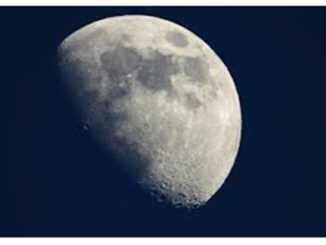
    Scientists at NASA are tapping into one of the last unopened Apollo-era lunar samples to learn more about the Moon and prepare for a return to its surface. NASA’s Artemis mission aims to bring back cold and sealed samples from near the lunar South Pole. The sample is being opened at NASA’s Johnson Space Center in Houston and studied by the Apollo Next Generation Sample Analysis Program (ANGSA) — a science team which aims to learn more about the sample and the lunar surface in advance of the upcoming Artemis missions to the Moon’s South Pole. “Understanding the geologic history and evolution of the Moon samples at the Apollo landing sites will help us prepare for the types of samples that may be encountered during Artemis,” Thomas Zurbuchen, associate administrator of NASA’s Science Mission Directorate in Washington, said in a statement. When Apollo astronauts returned with these samples around 50 years ago, NASA had the foresight to keep some of them unopened and pristine. The ANGSA 73001 sample is part of an Apollo 17 drive tube sample collected by astronauts Eugene Cernan and Harrison “Jack” Schmitt in December 1972. The astronauts hammered a pair of connected 1.5-by-14-inch tubes into the lunar surface to collect segments of rocks and soil from a landslide deposit in the Moon’s Taurus-Littrow Valley.

                    Source: IANS

  • Amalaki Ekadashi

    Amalaki Ekadashi

    Phalguna Shukla Paksha Ekadashi is known as Amalaki Ekadashi. Amalaki Ekadashi falls between Maha Shivaratri and Holi. Currently it is observed in month of February or March in English calendar. Parana means breaking the fast. Ekadashi Parana is done after sunrise on next day of Ekadashi fast. It is necessary to do Parana within Dwadashi Tithi unless Dwadashi is over before sunrise. Not doing Parana within Dwadashi is similar to an offence. This year, Amalaki Ekadashi falls on  March 14 Monday.

    Parana should not be done during Hari Vasara. One should wait for Hari Vasara to get over before breaking the fast. Hari Vasara is first one fourth duration of Dwadashi Tithi. The most preferred time to break the fast is Pratahkal. One should avoid breaking the fast during Madhyahna. If due to some reasons one is not able to break the fast during Pratahkal then one should do it after Madhyahna.

    At times Ekadashi fasting is suggested on two consecutive days. It is advised that Smartha with family should observe fasting on first day only. The alternate Ekadashi fasting, which is the second one, is suggested for Sanyasis, widows and for those who want Moksha. When alternate Ekadashi fasting is suggested for Smartha it coincides with Vaishnava Ekadashi fasting day.

    Ekadashi fasting on both days is suggested for staunch devotees who seek for love and affection of Lord Vishnu.

    Significance of Amalaki Ekadashi

    Amalaki Ekadashi is a sacred fasting day for Hindus. It is believed that by observing this Ekadashi, the person reaches to the abode of lord Vishnu, ‘Vaikunth’. The rituals and significance of Amalaki ekadashi is mentioned in the ‘Brahmanda Purana’ and was also narrated by Saint ‘Valmiki’. There are innumerable stories and folk tales in the Hindu Puranas that speak of the greatness of the Amalaki Ekadashi fast. This day is known to be very auspicious and is marked with special ritual and prayers. Even the day after Amalaki Ekadashi, recognized as ‘Govinda Dwadashi’ is believed to be highly fortunate.

    The day of Amalaki Ekadashi is considered more significant owing to its relation to other Hindu festivals. This ekadashi falls between Maha Shivratri and Holi. The worshipping of amla tree on this day is a symbolic representation of the elaborate Hinduism practice. During this occasion, Goddess Lakshmi is also worshipped as She is known to be an omnipresent deity. It is also a widespread belief that Lord Krishna with His consort, Goddess Radha also resides near the tree. Devotees worship amla tree to gain good health and wealth.

    Legend

    According to one of the inscriptions, King Chitrasena along with his followers had observed the fast on Amlaki Ekadashi. During one of his hunting experiences, the king got captured by a group of demons. However, they were successfully destroyed after a divine power emerged from the body of King Chitrasena. After getting back the consciousness, the king learned that it was because of the Amalaki Ekadashi Vrat that he got protected.

    Celebration and Rituals

    After bathing in the river, devotees visit the temple of Lord Vishnu. They offer a pot filled with water, as well as a fine canopy, sandalwood, roli, flowers, diyas and aromatic incense to Amla tree. Brahmins are served with meals beneath the Amalaki tree. Most devotees observe a fast on this day and also perform all-night vigil, fasting, and worship Lord Vishnu Some devotees observe a partial fast, abstaining from food made of rice and grains.

    –              On the day of Amalaki Ekadashi, the devotees wake up at sunrise and get over with their morning rituals. They then worship Lord Vishnu and the sacred amla tree. A ‘sankalp’ is taken with sesame seeds and coins with the motive to attain moksha after death. After worshipping Lord Vishnu, the devotees pray to the Amalaka tree. They offer water, sandalwood, roli, chawal, flowers and incense sticks to the sacred tree. Following this the devotees offer food to a Brahmin, underneath the Amalaki tree. If the amla tree is unavailable, then the sacred Tulsi tree can be worshipped.

    –              On this day, the devotees observe a strict fast all day long and only food made from amla can be eaten. Some devotees also observe partial fast by simply avoiding food made from grains and rice. The observer of this vrat should also listen to the Amalaki Ekadashi vrat katha after finishing the puja rituals.

    –              The devotees stay awake all night on the day of Amalaki Ekadashi and chant the bhajans and rhymes in the name of Lord Vishnu.

    Know why the Amla tree is worshipped

    –              Devotees of Lord Vishnu who observe Ekadashi fast believe that Amla tree is sacred. According to legends, Vishnu, Lakshmi, Damodara or Krishna and Radha are said to reside near the tree.

    –              The berries of the Amla tree are known for their great medicinal value and is widely used in Ayurvedic preparations. Amla tops the list of superfoods today as it is rich in Vitamin C, which boosts immunity. People who worship the Amala tree also prepare food items out of Amla on this day.

    –              People who observe Amalaki Ekadashi usually wake up early and take a bath before sunrise. Devotees of Lord Vishnu fast on Ekadashi to seek his blessings. A strict fast is an important part of Ekadashi and people eat the next day only after sunrise. Grains and cereals are not allowed during Ekadashi fast but many who are working have fruits and juices in the afternoon.

    –              People read the Ekadashi Vrat Katha around an Amla tree and offer coconut and flowers. After the puja, Ekadashi aarti is performed.

  • Germans offer up 300,000 private homes for refugees from Ukraine

    Germans offer up 300,000 private homes for refugees from Ukraine

    Berlin (TIP): Germans have offered up 300,000 private homes to house refugees from Ukraine following Russia’s invasion of the country, Germany’s interior ministry said on March 10. The ministry is cooperating with the non-profit gut.org AG and home rental company AirbnbInc’s non-profit arm Airbnb.org to assign refugees to housing offers, it said on March 10. More than 2.3 million people have fled from Ukraine since the invasion, according to the United Nations Refugee Agency (UNHCR). Most are women and children, as able-bodied men have been ordered by the Kyiv government to stay home to fight. As of Wednesday, just over 80,000 Ukrainian refugees had been registered in Germany, with more arriving every day. Many of them arrive in Berlin by train or bus, which has prompted the German capital to set up temporary accommodation at its shuttered Tegel airport to house up to 3,000 people. From there, refugees would be distributed to longer-term homes, in Berlin or elsewhere in Germany.

    Reuters

  • Russia rejects Ukraine charge of genocide as invasion enters third week

    Russia rejects Ukraine charge of genocide as invasion enters third week

    Lviv (TIP): Russia’s war in Ukraine entered the third week on March 10 with none of its stated objectives reached despite thousands of people killed, more than two million made refugees, and thousands forced to cower in besieged cities under relentless bombardment.

    Ukraine said Russia was carrying out “genocide” by bombing a children’s hospital in the city of Mariupol. Russia said the reports were “fake news” as the building was a former maternity hospital that had long been taken over by troops.

    Moscow’s stated objectives of crushing the Ukrainian military and ousting the pro-West elected government of President VolodymyrZelenskyy remained out of reach, with Zelenskyy unshaken and Western military aid pouring across the Polish and Romanian borders. The UK Defence Ministry said on Thursday that a large Russian column northwest of Kyiv had made little progress in over a week and was suffering continued losses. It added that as casualties mount, Russian President Vladimir Putin would have to draw from across the armed forces to replace the losses.

    Putin has said the advance by his forces in Ukraine was going according to plan and to schedule. Russia calls its incursion a “special operation” to disarm its neighbour and dislodge leaders it calls “neo-Nazis.”

    Western-led sanctions designed to cut the Russian economy and government from international financial markets were also beginning to bite, with the Russian share market and rouble plunging and ordinary Russians rushing to hoard cash.

    ‘Hospital bombed’

    Zelenskyy accused Russia of carrying out “genocide” after Ukrainian officials said Russian aircraft bombed a children’s hospital on Wednesday, burying patients in rubble despite a ceasefire deal for people to flee Mariupol.

    “What kind of country is this, the Russian Federation, which is afraid of hospitals, is afraid of maternity hospitals, and destroys them?” Zelenskyy said in a televised address late on Wednesday.

    The attack, which authorities said injured women in labour and left children in the wreckage, underscored U.S. warnings that the biggest assault on a European state since 1945 could become increasingly attritional after Russia’s early failures.

  • Ukraine crisis: Chernobyl site knocked off power grid

    Lviv (TIP): Ukrainian authorities say the decommissioned Chernobyl nuclear plant, site of the world’s worst nuclear disaster, has been knocked off the power grid. Emergency generators are now supplying backup power. The state communications agency says the outage could put systems for cooling nuclear material at risk.

    The cause of the damage to the power line serving Chernobyl was not immediately clear, but it comes amid Russia’s invasion of Ukraine. The site has been under control of Russian troops since last week. Ukrainian grid operator Ukrenerho said that according to the national nuclear regulator, all Chernobyl facilities are without power and the diesel generators have fuel for 48 hours. Without power the “parameters of nuclear and radiation safety” cannot be controlled, it said.

    A lion evacuated from an animal shelter at Kyiv in Oudsbergen, Belgium. Reuters

  • Amid closure of airspace in many European countries, around a dozen Russian aircraft stranded in Switzerland

    Amid closure of airspace in many European countries, around a dozen Russian aircraft stranded in Switzerland

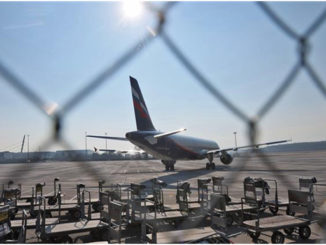
    Zurich (TIP): Around a dozen Russian aircraft are stranded at Swiss airports by the closure of airspace in many European countries to punish Moscow for its invasion of Ukraine, Switzerland’s civil aviation authority estimated on March 9.

    “I expect that it will be around a dozen aircraft in Switzerland,” a spokesperson for the Federal Office of Civil Aviation said. This included EuroAirport near Basel, which straddles the Swiss-French border.

    There were two aircraft in Geneva, including an Aeroflot passenger jet, and none in Zurich, he said, adding that not all airports had responded to his survey. Swiss broadcaster SRF said its investigation had found private aircraft believed to belong to Russian oligarchs were on the ground at EuroAirport. It said one of the aircraft was believed to belong to Chelsea Football Club owner Roman Abramovich, and had flown to Basel from London at the end of February. Another was thought to belong to billionaire Viktor Vekselberg, it said.

    Neither could be reached for immediate comment on the report. The airport declined comment.

    Switzerland adopted European Union sanctions against Russia and closed its airspace to Russian aircraft and airlines on Feb 28. Abramovich and Vekselberg are not personally sanctioned in Switzerland but would still be affected by the airspace closure.

    Russia’s super-rich oligarchs have been the focus of Western pressure following the invasion of Ukraine, due to their links to the Kremlin.

    Moscow says its actions are a “special operation” aimed at disarming Ukraine and removing leaders it casts as dangerous.  Reuters

  • UK PM Johnson invites world leaders to build coalition against Russian President Putin

    UK PM Johnson invites world leaders to build coalition against Russian President Putin

    London (TIP): British Prime Minister Boris Johnson hosts Canadian Prime Minister Justin Trudeau and Dutch PM Mark Rutte at Downing Street in London on March 7, as the trio visit a Royal Air Force (RAF) base to meet members of the UK armed forces.

    Downing Street said it marks the start of a week of “focused engagement” with world leaders to mobilise a global outcry at the “atrocities of Russian aggression” into practical support for Ukraine.

    The three prime ministers will convene for separate bilateral meetings and a joint trilateral meeting to discuss the next steps to counter attacks ordered by Russian President Vladimir Putin on Ukrainian cities. “In the time since Russia’s illegal and brutal assault we have seen the world stand up tall in solidarity with the indomitable people of Ukraine,” said Johnson.

    “UK aid is already reaching those who need it most, delivering essential supplies and medical support. While only Putin can fully end the suffering in Ukraine, today’s new funding will continue to help those facing the deteriorating humanitarian situation,” he said.

    It comes as the UK said it has allocated an additional USD 100 million directly to the Ukrainian government budget to mitigate financial pressures created by Russia’s unprovoked and illegal invasion.

    This grant could be used to support public sector salaries, allowing critical state functions to keep operating, as well as to support social safety nets and pensions for the Ukrainian people. The grant will be provided through the World Bank Multi-Donor Trust Fund, established last week to support the Ukrainian government.

    It is said to be on top of the UK training 22,000 soldiers, supplying 2,000 anti-tank missiles, providing 100 million pounds for economic reform and energy independence, and providing 120 million pounds of humanitarian aid including 25 million pounds of match funding to the Disasters Emergency Committee (DEC) appeal.

    The move comes as the UK Parliament is for a vote on Monday on the government’s amendments to the Economic Crime (Transparency and Enforcement) Bill, which fast-tracks action against Russian oligarchs close to the Kremlin and with UK assets.

    The UK Foreign, Commonwealth and Development Office (FCDO) said that streamlining current legislation will allow the government to move faster and harder when sanctioning billionaires and businesses associated with the Russian government.

    “These amendments give us the chance to bring even more crippling sanctions against Putin and his regime,” said UK Foreign Secretary Liz Truss. “The UK has already led the way by bringing in the largest and strongest package of sanctions in history in response to illegal and unprovoked Russian aggression against Ukraine,” she said.

    The UK has imposed what it brands as the “largest sanctions package in history” on Russia for its invasion of Ukraine.

    Most recently, this included a full asset freeze and travel ban imposed against AlisherUsmanov and Igor Shuvalov, two of Russia’s leading oligarchs with significant interests in the UK and close links to the Kremlin. The sanctions also cover Russian President Putin, Sergey Lavrov and more than 300 individuals and entities at the heart of Putin’s regime, and Belarus.(PTI)

  • 14 killed in coal mine accident in China

    Beijing (TIP): Fourteen people trapped in a coal mine that collapsed in southwest China’s Guizhou province last month have died, local officials said on March 6. The workers were trapped after the roof of a shaft at SanheShunxun coal mine in Zhenfeng County, Bouyei-Miao Autonomous Prefecture of Qianxinan, collapsed on February 25. Rescue work finished on Sunday noon as the bodies of the trapped workers were retrieved. Further investigation into the cause of the accident is underway, the state-run Xinhua news agency reported. Mining accidents are common in China. However, the number of deaths has reduced in recent years. China is the world’s largest producer and consumer of coal. China’s mining industry has long been among the world’s deadliest with frequent mine accidents. The safety crackdown was ordered in 2020 after two accidents in mountainous southwestern Chongqing killed 39 miners. Despite the crackdown, 10 workers were killed at a gold mine in the northern province of Shandong in January last year after a cave-in caused by the improper storage and use of explosives.(PTI)

  • Peshawar mosque attack ‘main handler’ among three killed in Pakistan

    Peshawar mosque attack ‘main handler’ among three killed in Pakistan

    Peshawar (TIP): Pakistani security forces have shot dead the “main handler” of the deadly suicide bombing at a Shia mosque in Peshawar and his two accomplices, who were reportedly also behind the killing of a Sikh medicine practitioner in the northwestern city, according to a media report on March 10. At least 64 people were killed and nearly 200 others injured in the suicide bombing inside the mosque in QissaKhwani bazaar in Peshawar during Friday prayers last week, which was claimed by the Islamic State-Khorasan terror group.

    Officials said personnel of the Counter-Terrorism Department, police and intelligence agencies raided a house in the Ghu­reza area of Jamrud tehsil on Tuesday night. They said a terrorist present inside the house opened fire on law enforcement personnel.

    Muhammad Tariq alias Khalid – the “main handler” of the suicide bombing at the KoochaRisaldar mosque – Abdul Wajid, and Muzaffar Shah were killed in the return fire, Dawn newspaper reported, quoting an official.

    “In the exchange of fire, the three terrorists were killed while four others, including two handlers, managed to escape,” the official said.

    The police said the terrorist group was also involved in the killing of Sikh hakeem (medicine practitioner) SardarSatnam Singh in September last year. Singh was shot dead in his clinic on Charsadda Road in Peshawar. According to investigative agencies, Ihsanullah alias Abdullah, an Afghan national living in Aabshar Colony of the provincial capital, detonated his explosive vest inside the Shia mosque during Friday congregation. The main handler Muhammad Tariq alias Khalid hailed from Bara tehsil of Khyber district. A police source said the attacker’s family had fraudulently obtained Pakistani documents. His father and a rickshaw driver, who drove him to the mosque, were also taken into custody. According to the bomber’s father, Ihsanullah came in contact with Wajid and Muzaffar at his school near Garrison Park. He had left for Afghanistan about 18 months ago.

    The police said the terrorist group was also involved in other high-profile killings, including that of a peace committee member on the outskirts of Peshawar, two religious scholars — Sheikh Abdul Hameed and Qari Sheikh Muhammad — as well as the assassination of Assistant Sub-Inspectors ImtiazAlam and Mehboobullah.(PTI)

  • Pakistan PM Imran seeks legal opinion on no-confidence motion

    ISLAMABAD (TIP): Pakistan Prime Minister Imran Khan has met the Attorney General and sought legal opinion on the no-confidence motion submitted by the Opposition parties which have held his government responsible for the uncontrolled inflation.

    According to the Dawn newspaper, the government is anxious and making all attempts to foil the Opposition’s move to oust the Pakistan Tehreek-i-Insaf (PTI) regime led by Khan, who has already claimed that the powerful Pakistan Army is backing him.

    The no-confidence motion, signed by about 100 lawmakers from the Pakistan Muslim League-Nawaz (PML-N) and Pakistan Peoples Party (PPP), was submitted with the National Assembly Secretariat on March 8.

    Khan, 69, is heading a coalition government and he can be removed if some of the partners decide to switch sides, which is not unusual in parliamentary democracies.

    The report said that besides meeting Punjab Chief Minister UsmanBuzdar, whose removal has been sought by the Prime Minister’s (former) closest confidants in the party, Prime Minister Khan also met Attorney General for Pakistan (AGP) Khalid Javed Khan and sought his legal opinion on the no-confidence motion.

    The prime minister is scheduled to meet leaders of the PTI’s allies, including the MuttahidaQaumi Movement, Grand Democratic Alliance and party leaders in Sindn, it said.

    Opposition parties blame Khan’s government for uncontrolled inflation that has broken the back of poor people of the country, while Khan accuses them of trying to remove as he was not willing to condone the alleged corruption by the leading Opposition leaders.

    Soon after the Opposition submitted its no-confidence motion in the National Assembly (NA) Secretariat, Khan said that he was going nowhere and that he did not fear the Opposition’s move. “The government will not be ousted, and will emerge stronger,” Khan was quoted as saying. Information Minister FawadChaudhry said that the prime minister was quite confident that the Opposition would face disappointment and the government would become stronger after he regained confidence in the NA. (PTI)