Month: August 2024

  • SPOKEN WORD APEX AS CATALYST FOR SOCIAL CHANGE

    SPOKEN WORD APEX AS CATALYST FOR SOCIAL CHANGE

    • By Mabel Pais

    Experience a transformative performance poetry concert encompassing a visual performance artist, dj, live band and many of the world’s top spoken word artists: Taalam Acey, K-Love the Poet, Narubi Selah, Ed Mabrey, Mr. Food4Thought, RADI, Kween Moore, Obbie West, Georgia Me, Positive Gunter, Black Chakra, James C. Ellerbe and DJ Doughboy. This happens on August 24 at the New Jersey Performing Arts Center’s (NJPAC) Victoria Theater at 8 PM.

    TAALAM ACEY, with his 17 albums and 8 books, is considered the “Godfather” of Spoken Word’s digital age. Acey has been featured at the Essence Music Festival and the Black Congressional Caucus. He has won awards in the US, UK and Germany, and his work has been covered on BET, the Documentary Channel, TV One and two Sundance Award winning films.

    K-LOVE is one of the most viral poets of our time. Few other Spoken Word artists have garnered her level of social media celebrity, internet influence and live emotional impact.

    Narubi Selah has written and co-directed plays as well as starred in a number of off-Broadway productions. She was the first NJ Poetry Slam grand champion and her work has been featured on HBO’s Def Poetry Jam, New Jersey Network (NJN) and at the Essence Music Festival in New Orleans.

    Ed Mabrey is an Emmy nominated actor and the most winningest poet in the history of poetry slam, earning several world championships and hundreds of other slam wins. Mabrey has been featured on ABC, FOX, HBO, CNN and TV One.

    Oshea Luja, creatively known as MrFood4Thought, is an acclaimed poet, spoken word artist, and cultural architect, captivating audiences for over two decades with his profound expressions. Honoring the legacy of greats such as the Watts Prophets, The Last Poets, Amiri Baraka, Sonia Sanchez, and Kamau Daaood, he has bestowed lifetime achievement awards upon each of them at his production he founded in 2007, StillWaters.

    RADI is an artist and award-winning writer specializing in spoken word & slam poetry. Her work covers topics such as Civil rights, body positivity, sex positivity, colorism, sexism and more, all while reflecting her real life experiences as a proud Black Fat Lesbian. She reigns as the 4x Poetry Slam Champion & now Coach of one of the top ranked Poetry Slam Teams in the Nation; New Jeru Slam Team.

    Kween Moore, Curator, Interdisciplinary Artist, Poet and Arts Educator, leads a life dedicated to the arts and its communal impact. As a Cooperative Arts & Humanities Magnet High graduate, with a B.A. in Art Therapy Psychology from Albertus Magnus College, Moore serves Newark and surrounding communities through creative arts programming, poetry, performance art and visual arts with specific content for all creatives.

    Edward Wilson, a.k.a. Obbie West is an international spoken word artist, advocate, and author. Originally from Los Angeles, California. Edward is a retiree from the United States Army. He began writing in 2011 and later published his first acclaimed book of poetry entitled ‘Blossom.’ He travels the world as an educator, trainer, and speaker using poetry to tackle tough topics such as sexual violence, prevention, and awareness.

    Tamika ‘Georgia Me’ Harper is a proud ‘Ghetto Belle’ and decorated verbal powerhouse known for starring in Russell Simmons’ Tony Award winning, ‘Def Poetry Jam on Broadway’ and appearing in the box-office favorite, ‘Madea Goes to Jail.’

    Positive Gunter is a living example; not expert on life. Transforming her life experiences into performance art, poetry, and wisdom as she redefines what it means to grow. It is her daily intention to plant a seed of consciousness within every person that she encounters. Encouraging them to turn their shame into shine and reclaim the authority over their time and mind.

    Black Chakra is a spoken word and hip-hop artist whose talents have been showcased on stages across America. He has been a national poetry slam champion, Texas Grand Slam champion, 4 Time Southern Fried slam champion, Rustbelt Slam Champion, Black Arts Matter Slam Champion, Exit 36 Slam Champion, and a plethora of others too long to list.

    James C. Ellerbe is a New Jersey native and resident along with his wife. The couple own ‘Not Enough Words LLC’ founded in 2014. He has appeared on BET’s ‘Buy The Book’ and Showtime at the Apollo showcase. He has also conducted workshops on writing poetry and self-publishing for students (and future authors). He is also the founder of NJPoetryEvents.com – a central hub for poetry events, festivals, and workshops in NJ.

    DJ Doughboy has toured Africa, Europe and Mexico (with some of the most popular names in the music industry) and been featured on BET, MTV and Showtime. He also holds a B.S. in Television and Radio Broadcasting Communications from Fairleigh Dickinson University and spins for 50 million listeners on Music Choice.

    TICKETS

    For tickets to the event, visit njpac.org/event/spoken-word-apex-2.

    The Geraldine R. Dodge Foundation

    The Dodge Foundation and the New Jersey Performing Arts Center (NJPAC) launched Dodge Poetry – a new collaboration that celebrates poetry as a catalyst for communities to advance social change.

    Through this initiative, Dodge Poetry will expand beyond the biennial festival to include year-long programming in Newark. Dodge Poetry events will have three goals to:

    Mobilize communities and fuel movements for social change;

    Amplify poet activists who challenge and reframe existing narratives and norms; and

    Create spaces for empathy, healing, and repair for individuals who have experienced systemic racism.

    Building on 40 years of poetry programming, the new collaboration between NJPAC and the Dodge Foundation will extend the footprint of Dodge Poetry across the entire city of Newark. The series of events are designed to engage and activate residents, young people, and community partners, and to highlight the intersection of poetry and social justice.

    In 2024, Dodge Poetry will culminate with the 20th celebration of the Dodge Poetry Festival, an event that has to-date engaged more than 150,000 people including 45,000 high school students, on Oct 17-19, 2024. Learn more at grdodge.org.

    The New Jersey Performing Arts Center (NJPAC)

    Learn more at njpac.org.


    (Mabel Pais writes on The Arts and Entertainment, Social Issues, Spirituality, Cuisine, Health & Wellness, Business, and Education)


  • Kolkata horror

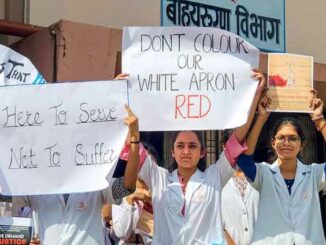
    The rape-murder of a post-graduate trainee doctor at a state-run medical college and hospital in Kolkata has shocked the nation and triggered countrywide protests by doctors and medical students. The chilling brutality of the crime has led to comparisons with the 2012 Nirbhaya case, which had shaken our collective conscience and served as a catalyst for tightening rape laws. The resident doctor was sexually assaulted and killed in a seminar hall, where she had gone to take a short break from her strenuous duty. The college principal has resigned, while two security guards have been expelled for dereliction of duty. Nothing less than a high-level probe is needed to get to the bottom of this horrifying matter.

    The need to ensure the safety and security of healthcare professionals cannot be overemphasized. What makes life-savers and healers vulnerable to violence and harassment? Grueling timings, especially odd hours, excessive workload due to staff shortage, the entry of unauthorized or undesirable persons and undue pressure from some patients’ families are key factors. During the Covid-19 pandemic, countless doctors had put their lives on the line to save patients; around 1,600 of them didn’t survive. Yet, the medical community remains unappreciated and unprotected.

    Doctors and paramedics simply cannot discharge their duties to the best of their ability if the fear of being attacked or accosted hounds them at every step. A Bill seeking to safeguard healthcare personnel and the property of medical institutions remains in limbo. Practically nothing has changed on the ground since Kerala doctor Vandana Das was stabbed to death by a drug addict at a hospital in May last year. And not many remember the case of Aruna Shanbaug, a nurse who was sexually assaulted in a Mumbai hospital in 1973 and spent the next four decades in a vegetative state before she breathed her last. Will the Kolkata horror pave the way for much-needed reforms? Let’s see.
    (Tribune, India)

  • Buch’s probity: Erase all doubts

    Hindenburg allegations against Madhabi Puri Buch may be wholly baseless, but need to be shown as such by an independent probe.
    The Opposition has demanded that Securities and Exchange Board of India (Sebi) chair Madhabi Puri Buch step down over alleged conflict of interest issues raised by Hindenburg Research — and that a joint parliamentary committee inquiry be launched. Over the weekend, Hindenburg released a raft of allegations against Puri Buch: that she and her husband, Dhaval Buch, held stakes in “the exact same” offshore funds “in the same complex nested structure, used by Vinod Adani”, the brother of Gautam Adani, the head of the Adani Group; that there is a conflict of issue between Puri Buch’s role at Sebi and her husband’s involvement with private equity firm Blackstone; and that Puri Buch held an active stake in a Singapore-based consultancy firm even as she occupied the post of Sebi chair, and transferred this to her husband two weeks after her appointment.
    While the Buchs’ point-by-point rebuttal of the Hindenburg allegations shows that all required disclosures were made to Sebi and are available for scrutiny by the relevant authorities if needed, that Puri Buch recused herself from matters where there was even a hint of a conflict of interest, and that the Adani linkage the research firm sought to make was a bit of a stretch, a regulator should not only be above suspicion but also seen to be such. Even though a probe may well reaffirm what the Buchs have said, it may still be in order, if only to shut down the politicization of the Hindenburg reports that have roiled India Inc over the past year-and-a-half.

    The Opposition’s other demand, of a joint parliamentary committee probe, will amount to little except prolonged political jousting. Meanwhile, the allegations will likely continue to be used as fodder to undermine trust in the regulator. Perhaps, the Supreme Court should consider setting up a panel of independent experts to look into the allegations, though it had decided against monitoring an investigation of the previous set of Hindenburg allegations in January, and later rejected a petition to review this decision. This will help preserve the image of the regulator as being fair and unbiased, prevent rabble-rousing by interested parties, and ensure that the Indian stock market isn’t manipulated by forces inimical to the interests of investors.
    (Hindustan Times )

  • Crave to be the best as consolations are illusionary

    By Prabhjot Singh

    A nation of 1.4 billion people, claiming itself to be a world economic power, ended its campaign in the 2024 Paris Olympic Games without getting anywhere near showcasing a world champion in sports.

    Why are we not able to produce world champions in sports? It is a million-rupee question that the country is either reluctant or refuses to answer.

    India tally of six medals – a silver and five bronze medals – even fails to equal what the country achieved in the 2020 Tokyo Olympic Games. In the past four years, we lost the only World champion title – Neeraj Chopra in javelin throw – we had.

    India lost it to its neighbor that is torn by strife, has its economy shattered and struggling to survive.

    Compared to 117-strong squad sent by India, Pakistan’s contingent comprised of only seven people, of which only two – the new Olympic champion in javelin Nadeem Ashraf and his coach – were financed by the Pakistan Sports Control Board.

    India has a population of 1.4 billion that is spread across states that are larger than many countries. About 200 million people live in the northern state of Uttar Pradesh. Pakistan is much smaller, but is still the world’s fifth most populous country, with more than 230 million people.

    Geographically, India is almost four times bigger than Pakistan.

    Since Independence, India has won hockey gold five teams, including the last it won from a depleted field in Moscow in 1980 while Pakistan has won three times.

    India has won only two individual gold medals in Olympic Games. The first of which came in shooting – Abhinav Bindra – in 2008 Beijing Olympic games and second in the Tokyo Olympic Games through javelin thrower Neeraj Chopra.

    Many other Asian nations are far ahead of India. China shared the top spot with the USA with 40 gold medals each. Japan and Korea are other Asian superpowers in sports. They continue to be among top eight sporting nations of the world.
    Other than them, Islamic Republic of Iran, Chinese Taipei, Hong Kong China, Philippines and Indonesia had two gold medals each in the just concluded Olympic Games. Countries like Israel, Thailand and Pakistan also ended on the medals tally with a gold medal each.

    India, however, draws its consolation that 21 of its 117 athletes that went to Paris came back with medals hanging around their necks. Sixteen of these medals – bronze – came from hockey and three from shooting. Only other medal won by India was a bronze in wrestling.

    India feels contended with consolatory medals, generally bronze and sometime with silver, and probably lack the will or capability to win gold medals. As a true sporting nation, we keep gold for others and feel content with silver and bronze.

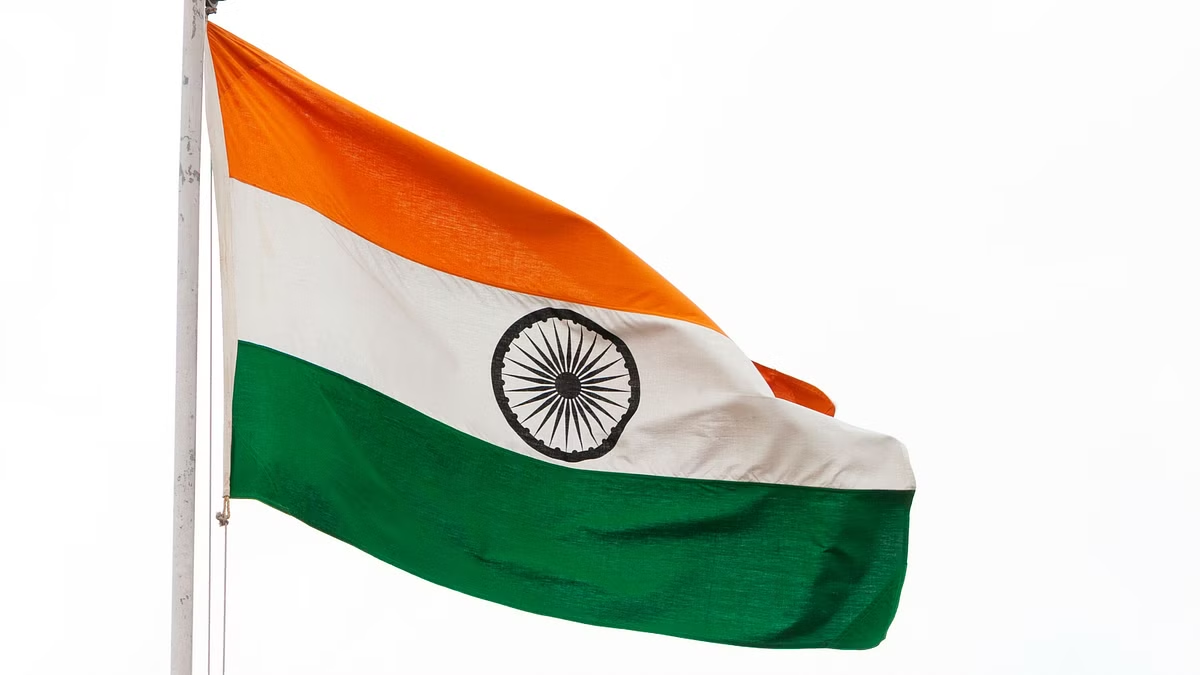
  • India Celebrates 78th Independence Day

    India Celebrates 78th Independence Day

    Prof. Indrajit Saluja
    By Prof. Indrajit S. Saluja

    As India celebrates its 78th year of independence, it is natural to reflect on the long and arduous journey that led to this momentous occasion. India’s struggle for freedom is a story that spans thousands of years, marked by resilience, sacrifice, and an unyielding desire for self-determination. This narrative is not just about the last few centuries but stretches back to a time when India was subjected to invasions and foreign rule for over a thousand years.

    India’s history is one of both glory and subjugation. Before the 7th century BC, the Indian subcontinent saw invasions by figures like Alexander the Great, who came, conquered, and left. These early invaders did not stay long enough to leave a lasting imprint on the subcontinent’s socio-political fabric. However, beginning in the 7th century AD, India began to experience a series of invasions by Muslim rulers from Central Asia, the Middle East, and Persia. Unlike their predecessors, these invaders did not merely come to plunder; they came to stay.

    The first significant Muslim invasion was by Muhammad bin Qasim in 711 AD, who conquered Sindh. This was followed by a series of invasions by rulers like Mahmud of Ghazni and Muhammad Ghori, who laid the foundations for Muslim rule in India. By the 12th century, these invaders had established several Sultanates, with the Delhi Sultanate being the most prominent. Over time, the Mughal Empire rose to power, and by the 16th century, it had consolidated much of the Indian subcontinent under its rule. The Mughals, unlike their predecessors, became an integral part of India’s cultural and political landscape, blending their traditions with the indigenous ones.

    The Mughal Empire’s decline in the 18th century opened the door for the British to establish their control over India. The British East India Company, initially a trading entity, gradually became a political power, exploiting the fractured state of the subcontinent. By 1858, after the failure of the Indian Rebellion of 1857, India officially became a British colony, ushering in over 200 years of British rule.

    British rule in India was characterized by economic exploitation, social discrimination, and cultural subjugation. The British systematically dismantled India’s traditional industries, such as textiles, to serve their economic interests, leading to widespread poverty and famine. The infamous Bengal Famine of 1943, which resulted in the deaths of millions, was a direct consequence of British policies that prioritized war efforts over the welfare of the Indian people.

    Socially, the British implemented policies that deepened existing divisions in Indian society, particularly along caste and religious lines. The policy of “divide and rule” was used to prevent a unified resistance against British rule. This period also saw the introduction of English education, which, while creating a new class of educated Indians, also alienated them from their own culture and traditions.

    Culturally, the British sought to impose their values and norms on Indian society, often dismissing India’s rich heritage as inferior or backward. Indian art, literature, and traditions were either appropriated or marginalized, leading to a sense of cultural inferiority among many Indians.

    Despite the oppressive nature of British rule, India was not a passive victim. The Indian struggle for freedom is a unique and unparalleled story of resilience and sacrifice. From the early resistance movements of the 19th century to the mass movements of the 20th century, India’s freedom struggle was characterized by a diverse range of approaches and ideologies.

    The first significant resistance to British rule came in the form of the Indian Rebellion of 1857, also known as the First War of Indian Independence. Although the rebellion was ultimately unsuccessful, it marked the beginning of a long and determined struggle for freedom. In the late 19th century, leaders like Dadabhai Naoroji, Bal Gangadhar Tilak, and Gopal Krishna Gokhale began to demand greater political rights for Indians, laying the groundwork for the Indian National Congress, which was established in 1885.

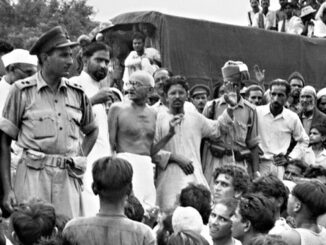
    The early 20th century saw the emergence of Mahatma Gandhi as the leader of the Indian freedom movement. Gandhi’s philosophy of non-violence, or “Ahimsa,” became the cornerstone of the Indian struggle for independence. Unlike other freedom movements around the world, which were often characterized by violent uprisings, the Indian freedom movement under Gandhi’s leadership remained largely non-violent, even in the face of brutal repression by the British.

    The Non-Cooperation Movement (1920-1922), the Civil Disobedience Movement (1930-1934), and the Quit India Movement (1942) were some of the major mass movements led by Gandhi that mobilized millions of Indians from all walks of life. These movements were marked by widespread boycotts of British goods, non-payment of taxes, and peaceful protests. The Salt March of 1930, where Gandhi and his followers marched 240 miles to the Arabian Sea to make salt in defiance of British laws, became a symbol of India’s resolve to achieve freedom through non-violence.

    However, the Indian freedom struggle was not without its sacrifices. Thousands of Indians were imprisoned, tortured, and killed by the British for their participation in the freedom movement. The Jallianwala Bagh massacre of 1919, where British troops opened fire on unarmed protesters, killing hundreds, remains one of the darkest chapters in the history of British rule in India. Despite these atrocities, the Indian people remained steadfast in their commitment to achieving freedom.

    On August 15, 1947, India finally achieved its hard-earned freedom. The joy of independence, however, was tempered by the tragedy of partition. The British decision to divide India into two separate nations, India and Pakistan, led to one of the largest mass migrations in history. Millions of Hindus, Muslims, and Sikhs were displaced from their homes, leading to widespread violence and the loss of countless lives. The wounds of partition remain a painful memory for many, even as India celebrates its independence.

    Despite the challenges of partition, India set out to build a new nation based on the principles of democracy, secularism, and social justice. The Indian Constitution, adopted in 1950, enshrined these principles and provided a framework for the country’s development.

    One of the most remarkable aspects of India’s post-independence journey has been its economic progress. At the time of independence, India was an impoverished nation with a predominantly agrarian economy. The early years of independence were marked by efforts to build a self-reliant economy through policies of import substitution and industrialization.

    In the 1990s, India embarked on a path of economic liberalization, opening up its economy to global markets and foreign investment. This shift marked the beginning of India’s transformation into one of the world’s fastest-growing economies. Today, India is the fifth-largest economy in the world, and it is poised to become the third-largest within the next decade.

    India’s economic progress is not just about GDP growth; it is also about the empowerment of its people. The country has made significant strides in reducing poverty, improving healthcare and education, and expanding access to basic services like electricity and clean water. The rise of the Indian middle class, coupled with advancements in technology and innovation, has positioned India as a global leader in various sectors, including information technology, pharmaceuticals, and space exploration. Over the past 78 years, India has made significant strides in various fields, from science and technology to education and healthcare.

    India’s rise on the global stage is not just limited to its economic achievements. The country’s rich cultural heritage, which spans thousands of years, has earned it respect and admiration worldwide. Indian art, music, dance, and literature are celebrated across the globe, and Indian traditions like yoga and Ayurveda have gained popularity in many countries.

  • The top court as custodian of liberties

    The top court as custodian of liberties

    The Manish Sisodia case raises the question whether the liberty of individuals can be held hostage to the benevolence or sense of fairness of the prosecutor alone

    “In eventually restoring Mr. Sisodia’s liberty, pending the final decision in his case, the apex court has redeemed itself of the charge of ambivalence in the earlier rounds despite the existence of legal and factual basis for bail. It need not now ‘trudge on the debris of conscience’. The judgment would have served its purpose if undertrials are not made to languish in custody endlessly, with their freedom, reputation, privacy and dignity irretrievably lost without apology or recompense. And, the nation must repurpose its politics away from personal animosities in an ennobling pursuit of justice and dignity for all, thereby revitalizing a democracy under stress.”

    By Ashwani Kumar

    Former Delhi Deputy Chief Minister Manish Sisodia’s enlargement on bail by the Supreme Court of India, after an unconscionably long incarceration, is a welcome vindication of the apex court’s remit as custodian of individual liberties. In an eloquent exposition of its mandate, the Court reiterated that ‘a constitutional court has to lean in favor of constitutionalism and the rule of law of which liberty is an intrinsic part…’

    Citing its judgment in Arnab Manoranjan Goswami vs The State of Maharashtra and Ors. (2020), it reaffirmed that ‘liberty across human eras is as tenacious as tenacious can be’. Reiterating the salutary constitutional principle expounded as early as 1977 by Justice V.R. Krishna Iyer, that bail is the rule and jail an exception, the Court reaffirmed that the right to fair and speedy trial was implicit in the right to life under Article 21. It concluded that this right was denied to Mr. Sisodia.

    Earlier observations
    In arriving at its conclusions, the Court relied on the observations of the Court in its first order of October 30, 2023 (Manish Sisodia vs Central Bureau of Investigation), and also the submissions advanced before it in the first round, adverting particularly to the 56,000 pages of documents and 456 witnesses (at that stage which, numbers were subsequently increased) in the two cases — and which the Court felt could delay the trial and conclusion of the case inordinately. It also referred to and relied upon several of its judgments, from Kashmira Singh (1977) till the later decisions— (in P. Chidambaram (2020) and Satender Kumar Antil (2022) — on the accused’s right to speedy trial. To these could be added the Court’s decision in Sheikh Javed Iqbal (2024).

    Stating further that the constitutional mandate must prevail as the higher law, the apex court ruled, in Manish Sisodia vs Directorate of Enforcement, purposively that ‘the right to bail in cases of delay, coupled with incarceration for a long period, depending on the nature of the allegations, should be read into Section 439 Cr.PC and Section 45 of the PMLA [Prevention of Money Laundering Act]’.

    In its entirety, the judgment must gladden the hearts of libertarians, considering the troubling and persistent apprehensions about the weaponizing of the stringent penal laws in the country, and concerns about the oppressive application and implementation of the PMLA. Taking cognizance of the information furnished to Parliament recently, the Court noticed that out of the over 5,000 cases brought under the PMLA in the last 10 years, only 40 cases resulted in convictions. In his statement in the Rajya Sabha, the Minister of State for Finance disclosed that ‘the ED filed 15 enforcement case information reports (ECIRs) in 2019, followed by 28 in 2020, 26 in 2021, 34 in 2022, 26 in 2023 and three in 2024 as on July 31. Only one conviction in the cases was reported to have been made in 2020.

    Clearly, the processes of our criminal justice system, leading to endless delays, are oppressive, with procedure itself being the punishment. The reality of the technicalities of procedural laws defeating justice has been judicially recognized and eloquently summed up as ‘the mortality of justice at the hands of law’ — Sushil Kumar Sen (1975); Rani Kusum (2005).

    A caveat
    Notwithstanding its unexceptionable constitutional merit, the judgment begs a troubling question. Was it right for the Court, consistent with its other observations in the first round, to condone the custodial confinement of the accused based on the statement of the prosecution that the trial would be completed within six to eight months? Or to extend the detention of the accused on the basis of the prosecuting counsel’s statement recorded in the Court’s second order of June 4, 2024 that the complaint/charge sheet would be filed on or before July 3, 2024? In a sense, does this not make the prosecutor a judge in its own cause, contrary to the first principles of natural justice and vitiating at its core the procedural imperatives of fair trial?

    The guarantee of civil liberties
    In our constitutional scheme, the liberty of individuals cannot be held hostage to the benevolence or sense of fairness of the prosecutor alone. It must stand on the unbreachable foundation of justice anchored in inalienable rights ‘born in flesh, carried in our bodies from birth to death’. We know that sacrosanct rights ‘undergrid’ the law; that there is no virtue in legal processes that are unjust and laws that fail to render justice must be changed. Denial of freedom is denial of humanity itself. Therefore, its preservation against excesses of the executive is the first charge on the apex Court’s constitutional and moral authority. Although the ultimate guarantee of civil liberties lies in the faith and assertion of the people, as Justice Robert Jackson of the United States reminded us in Douglas vs City of Jeannette (1943), the courts’ auxiliary protection against encroachment of human rights is the crucial test of a vibrant democracy.

    In eventually restoring Mr. Sisodia’s liberty, pending the final decision in his case, the apex court has redeemed itself of the charge of ambivalence in the earlier rounds despite the existence of legal and factual basis for bail. It need not now ‘trudge on the debris of conscience’. The judgment would have served its purpose if undertrials are not made to languish in custody endlessly, with their freedom, reputation, privacy and dignity irretrievably lost without apology or recompense. And, the nation must repurpose its politics away from personal animosities in an ennobling pursuit of justice and dignity for all, thereby revitalizing a democracy under stress.

    (Ashwani Kumar is Senior Advocate, Supreme Court of India and a former Union Minister for Law and Justice.)

  • Justice delayed is Justice denied

    Justice delayed is Justice denied

    By Dipti Jain

    Justice delayed is justice denied. We stand proud as strong and dynamic women of Indian origin, but our heads hang in shame today. Shame that we need to raise a voice, a war cry, for something so heinous that it sends a chill right to our bones. We all qualified as doctors, mostly in India, and now work as leaders in our own fields all across the globe. We are respected and stand tall and proud as daughters, sisters, wives, mothers and friends of South Asian origin. We were once that hard working young doctor trying to establish ourselves and further ourselves. But not at the cost of what one young doctor had to pay on the grim night. She was brutalized and barbarically raped and killed in a place where people go to heal. She worked in Kolkata, India considered by most as the cultural capital of beautiful India. There is nothing cultural or beautiful that has now revealed itself in front of us and we feel moved and compelled to say something. When did the doctor who has worked for 36 hours straight, agree in her oath, that she could be used, abused and disposed of. We take center stage to present some of our views here. The space where we can pen this is but small, and the names mentioned are only few. However, our feelings have no bounds, we weep at what is happening and on the eve of the 78th year of Independence of our young and dynamic country we implore that every person that can think for themselves, do that, and say something, and thus join us to raise our roar in protest …says Dr Gauri Batra Consultant Pediatric and Perinatal Pathologist Manchester UK

    We have worked in those spaces fearlessly just 30 years ago. The shield of white clinical apron was like a “Lakshman Rekha “where everyone called us “Daktar Didi “ How did the attitudes change so drastically that no space is deemed safe for kids and women now More needs to be done by each and every member of our fraternity We stand in solidarity for our fraternity, for sisterhood for our future generations safety .. comments Dr Dipti Jain Geriatrician; Lead for Pan UK Asian Doctors; Chairperson, Medicos Women Charity Organisation; and Chairperson, British Women in Sarees, Brighton UK.

    A few small words from our community: “Rabindranath said- Rekhecho Bangali kore Manush koroni Eibaar to Manush hou. Let us please be human for once!
    ….Dr Soumita Adhikary, Pediatrician, Sutton Coldfield

    “??Goddess ??? In the land of goddess, a goddess stays slayed! In the land of shakti she lies powerless, be it doctor, engineer, housewife or any girl in society today. Wake that anger to destroy the evil Laments Dr Vinita Shrivastava, Developmental pediatric Dubai /UK”
    “Justice for the victim and for the safety of young professionals and young women at work! Debjani Banerjee, New Jersey, USA”
    “United we shall fight and we will win the evils …until then there is no justice for Abhaya…remember Mahabharata happened for Draupadi’s cheerharan says Dr Sudipta Sen, Pediatrician London”.

    It highlights the erosion of morality and values. It shows how little care and concern is shared about the most hardworking section of our health service. It is time for the Government, Medical Societies and the Medical Council to take a deep look at how leaders are held accountable, establish a transparent governance process, overhaul all corrupt influences and start afresh, says Professor Suparna Dasgupta, Manchester

    “How many nights I have spent in the hospital “alone” while being on call or travelled home “alone” in the deepest, darkest hours of night but never felt unsafe. We need investment into changing the infrastructure to ensure workspace safety”, says Dr Sonela Basak from Cambridge, UK.

    “If this is not investigated on a war footing and justice dealt out appropriately and swiftly, then the whole nation has failed womenkind all over. This is a crime not just against a doctor, but against humanity. In this age of technology, a leading government hospital needs to think beyond just a temporary CCTV.” Dr Chetana Sen, Specialist in Stroke and Neurology, University Hospital of North Durham, UK, says.
    “No more silence, no more fear. We demand safety here for our female physicians. Safety is our right . Accountability for all! Find the perpetrators and punish them. Her voice was silenced, but ours will roar for justice!”, says Dr Panchali from New Jersey
    “ May justice prevail and every demon responsible for this heinous crime be named , shamed & strongly punished . Let’s remember this beautiful soul as a hero who bravely battled injustice and crime till the end . Respect !” 🙏🏻 Dr Kiran Chitale Consultant Child & Adolescent Psychiatrist, London.
    “Our doctors’ community in California stands resolutely against all forms of violence, and we are determined to honor the memory of our colleagues by fostering an environment of safety and support for everyone. We will not rest until justice is served and our community is safe from such senseless violence”, Dr. Salma Khan, Associate Professor Loma Linda USA said.
    “Pray that Mahisasuramordini (Goddess Durga) appears on earth to punish the culprits”, says Dr Tina Dutta Gupta, GP/Psych, London.
    “ Let there be systems in place how young 18-year-olds entering the profession can raise their voice against injustice and feel safe in workplace”, says Dr Sulagna Chakrabarti, Consultant Child and Adolescent Psychiatrist, London.

    “The recent unfortunate incident in RG Kar hospital Kolkata has once again raised the ever-persisting issue of pathetic working conditions and safety and security of junior doctors”, says Dr Sarmistha Gupta, Consultant Radiologist, Dubai, UAE. “The heinous crime brutally raped and killed is a reflection of worsening conditions for physicians working in India. “
    “I support the movements by medical trainees in India.” Dr Deepu Mirchandani, Retired medical oncologist and clinical researcher (BC Cancer, Canada) said.
    “The city that once gave me so much has become a place where monsters are harbored, nurtured, and even empowered within the very institutions meant to protect us—our educational centers Their negligence is a tragic betrayal. I pray that those monsters responsible for her death are found and face the full weight of justice”, says Dr Queenie Decosta, USA.
    “ Let us all raise our voice in strong protest. My sincere condolences and apologies to the parents of the young lady… we failed you all”, laments Dr Chandrani Biswas, ENT specialist, Birmingham.
    “History repeats itself, goes the saying…… well, it does …. men are literally going back to barbarism ….. I am sure postmortem report would be evidence enough for any appropriate capital punishment”, says Hima Hoskote, London.

    “I never felt unsafe in the hospital when I used to work but times have changed which demands in-depth understanding and bringing in the change to secure our girls in India”, Dr. Garima Agrawal MD, Peoria, IL USA said.
    “Kolkata, once the city of joy is today turned into city of pain and crime. We need to protest in one voice and continue to protest till change occurs. May the deceased young lady’s soul find peace and may her family find the strength and courage to bear their irreparable loss” said Dr Rina Mukherjee, Germany.
    (Dr Dipti Jain is a Geriatrician. She is Lead for Pan UK Asian Doctors, Chairperson, Medicos Women Charity Organisation, and Chairperson British Women in Sarees Brighton UK)

  • Kolkata doctor rape-murder: AIIMS-Delhi doctors to continue protest; CBI begins probe

    Kolkata doctor rape-murder: AIIMS-Delhi doctors to continue protest; CBI begins probe

    KOLKATA (TIP): A team of senior CBI officers reached Kolkata on Wednesday, August 14 morning to investigate the alleged rape and murder of a woman doctor at a state-run hospital in West Bengal, sources at the Central agency said.

    The CBI team, which comprises medical and forensic experts, will visit the RG Kar Medical College and Hospital’s seminar hall where the body of the trainee doctor was found on August 9, they said.

    The Calcutta High Court on Tuesday, August 13, ordered the transfer of the probe from the Kolkata Police to the Central agency. A source in the Central Bureau of Investigation (CBI) said that the agency has filed an FIR under relevant sections of the Bharatiya Nyaya Sanhita (BNS) in New Delhi in connection with the alleged rape and murder of the doctor.

    “Today, our officers will seek the call details of the deceased woman and those on duty on that day. They may submit the FIR in a local court,” another central agency source said.

    The CBI may take Sanjay Roy, who was arrested by Kolkata Police in connection with the case, into its custody during the day, he said. Two CBI officers on Tuesday, August 13 evening went to the Tala Police Station here and took documents related to the Kolkata Police’s investigation. The court directed the city police to hand over the case diary to the Central probe agency by this evening, and all other documents by 10 am on Wednesday.

    Meanwhile, the Federation of Resident Doctors’ Association (FORDA) called off its strike late on Tuesday as Union Health Minister JP Nadda accepted their demands.

    However, the medics at the Central Government-run AIIMS, the Indira Gandhi Hospital and other resident doctors’ associations, including the Federation of All India Medical Associations (FAIMA) told PTI that their stir would continue until a Central law to curb attacks on medical personnel is implemented and a concrete solution found.
    (Source: PTI)

  • Homage paid to victims of partition  on “Partition Horrors Remembrance Day”

    Homage paid to victims of partition on “Partition Horrors Remembrance Day”

    NEW DELHI (TIP): Prime Minister Narendra Modi on Wednesday, August 14, 2024) recalled the sufferings of people impacted by India’s partition and reiterated the commitment to always protecting the bonds of unity and brotherhood in the nation.

    On the Partition Horrors Remembrance Day, he said, “We recall the countless people who were impacted and greatly suffered due to the horrors of Partition. It is also a day to pay tributes to their courage, which illustrates the power of human resilience. A lot of those impacted by Partition went on to rebuild their lives and attain immense success.” He added, “Today, we also reiterate our commitment to always protect the bonds of unity and brotherhood in our nation.”

    Union Home Minister Amit Shah also paid tributes to all those who suffered during India’s partition in 1947, saying a nation that remembers its history can build its future and emerge as a powerful country. “On Partition Horrors Remembrance Day my homage to the millions who suffered inhumane pains, lost lives, turned homeless during this most hideous episode of our history,” Mr. Shah wrote on ‘X’.

    He said observing this day is a foundational exercise in the process of nation-building under the leadership of Prime Minister Narendra Modi.

    The Modi government has been observing August 14 as the ‘Partition Horrors Remembrance Day’ since 2021 in remembrance of those who lost their lives during the country’s partition.

    While making the announcement about the ‘Partition Horrors Remembrance Day’ in 2021, PM Modi had said the day would be observed in the memory of the struggles and sacrifices of people as the pain of partition can never be forgotten.

    Mr. Modi had also noted that millions of people were displaced and many lost their lives due to mindless hate and violence caused by the partition.
    (Source: TIP)

  • SEBI-Hindenburg-Adani row shows mishandling of credibility crisis

    SEBI-Hindenburg-Adani row shows mishandling of credibility crisis

    It is imperative that SEBI remains credible and is seen to adhere to the rules & compliance standards it imposes on all stakeholders.
    India’s national interest is not served by defending one business group. With a market capitalization of several lakh crores of rupees and the savings of countless ordinary people riding on the market, it is imperative that SEBI remains credible and is seen to adhere to the rules and compliance standards it imposes on all stakeholders.

    By Sucheta Dalal

    The manner in which India’s market regulator, the Securities & Exchange Board of India (SEBI), has gone about investigating the astounding rise in share prices of the Adani Group has been troubling for independent observers, even before Hindenburg Research released its explosive report in January 2023. This harks back to the tenure of another chairperson who is now associated with the industry group, but it was always assumed that SEBI’s reluctance was primarily due to political compulsions.

    Having ignored the inexplicable price run-up, SEBI, under the present chief, framed its post-Hindenburg investigation primarily on short-selling activities. Even a novice investor understands that short-selling opportunities emerge only when stock prices soar far beyond a company’s fundamentals or future prospects. The explosive new ‘whistleblower’ documents released by Hindenburg Research on August 10 give a new twist to the issue and have led to a full-blown credibility crisis at the market regulator. They question chairperson Madhabi Puri Buch’s (MPB) integrity and disclosure with a set of facts and documents.

    As one of the top five capital markets in the world and a key resource mobiliser for the Indian economy, restoring confidence in the independence of our regulatory mechanism is of paramount importance today. What we are witnessing instead is a textbook example of how not to handle such a situation. In the 36 hours since Hindenburg released its sensational allegations, there has been silence from the government and the finance ministry, which oversees SEBI. Instead, we have seen a series of statements from those involved, which raise more questions than they answer.

    Late on Sunday night, SEBI decided that Hindenburg’s allegations “warrant an appropriate response”. When serious allegations are made against the chairperson and the regulator, an appropriate response cannot be anonymous. It is unclear who is taking responsibility for the press release or whether the issue was even discussed by the board or with the ministry. Exhibiting a complete lack of understanding of the situation, SEBI issued an unsigned press release listing its actions in the Adani matter and defending the chairperson without any semblance of inquiry. It claims that MPB had “recused herself in matters of potential conflicts of interest”; whether she did so in the Adani investigation is not answered.

    Meanwhile, there seems to be a concerted attempt to question Hindenburg’s credibility and silence or discredit anyone attempting a serious analysis. Unless the government comes up with a nuanced response, these actions will only harm India’s credibility.

    Despite the clarifications offered by various parties, many issues require further scrutiny. It is now an indisputable fact that MPB and her husband had investments in an offshore entity (Global Dynamic Opportunities Fund Ltd), which was part of the same nested entities used by Vinod Adani (Gautam Adani’s brother) that were under SEBI’s investigation. This warranted a clear disclosure.

    SEBI has a precedent of the chairperson (CB Bhave) being ring-fenced from issues, even when they did not involve personal investments. Even if the investment was redeemed, MPB ought to have recused herself and created a board-monitored committee, perhaps comprising the three whole-time members, to handle the Adani investigation, in consultation with the government. Since this did not happen, it raises questions about MPB’s two meetings with Gautam Adani while the investigations were ongoing. No disclosure or recusal happened even when the matter reached the Supreme Court and an expert committee was appointed, specifically to examine if there were regulatory lapses in investigating the Adani Group.

    MPB’s dealings with Trident Trust Company are perplexing. On the one hand, a letter from her husband Dhaval Buch states that their “accounts be registered solely in his name”, yet the email registered to the account remains that of MPB, who continues to receive investment details. Why did she send a redemption request from her email in 2018 when the funds were solely held by Dhaval? In India, this would have fallen foul of compliance requirements and attracted penal action by SEBI. It now raises red flags about the real ownership of funds.

    MPB and her husband have confirmed their holdings in two separate consultancy companies. MPB says she transferred her entire holding in the Singapore entity, Agora Partners, to her husband, who became a 100 per cent shareholder in March 2022. This was two weeks after being appointed chairperson in her second stint at SEBI. She continues to hold a 99 per cent stake in the India-registered Agora Advisory Pvt Ltd. While the couple says the two entities “became immediately dormant on her appointment with SEBI” in 2017, Hindenburg has released documents showing that the Indian entity is active and generating revenue.

    The clarificatory statement by MPB and Dhaval itself seems contradictory. It says that Dhaval started his own consultancy practice through these companies after retiring from Unilever. This confirms that the company is not dormant, so it is unclear if ‘prominent clients in the Indian industry’ that it does business with are SEBI-regulated entities, since the SEBI chairperson remains a 99 per cent owner of the firm.

    Another disclosure by 360 One Wam Ltd (formerly IIFL Wealth Management) revealed investment details of MPB and her husband, raising a crucial question posed by MP Mahua Moitra: if foreign portfolio investment records down to the last natural person were made available so quickly by one entity, why did SEBI “hit a wall” in its investigation, as noted by the Supreme Court?

    An independent, time-bound investigation leading to credible action, one way or another, alone will restore SEBI’s credibility. Rather than a politically motivated joint parliamentary committee, a suggestion by former Revenue Secretary EAS Sarma seems a better option. Since the apex court has not yet closed the Adani cases, Sarma suggests that the Chief Justice could nominate a senior member of the judiciary to head an inquiry commission under the Commissions of Inquiry Act, 1952.

    India’s national interest is not served by defending one business group. With a market capitalization of several lakh crores of rupees and the savings of countless ordinary people riding on the market, it is imperative that SEBI remains credible and is seen to adhere to the rules and compliance standards it imposes on all stakeholders.
    (The author is a senior journalist)

  • Contrasting retirements of Vinesh and Sreejesh see culmination of the Indian campaign in the Paris Olympic Games

    Contrasting retirements of Vinesh and Sreejesh see culmination of the Indian campaign in the Paris Olympic Games

    By Prabhjot Singh

    Lanky goalkeeper from Kerala, PR Sreejesh, chose an opportune moment to say goodbye to competitive hockey. His heroics helped India to win back-to-back- bronze medals in Olympic hockey. For India, it was India’s fourth bronze medal of the games. Two contrasting retirements announced during the past two days have set in motion, animated debates in Indian sports circles. After the weighing-in fiasco in the 50 kg event in wrestling for women forced Vinesh Phogat to say goodbye to competitive sport, goalkeeper Sreejesh had declared that the Paris Olympic Games would be his last international outing. Vinesh Phogat left on a bitter note. For the year preceding the Olympic Games, she was out in the streets fighting for the dignity and honor of her fellow wrestlers and women grapplers. She faced the wrath of the police normally associated with its strong-arm tactics in handling peaceful demonstrations. Her pleas to the Union Government, including the Prime Minister, against the alleged “misconduct of the President of the Wrestling Federation of India”, went unheeded. The only outcome of the struggle led by Vinesh was a change in the leadership of the Federation. The “controversial” outgoing President got his nominee installed in his place. She could not compete in any international wrestling meet for the whole year. The Federation chose another wrestler in the weight category – 53 kg – she used to compete. Instead, she was offered a higher weight – 57 kg – category for the Paris Olympic Games. Vinesh chose a lower weight – 50 kg – category.
    She put up a performance unprecedented by any woman wrestler of the past. In three bouts she participated in the Paris Olympic Games, she defeated world and defending Olympic champion Yui Sasuki of Japan besides Oksana Livach of Ukraine. In the semi-finals, she took on Guzman Lopez of Cuba. She majestically marched into the gold medal round where she had set up a summit clash with American Sarah Ann Hildebrandt.
    Weighing-in ceremony on the day of her glory turned out to be her nightmare. Shocks were aplenty in store for her. She weighed 100 gm more than the maximum body weight permissible in the category. She was disqualified. She was also deprived of the credit for winning three bouts she had contested legitimately by adhering to the weighing-in norms.
    She lost her battle. She tweeted “Mother wrestling you won, I lost.” It expressed her anguish as her struggle spanning over three Olympic Games ended in agony, despair, and humiliation. In Rio, she got injured and in the second Olympics in Tokyo, she got no respite, and Paris left no choice but to say goodbye to a sport she dedicated her entire life. She left the Olympic village disappointed, dejected, and tired. It came as a sad end to a career in a sport where women were made to fight for their dignity and honor while pursuing their future in sports.
    Sreejesh, on the other hand, decided to say goodbye to a sport he remained associated with for more than two decades. Two bronze medals are no mean achievement in a sport where India won an Olympic medal after a gap of 41 years in Tokyo.
    He played a stellar role in the just concluded hockey competition for men, performing consistently well throughout the tournament, executing several superb saves, including a couple in the penalty shootout in the quarterfinals against Great Britain.
    India started its Olympic campaign with a bronze medal in shooting. Competing in her second Olympic Games, Manu Bhaker, a shooter from Jhajjar in Haryana, opened the country’s account with a podium finish in the 10 m Air Pistol event. three bronze medals in shooting, there was a hiatus in the hunt for medals.
    Manu Bhaker emerged as the new sports icon of the country as she got her second bronze in the same games in the 10 m Air Pistol Mixed team event in partnership with Sarabjot Singh. She came close to winning her third successive medal in Paris as she finished a close fourth in her pet event of 25 m Air Pistol.
    Swapnil Kusale became the first male athlete to win a medal for India in Paris. He finished third in the 50 m Air Rifle 3 positions. Other shooters came close but could not win a medal. Arjun Babuta was one of them. Expectations were high from the 117-member squad that had set a target of getting into double figures for its medal tally. The slogan “Iss bar, dusk ke paar” looked working at the start. But once the medal hunt in shooting came to a standstill, the Indian challenge started fizzling. Vinesh Phogat had raised hopes of first-ever silver or gold in women’s wrestling. But it was not to be. Rather, it left a bitter taste in the mouth. Quest for ascertaining the truth behind the unsavory controversy may continue for a while till one of the parties breaks the silence on the subject.
    The Badminton squad also gave hopes of a couple of medals, including third in a row by women’s singles ace, PV Sindhu, and our world champion men’s doubles champion team of Rankireddy and Chirag Shetty. After these medal hopes failed to cross the pre-quarterfinal hurdle, Lakshya Sen emerged as a strong contender for first-ever badminton medal in the men’s section. He, however, met his Waterloo in the defending champion Viktor Alexsen before losing the bronze medal hope to Malaysian Zii Jin. Bronze medal triumph in hockey warmed the cockles of hearts of ardent not only in the country but worldwide.

  • Naga Panchami

    Naga Panchami is a festival of profound significance in India. Hindu devotees across the country pay their respects to the Naga Gods during Naga Panchami. They make serpents from wood, silver, or stones for the occasion. People also use paintings of Naga or snakes. During this auspicious celebration, they offer milk, sweets, and fruits to the serpent. People also provide offerings to live snakes, like cobras, on this day. It is essential to take the assistance of a snake charmer for that. Here, in this article, we will discuss the origin, stories, celebrations, and significance of Naga Panchami.
    We celebrate Nag Panchami on the Panchami Tithi of Shukla Paksha in the Hindu month of Shravana. It comes either in July or August. The Nagoba Temple, located in the Nagpur district in Maharastra, is famous for conducting the Nag Panchami Festival. Through this festival, devotees, especially women, seek the blessings of Lord Naga. People ask for his forgiveness, and they pray for attaining happiness and fulfillment for their families. Naga Panchami is also known as Nag Chathruti and Nagil Charithi. There are different names for the occasion in various parts of the country.
    Legends related to Naga Panchami
    Naga Panchami is a festival that has been celebrated for a long time in India. Agni Purana, Skanda Purana, Narada Purana, Garuda Purana, and other Hindu Puranic texts also refer to Naga Panchami. In the Puranic literature, we can find a reference to how the Naga clan came into existence. Lord Brahma’s son, Kashyapa, married Kudru and Vinata, daughters of Prajapati. Kudru gave birth to the Naga clan.
    In Garuda Purana, there is a description of why we offer milk and sweets to Naga Devas on Naga Panchami. As per the text, the reason is that it will provide us with good things in our lives. After we offer milk to snakes, we have to feed Brahmins too. It is an essential part of the ceremony. There are different legends associated with its origin.
    One of them bases itself on the story of Takshak, the king of snakes. We can find it in Mahabharatha. King Takshak killed Parikshit, king Janamya’s father. Angered by the incident, king Janamya decided to organize a Yagna. The Yagna was to remove the Naga clan from the world. As the Yagna proceeded, Astika Rishi came and stopped the Yagna. We celebrate the day on which Astika Rishi interfered with the Yagna as Naga Panchami.
    Another legend relating to Naga Panchami is that it is on that day, Lord Krishna killed Kaliya Nag or snake. Lord Krishna removed Kailya from the world to protect the people belonging to Gokul. Devotees believe that we celebrate Naga Panchami on that basis. How do we celebrate Naga Panchami?: Celebrations of Naga Panchami differ according to the regions in India. As we have already discussed, devotees offer milk to live snakes or figures of serpents.
    In some parts, they offer rice pudding and lotus flower placed in silver bowls to the Nagas. During the Naga Panchami, it is essential to clean our houses. We can conduct Naga pujas as well. You can place the image of Naga Deva or an idol and organize the prayers. It is beneficial to light lamps during the Naga Panchami. You can also perform Sankalpa during the Naga pujas.
    There are places where people draw Rangolis of serpents in their houses as part of the festival. They make these Rangolis using natural colors. In some areas, people draw images of snakes in front of their homes or on the door. In certain villages, people go on searching for anthills. They offer incenses and milk in front of these anthills. They also pour milk into the anthills as a way of conveying their reverence. There are various other ways of celebrating Naga Panchami as well.
    Significance of Naga Panchami
    There are countless significances associated with Naga Panchami. Here, we will look at some of the most relevant points.
    – By celebrating Naga Panchami and offering milk to the Naga Devas, we can overcome the “Kaal Sarp Dosh” in our horoscopes.
    – Many people fast on the day of Naga Panchami. The reason behind it is that they can overcome their fear of snakes and snakebites.
    – During the time of Naga Panchami, it is the rainy season. Snakes leave their burrows during that time as they would be submerged in water. There are chances of snakes attacking humans out of fear. You can overcome such situations by feeding them milk or sweets. As snakes have sharp memories, they would remember the person who offered them milk or food. So, the snakes would not attack these people. It is yet another reason why people celebrate and provide food to snakes during Naga Panchami.
    – Naga Panchami and the pujas we conduct in association with it show that it is essential for us to respect all forms of life. There should not be any indifference in viewing other living things. We have to consider them equal to us.
    – During Naga Panchami, we must not dig the ground. It is taboo. It is because it can lead to the death of snakes.
    – Naga Panchami is also known as Bhatru Panchami. Here, women offer milk to snakes as a way of protecting their brothers from any danger. Thus, Naga Panchami is a Hindu festival of great importance. Devotees perform different pujas and provide offerings to snakes. We can attain happiness, prosperity, and well-being by taking part in this festival for ourselves and our families
    Many stories are prevalent in ancient stories. One of them is as follows – A farmer lived in a state. The farmer had two sons and a daughter. One day, three snake children crushed and died while running the plow. The serpent kept mourning at first and then went to take revenge on the murderer of the child. In the night, the serpent bites the farmer, his wife and both boys. The next day the serpent arrived to bite the daughter of the farmer, the daughter of the farmer placed a bowl full of milk in front of the serpent and folded his hands and started apologizing. The serpent delighted, raising her parents and both brothers alive. That day was Shravan Shukla Panchami. Since then serpents are worshiped on this day to avoid the wrath of the serpent.

  • Varanasi: The spiritual capital of India

    Varanasi, or Benaras, (also known as Kashi) is one of the oldest living cities in the world. Varanasi`s Prominence in Hindu mythology is virtually unrevealed. Mark Twain, the English author and literature, who was enthralled by the legend and sanctity of Benaras, once wrote : “Benaras is older than history, older than tradition, older even than legend and looks twice as old as all of them put together. ”
    The land of Varanasi (Kashi) has been the ultimate pilgrimage spot for Hindus for ages. Hindus believe that one who is graced to die on the land of Varanasi would attain salvation and freedom from the cycle of birth and re-birth. Abode of Lord Shiva and Parvati, the origins of Varanasi are yet unknown. Ganges in Varanasi is believed to have the power to wash away the sins of mortals. Ganges is said to have its origins in the tresses of Lord Shiva and in Varanasi, it expands to the mighty river that we know of. The city is a center of learning and civilization for over 3000 years. With Sarnath, the place where Buddha preached his first sermon after enlightenment, just 10 km away, Varanasi has been a symbol of Hindu renaissance. Knowledge, philosophy, culture, devotion to Gods, Indian arts and crafts have all flourished here for centuries. Also a pilgrimage place for Jains, Varanasi is believed to be the birthplace of Parsvanath, the twenty-third Tirthankar.
    Kashi Vishwanath Temple
    Situated on the western bank of holy river Ganga in Varanasi, Kashi Vishwanath Temple is one of the 12 Jyotirlingas or temples dedicated to Lord Shiva. The main deity of Kashi Vishwanath Temple is Lord Shiva, also known as Vishwanatha or Vishweshwarar meaning ‘the ruler of the universe’. The city of Varanasi, the cultural capital of India, is thus known as the city of Lord Shiva. The temple has 800 kg of gold plating on its tower.
    Dashashwamedh Ghat
    Dashashwamedh Ghat, situated on the Ganges River in Varanasi, holds immense religious significance and cultural vibrancy. Renowned for its daily Ganga Aarti, it offers a mesmerizing experience with spiritual rituals, pilgrim activities, and a lively atmosphere. Every evening, Dashashwamedh Ghat hosts the renowned Ganga Aarti, a spiritual ceremony featuring priests conducting rituals with brass lamps and hymns. This captivating spectacle attracts large crowds, creating a divine ambiance.
    Dashashwamedh Ghat serves as a pilgrimage site where devotees take ritualistic dips in the Ganges to cleanse themselves. The ghat’s steps are adorned with numerous shrines, creating a sacred atmosphere. Visitors can engage in boat rides on the Ganges, offering a unique perspective of Dashashwamedh Ghat and the city of Varanasi. The ghat’s proximity to the Kashi Vishwanath Temple adds to its religious aura, creating a significant spiritual hub in Varanasi.
    Sankat Mochan Hanuman Temple
    The Sankat Mochan Hanuman Temple is situated by the River Assi and was built in the 1900s by the freedom fighter Pandit Madan Mohan Malviya. It is dedicated to Lord Rama and Hanuman. Varanasi is always related to Sankat Mochan Temple and is an essential part of this holy city. Every person visiting Varanasi visits this temple and pay their respects to Hanuman.
    The laddoo offered at this temple is essentially famous among the locals.While visiting Sankat Mochan be aware of the monkeys who throng the temple premises and tend to steal away the prasad. However, they are totally harmless if you let them be on their own.
    Varanasi has also been a great center of learning for ages. Varanasi is associated with promotion of spiritualism, mysticism, Sanskrit, yoga and Hindi language and honored authors such as the ever-famous novelist Prem Chand and Tulsi Das, the famous saint-poet who wrote Ram Charit Manas. Aptly called as the cultural capital of India, Varanasi has provided the right platform for all cultural activities to flourish. Many exponents of dance and music have come from Varanasi. Ravi Shankar, the internationally renowned Sitar maestro and Ustad Bismillah Khan, (the famous Shehnai player) are all sons of the blessed city or have lived here for major part of their lives.
    Arts, Crafts and Architecture of Banaras: You will be amused to see that Varanasi is a Museum architectural designs. It presents changing patterns and movements in course of history. It has a rich and original variety of paintings and sculptor styles and equally rich treasures of folk art. During the ages Varanasi has produced master craftsmen and Varanasi has earned name and fame for its Sarees, handicrafts, textiles, Toys, ornaments, metal work, clay and wood work, leaf and fibre crafts. With ancient crafts, Banaras has not lagged behind in Modern Industries.
    The Capital of all knowledge- Discover the most ancient seat of education in India World the famous scholars and their `Shastrarthas’, the great scholars, universities, college, schools, Madarsas and Pathshalas and Guru Shishya traditions, the epics, famous literary works, languages and dialects, journalistic traditions- newspapers and magazine, and famous libraries.
    Organisation of sacred complex and social spaces, the cultural pluristic, linguistic and ethnic groups. Discover the city of affluence, intellectuals, oral traditions, castes and customs, personalities, professions, communal harmony . Discover the rural Varanasi. And finally (and with deep insight) peep into, the pleasure of Pans, Thandai, Gamcha, Bahri Alang and Mauj Masti. Banaras has been famous for its Music both vocal instrumental, it has its own dance tradition. Add to this a very rich stock of folk Music and drama (esp. Ramlila), the tradition Musical soirees, fairs and festival the rich tradition of Akharas, games and sports.
    Discover the ancient College of Plastic Surgery, Sushruta, Dhanvantri (God of Medicine), Divodas, and practice of all the ancient and modern systems of medicine in action.
    Discover the spots around Varanasi, instituions, story of freedom struggle and the martyrs, history of Kashiraj, history of Sarnath, history of Bhadohi (Carpet town), of Mirzapur, of Ghazipur, know about the famous travellers and tourists, of the `Nijam’. And finally having seen the Panorama of Banaras, its continuity of culture, discover the identity of Banaras.

  • Nadeem-Neeraj javelin rivalry can pave the way for sports bonhomie between India and Pakistan Wrestler Aman gets sixth medal for India

    Nadeem-Neeraj javelin rivalry can pave the way for sports bonhomie between India and Pakistan Wrestler Aman gets sixth medal for India

    On Thursday, August 8, Neeraj Chopra’s second throw did the magic for him. An 89.45m long second throw helped him achieve the second position on the podium. His other five throws were all adjudged as fouls. Arshad Nadeem of Pakistan won the gold medal, as he logged a 92.97m throw in his second attempt, creating a new Olympic record. Grenada’s Anderson Peters finished third in the competition after hus 88.54m throw. And Aman Sehrawat wins bronze, becomes India’s youngest Olympic medal winner.

    By Prabhjot Singh

    As long as sports rivalries are confined or restricted to competition venues or playfields, they can pave the way for bonhomie between nations locked in conflicts. The latest rivalry to hit the world of sports is between World Champion Neeraj Chopra and new Olympic champion Nadeem Arshad. They both compete in Javelin throw events in Track and Field. Nadeem Arshad created a new Olympic record when he hurled the javelin to 92.97 meters. Andreas Thorikildsen of Norway held by the previous record of 90.57 m he had set during the 2008 Beijing Olympic Games.
    Meanwhile, India earned its sixth medal, a bronze in wrestling. Aman beat Darian Toi Cruz (Portugal) 13-5 in the bronze medal match in the 57 kg category. Aman had lost to Higuchi Rei of Japan in the semi-finals yesterday.
    Aman has become the only Indian wrestler to win a medal in the Paris 2024 Olympic Games.
    Earlier, the Court of Arbitration for Sport (CAS) started hearing the petition filed by Vinesh Phogat against her disqualification for weighing 100 gm more than the permissible weight in her category. The CAS decision on the appeal is expected before the curtain is rung down on the Games on Sunday.
    Vinesh had won all her three bouts while qualifying for the gold medal match before she was disqualified for being 100 gm overweight on the day of the final.
    Cricket, hockey, kabaddi, and wrestling rivalries between India and Pakistan are well known. They not only act as catalysts in enhancing the performance of players of the rival nations but also serve as great crowd pullers to venues of competitions of such rivalries.
    Neeraj Chopra had become the first Indian athlete – track and field – to win an individual Olympic gold in the Tokyo 2020 Olympic Games. Nadeem Arshad who was placed fifth in the Tokyo Olympic Games created a sensation with a record throw of 92.97 meters to become the new Olympic champion pushing his friend-cum-rival Neeraj Chopra to second spot. Neeraj could clear 89.45 m.
    Incidentally, Nadeem Arshad has become the first Pakistani athlete to win an Olympic gold for his country in the Track and Field events. Only two individual Olympic medals have been won by Pakistan since it got its independence in 1947.
    In the 1960 Rome Olympics, Pakistan won a bronze in wrestling and 28 years later, it got its second individual medal in boxing in Seoul (1988). Now Nadeem has given the country its first-ever individual medal in Olympic sports. Pakistan has been the winner of Olympic hockey gold a couple of times. It first won the hockey crown in the Rome Olympics in 1960.
    Thursday’s (Aug 8) contest between Neeraj Chopra and Nadeem Arshad had assumed tremendous interest as both come from low middle-class families. Neeraj Chopra, now serving the Indian Army, hails from Haryana while Nadeem Arshad comes from Khanwala in Pakistan.
    Khanwala is a small city with a population of over 1.15 lakh. It has three international colleges and a business school. Nadeem had been visiting nearby villages and towns to raise funds for his training. Some months ago, when he left a message on social media seeking help to buy a new javelin, Neeraj Chopra was among the first few to respond.
    Though Neeraj and Nadeem have competed against each other 11 times, they remain good friends outside the competition arena. Neeraj was the first to congratulate Nadeem when he created a new Olympic record on Thursday.
    Of six throws, Nadeem, like Neeraj, had his first throw declared null. He, however, twice sent the javelin past the 90-metre mark, his second turned out to be the ultimate winner as it cleared 92.97 meters. His sixth and last was 91.79 meters.
    The second throw by Neeraj was not only his best but also the only legitimate hurl. He cleared 89.45 m, his season’s best that got him the silver. It was a rare achievement by any Indian athlete to win a gold and a silver in back-to-back Olympic Games.
    Though India missed a gold medal in the 2024 Paris Olympic Games, Neeraj Chopra’s second successive Olympic medal accorded some respectability to the Indian medal tally that stood at one silver and four bronze medals. Earlier, India won its second – back-to-back – bronze medal in Olympic hockey for men.

  • India win back-to-back Olympic hockey bronze medals

    India win back-to-back Olympic hockey bronze medals

    By Prabhjot Singh

    Prabhjot Singh, a senior sports journalist, in his career spanning 40 years, has witnessed, and reported on six summer Olympic games, one winter Olympic games, seven World Cups in Hockey, FIFA World Cup in 2006, besides three World Cups in Cricket, and two editions of Pan Am Games (Toronto and Lima). He has also covered Asian Games (New Delhi and Jakarta) and Commonwealth games in Melbourne and New Delhi.
    He will be in Paris from July 23, 2024 till August 13, 2024 to cover the Olympic Games 2024 in Paris which has the distinction of hosting the Olympic Games for a third time. Earlier , Paris hosted the Olympic Games in 1900 and 1924. The only other city to host Olympic Games three times is London which hosted Olympic Games in 1908, 1948 and 2012.
    Readers of The Indian Panorama will get to read Prabhjot Singh’s special reports on Olympic Games 24 straight from Paris on a daily basis at www.theindianpanorama.news besides selected reports in the weekly editions. Prabhjot Singh can be reached at prabhjot416@gmail.com
    India has done it again. It prevented a sweep by European teams in Olympic hockey while reasserting Asian presence among the top three. India’s convincing 2-1 win over Spain in a pulsating bronze medal reiterated that the similar position win in the previous edition of the Games was no fluke. Incidentally, both in Tokyo and here, India beat European opponents for the bronze medal match. In Tokyo, it was Germany.
    Skipper Hamanpreet Singh again led the team from the front. He not only proved a big inspiration for all members of the team. He not only emerged as one of the top scorers of the tournament with an individual tally of 10 goals – six penalty corners and four penalty strokes – but also his presence on the field when the team needed him most proved in the battle for a second successive Olympic medal.
    India was known for its longest trail of gold medal triumphs from 1928 to 1956. And now, it has its bronze medal trial with two triumphs in successive editions of the Olympic games.
    It was Spain that drew the first blood. In the 18th minute when Gerard Clares was obstructed at the top of the penalty circle, a penalty stroke was awarded. It was greeted with a pin-drop silence as the stands were overflowing with fans of Indian hockey.
    India decided to take it in its stride. Captain of Spain Marc Miralles made no mistake with the stroke to put his team ahead. The goal spurned the Indian team as it put everything in its game to restore parity as early as possible. With more ammunition in its firing line, it saw both Lalit and Hardik making valiant attempts on their opponent’s goal. In between Spain earned a penalty corner which Indian defense cleared. Spain followed with another good move between Borja Ladalle and Gerard Clares in the 25th minute. As usual veteran of many such battles, Sreejesh stood his ground well and prevented Spain from consolidating its lead. Indian goal had another providential escape in the 28th minute when the attempted shot at the goal hit the goal post and bounced back into play. A penalty corner followed.
    Indian team, however, had different plans. Just seconds before the game broke for the interval, India earned a penalty corner. Skipper Harmanpreet had set for himself an onerous task of restoring parity for his team. He made no mistake and put the teams as par.
    Harmanpreet continued from where he left in the first half. Three minutes into the second half, after a video referral, India got a penalty corner. This time again, the Indian skipper was ruthless with his flick to give his team a crucial 2-1 lead. India survived some powerful attacks, including a series of penalty corners in the last three minutes. The defense stood its ground well and did not allow the Spaniards any clear look at its goal.
    There was a commotion when India defended two penalty corners in the dying minutes. Sreejesh went down on the field and all players in an emotive gesture sprawled over to him to give him a warm farewell from competitive hockey.

  • Prabhjot is honored by AIPS, the world’ sports journalist body, for covering 10 Olympic Games

    Prabhjot is honored by AIPS, the world’ sports journalist body, for covering 10 Olympic Games

    Prabhjot Singh is one of the sports journalists honored by AIPS , the world’s journalist body for covering 10 Olympics . Congratulations to Prabhjot Singh and all others who have been honored for their feat.

  • Volatility likely to continue, US economy still on track for soft landing: UBS

    Volatility likely to continue, US economy still on track for soft landing: UBS

    The equity market has remained volatile, with both the S&P 500 and the tech-heavy Nasdaq index closing 1% higher on August 6, rebounding from a 3% drop in the S&P 500.
    Meanwhile, the VIX implied volatility index fell to around 28 after spiking above 60 intraday on August 5. In light of these developments, market expectations for the pace of Federal Reserve rate cuts have shifted significantly in recent weeks. Fed funds futures markets are now pricing in 136 basis points of cuts in 2024 and a further 97 basis points in 2025.
    “With rates at 5.25-5.5%, the Fed has the capacity to bolster the economy and markets and recent data should have improved the Fed’s confidence that inflation is on a sustainable path back to the 2% target,” UBS strategists said in a note.
    Analysts now anticipate that the Fed will make a 50-basis-point cut at its September meeting, followed by an additional 50 basis points of easing throughout the rest of 2024, with further cuts expected in 2025.
    Recent movements in equities, bonds, and currencies have been partly attributed to the unwinding of widely held positions, including long positions in mega-cap US tech stocks and short positions in the Japanese yen.
    While the full impact of position squaring on recent market volatility is difficult to gauge, sentiment has become more cautious regarding risky assets, UBS notes.
    Clear indications of this shifting investor mindset are evident in the options market.
    The put-call skew has risen since last week, showing that investors are now more willing to pay for downside protection than for upside optionality. Moreover, the S&P 500 implied volatility term structure has inverted, with 3-month volatility exceeding 1-year volatility for the first time since the banking crisis in March 2023.

  • Repo rate unchanged; food inflation worries RBI

    Repo rate unchanged; food inflation worries RBI

    Mumbai (TIP)- As was widely expected, the Monetary Policy Committee (MPC) of the Reserve Bank of India (RBI), on August 8, kept the repo rate—that is the rate at which the central bank lends to commercial banks—unchanged at 6.5 percent for the ninth time in a row as it continued to maintain its hawkish stance on inflation. This means loans on homes and products will continue to be costlier, but on the brighter side, it cushions the economy from runaway high prices, which have been a bane for the government and have been pinching commoners. Food inflation surged to 9.4 percent in June on account of costlier vegetables, cereals, milk and fruits. Vegetable inflation, which has remained in double digits for eight months now, is a major worry as is the rigidity in foodgrains inflation. However, non-food inflation eased for the 17th straight month, sliding to a record low of 2.3 percent. The RBI, in a statement on August 8, said headline inflation increased to 5.1 per cent in June after remaining steady at 4.8 per cent during April-May. “The worsening of food inflation pressures—driven primarily by a sharp increase in prices of vegetables, pulses and edible oils, along with a pick-up in inflation across cereals, milk, fruits and prepared meals—pushed up headline inflation,” the statement said.
    The fuel group remained in deflation, reflecting the cumulative impact of the sharp cuts in LPG price in August 2023 and March 2024. Core inflation (excluding food and fuel) at 3.1 per cent in May-June touched a new low in the current consumer price index (CPI) series, with core services inflation also at its lowest in the series, the central bank said.
    Two of the MPC members voted to reduce the policy repo rate by 25 basis points, but the other four, including RBI governor Shaktikanta Das, voted to keep the rates unchanged. “Food inflation is a hurdle, and without a durable decline in it, headline inflation cannot be tamed to 4 per cent on a sustained basis,” said D.K. Joshi, chief economist with Crisil. A pick-up in food inflation in June dragged consumer inflation to 5.1 per cent. “Inflation should decline in July, but the RBI will overlook it because that will be purely a high-base effect, added Joshi.
    “We expect the RBI to begin cutting rates in October at the earliest and have penciled in two rate cuts this fiscal. By then, there will be clarity on food inflation as the monsoon would have played out. Good progress on rains and sowing so far offers hope,” explained Joshi.
    However, a note from Bank of Baroda said no rate cuts were expected from the RBI till December.
    Explaining its action, the RBI said headline inflation had moderated from its peak but unevenly. Looking ahead, food price momentum remained elevated in July. In Q2 of 2024-25, though the favourable base effects were large, the sharper uptick in price momentum relative to earlier expectations was likely to result in a shallower softening of CPI headline inflation. Inflation is expected to edge up in Q3 as favourable base effects taper off.
    An analysis by Crisil earlier this month showed that vegetable inflation rose for the first time in four months to 29.3 per cent, from 27.4 per cent, despite a supportive base. On a seasonally adjusted basis, vegetable prices rose 3.4 per cent month on month. “Unlike the last three months, the rise in vegetable inflation was broad-based, with both TOP (tomatoes, onions, potatoes) and non-TOP vegetable inflation rising.
    TOP inflation surged to 48.4 percent, driven by onions and potatoes. Despite an on-month uptick in prices (seasonally adjusted), tomato inflation eased to 26.4 per cent from 41.3 percent owing to the high base of last year. Non-TOP vegetables saw inflation harden to 19.7 per cent from 18.8 percent, driven by leafy vegetables, brinjal, lady’s finger and pumpkin, Crisil said. Source: India Today

  • India proposes preferential trade pact among BIMSTEC countries

    Commerce and Industry Minister Piyush Goyal on August 7 suggested the seven member countries of the BIMSTEC bloc to relook and re-examine the proposed free trade agreement as the talks for the pact is progressing at a very slow pace.
    BIMSTEC stands for the Bay of Bengal Initiative for Multi-Sectoral Technical and Economic Cooperation. Its seven members are five South Asian countries (Bangladesh, Bhutan, Nepal, India, and Sri Lanka) and two Southeast Asian countries (Myanmar and Thailand).
    The bloc has been negotiating a proposed Free Trade Agreement (FTA) since 2004.
    So far over 20 rounds of talks have been held. The last one was held in 2018.
    “I would like to raise a few fundamental issues about where we stand and what are the possibilities of making this FTA a reality,” Goyal said here at CIIs BIMSTEC Business Summit 2024. He said that so far 22 rounds of talks have been held for the agreement and this itself raises a question on whether “we need to pause and have a relook at the track where we are going”.

  • Wearable body sensors that harvest energy from motion

    Wearable body sensors that harvest energy from motion

    Scientists have developed new technology that can help fabricate cost-effective and efficient piezoelectric devices for self-powered wearable devices that harvest energy from the human body to monitor diverse physiological parameters.
    Piezoelectric devices are based on electric charge that accumulates in certain solid materials, such as crystals and ceramics, as well as biological matter, such as bone or various proteins, in response to applied mechanical stress. Researchers at the Institute of Nano-Science and Technology (INST), Mohali, have found a technique in the field of microfluidics to produce microspheres that are tiny solids or hollow spheres of a protein or synthetic polymer with a high electro-active phase that can be used in piezoelectric devices.
    Polymer microspheres are known for their increased surface area and enhanced interface capabilities; however, the existing methods for their production have several drawbacks, such as shape irregularities and high energy requirements.
    To address these limitations, microfluidic techniques have emerged, offering benefits such as tunability, size and shape control, and efficiency. Researchers at INST addressed the technical challenges by combining microfluidics technology with off-chip thermal polymerisation techniques to produce microspheres that exhibited uniformity and monodispersity.
    Artificial intelligence (AI) was also used as a vital tool in enabling accurate predictions for microsphere diameter and phases, reducing the need for extensive laboratory optimisation prior to droplet generation in microfluidics.
    As a proof of concept, the researchers explored the application of polyvinylidene fluoride (PVDF) microspheres in the development of a flexible piezoelectric device that can seamlessly integrate with different parts of the human body, like the elbow, knee, etc., through wearables.
    It underwent varying degrees of compression at different rates, depending on specific body movements, harnessing the energy generated by body movements that would otherwise go to waste. This generated electrical response proved to be substantial, providing enough output voltage to operate low-power devices. Source: TNS

  • Isro to launch SSLV on third development flight on I-Day

    Isro to launch SSLV on third development flight on I-Day

    The Indian Space Research Organisation (Isro) is set to launch the Earth Observation Satellite-08 (EOS-08) aboard the Small Satellite Launch Vehicle (SSLV)-D3 on Independence Day, August 15, at 9:17 am. The launch will take place from the Satish Dhawan Space Centre (SDSC) in Sriharikota, Andhra Pradesh. EOS-08 is designed to enhance environmental monitoring, disaster management, and support for the Gaganyaan mission.
    “It will complete the SSLV development project and will enable operational missions by Indian industry and NSIL,” Isro said.
    The satellite carries three primary payloads: the Electro Optical Infrared Payload (EOIR), the Global Navigation Satellite System-Reflectometry payload (GNSS-R), and the SiC UV Dosimeter.
    The EOIR payload is engineered to capture images in both the Mid-Wave Infrared (MIR) and Long-Wave Infrared (LWIR) bands, providing critical data for applications such as satellite-based surveillance, disaster monitoring, environmental observation, fire detection, volcanic activity tracking, and industrial disaster assessment.
    This payload will operate both day and night, ensuring continuous data collection.
    The GNSS-R payload demonstrates the potential of using GNSS-R-based remote sensing for various applications, including ocean surface wind analysis, soil moisture assessment, cryosphere studies over the Himalayan region, flood detection, and monitoring inland water bodies. This capability is crucial for accurate weather forecasting and flood warnings.
    The SiC UV Dosimeter monitors UV irradiance at the viewport of the Crew Module in the Gaganyaan Mission and serves as a high-dose alarm sensor for gamma radiation, ensuring the safety of astronauts.
    Built on the Microsat/IMS-1 bus, EOS-08 is configured to operate in a Circular Low Earth Orbit (LEO) at an altitude of 475 km with an inclination of 37.4°. The satellite weighs approximately 175.5 kg, generates about 420 W of power, and has a mission life of one year.
    EOS-08 represents a significant advancement in satellite mainframe systems with the inclusion of an Integrated Avionics system, known as the Communication, Baseband, Storage, and Positioning (CBSP) Package.
    This system consolidates multiple functions into a single efficient unit, showcasing ISRO’s commitment to innovative mission management.
    The launch of EOS-08 on Independence Day not only marks a technological milestone for ISRO but also underscores India’s growing capabilities in space exploration and satellite technology.

  • Engineers develop earbuds to combat drowsiness while driving

    Engineers develop earbuds to combat drowsiness while driving

    Drowsy driving is a critical hazard which contributes to road accidents worldwide. However, engineers have now developed earbuds to address the drowsiness while driving.
    Engineers at the University of California, Berkeley, have developed prototype earbuds that can detect signs of drowsiness in the brain, aiming to protect drivers and machine operators from the dangers of drowsiness. The earbuds function like an electroencephalogram (EEG), measuring brain waves through built-in electrodes that contact the ear canal. While the electrical signals detected are smaller than those in traditional EEGs, the new study shows that the Ear EEG platform is sensitive enough to detect alpha waves, a pattern of brain activity that increases when drowsiness sets in.
    “I was inspired when I bought my first pair of Apple’s AirPods in 2017. I immediately thought what an amazing platform for neural recording. We believe this technology can classify drowsiness, indicating its potential to classify sleep and diagnose sleep disorders,” said study author Rikky Muller, Associate Professor of Electrical Engineering and Computer Science at UC Berkeley
    Creating an earbud that fits a variety of ear sizes and shapes posed significant challenges. While other groups used wet electrode gels or custom-moulded earpieces, Muller’s team aimed for a dry, user-generic model that anyone could use. “My goal was to create a device usable every day by those who would benefit from it,” said Ryan Kaveh, the designer.
    Kaveh designed the earpiece in three sizes. The design includes multiple electrodes applying gentle pressure to the ear canal, ensuring a comfortable fit, with signals read through a low-power, wireless interface. In a paper, the researchers demonstrated the earpieces could detect physiological signals, including eye blinks and alpha brain waves. The study incorporated machine learning to validate the earpieces’ real-world application. Nine volunteers wore the earpieces while performing tasks in a darkened room, periodically rating their drowsiness and response times.

  • These foods may be disturbing your gut microbiome

    These foods may be disturbing your gut microbiome

    The gut microbiome refers to the diverse community of trillions of microorganisms, including bacteria, viruses, fungi, and other microbes, residing in the digestive tract. These microorganisms play a crucial role in various bodily functions such as digestion, immune system regulation, and even mental health. A balanced and diverse gut microbiome is essential for overall health. However, certain foods can negatively impact the gut microbiome.
    Foods that can negatively impact your gut microbiome:
    Processed foods
    Processed foods are high in additives, preservatives, and artificial sweeteners, processed foods can disrupt the balance of gut bacteria, leading to inflammation and reduced microbial diversity. Opt for whole, unprocessed foods. Read labels and avoid products with long lists of ingredients.
    Artificial sweeteners
    Substances like aspartame and sucralose can alter gut bacteria, potentially leading to glucose intolerance and metabolic issues. Use natural sweeteners like honey or maple syrup in moderation. Limit the intake of diet sodas and sugar-free products.
    Red meat
    High consumption of red meat is associated with increased levels of harmful bacteria and inflammation in the gut. Limit red meat intake to occasional consumption. Incorporate more plant-based proteins like beans, lentils, and tofu into your diet.
    Fried foods
    Fried foods are high in unhealthy fats, fried foods can promote the growth of harmful bacteria and increase inflammation. Choose healthier cooking methods like baking, grilling, or steaming. Use healthy oils like olive oil for cooking.
    Refined sugars
    Excessive sugar consumption can feed harmful bacteria and yeast in the gut, leading to dysbiosis and inflammation. Reduce the intake of sugary snacks, desserts, and beverages. Opt for fruits and natural sweeteners instead.
    Alcohol
    Alcohol can disrupt the balance of gut bacteria, increase gut permeability (leaky gut), and contribute to inflammation. Limit alcohol consumption and opt for moderate drinking. Drink plenty of water to stay hydrated.
    Dairy products
    For some individuals, especially those with lactose intolerance, dairy can cause gut irritation and an imbalance of gut bacteria. Choose lactose-free dairy products or dairy alternatives like almond milk or soy milk if you have lactose intolerance.
    Gluten
    Gluten can cause inflammation and gut barrier dysfunction in individuals with celiac disease or gluten sensitivity. Avoid gluten-containing foods if you are sensitive. Choose gluten-free grains like quinoa, rice, and millet.
    Antibiotics
    While not a food, the frequent use of antibiotics can significantly disrupt the gut microbiome by killing beneficial bacteria. Use antibiotics only when prescribed by a healthcare professional. Take probiotics during and after antibiotic treatment to help restore gut balance.

  • Indian researchers find a new, cheaper route to manage cholesterol

    Indian researchers find a new, cheaper route to manage cholesterol

    Researchers from S. N. Bose National Centre for Basic Sciences, Kolkata, have explored a new way to manage conditions like elevated low-density lipoprotein (LDL), or cholesterol, levels.
    Proteins are vital for our health, performing a wide range of functions. However, incorrect protein interactions can cause diseases. Traditionally, scientists have tried to develop small molecule drugs that act as competitive inhibitors to protein-protein interaction (PPI) sites. However, this has proven difficult due to the large and smooth nature of protein interaction areas. An alternative approach uses large peptides or antibodies to inhibit PPIs, though these can be costly and difficult to administer. Pharmaceutical industries thus seek small molecules that are easier to take, typically in pill form.
    A promising new method involves allosteric inhibitors — drugs that bind to different parts of the protein, changing its behaviour and preventing harmful interactions.
    The challenge is identifying these special target spots on proteins. The researchers propose a new computational protocol to predict and identify alternative binding pockets and hotspots on a protein surface that are allosterically coupled to the functional site using advanced computer simulation approaches.
    As a test case, they examined PCSK9, a protein that controls cholesterol levels by interacting with low-density lipoprotein receptor (LDLR). Increased PCSK9-LDLR interaction can elevate LDL levels, contributing to heart disease. Current treatments targeting PCSK9 are expensive and not suitable for everyone. Finding an orally administered small-molecule drug that blocks the PCSK9-LDLR interaction could be transformative. Source: IANS

  • Suffering from high blood pressure? Eating fruits and vegetables may help

    Suffering from high blood pressure? Eating fruits and vegetables may help

    Fruits and vegetables, which are an under-prescribed treatment, have become a crucial part of hypertension treatment, new research said. Diets high in these foods have been shown to lower blood pressure, reduce cardiovascular risk, and improve kidney health due to their base-producing effects. A new study in The American Journal of Medicine, presents findings from a five-year interventional randomised control trial.
    Despite efforts to improve hypertension treatment with pharmacological strategies, hypertension-related chronic kidney disease and cardiovascular mortality are rising. Heart disease remains the leading cause of death for patients with chronic kidney disease.
    The Dietary Approaches to Stop Hypertension diet, rich in fruits and vegetables, is recommended as the first-line treatment for primary hypertension. However, it is often under-prescribed and under-implemented, despite supporting data. Diets high in fruits and vegetables are associated with lower blood pressure, reduced chronic kidney disease progression, and decreased cardiovascular disease risk and mortality.
    “Our patient studies showed that an acid-producing diet (high in animal products) is harmful to kidneys, while a base-producing diet (high in fruits and vegetables) is beneficial. We hypothesised that fruits and vegetables are both kidney and heart-healthy because they reduce dietary acid,” said Donald E Wesson from Dell Medical School, The University of Texas. The study involved hypertensive patients with macro albuminuria—a marker of chronic kidney disease and cardiovascular risk. Participants were divided into three groups: one adding 2-4 cups of fruits and vegetables to their daily diet, another taking sodium bicarbonate (NaHCO3) tablets, and a control group receiving standard medical care. Source: IANS