Month: January 2025

  • Mukesh Ambani buys Nvidia AI chips, plans to build largest data centre in India: Report

    Mukesh Ambani buys Nvidia AI chips, plans to build largest data centre in India: Report

    Mukesh Ambani, chairman of Reliance Industries, is planning to build what could become the world’s largest data centre in Jamnagar, Gujarat, according to a report by Bloomberg. The facility, expected to boast a total capacity of three gigawatts, would be a huge move in India’s tech landscape, easily outpacing current global benchmarks by a big margin. For comparison, the largest operational data centres today, mostly located in the United States, are under one gigawatt.
    To support this ambitious move, Reliance is procuring advanced AI semiconductors from Nvidia Corporation. These high-performance chips are essential for the complex computations required by AI-driven tools, such as ChatGPT and other generative AI platforms.
    The timing of Mukesh Ambani’s move is no coincidence. Globally, tech giants like Microsoft, Amazon, and Google have been spending billions of dollars on expanding data centre capacities to keep up with the high demand for AI services. Earlier this week, a consortium including OpenAI, SoftBank, and Oracle announced plans to invest up to $500 billion in AI infrastructure under a project called Stargate.
    If this initiative goes ahead as planned, Ambani’s Jamnagar facility will not only surpass existing data centre capacities but also give India a competitive edge in the growing AI market. As of now, India’s total data centre capacity — just like the USA — is under one gigawatt. Tripling this capacity in one project would be a major milestone for the country, potentially accelerating its AI development.
    While the scale of the project is unprecedented, so is its estimated cost. Building such a massive facility could require an investment of $20 to $30 billion, according to industry estimates. Although Reliance Industries has about $26 billion in cash reserves, funding such a project would still be a challenge. The company has not commented on the reports yet.
    Ambani’s strategy appears similar to his approach in the telecom sector, where Reliance Jio disrupted the market by offering services at affordable prices. This time, the aim is to lower the cost of AI inferencing — the computational process behind running AI models — which can be prohibitively expensive for startups and established firms alike.
    Jamnagar, already the site of Reliance’s oil refining and petrochemical operations, will now play a central role in the company’s push for renewable energy and AI. The data centre is expected to be powered largely by green energy, with Reliance building solar, wind, and green hydrogen projects nearby. However, experts point out that maintaining a continuous energy supply for such a massive facility may still require fossil fuels or large battery storage systems. Ambani has made it clear that his ultimate goal is to make AI accessible to everyone in India. “We want to offer the lowest AI inferencing costs in the world, making AI affordable and available to all,” he said last year.

  • Don’t rely on social media users for fact-checking

    In the wake of Donald Trump’s election victory, Meta chief executive Mark Zuckerberg fired the fact-checking team for his company’s social media platforms. At the same time, he reversed Facebook’s turn away from political content. The decision is widely viewed as placating an incoming president with a known penchant for mangling the truth.
    Meta will replace its fact-checkers with the “community notes” model used by X, the platform owned by avid Trump supporter Elon Musk. This model relies on users to add corrections to false or misleading posts.
    Musk has described this model as “citizen journalism, where you hear from the people. It’s by the people, for the people.”
    For such an approach to work, both citizen journalists and their readers need to value good-faith deliberation, accuracy and accountability. But our new research shows social media users may not be the best crowd to source in this regard.
    Our research
    Working with Essential Media, our team wanted to know what social media users think of common civic values. People who relied on newspapers, online news aggregators, and non-commercial TV all scored significantly higher than those who relied on social media and commercial broadcasting.
    The survey also found that as the number of different media sources people use daily increased, so too did their civic values score. This research does not indicate whether platforms foster lower civic values or simply cater to them.
    But it does raise concerns about social media becoming an increasingly important source of political information in democratic societies like Australia.
    Why measure values?
    The point of the civic values scale we developed is to highlight the fact that the values people bring to news about the world are as important as the news content.
    For example, most people in the United States have likely heard about the violence of the attack on the Capitol protesting Trump’s loss in 2020.
    That Trump and his supporters can recast this violent riot as “a day of love” is not the result of a lack of information.
    It is, rather, a symptom of people’s lack of trust in media and government institutions and their unwillingness to confront facts that challenge their views.
    In other words, it is not enough to provide people with accurate information. What counts is the mindset they bring to that information.
    No place for debate
    Critics have long been concerned that social media platforms do not serve democracy well, privileging sensationalism and virality over thoughtful and accurate posts. As the critical theorist Judith Butler put it: the quickness of social media allows for forms of vitriol that do not exactly support thoughtful debate.
    Sociologist Zeynep Tufekci said social media is less about meaningful engagement than bonding with like-minded people and mocking perceived opponents. She notes, “belonging is stronger than facts”. Her observation is likely familiar to anyone who has tried to engage in a politically charged discussion on social media. Source: PTI

  • Scientists discover new superconductor material for wider use

    Researchers from Tokyo Metropolitan University have discovered a new superconducting material which can be more widely deployed in society. They combined iron, nickel, and zirconium, to create a new transition metal zirconide with different ratios of iron to nickel.
    While both iron zirconide and nickel zirconide are not superconducting, the newly prepared mixtures are, exhibiting a “dome-shaped” phase diagram typical of so-called “unconventional superconductors,” a promising avenue for developing high temperature superconducting materials, according to the study published in the Journal of Alloys and Compounds. Superconductors already play an active role in cutting-edge technologies, from superconducting magnets in medical devices and maglev systems to superconducting cables for power transmission.
    However, they generally rely on cooling to temperatures of around four Kelvin, a key roadblock in wider deployment of the technology.
    Scientists are on the lookout for materials which can show zero resistivity at higher temperatures, particularly the 77 Kelvin threshold at which liquid nitrogen can be used to cool the materials instead of liquid helium. Now, a team of researchers led by Associate Professor Yoshikazu Mizuguchi from Tokyo Metropolitan University have conceived a new superconducting material containing a magnetic element.
    For the first time, they showed that a polycrystalline alloy of iron, nickel, and zirconium shows superconducting properties. Curiously, both iron zirconide and nickel zirconide are not superconducting in crystalline form.


  • Scientists find sepsis molecule, to boost treatments for critically ill patients

    Scientists find sepsis molecule, to boost treatments for critically ill patients

    A team of US scientists has uncovered how a molecule found on certain bacteria may drive blood clotting in sepsis — a life-threatening condition that causes about eight million deaths per year.
    The team at Oregon Health & Science University (OHSU) focused on the role of specific blood clotting mechanisms in sepsis.
    The findings may pave the way for enhancing treatments for critically ill patients. They found that lipopolysaccharide, or LPS — a molecule found on the surface of certain bacteria like E. coli — can directly activate proteins in the blood that trigger clotting.
    This process can both block blood flow and damage vital organs in a chain reaction where proteins in the blood work together to form clots. The researchers found a specific type of LPS, called O26:B6, that is particularly good at setting off this reaction, making it more likely to cause clotting problems.
    The research, published in the Journal of Biological Chemistry, is based on a study conducted in nonhuman primates. The team found that when bacteria containing LPS entered the bloodstream, it quickly activated the clotting system.
    This included coagulating proteins like factor XII, which seems to initiate the clotting process, causing a chain reaction. “People who are born without factor XII are healthy and don’t bleed abnormally,” said Joseph Shatzel, a physician-scientist at OHSU.
    “That makes it a great target for therapies — blocking it might help stop dangerous clots without causing bleeding.”
    Andre L. Lira, Postdoctoral scholar and lead author of the study, said his research focuses on how the physical properties of bacterial surfaces trigger the clotting system. Sepsis can arise from bacterial, viral, or fungal infections.
    “Even when we know the bacteria causing the infection, different strains can behave differently,” he said. “By understanding this, we hope to develop precision therapies.” The team is working on experimental treatments targeting factor XII, including antibodies designed to block its activity. Source: IANS

  • Break into sweat: Study shows aerobic exercise reduces Alzheimer’s risk

    Break into sweat: Study shows aerobic exercise reduces Alzheimer’s risk

    Alzheimer’s disease has limited treatments for its symptoms, but the progression is almost always inevitable. As a result, the scientific community regularly explores lifestyle changes, such as diets or exercise, that can be incorporated earlier to reduce Alzheimer’s risk. A study from the Federal University of São Paulo, published in the Brain Research journal, adds to this ongoing list as the findings revealed the benefits of aerobic exercise for brain health.
    The study found that exercise helps in targeting Alzheimer’s disease right from its very biological roots. The study explained the biological basis of the neurodegenerative disease. Alzheimer’s disease is characterized by the buildup of harmful proteins in the brain, specifically amyloid plaques and tau tangles, along with increased brain inflammation and neuron damage.
    The study examined aged rats and made them go through an eight-week aerobic exercise program to understand the effect of exercise on brain health.
    The findings were significant. After the exercise program, there was a 76 percent reduction in amyloid plaques and a 63 percent reduction in tau tangles—both harmful proteins—compared to sedentary rats.
    Similarly, Alzheimer’s disease is also marked by damage to neurons. However aerobic exercise increased the number of healthy and functioning neurons by 2.5 times.
    Even brain inflammation in rats went down by 55-68 percent.
    The study further shed light on the benefits of exercise for better brain health. It further talked about how aerobic exercise targets the harmful protein accumulation in the brain and optimizes brain cell interactions.
    Furthermore, the study emphasised the role of microglia, the brain’s immune cells, in reducing inflammation and maintaining a healthy environment. It removes ‘cellular debris’ and lowers inflammation. Exercise helps to tap into these cell’s functions. Exercise also regulates iron metabolism in the brain, protecting neurons from iron-related damage.

  • Cortisol already rising as we wake up – it’s how body gets ready for day, study finds

    Cortisol already rising as we wake up – it’s how body gets ready for day, study finds

    Cortisol levels may not be rising just on waking up as previously thought, rather they are already on the rise as the body gets ready for the day ahead, according to a new research.
    Researchers, led by those at the University of Bristol in the UK, found that cortisol levels increase in the hours prior to awakening as part of the body’s preparation for the day ahead, so waking up may not be as “stressful” as previously thought, they said.
    Known as the ‘stress hormone’, cortisol’s levels vary through the day in sync with one’s 24-hour cycle, increasing in response to stress to help the body manage it.
    Waking up after a night’s sleep is considered to trigger cortisol production and is termed the ‘cortisol awakening response’—something that has been previously studied in varied contexts, including Post-Traumatic Stress Disorder, obesity and depression.
    However, this study, published in the journal Proceedings of the Royal Society B: Biological Sciences, suggests that if cortisol has any relationship with waking up, it is with the factors contributing to the initiation of awakening rather than being a response to it, the authors said.
    They added that previous studies analysing the cortisol response have typically assessed saliva samples obtained after waking up, not in the period prior to this.
    Consequently, the studies are not able to prove a change in the rate of cortisol secretion over the awakening period, the researchers said.
    In this study, the team measured cortisol levels both before and after waking up in over 200 healthy men and women, aged 18-68 years, using an automated system.
    “We found no evidence for a change in the rate of cortisol increase in the hour after waking when compared with the hour prior to waking,” the authors wrote.

  • Herbal pastes, oil massages to color your grey hair

    Herbal pastes, oil massages to color your grey hair

    Tired of applying chemical dyes to color your grey hair? Here are a few homemade pastes and mixes that you can use to naturally colour your hair.
    HOMEMADE OIL
    Take 50ml coconut oil, 50ml gingelly oil and 50ml olive oil. Mix all these and heat on low flame. In kadai, spurt 10gm mustard, 20gm curry leaves, 20gm dry amla and 20 henna leaves. Saute till they are almost dry . Now, add the oil and heat this mixture for another 10 minutes. Store it in an airtight bottle and keep it in direct sunlight for four days. Let the ingredients settle at the base. Now, use this oil and massage your scalp and hair every day . This oil helps darken your greying hair.
    HENNA PASTE
    Make a paste out of henna and apply over the hair for two hours and rinse. After a few hours, mix 100g of indigo (auri) powder with warm water and make a paste. Apply this paste all over the hair. Leave it on for 45 minutes and rinse. You will be surprised to see that your grey hair has turned black to an extent. Apply this paste once a week.
    HAIR PACK
    Make your own hair darkening pack by mixing the following together: henna leaves 50gm, aloe vera gel 20ml, haritaki or kadukkai skin 5gm, fresh seedless amla 20gm. Grind all the above to a smooth paste, add the juice of half a lemon to this mixture and apply on the hair. Apply 10ml olive oil on hair prior to applying this pack. Leave on for 20 minutes and rinse to get a reddish-brown tint to your hair.
    OLIVE OIL MASSAGE
    Olive oil is an excellent hair darkener. Slightly warm 20ml of olive oil and apply it on the scalp and give a gentle massage for eight minutes. Leave it on for one hour. Wash with homemade shikakai. Apply this twice a week to get back your beautiful dark hair.
    HENNA-AMLA-KADUKAI PASTE
    Take henna powder 200gm, amla powder 25gm, kadukai powder 10gm, tulsi powder 10gm, tea decoction 100ml, eucalyptus oil 2ml, curd 100ml, lemon juice 10 drops, and olive oil 2tsp. Mix all the ingredients in an iron vessel and soak overnight. Next morning, apply this mixture on the scalp and hair.Leave it on for two hours, and rinse. Do not apply shampoo while washing the hair. This paste gives a beautiful maroon tint to your hair. It also prevents further greying.
    TO GET NATURAL BURGUNDY TINT
    Henna leaves 100gm, beetroot one (small), aloe vera 100gm and multani mitti 2tsp. Make a hair pack by blending henna leaves, beet root and aloe vera. Mix some multani mitti to the mixture. Apply this on your hair and leave it on for one hour. This paste gives a burgundy tint to hair.
    PREVENT PREMATURE GREYING
    Take a handful of curry leaves, hibiscus leaves, karisalai leaves, coriander leaves and grind them together into a smooth paste. Add five drops of lemon juice to this paste. Apply on the scalp and the hair. Leave it on for an hour and then wash. Apply this paste once a week. Regular application of this pack can darken existing grey hair and it also prevents premature greying.

  • Living apart together: Why are couples opting for new trend?

    Living apart together: Why are couples opting for new trend?

    The ‘Living Apart Together’ (LAT) trend is increasingly prevalent among young people today, for a variety of compelling reasons. Let’s explore the factors driving this shift in relationship dynamics and examine why it appeals to a growing number of young couples.
    ‘Living Apart Together’ describes committed romantic partners who choose to maintain separate residences while being in a long-term relationship. This arrangement differs from traditional cohabitation or marriage where partners share a home, and from long-distance relationships which are often temporary.
    Couples decided to continue living in separate houses when they decided to get married, they also. While not an easy decision, this method proved useful for their relationship, giving it a new direction and allowing them to move forward equally in life. This type of relationship is called ‘Living Apart Together’ (LAT), and it is becoming increasingly popular.
    ‘Living Apart Together’ describes a relationship model where two individuals are romantically involved but maintain separate residences. Despite not sharing a home, they meet frequently and actively nurture their bond. This arrangement fosters a sense of independence and equilibrium within the relationship. It allows both partners to concentrate on their careers, enjoy personal space, and preserve a sense of romance.
    Maintaining personal space has become increasingly important for young people. They value their established routines, and living apart together (LAT) allows them to preserve this aspect of their lives. While marriage offers a sense of relationship security, some find that living separately fosters personal growth. This arrangement can provide couples with the time and space needed to focus on individual careers and aspirations.
    ‘Living Apart Together’ (LAT) offers couples the opportunity to maintain their independence while strengthening their relationship. Couples in LAT arrangements often find that living separately, while remaining committed, fosters a deeper bond. The freedom to manage their time independently reduces daily stress and potential conflicts, contributing to a more harmonious partnership. Source: News18

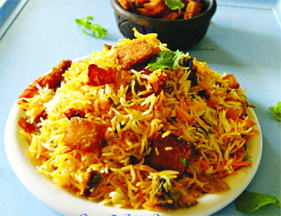
  • Bread Biryani

    Bread Biryani

    Ingredients
    – Basmatic rice – 1 cup, Coconut milk – 1 1/2 cup
    – Green peas – 1/4 cup, Radish – 1/4 cup, grated
    – Carrot – 1/4 cup, grated, Coconut – 1/4 cup, grated, Onions – 2, chopped, Bread slices – 4, crusts removed, sliced in small pieces
    – Cashews – 5, Almonds – 5, soaked, peeled
    – Black pepper powder – 1/2 tsp, Cumin powder – 1/2 tsp, Gasa gasa – 1 tsp
    – Cardamom – 1 Cloves – 1, Cinnamon – 1, Ginger garlic paste – 1 tblsp, Ghee – 3 tblsp, Curry leaves – few, Coriander leaves – few, Salt as per taste
    Method
    – Dry roast and grind the cardamom, cloves and cinnamon to a fine powder.
    – Heat little ghee in a pan.Fry the basmati rice for 30 to 45 seconds. Remove and keep aside.
    – Add a little ghee to the pan and fry the bread pieces till crisp. Keep aside.
    – Grind the almonds, cashewnuts, coconut and gasa gasa to a smooth paste.
    – Heat a little ghee in a pressure cooker.
    – Add the cinnamon powder, ginger garlic paste, onions, salt and curry leaves. Saute well for a minute or two.
    – Add the radish, carrot, green peas and ground coconut paste.
    – Stir well and add the coconut milk. Bring to a boil.
    – Add the rice and pressure cook till 2 whistles.
    – Add the cumin powder, pepper powder, bread slices, coriander leaves and mix well. Serve.

  • Republic Day Parade: Sports stars feature in the Services tableau

    Republic Day Parade: Sports stars feature in the Services tableau

    By Prabhjot Singh

    Olympians Balbir Singh Kular, Tajinder Pal Singh Toor, Jitu Rai, and Paralympian Muralikant Patkar are among 10 defense officers, both serving and retired, feature in the Services tableau during the ceremonial Republic Day parade on Sunday, January 26.
    The Parade assumes special significance this year as it marks the 75th anniversary of the Indian Republic. The President of Indonesia will be the guest of honor at the parade where the President of India, Draupadi Murmu, will unfurl the national flag.
    It is one of the rare occasions when eminent sports heroes of the country participated in the ceremonial parade.
    Several States, Union Territories, government departments and non-government organisations are represented at the parade through specially designed tableaus. The tableaus are approved by a screening committee of the Union Ministries.
    After missing the last two parades, Punjab had its tableau dedicated to Sufi poet Sheikh Farid. Selected slokas of Sheikh Farid, acknowledged as the first Sufi poet of Punjab, were recited during the parade. The tableau also featured a pair of oxen to symbolise its agro economy besides displaying traditional musical instruments, associated with poetic recitation to the State’s rich cultural heritage.
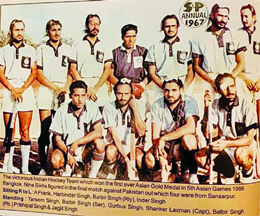
    Another tableau that highlighted the achievements of sportspersons of Punjab will be that of Services. Of 10 defence personnel chosen to be abroad, the tableau were hockey Olympian Col Balbir Singh Kular of Sansarpur, the nursery of hockey.
    Colonel Balbir Singh, who was chosen to represent India in the 1968 Olympic games, was one of the youngest Olympians to get decorated with both Padma Shri and Arjuna awards.
    It was the second time that he represented in the Republic Day Parade. He first appeared in this prestigious parade after the 1966 Asian Games when India won the gold for the first time. A postage stamp issued to commemorate the Bangkok Asiad success carried an action picture of the final against Pakistan featuring four players, including that of Balbir Singh Kular.
    Other officers, both serving and retired, chosen for the 2025 Republic Day Parade, include shot putter Tajinder Pal Singh Toor, also Asian Games gold medallist; handballer Wing Commander Gurmeet Singh Sandhu; shooter Jitu Rai; Veer Nari Lieut-Col Ravinderjeet Randhawa; Paralympian swimmer Muralikant Petkar; Yachter Homi D. Motiwala; kabaddi star Ram Mehar Singh; besides Flt Lieut Ruchi Saha and Naval Lieut-Cdr Mani Aggarwal.

  • Two Kirti Chakras, 14 Shaurya Chakras among 93 Gallantry Awards to Armed Forces, CAPF personnel

    Two Kirti Chakras, 14 Shaurya Chakras among 93 Gallantry Awards to Armed Forces, CAPF personnel

    The President of India and Supreme Commander of the Armed Forces Droupadi Murmu has approved two Kirti Chakras, one of them posthumous, and 14 Shaurya Chakras, three of them posthumous, in a total of 93 Gallantry Awards to personnel of the Armed Forces and Central Armed Police Forces (CAPF), 11 of which are posthumous, on the eve of 76th Republic Day.
    The 93 Gallantry Awards also include 67 Sena Medals, with seven of them awarded posthumously, two Nao Sena Medals, and eight Vayu Sena Medals.
    Major Manjit Kumar of the Punjab Regiment and with 22 Rashtriya Rifles (RR), and Naik Dilwar Khan from the Artillery Regiment and with 28 RR (posthumously) were awarded the Kirti Chakra for counter-terrorist operations in Jammu and Kashmir.
    The President has also approved 305 defence decorations to the Armed Forces and other personnel. These include 30 Param Vishisht Seva Medals; five Uttam Yudh Seva Medals; 57 Ati Vishisht Seva Medals; 10 Yudh Seva Medals; 44 Sena Medals (Devotion to Duty); eight Nao Sena Medals (Devotion to Duty); 15 Vayu Sena Medals (Devotion to Duty); and 136 Vishisht Seva Medals.
    President Murmu also approved 58 Mentioned-in-Despatches to Armed Forces personnel, including four awarded posthumously. These include 55 from the Indian Army — 14 for Operation Rakshak, including four posthumous awards; eight for Operation Snow Leopard; six for Operation Hifazat; two for Operation Sahayta; one for Operation Rhino; one for Operation Meghdoot; two for Operation Gurihajan; one for Operation Mulkhyama; one for Operation Reconnaissance; one for Operation Zokhawthar; one for Operation Falcon; four for Operation CAS Evacuation; one for IS Duty; and 12 for miscellaneous operations. The 58 Mentioned-in-Despatches include three to Indian Air Force personnel for Operation Sankalp.
    In addition, the President also approved the President’s Tatrakshak Medal and Tatrakshak Medal to eight Coast Guard personnel.
    The citation of Major Manjit details that on April 25, 2024, he assiduously trailed the movement of two foreign terrorists in a village in Sopore district through responsive human intelligence as received from a credible source. On localising the probable target complex, the officer established the initial cordon, during which terrorists retaliated and made several attempts to break the cordon throughout the intervening night. On April 26, 2024 at 5.30 a.m., one of the terrorists entered the adjoining orchard favouring natural cover. The officer pinned down the terrorist, and evacuated a trapped civilian and two children. Major Manjit started crawling towards the terrorist and on noticing the movement of the terrorist who was trying to lob a grenade at the scout, the Major engaged him in a fierce firefight and eliminated him, the citation states, adding, “For displaying conspicuous gallantry and exhibiting outstanding leadership Major Manjit is recommended for the award of Kirti Chakra.”
    The other citation of Kirti Chakra, for Naik Dilwar Khan, states that he was part of an ambush in the dense jungles of Lolab Valley, Kupwara district on July 23, 2024. At 11.50 p.m., his party observed two terrorists, one at a very close distance. “Sensing grave threat from the closing-in terrorist to his team, showing complete disregard to personal safety, Naik Dilwar Khan, though under a heavy volume of fire, lunged and grasped the terrorist, engaging him in hand-to-hand combat, while the other terrorist continued to fire indiscriminately from distance,” the citation states. During this action, Naik Khan was grievously injured but did not let go of the terrorist and killed him, firing at point-blank range before succumbing to his wounds. For displaying indomitable courage, utter disregard for personal safety and gallantry of the highest order, Naik Dilwar Khan is recommended for award of Kirti Chakra (Posthumous), the citation said. Source: The Hindu

  • ‘One Nation One Election’ can prevent policy paralysis: President Draupadi Murmu in Republic Day address

    ‘One Nation One Election’ can prevent policy paralysis: President Draupadi Murmu in Republic Day address

    President Droupadi Murmu on Saturday advocated for the “One Nation One Election” initiative, asserting it has the potential to redefine “good governance” in the country by promoting consistency in governance, preventing policy paralysis, mitigating resource diversion, and alleviating financial burdens on the state.
    In her address to the nation ahead of the 76th Republic Day, she emphasised the government’s ongoing efforts to “eliminate remnants of a colonial mindset that have lingered in the country for decades” and cited the replacement of the British-era criminal laws with three new modern laws.
    “We have been witnessing concerted efforts to change that mindset… Reforms of such magnitude require an audacity of vision,” she said.
    Highlighting the significance of the proposed bill aimed at synchronising election schedules across the country, Murmu noted, “The ‘One Nation One Election’ plan can offer numerous benefits, including enhanced governance and reduced financial strain.” In discussing legal reforms, she pointed out the need to replace the Indian Penal Code, the Code of Criminal Procedure, and the Indian Evidence Act with new laws reflective of Indian traditions.
    She mentioned the introduction of the Bharatiya Nyaya Sanhita, the Bharatiya Nagarik Suraksha Sanhita, and the Bharatiya Sakshya Adhiniyam, which prioritise the delivery of justice over mere punishment and place a strong emphasis on addressing crimes against women and children.
    Reflecting on the significance of the Constitution, the President highlighted the progress achieved over the past 75 years. “At the time of Independence, many parts of the country faced extreme poverty and hunger. However, we maintained a belief in ourselves and created conditions for growth,” she said.
    Noting the contributions of farmers and labourers, she said India’s economy now plays a pivotal role in global economic trends, asserting that this transformation is rooted in the framework established by the Constitution.
    The President also pointed to the persistently high economic growth rate in recent years, which has generated job opportunities, increased income for farmers and labourers, and lifted many out of poverty.
    She underscored the importance of inclusive growth and the government’s commitment to welfare, making basic necessities such as housing and access to clean drinking water entitlements for citizens.
    Efforts to support marginalised communities, particularly those belonging to Scheduled Castes (SC), Scheduled Tribes (ST), and Other Backward Classes (OBC), were also highlighted. Murmu mentioned various initiatives, including pre-matric and post-matric scholarships, national fellowships, and dedicated schemes aimed at the socio-economic development of these communities, such as the Pradhan Mantri Anusuchit Jaati Abhyuday Yojana and the Pradhan Mantri Janjati Adivasi Nyaya Maha Abhiyan.
    The President’s address underscored the government’s commitment to fostering inclusive growth and redefining governance standards in the country, creating a vision for a more equitable and prosperous future for all citizens.
    She emphasised that this occasion is a collective celebration of joy and pride for all citizens and remarked that while 75 years may seem like a brief moment in the life of a nation, it has been a significant period for India, marked by the revival of its long-dormant spirit and its journey to reclaim its rightful status among the world’s civilisations.
    Reflecting on India’s historical journey, she urged citizens to remember the brave souls who sacrificed their lives for the nation’s freedom, highlighting the 150th birth anniversary of Bhagwan Birsa Munda, whose contributions to the freedom movement are now receiving due recognition. The President praised the early 20th-century freedom fighters for uniting the nation in a well-organised independence movement and credited iconic figures like Mahatma Gandhi, Rabindranath Tagore, and Babasaheb Ambedkar for helping India rediscover its democratic values.
    Source: PTI

  • First Sikh CJI, Suzuki among 7 picked for Padma Vibhushan, the country’s top civilian honor

    The first Sikh Chief Justice of India, Justice Jagdish Singh Khehar (retd), was on Saturday named one of the seven recipients of Padma Vibhushan, the country’s top civilian honor.
    Others on the list are leading gastroenterologist from Karnataka Duvvur Nageshwar Reddy, late Maruti Suzuki CEO Osamu Suzuki, Kathak dancer Kumudini Rajnikant Lakhia, violinist and composer from Karnataka Lakshminarayana Subramaniam, doyen of Malayalam literature and cinema MT Vasudevan Nair and late folk singer from Bihar Sharda Sinha.
    Former CJI Khehar was chosen in the public affairs segment and Suzuki in trade and industry for igniting the growth of the Indian automobile sector. Suzuki took the risk of joining hands with India to form a joint venture, Maruti Udyog, in 1981, when India was still a closed economy.
    This year, the Padma list comprises seven Padma Vibhushan, 19 Padma Bhushan and 113 Padma Shri awards. Twenty-three awardees are women. The list includes 10 persons from the category of foreigners, NRI, PIO and OCI and 13 posthumous awardees. The awards are conferred by the President at ceremonial functions at Rashtrapati Bhawan in March/April every year. For 2025, the President approved conferment of 139 Padma awards, including one duo case where the award is counted as one.
    Among Padma Bhushan awardees are legendary Indian hockey goalkeeper PR Sreejesh, who helped the Indian men’s hockey team win two Olympic bronze medals at Tokyo 2020 and Paris 2024; A Surya Prakash, former chairperson, Prasar Bharati; late Bibek Debroy, who served as the chairman of the Economic Advisory Council to the PM; Jose Chacko Periappuram, a cardiac surgeon from Kerala; Kailash Nath Dikshit, an archaeologist specialising in prehistoric civilisation of the Indus Valley; Manohar Joshi, former Maharashtra CM and former Lok Sabha Speaker; late ghazal singer Pankaj Udhas; leading filmmaker Shekhar Kapur; late BJP leader Sushil Modi; and spiritual leader Sadhvi Ritambhara.
    Padma Shri awardees include singers Arijit Singh and Jaspinder Narula, AIIMS-Delhi head of gynaecology department Neerja Bhatla and music composer and environmentalist and three-time Grammy Award winner Ricky Kej. From the North region, the following feature among Padma Shri awardees: Farooq Ahmad Mir (J&K) for art; Hariman Sharma (Himachal Pradesh) for inventing an apple variety that can grow at low altitudes; leading Gurbani singer Harjinder Singh Srinagar Wale (Punjab) for art; star para archer Harvinder Singh (Kaithal); Lalit Kumar Mangotra (J&K) for literature; Lama Lobzang for spiritualism; and Onkar Singh Pahwa (Punjab) for trade and industry. Harjinder Singh recently performed at the antim ardas of late PM Manmohan Singh. Source: TNS

  • People who steered India’s Constitution

    People who steered India’s Constitution

    India’s Constitution, the cornerstone of its democratic framework, is among the lengthiest and most comprehensive in the world. Drafted in the aftermath of independence, it embodies the aspirations of a diverse and vibrant nation. The making of the Constitution was a monumental task that involved the contributions of many visionary leaders. Below is a detailed exploration of some of the luminaries who played pivotal roles in shaping India’s Constitution.
    Dr. B.R. Ambedkar: The Chief Architect
    Dr. Bhimrao Ramji Ambedkar, often referred to as the “Father of the Indian Constitution,” was the chairman of the Drafting Committee. A scholar of unparalleled brilliance, Ambedkar had a deep understanding of law, economics, and social justice. His leadership ensured that the Constitution addressed the systemic inequalities that plagued Indian society. Ambedkar’s efforts to enshrine the principles of equality, liberty, and fraternity were particularly aimed at dismantling caste discrimination and empowering marginalized communities. The inclusion of Fundamental Rights and the Directive Principles of State Policy are among his lasting contributions.
    Jawaharlal Nehru: The Visionary Leader
    As the first Prime Minister of independent India and an influential member of the Constituent Assembly, Jawaharlal Nehru’s vision shaped the foundational principles of the Constitution. Nehru was a staunch advocate of democracy, secularism, and a scientific temper. His contributions to the Preamble, which encapsulates the ideals of justice, liberty, equality, and fraternity, were significant. Nehru’s speeches and leadership during the drafting process inspired the Assembly to aim for a progressive and inclusive Constitution.
    Sardar Vallabhbhai Patel: The Integrator
    Sardar Patel, known as the “Iron Man of India,” was instrumental in unifying the princely states and integrating them into the Indian Union. As a member of the Constituent Assembly, Patel emphasized the importance of a strong federal structure with adequate autonomy for states. His pragmatic approach influenced the administrative framework of the Constitution, ensuring a balance between central authority and state powers. Patel’s efforts ensured the smooth functioning of India’s democracy in its formative years.
    Dr. Rajendra Prasad: The Guiding Hand
    Dr. Rajendra Prasad, who later became the first President of India, served as the President of the Constituent Assembly. Renowned for his patience, wisdom, and impartiality, Prasad played a critical role in guiding the debates and discussions within the Assembly. His leadership ensured that diverse viewpoints were respected and incorporated into the Constitution. Prasad’s calm demeanor helped maintain a sense of unity and purpose among the members.
    Alladi Krishnaswamy Iyer: The Legal Luminary
    Alladi Krishnaswamy Iyer, a distinguished lawyer and a member of the Drafting Committee, brought unparalleled legal expertise to the Constitution-making process. His contributions were particularly significant in framing the legal and judicial provisions of the Constitution. Iyer was a strong advocate for a unified judiciary and the rule of law, principles that remain central to India’s governance.
    K.M. Munshi: The Cultural Custodian
    Kanhaiyalal Maneklal Munshi, a lawyer, freedom fighter, and writer, played a key role in ensuring that India’s Constitution reflected its rich cultural heritage. Munshi was instrumental in drafting the Directive Principles of State Policy, which outline the aspirational goals for governance. He also championed the cause of linguistic reorganization and cultural preservation, ensuring that the Constitution acknowledged India’s diversity.
    B.N. Rau: The Constitutional Adviser
    Benegal Narsing Rau, the constitutional adviser to the Constituent Assembly, was a pivotal figure in the initial stages of drafting the Constitution. Rau prepared the first draft of the Constitution and conducted extensive research on global constitutional frameworks. His comparative analysis of constitutions from around the world provided a solid foundation for the Drafting Committee’s work.
    Hansa Mehta, Sarojini Naidu and Other Women Leaders
    Women leaders like Hansa Mehta, Sarojini Naidu, Durgabai Deshmukh, and Rajkumari Amrit Kaur made significant contributions to the Constitution’s framing. Hansa Mehta was a strong advocate for gender equality and played a role in ensuring that the Constitution upheld women’s rights. Sarojini Naidu, known as the “Nightingale of India,” brought her eloquence and commitment to the Assembly’s discussions, emphasizing the importance of inclusivity and social justice.
    The Collective Effort
    The drafting of the Indian Constitution was a collaborative endeavor involving 299 members of the Constituent Assembly. Over 11 sessions spanning nearly three years, these members debated and deliberated on various aspects of governance, rights, and responsibilities. The Assembly drew inspiration from global constitutions while ensuring the document reflected India’s unique socio-political context. The final document, adopted on November 26, 1949, represents the collective wisdom, dedication, and vision of these leaders.

  • The Constitution of India

    The Constitution of India

    The Constitution of India is the supreme law of the land, serving as the framework for governance and the legal foundation of the world’s largest democracy. Enacted on January 26, 1950, it establishes the principles, structures, and powers of the government and delineates the fundamental rights and duties of its citizens. This article provides an in-depth exploration of the Constitution-its origins, structure, features, and significance.
    Historical Context and Drafting
    The journey of the Indian Constitution began with the demand for self-rule during the Indian independence movement. The idea of a constituent assembly was first proposed in 1934 by M.N. Roy, and the process gained momentum after the 1940 August Offer and the Cripps Mission in 1942. Post-independence, the Constituent Assembly was formed in December 1946 to draft a constitution.
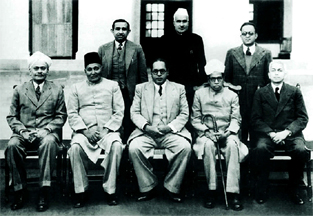
    Dr. B.R. Ambedkar, often referred to as the “Architect of the Indian Constitution,” chaired the Drafting Committee. The assembly included prominent leaders like Jawaharlal Nehru, Sardar Vallabhbhai Patel, Maulana Abul Kalam Azad, and Rajendra Prasad. After almost three years of debates and deliberations, the Constitution was adopted on November 26, 1949, and came into effect on January 26, 1950.
    On the 14 August 1947 meeting of the Assembly, a proposal for forming various committees was presented. Such committees included a Committee on Fundamental Rights, the Union Powers Committee and Union Constitution Committee. On 29 August 1947, the Drafting Committee was appointed, with Dr B. R. Ambedkar as the Chairman along with six other members assisted by a constitutional advisor. These members were Pandit Govind Ballabh Pant, Kanaiyalal Maneklal Munshi (K M Munshi, Ex- Home Minister, Bombay), Alladi Krishnaswamy Iyer (Ex- Advocate General, Madras State), N Gopalaswami Ayengar (Ex-Prime Minister, J&K and later member of Nehru Cabinet), B L Mitter (Ex-Advocate General, India), Md. Saadullah (Ex- Chief Minister of Assam, Muslim League member) and D P Khaitan (Scion of Khaitan Business family and a renowned lawyer). The constitutional advisor was Sir Benegal Narsing Rau (who became First Indian Judge in International Court of Justice, 1950-54). Later B L Mitter resigned and was replaced by Madhav Rao (Legal Advisor of Maharaja of Vadodara). On D P Khaitan’s death, T T Krishnamachari was included in the drafting committee. A draft Constitution was prepared by the committee and submitted to the Assembly on 4 November 1947, which was debated and over 2000 amendments were moved over a period of two years. Finally on 26 November 1949, the process was completed and the Constituent Assembly adopted the Constitution. 284 members signed the document and the process of constitution making was complete. This day is celebrated as National Law Day or Constitution Day.
    The assembly met in sessions open to the public, for 166 days, spread over a period of 2 years, 11 months and 18 days before adopting the Constitution, the 308 members of the assembly signed two copies of the document (one each in Hindi and English) on 24 January 1950. The original Constitution of India is hand-written with beautiful calligraphy, each page beautified and decorated by artists from Shantiniketan including Beohar Rammanohar Sinha and Nandalal Bose. The illustrations on the cover and pages represent styles from the different civilisations of the subcontinent, ranging from the prehistoric Mohenjodaro civilisation, in the Indus Valley, to the present. The calligraphy in the book was done by Prem Behari Narain Raizda. It was published in Dehra Dun, and photolithographed at the offices of Survey of India. The entire exercise to produce the original took nearly five years. Two days later, on 26 January 1950, the Constitution of India became the law of all the States and territories of India. Rs.1,00,00,000 was official estimate of expenditure on constituent assembly. It has undergone many amendments since its enactment.
    The original 1950 Constitution of India is preserved in helium cases in the Parliament house, New Delhi. There are two original versions of this – one in Hindi and the other in English.
    Structure of the Constitution
    The Constitution of India is one of the longest written constitutions in the world, originally consisting of a preamble, 395 articles, 22 parts, and 8 schedules. Over the years, it has been amended multiple times, and as of now, it comprises a preamble, 470 articles, 25 parts, and 12 schedules.
    – Preamble: The preamble declares India to be a sovereign, socialist, secular, and democratic republic. It emphasizes the ideals of justice, liberty, equality, and fraternity.
    – Parts and Articles: The Constitution is divided into various parts, each addressing specific aspects of governance and law. These include fundamental rights (Part III), directive principles of state policy (Part IV), the structure of the government (Parts V-VIII), and more.
    – Schedules: The schedules detail additional provisions like allocation of powers, lists of states and union territories, and other administrative aspects.
    Salient Features of the Indian Constitution
    – Sovereign, Socialist, Secular, and Democratic Republic: India is independent in its decision-making, upholds social and economic equality, maintains secular governance, and operates as a democracy.
    – Federal Structure with Unitary Bias: While the Constitution establishes a federal framework with powers divided between the central and state governments, it also equips the center with overriding powers during emergencies.
    – Fundamental Rights and Duties: Part III guarantees fundamental rights to citizens, including the right to equality, freedom, and protection against exploitation. Part IVA outlines the duties of citizens, fostering a sense of responsibility.
    – Directive Principles of State Policy (DPSP): These principles aim to guide the state in establishing a just society, addressing areas like health, education, and social welfare.
    – Independent Judiciary: The judiciary acts as the guardian of the Constitution and ensures the rule of law. The Supreme Court is the apex court, followed by High Courts and subordinate courts.
    – Parliamentary System of Governance: India follows a parliamentary system where the President is the constitutional head, and the Prime Minister, along with the Council of Ministers, exercises executive powers.
    – Amendment Process: The Constitution provides for flexibility through amendments. Article 368 outlines the procedure, allowing changes to adapt to evolving socio-political needs.
    Significance and Legacy
    The Constitution of India is a living document that has withstood the test of time, adapting to changes while preserving its core values. It has played a vital role in maintaining India’s unity in diversity, safeguarding individual freedoms, and fostering inclusive development. Its principles have inspired other nations and remain a testament to the vision of its framers.

  • Amendments in the Indian Constitution

    Amendments in the Indian Constitution

    The Constitution of India, adopted on January 26, 1950, is the longest written constitution in the world. It provides the fundamental legal framework for the governance of the country, outlining the structure of government, the distribution of powers, and the fundamental rights of citizens. However, like any living document, the Constitution has been subject to changes over time through amendments. Since its adoption, the Indian Constitution has undergone numerous amendments to address emerging issues, evolving political and social landscapes, and changing legal requirements.
    The Amendment Process: Article 368
    The Constitution of India provides a comprehensive mechanism for its own amendment under Article 368. This article allows Parliament to amend the Constitution, subject to certain procedures. Amendments can be initiated in either house of Parliament and must be approved by a two-thirds majority of members present and voting. Some amendments require ratification by at least half of the State Legislatures, especially those affecting federal provisions or the distribution of powers between the Union and the States.
    Over the years, the Constitution of India has been amended over 100 times, reflecting the dynamic nature of Indian democracy and the need for the Constitution to adapt to the changing needs of society.
    Key Amendments in the Indian Constitution
    The First Amendment (1951)
    The First Amendment was introduced in response to several issues arising in the early years of the Republic. The amendment aimed to limit the scope of freedom of speech and expression under Article 19 by imposing restrictions on certain grounds such as public order, decency, and morality. It also provided for the reservation of seats for scheduled castes and scheduled tribes in local bodies and expanded the grounds for restricting freedom of speech.
    The 42nd Amendment (1976)
    Often referred to as the “mini-Constitution,” the 42nd Amendment was one of the most significant overhauls of the Indian Constitution. It was passed during the Emergency period (1975-1977) under the leadership of then-Prime Minister Indira Gandhi. The amendment made sweeping changes, including:
    – Curtailment of the power of judicial review: It attempted to limit the judiciary’s power to review laws passed by Parliament.
    – Introduction of the term ‘Socialist’ and ‘Secular’: The preamble was amended to include the words “Socialist” and “Secular,” reflecting the evolving political ideology.
    – Strengthening the executive: The powers of the President were expanded, while the powers of the judiciary and legislature were diminished.
    – Promoting Fundamental Duties: The amendment introduced Fundamental Duties under Article 51A, emphasizing the moral obligations of citizens towards the nation.
    The 44th Amendment (1978)
    The 44th Amendment was a direct response to the controversial 42nd Amendment. It sought to undo many of the changes made by the earlier amendment, particularly those that limited the powers of the judiciary. Key provisions included:
    – Restoration of the right to property: The amendment reversed the 42nd Amendment’s provisions that had effectively removed the right to property as a fundamental right.
    – Strengthening the judiciary: It ensured the independence of the judiciary and reaffirmed the principle of judicial review.
    The 73rd and 74th Amendments (1992)
    The 73rd Amendment (for rural areas) and the 74th Amendment (for urban areas) introduced significant changes to the Indian system of local governance. These amendments provided for the establishment of Panchayats (rural local bodies) and Municipalities (urban local bodies) at the grassroots level. They included provisions for the direct election of representatives, reservation of seats for women, scheduled castes, and scheduled tribes, and the devolution of powers to local bodies. These amendments sought to promote democratic decentralization and empower local governance institutions.
    The 86th Amendment (2002)
    The 86th Amendment introduced major changes related to education. It made education a fundamental right for children between the ages of 6 and 14 by amending Article 21-A. This amendment provided a legal basis for the Right to Education Act (2009), which aimed to ensure free and compulsory education for all children in this age group.
    The 97th Amendment (2011)
    The 97th Amendment focused on cooperative societies and their functioning. It inserted Article 43-B, which emphasizes the promotion of cooperative societies as a means of economic development. The amendment also provided for the regulation of cooperative societies through legislation at the national level.
    The 101st Amendment (2016)
    The 101st Amendment marked a significant reform in India’s tax system with the introduction of the Goods and Services Tax (GST). The amendment laid the foundation for the implementation of GST, which replaced various indirect taxes levied by the Union and the States, providing a unified tax structure across the country. This reform aimed to simplify the tax system, increase tax compliance, and boost economic growth.
    The 103rd Amendment (2019)
    The 103rd Amendment introduced a provision for economically weaker sections (EWS) of society, allowing them to access 10% reservation in educational institutions and government jobs. This amendment was seen as an effort to provide greater opportunities for disadvantaged groups, particularly those who did not fall under the existing reservation categories based on caste.
    The 104th Amendment (2020)
    The 104th Constitutional Amendment Act of 2020 extends SCs/STs seat reservations in the Lok Sabha and State Assemblies until 2030 while abolishing the Anglo-Indian reserved seats. It also amends Article 334 to reflect these changes.
    The 105th Amendment (2021)
    The 105th Amendment of India, also known as the Constitution (One Hundred and Fifth Amendment) Act, 2021, restored the power of state governments to identify socially and educationally backward classes (SEBCs). The amendment came into effect on August 18, 2021.
    The 106th Amendment (2023)
    The 106th Amendment Act of 2023 was the most recent amendment to the Constitution of India. It reserved one-third of all seats in the Lok Sabha, State Legislative Assemblies, and the Legislative Assembly of Delhi for women.

  • The History of India’s Republic Day

    The History of India’s Republic Day

    India’s Republic Day, celebrated annually on January 26, holds profound historical and cultural significance. This day marks the moment in 1950 when the Constitution of India came into effect, replacing the colonial Government of India Act (1935) and establishing India as a sovereign, socialist, secular, and democratic republic. It is a day of national pride and a tribute to the relentless struggles and sacrifices of the Indian people for self-governance and justice.
    The Road to Republic Day: Independence and Beyond
    India achieved independence from British rule on August 15, 1947. However, the newly independent nation did not have a constitution of its own and continued to be governed under the colonial Government of India Act of 1935. The need for a comprehensive legal framework that would reflect the values, aspirations, and cultural heritage of independent India became evident. To achieve this, the Constituent Assembly of India was formed in 1946, consisting of eminent leaders, thinkers, and visionaries.
    The Assembly’s task of drafting the Constitution was both monumental and meticulous. Chaired by Dr. Rajendra Prasad, the Assembly included stalwarts like Dr. B.R. Ambedkar, Jawaharlal Nehru, Sardar Vallabhbhai Patel, Maulana Abul Kalam Azad, and others. Dr. B.R. Ambedkar, as the chairman of the Drafting Committee, played a pivotal role in shaping the Constitution, earning him the title of the “Architect of the Indian Constitution.”
    After nearly three years of deliberations, debates, and revisions, the Constituent Assembly adopted the Constitution on November 26, 1949. This date is celebrated annually as Constitution Day. However, the Assembly chose January 26, 1950, as the date for the Constitution to come into effect to honor a historic milestone in India’s freedom struggle.
    The Historical Significance of January 26
    The choice of January 26 as Republic Day was deeply symbolic. On this day in 1930, the Indian National Congress, under the leadership of Jawaharlal Nehru, declared Purna Swaraj (complete independence) from British rule during its Lahore Session. This declaration was a turning point in India’s struggle for independence, inspiring millions to join the movement for self-rule. By making January 26 the date for the Constitution’s implementation, India’s leaders established a link between the freedom movement and the birth of the republic.
    The First Republic Day: A Historic Celebration
    India’s first Republic Day on January 26, 1950, was a moment of immense pride and joy. Dr. Rajendra Prasad took the oath as the first President of India, marking the transition of the nation to a fully sovereign republic. The ceremony was held in the Durbar Hall of the Rashtrapati Bhavan, and the event was celebrated with grandeur and enthusiasm across the country.
    The first Republic Day Parade was held at Irwin Amphitheatre (now Major Dhyan Chand National Stadium) in New Delhi. It was a modest affair compared to today’s grand spectacle, but it set the precedent for showcasing India’s cultural diversity and military prowess.
    The Republic Day Parade: A Symbol of Unity and Pride
    The Republic Day Parade at Rajpath in New Delhi has become the centerpiece of the celebrations. It is a vibrant display of India’s cultural heritage, military strength, and technological advancements. The parade includes:
    – Military Display: The parade features regiments of the Indian Army, Navy, and Air Force, as well as paramilitary forces. Tanks, missiles, and other defense equipment highlight India’s defense capabilities.
    – Cultural Tableaux: Each state and union territory presents a tableau depicting its unique cultural traditions, historical landmarks, and achievements.
    – Awards and Honors: The President of India confers prestigious awards such as the Padma Awards, Bharat Ratna, and gallantry awards to individuals and organizations for their exceptional contributions.
    – School Performances: Schoolchildren perform colorful dances and drills, symbolizing the country’s unity and vibrancy.
    – Flypast: The Indian Air Force concludes the parade with a breathtaking flypast, including formations and maneuvers by fighter jets.
    Republic Day Beyond Delhi: Nationwide Celebrations
    While the main event takes place in the capital, Republic Day is celebrated with equal fervor across the country. Schools, colleges, and public institutions organize flag-hoisting ceremonies, cultural programs, and patriotic events. The day begins with the President’s address to the nation, followed by flag-hoisting ceremonies and parades in various states. Local communities and organizations also engage in social and cultural activities, emphasizing national unity and pride.
    International Participation and Diplomatic Significance
    Another unique feature of Republic Day is the presence of a foreign dignitary as the Chief Guest. This tradition began in 1950, with President Sukarno of Indonesia as the first guest of honor. The presence of an international leader highlights India’s diplomatic ties and its growing stature on the global stage. Over the years, leaders from various countries, including the United States, France, Japan, and South Africa, have graced the occasion.
    Indonesian President Prabowo Subianto will be the chief guest for Republic Day 2025, marking a significant milestone in the 75th anniversary of diplomatic relations between India and Indonesia.
    Reflection and Renewal
    Republic Day is more than a celebration; it is a reminder of the responsibilities that come with freedom. The Constitution of India enshrines the principles of justice, liberty, equality, and fraternity, and it is the duty of every citizen to uphold these values. The day also serves as an opportunity to reflect on the progress made by the nation and the challenges that lie ahead. As India continues to progress as the world’s largest democracy, Republic Day serves as a beacon of hope and resilience. It is a day to reflect on the sacrifices made by the nation’s forebears and renew the commitment to building a more equitable, inclusive, and prosperous society.
    India’s Republic Day is a celebration of the nation’s achievements and a tribute to its rich history and diverse culture. It is a testament to the strength and unity of the Indian people, reminding them of their shared heritage and the collective responsibility to uphold the ideals of the Constitution. With its blend of tradition and modernity, Republic Day continues to inspire generations, fostering a sense of pride and belonging among all Indians.
    Beating the Retreat Ceremony: A Symphony of Tradition and Patriotism
    The Beating the Retreat Ceremony is an iconic event that marks the culmination of the Republic Day celebrations in India. Held annually on January 29, this majestic ceremony takes place against the awe-inspiring backdrop of the historic Vijay Chowk in New Delhi. With its grandeur and solemnity, it serves as a fitting finale to the week-long festivities that honor India’s rich heritage and democratic spirit.
    Origins of the Beating the Retreat Ceremony
    The tradition of Beating the Retreat has its roots in the 16th-century military practice of signaling the end of the day’s battle. Drummers and buglers would sound the retreat, signaling troops to disengage, return to their camps, and lower their flags. The ceremony was later adapted by the British, and India retained this tradition post-independence, imbuing it with its own cultural and patriotic essence.
    The Splendor of the Event
    The ceremony begins with the President of India, the Supreme Commander of the Armed Forces, arriving at Vijay Chowk. The area, illuminated by floodlights, is transformed into a visual spectacle. The main attraction is the synchronized performance by the bands of the Indian Army, Navy, and Air Force. These bands perform an array of martial tunes, patriotic songs, and classical Indian music, creating a harmonious blend that resonates with the audience.
    Key highlights include the soulful rendition of classics like “Abide With Me,” a favorite of Mahatma Gandhi, and the stirring strains of ‘Sare Jahan Se Achha.’ The event concludes with the lowering of the National Flag, accompanied by the playing of the National Anthem. As the flag is lowered, the illuminated Rashtrapati Bhavan, North Block, and South Block provide a mesmerizing backdrop, leaving spectators in awe.
    Cultural and Patriotic Significance
    The Beating the Retreat Ceremony is more than just a military tradition; it is a celebration of India’s unity in diversity. The music played during the event often includes compositions that reflect the nation’s varied cultural heritage. The ceremony serves as a reminder of the sacrifices made by the armed forces and instills a sense of pride and patriotism among citizens.

  • Witherspoon and Ferrell spar in wedding comedy ‘You’re Cordially Invited’

    Witherspoon and Ferrell spar in wedding comedy ‘You’re Cordially Invited’

    Hollywood star Reese Witherspoon says teaming up with actor Will Ferrell for the romantic comedy “You’re Cordially Invited” was a long time coming.
    The actors, who in 2001 worked together on a “Saturday Night Live” episode, make their first joint feature film appearance in the movie, which they also produced.
    “Every day I was on set, I was like, Will, this is on my bucket list,” Witherspoon said at the film’s premiere at London’s Palladium theatre on Thursday.
    “You’re Cordially Invited” sees two wedding parties arriving at a small island hotel to discover their nuptials have accidentally been booked for the same day.Widower Jim , whose daughter is getting married, and Margot , an LA-based reality TV executive in charge of her sister’s wedding, agree to share the venue but quickly come to regret their decision. Chaos and comedy ensue as the two clash and seek to outdo each other.
    Ferrell, 57, a father of three sons and Witherspoon, 48, who also has three children, said the film’s family dynamics resonated with them.
    “Will’s daughter is getting married and he’s worried he’s going to have nothing for himself because she’s really his lifeline. And I’m worried my sister is going to leave my life,” said Witherspoon. “Underneath all of the sparring and fighting there’s this deep fear and I think that’s how we connect in the end.” The film is written and directed by “Forgetting Sarah Marshall” and “Bros” filmmaker Nicholas Stoller.
    “I’m a father of three daughters, so I certainly poured a lot of my experiences into his character. And then Reese’s sister is getting married and she has a kind of complex relationship with their family, and we all have complex relationships with our family. So, it was a bit autobiographical,” Stoller said. Source: Reuters

  • Meg Ryan and Billy Crystal tease iconic When Harry Met Sally reunion on Instagram

    Meg Ryan and Billy Crystal tease iconic When Harry Met Sally reunion on Instagram

    Hollywood stars Meg Ryan and Billy Crystal recently shared an intriguing update with their fans. The beloved duo posted a photo on Instagram that appears to be a playful homage to their 1989 classic When Harry Met Sally. Crystal, 76, wore a sweater strikingly similar to Harry’s iconic one from the film, while the setting evokes the interviews in the rom-com. Ryan, 63, sported an outfit that closely mirrored Sally’s signature style from the movie.
    In the caption, Ryan teased their upcoming reunion, writing, “It’s finally happening, we’re reuniting for something iconic. Can’t wait to show you all soon.” Crystal also shared the same photo and caption on his Instagram — marking his very first post on the platform. Fans were quick to express their excitement in the comments, with many eagerly speculating about what the duo might be preparing.
    Their reunion has certainly sparked nostalgia among fans of When Harry Met Sally, a film that has continued to capture hearts since its release.

  • Angelina Jolie surely ‘devastated’ over Maria’s Oscars snub as ‘Hollywood is team Brad Pitt’

    Angelina Jolie surely ‘devastated’ over Maria’s Oscars snub as ‘Hollywood is team Brad Pitt’

    Angelina Jolie is reportedly devastated over being snubbed by the Oscars for her portrayal of Maria Callas in the biopic Maria, according to industry insiders. Despite dedicating months to mastering the opera singer’s role, including learning to sing, Jolie’s performance garnered a Golden Globe nomination but was passed over by both the SAG Awards and the Academy.
    Angelina Jolie portrays the renowned opera singer Maria Callas in the biopic “Maria,” which focuses on the final seven days of Callas’ life in Paris in 1977. The film explores her reflections on her illustrious career, her struggles with vocal decline, and her complex relationships.
    “Angelina will be devastated … look at all the press she did for the film — she wanted to get nominated,” a source close to the annual event told PageSix. “She did Jimmy Fallon, her first late-night show in over a decade. She even went to the Gotham Awards. She did all these magazine covers.” “Maria” grapples with themes of identity, legacy, and the enduring power of art. It shows how Callas, despite her fame and talent, grappled with personal demons and the pressures of her public image.
    After taking a break from acting, Jolie made her comeback in the biopic, but the Oscars didn’t roll out the red carpet. According to a Hollywood awards expert, the snub “wasn’t great for Angelina — or Netflix.” And while some speculate that it’s all tied to her very public split from Brad Pitt, a movie insider claims Hollywood’s still got a soft spot for Brad.
    “This just shows that Hollywood is Team Brad,” the insider said. “The Globes showed that the foreign press loves her, but that’s not Hollywood. Nobody was going to go against Brad and give Angelina a vote … people just love Brad.”
    After eight years of legal battles, Angelina Jolie and Brad Pitt finally put their divorce to rest in December. Although, Jolie’s performance was generally praised in the new film, according to an insider, the Oscars snub may have more to do with Hollywood politics than just the performance itself. As the industry welcomes new faces with first-time nominees, there’s a sense that Jolie’s journey could be weighed down by past headlines.
    Source: HT

  • Shahid Kapoor doesn’t want his kids to enter showbiz

    Shahid Kapoor doesn’t want his kids to enter showbiz

    Actor Shahid Kapoor has followed his father and actor Pankaj Kapur’s footsteps into Bollywood but doesn’t want his kids to do the same. In a recent interview, he revealed that he wants his kids to stay away from the industry. Shahid spoke about kids and why he doesn’t want them to enter Bollywood in Raj Shamani’s podcast Figuring Out. Shahid is married to Mira Rajput, with whom he shares a daughter Misha and a son Zain.
    “Kaafi saari cheezein hain (There are many things), that I do not want them to take from me. I want them to be more confident inherently, which I think they both are. I wasn’t inherently that confident. Ideally, I wouldn’t want them to do my job, picture mein mat aana yaar. Kuch aur karo, Bahut up and down hota hai yaar, bahut rough hai. (Don’t get into acting. Do something else. There are many ups and downs, it’s very rough) If they want to, it’s their choice, but I would be like choose something simple, this is too complex,” Shahid said.
    In the same interview, he also spoke about what he wants to teach his kids. He said, “Always do the right thing, I always try and do the right thing, whether I am liking it, whether someone else is not liking it, whether it is damaging to me, doesn’t matter, I will do the right thing.”

  • Sara Ali Khan’s rumored boyfriend breaks silence on relationship

    Sara Ali Khan’s rumored boyfriend breaks silence on relationship

    Actor and model Arjun Pratap Bajwa came to the spotlight last year when he was romantically linked to actor Sara Ali Khan. The two were spotted together on a pilgrimage to Kedarnath in several pictures that went viral on the internet. Now, Arjun has addressed the dating rumours in a new interview. In October 2024, Arjun and Sara were spotted together in several pictures of the actor’s trip to Kedarnath. In other photos posted later, they posed separately in the same spots in Rajasthan. This led to speculation that the two were dating and vacationing together.
    In a new interview with Team Varinder Chawla, Arjun addressed the rumours and said, “So, whatever people have to write, they will write. That’s their job. They’re doing their job. I just focus on myself and what I have to do, and it doesn’t really bother me.” Meanwhile, Sara has maintained silence on the matter, neither confirming nor denying the rumors.
    Son of politician Fateh Singh Bajwa, Arjun is an actor, model, and fitness enthusiast. He is best known for his work in the film, Band of Maharajas, and was also an assistant on Singh is Bliing. Arjun is also a trained MMA fighter. Arjun’s father Fateh Singh Bajwa is a senior member of the Bharatiya Janata Party in Punjab.
    Sara is currently starring in Sky Force, an aerial war drama, opposite her ex-boyfriend Veer Pahariya, who is making his debut with the film. The film stars Akshay Kumar and features Nimrat Kaur in a cameo appearance as well. It hit the screens today (January 24) ahead of Republic Day.

  • Vicky Kaushal on transformation for Chhaava: Went from 80 to 105 kilos

    Vicky Kaushal on transformation for Chhaava: Went from 80 to 105 kilos

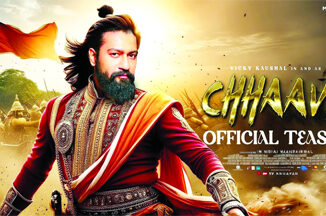
    After his role in the action film Uri: The Surgical Strike, Vicky Kaushal is elated to be a part of Chhaava. The period drama features Vicky playing the role of Chhatrapati Sambhaji Maharaj. During his recent media interaction at Chhaava trailer launch, the actor shared his preparation behind playing the iconic character.
    Vicky Kaushal confessed that he wanted to do an action film for a very long time. He shared how he had gained 25 kgs for his role in the upcoming drama. While talking about the same, he said, “The last action film I did was Uri: The Surgical Strike. Since then, I have been yearning for an opportunity to do action again. I didn’t know they’d put me on a horse and have me wield a sword. But everything was new. I didn’t know horse riding, so I trained for it, along with sword fighting and spear combat—everything involved proper training for 6-7 months. Then there was the weight gain—I went from 80 kilos to 105 kilos.”
    Adding, he said how he trained hard for his role. “Other than this, I had to do a lot of action training, practicing action sequences for months. Action choreographer Parvez Sir and his team supported us immensely. The entire action sequence you saw in the teaser was shot under the scorching sun with a crowd of 2,000 people, including around 500 stuntmen. It was during the month of Ramadan, and many stuntmen were fasting, performing stunts without eating or drinking, all to showcase the glory of Shambhaji Maharaj.”
    Chhaava is set to release in theatres on February 14.

  • BJP sweeps urban local body polls in Uttarakhand; wins 10 of 11 mayoral seats

    Dehradun (TIP)- The BJP on Sunday, January 26 swept the urban local body elections in Uttarakhand, winning 10 out of 11 mayoral seats to emerge as the dominant party in the municipal councils and nagar panchayats.
    While the BJP won 10 mayoral seats, an Independent candidate bagged the remaining seat, State Election Commissioner Sushil Kumar told PTI.
    Polling to 11 municipal corporations, 43 municipal councils, and 46 nagar panchayats was held by ballot on Thursday with 65.4 per cent of voters exercising their franchise.
    A total of 5,405 candidates, including 72 running for 11 mayoral posts, 445 for municipal council chairperson and 4,888 for municipal councillors and members, were in the fray.
    The mayoral seats won by the BJP included Dehradun (Saurabh Thapliyal), Rishikesh (Shambhu Paswan), Kashipur (Dipak Bali), Haridwar (Kiran Jaisdal), Roorkee (Anita Devi), Kotdwar (Shailendra Rawat), Rudrapur (Vikas Sharma), Almora (Ajay Verma), Pithoragarh (Kalpana Devlal), and Haldwani (Gajraj Bisht). Arti Bhandari, an Independent nominee, won the Srinagar mayoral seat in Pauri district, Kumar said. Congress, which won two mayoral seats in the last urban local body polls held in 2018, drew a blank this time.
    In municipal councils too, it finished third behind the BJP and independents.
    In the run-up to the urban local body polls, the BJP had sought votes in the name of a triple-engine government to keep the pace of development “uninterrupted” in the state.As the results showed a BJP sweep, Chief Minister Pushkar Singh Dhami congratulated the winning party candidates and asked them to speed up development works in their respective areas.
    “Heartiest congratulations to all the winning candidates of BJP. People have elected capable public representatives. Now it is the job of all the elected representatives to speed up development in their respective areas and strengthen the system. “Our aim is to implement the concept of clean and green city on the ground through municipal bodies so that tourists coming to the state from across the country and abroad return with positive and inspiring experiences,” Dhami said.

  • Fugitive Pannun hiding abroad like a scared mouse: Punjab police

    The Punjab Police on January 15 dubbed designated terrorist Gurpatwant Singh Pannun a “fugitive hiding abroad like a scared mouse” after several Patiala schools received an email allegedly from the banned Sikhs for Justice group, asking them to refrain from the Republic Day celebrations.
    In a revised strategy to counter repeated threats issued by Pannun and gangsters or terrorists operating from abroad, the police in a video message also asked him to stop misguiding the youth by promising money and foreign settlement.
    After several schools across Patiala received the email asking them to suspend participation in the Republic Day celebrations, police officials termed such threats as “hollow” and “a mere ploy by such groups to raise funds” for his motive to disturb the state’s law and order.
    The police response came following a meeting of DGP Gaurav Yadav with senior state officers. It was decided to combat the threats issued by Pannun and his banned group through social media during the discussions.