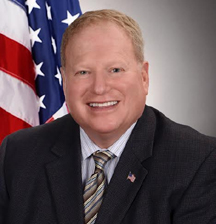
CALGARY (TIP): Jyoti Gondek, Calgary’s first female mayor of Punjabi origin, is seeking re-election as Calgary Mayor, with the election scheduled for October 20. Gondek, who made history in 2021 by becoming the first woman to lead the city, is now vying for a second term with a campaign focused on public safety, economic revitalization, and balanced growth across Calgary’s communities.
Gondek’s re-election platform emphasizes restoring downtown vibrancy, expanding housing affordability, and addressing concerns about addiction and safety. She has pledged to continue collaborations with provincial and federal governments to secure Calgary’s share of infrastructure funding while focusing on long-term sustainability.
Her campaign speeches have underlined her commitment to making Calgary a safer, more inclusive, and future-ready city. Born Prabhjote Kaur Grewal to Punjabi parents in London and raised in Canada, Jyoti Gondek’s journey to City Hall embodies the story of immigrant determination and multicultural success. Before becoming mayor, she represented Ward 3 as a councilor from 2017 to 2021 and worked in academia and consulting.
Her Punjabi heritage and deep community engagement have made her a familiar and respected figure among Calgary’s diverse population. This year’s municipal elections also reflect the growing influence of Calgary’s Punjabi community, with as many as seven Punjabi-origin candidates contesting city council seats.
The community, which has steadily increased its civic participation, is now emerging as a powerful voice in local politics. Among the notable candidates are Reet Mushiana and Raj Dhaliwal from Ward 5, both active community figures with strong local ties.
They are joined by Harinder (Harry) Singh Purba, Gurpreet Dhillon, Tarlochan Singh Sidhu, Taran Dhillon, and Jaspriya Johal, who are contesting across different wards. Many of these candidates have focused their campaigns on improving local infrastructure, ensuring equitable city services, and creating safer, more vibrant neighborhoods.
Political observers note that Ward 5 and Ward 10, which have significant South Asian populations, will be among the most closely watched battlegrounds.
A strong showing by Punjabi-origin candidates could mark a new chapter in Calgary’s civic landscape, showcasing the growing representation of immigrants in the city’s decision-making bodies.
The Punjabi community’s engagement in Calgary politics mirrors its rising participation at the federal and provincial levels, where several Punjabi-origin leaders have already made their mark. Analysts believe this expanding political presence reflects both the community’s demographic strength and its growing confidence in shaping policy conversations within the city.
While the mayoral race remains tightly contested, with recent polls showing Gondek among the frontrunners, the final outcome is expected to hinge on voter turnout and key issues like public safety, taxes, and city planning. For Gondek, a victory would reaffirm her leadership and strengthen her vision of a progressive, inclusive Calgary.
For the Punjabi community, these elections represent not only a chance for broader representation but also a milestone in their ongoing journey of civic empowerment in Canada’s energy capital. While another prominent Punjabi figure and sitting Edmonton Mayor Amarjeet Sohi is not seeking re-election for this upcoming term.
In 2025, he announced a return to federal politics, saying that he would run as the Liberal candidate in Edmonton Southeast; he was defeated by Conservative candidate Jagsharan Singh Mahal. Following his loss, Sohi announced that he would not seek re-election as mayor in the 2025 municipal election.
The plan can be seen in two ways – as a statement of intentions on how to end the Gaza war, or an instrument of surrender
By T.S. Tirumurti
Shortly before the second anniversary of Hamas’s attack on Israel (October 7, 2023), United States President Donald Trump unveiled his 20-point plan for a Gaza ceasefire. Hamas has reacted positively but has indicated that it will need to renegotiate parts of the plan. This has set the cat among the pigeons. Mr. Trump has hailed this as an opportunity to bring peace to West Asia while Israel is unhappy with the conditions attached to Hamas’ acceptance. Skepticism over progress on the plan is understandable given what happened in January this year when the ceasefire that was negotiated by U.S. Special Envoy Steve Witkoff, which was detailed, sequenced and agreed to by both sides, was torn up unilaterally by Israel after the first step. But this time around, all the major players, including Mr. Trump, want this plan to succeed as a last chance for peace in Gaza — except perhaps the Israel government.
In a nutshell
The 20 points include everything that the U.S. would like to see happen in Gaza in the foreseeable future; and, no, the Palestinian state is not one of them. The plan is at best a statement of intentions on how to end the Gaza war and bring normalcy to Palestinians in their destroyed land — and at worst, an instrument of surrender.
Except for one solitary timeline, where Israeli hostages would be released by Hamas within 72 hours of the ceasefire, everything else needs fleshing out to become a road map. The details of what should be done by the Palestinian side are spelt out — hostages (release within 72 hours); Hamas (disarm and/or quit Gaza); Palestinian Authority (reform or perish); governance of Gaza (deradicalization, demilitarization and technocrats’ rule under an International Board of Peace headed by Mr. Trump), and security (international destabilization force in Gaza). However, there are a few details of Israeli obligations (when does fighting stop), territory (how much will remain with Israel and till what time), and the future role of the Israeli Defense Forces (IDF) (no timelines for withdrawal from Gaza). Of course, the plan is silent on the West Bank.
The plan is designed to capitalize on the war fatigue of the Palestinians and pressure Hamas. Whether one agrees with its content or not, it covers aspects relating to security, economic development, governance and international involvement. Ethnic cleansing of Gaza has been ruled out. An international stabilization force could be a positive factor if the mandate is clear and regional and the other players involved play a committed role. Israel will get its security with a demilitarized Gaza and a disarmed and deradicalized Hamas.
Unfortunately, a lack of clarity on timelines and sequencing converts the framework into a mere statement of disjointed intentions rather than a credible pathway for withdrawal of Israel from Gaza and restoring normalcy. It is not even a full ceasefire deal since, under the plan, fighting can continue side by side with the implementation. This is what Hamas has serious reservations about. This infirmity could be fatal if the U.S. and major regional players do not do the heavy lifting vis-à-vis Israel. This is why Mr. Trump’s call to Israel to stop the bombing of Gaza is important. Of course, it is not as if Israel has listened to the U.S. now or in the past.
To state the obvious, the focus of the plan has been on the release of all Israeli hostages, dead or alive, since Israel’s Prime Minister Benjamin Netanyahu has been under tremendous domestic pressure to get them released. Once that is done within 72 hours of the ceasefire, the only arbiters of Palestinian destiny become the U.S. and Israel, which is incidentally the reality now. Every progress, or the lack of, by the Palestinians towards fulfilling the conditionalities will be decided by these two. There is no monitoring mechanism.
Further, while the release of 250 Palestinian life prisoners and 1,700 Palestinian detainees in exchange for Israeli hostages is welcome, with the revolving door policy of Israel to arrest, imprison and release Palestinians at will, this stipulation in the plan may not have any practical value on the ground. To get a sense of this equation, at least 18,000 Palestinians have been arrested by Israel only in the West Bank since October 7, 2023.
Burden shifts to Hamas, the Palestinians
Given the above, this plan removes the international pressure on Israel on its daily killings in Gaza, by shifting the burden of stopping the war to the implementation of the plan by Hamas and the Palestinians. If they are seen not to implement it, then Israel’s continued presence in Gaza is legitimized and its continued attacks will be justified. When Mr. Netanyahu has declared that the IDF will remain in Gaza, entrusting Israel to decide on its exit from Gaza is a non-starter.
Effectively, the plan puts governance and security under international control through its Board of Peace and International Stabilization Force. This can be a potential stop-gap arrangement provided the regional players remain committed and, where necessary, not hesitate to use their clout with the U.S. to stop Israeli violations. So far, the involvement of the Gulf countries in the Gaza war has been minimal since they have given priority to diminishing the threat of Iran and its proxies, which Israel helped them achieve. They are equally reluctant to compromise their larger interests in the region i.e., the Abraham Accords, their military ties with the U.S. and a newfound Syrian bonhomie, on the altar of an elusive two-state solution.
Once Gaza comes under international control, the plan does not chart out any pathway to elections or to a representative governance structure except a possible reformed Palestinian Authority’s role sometime in the future. Ironically, the last legislative elections in the occupied territories, in 2006, were won by Hamas, which secured 44.45% of the vote share and 74 out of 132 seats, while Fatah won 41.43% and 45 seats. This led to a division in the Palestinian leadership and the eventual disconnect between Gaza and the West Bank. Now, the plan envisages a technocratic committee with ‘Palestinian and international experts’, with municipal jurisdiction working under international governance and a security framework, directly under Mr. Trump. Hamas had agreed to step aside from the governance of Gaza and to a Palestinian technocratic committee. But under this plan, the Palestinians will not control their future. Hamas has called this unacceptable and said that a decision on governance should be taken by broader Palestinian consensus in which Hamas will also participate.
More a rehashed ‘Riviera’ plan
The self-styled ‘Trump’ economic plan is possibly a rehash of the idea to make a ‘Riviera’ out of the Gaza seafront and build ‘modern miracle cities’ to pull 2.3 million Palestinians in Gaza out of poverty, while thousands in the West Bank are being uprooted from their cities, land and livelihood and driven to poverty.
Earlier, one had argued that process usually trumped substance for negotiating a Palestinian state. This time there is not even a process except a solitary reference to self-determination in the plan which, both the U.S. and Israel know, is a point so distant that it may never be reached. Mr. Netanyahu has sworn never to concede a Palestinian state. His far-right partners have sworn to annex the West Bank this year. Therefore, it is no surprise that the plan does not base itself on international law or United Nations Security Council resolutions or even the recent International Court of Justice judgment on the 1967 borders to establish a Palestinian state. In fact, it goes in the opposite direction.
Consequently, how long will the ceasefire hold after the exchange of hostages? If it does not, how much capital will the U.S. and Gulf players spend to restrain Israel from further attacks? The larger question of the Palestine state has been set aside — as it has been time and again. The rapidly changing ground realities in the West Bank, with marauding Israeli settlement construction and eviction of Palestinians from their land, is now out of the syllabus.
[T.S. Tirumurti was Ambassador/Permanent Representative of India to the United Nations, New York (2020-22) and the first Representative of India to the Palestinian Authority in Gaza (1996-98)]
“India, too, must think creatively and adapt to the changing global trade dynamics. For decades, its high tariff walls were justified to protect domestic industries under the Five-Year Plans envisioned by Jawaharlal Nehru. That strategy worked: India built everything from safety pins to airplanes, became self-reliant, and transformed from a food-deficient to a food-exporting nation. How, then, can we fault others for pursuing similar protectionist policies today? It’s time for India to rethink its strategies and find a balance between protectionism and global trade.”
By George Abraham
There is an ongoing discussion these days about whether the Indian diaspora has remained silent on tariffs and other U.S. policies that have hurt India. The Trump administration’s imposition of nearly 50% tariffs on most Indian goods imported to the United States has had a devastating effect on sectors such as textiles, shrimp, and cut diamonds. The recent $100,000 fee on new H1B visa issuance has only added fuel to the controversy.
Although domestic political considerations may have driven these tariff policies, their application worldwide appeared to be without clear policy standards, often arbitrary, abrupt, and inconsistently justified. Economist Jeffrey Sachs has argued that many of the tariffs imposed by the Trump administration exceeded the president’s lawful authority, calling them “delusional” and unlikely to reduce either trade or budget deficits in any meaningful way.
Nevertheless, tariffs are here to stay, and nations around the world, whether they like it or not, must learn to navigate them. Export-driven economies, including America’s closest allies, have been hit hard. The European Union, Japan, and South Korea reluctantly reached trade deals with Washington despite deep dissatisfaction, reflecting the leverage the U.S. still commands in global commerce.
India, too, had an early opportunity to negotiate a similar agreement that might have averted the present predicament, but instead chose to walk a diplomatic tightrope. Understandably, India had to protect its farmers and guard against U.S. agricultural imports that could undermine its rural economy. Yet, in every negotiation, there must be give and take, and perhaps India underestimated the Trump administration’s resolve to reshape global trade on what it viewed as a more level playing field.
More than anything else, the situation exposes the shortcomings of the Modi–Jaishankar statecraft, which has failed to advance India’s interests on the world stage. The recent Indo–Pak conflict revealed a sobering truth: in times of crisis, India stands largely alone. Despite global condemnation of the terrorist attack in Pahalgam, Kashmir, only Israel offered unequivocal support, while most nations maintained diplomatic silence.
India’s ambiguous stance within BRICS, a group that includes Brazil, Russia, India, China, and South Africa, may also complicate its strategic relationship with the United States. Although New Delhi insists it does not seek to undermine the U.S. dollar, Washington remains wary of BRICS-level financial initiatives led by China and Russia that aim to reduce dependence on the dollar. India advocates gradual reforms, such as local currency settlements, without challenging the dollar’s dominance, yet the rhetoric emerging from BRICS summits continues to unsettle U.S. financial circles. This ambiguity in India’s stance within BRICS, balancing its relationship with the U.S. and its aspirations for a more multipolar world, poses a challenge for its foreign policy.
Today, around 58–60% of global foreign exchange reserves remain denominated in U.S. dollars, compared to less than 3% in Chinese yuan. The dollar’s dominance is rooted in America’s economic scale, deep capital markets, and the global trust in its institutions: a legacy of the Bretton Woods system. Yet beneath that veneer of stability, the U.S. faces sobering economic realities. As of September 2025, the national debt has soared to $37.85 trillion, while the 2024 trade deficit stood at $918.4 billion. Mounting interest payments consume an ever-larger share of the federal budget, limiting investments in infrastructure, education, and defense. Persistent deficit spending fuels inflation and erodes living standards, raising questions about long-term fiscal sustainability.
The Indian diaspora in the United States, a testament to human resilience, has long sought opportunity and a higher standard of living and has largely achieved it through hard work and discipline. Naturalized citizens of Indian origin have pledged allegiance to their adopted homeland, yet their emotional ties to India remain strong. They send back nearly one-third of India’s total remittances each year, a lifeline for millions.
However, unlike Non-Resident Indians in the Gulf, these immigrants are not looking back. Their U.S.-born children rarely share the same depth of attachment to their ancestral land. Their primary concern is the economic stability of America. When multinational corporations exploit the H1B visa system to import low-wage labor at the expense of local graduates, disillusionment grows. The unemployment rate among computer science graduates, at 6.1%, underscores this frustration. In the 1970s and 1980s, U.S. tech companies routinely trained domestic graduates, even those without engineering degrees; today, they depend on lottery-based recruitment abroad.
India, too, must think creatively and adapt to the changing global trade dynamics. For decades, its high tariff walls were justified to protect domestic industries under the Five-Year Plans envisioned by Jawaharlal Nehru. That strategy worked: India built everything from safety pins to airplanes, became self-reliant, and transformed from a food-deficient to a food-exporting nation. How, then, can we fault others for pursuing similar protectionist policies today? It’s time for India to rethink its strategies and find a balance between protectionism and global trade.
Meanwhile, America’s Midwest has become a rust belt of ghost towns —a haunting monument to its industrial past. Rows of shuttered factories, silent assembly lines, and empty main streets mark the decline of the middle class that once anchored American stability. Much of that industrial wealth has since migrated offshore, fueling growth in distant economies even as it hollowed out communities at home. Economic gains now accrue largely to the wealthy, while younger generations struggle for the security once taken for granted. The resulting sense of insecurity fuels populist anger on both the left and the right, deepening divisions and eroding the democratic center that long kept the nation balanced.
Amidst these challenges, the United States and India still share many commonalities. Both are large, pluralistic democracies rooted in constitutional principles and the rule of law. Both share a restless entrepreneurial spirit and a belief in the power of innovation. These shared values form the foundation for a relationship that transcends transactional politics. Let both nations build on this strategic partnership and friendship, overcome temporary differences, and work together to reach a trade agreement that is not just quick but also fair and equitable, reflecting the principles of justice and fairness in international relations.
(George Abraham is a former Chief Technology Officer at the United Nations. He is Vice Chair of IOC USA. He can be reached at gta777@gmail.com)
Even pre-independence India, with 450 million people and 12.6 million square miles, had around 600 princely states.
Modern New Jersey, with 9.3 million people and 8,722 square miles, has 564 princely fiefdoms — each with its own local monarch.
Call it home rule or over-rule, but New Jersey remains a bureaucratic circus running on taxpayers money.
New Jersey & Pennsylvania comparison of spending, tax, and population
At a Glance
New Jersey by Numbers (2025)
Population: ~9.26 million (2024 estimate)
Land Area: 8,722 sq. miles
Municipalities: 564
FY 2025 State Budget: ≈ $56.6 billion
Average Property Tax (2024): Over $10,000 — highest in the U.S.
Licensed Attorneys: 39,311 (≈ 4.23 per 1,000 residents)
Dual-Office Holding: Banned for new officials since 2007 (loopholes remain)
A Tiny State with Too Many Governments
New Jersey is a small state — just 8,722 square miles, smaller than many American counties — yet it manages to support one of the most bureaucratically dense systems on Earth.
With 564 municipalities under 21counties, serving 9.3 million people, every town insists on having its own mayor, council, police department, court, and school district.
The beloved “home rule” system, once a symbol of grassroot democracy, has in practice become a monument to duplication, inefficiency and waste.
💬 New York City serves roughly the same population with one mayor, one police commissioner, and one school system. New Jersey does it with 564.
The result? Sky-high costs. Sky-high taxes. And bottom-shelf results.
A Budget That Outpaces Its Neighbors
For FY 2025, New Jersey enacted a $56.6 billion budget — larger than Pennsylvania’s, even though Pennsylvania has 43% more people and four times the land area.
Average Property Tax (2024): $10,000+
A Decade Ago: ~$7,200
Increase: Nearly 40% in ten years
We pay more, yet get less. Taxes in the Garden State have risen faster than almost anywhere in America.
Education: Spending More, Achieving Less
New Jersey ranks among the top spenders on public education — often over $20,000 per student, compared to the U.S. average of $14,000.
It has 695 Local Educational Agencies (LEAs) managing 2,506 public schools.
Despite this, outcomes remain uneven:
New Jersey ranks among the top spenders with over $20,000 per student, compared to the U.S. average of $14,000.
It maintains 695 Local Educational Agencies (LEAs) to manage 2,506 public schools — a bureaucratic forest of superintendents, consultants, and boards.
Despite this lavish spending, outcomes remain uneven and disappointing.
Many students graduate lacking basic literacy and numeracy.
Our education system mirrors our governance — expensive, layered, and unaccountable.
Lawyers Everywhere, Justice Nowhere
According to the American Bar Association, New Jersey had 39,311 active lawyers in 2024 — about 4.23 per 1,000 residents. That rivals California’ 4.3, a state with four times our population.
For a state this small, the legal saturation is staggering. Litigation seeps into every corner of life — from zoning and education to local governance. We’ve built a culture where bureaucracy thrives on endless lawyering.
For a state this small, the legal saturation is staggering. Litigation seeps into every corner of civic life — from zoning to schools to town hall politics.
We’ve built a state where government thrives not on efficiency, but on endless lawyering and procedural paralysis.
The Double-Dipping Tradition That Refuses to Die
New Jersey outlawed dual-office holding in 2007 — but grandfathered in incumbents who already held multiple posts. The result?
The same old abuse continues under new legal cover.
Example:Nicholas Sacco, North Bergen power broker —
Mayor since 1991
State Senator since 1994
Township Commissioner since 1985
Assistant Superintendent of Schools on top of it all
Few states would allow this concentration of power. In New Jersey, it’s just another Tuesday.
In any other state, this would raise eyebrows and legal challenges.
In New Jersey, it raises pensions.
Why New Jersey Costs So Much
Let’s connect the dots:
564 municipalities
21 counties
Hundreds of overlapping school boards
39,000 lawyers
619,000 government employees
Property taxes exceeding $10,000 per household
Add it up, and you have America’s most expensive and over-governed state.
Let’s have a comparison between New Jersey and Pennsylvania.
Unlike Pennsylvania, where large areas remain unincorporated, every inch of New Jersey is incorporated. Every town has its own mini-bureaucracy — its police, public works, clerk’s office, attorney, and school board.
Some towns have fewer than 1,000 residents — yet still operate as full-fledged municipal governments.
The Township Patchwork
Here’s the municipal breakdown:
30 towns under 1,000 residents
182 towns with 1,000–6,000 residents
115 towns with 6,000–11,000
99 towns with 11,000–21,000
47 towns with 21,000–30,000
39 towns with 40,000–70,000
10 towns between 71,000–110,000
Top Five Cities: Newark, Jersey City, Paterson, Lakewood, Elizabeth
That’s 564 “mini-kingdoms,” each with its own royal court of mayors, clerks, attorneys, and chiefs — funded by the taxpayer.
The Home Rule Illusion
Supporters of “home rule” say it brings government closer to the people. In reality, it brings bureaucracy closer to your wallet.
Each town guards its turf and budget like a feudal estate. What we have is not participatory democracy, but a collection of fiefdoms for politicians and bureaucrats.
Every inch of New Jersey is incorporated. Every square mile is ruled by a mini-bureaucracy — with its own police, attorney, and clerk. Some towns have fewer than 1,000 residents yet operate like full-fledged governments.
This isn’t home rule. It’s job security for politicians and bureaucrats.
As I often say in Hindi:
“Netaji aur Sarkar Chalane Walon ke Liye Rozgar Yojana.”
(A government employment scheme for politicians and bureaucrats.)
Even pre-independence India, with 450 million people and 12.6 million square miles, had around 600 princely states.
Modern New Jersey, with 9.3 million people and 8,722 square miles, has 564 princely fiefdoms — each with its own local monarch.
Call it home rule or over-rule, but New Jersey remains a bureaucratic circus running on taxpayer money.
New Jersey & Pennsylvania comparison of State spending and Taxes
New Jersey vs. Pennsylvania: A Tale of Two States
Metric (2025) New Jersey Pennsylvania
Land Area 8,722 sq mi ~46,055 sq mi
Population 9.26 million 13.25 million
Municipalities 564 Far fewer
State Budget $56.6B ~$47.6B (General Fund)
Avg. Property Tax ~$10,000 ~$4,600
Per Capita Spending ~$11,600 ~$7,200
Dual Office Holding Banned (with loopholes) Rare
Despite being one-fifth the size, New Jersey spends like an empire. Trenton operates a larger budget than its bigger neighbor while delivering no better services — just more layers of officials.
Counties Within Chaos
New Jersey’s 21 counties add yet another layer: each has its own commissioners, sheriff, clerk, and surrogate.
Salem County (population 56,874) — 15 municipalities in 338 sq miles.
Bergen County (population 978,641) — 70 municipalities in just 234 square miles!
That’s bureaucracy on steroids.
The Cost of Keeping 585 Governments Running
According to the Bureau of Labor Statistics (2024):
Government Employees (NJ Total): ~619,000
State Employees: ~152,500
Average Compensation: $63.94/hour (wages + benefits)
That’s roughly $76.7 billion in annual payroll — more than the entire state budget.
Add in 13,000+ elected and appointed officials, whose salaries and benefits push the total cost near $500 million annually.
Add 13,000+ elected and appointed officials, and taxpayers are on the hook for roughly $500 million annually in salaries and benefits just for the rulers.
No wonder residents feel like they’re paying for the privilege of being governed.
New Jerseyans aren’t citizens — they’re the paying customers of a political monopoly.
Democracy or Legalized Extortion?
What we have in New Jersey isn’t functional democracy — it’s a political protection racket.
Residents are treated as the ATM for a bloated, self-replicating system.
This isn’t democracy in action. It’s a legalized extortion — a political protection racket disguised as government.
Pennsylvania shows that larger, more complex states can spend less and deliver more. New Jersey proves that corruption and inefficiency are bipartisan traditions.
Trenton remains the heart of this cartel — where outdated laws protect political dynasties, and public money fuels private ambition. Until someone cuts through this structural fat, we’ll keep paying Cadillac taxes for Chevy-level governance.
……Chevy-level governance — by dishonest, unethical, and immoral politicians hiding behind century-old laws.
A State That Serves Itself
New Jersey is rich, urbanized, and strategically located. Yet, it’s governed by a system that exists to serve itself.
Let’s recap:
$56.6 billion State budget
$76.7 billion in government payroll
$500 million in elected & appointed payroll
564 municipalities
$10,000 average property tax
619,000 total government workers
39,000 lawyers
Rampant legalism and inefficiency
I’ve lived here since 1996 — long enough to conclude that the Garden State’s most reliable crop isn’t tomatoes — it’s bureaucrats and politicians.
Perhaps psychiatrists, not voters, can best explain why New Jerseyans keep tolerating it.
(This article was first published in The Indian Panorama on September 5, 2011, and updated for 2025 with new data and analysis.)
Sadly, political and bureaucratic corruption in New Jersey has only grown more refined — and more shameless.
Compiled and updated by:
Dave Makkar An inmate of the world’s most corrupt state since December 1996
It is with cautious hope that we welcome the announcement of the first phase of a ceasefire agreement between Israel and Hamas, brokered under the auspices of U.S. President Donald Trump. After years of bloodshed, displacement, and renewed cycles of violence, any pause in hostilities is worth acknowledging—even if only as a tentative crack in a seemingly unbreakable pattern of conflict.
A history of ceasefires and their betrayals
The Middle East has seen too many ceasefires, truces, and “temporary pauses” — each promising relief, each eventually unraveling. In the recent Gaza wars, ceasefires reached in 2014, 2018, and more recently in the cycles of 2023–2025 have repeatedly failed to hold. Each time, one side or the other—often both—has accused the counterpart of violations, triggering renewed violence. The most recent ceasefire efforts earlier in 2025 illustrate how fragile the peace can be: the 60-day truce proposals faltered over disagreements about what comes next, the terms of withdrawal, disarmament, and hostage release.
Moreover, critics have accused previous U.S. brokers (including the current one) of tacitly accepting Israeli escape clauses or even endorsing renewed operations when the truce seemed inconvenient.
Thus, though we greet today’s announcement with relief, we cannot gloss over the long record of betrayal, backtracking, and the “ceasefire trap.” The past teaches that a ceasefire is the easy part; making it durable, equitable, and a foundation for real peace is exceedingly hard.
The new peace plan: promise or political theater?
Reportedly, this new initiative involves a 20-point peace plan (or “Gaza peace plan”) that includes the immediate cessation of hostilities, the release of all Israeli hostages, the withdrawal of Israeli troops to agreed lines, and the entry of humanitarian aid.
Also on the table is a transitional governance mechanism for Gaza, disarmament of Hamas, and the prospect of reconstruction under international supervision.
Prime Minister Narendra Modi of India was among the first world leaders to welcome the breakthrough, praising the “first phase” of the plan and expressing hope it might pave the way for lasting peace.
His relatively enthusiastic response stands in contrast with the measured or muted reactions of many Western and United Nations actors.
Yet we must ask: is this new scheme a genuine breakthrough, or a polished political gambit? Donald Trump has long sought a signature foreign-policy achievement—something that would elevate his mantle as a peacemaker. In a region where decades of bloodshed has defied all diplomatic resets, the temptation to shape an agreement that can be packaged and proclaimed as a “historic success” is strong.
It would be naïve to ignore that both Trump and Benjamin Netanyahu might prefer a façade of peace over the messy, uncertain work of real reconciliation. Peace would imply compromises: territorial concessions, recognition of rights, guarantees for Palestinian self-rule. Historically, the Israeli leadership has shown far greater appetite for military superiority and security control than for relinquishing sovereignty or permitting strong rival institutions. If that remains unchanged, the so-called peace plan may be better understood as a public relations maneuver than a genuine roadmap.
Why is so much skepticism justified?
Ambiguous enforcement and exit clauses
Many prior truce agreements contained loopholes—clauses permitting reprisals if “security conditions” were alleged, or threshold standards so vague they invite interpretation. Without strong international guarantors and mechanisms to enforce violations, the ceasefire is always at risk of collapse.
Disarmament and political legitimacy
The question of how (and whether) Hamas will disarm or transform into a purely political actor remains central and unresolved. If Hamas remains militarized or clandestine, the security argument used by Israel to re-enter Gaza can always be resurrected. A peace plan that fails to address the political legitimacy and participatory role of Palestinians is dangerously incomplete.
Absence of broader regional integration
Ceasefires are local pacts; durable peace requires regional embedding, involving Egypt, Jordan, the Arab states, the Palestinians in the West Bank, and even global powers. Without that integration, any accord may wither in isolation.
Unresolved final status questions
Sovereignty, boundaries, status of Jerusalem, refugee return or compensation, control of Gaza’s borders, and water rights — these issues remain untouched or deferred. A ceasefire that postpones them indefinitely may simply defuse the flames temporarily, without resolving the root causes.
Asymmetry in power and incentives
In this conflict, the stronger party (Israel, supported by the U.S.) retains a large margin of coercive capability. The weaker party (Hamas/Gaza) lacks full external backing. In many past ceasefires, the stronger side has exploited this asymmetry — quietly rearming, building underground assets, or slowly restoring pressure. Any peace that fails to balance power will remain vulnerable to relapse.
A moment worth honoring, but no guarantee
So yes — we welcome the fact that guns may fall silent, that hostages may be freed, that wounded civilians may taste relief, even if fleeting. We wish this ceasefire every chance to succeed. The suffering of Palestinian and Israeli civilians alike, the mountains of grief and displacement, cry out for an end to violence.
Yet as history shows, only time will tell whether this moment becomes a turning point or a footnote. The promise of peace must be tested by months, years, not by press releases alone.
We have a right — indeed a duty — to be skeptical. The silence from the United Nations (beyond tepid statements) is notable; many pro-U.S. nations are refraining from assertive commentary. The regional actors most proximate to the conflict are hedging their tone. All of this suggests that powerful interests are watching, waiting, and may yet undercut an accord.
Let us pray that this initiative endures, that the infrastructure of peace is built, that displaced families return, that children breathe without fear, that dialogue replaces bombs. But let us also hold leaders to their promises, demand accountability, and remember that in this region, peace has often been promised and rarely delivered.
In the end, it is not declarations but lived justice, not exhibits of diplomacy but the daily freedoms of ordinary people, that will show whether this ceasefire was history’s quiet hinge — or just another broken pause in a tragic, unending struggle.
Ganesha says, although you have a pleasant disposition and are highly diplomatic, you need to curb your tendency to occasionally act spendthrift, fickle-minded, and restless. You may face unexpected issues at work that are to be expected. You must approach these issues with more poise and tact. Traveling during this time will not only provide you with crucial information but also guarantee financial rewards. Later in the year, some couples will tie the knot.
October 14
Ganesha says you live each day to the fullest and have the potential to become a writer, philosopher, or thinker, but you need to learn to regulate your often restless and stubborn behavior. If you mingle with your coworkers, clients, and clients after work this year, you will build stronger relationships with all of them. Your investments will soar to new heights, and your financial situation will improve, causing you to spend more on comforts and luxuries. There will be nice romantic entanglements and good opportunities to form a marriage union.
October 15
Ganesha says you’ll face new problems this year, but your perseverance and the support of your friends and family will assure your success. With time, your financial situation will get better. Gains from investments and speculation are both possible. Being a responsible parent, you’ll provide your kids with nothing but the best. Towards the middle of the year, some unsettling news from a faraway location is to be anticipated. A spiritual person offers consolation and mental calm.
October 16
Ganesha says if you put your best effort forward, you can turn sand into gold. However, you need to curb your tendency to act vindictively, stubbornly, and moodily at times. Your international business activities will be very profitable and prosperous for you. Your financial situation will improve, and your confidence level will be at its highest if you find new sources of income. Professional modifications that are made in the middle of the year will be advantageous.
October 17
Ganesha says if you have been concerned about the lack of advancement in your professional career, now is the time to rejoice and celebrate. Your work will be much valued and will earn you the respect of your superiors, coworkers, and clients. Gains will also come from property-related issues. The home’s renovation and other construction-related tasks will likewise be high on your priority list. Patients with chronic conditions need to pay closer attention to their health. At all costs, preventative medications shouldn’t be ignored.
October 18
Ganesha says you have a fantastic personality and may quickly make friends because of your helpfulness, but you need to curb your tendency to occasionally act gloomy, wasteful, and inconsiderate. Gains and rewards are guaranteed this year, but you must remain entirely committed to your objectives. You will suffer losses or suffer a great deal of embarrassment if you are unable to obtain appropriate and reliable information. Financial transactions will go much smoother during the second half of the year, but partnerships and joint ventures should be avoided.
October 19
Ganesha says that although you have a fantastic imagination and can easily outsmart your competitors, you need to curb your occasionally vengeful, impulsive, and stubborn behavior. Gains in both health and wealth are anticipated in the upcoming year. There will be lots of praise and incentives for your achievements. Your self-assurance and tenacity will grow, helping you to complete challenging tasks with ease. You’ll spend more money on entertainment at this time, and you’ll also buy costly items for your home.
Ganesha says this week is a positive and encouraging time for Aries natives. There will be a flow of collective energy in your life, which will strengthen all kinds of relationships. If you wanted to reconnect with an old friend, this is the right time. A feeling of love and cooperation will awaken in your heart, which will also increase your social circle. Take the initiative to increase mutual understanding and harmony in relationships; this will increase the warmth between you even more. At this time, there will be an atmosphere of positivity around you, which will allow you to spend good moments with your loved ones. Some new friendships or relationships may also be formed, which will bring new happiness to your life. This week will give you a lot of happiness in terms of love, friendship, and social engagement. Recognize your inner feelings and do not hesitate to express them. Every day of this week will be full of hope and love for you. This is the time for you to deepen relationships.
Taurus
Ganesha says this week is very positive and encouraging for Taurus natives. This is the right time to welcome new opportunities in your life. You will be able to strengthen relationships with people around you. Due to your sociability and friendly nature, you will actively participate in social activities, which will bring freshness to your relationships. During this week, focus on matters that can make your kinship deeper. Be it friendship or family relationship, your open style of communication will spread positivity everywhere. If you are thinking of starting a new relationship, then this time is favorable. Your feelings will be clear and strong, which will make you enjoy the company of your loved ones more. Keep in mind that the energy level of this week will help you to establish harmony with others, and this will result in an increase in mutual understanding and love. This week will bring you a chance for a new beginning, which will make your personal relationship even sweeter.
Gemini
Ganesha says this week can be somewhat challenging for Gemini natives. During this period, you need to pay attention to your emotions and mental state. It will be important to maintain composure in whatever situation you come across. You may feel a kind of restlessness inside you, due to which you will experience difficulty in thinking clearly. Social and personal relationships may be slightly hindered, which may make you feel insecure. This is the time for you to identify the truth and clarify your thoughts. Avoid hesitation in expressing your feelings; this may improve your situation. Taking some time for meditation and peace will also be beneficial. Communicate with your loved ones this week; this will make you feel more empowered. Overall, this week is about understanding and taking cognizance of your inner restlessness, so that you can move forward and strengthen your relationships.
Cancer
Ganesha says this week will be very wonderful overall for Cancer natives. A new positive energy will flow in your life, which will inspire you to strengthen your relationships. This time is ideal to spend with your close ones. You will be successful in strengthening your emotional bonds, which will give you security and satisfaction. You will feel happy in the company of your loved ones. Small things will make your heart happy. This week is a time of communication, where you will be able to share your feelings openly. By keeping transparency and clarity in relationships, you can eliminate any misunderstandings. Your sensitivity and understanding will bring stability in relationships this week. You will take time to establish a deep connection with your partner, which will make the mutual relationship even sweeter. Overall, this week will bring a positive change in your relationships.
Leo
Ganesha says this week, you may face some difficulties in relationships. You may feel that there are some communication issues going on in your relationships. This time shows the need for deeper communication with the people around you. Try to express your feelings openly, as this can reduce your worries. Maintain positivity and, most importantly, move forward with patience and empathy. Spending time with your loved ones will be very important for you this week, so that you will be able to understand and support each other. Share your concerns and seek their solutions wisely. During this period, avoid any kind of negativity and spread positive energy. You will continue to get the support of your loved ones, just maintain a little patience and understanding. This is the time for you to strengthen relationships.
Virgo
Ganesha says this week, the overall situation looks very great for Virgo people. There is a flow of positive energy around you, which will raise your morale and make you cheerful. This is the time when you will be inspired to share your feelings and thoughts with others. Your relationships will grow sweeter, and you will be able to connect more deeply with your loved ones. In love, your sensitivity and understanding will bring you closer to your partner. Mutual understanding and communication will make your relationship stronger. If you are in a new relationship, this is the right time to express your feelings. Your creativity and self-expression are going to be unparalleled this week. Embracing new ideas and imagination will allow you to reach new heights. All your efforts and relationships will see growth this week, which will bring you satisfaction and happiness. Go ahead, because this time is going to prove miraculous for you.
Libra
Ganesha says this week, the overall experience is going to be a bit challenging for Libra natives. You will feel that there may be some hindrances in the relationships around you. This is the time when there may be difficulties in communicating with your partner or loved ones. You are full of passion and enthusiasm, but the energy around you may bother you a bit. Be careful in conversations, as any matter can take a big form. You may face ups and downs in various relationships. Perhaps your emotions are a little unstable, which may affect your self-esteem. It is necessary to maintain harmony with the people around you. Establishing mutual interest and understanding should be the priority this week. Be patient and be ready to face some obstacles in love matters. Do not refrain from sharing your emotional thoughts and feelings; it will give you relief. Maintain a positive attitude; this time will also pass.
Scorpio
Ganesha says this week can be a challenging time for Scorpios. Problems may arise in the surroundings, which may affect your mental balance. There are also chances of tension in personal relationships. This week indicates facing some difficulties in love and relationships. You may feel unable to express your feelings properly, which may increase misunderstandings. You should take care of your relationships with dedication and patience. Try to clarify things and be open in communication. Try to spend quality time with your partner; this can strengthen your mutual relationship. Although this time is challenging for you, keep being patient in exploring new opportunities. Adopt the right way to express your feelings this week, and try to deal with problems with a positive attitude. Remember, every difficulty can also be a learning experience.
Sagittarius
Ganesha says this week will be very positive and dedicated for Sagittarius natives. There will be a surge of enthusiasm and excitement in your life, which will enable you to bring more depth to your relationships. The bridges of communication will be strengthened at this time, and you will connect heart to heart by spending time with your loved ones. Due to the depth of feelings, you will be happier and satisfied with your friends and family members. This is a great time to promote mutual understanding and cooperation in the weekly period. There will also be an opportunity to enhance your creativity and self-expression, which will enable you to share a new experience with your partner. The more you spend this time strengthening relationships, the better the result you will get. Overall, this week will be very good for Sagittarius from a social and relationship point of view. Express your feelings openly and enjoy this beautiful moment.
Capricorn
Ganesha says the overall situation is going to be extremely positive for Capricorn natives this week. There will be a flow of positive energy around you, which will help to lift your morale. You will experience harmony and understanding in your relationships. Spending time with family and friends will bring you happiness and satisfaction. During this time, your communication skills will improve, which will make your relationships even stronger. Your confidence will increase, and due to this, you will be able to express your feelings openly. This time is an opportunity for you to establish deep and meaningful relationships with those closest to you. Positive communication will bring new freshness to your relationships. By capitalizing on this feeling of connecting with each other, you will be able to make your life even more beautiful this week. So, stay away from negativity and welcome positivity. This week will be very pleasant and joyful for you from an overall point of view.
Aquarius
Ganesha says there may be many challenges and disruptions for Aquarius natives this week. You may feel that the situation around you is unstable, and this may disturb you mentally. Some differences may arise in relationships, due to which you may feel anxious. This is the time when you need to pay attention to your reactions. Avoid any kind of argument, as it may worsen the situation. Lack of mutual understanding and cooperation can also be seen in your social life. Be careful in communicating with your loved ones, so as not to give rise to any misunderstanding. Your creativity may also be affected, so you may find it difficult to come up with new ideas. This week, make self-introspection and sadhana your priority, so that you can recognize your inner strength. It will not be easy to overcome any negativity, but with self-confidence and patience, you can pass this week.
Pisces
Ganesha says this week, the overall experience for the Pisces natives appears to be a bit difficult. You may face some troubles during this time, especially at the level of your thoughts and feelings. Emotions may be a bit unstable, and you may get lost in some memories of the past. This may hurt your mental health, making you feel a little anxious. People and relationships around you may also experience some tension during this time. However, this challenging time will provide you with an opportunity to grow and understand yourself. This period will make you feel the need for self-growth. If you take the time to understand your feelings, you can improve your situation. Remember that this is also an opportunity to recognize your inner strength. Try to move forward with an open mind by stepping out of your assumptions. This week’s challenges can be an opportunity to take steps towards your personal growth.
Emmy-nominated filmmaker, actor, and Happy Life Yoga speaker Tirlok Malik
NEW YORK (TIP): Emmy-nominated filmmaker, actor, and Happy Life Yoga speaker Tirlok Malik will once again bring his artistry and passion to the stage this Diwali season, portraying Bharat in two of the most prestigious celebrations in New York—the AIA Diwali Festival at Overlook Beach, Long Island and the Times Square Diwali Celebrations.
Malik has been playing Bharat under the direction and choreography of Pandit S.N. Charkha, Founder of the East-West School of Dance and disciple of Padma Vibhushan Pandit Birju Maharaj, for many years, including seven consecutive years at the Museum of Metropolitan Art’s annual Diwali celebrations in New York to packed audiences. “Pandit Charkha ji has dedicated his life to dance and the arts. To be under his direction is a blessing. When I perform Bharat, I feel completely immersed, almost in a trance, especially during the coronation scene of Lord Rama,” says Malik.
For Malik, Bharat—the devoted brother of Lord Rama in the Ramayana—represents the highest ideals of love, respect, devotion, and sacrifice. “To portray Bharat is not just acting; it is stepping into values that have timeless relevance,” he explains.
The AIA Diwali Festival, now in its 38th year, is the oldest and most respected celebration of its kind in America, led this year by President Bina Kothari and National President Gobind Munjal. The festivities at Overlook Beach will feature fireworks, music, and a spectacular dance drama directed by Pandit Charkha with Malik as Bharat.
The celebrations will continue with the Times Square Diwali Festival, marking its 10th year, created and led by Neeta Bhasin, who has given Diwali a global stage at the very heart of New York City. “What Neeta Bhasin ji has achieved is remarkable—she has made Diwali a part of the world’s most iconic square. Performing Ramayana at Times Square is a historic experience, and it sends a powerful message about the universality of our traditions,” says Malik.
For Malik, the essence of these performances is to bring the message of the Ramayana to audiences in America. “In today’s world, the values that Ramayana represents are needed more than ever. By bringing these stories to New York audiences, we are not just celebrating Diwali—we are reminding ourselves and our children of the values that sustain humanity.”
Tirlok Malik as Bharat ( third from the left), and the Ramayana Team with Director- Choreographer Pandit S.N. Charkha.
UNITED NATIONS (TIP): India has reaffirmed its historic and continuing leadership in advancing the role of women in peacekeeping and global security, calling their full and equal participation “a necessity for lasting peace.” Speaking at the UN Security Council Open Debate on Women, Peace and Security (WPS) on Monday, October 6, Ambassador Parvathaneni Harish, India’s Permanent Representative to the United Nations, underscored that gender equality in peace operations has been integral to India’s approach to global peace for decades — long before the adoption of the landmark UN Security Council Resolution 1325 in 2000.
“India’s commitment to this principle predates the resolution by several decades,” Ambassador Harish said. “We recognized early that sustainable peace cannot be achieved without women.”
The debate, convened under the presidency of the Russian Federation, marked the 25th anniversary of Resolution 1325, which recognized women’s vital role in conflict prevention, peacekeeping, and post-conflict reconstruction.
Harish noted that as early as the 1960s, India deployed women medical officers to Congo, one of the first instances of female participation in UN peacekeeping. The country’s pioneering spirit, he said, reached a milestone in 2007, when India deployed the first-ever all-female Formed Police Unit (FPU) to Liberia — a mission that not only reduced crime and enhanced local security but also inspired Liberian women to join law enforcement and nation-building efforts. “This initiative was a game changer,” he said.
India’s leadership in advancing women’s participation has continued ever since. The appointment of Dr. Kiran Bedi, India’s first woman police officer, as the first female Police Adviser and head of the UN Police Division in 2003, was another historic step. Currently, more than 160 Indian women peacekeepers serve in UN missions worldwide, including all-women engagement teams in the Democratic Republic of Congo, Abyei (Sudan), and South Sudan.
Ambassador Harish highlighted the global recognition accorded to Indian women officers: Major Suman Gawani, who won the UN Military Gender Advocate Award in 2019 for her service in South Sudan, and Major Radhika Sen, honored in 2024 for her contributions in the Democratic Republic of Congo. “It is no longer a question of whether women can do peacekeeping,” Harish declared. “Rather, it is whether peacekeeping can do without women.”
He described women peacekeepers as “builders of trust, protectors of the vulnerable, and role models for change.” Citing External Affairs Minister Dr. S. Jaishankar, he added that women peacekeepers are true “messengers of peace.”
India has also become a global center for capacity-building in peacekeeping, especially for the Global South. The Centre for United Nations Peacekeeping (CUNPK) in New Delhi, established by the Indian Army, now trains over 12,000 troops annually. In 2016, it launched a flagship course for female military officers, training women from 39 countries in leadership, protection of civilians, and prevention of sexual exploitation and abuse. India has also deployed mobile training teams to several nations to strengthen women’s operational capacity in the field.
In February 2025, India hosted the International Conference on Women Peacekeepers from the Global South, which brought together participants from 35 nations to discuss actionable strategies for expanding women’s participation in peacekeeping operations. In August 2025, New Delhi hosted the UN Women Military Officers Course, with participants from 15 countries.
Ambassador Harish also used the forum to rebut Pakistan’s habitual attacks on India at the UN, describing its statements as “a delusional tirade.” “A country that bombs its own people and conducts systematic genocide cannot lecture others,” he said, recalling Pakistan’s Operation Searchlight of 1971, which he called a “campaign of genocidal mass rape of 400,000 women.” He added, “The world sees through Pakistan’s propaganda.”
Concluding his remarks, Ambassador Harish reaffirmed India’s steadfast commitment to the Women, Peace and Security agenda and its readiness to share expertise and experience with developing nations.
“India remains unwavering in its dedication to this transformative agenda,” he said. “We will continue to foster collective solutions to shared challenges, especially across the Global South.”
Ganesha says your character and an optimistic outlook toward life can enable you to surround yourself with a large number of friends. Proximity to the water body can benefit you financially in the coming year. One must try to get a job in a city or town near a river or sea. Those of you who are single can overestimate the possibility of getting married. You may have a strong sense of independence and self-assurance. In the coming year, you may roam among intelligent people. This can benefit you in every way. After your marriage, you may be prosperous.
September 30
Ganesha says in the coming year, your self-assurance can help you become popular and successful. Family and friends may come to you for guidance and support. The domestic front, especially for your children, will bring lots of happiness and love. Shades like yellow, violet, and green are considered lucky for you. Some of you are more likely to inherit property in the coming year, especially from your father’s side. Your career may involve a lot of travel in the coming year. You may enjoy developing your spiritual abilities and using them to help oppressed groups of people.
October 1
Ganesha says although you have a practical approach and take your obligations seriously, you may need to rein in your tendency to act stubborn and jealous. Your spouse gives you love and affection, and your children excel and can make you proud. A sudden deterioration in the health of a relative can be a cause for concern. You may have the potential to invest extensively in the coming year not only in speculative industries but also in real estate. You can get benefits in kind and cash from family and friends.
October 2
Ganesha says your friends may notice your humility and come to you for help and guidance. However, you sometimes get restless and may take hasty decisions as a result. As a result, it can only get worse. You do not enjoy exercising your authority because you can be submissive and meek by nature. However, you will also hate people interfering in your personal matters. You value privacy and prefer to be alone. Your passion for reading and thirst for information can be your asset in the coming year. You will be able to harness this strong power of observation so that you will be able to notice the small movements around you more.
October 3
Ganesha says in the coming year, you are likely to see changes both on the professional and domestic front. Some of you may have to suffer financial loss due to betting. It is advised that you lend money only when you are sure that you can get it back. In the coming year, you can take your own decisions because of your independence. You may be serious by nature and value some level of solitude in your life. You may prefer to spend time alone by working on your own projects. You will be seen spending a lot of time in the coming year working as a social worker for hospitals and non-profit organizations.
October 4
Ganesha says you will experience many events in the coming year, but it is best never to overreact to unimportant issues. White, blue, purple, and cream are very auspicious colors for you. You are naturally a studious person, and you can be happiest when you are surrounded by literature. You can be prepared to defy tradition and decide what suits you best in matters of love. Those who will get married this year should wish for a prosperous life. Your dedication and hard work will be noticed by your managers, and you may possibly get rewarded for your efforts. You may naturally be good at reading. You enjoy doing it professionally and can find fulfillment in it.
October 5
Ganesha says you can strike the ideal balance between religion and logic. You may spend a lot of time traveling in the coming year. You will be fascinated by both music and literature and listening to music can bring peace to your mind. You like to support those who are deeply oppressed. May you have many possibilities to help the less fortunate in the coming year. The subject of your choice will be available for study, and you may be able to delve deeper into it. As a result of this, you can be successful in your academic subject. You may be obsessed with maintaining law and order.
Ganesha says this week, you will be full of energy and great ideas. It is time to speed up work, and your hard work will pay off. You may get a chance to work on a new project, and your leadership skills will inspire others. Wise decisions need to be made, especially in financial matters. By keeping a check on expenses, you can move towards your long-term goals. People around you will be able to understand your ideas, which will increase dedication and cooperation. In terms of health, it is advisable to focus on meditation and exercise. Spending some time in yoga or meditation will give you mental peace. In personal relationships, you can solve problems by keeping the dialogue open and working wisely. Attending social events will allow you to expand your network. This week will prove to be better for bringing positive changes in your personal and professional life. Use your energy properly and stay positive.
Taurus
Ganesha says this week, the door to new possibilities can open. You will try to balance your personal and professional life. It will be important to communicate with colleagues at the workplace. Your confidence will help you start new projects. Try to maintain stability in financial matters. Avoid spending without thinking, as it may put you in trouble in the future. Spending time with family members and accepting their suggestions will strengthen your relationships. In terms of health, yoga and meditation will improve your mental health. Small things may stress you, so it is important to maintain mental balance. This week, your efforts will get positive results. Having a little patience will help you achieve your goals. Believe in your inner power, and keep moving forward.
Gemini
Ganesha says this week, new possibilities and opportunities will open up for you. You will be more active in social life, which will give you a chance to develop new friends and relationships. Your cleverness and intelligence in conversation and communication will attract people. On the work front, you will get the opportunity to collaborate better with the team. Your thoughtfulness and ability to share new perspectives in group discussions will increase your recognition. However, keep in mind that it is important to respect everyone’s opinion. In personal life, conversations with your partner or close friends will help strengthen your relationships. It will be good to plan a short trip or vacation, which will refresh your mind. This week, your health also needs attention. Exercise regularly and follow a proper diet. Do meditation, yoga, or sadhana to reduce mental stress. Try to balance on different edges, and remember that your sensitivity is your specialty. Listening to your inner voice will give you the right direction.
Cancer
Ganesha says this week will bring some important opportunities. Your sensitivity and insight will prove to be the biggest helpers at this time. Relationships with your family members will improve, and you will get a chance to spend some quality time with your loved ones. On the professional front, you need to focus on new projects this week. Some new ideas may come to you, which will take your career in a positive direction. If you are interested in some work, then it is time to pursue it. Your health condition will remain normal, but keep in mind that it is important to control stress. Regular exercise and yoga will give you mental peace. This week, your emotions may flow out, so you need to take care of your emotional health. Staying away from negativity and adopting positivity will be beneficial for you. In summary, this week is an opportunity for self-development and collaboration. Strengthen your relationships and welcome new opportunities.
Leo
Ganesha says this time of the week, the door to new opportunities seems to be opening for you. This week will inspire you to reach the highest level in your career. Your balanced approach and dedication will make you see positive changes at the workplace. In personal life, self-confidence will increase, which will help in improving relationships. Try to spend time with your loved ones, as it will make the relationship stronger. In terms of health, energy levels are likely to remain high. However, it is also important to take some precautions, especially for your emotional well-being. Meditation and yoga can be beneficial for you this week. So, stay loyal to your goals this week and maintain a positive attitude. Be ready to embrace new experiences. You will feel your radiance increasing, and you will attract people around you.
Virgo
Ganesha says this week marks a new beginning. Your systematic thinking and practical approach will help you move forward on projects that were stuck for a long time. In work life, try to establish better rapport with colleagues; this will increase the team’s efficiency. In your personal life, relationships will warm up. If you have put off discussing an important issue, now is the right time to share it with your partner. This conversation will make your relationship stronger. In terms of health, try doing yoga or meditation to avoid stress. This will maintain your mental peace and make you more focused. Take some time for yourself at the end of the week; it will be beneficial for your mental and physical health. Overall, this week is going to bring positive changes for you, so move ahead with confidence.
Libra
Ganesha says this week is a positive and inspiring time. This is the right time for you to self-realize and understand the depth of your relationships. Keep balance and justice in all the decisions you are going to take. This week will open up new possibilities in your personal and professional life. If you are considering a new project or partnership, this is the right time for you to go ahead. Your social circle will also grow, which can lead to new friends and associates. There will also be a new freshness in your relationships. If you are with someone special, then the conversation and understanding between you will increase. For single people, you may meet someone new who will prove to be special to you. In terms of health, make sure that you take care of your mental and physical health. Doing yoga or meditation will give you mental peace. This week, focus on your goals and maintain balance in all aspects of your life. This time is going to bring you opportunities for success and happiness.
Scorpio
Ganesha says many new opportunities may open up for you this week. Deep thinking and a sense of freedom inside you may attract you to new ideas. At work, you will get the fruits of your hard work soon, so stay focused and believe in your abilities. In personal relationships, emotions will deepen. You need to spend quality time with your loved ones. Some old issues may also get resolved, which will give you mental peace. In terms of health, take care of your mental and physical health. If you have recently faced any health-related issues, do not ignore them. Creating a small exercise routine will be beneficial for you. This week, it is important for you to move forward towards your goal and recognize the power within you. This time, full of your confidence, can become the key to your success during new opportunities.
Sagittarius
Ganesha says, enjoy your journey with partners and goals. This week, new experiences will not only make you happy but also expand your perspective. Keep your mind open and welcome new opportunities. In terms of health, a little meditation and rest will be beneficial for you. It is important to maintain your mental and physical health. Create positivity by channelizing your inner energy in the right direction. The importance of truth and honesty will increase in business and the workplace. Maintain good relations with colleagues and focus on teamwork. This is the time when your hard work is likely to yield results. Your openness and honesty in personal relationships will bring beauty. Spend time with your loved ones, as it will further strengthen your relationships. Your spontaneity and laughter will charm everyone. This week, you will get the opportunity to listen to your inner voice. Listen to your heart and prioritize your desires. It is time for self-reflection, so focus on your dreams and hopes.
Capricorn
Ganesha says this week, a positive energy flow is being seen. The results of your hard work and dedication will start coming to you this week. Opportunities for progress at work will not only boost your confidence, but will also make you appreciated among your colleagues. Time spent with family and friends will improve mutual relationships. This week is good for you, especially for strengthening the relationships that support you. Take care of small joys and share them with your loved ones. In terms of health, adding a little regularity and exercise to your routine will keep both your mind and body healthy. It is also important to take care of mental health, so adopt the process of meditation and yoga. From a financial point of view, you may get a new financial plan or investment opportunity. Evaluate your options carefully to make the right use of this opportunity. This week, you may have to make some important decisions. Decisions taken with your discretion and thoughtfulness will be right. Remember, stability and balance will take you in the right direction.
Aquarius
Ganesha says many positive changes are likely to come this week. There will be clarity in your thoughts and resolutions, which will help you move towards your goals. Spending time with family members will strengthen your emotional state, and you will understand them even better. During this time, sharing ideas with close friends will lighten your mind and provide new perspectives. Your social life is also likely to improve by participating in activities, where you can meet new people. On the professional level, the results of the efforts you have made will now become more evident. Your colleagues will appreciate your hard work, and due to this, you may also get new responsibilities. In terms of health, you may feel the need to take some rest in the middle of the week. Meditation and light exercise will bring mental peace. Focus on self-care, as it is important for your overall well-being. Keep exchanging your ideas in social circles, and do not hesitate to take any new initiative. This week, it is time for you to understand the power of restraint and decision-making.
Pisces
Ganesha says this week will bring many positive opportunities for you. You will get an opportunity to discover your hidden talents, which will help you grow in your professional life. Your colleagues will appreciate your ideas, so don’t hesitate to share your proposals. Your emotions will deepen, making you even more sensitive in your close relationships. Family relationships will strengthen, and you will get a chance to spend more time with your loved ones. At the end of this week, you will get mental peace, which will allow you to start new tasks with new energy. Your financial condition will improve, but it is important to keep an eye on expenses. Understand the need before making any investment. From a health point of view, focus on regular exercise and a balanced diet. Be open to new experiences this week and trust your intuition. Good times await you!
Ahmedabad (TIP)-KL Rahul’s 11th hundred grounded the West Indies before Dhruv Jurel and Ravindra Jadeja followed the suit with stylish tons as India literally batted the visitors out of the opening Test taking a huge lead of 286 runs at the end of second day’s play. At stumps, India were 448 for 5 and with the West Indies spinners getting appreciable turn and bounce off the rough, the hosts will like to finish the game by the end of the third day itself and consolidate their position in the World Test Championship points table. Rahul (100 off 197 balls), Jurel (125 off 210 balls) and Jadeja (104 batting off 178 balls) had their own distinct approach to Test match batting and even interesting ways of celebrations.
Rahul’s was for his infant daughter while Jurel’s gun salute was for the Indian Army while Jadeja’s now familiar sword celebration is something people wait for.
The West Indies bowling was insipid and there was lack of energy on the field which also enabled India to actually increase their stranglehold on the opposition.
India through 128 overs scored at 3.50 runs per over which is reminiscent of Test cricket from a bygone era but also hit 45 boundaries and eight sixes—five of them by Jadeja, same shot in the same region.
While Rahul brought an end to his century drought at home by hitting his second century since December 2016, Jurel brought up his maiden Test century in only his sixth Test for India having made his debut last year.
Jadeja, whose purple patch saw the venerable all-rounder notching up his seventh score in last six Tests in excess of 50 including two hundreds since the England tour, brought up his sixth century in the format.
Jurel and Jadeja put on 206 runs for the fifth wicket for an imposing fifth-wicket stand, but they also narrowly missed breaking the record for highest fifth wicket partnership for India against West Indies, which belonged to VVS Laxman and Sachin Tendulkar who put on 214 runs at Kolkata’s Eden Gardens in October 2002.
The partnership ended when Jurel, who smacked 15 fours and three sixes got an inside edge off Khary Pierre late in the day to be caught behind for the West Indies debutant’s maiden wicket in Tests.
On the second day, India opted for a traditional approach with the bat to pile up immense pressure on the West Indies, who, at the best, remained disciplined but could not put pressure back on the hosts.
Gill and Rahul resumed India’s innings at 121 for 2 and by drinks in the first session, the deficit of 41 runs was erased with the two batters going about their jobs with ease.
In the 56th over off Pierre, Rahul reverse-swept a ball for a four which was enjoyed thoroughly by the Indian captain who tried to emulate his partner in the next. However, Roston Chase’s (2/90) delivery, which pitched on off, took a leading edge and Justin Greaves in first slip was nimble to move in direction of the ball to grab an easy catch. Gill, who added 98 runs for the third wicket with Rahul, fell immediately after completing his half-century. His innings had five boundaries.
But Rahul carried on to bring up only his second century at home in nine years and 11th overall. The right-handed batter had scored 199 in the Chennai Test against England in December 2016 and since then a triple-figure score had remained elusive.
Rahul also had his share of luck early on in the first over of the morning when an outside edge of Jayden Seales flew between the wicketkeeper and wide first slip, with neither of the fielders reacting.
Lionel Messi on Thursday, October 2, confirmed his participation in the much-anticipated GOAT Tour of India 2025, calling it an “honour” to revisit the “passionate football nation” country where he last played 14 years ago. “It is such an honor for me to make this trip. India is a very special country, and I have good memories from my time there 14 years ago — the fans were fantastic.
“India is a passionate football nation, and I look forward to meeting a new generation of fans while sharing the love I have for this beautiful game,” Messi said in an official statement.
The organisers had already unveiled the itinerary on August 15, and Messi’s statement on Thursday marked the first time the football icon himself confirmed the visit.
Messi will begin his whirlwind four-city tour in Kolkata on December 13 before travelling to Ahmedabad, Mumbai and New Delhi. The trip will end with a meeting with Prime Minister Narendra Modi on December 15. During the tour, the Argentine superstar will headline concerts, meet-and-greet sessions, food festivals, football masterclasses, and even a padel exhibition at Mumbai’s Brabourne Stadium.
Texas (TIP)-In a dramatic legal gambit, USA Cricket filed for Chapter 11 bankruptcy just minutes before a scheduled preliminary-injunction hearing in Colorado on its dispute with American Cricket Enterprises. The move automatically pauses the proceedings and shifts key decisions to the federal bankruptcy court. This adds a twist to the entire incident in a governance saga that has roiled American cricket for months. (reported by Cricbuzz)
This is the first instance known globally of an ICC member board declaring itself bankrupt. The filing arrived after weeks of boardroom unrest, ICC pressure over reforms, and a public rupture with ACE, the entity that backs Major Cricket League.
Under Chapter 11, USA Cricket seeks protection while it restructures its obligations. The Colorado hearing, where ACE sought a preliminary injunction, has now been effectively paused, pending the bankruptcy process. For the stakeholders, this means the bankruptcy court will now oversee immediate questions that would have been aired in Colorado.
Early bankruptcy schedules offer a first look at US Cricket’s finances: modest assets and unsecured claims of just over half a million dollars. The current player contracts, including those of several senior internationals, appear on the executory contracts schedule with end dates of December 31, 2025. This means that those deals now sit under Chapter 11 oversight and could face delays or renegotiation, subject to the approval of the court. ACE condemned the timing and intent of the filing. As quoted by Cricbuzz, an ACE representative said, “USAC could not bear for the preliminary injunction hearing to even begin, and knew the result was a forgone conclusion. It had no basis to terminate the parties’ agreement and was recklessly imperiling the success of cricket in the US. USAC has zero regard for the best interest of cricket and its players, and is only motivated by politics and its directors’ personal agendas.”
The report further claims that ACE offered to continue payments if USAC accepted a voluntary preliminary injunction, allowing the commercial agreement to run while the dispute proceeded to arbitration; however, USAC did not accept it.
The filing follows months of pressure from the ICC and USOPC, who repeatedly urged the USAC board to resign to pave the way for reforms and restart ICC clash flows, which the board declined. A separate flashpoint saw director Anj Balasu recalled by leagues amid arguments that bankruptcy was being used as leverage over the ICC. For players and pathways, the near-term picture is uncertainty around payments and planning cycles until the court sets a path forward.
Perched on the rolling hills of the Eastern Himalayas, with the mighty Kanchenjunga watching over its serene landscapes, Kalimpong is a destination that quietly enchants rather than overwhelms. Unlike its more famous neighbors Darjeeling and Gangtok, Kalimpong exudes a subtle charm-an unhurried rhythm of life, colonial-era architecture, Buddhist monasteries, orchid nurseries, bustling bazaars, and panoramic views that seem painted in pastel hues. For travelers seeking serenity, culture, and a touch of nostalgia, Kalimpong is a Himalayan paradise waiting to be discovered.
A Town with a Story
Kalimpong’s history is as colorful as its landscapes. Once under Bhutanese rule and later part of the British colonial trade route to Tibet, the town grew into a thriving center of commerce, culture, and spirituality. Its name is believed to be derived from the Tibetan word Kalibong, meaning “ridge where we play,” as it was once a ground for tribal gatherings. Today, Kalimpong retains this spirit of multicultural harmony, where Lepchas, Bhutias, Nepalis, and Tibetans coexist, blending their traditions into a vibrant mosaic.
The Landscape: Where Nature
Paints a Canvas
Kalimpong’s beauty lies in its tranquility. Spread across terraced hills and lush valleys, the town offers breathtaking views of snow-capped Himalayan ranges, especially at sunrise when the peaks of Kanchenjunga glow golden. The Teesta River flows gracefully through its foothills, offering adventure opportunities like rafting, while its surrounding forests shelter exotic flora and fauna.
For nature enthusiasts, the highlight is the abundance of orchids and rare Himalayan flowers. The town’s nurseries-famous for gladioli, orchids, and cacti-make Kalimpong a horticultural hub, with flowers exported worldwide.
Durpin Monastery
Perched on Durpin Hill, this monastery offers panoramic views of Kalimpong and the Teesta Valley. Built in 1972, it houses rare Buddhist scriptures brought from Tibet after the Chinese invasion, making it a place of spiritual and historical significance.
Deolo Hill
At 5,500 feet, Deolo is the highest point in Kalimpong and a favorite spot for picnics, paragliding, and sunrise views. The sweeping vistas of the valley below, dotted with villages, rivers, and forests, are simply unforgettable.
Kalimpong Arts & Crafts Centre
A hub for traditional handicrafts, carpets, and wood carvings, this center preserves the town’s artistic heritage while offering travelers a chance to take home authentic souvenirs.
Colonial Churches and Schools
Kalimpong’s British legacy lives on in its old churches, like St. Teresa’s Church and MacFarlane Memorial Church, and its historic schools such as Dr. Graham’s Homes, set amidst sprawling grounds with stone cottages that look straight out of a storybook.
Cactus and Orchid Nurseries
Nature lovers will delight in Kalimpong’s nurseries, such as the Pine View Nursery, which boasts one of the largest collections of cacti in Asia. These gardens are both educational and aesthetic, a testament to Kalimpong’s global reputation in floriculture.
Local Markets
The bustling bazaars of Kalimpong, such as Rishi Road and Haat Bazaar, are alive with Tibetan woolens, Himalayan pickles, handmade bags, and traditional jewelry. Wandering through these markets offers a slice of everyday life infused with local color and flavor.
Culture and Cuisine
Kalimpong’s cultural fabric is woven from its diverse communities. Festivals like Losar, Tihar, and Buddha Purnima bring the town alive with music, dance, and ritual. The cuisine is equally varied-steaming plates of momos and thukpa, Nepali gundruk soup, Tibetan tingmo bread, and homemade pickles are must-tries. Don’t miss tasting local cheese, a legacy introduced by Swiss missionaries, and sipping a hot cup of Darjeeling tea while soaking in the mountain views.
Adventure and Activities
Kalimpong is not just about relaxation-it caters to the adventurous soul as well. Paragliding from Deolo Hill gives you bird’s-eye views of the valleys, while river rafting on the Teesta is a thrilling experience. Hiking and nature walks around the surrounding villages-like Lava, Loleygaon, and Pedong-offer encounters with dense forests, hanging bridges, and breathtaking Himalayan panoramas. Birdwatchers too will find Kalimpong rewarding, with sightings of Himalayan monals, flycatchers, and sunbirds.
When to Visit
Kalimpong is a year-round destination, though the best seasons are spring (March to May) and autumn (September to November), when the skies are clear, flowers are in bloom, and mountain views are at their best. Winters are chilly but magical, while monsoons bring lush greenery, though heavy rains may limit travel.
How to Reach
Kalimpong is well connected yet retains its quiet charm. The nearest airport is Bagdogra (75 km away), and the nearest railway station is New Jalpaiguri (around 70 km). From there, a scenic drive through tea gardens and winding hill roads takes you to Kalimpong. The journey itself, with the Teesta River running alongside, is part of the adventure.
Kalimpong Today: A Destination of Peace
What sets Kalimpong apart is its peaceful rhythm. While Darjeeling buzzes with tourists, Kalimpong invites you to slow down, breathe, and absorb its quiet beauty. Whether you are sitting at Deolo Hill watching the sunrise, wandering through orchid nurseries, sipping tea on a colonial veranda, or losing yourself in the chants of a monastery, Kalimpong restores a sense of calm in the soul.
In India’s vibrant calendar of festivals, Karva Chauth stands out as one of the most intimate and emotionally powerful observances. Celebrated with devotion and grandeur by married women, especially in North India, it is not just a ritualistic fast but a celebration of marital love, faith, and togetherness. With mehendi-clad hands, glowing faces waiting for the moon, and beautifully decorated thalis, the festival is a perfect blend of tradition and romance, handed down through generations.
The Origins of Karva Chauth
The term “Karva” refers to an earthen pot, while “Chauth” means the fourth day, as the festival falls on the fourth day after the full moon in the Hindu month of Kartik. Historically, the earthen pot symbolized prosperity, friendship, and blessings exchanged among women. The origins of Karva Chauth are both social and spiritual. In ancient times, newlywed women, often far from their parental homes, found in this festival a means to bond with others in their marital homes. Exchanging karvas created a sisterhood that became a source of strength and support. Mythological stories also add depth to its significance, such as the tale of Queen Veervati whose steadfast fast restored her husband’s life, and the story of Karva, whose devotion persuaded Yama, the God of Death, to spare her husband. These legends underline the festival’s core themes of fidelity, faith, and love.
Rituals and Traditions
Karva Chauth is marked by meticulous preparations and heartfelt rituals. The day begins before sunrise with Sargi, a pre-dawn meal prepared by the mother-in-law. It includes pheni (vermicelli cooked in milk), fruits, dry fruits, sweets, and snacks, all of which provide energy for the long fast ahead. After this meal, women observe a nirjala fast, refraining from food and even water until the moonrise.
In the evening, women dress in festive attire-often bridal sarees or lehengas in red, maroon, or bright hues-adorned with sindoor, jewelry, and intricate mehendi designs. Groups of women gather with decorated thalis for the Karva Chauth puja, where they listen to the Karva Chauth katha, exchange decorated karvas, and pray together. The sense of community and shared devotion makes this ritual especially meaningful.
The highlight of the festival comes with the moonrise ritual. Women eagerly wait for the moon, and once it appears, they view it through a sieve or chalni and then look at their husband through the same. The husband then offers his wife water and food, breaking her fast with love and tenderness. This moment is the most iconic part of Karva Chauth, symbolizing not just the breaking of the fast but the reaffirmation of marital bonds.
Symbolism and Spiritual Meaning
While Karva Chauth is known for its rituals, its symbolism runs deeper. It is an expression of love and commitment, a form of spiritual discipline, and a testament to female solidarity. For many women, the fast is not merely about sacrifice but about celebrating the sanctity of marriage and demonstrating inner strength.
Regional Variations
Though predominantly celebrated in Punjab, Haryana, Delhi, Uttar Pradesh, and Rajasthan, Karva Chauth takes on different colors across regions. In Punjab, it is marked by grandeur with folk songs and decorated karvas exchanged among women. In Rajasthan, women create clay idols of Gaur Mata and perform unique regional rituals. In Uttar Pradesh and Bihar, the prayers include offerings to Goddess Parvati along with lamps and gifts. In urban India, the festival has evolved into a celebration where many men also fast alongside their wives, symbolizing equality and mutual love.
Karva Chauth in Modern India
In modern times, Karva Chauth has become a blend of tradition and popular culture. Bollywood has played a huge role in popularizing the festival, with films like Dilwale Dulhania Le Jayenge and Kabhi Khushi Kabhie Gham immortalizing its rituals on screen. Social media has added another dimension, with women sharing photos of decorated thalis, mehendi, and moonrise celebrations. While some critics question the gender roles associated with the festival, many couples today reinterpret it as a mutual celebration of love, with both partners participating in the fast.
Fashion, Beauty, and Festivity
Karva Chauth is also an occasion for women to relive the joy of their wedding day. From bridal sarees and lehengas to sparkling jewelry and colorful bangles, the fashion element of the festival is inseparable from its rituals. Mehendi, often with hidden initials of the husband, adds charm, while decorated thalis and festive gatherings create an atmosphere of joy. It is as much about beauty and celebration as it is about devotion.
Karva Chauth endures as one of the most cherished festivals because it is more than just a fast-it is a heartfelt expression of love, devotion, and togetherness. Even as it adapts to modern values and lifestyles, its essence remains intact. The sight of women gazing at the moon through a sieve, followed by the tender moment of breaking their fast with their husbands, captures the enduring beauty of this festival. It is a reminder that in the midst of changing times, some traditions continue to glow with timeless relevance, shining as brightly as the moon that inspires them.
When Raell Padamsee speaks about theatre, there is a spark in her voice that carries both pride and responsibility. As the daughter of legendary theatre director Alyque Padamsee and actress Pearl Padamsee, Raell grew up immersed in the magic of the stage. Today, she is not only preserving that legacy but also reshaping it for a new generation—balancing reverence for tradition with the courage to innovate.
Her latest endeavour, taking Broken Images—directed by Alyque himself and starring the incomparable Shabana Azmi—to the US, starting with New York this October, feels particularly personal. “Broken Images is very close to my heart because it reflects both the artistry and vision of my father, Alyque Padamsee,” she says. “He directed it with such brilliance—merging theatre and technology in a way that was ahead of its time. Bringing it to the US, and especially to New York, feels like completing a circle—taking Indian theatre of international quality to the world stage, just as Alyque always believed it should be.”
For Raell, staging this production is far more than another theatre tour. It is an act of homage. “This performance is not just about staging a play; it’s about sharing his legacy with global audiences and proving, once again, that Indian theatre can be world-class, bold, and relevant. It’s an honour to both Girish Karnad and Dad,” she reflects.
Courage as Legacy
Ask Raell what she considers her father’s greatest gift, and the answer is immediate: courage. “My father’s legacy is one of courage—courage to experiment, to challenge norms, and to tell stories that matter. He taught me that theatre must be larger than entertainment; it should provoke thought, stir emotion, and reflect the society we live in,” she says.
This philosophy lies at the heart of her work with the CREATE Foundation, which she founded in 2002. Through productions like Rediscover the Epic, Mahatma, and The Sound of Music, she has brought together children from mainstream schools and marginalized NGOs—including differently abled children—on one stage. “Integration has been at the heart of all our work… giving them equal space to shine on stage,” she explains.
That mission continues with her upcoming play Alice in Paradise, which reimagines the classic tale while uniting children across diverse backgrounds. “Our whole life ethos, thanks to both Alyque and my mother Pearl, was using theatre not just to entertain, but to give back,” she adds.
Theatre as Social Catalyst
Raell’s projects frequently extend beyond art, entering the realm of activism. In 2024, she collaborated with theatre veteran Lushin Dubey for the Rise Up for Equality!! festival, showcasing women-centric plays while working with the Mumbai Police’s Nirbhaya Squad to promote the women’s helpline “103.” “This was more than theatre—it was a mission to make Maharashtra the safest state in the world. By amplifying the helpline, we aimed to create awareness, galvanise action, and push for institutional change,” she recalls.
In this way, Raell carries forward not just her father’s artistic courage but also her mother’s compassion. “For me, this is how I continue the legacy of both Alyque and Pearl Padamsee—by ensuring theatre remains a catalyst for transformation, empowerment, and lasting social change.”
The Shabana Azmi Connection
Broken Images also represents a creative convergence between Alyque and one of his most admired collaborators, Shabana Azmi. “Shabana and my father shared a bond rooted in artistry, mutual respect, and a relentless pursuit of truth on stage. He always admired her ability to embody complexity with honesty and depth. Casting her in Broken Images was his way of ensuring the role had both intellectual weight and emotional authenticity,” Raell says.
She fondly recalls a memory from their Singapore staging of the play: “The response was so overwhelming that the auditorium filled to capacity, and Dad and I actually had to sit outside because there were no seats left for us. For me, that moment captured exactly what he envisioned: theatre that moved people so deeply that it transcended borders, languages, and even our own access to it!”
Poster – Broken Images
Looking Ahead
Raell is determined that Alyque’s contributions to theatre and advertising should not be relegated to nostalgia. Along with new productions—Unfaithfully Yours starring Mona Singh and Rohit Roy, Untitled and Aruna’s Story with Lushin Dubey—she is working on a Virtual Alyque Padamsee Museum. The immersive platform will allow audiences to rediscover his iconic plays, ad campaigns, and creative philosophy.
She has also overseen the release of Alyque’s final book, Let Me Hijack Your Mind, co-authored with Vandana Saxena Poria and published by Penguin India. “True to his style, the book is bold and provocative—it challenges deep-rooted societal beliefs and invites readers to rethink love, marriage, money, gender, leadership, and faith. It is truly Dad’s legacy for the future—it teaches people to question their innermost thoughts and follow only those that lead to a flourishing life,” she says.
The Guiding Voice
To Raell, her father’s influence is not confined to memory; it remains a daily compass. “Alyque Padamsee was a visionary. He redefined what theatre could be in India—grand in scale, uncompromising in quality, and deeply human in storytelling. He was exacting, yes, but his precision was born out of love for the craft. For him, theatre was sacred—it demanded rigor, passion, and honesty. To me, he was not just a father, but a mentor whose voice still guides me every time I step into rehearsal,” she reflects.
She adds, with humility, “If I can achieve even a fraction of the impact he made on stage, I will feel I have done justice to his legacy.”
The tickets are available on Sulekha.Com
(Murtaza Ali Khan is an award-winning cultural writer and critic with more than a decade and a half experience. He can be reached at murtaza.jmi@gmail.com).
HELENA , MT (TIP): Hon’ble Governor of Montana Greg Gianforte hosted a special welcome reception at the State Capitol in Helena today (September 29) in honor of students from Montana who had recently returned from a two-week visit to India.
Ms. Emily Brandenburg of the Montana student delegation sharing her experience of visiting Incredible India at the welcome reception at the State Capitol in Helena.
The ten-member student delegation from Montana to India was led by Mr. Jason Smith, Member of the Board of Directors of the Montana World Affairs Council. Their itinerary included prominent heritage landmarks and experiences such as the Rath Yatra in Odisha, the Ram Temple in Ayodhya, the ISKCON Temple in Vrindavan, the Taj Mahal in Agra, the Konark Sun Temple in Odisha, and Lucknow’s Bara Imambara and Rumi Darwaza.
Hon’ble Governor of Montana Greg Gianforte delivering his remarks at the welcome reception
The Consulate General of India in Seattle worked in close partnership with the Montana World Affairs Council to arrange this exclusively curated visit from 26 June – 9 July 2025. The program featured interactions with senior government officials of the Ministry of External Affairs in New Delhi, visits to leading educational institutions such as KIIT/KISS in Odisha and CMS in Lucknow, and vibrant exchanges with their youth counterparts in Lucknow and Bhubaneswar. During this immersive experience, the Montana students also participated in interactive workshops aimed at deepening their understanding and appreciation of Indian arts and culture.
It may be noted that these students were selected through a competitive and extensive series of India-focused outreach programs across multiple school districts of Montana, culminating in the Indian Film Festival at the University of Montana in Missoula earlier this year (2–4 March 2025).
Addressing the welcome reception at Helena, Governor Greg Gianforte welcomed the initiative of the newly opened Indian Consulate in promoting people-to-people ties, especially among the youth of the two countries. Recalling his India visit, Mr. Jason Smith, the delegation head, said “I have always found my time in India to be magical. The people are warm and wonderful—the sights, the sounds are so unique. There’s no place like it on Planet Earth. It is really important for our young delegation to spend time with their peers and to learn firsthand that there is more that unites us than makes us different.”
During the welcome reception, the Montana students narrated their Incredible India experiences to an audience of leading scholars, media representatives, and industry leaders who had gathered at the State Capitol in Helena. The delegation’s visit underscored the importance of developing deeper ties between the next generation of young leaders from India and the United States.
HICKSVILLE, NY (TIP) : Moving to Long Island from Manhattan, the AIA-NY’s iconic Deepavali Festival on October 11 promises to be bigger and grander. Organized by the Association of Indians in America (AIA), New York chapter, at Overlook Beach in Babylon, the day-long celebration is choc-a-bloc with dance, drama, devotion, and many firsts.
On October 1, at the Asa Mai Temple in Hicksville, the organizers of the mega event provided details to the press and their 150+ supporters. They announced that, in addition to fireworks, new attractions this time include a recreation of an illuminated Ayodhya with Ram Darbar, a Kirtan Concert, and a Cultural Fashion Show.
A Ganesha Invocation dance
Beena Kothari, President of AIA-NY, said, “Our 38th Deepavali Festival’s move from Manhattan’s South Street Seaport to Long Island’s shores represents not just a change of venue but a wave of cultural expansion. Together with our team, our partners, and the entire community, we’re building a bridge of light, unity, and joy that connects every generation of Indians in America.”
AIA New York Chapter President Beena Kothari shares her thoughts
Past AIA National President Animesh Goenka mentioned that organizing fireworks in Manhattan was becoming more difficult, and what is a Diwali celebration without fireworks? While welcoming many other Diwali melas, he noted that AIA-NY’s celebration is the oldest and highlights India’s culture and heritage.
Others who spoke and urged the community to join the Deepavali Festival again this year in big numbers included AIA National President Gobind Munjal and other AIA leaders such as Nilima Madan, Harish Thakkar, and Harsh Vyas. Congratulating Beena Kothari on her leadership of the Deepavali Festival were Bobby Kalotee, Chairman of the Nassau County Human Rights Commission; Jasbir Jay Singh, President of IALI; Deepak Bansal and Vimal Goyal, co-Presidents of the India Day Parade.
Some presenters and sponsors also spoke at the press conference. Harish Goyal from the Zee Group and CEO of their Yo1 health resort in upstate New York, said they are happy to sponsor AIA’s mega show for the first time.
AIA President Beena Kothari, speaking with The Indian Panorama, said she has chanced upon a very talented young lady who is into film making, and surprisingly, is deeply immersed in matters spiritual, and that she has been a great help in preparing the matrix of the program. Neha Lohia is the person behind the concept of creating the Ram Setu and projecting the AIA as building bridges with the world .
A section of the audience
Appointed as cultural ambassador for AIA NY Chapter – with her career in entertainment as director and filmmaker, her devotional and spiritual pursuits and her work with several non-profits in NY, Neha is bringing the dimension of bhakti, devotion, art and fashion to this year’s Diwali celebrations with partners such as Paramahamsa Vishwananda founded Bhakti Marga’s team from Elmira and New York who will be doing a kirtan concert, putting a booth for people to try bhakti practices. Two representatives from Bhakti Marga founded by Paramahamsa Vishwananda talked about the hour-long Kirtan Concert by their group.
Prof. Indrajit Saluja, Chief Editor of The Indian Panorama, joined by media colleagues, gives his remarks.
Heritage India’s Celebrity fashion designer Prashant Goyal will be doing a major fashion show. Celebrity designer Prashant Goyal said he will showcase India’s culture through fashion.
Sadhu Vaswani Center For World Peace will be at a booth inviting people to light a diya for world peace and ignite hearts with love and compassion
The fireworks show, the most exciting part of the AIA Deepavali celebration, is scheduled for 7 pm on the shore (instead of on the water, as in previous years at the South Street Seaport) and will last 20-30 minutes.
Many lawmakers, dignitaries, including the Consul General of India in New York, Binaya Srikanta Pradhan, and celebrities will grace the festivities.
Highlights of AIA-NY’s 38th Deepavali Festival
Ramayana Live Musical Dance Drama
Bhakti Marga Kirtan Concert
Heritage India Fashion Show by Prashant Goyal
Children’s Art & Ram Setu Rock Painting Competition
Rangoli & Diya Competitions
Classical & Folk Dance Performances
Health & Wellness Zone — Yoga, Zumba
Meena Bazaar & Food Village
Felicitations for Honorees and Esteemed Guests
Lakshmi Aarti – For the well-being of all
Grand Fireworks Finale (7 PM)
People can still purchase tickets for the VIP dinner, which will be held in a private area before the fireworks. Buying raffle tickets could win you exciting grand prizes.
Main sponsors of the celebration include Bolla Oil, Mount Sinai, New York Cancer and Blood Specialists, Cheap-o-Air, Navika Group, ICICI Bank, and Ranju & Ravi Batra.
Global TV channels Zee and Sony will show highlights of AIA Deepavali 2025. Local media supporters include Parikh Worldwide Media, TV Asia, Radio Zindagi, Jus TV, The South Asian Times, The Indian Panorama, The Indian Eye, Hum Hindustani, South Asian Insider, ALotusInTheMud.com, and Bollywood Insider.
Prof. Indrajit Saluja, Editor-Publisher of The Indian Panorama, praised AIA for keeping India’s culture, history, and heritage alive in America.
Parveen Chopra, founder of ALotusInTheMud.com, said Diwali is going mainstream as New York and some other states have declared Diwali as a holiday in public schools.
Organizers and supporters.
About the Association of Indians in America
AIA is the oldest Indian community organization in America, set up in 1967 with the motto of ‘Indian Heritage American Commitment’.
AIA-NY President Beena Kothari highlights that the chapter’s achievements include New York City’s official recognition of Diwali as a holiday, starting in 2024, the 2013 release of the USPS Diwali stamp, and celebrations of the festival at Gracie Mansion and the White House in 2006.
AIA-NY celebrates Diwali as the festival of joy and happiness, as it is common to Hindus, Jains, Sikhs, Buddhists, and people of many different countries, including Indo-Caribbeans.
Contact for sponsorship and other details: Mrs Beena Kothari, Ph: +1 631 988 1280, theaianypresident@gmail.com, website: aia-ny.org
Admission & Event Details
Venue: Overlook Beach (next to Jones Beach), Babylon, Long Island, NY Date: Saturday, October 11, 2025 Time: 12:00 PM – 8:00 PM
Fireworks (7:00 PM)
Free Admission | Free Parking
(Based on a press release issued by Parveen Chopra)
EDISON, NJ (TIP) : ALotusInTheMud.com organized an interaction here on September 20 with Sarada Chiruvolu, author of ‘Home At Last’, a spiritual memoir. About 30 people listened intently as she shared her self-realization experience, clearing their doubts about the challenges and signposts of spiritual progress.
“Meditation is the best and most direct path to enlightenment,” she stated, without discrediting other systems. She claimed that the highest spiritual level is possible with persistent, prolonged efforts and the grace of God. During a brief meditation, she directed the attendees to focus on the middle of the eyebrows, the seat of the Ajna Chakra. When thoughts distract, return to focusing on the same point. Practice it for 10-15 minutes to begin with, she advised.
Sarada strongly advised you to keep fulfilling your worldly duties while pursuing a spiritual path. She is married and lives with her husband in Princeton, NJ. They have two well-settled daughters.
“Meditation is the best and most direct path to enlightenment,” Sarada Chiruvolu told the Lotus readers from personal experience.
When asked, “Why haven’t you been taking disciples, guiding people directly?” She said there are other spiritual teachers and organizations for that. She pointed to Amma Karunamayi, with whom she has enjoyed a connection. Amma has written the Foreword for her book, ‘Home At Last: A Journey Toward Higher Consciousness,’ the proceeds from which go to Amma’s humanitarian work.
Sarada signed copies of her book for the audience and donated the proceeds from the sale to Lotus.
Introducing Sarada, Parveen Chopra, founding editor of Lotus, said that during his meeting with her some months ago in Princeton, Sarada agreed to address Lotus readers. She had a successful career in pharmaceuticals when she received a divine calling. She quit her job to devote more time to her meditation. Since publishing her book in 2016, she has been giving talks at forums such as UU (Unitarian Universalists) and at yoga centers in various places.
About 30 people attended the inspiring talk in an intimate setting by Sarada Chiruvulo, author of a spiritual memoir.
Parveen thanked Abhishek Mishra, whose family hosted the event at their home in Edison.
He also thanked Jyoti Kachroo, who covered the event for ITV Gold.
A week earlier, Sarada Chiruvolu also addressed a webinar organized by Lotus, which was attended by about 30 people from India, the US, and Canada. One participant, Dr Sanjay Grover, an ophthalmologist based in Solan, Himachal Pradesh, said, “Enlightenment is our birthright.”
Sarada Chiruvolu’s book, ‘Home at Last’, is available as a Kindle version on Amazon.
To read an extract from her book, go to: https://alotusinthemud.com/sarada-chiruvolo-enlightenment/
JOHNS CREEK, GA (TIP) : Nazeefa Loladia, a high school senior at Lambert High School, has been honored with the Girl Scout Gold Award, the highest recognition a Girl Scout can achieve. She received her final confirmation on September 19, 2025, marking the culmination of a project that blended technology, education, and social impact — and extended its reach across borders.
Her project, titled “Bridging the Digital Divide,” addressed one of today’s most pressing global challenges — unequal access to technology and digital literacy. Through her leadership, Nazeefa empowered hundreds of students and families, both in Georgia and in India, to connect, learn, and thrive in the digital age.
Recognizing that many students lack access to computers and tablets, Nazeefa launched multiple device collection drives across her community. She gathered laptops, MacBooks, and other digital tools — both working and in need of repair — and partnered with Inspiredu, an Atlanta-based nonprofit that refurbishes and distributes devices to underserved families.
Her efforts helped children from low-income households gain the tools they need to participate fully in online education and access vital digital resources.
Taking her mission global, Nazeefa also collaborated with Leap to Shine, a nonprofit organization in India that provides tablets to underprivileged families. Through this partnership, her project extended educational opportunities to students thousands of miles away.
Understanding that access to technology alone was not enough, Nazeefa developed 15 user-friendly tutorial videos in collaboration with Leap to Shine. The videos — shared via WhatsApp to reach families directly — guided parents and children on how to use tablets, navigate educational apps, and make the most of their new devices.
By ensuring that recipients could confidently operate their technology, she helped bridge not just the digital gap, but also the learning gap that often accompanies it.
A key component of Nazeefa’s project was promoting responsible online behavior. She conducted cybersecurity workshops for over 120 elementary and middle school students, teaching them how to stay safe online, recognize scams, and use the internet responsibly.
Her sessions empowered young learners to protect themselves in the digital world — a crucial life skill in an era where children are exposed to technology at increasingly early ages.
Through these initiatives, Nazeefa’s Gold Award project has created a lasting ripple effect — empowering families, inspiring peers, and fostering greater awareness of the digital divide. Her project not only provided immediate relief to families without access to technology but also equipped them with knowledge and confidence to thrive in a connected world.
The Girl Scout Gold Award is reserved for projects that demonstrate extraordinary leadership, measurable impact, and sustainability. Nazeefa’s work embodies all three, serving as a shining example of youth-driven community leadership.
At just 17, she has shown that one student’s vision can help build digital bridges across continents — and inspire others to act for equity and access in the modern age.
GO2 for Lung Cancer recognizes NYC Health + Hospitals/Woodhull for commitment to highest standards in lung cancer early detection through low dose CT screening
NEW YORK (TIP): NYC Health + Hospitals/Woodhull has been named a Center of Excellence (COE) in Lung Cancer Screening by GO2 for Lung Cancer (GO2) for its ongoing commitment to providing the North Brooklyn community with patient-centered, evidence-based lung cancer screening. An estimated 237,000 Americans are diagnosed with lung cancer annually, with most being found at an advanced stage of the disease. As a result, lung cancer has long been the leading cause of cancer deaths in the U.S. By screening individuals at high risk for lung cancer using low-dose computed tomography (LDCT), this disease can now be found early, when it is most treatable and even curable.“This recognition reflects our unwavering commitment to early detection, health equity, and saving lives,” said Sandra Sneed, CEO of NYC Health + Hospitals/Woodhull. “As a public hospital rooted in the heart of North Brooklyn, we are proud to deliver the highest standards of care to the communities we serve—especially when it comes to tackling one of the most devastating cancers affecting our patients. Through our lung cancer screening program, we are not only detecting cancer earlier—we are offering hope, healing, and a fighting chance at survival.”
“We are proud to have NYC Health + Hospitals/Woodhull join the community of GO2 for Lung Cancer Centers of Excellence that is national in scope and local in impact,” said GO2 Chief Healthcare Delivery Officer, Joelle Fathi. “Across the U.S., the majority of people at risk for or living with lung cancer are served by a local community hospital near their home. Through the GO2 COE network of community hospitals, clinics, and academic and VA medical centers, we are fostering and supporting essential knowledge sharing and collaboration that brings national and global advancements in early detection, treatment and care close to home.”
GO2 COEs designated in lung cancer screening are committed to the principles of patient-centered communication and decision making across the entire care pathway. They implement screening in accordance with current evidence and clinical guidelines developed by professional bodies such as the American College of Radiology (ACR) and the National Comprehensive Cancer Network (NCCN), and they coordinate patient follow-up, diagnostics, and transition to treatment through a multidisciplinary clinical process.
“Lung Cancer is the leading cause of cancer-related death in the US and at Woodhull we’re committed to helping our patients access smoking cessation assistance and evidence-based screening. The Center of Excellence designation acknowledges the amazing and life-saving work of our lung cancer screening team under the leadership of Dr. Stephen Kuperberg,” said Dr. Ross MacDonald, Chief Medical Officer, NYC Health + Hospitals/Woodhull.
“Nearly two years ago, under the leadership of Dr. Stephen Kuperberg, the Lung Cancer Screening Program was launched at Woodhull with the vision of exceptional, patient-centered care. With the dedication of Family Nurse Practitioner Nancy Cerisier, the support of Dr. Luis Fernandez, Dr. Mark Shafer, and the entire Radiology Team, this vision has become a reality. Today, we proudly celebrate the designation as a Center of Excellence– a well-deserved recognition of commitment, innovation, and meaningful impact on patients’ lives. Congratulations,” said Irina Agrest, MS, LNMT, Associate Executive Director of Ancillary Services, NYC Health + Hospitals/Woodhull.
“Recognition by GO2 as a Lung Cancer Center of Excellence is a small reflection of the tremendous effort and dedication of the NYC Health and Hospitals, Woodhull staff in the Lung Cancer Screening program, and throughout the facility. Each and every day, they prioritize best outcomes for patients and their families, and this designation reinforces our mission to faithfully serve the community across the lung cancer continuum from screening to diagnosis and management,” said Dr. Stephen Kuperberg, NYC Health + Hospitals/Woodhull.
Low-dose chest CT lung cancer screening is the key factor for early detection of lung cancer and its best outcomes. By earning this qualification, GO2 Center of Excellence for Lung Cancer Screening, I am thrilled and urge the North Brooklyn residents to come forward and check their eligibility. This 15-minute low-dose Chest CT is a lifesaver and can change their lives forever. Let’s get screened and combat lung cancer together. There is hope,” said Nancy Cerisier, FNP-BC, RN-MSN, NYC Health + Hospitals/Woodhull.
Individuals and referring providers can learn more about lung cancer screening eligibility and appointments by calling 1-844-NYC-4NYC or visiting nychealthandhospitals.org/woodhull.
PLAINVIEW, NY (TIP): “Today’s breaking news from Israel offers a glimmer of hope that Omer Neutra – whose remains are still in Hamas captivity after the terrorist assault – and all the hostages, whether alive or deceased, will finally come home to the families and loved ones who have endured two years of unthinkable anguish since the barbaric Oct. 7 assault upon Israel,” Nassau County Legislature Deputy Minority Leader Arnold W. Drucker (D – Plainview) said. “However, the words of a malicious adversary such as Hamas must be met with action to have any meaning. As we continue to monitor these urgent new developments, may each of us remain unwavering in our prayers and demands for the return of Omer Neutra and every single hostage – and may we remain steadfast in our commitment to forever ending the Hamas campaign of terror so that a just, lasting peace can be achieved.” Please contact me at 516-458-4967 if you would like to speak further with Deputy Minority Leader Drucker on this topic.
Medical Care, Education, and Economy Face Harm as New H-1B Proclamation Blocks Essential Talent
NEW YORK / SAN FRANCISCO (TIP): A coalition of labor unions, health care providers, schools, and religious organizations filed suit today to stop President Trump’s latest anti-immigration power grab: a sweeping executive action that slaps an unlawful new $100,000 price tag on every new H-1B application. The proclamation – issued on September 19, 2025, and made effective just 36 hours later – has already thrown employers, workers, and federal agencies into chaos. Plaintiffs are represented by Democracy Forward, Justice Action Center, South Asian American Justice Collaborative (SAAJCO), Kuck Baxter LLC, Joseph & Hall, P.C., and IMMpact Litigation.
The H-1B visa program was created by Congress to provide a critical path for the United States to attract highly skilled professionals from around the world to fill urgent needs in the economy and public services to strengthen American innovation. Under the program, U.S. employers can hire qualified foreign talent — such as doctors, nurses, engineers, teachers, and researchers — after a rigorous review process.
The lawsuit, filed in the U.S. District Court for the Northern District of California, challenges the order as unconstitutional and unlawful under the Administrative Procedure Act. Plaintiffs include Global Nurse Force; Global Village Academy Collaborative; Society of the Divine Word; the Fathers of St. Charles; Church on the Hill; International Union; United Automobile, Aerospace and Agricultural Implement Workers of America (UAW International); UAW Local 4811; American Association of University Professors (AAUP); Committee of Interns and Residents, SEIU (CIR), a citizen of the United Kingdom residing in the Appalachia region, and a citizen of India residing in the Northern District of California.
These plaintiffs represent medical residents, fellows, interns, and nurses serving rural and medically underserved communities, a school that relies on H-1B workers to serve their students, religious organizations that depend on the H-1B program to hire pastors and religious professionals that minister to underserved communities, major labor unions representing faculty and academic professionals and higher education members, and individual highly skilled workers whose careers and lives were upended overnight. Plaintiff and co-counsel’s quotes can be found here.
When the government makes it prohibitively expensive or impossible for these professionals to come to America, or for current H-1B workers to transition to a more permanent status, entire communities lose — patients wait longer for care, students have fewer teachers, and local economies miss out on the innovation and jobs these experts create.
The complaint details how the sudden $100,000 demand:
Defies Congress: The H-1B program has a carefully crafted fee and oversight system set by law. The President cannot rewrite it overnight or levy new taxes by proclamation.
Invites chaos and favoritism: The order offers a vague “national interest” loophole with no clear standards for fee exemptions, opening the door to arbitrary, pay-to-play decisions.
Hurts communities nationwide: Rural hospitals warn they will be unable to keep needed doctors and nurses; schools say the unlawful fee is more than many teacher salaries; and nonprofit organizations and research institutions can’t absorb the significant expense. All will lose if they cannot utilize H-1B workers.
Undermines the economy: Economists agree that H-1B workers create U.S. jobs and drive new industries. Forcing talent away means companies move operations—and good jobs—overseas.
Without relief, hospitals will lose medical staff, churches will lose pastors, classrooms will lose teachers, and industries across the country risk losing key innovators. The suit asks the court to immediately block the order and restore predictability for employers and workers.
EDISON, NJ (TIP): The Indian Overseas Congress USA (IOCUSA), in association with its New Jersey, Telangana, and Kerala Chapters, organized a solemn memorial event at Albert’s Palace, Edison, New Jersey, to pay tribute to Shri Harbachan Singh, the long-serving Secretary-General of IOCUSA, whose passing marks an irreplaceable loss to the organization and the Indian diaspora.
The program was attended by leaders and members representing multiple IOCUSA chapters. Ms. Praveen Singh, daughter of the late Harbachan Singh, offered floral tributes on behalf of the family.
The Chief Guests, Members of Parliament Shri Chamala Kiran Kumar Reddy and Shri Hibi Eden, spoke warmly of Sri Harbachan Singh and joined the gathering in offering heartfelt tributes to his decades of dedicated service. Both leaders used the occasion not only to honor his memory but also to engage with the community on key issues facing India today. They spoke at length about India’s current development trajectory, the challenges that must be addressed to achieve inclusive growth, and the critical role of the overseas Indian community in making the country more vibrant and self-sustainable. They also highlighted the growth and opportunities in their respective states, underlining the potential in export, innovation, and other emerging sectors, and encouraged diaspora members to contribute their expertise and investments to further strengthen these areas.
Messages of condolence were also shared by Sam Pitroda, Global Chairman of the Indian Overseas Congress, and Shri Rahul Gandhi, who described Harbachan Singh as a pillar of IOCUSA’s activities in the United States, particularly in the New York area. They praised his simplicity, dedication to the nation, and selfless work, calling his passing a “huge loss to the IOC family and to the nation.”
Among those present were IOC USA Vice Chair George Abraham, National President Mohinder Singh Gilzian, Working President Pradeep Samala, and New Jersey Chapter President Peter Kothari, along with Telangana Chapter President Rajeswar Reddy and Chairman Ram Gadula. From the Kerala Chapter, Chairman Paul Karukappally, Rajender Dichpally , IOC Leader, Deputy Chairman R. Jayachandran , and NJ Kerala Chapter President James George , who introduced MP Hibi Eden all took part in the program. Vice President Baldev Randhawa, Treasurer Joshua Jai Singh, General Secretary Sophia Sharma, and IT Focal Point Rajiv Mohan also joined, as did Jose Charummood, who delivered a moving eulogy together with Mohinder Singh and George Abraham. Other senior leaders, such as Rajiv Gowda, President of the Karnataka Chapter, Srinivasa Rao, President of the AP Chapter, Imran Pasha, President of the New York Chapter, along with other eminent personalities, Social Activists, and friends of IOC USA were also in attendance.
Speaking on the occasion, Mohinder Singh Gilzian, National President of IOC USA, said Harbachan Singh “was a true soldier of the Congress and young at heart no matter what,” recalling his tireless service and his warmth in bringing people together.
George Abraham, Vice Chair of IOCUSA, added that “his tireless service was not just an obligation, it was his calling, a reflection of his deep love for the Indian diaspora and his commitment to its unity.”
Speakers throughout the evening celebrated Harbachan Singh’s unwavering dedication, humility, and commitment to unity, emphasizing that his contributions shaped the very foundation of IOCUSA. On behalf of the Indian Overseas Congress USA, heartfelt condolences were extended to Harbachan Singh’s family, including his son Ramesh Singh, daughters Praveen Singh and Sukhwant Shimkaveg, and all loved ones.
Harbachan Singh’s legacy of service, humility, and selflessness will continue to inspire the Indian Overseas Congress USA and guide its mission for years to come, instilling a sense of hope and inspiration in all those who follow in his footsteps.
Signup to our Newsletter!
Don’t miss out on all the happenings around the world