Month: December 2025
-

Story of a 13-year-old First generation Indian American
At only thirteen years old, Ava Walia has already accomplished what many spend a lifetime striving toward. Born and raised in Nassau County, New York, Ava, who celebrated her thirteenth birthday this July, is the newly crowned National All American Miss Preteen for the National American Miss (NAM) Organization. She holds a historic distinction: the very first generation Indian American from Nassau County to ever earn this national title. Her journey to the crown is impressive, but her story extends far beyond the stage. Ava’s accomplishments reflect leadership, compassion, advocacy, and maturity well beyond her years.
Ava’s 2025 NAM journey began long before the national spotlight. Earlier that year, she was recognized as Miss Nassau County by National American Miss, a moment that inspired her to set an even higher goal, becoming the National All American Miss Preteen. Her passion for pageantry began not on a big stage, but in 2022 at a small, local community pageant exclusively for Indian girls. That first pageant, deeply rooted in her culture, became a memory she treasures. It was the beginning of a path she never imagined would lead to national recognition.
Fast forward to Thanksgiving week of 2025 in Orlando, Florida, her 2nd year competing at NAM Nationals. Ava returned home not just with the national crown, but with a remarkable list of achievements in optional competitions. Out of more than one hundred contestants, she was awarded Brand Ambassador, recognizing her as a role model who reflects the values of NAM through leadership, confidence, and her strong social media presence. Ava loves using her platform to empower young girls, share her appearances, and demonstrate what it means to be a “NAM Girl.”
One of her proudest accomplishments from the national pageant was earning a Top 5 placement in the prestigious Face of Ashley Rene’s modeling campaign. This optional competition, featuring over 300 contestants ages 4 to 13, selects only a handful of girls who embody style, confidence, and the essence of Ashley Rene’s brand. Ava was the only first generation Indian American contestant to make the Top 5 this year.
Her success didn’t stop there. Ava won National Casual Wear, a style and modeling optional that highlights personality through fashion. She was also awarded Heart of Service for completing more than 6,000 volunteer hours in just three years, along with Golden Achievement in Service for her outstanding dedication to her platform. Among her many placements, Ava ranked Top 5 in Runway, Actress, Spokesmodel, Photogenic, Top Model, and Dream Model. She also earned 1st Runner Up for Miss Congeniality, a title voted on by fellow contestants and one that Ava holds especially close to her heart. But behind every sash, crown, and sparkling moment, there is a mission that guides her, and that mission began with love, heartbreak, and a promise.
A major reason Ava competes in pageants is to amplify her voice. Her platform, Save A Kidney, began as a personal story and transformed into a statewide movement. For Ava, advocacy did not start after she lost her grandfather, it began even before. She knew the power of the sash and chose to use it as a microphone for something deeply meaningful. Ava comes from a proud Indian family and lives in a joint household of ten, a strong cultural tradition symbolizing unity and togetherness. It used to be eleven before she lost her grandfather, Harjeet, in 2022. He was her best friend, her hero, and the person who inspired her life’s purpose.
In 2020, half of Ava’s family uprooted their lives and temporarily moved from New York to Indiana so her grandfather could receive a lifesaving liver transplant. Although the transplant was successful, his kidneys failed the following year. He now needed a second transplant, this time for a different organ. But New York has one of the lowest numbers of registered organ donors in the country, and help didn’t come in time. Ava’s grandfather never received the kidney transplant he needed. That heartbreak became Ava’s calling. She transformed her grief into action and created Save A Kidney, originally focusing on kidney disease awareness. But through years of advocacy and meeting other young activists, Ava realized that while kidneys were vital, all organs are important, and all deserve awareness. She expanded her mission to champion organ donation as a whole, speaking for families like hers who didn’t get their miracle.In 2024, Ava became the first Junior Ambassador for Donate Life New York State. That same year, she served at the organization’s largest annual fundraising event, An Evening for Good, where she helped raise over $100,000 alongside committee members. Her ability to inspire donors and rally communities is one of her strongest gifts. But Ava wasn’t done. She wanted to create something lasting, something that would educate children, spark empathy, and keep her grandfather’s story alive for generations. That dream came to life when she became a published child author. Her book, Ava and Grandpa Harjeet’s Journey, recounts her grandfather’s battle with kidney disease and her perspective as a granddaughter who refuses to let other families experience preventable loss. All profits from the book benefit Donate Life New York State. Throughout the year, Ava hosts “Meet the Author” events at libraries, schools, Girl Scout troops, Boys & Girls Clubs, and more, sharing her message with the next generation.
Ava’s advocacy quickly earned recognition beyond her local community. Political leaders throughout Nassau County, Long Island, and New York State took notice of her passion and activism. In 2024, she partnered with Assemblyman Jake Blumencranz, becoming the first child, and the first first generation Indian American child, to draft and propose legislation related to organ donation. Their bill, the New York Saves Lives Act, aimed to add the Donate Life registry option to all State University of New York (SUNY) and City University of New York (CUNY) admission applications. Although the bill did not pass, Ava’s role in drafting and advocating for it made history. Her efforts continued into 2025, where Ava proudly supported the passage of the HEART Act, legislation that allows multi listing for New Yorkers waiting for organ transplants. Advocacy at this level is rare for adults, yet Ava, at just thirteen, has already contributed to meaningful change in state policy.
Her hard work has earned her more than ten major governmental recognitions, including county citations, town and state citations, senator proclamations, assembly citations, the Office of the Executive citation, and the President’s Volunteer Service Gold Award. These acknowledgments have fueled her dream of one day becoming the first female President of the United States, a goal she embraces with confidence and excitement.
Yet despite her extraordinary accomplishments, at her core, Ava is still a normal preteen with a big heart and even bigger dreams. She is a straight A student who takes school very seriously, something her family values immensely. Education always comes first in the Walia household, and Ava knows she must maintain academic excellence to continue competing in pageants. Her favorite subject is social studies, especially American history.
Outside school and advocacy, Ava loves Bollywood dance and Girl Scouts, two activities she has been involved in since age five. Bollywood dance allows her to stay connected to her Indian heritage, and she has performed at hundreds of community events, including one for the current Prime Minister of India. Girl Scouts sparked her passion for service, and in 2025, she recently partnered with the Girl Scouts of Nassau County to help create a brand-new Organ Donation Awareness Badge for all six scouting levels. This badge will educate Girl Scouts across the county and inspire them to help save lives, something Ava is incredibly proud of!
Ava Walia is a shining example of resilience, leadership, and the American dream. At just thirteen, she has transformed personal tragedy into passionate advocacy, used her crown to impact thousands, and carved a path of service that will inspire generations to come. Her journey is only beginning, yet her legacy is already taking shape.
-

LIU AND LAVINE CALL FOR PASSAGE OF THEIR LEGISLATION REQUIRING NY PUBLIC SCHOOLS TO TEACH THE TRUE HISTORY OF THE ATTACK ON THE U.S. CAPITOL
ALBANY, NY (TIP): On the 5th anniversary of the January 6, 2001 Capitol Insurrection, State Senator John Liu and Assembly Member Charles Lavine are calling for the passage of their legislation to require New York public schools to teach students about the true history of that fateful day.
President Trump has characterized the insurrection that resulted in the deaths of multiple people and injuries to multiple Capitol Police officers as a “day of love” and labeled the rioters as “patriots” and “hostages.” On his first day of office, Trump pardoned insurrectionists who were charged or convicted for their role in the attacks, even those convicted of violently assaulting police officers.
The legislation, S6123/ A3966, would require schools to include the instruction of the January 6, 2021 insurrection and its aftermath alongside existing required coursework in civic education and other historical events such as slavery and the Holocaust.
State Senator John Liu stated, “Five years after the Donald Trump-led Capitol insurrection, his administration continues to spin revisionist narratives to gaslight the American people into believing the events of that fateful day were somehow not a violent assault on our democracy. In an age when conspiracy theories are able to inspire and incite such wanton political violence, it is more important than ever that our schools equip the next generation with the truth, free from bias, and without prejudice, in order to protect our democracy.”
Assembly Member Charles Lavine stated, “This bill is only necessary due to President Trump’s all-out effort to erase the January 6th insurrection, which he personally led, along with many other inglorious moments in our history, from the memory of time. I sincerely hope that Americans of good faith will challenge the administration’s attempts to move our nation towards an autocracy by attempting to whitewash parts of our history and instead fulfill our nation’s solemn obligation to teach our children the truth. Without it, our struggle to establish a more perfect union and ability to remain, as Lincoln put it, ‘earth’s last best hope,’ is in mortal peril.”
-

Xavier University President Ravi Bhooplapur Thanks Dr. Ganesh Bhat and Srimathi Bhat For Their Philanthropic Gift of $1.5 million
NEW YORK (TIP): Xavier University President Ravi Bhooplapur recently announced a transformative $1.5 million philanthropic gift from Dr. Ganesh Bhat and Srimathi Bhat to Xavier Foundation Inc.
In recognition of their extraordinary generosity and lifelong commitment to education and service, the auditorium at Xavier University’s new academic campus will be proudly named in their honor.
Dr. Ganesh Bhat, who serves as Chancellor of Xavier University, has been a guiding force in shaping the institution’s vision, academic excellence, and global impact. Together with Srimathi Bhat, this remarkable gift reflects their shared belief in empowering future generations of physicians and healthcare leaders.
The newly named auditorium will serve as a centerpiece of the campus, hosting academic ceremonies, guest lectures, conferences, and milestone moments for students and faculty alike, and will stand as a lasting symbol of leadership, philanthropy, and commitment to higher education.
Thank you to Dr. Ganesh Bhat and Srimathi Bhat for your visionary support and enduring legacy at Xavier University.
-
Reflecting on Four Years as Manhattan Borough President
As 2025 comes to a close, so too does my tenure as your Manhattan Borough President. It has been a tremendous honor serving Manhattanites these past four years, and I know there is much more to do. Let’s continue to make our city affordable, healthy, and green. Together.

By Mark Levine (Photo credit: MTA) Exactly four years ago I walked into the David N. Dinkins Municipal Building for the first time as Manhattan Borough President. On that day—January 1, 2022—New York City recorded more than 50,000 COVID cases in a single day, at the peak of the Omicron wave.
As I come to the end of my term representing this incredible borough, it’s remarkable to reflect on how far we’ve come since that difficult time four years ago. Our concerns have long-since shifted from case counts to average rents, from the positivity rate to the homelessness rate. I’m proud to have used the office of the Manhattan borough president to take on each and everyone one of these evolving challenges.
Our housing affordability crisis has been far and away my top priority. Early in my term my team scoured every corner of Manhattan to identify places to build desperately needed housing. Our Housing Manhattanites report identified sites with capacity for 71,000 new homes; already, approximately 20% of those sites are moving forward. We pushed to convert vacant office buildings into housing, unlocking thousands of new homes in Midtown, and fought to pass City of Yes and the Midtown South rezoning—together unleashing the potential for up to 90,000 new homes citywide. And we revitalized Manhattan’s community boards, appointing hundreds of new, diverse members who are prioritizing housing and solving our affordability crisis.
We focused relentlessly on quality-of-life issues in the borough. We helped modernize scaffolding rules to finally rein in the epidemic of sidewalk sheds. We led the charge to address New York City’s severe shortage of public bathrooms, with new facilities now opening across all five boroughs. And we have worked tirelessly to fix our broken mental health system so that we can achieve a future where no New Yorker experiencing serious mental illness is left to cycle between the street, to the E.R. and back to the street again.
We also worked to build a healthier and greener Manhattan. Through our Million More Trees initiative, we planted hundreds of trees across the borough, have proposed finally tearing down the FDR South of the Brooklyn Bridge, and have successfully won expansions of curbside composting.
And we backed up our priorities with real capital investments, directing more than $150 million in capital funding to schools, parks, libraries, cultural institutions, health clinics, housing, and social services across Manhattan.
None of this would have been possible without the thousands of Manhattanites who partnered with us—my wonderful staff, members of our volunteer corps, community leaders, and the more than 1,000 people who serve in appointed roles overseen by this office. Fighting shoulder to shoulder with you, across every block and neighborhood of this vibrant little island, has been one of the great joys of my life.
As 2025 comes to a close, so too does my tenure as your Manhattan Borough President. On January 1, I will begin a new chapter as New York City Comptroller. Our city—our economy and our budget—faces real uncertainty and major challenges ahead. But this is the city that came back from COVID. From Hurricane Sandy. From 9/11. I know that we can take on any challenge, because we will meet what comes next, together.
Happy holidays,
Mark -
New York State Announces $6.6 Million Available to Establish ‘Clubhouses’ Statewide
- Funding from the FY 2026 State Budget to Establish Eight Programs to Serve Adults with Mental Health Challenges
- Member-Driven Support Programs Provide Access to Social Support, Life Skills Training, Employment Resources, and Sense of Community
NEW YORK CITY (TIP): The state Office of Mental Health today announced the availability of $6.6 million to markedly expand a community-based program that is providing crucial services and supports to New Yorkers living with mental health challenges. The funding will establish up to eight new Clubhouses in areas of the state outside of New York City, offering individuals social support, employment resources, and life skills training in a safe environment.
“New Yorkers who utilize Clubhouses can tap into vital support networks and strengthen their ties to the community while pursuing their own goals and dreams,” Office of Mental Health Commissioner Dr. Ann Sullivan said. “This program is facilitating educational and vocational opportunities that participants can rely on as they continue their recovery and become more independent. Governor Kathy Hochul’s continued focus on expanding community-based programs like Clubhouses is demonstrating our collective resolve to build a stronger, more inclusive mental health system statewide.”
New or existing providers can apply for up to $551,175 annually for programs in rural counties; $956,765 annually for programs in suburban counties; and $1.45 million for programs in Erie, Monroe, and Westchester counties, which are considered urban. Funding for the program is over five years, with the goal of making two awards each in the Long Island, Hudson River, Central New York and Western New York regions, but only one in the urban counties.
Clubhouses are voluntary to participants and provide them with structure by focusing them on choice and self-determination. These programs offer collaboration with staff in all aspects of their operations, which fosters transparency, shared ownership, and belonging among participants.
Clubhouses must operate at least five days a week, plus offer routine recreational activities during evenings and weekends, and operate out of their own physical space. These programs are linked to improved quality of life, better self-esteem, lower hospitalization rates, and increased participation in employment.
The FY 2026 Enacted Budget signed by Governor Hochul included $8 million to establish new clubhouses and Youth Safe Spaces. The funding is part of $196 million in additional investments in strengthening the continuum of mental health care statewide.
Fountain House Chief Executive Officer Ken Zimmerman said, “We applaud New York State’s prioritization of supports for people living with serious mental illness through expanded access to Clubhouses statewide. This multimillion-dollar investment reinforces the proven impact of the Clubhouse model, where community is therapy, helping people living with serious mental illness lead meaningful lives and thrive together. We look forward to working with the state and new Clubhouses funded through this initiative to help create the ecosystem of mental health supports that make recovery and thriving possible.”
-

Hip fracture health crisis among elderly; experts call for modifying home environment as deterrent
Hip fracture among the elderly is a significant health crisis. Frequently resulting from a simple fall in individuals with weakened bones due to osteoporosis, the mortality rate after such a fracture is striking, according to experts.
This serious injury, a break in the upper part of the thigh bone – femur, near the hip joint, almost always necessitates surgical intervention, followed by extensive physical therapy. According to doctors, one-year mortality rates after a hip fracture range from 14 per cent to 36 per cent.
Dr Abhimanyu Kumar, a consultant orthopaedic at the Sitaram Bhartia Institute of Science and Research (SBISR) said the risk of hip fracture rises with age, with women being particularly susceptible due to accelerated bone loss after menopause.
“Beyond osteoporosis, other risk factors include poor vision, balance problems, osteoarthritis of the knees, muscle weakness (sarcopenia), use of multiple medications, and underlying chronic conditions like Parkinson’s disease or stroke,” he said.
Symptoms include sudden and severe pain in the hip or groin, inability to bear weight on the affected leg, bruising or swelling, and the injured leg appearing shorter or turned outward.
According to Dr Kumar, hip fractures carry a high rate of complications, which can be life-threatening. Prolonged immobility without surgery drastically increases the risk of blood clots, pneumonia, bedsores, and further muscle wasting, he said.
Many elderly patients lose independence, requiring long-term care or assistance with daily living, even though proper rehabilitation can help many regain mobility.
Falls are a major public health concern among older adults and are a leading cause of injury, disability, loss of independence, and mortality, said Dr Aman Sachdeva, head and consultant at the department of physiotherapy at SBISR.
Physiotherapy plays a preventive, restorative, and educational role in reducing falls among older adults.
“Regular strength training, particularly of the lower limbs and core muscles, enhances stability and the ability to recover from balance disturbances. Balance and coordination exercises, such as weight-shifting activities and controlled movements, improve postural control and reduce instability during daily tasks,” Dr Sachdeva said.
Flexibility exercises maintain joint mobility and proper posture, while aerobic activities improve endurance and reduce fatigue-related falls.
In addition to physical benefits, regular exercise increases confidence and reduces fear of falling, encouraging continued participation in daily activities, the doctor said, adding that when appropriately prescribed and performed consistently, exercise programmes play a vital role in maintaining independence and improving the quality of life in older adults. -

Eating more vitamin C can physically change your skin: Study
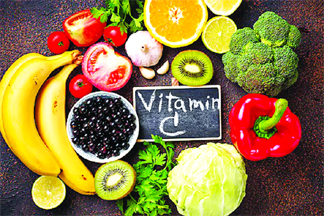
Scientists discovered that vitamin C from food travels through the bloodstream into every layer of the skin, boosting collagen and skin renewal. People who ate two vitamin C-packed kiwifruit daily showed thicker, healthier skin. The findings suggest glowing skin really does start from within.
Scientists at the University of Otago, Faculty of Medicine Christchurch Otautahi, have identified a direct connection between how much vitamin C people eat and how well their skin produces collagen and renews itself. The findings show that skin health responds measurably to dietary vitamin C, not just topical treatments.
Published in the Journal of Investigative Dermatology, the research found that vitamin C levels in the skin closely mirror levels in the blood (plasma). Increasing intake through vitamin C rich foods was shown to raise both blood and skin concentrations.
The study followed 24 healthy adults in Aotearoa New Zealand and Germany. Participants who raised their plasma vitamin C levels by eating two vitamin C rich SunGoldTM kiwifruit each day showed a clear increase in vitamin C within their skin.
This increase was associated with thicker skin (collagen production) and greater renewal of the outer skin layer. Lead author Professor Margreet Vissers from Matai Haora — Centre for Redox Biology and Medicine within the Department of Pathology and Molecular Medicine described the results as striking. The strength of the association between skin thickness and vitamin C intake is “compelling,” she explained.
According to Professor Vissers, the relationship between blood vitamin C and skin vitamin C stood out compared to other organs.
“We were surprised by the tight correlation between plasma vitamin C levels and those in the skin this was much more marked than in any other organ we have investigated,” she says.
The research team also found that vitamin C circulating in the bloodstream reaches every layer of the skin and supports healthier skin function.
“We are the first to demonstrate that vitamin C in the blood circulation penetrates all layers of the skin and is associated with improved skin function. I am very proud of my team and excited about what the data is telling us.” -

A banana a day: What it does to your heart, gut, and immunity
Bananas are often dismissed as just a quick snack, but doctors say this everyday fruit can quietly support heart health, digestion, and immunity, especially during winter, when the body faces higher cardiovascular strain, sluggish gut function, and seasonal infections.
“Bananas are rich in potassium and natural fiber, which makes them one of the simplest foods to support cardiovascular and digestive health during colder months,” said Dr Ananya Mehta, consultant nutrition physician. Cold weather causes blood vessels to constrict, raising blood pressure and increasing the heart’s workload. Doctors say potassium-rich foods like bananas help counter this effect.
“Potassium helps balance sodium levels in the body and relaxes blood vessels, which is crucial for maintaining stable blood pressure in winter,” said Dr Rohit Kapoor, senior cardiologist. “For people with borderline hypertension, even small dietary changes can make a meaningful difference.”
Bananas also contain vitamin B6, which supports red blood cell production and healthy circulation, both important for heart function during colder temperatures.
Digestive complaints such as constipation and bloating become more common in winter due to reduced water intake and physical activity.
“Bananas contain soluble fiber called pectin, which helps regulate bowel movement and supports gut-friendly bacteria,” explained Dr Neha Sharma, gastroenterologist. “They are gentle on the stomach and especially useful for people experiencing winter-related digestive sluggishness.”
Slightly unripe bananas act as prebiotics, feeding beneficial gut microbes that improve digestion and nutrient absorption.
Doctors say immunity is closely linked to gut health and overall nutrition, two areas where bananas play a supporting role. “A healthy gut contributes significantly to immune strength, and bananas help maintain that balance,” said Dr Mehul Jain, internal medicine specialist. -

Check obesity: Have heavy breakfast, light dinner, quit smoking
You can prevent obesity and related health problems like diabetes, hypertension and hormonal disorders by changing a few lifestyle habits. Stop smoking, eat right at the right time, have a balanced diet and meditate, suggest experts.
Here’s a detailed list of the lifestyle changes to make to keep obesity away:
– Eat healthy: A balanced diet should be a healthy mix of carbohydrates, proteins and fats. It should include fruits, vegetables, whole grains, legumes, low fat dairy and nuts to take care of minerals, vitamins, antioxidants, fibre and probiotics.
– Eat right: Have a healthy breakfast. This is the time when your muscles are absolutely depleted and hungry after a 10-hour fast since dinner. Eating well in the morning helps you revitalise your muscles and prevents excess calorie intake in the second half of the day. A light breakfast like cereals, milk with honey and nuts would suffice. Lunch: Pick up a piece of fruit, handful of soya nut or an oatmeal bar and see the difference for yourself.
– Pre-workout: To sustain throughout the workout and to get the maximum out of it, it is mandatory to fuel your system with the right kind of food like fruits, nuts and eggs.
– Post-workout: Feed your hungry muscles after 30- 45 minutes of your workout with fruits and proteins.
– At night: Most people skip their meals due to their busy schedules and tend to gorge during dinner which is the main culprit of added on calories and feeling of sluggishness throughout the day. The trick is to keep the dinner light with soups, salads, lean meat and yoghurt.
– During parties: It is wise to opt for salads, veggies, barbecued or roasted snacks rather than fried snacks and creamy dishes.
– Drink water: Drinking water at regular intervals helps in better digestion and also keeps the body hydrated. This leads to better metabolism and subsequent weight loss.
– Get active: Physical inactivity raises the risk of obesity. Exercise renders cells more sensitive to insulin. A mere brisk walk makes the difference. An ideal workout designed by a health professional is a suitable mix of resistance and aerobic training for optimum muscle building along with weight loss.
– Eliminate stress: Lower metabolic rate leads to weight accumulation and thereby tendency towards obesity. Physical activity, socialising, meditation, enjoying music, nature and time with children and pets – all keep stress at bay.
– Sleep well: It’s a well-known fact that when asleep the human body produces growth hormones that increase metabolism and repair tissue. Sleep deprivation not only hampers this bodily activity but also makes the body lethargic and unable to focus on any other physical or mental activity planned during the day.