
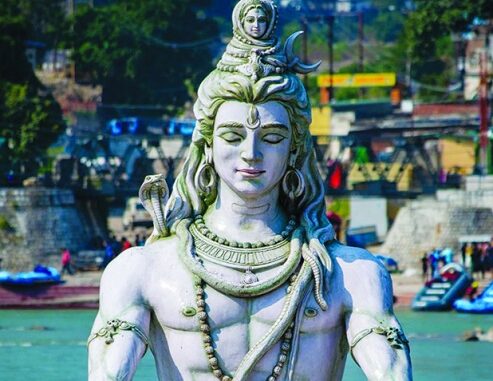

Once a year, when the night grows longer and silence deepens, millions across India and the world turn inward in devotion. Maha Shivaratri, the Great Night of Shiva, is not merely a festival—it is a spiritual threshold. Observed with fasting, prayer, and meditation, this sacred night is believed to be the most powerful time to connect with Lord Shiva, the supreme yogi, the destroyer of ignorance, and the embodiment of cosmic consciousness.
Unlike festivals of colour and celebration, Maha Shivaratri is marked by stillness, austerity, and inner reflection, making it one of the most profound observances in Hindu spiritual tradition.
The Spiritual Significance of Maha Shivaratri
In Sanskrit, Shiva means “that which is not,” pointing to the formless, infinite reality beyond name and form. Maha Shivaratri symbolises the union of individual consciousness with universal consciousness. Spiritually, the night represents the destruction of darkness and ignorance, leading the seeker towards self-realisation.
It is believed that on this night, the planetary positions are such that they naturally elevate human consciousness. Staying awake (jagran), chanting, and meditation help devotees align with this cosmic energy.
Sacred Legends Associated
with Maha Shivaratri
– The Divine Marriage of Shiva and Parvati
One of the most popular legends celebrates Maha Shivaratri as the night of the marriage of Lord Shiva and Goddess Parvati. After intense penance, Parvati won Shiva’s heart, symbolising the union of Shakti (energy) and Shiva (consciousness)—a balance essential for the creation and sustenance of the universe.
– The Night Shiva Saved the Cosmos
During the Samudra Manthan (churning of the cosmic ocean), a deadly poison (halahala) emerged, threatening to destroy all creation. To save the universe, Lord Shiva consumed the poison and held it in his throat, turning it blue and earning the name Neelkanth.
Maha Shivaratri honours this supreme act of sacrifice and compassion.
– The Manifestation of the Infinite Lingam
Another legend describes how Shiva appeared as a boundless pillar of fire (Jyotirlinga), challenging Lord Brahma and Lord Vishnu to find its beginning or end. When both failed, Shiva revealed himself as the eternal, formless reality.
This story establishes the Shiva Lingam as a symbol of infinity, not a physical form but a cosmic principle.
– The Devotion of the Hunter
A lesser-known but deeply moving legend tells of a hunter named Lubdhaka, who unknowingly worshipped Shiva by offering bilva leaves and staying awake all night. His unintentional devotion earned Shiva’s grace, highlighting that pure intention outweighs ritual perfection.
Importance of Maha Shivaratri
– It is believed that sincere worship on this night absolves past karmas
– Ideal for spiritual practices like meditation, mantra chanting, and self-discipline
– A powerful night for yogis and seekers pursuing liberation (moksha)Symbolises the victory of restraint, awareness, and surrender over ego and desire
Sacred Rituals and Observances
– Fasting (Vrat)
Devotees observe a strict fast, consuming only fruits, milk, or water. The fast represents control over the senses and purification of the body and mind.
– Abhishekam of the Shiva Lingam
The ritual bathing of the Shiva Lingam is central to Maha Shivaratri worship.
Sacred offerings include:
– Milk – purity and nourishment
– Honey – sweetness in speech and life
– Curd – prosperity and strength
– Ghee – spiritual illumination
– Water from the Ganga – purification
Offering of Bilva Leaves
Bilva (Bel) leaves are especially dear to Lord Shiva. Offering three-leaf clusters symbolises the surrender of ego, attachment, and ignorance.
The festival is principally celebrated by offerings of Bael or Bilva/Vilvam leaves to Lord Shiva. Many devotees also observe all-day fasting and an all-night-long vigil and chant the sacred Panchakshara mantra dedicated to Lord “Om Namah Shivaya”. Some devotees also do penances to gain boons in the practice of Yoga and meditation.
On Mahashivratri, Nishita Kala is the ideal time to observe Shiva Pooja. On this day, in all Shiva’s temples, the most auspicious Lingodbhava puja is performed.
On this day, the devotees start visiting temples since early morning. They offer cold water, milk and bael leaves on the Shiv Lingam.
In Nepal, millions of Hindus attend Shivaratri together from different part of the world at the famous Pashupatinath Temple. Thousand of devotees also attend Mahasivaratri at all the different famous Shiva Shakti Peetham of Nepal.
A week-long International Mandi Shivratri Fair is held at Mandi in the Indian state of Himachal Pradesh every year which is also one of the major tourist attractions in the state.


Be the first to comment