
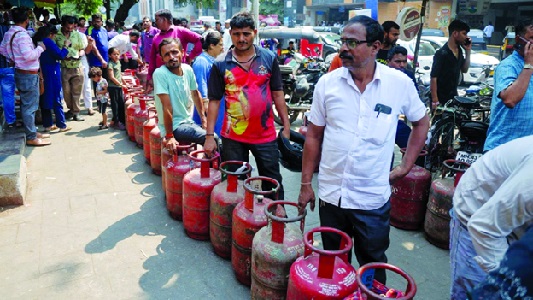

New Delhi (TIP): A shortage of commercial liquefied petroleum gas (LPG) in several parts of India is beginning to disrupt restaurant operations, raising concerns about a wider impact on the hospitality sector and retail real estate. As supplies tighten and prices rise, restaurants are struggling to keep kitchens running, while industry experts warn that the crisis could eventually push up retail rents and operating costs across urban markets.
Restaurants face operational challenges
Restaurants, hotels, and small eateries across multiple cities have reported difficulties in securing commercial LPG cylinders, the primary fuel used for cooking in the food service industry. The shortage has forced many establishments to reduce their menus, limit service hours, or temporarily suspend operations.
Small eateries and independent restaurants have been hit the hardest, as many rely on just one or two LPG cylinders to run daily kitchen operations. With supply disruptions affecting timely deliveries, owners say they are struggling to maintain regular services, especially during peak dining hours.
In some cities, restaurant associations have reported dozens of eateries cutting down on gas-intensive dishes or simplifying their menus to conserve fuel. Street vendors and small dhabas, which depend entirely on LPG cylinders for cooking, are also facing difficulties in continuing normal operations.
Rising fuel prices squeeze margins
The LPG supply crunch has coincided with rising prices of commercial cylinders, further increasing the financial burden on restaurants. Commercial LPG cylinders, typically used by restaurants and catering businesses, have seen price hikes in recent weeks, pushing up kitchen operating costs.
For many restaurant owners, LPG accounts for a significant portion of daily operational expenses. The combination of higher fuel costs and uncertain supply is squeezing profit margins, particularly for small and mid-sized eateries that already operate on thin margins. Some establishments have begun passing on the higher costs to customers by increasing menu prices, while others are absorbing the additional expenses in the short term to avoid losing customers.
Ripple effects on the retail sector
Industry observers warn that the LPG shortage could also affect the retail real estate sector, particularly spaces occupied by food and beverage outlets in malls and high-street markets.
Restaurants form a major component of commercial leasing in shopping centres and retail hubs. If cooking fuel shortages continue to disrupt operations, some restaurant owners may renegotiate rents or delay expansion plans. In extreme cases, prolonged supply issues could lead to closures, affecting occupancy levels in retail spaces. Real estate analysts note that rising operational costs for food businesses may translate into higher rents or service charges for tenants in certain markets, especially if landlords pass on increasing infrastructure costs.


Be the first to comment