
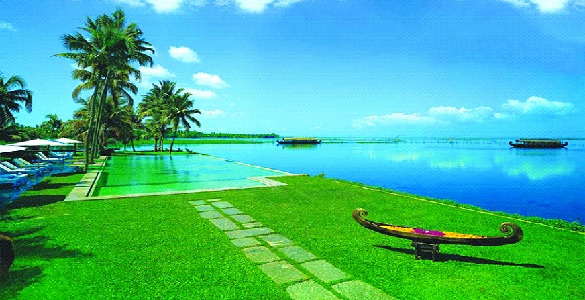

There are destinations that impress with towering monuments, bustling markets or dramatic landscapes, and then there are places like Kumarakom that captivate visitors with silence. Nestled on the tranquil banks of the vast Vembanad Lake in Kerala’s Kottayam district, Kumarakom is a place where time appears to slow down. Coconut palms sway gently in the breeze, narrow canals weave through emerald paddy fields, and traditional houseboats glide gracefully across mirror-like waters. Life here unfolds at an unhurried pace, inviting travellers to disconnect from the chaos of modern living and reconnect with nature.
Often described as the jewel of Kerala’s famous backwaters, Kumarakom is more than a picturesque holiday destination. It is a harmonious blend of nature, culture, village life, rich biodiversity and authentic Kerala hospitality. Whether you seek romance, birdwatching, wellness, photography or simply a peaceful escape, Kumarakom offers experiences that linger long after the journey ends.
A Paradise on shores of Vembanad Lake
Kumarakom owes much of its charm to Vembanad Lake, the longest lake in India and one of Kerala’s most important wetlands. Stretching across several districts, the lake supports a thriving ecosystem while serving as the lifeline for countless fishing communities.
The calm waters reflect endless skies, clusters of coconut trees and passing boats, creating postcard-perfect scenery throughout the day. At sunrise, mist rises gently from the lake as fishermen cast their Chinese fishing nets, while evenings bring spectacular sunsets that paint the waters in shades of gold and crimson. A leisurely cruise across Vembanad is perhaps the best way to appreciate the timeless beauty of Kumarakom.
The Houseboat Experience
No visit to Kumarakom is complete without spending a day-or better still, a night-aboard a traditional Kerala houseboat, locally known as a kettuvallam. Once used to transport rice and spices through Kerala’s waterways, these beautifully crafted wooden boats have been transformed into floating hotels equipped with comfortable bedrooms, dining areas and open decks.
As the houseboat drifts through narrow canals lined with coconut groves and traditional villages, travellers witness everyday life unfolding along the water. Children wave from village banks, women wash clothes by the canals, fishermen paddle narrow canoes, and ducks swim in neat formations across the waterways. Freshly prepared Kerala cuisine, featuring seafood, local vegetables, coconut-based curries and aromatic spices, adds another memorable dimension to the journey. An overnight stay on a houseboat allows visitors to experience the magical stillness of the backwaters after sunset, when only the sounds of birds, crickets and gently rippling water break the silence.
Haven for Bird Lovers
Nature enthusiasts find Kumarakom especially rewarding because of the renowned Kumarakom Bird Sanctuary. Spread across lush wetlands, mangrove forests and marshes, the sanctuary attracts hundreds of resident and migratory bird species throughout the year. During the winter months, visitors may spot Siberian storks, herons, egrets, darters, cormorants, kingfishers, teals and numerous waterfowl arriving from distant regions. Early morning walks through the sanctuary provide excellent opportunities for birdwatching and photography as the forest awakens with birdsong. Even outside the sanctuary, the entire backwater region serves as a rich habitat for aquatic life and migratory birds.
Village Life Along the Backwaters
One of Kumarakom’s greatest attractions lies in its authentic rural character. Unlike many commercial tourist destinations, the villages here continue to preserve traditional lifestyles shaped by the rhythms of the waterways. Visitors can cycle through narrow village roads shaded by coconut palms, watch coir-making demonstrations, observe toddy tapping, or interact with local artisans producing handicrafts from natural materials. Canoe rides through narrow canals reveal scenes rarely visible from larger boats, offering intimate glimpses into everyday village life.
These experiences provide meaningful cultural connections while supporting local communities.
A Destination for Wellness
Kerala has long been associated with Ayurveda, and Kumarakom offers an ideal setting for rejuvenation. Surrounded by nature and free from urban distractions, many wellness resorts combine traditional Ayurvedic therapies with yoga, meditation and nutritious local cuisine.
Therapeutic oil massages, herbal steam baths and personalised wellness programmes aim to restore balance between body and mind. For travellers seeking relaxation rather than sightseeing, Kumarakom provides the perfect environment to unwind.
The peaceful surroundings naturally encourage mindfulness, making every sunrise and sunset feel like a form of meditation.
Savouring the Flavors of Kerala
Food is an integral part of the Kumarakom experience. Fresh ingredients sourced from the lake and nearby farms form the foundation of the region’s cuisine. Seafood lovers can enjoy pearl spot fish (Karimeen), prawns, crab and mussels prepared with fragrant spices and coconut. Vegetarian dishes such as avial, thoran, olan and sambar showcase Kerala’s culinary diversity, while fluffy appams, puttu and idiyappam pair beautifully with rich vegetable or seafood curries. Meals served on banana leaves add authenticity, and many houseboats prepare traditional recipes using ingredients purchased fresh each morning from local markets.
Best Time to Visit
Kumarakom welcomes visitors throughout the year, though the most pleasant weather is generally experienced between October and March, when temperatures remain comfortable and migratory birds arrive in large numbers. The monsoon season, from June to September, transforms the landscape into a lush green paradise. While occasional heavy showers occur, many travellers consider this the most beautiful time to experience Kerala’s natural beauty, especially for Ayurvedic treatments that are traditionally believed to be more beneficial during the rainy season.

Be the first to comment