- Aishwarya Panda
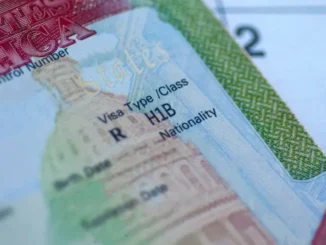
WASHINGTON, D.C. (TIP): The U.S. has made major changes to the H1B visa lottery process, focusing on higher wages. For international students, especially those in academic fields or just starting their careers, this new system could shut down their chances of building a life in America. These students pay full tuition, supporting many universities financially. But if low entry-level salaries block them from the H1B lottery, the motivation to study in the U.S. could disappear. The impact isn’t just academic—it could slow down future innovation and economic growth. Experts warn this policy shift might reduce international student numbers, weakening university budgets and the broader economy. Many tech giants were built by immigrants who began their journey in American classrooms. Losing that pipeline could hurt the country’s competitive edge. While the new rule aims to prioritize high-skilled, high-paid workers, critics argue that it sidelines new graduates and academics. The result could be a talent drain at a time when the U.S. needs fresh ideas and energy to drive its tech sector forward. Indian students and skilled workers now face greater uncertainty. It’s more important than ever to explore alternative visa options and consult immigration professionals. Careful planning could help manage the risks introduced by these sweeping changes. America has long been a destination for global talent, but this new regulation may undermine that promise. For many young immigrants, the American dream could now be harder to reach just as they begin to chase it.
