Tag: Apple News

  • 1st Test: South Africa rout India by an innings and 32 runs

    1st Test: South Africa rout India by an innings and 32 runs

    Centurion (TIP)- South Africa shredded through the Indian batting line-up to claim victory by an innings and 32 runs in the first Test here on December 28, securing the win inside three days and ensuring their proud home record against the tourists remains intact. The home attack dismissed India for 131 in their second innings after South Africa had earlier scored 408 for a 163-run first innings lead.
    Only Virat Kohli provided any resistance in an alarming collapse as debutant Nandre Burger took four wickets, Marco Jansen three and Kagiso Rabada two.
    With only two Tests being played, South Africa cannot lose the series and remain the only country where India have yet to win an away series.
    It was a devastating bowling performance, from the first ball of India’s second innings where South Africa could have had a wicket had Aiden Markram, at second slip, not dropped an edge from Yashasvi Jaiswal off Rabada. But in his next over the fiery paceman bowled India’s captain Rohit Sharma and Jaiswal then gloved a searing delivery from Burger to depart for five. Shubman Gill led a brief fightback for his beleaguered team as he scored 26 runs off 37 balls. He was bowled by Jansen to leave India reeling at 62/3 at tea.
    But while Kohli proved a bulwark, wickets continued to fall at the start of the last session with Shreyas Iyer castled by Jansen (6) and then Burger taking two wickets in as many balls. KL Rahul, who scored a century in the first innings, went cheaply for four as he edged to Markram and Ravichandran Ashwin was caught next ball.
    David Bedingham then took a second catch at gully as Shardul Thakur (2) became Rabada’s seventh wicket of the Test before Jasprit Bumrah was run out without scoring. A slight brush on the thumb of his glove saw Mohammed Siraj go next and Kohli was the last out for 76 runs off 82 balls.
    Brief Scores:
    India first innings: 245 all out.
    South Africa first innings: 408 allout in 108.4 overs (Dean Elgar 185, Marco Jansen 84 not out; David Bedingham 56; Jasprit Bumrah 4/69, Mohammed Siraj 2/91).
    India second innings: 131 all out in 34.1 overs (Virat Kohli 76, Shubman Gill 26; Nandre Burger 4/33, Marco Jansen 3/36, Kagiso Rabada 2/32).
    Source: Reuters

  • Australia bounce back, beat India women by six wickets

    Australia bounce back, beat India women by six wickets

    Australia’s Ellyse Perry and Phoebe Litchfield run between the wickets during the first ODI against India.

  • Govt didn’t follow ‘proper procedure’ while suspending WFI: Wrestling body chief

    Newly-elected WFI president Sanjay Singh on Thursday, December 28, said that the sports ministry did not follow “proper procedure” while suspending the wrestling national body and will challenge the government’s decision in a court. The sports ministry on Sunday suspended the WFI, three days after its elections were held, for flouting its own constitution while taking certain decisions, including the announcement of U-15 and U-20 National Championships.
    Sanjay, however, said that his “autonomous” and “democratically elected” body could not have been suspended by the government without hearing the WFI’s side of the story.
    “We have won the elections (of WFI) democratically. The returning officer was the retired chief justice of J&K High Court, there were observers from the IOA and UWW (United World Wrestling). There were 22 state units (three absent out of 25 state associations) taking part in the elections, 47 votes were polled out of which I got 40,” Sanjay told PTI.
    “After all these, if you say we are suspended, we are not going to accept it. A democratically-elected body was not given a chance to explain its position which is against the principle of natural justice which everybody is entitled to under the Constitution of India.”
    Asked what is the way forward for his body, he said, “WFI is an autonomous body and the government has not followed proper procedure. We are going to talk to the government and if it (government) does not take back the suspension, we are taking legal opinion and going to court.” He said since the WFI is contesting the suspension, he does not accept the three-member ad-hoc committee formed by the Indian Olympic Association (IOA) on Wednesday to run the day-to-day affairs of the national sports body.
    He said the visit by Congress leader Rahul Gandhi in an akhada in Haryana to meet Olympic medallist Bajrang Punia made it clear that the trio, who led the five-month-long protest accusing former WFI chief Brij Bhushan Sharan Singh of sexually harassing women grapplers, were playing politics.


  • Rahul promises caste census again, Congress chief vows ‘Nyay’

    Rahul promises caste census again, Congress chief vows ‘Nyay’

    New Delhi (TIP) – Congress leader Rahul Gandhi on November 28 reiterated that a caste census would be conducted if Opposition’s INDIA alliance came to power, while party chief Mallikarjun Kharge promised implementation of the Nyay scheme for the poor if the party won the elections. They were speaking at the Congress’ 139th foundation day rally, titled “Hain Taiyyar Hum”, in Nagpur to kick off the party’s campaign for the General Election. The promise of a caste census to woo the OBC voters was central to Rahul’s campaign for the Assembly elections held in November. Following the party’s disastrous performance in three Hindi heartland states of Rajasthan, Chhattisgarh and Madhya Pradesh, the Congress gave temporary burial to the issue and did not broach the subject in the winter session of Parliament held earlier this month.
    Making it clear that Congress would continue to bank on the caste census issue, Rahul said INDIA alliance’s government would conduct a caste survey. “How many youth have been given employment in the last 10 years by the Modi government? Unemployment is at all-time high now,” the Congress leader said. OBCs, Dalits and tribesmen do not have representation in commensurate with their population in various sectors, he said. Rahul said 1.50 lakh youth, who were selected for appointment in defence forces, were refused jobs because of the introduction of the Agniveer scheme.
    “We do not want two Indias. Only the INDIA alliance can provide employment to the youth,” he said. “If the INDIA alliance is voted to power, the Nyay scheme will be implemented for the empowerment of the poor including women,” Kharge said, resurrecting the scheme promised in the party’s 2019 manifesto to provide five crore poorest families a guaranteed minimum income of Rs 72,000 annually. Kharge alleged that PM Modi did not respect Parliament. “To protect one BJP MP who signed the documents to allow the intruders who jumped into the Lok Sabha well, 146 MPs (of the Opposition) were suspended,” Kharge said.
    “Leaving aside all important issues facing the country, the BJP will highlight God,” he said, referring to the Ram temple inauguration at Ayodhya.
    Senior party leader Sonia Gandhi and general secretary Priyanka Gandhi Vadra did not attend the rally. Himachal Pradesh CM Sukhvinder Singh Sukhu, his Telangana counterpart Revanth Reddy and Karnataka Deputy CM DK Shivakumar were among those present.
    Source: TNS

  • Several trains, flights delayed as dense fog engulfs North India; no relief till Jan 2

    Several trains, flights delayed as dense fog engulfs North India; no relief till Jan 2

    New Delhi (TIP) – The India Meteorological Department (IMD) has forecast dense to very dense fog to continue across north Indian states till January 2. Cold day conditions have also been predicted to remain in parts of Delhi, Uttar Pradesh, Punjab, Haryana and Chandigarh, according to the IMD’s morning bulletin.
    The Met Department stated that fog conditions would not improve before January 2.
    A red alert has been issued for fog in Punjab, Haryana and Delhi for today, and an orange alert for tomorrow. Punjab has been given an orange alert warning for December 31 as well. The IMD issued a yellow alert for fog across north Indian states till January 2.
    These dense fog conditions have heavily impacted transport services, hitting flights and train operations that have been marred by multiple cancellations and delays. According to the latest updates by the Northern Railways, dozens of trains, including Rajdhani Express on the Delhi-Howrah route, are running between 10 and 12 hours late.
    Flight operations have also been affected, with a few of them delayed.
    Delhi recorded a minimum temperature of 10.7 degrees Celsius on Friday, up from 8.4 degrees Celsius the preceding day. The IMD predicted the minimum temperature to hover around seven to eight degrees Celsius over the next five days. On Thursday, the national capital’s maximum temperature was recorded at 21.4 degrees Celsius, one notch above normal. Amid icy cold conditions, schools remain closed in Gautam Buddh Nagar – consisting of Noida and Greater Noida. The district administration ordered closure of schools for students for December 29 and 30. However, teachers and other staffers would work.
    Visuals on social media showed people sleeping inside shelter homes in Delhi. A video shared by news agency ANI showed visibility almost completely reduced at Thursday midnight in areas around the Indira Gandhi International Airport. Conditions have, however, improved significantly now. Visibility at Delhi Airport was at 150 metres, with runways at a range of 400 metres to 800 metres, at the time of writing this report.
    Meanwhile, at least six people were killed, and 12 others were injured in two separate road accidents in Uttar Pradesh due to reduced visibility on Thursday, police told news agency PTI. Earlier in the day, at least four people were killed and six injured in separate road crashes in Uttar Pradesh due to reduced visibility from dense fog.
    In an advisory for dense fog, the Met department has asked drivers to use fog lights and travellers to stay updated on schedules of airlines, railways and state transport. “Exercise caution while driving or using any mode of transportation,” the IMD said.

  • Ties with India have grown in hi-tech areas: Putin to EAM Jaishankar

    Ties with India have grown in hi-tech areas: Putin to EAM Jaishankar

    New Delhi (TIP) – Russian President Vladimir Putin drew satisfaction from the trajectory of bilateral ties with India when External Affairs Minister S Jaishankar called on him on Wednesday, December 27, evening.
    In an indication of the warmth in ties with India, the arrangement of the interaction with Jaishankar at the Kremlin was different from Putin’s interactions with other world leaders. Jaishankar and Putin sat face to face across the narrow width of a table whereas in the last meeting with French President Emmanuel Macron, for instance, both leaders sat at either ends of the table or about 30 feet across from each other. Putin said bilateral trade had galloped for the second year running, while noting this year, the growth rates were even higher than last year. “It is common knowledge that this is primarily energy resources — oil, oil products and coal — but it’s not just that. We are working together in high-tech areas,” said Putin, according to a Kremlin readout. “We are very pleased to note that despite the current turbulence in the world, relations with our traditional friends in Asia, with India and the Indian people are making steady headway,” he added.
    The Russian leader also suggested that Moscow understood and appreciated PM Modi’s position. “We know the position of PM Modi and have talked about this more than once. I am referring to his position, his attitude to complicated processes, including hotspots, and the situation in Ukraine. I have repeatedly informed him about the situation around this conflict. I know about his striving to resolve this problem through peaceful means,” he observed.
    Putin, while inviting PM Modi to visit Moscow next year, said he realised that next year, India’s domestic political calendar is not simple. “It is complicated considering that India will hold General Election. We wish success to our friends in India. We believe we will maintain our traditional friendly ties in any alignment of political forces,” he observed. Jaishankar said he was “honoured” to call on Putin and revealed he handed over a personal message from PM Modi. He added PM Modi was looking forward to visiting Russia next year
    Source: TNS

  • Nina Singh becomes 1st woman to head CISF

    Nina Singh becomes 1st woman to head CISF

    The Indian government on Thursday , December 28, appointed Nina Singh as the Director General of CISF, making her the first woman to head this elite force. Apart from her, the Centre has also appointed ITBP chief Anish Dayal Singh as the Director General of the Central Reserve Police Force (CRPF).
    “Nina Singh has been appointed as the DG, CISF. Singh, a 1989-batch IPS officer of Rajasthan cadre, is currently working as Special DG, CISF. She has been appointed to the post till her superannuation on July 31, 2024,” the order said. Nina Singh was the first woman IPS officer allocated to the Rajasthan cadre where she served in many important assignments across the state. She also worked as Joint Director in the CBI during 2013-18 where she supervised many high-profile cases having national and international ramifications.
    She has been working in the CISF since 2021, first as ADG and then as Special DG, and DG in-charge since August 31, 2023. A native of Bihar, she has studied at the Patna Women’s College, JNU and Harvard University. She is married to Rohit Kumar Singh, her batchmate in the IAS, currently posted as Secretary, Consumer Affairs in the Central government. Anish Dayal Singh, a 1988-batch Manipur-cadre IPS officer, was holding the additional charge of the CRPF following the retirement of incumbent S L Thaosen on November 30.
    “Appointment of Anish Dayal Singh, currently working as DG, ITBP, from the date of joining the post and up to December 31, 2024, the date of his superannuation or till further orders, whichever is earlier,” the order said. Source: The Indian Express

  • Priyanka Gandhi Vadra named in ED chargesheet on 2005-06 land transactions case

    Congress leader Priyanka Gandhi Vadra has been mentioned in a chargesheet filed by the Enforcement Directorate (ED) in connection with its probe into an allegedly dubious purchase of land in Haryana from a Delhi-based real estate agent, who was also hired by CC Thampi, an aide of fugitive arms dealer Sanjay Bhandari, and is also a close associate of Priyanka’s husband Robert Vadra. The chargesheet also explains in detail the close association between Robert and Thampi. While Robert’s name has surfaced in the chargesheet filed against Thampi and Sumit Chadha, who are the co-accused in the money laundering case against Bhandari, it is Priyanka’s mention which is likely to provide a lot of political gunpowder to the BJP ahead of the General Election. However, neither Priyanka nor Robert have been listed as accused in the matter.
    The chargesheet says, “Robert Vadra purchased three pieces of land measuring 40.8 acres at Amipur village in Faridabad district of Haryana from Delhi-based real estate agent HL Pahwa in 2005-2006 and sold the same land to Pahwa in December 2010. Further Priyanka Gandhi also purchased agricultural land measuring 5 acres in Amipur village from Pahwa in April 2006 and sold it back to him in February 2010. Pahwa was receiving cash off the books. It was also noticed that Robert did not pay the entire sale consideration to Pahwa. The investigation in this regard is underway.”
    Incidentally, the chargesheet says that “during the course of investigation, it has been found that a long and thick relationship exists between Thampi and Robert Vadra. Not only a personal/cordial bond, but common and similar business interests have also been found between them…. In his statement recorded on June 19, 2019, Thampi said he knew Robert for the last 10 years and he (Robert) was initially introduced to him by Madhavan, PA to Sonia Gandhi.
    Source: TNS

  • Qatar court commutes death sentence of 8 former Indian Navy men

    New Delhi (TIP) – A Qatari court on Thursday, December 28, commuted the death sentence given to eight former Indian Navy personnel earlier this year and sentenced them to prison for varying durationsranging from three years to 25 years, people familiar with the matter said. The ruling by Qatar’s Court of Appeal came during the hearing of an appeal by the families of the eight men, who were detained in August 2022 on undeclared charges. Reports have suggested they were accused of espionage, though Qatari and Indian authorities haven’t provided details of the charges against them. The external affairs ministry said in a brief statement that Qatar’s Court of Appeal had “reduced” the sentences given to the eight men — Captains Navtej Gill and Saurabh Vasisht, Commanders Purnendu Tiwari, Amit Nagpal, SK Gupta, BK Verma and Sugunakar Pakala, and sailor Ragesh — but provided no details. “The detailed judgment is awaited,” the statement said.
    The people cited above said the Qatari court had commuted the death sentence of all eight men and given them prison terms of varying duration. “The death sentence is off the table. The prison terms vary from a few years to several years,” one of the people said on condition of anonymity.
    A second person said the prison terms range from three years to 10, 15 and 25 years.
    The commutation of the death sentence makes it possible for India to invoke a 2015 agreement with Qatar on the transfer of sentenced persons. The pact allows citizens of India and Qatar who have been convicted and sentenced for criminal offences to serve their sentences in their home country.
    The agreement — signed during a visit to India by the emir of Qatar, Sheikh Tamim bin Hamad Al Thani, in March 2015 — is not applicable to persons sentenced to death.
    The external affairs ministry said the Indian side is in close touch with the legal team and the families of the eight men to “decide on the next steps”.
    The Indian ambassador to Qatar and other officials were present in the Court of Appeal with family members when the verdict was delivered on Thursday, December 28
    “We have stood by them since the beginning of the matter and we will continue to extend all consular and legal assistance. We will also continue to take up the matter with the Qatari authorities,” the statement said.
    “Due to the confidential and sensitive nature of proceedings of this case, it would not be appropriate to make any further comment at this juncture,” it added.
    The people said the Indian side will work with the legal team to explore options, including the mounting of a further appeal against the prison terms given to the men. “This is all part of a process and it will continue,” the person cited above said.
    The eight men, including decorated officers who commanded frontline warships in the Indian Navy, were sentenced to death by Qatar’s Court of First Instance on October 26 after being detained for more than a year.
    At the time, the external affairs ministry expressed “deep shock” at the verdict and pledged to look at all legal options to help the former naval personnel.
    Qatar’s Court of Appeal had held three hearings on November 23, November 30 and December 7. The Indian ambassador was provided consular access to meet the eight men on December 3.
    Earlier, the families of the men had petitioned the emir of Qatar to pardon them. The emir usually pardons prisoners on Qatar’s national day on December 18 and during the Eid festivals.
    The eight men were employees of a subsidiary of Oman-based Dahra Engineering & Security Services, which provided training and other services to Qatar’s armed forces. The subsidiary was shut down in May this year.
    Source: HT

  • RBI ups weight of SBI, HDFC Bank in too-big-to-fail list

    RBI ups weight of SBI, HDFC Bank in too-big-to-fail list

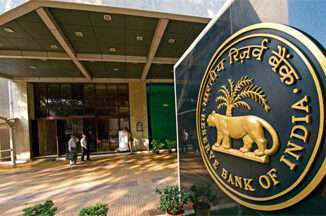
    Mumbai (TIP)- The Reserve Bank of India has upgraded the weightage of SBI and HDFC Bank on its list of three Domestic Systemically Important Banks (D-SIBs) for 2023 which includes ICICI Bank as well. The RBI said on Thursday, December 28, that while ICICI Bank continues to be in the same bucket structure as last year, SBI and HDFC Bank move to higher buckets – SBI shifts from bucket 3 to bucket 4 and HDFC Bank shifts from bucket 1 to bucket 2.
    The three D-SIBs are require closer regulation under which they need to set aside more capital to avoid risk because if they fail this could have a disastrous effect on the country’s entire economy. These banks are also classified as “too-big-to-fail”.
    For SBI and HDFC Bank, the increase of 0.2 per cent in D-SIB buffer requirements on account of the bucket increase will be effective from April 1, 2025.
    The additional Common Equity Tier 1 (CET1) requirement will be in addition to the capital conservation buffer, the RBI said.
    The current update is based on the data collected from banks as on March 31, 2023 and factoring in the increased systemic importance of HDFC Bank post the merger of erstwhile HDFC Limited into HDFC Bank on July 1, 2023, RBI said.
    The D-SIB framework requires the RBI to disclose the names of banks designated as D-SIBs starting from 2015 and place these banks in appropriate buckets depending upon their Systemic Importance Scores (SIS). Based on the bucket in which a D-SIB is placed, an additional common equity requirement has to be applied to it.
    In case a foreign bank having branch presence in India is a Global Systemically Important Bank (G-SIB), it has to maintain additional CET1 capital surcharge in India as applicable to it as a G-SIB, proportionate to its Risk Weighted Assets (RWAs) in India, i.e., additional CET1 buffer prescribed by the home regulator (amount) multiplied by India RWA as per consolidated global Group books divided by total consolidated global Group RWA. Source: IANS

  • Oil prices rise amid fears over escalating tensions in Middle East

    Oil prices rise amid fears over escalating tensions in Middle East

    Tokyo (TIP) – Oil prices rose in early Asian trade on Thursday, December 28, as persistent fears over escalating tensions in the Middle East outweighed easing concerns about transport disruptions as some global shipping firms said they were returning to the Red Sea route.
    Brent crude futures climbed 20 cents, or 0.3%, to $79.85 a barrel by 0133 GMT. U.S. WTI crude futures were up 24 cents, or 0.3%, at $74.35 a barrel. Prices dropped nearly 2% on Wednesday as major shipping firms began returning to the Red Sea.
    “Concerns about shipping in the Red Sea have eased, but continued worries about tensions in the Middle East, especially on Iran’s involvement in the region, make it difficult to sell further,” said Hiroyuki Kikukawa, president of NS Trading, a unit of Nissan Securities.
    “The market is likely to try the upside again… maybe in the early new year, also on expectations of a recovery in fuel demand thanks to monetary easing in the United States and higher kerosene demand during the winter in northern hemisphere,” he said.
    Danish shipping company Maersk said it has scheduled several dozen container vessels to travel via the Suez Canal and Red Sea in the coming weeks after calling a temporary halt to those routes this month after attacks by Yemen’s Iran-backed Houthi militia.
    But the prospect of a prolonged Israeli military campaign in Gaza and the spillover of the conflict to attacks on ships in the Red Sea remain major drivers of market sentiment.
    Israeli forces pummelled central Gaza by land, sea and air on Wednesday, a day after Israel’s chief of staff, Herzi Halevi, told reporters the war would go on “for many months”.
    Growing expectations that key central banks such as the Federal Reserve will start to cut interest rates early next year also lent support. Lower interest rates reduce borrowing costs, which can stimulate both economic growth and oil demand.
    The market showed little reaction to the build in U.S. crude stockpiles last week.
    U.S. oil inventories rose by 1.84 million barrels in the week to Dec. 22, according to market sources citing American Petroleum Institute figures on Wednesday, against an estimated drop of about 2.7 million barrels in a poll of seven analysts by Reuters. U.S. government data on stockpiles is due on Thursday, delayed by a day due to the Christmas holiday on Monday. Source: Reuters

  • Microsoft to pay ex-CEO Steve Ballmer $1 billion a year ‘for doing nothing’

    Already among the world’s richest people, ex-Microsoft CEO Steve Ballmer is now set to receive nearly $1 billion (approx. ?8300 crore) in dividends from his former employer, ‘for doing nothing,’ according to CNN.
    Microsoft’s 30th employee in history who joined the company in June 1980, the 67-year-old held 333.2 million (33.32 crore) shares of the tech giant, as of 2014. This is because of Microsoft’s decision to increase its quarterly dividend payout to 75 cents for each share, amounting to $3 per share annually. In 2024, therefore, Ballmer, whose 333.2 million shares translate to a 4% equity, will get just shy of $1 billion (999.6 million or 99.96 crore; 1 billion=100 crore) only for his ownership, regardless of how the stock performs. The company began paying dividends to its shareholders in 2003. Since then, the amount has only gone up.

  • Global PC industry sales to drop to $219.2 bn in 2024, third year of decline

    Facing a third year of decline, the global PC industry outlook for 2024 does not look optimistic and its revenue is expected to drop by $1.3 billion, pushing the total three-year loss to almost $11 billion, a report showed on Thursday, December 28. According to data presented by Stocklytics.com, the global PC industry’s revenue is expected to drop by 0.5 per cent to $219.2 billion in 2024.
    “The excess inventory and crushed consumer purchasing power keep pulling revenue and shipments deep below the levels seen in recent years,” the report said.
    After inflation, the Russian-Ukrainian war, and the China lockdown brought the steepest drop in PC sales since the 1990s, the downward spiral is set to continue in 2024.
    In 2021, when PC sales peaked, the entire market grossed $230 billion in revenue, according to a Statista survey. A year later, this figure dropped to $220 billion.
    “While 2023 saw practically the same revenue, that won’t be the case next year. In 2024, global PC sales revenue is expected to drop by $1.3 billion,” the report mentioned.
    The market cap of the world’s largest PC producer, Lenovo, which had a 23 per cent share in this year’s total shipments, has jumped by 61 per cent year-over-year to $15.8 billion. Dell Technologies saw even bigger growth, with its stock value surging by 81 per cent YoY to $52.2 billion.
    Statistics show the market cap of HP, the second-largest PC producer with a 20 per cent market share, has grown by 13 per cent year-to-date and hit almost $30 billion.

  • Hampi: The abode of bygone ruins

    Hampi: The abode of bygone ruins

    Hampi, the city of ruins, is a UNESCO World Heritage Site. Situated in the shadowed depth of hills and valleys in the state of Karnataka, this place is a historical delight for travellers. Surrounded by 500 ancient monuments, beautiful temples, bustling street markets, bastions, treasury building and captivating remains of Vijayanagar Empire, Hampi is a backpacker’s delight. Hampi is an open museum with 100+ locations to explore and a favourite way to see the city from the perspective of its history.
    Hampi was the capital of the Vijayanagar empire around 1500 AD, and by some accounts, the second largest city in the world at that time. Over the next centuries it fell out of importance, and now you can explore the ruins of a lot of temples and other structures spread out over a vast area. The terrain around Hampi is as mysterious as the ruins itself – the city is surrounded by boulders of different sizes, and you can climb to the top of them with a little effort to get a stunning view of the entire city and the geography. It is located on the banks of the Tungabhadra River. Famous for its massive, beautifully carved temples, especially the Virupaksha Temple, dedicated to the patron deity of the empire. You can also find remains of the old aqueducts, canals and military barracks and stables here. Hampi was declared a UNESCO World Heritage site in 1986 and many efforts have been taken to restore the lost glory of the place – very limited (if any) modern establishments are allowed in the main area, which gives an authentic feel to the ruins.
    Virupaksha Temple, Hampi
    The Virupaksha temple (or Prasanna Virupaksha temple) is located on the banks of the Tungabhadra river at Hampi. Built during the 7th century, the beautiful architecture and history of the temple have made it a UNESCO World Heritage site. The temple is abode to one of the forms of Lord Shiva called Lord Virupaksha. While it is located at present-day Hampi, it was once a smaller shrine in the middle of the ancient and majestic Vijayanagara empire. You will find beautiful stone inscriptions dating back to the 7th century on the walls of the temple as proof of its rich heritage. Architecture-lovers and history-buffs, do visit the temple when you are in Hampi!
    The temple has tall towers or gopurams acting as gateways to the inner sanctums, as is usually seen in temples of south Indian style architecture. The gopurams lead to many inner corridors and halls, all decorated with ornate stone-work. The sculptures depict mythological stories of numerous Gods and Goddesses. The main deity of the temple is Lord Virupaksha, but it is also abode to few other Hindu deities too. While many devotees visit the temple during festival seasons like the Car Festival, it is otherwise less crowded.
    Vithala Temple
    The most impressive structure in Hampi, the Vithala Temple dates back to the 16th century and is a truly splendid example of rich architecture. The famous stone chariot, which has become an iconic symbol of the architecture of Hampi, is located inside the premises of this temple.
    The temple complex is spread over a huge area. The main gate has an impressive arch with carvings, and opens in a large courtyard which has the famous stone chariot in the center. The main temple is located just behind the chariot and has beautiful carvings. There are also several other smaller temples inside the courtyard, all of which are definitely worth a visit. The carvings on the walls/pillars of these structures depict various gods in different forms.
    Lotus Palace
    The Lotus Palace in Hampi is one of the most iconic landmarks in the town. Named so for the way the structure looks like a lotus in bloom, this palace was the designated area for the royal women of the Vijayanagara Empire and is found within the Zenana Enclosure. Known widely as one of the few edifices in Hampi that was not lost either to the Mughal raids of the town or to the ravages of time, the Lotus Mahal stands tall in its courtyard.
    Yantrodharaka Hanuman Temple
    On top of the Anjaneya Hill, at a distance of 2 kilometres from the Virupaksha Temple, the beautiful Yantradharaka Hanuman Temple also known as the Monkey Temple is present inside a cave. The temple being 500 years old is dedicated to Lord Hanuman. Sri Vyasaraja, who was the Rajaguru of the Vijayanagara Kingdom and a Dwaita philosopher, was the one to install the idol of Lord Hanuman in the temple. Being one of the most famous attractions of the Anjeyanadri Hill, the Monkey Temple is considered as a sacred spot for Hindus.
    Hampi Bazaar
    Also known as the Virupaksha Bazaar, the Hampi Bazaar is the place to go to pick up knick-knacks, souvenirs, cheap clothes and trinkets to remember your trip to Hampi by. Situated right in front of Virupaksha temple, hence its alternate name, this bazaar which stretches for over a kilometre long is one of the main landmarks of Hampi. From embroidered shawls, fibre handicrafts, to stone carvings, this is the place to pick up anything Hampi-related. The Hampi Utsav which happens every November is also a big tourist draw and should be noted.
    Hippie Island
    While most tourists stay to the south of Tungabhadra where most of the ruins are located, some prefer the north banks which have a vibrant hippie culture. Virapapur Gadde or Hippie Island is a small island situated across the Tungabhadra river. It takes 5 minutes to travel to the island via coracle or boat. The last boat for the island leaves at 5.30 pm. The backpacker’s delight, Hippie Island (Virupapur Gadde) is an epitome of scenic beauty and is known for laidback ambient and lodges. Source: Holidify.com

  • Margashirsha Purnima

    Margashirsha Purnima

    Margashirsha Purnima holds a great religious and spiritual significance in Hindu religion. Devotees offer prayers to Lord Vishnu and Moon God on this auspicious day. This Purnima will be observed as Margashirsha Purnima and this is going to be celebrated by all the Lord Vishnu devotees with immense happiness, and devotion. Satyanarayan fast will be observed on this auspicious day of Purnima.
    The day holds great religious and spiritual significance among Hindus. The month of Margashirsha is dedicated to the worship of Lord Krishna. It is believed that Satyuga, the golden age, began during this month. The scriptures refer to this month as “Maasoonam Margashirshoham,” emphasizing its auspiciousness. Devotees consider this day as an opportunity to visit holy places, take a holy bath in the Ganga river, and seek blessings from Lord Krishna by visiting various temples dedicated to him.
    Margashirsha Purnima is considered a spiritually significant period for individuals aiming for spiritual awakening and enlightenment. The day of Purnima, when the moon is in its full form, is believed to have a positive impact on both the body and the mind. It is believed that the power of meditation and other spiritual practices becomes more effective during this time, allowing spiritual seekers to deepen their practice and establish a stronger connection with their inner selves.
    On Margashirsha Purnima, there is a great significance associated with worshipping Lord Shiva and Lord Vishnu. Lord Vishnu is believed to have taken the Matsya Avatar, the fish incarnation, on this day. Therefore, it is highly auspicious to worship both Lord Shiva and Lord Vishnu on this sacred day.
    Rituals
    Morning Rituals: Start the day by rising early in the morning, then taking a holy bath, and wearing clean clothes. Afterwards, worship Lord Vishnu by offering a lamp or diya in front of his statue. Recite the Vishnu Sahasranama and offer flowers, fruits, sweets, and incense sticks to the Lord.
    Fasting: Observing a fast for the entire day is an important aspect of Margashirsha Purnima. During the fast, consume only fruits, milk, and water. This fast is believed to purify the mind and body, bringing calmness and peace to the devotee.
    Vrat Katha: In the evening, recite the Margashirsha Purnima Vrat Katha, which narrates the story of Matsya Avatar, Lord Vishnu’s incarnation. Listen to the story with complete dedication and offer Lord Vishnu’s aarti. Break the fast by consuming the prasad offered to Lord Vishnu.
    Worshipping Lord Shiva: To worship Lord Shiva on this day, offer honey, milk, flowers, and incense sticks to the Shiva Lingam. Seek blessings from Lord Shiva and express your devotion through prayers and offerings.
    Margashirsha Purnima Vrat
    Hindus observe Margashirsha Purnima Vrat, a significant ritual, during the auspicious month of Margashirsha. In 2023, Margashirsha Purnima falls on December 26th. People believe that observing this Vrat with utmost devotion brings prosperity, happiness, and good health to the devotees.
    To perform this Vrat, the devotee needs to wake up early in the morning, take a bath, and wear clean clothes. Then, they need to worship Lord Vishnu and light a diya or lamp in front of his idol. The devotee should offer flowers, fruits, sweets, and incense sticks to the deity and chant the Vishnu Sahasranama.
    After the puja, the devotee should observe a fast throughout the day and only consume fruits, milk, and water. People also believe that this Vrat helps cleanse the body and mind. And, also assists the devotee in attaining peace and tranquility.
    During the evening, the devotee should perform the Margashirsha Purnima Vrat Katha. It narrates the story of Lord Vishnu’s incarnation as Matsya Avatar. The devotee should listen to the story with utmost devotion and perform the aarti of Lord Vishnu.
    Finally, the devotee should break the fast by consuming the prasad offered to Lord Vishnu during the puja. They should distribute the prasad to family members, friends, and the needy.
    People believe that observing the Margashirsha Purnima Vrat brings immense benefits to the devotee. The benefits include the fulfillment of wishes, removal of obstacles, and spiritual upliftment. It is also believed to bestow the devotee with a long and healthy life.
    Worshipping Shiva on Margashirsha Purnima
    People consider Margashirsha Purnima, an auspicious day to worship Lord Shiva. This day holds great significance in the Hindu religion and is celebrated with great devotion and enthusiasm. People believe that on this day, Lord Shiva blesses his devotees and fulfills their wishes. Devotees worship Lord Shiva by performing various rituals and offering prayers. People also believe that worshipping Lord Shiva on Margashirsha Purnima brings peace, prosperity, and good fortune. People say that worshipping Lord Shiva on this day helps remove obstacles and negativity from one’s life. Hence, bringing in positivity and good luck.
    People attribute the significance of Margashirsha Purnima in astrology to the alignment of stars and planets on this day. People believe that the positive energy emanating from the celestial bodies makes the day auspicious and beneficial for worship. Devotees usually observe a fast on Margashirsha Purnima. And, also perform puja in the evening, offering milk, honey, and Bilva leaves to Lord Shiva. They chant mantras and hymns dedicated to Lord Shiva, seeking his blessings and guidance.
    Benefits of Worshipping Shiva
    Margashirsha Purnima holds immense significance for worshipping Lord Shiva. Devotees of Shiva believe that this day brings immense blessings and good fortune to those who offer their prayers and devotion to Lord Shiva. One of the primary benefits of worshipping Shiva on Margashirsha Purnima is that it helps in overcoming obstacles and achieving success in life. This auspicious day is believed to be an ideal time for seeking the blessings of Lord Shiva to overcome the challenges and difficulties faced in life.
    Additionally, worshipping Shiva on Margashirsha Purnima can help in attaining spiritual growth and enlightenment. Lord Shiva is the embodiment of the highest form of consciousness and devotion to him can lead to inner peace and enlightenment.
    Furthermore, offering prayers to Lord Shiva on this day can help in purifying the mind and body, and in seeking forgiveness for any past wrongdoings. This can also lead to the development of positive qualities such as compassion, love, and forgiveness.
    Margashirsha Purnima is also believed to be an auspicious time for starting new ventures and projects. Devotees of Shiva believe that seeking his blessings on this day can help in ensuring success and prosperity in new ventures.

  • Microsoft quietly rolls out new AI-powered Copilot app for Android

    Microsoft quietly rolls out new AI-powered Copilot app for Android

    Microsoft has quietly launched a new dedicated Copilot app in the Google Play Store, offering the users access to its AI-powered Copilot without the Bing mobile app.
    The new AI-powered assistant is now available for Android users, reports Neowin, but an iOS version is not available yet. The Copilot app on Android is similar to ChatGPT, with access to chatbot capabilities, image generation through DALL-E 3, and the ability to draft text for emails and documents. It also includes free access to OpenAI’s latest GPT-4 model.
    “In addition, you can use Copilot within the Microsoft Edge browser for Android, SwiftKey, Skype, and more,” said the report. “Improve Your Productivity with Copilot–Your AI-Powered Chat Assistant. Copilot is a pioneering chat assistant from Microsoft powered by the latest OpenAI models, GPT-4 and DALL·E 3,” according to the app description.
    “These advanced AI technologies provide fast, complex, and precise responses, as well as the ability to create breathtaking visuals from simple text descriptions. Chat and create all in one place for free,” said Microsoft. Microsoft recently rebranded Bing Chat to Copilot. The tech giant has also partnered with Suno, a leader in artificial intelligence (AI)-based music creation, to bring their capabilities to its AI-powered chatbot Copilot.
    Earlier this month, the company announced a number of new features which will be added to its Copilot service soon, including OpenAI’s latest models.
    Source: IANS

  • Scientists claim first hints of nuclear fission in universe

    Scientists claim first hints of nuclear fission in universe

    Scientists in a new research have found evidence of nuclear fission occurring in the universe, particularly during the merging of neutron stars.
    For years, astrophysicists have believed that heavy elements beyond iron are born in stellar explosions called supernovae or through the merging of neutron stars. However, recent research by scientists from Los Alamos National Laboratory and North Carolina State University proposes that fission might play a role in the u during the genesis of these heavy elements. Nuclear fusion and nuclear fission are two different types of nuclear reactions that release energy. In a fission reaction, the nucleus of an atom is bombarded with a neutron, which causes it to split into two or more smaller nuclei. This releases a large amount of energy, which can be harnessed for practical purposes. The technology is heavily used in nuclear reactors and even in atomic bombs. Scrutinising data from ancient stars, the researchers identified a potential fission signature, suggesting that nature may generate superheavy nuclei beyond the periodic table’s heaviest elements.
    “People have thought fission was happening in the cosmos, but to date, no one has been able to prove it, Matthew Mumpower, a theoretical physicist at Los Alamos National Laboratory and co-author of the research paper published in Science, said in a statement.
    Utilising the latest observations, Mumpower and the team identified a correlation between light precision metals like silver and rare earth nuclei such as europium. This positive correlation between the two groups of elements implies a consistent process during the formation of heavy elements, a phenomenon only explicable by fission.
    “The only plausible way this can arise among different stars is if there is a consistent process operating during the formation of the heavy elements,” Mumpower said.
    “As we’ve acquired more observations, the cosmos is saying hey, there’s a signature here, and it can only come from fission,” Mumpower added.
    The findings not only confirm long-held theory but also suggest the existence of elements surpassing an atomic mass of 260, challenging existing models of heavy element formation and broadening our comprehension of the periodic table’s upper limits.
    Source: HT

  • Apple resumes Apple Watch sales after ban is paused

    You can once again buy the latest Apple Watches straight from Apple. The Apple Watch Series 9 and Ultra 2 will be available again in some physical Apple stores.
    The restarting of sales comes hours after a federal appeals court paused a sales and import ban that covered both devices. Apple was banned from selling both products in the US after the US International Trade Commission found that the company had violated patents from the medical device maker Masimo.
    The appeals court said that Apple could continue selling its watches temporarily, while the company waited to hear back on whether proposed changes to its watches would avoid the patent issues. US Customs and Border Protection is scheduled to rule on the changes on January 12th. Failing that, the court is considering whether to put the ban on hold until it can rule on the patent dispute, which could potentially delay the ban for months longer. “Apple’s teams have worked tirelessly over many years to develop technology that empowers users with industry-leading health, wellness and safety features and we are pleased the U.S. Court of Appeals for the Federal Circuit has stayed the exclusion order while it considers our request to stay the order pending our full appeal,” Rothberg said in an emailed statement.
    Apple pulled sales of the Series 9 and Ultra 2 from its online and physical stores ahead of the ban going into effect on December 26th. The ban covers devices that include a blood oxygen saturation sensor. Apple has included one on flagship watches since late 2020, with the Series 6. Only the lower-priced Apple Watch SE doesn’t include one and has been able to remain on sale. Third-party retailers were allowed to continue selling through their stock of Apple Watches while the ban was in place, though the import ban would have eventually prevented them from acquiring more units. Source: Theverge.com

  • Researchers say new AI model may predict human lifespan

    Researchers have developed an artificial intelligence (AI) tool that uses sequences of life events – such as health history, education, job and income – to predict everything from an individual’s personality to their lifespan.
    Built using transformer models, which power large language models (LLMs) like ChatGPT, the tool called life2vec is trained on a data set pulled from the entire population of Denmark.Life2vec is capable of predicting the future, including the lifespan of individuals, with an accuracy that exceeds state-of-the-art models, the researchers said.
    However, despite its predictive power, the research team said it is best used as the foundation for future work, not an end in itself.
    “Even though we’re using prediction to evaluate how good these models are, the tool shouldn’t be used for prediction on real people,” says Tina Eliassi-Rad, a professor at Northeastern University, US. “It is a prediction model based on a specific data set of a specific population,” Eliassi-Rad said. By involving social scientists in the process of building this tool, the team hopes it brings a human-centred approach to AI development that doesn’t lose sight of the humans amid the massive data set their tool has been trained on.
    “This model offers a much more comprehensive reflection of the world as it is lived by human beings than many other models,” said Sune Lehmann, author of the study published in the journal Nature Computational Science. Source: PTI

  • Indian Scientists Decode How TB Bacterium Persists In Human Body

    Indian Scientists Decode How TB Bacterium Persists In Human Body

    Researchers at the Indian Institute of Science (IISc) have decoded the mechanism that helps the tuberculosis (TB) bacterium to persist in the human body for decades. In the study, published in the journal Science Advances, they described a single gene that aids in the production of iron-sulphur clusters — key for the persistence of the TB bacterium. These iron-sulphur clusters help the bacteria in energy production by respiration, and also help it to survive harsh conditions of the lungs and cause infection. TB is caused by the bacterium Mycobacterium tuberculosis (Mtb), which can be present in the human body for decades without any symptoms.
    While in many cases, the immune system can detect Mtb and flush it out, sometimes the bug tends to hide within deep oxygen-limiting pockets of the lung and lie in a dormant state, said Mayashree Das, first author and doctoral student at the Department of Microbiology and Cell Biology (MCB), IISc.
    “Due to persistence, there is a bacterial reservoir in a subset of the human population at any point which can reactivate and cause infection. Unless we understand persistence, we will not be able to eradicate TB,” said Amit Singh, Associate Professor at MCB and corresponding author of the study, in a statement.
    To understand how Mtb builds iron-sulphur clusters, the team grew Mtb in liquid cultures in the lab. Iron-sulphur clusters are mainly produced by the SUF operon in Mtb — a set of genes that get switched on together. However, they found another single gene called IscS that can also produce the clusters.
    To explore whether the bacterium needs both, the team generated a mutant version of Mtb without the IscS gene. They found that during normal and oxygen-limiting conditions, the IscS gene produces iron-sulphur clusters.

  • AI could help in early diagnosis of autism

    AI could help in early diagnosis of autism

    Artificial intelligence (AI), coupled with data from an iPad colouring game, could assist in early diagnosis of autism, a new study shows. Researchers from the University of Southern California (USC) said the results indicate the potential for an easy and novel method for early detection of autism and developmental coordination disorder.
    “This is especially important as motor signatures appear early in autism usually before social symptoms. And this methodology does not involve potential biasing by the assessor,” said Lisa Aziz-Zadeh, a professor at USC. Previous studies have shown it is possible to use technology to categorise autism from typically developing individuals, but it can be difficult to distinguish autism from other similar developmental disorders.
    For example, developmental coordination disorder primarily a motor skills disorder has features that overlap with autism.
    Children with autism spectrum disorder often have both motor and sensory deficits in addition to the social deficits that are the hallmark of the disorder.
    For the study, published in the Journal of Autism and Developmental Disorders, 54 children between the ages of 8 and 17 took part in a five-minute colouring game on iPads. Eighteen had autism, 16 had developmental coordination disorder, and 20 were developing typically.
    The iPads collected touchscreen kinematic data for example, how hard kids are pressing and the jerkiness or velocity of movements.
    The researchers used machine learning analytics, a form of artificial intelligence, to process the information. “We were able to correctly distinguish between a typically developing child and one with autism spectrum disorder with 76 per cent accuracy,” said Aziz-Zadeh. Researchers also were able to correctly distinguish between typical development and developmental coordination disorder with 78 per cent accuracy, and autism and developmental coordination disorder with 71 per cent accuracy.
    The study was conducted in high-functioning children and adolescents with autism and needs to be replicated in larger, younger, and more diverse groups, researchers said.
    “We would want to see this signature as early as possible,” said Christiana Dodd Butera, a postdoctoral student at USC. “Early identification allows for tailored therapeutic approaches, which result in better long-term developmental outcomes,” she added. Source: IANS

  • Light exercise may help reverse childhood obesity

    Increased sedentary time as a child through adolescence is directly linked to childhood obesity, but new research has found light physical activity may completely reverse the adverse process. According to recent reports, more than 80 per cent of adolescents across the globe do not meet the World Health Organisation’s (WHO) recommended average of 60 minutes a day of moderate-to-vigorous physical activity.
    The new study, published in Nature Communications, shows that moderate-to-vigorous physical activity is up to ten times less effective than light physical activity in decreasing overall gain in fat mass. “These new findings strongly emphasise that light physical activity may be an unsung hero in preventing fat mass obesity from early life. It is about time the world replaced the mantra of ‘an average of 60 minutes a day of moderate-to-vigorous physical activity’ with ‘at least 3 hours a day of light physical activity’,” said Dr Andrew Agbaje of the University of Exeter. “Light physical activity appears to be the antidote to the catastrophic effect of sedentary time in the young population,” he added. The study included 6,059 children (53 per cent female) aged 11 years who were followed up until the age of 24. During the 13-year follow-up, sedentary time increased from approximately six hours a day in childhood to nine hours a day in young adulthood.
    Light physical activity decreased from six hours a day to three hours a day, while moderate-to-vigorous physical activity was relatively stable at around 50 minutes a day from childhood through young adulthood. It was observed that each minute spent sedentary was associated with a 1.3-gram increase in total body fat mass.
    Both male and female children gained an average of 10kg of fat mass during growth from childhood until young adulthood. However, sedentary time potentially contributed 700 grams to 1kg of fat mass (approximately seven to ten per cent) of the total fat mass gained during growth from childhood until young adulthood. A 1kg increase in fat has been linked to a 60 per cent higher risk of premature death in a person’s early 50s. Each minute spent in light physical activity during growth from childhood through young adulthood was associated with a 3.6-gram reduction in total body fat mass. Source: IANS

  • Check obesity: Have heavy breakfast, light dinner, quit smoking

    Check obesity: Have heavy breakfast, light dinner, quit smoking

    You can prevent obesity and related health problems like diabetes, hypertension and hormonal disorders by changing a few lifestyle habits. Stop smoking, eat right at the right time, have a balanced diet and meditate, suggest experts.
    Here’s a detailed list of the lifestyle changes to make to keep obesity away:
    – Eat healthy: A balanced diet should be a healthy mix of carbohydrates, proteins and fats. It should include fruits, vegetables, whole grains, legumes, low fat dairy and nuts to take care of minerals, vitamins, antioxidants, fibre and probiotics.
    – Eat right: Have a healthy breakfast. This is the time when your muscles are absolutely depleted and hungry after a 10-hour fast since dinner. Eating well in the morning helps you revitalise your muscles and prevents excess calorie intake in the second half of the day. A light breakfast like cereals, milk with honey and nuts would suffice. Lunch: Pick up a piece of fruit, handful of soya nut or an oatmeal bar and see the difference for yourself.
    – Pre-workout: To sustain throughout the workout and to get the maximum out of it, it is mandatory to fuel your system with the right kind of food like fruits, nuts and eggs.
    – Post-workout: Feed your hungry muscles after 30- 45 minutes of your workout with fruits and proteins.
    – At night: Most people skip their meals due to their busy schedules and tend to gorge during dinner which is the main culprit of added on calories and feeling of sluggishness throughout the day. The trick is to keep the dinner light with soups, salads, lean meat and yoghurt.
    – During parties: It is wise to opt for salads, veggies, barbecued or roasted snacks rather than fried snacks and creamy dishes.
    – Drink water: Drinking water at regular intervals helps in better digestion and also keeps the body hydrated. This leads to better metabolism and subsequent weight loss.
    – Get active: Physical inactivity raises the risk of obesity. Exercise renders cells more sensitive to insulin. A mere brisk walk makes the difference. An ideal workout designed by a health professional is a suitable mix of resistance and aerobic training for optimum muscle building along with weight loss.
    – Eliminate stress: Lower metabolic rate leads to weight accumulation and thereby tendency towards obesity. Physical activity, socialising, meditation, enjoying music, nature and time with children and pets – all keep stress at bay.
    – Sleep well: It’s a well-known fact that when asleep the human body produces growth hormones that increase metabolism and repair tissue. Sleep deprivation not only hampers this bodily activity but also makes the body lethargic and unable to focus on any other physical or mental activity planned during the day. Source: IANS

  • Nawabi Kesar Koftas

    Nawabi Kesar Koftas

    Ingredients
    1 tbsp milk, 1/4 cup grated low fat mawa (khoya), 1/2 cup grated paneer (cottage cheese), 1/2 cup boiled , peeled and grated potatoes, 1 tbsp roughly chopped raisins (kismis), 1 tbsp cornflour, 1 tbsp plain flour (maida), 1 tsp finely chopped green chillies, salt to taste, 3/4 cup sliced onions, 1 tbsp broken cashewnuts (kaju), 1 tbsp chopped almonds (badam), 2 tsp coriander (dhania) seeds, 2 tsp cumin seeds (jeera), 1 tbsp poppy seeds (khus-khus), 2 tsp aniseeds (vilayati saunf), 2 tbsp freshly grated coconut, 2 tsp chopped ginger (adrak), 1 tsp chopped green chillies, 4 whole dry kashmiri red chillies , broken into pieces, 2 cardamoms, 2 cloves (laung / lavang), a small stick of cinnamon (dalchini), 6 curry leaves (kadi patta), salt to taste, 1 tbsp oil, 4 tbsp tomato puree, 1/2 tsp dried fenugreek leaves (kasuri methi) salt to taste, 1/4 cup fresh cream,
    Method
    – Combine the saffron and milk in a small bowl and mix well.
    – Combine all the ingredients along with the saffron-milk mixture in a deep bowl and mix well.
    – Divide the mixture into 8 equal portions and shape each portion into a ball.
    – Heat the oil in a deep non-stick kadhai and deep-fry, a few koftas at a time, on a medium flame till they turn golden brown in colour from all sides.
    – Drain on an absorbent paper and keep aside.
    – Heat the oil in a deep non-stick pan, add the prepared paste and sauté on a medium flame for 5 minutes.
    – Add the tomato purée, mix well and cook on a medium flame for 2 to 3 minutes, while stirring continuously.
    – Add ½ cup of water, dried fenugreek leaves and salt, mix well and cook on a medium flame for 3 minutes, while stirring occasionally.
    – Lower the flame, add the fresh cream, mix well and cook on a medium flame for 1 minute, while stirring occasionally.
    – Just before serving, re-heat the gravy, add the koftas, mix gently and cook on a medium flame for 2 minutes, while stirring occasionally.

  • Skincare trends to look forward to in 2024

    In the ever-evolving world of skincare, staying ahead of the curve is essential to provide the latest and most effective skincare treatments. While DIY remedies have garnered affection, none compare to the efficacy of expert-approved measures. Here are some of the upcoming skincare trends that will shape the beauty landscape in 2024.
    DNA-customised skincare
    Dr Pooja Chhabra, a certified trichologist and cosmetologist, said that harnessing the power of genetics, DNA-customised skincare is poised to revolutionise personalised beauty regimens. “By analysing an individual’s DNA, skincare formulations can precisely tailor to address specific concerns and optimise results. This futuristic approach offers a truly personalised experience, recognising the uniqueness of each person’s skin and its genetic predispositions.”
    Microbiome-enhancing products
    Building on the current trend of microbiome-friendly products, 2024 will witness a surge in formulations designed to enhance the skin’s microbiome actively. “Probiotics, prebiotics, and postbiotics will be key components, promoting a balanced and resilient skin barrier. This approach aligns with the growing understanding of the microbiome’s crucial role in maintaining healthy and radiant skin,” noted Dr Chhabra.
    Skinimalism
    As a counter-reaction to complex skincare routines, the skinimalism trend encourages simplicity. Streamlining skincare regimens with fewer products that offer multiple benefits is gaining traction. The approach of emphasising quality over quantity caters to individuals seeking an uncomplicated yet effective routine that complements busy lifestyles.
    Body contouring innovations
    Non-invasive body contouring technology advancements are poised to redefine the aesthetic landscape. “Cutting-edge treatments such as high-intensity focused ultrasound (HIFU) and radiofrequency-based devices offer practical solutions for body sculpting without surgery. Source: The Indian Express