Tag: Arvind Kejriwal

  • MANY STALWARTS MAY FAIL TO CAST VOTE

    MANY STALWARTS MAY FAIL TO CAST VOTE

    ALLAHABAD (TIP): The dilemma of not being able to vote is being faced by many stalwarts in 2014 general elections. Prominent leaders like Narendra Modi, Rahul Gandhi, Arvind Kejriwal, Mulayam Singh Yadav, Murli Manohar Joshi and many others will not be able to vote for themselves.

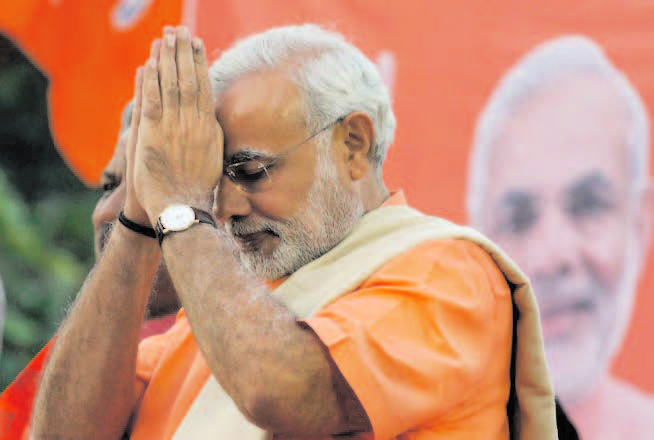
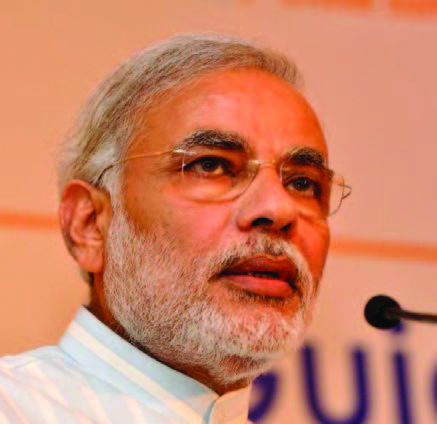
    Foremost among them will be the BJP’s Prime Ministerial candidate Narendra Modi, who is contesting from Varanasi but enrolled as voter in Ahmedabad. Thus, he will not be able to cast his vote for himself from either of the two seats he is contesting.

    Likewise, AICC vice-president and undeclared PM nominee of Congress, Rahul Gandhi and his mother Sonia Gandhi cannot cast their votes as both of them are enrolled as voters in Delhi but contesting from Amethi and Rae Bareli respectively.


    17
    Rahul Gandhi

    Arvind Kejriwal and Kumar Vishwas of AAP, Mulayam Singh Yadav and his daughter-in-law Dimple Yadav of SP, BJP candidates Smriti Irani and Hema Malini and Congress candidate Nagma are all in the same category.Smriti Irani is a voter in Mumbai, whereas she is contesting from Amethi. Her rival Kumar Vishwas is enrolled as a voter in Ghaziabad.

    AAP leader Arvind Kejriwal is contesting from Varanasi but has his name is in voter list in Delhi. A piquant situation is being faced by SP chief Mulayam Singh Yadav, contesting from Mainpuri and Azamgarh seats, but is enrolled as a voter in Etawah. CM Akhilesh Yadav’s wife Dimple Yadav is contesting from the Kannauj seat whereas she is registered as a voter in Etawah. Cine star Hema Malini is the BJP candidate from Mathura but she is registered as a voter in Goregaon in Mumbai.


    18
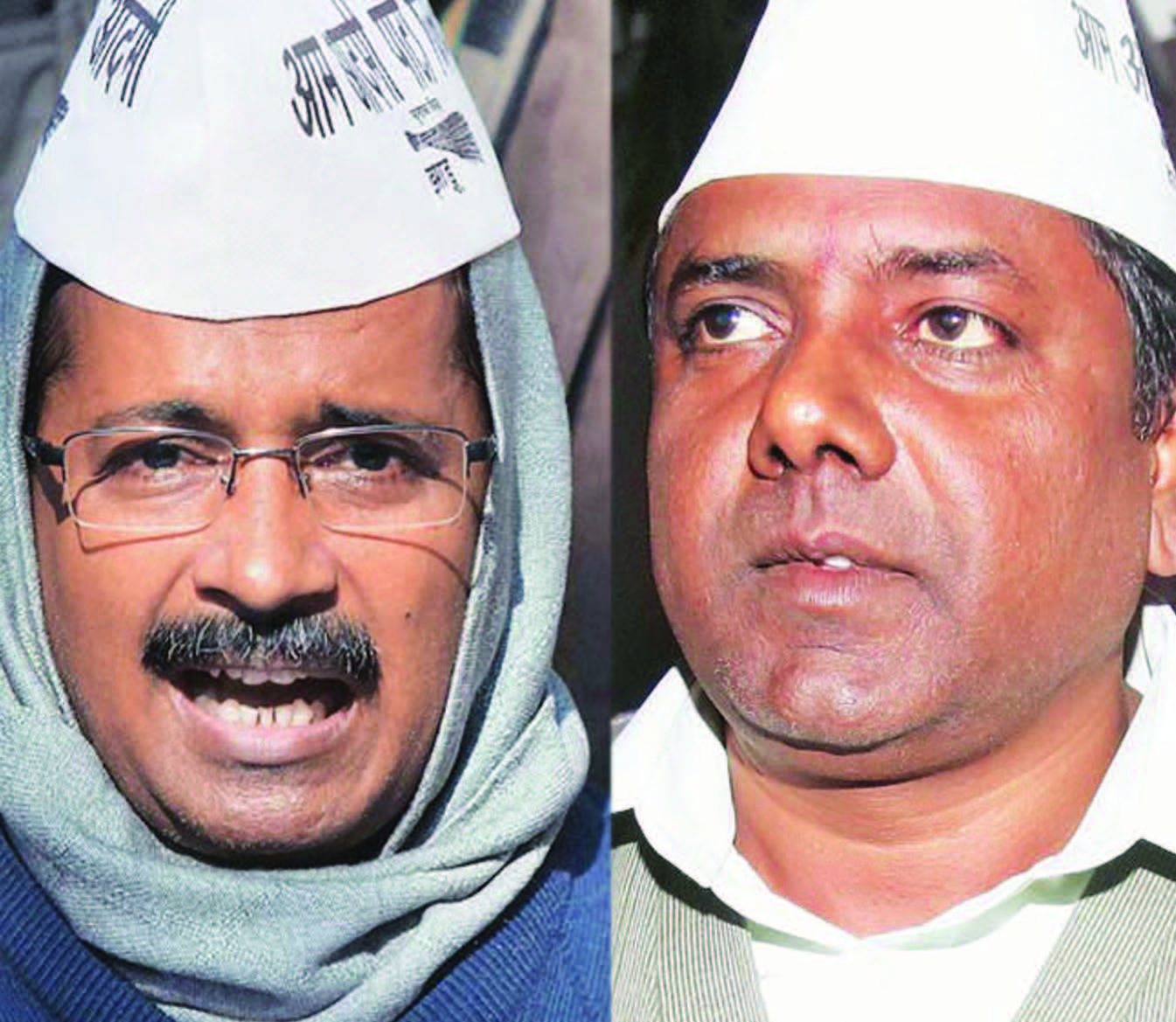
    Arvind Kejriwal

    Congress candidate from Meerut, Naghma has her vote in Bandra in Mumbai. BJP MP Varun Gandhi, contesting from Sultanpur seat is a voter in Delhi. RLD leader Amar Singh from Fatehpur Sikri seat has his vote in Delhi and Jayaprada who has shifted her constituency to Bijnore has her vote in Rampur.

  • FOR AAP AND COUNTRY: NRIS WORK TO ROOT OUT ILLS FROM INDIAN POLITICS

    FOR AAP AND COUNTRY: NRIS WORK TO ROOT OUT ILLS FROM INDIAN POLITICS

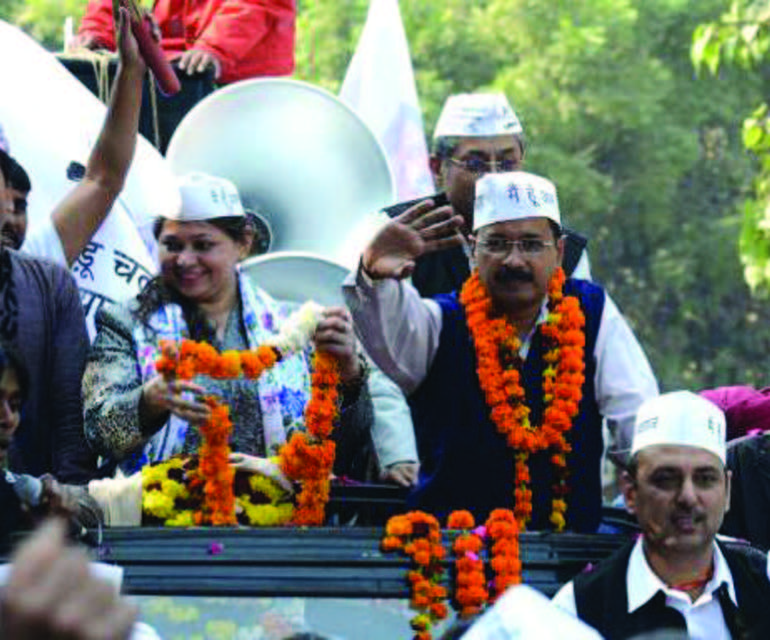
    CHANDIGARH (TIP): Harsharanjit Singh flew to India last December for a month-long vacation after having launched a software company in Belgium. But within days, he was campaigning for the Aam Aadmi Party. The software consultant went back to Belgium after holidaying with his doctor wife and seven-year-old daughter, but for just four days, just to complete the visa extension formalities so as to return to India and resume campaigning.

    Singh is among several non-resident Indians who have found time from their busy professional lives to help the fledgling party led by Arvind Kejriwal. AAP, which raised the issue of corruption and stunned its rivals by finishing second in its first electoral outing in the Delhi assembly polls last December, marks the beginning of a new kind of politics in the country, says Singh. But he is not the only one in his family to pay the price for his decision.

    While Singh has not returned to Belgium to look after his company, which he has left to his associates, his wife has not attended her clinic in Delhi since December and their daughter missed her final examinations for second standard. Such is their determination that Singh and his wife Kanwaljit Kaur leave behind Harkirat, their daughter, in a creche while they are out campaigning. Harkirat seems to share their enthusiasm as she insists on tagging along to distribute caps and pamphlets of the party. Like Singh, many other NRIs are supporting and contributing to AAP.

    From formulating strategies, gathering donations and making phone calls to Indians from abroad to arranging fundraising events, these NRIs are working unstintingly to create what they believe is a “political revolution” to root out corruption and other ills that plague Indian politics. Several NRIs have left behind their lucrative jobs or businesses in foreign shores, undeterred by the financial losses. Some of them have been living alone in India for the past six months, having left their families abroad. From engineers to doctors and even students, NRIs from different walks of life and age groups are actively participating and supporting AAP. Munish Raizada, 45, a Chicagobased doctor was taken in by social activist Anna Hazare’s movement, with which Kejriwal was closely associated before he launched AAP. Raizada quit his job and returned to India last July, leaving his wife and two sons behind.

    Since then, Raizada has been busy in fundraising , building a database to come up with poll strategies and gathering NRIs for support of AAP. In May last year, he was a key member of the convention held in Chicago which was addressed by Kejriwal via Google. After remaining actively associated with Kejriwal in Delhi, Raizada moved to Chandigarh. Though he was a contender for ticket from Chandigarh, he did not protest when Gul Panag was fielded by the party from the city beautiful. “I may be suffering on the financial front but I have no regrets on my decision. For, nation comes first. We cannot keep sitting on the fence and blame the system. It is only AAP which has the potential of providing an honest and transparent government,” he told ET from Chicago, where he has gone for two weeks.

    He plans to return next week to join Kejriwal in his campaign in Varanasi. Shamsheer, a 25-year-old final year student of Aeronautical Sciences in Florida says he was peeved with the “bureaucratic and corrupt” set-up in the country. While on a vacation in India, he had a transformative experience when he went to an office in Chandigarh to apply for a driving licence. “I was introduced to touts by a cop. I returned home disgusted ,” he says, adding that the experience led him to pick up the broom (AAP symbol) to cleanse the system. Now that he is busy with AAP, his final year examinations will have to wait until the end of Lok Sabha polls. Singh, who was associated with AAP since its launch, says while he was in Belgium he called 40,000 Indians to request them to vote for the party.

  • BJP stands by Uddhav, dumps Raj

    BJP stands by Uddhav, dumps Raj

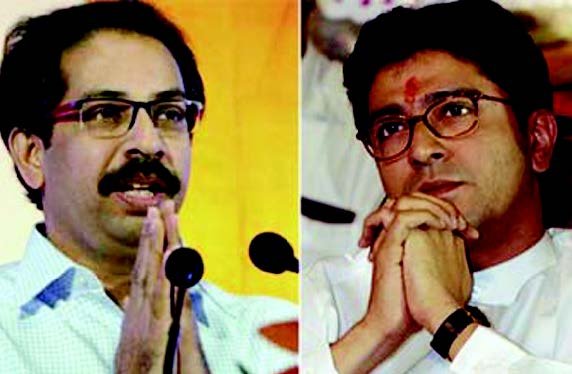
    PUNE (TIP): Unimpressed by Raj Thackeray’s support for its prime ministerial candidate Narendra Modi, the state BJP unit has decided to take on the Maharashtra Navnirman Sena (MNS) in the Lok Sabha elections. State BJP president Devendra Fadnavis said that the BJP leaders will campaign for Shiv Sena’s candidates to ensure the MNS’s defeat.

    “We stand by our alliance partner Shiv Sena. We are doing all to win every seat in the state. The MNS has opened a front against our alliance partner and we are going to resist every attack on the Sena. Our leaders will campaign for the Sena candidates and appeal to voters to defeat the MNS,” Fadnavis added. He said there was no confusion and though Raj has announced that his MPs will support Modi, they would are going to campaign against MNS candidates. Allegations about colluding with the MNS have been in the air. Fadnavis said there is no covert or overt understanding with the MNS.

    “The BJP values its old alliance partner Shiv Sena and there is no question of any understanding with the MNS. We are contesting the election as an alliance and it is our duty to abide by it,” he added. Senior BJP leader Gopinath Munde, speaking to local media persons in his hometown of Beed, said, “I had met Raj Thackeray and wanted him in our alliance. But things did not work out and the chapter was closed. There is no point in raking up the issue again.

    We are confident that the alliance will win the maximum seats in the state.” Munde said he would address a series of rallies with Uddhav across the state. The BJP’s support for Uddhav comes against Raj’s appeal to his party workers to “target Shiv Sena”. During his public rally in Pune on Monday, Raj announced a dozen public rallies to explain his stand on Shiv Sena and Uddhav. “I need to clarify that I was not against joining the BJP-Sena alliance. But Uddhav never wanted me in. I plan to reveal more such facts in the next few days,” Raj had said.

    City unit told to get its act together
    The BJP’s state president Devendra Fadnavis said he had asked the city unit leaders to set aside their differences and campaign for the party candidate Anil Shirole. “We don’t want to lose any seat because of infighting. We cannot afford any bickering at this moment. All party workers will work for Anil Shirole and we are confident of winning the Pune seat,” said Fadnavis. He added that MLA Girish Bapat and his supporters were actively campaigning for Shirole and senior state leaders would address public rallies in the city. Nitin Gadkari supporter Bapat had sought party nomination, but finally Munde supporter Shirole succeeded to fetch the ticket. Unhappy with the decision, Bapat and supporters had publically expressed unhappiness over the party’s decision.

    Mistry, Modi’s opponent in Vadodara, arrested
    VADODARA (TIP): Congress’s Vadodara candidate Madhusudan Mistry, who removed posters of the BJP prime ministerial candidate Narendra Modi, was on April 3 arrested by cops on charges of vandalism.Mistry, the Congress candidate was earlier detained for vandalism. Mistry, along with 100-odd Congress workers tried to remove posters of his rival and BJP’s prime ministerial candidate, Narendra Modi, in Vadodara.After detention, an unrepentant Mistry said he had no regrets for his action and said that he would continue to protest against Modi.

    Will your jijaji be India’s chowkidaar? Modi asks Rahul Gandhi
    KURUKSHETRA (TIP): Bharatiya Janata Party prime ministerial candidate Narendra Modi took on Congress vice president Rahul Gandhi in a rally in Kurukshetra in Haryana. Referring to Rahul’s brother-in-law Robert Vadra’s controversial land deals in Haryana, Modi attacked the Gandhi scion, calling him shehzada. He was quoted by NDTV as saying, “I had said the country needs a chowkidaar and I will serve you like a chowkidaar.

    Shehzada said the country needs 125 crore countrymen as chowkidaars. I ask him, will his jijaji (brotherin- law) be a chowkidaar too? Will he guard land?” In 2012, Vadra was accused by Arvind Kejriwal, an anticorruption crusader, of taking an interest-free loan of Rs 65 crores and heavy bargains on land from DLF Limited in exchange for political favours.Congress’ principal opponents, the Bharatiya Janata Party raked up the issue in the parliament and demanded a probe into the matter. In response to the controversies surrounding the deals, the Congress came in strong defence of Vadra, criticising the BJPfor targeting its president Sonia Gandhi’s family.

  • AAP counters Pak slur with disputed map on BJP site

    AAP counters Pak slur with disputed map on BJP site

    NEW DELHI (TIP): The war of words between BJP and AAP escalated on March 27 with the saffron party accusing Arvind Kejriwal of being an expert in “dumping issues halfway” while AAP retaliated with jeers that a “scared” BJP was diverting people’s attention from real issues.

    A day after BJP’s prime ministerial candidate Narendra Modi called Kejriwal a Pakistani agent and charged AAP with misrepresenting Kashmir on the map, AAP’s social media unit tweeted a grab of BJP’s official website that hosted a Google map indicating Kashmir as “disputed territory”. Dubbing AAP as “Arvind Apna Propaganda”, BJP accused Kejriwal of “dumping issues halfway” and running away from answering questions. “Kejriwal is known for dumping things halfway.

    His IRS (Indian Revenue Service) was dumped halfway. His India Against Corruption (IAC) was dumped halfway. Anna Hazare was dumped halfway. People of Delhi were dumped halfway. Now his candidates from all over the country are also dumped halfway,” BJP spokesperson Nirmala Sitharaman said. “Kejriwal said there are only two constituencies from AAP perspective — Varanasi and Amethi. So what happened to other candidates who are contesting all over the country? He has distanced himself from the rest of the candidates,” she said. “You have given away Jammu and Kashmir in your website.

    You have dumped people of J&K. Besides dumping of issues, he also ran away from answering our questions,” she added. Accusing Kejriwal and his party colleague Prashant Bhushan of going against the official line on Kashmir, BJP also screened video footage at the party briefing, simultaneously showing Modi’s speech in Jammu on Wednesday where he referred to Kejriwal as AK-49 and Bhushan’s earlier speeches. Responding to the attack, AAP leader Manish Sisodia said, “A scared BJP is trying to divert attention from real issues ever since AAP exposed its lie on gas pricing yesterday and made public the letter in which Gujarat government sought a $16 hike. AAP categorically denies that it has shown Kashmir as disputed on its official website.

    The party’s stand on the issue is clear. However, it is for BJP to clarify how Kashmir has been shown on its official website.” Earlier, AAP’s social media unit had tweeted a grab of the BJP website showing Kashmir as disputed on the map. BJP also raked up the controversy involving former Delhi law minister Somnath Bharti and his alleged misbehaviour with some African women residing in the capital. Sitharaman asked for whom did Kejriwal sit on dharna. “He sat on dharna for a person who had misbehaved with women, who misused his official position forcing Delhi Police to conduct a raid at midnight,” she said.

  • RIL takes YouTube route to refute AAP allegations

    RIL takes YouTube route to refute AAP allegations

    NEW DELHI: From deep sea to You Tube. After battling geographical bumps to keep its Andhra offshore field going, Reliance Industries Ltd is now engaged a bitter fight for eyeballs. India’s biggest private oil company on March 20 launched its counter-attack on You Tube to drill holes in allegations made by detractors such as AAP leader Arvind Kejriwal that was uploaded on the social media.

    The company sent out mailers with a link to a You Tube presentation that described allegations made at a media event earlier this month as “strange and irresponsible statement”. The mailer did not name Kejriwal or any other leader. “The statement is fraught with poor knowledge of the constitutional scheme and is aimed only to misinform… It is, therefore, incumbent upon us to place the record straight,” the company mailer said.

    The video clip shows an anchor giving point-by-point rebuttal in Hindi to allegations that the Narendra Modi government in Gujarat had extended undue benefit to the company and its gas project. The You Tube video clearly demonstrates that RIL is no longer willing to take, what it calls, “unfound allegations” lying down. The choice of language, Hindi, also displays the company broad-basing its public communication to the hinterland — ostensibly Kejriwal’s constituency. Earlier this month, the company had launched a mobile message campaign to counter AAP. Clearly, it’s a fight for eyeballs now.

  • Problems of India are not confined to big business alone

    Problems of India are not confined to big business alone

    The private sector in India “hopes that everything would be hunky dory once the pro-business Modi becomes the PM. Unfortunately, problems of India are not confined to big business only. There are millions (45 per cent of industrial employment) employed in small-scale and micro-sector enterprises. Around 90 per cent of the labor force works in the unorganized sector. The small and medium industries contribute 50 per cent of exports and need policies that would increase their competitiveness” says the author.

    All businesses, whether domestic or foreign, are waiting for the results of India’s general election. Why should there be so much apprehension about the future of the Indian economy and why should it depend on who forms the next government at the Centre? After all, India is a mature, almost middle-income country with per capita income of Rs 39,961 per annum (2013-14) and GDP of $1.7 trillion.

    We have good roads, ports, airports, well-functioning courts of justice, mega cities, luxury housing, malls, schools, colleges, hospitals — everything a country needs. We have a thriving service sector and an established manufacturing sector. All these will remain intact even if the UPA goes and another party forms the government. huge economy like India’s should be on auto pilot.

    But it is not — because key decisions that would pave the path for the economy in future are perceived to lie today in the hands of the new government. Even though the Indian economy did take off and gather momentum, it lost speed mid-air and things began to look less clear and, in fact, far from rosy. Consequently, key business decisions were kept on hold and are now dependent on who will form the government at the Centre and what policy changes will come about.

    But the UPA government has left the country’s finances in good shape. In the last interim Budget Mr. Chidambaram wanted to play it safe by cutting public expenditure in order to control the fiscal deficit. The interim Budget has also increased the allocation of Central funds to states. Hence the power of the Centre in the next one year will be diluted vis-à-vis states. The incumbent government has tried its best to create a good image of itself in the last one month by inserting ads in national dailies every day about its achievements and clearing pending projects post haste.

    People, especially young voters, however, will make up their own minds. The common person is awaiting change and desires a reprieve from continuous inflation, corruption and general ineffectiveness of government decisionmaking. According to the latest data, in the last quarter of 2013, GDP growth was only 4.7 per cent and not 5 per cent, which would have indicated an upturn in the economy. There is, however, good news that in February 2014, manufacturing output has notched up and was at its highest in recent months but one month’s performance is not enough. Why has the UPA been so ineffective in pushing GDP growth in its second term? Why has it not been able to tame inflation? Why has corruption remained the biggest issue? Looking back, it was the three stimulus packages that the UPA government gave after the global economic crisis that was responsible for much of what is wrong today.

    As a result of the stimulus packages, the fiscal deficit rose and there was too much liquidity in the economy and inflation rose to 10 per cent. The government and the RBI had no option but to raise interest rates and it did so 13 times before the new RBI Governor took over. Meanwhile, the government’s interest rate policy did a lot of damage to business expectations and investors dithered and held back from investing in industry. People in general lost faith in financial assets, especially with the erosion of the rupee against the dollar, and began seriously buying gold. Consequently, the current account deficit ballooned and there was a threat of the rupee depreciating further.

    Only the announcement by the US Federal Reserve about staggering its monetary easing policy brought back FIIs which saved the current account deficit from deteriorating further. But what is alarming is the negative industrial growth which contracted by 0.7 per cent in the third quarter of 2013- 14. Industrial growth slowed down due to demand factors also. The fall in demand has affected all industries, including the fastest-growing automobile sector. The savings rate fell to 30.1 per cent (of GDP) from 36.8 per cent (2008) and per capita private spending growth slipped to 3.7 per cent in 2012-13 from 7.8 per cent a year earlier. People postponed buying consumer durable items and the high EMI (equated monthly installment) has been a daunting factor. If industrial growth, which is the biggest driver of GDP growth, goes down, then GDP growth also declines.

    Thus from the peak of 9.2 per cent GDP growth in 2007, today we are faced with a rate of below 5 per cent, which is not high enough to create an adequate number of jobs for youth. When incomes fall, then tax collection also is low and hence the rising fiscal deficit has been a problem. The fiscal deficit has been controlled by squeezing essential expenditure in key sectors which will impact the lives of people. More than anything else, India needs a higher rate of human development, food security, an increase in productivity in agriculture and manufacturing, better governance of cities, sanitation, education, health, safe water, pollution control and women’s safety. In infrastructure, we need better roads, public transport, housing for the poor to improve the quality of life of the less privileged. With cash-starved state governments, little can be expected by way of welfare measures for the poor and the needy. Delhi has no Chief Minister.

    It is in need of infrastructural improvements. One can only see a beginning made by Arvind Kejriwal, who ordered the setting up of temporary shelters for the homeless. If Narendra Modi becomes the Prime Minister, the private sector would expect speedy clearances and decisionmaking. It hopes that everything would be hunky dory once the pro-business Modi becomes the PM. Unfortunately, problems of India are not confined to big business only. There are millions (45 per cent of industrial employment) employed in small-scale and microsector enterprises. Around 90 per cent of the labor force works in the unorganized sector. The small and medium industries contribute 50 per cent of exports and need policies that would increase their competitiveness. What happens to the anti-poverty policies for the very poor will also be important. If subsidies are cut — which they are bound to be — what will happen to small and marginal farmers and the lives of those below the poverty line? What kind of social safety net will be offered? It could be training programs, cash in hand, housing, better agricultural inputs or jobs for the unemployed. It is a tall order for the next PM.

  • AAP-BJP clashes- Police failure, bias to the fore

    AAP-BJP clashes- Police failure, bias to the fore

    Almost every newspaper headline on March 6 said the same thing: “Kejriwal’s detention sparks AAP-BJP clashes”. The media, including TV channels, focused on three things: the detention of Arvind Kejriwal and attack on his car in Gujarat; AAP workers’ protests outside the BJP offices in Delhi and elsewhere leading to violent clashes.

    In Delhi 13 AAP activists and 10 BJP supporters were injured. Jhansi, Kanpur and Allahabad also witnessed a similar backlash. This was the day when the Election Commission announced the Lok Sabha poll schedule. It is an ominous beginning. Violence in any form by anyone is unacceptable.

    Arvind Kejriwal’s Gujarat visit would not have attracted the media attention that it did had the Gujarat police not detained his cavalcade. There were protests against his visit to Narendra Modi’s home state and his car was attacked.

    Why was no police protection provided to the former Chief Minister of Delhi? Yet the detention and the attack gave AAP workers no right to resort to protests, that too violent, without prior permission of the authorities when the code of conduct had come into force. The police in Delhi, Lucknow and elsewhere waited for clashes to happen before taking action.

    Why were the workers allowed to gather outside the centrally located BJP office in Delhi? Finally, since the clashes involved workers of both parties, why did the police single out AAP workers for registering cases of rioting and damage to public property against them? Obviously, the police in Delhi, Uttar Pradesh and Gujarat have a lot to answer.

    In the war of words that followed Wednesday’s developments BJP spokespersons were all full of sound and fury, while Arvind Kejriwal, a cool-headed master media strategist, apologized and asked his party workers to maintain calm. Narendra Modi, who is still the Chief Minister of Gujarat, has preferred to keep quiet. Perhaps, he does not want to involve himself in a slanging match with a challenger he calls too small to matter.

  • Anna comes out in Mamata’s support but with a rider

    Anna comes out in Mamata’s support but with a rider

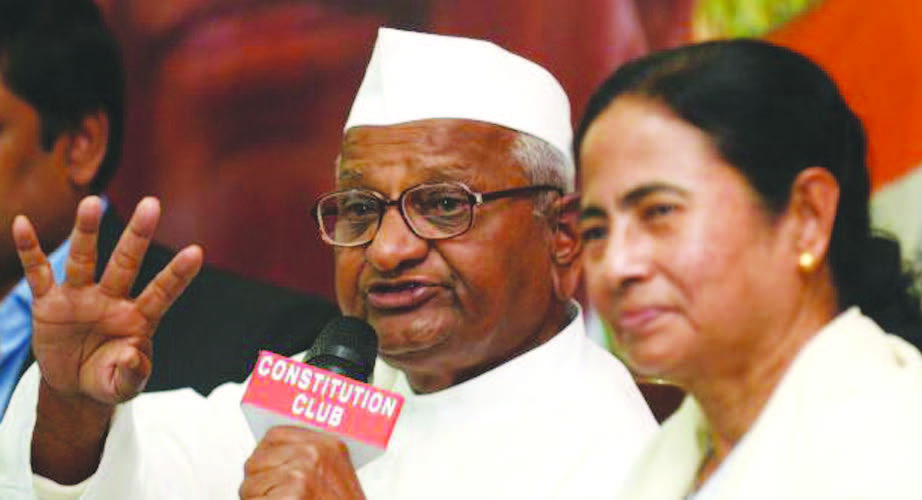
    NEW DELHI (TIP): Having fallen out with Arvind Kejriwal after he floated AAP, social activist Anna Hazare on February 19 threw his weight behind Trinamool Congress chief and West Bengal chief minister Mamata Banerjee who is eyeing a possible national role after the Lok Sabha elections.

    A day after their one-on-one meeting in the national capital, Anna and Mamata appeared together before the media to send the message of their new-found partnership. Pointing that it is for the first time that he is supporting a political leader, Hazare said he deviated from his stand after witnessing Mamata’s political struggle and simple lifestyle even as chief minister.

    “I had written a letter with my 17-point demands to all political parties but only Didi (Mamata) responded to it and agreed to implement it,” he said at the press conference where the backdrop read “sadgi, sachai, imaandari (simplicity, truthfulness and honesty).” But Hazare had a rider. He said his support to the TMC chief was limited to the few months of campaigning in the run-up to the polls and would end after the polls are over.

    Hazare mentioned that he had also written to Kejriwal about his 17-point agenda, but the APP leader he did not bother to reply to it. He said everybody talks of “regime change”, but that will not change the state of the nation for the better which can happen only through “systemic change”. Hazare was not short of words of praise for the TMC chief, saying she has the integrity of character to bring about a systemic change. “So, I thought of supporting a political leader for once,” he said.

    The anti-graft activist said he will be going around the country for the next five years to find at least 100 independent candidates with integrity of character for the 2019 Lok Sabha elections. “A hundred good people in Parliament can make a difference and bring about a change in the system that I am talking about,” he said.

    On her part, Mamata declared that she would consult Hazare on contestants from north and south Indian states including Delhi. The 17-point agenda that Hazare took up included legislations like protection to whistle-blowers and demand to make government decisions taken in all matters, except defence and foreign affairs, public after two months to bring in more transparency. His other demands include making villages as the nucleus before chalking out policies, land acquisition with farmers’ consent, major electoral changes like Right to Recall and Right to Reject and bringing back black money among other things. When asked whether he would oppose Kejriwal and BJP’s Prime Ministerial candidate Narendra Modi, Hazare said he would neither support nor oppose them.

  • MAMATA AND ANNA TO CAMPAIGN TOGETHER FOR LOK SABHA ELECTIONS

    MAMATA AND ANNA TO CAMPAIGN TOGETHER FOR LOK SABHA ELECTIONS

    KOLKATA/PUNE (TIP): Mamata Banerjee’s ambition to play a key role in the national politics is taking shape after plans of sharing the dias with Anna Hazare in a joint campaign for the forthcoming Lok Sabha elections. A meeting between Banerjee and Hazare, scheduled to take place in New Delhi on February 18, is likely to give shape to an all-India campaign tentatively dubbed “Fight for India”.

    Mamata has reportedly agreed to give an affidavit “to people” that she would “resign” from the post (of Prime Minister) if she failed to implement Hazare’s 17-point charter. “We need a simple Prime Minister like Mamata Banerjee. I will campaign for her and appeal to voters to elect her,” Hazare said after an hour-long meeting with Trinamool Congress national general secretary Mukul Roy at Ralegan Siddhi on February 13.

    “Mamata stays in a 12X8 ft home. She still wears slippers and simple saris. She doesn’t avail an (official) car and takes no salary. She offers a ray of hope and if people stand by her, then the country will change in no time,” he said. “I had earlier sent a 17-point agenda to all parties. Only Mamataji replied. She agreed to give an affidavit to people. I will go to Delhi on February 18. We will have a detailed discussion and the path ahead will be decided then.”

    But earlier Hazare’s had said he would not support any political party. “We don’t want a Prime Minister who operates on a remote control, even if he has an unblemished character,” Hazare added. Roy said he has come to meet Hazare as a respected senior and elderly statesman and convey Banerjee’s highest regard for him. Hazare also praised Goa chief minister Manohar Parrikar and Tripura chief minister Manik Sarkar, saying he was happy with the way these chief ministers were running their governments and maintaining a “simple lifestyle” despite being in power.

    Sources said “Fight for India” campaign will be targeting the approximate 90-crore people with cellphones. It would be apolitical to allow Hazare and Banerjee to share same space and also to enable them to target young voters (65% of voters in India is below 35 years of age). The campaign is likely to kick-start soon. Trinamool was the first political party to accept Anna’s 17-point charter of demands. Roy on January 16 had written to Hazare that most of these have been incorporated and some even implemented by the party during the 2009 Lok Sabha polls and 2011 Assembly polls.

    “I would like to assure you that we are wholeheartedly working to incorporate many more such ideas in our party’s 2014 election manifesto as well. We accept your 17- point economic agenda and need your guidance,” Roy had said. Hazare had indicated that acceptance of his 17-point agenda isn’t enough and that he wanted Banerjee should also sign an affidavit that if she can’t implement them she should resign. Agencies quoted Hazare saying, “…For the people, we want an affidavit from her that she would resign from the post if the 17 issues are not implemented. Affidavit is very important.

    And if this affidavit happens then I will tell people to stand behind her in order to change the country.” Hazare also said that he recently sent the same agenda to Aam Adami Party leader and Delhi chief minister Arvind Kejriwal and was waiting for his response. “Arvind’s party did not exist when I had sent the letter. So I will give him some time to respond. If he accepts the agenda and gives an affidavit I will think about supporting him,” he said.

  • Angry middle-aged men form 88% of AAP ticket-seekers

    Angry middle-aged men form 88% of AAP ticket-seekers

    NEW DELHI (TIP): The Aam Aadmi Party (AAP) appears to attract educated middle-aged men if snap trends are anything to go by. In a mirror of its top leadership, the average AAP ticket aspirant is a male graduate between 40 and 50 years of age.

    Top AAP leaders like Arvind Kejriwal, Yogendra Yadav, Sanjay Singh and Kumar Vishwas are in the forties with strong educational backgrounds. According to initial trends, 21.3% of the applicants seeking an AAP ticket are graduates followed by 18.4% who are post-graduates, 15.5% have a law degree, 7.5% hold a management degree while 7.5% have passed Class 12.

    An overwhelming number of aspirants (87.9%) are men. The candidates are predominantly between 40-50 years of age. About 174 applications have been analyzed so far though applications have been pouring in. Just Delhi has received over 1,000 applications for seven seats. In contrast, data analyzed by Association for Democratic Reforms reveals that 43% or 3,373 candidates who contested Lok Sabha polls in 2009 were graduates and above.

    However, only 7% or 524 candidates were women. ADR had analyzed self-sworn affidavits submitted by 7,774 candidates contesting the election. The party has already put out the list of candidates in 63 constituencies seeking feedback from the public. The first list for the Lok Sabha is likely to be out by February 12.

  • SIT TO PROBE ANTI-SIKH RIOTS: DELHI GOVT

    SIT TO PROBE ANTI-SIKH RIOTS: DELHI GOVT

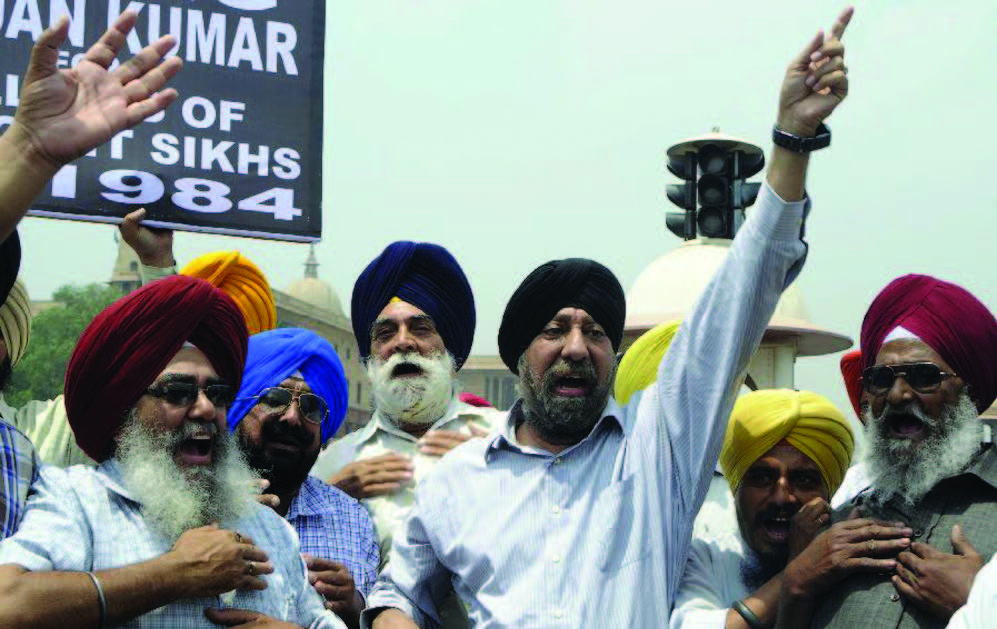
    NEW DELHI (TIP): The Delhi Government on January 29 decided on a probe by a Special Investigation Team into the 1984 anti- Sikh riots, two days after Congress vice-president Rahul Gandhi said some of the partymen were probably involved in the violence but were punished.

    The politically sensitive decision to form the SIT to investigate the riots which left around 3,000 Sikhs dead following the assassination of the then prime minister Indira Gandhi on October 31, 1984, may create trouble in the relationship between AAP and Congress which has been providing outside support to Kejriwal dispensation.

    But the move was welcomed by riot victims with one of their prominent lawyers saying it gave them a “ray of hope”. “Government is going to form a SIT to probe the 1984 riots. The modalities of the probe will be discussed at a cabinet meeting on Friday. Lt Governor Najeeb Jung has in-principle agreed to the proposal to appoint the SIT,” PWD Minister Manish Sisodia told reporters. Earlier in the day, Chief Minister Arvind Kejriwal discussed the issue with Jung.

    To a query on effectiveness of SIT as the riots had taken place nearly 30 years back, Sisodia said “honest efforts will definitely yield results”. Two days back, in an interview to a TV channel, Gandhi had admitted that “some Congress men were probably involved in 1984 anti-Sikh riots and they have been punished for it”. Gandhi had insisted that the Congress government in 1984 “was not aiding and abetting the riots” but had tried to stop the violence.

    Congress leaders Jagdish Tytler and Sajjan Kumar are facing allegations of involvement in riots after Indira Gandhi was assassinated on October 31, 1984. Claiming that effective investigation into the anti-Sikh riots was part of AAP’s agenda, Sisodia said the party had held a day-long fast atJantar Mantar to express solidarity with the victims. Senior lawyer HS Phoolka, who joined AAP recently, said, “The decision of government to form SIT has given a ray of hope to riot victims that justice would be done to them.”

    Phoolka has been taking up the causes of victims of anti-Sikh riots. Phoolka said SIT should be formed on the lines of the special team which probed Gujarat cases. “Police officers from other states should head the SIT while Delhi police should only assist them,” said Phulka. Delhi Police and CBI have investigated the riots cases so far.

  • Opinion poll predicts gains for BJP, losses for UPA

    Opinion poll predicts gains for BJP, losses for UPA

    NEW DELHI (TIP): Despite an apparent wave of Arvind Kejriwal-led Aam Aadmi Party (AAP) till recently, the National Democratic Alliance (NDA) would have won 200-odd seats if the general elections were held in January 2014, the findings of the latest India Today Group’s Mood of the Nation opinion poll suggest.

    The opinion poll gives the Congress-led United Progressive Alliance (UPA) only around 100 seats, down by over 150 seats in the current Lok Sabha. It also underlines the significance of a possible Third Front in the forthcoming Lok Sabha election as the non-UPA, non-NDA parties and Independents are expected to win 220-odd seats. The NDA thus crosses the 200-mark for the first time since 2010. Both, the NDA and the likely Third Front, gains substantially in numbers and vote share. The opinion poll suggests that the NDA’s vote share of 34 per cent will be significantly more than the UPA’s 23.

    However, the others will have the maximum vote share of 43 per cent. Under the leadership of Narendra Modi as its prime ministerial candidate, the Bharatiya Janata Party (BJP) looks all set to become the single largest party as it is also likely to emerge the biggest gainer in the Lok Sabha polls. Its 2009 tally of 116 is expected to rise to 188 in 2014, an increase of more than 60 per cent. Congress, under the leadership of its vice-president Rahul Gandhi, might win just 91 seats, as compared to its current tally of 206, a drop of about 55 per cent. The Congress ploy of propping AAP to counter Modi at the national level seems to have a limited impact, as Kejriwal’s gains are restricted to areas around Delhi and a few metro cities only.

    Modi consolidates his position
    Modi, who emerged as the strongest leader within his party after the BJP’s hat-trick in Gujarat in December 2012, cemented his position further through strong campaigning across the country. As the party’s lead campaigner in the recently held assembly elections in Madhya Pradesh, Chhattisgarh, Rajasthan and Delhi he consolidated his position further. In the latest India Today Mood of the Nation opinion poll, as many as 47 per cent people voted him as the best prime ministerial candidate against his previous best of 42 per cent polled in August 2013.

    The Gandhi scion was way behind Modi with just 15 per cent votes, followed by Kejriwal with 9 per cent votes and 6 per cent votes each to Prime Minister Manmohan Singh and Congress president Sonia Gandhi. During these five months Modi was also able to improve his image from being a communal leader to being pro-development. To a question “what does Modi represent”, the option “communalism” saw a drop of 11 per cent from 18 per cent in August 2013, while “economic development” increased by 6 per cent to 30 per cent. The number of people thinking Modi should apologize for the 2002 Gujarat riots also fell drastically during this period to 39 per cent from the previous figure of 51 per cent.

    Modi as a role model
    The Gujarat chief minister emerged as a role model for the highest 17 per cent respondents, a gain of as much percentage as nobody earlier saw him as one among the overall personalities of India. Modi was followed by Kejriwal with 14 per cent votes, up from 2 per cent. Bollywood superstar Salman Khan too saw a big jump in his popularity as 10 per cent people saw him as a role model, up from the previous 1 per cent, followed by legendary singer Lata Mangeshkar’s 9 per cent against 2 per cent in the earlier opinion poll.Veteran anti-corruption activist Anna Hazare’s position as a role model remained unchanged with 7 per cent votes.

  • Opinion poll predicts gains for BJP, losses for UPA

    Opinion poll predicts gains for BJP, losses for UPA

    NEW DELHI (TIP): Despite an apparent wave of Arvind Kejriwal-led Aam Aadmi Party (AAP) till recently, the National Democratic Alliance (NDA) would have won 200- odd seats if the general elections were held in January 2014, the findings of the latest India Today Group’s Mood of the Nation opinion poll suggest.

    The opinion poll gives the Congress-led United Progressive Alliance (UPA) only around 100 seats, down by over 150 seats in the current Lok Sabha. It also underlines the significance of a possible Third Front in the forthcoming Lok Sabha election as the non- UPA, non-NDA parties and Independents are expected to win 220-odd seats.

    The NDA thus crosses the 200-mark for the first time since 2010. Both, the NDA and the likely Third Front, gains substantially in numbers and vote share. The opinion poll suggests that the NDA’s vote share of 34 per cent will be significantly more than the UPA’s 23. However, the others will have the maximum vote share of 43 per cent. Under the leadership of Narendra Modi as its prime ministerial candidate, the Bharatiya Janata Party (BJP) looks all set to become the single largest party as it is also likely to emerge the biggest gainer in the Lok Sabha polls.

    Its 2009 tally of 116 is expected to rise to 188 in 2014, an increase of more than 60 per cent. Congress, under the leadership of its vice-president Rahul Gandhi, might win just 91 seats, as compared to its current tally of 206, a drop of about 55 per cent. The Congress ploy of propping AAP to counter Modi at the national level seems to have a limited impact, as Kejriwal’s gains are restricted to areas around Delhi and a few metro cities only.

    Modi consolidates his position
    Modi, who emerged as the strongest leader within his party after the BJP’s hat-trick in Gujarat in December 2012, cemented his position further through strong campaigning across the country. As the party’s lead campaigner in the recently held assembly elections in Madhya Pradesh, Chhattisgarh, Rajasthan and Delhi he consolidated his position further. In the latest India Today Mood of the Nation opinion poll, as many as 47 per cent people voted him as the best prime ministerial candidate against his previous best of 42 per cent polled in August 2013.

    The Gandhi scion was way behind Modi with just 15 per cent votes, followed by Kejriwal with 9 per cent votes and 6 per cent votes each to Prime Minister Manmohan Singh and Congress president Sonia Gandhi. During these five months Modi was also able to improve his image from being a communal leader to being pro-development. To a question “what does Modi represent”, the option “communalism” saw a drop of 11 per cent from 18 per cent in August 2013, while “economic development” increased by 6 per cent to 30 per cent. The number of people thinking Modi should apologize for the 2002 Gujarat riots also fell drastically during this period to 39 per cent from the previous figure of 51 per cent.

    Modi as a role model
    The Gujarat chief minister emerged as a role model for the highest 17 per cent respondents, a gain of as much percentage as nobody earlier saw him as one among the overall personalities of India. Modi was followed by Kejriwal with 14 per cent votes, up from 2 per cent. Bollywood superstar Salman Khan too saw a big jump in his popularity as 10 per cent people saw him as a role model, up from the previous 1 per cent, followed by legendary singer Lata Mangeshkar’s 9 per cent against 2 per cent in the earlier opinion poll.Veteran anti-corruption activist Anna Hazare’s position as a role model remained unchanged with 7 per cent votes.

  • AAP effect: Haryana reduces power tariff

    AAP effect: Haryana reduces power tariff

    CHANDIGARH (TIP): In an apparent AAP effect, Haryana government today gave a major relief to power consumers by reducing tariff in the state. While the Congress Government rolled back tariff hike for consumption of up to 500 units by domestic consumers, power rate for farm sector was reduced by 60 per cent for current fiscal. The decision, which will cost Rs 600 crore per annum to the state exchequer, will benefit 38 lakh domestic consumers, which account for 95 per cent of total consumers, and 5.50 lakh agriculture consumers. It comes just a fortnight after Delhi chief minister Arvind Kejriwal announced a 50 per cent cut in electricity tariffs for households consuming up to 400 units of power per month, fulfilling a second key electoral promise of his Aam Aadmi Party (AAP).

    “Government has withdrawn the tariff increase (about 13 per cent) made from April 2013 onward for domestic consumers consuming up to 500 units per month. Moreover, the Fuel Surcharge Adjustment (FSA) of financial year 2013-14 will also remain same,” chief minister Bhupinder Singh Hooda said in a release. “As a result of this decision, up to 1000 units bimonthly consumption will get the benefit of old slab system as well as reduction in tariff and FSA to the last year’s level,” he said. The domestic sector power rate from April 1, 2013 were Rs 5.24, Rs 5.94 and Rs 6.32 per unit for those consuming up to 250 units, between 250 and 500 units and above 500 units respectively. Giving relief to farm consumers, Hooda said tariff being charged to agriculture consumers has been reduced by 60 per cent in the state.

    “Now the agriculture consumer will have to pay 10 paisa per unit (present rate 25 paise per unit) or Rs 15 per BHP per month,” he said. Hooda said that the decision, which comes just months ahead of Lok Sabha polls, would provide relief to the electricity consumers in the state and the entire expenditure would be borne by the state government. Haryana government had already decided not to hike power tariff for 2014-15.

  • AAP REJECTS VINOD BINNY’S ALLEGATIONS, TO TAKE DISCIPLINARY ACTION

    AAP REJECTS VINOD BINNY’S ALLEGATIONS, TO TAKE DISCIPLINARY ACTION

    GHAZIABAD (TIP): The Aam Aadmi Party on January 16 refuted the allegations levelled by its MLA Vinod Kumar Binny and said disciplinary action would be initiated against the legislator for “baseless accusations” against the party. Addressing the media at AAP office, senior leader Yogendra Yadav said the MLA was making “baseless accusations” against the party as he was denied a ticket for the Lok Sabha election. “The party’s political affairs committee will initiate disciplinary action against Binny and accordingly a show-cause notice will be issued to him,” Yadav told reporters, adding, that party members could have different opinion but AAP will not tolerate indiscipline. The sulking AAP MLA from Laxmi Nagar today accused the party of “cheating” people of Delhi by backtracking on its election promises and termed chief minister Arvind Kejriwal a “dictator”.

    Binny addressed a press conference where he slammed the AAP leadership on a range of issues and said taking support of Congress to form the government was a “compromise on the party’s principles”. “Today when Binny was speaking, it seemed that he was reading a script given to him by someone else. He has raised all those issue which the leader of the opposition Harsh Vardhan has been raising for the past few days. “If he had any grievances against the party or its leaders, there are ways of expressing it. He could have taken up the issues in the party, but never did he raise such issues during any of the party meetings. It’s very sad,” Yadav said, adding, that Binny should not put personal ambition before the people’s hopes and expectations.

    Yadav said the party MLAs had met on January 14 to discuss issues and during the meeting Binny did not raise a single point. “Binny was a member of the screening committee during Delhi assembly elections. He was present at all important meetings and if he had any problem he could have raised the issues on the party platform,” he said. The senior AAP leader said that Binny was interested in ministerial berth and was keen to fight the Lok Sabha election from East Delhi.

  • AFTER BJP SAYS ‘NO’, LT. GOVERNOR INVITES AAP

    AFTER BJP SAYS ‘NO’, LT. GOVERNOR INVITES AAP

    NEW DELHI (TIP):
    The Bharatiya Janata Party onDecember 12 declined to form a government in Delhi, citing “lack of a clear mandate”. It would sit in the opposition keeping in view the party’s “high moral traditions”. After a 45-minute meeting with Lieutenant Governor Najeeb Jung, BJP leader Harsh Vardhan told reporters: “Since we do not have a clear mandate, we are not in a position to form the government.” Jung had invited the BJP, which emerged as the single largest party in this month’s Assembly elections, to discuss government formation.

    “We conveyed to him that we do not have enough seats, and in view of the lack of a clear mandate the party would like to sit in opposition,” said Dr. Vardhan. He gave it in writing to Mr. Jung. After the BJP declined, Mr. Jung invited Aam Aadmi Party convener Arvind Kejriwal to meet him on Saturday for discussions. The BJP, along with its ally the Shiromani Akali Dal which has one seat, has 32 MLAs in the 70-member Assembly.

    The AAP is the second largest party with 28 seats, followed by the Congress with eight seats. Dr. Vardhan said that if any other party was interested in forming a government it was welcome to do so. But his party cannot be held responsible for the consequences of the fractured mandate that could push the capital into fresh elections.

  • NOT QUESTIONING ARVIND’S INTEGRITY, HONESTY: ANNA

    NOT QUESTIONING ARVIND’S INTEGRITY, HONESTY: ANNA

    PUNE (TIP): Social activist Anna Hazare said here on November 20 that he wrote to Arvind Kejriwal only to seek information on the use of funds collected during the anti-corruption movement, and not to question his integrity and honesty. Speaking to reporters on Wednesday at Ralegan Siddhi Anna said, “We have differences and but no dispute or enmity. I wrote a letter to Arvind regarding funds because I am very alert and particular when it comes to money matters.

    My intention was not to make any allegation against Arvind.” He added, “Arvind is an honest and a non-corrupt person with a good character. However, I have my own stand when it comes to political parties. I cannot support Arvind as he is a member and candidate of a political party. But this does not mean that I am accusing him and making allegations against him.” Anna Hazare and his staff at the Hind Swaraj Trust in Ralegan Siddhi have also refuted Arvind Kejriwal’s claims that ‘intermediaries’ were blocking communication between the two. “My doors are open to everyone and hundreds of people meet me every day.

    They can directly approach me and there is no question of intermediaries,” Hazare told Kejriwal’s supporters, who met him late Tuesday night. Kejriwal had earlier said that he had tried to speak to his ‘guru’ (Hazare) several times, but ‘intermediaries’ prevented him from speaking to Hazare. Hazare’s staff members at the trust’s office, who handle Anna’s daily communication, said Kejriwal has made no effort to contact Anna in the last few days. Another staff member said workers of the Aam Aadmi Party were regularly meeting Anna and no one had stopped them.

    “In fact, more and more workers of the party have been meeting Hazare over the last few days. His staff has no say in his meetings with people. Some members of the party from New Delhi had come to Ralegan Siddhi recently. They wanted Hazare to issue a statement supporting Kejriwal, but he turned down their request,” he added.

  • SC Questions Z-Class Security Cover For Mukesh Ambani

    SC Questions Z-Class Security Cover For Mukesh Ambani

    NEW DELHI (TIP): The Supreme Court today questioned the government’s decision to provide state security to billionaire businessman Mukesh Ambani. The government had agreed to provide Mukesh Ambani with toplevel security cover following threats to his life. Referring to the lack of security for the common man and, especially, to rape of the five-yearold child, the apex court said the rape would not have occurred if there was proper security in the capital. Under ‘Z Category’ cover, Ambani will have 22 security guards, an escort and a pilot car, an arrangement similar to that provided for Prime Minister Manmohan Singh and ruling Congress party chief Sonia Gandhi.

    The country’s richest man, who controls the Reliance Industries Ltd conglomerate, personally requested the ‘Z Category’ security that is usually reserved for politicians and top-level civil servants. Ambani has agreed to pay the government up to Rs 900,000 a month for protection by armed commandos. Ambani received a handwritten letter about two months ago that threatened an attack at his $1 billion Mumbai residence.

    He added that the Islamist group Indian Mujahideen was suspected of sending the letter, but investigations were still under way. Social media websites were abuzz with criticism of the move, with many questioning why highly trained commandos should protect a private citizen. Among them was Arvind Kejriwal, an anti-graft activist, who told Reuters: “He is such a rich man. He can hire the best security agencies. Why does the government need to provide him with security?” “None of the political parties is opposing this move. This clearly shows Mukesh Ambani is in the good books of all political parties,” Kejriwal added.

  • Cabinet okays Bill to ensure time-bound delivery of services

    Cabinet okays Bill to ensure time-bound delivery of services

    NEW DELHI (TIP): The Cabinet has approved a Bill that promises time-bound delivery of services such as passports, tax refunds, pensions and birth and death certificates to the citizens, and stipulates a penalty of 250 per day against errant government officials. The Right of Citizens for Time-Bound Delivery of Goods and Services and Redressal of their Grievances Bill, 2011, approved by the cabinet on March 7, makes it mandatory for all government departments and public authorities to publish Citizens’ Charter stating the time within which specific services will be provided.

    Each department will also have to provide for a grievance redressal mechanism for non-compliance of the charter’s provisions. The proposed legislation lays down a penalty extending up to 50,000 against an official who fails to provide the service.

    The Bill, spearheaded by the department of administrative reforms and public grievances also mandates a public authority to establish a call centre, customer care centre, help desk and people’s support system to ensure timebound delivery of services.

    It also seeks establishment of public grievance redressal commission at the Centre and in each state. As per the Bill, a person aggrieved by the decision of the commission may prefer an appeal before the Lokpal at the Centre (in case of decision by the Centre’s public grievances redressal commission) and the Lokayuktas in the states. All services provided by both the Centre and the state governments will be extended to citizens in a time-bound manner under the bill. According to an official familiar with the matter, the ministry of personnel, public grievances and pensions, and the law ministry, will decide whether non-resident Indians should be covered under the proposed legislation.

    The Bill, however, came under attack from the main opposition, BJP, which said the legislation attacked the federal structure by compelling states to adopt it. “The Cabinet has cleared the citizens’ charter bill, but they have mandated this Act on the states as well, forgetting that more than 10 states have their own citizens’ charter law. Some of them are stronger than the Centre’s Bill,” BJP spokesman Prakash Javadekar said. “This would be an attack on federal structure. The Centre should formulate a law only for central services,” Javadekar said, adding, “At best, they should make it a model law. The states that do not have a citizens’ charter already can follow it to make their own legislations.” Social activist-turned-politician Arvind Kejriwal said he did not agree with the BJP, even as he refused to comment on the merits of the Bill. “I do not agree with the BJP’s argument.

    But I cannot be sure whether it is a good bill till I get to read it,” said Kejriwal, founder of AAP. An official said the draft bill would go back to the ministries of law, home affairs and personnel and training as it required fresh paraphrasing. This means that it need not go to the Cabinet again and can be directly introduced in Parliament.

  • Cabinet okays Bill to ensure time-bound delivery of services

    Cabinet okays Bill to ensure time-bound delivery of services

    NEW DELHI (TIP): The Cabinet has approved a Bill that promises time-bound delivery of services such as passports, tax refunds, pensions and birth and death certificates to the citizens, and stipulates a penalty of 250 per day against errant government officials. The Right of Citizens for Time-Bound Delivery of Goods and Services and Redressal of their Grievances Bill, 2011, approved by the cabinet on March 7, makes it mandatory for all government departments and public authorities to publish Citizens’ Charter stating the time within which specific services will be provided. Each department will also have to provide for a grievance redressal mechanism for non-compliance of the charter’s provisions. The proposed legislation lays down a penalty extending up to 50,000 against an official who fails to provide the service.

    The Bill, spearheaded by the department of administrative reforms and public grievances also mandates a public authority to establish a call centre, customer care centre, help desk and people’s support system to ensure timebound delivery of services. It also seeks establishment of public grievance redressal commission at the Centre and in each state. As per the Bill, a person aggrieved by the decision of the commission may prefer an appeal before the Lokpal at the Centre (in case of decision by the Centre’s public grievances redressal commission) and the Lokayuktas in the states. All services provided by both the Centre and the state governments will be extended to citizens in a time-bound manner under the bill. According to an official familiar with the matter, the ministry of personnel, public grievances and pensions, and the law ministry, will decide whether non-resident Indians should be covered under the proposed legislation. The Bill, however, came under attack from the main opposition, BJP, which said the legislation attacked the federal structure by compelling states to adopt it. “The Cabinet has cleared the citizens’ charter bill, but they have mandated this Act on the states as well, forgetting that more than 10 states have their own citizens’ charter law. Some of them are stronger than the Centre’s Bill,” BJP spokesman Prakash Javadekar said. “This would be an attack on federal structure.

    The Centre should formulate a law only for central services,” Javadekar said, adding, “At best, they should make it a model law. The states that do not have a citizens’ charter already can follow it to make their own legislations.” Social activist-turned-politician Arvind Kejriwal said he did not agree with the BJP, even as he refused to comment on the merits of the Bill. “I do not agree with the BJP’s argument. But I cannot be sure whether it is a good bill till I get to read it,” said Kejriwal, founder of AAP. An official said the draft bill would go back to the ministries of law, home affairs and personnel and training as it required fresh paraphrasing. This means that it need not go to the Cabinet again and can be directly introduced in Parliament.

  • Cabinet Clears Lokpal Bill With Amendments, Keeps Parties Out Of Its Ambit

    Cabinet Clears Lokpal Bill With Amendments, Keeps Parties Out Of Its Ambit

    NEW DELHI (TIP): The Lokpal Billcleared by the Cabinet on January 31excludes political parties from itsjurisdiction and also rejects theproposal for the appointment of theCentral Bureau of Investigation chiefby a collegium comprising the PM,leader of opposition and the ChiefJustice of India.Minister of state for PMO VNarayanasamy informed the Cabinetthat political parties were being keptoutside the purview of the anti-graftombudsman as their functioning wascovered by the Representation ofPeople’s Act.The explanation is unlikely toconvince activist groups led by AnnaHazare and Arvind Kejriwal who feelthe bill falls well short of theirconcept of a strong and independentlokpal.

    The main opposition BJP isinsistent on a collegium deciding theappointment of the CBI chief ratherthan the consultative process set outin the bill that was examined by aselect committee of Parliament.Explaining the provision on theappointment of CBI chief,Narayanasamy claimed a clausealready existed in the Lokpal Billpassed by Lok Sabha. Asked why theselect committee made arecommendation which was alreadypart of the bill, he said, “Maybe thecommittee wanted to reaffirm itsstand on the issue.” However, the LokSabha version does not envisage acollegium.

    Bill may pass House test
    Official sources said the governmentis hopeful of the bill’s passage in theforthcoming budget session as the legislation will need a simple majoritythat the ruling coalition thinks it candrum up now that a controversialprescription for state lokayuktas hasbeen dropped.

    In the face of a strong publicsentiment in favor of accountabilityand opposition parties looking to putUPA-2 in the dock over corruptioncases, the government has travelled aconsiderable distance on the LokpalBill, conceding much more than it wasearlier willing to.The select committee’srecommendation to do away withmandatory sanctions required toproceed against senior officials hasbeen accepted with the caveat that theorganization or individual againstwhom an investigation report is filedwill be given an opportunity to presenthis case before a lokpal bench.

    This is a major concession as thebureaucracy has vociferously arguedthat this will strip officials ofprotection against motivatedcomplaints. However, the sanctionprocess has been used to delayprosecution, helping tainted officialsevade criminal proceedings aswitnesses are influenced and evidenceerased.The ombudsman will have aprosecution wing of its own but willnot have a say in the transfer ofofficials investigating a case taken upby it. The CBI will report to the lokpalwith regard to cases under lokpalscrutiny and the body will be able toask any relevant agency to take up aninvestigation.In all, the government accepted 14 of16 recommendations of the selectcommittee.

    On the committee’s view on lokpalapproval for transfer of CBI officersinvestigating cases referred by theanti-graft body, the government feltthis would affect smooth functioning ofthe investigating agency. The move is,however, seen as an attempt to keep ahold over officers of the agency.The bill excludes people “affiliated”with any political party from becomingmember of lokpal and keeps religiousand charitable organizations out of thepurview of the anti-graft body.Trusts like the one under yoga guruBaba Ramdev will, however, comeunder the purview of lokpal.Narayanasamy said, “Ramdev’s trust isnot a religious trust and therefore itwill definitely be under the lokpal.

    “The Rajya Sabha panel hadrecommended exclusion of bodies andinstitutions receiving donations fromthe public from the purview of lokpal.Since bodies receiving donations fromthe public were also covered in theoriginal Lokpal Bill, the governmentdid not accept the recommendation.However, at the same time, it decidedto exempt bodies or authoritiesestablished under a central or state Actproviding for administration of public,religious or charitable trustsregistered under the SocietiesRegistration Act.

    The approval of the officialamendments now paves the way forconsideration of the bill afresh by theRajya Sabha during the budget sessionexpected to begin towards the end ofFebruary.After getting a nod from the UpperHouse, the bill with amendments willgo back for fresh approval to LokSabha where it has already beenpassed.The government accepted therecommendation of the committee thatthe power to grant sanction forprosecution of public servants couldbe shifted to lokpal in place of thegovernment. It also agreed with therecommendation that lokpal may berequired to seek comments of thecompetent authority and the publicservant before taking such a decision.

  • 2012-The Year That Was

    2012-The Year That Was

    THE RISE OF ARVIND KEJRIWAL
    Activist-turned-politician Arvind Kejriwal launchedhis party ‘Aam Aadmi Party’ this December. AAP’sdeclared manifesto to provide – for the first time in 65years of independence – a totally graft-free government.Crucially, none of the party’s agenda spells out howreforms, essential to a middle class seeking jobs andgrowth, can be harnessed for the best possible socioeconomicdevelopment.

    ANNA HAZARE-ARVIND KEJRIWAL PARTWAYS; AAP LAUNCHED
    While Gandhian Anna Hazare captured theimagination of the nation in 2011 by taking on thegovernment over the Jan Lokpal Bill issue bill,Team Anna hogged the limelight in 2012 due to itsbreakup. Anna and his key members, ArvindKejriwal, Kiran Bedi, Prashant Bhushan and otherscame back one last time in August this year toprotest at Jantar Mantar. However, the responseboth by the general public and the government wastepid.Subsequently, Team Anna promised to provide a’political alternative’ to the nation but soon after thisthe veteran social activist announced that his teamwas being disbanded. Whereas Anna was of theopinion that they should remain outside the systemto fight the system, ex-IRS officer Kejriwal felt that tochange the system one had to embark on the politicalcourse. With diametrically opposite views, a split wasinevitable.Finally on November 26, Arvind Kejriwal and his teamformed the Aam Aadmi Party (AAP) in the presence ofthousands of supporters. Kejriwal was appointed thenational convener, Pankaj Gupta the national secretaryand Krishna Kanth the national treasurer.

    CABINET RESHUFFLE
    Prime Minister Manmohan Singh’s “last reshuffle” ofhis ministerial team on October 28, before the 2014general elections, carried the first unmistakable stamp ofRahul Gandhi’s ascendancy in the Congress party. Thechanges appeared to mark the beginning of anothergenerational shift in the 127-year-old party. The reshuffleis also an effort to put the party in battle mode for the2014 polls.

    COALGATE
    At Rs 1.86 lakh crore, the coal mining scam is beingbilled as the ‘mother of all scams’. The scandalconcerning the government’s allocation of the nation’scoal deposits to public sector entities (PSEs) and privatecompanies led to repeated disruptions in Parliament withthe opposition even gunning for Prime MinisterManmohan Singh’s resignation. Meanwhile, the UPA’smanagers have hit out at the CAG and rebutted hischarges.

    PRANAB MUKHERJEE DONSPRESIDENT’S HAT
    The ‘Chanakya’ of Indian politics, Pranab Mukherjee,took over as the 13th President of India on July 25, 2012.Mukherjee wasn’t in the race initially to succeed PratibhaPatil at Raisina Hill. However, on June 15 this year his namewas announced as UPA’s Presidential candidate. VicePresident Hamid Ansari was among the other candidatesthe Congress mulled. However, the coming together of thetwo ‘M’s Mulayam Singh Yadav and Mamata Banerjee andtheir decision to name Prime Minister Manmohan Singh,former president APJ Abdul Kalam and former Lok Sabhaspeaker Somnath Chhatterjee as their Presidential choicesupset Congress’ plan. Mulayam Singh later broke ranks withMamata Banerjee and decided to go with the UPA candidateamid voices growing in favour of Pranab Mukherjee. TheBSP and several other parties also lent their support toPranabda, including JD(U) and Shiv Sena of the oppositionNational Democratic Alliance. Later, Mamata swallowed hersense of humiliation and decided to back the UPA candidatelater. Later in the year, the Supreme Court dismissed thepetition of PA Sangma, the Presidential candidate of theNDA, who had challenged Pranab’s election as presidentclaiming the former finance minister held an office of profit(chairman of the Indian statistical institute) on the day hefiled the nomination papers for the Presidential Elections.Mukherjee had rejected the allegations.

    BHARTIYA JANATA PARTY’S CUP OFWOES
    While the Congress-led UPA government at the Centrewas bogged down by issues of price rise, inflation andcoalgate, the main Opposition, the BJP had its owntroubles to deal with. The party saw its nationalpresident Nitin Gadkari embroiled in a major scandalwhich has almost rendered his second term as the party’schief untenable. After dubious funding was suspected inGadkari’s Purti Power and Sugar Ltd, the governmentdecided to probe the allegations.Gadkari faced more trouble after its Rajya Sabha MPRam Jethmalani took everyone by surprise by demandinghis resignation over the slew of allegations of corruptionagainst him. This after the maverick lawyer had openlypitched for Narendra Modi as BJP’s prime ministerialcandidate. BJP’s parliamentary board subsequentlysuspended Jethmalani from party’s primary membershipbut not before the damage was done.The BJP found its southern bastion breached afterformer chief minister BS Yeddyurappa launched theKarnataka Janata Party (KJP).

    TROUBLESOME YEAR FOR UPAGOVERNMENT
    The year 2012 would be remembered as one of the mostdifficult years for the Congress-led UPA government (in fact,the entire tenure of the UPA-2 has been mired incontroversies over corruption scams, policy paralysis etc).After keeping it in cold storage for long, the UPAgovernment re-launched a bid to bring in 51% foreign directinvestment (FDI) in multi-brand retail, amid accusations ofpolicy paralysis in the government. Though the governmentthis time modified the policy and allowed the states to taketheir decision on allowing FDI in multi-brand retail,Mamata Banerjee quit anyway. She has been one of the mostvocal voices against FDI in retail, saying the decision willhurt farmers and small retailers. The decision also led tomajor uproar in Parliament’s Winter Session and had to beput to vote. The UPA triumphed in both the Houses, thanksto direct and indirect support from the BSP and SP.However, the two allies who support the UPA from outsidegot involved in a fierce battle in the Rajya Sabha over theQuota in Promotions Bill. While BSP chief Mayawati forcedthe government to table the Bill in the Upper House, the SPwarned it would not let the House function if the Bill wastabled.During the year, the tussle between the Comptroller andAuditor General (CAG) of India and the UPA governmentcontinued, mainly over the report on the coal blocksallocation. After pegging the 2G scam presumptive loss at amassive Rs 1.76 lakh crore, the coal blocks allocation scam,which came to be popularly known as Coalgate, waspresumed to have caused a loss of Rs 1.86 lakh crore by theCAG. Since the coal blocks were mainly allotted during theperiod when PM Manmohan Singh held the coal portfolio,he too came under the direct attack of the Opposition. Whilethe government denied any scam and refuted the loss figure,an inter-ministerial panel which reviewed the allocationsdid recommend scrapping of several allotments both toprivate players and PSUs, over various reasons includingfavouritism and delay in execution of projects. PMManmohan Singh also came under attack from theinternational media, after the prestigious TIME magazinedubbed him as an underachiever over the policy paralysisthat was bogging his government. The major pro-economicreforms that the UPA government initiated in the later partof the year were seen as a move to rebut those allegations.In the middle of the year, the northeastern state of Assam,mainly Kokrajhar, witnessed fierce clashes between theethnic Bodos and the immigrant Bengali-speaking Muslims.The clashes started on the issue of land encroachment andled to nearly 100 deaths. Nearly five lakh people weredisplaced in the violence that raged during July-Septemberperiod.While the clashes were quelled following deploymentof the Army and Central paramilitary forces, Novemberalso reported fresh violence and deaths.

  • PM, Judiciary be Brought Under Lokpal: Hegde

    PM, Judiciary be Brought Under Lokpal: Hegde

    NEW DELHI (TIP): There is nothing wrong in bringing the Prime Minister under the jurisdiction of Lokpal as like others he is also a public servant, former Supreme Court judge and erstwhile Karnataka Lokayukta N Santosh Hegde said. “What is wrong in the Lokpal having jurisdiction over the Prime Minister? Is the Prime Minister not a public servant? Aren’t there cases of corruption against PMs in other countries?

    In Japan, you find every other year a Prime Minister is prosecuted. (Former US President Richard) Nixon was prosecuted… What is so great about the PM?,” he asked Noting that the position of the Lokpal was akin to “giving a dog a bad name and kicking it”, he said there have been allegations of corruption against PMs in the past and added that only the President and governors are excluded from being prosecuted and not the PM. “We have had allegations of corruption against two former PMs – Bofors and the JMM bribery case.

    In a democracy, how can a person merely because he is holding an office be excluded from prosecution? The Constitution excludes the prosecution of the President and the Governors in some cases…One can’t apply the same principle on a man who passes executive orders on a daily basis,” he told PTI. Responding to a query as to how he expects Arvind Kejriwal’s newlylaunched Aam Aadmi Party to perform, Hegde raised doubts about its success saying it was not an “easy job”. “My only apprehension is how far will a political party survive because of the very many demands of the political system, these days.

    It requires a huge amount of money to elect nearly 546 Members of Parliament from Kashmir to Kanyakumari. It is not going to be an easy job. “It is a good thing in principle, but in reality, can it succeed?” he asked. On being queried on Kejriwal’s possible expose on corruption in judiciary, Hegde said, “Haven’t we heard of malpractices in judiciary? We have had one Supreme Court judge against whom impeachment proceedings had started, but it was not completed. We had one Chief Justice against whom impeachment proceedings had been initiated- Justice Dinakaran- he resigned, so it came to an end.” “We had Soumitra Sen from Calcutta high court. Impeachment process started against him (and then) stopped didn’t go anywhere. We have a charge sheet filed against Justice Nirmal Yadav of Punjab high court. We have 34 judges of the Allahabad high court, who are being investigated by the CBI. “So, there is corruption there and therefore, he must be having some material against some judges,” he said.

  • Allegations against Vadra land in court

    Allegations against Vadra land in court

    NEW DELHI (TIP): Allegations of wrongdoing in land deals by Congress chief Sonia Gandhi’s son-in-law Robert Vadra and his “mango people” comment have found their way into the court with two PILs filed even as the Congress countered by accusing India Against Corruption (IAC) member Prashant Bhushan of graft. The Lucknow bench of the Allahabad High Court on October 11 asked the central government to respond to charges levelled against Robert Vadra by IAC member Arvind Kejriwal. The court, which was hearing a public interest litigation (PIL) by activist Nutan

    Thakur, fixed November 21 as the next date for hearing. The PIL sought a thorough probe into the charges levelled by Kejriwal and his colleagues. In her petition, Thakur told the court that she had also sent a letter to principal secretary in the Prime Minister’s Office (PMO) but was sure that it would not be responded to. Last week, Kejriwal and lawyer Prashant Bhushan had alleged that Vadra had benefited immensely from a quid pro quo in deals with real estate giant DLF.

    In Jaipur, a complaint was Thursday filed in a lower court against Vadra for his ‘mango people (aam admi) in banana republic’ comment on his Facebook page. The complaint was filed by lawyer A.C. Upadhyay in the court of Additional Chief Judicial Magistrate S.K. Ojha. Upadhyay said: ‘I approached the court as the remarks of Vadra are defamatory and against the Constitution of India, the court and its people. I had filed a complaint which the court has accepted.’ The complaint was filed under sections 124A (sedition), 153B (Imputations, assertions prejudicial to national integration), 500 and 501 (defamation) of the Indian Penal Code.

    ‘The court will take up the matter for hearing Oct 18,’ said the officer. Vadra had reportedly written a comment on his Facebook page Monday that read: ‘Mango people in banana republic….’ The comment had come two days after Kejriwal alleged that the son-inlaw of the country’s ruling party chief had indulged in quid pro quo realestate deals with a realty major. Meanwhile, the Congress targeted IAC member and senior advocate Prashant Bhushan and his family members over land in Himachal Pradesh allegedly acquired by an educational society linked to him at a concessional price.

    Minister of State for Parliamentary Affairs Rajeev Shukla said the Bharatiya Janata Party (BJP) government in Himachal Pradesh had given away the land in Palampur worth several crores of rupees to the educational society for just a few lakhs. Some members of the Bhushan family are part of the trust. ‘But no work has taken place on the land, which is a garden land. It was given away to the educational society at a cheap rate. If this is not corruption, what is?’ Shukla asked. He told reporters here that the matter was raised by Congress legislators in Himachal Pradesh, but no action had been initiated by the state government.