Tag: Banking

  • HSBC TO SLASH BRANCHES IN INDIA BY HALF, RESHUFFLE TO FOLLOW

    HSBC TO SLASH BRANCHES IN INDIA BY HALF, RESHUFFLE TO FOLLOW

    MUMBAI (TIP): The Indian subsidiary of UK banking major HSBC on Thursday said it will reduce the number of branches in the country by almost half, a move that could result in job deployments for employees.

    HSBC India, one of the oldest foreign banks to set up shop in the country —it established here in 1853 — said it was cutting its retail branch network in the country from 50 branches in 29 cities, to 26 branches across 14 cities, due to “changes in customer behaviour, who are increasingly using digital channels for their banking needs.”

    The exercise follows a strategic review of HSBC India’s retail banking and wealth management business (RBWM). The bank shut down its private banking business in the country last year.

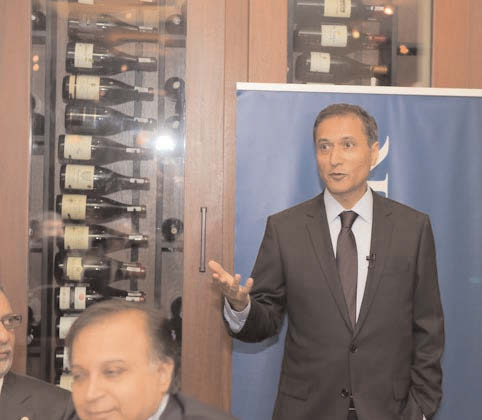
    “Customer expectations are changing rapidly and we need to adapt accordingly,” said Stuart P Milne, group general manager and CEO, HSBC India. “India is a priority market for HSBC and we will continue to invest to achieve sustainable growth.”

    While Milne did not comment on the job losses, a HSBC India spokesperson said: “A key priority is the fair treatment of our staff and we will do everything we can to assist affected employees during this business transition. Re-deployment opportunities would be accorded to the affected employees.”

    The cutting of the branch network will take place in a phased manner and HSBC said it does not expect any additional branch consolidation beyond that announced on Thursday.

    Reaffirming India’s importance, HSBC said the country is a priority market and was the fourth largest contributor to HSBC Group, with profit before tax of $606 million for calendar year 2015.

    The bank shut down its private banking business in the country last year. “HSBC’s RBWM business is core to the bank’s franchise in India and the bank will continue to invest in this business. For example, the Bank will soon be announcing an expanded proposition to cater to its top tier clients and further technology deployments for the benefit of its retail customers,” the statement added.

  • Wal-Mart lifts retail shares as US stocks retreat

    Wal-Mart lifts retail shares as US stocks retreat

    NEW YORK (TIP): Wal-Mart and some smaller retailers surged Thursday following strong quarterly results, while the broader US market retreated on worries about higher interest rates.

    Wal-Mart Stores jumped 9.6 percent after reporting better-than-expected first-quarter earnings. Sports apparel and equipment chain Dick’s Sporting Goods and youth-oriented apparel chain Urban Outfitters soared 8.6 percent and 14.0 percent following earnings.

    The results boosted more broadly the beaten-down retailer sector, including Best Buy , Macy’s and Nordstrom, all of which climbed more than two percent.

    But it was not enough to buoy the whole market. The Dow Jones Industrial Average shed 0.5 percent to 17,435.40.

    The broad-based S&P 500 dropped 0.4 percent to 2,040.04, while the tech-rich Nasdaq Composite Index fell 0.6 percent to 4,712.53.

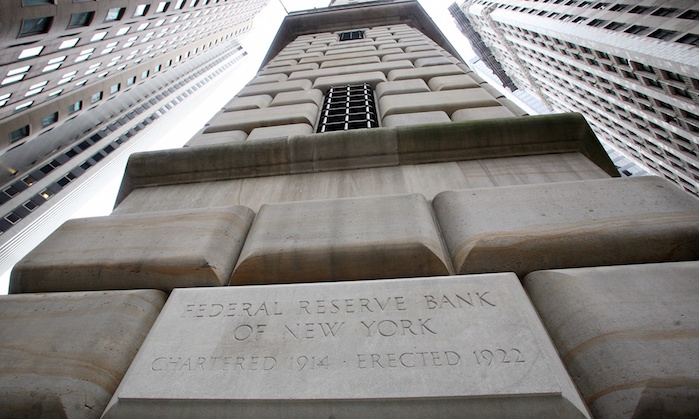
    Investors fixated on hawkish Fed statements, including remarks Thursday from New York Federal Reserve Bank President Bob Dudley that a June or July rate hike was “reasonable” if economic data stays solid.

    “We just have a constant drumbeat from Fed officials that the market isn’t taking the threat of a rate hike seriously,” said Alan Skrainka chief investment officer at Cornerstone Wealth Management.

    Agricultural giant Monsanto climbed 3.5 percent after acknowledging it received an unsolicited bid from Bayer to create a global player in pesticides, seeds and genetically modified crops.

    Both Monsanto and Bayer emphasized that the talks were still only exploratory at this stage.

    Internet networking company Cisco Systems vaulted 3.2 percent as it projected sales in the current fiscal fourth quarter would rise as much as three percent and said earnings could exceed analyst expectations.

    Cloud computing company Salesforce.com rose 4.1 percent as it projected full-year sales of about $8.2 billion, up from $6.7 billion last year.

    FMC Technologies tumbled 4.7 percent following its announcement that it agreed to merge with French oil services company Technip to form a company with annual sales around $20 billion.

    Credit Suisse said the merger was an understandable move in light of investment cutbacks by oil companies, but that it “speaks to the severity and expected duration of continued weakness in deepwater spending.” Banking shares pulled back after posting huge gains Wednesday.


  • Newly designed Indian currency notes likely soon

    Newly designed Indian currency notes likely soon

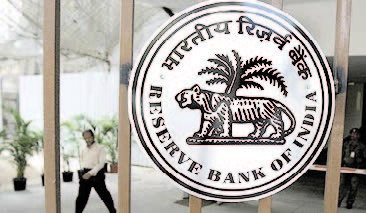
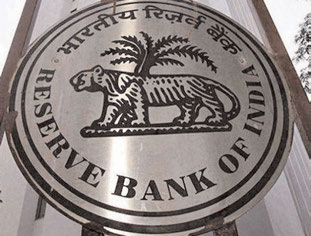
    NEW DELHI (TIP): Newly-designed currency notes are likely to circulate in the country soon with the Reserve Bank of India board on Thursday recommending a new set of designs for the banknotes. “The Central Board also discussed and recommended to the government a set of designs for the new banknotes series which, on approval from the government, will be introduced in due course,” said an RBI statement said.

    At its 557th meeting here, the board discussed the national and international macroeconomic scenario and also reviewed the working of specific areas of operations of the RBI, including information technology and cyber security, and setting up of an IT subsidiary, the statement added.

    Operations relating to government banking business, statistical and information management related activities, customer complaints of banking services and currency management operations were also reviewed.

    “Certain other issues of immediate concern to the working of the bank were also discussed and approved,” RBI said.

    The meeting was chaired by RBI Governor Raghuram Rajan, and attended by the four deputy governors, among others. Economic Affairs Secretary Shaktikanta Das, who is the government nominee director on the board, also attended the meeting, the statement added. Source: IANS

  • Cut in repo rate may lead to cheaper home, vehicle loans

    Cut in repo rate may lead to cheaper home, vehicle loans

    NEW DELHI (TIP): The cut in repo rate, measures to enhance liquidity in the banking system and the new methodology to calculate lending rates will give banks a freer hand in transmitting the reduction in interest rates faster, Reserve Bank of India (RBI) governor Raghuram Rajan said on Tuesday.

    Apart from the 0.25 percentage point reduction in repo rate, the RBI on Tuesday also brought down the minimum daily maintenance of the cash reserve ratio (CRR) from 95% of the requirement to 90% with effect from the fortnight beginning April 16, 2016. The CRR was unchanged at 4%.

    Repo is the rate at which banks borrow from the central bank. A cut in the repo rate leads to lower cost of funds for banks. If banks pass on this cost, it will mean cheaper home, auto and corporate loans for borrowers.

    “The comprehensive approach towards systemic liquidity that the governor has articulated is very positive. This should support transmission of RBI’s accommodative policy stance,” said Chanda Kochhar, MD and CEO of ICICI Bank.

    The measures also indicate a clear shift from rate cuts to liquidity management. After six years, the central bank kept liquidity in the banking system in a deficit mode on an average. “The new proposals were done primarily to aid the transmission of monetary policy,” said Abheek Barua, chief economist, HDFC Bank.

    Apart from the policy rate cut, customers will also see a 0.25-0.50 percentage point reduction in interest rates while buying loans due to the new marginal cost-based lending rate (MCLR) calculation, which came into effect from April 1. “Borrowing rates are coming down significantly in this economy,” Rajan said.

  • Indian-American Girl Creates Doll to Reflect Ethnic Diversity

    Indian-American Girl Creates Doll to Reflect Ethnic Diversity

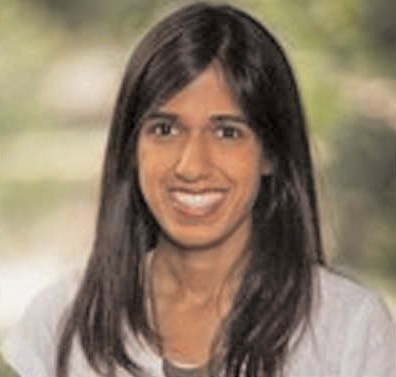
    NEW YORK (TIP): An Indian-American Harvard University graduate has come up with a new series of seven dolls that represent common girls with ethnic diversity and celebrate them for their brains, talents and leadership.

    Neha Chauhan Woodward, 29, has given each of the seven dolls unique personalities, which girls can relate to.

    The doll collection created by her startup toy company Willowbrook Girls and story series is based on the similarly ambitious childhood friends she grew up with on Willowbrook Road.

    “The toys I played with had such an impact on me, but they weren’t a great reflection of me or my friends, who were so smart and so diverse in their interests and backgrounds. I knew we needed to do better,” said Ms Neha, who now lives in Manhattan.

    Ms Neha said the idea came to her while she was a Stanford MBA student – a degree she pursued after studying economics at Harvard and then working as an investment banking analyst at JPMorgan.

    “Next door to the coffee shop I studied in was a very popular doll store,” she said, declining to name the shop.

    “The emphasis on appearances, with these doll hair salons and doll tea parties that parents were expected to bring their kids to really upset me. If anything, this company had a huge opportunity to empower girls,” a local newspaper quoted her saying.

    After years of working for successful e-commerce sites like Blue Apron and Diapers.com, Ms Neha turned her tech marketing experience into a concept for a doll company that would more accurately entertain the modern girl: one who will lead businesses, make medical breakthroughs, build apps and reform policies.

    “You have to see something to know that you can be it.” When fully funded, each doll will have a corresponding book about their endeavors. The first one is about the Willowbrook girls starting a business at their school. The stories will give further depth to the characters, Ms Neha said.

    Growing up as an Indian-American, Ms Neha also wanted to make sure the dolls appeared diverse.

    “It was something lacking in the toys she grew up with, and hasn’t gone unnoticed by young people of color,” she said.

    “A lot of girls I spoke to said that they wanted dolls that looked like them,” she said. “They wanted characters that were relatable. You have to see something to know that you can be it.”

    Though Willowbrook Girls dolls aren’t for sale yet, Ms Neha is nearing the end of her ‘Kickstarter Campaign’ to raise money for the first doll, Cara, a half-Latina with brown eyes and long blond hair. After that, Cara will be sold online.

    Ms Neha hopes that sales from that and other sources will enable her to release more of the dolls.

    “I’ve always had a very entrepreneurial spirit, and this was a mission that I cared about,” she said. “This was the right time to do it, and it’s something that I really wanted to see happen.”

    Other dolls include Bailey, who wants to be a math teacher and dreams of education reform, and Maya, who wants to be a neuroscientist.

  • Bank of Baroda’s innovative approach to success

    Bank of Baroda’s innovative approach to success

    PROFILE

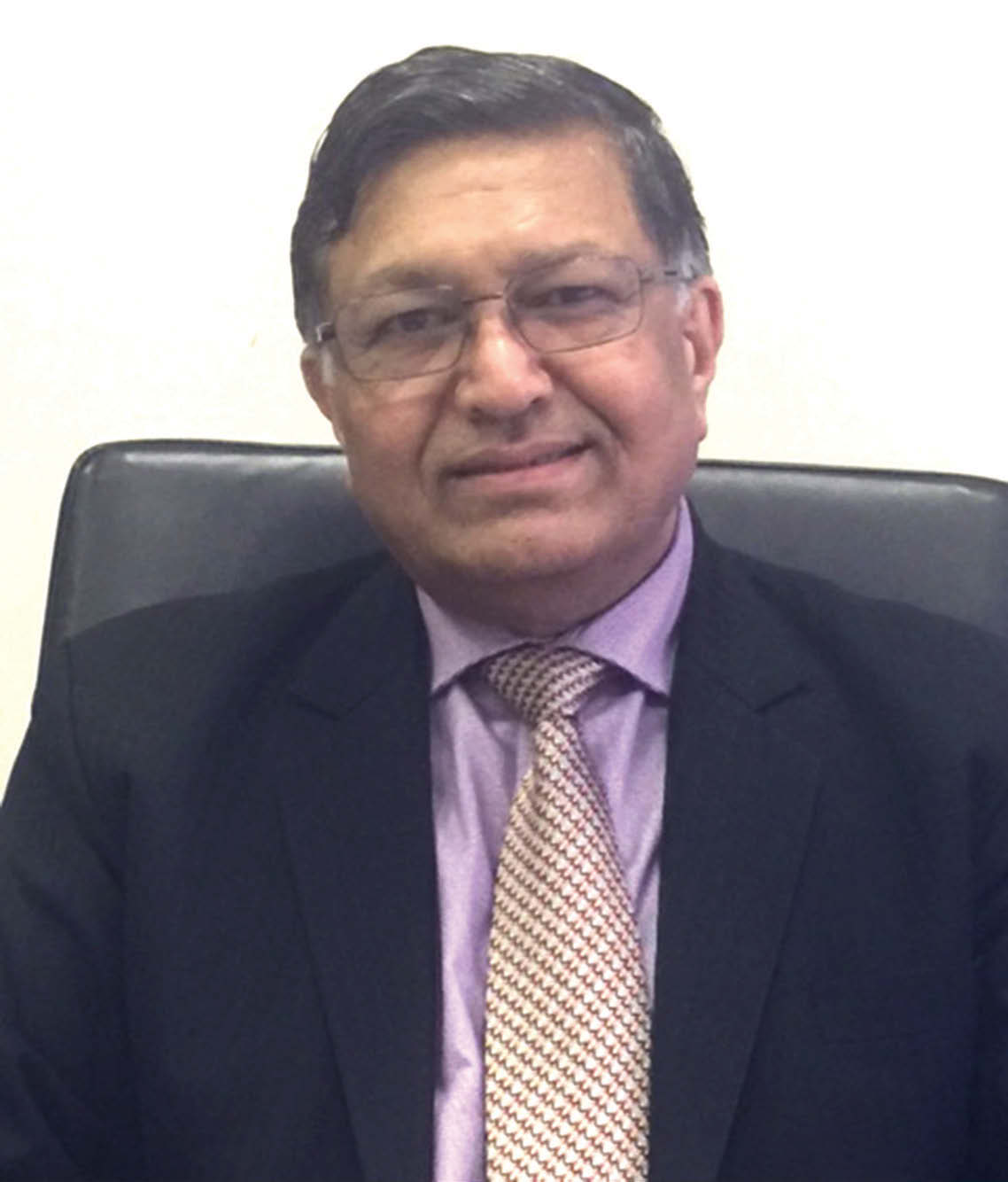
    Mr. Ashok Kumar Garg, Chief Executive of Bank of Baroda speaks with The Indian Panorama about the bank's innovative approaches and strengths which set the Bank of Baroda apart from many others
    Mr. Ashok Kumar Garg, Chief Executive of Bank of Baroda speaks with The Indian Panorama about the bank’s innovative approaches and strengths which set the Bank of Baroda apart from many others

    At a time when majority of foreign banks in USA are struggling to cope with federal regulations, Bank of Baroda is forging ahead with innovative programs to help its customers. Not many banks can claim as Ashok Kumar Garg, the Chief Executive of Bank’s US Operations, claims, “Bank of Baroda’s latest innovation can be experienced while doing online remittance to India”, he said, “Our online remittance tool allows money transfer to India from USA within minutes.

    Speaking with The Indian Panorama, Mr. Garg claimed that his bank offers a very competitive exchange rate to customers of online remittance.

    “We are determined to provide a very friendly service to our customers. You can be rest assured of individualized attention while dealing with our staff either offline or online”, he said in his chamber overlooking Park Avenue in New York City.

    Bank of Baroda1Mr. Garg said that Bank of Baroda offers free of charge Indian rupee remittance to Bank of Baroda accounts in India. There is a nominal fee for remittance to other banks. Customers must register to take advantage of this service.

    Mr. Garg, who has been serving Bank of Baroda since 1979, is a world traveler. While at Kampala, he served in high profile positions in the banking sector of Uganda. He was the Chairman of Baroda Capital Markets Ltd. and a Director on the Board of Uganda Securities Exchange (USE). His accomplishments in banking and accounting brought numerous awards and recognition for him. Mr. Garg was the only banker in Uganda who was conferred with Pearl of Africa Lifetime Achievement Award by public opinion.

    Bank of Baroda practices a manifold approach to support community activities. A typical Delhiwala Mr. Garg believes in developing close relations with customers and colleagues alike. He enthusiastically supports community activities that promote Indian traditions and culture in USA. “Bank of Baroda is fully dedicated to the welfare of our communities. As a banking organization our primary motive is to succeed financially. At the same time,we fully understand the importance of connecting with the community. That is why we support various events and activities that are focused on Indian culture and traditions”, said Mr.Garg.

    Mr. Garg receives the Lifetime Achievement Award from the Prime Minister of Uganda
    Mr. Garg receives the Lifetime Achievement Award from the Prime Minister of Uganda

    During the past 36 years of his service in Bank of Baroda he acquired rich experience of diverse Banking operations, a thorough knowledge of Project Management, Compliance functions, Training and Development, Risk Management, Financing of Retail, SME, Wholesale, Agriculture and International Trade.

    Mr. Garg holds a Master’s Degree in Commerce besides a Bachelor’s Degree in Law from Delhi University. He is an alumnus of Shri Ram College of Commerce, Delhi University. He is also a Certified Associate of Indian Institute of Banking & Finance (CAIIB). Mr. Garg started his career as a Probationary Officer in Bank of Baroda in 1979.

    Bank of Baroda 3

  • RBI relaxes norms for firms raising foreign funds for infrastructure

    RBI relaxes norms for firms raising foreign funds for infrastructure

    MUMBAI (TIP): The Reserve Bank on Wednesday relaxed overseas borrowings norms to help companies raise funds for infrastructure projects in the country.

    The central bank said it has reviewed the extant external commercial borrowing (ECB) guidelines in consultation with the government after “taking into account prevailing external funding sources, particularly for long-term lending and the critical needs of infrastructure sector of the country”.

    Now firms in infrastructure sector, non-banking financial companies -infrastructure finance companies (NBFC-IFCs), NBFCs-asset finance companies (NBFC-AFCs), holding companies and core investment companies (CICs) will also be eligible to raise ECB with minimum average maturity period of five years, subject to 100 per cent hedging.

    Further, ‘exploration, mining and refinery’ sectors which are not included in the list of infrastructure sector but were eligible to take ECB will be deemed as in the infrastructure sector, and can access ECB as applicable to infrastructure sector, RBI said.

    “Companies in infrastructure sector shall utilise the ECB proceeds raised under Track I for the end uses permitted for this Track. NBFCs-IFCs and NBFCs-AFCs will, however, be allowed to raise ECB only for financing infrastructure,” it added.

    Holding Companies and CICs shall use ECB proceeds only for on-lending to infrastructure special purpose vehicles (SPVs).

    Track I refers to Medium term foreign currency denominated ECB with minimum average maturity of 3/5 years.

    The individual limit of borrowing under the automatic route for these companies is $750 million.

    Only those NBFCs which are coming under the regulatory purview of the Reserve Bank are permitted to raise ECB.

  • Kamala Harris likely to become 1st PIO senator in US

    Kamala Harris likely to become 1st PIO senator in US

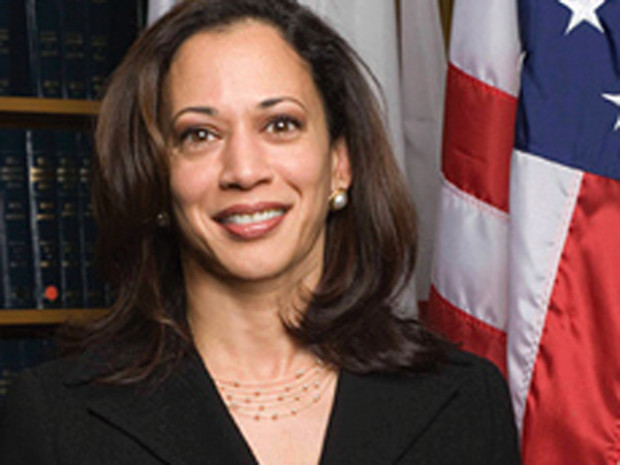
    LOS ANGELES (TIP): California’s attorney general Kamala Harris may become the first Indian-American senator in the US Congress after she won Democratic Party’s endorsement for the seat. Harris (51) and Loretta Sanchez were vying for their party’s seal of approval to replace California Senator Barbara Boxer, who is retiring. The attorney general won 78% of delegates’ votes on Saturday, surpassing the 60%endorsement threshold.

    The endorsement of Democrats could bring significant financial backing in addition to credibility. The show of approbation allows the party to spend on her behalf in traditional ways such as mailers, phone-banking and precinct walks and provides Harris the right to use its desired seal of approval in the campaign. Both Harris and Sanchez will compete in the June primary along with Republicans Duf Sundheim and Tom Del Beccaro. The top two vote-getters will then square off in November. There have been several Indian-American Congressmen in the House of Representatives, including Ami Bera and retired member Dalip Singh Saund.

    (PTI)

  • Western retirees busted for playing bridge in Thailand

    Western retirees busted for playing bridge in Thailand

    BANGKOK: Add aging western bridge players to the list of desperadoes in Thailand’s seaside resort of Pattaya, a sin city rife with prostitution, corruption and foreign and home-grown gangsters.

    The bridge players, mostly British but also from Scandinavia, the Netherlands and elsewhere, were busted by a task force of soldiers, police and local officials as they played cards at eight tables in an apartment above a restaurant, police Col Sukathat Pumpanmuang, superintendent of the Pattaya police station, said on Thursday. He said the law enforcement agents were acting on a tip that illegal gambling was taking place there.

    Those arrested on Wednesday afternoon — including an 84-year-old Dutch woman, according to the Pattaya One news website — were released on bail of 5,000 baht ($140) each in the wee hours of Thursday morning. Sukathat said they would not be charged with gambling, but might be charged under a law limiting individuals to possession of 120 unregistered playing cards.

    The officer said police didn’t see money changing hands, but seized as evidence computers, decks of cards and a book with results of the bridge games. He said most of the players were in their 60s or older.

    The card players’ plight was eased after the president of the Contract Bridge League of Thailand, Chodchoy Sophonpanich — a civic activist who is a member of Thailand’s most prominent banking family — went to Pattaya on Thursday morning to advise police that bridge was treated under the law as a sport rather than gambling.

    “Police know that bridge is a sport because a similar case happened before, but this time it was military and district officials who initiated the raid and they probably didn’t know,” said Chaiyut Assanaiyarat, the bridge league’s manager.

    (AP)

  • In taking economic war to Islamic State, US developing new tools

    In taking economic war to Islamic State, US developing new tools

    WASHINGTON (TIP): Since last month, US warplanes have struck Islamic State’s oil infrastructure in Syria in a stepped-up campaign of economic warfare that the United States estimates has cut the group’s black-market earnings from oil by about a third.

    In finding their targets, US military planners have relied in part on an unconventional source of intelligence: access to banking records that provide insight into which refineries and oil pumps are generating cash for the extremist group, current and former officials say.

    The intent is to choke off the Islamic State’s funding by tracking its remaining ties to the global financial system. By identifying money flowing to and from the group, US officials have been able to get a glimpse into how its black-market economy operates, people with knowledge of the effort have said.

    That in turn has influenced decisions about targeting for air strikes in an effort that began before Islamic State’s Nov. 13 attacks on Paris and has intensified since, they said. While Islamic State’s access to formal banking has been restricted, it retains some ties that US military and financial officials can use against it, the current and former officials said.

    “We have done a really good job of largely keeping the Islamic State out of the formal financial system,” said Matthew Levitt, who served as deputy assistant secretary for intelligence at the US Treasury in the George W. Bush administration. “But we haven’t been entirely successful, and that may not be a bad thing.”

    Reuters was unable to verify key aspects of the campaign, including when it started or exactly which facilities have been destroyed as a result. Two current officials who confirmed the operations in outline declined to comment on their details.

    It was unclear how US intelligence, Treasury, and military officials working on what the government calls “counter threat finance” operations have used banking records to identify lucrative Islamic State oil-related targets in Syria and whether that involved local banks.

    A report this year by the intergovernmental Financial Action Task Force found there were more than 20 Syrian financial institutions with operations in Islamic State territory. In Iraq, Treasury has worked with government officials to cut off bank branches in the group’s territory from the Iraqi and international financial systems.

    Gerald Roberts, section chief of the FBI’s terrorist financing operations section, said that Islamic State’s recruits from outside Syria often come with financial trails that officials tracking them can “exploit.”

    “We are seeing them using traditional banking systems,” he said at a banking conference last week in Washington, adding that young, tech-savvy Islamic State members are also familiar with virtual currencies such as Bitcoin.

    Islamic State, also known as IS, ISIS or ISIL, is sometimes forced to use commercial banks because the amounts involved are too large to move using other means, said Levitt.

    The US Treasury’s Financial Crimes Enforcement Network (FinCEN) uses a set of “business rules” to screen the roughly 55,000 reports it receives daily from financial institutions for signs of activity involving Islamic State, a spokesman said. He declined to describe the rules, but law enforcement sources say names, IP addresses, email addresses, and phone numbers are among the data that intelligence authorities try to match.

    The matches allow FinCEN “to connect the dots between seemingly unrelated individuals and entities,” the FinCEN spokesman said. At present, FinCEN finds about 1,200 matches suggesting possible Islamic State-linked financial activity each month, up from 800 in April, the spokesman said.

    Bank of America, JP Morgan and Wells Fargo declined to comment on whether they provided financial reports to the US government. Such reports are supplied confidentially.

    Citigroup, HSBC, and Standard Chartered did not immediately respond to requests for comment.

    “Tidal Wave II” The use of financial records linked to Islamic State is only one part of the intelligence-gathering exercise for air strikes in Syria that also includes methods such as aerial surveillance by drones, officials said.

    One former military official familiar with the process said that any financial intelligence collected by FinCEN would require “significant vetting” before the military acted on it.

    Earlier this month, US-led coalition planes struck 116 fuel trucks used to smuggle Islamic State oil 45 minutes after dropping leaflets warning drivers to flee, a Pentagon spokesman said. Coalition strikes destroyed another 283 Islamic State fuel trucks on Saturday, the Pentagon said.

    On November 8, a coalition air strike destroyed three oil refineries in Syria near the border with Turkey.

    US defense officials estimate that Islamic State, an adversary the United States calls the wealthiest terrorist group of its kind in history, was earning about $47 million per month from oil sales prior to October.

    That month, the US military launched an intensified effort to go after oil infrastructure, dubbed “Tidal Wave II,” named after the bombing campaign targeting Romanian oil fields in World War Two.

    The Pentagon estimates the strikes have reduced the Islamic State’s income from oil sales by about 30 percent, one US defense official with knowledge of the previously unreported estimate said. Reuters was unable to confirm this.

    The use of financial records in helping to pick US targets was first disclosed last week at the banking conference in Washington. At the conference, Kurt Gredzinski, the Counter Threat Finance Team Chief at US Special Operations Command, cited the importance of information provided by banks in the war against Islamic State.

  • WORLD BANK SEES INDIA GROWING AT 7.5% IN FY16

    WORLD BANK SEES INDIA GROWING AT 7.5% IN FY16

    NEW DELHI (TIP): The World Bank has maintained its growth forecast for the Indian economy for the current fiscal year and expects it to expand by 7.5% in 2015-16. It has backed implementation of three key reforms, including the Goods & Services Tax (GST), to sustain the momentum.

    In its development update, a twice a year report on the Indian economy and its prospects, the bank expects growth to accelerate to 7.8% in 2016-2017 and 7.9%in 2017-2018. But it said acceleration in growth is conditional on the growth rate of investment picking up to 8.8% during 2016-2018. The Reserve Bank of India expects the economy to grow by 7.4% in the current fiscal year, while the government pegs it at over 7.5%. The International Monetary Fund expects growth to be 7.5%.

    The update noted that while public investments have helped kick-start the investment cycle, increased participation of the private sector will be required going forward. In the near term, India is relatively well positioned to weather the global volatility. Its low trade exposure to China and considerable foreign exchange reserves provide ample buffer. In the medium term, however, the Indian economy is not immune to a slowdown in global demand and heightened volatility.

    “There are good reasons for confidence in India’s near-term prospects. To lay the foundation for sustainable growth and accelerate job creation, implementing the government’s reform programme is key,” said Onno Ruhl, World Bank country director in India. “…While progress is visible in several areas, including improvements in the ease of doing business, some key reforms, most notably the implementation of the Goods and Services Tax (GST ) can be a potential game changer for India,” he said. For the economy to achieve its potential, the update calls for three key domestic reforms. These include boosting the balance sheets of the banking sector by addressing the underlying challenges in the infrastructure sector, especially power and roads, improving the ease of doing business and enacting the GST, and enhancing the capacity of states and local governments to deliver public service as more resources are devolved from the centre. It suggests eventually bringing in alcohol, electricity, and real estate under the purview of the proposed GST, which are currently excluded from it.

    According to the update, even though alcohol and petroleum account for over 40 to 45% of VAT/sales tax revenues for the states, there are few technical reasons for excluding them from the GST. “Exclusion of electricity would mean that manufacturing firms are unable to claim credits for the duty they pay and are, therefore, taxed twice. In the case of alcohol, including it in GST would help address concerns about state excise rate arbitrage. Bringing real estate under the GST umbrella may complement the government’s efforts to curb undeclared ‘black money’ in the sector,” according to the report. SOURCE: TOI

  • RBI allows NRIs to subscribe to National Pension System

    RBI allows NRIs to subscribe to National Pension System

    MUMBAI (TIP): To enable Indians living abroad to access old age income security, Reserve Bank has allowed non-resident Indians (NRIs) to subscribe to the National Pension System (NPS).

    “It has now been decided, in consultation with the Government, to enable National Pension System (NPS) as an investment option for NRIs under FEMA, 1999,” RBI said in a notification here today.

    NRIs may subscribe to the NPS governed and administered by the Pension Fund Regulatory and Development Authority (PFRDA), provided such subscriptions are made through normal banking channels and the person is eligible to invest as per the provisions of the PFRDA Act, it said.

    The subscription amounts shall be paid by the NRIs either by inward remittance through normal banking channels or out of funds held in their NRE/FCNR/NRO account.

    The RBI, however, said there will be no restriction on repatriation of the annuity/ accumulated savings.

    NPS was launched on January, 1 2004 with the objective of providing retirement income to all the citizens. NPS aims to institute pension reforms and to inculcate the habit of saving for retirement amongst the citizens.

    Initially, NPS was introduced for the new Government recruits (except armed forces). With effect from May 1, 2009, NPS has been provided for all citizens of the country, including the unorganised sector workers, on voluntary basis.

  • BARCLAYS NET PROFIT RISES AS NEW CEO APPOINTED

    BARCLAYS NET PROFIT RISES AS NEW CEO APPOINTED

    LONDON (TIP): British lender Barclays, fresh from appointing new chief executive James ‘Jes’ Staley, on Thursday logged rising third-quarter net profit boosted by its investment banking division. The appointment of 58-year-old American investment banker Jes Staley was meanwhile seen as an attempt by the bank to focus anew on its investment arm. Staley is the former chief executive of JP Morgan’s investment bank and currently works for US hedge fund Blue Mountain Capital Management. He will take up the new role from December 1.

    Profit after taxation rose by 10% to £417 million (578 million euros, $638 million) in the three months through September compared with a year earlier, Barclays said in a results statement one day after appointing its new boss.

    Staley has vowed to “preserve and enhance” trust in the lender, whose reputation has been badly damaged by a series of scandals including foreign exchange and Libor interest rate rigging.

    Barclays is meanwhile in the middle of a long-term plan to axe 19,000 jobs in a major restructuring.

    “Today’s results show another quarter of progress in our core businesses alongside the early effects of some of the changes that we are making,” said chairman John McFarlane in Thursday’s statement.

    However, pre-tax profit including restructuring costs fell 10 percent to £1.43 billion in the third quarter. That missed the £1.65-billion average estimate of analysts polled by Barclays.

    The lender was hit by a £290 million-compensation charge to customers related to foreign exchange and £270 million to settle residential mortgage-backed securities claims in the United States.

  • Indian American Ex-Goldman Banker to Plead Guilty in Regulatory Leak Case

    Indian American Ex-Goldman Banker to Plead Guilty in Regulatory Leak Case

    NEW YORK:  In a rare criminal action on Wall Street, an Indian-origin former Goldman Sachs banker suspected of taking confidential documents from a source inside the government has agreed to plead guilty. Goldman Sachs is also facing an array of regulatory penalties over the leak.

    Rohit Bansal and his source Jason Gross, who at the time of the leak was an employee at the Federal Reserve Bank of New York, will accept a plea deal from federal prosecutors under which they could go to prison for up to a year, the New York Times reported.

    Federal prosecutors are preparing to announce criminal charges against the banker this week, Rohit Bansal, and an employee of the regulator Mr Gross.

    “The outcome partly reflects their low-level rank on Wall Street. Bansal, who was 29 at the time, was an associate at Goldman,” the report said.

    The Federal Reserve is also expected to permanently bar Mr Bansal from the banking industry, the report quoted a person briefed on the matter as saying.

    The report said that it is “rare” for a Wall Street banker to face criminal charges. Not a single Wall Street chief executive was charged after the financial crisis even as bankers or traders have faced charged in a few investigations.

    Under the planned deal, Goldman would not face criminal charges but would pay a fine of as much as $50m. The settlement would also force Goldman to take the rare step of acknowledging that it failed to adequately supervise Mr Bansal “thrusting the bank back into the spotlight just as it was beginning to overcome a popular image as a firm willing to cut corners to turn a profit,” it said.

    A spokesman for Goldman said: “Upon discovering that a new junior employee had obtained confidential supervisory information from his former employer, the Federal Reserve Bank of New York, we immediately began an investigation and notified the appropriate regulators, including the Federal Reserve.

    “That employee and a more senior employee who failed to escalate the issue, were terminated shortly thereafter. We have zero tolerance for improper handling of confidential information. We have reviewed our policies regarding hiring from governmental institutions and have implemented changes to make them appropriately robust,” added Goldman Sachs.

    Mr Bansal had previously spent seven years as a regulator at the New York Fed and after he joined Goldman in July 2014, he was assigned to advise one of the banks he previously regulated, a midsize bank in New York, the report said.

    It alleged that soon Mr Bansal received government information about that bank from Gross, a former colleague who was still working at the New York Fed.

    In addition to the fine and the admission that it failed to supervise Mr Bansal, Goldman will accept a three-year suspension from conducting certain consulting deals with banks in New York State.

    When Mr Bansal left the Fed to join Goldman, he was the “central point of contact” for certain banks.

    At Goldman, he joined a unit within the investment bank that advises other financial institutions on mergers and other deals, a role that presented him with a potential conflict of interest, the report said.

  • New accounting norms may add to banks’ bad loans

    MUMBAI (TIP): There is a new twist to the issue of rising bad loans in the banking sector. Under the new global accounting norms that banks have to adopt from April 1, 2018, the gross level of non-performing assets (NPAs) for banks and non-banking finance companies
    (NBFCs) could rise significantly. Companies have to migrate to the new norms from April 1,2016.

    The quantum of these bad loans would not only affect banks’ profits, but also eat into their capital, raising concerns among RBI and finance ministry officials, who are already grappling with the issue of injecting fresh capital into banks.

    According to people familiar with the matter, the RBI is trying to address the issue by asking banks and NBFCs to internally adopt the new system — Ind AS— early on so that everybody gets a head-start on the extent of the problem and tries to resolve it.

    “Evaluation and recording of credit losses under Ind AS is significantly different from that used under current accounting norms,” said Jamil Khatri, partner, KPMG. “This could likely lead to a rise in gross NPAs and an increase in the level of provisioning. Ind AS follows an expected loss model which is based on judgment and is significantly different from the norm-based provisioning model under the current system.”

    The RBI recently formed a panel to suggest measures to address challenges arising out of implementation of Ind AS by banks. The report, which was submitted to the RBI on Wednesday, suggests change in loan loss provisioning but is silent on the impact on capital adequacy. The central bank has sought comments on the report by November end.

    Prime Minister Narendra Modi recently said that the government plans to infuse Rs 70,000 crore into public sector banks to address the issue of bad loans.

  • RELIANCE CAPITAL ANNOUNCES RS 150-CR ESOP SCHEME

    MUMBAI (TIP): Financial services major Reliance Capital on October 15 announced a major ESOP scheme under which select employees across all major operating businesses would be granted stock options with a notional value of Rs 150 crore.

    Reliance Capital is part of Anil Ambani-led business conglomerate Reliance Group and is present in insurance, mutual fund, broking and non-banking finance businesses among others.

    The ESOPs would be given to a total of 250 employees of Reliance Capital and its major business units –including Reliance Capital Asset Management, Reliance Commercial Finance, Reliance Life Insurance, Reliance Securities and Reliance General Insurance.

    All top management, including Sam Ghosh, Madhusudan Kela and business CEOs are also covered under this grant of ESOP.

    Reliance Capital’s Vice Chairman Amitabh Jhunjhunwala said the ESOPs, linked to the growth of the company, will provide long-term wealth creation opportunities to key talent.

    “This will not only help us reward and retain talent, but also align the employees’ sense of ownership with the business,” he added.

    The company said the eligible employees will get options on Reliance Capital’s listed stock and/or phantom shares of its businesses.

    The ESOPs comprise of 6,46,080 shares of Reliance Capital and the balance as Phantom Shares of operating subsidiaries.

    The notional value of the proposed stock options, at Rs 150 crore, represents 1.6 per cent of Reliance Capital’s market capitalisation.

    The Employee Stock Option (ESOP) Scheme 2015, which is subject to requisite approvals, has been approved by the boards of Reliance Capital’ and respective group companies.

    The company said the scheme is part of Reliance Capital’s Rewards Programme aimed at retaining and incentivizing key employees for their contribution to the growth and profitability of the company.

    “The ESOP scheme is an integral part of our Employee Rewards program, aimed towards driving and recognising superior performance. It will be our endeavour to consistently expand the scale and reach of our Rewards program through various such initiatives,” Reliance Capital’s chief people officer Pushkar Singh Kataria said.

    The options vest over a period of five years, with customary lock-in period.

  • HAB Bank Felicitates Muhammad Habib and Customers

    HAB Bank Felicitates Muhammad Habib and Customers

    NEW YORK CITY, NY (TIP): HAB Bank invited some key clients to a business lunch with Mr. Muhammad Habib (Owner of Habib Bank) on October 13th, 2015 at Junoon Restaurant in Manhattan.

    Mr. Saleem Iqbal, President  & CEO of HAB Bank extended a word of welcome. In his brief address , Mr. Iqbal spoke highly of the accomplishments  of Mr. Muhammad Habib, owner of Habib Bank and a number of other enterprises. He also spoke about the stellar performance of HAB Bank which has grown at a fast pace, despite the 2008 economic melt down. He disclosed  that the bank had the best rating which is 5 star. Mr. Iqbal also recognized the senior staff of his bank.

    Mr. Muhammad Habib chose not to speak about business or banking. “I don’t want to talk about banking or business. You already know a lot about it”, he said. He  spoke of the need to uplift community. He said his family had all along worked to spread education. He has supported educational institutions and offered scholarships to students. And this philanthropy is not limited to one country. It extends to many countries in the world- US, UK, Pakistan, India, Kenya, South Africa, Hong Kong, and so on.

    Mr. Muhammad Habib went round and exchanged greetings
    Mr. Muhammad Habib went round and exchanged greetings

    Some customers of HAB Bank who had known Me. Muhammad Habib also spoke, praising Mr. Habib, the HAB Bank and its officials.

    Mr. Rizwan Qureshi Sr. VP of HAB Bank acquitted himself well as Master of Ceremonies. Nassir Khan received a pat from Mr. Saleem Iqbal for having organized the event so well.

  • US ex-speaker to plead guilty in hush-money case: Lawyer

    US ex-speaker to plead guilty in hush-money case: Lawyer

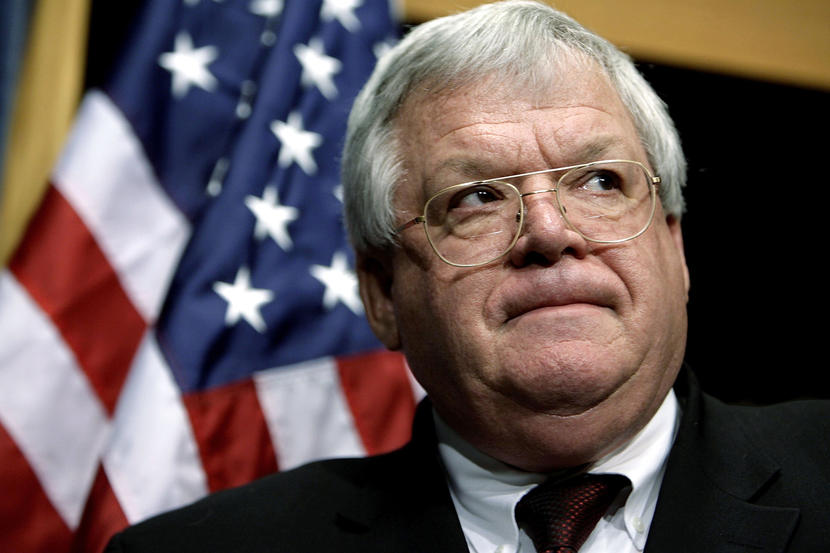
    CHICAGO (TIP): Former House Speaker Dennis Hastert intends to plead guilty in a federal hushmoney case linked to allegations of sexual misconduct from decades ago, his attorney told a federal judge on Thursday. Hastert, a Republican who led the US House for nine years until 2007, is charged with breaking banking laws and lying to the FBI in efforts to pay someone $3.5 million to hide claims of unspecified past misconduct.

    Media reports, citing anonymous sources, have said the payments were meant to conceal claims of sexual misconduct.

    Hastert’s attorney John Gallo said during a brief hearing that he expects to have a written plea agreement by Monday. He asked the judge to set a date for a change of plea. The judge scheduled an October 28 hearing. Gallo did not describe any of the terms, including what counts Hastert would plead guilty to and any possible sentence, including prison time.

  • AXIS BANK ADDS MOBILITY TO CORPORATE BANKING

    AXIS BANK ADDS MOBILITY TO CORPORATE BANKING

    MUMBAI (TIP): Axis Bank has become the first lender to offer corporates a mobile-based solution that fully integrates with the company’s own back-end computer networks. This offering, aimed at beefing up the bank’s transaction banking platform, frees senior executives from the office and allows them to undertake authorizations on the go.

    The application would allow a treasury head to move money into liquid mutual fund schemes instantly without losing a day. It can allow authorized personnel to approve transactions even when they are travelling. Speaking to ToI, V Srinivasan, executive director in charge of corporate banking said “We have been very strong in the transaction banking space and we are trying to make sure that we stay ahead of the pack and gain market share”. He added that the bank ranked number three in current account balances despite being only the eighth largest in overall balance sheet. The comprehensive suite of mobile and tablet based solutions for corporates encompasses the entire gamut of transaction banking products and services.

    According to Srinivasan while banks have been offering mobile banking for corporates this is the first time that there is a solution which integrates with the corporates Enterprise Resource Planning software.

    He said that with the increase in the number of payment platforms including NEFT (national electronic funds transfer) and IMPS (Immediate Payment System) corporates now needed to take decision almost immediately to use their funds more efficiently. For instance if money comes into the corporate’s account at 1pm the treasury head can move it instantly into a liquid scheme and benefit from the returns for one additional day.

  • Swiss Bank group Julius Baer launches bank in India

    Swiss Bank group Julius Baer launches bank in India

    Mumbai: Swiss banking group Julius Baer has finally set up shop in India, almost three years after acquiring DSP Merrill Lynch’s domestic wealth management business. The launch was deferred on account of a delay in approvals from a bevy of regulators and ‘complications’ in the deal, said the firm’s officials.

    “We had to get approvals from several regulators. Apart from the RBI and Sebi, we also had to get clearance from the Competition Commission of India as the deal between DSP Merrill and Julius Baer was above a certain threshold level,” said Atul Singh, MD & CEO-India of Julius Baer, one of the oldest wealth managers in the world. The blueribbon Swiss bank had acquired Merrill Lynch’s India wealth assets as part of a global deal between the two firms in 2012. At the time of the deal, Merrill Lynch was the largest wealth advisor managing domestic assets worth Rs 25,000 crore.

    Thomas Meier, member of executive board and Asia-Pacific head, Bank Julius Baer conceded there were complications. “We knew India was going to be a challenge as we did not have an on-shore presence at the time of the deal; the transfer of assets only happened after we set up onshore facilities”.

    Julius Baer is coming to India at a time when homegrown wealth managers like IIFL, Kotak Wealth, Edelweiss, ASK Wealth and Motilal Oswal Financial Services have managed to corner the HNI market share often at the cost of global wealth managers like RBS, Barclays, HSBC, Citi and Deutsche Bank. Many of these domestic wealth managers wield assets in excess of Rs 50,000 crore.

    “We’ve to build base on our inner strengths. We cannot copy global investment strategies and implant them here. We need to do this the Indian way,” Meier said.

    Julius Baer intends to keep $5 million as threshold levels for investors to walk in. “But if an investor wants to try us out with $2 million initially, we would accept that mandate also,” Meier added. The banker intends to target newage entrepreneurs, “cashed-out businessmen” and old-riches to increase their asset base.

  • RBI EASES NORMS FOR BANKS TO GRANT LOANS TO THEIR CEOs, DIRECTORS

    RBI EASES NORMS FOR BANKS TO GRANT LOANS TO THEIR CEOs, DIRECTORS

    MUMBAI (TIP): Reserve Bank relaxed norms for banks to grant certain loans to their CEOs and directors by doing away with the prior approval requirement.

    Section 20 of Banking Regulation Act, 1949 (B.R. Act, 1949) prohibits banks from granting any loan or advance to any of its directors.

    However, banks can give loan to Chief Executive Officer/ Whole Time Directors for purchasing of car, personal computer furniture, constructing/acquiring a house for personal use, festival advance and credit limit under credit card facility.

    “In order to streamline the existing processes and to obviate the need to approach RBI on case-to-case basis, it has been decided…commercial banks can grant loans and advances to the Chief Executive Officer/ Whole Time Directors, without seeking prior approval of RBI,” the central bank said. Also, the guidelines on ‘Base Rate’ will not be applicable on the interest charged on such loans.

    “However, the interest rate charged on such loans cannot be lower than the rate charged on loans to the bank’s own employees,” the RBI said.

    Another condition is that the loans and advances should form part of the compensation / RBI SEEKS MORE FUNDSremuneration policy approved by the Board of Directors or any committee of the Board to which powers have been delegated or the Appointments Committee, as the case may be. The RBI further said: “Banks should note that in view of the prohibition under Section 20 of the BR Act, 1949, apart from the (specified) loans…no other loan can be sanctioned to directors.”

  • US court rejects plea for attachment of Sahara hotels

    NEW YORK (TIP): In a relief to Sahara, a US court has rejected a plea seeking to attach the Indian group’s prized Plaza and Dream Downtown hotels here.

    Hong Kong-based JTS Trading had approached the court seeking the attachment as part of its USD 350-million lawsuit against UAE-based Trinity White City Ventures, Sahara group and Swiss banking giant UBS over a deal that went sour. While hearings will continue on the lawsuit, the Supreme Court of the state of New York has ordered that “the application of plaintiff JTS Trading Ltd for a pre-judgement order of attachment is denied”. Sahara, along with the two others, has been dragged into the lawsuit filed by JTS Trading, which claims that it had proposed to partner Trinity and arrange loans from UBS to acquire Sahara’s three overseas hotels – Grosvenor House in London and the two in the US. JTS has alleged that Trinity cut it off from the estimated USD 1.5 billion deal for direct negotiations with Sahara.

  • 10 entities get RBI NOD for microfinancing

    10 entities, including Ujjivan Financial Services and Equitas Holdings, on Wednesday got RBI’s approval to set up Small Finance Banks to provide basic banking services to small farmers and micro indus-tries. Other entities to get the Reserve Bank’s nod are Au Financiers (Jaipur), Capital Lo-cal Area Bank (Jalandhar), Disha Microfin (Ahmedabad), ESAF Microfinance (Chen-nai), Janalakshmi Financial (Bengaluru), RGVN (North East) Microfinance (Guwa-hati), Suryoday Micro Finance (Mumbai) and Utkarsh Micro Finance (Varanasi). The “in-principle” approval will be valid for 18 months to enable these entities comply with the guidelines on Small Finance Banks, RBI said in a statement.

  • Chanda Kochhar & 2 Indian Americans Selected For Asia Game Changer Awards

    Chanda Kochhar & 2 Indian Americans Selected For Asia Game Changer Awards

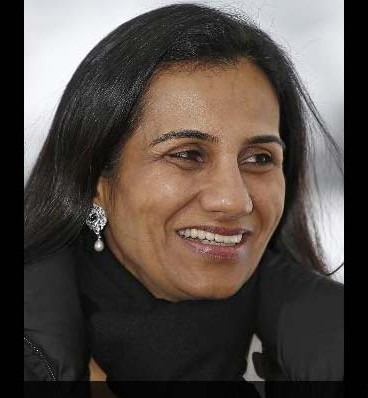
    NEW YORK:  ICICI bank CEO Chanda Kochhar is among three Indians selected for this year’s Asia Game Changer awards given by Asia Society to honour “true leaders making a positive contribution to the future of Asia.”

    Indian-American actor Aasif Mandvi, 49, and designer Kiran Bir Sethi, 49, also made it to the list besides Kochhar, 53.

    Champion Boxer and Philanthropist from the Philippines Manny Pacquiao is the 2015 Asia Game Changer of the Year “for using his sport and his star power as forces for good,” Asia Soceity, the leading global cultural organisation, announced.

    The honorees will be bestowed the honour at the Asia Game Changer Awards dinner and celebration at the UN in October.

    The New York-based organisation said Ms Kochhar “not only made history” by becoming the first woman to head an Indian bank but she also transformed the entire Indian retail banking industry.

    “Under Kochhar’s leadership, ICICI Bank has achieved great milestones year-after-year by expanding its businesses, leveraging technology to bring value to its urban and rural customers and partnering with the public and private sectors to create new opportunities,” it said.

    By shattering the proverbial “glass ceiling,” Ms Kochhar has been an inspiration to many young women and has racked up numerous awards and accolades, it added.

    Mr Mandvi has become a powerful spokesperson for Muslims and Asian-Americans. Mumbai-born Mandvi has “challenged stereotypes” and provided a voice for Muslim-Americans, changing the game in terms of how Asians are viewed on TV.

    In 2015, he co-wrote, produced and acted in the web series ‘Halal in the Family’ for the popular comedy site Funny or Die, using the sitcom format to tackle Islamophobia.

    “Mandvi aspires not only to provide positive representation for Muslim America – he also hopes to challenge non-Muslim audiences,” Asia Society said.

    Interior designer Ms Sethi founded The Riverside School in Ahmedabad in 2001, aiming to provide an alternative model which focuses on “quality of learning,” “student well-being,” and “empathy in education,” a game-changing move in India.

    In 2009, Ms Sethi expanded on the principles practiced at Riverside to found the ‘Design for Change’ movement with the goal of getting children to drive change in their communities by unleashing what she calls their “I can superpower.”

    The award addresses the lack of recognition for Asians who are transforming ideas into action and improving lives, said Asia Society President Josette Sheeran.

    The honorees are selected through a global survey of more than 1,000 thought leaders. The other seven honorees include 2014 Nobel Laureates in Physics and inventors of a new energy-efficient light source – the blue LED Isamu Akasaki, Hiroshi Amano and Shuji Nakamura “for lighting our world in a groundbreaking and sustainable way.”

  • Indian American father-daughter Bankers team revolutionizes banking via mobile app

    Indian American father-daughter Bankers team revolutionizes banking via mobile app

    A mobile app launched by Indian American banker Jay Sidhu and his daughter Luvleen can revolutionise the global banking industry into completely phone-app based banking system, a media report said.

    Jay Sidhu, chairman and CEO of Customers Bank, and his daughter Luvleen Sidhu, the bank’s chief strategy and marketing officer, presented details of their app called BankMobile at an event of Greater Reading Chamber of Commerce and Industry in downtown Reading this week, wfmz.com reported.

    According to the duo, their app puts everything customers need from a bank at their fingertips. BankMobile is America’s first and only absolutely no fee, mobile, online and tablet bank

    Tapping into the technologies that enable experience like shopping online or using transportation apps like Uber, the app promises that users can open a free account, deposit checks, pay bills, send money to friends and receive financial advice in minutes.

    Financial literacy and empowerment have been the core drivers of BankMobile and I look forward to further building an effortless and fun bank that our customers will continue to love!”, stated Luvleen Sidhu.

    Sidhu, who holds bachelor’s in management degree from Banaras Hindu University and an MBA from Wilkes University, is credited with turning Boston-based Sovereign Bank into a multi-billion dollar company. He teamed up with her Harvard-educated daughter to come up with the app.

    About BankMobile: Established in 2014, BankMobile is a division of Customers Bank, with headquarters in New York. It provides target customers – millennials and middle income households – a digital, effortless, and financially empowering experience. BankMobile offers checking, savings, lines of credit, joint accounts and access to over 55,000 surcharge-free ATMs nationwide (customers in the VIP Experience will have access to more than 400,000 FREE ATMs), a guaranteed higher savings rate than the top four banks in the nation, a personal banker available for all customers, and a financial advisor for those in the VIP Experience. It is a Federal Reserve regulated and FDIC insured commercial bank. Customers Bancorp is the bank holding company for Customers Bank. BankMobile is an independent operating Digital Banking Division of Customers Bank and hence also of Customers Bancorp. For more information, please visit www.bankmobile.com