Tag: Dhanteras

  • Dhanteras: Beginning of the festival of Diwali

    Dhanteras: Beginning of the festival of Diwali

    Dhanteras, which marks the beginning of Diwali, will be observed on October 29, Tuesday, this year. On this day, people worship Lord Dhanvantari, the God of Ayurveda, and Goddess Lakshmi, the Goddess of wealth and prosperity. ‘Dhan’ denotes wealth, and ‘Teras’ denotes the thirteenth day of Krishna Paksha. The day is considered to be an auspicious day for buying gold and silver jewellery, utensils, and even electronics in a bid to welcome Goddess Lakshmi and Lord Kubera—both representing wealth and prosperity in Hindu mythology—to their homes. It is also believed that making ‘big’ purchases on this day yields good luck in matters of wealth and prosperity.
    Dhanteras is celebrated for several reasons, rooted in Hindu mythology and tradition:
    Worship of Lord Dhanvantari
    He is the god of health and Ayurveda, and is believed to have emerged from the ocean with a pot of amrita (elixir) during the churning of the milky ocean (Samudra Manthan).
    Arrival of Goddess Lakshmi
    Dhanteras marks the arrival of Goddess Lakshmi, the goddess of wealth and prosperity, who is believed to bring good fortune and prosperity.
    Auspicious Beginnings
    Dhanteras signals the beginning of Diwali celebrations, considered an auspicious time for new beginnings, investments, and purchasing valuable items.
    Honoring Wealth and Prosperity
    The festival honours Lord Kubera, the god of wealth, and Goddess Lakshmi, symbolizing the importance of wealth and prosperity.
    Purification and Cleansing
    Dhanteras is also associated with cleansing and purifying homes, minds, and souls, preparing for the illumination and joy of Diwali.
    History and legend
    Dhanteras, celebrated on Dhanatrayodashi, holds profound significance in Hindu mythology. It is said that during the Samudra Manthana, devas (gods) and asuras (demons) churned the ocean of milk in pursuit of the ‘amrit’ (nectar of immortality). Goddess Lakshmi, the embodiment of prosperity and wealth, and Lord Kubera, the god of wealth, arose from the turbulent sea, while Lord Dhanvantari, the god of health and Ayurveda, emerged with a pot of ‘amrit’, symbolising health and well-being. To honour them, devotees observe Dhanteras with reverence.
    Another legend is that of the sixteen-year-old son of King Hima, whose horoscope predicted death by a snakebite on the fourth day of his marriage. Determined to save her husband, the clever bride devised a plan. She piled gold and silver coins at the entrance of their sleeping chamber and illuminated the area with lamps, creating a dazzling display.
    As night fell, she sang enchanting songs and narrated stories to keep her husband awake and Yama, the god of death, at bay. When Yama arrived disguised as a serpent, the brilliance of the lamps and jewellery blinded him, preventing him from entering the chamber.
    Instead, Yama climbed onto the coin heaps and listened to the bride’s mesmerising tales and melodies. Entranced, he remained there until dawn, sparing the prince’s life. As the sun rose, Yama silently departed.
    Dhanteras is celebrated with a series of rituals aimed at welcoming prosperity and good health. The celebrations begin with cleaning homes and decorating entryways with rangolis and flowers to invite positive energy. Families often place traditional oil lamps (diyas) outside their homes to ward off negativity and darkness.
    Buying precious metals, especially gold and silver, is considered highly auspicious on Dhanteras. Many people also purchase new kitchen utensils, symbolizing abundance, or invest in larger items like property or vehicles. This tradition is believed to bring good luck and prosperity for the coming year.
    Puja Rituals
    Puja (worship) on Dhanteras is performed during the shubh muhurat (auspicious time), which this year is from 7:00 PM to 8:49 PM, according to Drik Panchang. During this time, devotees perform rituals to seek blessings for wealth, health, and happiness.
    Preparation
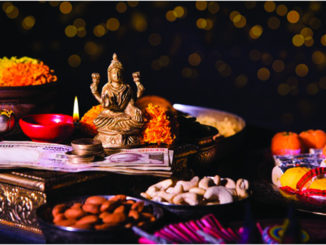
    A small altar is set up with idols or pictures of Goddess Lakshmi, Lord Dhanvantari, and Lord Kuber. The space is decorated with flowers, diyas, and incense sticks.
    Offering of Prayers
    Devotees offer sweets, flowers, and symbolic items of wealth, such as coins or gold ornaments, to the deities. Special mantras are chanted to invoke blessings for prosperity and health.
    Lighting Yama Deepam
    Another important ritual is the lighting of Yama Deepam, an oil lamp placed outside the home to honor Lord Yama, the god of death, seeking protection for family members from negative influences.
    Dhanteras is deeply symbolic, as it represents the blessings of wealth, health, and positivity for the coming year. The festival serves as a reminder of the importance of health and prosperity in life, with Lord Dhanvantari representing physical well-being and Goddess Lakshmi symbolizing material abundance.
    The day’s rituals also emphasize purification, both of the home and of one’s inner self, setting a positive tone for Diwali. Lighting lamps and decorating homes with rangolis reflect the victory of light over darkness, symbolizing hope and prosperity.
    This year, as families gather on Dhanteras, the festival will once again fill homes with the joy and blessings of good health, prosperity, and happiness, marking the beginning of a festive season that celebrates togetherness, light, and fortune.

  • Dhanteras : The first day of the five-day-long Diwali festivities

    Dhanteras : The first day of the five-day-long Diwali festivities

    Dhanteras, also known as Dhantrayodashi, is the first day of the five-day-long Diwali festivities. Dhanteras 2021 Date: November 2 (Tuesday). It is celebrated on the thirteenth lunar day of Krishna Paksha (dark fortnight) in the Hindu calendar month of Ashvin. Dhanvantari, who is also worshipped on the occasion of Dhanteras, is considered the God of Ayurveda who imparted the wisdom of Ayurveda for the betterment of mankind, and to help rid it of the suffering of disease.

    On Dhanteras, homes that have not yet been cleaned in preparation for Diwali are thoroughly cleansed and whitewashed, and Lord Dhanvantari, the god of health and Ayurveda, is worshiped in the evening.

    Hindus consider this an extremely auspicious day for making new purchases, especially of gold or silver articles and new utensils. It is believed that new “Dhan” (wealth) or some item made of precious metal is a sign of good luck. In modern times, Dhanteras has come to be known as the most auspicious occasion for buying gold, silver, and other metals, especially kitchenware. The day also sees heavy purchases of appliances and automobiles.

    In the villages, cattle are adorned and worshiped by farmers as their main source of income.

    How Dhanteras is celebrated?

    At this great occasion people generally repair their home, white washing, thorough cleaning, decorate house interiorly and exteriorly, make Rangolis, light clay diyas and many more traditions to follow.

    They stick readymade footprints of the Goddess Lakshmi to come wealth and prosperity to their home.

    After sunset, people offer puja to the Goddess Lakshmi and Lord Ganesh to prosperity, wisdom and well being by offering rose or marigold garland, sweets, ghee diyas, dhoop deep, agarbatti, camphor and etc.

    People chant mantras, bhakti songs and arti for Goddess Lakshmi and Lord Ganesh. People wear new clothes and jewellery and play the game of gambling.

    Legends of Dhanteras

    The legend behind celebrating the Dhanteras is the story of 16 years old son of the King Hima. He was forecasted his death by the snake biting at the 4th day of his marriage. His wife was very clever and searched the way to save the life of her husband. She had not allowed his husband to sleep on that special day. She had collected lots of her own ornaments and coins of gold and silver and made a heap at the doorway of his bed room and lit lamps everywhere in the room. She recited the stories in order to keep her husband awaken.

    The god of Death, Yama had arrived there in the form of Serpent. Suddenly his eyes were started dazzling because of the lighting lamps and jewellery. He was unable to enter the room that’s why he tried to go through the climbing over the heap of coins. But after listening the song of prince’s wife he sat down there for whole night. And slowly it became morning and he went away without taking her husband. In this way she had saved the life of her husband, from then the day was started celebrating as Dhanteras.

    Another legend behind celebrating Diwali, the ocean was churned by Gods and demons to get Amrita or nectar. Dhanvantari (known as physician of Gods and an embodiment of Lord Vishnu) had emerged out (having jar of elixir) from the ocean churning. The same day is celebrated as the Dhanteras.

    Traditions

    According to the Hindu mythology there are variety of customs and traditions followed by the Hindus at this festival. People consider it is good to buy things such as gold or silver coins, jewelery articles, new utensils or other new things. People consider that bringing new things at home is the sign of Lakshmi coming home whole year. Lakshmi Puja is carried out in the evenings and people lit various diyas in order to drive out the evil spirits shadow. People sing bhakti songs, aarti and mantras as well to drive out the evil powers.

    People in villages decorate their cattle and worship as they understand them their major source of income. South Indians offer decorated cows as an embodiment of the Goddess Lakshmi.

    Importance

    Bringing new things at home is considered as very auspicious event at the Dhanteras. People perform Lakshmi puja during the subh muhurta according to the calendar. At some places seven cereals (wheat, gram, barley, Urad, Moong, Masoor) are worshipped while performing puja. Golden flower and sweets are offered during puja to the Mata Lakshmi. This festival plays a great role in the life of every people. It brings a lot happiness, wealth, prosperity, wisdom and good destiny for all. People clean up everything at this day in order to remove all the bad energy and idleness from their surroundings. People take bath and wear new clothes in order to clean up their body, mind and soul before performing puja. As this day is the birth day Dev Dhanwantri, all the new innovations related to medical science are established at this day.