
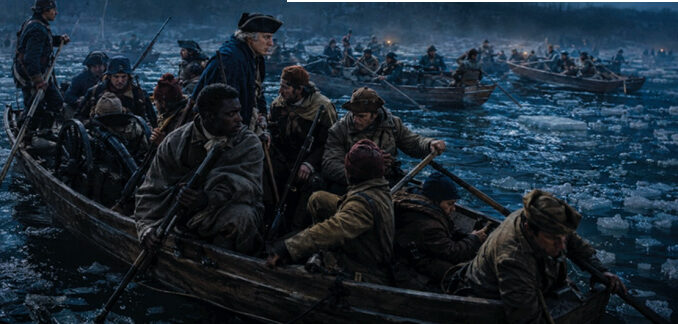

Britain returned in overwhelming strength to New York during the summer of 1776. Washington’s army suffered defeat on Long Island and narrowly escaped destruction. The Americans retreated through Manhattan, across New Jersey and into Pennsylvania. Desertion increased; enlistments expired; public confidence weakened. Thomas Paine answered the crisis with The American Crisis: “These are the times that try men’s souls.” Washington chose audacity. On Christmas night, the army crossed the ice-filled Delaware River and surprised the Hessian garrison at Trenton. A second success at Princeton followed. The victories were modest in scale but immense in effect. They revived morale, encouraged reenlistment and proved that the Revolution remained alive.
WHO WERE THE HESSIANS?
Britain hired troops from several German states, the largest number from Hesse-Cassel; Americans commonly called them Hessians. They were trained soldiers serving under agreements made by their rulers, not simply mercenaries acting as individuals. Some remained in America after the war.


Be the first to comment