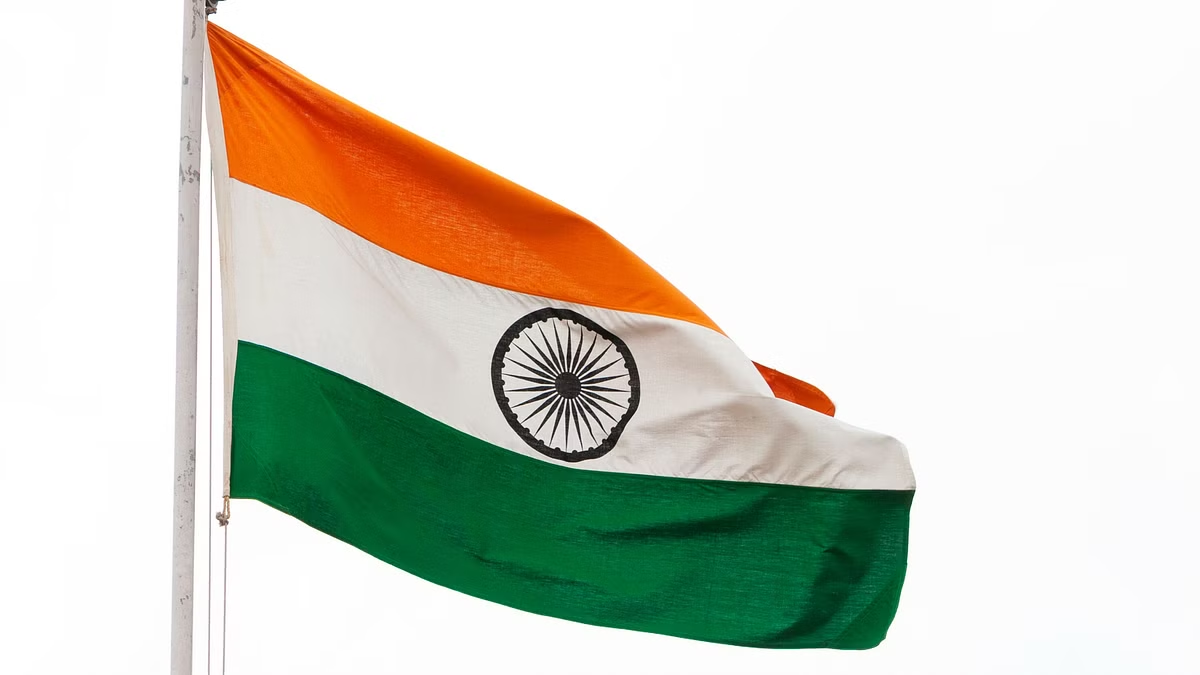
Diwali, the Festival of Lights, is one of the most celebrated festivals in India and holds a deep cultural, spiritual, and historical significance for millions worldwide. The festival, also known as Deepavali, derives its name from the Sanskrit words “Deep” (lamp or light) and “Avali” (a row or series), symbolizing a row of lights. Celebrated by Hindus, Sikhs, Jains, and some Buddhists, Diwali brings communities together in a celebration of joy, prosperity, and the victory of light over darkness. Diwali’s five days are marked by vibrant festivities, rituals, and a deeper connection with the divine, family, and oneself.
Diwali is more than just a celebration; it holds profound symbolism and messages that resonate universally. At its core, Diwali is about the victory of light over darkness, knowledge over ignorance, and good over evil. Lighting lamps and candles is a symbolic act of removing the darkness within oneself, encouraging people to let go of anger, greed, and envy, and to cultivate virtues like kindness, compassion, and forgiveness.
The festival also serves as a reminder of the power of resilience and hope. Through the stories of Rama’s return, Krishna’s triumph, and Guru Hargobind Ji’s liberation, Diwali reinforces that despite challenges and setbacks, good will eventually prevail, and justice will be served. It inspires people to remain steadfast in their moral convictions and to uphold righteousness, even when confronted with difficulties.
Diwali’s association with Goddess Lakshmi carries a message of prosperity that goes beyond material wealth. It urges individuals to cultivate inner prosperity through gratitude, self-awareness, and a positive outlook on life. While people seek blessings of abundance, Diwali reminds them that true wealth is found in meaningful relationships, community connections, and a well-balanced life.
Additionally, Diwali has environmental and social implications. In recent years, there has been a growing awareness about eco-friendly celebrations, with many opting for sustainable decorations, minimal fireworks, and a focus on community-centered celebrations. Diwali’s message of light and purity can extend to respecting and preserving the environment, ensuring that celebrations do not harm nature but instead align with the ethos of harmony.
In the modern world, Diwali has transcended religious and cultural boundaries to become a global festival celebrated by diverse communities. Countries with significant Indian populations, such as Nepal, Singapore, Malaysia, the United Kingdom, Canada, and the United States, witness grand Diwali celebrations with fireworks, feasts, and public gatherings. Many cities organize Diwali events, including dance performances, food festivals, and light displays, showcasing the vibrant colors and spirit of Indian culture.
As a unifying celebration of love, forgiveness, and renewal, Diwali offers a unique opportunity to connect with people from diverse backgrounds and appreciate the beauty of shared values. By promoting kindness, compassion, and community spirit, Diwali encourages everyone, regardless of cultural or religious background, to embody the essence of light and hope in their lives.
Diwali, the Festival of Lights, is a profound celebration that goes beyond festivities and rituals. Its roots in mythology, combined with its universal message of light conquering darkness, make Diwali a cherished occasion for reflection, gratitude, and togetherness. Celebrating Diwali is not only about honoring traditions but also about carrying forward a legacy of resilience, positivity, and the enduring belief that good will ultimately triumph. Diwali, therefore, stands as a beacon of hope, inspiring people worldwide to find light within and share it with others, illuminating hearts and minds across the globe.
Happy Diwali!
Immigration has long been a central issue in American politics, drawing heated debate, emotional appeals, and policy proposals from both sides of the political spectrum. As the 2024 election looms, immigration once again finds itself at the forefront of the national conversation. Voters are concerned, and politicians are divided, but this is not a new phenomenon. The United States’ immigration system has been labeled as “broken” for decades, and the ongoing cycle of inaction has left millions of undocumented immigrants in limbo, while the issue has become a tool in election campaigns, rather than a subject for meaningful reform.
A Glimpse into History: The Legacy of Reagan’s Immigration Reform
The modern immigration debate is often traced back to the presidency of Ronald Reagan. In 1986, Reagan signed into law the Immigration Reform and Control Act (IRCA), which granted amnesty to nearly three million undocumented immigrants who had been living in the U.S. before 1982. This was a monumental decision that sought to address the growing issue of illegal immigration by providing a path to legal residency for millions of people. At the same time, the act also sought to strengthen border security and impose penalties on employers who knowingly hired undocumented workers.
The IRCA was designed as a comprehensive solution, but it had unintended consequences. While it succeeded in granting legal status to millions, it did not stem the flow of new undocumented immigrants. Employers continued to seek cheap labor, and border security measures were insufficient to deter illegal crossings. In the years following Reagan’s presidency, the number of undocumented immigrants in the U.S. steadily rose, with estimates reaching around 11 million a decade ago. Today, that number is believed to be closer to 18 million, though precise figures are difficult to verify due to the very nature of undocumented status.
The Rise of the Immigration Crisis in National Politics
Over the past three decades, immigration has remained a perennial issue in American elections. Both Democrats and Republicans have called for reform, but little has been accomplished. One of the central points of contention is how to deal with the millions of undocumented immigrants currently living in the U.S. The question is complex: Should they be granted legal status, or should they be deported? Should the focus be on securing the borders, or on integrating those who are already contributing to the economy?
The debate often becomes emotionally charged, particularly around election time. One narrative, largely championed by conservative voices, portrays undocumented immigrants as a threat to national security. This has led to proposals like the construction of a border wall, an effort spearheaded by former President Donald Trump. A portion of the wall was built, but it has not stopped illegal immigration. Critics argue that physical barriers are not a long-term solution, pointing out that immigrants continue to find other ways into the country, including overstaying visas or crossing borders at less fortified areas.
On the other hand, there is a broader economic argument that the U.S. needs immigrants, both documented and undocumented. The American economy has historically relied on immigrant labor, particularly in sectors such as agriculture, construction, and service industries. Undocumented immigrants, in particular, often fill jobs that Americans are unwilling to take. Despite their status, many of these immigrants pay taxes, contribute to Social Security, and help sustain industries that are vital to the U.S. economy. Numerous studies have shown that, far from being a drain on resources, undocumented immigrants contribute significantly to economic growth.
The Criminalization of Immigrants and the “Bogeyman” of Fear
A recurring theme in the immigration debate is the portrayal of undocumented immigrants as criminals. This narrative has been particularly prominent in recent years, with political rhetoric suggesting that “criminals are pouring into the country” through open borders. While it is true that some undocumented immigrants have committed crimes, this is by no means representative of the population as a whole. In fact, numerous studies have shown that immigrants, both documented and undocumented, are less likely to commit crimes than native-born Americans.
However, the focus on criminality has overshadowed the broader issue of how to deal with immigration in a humane and pragmatic way. Instead of addressing the root causes of immigration—such as poverty, violence, and political instability in countries of origin—politicians have used fearmongering tactics to garner votes. This approach has polarized the debate, making it difficult for lawmakers to work together on a comprehensive immigration solution.
The Failure to Act: Why the System Remains Broken
Despite the constant rhetoric about fixing the immigration system, little progress has been made. The root of the problem lies in the deep political divide between Democrats and Republicans, which has prevented meaningful legislative action. Democrats have generally favored a more inclusive approach, advocating for pathways to citizenship for undocumented immigrants and reforming the visa system to allow for more legal immigration. Republicans, on the other hand, have prioritized border security and stricter enforcement of immigration laws, often opposing amnesty or legal status for undocumented immigrants.
This divide has resulted in legislative gridlock. While both parties claim to want immigration reform, neither has been able to push through a comprehensive solution. In 2013, for example, the Senate passed a bipartisan immigration reform bill that included a pathway to citizenship for undocumented immigrants and increased border security. However, the bill stalled in the House of Representatives, and no further action was taken.
The failure to act has left millions of undocumented immigrants in a state of uncertainty. They live in fear of deportation, even as they contribute to the U.S. economy and society. Many have lived in the U.S. for decades, raised families, and built lives, yet they are denied basic rights and protections due to their legal status.
The Path Forward: Legalization and Border Security
If there is any hope of fixing the broken immigration system, it lies in a bipartisan approach that combines two key elements: legalization for undocumented immigrants and stronger border security. Granting legal status to millions of undocumented immigrants would not only provide them with a path to citizenship but also bring them out of the shadows and allow them to fully participate in American society. This would benefit not only the immigrants themselves but also the U.S. economy, as legal workers are more likely to invest in their communities, start businesses, and contribute to economic growth.
At the same time, stronger border security measures are necessary to prevent future illegal immigration. However, these measures should be smart and effective, focusing on modern technology and resources rather than simply building walls. A comprehensive approach would also involve addressing the root causes of immigration by working with other countries to improve economic conditions and reduce violence and instability.
The U.S. immigration system has been broken for decades, and both political parties bear responsibility for the current state of affairs. Instead of using immigration as a political football to win elections, lawmakers should work together to craft a comprehensive solution that balances the need for security with the economic and social realities of immigration. The time for action is long overdue, and the millions of undocumented immigrants who live in the U.S. deserve a fair and just path to legal status. Only through cooperation and compromise can the U.S. truly fix its broken immigration system and live up to its ideals as a nation of immigrants.
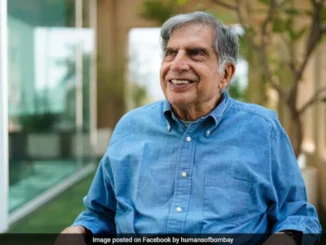
Ratan Naval Tata, one of India’s most cherished industrialists and philanthropists, passed away on October 9 at the age of 86, leaving behind a legacy that will be remembered for generations. Ratan Tata was not only a visionary leader who shaped modern India’s industrial landscape, but he was also a man with a golden heart, known for his deep-rooted values of integrity, humility, and compassion. As India mourns his loss, the world reflects on the profound impact of a life dedicated not just to business but to humanity at large.
Ratan Tata came from the illustrious Tata family, a lineage synonymous with the development of India’s industrial sector. His great-grandfather, Jamshedji Tata, laid the foundation of Tata Sons in 1868, and his granduncle, J.R.D. Tata, was instrumental in steering the group to new heights. The Tata family has always been a beacon of progress for India, pioneering several key industries, and Ratan Tata was a worthy torchbearer of this legacy.
The Tata story began in the late 19th century when Jamshedji Tata, with a vision of an industrialized and self-reliant India, established the first steel plant in Jamshedpur, then a remote area of Bengal (now Jharkhand). The Tata Steel plant, set up in 1907, was not just a milestone in India’s industrial history but a symbol of the country’s emergence on the global industrial map. The town of Jamshedpur, named after Jamshedji Tata, became a thriving industrial hub, a testament to the foresight of the Tata family. This commitment to nation-building continued through the generations, with each leader of the Tata Group contributing to India’s growth and modernization.
One of the significant milestones in India’s industrial history was the Tata family’s entry into the automobile sector. The Tata Motors division was set up with a vision to create vehicles made in India, for India. Under Ratan Tata’s leadership, this vision was realized with the launch of the Tata Indica, India’s first indigenously developed car, and the Tata Nano, the world’s most affordable car. His dream was to make car ownership accessible to millions of Indian families, and in doing so, Ratan Tata laid the groundwork for India to become a global hub for automobile manufacturing. Tata Motors grew to become not just a domestic leader but also a global player, acquiring prestigious brands like Jaguar Land Rover under Ratan Tata’s stewardship.
In the same pioneering spirit that drove the Tata family to set up India’s first steel plant, J.R.D. Tata ventured into the skies with the establishment of Air India, India’s first commercial airline. Founded in 1932 as Tata Airlines, it was J.R.D. Tata’s passion for aviation that led to the airline’s inception. Air India became the face of Indian civil aviation and a symbol of national pride. Though the Tata Group had to relinquish control of Air India after nationalization in the 1950s, Ratan Tata continued to hold a deep connection to the airline. His heart must have swelled with pride when, in 2021, Tata Sons successfully reacquired Air India, bringing the airline back into the Tata fold, a fitting tribute to the family’s enduring legacy in aviation.
But Ratan Tata was more than just an industrial titan. His leadership was characterized by a deep commitment to ethics, social responsibility, and philanthropy. A true heir to the Tata family’s philanthropic ethos, Ratan Tata was as passionate about giving back to society as he was about business success. Through the various charitable arms of the Tata Group, including the Tata Trusts, he worked tirelessly to uplift underprivileged communities, support education and healthcare initiatives, and fund scientific research. His focus on corporate social responsibility set new standards in the Indian business community, reminding the world that businesses are not just profit-driven entities but also instruments of social change.
One of the most defining moments in Ratan Tata’s career came in 2008 when India faced one of its darkest hours. On November 26, 2008, the iconic Taj Mahal Palace Hotel in Mumbai, owned by the Tata Group, was one of the prime targets of a series of devastating terrorist attacks. The image of the burning hotel became symbolic of the attack on Mumbai’s soul. Ratan Tata’s response to the crisis earned him widespread admiration. His first priority was not the losses incurred by the company but the well-being of his employees and the guests who had suffered during the attack. He personally reached out to each of the victims’ families and provided financial and emotional support to help them recover. Under his guidance, the Taj Hotel was restored to its former glory, standing as a symbol of resilience and hope in the face of adversity.
Even as he steered the Tata Group to unprecedented heights, Ratan Tata was always known for his humility. He was a man who led by example, never seeking the limelight but always ready to step up when the occasion demanded. Despite the many accolades he received over the years, including India’s highest civilian honors, the Padma Bhushan and the Padma Vibhushan, he remained grounded, always emphasizing that his achievements were the result of the collective efforts of the Tata family and the Tata Group.
One of the many remarkable aspects of Ratan Tata’s personality was his empathy and kindness. Known for his soft-spoken demeanor and unassuming nature, he always put people before profits. Whether it was standing by his employees during crises or funding critical healthcare projects, his focus was on improving the quality of life for those around him. He was also a staunch advocate for innovation and entrepreneurship, often personally mentoring young entrepreneurs and investing in startups. His vision for India was one where technology and innovation would drive progress, but not at the cost of human welfare.
Ratan Tata’s passing is a monumental loss, not just for the Tata Group or the Indian industrial sector, but for the entire nation. His departure marks the end of an era in Indian business—a time when industrialists were seen not just as captains of industry but as builders of the nation. The Tata Group under Ratan Tata’s leadership became a symbol of India’s industrial strength and global competitiveness. From steel to automobiles, from airlines to hospitality, his influence spanned across sectors, and his vision laid the foundation for India’s future as a global economic powerhouse.
However, it is perhaps his heart of gold that will be remembered the most. His quiet acts of charity, his deep empathy for those in need, and his unwavering commitment to ethical business practices set him apart in a world often dominated by cutthroat competition and corporate greed. Ratan Tata’s life was a testament to the idea that success is not measured by the wealth one accumulates but by the impact one has on others. His legacy will continue to inspire generations of leaders who will look up to him not just for his business acumen but for his kindness, compassion, and humility. As we bid farewell to this titan of industry, we also celebrate a life well-lived. Ratan Tata’s contributions to India are immeasurable, and his memory will forever be etched in the hearts of millions. His leadership, his vision, and his commitment to the greater good will continue to inspire and guide India’s journey toward a brighter future.
Rest in peace, Ratan Naval Tata. You will always be remembered as one of India’s finest gems—a man of steel, with a heart of gold.
The ongoing conflict between Israel and Palestine, stretching back over a century, has been one of the most enduring and volatile disputes in modern history. In recent years, particularly with the leadership of Israeli Prime Minister Benjamin Netanyahu, this conflict has escalated to dangerous new heights. At its core, the Israeli-Palestinian conflict involves territorial disputes, religious differences, and issues of national identity. However, as tensions rise, it is not just the Middle East that faces a dangerous future—the entire world may be on the precipice of a catastrophic Third World War if hostilities are not brought to a halt.
The origins of the Israeli-Palestinian conflict can be traced back to the late 19th century, when waves of Jewish immigration to Palestine, then under Ottoman rule, began as part of the Zionist movement. The Zionist aim was to establish a Jewish homeland in response to centuries of anti-Semitism and persecution in Europe. This increased tension between Jewish and Arab communities in the region, especially as both groups laid claim to the same land.
After World War I and the collapse of the Ottoman Empire, the British took control of Palestine under a League of Nations mandate. The Balfour Declaration of 1917, which promised a Jewish homeland in Palestine, further inflamed Arab resentment. Jewish immigration continued, and by the time of World War II, tensions had escalated into violence between the two communities.
The United Nations’ 1947 partition plan proposed a division of the land into separate Jewish and Arab states, but this was rejected by Arab leaders, leading to the 1948 Arab-Israeli War. Israel declared independence, and its victory in that war resulted in the displacement of hundreds of thousands of Palestinians, an event known as the Nakba (“catastrophe” in Arabic).
Since then, Israel has fought several wars with its Arab neighbors, while the Palestinian people have remained stateless. Israel’s occupation of the West Bank, Gaza Strip, and East Jerusalem following the 1967 Six-Day War has been a flashpoint for the conflict. Despite attempts at peace—such as the Oslo Accords of the 1990s—the conflict remains unresolved, and the situation has only worsened in recent years.
One of the reasons the Israeli-Palestinian conflict has persisted for so long is the political dynamic within Israel, particularly under the leadership of Benjamin Netanyahu. As Israel’s longest-serving prime minister, Netanyahu has built much of his political career on the premise of Israel’s survival being contingent on strong leadership, especially in the face of external threats. He has continually portrayed Palestinians and their allies as existential enemies of the Israeli state.
Netanyahu’s political survival has often seemed intertwined with the perpetuation of conflict. During times of relative peace, he has faced increased scrutiny at home over allegations of corruption and mismanagement. However, during periods of heightened conflict, Netanyahu has consistently positioned himself as the indispensable protector of Israeli security. By framing the conflict as one of survival, he rallies public opinion around his leadership, diverting attention from domestic scandals and other pressing issues.
It is easy to see why the Israeli-Palestinian conflict, under Netanyahu, has become an endless loop. Whenever there is a glimpse of potential peace, or when international pressure for negotiations mounts, Netanyahu’s government has often taken hardline stances, continuing settlements in the West Bank or carrying out military operations in Gaza. As long as the conflict remains unresolved, Netanyahu maintains his narrative of being the only leader capable of defending Israel against its enemies.
On the other side of the conflict, the Palestinians view themselves as a people who have been systematically denied their right to self-determination. For decades, they have lived under Israeli occupation in the West Bank and Gaza Strip, facing restrictions on movement, economic hardship, and frequent military incursions. The situation in Gaza, in particular, has been described by international organizations as a humanitarian crisis, with blockades limiting access to basic necessities.
The Palestinian leadership, divided between the Palestinian Authority in the West Bank and Hamas in Gaza, has been unable to present a unified front in negotiations. Hamas, considered a terrorist organization by Israel and many Western countries, sees the conflict as a religious struggle against Israeli occupation. However, both Palestinian factions, along with much of the Arab world, insist that Palestinians must have the right to an independent state.
For Palestinians, the continued expansion of Israeli settlements in the West Bank is a symbol of the ongoing denial of their sovereignty. These settlements, which violate international law, have grown under Netanyahu’s watch, further entrenching the occupation. Many Palestinians, especially younger generations, have lost faith in the possibility of a two-state solution and instead demand equality and civil rights in a single, binational state—a prospect Israel vehemently opposes.
While the Israeli-Palestinian conflict is a localized struggle, its potential to ignite a broader, global conflict should not be underestimated. As we have seen in recent years, regional wars often have international consequences. The Middle East, already a powder keg of sectarian violence, geopolitical rivalries, and foreign intervention, could easily become the stage for a much larger war involving global powers.
The United Nations, which was founded to prevent precisely this kind of escalation, has been largely ineffective in addressing the conflict. In fact, Israel recently barred UN Secretary-General António Guterres from entering the country after he failed to condemn Iran for its alleged involvement in attacks on Israel. This incident underscores the extent to which international institutions have been sidelined in the conflict, with neither side trusting the UN to broker a fair resolution.
Moreover, global powers, including the United States, Russia, China, and the European Union, have been reluctant to take meaningful action. Each has its own geopolitical interests in the region, and these interests often conflict with the goal of achieving peace. The U.S., for instance, has been Israel’s staunchest ally, providing it with military aid and diplomatic cover at the UN. Meanwhile, Russia and Iran have supported Palestinian factions, particularly Hamas, as part of their broader strategy to challenge U.S. influence in the Middle East.
If these global powers continue to prioritize their own strategic interests over the need for peace, the conflict could spiral out of control. A regional war involving Israel, Palestine, Iran, and their respective allies could easily draw in the U.S., Russia, and other major powers. Given the advanced military capabilities of these nations, including nuclear arsenals, the risk of a Third World War is a very real and terrifying prospect.
It is clear that the Israeli-Palestinian conflict will not resolve itself, nor will it be solved through force of arms. Wars in the modern world bring only destruction and misery, and no nation can remain unaffected by the chaos that ensues in another, regardless of geographic distance. In an interconnected world, the instability of one region can easily ripple across borders, disrupting global economies, displacing populations, and increasing the threat of terrorism.
The world must act collectively and decisively to bring an end to this conflict. Nations should put aside their individual agendas and unite in their efforts to mediate peace. There must be renewed international pressure on both Israel and Palestine to return to the negotiating table and work toward a two-state solution that respects the rights and security of both peoples.
India, with its ancient philosophy of “Vasudhaiva Kutumbakam”—the world is one family—offers a valuable lesson in diplomacy. When there is conflict within a family, the other members must step in and mediate to bring about reconciliation. The international community must adopt this mindset and take the necessary steps to prevent a global catastrophe.
The time to act is now. If the world continues to ignore the escalating violence in the Middle East, we may find ourselves facing a war the like of which we have not seen since 1945. Let us not wait until it is too late.
The ECI and the office of the Speaker have not played fair in cases of defection
In the run-up to the impending election to the Maharashtra Assembly, the rivalry between the two factions of the Nationalist Congress Party (NCP), now operating as separate parties, will have its inevitable influence on political developments and electoral outcomes. In the latest development related to the rift, NCP founder Sharad Pawar has approached the Supreme Court for a direction to the NCP led by Ajit Pawar to opt for a new symbol in the Assembly elections. The NCP’s ‘clock’ symbol is with the Ajit Pawar group, following a ruling by the Election Commission of India (ECI) in February, recognizing it as the official NCP. There is some logic to the demand that the Ajit Pawar group give up the ‘clock’ now. The ECI’s order has already been challenged in the Supreme Court. Oral observations in early hearings indicated that there are some doubts about the ‘legislative majority’ test adopted by the ECI while recognizing the Ajit Pawar faction as the NCP and allotting the ‘clock’ to the group. The ECI’s order had justified the use of the legislative majority test by observing that the test on which group had organizational majority was inconclusive, as was the test based on the party’s ‘aims and objectives’. Mr. Ajit Pawar revolted against his uncle and joined the BJP-Shiv Sena alliance and became part of the ruling Maha Yuti coalition, while the NCP (Sharad Pawar) is part of the Maha Vikas Aghadi, the opposition combine that includes the Shiv Sena (UBT) and the Congress.
However, in the Lok Sabha elections, Mr. Ajit Pawar’s group won only one seat, while Mr. Sharad Pawar’s party, using the symbol of a ‘man blowing a turha’ (trumpet), won eight, besides polling a much higher number of votes. The outcome raises the question whether the legislative majority during a given period could be used to gain or lose recognition. Further, Mr. Sharad Pawar has argued that the ‘clock’ has been the NCP’s reserved symbol for many years and allotting it to one group may cause confusion in the voters’ minds. The court will have to decide whether to have a level-playing field by denying the ‘clock’ symbol to both sides, or let the recognized faction use the symbol as long as the ECI order is in force. Such disputes, including the other major rift in Maharashtra over who represents the Shiv Sena, pose a challenge to the ability of parties to maintain organizational unity in the face of attempts to split them through defection and rebellion. The fate of the individuals and parties involved often depend on the Speaker under the anti-defection law and the ECI, which accords recognition to parties and allots symbols. Both institutions seem to need the Supreme Court to keep them honest.
The tightening of rules for investors by the Securities and Exchange Board of India (SEBI) is a pragmatic move to cool the frenzy to make easy money in the derivatives market. Reports suggest that lakhs of rookie traders have ventured into the risky futures and options segment, treating it almost like an online casino. India is now the world’s largest equity derivatives market. The downside is reflected in a recent SEBI study. In nearly 93 per cent of individual options, traders incurred an average loss of Rs 2 lakh in the high risk-reward market over the last three financial years. The regulator has now increased the entry barriers and made it more expensive to trade, in a bid to dissuade retail investors from speculating on risky contracts. SEBI says the measures will safeguard small investors and enhance market stability.
A worrying aspect is that more than three-fourths of the loss-making traders are continuing their activity. The regulatory action follows multiple concerns being raised, including by the Reserve Bank of India, about mounting losses of household savings by those taking punts. The implementation of measures recommended by an expert panel is expected to deter excessive speculation, especially by those who may not have the capacity to absorb larger losses. Some of the changes are set to take effect from November 20.
The booming stock market has resulted in an increasing number of middle-class households investing their savings in equities. A survey says that most of them reside in smaller cities and are below the age of 40. The problem to contend with is that uninformed and uneducated investors are becoming prey to this retail speculative mania. SEBI’s intervention is a step in the right direction.
The timing is a dead giveaway. Dera Sacha Sauda head and rape convict Gurmeet Ram Rahim Singh has been released on parole barely three days ahead of the Haryana Assembly polls. This is the last roll of the dice by the ruling BJP, which is desperate to counter anti-incumbency and withstand the Congress challenge. Ram Rahim continues to have a sizeable following in parts of the state — notwithstanding his conviction in rape and murder cases — and even his covert diktat to his flock can have a bearing on the saffron party’s fortunes. During the parole period, the dera head will not be allowed to enter Haryana or take part in election-related activities. However, these restrictions are a mere fig leaf — Ram Rahim will have the leeway to influence voters without being present on ground zero, thanks to social media and word-of-mouth publicity. In any case, he does not have to make a public speech to get his message across to his devotees.
There are no prizes for guessing what ‘compelling reasons’ prompted the dera chief to seek parole weeks after he had returned to Rohtak’s Sunaria jail following a 21-day furlough. The alacrity with which his plea has been processed and pushed — from the caretaker Chief Minister’s office to the Prisons Department and then the state’s Chief Electoral Officer — shows that the authorities can dispense with the cumbersome red tape whenever they want to do it.
The Congress’ petition to the Election Commission of India, demanding that parole not be granted as it would amount to a violation of the Model Code of Conduct, has gone in vain. It’s a moot point whether the ‘Messenger of God’ can make a divine intervention to decisively impact the electoral outcome. Ram Rahim might not be as powerful as he was a decade ago, but the ease with which he has secured parole and furlough in recent years indicates that he is no pushover. One thing is crystal clear: his release will force the BJP’s rivals to recalibrate their strategy, and that too at the eleventh hour.
Conflicts and wars are as old as human civilization itself. From the moment humans began forming tribes, societies, and nations, disagreements over land, resources, power, and ideology have led to violent confrontations. The pages of history are stained with blood from countless wars, from ancient skirmishes to large-scale global conflicts. Despite the progression of human society towards greater complexity, wealth, and technology, war remains a constant, as if ingrained in the very fabric of humanity. And yet, alongside this tragic inevitability, there exists in every heart a yearning for peace and a deep-seated desire for love and harmony. The paradox of human existence is stark: while we fight with ever more sophisticated tools of destruction, we also dream of a world where such conflicts do not exist.
The last century alone witnessed some of the most devastating wars humanity has ever seen. The First and Second World Wars are etched in our collective memory as periods of unprecedented destruction. The death toll, displacement, and trauma that resulted from these wars continue to shape global politics, societies, and economies even today. But these two monumental conflicts were not the only ones. Across the globe, hundreds of wars, battles, and skirmishes of various dimensions erupted in the same period, each leaving behind scars, divisions, and legacies of grief.
What is it about human nature that drives us to conflict? Perhaps, as many philosophers and historians have argued, it is inherent in us to seek power, to dominate, or to protect what we see as ours. The territorial instinct, competition for resources, and ideological differences have historically fueled our conflicts. Yet, at the same time, human beings possess the capacity for empathy, kindness, and a profound desire for peace. If anything, this duality defines the human condition: the constant tug-of-war between conflict and peace.
Despite these deep-seated contradictions, history has taught us one immutable lesson — we do not learn from history. It is often said that “history repeats itself.” This saying holds true today as much as it ever did. Humanity, despite the devastating lessons of the past, continues to walk down the same bloody paths. The more we claim to be ‘civilized,’ the more we seem to engage in savagery. We pride ourselves on advancements in technology, art, culture, and politics, yet when it comes to war, we remain trapped in ancient patterns of violence, vengeance, and destruction.
Consider the weapons of today compared to those of two centuries ago. The swords and muskets of the past have been replaced by nuclear bombs, drones, and advanced missile systems capable of causing mass destruction with the press of a button. With this evolution of warfare, the scale of destruction has escalated dramatically. No longer are wars confined to soldiers on battlefields. Civilians, homes, cities, and entire nations are swept into the chaos, with modern wars causing untold human suffering. The collateral damage of today’s conflicts — in terms of both human life and property — far exceeds anything seen before.
Currently, the world faces an ominous prospect: the potential outbreak of a Third World War. Conflicts across various regions are escalating at an alarming rate, and nowhere is this more evident than in the Middle East. The ongoing violence between Israel and Hamas has sent shockwaves across the globe. Israel, which sees Hamas as a terrorist organization bent on its destruction, is determined to annihilate the group. This has led to a level of destruction in Gaza that is both heartbreaking and terrifying. Homes, hospitals, schools — all have been reduced to rubble, and the human cost is staggering. Thousands of innocent Palestinians, many of them women and children, have been rendered homeless, displaced, and face existential threats daily. Their cries for help echo across the world, yet the conflict continues to rage on, seemingly with no end in sight.
The tragedy here is multifaceted. On the one hand, Israel claims the right to defend itself against terrorist threats, while on the other, the Palestinian people are caught in a devastating humanitarian crisis. The scale of the destruction in Gaza is shocking, and the world is witnessing one of the most intense conflicts in recent times. The misery that this war has caused is incalculable, and the suffering of innocent civilians continues to mount with every passing day.
This destruction needs to stop. Strength, as often misconstrued, does not lie in the ability to destroy. True strength lies in preserving, in protecting, and in building a future where people can live in peace and dignity. Strength is not demonstrated by perpetuating misery, but by ending it. The powerful nations of the world, as well as those directly involved in the conflict, need to realize that a solution based on destruction will only breed more hatred, more violence, and more despair.
World leaders cannot afford to remain silent spectators in the face of such immense human suffering. The responsibility to act lies not only with the nations directly involved in the conflict but also with the international community. Apathy and inaction in such moments of crisis only embolden the forces of destruction. It is crucial that global powers step in and demand a cessation of hostilities. There needs to be a concerted effort to mediate, to negotiate, and to bring the madness to an end before it spirals out of control. If not, we may find ourselves facing the terrifying possibility of a Third World War, one that will leave no nation untouched and no life unaffected.
A similar narrative is playing out in the ongoing Russia-Ukraine war. Here too, the destruction is vast, the human suffering immense. The geopolitical stakes are high, and the potential for this conflict to escalate beyond the borders of Eastern Europe is real and dangerous. The war has displaced millions, killed thousands, and left a once-thriving region in ruins. And much like the conflict in the Middle East, the Russia-Ukraine war shows no signs of abating anytime soon.
In both of these cases, and countless others around the world, the same underlying truth holds: violence begets violence. The world cannot continue to solve its problems through destruction. The path of peace, though difficult and fraught with challenges, is the only way forward.
Sanity must prevail. It is the duty of leaders across the world, whether in government, civil society, or international organizations, to pursue peace relentlessly. War, while seemingly inevitable in some historical contexts, is not the only answer. Diplomacy, dialogue, and mutual respect for humanity’s shared dignity can and should take precedence.
In a world increasingly interconnected and interdependent, the consequences of one nation’s conflict reverberate far beyond its borders. If we allow these wars to continue unchecked, we may find ourselves drawn into a global conflagration that will dwarf the devastation of the previous world wars. Let good sense prevail. Let peace, not war, be the guiding force of the future. The cost of not doing so is simply too high for humanity to bear.
As Prime Minister Narendra Modi prepares to visit the United States from September 21 to September 23, anticipation is building around the potential significance of his engagements during this short but strategically important trip. According to a press note issued by the Embassy of India in Washington, D.C., the visit will feature a combination of diplomatic meetings, including the Quad meeting being hosted by President Joe Biden at his residence in Delaware on September 21, a notable address to the Indian diaspora in New York on September 22, and economic engagements with American business leaders. The focal points of Modi’s visit reveal much about the state of U.S.-India relations, as well as the complex political undercurrents that surround the trip.
However, Modi’s absence from the United Nations General Assembly (UNGA), originally part of his itinerary, has raised eyebrows in both Indian and global diplomatic circles. It is now confirmed that India’s External Affairs Minister, Dr. S. Jaishankar, will be representing India and addressing the General Assembly instead. This shift comes at a time when the world is grappling with major crises, including two wars—the ongoing Russia-Ukraine conflict, which now is two-year-old, and the Israel-Palestinian conflict, which has severely impacted the Middle East for almost a year. As the UNGA convenes to discuss these conflicts, as well as issues such as climate change, terrorism, and nuclear proliferation, Modi’s decision to skip the General Assembly remains unexplained, sparking speculation and debate.
Modi’s visit comes at a time of evolving geopolitics, particularly in the Indo-Pacific region, where both India and the U.S. share strategic interests. A key item on Modi’s agenda will be the meeting of the Quadrilateral Security Dialogue (QUAD) on September 21. The QUAD, which includes the U.S., India, Japan, and Australia, has increasingly focused on countering China’s growing influence in the region. While much attention will be paid to Modi’s bilateral discussions with President Joe Biden, the QUAD meeting symbolizes India’s growing role in regional security matters, especially as tensions in the Indo-Pacific continue to rise.
Modi is also expected to hold talks with American business leaders and chambers of commerce, emphasizing economic cooperation. India’s rapid economic growth and aspirations to become a $5 trillion economy by 2025 will likely be a significant theme of these conversations. Modi has consistently portrayed India as a key investment destination, with its burgeoning tech sector, rising middle class, and ambitious infrastructure projects making it an attractive partner for the U.S.
However, beneath the surface, there are subtler political calculations that could shape the tone and outcomes of this visit. As the U.S. gears up for its 2024 presidential election, Modi’s engagement with the Indian-American diaspora, especially in a politically sensitive environment, could have far-reaching consequences.
Perhaps the most significant—and politically charged—event of Modi’s visit is his address to the Indian diaspora at the Veterans Memorial Coliseum in Long Island, New York, scheduled for September 22. This address is being touted as “historic” by Modi’s followers, and it is expected to draw a large crowd from the Indian-American community, which has become a powerful force in U.S. politics. The Indian diaspora in the U.S. is both financially strong and politically active, particularly in states like New York, New Jersey, and Texas, which host large populations of Indian origin.
Many of these Indian-Americans, especially those aligned with Modi and his Bharatiya Janata Party (BJP), are ardent supporters of the Prime Minister’s policies and leadership. Referred to colloquially as “Modi bhakts” (devotees of Modi), these supporters are often affiliated with the global Hindutva movement, which shares ideological roots with the Rashtriya Swayamsevak Sangh (RSS), a Hindu nationalist organization that has been a cornerstone of Modi’s political career.
Notably, this address comes almost exactly four years after Modi’s famous “Howdy Modi” rally in Houston, Texas, on September 22, 2019, where he shared the stage with then-President Donald Trump. During that event, Modi famously endorsed Trump’s re-election bid with the slogan “Abki Baar Trump Sarkar” (“Next time, it’s Trump’s government”). While it remains to be seen whether Modi will issue a similar endorsement this time around, the timing of the event—just months before the U.S. presidential election—has led to speculation that Modi might subtly signal his preferences.
In the 2019 Houston rally, Modi’s open support for Trump marked an unprecedented moment in Indian-American political engagement. Modi’s presence and statements at that event were seen as a nod to Trump’s popularity among sections of the Indian-American community, particularly those who subscribe to conservative or nationalist ideologies. Many of Modi’s supporters in the U.S. are known to have voted for Trump in both the 2016 and 2020 elections, and several organizations affiliated with Hindutva have been active in Republican circles.
This year, the question arises: Will Modi once again throw his weight behind Trump, or will he maintain a more cautious approach, given the political sensitivities of openly supporting a candidate in a foreign election? The Indian government has generally refrained from commenting on U.S. internal politics, but Modi’s close ties with Trump, and the enthusiasm of his supporters, make it difficult to ignore the potential implications of his visit.
Several Indian-American organizations, particularly those affiliated with the Sangh Parivar (the broader family of organizations linked to the RSS), are expected to attend the Long Island event. These groups have been vocal in their support for conservative policies in the U.S., and many of them are rallying behind Trump’s candidacy once again. Given this backdrop, Modi’s address is likely to resonate with those who see him as a symbol of strong, decisive leadership, both in India and globally.
While Modi’s supporters in the U.S. might be eagerly awaiting his address, it is also worth noting the potential diplomatic challenges that could arise from any perceived political endorsements. The Biden administration has sought to strengthen ties with India, viewing the country as a key ally in its Indo-Pacific strategy. At the same time, Modi’s close ties with Trump could complicate these efforts, especially if his visit is seen as politically motivated.
Modi, who has built his political career on nationalism and strongman politics, is also navigating a complex domestic landscape. With elections approaching in India in 2024, Modi may use his U.S. visit to burnish his image as a global statesman, while also reaching out to the influential Indian-American community for political and financial support. His government has faced criticism from opposition parties in India, particularly over its handling of issues such as religious polarization, economic inequality, and rising authoritarianism. Modi’s address to the diaspora is likely to emphasize India’s achievements under his leadership, including its growing global stature and economic progress.
Prime Minister Modi’s upcoming visit to the U.S. will be closely watched, not only for its diplomatic significance but also for its potential political undertones. As Modi meets with President Biden, addresses the Indian diaspora, and participates in high-level discussions on global security and economic cooperation, the visit represents a critical moment in U.S.-India relations.
Kamala Harris Proves to be a Better Boxer in the Ring
By Indrajit S. Saluja
The Presidential debate on Tuesday, September 10, between Former President Donald Trump and Vice President Kamala Harris garnered immense interest, with a staggering number of 67.1 million tuning in, far surpassing the viewership of previous debate between Biden and Trump. This surge in audience numbers highlighted the high level of excitement and expectations among American viewers.
Just as Biden stumbled in his debates with Trump, this time, Trump struggled when facing Kamala Harris. Throughout the debate, Trump obsessively focused on two issues: immigration and the economy, regardless of the questions raised by the hosts. His primary attack on Harris revolved around allegations of a supposed influx of criminals entering the U.S. through the southern border. He specifically singled out Venezuela, claiming that large numbers of criminals from there had crossed the border, going so far as to say they resorted to eating pets. He further alleged that these criminals brought waves of crime, holding Kamala Harris directly responsible.
On the economy, Trump boasted about having led the “best economy” during his presidency, contrasting it with what he termed the “killing inflation” under the Biden-Harris administration. Another significant point of attack was foreign policy. Trump blamed Harris for the deaths of American soldiers during the withdrawal from Afghanistan, accusing her of failing to lead on global conflicts, particularly between Ukraine and Russia, and between Israel and Palestinians. He even claimed that if elected, he would resolve these conflicts within 24 hours of being inaugurated. Yet, he often evaded direct responses to key questions posed by the hosts and Harris, many of which touched on issues affecting everyday life of Americans.
Kamala Harris, on the other hand, made it clear that the most pressing issue was the freedom of the American people. She was emphatic about women’s rights, especially the right to choose what they wanted to do with their bodies. She spoke passionately in favor the right of the women to have an abortion. Harris strongly condemned Trump for undermining these rights through the Supreme Court appointments that led to the overturning of Roe v. Wade. She vowed to work to restore Roe v. Wade if elected President.
Harris also promised to prioritize the strength of the country, ensuring a robust military and securing America’s global leadership. She addressed the needs of common people, including respectable wages, healthcare, and housing. Unlike Trump, who sidestepped a question on his role in the January 6 insurrection, Harris answered questions directly. She even delivered a sharp rebuke when Trump accused her of allowing criminals into the country, reminding the audience of Trump’s own criminal record. While Harris maintained her composure throughout, Trump appeared visibly unsettled at several points during the debate.
In the aftermath of the debate, Kamala Harris emerged as the clear winner of this round, evidenced by her success in fundraising, raising $47 million within 24 hours of the debate. She also received endorsements from several influential figures, including from the legendary singer Taylor Swift.
Though Trump claimed he had done well in the debate, his aides seemed to have a different view. Now the reports have come in that Trump has decided not to engage in a second debate with Harris, while the latter has expressed enthusiasm for another round of debate with Trump. Surely, Kamala proved to be a better boxer in the ring.
Kamala Harris’s popularity has surged following the debate, and her path to victory will largely depend on a few key factors:
Inflation must remain in check during the run-up to the election.
A significant breakthrough in the Israel-Palestine conflict by the Biden administration would boost her standing.
Avoidance of mass shootings or domestic terror attacks.
Prevention of any major influx of illegal immigrants.
Kamala Harris seems well-positioned to continue her momentum, provided these challenges are successfully managed.
The PM’s direct intervention is a must to save Manipur
Manipur has become a rather bad advertisement for a double-engine government. The left hand doesn’t seem to know what the right one is doing. Amid a fresh surge in violence, Chief Minister N Biren Singh has appealed to the Centre to take steps to protect the state’s territorial integrity. At the same time, he has demanded that the charge of the Unified Command — including the Central Armed Police Forces — be handed over to the state government. He is asking too much of the Centre, considering that his own handling of the situation since the Meitei-Kuki clashes broke out in May last year has left a lot to be desired. Despite his underwhelming performance, the ruling BJP has persisted with Biren. Even the outcome of the 2024 Lok Sabha elections — the Congress won both seats in Manipur, defeating the saffron party and the Naga People’s Front — has not triggered a much-needed shakeup.
Both the Central and state governments have let things drift for far too long in the troubled northeastern state. Prime Minister Narendra Modi, who has been visiting one country after another, has not set foot in Manipur after February 22, 2022. That election-related trip took place just a couple of days before the Russia-Ukraine war began, and the PM has toured both nations in recent months. Defending the indefensible, Biren has stated that the PM did send Home Minister Amit Shah to the state and also spoke about Manipur in Parliament as well as in his 2023 Independence Day speech. But all that has certainly not proved enough to defuse tensions and reduce hostilities.
The use of drones by militants to carry out bombings has caught the security forces off guard. They need to recalibrate their strategy to curb violence and restore the rule of law. Also, the Centre must be proactive about bringing the warring sides to the negotiating table. The PM’s direct intervention is a must to save Manipur.
The 79th session of the United Nations General Assembly (UNGA) is set to convene on September 10, 2024, at a time when the Israeli-Palestinian conflict remains one of the most pressing international concerns. This ongoing conflict has cast a long shadow over the Middle East for decades, and now, in 2024, it is yet again a focal point of global diplomatic discourse. While the world grapples with numerous other challenges, from climate change to nuclear proliferation, the Israeli-Palestinian conflict continues to stand out due to its longevity, complexity, and the scale of human suffering involved.
The conflict, which has spanned over a century, has evolved through various phases, with efforts at peace frequently derailed by renewed hostilities. As we approach the 31st anniversary of the historic agreement between Israel and the Palestine Liberation Organization (PLO) on September 13, 1993, it is disheartening to observe how little progress has been made toward lasting peace. At that time, the world witnessed a landmark moment, as Israel and the PLO recognized each other’s right to exist. This event symbolized a new hope for an eventual resolution to the conflict, which had deeply divided Arabs and Jews in the Middle East for generations. However, three decades later, that promise of peace remains unfulfilled, with both sides locked in an increasingly destructive and violent cycle.
The human toll of the Israeli-Palestinian conflict is staggering. In the past few years, particularly since the escalation of hostilities in 2021, the situation has deteriorated further, with a dramatic rise in civilian casualties, particularly in Gaza, where the population lives under severe blockade conditions imposed by Israel. The world has increasingly taken note of the suffering of the Palestinian people, with many human rights organizations and international observers raising concerns about what they describe as disproportionate and excessive use of force by Israel.
The 2024 conflict between Israel and Hamas in Gaza has drawn renewed attention to the humanitarian crisis in the region. Israeli airstrikes have devastated entire neighborhoods in Gaza, leaving thousands of Palestinians dead, including women and children. The United Nations Office for the Coordination of Humanitarian Affairs (OCHA) has documented severe shortages of food, water, and medical supplies in Gaza, which is home to over two million people, many of whom live in refugee camps. The blockade has been in place for over 16 years, creating what the UN has described as an “open-air prison,” where basic human rights are routinely violated.
As the 79th session of the UNGA approaches, the world waits anxiously to see if the assembly can finally play a pivotal role in finding a lasting solution to this painful and repetitive conflict. For decades, various peace plans, initiatives, and international interventions have sought to broker a resolution, but the conflict persists, leaving devastation in its wake.
The diplomacy of nations is on trial, as leaders from across the globe convene to address this enduring crisis. The UNGA, as the foremost forum for international diplomacy, has the opportunity to reignite peace talks and push for a comprehensive resolution. However, achieving consensus among member states, particularly those with vested interests in the region, will be a monumental challenge. The world is watching to see if, after decades of failure, the 79th session can chart a new course that might finally bring justice, peace, and dignity to both Israelis and Palestinians.
For now, the question remains: Will the UNGA rise to the occasion, or will the world continue to witness the cycle of violence, destruction, and despair? Time will tell, but the stakes could not be higher.
The recent killings in Haryana, allegedly at the hands of cow vigilantes, have reignited a critical debate on the dangerous interplay of religious fervor and law enforcement in India. In two incidents within a span of a few days in the state, a student of Class XII, Aryan Mishra, was gunned down and a 26-year-old migrant worker, Sabir Malik, beaten to death by self-appointed protectors of the cow. Aryan was out with friends when they were chased by a group of cow vigilantes, who mistook them for cattle smugglers. The group was relentlessly pursued for 30 km before Aryan was shot dead in Faridabad. In the other tragic loss to senseless violence, Sabir, suspected of eating beef, was lured to a bus stand and then lynched by the vigilantes in Charkhi Dadri.
These incidents are a part of a broader and disturbing trend that has taken root. Cow vigilantism, which ostensibly aims to protect an animal considered sacred in Hinduism, has increasingly become a pretext for extrajudicial violence, mostly targeting a minority community. Efforts have been made to curb it, including arrests and legal proceedings, Supreme Court directives for stricter enforcement and pressure on governments to act. However, inconsistent implementation and the political influence of vigilante groups hinder progress, leaving members of the minority community vulnerable to violence.
The rise of cow vigilante mobs correlates with the growing influence of Hindu hardliners in the past decade. These groups operate with alarming impunity, often sidestepping law enforcement and judicial processes. The fact that several of their leaders have found success in local politics in the past seven years raises troubling questions about the erosion of democratic principles and the protection of minority rights. The government must act decisively to curb this menace before it further destabilizes social harmony.
(Tribune, India)
New York City, often heralded as the “center of the universe,” stands as a beacon of culture, finance, and global diplomacy. It is home to the United Nations headquarters, two major international airports, and some of the most iconic landmarks on the planet. The city is a bustling tourist hub, drawing millions of visitors every year who come to experience its vibrant atmosphere, rich history, and world-class institutions. Moreover, New York is the financial capital of the world, influencing markets and economies across the globe. Yet, despite all these accolades, the city’s roads tell a very different story—one that is marked by neglect, deterioration, and congestion.
The Dismal State of New York City’s Roads
The condition of New York City’s roads is nothing short of disgraceful for a city that prides itself on being a global leader. A 2022 report by the New York City Department of Transportation (NYC DOT) revealed that approximately 46% of the city’s roads were in poor condition. Potholes, cracks, and uneven surfaces are commonplace, making driving a challenge and posing significant safety risks to motorists, cyclists, and pedestrians alike. In fact, the city’s streets are so notoriously bad that they cost drivers an average of $620 annually in additional vehicle repairs, according to a report by TRIP, a national transportation research group.
In 2023, the city filled nearly 300,000 potholes—a staggering figure that highlights just how prevalent the problem is. However, these quick fixes are merely a band-aid solution to a much deeper problem. The underlying infrastructure of the roads is aging and in desperate need of comprehensive repair and modernization. The city’s reluctance or inability to address these issues in a meaningful way raises serious questions about the priorities and effectiveness of its administration.
The Economic Impact of Poor Road Conditions
New York City’s crumbling roads have far-reaching economic consequences. Tourism, a major driver of the city’s economy, is particularly affected. In 2019, the city welcomed a record 66.6 million visitors, contributing an estimated $70 billion to the local economy. However, the poor condition of the roads can tarnish the visitor experience, leading to negative perceptions and potentially deterring future tourism. Tourists navigating the city by bus, taxi, or rideshare are subjected to bumpy rides, delays caused by congestion, and an overall sense of disrepair that is not befitting of a world-class city.
Moreover, the financial burden on residents and businesses is significant. The extra costs incurred by drivers due to road damage not only strain individual finances but also have a ripple effect on the broader economy. Delivery trucks and commercial vehicles suffer frequent damage, leading to increased operational costs for businesses. This, in turn, can result in higher prices for goods and services, further burdening consumers.
Congestion and Urban Planning Failures
Beyond the poor condition of the roads themselves, New York City’s streets have become increasingly congested. This congestion is partly due to poor urban planning decisions, such as the introduction of dedicated bus lanes and the proliferation of street-side parking, both of which reduce the available road space for other vehicles. While bus lanes are intended to improve public transportation efficiency, they often exacerbate congestion on already narrow streets, leading to longer travel times for drivers and a higher likelihood of accidents.
The problem has been further compounded by the outdoor dining structures that have become a permanent fixture since the COVID-19 pandemic. During the pandemic, the city allowed restaurants to extend their dining areas into the streets as a temporary measure to help them stay afloat during lockdowns. However, many of these structures remain in place, taking up valuable road space and contributing to the city’s already overwhelming traffic congestion.
The impact of these combined factors is clear: New York City’s streets are not only in poor physical condition but are also increasingly difficult to navigate. This congestion has a direct impact on the city’s economy, as it leads to delays in the transportation of goods, increases the cost of commuting, and reduces overall productivity. In a city that prides itself on its efficiency and dynamism, this is an unacceptable state of affairs.
Comparisons to other Global Cities
When comparing New York City’s roads to those of other major global cities, the contrast is stark. Cities like Tokyo, London, and Paris, despite facing their own challenges, have managed to maintain much higher standards of road quality. Tokyo, for instance, boasts some of the best-maintained roads in the world, with a focus on regular maintenance and modernization. The city has implemented advanced road surface technologies that not only improve durability but also reduce noise pollution, demonstrating a forward-thinking approach to urban infrastructure.
Similarly, London has invested heavily in its road network, with a particular emphasis on reducing congestion and improving road safety. The city’s congestion charge, introduced in 2003, has been successful in reducing traffic volumes in the city center, leading to less wear and tear on the roads and a better overall driving experience. Paris, meanwhile, has focused on creating more pedestrian-friendly spaces and improving public transportation, which has also had a positive impact on road conditions.
In comparison, New York City’s roads are more reminiscent of those found in developing countries, where poor infrastructure is often a result of limited resources and political instability. For a city with the wealth, influence, and global standing of New York, this is a deeply embarrassing situation.
The Need for Urgent Action
The current state of New York City’s roads is not just an inconvenience; it is a reflection of a broader failure in governance and urban planning. The administration’s apparent indifference to the issue is perplexing, particularly given that city officials and employees must also navigate these same roads on a daily basis. The question that must be asked is: why has the administration turned a blind eye to this problem?
One possible explanation is the complex and often opaque nature of New York City’s budget and funding allocation processes. Road maintenance and infrastructure projects are expensive, and in a city with many competing priorities, it is possible that these issues have been deprioritized in favor of more immediate concerns. However, this short-term thinking is shortsighted, as the long-term consequences of neglecting the city’s roads will only become more severe—and more costly—over time.
The city must take urgent action to address this issue. This should include a comprehensive audit of the current state of the roads, followed by the development of a long-term plan for their repair and modernization. This plan should prioritize not just the repair of existing damage but also the implementation of measures to prevent future deterioration. This could include the use of more durable materials, improved drainage systems to prevent water damage, and regular maintenance schedules to catch issues before they become major problems.
A Call for Accountability
New York City has a reputation for upholding the best, and its current road conditions are simply unacceptable for a city of its stature. The administration must be held accountable for its failure to maintain the city’s infrastructure and must take immediate steps to rectify the situation. The residents, businesses, and millions of visitors who contribute to the city’s economy deserve better deal.
The city’s roads should be a point of pride, reflecting its status as a global leader. Instead, they are a source of frustration and embarrassment. It is time for the administration to open its eyes to this issue and take necessary steps to ensure that New York City’s roads are worthy of the city’s reputation. Anything less would be a disservice to the city and all who call it home. And, it certainly is a disgrace to City Administration.
The United States is often hailed as the world’s preeminent democracy, a beacon of human rights, equality, and justice. It is a nation that prides itself on standing for the highest democratic ideals—principles that include gender equality, a cornerstone of any just society. Yet, despite this reputation and the progress made in various fields, the United States has never elected a woman as President. This reality raises important questions about gender dynamics in American politics and the broader implications for gender equality in a country that claims to be a leader in democratic values. A Global Perspective on Female Leadership
To understand the significance of this issue, it is instructive to look at the progress made by other nations in electing women to the highest political offices. India, for instance, became independent in 1947 and a republic in 1950. In just a few decades of independence, India saw its first woman Prime Minister, Indira Gandhi, who led the nation through critical periods of its history. Her leadership not only marked a significant achievement for women in India but also demonstrated to the world that women could lead large, diverse democracies with competence and authority.
Similarly, Sri Lanka, another South Asian nation, elected Sirimavo Bandaranaike as the world’s first female Prime Minister in 1960. Her leadership set a precedent in a region that is often characterized by patriarchal structures, proving that women could break through the highest glass ceilings in politics.
In the Middle East, Israel elected Golda Meir as Prime Minister in 1969, making her one of the earliest women to lead a modern nation-state. Her tenure as Prime Minister during a turbulent period in Israel’s history further underscored the capability of women to govern effectively in challenging circumstances.
Europe, too, has seen several women rise to the highest offices of leadership. Margaret Thatcher, who served as Prime Minister of the United Kingdom from 1979 to 1990, was a transformative figure in British and global politics. Known as the “Iron Lady,” Thatcher’s strong leadership style and firm policies left an indelible mark on the UK and the world.
Other nations across Europe and beyond have followed suit, with women leaders such as Angela Merkel of Germany, Jacinda Ardern of New Zealand, and Ellen Johnson Sirleaf of Liberia, among others, taking on the mantle of leadership in their respective countries. These examples highlight that the election of women to the highest offices is not only possible but has been achieved in a variety of political, cultural, and historical contexts.
The American Anomaly
Given this global trend, it is perplexing that the United States, a nation with a rich history of democratic principles and gender equality movements, has yet to elect a woman President. This situation is even more puzzling when one considers that women constitute a larger share of the electorate in the United States than men. According to data from recent elections, more women vote in U.S. elections than men, yet this numerical advantage has not translated into a woman holding the nation’s highest office.
One might argue that this is not a matter of outright gender discrimination but rather a result of the complex dynamics of American electoral politics. However, the absence of a woman President over more than two centuries of American history suggests that deeper issues may be at play. The fact that the United States has never had a woman President raises questions about whether gender biases, both overt and subtle, continue to influence voter behavior and the political process.
Gender Bias in American Politics
Gender bias in American politics can manifest in various ways. One of the most significant barriers to women achieving the presidency is the enduring stereotype that men are more suited to leadership roles, particularly in areas such as national security and economic management. These stereotypes are often reinforced by media portrayals and public discourse, which can shape voter perceptions and preferences.
Moreover, women candidates for the presidency have often faced a double standard in terms of their qualifications and demeanor. Female candidates are frequently scrutinized more harshly than their male counterparts, with their competence, likability, and even appearance subjected to a level of scrutiny that men rarely experience. This double standard can discourage women from running for office or undermine their campaigns when they do.
Another factor to consider is the structure of the American political system itself. The two-party system, the electoral college, and the primary process all create barriers that can be difficult for any candidate to overcome, but these barriers can be particularly challenging for women. For instance, the need to secure party nominations through a primary process that often favors candidates with established networks and fundraising abilities can disadvantage women, who may have less access to these resources due to systemic gender inequalities.
The Need for Change
Despite these challenges, women in the United States have proven time and again that they are fully capable of leading in every sector, from business to academia to government. Women have served as governors, senators, and representatives, and have held key cabinet positions and roles in international diplomacy. Their contributions have been instrumental in shaping the nation’s policies and its future.
Yet, the presidency has remained elusive. This is not just a missed opportunity for the individual women who have run for the office; it is a missed opportunity for the nation as a whole. The election of a woman President would send a powerful message about the United States’ commitment to gender equality and would serve as an inspiration to future generations of women leaders.
As we look to the future, it is essential that women in the United States continue to assert their rights and demand equal representation at all levels of government. The question is not whether a woman can become President of the United States, but when. With more women than ever before participating in the political process, running for office, and voting, the momentum is building. It is only a matter of time before the United States elects its first woman President.
It is time for American women—and all Americans who believe in equality—to emphatically demand the election of a woman to the presidency. The Indian Panorama would be eager to hear from our readers on this pressing issue. What do you think? Is it time for the United States to finally elect a woman President?
The rape-murder of a post-graduate trainee doctor at a state-run medical college and hospital in Kolkata has shocked the nation and triggered countrywide protests by doctors and medical students. The chilling brutality of the crime has led to comparisons with the 2012 Nirbhaya case, which had shaken our collective conscience and served as a catalyst for tightening rape laws. The resident doctor was sexually assaulted and killed in a seminar hall, where she had gone to take a short break from her strenuous duty. The college principal has resigned, while two security guards have been expelled for dereliction of duty. Nothing less than a high-level probe is needed to get to the bottom of this horrifying matter.
The need to ensure the safety and security of healthcare professionals cannot be overemphasized. What makes life-savers and healers vulnerable to violence and harassment? Grueling timings, especially odd hours, excessive workload due to staff shortage, the entry of unauthorized or undesirable persons and undue pressure from some patients’ families are key factors. During the Covid-19 pandemic, countless doctors had put their lives on the line to save patients; around 1,600 of them didn’t survive. Yet, the medical community remains unappreciated and unprotected.
Doctors and paramedics simply cannot discharge their duties to the best of their ability if the fear of being attacked or accosted hounds them at every step. A Bill seeking to safeguard healthcare personnel and the property of medical institutions remains in limbo. Practically nothing has changed on the ground since Kerala doctor Vandana Das was stabbed to death by a drug addict at a hospital in May last year. And not many remember the case of Aruna Shanbaug, a nurse who was sexually assaulted in a Mumbai hospital in 1973 and spent the next four decades in a vegetative state before she breathed her last. Will the Kolkata horror pave the way for much-needed reforms? Let’s see.
(Tribune, India)
Hindenburg allegations against Madhabi Puri Buch may be wholly baseless, but need to be shown as such by an independent probe.
The Opposition has demanded that Securities and Exchange Board of India (Sebi) chair Madhabi Puri Buch step down over alleged conflict of interest issues raised by Hindenburg Research — and that a joint parliamentary committee inquiry be launched. Over the weekend, Hindenburg released a raft of allegations against Puri Buch: that she and her husband, Dhaval Buch, held stakes in “the exact same” offshore funds “in the same complex nested structure, used by Vinod Adani”, the brother of Gautam Adani, the head of the Adani Group; that there is a conflict of issue between Puri Buch’s role at Sebi and her husband’s involvement with private equity firm Blackstone; and that Puri Buch held an active stake in a Singapore-based consultancy firm even as she occupied the post of Sebi chair, and transferred this to her husband two weeks after her appointment.
While the Buchs’ point-by-point rebuttal of the Hindenburg allegations shows that all required disclosures were made to Sebi and are available for scrutiny by the relevant authorities if needed, that Puri Buch recused herself from matters where there was even a hint of a conflict of interest, and that the Adani linkage the research firm sought to make was a bit of a stretch, a regulator should not only be above suspicion but also seen to be such. Even though a probe may well reaffirm what the Buchs have said, it may still be in order, if only to shut down the politicization of the Hindenburg reports that have roiled India Inc over the past year-and-a-half.
The Opposition’s other demand, of a joint parliamentary committee probe, will amount to little except prolonged political jousting. Meanwhile, the allegations will likely continue to be used as fodder to undermine trust in the regulator. Perhaps, the Supreme Court should consider setting up a panel of independent experts to look into the allegations, though it had decided against monitoring an investigation of the previous set of Hindenburg allegations in January, and later rejected a petition to review this decision. This will help preserve the image of the regulator as being fair and unbiased, prevent rabble-rousing by interested parties, and ensure that the Indian stock market isn’t manipulated by forces inimical to the interests of investors.
(Hindustan Times )
A nation of 1.4 billion people, claiming itself to be a world economic power, ended its campaign in the 2024 Paris Olympic Games without getting anywhere near showcasing a world champion in sports.
Why are we not able to produce world champions in sports? It is a million-rupee question that the country is either reluctant or refuses to answer.
India tally of six medals – a silver and five bronze medals – even fails to equal what the country achieved in the 2020 Tokyo Olympic Games. In the past four years, we lost the only World champion title – Neeraj Chopra in javelin throw – we had.
India lost it to its neighbor that is torn by strife, has its economy shattered and struggling to survive.
Compared to 117-strong squad sent by India, Pakistan’s contingent comprised of only seven people, of which only two – the new Olympic champion in javelin Nadeem Ashraf and his coach – were financed by the Pakistan Sports Control Board.
India has a population of 1.4 billion that is spread across states that are larger than many countries. About 200 million people live in the northern state of Uttar Pradesh. Pakistan is much smaller, but is still the world’s fifth most populous country, with more than 230 million people.
Geographically, India is almost four times bigger than Pakistan.
Since Independence, India has won hockey gold five teams, including the last it won from a depleted field in Moscow in 1980 while Pakistan has won three times.
India has won only two individual gold medals in Olympic Games. The first of which came in shooting – Abhinav Bindra – in 2008 Beijing Olympic games and second in the Tokyo Olympic Games through javelin thrower Neeraj Chopra.
Many other Asian nations are far ahead of India. China shared the top spot with the USA with 40 gold medals each. Japan and Korea are other Asian superpowers in sports. They continue to be among top eight sporting nations of the world.
Other than them, Islamic Republic of Iran, Chinese Taipei, Hong Kong China, Philippines and Indonesia had two gold medals each in the just concluded Olympic Games. Countries like Israel, Thailand and Pakistan also ended on the medals tally with a gold medal each.
India, however, draws its consolation that 21 of its 117 athletes that went to Paris came back with medals hanging around their necks. Sixteen of these medals – bronze – came from hockey and three from shooting. Only other medal won by India was a bronze in wrestling.
India feels contended with consolatory medals, generally bronze and sometime with silver, and probably lack the will or capability to win gold medals. As a true sporting nation, we keep gold for others and feel content with silver and bronze.
As India celebrates its 78th year of independence, it is natural to reflect on the long and arduous journey that led to this momentous occasion. India’s struggle for freedom is a story that spans thousands of years, marked by resilience, sacrifice, and an unyielding desire for self-determination. This narrative is not just about the last few centuries but stretches back to a time when India was subjected to invasions and foreign rule for over a thousand years.
India’s history is one of both glory and subjugation. Before the 7th century BC, the Indian subcontinent saw invasions by figures like Alexander the Great, who came, conquered, and left. These early invaders did not stay long enough to leave a lasting imprint on the subcontinent’s socio-political fabric. However, beginning in the 7th century AD, India began to experience a series of invasions by Muslim rulers from Central Asia, the Middle East, and Persia. Unlike their predecessors, these invaders did not merely come to plunder; they came to stay.
The first significant Muslim invasion was by Muhammad bin Qasim in 711 AD, who conquered Sindh. This was followed by a series of invasions by rulers like Mahmud of Ghazni and Muhammad Ghori, who laid the foundations for Muslim rule in India. By the 12th century, these invaders had established several Sultanates, with the Delhi Sultanate being the most prominent. Over time, the Mughal Empire rose to power, and by the 16th century, it had consolidated much of the Indian subcontinent under its rule. The Mughals, unlike their predecessors, became an integral part of India’s cultural and political landscape, blending their traditions with the indigenous ones.
The Mughal Empire’s decline in the 18th century opened the door for the British to establish their control over India. The British East India Company, initially a trading entity, gradually became a political power, exploiting the fractured state of the subcontinent. By 1858, after the failure of the Indian Rebellion of 1857, India officially became a British colony, ushering in over 200 years of British rule.
British rule in India was characterized by economic exploitation, social discrimination, and cultural subjugation. The British systematically dismantled India’s traditional industries, such as textiles, to serve their economic interests, leading to widespread poverty and famine. The infamous Bengal Famine of 1943, which resulted in the deaths of millions, was a direct consequence of British policies that prioritized war efforts over the welfare of the Indian people.
Socially, the British implemented policies that deepened existing divisions in Indian society, particularly along caste and religious lines. The policy of “divide and rule” was used to prevent a unified resistance against British rule. This period also saw the introduction of English education, which, while creating a new class of educated Indians, also alienated them from their own culture and traditions.
Culturally, the British sought to impose their values and norms on Indian society, often dismissing India’s rich heritage as inferior or backward. Indian art, literature, and traditions were either appropriated or marginalized, leading to a sense of cultural inferiority among many Indians.
Despite the oppressive nature of British rule, India was not a passive victim. The Indian struggle for freedom is a unique and unparalleled story of resilience and sacrifice. From the early resistance movements of the 19th century to the mass movements of the 20th century, India’s freedom struggle was characterized by a diverse range of approaches and ideologies.
The first significant resistance to British rule came in the form of the Indian Rebellion of 1857, also known as the First War of Indian Independence. Although the rebellion was ultimately unsuccessful, it marked the beginning of a long and determined struggle for freedom. In the late 19th century, leaders like Dadabhai Naoroji, Bal Gangadhar Tilak, and Gopal Krishna Gokhale began to demand greater political rights for Indians, laying the groundwork for the Indian National Congress, which was established in 1885.
The early 20th century saw the emergence of Mahatma Gandhi as the leader of the Indian freedom movement. Gandhi’s philosophy of non-violence, or “Ahimsa,” became the cornerstone of the Indian struggle for independence. Unlike other freedom movements around the world, which were often characterized by violent uprisings, the Indian freedom movement under Gandhi’s leadership remained largely non-violent, even in the face of brutal repression by the British.
The Non-Cooperation Movement (1920-1922), the Civil Disobedience Movement (1930-1934), and the Quit India Movement (1942) were some of the major mass movements led by Gandhi that mobilized millions of Indians from all walks of life. These movements were marked by widespread boycotts of British goods, non-payment of taxes, and peaceful protests. The Salt March of 1930, where Gandhi and his followers marched 240 miles to the Arabian Sea to make salt in defiance of British laws, became a symbol of India’s resolve to achieve freedom through non-violence.
However, the Indian freedom struggle was not without its sacrifices. Thousands of Indians were imprisoned, tortured, and killed by the British for their participation in the freedom movement. The Jallianwala Bagh massacre of 1919, where British troops opened fire on unarmed protesters, killing hundreds, remains one of the darkest chapters in the history of British rule in India. Despite these atrocities, the Indian people remained steadfast in their commitment to achieving freedom.
On August 15, 1947, India finally achieved its hard-earned freedom. The joy of independence, however, was tempered by the tragedy of partition. The British decision to divide India into two separate nations, India and Pakistan, led to one of the largest mass migrations in history. Millions of Hindus, Muslims, and Sikhs were displaced from their homes, leading to widespread violence and the loss of countless lives. The wounds of partition remain a painful memory for many, even as India celebrates its independence.
Despite the challenges of partition, India set out to build a new nation based on the principles of democracy, secularism, and social justice. The Indian Constitution, adopted in 1950, enshrined these principles and provided a framework for the country’s development.
One of the most remarkable aspects of India’s post-independence journey has been its economic progress. At the time of independence, India was an impoverished nation with a predominantly agrarian economy. The early years of independence were marked by efforts to build a self-reliant economy through policies of import substitution and industrialization.
In the 1990s, India embarked on a path of economic liberalization, opening up its economy to global markets and foreign investment. This shift marked the beginning of India’s transformation into one of the world’s fastest-growing economies. Today, India is the fifth-largest economy in the world, and it is poised to become the third-largest within the next decade.
India’s economic progress is not just about GDP growth; it is also about the empowerment of its people. The country has made significant strides in reducing poverty, improving healthcare and education, and expanding access to basic services like electricity and clean water. The rise of the Indian middle class, coupled with advancements in technology and innovation, has positioned India as a global leader in various sectors, including information technology, pharmaceuticals, and space exploration. Over the past 78 years, India has made significant strides in various fields, from science and technology to education and healthcare.
India’s rise on the global stage is not just limited to its economic achievements. The country’s rich cultural heritage, which spans thousands of years, has earned it respect and admiration worldwide. Indian art, music, dance, and literature are celebrated across the globe, and Indian traditions like yoga and Ayurveda have gained popularity in many countries.
On August 9, the Supreme Court of India granted bail to Delhi Deputy Chief Minister Manjit Sisodia, marking a significant moment in a case that has drawn national attention. Sisodia, a prominent leader of the Aam Aadmi Party (AAP), had been incarcerated for 17 months under circumstances that many believe were politically motivated. His arrest and the prolonged detention have raised serious questions about the integrity of India’s legal and political systems.
Manjit Sisodia was arrested on March 3, 2023, in connection with an alleged liquor policy scam in Delhi. The Central Bureau of Investigation (CBI) and the Enforcement Directorate (ED) accused Sisodia of involvement in irregularities related to the Delhi Excise Policy, which was claimed to have caused significant financial losses to the government. The charges against Sisodia included money laundering, corruption, and abuse of power. However, from the outset, the case against him appeared tenuous, with the evidence presented by the investigating agencies coming under scrutiny.
Despite the high-profile nature of the case, the investigating agencies failed to present a solid case in court. Over the course of 17 months, no formal charges were filed against Sisodia, and the evidence against him remained unconvincing. The prolonged detention without trial led to widespread speculation that the case was less about justice and more about political retribution. The Supreme Court’s decision to grant bail to Sisodia is a reflection of the growing concerns over the misuse of investigative agencies for political ends.
The CBI and ED’s handling of the case has raised serious questions about their independence and the potential influence of the central government. The agencies’ inability to produce substantive evidence against Sisodia suggests that the case may have been politically motivated. The Modi government, which has been at odds with the AAP government in Delhi, is seen by many as using these agencies to target its political rivals.
The timing of Sisodia’s arrest and the prolonged nature of his detention suggest a deliberate strategy to undermine the AAP government. The BJP, which has struggled to dislodge the AAP from power in Delhi despite multiple attempts, may have viewed Sisodia’s arrest as a way to destabilize the Kejriwal administration. By keeping Sisodia and other senior AAP leaders like Satyendra Jain and Arvind Kejriwal entangled in legal battles, the BJP could have hoped to create administrative chaos in Delhi and weaken the party’s standing among voters.
The case against Sisodia and his prolonged incarceration without trial represent a significant challenge to India’s democratic norms. The principle of the rule of law requires that individuals accused of crimes be given a fair and timely trial. However, in Sisodia’s case, this fundamental right appears to have been denied. The 17-month-long detention without any substantial legal proceedings raises concerns about the erosion of civil liberties and the potential misuse of state power.
The Modi government’s approach to dealing with political opponents through legal means reflects a worrying trend in Indian politics. By leveraging the power of investigative agencies, the government can sideline opposition leaders, reducing their ability to function effectively and weakening democratic checks and balances. This tactic not only undermines the rights of individuals like Sisodia but also poses a broader threat to the health of India’s democracy.
The Supreme Court’s decision to grant bail to Sisodia is a critical intervention in this context. It signals that the judiciary remains a vital check on the excesses of the executive branch. The Court recognized that Sisodia had been kept in detention for an extended period without any formal charges being brought against him. This decision reaffirms the importance of upholding individual rights and ensuring that the legal process is not misused for political purposes.
However, the case also highlights the limitations of the judiciary in dealing with the sheer volume of politically motivated cases. The Modi government may have calculated that the lower courts would be hesitant to challenge the actions of powerful investigative agencies, and that the Supreme Court, burdened with numerous cases, might take time to address such issues. This strategy of delay and legal entanglement is a tactic that can be used to keep political opponents in a state of limbo, even when the evidence against them is weak.
The Sisodia case underscores the need for a thorough review of the powers granted to India’s investigative agencies. The ability to arrest and detain individuals for extended periods without trial is a draconian measure that can easily be abused. There is an urgent need to reform the laws governing these agencies to ensure that they operate within the bounds of justice and fairness. This includes setting clear guidelines for the initiation of investigations, the collection of evidence, and the timelines for bringing cases to trial.
The case also calls for greater judicial oversight of the actions of these agencies. The judiciary must be empowered to act swiftly to prevent the misuse of power and to protect the rights of individuals. This includes the ability to scrutinize the evidence presented by investigative agencies and to ensure that arrests and detentions are based on solid legal grounds, not political calculations.
The Supreme Court’s decision to grant bail to Manjit Sisodia is a welcome step in correcting a serious miscarriage of justice. However, the case highlights the broader issues of political interference in the legal system and the potential abuse of power by investigative agencies. As India grapples with these challenges, it is essential to reaffirm the principles of democracy, the rule of law, and the protection of individual rights. The Sisodia case should serve as a catalyst for much-needed reforms to ensure that the legal system is not used as a tool for political vendettas, but as a means of delivering justice fairly and impartially. The motto “Satyamev Jayate” needs to be seen in practice , and not just as an emblem in government offices and the portals of the courts.
A massive rescue operation is in progress in Kerala’s Wayanad district, which has been ravaged by a series of landslides triggered by heavy rain. The death toll has crossed 150, even as the immediate priority is to evacuate and rehabilitate as many people as possible. Though it is being conveniently described as a natural calamity, the impact of factors such as climate change, an eco-sensitive terrain and the loss of forest cover cannot be discounted.
As per the landslide atlas released by the Indian Space Research Organisation’s National Remote Sensing Centre last year, 10 out of the 30 most landslide-prone districts in India are in Kerala, with Wayanad ranked 13th. According to a 2021 study, all landslide hotspots in Kerala are in the Western Ghats region, concentrated in Idukki, Ernakulam, Kottayam, Wayanad, Kozhikode and Malappuram districts. Leader of the Opposition in the Lok Sabha and former Wayanad MP Rahul Gandhi has asked the Central Government to prepare an action plan to address the growing frequency of natural disasters in the ecologically fragile region of the Western Ghats. No less important is the need to assess the preparedness of various states and work out ways to make them better equipped to handle such catastrophes. The loss of lives and property can be minimized through an efficient early warning system, which doesn’t seem to have happened in Kerala’s case.
India’s approach to disaster management has improved from reactive to proactive as well as pre-emptive in recent years, but there are still some gaps to be plugged. A major stumbling block is the unwillingness of state governments, industries and local communities to pay heed to experts’ warnings about the ramifications of infrastructure development and promotion of tourism in ecologically sensitive zones. As the nation extends support to a battered Wayanad, there should be a renewed commitment to using natural resources judiciously and sustainably.
(Tribune, India)
The assassination of Hamas leader Ismail Haniyeh in Iran, where he was a guest of the Iranian government for the swearing-in ceremony of the Iranian president, demands universal condemnation. This act is not only a gross violation of human rights but also a blatant infringement on the sovereignty of a nation. Israel, in its relentless pursuit to eliminate its enemies, both real and perceived, has continuously disregarded international norms and laws. This recent incident is part of a broader pattern of Israeli actions that defy legal and ethical boundaries.
Israel’s actions over the decades have been marked by numerous violations of international law. Here is a chronological overview of some of the notable incidents.
1956 Suez Crisis: Israel, alongside the UK and France, invaded Egypt to regain control of the Suez Canal. This invasion was condemned by the international community and marked the beginning of a pattern of aggressive Israeli military actions.
1967 Six-Day War: Israel launched preemptive strikes against Egypt, Jordan, and Syria, occupying the Sinai Peninsula, Gaza Strip, West Bank, and Golan Heights. The occupation of these territories continues to be a point of contention and a violation of numerous UN resolutions.
1982 Lebanon War: Israel invaded Lebanon to drive out the PLO, resulting in the deaths of thousands of Lebanese and Palestinian civilians. The Sabra and Shatila massacre, where Israeli-allied militia killed hundreds of civilians, remains a dark chapter in this conflict.
2006 Lebanon War: Israel’s bombardment of Lebanon in response to Hezbollah’s capture of two Israeli soldiers led to significant civilian casualties and widespread destruction of infrastructure, drawing criticism for disproportionate use of force.
2008-2009 Gaza War: Operation Cast Lead resulted in over 1,400 Palestinian deaths, many of them civilians, and extensive destruction in Gaza. The UN and human rights organizations condemned Israel for excessive and indiscriminate use of force.
2014 Gaza War: Operation Protective Edge caused over 2,200 Palestinian deaths, including many women and children, and left tens of thousands homeless. The UN Human Rights Council accused both Israel and Hamas of possible war crimes.
2021 Gaza Conflict: The eleven-day conflict in May resulted in over 250 Palestinian deaths, including 67 children, and severe damage to Gaza’s infrastructure. The international community criticized Israel for its heavy-handed response.
These incidents illustrate a pattern of Israeli actions that not only violate international law but also inflict severe humanitarian crises on the affected populations.
Israel’s audacious actions are significantly bolstered by unwavering support from the United States. The US has provided Israel with extensive military aid, diplomatic backing, and political support, enabling Israel to carry out its operations with relative impunity. The US has consistently vetoed UN Security Council resolutions critical of Israel, shielding it from international accountability.
The US provides Israel with approximately $3.8 billion annually in military aid, ensuring that Israel maintains a qualitative military edge in the region. This aid includes advanced weaponry, missile defense systems like Iron Dome, and funding for military research and development.
In the UN, the US has vetoed numerous resolutions aimed at holding Israel accountable for its actions. For instance, in 2018, the US vetoed a resolution calling for the protection of Palestinians in Gaza and the West Bank.
Successive US administrations have maintained strong political ties with Israel, often at the expense of a balanced approach to the Israeli-Palestinian conflict. The Trump administration’s recognition of Jerusalem as Israel’s capital and the relocation of the US embassy to Jerusalem exemplify this bias.
The human toll of Israeli actions on Palestinians has been devastating. Thousands of Palestinians have been killed, many of them civilians, including women and children. Hundreds of thousands have been rendered homeless due to the destruction of homes and infrastructure. The blockade of Gaza has led to a humanitarian crisis, with severe shortages of food, medicine, and essential services.
The international community, including human rights organizations, has repeatedly condemned the Israeli occupation and its treatment of Palestinians. Reports by organizations such as Amnesty International and Human Rights Watch have documented widespread violations of human rights, including unlawful killings, arbitrary detention, and collective punishment.
It is imperative for the United States, as a leading global power, to reassess its unwavering support for Israel. The US must uphold the principles enshrined in its Constitution, including the promotion of human rights, justice, and the rule of law. Supporting a nation that consistently violates these principles undermines America’s credibility and moral standing in the world.
The US should lead by example in advocating for peace and justice. This includes holding Israel accountable for its actions, supporting legitimate peace efforts, and ensuring that US aid is not used to perpetuate conflict and human suffering.
History will not judge the US kindly if it continues to support policies and actions that result in widespread human suffering and violations of international law. It is time to stop this war and all wars. The US should focus on addressing its own domestic challenges rather than acting as the world’s policeman.
God bless America!
Football, archery, handball and rugby sevens events have already kicked off before the opening ceremony of the Paris Olympic Games. The 19-day spectacle will see 10,500 athletes from over 200 nations compete in 329 events across 32 disciplines. Aiming to attract a younger audience, breaking, skateboarding, surfing and sports climbing are being introduced. The seven-medal tally at Tokyo 2020 represented India’s most triumphant Olympics performance. The US topped with 113 medals, followed by China at 89 and the Russian Olympic Committee at 71. This time, more than 100 athletes are representing India across 16 disciplines in 69 medal events. As we cheer for the contingent, some questions will continue to be asked — why do some countries win more medals, and what explains the gap in the level of athletic prowess?
Raw talent and dedication are huge factors, but nothing can beat training and support. The ability to reach athletic potential depends upon the opportunities afforded to train in world-class facilities with top coaching. A country’s GDP, studies have shown, is the single best predictor of its performance. In the case of the former Soviet and Eastern Bloc countries, their athletic success was attributed to the forced mobilization of resources. The Union sports budget this year is Rs 3,442 crore, with the biggest share of Rs 900 crore allocated for Khelo India. Several states now offer cash rewards and jobs for medalists. Funding star athletes’ training abroad is no more unusual. Is it enough? Not by any yardstick, certainly not for a country hoping to host the Games.
While the need for wholehearted investment cannot be overstated, protests by top women wrestlers in the recent past exemplify the systemic flaws in Indian sport administration. The politician-bureaucrat hold has proved difficult to break.
(Tribune, India)
Budget allocations have not helped States ruled by parties opposed to BJP
Budgets of the Union or the States, as much as they are revenue and expenditure statements for the upcoming fiscal year, are also an exercise in political economy, and the recently tabled Union Budget for 2024-25 is no different. Aside from the “nine priorities”, beginning with provisions for the farm sector and attempts to boost employment, Union Finance Minister Nirmala Sitharaman delved at some length on the special provisions made for the States of Andhra Pradesh and Bihar. Both are headed by parties providing crucial support to the Bharatiya Janata Party (BJP) after its underwhelming performance in the 2024 general election. The Janata Dal (United) headed by Bihar Chief Minister Nitish Kumar, and the Telugu Desam Party headed by his Andhra Pradesh counterpart N. Chandrababu Naidu are parties associated with the convenorship of the National Democratic Alliance in the past. These are also parties that severed long-standing ties with the BJP over issues that ranged from Prime Minister Narendra Modi’s alleged non-secular credentials to ignoring demands for increased central aid. Bihar has now received the largest chunk with outlays worth almost ₹59,000 crore. These include road infrastructure outlays for ₹26,000 crore, ₹21,400 crore for a 2,400 MW power plant, and ₹11,500 crore to address irrigation and flood mitigation. While Mr. Naidu had been more vociferous than Mr. Kumar with his demands for assistance worth ₹1 lakh crore, the cornerstone outlay in the Budget was a facilitation of ‘special financial support’ of ₹15,000 crore for the development of the State’s new capital, Amaravati. While Ms. Sitharaman promised to hasten the completion of the Polavaram irrigation project ‘to ensure food security of the nation’, Budget documents do not mention concrete outlays.
Both States have unsustainable public debts of about one-third, that is the debt to Gross State Domestic Product ratio, and both deserve the special attention they have received. But by making piecemeal allocations for projects in the rest of the country, as for the Mumbai Metro rail, and by ignoring other similar critical infrastructure spends in Opposition-ruled States (Chennai’s Metro rail in Tamil Nadu and Kerala’s Vizhinjam port project are examples), Ms. Sitharaman has failed to provide a fair and equitable distribution of the Union’s finances. While the debt-ridden and poorer regions of the country rightly deserve greater attention, ignoring States that generate the most revenue for the Union runs the risk of slowing down development that has acquired critical mass to enable these States to become global economic powerhouses. As they have begun attracting cutting-edge technology, corporates, talent and creating the required research and development base to house next-generation industries on energy transition, automobiles, artificial intelligence, mobile and semi-conductors, the industrially and socio-economically advanced States too need a helping hand.
(The Hindu)
Senator James David Vance of Ohio was once an acerbic Donald Trump critic, calling him an idiot, a potential Hitler and ‘cultural heroin’. Trump’s pick for his running mate for the US presidential election in November has metamorphosed into his most ardent defender. The connection seems to be born of personal affinity and not just cold political calculation. Soon after the attempt to assassinate Trump, Vance said the moral responsibility lay with President Joe Biden, since the central premise of his campaign is that Trump is an authoritarian fascist who must be stopped at all costs. Vance, a first-time Senator, is 39. His candidacy for Vice-President is likely to provide a youthful counterpoint to both presidential candidates. The Trump camp will be hoping that it brings fresh energy to the Republican campaign. A close friend of Trump’s eldest son, Vance is being seen as his potential heir, the one most likely to carry his ideological legacy beyond a potential second term.
A Marine Corps veteran, an alumnus of Yale Law School, a successful venture capitalist — Vance is a man of many parts. He is a leading light of the New Right, a populist conservatism that rejects many traditional Republican views. For Trump, Vance’s background — he described a childhood consumed by poverty and abuse in his best-selling 2016 memoir Hillbilly Elegy — gives him a genuine connection to the White working-class voters, especially those in the Rust Belt battleground states of Wisconsin, Michigan and Pennsylvania. Vance is also uniquely positioned to attract Silicon Valley donors.
Former Republican presidential hopeful Vivek Ramaswamy, Vance’s classmate at Yale, said this could be the single-most formidable political ticket of his lifetime. Another Yale graduate, Vance’s wife Usha Chilukuri, the daughter of Indian immigrants, would agree.
(Tribune, India)
Signup to our Newsletter!
Don’t miss out on all the happenings around the world