India cannot blame Western xenophobia while succumbing to it at home
“Normally, domestic and foreign policies of countries are inter-related. The Trump administration demonstrates that by aligning its foreign policy with its MAGA supremacism. The BJP managed to largely insulate domestic politics from foreign policy, except in South Asia. While adopting nationalist-majoritarian politics at home, with boundaries between religion and politics removed, its foreign policy continued the old secular line, at least superficially. The US State Department’s reports on human rights practices in India berated the constriction of religious, individual and press freedoms. The 2024 report listed the Citizenship Amendment Act and anti-conversion laws as raising concerns. It, however, ignored the BJP’s non-liberal political trajectory weakening democracy. India-US relations were considered more crucial to the global American strategy.”

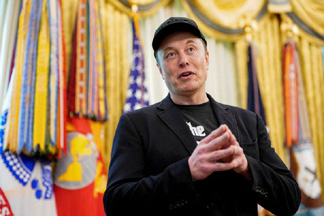
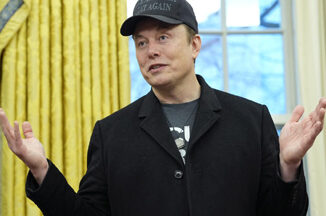
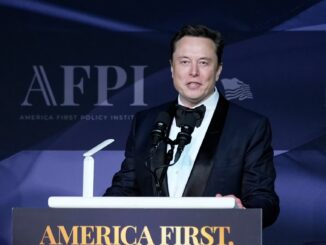
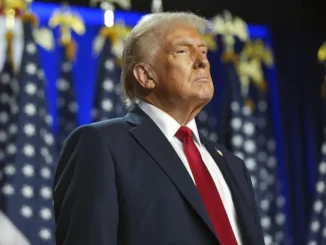
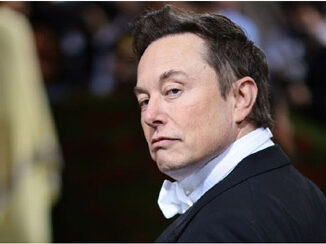
US President Donald Trump completes one year in office on January 20. The Economist magazine says he has “turned domestic and international politics on its head”. During the campaign, he looked past Project 2025, produced by the conservative Heritage Foundation. However, in office his barrage of executive orders began implementing Project 2025. This included mass, forceful deportation of suspected aliens without hearing, domestic military involvement (now halted by the Supreme Court), dismantling of the bureaucracy, outsourced to Elon Musk, whose Department of Government Efficiency failed drastically.
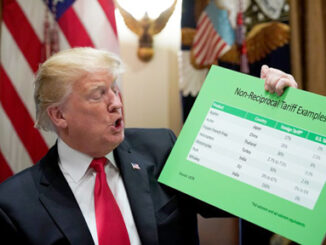
The external policy changes began with the April “Liberation Day” arbitrary tariffs on imports. Then emerged a closer alignment with Israel, a pro-Russia tilt in handling the Ukraine war, an escalated trade standoff with China and a transitory compromise. European NATO allies played along, preferring non-confrontation while examining self-reliance, to manage the US pullback from defense commitments. The National Security Strategy (NSS) of December 4-5 confirmed major US policy mutations.
The new foreign policy priorities list the “Western Hemisphere” on the top. It refers to the Americas — North and South — resurrecting the 19th century’s Monroe Doctrine, which barred European rivals from interfering in Latin-American affairs. Next comes Asia, with focus on the Indo-Pacific. Unlike the past NSS documents, China is not named as a threat, though it colors the Asian strategy. On December 8, the US allowed the sale to China of Nvidia’s advanced H200 chips.
India figures as a subtext, expected to help ensure Indo-Pacific security. Then follows Europe. Under the subtitle “Promoting European Greatness”, the NSS document argues that the European challenge exceeds economic stagnation and low military spending. The “real and more stark” prospect is of “civilizational erasure” due to migration policies. Europe’s loss of self-confidence is attributed to the regulatory check on the “growing influence of patriotic parties”. This refers to the far-right’s ascendancy in major European nations. This theory is MAGA-inspired, with the US administration desiring a “new Western order”, dominated by governments led by white Christian nationalist-populists.
In the UK, the Nigel Farage-led Reform UK is polling 30 per cent support; while in France, Marine Le Pen’s National Rally is at 33.4 per cent and Germany’s AfD is scaling 26 per cent. Europeans saw this support-signaling as regrettable interference in their internal affairs. German Foreign Minister Johann Wadephul retorted that they did not “need to get advice from any other country or party”. German intelligence sees AfD as an extremist group.
In this disrupted post-1945 global order, where does India fit? Normally, domestic and foreign policies of countries are inter-related. The Trump administration demonstrates that by aligning its foreign policy with its MAGA supremacism. The BJP managed to largely insulate domestic politics from foreign policy, except in South Asia. While adopting nationalist-majoritarian politics at home, with boundaries between religion and politics removed, its foreign policy continued the old secular line, at least superficially. The US State Department’s reports on human rights practices in India berated the constriction of religious, individual and press freedoms. The 2024 report listed the Citizenship Amendment Act and anti-conversion laws as raising concerns. It, however, ignored the BJP’s non-liberal political trajectory weakening democracy. India-US relations were considered more crucial to the global American strategy.
The BJP would welcome the NSS document now, recommending non-interference in the internal affairs of other nations. The US bureaucracy handling those issues stands disbanded. But domestically, the rising xenophobia in the US is impacting the Indian diaspora, especially their religious practices. The New York Times wrote about the troubles of Sikh truck drivers in the US after two August accidents. Sikhs in the trucking business, many on asylum-related visas, number 1,50,000, probably a quarter of the Sikh diaspora. Federal authorities have asked states like California to review their driving license policy. Canada and Australia have capped student visas, raised fees, heightened scrutiny of forms, etc. The transition to work visas may also be tightened. In New Zealand, a Sikh religious procession was last month disrupted by a far-right Christian group.
The rising xenophobia in Christian Anglophone and western nations raises concerns. The BJP surely realizes that Hindu groups in India targeting Christians, particularly this year, can provoke retaliation against the Hindu diaspora. Occasional lynchings of Muslims did not impact India’s relations with the Islamic world because the Modi government had successfully engaged the principal Gulf-ruling families. Pakistan only had Turkey and an isolated Iran to join the condemnation. A divided Organisation of Islamic Conference (OIC) lacked the thrust to target India. But Pakistan stands diplomatically revived after wooing Trump and engaging Saudi Arabia and the UAE. It is now better positioned for India-baiting.
Plus, Bangladesh may elect next month a right-wing government, probably under Islamist Jamaat-e-Islami’s influence. Pakistan and its ISI would celebrate that. Simultaneously, Assam and West Bengal face elections. Communal polarization helps the BJP electorally, especially by brandishing Bangladeshi illegal migration. Can India blame the western xenophobia while succumbing to it internally?
Punjab may suffer if deportations from the US mount. Narrowing opportunities abroad will block the Punjabi youth’s escape route. Thus, Punjab must develop economic opportunities. Green Revolution 2.0 is overdue. The agricultural and dairy sectors need production and supply chain modernization. If over two lakh Sikhs could salvage the Italian dairy industry and parmesan cheese production, why not the same in Punjab? Similarly pioneering work exists in turning rice stubble into biofuel and organic fertilizer. The chemical fertilizer lobby suppresses such new approaches.
Punjab needs pro-innovation leadership. Delhi requires non-partisan statesmanship.
(K.C. Singh is a retired diplomat)