
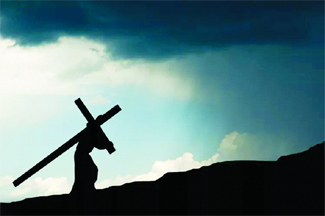

In the sacred rhythm of the Christian calendar, Good Friday stands as a day of deep solemnity, spiritual introspection, and emotional intensity. It is not marked by festivity, but by silence, reverence, and remembrance-honoring the crucifixion of Jesus Christ and his ultimate sacrifice for humanity. Observed during Holy Week, just before Easter, this day captures the essence of suffering transformed into hope.
Historical and Scriptural Origins
The story of Good Friday is preserved in the Gospels of the Bible-namely Matthew, Mark, Luke, and John. These texts narrate the final hours of Jesus’ life, beginning with his arrest after the Last Supper, followed by trials before Jewish authorities and the Roman governor Pontius Pilate.
In Jerusalem, Jesus was accused of blasphemy and political rebellion. Despite the absence of clear guilt, public pressure led to his sentencing. He was scourged, crowned with thorns, and forced to carry his cross to Golgotha-the “Place of the Skull.”
The crucifixion, a brutal Roman method of execution, was meant to be both punishment and public humiliation. Yet, in Christian belief, it became a moment of divine purpose-where suffering was transformed into salvation.
The Seven Last Words: Echoes of Divine Compassion
One of the most spiritually moving aspects of Good Friday is the meditation on the “Seven Last Words” spoken by Jesus on the cross. These utterances reveal his compassion, forgiveness, and surrender:
– “Father, forgive them, for they know not what they do.”
– “My God, my God, why have you forsaken me?”
– “It is finished.”
These words are not merely historical-they are deeply symbolic, reflecting human pain, divine mercy, and the fulfillment of a sacred mission.
The Theology of Sacrifice
At the heart of Good Friday lies a profound theological concept: atonement. Christians believe that Jesus, as the Son of God, willingly took upon himself the sins of humanity. His death is seen as a bridge between human imperfection and divine grace.
This act is often described as the ultimate expression of love-where suffering is embraced for the redemption of others. It is this belief that transforms the sorrow of the day into something spiritually “good.”
Rituals in Greater Depth
Good Friday observances are rich in symbolism and vary across denominations, yet all share a common thread of reverence.
The Liturgy of the Passion
Church services on Good Friday are unique. There is no celebration of the Eucharist in many traditions. Instead, the focus is on readings from the Passion narrative, solemn prayers, and veneration of the cross.
Veneration of the Cross
A central ritual where worshippers approach the cross, often kissing or touching it, as a sign of devotion and gratitude for Christ’s sacrifice.
The Three-Hour Service
Observed from noon to 3 p.m.-the hours believed to encompass Jesus’ agony on the cross. This service includes sermons, prayers, and reflections on his final moments.
Fasting and Penance
Fasting on Good Friday is both a physical and spiritual discipline. It symbolizes self-denial and solidarity with the suffering of Christ.
Global Traditions and Cultural Expressions
While the essence of Good Friday remains universal, its observance takes on unique cultural expressions across the world.
– In countries like Spain and Italy, grand processions carry statues of the Virgin Mary and Jesus through the streets.
– In the Philippines, some devotees even reenact crucifixion as an act of extreme penance.
– In Latin America, dramatic performances of the Passion Play bring the story to life.
In India, particularly in Goa, Kerala, and the Northeast, churches are filled with devotees. Processions, silent marches, and long prayer services mark the day, often accompanied by hymns in local languages.
Symbolism of Darkness and Silence
Good Friday is marked by an atmosphere of stillness. Church altars are stripped bare, bells are silenced, and the tone is somber. This symbolic emptiness reflects the grief of the world at the death of Christ.
Yet, within this darkness lies a quiet anticipation-the hope of resurrection on Easter Sunday. It is a powerful reminder that despair is never the end of the story.
Spiritual Lessons for Modern Life
Beyond its religious framework, Good Friday offers universal lessons:
– Endurance in Suffering: Life’s trials can lead to transformation
– Forgiveness Over Vengeance: Compassion holds greater power than anger
– Faith in Uncertainty: Even in moments of doubt, hope persists
In today’s fast-moving world, this day invites individuals to slow down, reflect, and reconnect with deeper values.
The Journey Toward Easter
Good Friday is not an isolated event-it is part of a larger spiritual journey that culminates in Easter. The sorrow of the crucifixion finds meaning in the joy of resurrection. Together, they form a narrative of death and rebirth, despair and hope, sacrifice and victory.



Be the first to comment