Tag: Hariyali Teej

  • Hariyali Teej: Celebrating the reunion of Lord Shiva and Goddess Parvati

    Hariyali Teej: Celebrating the reunion of Lord Shiva and Goddess Parvati

    Hariyali Teej is a famous festival of Hindus. This festival is celebrated on Tritiya of Shukla Paksha of Shravan month. Hindu women fast on this day. It is especially celebrated in all the cities of northern India. Swings occur from house to house. The group of women sings folk songs. Beautiful dishes, gunjia, ghevar, fanny etc. are sent to Sindhara in Savan. It is of special importance to apply henna on this Teej. Women also put feet on the feet, which is considered a sign of Married. It is believed that Shiva and Parvati had a reunion on this day. On this day Hindu women worship Lord Shiva and Parvati. This day is also known as Chhoti Teej and Shravan Teej.
    It is said that Lord Shiva gave this blessing at the behest of Goddess Parvati ji that if a virgin girl keeps this fast, then the obstacles in her marriage will be removed. On this day Lord Shiva granted Goddess Parvati the boon to accept her as his wife.

    On this day, Rajputs wear red colored clothes in Rajasthan. The ride of Mata Parvati is taken out. During the reign of King Suraj Mal, Pathan kidnapped some women and took them on this day. Whom Raja Surajmal rescued and sacrificed himself. From the same day, the practice of wrestling started here.
    On this day, women fast and listen to the story of Teeri Hariyali. Lord Shiva and Parvati are worshiped. Married women observe this fast because their husbands should be long and their family should have happiness.
    Hariyali Teej Vrat Katha
    According to the legend associated with Hariyali Teej, Lord Shiva reminds Goddess Parvati about the number of times she took rebirths to win his heart. Mata Parvati had forgotten all that happened in the 107 previous births. Therefore Lord Shiva narrated the stories of her struggles, determination and perseverance to her. Mata Parvati took her 108th birth at the house of the King of Himalayas.
    During this birth, Mata Parvati performed intense penance to win Lord Shiva’s heart. She survived on dry leaves after giving up food and water. She braved harsh weather, hail and storm and continued with her penance. After seeing her undergo so much pain, her father was distraught.
    A few days later, Devarshi Narada Muni visited her father’s palace as Lord Vishnu’s representative with a marriage proposal. After learning that Lord Vishnu has expressed his desire to marry his daughter, the father beamed with joy, but this news left Parvati devastated. Therefore, she sought one of her friend’s help and hid in a thick forest. The king of Himalayas sent his soldiers to nook and corner, but all their efforts went in vain. Meanwhile, Lord Shiva appeared before Parvati and granted her the boon of having him as her husband. He also asked her to inform her father about her decision not to marry Lord Vishnu. Eventually, after learning about his daughter’s desire, the father invited Lord Shiva and got Parvati married to him.
    Therefore, on the day of Hariyali Teej (Tritiya Tithi, Shukla Paksha Shravan), women worship Lord Shiva and Parvati and seek their blessings for a blissful married life. It is also a special occasion for unmarried girls, who wish to marry the man of their choice.
    The Significance of Hariyali Teej
    “Hariyali” means greenery, and the festival coincides with the lush monsoon season, typically in July or August (Sawan month). As crops begin to grow and nature renews itself, Hariyali Teej honors this abundance and fertility, making it a deeply seasonal and spiritual celebration.
    For Love, Marriage, and Womanhood
    Hariyali Teej holds special meaning for married women, who observe fasts (vrat) for the long life and well-being of their husbands, and for unmarried girls, who pray for a loving future partner. It’s also a moment for women to come together, share joy, express solidarity, and celebrate womanhood through traditional rituals, dress, and dance.
    Traditional Celebrations and Rituals
    The beauty of Hariyali Teej lies in its vibrant and deeply symbolic customs:
    Fasting and Worship
    Women, especially in North India, observe a strict nirjala vrat-a fast without food or water-throughout the day. They offer prayers to Lord Shiva and Goddess Parvati, often listening to or reading the Teej Katha, which narrates the story of Parvati’s devotion.
    Solah Shringar and Green Attire
    The color green, symbolic of fertility and prosperity, dominates the festival. Women wear green sarees or lehengas, adorn themselves with solah shringar (the 16 traditional adornments), and apply mehndi (henna), which is considered a sign of luck and love.
    Swings, Songs, and Folk Traditions
    Beautifully decorated swings (jhoolas) are hung from trees or courtyards, and women sing folk songs of love and monsoon as they take turns swinging. These melodies and playful rituals evoke the charm of rural India and connect generations through culture.

    Festive Foods
    No celebration is complete without sweets. Delicacies like ghewar, kheer, malpua, and gujiya are prepared at home or shared with loved ones as part of festive offerings.
    Teej Across India
    Though most prominent in Rajasthan, Uttar Pradesh, Bihar, and Madhya Pradesh, Teej is celebrated in different forms across India:
    – In Rajasthan, royal cities like Jaipur host grand Teej processions, featuring decorated elephants, folk dancers, and palanquins carrying idols of Parvati.
    – In Punjab, Teej is observed as a festival of daughters, and parents send gifts (sinjhara) to their married daughters, including clothes, bangles, sweets, and mehndi.

  • Hariyali Teej

    Hariyali Teej

    Hariyali Teej is a vibrant festival celebrated with great enthusiasm in parts of India, marking the reunion of Lord Shiva and Goddess Parvati.

    The auspicious festival of Hariyali Teej is just around the corner, and the devotees of Lord Shiva and Maa Parvati are gearing up to mark this holy festival. There are three main Teej festivals celebrated by Hindus across the country – Hariyali Teej, Hartalika Teej, and Kajri Teej. They hold much significance because of their occurrence in the Sawan and Bhadrapada months. More specifically, Hariyali Teej falls on the third day of Shukla Paksha in the month of Sawan. If you are celebrating Hariyali Teej with your loved ones, it is important to learn about its history, significance and exact date. This year, the festival falls on August 7.
    Legend
    According to the legend associated with Hariyali Teej, Lord Shiva reminds Goddess Parvati about the number of times she took rebirths to win his heart. Mata Parvati had forgotten all that happened in the 107 previous births.
    Therefore Lord Shiva narrated the stories of her struggles, determination and perseverance to her. Mata Parvati took her 108th birth at the house of the King of Himalayas.
    During this birth, Mata Parvati performed intense penance to win Lord Shiva’s heart. She survived on dry leaves after giving up food and water.
    She braved harsh weather, hail and storm and continued with her penance. After seeing her undergo so much pain, her father was distraught.
    A few days later, Devarshi Narada Muni visited her father’s palace as Lord Vishnu’s representative with a marriage proposal. After learning that Lord Vishnu has expressed his desire to marry his daughter, the father beamed with joy, but this news left Parvati devastated.
    Therefore, she sought one of her friend’s help and hid in a thick forest. The king of Himalayas sent his soldiers to nook and corner, but all their efforts went in vain.
    Meanwhile, Lord Shiva appeared before Parvati and granted her the boon of having him as her husband. He also asked her to inform her father about her decision not to marry Lord Vishnu.
    Eventually, after learning about his daughter’s desire, the father invited Lord Shiva and got Parvati married to him.
    Fasting Rituals and Traditions
    The Hariyali Teej is marked by a series of fasting rituals and traditions that are deeply rooted in the cultural fabric of the festival.
    Women across various regions observe a nirjala fast, which is a commitment to abstain from both food and water throughout the day. This practice is a testament to their devotion and the strength of their spiritual resolve.
    Perform Aarti: Engage in the spiritual act of aarti, illuminating the sacred space with light.
    Seek Blessings: Offer prayers for the prosperity and happiness of loved ones.
    Breaking the Fast: Conclude the fast by offering water, fruits, and sweets to the moon.
    Cultural Practices and Celebrations
    Hariyali Teej is not just a festival; it’s a vibrant expression of culture and tradition. Women dress in green saris and adorn themselves with henna and bangles, symbolizing growth and prosperity.
    The day is filled with singing traditional folk songs and swinging on beautifully decorated swings, which are often set up on trees or in courtyards.
    Community gatherings are common, where stories of Goddess Parvati’s devotion to Lord Shiva are shared. These narratives reinforce the sanctity of marriage and the virtues of patience and devotion. The festivities also include a variety of local delicacies, each region adding its unique flavor to the celebration.
    – Mehndi (Henna) Application
    – Swinging on Decorated Jhoolas
    – Singing Teej Songs
    – Sharing of Hearty Meals
    – Exchange of Gifts
    The festival is a time for women to bond, share joys, and pray for the well-being of their families. It’s a day when the monsoon’s freshness is welcomed with open hearts and the hope for a prosperous future.
    Nirjala Fasting and Its Importance
    Nirjala fasting on Hariyali Teej is a testament to the unwavering faith and devotion of many women who abstain from both food and water throughout the day.
    This form of fasting is a profound demonstration of determination and self-discipline. It is not just a physical challenge but also a spiritual endeavor to seek blessings for the well-being of their families.
    The practice of Nirjala fasting is deeply integrated into the festival’s traditions, and it is observed with a series of rituals:
    – Expressing the intention to fast and seeking divine blessings.
    – Dressing in green attire to symbolize the monsoon’s lushness.
    – Performing Aarti and singing devotional songs.
    – Breaking the fast traditionally after sighting the moon, with a simple meal offered to the moon first.
    Sankalp: The Vow of Fasting
    The Sankalp is a solemn vow taken by women on the morning of Hariyali Teej, marking their commitment to the fast. It is a moment of spiritual reflection and dedication, where they express their intention to observe the Nirjala fast, abstaining from both food and water throughout the day.
    This act is not merely a physical challenge but a testament to their determination and self-discipline.
    The process of taking the Sankalp includes several steps, which are outlined below:
    – Expressing the intention to fast and seeking divine blessings.
    – Dedicating the fast to the prosperity and happiness of one’s family.
    – Adorning oneself in green attire, symbolizing the monsoon’s verdure and the festival’s spirit.
    – Breaking the fast is equally significant and is traditionally done after sighting the moon. The fast is concluded with a simple meal, offered first to the moon, along with water, fruits, and sweets.

  • Hariyali Teej

    Hariyali Teej

    Hariyali Teej is one of the three major teej festivals that Hindu women celebrate (the others are Kajari Teej and Hartalika Teej). According to the Hindu calendar, the festival is celebrated on the Tritiya (third day) of the Shukla paksha (bright fortnight of the moon) of Shravan month (Sawan month). A fast is performed by married women for the sake of their husbands’ lifespan and well-being
    Hariyali Teej 2023 will fall on August 19, 2023, two days before Nag Panchami, which falls on August 21. On the Shukla paksha Tritiya of Bhadrapad, on September 18, Hartalika Teej will be celebrated.
    The Hariyali Teej festival takes place during the monsoon season, when the grounds are lush with greenery, hence the name (Green Teej). Sawan Teej (or Sawan ki teej), Choti Teej, and Madhusrava Teej are other names for the same festival. Hariyali Teej has the same significance as Karwa Chauth, which is celebrated by married Hindu women.
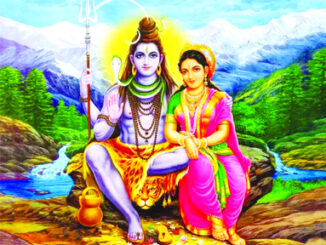
    Hariyali Teej is a celebration honouring Goddess Parvati and her union with Lord Shiva. Lord Shiva welcomed Goddess Parvati as his wife on this auspicious day. As a result, Goddess Parvati is also known as ‘Teej Mata.’
    This festival is celebrated throughout the north Indian states with considerable fanfare. Teeyan is the Punjabi word for it, and Shingara Teej is the Rajasthani word for it. Hariyali Teej festivities may differ slightly from place to place, but the passion and excitement are universal.
    Rituals
    Married ladies are given Shringara things such as traditional costumes, bangles, henna, sindoor, and sweets by their respective in-laws on the day of Hariyali teej.
    Green lehengas or sarees are worn by women in particular. These Shringara objects represent marriage and have a lot of meaning for married women. Wearing them is also considered auspicious. According to Hindu belief, a lady can safeguard her husband from all dangers by wearing all 16 adornments. This tradition of giving ‘Sindhara’ is especially important for newlyweds. Women then go to their parents’ residence to celebrate this festival as part of the ceremony. Everyone enjoys the delicious cuisine that is served.
    On the day, the ritual of applying henna to the hands and feet is especially important. Without performing this ritual, the Shingara Teej festival is incomplete. It is a common idea that the colour of Mehendi on the hands indicates how much love a husband has lavished on his wife. The darker the henna colour on her palm, the more her fiancé or husband will adore her. In some locations, ladies use henna to write their husband’s or beloved’s name on their hands.
    The Vat Vriksha tradition is also an essential aspect of the ‘Shravani teej.’ Swings are hanging from the branches of Banyan trees or Vat Vriksha in most areas and even in residences. Women spend the day swinging, singing, and dancing with one another. On this day, women are given the freedom to enjoy themselves and have a good time. The Banyan tree is considered sacred in Hindu mythology, and its hanging branches represent knowledge. As a result, worshipping the Vat Vriksha on Hariyali Teej is also considered auspicious.
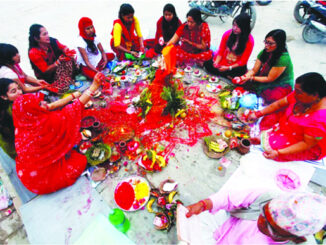
    Women also follow a severe fast known as ‘Nirjala Vrat’ on this day, during which they are not allowed to drink even water for the entire day. Both married and unmarried ladies can participate in the Hariyali Teej vrat. After worshipping the moon, the fast is broken. Teej Mata (Goddess Parvati) is worshipped by women on this day for the prosperity and well-being of their husbands. Lord Shiva and Goddess Parvati’s idols are worshipped, and hymns dedicated to them are sung.
    Hariyali Teej is a festival that honours the nuptial connection of marriage. The celebration of this holiday by Indian women symbolises their love for their families and how they are always ready to protect them from all dangers. Hariyali Teej festivities are quite complex in all of Vridavan’s Krishna Mandirs. The ceremony is termed as the ‘Jhullan Leela,’ and it involves laying swings for their goddess.
    In all of the mandirs, religious hymns and songs are chanted, and devotees celebrate this holiday with zeal and enthusiasm. The statues of Lord Krishna and Radha are ornately decked, and water is poured over the devotees after the celebrations to signal the arrival of the monsoons.
    Hariyali Teej Vrat Katha
    It is believed that this story was told by Lord Shiva to remind Parvati ji about her past birth. The story goes like this-
    Shiva says: O Parvati. A long time ago you did extreme tenacity on the Himalayas to get me as a groom. During this time you had to spend the day chewing dried leaves after giving up food and water. You meditated continuously, regardless of the weather. Seeing this situation of yours, your father was very sad and angry. In such a situation Naradji came to your house.
    When your father asked him the reason for his arrival, Naradji said – “O Giriraj! I have come here after sending Lord Vishnu. Pleased with your girl’s severe penance, he wants to marry her. I want to know your opinion about this. ”On hearing Naradji, Parvataraj said with great pleasure- O Naradji. If Lord Vishnu himself wants to marry my daughter, then nothing could be more important. I am ready for this marriage. “Shivji says to Parvati ji, “Naradji, after getting the approval of your father, went to Vishnu and told this good news. But when you came to know about this marriage, you were very sad. Husband had agreed.
    You told your distraught mind to your friend. He suggested to your friend that she will hide you by taking you to a dense forest and do the meditation to get Shiva there. After this, your father was very worried and sad because he could not find you at home. He started thinking what would happen if Vishnu brought a procession and you did not get it at home. They made you search the earth, but you could not be found.
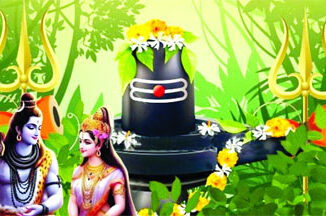
    You were absorbed in my worship inside a cave in the forest. You worshiped me on Bhadrapad III Shukla by constructing a Shiva lingam from the sand, which pleased me and I fulfilled your desire. After this you told your father that ‘Father, I have spent a long time of my life in the penance of Lord Shiva. And Lord Shiva has accepted me, pleased with my penance. Now I will follow you on the same condition that you will marry me with Lord Shiva only. “Parvat Raj accepted your wish and took you back home. After some time he married us with full legal practice. ”
    Lord Shiva then told that – “O Parvati! As a result of the fast you worshiped on Bhadrapad Shukla Tritiya by worshiping me, the marriage of both of us was possible. The significance of this fast is that I give the desired fruit to every woman who observes this fast with full devotion.

  • Hariyali Teej

    Hariyali Teej

    Hariyali Teej is a famous festival of Hindus. This festival is celebrated on Tritiya of Shukla Paksha of Shravan month. Hindu women fast on this day. It is especially celebrated in all the cities of northern India. Swings occur from house to house. The group of women sings folk songs. Beautiful dishes, gunjia, ghevar, fanny etc. are sent to Sindhara in Savan. It is of special importance to apply henna on this Teej. Women also put feet on the feet, which is considered a sign of Married. It is believed that Shiva and Parvati had a reunion on this day. On this day Hindu women worship Lord Shiva and Parvati. This day is also known as Chhoti Teej and Shravan Teej. It is said that Lord Shiva gave this blessing at the behest of Goddess Parvati ji that if a virgin girl keeps this fast, then the obstacles in her marriage will be removed. On this day Lord Shiva granted Goddess Parvati the boon to accept her as his wife. On this day, Rajputs wear red colored clothes in Rajasthan. The ride of Mata Parvati is taken out. During the reign of King Suraj Mal, Pathan kidnapped some women and took them on this day. Whom Raja Surajmal rescued and sacrificed himself. From the same day, the practice of wrestling started here.

    Hariyali Teej worship method

    On this day, women fast and listen to the story of Teeri Hariyali. Lord Shiva and Parvati are worshiped. Married women observe this fast because their husbands should be long and their family should have happiness.

    Hariyali Teej Vrat Katha

    It is believed that this story was told by Lord Shiva to remind Parvati ji about her past birth. The story goes like this-

    Shiva says: O Parvati. A long time ago you did extreme tenacity on the Himalayas to get me as a groom. During this time you had to spend the day chewing dried leaves after giving up food and water. You meditated continuously, regardless of the weather. Seeing this situation of yours, your father was very sad and angry. In such a situation Naradji came to your house. When your father asked him the reason for his arrival, Naradji said – “O Giriraj! I have come here after sending Lord Vishnu. Pleased with your girl’s severe penance, he wants to marry her. I want to know your opinion about this. ”On hearing Naradji, Parvataraj said with great pleasure- O Naradji. If Lord Vishnu himself wants to marry my daughter, then nothing could be more important. I am ready for this marriage.

    Shivji says to Parvati ji, “Naradji, after getting the approval of your father, went to Vishnu and told this good news. But when you came to know about this marriage, you were very sad. Husband had agreed.

    You told your distraught mind to your friend. He suggested to your friend that she will hide you by taking you to a dense forest and do the meditation to get Shiva there. After this, your father was very worried and sad because he could not find you at home. He started thinking what would happen if Vishnu brought a procession and you did not get it at home. They made you search the earth, but you could not be found.

    You were absorbed in my worship inside a cave in the forest. You worshiped me on Bhadrapad III Shukla by constructing a Shiva lingam from the sand, which pleased me and I fulfilled your desire. After this you told your father that ‘Father, I have spent a long time of my life in the penance of Lord Shiva. And Lord Shiva has accepted me, pleased with my penance. Now I will follow you on the same condition that you will marry me with Lord Shiva only. “Parvat Raj accepted your wish and took you back home. After some time he married us with full legal practice. “

    Lord Shiva then told that – “O Parvati! As a result of the fast you worshiped on Bhadrapad Shukla Tritiya by worshiping me, the marriage of both of us was possible. The significance of this fast is that I give the desired fruit to every woman who observes this fast with full devotion. Lord Shiva told Parvati ji that any woman who performs this fast with full devotion will get a steady honeymoon like you.

    Rituals of Hariyali Teej

    On the day of Hariyali teej, married women are presented with Shringara items like traditional dresses, bangles, henna, sindoor and sweets to name a few, by their respective in-laws.

    The women particularly dress up in green color lehengas or saris. These Shringara items are symbolic of marriage and hold great significance for married women. Also wearing them is considered to be auspicious. As per the Hindu traditions it is believed that by wearing all the 16 adornments a woman can keep her husband protected from all evils. This custom of gifting ‘Sindhara’ is particularly significant for the newlyweds. As a part of the ritual, women then go to their parent’s house for celebrating Hariyali Teej. Delicious food items are prepared and enjoyed by all. The tradition of applying henna on the hands and feet is most significant during Hariyali Teej. The festival of Shingara Teej is incomplete without performing this tradition. It is a popular belief that the color of Mehendi on the hands tells about the love showered by husbands. Darker the color of the henna on the hand, the more she will be loved by her fiancé or husband. In some places, women also write the name of their husband or beloved with henna on their hands. The tradition of Vat Vriksha also forms an important part of the ‘Shravani teej’. In most of the places, swings are hung on the branches of Banyan tree or Vat Vriksha and even in houses. Women spend the day swinging along with dancing and singing with other women. On the day of Hariyali Teej women are given all the liberty for enjoyment and merry making. In Hindu mythology the Banyan tree is help sacred and its hanging branches reflect knowledge. Therefore worshipping the Vat Vriksha on the occasion of Hariyali Teej is also considered auspicious.

    On the day of Hariyali Teej, women also observe strict fast known as ‘Nirjala Vrat’, where they are not allowed to even drink water for the whole day. The Hariyali Teej vrat can be kept both by married and unmarried women. The fast is broken later after worshipping the moon. On this day women worship Teej Mata (Goddess Parvati) for the prosperity and well-being of their husbands. The idols of Lord Shiva and Goddess Parvati are worshipped and songs are sung in their honour. The festival of Hariyali Teej celebrates the nuptial bond of marriage. The observance of this festival by Indian women signifies their devotion towards their respective families and how they are always prepared to protect them from all the evils. The celebrations of Hariyali Teej are very elaborate in all the Krishna Mandirs in Vridavan. Swings are laid for their deity and this ceremony is known as ‘Jhullan Leela’. Religious hymes and songs are chanted in all the mandirs and devotees celebrate this festival with complete excitement and enthusiasm. The idols of Lord Krishna and Radha are beautifully adorned with ornaments and after the celebrations; water is showered over the devotees to mark the arrival of monsoons.