
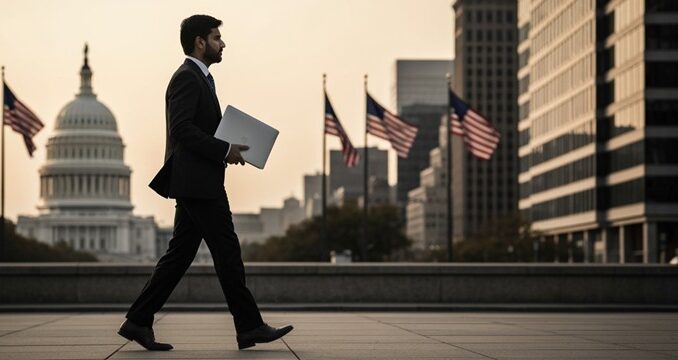

The landscape for Indian professionals working in multinational companies across the USA is undergoing a major shift under the new Trump administration. With aggressive policies targeting the H1B visa program, this change affects not only visa holders but also the broader geopolitical and social fabric involving the Indian diaspora. The latest reforms signal a sharp pivot from the traditional lottery system to a merit- and wage-based prioritization, reshaping how skilled workers enter and contribute to the American workforce. This blog unpacks these developments related to , their impact, and explores whether there’s room for optimism amid uncertainty.
A New Regime, A New Reality: Understanding the H1B Visa Changes
The Trump administration’s renewed focus on reforming the H1B visa program has led to a dramatic overhaul in how visas are allocated. The widely used lottery system, which previously offered multiple entries per individual based on employer sponsorships, has been replaced by a more stringent wage-based and skills-based system. According to recent approvals by the White House’s Office of Information and Regulatory Affairs, preference will now be given to applicants earning salaries in the top two wage tiers, effectively sidelining entry-level candidates and recent graduates.
Moreover, additional measures like mandatory in-person visa interviews for renewals at US embassies abroad add logistical and financial hurdles to an already complex process. These rules aim to curb perceived abuses of the program and prioritize “high-value” talent, but the Indian tech community, which constitutes the bulk of H1B visa holders, faces growing uncertainty and operational disruption.
Impact on Indian Professionals in Multinational Companies
The brunt of these changes is felt keenly by those Indian nationals employed in US tech firms, consultancies, and multinational corporations. Many of us have witnessed the initial signs, longer visa processing times, increased scrutiny, and shrinking opportunities to enter or stay in the US workforce. The shift threatens entry-level roles traditionally occupied by younger Indian talent fresh from US universities or technical institutions, making it harder to launch careers in competitive sectors.
Interview mandates raise concerns about travel disruptions and loss of employment, especially for workers in Silicon Valley and other major tech hubs. In 2024-2025, Indians accounted for over 70% of H1B recipients, underscoring the scale of impact on our community. The forced return home for interviews and the risk of visa delays are anxieties shared widely across professional networks and social circles.
Political Fallout and Its Effect on India-USA Relations
The aggressive stance on immigration has strained diplomatic ties between India and the US. While the Biden administration had previously softened immigration policies, the renewed Trump-era momentum prioritizes American workers and responds to political pressure driven by concerns over job displacement.
India’s government has expressed reservations about the policy changes, especially the broader clampdown on undocumented immigrants and stringent visa requirements. The political fallout extends beyond immigration visas to a wider dialogue about trade, talent mobility, and bilateral cooperation in technology and security sectors.
For NRIs and Indian professionals, this context means navigating an evolving environment where policy can shift abruptly, and personal futures seem tethered to political currents as much as to economic realities.
Looking Forward: Is There a Positive Outlook?
Despite the challenges, there are reasons to maintain cautious optimism. The overhaul also aims to enhance the integrity and fairness of the H1B program by preventing multiple filings and fraudulent applications. This move could make the process more transparent and equitable in the long run.
Indian companies and diaspora entrepreneurs are exploring diversified strategies, including investing in alternative markets and boosting talent development domestically and globally. Some industry experts believe these pressures might accelerate India’s emphasis on building indigenous innovation ecosystems and reduce its dependence on US-led sectors.
Furthermore, community advocacy groups and legal experts actively engage with policymakers to mitigate adverse effects and seek balanced reforms. The blended experience and global networks of the Indian diaspora equip us to adapt creatively and continue contributing meaningfully in this turbulent landscape.
Concluding Remarks : Navigating Uncertainty With Resilience
Rather than viewing the new H1B visa policies solely as obstacles, we can see them as part of a larger, complex mosaic shaping immigration and work dynamics in the US. This rebalancing compels us to reflect on the evolving global talent economy and our roles within it.
For the Indian diaspora, our strength lies in adaptability, networked community support, and the capacity to innovate beyond borders. The policy shifts encourage us to look inward, strengthening domestic capabilities, and outward, engaging with diverse markets and opportunities.
Platforms like The Indian Panorama exemplify this holistic approach by not only delivering the latest visa news but by fostering conversations, sharing success stories, and equipping us all with context and clarity. These efforts nurture informed resilience, which is essential as we write the next chapters of our diaspora journey, with hope, strategy, and collective wisdom.
After all, challenges offer scope for growth, and in the face of change, our community’s shared spirit remains our most valuable asset.
We, at Indian Panorama, remain dedicated to bringing you the H1B visa latest news with insight, balance, and a community-first perspective, helping us all stay connected, informed, and empowered.
People Also Ask
Q1: What exactly has changed in the H1B visa process under the new rules?
A1: The lottery system is being replaced by selection criteria favoring higher wages and specialized skills, limiting opportunities for entry-level applicants.
Q2: How are Indian tech workers specifically affected by these changes?
A2: Indians make up the majority of H1B holders, so increased scrutiny, in-person interview mandates, and prioritization of higher wages disproportionately affect them.
Q3: What is the political impact of these immigration reforms on India-US relations?
A3: The policies have created tension, with India raising concerns about their impact on bilateral ties and talent mobility between the countries.
Q4: Are there opportunities for Indian professionals despite these challenges?
A4: Yes, the rules aim for fairness, and India’s tech ecosystem is growing; diaspora networks also support advocacy and alternative career paths.
Q5: How can affected individuals stay updated on H1B visa latest news?
A5: Trusted diaspora media like The Indian Panorama provide timely, detailed coverage and analysis tailored for Indian professionals and students abroad.



Be the first to comment