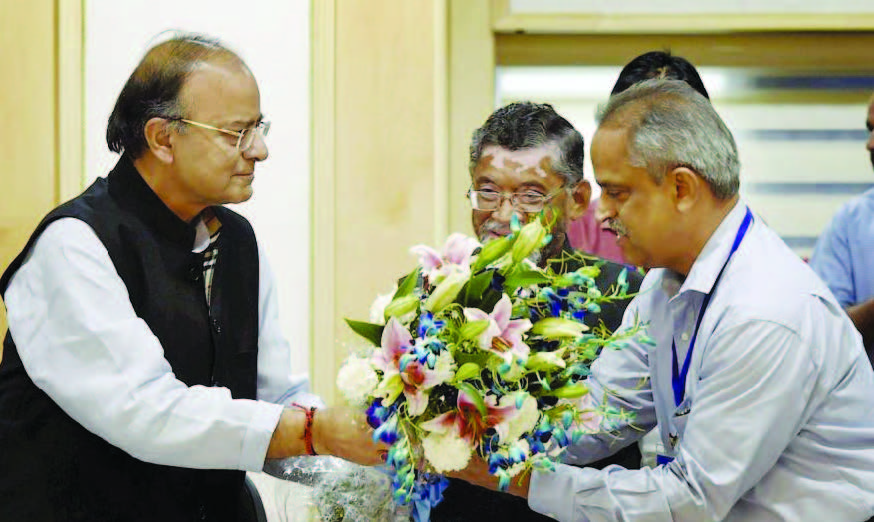
Tag: Indian Union Budget 2017

  • 4 GST bills passed after Rajya Sabha makes no changes

    4 GST bills passed after Rajya Sabha makes no changes

    NEW DELHI (TIP): Parliament on April 6 passed four GST-related bills, paving the way for the new indirect tax to be implemented nationwide.

    Parliament passed four GST-related bills on April 6 with the Rajya Sabha’s support, bringing the new tax reform closer to being implemented nationwide in July

    The bills were supported by the Rajya Sabha without any amendments, and follows after the Lower House passed them last week. They will now be presented before the President for his consent, following which, states will pass another legislation, readying the country for a uniform Goods and Services Tax (GST).

    The four bills are the Central Goods and Services Tax Bill (CGST), the Integrated Goods and Services Tax Bill (IGST) the Goods and Services Tax (Compensation to States) Bill and the Union Territory Goods and Services Tax Bill (UTGST).

    The CGST will give powers to the Centre to charge a tax after levies of excise, service tax and additional customs duty is subsumed. The IGST will be a tax to be levied by the Centre on inter-state movement of goods and services. Besides, GST compensation law allows for imposition of cess on certain luxury goods like tobacco, high-end cars and aerated drinks to create a fund for compensating states for any loss of revenue in the first five years after implementing the new indirect tax.

    The UTGST is for UTs like Chandigarh and Daman and Diu which do not have assemblies.

    The State GST or SGST law that will allow them to levy sales tax after levies like VAT are subsumed.

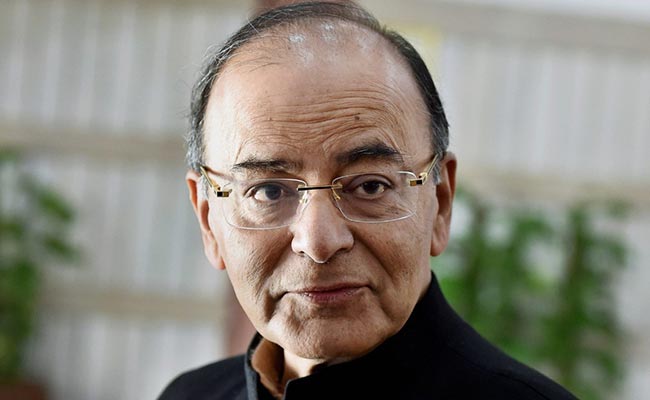
    “The broad approach of every member has been to support the legislation. Even the Constitutional Amendment Bill was supported overwhelmingly,” finance minister Arun Jaitley said while summing up the debate at the Upper House.

    “Not only did both the Houses of Parliament support the GST bills, all the states have arrived at a consensus,” he added. In the backdrop of a reconciliatory mood, Rajya Sabha members showed consensus that the new indirect tax is the biggest reform since Independence and is the need of the hour. But still, concerns were raised about the sweeping powers of the GST council, the GST network and the GST rates. Allegations were also levelled against BJP trying to steal all credit of implementing this landmark tax reform.

    CPI-M’s Sitaram Yechury was among the many MPs who raised the issue of the overarching power that the GST council. “The proposals before GST council should also come before the Parliament,” he said. In the new tax regime, this council will be the highest decision making body; this led to many Opposition members claiming that this provision takes away from the Parliament’s authority. Highlighting the federal structure of the Council, Jaitley said 32 representatives from the Centre and states are finalising the GST rules.

    “We have had 14 meetings at the GST Council…and arrived at a consensus on all issues,” he said, adding there has been no voting on any issue.

    “Mr Jaitley is only giving final touches to a reform that was set rolling many years ago by his predecessors,” said Congress MP Jairam Ramesh.

    Congress’ Kapil Sibal and CPI’s D Raja raised concerns about data privacy under a private company in-charge of the IT backbone of GST or the GST-N.

  • US Industry commends India’s Union Budget 2017: Says It Seeks to Simplify Ease of Doing Business for Foreign Investors

    US Industry commends India’s Union Budget 2017: Says It Seeks to Simplify Ease of Doing Business for Foreign Investors

    The U.S.-India Business Council (USIBC) commended the 2017 Union Budget presented by Finance Minister Arun Jaitley, saying the budget has a forward-looking outlook and builds off the economic reforms enacted over the last three years of Prime Minister Modi’s government. USIBC feels that the budget deepens the Government’s move towards a digital economy, while remaining committed to attracting foreign investment, increasing infrastructure spending in roads and civil aviation, rationalizing the tax structure, spurring domestic growth while also bringing in rural India into the fold of the digital economy.

    USIBC has commended the noteworthy reform measures that have been implemented in the last year including the passage of the Goods and Services Tax (GST), the bankruptcy code, FDIs in several sectors of the economy, and measures for financial inclusion. In light of these reforms, the Council was pleased to note that the budget is a fiscally sound agenda that doubles down on Prime Minister Modi’s stated goals of improving the ease of doing business by reducing red tape, investing in “Skill India”, and attempts to mitigate the negative impact of demonetization.

    USIBC President, Dr. Mukesh Aghi said, “At a time of global uncertainty, budgets can be challenging to implement but the Finance Minister has done an admirable job in creating a vision that will propel the domestic economy while remaining cognizant about foreign investors. The industry welcomes positive steps in the affordable housing segment, bringing the ‘Housing for All’ scheme a step closer to reality. Relaxation on long term capital gains and infrastructure status to the segment will boost supply in the market. The Council looks forward to more announcements on liberalization in certain sectors in the near-term.”

    Rajiv Khanna, President of India-America Chamber of Commerce described it as a well-balanced budget. “It is a well thought out and a well balanced budget. The fact that the Indian stock market has reacted so positively to the budget speaks for itself”, said Mr. Khanna.

    Ron Somers, founder and CEO of India First Group also commended the budget. “I am in complete agreement with Finance Minister Arun Jaitley: when you look around the world today and witness all the retrenchment and chaos underway from Russia to China to Brazil, India stands out as a beacon of stability and predictability,” said Somers.

    Karun Rishi, President of USA-India Chamber of Commerce (USAIC) described it as a well-balanced, fiscally cautious budget in the right direction.

    The Indian Panorama invited readers to comment on the Indian Union Budget. Most felt it was a soft budget which did not hurt common people much, may be because of the impeding elections in a couple of important state assemblies. Whatever, the consensus was that it was an unexciting, lackluster budget. Here are their comments.

    Dr. VK Raju, an eminent eye surgeon based in Morgantown, WV says: “India has had 25 finance ministers since independence in 1947 that have presented and passed in Parliament 83 budgets- both interim and annual so far. Mrs. Indira Gandhi from Indian National Congress, as the Prime Minister of India was the only woman to hold the Finance Portfolio (1970-71). Her critics used to call her “the only man in Indian Cabinet.”

    Since our Independence in 1967, we have few islands of excellence in many fields, yet the India we all dream about is far from reality.

    The budget can undoubtedly give a shot in the arm to our economy, but consider these:

    1. The human resource is the ultimate resource of a nation.
    2. Water and sanitation are still major problems.
    3. Investment in human development is more productive than investment in physical assets and moreover, it leads to a faster rate of national growth.
    4. Malnutrition in children and 23% of middle school girls dropping out of school because of feminine hygiene issues.

    India is a highly developed country with developing country problems. In the west, poverty is relative and in India it is absolute poverty.

    Finally see what the great statesman, Nani Palkhivala said, “To my countrymen, who gave unto themselves the constitution but not the ability to keep it. Who inherited a resplendent heritage but not the wisdom to cherish it, who suffer and endure in patience without the perception of their potential. I say, Change the mindset, sky is the limit for India.”

    George Abraham, a former Chief Technology Officer at the United Nations and Chairman of INOC (USA) made the following comment.

    “I could not bring myself commenting on this budget without mentioning the way Modi Government’s unprecedented rush for submission on the day when one of its longest serving members of Lok Sabha and former Union minister Shri. E. George Abraham Ahamed has passed away. I am saddened by the fact that his memory has been dishonored!

    At the outset, I would like to agree with many observers that the budget has some positive elements such as tax deduction for lower-income earners. However, the budget has done very little for the middle class, farmers, daily laborers, self-employed or small and medium businesses who are hit hard by the reckless demonetization policy of this Government. The budget is also appeared to be rushed through for narrow political benefits with an eye on the upcoming state elections.

    At this point in time, the economic fundamentals are on a downward trend with fall in demand and fall in consumption with job losses in millions. While the GDP forecast is downgraded to be a percent or lower, there are no new bold initiatives for job creation or very few incentives to promote investment.

    Obviously, there is so much emphasis on digitization while not referencing the fact that there are 18,000 villages in India are still without electricity and 47 percent of the population lack any access to a bank account and the Internet is unavailable in the remote areas of the country.

    Although the Union budget has made an attempt to deal with political contributions, there would be little accountability without laying a solid groundwork for transparency, disclosures, and penalty.

    Finally, though the Prime Minister has characterized MGNREGA  as a ‘living monument,’ of Congress failure, the Finance Minister gave it a nudge by allocating 699 crores more than the previous year. It is a clear admission that the MGNREGA is so vital to the rural households across the land, and it would be suicidal for the Modi Government to scuttle it.

    In summary, the budget failed either to address the current hardships the lower echelon of the society is facing due to demonetization or putting up bold reforms for incentivizing investment or job creation.”

    Anu Jain, a Finance analyst had this to say. “Indian Finance Minister Arun Jaitley has presented the Union Budget for the year 2017-18. It was the first budget in the history of independent India to be presented on February 1

    This is his fourth annual budget and the first budget after demonetization. The Union Budget 2017 was broadly focused on 10 broad themes.

    They are – Farmers, Rural Population, Youth, Poor and Health Care for the Underprivileged; Infrastructure; Financial Sector for Stronger Institutions; Speedy Accountability; Public Services; Prudent Fiscal Management; Tax Administration for the honest.

    “The impact on growth from the governments cash crackdown would wear off soon and called 2017 budget is for the poor”, said Mr. Jaitley. Yet, while vowing prudent fiscal management, Arun Jaitley also raised his 2017-18 federal deficit targets to 3.2 percent of gross domestic product to cover his spending promises. Jaitley said, “As we all see that India as “an engine of global growth” but we should remember risks to its outlook from likely U.S. interest rate hikes rising oil prices and signs that globalization is in retreat”. PM Narendra Modi’s surprise decision last November to scrap high-value banknotes worth 86 percent of India’s cash in circulation has hit consumer demand, disrupted supply chains and hurt capital investments. The worst of the cash crunch is now over. Manufacturing survey showed that business was slowly returning to normal. Still, the finance ministry forecasts that growth could dip to as low as 6.5 percent in the current fiscal year till March, before picking up slightly in the coming fiscal year to between 6.75 and 7.5 percent.

    The Income Tax rates have been slashed and that’s certainly a reason for everyone to cheer. Those earning up to Rs 3 lakhs per annum will now be completely exempted from paying tax. Individuals earning between Rs 3 lakhs and Rs 5 lakhs per annum will get a 5% benefit as the tax rate has been slashed from 10% to 5%. Also, people earning higher than Rs 5 lakhs per annum are also eligible for the 5% reduction in income tax and businesses with turnovers of no more than Rs 50 crore get a tax break. This all is healthy to trigger the economy and help everyone especially the middle class and small business.

    Government targets to bring almost one crore households out of poverty by 2019. The budget proposes to complete 1 crore houses for those without homes.

    Budget has raised the allocation for the “Mahatma Gandhi National Rural Employment Guarantee Act” (MGNREGA) to an all-time high from Rs 37,000 crore to Rs 48,000 crore. This is big hike, and was the highest ever allocation to rural India.

    Budget also highlighted that the participation of women in MGNREGA is increased to 55 per cent. In the budget, there is allocation for linking Aadhar to various bank accounts and to health cards for senior citizens. After announcing demonetization, Modi government has been promoting linking of Aadhar numbers to bank accounts and also claims credit for systematization as Aadhar registrations grow.

    Railway e-tickets: In a move to encourage the use of services, service tax on railway tickets booked electronically have been pulled back. Currently, a service charge of Rs 20 is levied for sleeper class and Rs 40 for all air conditioned classes per ticket while booking tickets on the IRCTC website.

    The continuing theme of attacking black money was evident in the move to ban all cash transactions of over Rs 3 lakh and the attempt to clean up political funding. Parties will now have to disclose the identities of those donating over Rs 2,000, though electoral bonds will be introduced to allow anonymity for clean donors. The government has lined up more incentives for startups. Profit linked deduction will be allowed for three years out of seven instead of three years out of five.

    But there is negative impact of budget on LED Lights, Tobacco, Mobile phones etc.

    The 2017 India budget looks all round development budget, aimed to take India to growth path, while focusing on helping low and middle income group people including farmers and village folk, the poor and youth – while not unusual, became even more necessary because of the criticism that demonetization had hurt the informal sector and the rural economy. It is first budget which include railway budget too projecting an overall growth of more than 7%.”

    Indu Jaiswal, a senior community leaders said: “I think the new budget proposed for 2017 by Mr. Jaitley will definitely benefit the country. Specially encouraging digital payment, transactions at fuel pumps, hospitals and railway stations will help in eliminating cash handling. As we are progressing in the right direction these proposals for upgrading the financial transactions system will help.

    We must include all areas of business specially healthcare. Together we will continue to make a difference.

    Ashok Ojha, a senior journalist and a promoter of Hindi language in the US opined that the budget might determine the course of movement of Indian economy but doesn’t necessarily reflect the condition of its entire people.

    “The presentation of annual budget in the Indian Parliament is a democratic ritual that is supposed to accelerate the growth of Indian economy, which is on upward path since the past decade. The Modi Government has made a wide range of tax concessions aimed at directly assisting the middle class working man save some money every year. In addition to helping the middle class city dweller the annual budget of India also targeted farmers who produce the food for the nation. Helping farmers with varieties of crop loans and insurance policies may go a long way making the farming community prosperous and the country self-sufficient in agriculture.

    My sister called me from her village in Buxar district of Bihar. Two decades ago her village lacked even the basic electricity to light her home. She boldly invited me to visit her home where all rooms were fitted with heater and air-conditioning. She said her family agriculture business helped her save enough money to install comfortable living and now we feel that ‘Our living is no less comfortable than that of city dwellers’.

    The farming community in India is no doubt prospering, however, the budget failed to take stock of the debt that the rural economy is carrying on its soldiers. We don’t know if the budget is able to protect a debt struck farmer from taking the extreme step of committing suicide.

    The budget allocates two months interest free credit for farmers and many other insurance plans. It is hoped that rural India will receive funding to improve crop yield and provide employment to rural population.

    The budget might determine the course of movement of Indian economy but doesn’t necessarily reflect the condition of its entire people. Indian boasts of its huge workforce of young people within the age range of 20 to 35, who continue to look for job and with every passing year ejected from various jobs that subscribe age limit for employment. During the past few years the job growth remained very dismal. The education system failed to improve and address the demands of the 21st century. In its new budget proposals the Modi Government promised to set up one hundred skill development centers while institutions of higher education, especially in states like Bihar, continue to be out of tune with the new demands and challenges of 21st century.

    The government plans to improve employment opportunities by teaching foreign languages for young people, however, improving the quality of education for Indian languages are on back burners. Of course, the prime minister promised to pay $6,000 for every pregnant woman in rural India, however, hospitals continue to charge hefty amount from patients with serious illnesses. In USA a patient death is the failure of the hospital, in India, it is a normal situation that enables hospital authorities collect their dues before the dead is released for last rites. India seems to become insensitive to rail accidents. One hears stories of rail accidents almost every month. There is no way to know if the provision of Rs. 1,31,000 crores in the national budget will be wisely used to upgrade the system.

    I returned to USA after a month-long trip to India, where ATM machines fail to eschew cash, two months after the much hated demonetization of high value Indian currencies. A story goes like this: A Western tourist exchanged his dollar bills into Indian rupees in 500 and 1000 denominations. The same day government of India ordered these currencies invalid. The tourist was visiting India for 40 days. He spent rest of his time in India returning his rupees bills of 500 and 1000 by queuing outside of banks. There are many stories that tell the story of negative impact of demonetization but the government ignored to talk about it in its budget.

    The government push to make the country cash less is a dangerous one. The whole world deals in cash, especially for small transactions. If you are forced to get a credit card and use for purchases, you are destined to be drowned in heavy debt very soon. This is the true saga of middle class in developed economies including USA. Indian government promotes the cash less economy that would bring misery over its middle class, the same people who are responsible for improving the Indian economy to more than seven percent growth rate. There is no sign Modi government is capable to force the big industrialist mend their ways of working. Barring a few, no major case of corruption has been unearthed, except the arrests of individuals, who were caught carrying a few lakhs of currencies.

    Travelling from Delhi airport to my home in Dwarka I met a number of young people who had left their villages in far flung areas of Bihar and Odisha to drive taxis for living. These young people work for companies like Uber and Ola. Some of them plan to go back to their native village where they would appear for collage examinations. I bet these young people, who are without a pull in Delhi, are destined to continue driving taxis even after they would graduate from colleges.

    I travelled to Jaipur to attend the annual literature festival. The festival didn’t charge entry fee for young people who came to listen to authors from all over the world. I could see hundreds of young people, who thronged the venue every afternoon to mingle with friends. I am sure these young people were trying to make a sense of their lives and figure out if there is a future for themselves should they decide to become writers.

    During my month long trip to India I found that government offices including banks reverting to old days, when files used to move slowly. Officials talk about government guidelines that must be observed in order to ensure compliances. I visited a number of government offices and banks all of who were not busy working on their laptops. Wi-Fi was not functioning most of the time and many people continued to wait days and weeks for clearance of their files.

    All government steps are geared towards winning elections. The ruling Bharatiya Janata Party is facing daunting challenges in five states immediately after the release of the budget. It is quite natural that the concessions declared in the national budget reflect its concern for the common man. How much gain the common man gets due to the new initiatives is something to see in coming months.”

    The Indian Panorama will welcome comments on the subject from our wide awake readers.

  • How corporate India reacted to Arun Jaitley’s budget speech

    How corporate India reacted to Arun Jaitley’s budget speech

    NASSCOM: The Union Budget 2017 reinforces government’s reliance on technology for achieving development goals, as it focuses on Infrastructure and empowering startups and SMEs, although IT industry expectations on facilitative proposals remain largely unmet… The budget evangelizes digital payments and infrastructure, along with promoting a transparent business environment.

    Anant Maheshwari, president, Microsoft India: “The Finance Minister has presented a balanced budget, underlined by the continued push to using technology to aid a digital economy. As India strengthens its position on the global map, the need for skilled youth is crucial. The budget’s focus on extending market relevant training for the youth and setting up 100 international skill centers across the country, is a positive move. The emphasis on science and technology for students, and launch of SWAYAM, will further empower India’s youth for the future. I am glad to witness the increasing focus on cybersecurity, which is critical to securing the economy’s digital transformation. The reduction of corporate tax for MSMEs is a welcome move and will boost the economic growth. The momentum in the implementation of GST is promising and I look forward to seeing it unfold in the coming months.”

    Varun Berry, managing director, Britannia Industries Ltd: “ Rural markets have suffered for the longest period of time. This year’s been an okay monsoon; the last two years have been very bad. And then demonetization came, so it slid again. But hopefully with these measures coming in, I’m sure that the rural economy is going to start to spur once again and that’s going to be very good for companies like ours. That’s really is the next frontier as far as consumption is concerned.”

    Hemal Mehta, Partner, Deloitte Haskins & Sells Llp: “Affordable housing is a priority for this government and it was expected to get infrastructure status. With infrastructure status, developers can access foreign funds at a cheaper cost by way of debt and it will be a priority lending for banks as well. This should result into a progress in the sector. The fine print shall provide higher clarity.” (Reuters)

    Samrat Dasgupta, chief executive officer (CEO), Esquire Capital Investment Advisors, Mumbai: “He (Jaitley) focused on the rural side more, and he has recognised that demonetisation had brought some hardship to people. So he’s trying to mitigate that as much as possible, with some rural schemes and reduction in taxation for low income people.”

    Deepak Parekh, chairman, HDFC: A good budget, has done a lot for housing and for rural development. Disappointed with no announcement on corporate tax.”

    Adrian Mowat, chief Asian and emerging markets strategist, JP Morgan: A very workmen like Budget. Got some clear indications about how to broaden the tax base in India, developments around improving transparency, efficiency, these are all good things.”

    Rangarajan, former RBI governor: “It was a fairly routine Budget… in the sense that there have not been much changes on the revenue side. Nevertheless, I am happy that the fiscal deficit is maintained at 3.2 per cent. The original road map has set it at 3 per cent.”

    Tirthankar Patnaik, India Strategist, Mizuho Bank, Mumbai: “The fiscal deficit of 3.2 percent missed the target, but laudable efforts nonetheless. Markets should love the lower net borrowing figure of 3.4 trillion rupees. On tax reforms, the reduction of the corporate tax for SMEs to 25 percent is very welcome.”

    Devendra Kumar Pant, chief economist, India Ratings, New Delhi: “Fiscal deficit of 3.2 percent is in-line with expectations. Bond markets or the debt markets will take it favourably. The quality of deficit has improved marginally.”

    Shakti Satapathy, fixed-income strategist, AK Capital, Mumbai: “The tone remains neutral with not so drastic surprises in terms of maintaining a sustainable fiscal consolidation roadmap. The 3.2% fiscal deficit target for FY 17-18 is largely in line with the expectation & the same has already been factored in the bond yields.”

    Kunal Bahl, co-founder and co-founder, Snapdeal: “We commend the focus on growing the digital footprint in the country-enhancing digital infrastructure, capping cash transactions, reducing cash donations, using Adhaar Pay to enable more digital payments are significant measures. Initiatives make an impact when there is continued attention and the announcement of today builds on the demonetization efforts of last few weeks.”

    C. Deveshwar, chairman, ITC: “The Budget proposals to increase spends in rural areas, infrastructure development, poverty alleviation as well as the agricultural sector should provide a growth impetus to the Indian economy and a pickup in consumption demand. The enhanced push towards digitisation is indeed welcome as it will ensure a quantum jump in efficiency, enable mainstreaming of the informal economy as well as inclusive empowerment through technology and innovation.”

  • Key Figures From Budget 2017 : Snapshot

    Key Figures From Budget 2017 : Snapshot

    Snapshot

    • Total expenditure of budget 2017-18 is 21.47 lakh crore
    • Fiscal deficit at 3.2 per cent of GDP for year starting April 1. Remain committed to achieve 3% in following year
    • Defence Expenditure excluding pensions set at 2.74 lakh crore
    • 10,000 crores for recapitalization of banks
    • Rural employment scheme of MNREGA gets “highest allocation ever” of 48,000 crores
    • One page I-T return form for individuals with less than Rs. 5 lakh income
    • Maximum cash donation from unknown sources to political parties cut to Rs. 2,000 from Rs. 20,000
    • Tax rate on small firms cut to 25 per cent

    FARMERS:

    • Farmer credit fixed at record level of Rs10 trillion; will ensure adequate flow to underserved areas
    •  Soil health cards: Govt to set up mini-labs in Krishi Vigyan Kendras
    • Long-term irrigation fund in Nabard-corpus at Rs40,000 crore
    • Model law on contract farming to be circulated
    • Dairy processing infra fund with corpus of Rs8,000 crore
    • Dedicated micro-irrigation fund with Rs5,000 crore corpus

    RURAL POPULATION

    • Mission Antyodaya to bring 1 crore households of poverty
    • MGNREGA: Rs48,000 crore has been allocated; participation of women now at 55%; using space technology in a big way
    • Prime Minister Gram Sadak Yojana: Rs19,000 crore allocated; along with states, Rs27,000 crore will be spent in FY18
    • Pradhan Mantri Awas Yojana: Rs23,000 crore allocated
    • 100% village electrification by May 2018
    • Rural livelihood mission: Rs4,500 crore allocated
    • Mason training to be provided for 5 lakh people
    • Panchayat Raj: Human resource reform programme to be launched
    • Rs1,87,223 crore allocated for rural programmes

    YOUTH

    • ? Education: System of measuring annual learning outcomes, emphasis on science
    • ? Innovation fund for secondary education
    • ? Reforms in UGC: Colleges to be identified based on ranking and given more autonomy
    • ? Propose to leverage information technology with launch of SWAYAM platform for virtual learning
    • ? National testing agency to be established for all entrance exams, freeing up CBSE, AICTE and other bodies
    • ? 100 Indian international skill centres to be established with courses in foreign languages
    • ? Rs4,000 crore allocated to launch skill acquisition and knowledge awareness
    • ? Special scheme for creating employment in leather/footwear sector

    POOR AND UNPRIVILEGED

    • ? Women: Mahila Shakti Kendras with Rs500 crore corpus
    • ? Stepped up allocation to Rs1.84 trillion for various schemes for women and children
    • ? Affordable housing to be given infrastructure status
    • ? Action plan to eliminate leprosy by 2018, TB by 2025, reduce IMR to 29 in 2019
    • ? To create additional PG medical seats per annum
    • ? Two new AIIMS in Jharkhand and Gujarat
    • ? New rules to be introduced for medical devices
    • ? Labour rights: Legislative reforms to simplify and amalgamate existing labour laws
    • ? Allocation to SCs increased to Rs52,393 crore; STs given Rs31,920 crore, minority affairs allocated Rs4,195 crore
    • ? Senior citizens: Aadhaar-based smart cards with health details to be provided

    INFRASTRUCTURE

    • ? Total capex and development expenditure of railways pegged at Rs1.31 trillion
    • ? Railways: Passenger safety fund corpus set up; unmanned level crossings to go by 2020
    • ? Railway lines of 3,500km to be commissioned
    • ? To launch dedicated tourism/pilgrimage trains
    • ? 500 stations to be made differently-abled friendly
    • ? Cleanliness in railways: To introduce Coach Mitra facility; By 2019, biotoilets for all coaches
    • ? Railways to offer competitive ticket-booking facility; service charge withdrawn for tickets
    • booked on IRCTC
    • ? New metro rail policy to be announced
    • ? Roads sector: Allocation for national highways at Rs64,000 crore


  • Here are the winners and losers – Indian Union Budget 2017

    Here are the winners and losers – Indian Union Budget 2017

    MUMBAI (TIP): India’s annual budget is one of the nation’s most closely watched events-not just for the numbers, but for the political message during a speech that runs for about 90 minutes.

    The thrust of Feb 1 speech by finance minister Arun Jaitley for the fiscal year starting 1 April was on rural and infrastructure spending after advisers warned of a steep slowdown triggered by Prime Minister Narendra Modi’s cash ban. Here are the winners and losers.

    Winners

    FARMERS: Pledges a record agricultural credit of Rs10 trillion by the fiscal year through March 2018; Rs48,000 crore allocated for its rural job guarantee program; electrification of villages. Companies that may benefit include tractor makers such as Mahindra & Mahindra Ltd.

    REAL ESTATE : Proposes extension of affordable housing program to five years; gives the sector infrastructure status. Plans to also lower holding period for taxing capital gains on sale of immovable property to two years from three. Shares of DLF Ltd, Godrej Properties Ltd and Oberoi Realty Ltd could be affected.

    CONSUMER GOODS AND AUTOMAKERS: Jaitley proposed cutting the tax rate for people with income of between Rs2,50,000 and Rs5,00,000 to 5% from 10%, leaving more cash in the hands of consumers to spend more on toiletries, household goods, cars and two-wheelers. Shares that may be affected are ITC Ltd, Hindustan Unilever Ltd, Marico Ltd, Maruti Suzuki Ltd and Hero MotoCorp Ltd.

    BANKS: Government proposes to inject at least Rs10,000 crore of capital into state-owned lenders and provide additional capital. Also proposed increasing allowable provisions for bad loans. Stocks involved include State Bank of India, Bank of India, Bank of Baroda.

    FIBER OPTICS: The budget allocated Rs10,000 crore to lay fiber optic network covering 150,000 villages.

    INFRASTRUCTURE: The outlays here may aid stocks such as Larsen & Toubro Ltd., Hindustan Construction Co., and IRB Infrastructure Developers, as well as Electrosteel Steels Ltd. and Aegis Logistics Ltd.

    Losers

    DRUG MAKERS: As part of the rural focus, government proposes to amend rules governing pharmaceuticals to help lower prices, make healthcare affordable and encourage generics. Stocks affected include Dr. Reddy’s Laboratories Ltd and Sun Pharmaceutical Industries Ltd.

    CIGARETTE MAKERS: An increase in the excise duty on cigarettes by 6%, as well as boost in the levy on cigarettes made with tobacco substitutes, may affect companies including ITC and Godfrey Phillips India Ltd.Bloomberg

  • Education outlay increases 9.9% to Rs 79,685.95 crore

    Education outlay increases 9.9% to Rs 79,685.95 crore

    NEW DELHI (TIP): Finance minister Arun Jaitley indicated in his Budget speech on February 1 that India’s education sector would take a reform path in 2017-18.

    From focusing on learning assessment in schools and revamping higher education regulator University Grants Commission (UGC) to allow more autonomy to setting up of a national testing agency to conduct higher education entrance exams and freeing nodal education bodies from tedious administrative work, Jaitley touched the pain points in the country’s ever expanding education sector.

    Overall, the Union Budget 2017-18 has pegged an outlay of Rs79,685.95 crore for the education sector for financial year 2017-18, up from Rs72,394 crore in 2016-17-a 9.9% rise. Of the total outlay, Rs46,356.25 is for the school sector and the rest for higher education.

    “We have proposed to introduce a system of measuring annual learning outcomes in our schools. Emphasis will be given on science education and flexibility in curriculum to promote creativity through local innovative content,” the finance minister said.

    He also spoke about an “innovation fund” for the secondary education segment and leveraging technology to take quality courses to the mass students base in 3,479 educationally-backward blocks. In the higher education space, the finance minister said the government will undertake reforms in the University Grants Commission of India.

    “Good quality institutions would be enabled to have greater administrative and academic autonomy. Colleges will be identified based on accreditation and ranking, and given autonomous status,” said Jaitley, taking a leaf from the much talked about Indian Institutes of Management (IIM) Bill that promises to grant “complete autonomy” to the elite B-Schools.

    However, there seems to be a gap between the intent and actual allocations under some of the education reform heads. For example, the school assessment program has been allocated a sum of Rs67 lakh in the 2017-18 budget as against Rs5 crore in the previous one.

    Conducting learning assessment in a mammoth school system with nearly 250 million students across over 1.4 million schools with the amount allocated looks difficult. In contrast, the budget pegs Rs125 crore for appointing language teachers in 2017-18 as against Rs25 crore in the previous budget.

    Similarly, the e-learning portfolio of higher education has been allocated a total of Rs497 crore in 2017-18, as against Rs552 crore in 2016-17. Though the e-learning revised budget talks of a Rs516.89 crore allotment for the fiscal ending 31 March, the new allocation is below the revised estimates.

    The massive open online courses (MOOCs), part of the overall e-learning segment has been allocated Rs75 crore, the same as last year. The budget is also silent on any allocation for the proposed national testing agency or the innovation fund.

    “If you look at some of the reforms that the budget speech mentioned and the allocations made, then it is disappointing. Too little too late,” said Narayanan Ramaswamy, partner and head education practice at consulting and auditing firm KPMG.

    However, the budget allocates Rs250 crore for capital expenditure for setting up of higher education financing agency up from a token Rs1 crore last year. The world class institutions plan has been allocated Rs50 crore and the prime minister’s research fellowship, a new entrant in the budget has got Rs75 crore.

    Similarly, the IIMs will get Rs1,030 crore in 2017-18 including Rs190 crore for setting up of new IIMs. In 2016-17, the government had allocated Rs730 crore to IIMs, which was raised to Rs857.78 crore in the revised estimate.

    The Indian Institutes of Technologies have been allocated Rs7,856 crore in this budget, up from around Rs5,000 crore in the last budget. Sarva Shiksha Abhiyan, the flagship central scheme for universalization of school education has been given Rs23,500 crore, up from Rs22,500 crore in last budget. The mid-day-meal programme has been allocated Rs10,000 crore, up by Rs300 crore from the last budget.

  • UNION BUDGET 2017 – CIGARETTES, TOBACCO, MOBILES ASSEMBLED IN INDIA TO TURN DEARER

    UNION BUDGET 2017 – CIGARETTES, TOBACCO, MOBILES ASSEMBLED IN INDIA TO TURN DEARER

    PARTS USED FOR MANUFACTURING OF LED LIGHTS WILL ATTRACT BASIC CUSTOMS DUTY 5 PER CENT AND CVD OF 6 PER CENT FROM NIL EARLIER

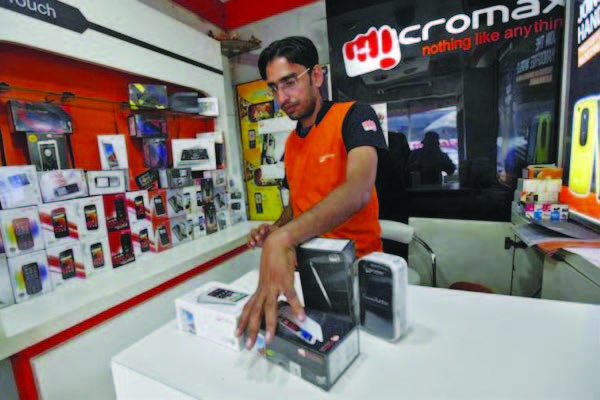
    NEW DELHI (TIP): Smokers and tobacco consumers will have to pay more for their indulgence as Finance Minister Arun Jaitley continued with the crackdown on cigarettes, bidis and tobacco products by increasing taxes in the Budget 2017-18. Besides, mobile phones and LED lights assembled in India will also become dearer with the finance minister increasing duties on imported printed circuit boards and components respectively.

    UNION BUDGET 2017: WHO SAID WHAT
    PRIME MINISTER NARENDRA MODI: “This is a Budget for the future – for farmers, underprivileged, transparency, urban rejuvenation, rural development, enterprise. This Budget is yet again devoted to the well-being of the villages, farmers and the poor. From railway modernization to economic reforms, from education to health, from entrepreneurship to industry, the aim at fulfilling the dreams of all is clearly visible in the Budget.”

    RAILWAY MINISTER SURESH PRABHU: “It’s a pro- growth Budget. The growth will happen because of huge investments that is happening. For example in railways, the provision for Rs 1.31 lakh cr for capital expenditure is unprecedented in railway history.”

    UNION MINISTER VENKAIAH NAIDU: “It’s a fine exercise taken up by the Finance Minister. It’s very inspiring, bold steps has been announced. Particularly the political funding has been made transparent. People will be happy. Some political parties will become poor. That is why our opponents are saying the budget is anti-poor.”

    UNION MINISTER KIRAN RIJIU: “It will transform rural India and urban as well in terms enhancing the capacity of building infrastructure. It is a great relief to the common masses and it will transform the economy of the nation. At the same time, the reform in taxation is great.”

    BJP PRESIDENT AMIT SHAH: “The Union B8udget is aimed at all-round development with sops for the youth, women, farmers, the poor and middle class and that it will usher in a new era of progress.”

    CONGRESS VICE-PRESIDENT RAHUL GANDHI: “We were expecting fireworks, instead it was a damp squib. It is just ‘sher-o-shayari’ in the Budget. There is nothing for farmers and youth and nothing for job creation. There is no clear vision, no idea.”

    CONGRESS MP MALLIKARJUN KHARGE: “They have promised all these things (proposals to cleanse political system) keeping polls in five states in mind. They have not said anything for farmers, youth, women. They have accepted that GDP growth has gone down.”

    WEST BENGAL CM MAMATA BANERJEE: “A controversial Budget which is clueless, useless, baseless, missionless and actionless. No roadmap for the country or the future from a government that has lost all its credibility.”

    MADHYA PRADESH CHIEF MINISTER SHIVRAJ SINGH CHOUHAN: ” union budget is a revolutionary step for a progressive India. The budget will increase the pace of development and growth to help poor and marginalized people.”

    CPM GENERAL SECRETARY SITARAM YECHURY: “It an example of Finance Minister joining the Prime Minister and the BJP President to create ‘jumlas’. The budget is a classic example of that. It won’t boost employment or generate demand. The idea of infrastructure development is a farce because the data given by the FM is not related to reality, does not match to what he said in his speech.”

    MAHARASHTRA CM DEVENDRA FADNAVIS: “Pathbreaking budget! It has the same disruptive effect as demonetization had. Country will leapfrog to next level. This is indeed Budget for Better India. Positive effect of demonetization, the increase in capital expenditure by 25%will generate more jobs.”

    HARSH KUMAR BHANWALA, CHAIRMAN NABARD: “The Budget focuses a lot on the rural and agriculture sector. Though the thrust on digital continues, reforms announced in the Budget will generate employment and help in doubling farmers income.”

    Jaitley, however, made an attempt to make it more affordable for clean energy sources by cutting duties on solar tempered glass, fuel cell based power generating systems and wind operated energy generator. With the expected implementation of GST, large scale tinkering of tax structure has been avoided in the Budget thereby sparing most of the commonly used daily items from price changes.

    “Implementation of GST is likely to bring more taxes to both central and state governments because of widening of tax net. I have preferred not to make many changes in current regime of Excise and Service Tax because the same are to be replaced by GST soon,” Jaitley said while presenting the Budget.

    Yet, tobacco and cigarettes have not been spared.

    Excise duty on unmanufactured tobacco has been almost doubled to 8.3 per cent from 4.2 per cent earlier, while that on pan masala has been hiked to 9 per cent from 6 per cent.

    Likewise, excise duty on cigar, cheroots has been changed to 12.5 per cent or Rs 4,006 per thousand, whichever is higher from 12.5 per cent or Rs 3,755 per thousand, whichever is higher. Excise duty on chewing tobacco, including filter khaini and jarda scented tobacco has also been doubled to 12 per cent from 6 per cent earlier.

    Excise on paper-rolled handmade bidis has been increased to Rs 28 per thousand from from Rs 21 per thousand and the same for paper rolled biris has gone up from Rs 21 per thousand to Rs 78 per thousand.

    Populated Printed Circuit Boards (PCBs) for use in the manufacturing of mobile phones, subject to actual user condition will also attract SAD of 2 per cent from nil earlier.

    Similarly, parts used for manufacturing of LED lights will attract basic customs duty 5 per cent and CVD of 6 per cent from nil earlier.

    As per the Budget announcement, imported cashew nut (roasted, salted or roasted and salted) will also become dearer as basic customs duty on the item has been hiked to 45 per cent from 30 per cent earlier.

    Imported silver medallion, silver coins, having silver content not below 99.9 per cent, semi-manufactured form of silver and articles of silver will also be dearer as there items will now attract CVD of 12.5 per cent from nil earlier.

    Jaitley has made a few announcements in the Budget that will help consumers.

    Railway travel with e-tickets booked through IRCTC will become cheaper as service charge on it has been withdrawn. RO water purifiers are likely to be slightly cheaper with basic customs duty on imported membrane sheet and tricot/spacer for use in the manufacture of RO membrane element for household filters has been reduced from 12.5 per cent to 6 per cent.

    However, with a view to encourage domestic production of RO membrane element, the government has hiked basic customs duty on it to 10 per cent from 7.5 per cent earlier.

    Customs duty of LNG has been halved to 2.5 per cent which can lead to lower power and fertiliser costs.

    With an eye on promoting clean energy source, the government has reduced basic customs duty on solar tempered glass used in solar panels from 5 per cent to nil.

    Likewise, the basic customs duty and CVD on all items of machinery required for fuel cell based power generating systems to be set up in the country lowered to 5 and 6 per cent from 10/7 and 12.5 per cent earlier.

    Also, the basic customs duty, on resins and catalyst for manufacture of cast components for wind operated energy generator has been lowered to 5 per cent from 7.5 per cent earlier, while CVD and SAD on these items have been slashed to nil from 12.5 per cent and 4 per cent, respectively earlier.

    Continuing the focus on promoting leather industry, Jaitley announced that basic customs duty on vegetable tanning extracts used in making leather products such as bags and shoes has been slashed to 2.5 per cent from 7.5 per cent earlier.

    Miniaturised POS card reader for m-POS, micro ATM as per standard version, finger print reader/scanner and iris scanner will also be cheaper as duty on these item have been reduced to nil.

    For the defence forces, services provided or agreed to be provided by the Army, Naval and Air Force Group Insurance Funds by way of life insurance to their members under the Group Insurance Schemes of the Central Government is being exempted from service tax as against 14 per cent charged earlier.


  • An incremental budget: welcome thrust on rural infrastructure

    An incremental budget: welcome thrust on rural infrastructure

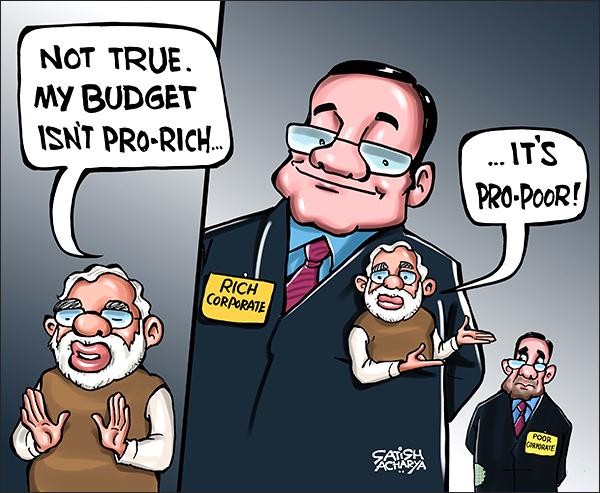
    The Union Budget for 2017-18 is in line with the BJP’s changed political stance of wooing the poor and shedding its “suit-boot-ki-sarkar” image. The Modi government has changed track and turned to the side where the numbers are – the poor, farmers and the middle class -which makes sense electorally. This is what every party tries to do – look credible on welfare and capture the constituency of the deprived. Congress and BJP budgets frequently look similar. How to deliver the dole is the real challenge and the switchover to a technology-based foolproof system is being unnecessarily delayed.

    “Good Politics makes for Bad Economics” and perhaps vice-versa runs the age-old adage.  Throughout history and more perceptibly in recent times, politicians have tried with mixed results, to prove the adage wrong.  The Union Budget coming midway through the tenure of the NDA Government makes an attempt at blending good politics and economics, with the fond hope that positive and encouraging results of this effort will be visible in the not too distant future.” – Ashwani & associates, Ludhiana, Punjab

    India’s economy moves mainly on four wheels-government spending, consumption, exports and private investment. This Budget focuses only on the first two. Exports have lost momentum due to a slowdown in Europe and the US. The situation can only worsen as Western leaders, including President Trump, increasingly turn protectionist. The windfall from oil has gone into refurbishing the government finances and good times may end if crude prices keep inching up. India’s companies, even the cash rich, are not investing -here or abroad. Bank credit offtake is at its lowest in decades. Jaitley has pumped more money into banks. He had no option other than stimulating demand with government expenditure.

    Welfare carries its costs: more government, more taxes. Worse, the extended hand does not reach the needy. Since infrastructure is still not ready for direct cash transfers, the leaky system persists to the advantage of the vested interests. Poverty reduction efforts have drained the exchequer over the years. Competitive populism has led to cuts in funds for educational and health institutions which the poor access. It is not enough to say “farmers’ income will be doubled in five years” without answering how and when. Incomes can rise if either farm inputs cost less or farm products fetch higher prices. The government is showing them the way to new markets. Job creation through MNREGA is welcome but Jaitley need not take much pride in making the “highest-ever” allocation for this UPA scheme. Instead the focus should be on plugging the leakages. MNREGA, say critics, is a needless burden on the taxpayer and a 2013 government audit found fault with its implementation.

    Ideally, in keeping with economic reforms, the government should limit itself to taking care of essentials like education, health and infrastructure and make institutions deliver. Every rupee of the taxpayer’s money must be accounted for. Modi has abandoned his idea of a “minimum government”. A lean efficient government with vibrant institutions is possible but no party, it seems, needs it as there are activists to adjust and the downtrodden to look after. Why it should take this long to scrap the FIPB (Foreign Investment Promotion Board) is a mystery. States have many such white elephants that feed on limited resources.

    Despite a questionable government approach the budget has a lot to commend itself. The budget’s rural, MSME, housing and infrastructure thrust would hopefully perk up consumption and employment generation. The grant of infrastructure status to affordable housing will help lower the costs for builders and attract buyers, while the steps to reduce the capital gains tax for property sellers may wake up the sleepy real estate sector. Individuals and MSMEs have been granted tax relief, possibly to compensate them for the pain of demonetisation, inflicted suddenly and thoughtlessly on an economy running smoothly. What is not broke need not be fixed.

    Honest taxpayers and tax evaders should be treated differently. It is not enough to talk about a law to seize assets of economic offenders. Make it happen. Some states have already taken the lead. The drive against black money has kept a window open for political parties to let in nameless contributions. The 2,000 limit is open to as much misuse as the one for Rs 20,000. Jaitley has shied away from cleaning up an area notorious for peddling black money. There is a known route of laundering unaccounted cash through P-notes which remains unplugged.

    Vote politics has weighed on priorities. Jailtey has not hurt any section but lost an opportunity for hard decisions. It is an incremental, more-of-the-same budget that does not inflict pain on anyone and is fiscally sound but falls below expectations of those looking for something transformative. Unexciting, Mr. Jaitley.


  • Indian Union Budget 2017 Presented – Finance Minister unveils series of post-demonetization digital reforms

    Indian Union Budget 2017 Presented – Finance Minister unveils series of post-demonetization digital reforms

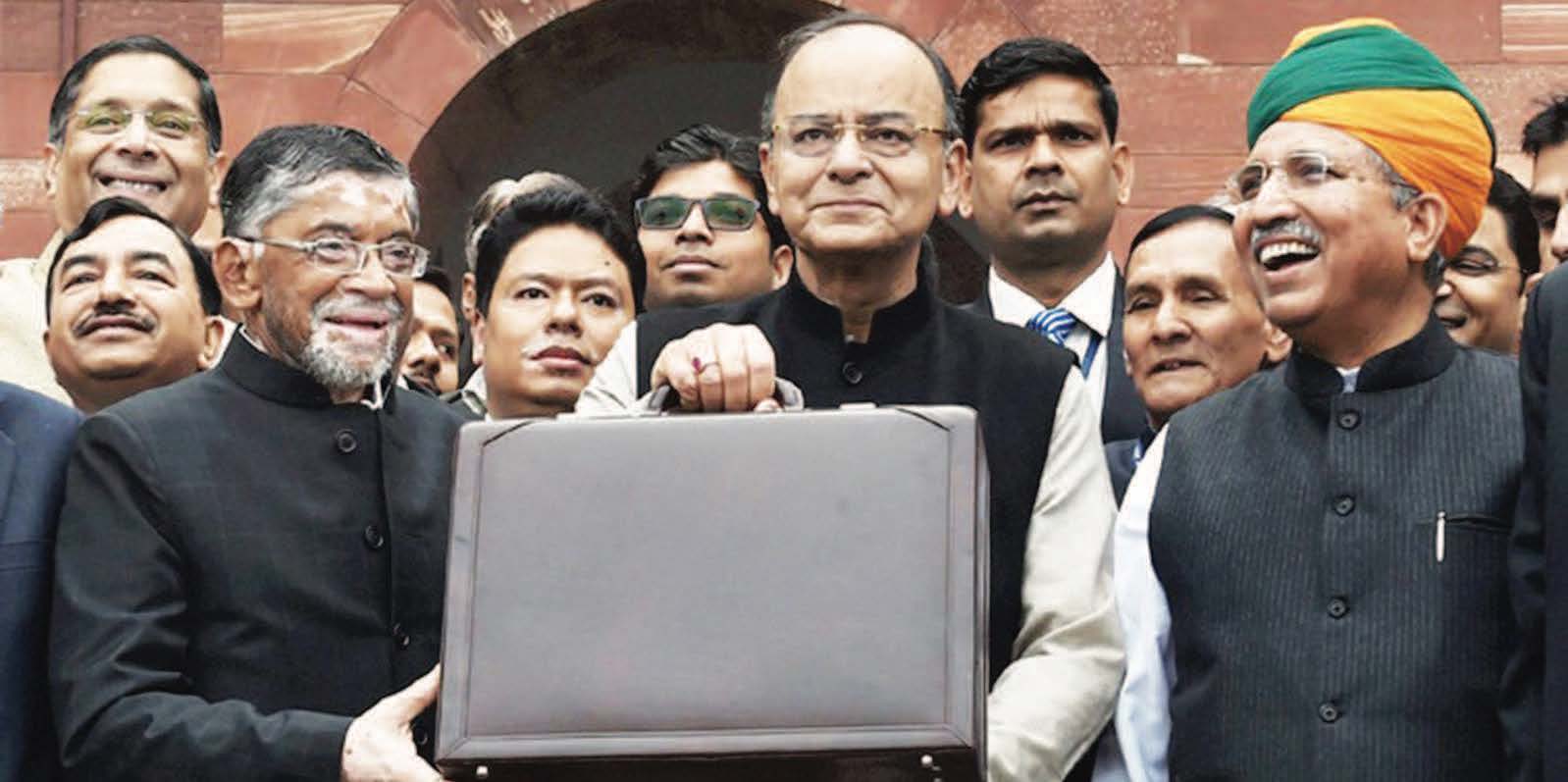
    NEW DELHI (TIP): In a pre-election Budget aimed at softening the demonetization blow, Finance Minister Arun Jaitley on February 1 halved the basic income tax rate to 5 per cent and lowered the rate for small companies, while boosting spending on rural employment, agriculture and infrastructure.

     
    HIGHLIGHTS
    I-T halved to 5% for assessees in Rs 2.5-Rs 5 lakh slab

    ● Rs 12,500 relief for taxpayers in other categories

    ● 10% surcharge on income between Rs 50 lakh-1 cr

    ● Rs 1 lakh cr Rail Safety Fund for network upgrade

    ● Highest-ever Rs 48,000-cr grant for MGNREGA

    ● FIPB shut; FDI norms to be further eased

    ● 5% corporate tax cut for small firms

    ● No cash deals above Rs 3 lakh

    Jaitley presented a merged railway and general Budget after advancing the dates by a month that provides a record outlay of Rs 3,96,135 crore for infrastructure schemes, besides a capital expenditure of Rs 1.3 lakh crore on railways and Rs 64,000 crore on highways.

    The FM perhaps was asked to build on the political gains of demonetization, and that is why sections hurt by it were targeted for incentives. Small and medium enterprises got a tax cut and taxpayers were rewarded – though not to the extent expected. And much against expectation again, the Budget lacked the surprise factor.

    The Budget seeks to provide a record Rs 10 lakh crore in loans to farmers, boost funds for rural employment guarantee program, bring one crore households out of poverty and promised to build one crore houses by 2019 for the homeless ahead of the crucial elections in five states.

    In view of the fact that the proposed GST is expected to be rolled out soon, he left indirect taxes largely untouched.

    While the tax rate for income between Rs 2.5 lakh and Rs 5 lakh has been lowered to 5 per cent, a 10 per cent surcharge has been slapped on income between Rs 50 lakh and Rs 1 crore. The 15 per cent surcharge on income above Rs 1 crore will continue.

    The tax liability of all persons below Rs 5 lakh would be reduced to either zero (with rebate) or 50 per cent of the existing liability. In order not to have duplication of benefit, the existing benefit of rebate available to them is being reduced to Rs 2,500 available only to assessees up to income of Rs 3.5 lakh.

    While the taxation liability of people with income up to Rs 5 lakh is being reduced to half, all other categories of taxpayers in the subsequent slabs will also get a uniform benefit of Rs 12,500 per person.

    In the case of senior citizens above 60 years, there will be no tax up to Rs 3 lakh, while the exemption will be up to Rs 5 lakh in case of citizens above 80. Both the categories will attract a tax of 20 per cent on income between Rs 5-10 lakh and 30 per cent for income above Rs 10 lakh.

    FISCAL DEFICIT DOWN TO 3.2% FROM 3.5%

    Moving ahead with the fiscal consolidation path, Finance Minister Arun Jaitley has pegged the fiscal deficit for 2017-18 at 3.2 per cent, down from 3.5 per cent expected in the current financial year. Addressing the media, he said the Budget estimate for fiscal deficit was 3.5 per cent for 2016-17 and revised estimate is also 3.5 per and it will be achieved. Fiscal deficit is the difference between revenue receipts plus non-debt capital receipts (NDCR) and total expenditure. This indicates the total borrowing requirements of the government from all sources. Fiscal deficit of 3.2 per cent in absolute terms for the next fiscal comes out to be Rs 5,46,532 crore.

    AFFORDABLE HOUSING GETS INFRA STATUS

    Aiming to boost real estate sector, the government announced infrastructure status to affordable housing for encouraging investment and offered tax sops to developers sitting on completed but unsold homes. The allocation for Pradhan Mantri Awaas Yojana- Gramin has also been raised.

    INCENTIVES TO BOOST INVESTMENT IN NPS

    In a bid to boost NPS, Finance Minister Arun Jaitley has proposed higher tax rebate for investment in flagship social security programs and allowed tax relief on partial withdrawal of up to 25 per cent of the contribution.

    NOW, TAX EXEMPTION TO CM, LG RELIEF FUNDS

    The government announced extension of tax exemption on contributions to Chief Minister’s Relief Fund and Lieutenant Governor’s Relief Fund. At present, there is tax exemption on funds given to Prime Minister’s National Relief Fund. Jaitley said Chief Minister’s Relief Fund (CMRF) and Lieutenant Governor’s Relief Fund (LGRF) are of the same nature as the Prime Minister’s National Relief Fund at the level of state or the union territory. “Therefore, it is proposed to amend the said clause to provide the benefit of exemption to the Chief Minister’s Relief Fund or the Lieutenant Governor’s Relief Fund,” he said. This amendment to I-T Act will take effect retrospectively from April 1, 1998.

    “The Union Budget for 2017-18 is in line with the BJP’s changed political stance of wooing the poor and shedding its “suit-boot-ki-sarkar” image. The Modi government has changed track and turned to the side where the numbers are -the poor, farmers and the middle class – which makes sense electorally. This is what every party tries to do – look credible on welfare and capture the constituency of the deprived. Congress and BJP budgets frequently look similar. How to deliver the dole is the real challenge and the switchover to a technology-based foolproof system is being unnecessarily delayed”, commented a newspaper.