Tag: Makar Sankranti

  • Makar Sankranti: When the Sun turns north

    Makar Sankranti: When the Sun turns north

    Each January, as winter slowly loosens its grip and the chill in the air carries the promise of warmth, India witnesses a quiet yet momentous cosmic shift. The Sun begins its northward journey, crossing into Makara Rashi (Capricorn). This celestial transition is celebrated as Makar Sankranti-one of the subcontinent’s most ancient, scientifically precise and spiritually resonant festivals.
    Unlike most Indian festivals governed by the lunar calendar, Makar Sankranti follows the solar cycle, falling almost unfailingly on January 14 (occasionally January 15). It marks the beginning of Uttarayan, the auspicious half of the year when days lengthen and light triumphs over darkness. Across India’s vast geography, this solar event blossoms into harvest celebrations, pilgrimages, rituals of charity and vibrant regional traditions-each echoing the same eternal truth: renewal is inevitable.
    The Significance of Makar Sankranti
    At its core, Makar Sankranti is a festival of transition-from cold to warmth, from scarcity to abundance, from dormancy to growth. In Hindu cosmology, the Sun (Surya) is not merely a celestial body but the visible manifestation of divine consciousness, the sustainer of life and the regulator of time.
    The Rig Veda venerates the Sun as the cosmic witness:
    “?ditya? sarva-bh?t?n?? cak?u?”
    (The Sun is the eye of all beings)
    When the Sun begins its northward ascent, it symbolises spiritual awakening and upward movement-a belief that elevates Makar Sankranti far beyond a seasonal marker.
    The Bhagavad Gita reinforces this sanctity:
    “Agnir jyotir aha? ?ukla? ?a?-m?s? uttar?ya?am…” (8.24)
    (Fire, light, day, the bright fortnight and the six months of Uttarayan…)
    Lord Krishna identifies Uttarayan as the path associated with liberation, establishing Makar Sankranti as a cosmic gateway aligned with moksha-consciousness.
    Bhishma Pitamah and the Power of Auspicious Time
    One of the most profound scriptural moments linked to Makar Sankranti appears in the Mahabharata. Bhishma Pitamah, endowed with icch?-m?tyu (the boon to choose the time of death), lies on a bed of arrows through weeks of suffering, waiting patiently for the Sun to turn northward.
    His departure during Uttarayan embodies an enduring belief: time itself becomes sacred when aligned with cosmic rhythm. The episode elevates Makar Sankranti into a moment when destiny, discipline and divinity converge.
    Legends of Harmony: Surya and Shani
    Puranic lore narrates that on Makar Sankranti, Lord Surya visits his son Shani Dev, the ruler of Capricorn. Despite their strained relationship, this symbolic meeting represents reconciliation, balance and moral order.
    The legend quietly shapes the festival’s ethical core-setting aside ego, resolving conflict and restoring harmony, much like the Sun’s steady, impartial warmth that touches all life equally.
    Observances and Rituals
    Makar Sankranti is marked by rituals that emphasise cleansing, gratitude and generosity.
    Holy Dips and Sun Worship
    Before sunrise, devotees take ritual baths in sacred rivers-the Ganga, Yamuna, Godavari, Krishna and Kaveri-or at the sea. The act symbolises the washing away of past burdens and a fresh alignment with natural forces.
    Pilgrimages such as the Gangasagar Mela in West Bengal and congregations at Prayagraj and Haridwar draw millions, rooted in the belief-recorded in the Puranas-that waters are especially sanctified on this day.
    Daana: The Dharma of Charity
    Charity is central to Makar Sankranti. The Dharma Shastras emphasise that gifts offered during Uttarayan yield multiplied spiritual merit.
    Donations of til (sesame seeds), jaggery, grains, cattle fodder, clothes and blankets are considered especially auspicious. Sesame, believed to be sanctified by Yama, carries the power to cleanse karmic debts.
    The popular saying-“Til-gud ghya, god god bola”-is not merely cultural but ethical: let sweetness enter the body and kindness enter speech.
    Regional Celebrations
    Makar Sankranti is among the most pan-Indian festivals, celebrated under diverse names:
    – Punjab & North India: Lohri and Maghi, with bonfires, folk songs and harvest feasts
    – Tamil Nadu: Pongal, a four-day thanksgiving to the Sun, cattle and nature
    – Assam: Magh Bihu, blending feasting with community bonding
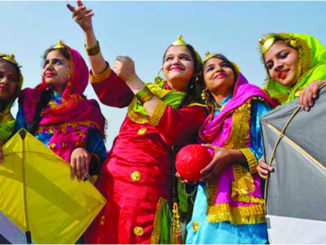
    – Gujarat & Rajasthan: Kite festivals filling the skies with colour and joy
    – Maharashtra: Exchange of til-gul sweets and warm greetings
    – Andhra Pradesh & Telangana: Sankranti with rangoli, bullock festivities and ancestral rituals
    – West Bengal: Gangasagar Mela, one of India’s largest pilgrimages
    Despite regional variations, the essence remains unchanged-gratitude for harvest, reverence for nature and hope for renewal.
    Food Symbolism: Sweetness Against Winter’s Edge
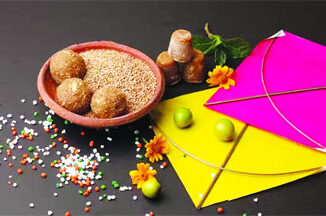
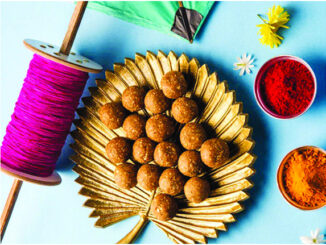
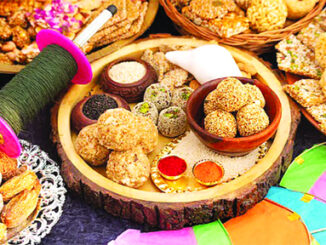
    Traditional foods prepared during Makar Sankranti reflect both seasonal wisdom and spiritual metaphor. Sesame and jaggery-warming, nourishing ingredients-dominate kitchens across India.
    Whether as til laddoos, chikki, pongal or khichdi, these foods symbolise:
    – Protection against winter’s chill
    – Strength and resilience
    – Sweetness in human relationships
    Ayurveda views this diet as harmonising the body during seasonal transition, reinforcing how ancient practices balanced ritual, health and environment.
    Makar Sankranti in Contemporary Times
    In modern India, Makar Sankranti continues to evolve-celebrated through community gatherings, eco-friendly kite festivals, charitable drives and digital greetings. Yet its solar precision and philosophical grounding remain untouched.
    It stands apart as a festival where science and spirituality coexist seamlessly, reminding people that ancient wisdom was deeply attuned to cosmic order.
    A Festival That Teaches Alignment
    More than a harvest festival or ritual observance, Makar Sankranti is a lesson in alignment-with time, nature and inner purpose. As the Sun turns northward, the festival invites humanity to rise above inertia, bitterness and darkness.
    It affirms a timeless truth embedded in Indian thought: when the cosmos moves toward light, so must the human spirit.

  • Makar Sankranti: A celebration of harvest and renewal

    Makar Sankranti: A celebration of harvest and renewal

    Makar Sankranti, one of the most celebrated festivals in India, marks the transition of the Sun into the zodiac sign of Capricorn (“Makara” in Sanskrit). This celestial event signifies the end of the winter solstice and the beginning of longer days. Observed annually on January 14th or 15th, depending on the solar calendar, Makar Sankranti is deeply rooted in agricultural traditions, astronomical significance, and cultural diversity. Across the country, this festival is celebrated with varied customs, rituals, and regional names, reflecting the rich tapestry of India’s heritage.
    The Astronomical and Agricultural Significance of Makar Sankranti
    Makar Sankranti is an astronomically significant day as it marks the Sun’s northward journey, known as “Uttarayana.” This transition heralds the end of the darkest nights and the arrival of longer days, symbolizing enlightenment, prosperity, and new beginnings. Uttarayana is considered highly auspicious in Hinduism, and many believe it to be a time when divine interventions are more accessible.
    Agriculturally, Makar Sankranti is a harvest festival. It is a time to thank nature and the Sun for a bountiful harvest and pray for future prosperity. This festival is particularly important in agrarian societies where the rabi crop (winter crop) is ready for harvesting. Farmers celebrate the fruits of their labor with joy and gratitude, making it a period of communal festivity.
    Regional Variations in Celebration
    Makar Sankranti is celebrated under various names and with unique customs across India. Despite the differences, the underlying themes of gratitude, renewal, and community bonding remain consistent.
    Pongal in Tamil Nadu
    In Tamil Nadu, Makar Sankranti coincides with the four-day harvest festival of Pongal. Each day has a unique significance:
    – Bhogi: The first day is dedicated to cleaning and discarding old belongings, symbolizing a fresh start.
    – Thai Pongal: The second day, Thai Pongal, involves boiling freshly harvested rice with milk and jaggery in clay pots. This dish, also called Pongal, is offered to the Sun God as a gesture of gratitude.
    – Mattu Pongal: On the third day, cows and bulls, which play a vital role in agriculture, are honored and decorated.
    – Kaanum Pongal: The final day is dedicated to family reunions and social gatherings.
    Lohri in Punjab
    In Punjab, Makar Sankranti is celebrated as Lohri, a festival primarily associated with the harvesting of sugarcane. The evening before Makar Sankranti, people light bonfires, sing traditional songs, and dance to the beats of dhol. The bonfire symbolizes the burning of negativity, and offerings of sesame seeds, jaggery, and popcorn are made to the fire as a gesture of gratitude.
    Uttarayan in Gujarat
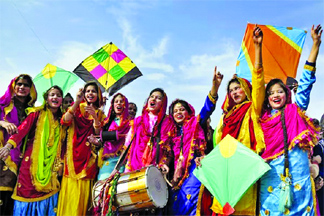
    Gujarat celebrates Makar Sankranti as Uttarayan, a festival known for its vibrant kite-flying tradition. The skies are filled with colorful kites, symbolizing freedom and joy. The International Kite Festival, held in Ahmedabad, attracts participants from around the globe. Special dishes like “undhiyu” (a mixed vegetable dish) and “jalebi” are prepared to mark the occasion.
    Sankranti in Karnataka and Andhra Pradesh
    In Karnataka and Andhra Pradesh, Makar Sankranti is a three-day festival:
    – Bhogi: Similar to Tamil Nadu, Bhogi marks the cleaning of homes and the burning of unwanted items.
    – Sankranti: The main day involves offering prayers, preparing special dishes like “ellu-bella” (a mixture of sesame seeds, jaggery, coconut, and peanuts), and exchanging these with friends and family.
    – Kanuma: On the third day, cattle are honored, and agricultural tools are worshipped.
    Magh Bihu in Assam
    In Assam, Makar Sankranti is celebrated as Magh Bihu or Bhogali Bihu. It is a harvest festival marked by feasting, bonfires, and traditional games. People build temporary huts called “meji” and “bhelaghar” using bamboo and straw, where community feasts are held. The meji is later burned as a ritual to mark the end of the celebrations.
    Poush Sankranti in Bengal
    In West Bengal, Makar Sankranti is known as Poush Sankranti. Devotees take holy dips in the Ganges and other rivers to purify their souls. The famous Ganga Sagar Mela, held at the confluence of the Ganges and the Bay of Bengal, attracts millions of pilgrims. Traditional sweets made from date palm jaggery and coconut, such as “pithe” and “patishapta,” are integral to the celebrations.
    Other Regional Variations
    – Maharashtra: People exchange sweets made of sesame seeds and jaggery, saying, “Tilgul ghya, god god bola” (Take sesame and jaggery, and speak sweetly).
    – Odisha: Makar Sankranti is observed with offerings of rice, jaggery, and sugarcane to deities, and kite flying is a popular activity.
    – Bihar and Jharkhand: People prepare “dahi-chura” (flattened rice with yogurt) and “tilkut” (sesame sweet) to celebrate.
    – Himachal Pradesh: Known as Magha Saaji, this day is marked by community feasts and traditional dances.
    Rituals and Symbolism
    The rituals of Makar Sankranti are steeped in symbolism, reflecting the spiritual and cultural ethos of Indian society.
    Holy Baths and Pilgrimages
    Taking a holy dip in rivers like the Ganges, Yamuna, Godavari, or Krishna is believed to cleanse sins and purify the soul. Pilgrimages to sacred sites such as Ganga Sagar and Prayagraj hold special significance.
    Worship and Offerings
    Devotees offer prayers to the Sun God (Surya) and express gratitude for life-sustaining energy. Special offerings include sesame seeds, jaggery, sugarcane, and rice.
    Charity (Daan)
    Charitable acts are considered highly meritorious during Makar Sankranti. People donate food, clothes, and money to the needy, embodying the spirit of sharing and compassion.
    Kite Flying
    Kite flying, a prominent activity during Makar Sankranti, is a metaphor for soaring aspirations and freedom. It’s also a way to enjoy the outdoors and bask in the Sun’s energy.
    Bonfires
    Lighting bonfires is a tradition observed in northern India. It symbolizes the destruction of evil and the warmth of community bonding.
    Culinary Delights
    Food plays a central role in Makar Sankranti celebrations. Traditional dishes vary by region but often feature sesame seeds, jaggery, and rice. These ingredients are not only nutritious but also hold symbolic significance:
    – Sesame Seeds (Til): Represent warmth and togetherness.
    – Jaggery (Gur): Symbolizes sweetness and prosperity.
    – Rice: Represents fertility and abundance.
    Popular dishes
    – Tilgul Ladoo (Maharashtra): Sweet balls made from sesame seeds and jaggery.
    – Pongal (Tamil Nadu): A sweet or savory rice dish.
    – Pithe (Bengal): Rice flour pancakes stuffed with coconut and jaggery.
    – Undhiyu (Gujarat): A mixed vegetable dish cooked with spices.
    The Global Appeal of Makar Sankranti
    While deeply rooted in Indian traditions, Makar Sankranti’s themes of gratitude, renewal, and community resonate universally. The festival is celebrated by Indian diaspora communities worldwide, bringing together people of diverse backgrounds to share in the joy of the harvest.Makar Sankranti is more than just a festival; it is a celebration of life, nature, and the cosmic order. It bridges the gap between the physical and spiritual, the individual and the community, and the past and the future. As the Sun begins its northward journey, Makar Sankranti serves as a reminder to embrace change, express gratitude, and spread joy. In its myriad forms, this festival captures the essence of India’s unity in diversity, offering a timeless message of hope and renewal.

  • Makar Sankranti

    Makar Sankranti

    Makar Sankranti is an important Hindu festival celebrated in different forms in India and Nepal. The festival is celebrated when the sun enters into Makar rashi in Pausha month. It is celebrated every year either on 13, 14 or 15 january because on these dates the sun leaves Dhanu rashi and enters into maker rashi. The festival is also known as Uttarayni because on this day the sun starts to move towards north.
    The festival is celebrated in different states of India in different ways. In south India, It is known as Pongal festival in Tamil Nadu while it is celebrated as Sankranti in Karnataka, Kerala and Andhra Pradesh. In north India, it is celebrated as Lohri in Punjab and Haryana. In Uttar Pradesh, it is a day of giving and donation.
    The harvest festival is both a religious as well as seasonal observance, and is dedicated to Lord Surya, the Sun God and marks the sun’s transit into Makara (Capricorn) raashi (zodiac sign). The festival is majorly celebrated in the Indian Subcontinent and also by Indians and Hindus around the world.
    The festivities related to Makar Sankranti have many names depending on the region it is being celebrated in. For example, by north Indian Hindus and Sikhs, it is called Maghi and is preceded by Lohri. It is called Makara Sankranti and also Poush sôngkranti in Maharashtra, Goa, Andhra Pradesh, West Bengal, Karnataka and Telangana, Sukarat in central India, Magh Bihu by Assamese, and Thai Pongal or Pongal by Tamils.
    While festivities may not be at par as previous years on account of the coronavirus pandemic, usually on this day devotees take a dip in rivers like Ganga, Yamuna, Godavari, Krishna and Cauvery that are considered to be holy. For believers, taking a dip washes away their sins, it is also considered a time of peace and prosperity and many spiritual practices are conducted on this day. Sesame and jaggery ladoos or chikkis are distributed on this day. Popularly referred to as til-gud. The sweet signifies that people must stay together in peace and harmony despite their differences. In Gujarat, kite flying is organised as part of Makar Sankranti festivities. It is also believed that those who die on Makar Sankranti are not According to Hindu belief, if one dies on Makar Sankranti they are not reborn, but go straight to paradise.
    The auspicious day of Makar Sankranti will fall Monday, 15 January 2024.
    Believe goes that Makar Sankranti is the most auspicious day of the year and has a very sacred mythological story associated. It marks the end of an inauspicious phase that begins around mid-December. Further, it is also believed that any sacred Makar Sankranti ritual can be performed from this day onwards. The auspicious day of Makar Sankranti also marks the beginning of warmer and longer days as compared to nights. Now let’s know what mythology says about this lucky day.
    Mata Mahishasurmardini – a powerful form of Goddess Durga, had descended with the purpose of destroying Mahishasur. The Goddess had first set foot on earth, in the Kataraaj ashram of Rishi Kardam and Devahuti.
    It is also believed that on this day Lord Sun visits God Shani who is the owner of the constellation Makar. Since Shani is the foster child of Sun, they do not share a good relation. However, it is Shani’s responsibility to take care of his father. Hence, this day signifies the priority of responsibilities. Even in the epic of Mahabharata, an episode mentions how people in that era also considered the day as auspicious. Bhishma Pitamah even after being wounded in the Mahabharata war lingered on till Uttarayan set in so that he can attain heavenly abode inauspicious times. It is said that death on this day brings Moksha or salvation to the deceased.
    History of Makar Sankranti
    The great savior of his ancestors, Maharaj Bhagirath, did great Tapasya to bring Gangaji down on the earth for the redemption of 60,000 sons of Maharaj Sagar, who were burnt to ashes at the Kapil Muni Ashram, near the present-day Ganga Sagar. It was on this day that Bhagirath finally did tarpan with the Ganges water for his unfortunate ancestors and thereby liberated them from the curse. Thus Makar Sankranti marks the start of good luck and fortune for all endeavors.
    Another legend says that any boy or girl who takes a bath at any of the holy places will be blessed with a charming and beautiful partner. Another belief associated with the holy dip is that Lord Vishnu himself comes down to take a dip in the Triveni Sangam and therefore anyone who bathes there is blessed with his grace.
    Culture and Festivity
    Makar Sankranti is celebrated differently at different places and has a variety of rituals associated.
    Maharashtra
    Maharashtra takes the limelight when it comes to the celebration of Makar Sankranti. People here come together to exchange sweets especially laddus made of Til (Sesame seeds) and Jaggery. Women who are married get together to exchange utensils and put Haldi Kumkum on their forehead. Hindus wear ornaments made of ‘Halwa’ on this day.
    Orissa
    In Orissa, families get together to prepare some authentic delicacies on the eve of Makar Sankranti. They prepare a special dish called ‘Ghantaa’ which is a curry made of different cereals and vegetables. They also prepare some sweet dishes. Many of Orissa celebrate the day of Sankranti by lighting bonfires, dancing and eating their particular dishes sitting together. The Bhaya tribals of Orissa have their Magh yatra in which small home-made articles are put for sale.
    Uttar Pradesh
    In Uttar Pradesh, Sankranti is called ‘Khichiri’. Taking a dip in the holy rivers on this day is regarded as most auspicious. A big one-month long ‘Magha-Mela’ fair begins at Prayag in Allahabad on this occasion. Apart from Triveni, ritual bathing also takes place at many places like Haridwar and Garh Mukteshwar in Uttar Pradesh, and Patna in Bihar.
    Bengal
    The famous Ganga Sagar river witnesses a huge Mela every year during Makar Sankranti. This is the place where river Ganga is believed to have divided into the nether region and vivified the ashes of the sixty thousand ancestors of King Bhagirath. This meal is attended by a large number of pilgrims from all over the country.
    Tamil Nadu
    Pongal is the festival which is very similar to Makar Sankranti and is one of the major festivities of South India. Rice and pulses cooked together in ghee and milk are offered to the family deity after the ritual worship. In this, they worship the Sun God.
    Andhra Pradesh
    The people of Andhra celebrate it for three long days and call it ‘Pedda Panduga’ meaning big festival. The whole event lasts for four days, the first day Bhogi, the second day Sankranti, the third day Kanuma and the fourth day, Mukkanuma.
    Gujarat
    For the Gujurati’s, the festival is more about socializing and show your love for your relatives. They exchange gifts, arrange dinners and perform Puja together. The Gujarati Pundits on this auspicious day grant scholarships to students for higher studies in astrology and philosophy. This festival thus helps the maintenance of social relationships within the family, caste, and community.
    Punjab
    Punjab celebrated this occasion as Lohri. This period being the coldest of the year they lit huge bonfires and participate in entertaining activities. Sweets, sugarcane, and rice are thrown in the bonfires, around which friends and relatives gather together. The following day, which is Sankrant, is celebrated as MAGHI. The Punjabi dance their famous Bhangra dance and eat sumptuous dinner together.

  • Makar Sankranti

    Makar Sankranti

    Makar Sankranti is an important Hindu festival celebrated in different forms in India and Nepal. The festival is celebrated when the sun enters into Makar rashi in Pausha month. It is celebrated every year either on 13, 14 or 15 january because on these dates the sun leaves Dhanu rashi and enters into maker rashi. The festival is also known as Uttarayni because on this day the sun starts to move towards north.

    The festival is celebrated in different states of India in different ways. In south India, It is known as Pongal festival in Tamil Nadu while it is celebrated as Sankranti in Karnataka, Kerala and Andhra Pradesh. In north India, it is celebrated as Lohri in Punjab and Haryana. In Uttar Pradesh, it is a day of giving and donation.

    It is believed that on this day, people take bath in the holy Ganga river and then donate the things. The sweets made of Til seasame is also offered to brahamins and elders. Fares are also organised on the banks and ghats of river Ganga.

    In Bihar, the festival is known as Khichdi festival. There is a tradition of distributing Urad, rice, til, chiwada, woollen clothes, blankets etc.

    Believe goes that Makar Sankranti is the most auspicious day of the year and has a very sacred mythological story associated. It marks the end of an inauspicious phase that begins around mid-December. Further, it is also believed that any sacred Makar Sankranti ritual can be performed from this day onwards. The auspicious day of Makar Sankranti also marks the beginning of warmer and longer days as compared to nights. Now let’s know what mythology says about this lucky day.

    Mata Mahishasurmardini – a powerful form of Goddess Durga, had descended with the purpose of destroying Mahishasur. The Goddess had first set foot on earth, in the Kataraaj ashram of Rishi Kardam and Devahuti.

    It is also believed that on this day Lord Sun visits God Shani who is the owner of the constellation Makar. Since Shani is the foster child of Sun, they do not share a good relation. However, it is Shani’s responsibility to take care of his father. Hence, this day signifies the priority of responsibilities.

    Even in the epic of Mahabharata, an episode mentions how people in that era also considered the day as auspicious. Bhishma Pitamah even after being wounded in the Mahabharata war lingered on till Uttarayan set in so that he can attain heavenly abode inauspicious times. It is said that death on this day brings Moksha or salvation to the deceased.

    History of Makar Sankranti

    The great savior of his ancestors, Maharaj Bhagirath, did great Tapasya to bring Gangaji down on the earth for the redemption of 60,000 sons of Maharaj Sagar, who were burnt to ashes at the Kapil Muni Ashram, near the present-day Ganga Sagar. It was on this day that Bhagirath finally did tarpan with the Ganges water for his unfortunate ancestors and thereby liberated them from the curse. Thus Makar Sankranti marks the start of good luck and fortune for all endeavors.

    Another legend says that any boy or girl who takes a bath at any of the holy places will be blessed with a charming and beautiful partner. Another belief associated with the holy dip is that Lord Vishnu himself comes down to take a dip in the Triveni Sangam and therefore anyone who bathes there is blessed with his grace.

    Culture and Festivity of Makar Sankranti

    Makar Sankranti is celebrated differently at different places and has a variety of rituals associated.

    Maharashtra

    Maharashtra takes the limelight when it comes to the celebration of Makar Sankranti. People here come together to exchange sweets especially laddus made of Til (Sesame seeds) and Jaggery. Women who are married get together to exchange utensils and put Haldi Kumkum on their forehead. Hindus wear ornaments made of ‘Halwa’ on this day.

    Orissa

    In Orissa, families get together to prepare some authentic delicacies on the eve of Makar Sankranti. They prepare a special dish called ‘Ghantaa’ which is a curry made of different cereals and vegetables. They also prepare some sweet dishes. Many of Orissa celebrate the day of Sankranti by lighting bonfires, dancing and eating their particular dishes sitting together. The Bhaya tribals of Orissa have their Magh yatra in which small home-made articles are put for sale.

    Uttar Pradesh

    In Uttar Pradesh, Sankranti is called ‘Khichiri’. Taking a dip in the holy rivers on this day is regarded as most auspicious. A big one-month long ‘Magha-Mela’ fair begins at Prayag in Allahabad on this occasion. Apart from Triveni, ritual bathing also takes place at many places like Haridwar and Garh Mukteshwar in Uttar Pradesh, and Patna in Bihar.

    Bengal

    The famous Ganga Sagar river witnesses a huge Mela every year during Makar Sankranti. This is the place where river Ganga is believed to have divided into the nether region and vivified the ashes of the sixty thousand ancestors of King Bhagirath. This meal is attended by a large number of pilgrims from all over the country.

    Tamil Nadu

    Pongal is the festival which is very similar to Makar Sankranti and is one of the major festivities of South India. Rice and pulses cooked together in ghee and milk are offered to the family deity after the ritual worship. In this, they worship the Sun God.

    Andhra Pradesh

    The people of Andhra celebrate it for three long days and call it ‘Pedda Panduga’ meaning big festival. The whole event lasts for four days, the first day Bhogi, the second day Sankranti, the third day Kanuma and the fourth day, Mukkanuma.

    Gujarat

    For the Gujurati’s, the festival is more about socializing and show your love for your relatives. They exchange gifts, arrange dinners and perform Puja together. The Gujarati Pundits on this auspicious day grant scholarships to students for higher studies in astrology and philosophy. This festival thus helps the maintenance of social relationships within the family, caste, and community.

    Punjab

    Punjab celebrated this occasion as Lohri. This period being the coldest of the year they lit huge bonfires and participate in entertaining activities. Sweets, sugarcane, and rice are thrown in the bonfires, around which friends and relatives gather together. The following day, which is Sankrant, is celebrated as MAGHI. The Punjabi dance their famous Bhangra dance and eat sumptuous dinner together.

  • Lohri – The Bonfire Festival

    Lohri – The Bonfire Festival

    India, the land of festivals,  and Lohri is the harvest festival of the breadbasket of India, i.e. Punjab. Lohri falls in the month of Magh and during the auspicious period of Uttarayan when the Sun moves northwards from the Tropic of Capricorn towards the Tropic of Cancer. It is usually celebrated on January 12 or 13 as per the Gregorian calendar.

    Lohri marks the culmination of the winter season and is celebrated by worshipping the fire which is symbolic of the Sun God. This festival is also celebrated in Delhi, Haryana and parts of Himachal Pradesh. Natives of these states celebrate this festival with great fervour, gaiety and splendour. During this time, the fields of these Northern states gleam with the harvest of wheat, the main crop of this region, and the festival honours the elements of nature like the fire and the sun as a mark of gratefulness.

    The festival is named Lohri because of the following reasons:

    –              Some believe that the name is derived from Loi, wife of the Sufi Saint Sant Kabir.

    –              Loh in Punjab means the pan used for making rotis during community feasts. Since Lohri is a community festival, the name has been derived from the word Loh.

    –              Lohri was also the sister of Holika.

    –              The main ingredients used for making sweets in this festival are gajak and rewri, or til and rohri. Thus the name Lohri is a combination of these two words.

    The Origin of Lohri

    The history of the celebration of Lohri finds its roots back in the era of Akbar. As per legends, Dulha Batti was a Muslim robber, who during the rule of Akbar, would steal from the rich and distribute the loot among the underprivileged of the society. He was indeed the Robin Hood of that era for he also helped girls who were being taken away against their wish. Dulha Batti, was contemporary in his thinking and would arrange inter-caste marriages between Muslim girls and Hindu boys. Thus the people of Punjab loved and respected him and sang songs in his praise to express their gratitude. These songs are still sung during the celebration of Lohri.

    Customs and Traditions

    The joyous occasion of Lohri is marked by many age-old customs and traditions. Some of them include:

    The celebrations start a few days prior to Lohri with young girls of the village going from house to house collecting cow-dung cakes which act as the fuel for the bonfire to be lit on the day of the festival. The young girls sing a song asking for the cow-dung cakes.

    –              On the day of the festival an idol of goddess Lohri is decorated and the bonfire is lit before this idol. Songs are sung in the praise of Goddess Lohri.

    –              January is the time to harvest sugarcane and thus the products made from sugarcane like jaggery find an important place in the celebrations.

    –              The bonfire is symbolic of the most important element of nature – the Sun God – and is lit after sunset. It is believed that sun is the source of all life on the earth and represents both the physical as well as the spiritual energy in man. The bonfires can be seen burning in the wheat fields as well as at the porches of houses where people get together as a community to celebrate Lohri.

    –              People circle the fire as a mark of respect and offer sesame seeds, jaggery, sugar-candy, puffed rice, popcorn and rewaries to the sacred fire.

    –              The prasaad of til, gajak, jaggery, peanuts, and popcorn are then exchanged among family and friends along with gifts and wishes.

    –              People chant the words ‘Aadar aye dilather jaye’ which literally means “May honour come and poverty depart”.

    –              Popular folk songs are sung and people perform the Bhangra and the Gidda, the traditional folk dances of Punjab to the beats of Dhol.

    –              The dying embers and ashes of the sacred bonfire are taken home by the people as ithey are considered to bring in wealth and prosperity.

    –              The til is of great significance in this festival. As the people throw sesame seeds into the fire, they pray for as many sons in the family as the number of sesame seeds offered to the sacred fire. Sons are important especially in the agrarian culture of rural Punjab as they are expected to act as farmhands and eventually take over the farms.

    –              Lohri is also considered to be the beginning of the financial year by the Sikh community.

    The First Lohri

    The first Lohri after a wedding or the birth of a child is of great importance. The new bride and groom, and the new born baby are showered with gifts by family and friends. A grand celebration is organised with a feast as family and friends gather to wish the newly-wed couple or the newborn.

    The Modern Version

    With changing times and more awareness among people about the ongoing global warming, Lohri has now donned a contemporary outlook. With the aim towards a green and a clean environment, people have started planting saplings to replenish the trees that are cut for wood that serves as fuel to the sacred bonfire. Today, the people are indeed very conscious about the environment and in order to sustain it they are working towards growing more trees as a community.

    Be it Lohri, or Makar Sankranti, or Pongal, these festivals are indeed a celebration of life and are markers of the common man’s gratitude towards the various forces of nature. Happy Lohri!!

    Religious Fact

    As per the Hindu calendar, in the mid-January, the earth starts its journey towards the sun bringing end to Paush, the coldest month of the year. According to the Shrimad Bhagawad Gita, Lord Krishna manifests his full divinity during the period of Lohri. A day later, the auspicious Makara Sankranthi helds which marks the end of the winter season. Thousands of Hindus bath in the Ganges to nullify their sins.

    Social Fact

    Wheat is the main winter crop in the northern parts of India. This winter (rabi) crop is sown in the months of October and harvested in March or April. Farmers and their families celebrate Lohri during January (rest period) before the cutting of crops. Thus, Punjabis and Haryanavis celebrate Lohri as the “harvest festival”. Most farmers from rural Punjab consider the day after Lohri as the starting of new financial year. The Sindhi community popularly call Lohri as “Lal loee”. On the festive day, children request their grandparents and aunties for wood sticks which are burnt in the bonfire.

  • Makar Sankranti

    Makar Sankranti

    Makar Sankranti is the first major festival to be celebrated in India and usually takes place in January, this year the festival will be celebrated on January 14. Makar Sankranti is a major harvest festival celebrated by Hindus across India, however different states celebrated the festival under different names, traditions and festivities. Makar Sankranti marks the end of winter as well as the beginning of longer days on account of the sun’s northward journey, this period is also known as Uttarayan on this account and is considered to be very auspicious.

    The harvest festival is both a religious as well as seasonal observance, and is dedicated to Lord Surya, the Sun God and marks the sun’s transit into Makara (Capricorn) raashi (zodiac sign). The festival is majorly celebrated in the Indian Subcontinent and also by Indians and Hindus around the world.

    The festivities related to Makar Sankranti have many names depending on the region it is being celebrated in. For example, by north Indian Hindus and Sikhs, it is called Maghi and is preceded by Lohri. It is called Makara Sankranti and also Poush sôngkranti in Maharashtra, Goa, Andhra Pradesh, West Bengal, Karnataka and Telangana, Sukarat in central India, Magh Bihu by Assamese, and Thai Pongal or Pongal by Tamils.

    While festivities may not be at par as previous years on account of the coronavirus pandemic, usually on this day devotees take a dip in rivers like Ganga, Yamuna, Godavari, Krishna and Cauvery that are considered to be holy. For believers, taking a dip washes away their sins, it is also considered a time of peace and prosperity and many spiritual practices are conducted on this day. Sesame and jaggery ladoos or chikkis are distributed on this day. Popularly referred to as til-gud. The sweet signifies that people must stay together in peace and harmony despite their differences. In Gujarat, kite flying is organised as part of Makar Sankranti festivities. It is also believed that those who die on Makar Sankranti are not According to Hindu belief, if one dies on Makar Sankranti they are not reborn, but go straight to paradise.

    The auspicious day of Makar Sankranti will fall on Friday, 14 January 2022.

    Believe goes that Makar Sankranti is the most auspicious day of the year and has a very sacred mythological story associated. It marks the end of an inauspicious phase that begins around mid-December. Further, it is also believed that any sacred Makar Sankranti ritual can be performed from this day onwards. The auspicious day of Makar Sankranti also marks the beginning of warmer and longer days as compared to nights. Now let’s know what mythology says about this lucky day.

    Mata Mahishasurmardini – a powerful form of Goddess Durga, had descended with the purpose of destroying Mahishasur. The Goddess had first set foot on earth, in the Kataraaj ashram of Rishi Kardam and Devahuti.

    It is also believed that on this day Lord Sun visits God Shani who is the owner of the constellation Makar. Since Shani is the foster child of Sun, they do not share a good relation. However, it is Shani’s responsibility to take care of his father. Hence, this day signifies the priority of responsibilities.

    Even in the epic of Mahabharata, an episode mentions how people in that era also considered the day as auspicious. Bhishma Pitamah even after being wounded in the Mahabharata war lingered on till Uttarayan set in so that he can attain heavenly abode inauspicious times. It is said that death on this day brings Moksha or salvation to the deceased.

    History of Makar Sankranti

    The great savior of his ancestors, Maharaj Bhagirath, did great Tapasya to bring Gangaji down on the earth for the redemption of 60,000 sons of Maharaj Sagar, who were burnt to ashes at the Kapil Muni Ashram, near the present-day Ganga Sagar. It was on this day that Bhagirath finally did tarpan with the Ganges water for his unfortunate ancestors and thereby liberated them from the curse. Thus Makar Sankranti marks the start of good luck and fortune for all endeavors.

    Another legend says that any boy or girl who takes a bath at any of the holy places will be blessed with a charming and beautiful partner. Another belief associated with the holy dip is that Lord Vishnu himself comes down to take a dip in the Triveni Sangam and therefore anyone who bathes there is blessed with his grace.

    Culture and Festivity of Makar Sankranti in different states

    Makar Sankranti is celebrated differently at different places and has a variety of rituals associated.

    Maharashtra

    Maharashtra takes the limelight when it comes to the celebration of Makar Sankranti. People here come together to exchange sweets especially laddus made of Til (Sesame seeds) and Jaggery. Women who are married get together to exchange utensils and put Haldi Kumkum on their forehead. Hindus wear ornaments made of ‘Halwa’ on this day.

    Orissa

    In Orissa, families get together to prepare some authentic delicacies on the eve of Makar Sankranti. They prepare a special dish called ‘Ghantaa’ which is a curry made of different cereals and vegetables. They also prepare some sweet dishes. Many of Orissa celebrate the day of Sankranti by lighting bonfires, dancing and eating their particular dishes sitting together. The Bhaya tribals of Orissa have their Magh yatra in which small home-made articles are put for sale.

    Uttar Pradesh

    In Uttar Pradesh, Sankranti is called ‘Khichiri’. Taking a dip in the holy rivers on this day is regarded as most auspicious. A big one-month long ‘Magha-Mela’ fair begins at Prayag in Allahabad on this occasion. Apart from Triveni, ritual bathing also takes place at many places like Haridwar and Garh Mukteshwar in Uttar Pradesh, and Patna in Bihar.

    Bengal

    The famous Ganga Sagar river witnesses a huge Mela every year during Makar Sankranti. This is the place where river Ganga is believed to have divided into the nether region and vivified the ashes of the sixty thousand ancestors of King Bhagirath. This meal is attended by a large number of pilgrims from all over the country.

    Tamil Nadu

    Pongal is the festival which is very similar to Makar Sankranti and is one of the major festivities of South India. Rice and pulses cooked together in ghee and milk are offered to the family deity after the ritual worship. In this, they worship the Sun God.

    Andhra Pradesh

    The people of Andhra celebrate it for three long days and call it ‘Pedda Panduga’ meaning big festival. The whole event lasts for four days, the first day Bhogi, the second day Sankranti, the third day Kanuma and the fourth day, Mukkanuma.

    Gujarat

    For the Gujurati’s, the festival is more about socializing and show your love for your relatives. They exchange gifts, arrange dinners and perform Puja together. The Gujarati Pundits on this auspicious day grant scholarships to students for higher studies in astrology and philosophy. This festival thus helps the maintenance of social relationships within the family, caste, and community.

    Punjab

    Punjab celebrated this occasion as Lohri. This period being the coldest of the year they lit huge bonfires and participate in entertaining activities. Sweets, sugarcane, and rice are thrown in the bonfires, around which friends and relatives gather together. The following day, which is Sankrant, is celebrated as MAGHI. The Punjabi dance their famous Bhangra dance and eat sumptuous dinner together.