Tag: Mexico

  • Number of Indians seeking asylum in the United States rising

    Number of Indians seeking asylum in the United States rising

    JALANDHAR: In a surprising and unexplained trend, there has been a sudden rise in the number of Indian citizens seeking asylum in the US in 2015 compared to the two previous years. The figures were obtained from the US Citizenship and Immigration Services under Freedom of Information Act by North American Punjabi Association executive director Satnam Singh Chahal.

    The data reveals some crucial details. While the number of Indians seeking asylum has increased four times in three years, there is a marginal increase in the number of women applicants.

    It is generally men who make the treacherous journey with the help of human traffickers from Moscow into South America, and from there into the US through the Mexican border.

    The US authorities refused to give the backgrounds of the applicants or why they sought asylum but in the recent past there have been a number of cases of Punjabis illegally reaching the US shores and then asking for asylum.

    In April 2014 it was reported that 44 Punjabi detainees at the El Paso Detention Centre had gone on hunger strike. They said they were all political asylum seekers and alleged persecution by police and political authorities in India due to their political dissent.

    The 44 men were arrested by the US authorities for illegally entering the country through the US-Mexico border in 2013.

    Chahal, who had interviewed the men, said that all of them had taken help of human traffickers.

    Also, a large number of Punjabis had taken asylum in the US and elsewhere during the Khalistan militancy era in the late 1980s and early 1990s.

    Many are believed to be on a government ‘blacklist’ because of which they don’t get visas to India. This often becomes an issue when political leaders meet NRI groups.

    “Although the real reason behind the rise in asylum seekers from India is not known, a clear trend is noticeable. The way I read it, there is noticeable increase in their numbers after BJP came to power in Delhi in 2014,” said Chahal.

    “The reasons can be different from year to year, but the government should also look at the issues of intolerance in the country.”

    Punjab Governance Reforms Commission chairman Dr Parmod Kumar said that there is no strong factor, which can explain this trend of people fleeing the country and seek asylum in the US.

    “Illegal human trafficking can be one of the reasons,” he said.

    Delhi Sikh Gurdwara Management Committee president Manjit Singh GK, who has been working for review of the black list of Sikhs said that the rise in asylum seekers could be an embarrassment for the country.

    While the Indian government should look into the issue, this could also be a short cut for reaching the US for a better life, not necessarily for political reasons,” he said.

    –  TOI

  • Protecting India’s Trade Interests

    Protecting India’s Trade Interests

    The Trans-Pacific Partnership agreement (TPP) has been signed in Auckland on February 4 by Australia, Brunei, Canada, Chile, Japan, Malaysia, Mexico, New Zealand, Peru, Singapore, the U.S. and Vietnam. Even as it is touted as the world’s biggest trade deal to date, with signatory countries accounting for more than 50 per cent of global GDP, the TPP still has a long-drawn ratification process ahead of it. Signing of the agreement provides an opportune moment for India, which is not part of the TPP, to take stock and formulate its response to the trade challenges it now faces on both international and domestic fronts.

    Discussing new issues

    The TPP contains detailed obligations on so-called new issues such as labor, investment, environment, e-commerce, competition and government procurement. These issues are not covered under the World Trade Organization’s (WTO) multilateral umbrella. However, as the recent Nairobi Ministerial Declaration stated, “some” members want to explore and discuss new issues and architecture at the WTO. There is an increased likelihood of the U.S. pushing the TPP as the negotiating template for new issues at the WTO, since it better reflects the interests of its own domestic lobbies. As new issues are not likely to be in India’s overall interest, the country must firmly resist such attempts. But this may only be accomplished with a high degree of preparedness and smart coalition-building with like-minded allies.

    India also needs to closely watch the regulatory regimes in TPP countries, ensuring that these countries do not violate their WTO commitments in the process of implementing the TPP. The WTO does allow a member to deviate from its obligations with respect to a free trade area; however, such a deviation is not unqualified. If a TPP country restricts the market access for non-TPP members such as India on account of higher labor standards, a potential violation of WTO provisions may arise, which India should not shy away from pursuing using the WTO’s dispute settlement mechanism.

    India should actively seek disciplines on private standards at the WTO to restrict their proliferation. The TPP attempts to regulate and, according to some experts, legitimizes this regime. A number of studies have predicted that the TPP will lead to proliferation of private standards. However, the fact is that such standards have existed as a parallel regulatory regime in international trade for some time now. For instance, in 2006, the Sialkot sports goods manufacturing cluster in Pakistan came close to closure when Nike decided to stop sourcing footballs made in the area, on account of violation of its labor standards that prohibited child labor. Despite significantly impacting international trade, these standards have escaped regulation under the WTO. This is because they do not originate from the ‘state’ but from private bodies. Disciplining such private standards at the WTO is much needed and is something that should be urgently pursued.

    Impelled by the looming onset of the TPP, India should conclude, on a priority basis, its ongoing free trade negotiations. These include the India-EU Bilateral Trade and Investment Agreement and the mega Regional Comprehensive Economic Partnership with the Association of Southeast Asian Nations, China and others. Benefits from these agreements will help mitigate some of the export losses that India may face in leather goods, textile, and plastics on account of trade diversion due to TPP. Aiming to diversify export destinations to hitherto untapped markets like Latin America and Africa would also help.

    India also needs to identify its trade interest areas and propose alternative negotiating templates. One such area is biopiracy, protection of traditional knowledge, and the link between the WTO’s Trade-Related Aspects of Intellectual Property Rights agreement and the Convention on Biological Diversity. There have been several instances of biopiracy in the past, of Indian traditional knowledge, such as the patenting of the wound-healing properties of haldi (turmeric). Being among the 12 mega biodiversity-rich countries, India needs to bring this issue to the negotiating table in its own free trade agreements.

    On the domestic front, India should accelerate the process of making its products more cost-competitive. There is no denying that India’s infrastructural deficiency, including port congestion and poor road connectivity, is one of the main hurdles in attaining this cost competitiveness. Addressing these will have the dual effect of not only making India’s exports cost-competitive, but will also make them more attractive for international lead firms to integrate India in global value chains.

    The government should launch a comprehensive initiative to enable Indian exporters to not only comply with standards prevalent in the importing market, but also demonstrate the compliance through appropriate conformity-assessment procedures.

    India should resist any attempt to converge its domestic public standards with the dominant private standards in TPP countries. If India’s public standards are harmonized with foreign standards, they will be equally applicable to domestic and export sales on account of the ‘national treatment’ principle of the WTO which prohibits less favorable treatment to imported products. The harmonized standards may result in most producers not only being excluded from export markets, but also being edged out of the domestic market, undermining the Make in India initiative in the process.

    By not being part of the TPP, India will certainly incur losses on account of trade diversion. Yet, joining the TPP is not an option for the country. This would entail very heavy costs. Medicine prices, for instance, would see steep increases. That is precisely why mitigating such projected losses from the TPP should be a government imperative. This can only be achieved by a cohesive trade policy approach on the international as well as domestic front, aimed at protecting and promoting India’s trade interests.

    (The author is an assistant professor at the Centre for WTO Studies, Indian Institute of Foreign Trade, New Delhi.)

  • Trans-Pacific Partnership trade deal signed, but years of negotiations still to come

    Trans-Pacific Partnership trade deal signed, but years of negotiations still to come

    WELLINGTON (TIP): The Trans-Pacific Partnership, one of the world’s biggest multinational trade deals, was signed by 12 member nations on Thursday in New Zealand, but the massive trade pact will still require years of tough negotiations before it becomes a reality.

    The TPP, a deal which will cover 40 percent of the world economy, has already taken five years of negotiations to reach Thursday’s signing stage.

    The signing is “an important step” but the agreement “is still just a piece of paper, or rather over 16,000 pieces of paper until it actually comes into force,” said New Zealand Prime Minister John Key at the ceremony in Auckland.

    The TPP will now undergo a two-year ratification period in which at least six countries – that account for 85 percent of the combined gross domestic production of the 12 TPP nations -must approve the final text for the deal to be implemented.

    The 12 nations include Australia, Brunei, Canada, Chile, Japan, Malaysia, Mexico, New Zealand, Peru, Singapore, the United States and Vietnam.

    Given their size, both the United States and Japan would need to ratify the deal, which will set common standards on issues ranging from workers’ rights to intellectual property protection in 12 Pacific nations.

    Opposition from many US Democrats and some Republicans could mean a vote on the TPP is unlikely before President Barack Obama, a supporter of the TPP, leaves office early in 2017.

    US Trade Representative Michael Froman has said the current administration is doing everything in its power to move the deal and on Thursday told reporters he was confident the deal would get the necessary support in Congress.

    In Japan, the resignation of Economics Minister Akira Amari – Japan’s main TPP negotiator – may make it more difficult to sell the deal in Japan.


  • World’s fattest man dies after ‘drinking too many energy drinks’

    World’s fattest man dies after ‘drinking too many energy drinks’

    MAXICXO (TIP): The world’s fattest man has died of a heart attack at the age of 38 after reportedly drinking more than six energy drinks a day.

    Andres Moreno, from Ciudad Obregon in Mexico, reached a weight of over 70 stone at his heaviest.

    His doctor reportedly said he had been drinking more than six energy drinks a day in the three days running up to his death.

    As he was very obese and suffering from diabetes, such stimulate drinks could have caused “an irregular heartbeat”.

    He died on Christmas Day after a heart attack and complications from peritonitis.

    Two months ago, Mr Moreno had undergone extreme weight-loss surgery where three quarters of his stomach was removed.

    His remaining stomach was then reshaped into a tube to help prevent him from overeating.

    Mr Moreno had lost 19 stone naturally to reach the weight of 50 stone in preparation for the surgery.

    Dr Jorge Ojeda, who treated Mr Moreno, told MailOnline: “He drank more than six energy drinks a day according to his family and we believe it could be a lot more than six.

    “As an obese man, although he was losing weight and was starting to move, exposing yourself to a stimulant can cause an irregular heartbeat, and that or a heart attack can lead to death.”

    Another Mexican, 88-stone Manuel Uribe, previously held the record for the world’s fattest man.

  • Hong Kong top, London second, Rio climbs but Kiev falls

    Hong Kong top, London second, Rio climbs but Kiev falls

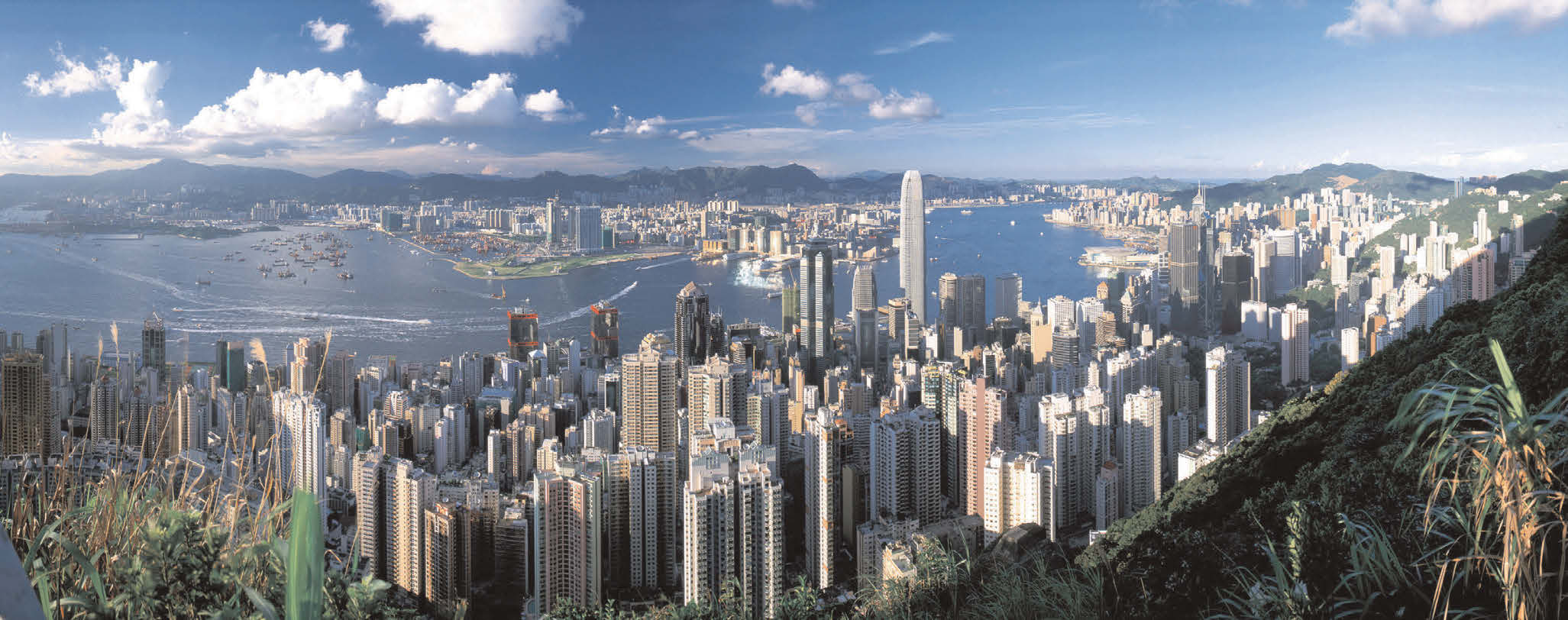
    LONDON (TIP): London has leap-frogged Bangkok and Singapore to be named the second most visited city in the world.

    Nearly 17.4 million foreigners visited the UK capital in 2014, an increase of 3.6 per cent on the previous year, according to research by travel analysts Euromonito.

    Hong Kong however, which hosted 27.7 million visitors in 2014, representing an increase of 8.2 per cent, retained top spot in the 100-strong list for the sixth consecutive year.

    Euromonito travel analyst Wouter Geerts said: “London is one of the most iconic cities in the world. The resounding success of the London Olympics in 2012 has boosted visibility and popularity even further.

    “However, with London airports nearing capacity, the capital risks losing out to European rivals. To remain competitive in the international city destinations landscape, ensuring connectivity and innovation is key.”

    Rio de Janeiro was the biggest climber among the top 100 by shifting 12 places to 80th, attracting 47 per cent more travellers, and largely thanks to the FIFA World Cup – according to Euromonito.

    Cancun in Mexico follows not far behind, with a rise of 42.1 per cent thanks to four million visitors, as jetsetters flocked to its famous white sands. Kiev meanwhile dropped off the list amid a deadly conflict in Ukraine, while St Petersburg and Russia each saw a double-digit decline.

    (The Independent)

  • America’s exploding gun violence issue

    America’s exploding gun violence issue

    The recent attack on the Planned Parenthood clinic in Colorado Springs, CO, that claimed three lives and wounded nine, highlights yet again the enormity of the gun violence problem in the US. Gun running, with the attendant travesty of police action and behaviour, has already raised considerable alarm in American civil society, campus groups, media players and the cantankerous international community. The American toe-hold in public imagination requires more than a facelift, as, the wars in West Asia and North Africa have muddied the dictums of pre-emptive action, the Responsibility to Protect and imminent threat doctrine, disrupting the swan song of the American Dream.

    The rising number of gun crimes bedevil the holier than thou idiom of a nation which places its entire policy premise on democratic peace. No society can be polemically sacrosanct and every nation state is bedeviled with the firestorms of sociological controversies. But here the situation requires urgent measures. The viscerally attuned imagery of homeless bearded men sleeping disconsolately over plastic wraps, and the staple scenario of black mothers scurrying around small houses to prepare breakfast for four children, remains embedded in the public mind.

    In the last few decades, lawyers have played a significant role in spawning a legal front against gun-violence. The incidents at Waco in Texas, the far-reaches of the Sinaloa drug cartel in the sandkissed twilight zones of the United States and Mexico, point to American enforcement agents who have been the prime protagonists of the debate for a while. The practice of letting the guns ‘walk’ and then following the investigative trail in the badlands of Chicago have led to a few fiascos which have questioned the strategy of enforcement instruments in the US.

    Some sportspersons and Hollywood stars go all the way with their support for the gun lobby in the US. The way the anti-gun grouping arranged for finances and solicited the support of law firms spread all across the nation, in order to create a national legal and civil society against the gun lobby, earned them much public support. The activists won important legal battles and created a much needed awareness amongst the citizenry.

    In the contemporary context of the many gun shootings this year alone, US President Barack Obama has come out openly against the menace. He has evoked a war cry imagery to shake the American citizens out of a stupor. He said, “We have to make a credible political choice. When Americans are killed in a mine disaster, we work to make mines safer. When Americans perish in hurricanes, we strengthen the communities but the notion that gun violence in different is rather questionable.”

    The idea that Americans love their freedom and the sanctity of the Constitution too much to resist gun control regulations, allows derelicts and mentally challenged delinquents take the law unto their own hands. Police apathy too adds to the problem when fake gun violators are mistreated or race transgressions are committed by the authorities. Data compiled by the crowd-sourced site Mass Shooting Tracker shows that there have been 294 mass shootings one mass shooting being defined as an incident in which four or more people are shot  in the 274 days sinceJanuary 1. Another agency, Gun Violence Archive, has recorded, as of December 1, as many as 47, 956 incidents of gun violence. The need of the hour is a gun control regulation as the American President has declared in disgust.

  • India, APEC and the US

    India, APEC and the US

    The major focus during the Asia Pacific Economic Cooperation (APEC) meeting in Manila, Philippines on November 18th and 19th would be on the Paris terror attacks though it is a trade promotion group that does not delve into security issues. The regional tensions in the South China Sea would be coming to some sort of attention indirectly despite Chinese efforts to block any discussion.  The issue of enlarging the membership and India’s pending membership application will most probably again be relegated to the background. Both China and the US will raise their pitch to sell their version of free trade blocks. China will try to sell its proposal for the Free Trade Area for Asia-Pacific (FTAAP) which excludes India and the US will do the same for the Trans-Pacific Partnership (TPP) which currently excludes China. Prime Minister Narendra Modi had raised the issue of Indian membership in the APEC with President Barack Obama in January 2015, when Obama visited India as the guest of honor for India’s Republic Day parade. President Obama expressed verbal support for India’s membership in the APEC at that time.


    The APEC was initially floated in 1989 by an Australian initiative and had 12 founding member economies: Australia, Brunei Darussalam, Canada, Indonesia, Japan, Korea, Malaysia, New Zealand, the Philippines, Singapore, Thailand and the United States. In 1991, China, Hong Kong, China and the Chinese Taipei (Taiwan) joined the APEC as a regional package. Mexico and Papua New Guinea followed in 1993. Chile was allowed to join the APEC in 1994.  Peru, Russia and Viet Nam joined the APEC in 1998, taking its full membership to 21 economies. The group acts with consensus in making decisions. APEC is more a trade promotion group and its recommendations are not binding on the member economies.


    The APEC’s mission statement reads: “Our primary goal is to support sustainable economic growth and prosperity in the Asia-Pacific region. We are united in our drive to build a dynamic and harmonious Asia-Pacific community by championing free and open trade and investment, promoting and accelerating regional economic integration, encouraging economic and technical cooperation, enhancing human security, and facilitating a favorable and sustainable business environment. Our initiatives turn policy goals into concrete results and agreements into tangible benefits.”


    The APEC put a moratorium on new memberships in 1997 for a period of 10 years though India’s membership application was pending. The moratorium was extended for another three years in 2007. However, for inexplicable reasons the APEC economies have not bothered to deal with the issue of further enlargement.  Especially India’s application for the membership has been pending with the APEC for last 20 years without approval. Every year since 2010, India has been looking expectantly for the APEC to consider India’s application for membership but nothing concrete has materialized owing to passive obstruction and stonewalling.


    Mainly, two arguments are used against India’s membership that India is not part of Asia-Pacific region and that India has proved to be an obstacle during negotiations in various international trade reforms/regimes. India had bargained tough during the Doha round and the Bali round of the WTO negotiations. Both these arguments are fallacious and self-serving. One fails to understand where countries like Thailand and Brunei have either land or sea borders with the Pacific Ocean? Or being a member of the ASEAN qualifies these two countries for the APEC membership! One also needs to ask a rhetoric question if India is an Asian country or not?  India is not located on the moon! Since the concept of Asia-Pacific has already been substituted by a larger strategic concept of the Indo-Pacific, there is no reason to continue to withhold India’s membership of the APEC on geographical grounds alone. Without India’s participation, there is no Indo-Pacific economy and hence no Asia-Pacific economy!


    India introduced market reforms initially in 1991 when China was allowed to join as a member. India has gradually introduced more market reforms & liberalization and that is the reason India applied for the membership of the APEC. It is true that Indian economy was largely socialistic prior to 1991 but so were China’s, Russia’s and Vietnam’s. Indian membership of the APEC would provide an incentive to continue further deeper economic liberalization. India has been a founding member of the WTO as well as of its previous incarnation of the GATT (General Agreement on Trade and Tariffs) since its inception. Interestingly, Russia is a part of the APEC since 1998 though it still does not qualify for the WTO membership as a market economy. China was allowed to join the WTO only in year 2000 despite being a member of the APEC since 1991. There seems to be some sort of unstated cooperation between both the US and China to continue to go slow on India’s membership of the APEC.

    A number of US based analysts have exhorted the US to champion India’s cause in the APEC for membership as a step toward eventual inclusion in the TPP.  Kevin Rudd, the former Australian PM and head of the CII-Asia Society Task Force  opined that the APEC misses much by not having India on board. Clarifying that APEC is not a free-trade body, Rudd said, “APEC is not a platform for market access negotiations, or a trade negotiating forum, but voluntary association of economies”. We, in India, can understand China’s reflexive and habitual pattern of opposition to India’s membership for any international arrangement with strategic implications because China is an adversary and a strategic threat. India does not perceive the US as an adversary in the post-cold war scenario. In fact, Pew Research on public opinion has consistently shown Indian public considering the US as one of the most  friendly nations.


    The US Deputy Assistant Secretary of State and Senior Official for the APEC Matt Matthews on November 2nd 2015 dampened cold water on India’s membership by categorically stating that it is not on the agenda of the APEC meeting in Manila in Philippines, on November 18 and 19. He further stated: “I do not believe there is any active consideration within APEC for expanded membership in the current time”. When reminded that President Obama had “supported” India’s desire for membership of the APEC during his 2015 visit to India on Republic Day, Matthews said the US had so far only welcomed “India’s interest” in joining the APEC. “It is important to be careful and accurate about describing President’s comment. President welcomed India’s interest in the APEC. That speaks for itself. We welcome India’s examination of APEC. We have not entered [into any] discussion about it. I do not believe India is formally pressing for actual membership now in APEC,” he said.


    India needs to hold the US to its words. The US must stop playing word games like China. The US expects too many unilateral concessions from India without delivering anything in return. The US, after signing the civil nuclear deal in 2005 and after ratifying the same in 2008, has not been able to shepherd India’s membership of the NSG, the MTCR, The Australia Group and the Wassenaar arrangement. The US has also made verbal promises to support India’s permanent membership of the UNSC. However, there is no concrete effort or will to make it implemented into reality despite a lot of rhetoric from the US. The proof of the US goodwill should reflect in active and actual support for India’s membership for the most benign of these international arrangements. Being an active member of the APEC will help India transform its domestic economy into full-fledged market economy. It will also prepare India for additional economic reforms so to obtain eventual membership of the RCEP or the TPP or the FTAAP.


    India and the US have had a legacy of trade disputes within the WTO. US trade representatives have invoked the Special 301 Priority Foreign Country designation for India. If the US continues to show a pattern of passive indifference and obstruction to India’s membership of the APEC while using the flowery rhetoric akin to China, India may have to utilize more aggressive marketing and trading strategies. Let it be known to everyone including the US that trade wars and denial of market access is as a detrimental as a hot war in the modern context. If you don’t support us, you are against us in our pursuit of market access. Since India and the US have now formalized an annual Strategic and Commercial dialogue, perhaps, the US performance in its active support to India’s membership of the APEC needs to be carefully monitored annually. Preferential trade access to Indian market for the US must be made contingent upon US behaviors towards India’s membership in the APEC and other free trade groups.

    To paraphrase and plagiarize Carla Anderson Hills, the former US trade representative: We (India) will be ready to open the APEC and other trade-blocks with a crowbar if necessary, but with a Namaste if possible!


    (The author is President, The Council for Strategic Affairs, New Delhi, India, an independent and privately funded Indian think-tank. He can be contacted at adityancsa@gmail.com)

  • Hurricane Patricia nears Mexico’s Pacific coast

    MEXICO CITY (TIP): Patricia is strengthening and is expected to hit the coast of Mexico as a dangerous major hurricane.

    On Oct 22, Forecasters from the National Hurricane Center in Miami warned residents in the area to prepare. The forecasters say Patricia should reach the Mexican coast on Friday.

    Patricia’s maximum sustained winds increased Thursday to 100mph (155kph). Patricia is centered about 240 miles (385 kilometers) south-southwest of Lazaro Cardenas with movement toward the west-northwest at 17mph (28kph).

    A hurricane warning is in effect for the Mexican coast from Cabo Corrientes to Punta San Telmo, a stretch of coastline that includes the port city of Manzanillo. Other areas are under hurricane watch, tropical storm warning, or tropical storm watch. (Source : AP)

  • Indian American Dr. Neel Kanase hits Amazon Best-Seller lists with The Soul of Success Volume 2

    Indian American Dr. Neel Kanase hits Amazon Best-Seller lists with The Soul of Success Volume 2

    AMARILLO, TX (TIP): Dr. Neel Kanase recently joined a select group of business experts and entrepreneurs from around the world along with Best-Selling Author® Jack Canfield originator of the Chicken Soup for the Soul® series to co-write the book “The Soul of Success Vol.2 : The World’s Leading Entrepreneurs and Professionals Reveal Their Core Strategies for Getting to the Heart of Health Wealth and Success”. The book was released on September 10th 2015 by CelebrityPress™ – a leading business book publisher.

    On the day of release the book reached best-seller status in six US Amazon categories – reaching as high as #1 in the
    “Direct Marketing” category. The book also reached #7 in “Marketing” #16 in “Marketing and Sales” #22 in ” Entrepreneurship” and
    #25 “Small Business and Entrepreneurship” categories. The Soul of Success became an international best-seller reaching #10 in
    “Direct Marketing” on Amazon in Canada. Dr. Neel Kanase contributed a chapter titled
    “Transformations From The Inside Out-Inspiring Others Through Your Passions.”

    Since 2005 Dr. Neel Kanase has been the owner of American Laser Med Spa. He started out with one clinic and now has six clinics total five located throughout Texas and one in New Mexico with over twenty-five employees total. It’s through this exciting avenue of cosmetic medicine that he’s found his home and calling helping clients find more self confidence to do what they love to do best.

    After moving from India in 1995 with a Degree in Medicine and Surgery (M.D.) which he received from the University of Bombay Grant Medical College Neel moved to Texas and  made his home in the panhandle where he attended Texas Tech University to receive his Masters of Science Degree in Food and Nutrition and then completed his Residency in Family Medicine at Texas Tech University and was given prestigious recognition by his colleagues as Outstanding First Year Resident (1998-1999) Outstanding Resident Teacher (1999-2000) Resident’s Choice Award (2000-2001) Resident Teacher Award (2000-2001) and Outstanding Resident of the Year Award (2000-2001) as well as being named Chief Resident for the Texas Tech University HSC Family Medicine Residency Program.

    The book: Success is a concept universally embraced but individually defined. Our definition of success truly depends on our individual goals. For example your goal might be monetary a physical accomplishment or a moral achievement. To flesh out this topic we are adding a few comments made by famous and successful people in diverse fields – similar and familiar concepts to those put forward by the Premier Experts® in this book.

    Success is to be measured not so much by the position that one has reached in life as by the obstacles which he has overcome while trying to succeed.

    Booker T. Washington You can succeed best and quickest by helping others to succeed.

    Napoleon Hill The difference between a successful person and others is not a lack of strength not a lack of knowledge but rather a lack in will.

    Vince Lombardi Nothing can stop the man with the right mental attitude from achieving his goal; nothing on earth can help the man with the wrong mental attitude.

    Thomas Jefferson In our New Economy the acquisition of success has been reformatted somewhat by business and industry even though its principles remain the same. The Electronic Revolution has changed the economic landscape as much as the Industrial Revolution. We now live more and more in “real time” and expect others to do the same. This era of instant communication has changed the ways in which we communicate and expect responses.

    To succeed today it is useful perhaps essential to have a mentor. Errors will be made but to minimize them will speed up your journey. The Premier Experts® in this book will help you along the way. They have been there and know the road. Who would be better to guide you? They will illuminate your path to The Soul Of Success…

    After such a successful release Dr. Neel Kanase will be recognized by an organization that honors authors from many of the leading independent best-seller lists.

    A portion of the royalties earned from The Soul of Success Volume 2 will be given to Entrepreneur’s International Foundation a not for profit organization dedicated to creating unique launch campaigns to raise money and awareness for charitable causes.

  • Border chaos: 3-year wait for deportation hearings, just 1 in 6 minors show up

    Border chaos: 3-year wait for deportation hearings, just 1 in 6 minors show up

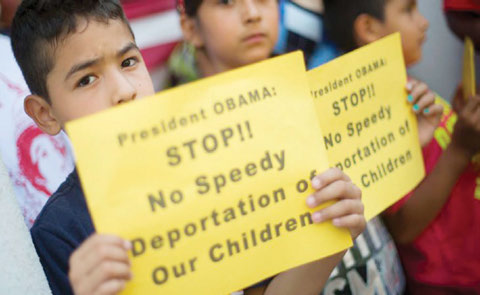
    WASHINGTON (TIP): A new report on the utter chaos in immigration courts finds that the average wait time for adult illegals to get a deportation hearing has reached a whopping 1,071 days and that 86 percent of minors ordered deported are simply let go in part because they never show up for legal hearings. The Migration Policy Institute report issued Thursday said that the surge in minors flooding over the Mexico-U.S. border beginning last year has so clogged immigration courts that the system is stalled.

    Starting in spring 2014 and through today, some 102,000 unaccompanied children from Central America and Mexico were arrested on the border. The surge was so big, Justice implemented a special rush system to put the minors ahead of illegal adult immigrants.

    But, said the report, 61 percent of the cases involving minors were still unresolved as of August 31, and that has helped to push the backlog for others like adults facing deportation hearings to 1,071 days.

    The report also revealed:

    • One in six minors fail to appear at immigration hearings and are automatically ordered deported in absentia.
    • Most deportation orders of minors go unexecuted.
    • Of 13,204 minors ordered removed in fiscal 2014, just 1,863 were actually deported.

    “Most cases are still pending in the courts, while the children wait in the United States in unauthorized status. For those cases that have been resolved, the ones that ended in an order of deportation have largely been unexecuted; and of those ending in some form of relief, many children have not received lawful immigration status,” wrote report author Sarah Pierce, an MPI research assistant. “The end result is similar: The children become more fully settled in the United States-while remaining unauthorized.”

    The report also draws attention to the problems schools are having dealing with the illegal minors.

  • California to become sixth US state to allow euthanasia

    LOS ANGELES (TIP): California is set to become the sixth American state to approve euthanasia, a controversial issue in the United States fueled by the recent suicide of a woman suffering from terminal cancer.

    “This is a historic step forward for Californians with terminal illnesses who have been looking to the legislature for the option to determine the quality of their final days of life based on their own personal beliefs,” said Senator Bill Monning, one of the backers of the bill approved by the state assembly on Wednesday.

    The measure, approved by 43 votes against 34, is expected to be adopted by the state senate this week.

    Euthanasia, or assisted suicide, has long been a controversial issue in the United States, with Montana, New Mexico, Oregon, Vermont and Washington the only states to have approved it so far. The topic was brought to the forefront in California by the case of Brittany Maynard, a 29-year-old with a brain tumor who moved from San Francisco to Oregon and took her own life last November. “Her case brought the story to the public in a way that hadn’t been done before,” said Monica Schmalenberger, an aid to California Senator Lois Wolk, a supporter of the euthanasia bill. Another woman suffering from leukemia is suing the state of California demanding the right for doctors to assist terminally ill patients end their lives.

  • World’s largest children’s museum displays Hindu Lord Ganesh

    INDIANAPOLIS (TIP): The Children’s Museum of Indianapolis (CMI), said to be world’s largest children’s museum, in partnership with National Geographic, is displaying a statue of Hindu Lord Ganesh in its current Sacred Journeys exhibition.

    This Lord Ganesh statue was custom made for the Museum and shipped from India recently.

    Other areas of the “National Geographic Sacred Journeys” exhibition that focus on Hinduism, include Ganges River where they talk about Kumbh Mela, which includes a Ganga Jumna Lota pot and shows some contemporary items that people who go to the Kumbh Mela might purchase; Ganesh Chaturthi Festival; and Diwali Festival, which contains many Diwali hanging lanterns and diyas.

    Rajan Zed, a Hindu priest, in a statement, commended CMI for exhibiting Lord Ganesh statue and Hinduism focused displays.

    Rajan Zed, who is President of Universal Society of Hinduism, urged major art museums of the world, including Musee du Louvre and Musee d’Orsay of Paris, Metropolitan Museum of Art in New York, Los Angeles Getty Center, Uffizi Gallery of Florence (Italy), Tate Modern of London, Prado Museum of Madrid, National Gallery of Art in Washington DC, etc., to frequently organize Hinduism focused exhibitions, thus sharing the rich Hindu heritage with the rest of the world.

    This 7,000-square-foot exhibition will continue till February 21 and is funded through a $1.25 million grant from Lilly Endowment Inc.

    It also includes displays of Western Wall in Jerusalem, the Great Mosque in Mecca, Bodh Gaya in India, Tepeyac Hill and the Basilica of Our Lady of Guadalupe in Mexico City, Dome of the Rock mosque, Church of the Holy Sepulchre, Bodhi Tree, Caves in the bluffs along the Dead Sea; fragments of the Dead Sea scrolls, Jewish ritual objects, a piece of the Kiswah, throne built for the Dalai Lama, stone from the Western Wall, the trunk Brigham Young carried from New York to Utah, a replica of the Shroud of Turin, a sand mandala; etc. It “reflects this diversity of religious and spiritual pilgrimage through immersive environments created with photography from National Geographic”.The National Geographic Society claims to be “inspiring people to care about the planet since 1888” and reaches over 700 million people a month.

  • AT&T forecasts earnings, sales growth following DirecTV deal

    AT&T forecasts earnings, sales growth following DirecTV deal

    DALLAS (TIP): AT&T Inc. forecast annual growth in profit and revenue through 2018 after buying DirecTV and two Mexican wireless companies.

    Earnings per share excluding some items will be $2.62 to $2.68 this year, Dallas-based AT&T said Wednesday, August 5, in a statement. Capital spending will be about $21 billion, including interest from airwaves assets and free cash flow will be in the $13 billion range, the carrier said.

    With its $48.5 billion takeover of DirecTV completed last month, AT&T is now the No. 1 pay-TV company in the U.S. AT&T reiterated its April outlook for cost savings from the acquisition of at least $2.5 billion by 2018. That’s up from its $1.6 billion forecast at the time the deal was announced in June 2014.

    “This doesn’t come as a surprise,” said Roger Entner, an analyst with Recon Analytics LLC in Dedham, Massachusetts.

    The company also made its entry into the Mexican market this year with the purchase of Grupo Iusacell SA, that country’s third-largest mobile-phone operator, and Nextel Mexico. AT&T plans to build a national wireless service in Mexico and the first phase of a cross-border mobile service with the U.S.

    “We’re a different company than when we began the year,” AT&T Chairman and Chief Executive Officer Randall Stephenson said in the statement.

    Annual revenue growth will be in line with or better than gross domestic product growth in 2016 through 2018, the company said. Earnings per share excluding some items will grow in the mid-single-digit range or better, it said.

    AT&T fell 2.8 percent to $33.67 at 10:29 a.m. in New York, it’s biggest intraday drop since December. The stock had gained 3.2 percent this year through Tuesday.

    Last month, before the DirecTV deal closed, AT&T reported second-quarter earnings excluding some items of 69 cents a share, topping the 64-cent average of estimates compiled by Bloomberg.

  • IMF DOWNGRADES 2015 OUTLOOK FOR GLOBAL GROWTH TO 3.3%

    IMF DOWNGRADES 2015 OUTLOOK FOR GLOBAL GROWTH TO 3.3%

    WASHINGTON (TIP): The US economy’s stumble at the start of 2015 is dragging down the world’s growth prospects, the International Monetary Fund said on July 9.

    The IMF forecasts 3.3 per cent global growth this year, down from the 3.5 per cent it predicted in April. The main culprit: The American economy, world’s biggest, shrank at a 0.2 per cent annual rate from January to March, hurt by nasty weather. The IMF last month cut the outlook for US growth to 2.5 per cent in 2015, from April’s 3.1 per cent. The US economy grew 2.4 per cent in 2014.

    The fund expects the US economy to grow 3 per cent in 2016.

    IMF research chief Olivier Blanchard downplayed the wider economic impact of the Greek debt crisis and the possibility that Greece could be forced to abandon the euro currency. “The effects on the rest of the world economy are likely to be limited,” he said.

    The IMF expects global growth to improve to 3.8 per cent next year.

    Meantime, America’s first-quarter troubles are pinching its neighbors.

    The IMF trimmed Mexico’s 2015 growth forecast to 2.4 per cent from 3 per cent and Canada’s to 1.5 per cent from 2.2 per cent.

    The multinational lending agency kept its forecast for China’s economic growth unchanged at 6.8 per cent this year and 6.3 per cent in 2016.

    The Chinese stock market has plunged, with the Shanghai Composite index down 30 per cent from its peak less than a month ago. But Blanchard said: “We don’t see it as a major macroeconomic issue.” That is because ordinary Chinese mostly did not spend the paper gains in their stock portfolios as shares climbed to dangerous heights over the past year; so they are not likely to cut back now. Moreover, Blanchard said, the stock market is small compared with the size of China’s economy, the world’s second largest.

    The IMF predicts the eurozone will grow 1.5 per cent this year, unchanged from April’s forecast; Japan will grow 0.8 per cent, down from an April forecast of 1 per cent; and the Brazilian economy will shrink 1.5 per cent, a downgrade from April’s forecast for a 1 per cent
    drop.

  • Indian Americans Preet Bharara & Rakesh Khurana honored with Carnegie’s ‘Great Immigrant’ award

    Indian Americans Preet Bharara & Rakesh Khurana honored with Carnegie’s ‘Great Immigrant’ award

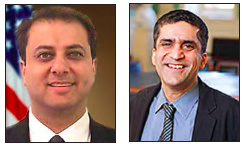
    NEW YORK (TIP): The Carnegie Corporation has announced the 2015 “Great Immigrant”: The Pride of America” awardees. These are the individuals who have helped advance and enlighten our society, culture, and economy. Preet Bharara, U.S. Attorney, Southern District of New York is among 38 eminent personalities selected as 2015 ‘Great Immigrant’ honorees, on the eve of the nation’s birthday on July 4th by Carnegie Corporation.

    The other Indian American awardee, Rakesh Khurana is the Marvin Bower Professor of Leadership Development at Harvard Business School (HBS), professor of sociology in the Faculty of Arts and Sciences (FAS), and co-master of Cabot House and dean of Harvard College.

    “Our founder, Andrew Carnegie, came to this country as the son of impoverished immigrants and grew up to become one of the greatest contributors to American industry and philanthropy,” said Vartan Gregorian, President of the Corporation. “His devotion to U.S. democracy stemmed from his conviction that the new infusion of talent that immigrants bring to our country keeps American society vibrant.”

    The 38 Great Immigrants honored this year come from more than 30 countries around the world and represent leadership in a wide range of professions.

    They include:

    • Preet Bharara S. Attorney, Southern District of New York (India)
    • Geraldine Brooks Pulitzer Prize-winning Author, Journalist (Australia)
    • Thomas Campbell Director and CEO, The Metropolitan Museum of Art (England)
    • Rabia Chaudry Attorney, Civil Rights Activist (Pakistan)
    • Mica Ertegun Interior Designer (Romania)
    • Stanley Fischer Economist; Vice Chair, Board of Governors, Federal Reserve System (Israel)
    • Jonathan Hunt Fox News, Chief Correspondent (Canada)
    • Malek Jandali Composer, Pianist (Syria)
    • Rakesh Khurana Professor, Dean, Harvard College (India)
    • Marie-Josée Kravis Economist, Philanthropist (Canada)
    • Nastia Liukin Olympic Medal-winning Gymnast (Russia)
    • Bette Bao Lord Author, Human Rights Advocate, Philanthropist (China)
    • Ali Malekzadeh President, Roosevelt University, Chicago (Iran)
    • Silvio Micali Turing Award-winning Professor of Computer Engineering (Italy)
    • Lorne Michaels Peabody Award-winning TV Producer (Canada)
    • Franziska Michor Vilcek Prize-winning Professor, Computational Biology (Austria)
    • Anchee Min Author (China)
    • Sharmin Mossavar-Rahmani Philanthropist; Chief Investment Officer, Private Wealth Management Group, Goldman Sachs (Iran)
    • Firouz Naderi Director, Solar System Exploration, NASA Jet Propulsion Laboratory (Iran)
    • Azar Nafisi Author, Scholar (Iran)
    • Craig Nevill-Manning Engineering Director, Google (New Zealand)
    • Maria Otero U.S. Under Secretary of State for Civilian Security, Democracy, and Human Rights (Bolivia)
    • Eddie Pérez Bullpen Coach, Atlanta Braves (Venezuela)
    • Ilana Rovner Judge, U.S. Court of Appeals, Seventh Circuit (Latvia)
    • Arturo Sandoval Grammy Award-winning Jazz Trumpeter (Cuba)
    • Madhulika Sikka Vice President, Executive Editor, .Mic (India)
    • Thomas C. Südhof Nobel Prize-winning Neuroscientist (Germany)
    • Antonio M. TagubaS. Army Major General, Retired (Philippines)
    • Ann Telnaes Pulitzer Prize-winning Political Cartoonist (Sweden)
    • Thalía Singer, Actress (Mexico)
    • Tuyen Tran Vilcek Prize-winning Fashion Designer (Vietnam)
    • Abraham Verghese Physician, Professor, Author (Ethiopia)
    • Eugene Volokh Professor, Legal Scholar, Blogger (Ukraine)
    • Arieh Warshel Nobel Prize-winning Biochemist (Israel)
    • Raffi Yessayan Judge, Massachusetts Superior Court (Lebanon)
  • Business leaders urge G20 to push digital economy, e-commerce

    ISTANBUL (TIP): An influential group of business leaders have urged the G20 to improve the global trade system for the emerging digital economy as well as focus on reforms to ensure strong and sustainable growth.

    The group known as B20, met in Turkey on the sidelines of the G20 sherpas meeting and discussed the recommendations which would be finalised for the G20 leaders meeting in November. It called for eliminating data flow restrictions and softening regulations on data privacy to decrease the cost of doing business. It said customs regimes must be harmonized to ensure that bottlenecks to e-commerce are minimized and transactions are made more predictable.The G20 comprises the largest and emerging economies, which account for 85% of global GDP and 75% of world trade. It comprises the US, the UK, the European Union, India, Argentina, Australia, Brazil, Canada, China, France, Germany, Indonesia, Italy, Japan, South Korea, Mexico, Russia, Saudi Arabia, South Africa and Turkey.

    “Harmonize customer protection rules, specifically on core issues relating to purchase processes, to better facilitate e-commerce efforts and eliminate costs and administrative difficulties,” it said in its draft recommendations.

    According to estimates, the digital economy is expected to contribute $4.2 trillion or more than 5% of GDP for the G20 countries in 2016 and is growing at 10% annually. Cross border e-commerce accounts for 10-15% of total e-commerce volumes, depending on the region. By 2025, annual global cross-border e-commerce revenues could swell to between $250 billion and $350 billion-up from about $80 billion now, according to Mckinsey Global Institute and BCG analysis. The B20 has six task forces on infrastructure and investment, trade, financing and growth, anti-corruption, employment and small and medium enterprises and entrepreneurship. Each of the task forces made specific recommendations to improve business prospects within the G20, which would help lift GDP growth.

    It called for reaffirming the commitment to rollback of existing protectionist measures, particularly non-tariff barriers and said the G20 must start taking distinct actions by eliminating localization barriers to trade as a first step. Numerous reports show that G20 governments are not adhering to their standstill and roll back commitments with regards to regular tariff barriers, the B20 said.

    “Non-tariff barriers can have a much greater negative impact on GDP growth than tariffs. The benefits of reversing all barriers introduced between 2008 and 2013 is at least $460 billion increase in global exports, a $423 billion increase in global GDP and 9 million jobs supported worldwide,” it said. The B20 strongly backed the creation of an enabling environment for increased flow of private funds into more sustainable infrastructure. It said there is a need to increase the number of projects developed through public-private partnerships (PPPs) and build capabilities of governments to deliver PPPs.

  • US FOOD AND DRUG ADMINISTRATION BLOCKED MAGGI IMPORT IN JANUARY

    NEW DELHI (TIP): Nestle may have secured a clean chit for Maggi from the Singapore food regulator, but the US Food and Drug Administration (FDA), considered the world’s strictest regulator, had refused import of the noodles earlier this year.

    The US FDA’s website shows that in January this year, six import refusal reports were issued to Nestle India by it. The regulator rejected Nestle India’s instant noodles and chowmein, manufactured at the company’s factories in Goa (Bicholim), Uttarakhand (Pantnagar) and Punjab (Moga).

    In the report, the US FDA said,”The article appears to be misbranded in that the label or labeling fails to bear the required nutrition information.”

    This is significant because even in India regulators have raised questions about Nestle’s labeling and packaging of Maggi, while ordering a countrywide withdrawal and recall of all nine variants of the popular snack. Regulatory tests in India have found Maggi containing added monosodium glutamate (MSG). However, the company does not declare so on the pack. Similarly, Maggi samples were allegedly found containing lead in excess of the prescribed limit.

    Interestingly, after the latest recall of Maggi instant noodles in India, the US FDA has also sent samples of the product for testing.

    Apart from Nestle’s products, imports of several other India-made packaged food products including bakery items, snacks, noodles and macaroni from leading players like Haldiram, Britannia and Indo Nissin Foods, were also blocked by the US FDA in the first five months of 2015.

    In fact, data from the American regulator shows, India leads the list of rejected food products in various categories, with more than half of such items coming out of Indian facilities. Countries like Mexico and China are much bigger exporters to the US.

    However, in terms of number of snacks and bakery products rejected, India, the eighth largest supplier of food to the US, is much ahead. For instance, the US FDA rejected a total of 217 bakery products between January and May, of which 116 were from India and 17 from China.

    Most of the Indian snacks and bakery products rejected by the American regulator so far this year are from Haldiram. Some of the reasons cited include contamination, pesticide adulteration, decomposed substances, inadequate processing and insanitary conditions etc.

    In some of the orders, the regulator said the products can be “rendered injurious to health”. Several phone calls made to Haldiram to seek their response remained unanswered.

    Experts say like medicines, food safety regulation is also going to be strengthened in upcoming years. “The Indian food market is evolving and companies need to behave in a more responsible manner,” a former FSSAI official said.

  • Mexico supreme court opens door to gay marriage nationwide

    MEXICO CITY (TIP): Mexico’s supreme court has ruled it is unconstitutional for Mexican states to bar same-sex marriages.

    But the court’s ruling is considered a “jurisprudential thesis” and does not invalidate any state laws, meaning gay couples denied the right to wed would have to turn to the courts individually. Given the ruling, judges and courts would have to approve same-sex marriages.

    The high court ruled that any state law which considers the ultimate purpose of marriage to be “procreation, and or defines (marriage) as celebrated between a man and a woman, is unconstitutional.”

    Gay marriage is legal in some parts of Mexico, including Mexico City and the northern state of Coahuila.

    The ruling was delivered June 3, but didn’t become known until this week.

  • Mexico held by minnows Bolivia at Copa America

    VINA DEL MAR (CHILE) (TIP): Mexico coach Miguel Herrera watched in frustration and anger as his side failed to break down minnows Bolivia in a Copa America encounter on June 12 that ended in a goalless draw.

    Herrera was lucky his side did not concede a killer goal in game that left hosts Chile in charge of Group A after their 2-0 win over Ecuador on the opening day of the South American championship.

    He chided his side — weakened by the absence of star players such as Javier ‘Chicharito’ Hernandez, Carlos Vela and Giovani dos Santos — from the touchline as they failed to break down the world 89th ranked Bolivians.

    But Herrera erupted at Paraguayan referee Enrique Caceres for not awarding a penalty when Javier Aquino, Mexico’s most effective player, appeared to be brought down in the 79th minute.

    Herrera brought a weakened squad to the Copa America as he is saving his main players for the Gold Cup in the United States next month. But he still insists that Mexico, 29th in the Fifa rankings, are in Chile to win games.

    Bolivia always looked vulnerable when under pressure but surprised their stronger opponents on the counter attack and had three outstanding first half chances.

    In the 14th minute, Ricard Pedriel flicked a low cross by Swedish based defender Marti Smedberg-Dalence onto the post. Just before the break, Jhasmani Campos fired a left foot shot that Mexico goalkeeper Jose Jesus Corona just tipped over the crossbar. From the resulting corner, veteran Bolivian defender Ronald Raldes just headed wide. Herrera started to show his frustration as Mexico failed to get a grip on the game in the second half.

    Mexico midfielder Jesus Corona blasted the ball wide of the goal from close range when Matias Vuoso was well placed in the goal area. Juan Carlos Medina also wasted a shot from the edge of the penalty area. Mexico had their best chance when winger Jesus ‘Tecatico’ Corona put in a perfect cross for Vicente Vuoso.

  • China and India Immigrants Becoming US Citizens at High Rate

    China and India Immigrants Becoming US Citizens at High Rate

    For the first time in decades, the number of immigrants coming to the United States from China and India outnumbers those coming from Mexico. It’s a historic shift that has caught the attention of service providers across the country working to help immigrants become U.S. citizens.

    “We’ve seen a huge change in recent immigration,” Jeanne Batalova, senior policy researcher at Migration Policy Institute, told reporters on a national press call Wednesday. The call was hosted by the New Americans Campaign, in collaboration with New America Media and the National Immigration Forum.

    Of 1.2 million recent immigrants who came to the United States in 2013, 147,000 immigrants came from China, the leading country of origin, followed by 129,000 immigrants from India, and then 125,000 immigrants from Mexico.

    Asian Americans also have among the highest naturalization rates in the United States: Less than half of all immigrants in the United States (47 percent) are naturalized U.S. citizens, while the percentage for Asian immigrants is significantly higher, at 59 percent. The proportion of naturalized U.S. citizens is highest for Vietnamese (76 percent) and Taiwanese (74 percent), followed by Filipinos (68 percent), Koreans (59 percent), Chinese (51 percent) and Indians (47 percent).

    These numbers are high despite the fact that some countries, like China, still do not offer dual citizenship. Others, like the Philippines (in 2003) and South Korea (in 2010), have made changes to their dual citizenship requirements.

    Yet even for those who do not have access to dual citizenship, the benefits of U.S. citizenship can be very attractive — including security and protection from deportation, the ability to travel freely, the right to vote and run for political office, and the ability to sponsor a wider range of family members for immigration to the United States.

    Citizenship also brings economic benefits, said Batalova. Studies show that naturalized citizens earn more than non-citizen counterparts, are less likely to be unemployed and are better represented in high-skilled jobs.

    Still, many immigrants face barriers that can prevent them from becoming citizens, such as limited English proficiency or limited income, said Jannette Diep, executive director of Boat People SOS-Houston. Boat People SOS is part of the New Americans Campaign, a national coalition of over 100 organizations that helps immigrants overcome these barriers to make citizenship more accessible. For example, the campaign offers free workshops to help people apply for citizenship, provides English language and civics classes, and helps people apply for fee waivers if they can’t afford the $680 application fee.

    Citizenship is “a very important step for the Asian American community because it allows them to become more integrated in America,” said Diep. “This integration allows the AAPI community to become more visible in U.S. cities, increasingly getting elected to public office.”

    According to a report released last year by the UCLA Asian American Studies Center, the number of Asian American public officials has reached historic levels, with more than 4,000 Asian Americans holding public office in 39 states and the federal government.

    For Zen Santos, who came to Los Angeles from the Philippines in 2008, becoming an American citizen allowed her to have a say in the future of her new country.

    “I felt that I lacked something – to be involved, and that is to vote,” Santos told reporters on Wednesday.

    But when Santos lost her job, she found that she couldn’t afford the application fee. That’s when Santos sought help from the Filipino American Service Group, Inc., (FASGI) in Los Angeles, which is part of the New Americans Campaign. The group helped Santos get a fee waiver, and she became a citizen in 2013.

    “I am American now, and I can vote now,” Santos said. “I have to get involved in deciding for this country where I live now.”

    For more information about the New Americans Campaign, go to: newamericanscampaign.org

  • Bomb Threats | 5 U.S. Flights Targeted

    Bomb Threats | 5 U.S. Flights Targeted

    At least five flights were targeted by phoned-in bomb threats Tuesday,  June 2, government sources told NBC News. The threats weren’t considered credible.

    Four of the five flights — among them one from San Diego to Philadelphia, one from Los Angeles to Atlanta and one from San Francisco to Chicago — landed safely Tuesday, while the other was still en route to San Francisco from Seoul, South Korea.

    Korean Air Flight 23 from Seoul to San Francisco was still in the air and is scheduled to land Tuesday afternoon.

    The flights that landed safely were US Airways Flight 648 from San Diego to Philadelphia, Delta FLight 55 from Los Angeles to Atlanta, United Flight 995 from San Francisco to Chicago and Volare Flight 939 from Portland, Oregon, to Guadelajara, Mexico.

    At the Philadelphia airport, police with search dogs boarded the threatened US Airways flight, after a threat indicated there were multiple devices aboard Flight 648.

    Airline spokeswoman Victoria Lupica says passengers were taken off the plane and transported to a terminal. They were reunited with their luggage and personal items and were free to go.

  • Nebraska abolishes death penalty in landmark override vote

    Nebraska abolishes death penalty in landmark override vote

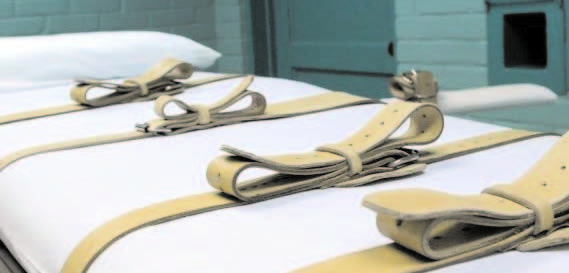
    LINCOLN (TIP): Nebraska abolished the death penalty on May 27 in a landmark veto-override vote backed by an unusual coalition of conservatives who oppose capital punishment.

    Senators in the one-house Legislature voted 30-19 to override Gov. Pete Ricketts, a Republican who supports the death penalty. The vote makes Nebraska the first traditionally conservative state to eliminate the punishment since North Dakota in 1973.

    Nebraska joins 18 other states and the District of Columbia in banning the ultimate punishment.

    Some senators said they philosophically support the death penalty, but are convinced the state will never carry out another execution because of legal obstacles. Nebraska hasn’t executed an inmate since a 1997 electrocution, and the state has never done so with its current lethal injection protocol.

    Nebraska lost its ability to execute inmates in December 2013, when one of the three lethal injection drugs required by state law expired.

    Ricketts announced this month that the state has purchased two of the drugs that the state now lacks, but opponents have said they still aren’t convinced Nebraska will be able to resume executions. On Tuesday, Republican Attorney General Doug Peterson implored lawmakers to give state officials more time to prepare.

    The repeal bill was introduced by independent Sen. Ernie Chambers, who has fought for nearly four decades to repeal the death penalty.

    Nebraska’s action to repeal the death penalty is unusual because of its traditionally conservative leanings. Maryland was the last state to end capital punishment, in 2013. Three other moderate-to-liberal states have done so in recent years: New Mexico in 2009, Illinois in 2011 and Connecticut in 2012.

    Nebraska’s officially nonpartisan Legislature is comprised of 35 registered Republicans, 13 Democrats and an independent. A Nebraska State Patrol spokeswoman said Wednesday that the agency was investigating death threats left on the answering machine of a state senator who supports the repeal.

    The last time lawmakers passed a death penalty repeal bill was in 1979, but senators at the time didn’t have enough votes to override a gubernatorial veto.

  • Aide of Indian-American Kamala Harris Arrested

    Aide of Indian-American Kamala Harris Arrested

    WASHINGTON:  Three people including an aide of Indian-American Attorney General of California Kamala Harris have been arrested on charges of running a rogue police force.

    Brandon Kiel, an aide of 50-year-old Harris,  who worked as deputy director of community affairs at the California Department of Justice was arrested for impersonating a police officer.

    Kiel, 31, who is reportedly on leave from his job, reportedly called himself the “chief deputy director” of the masonic Fraternal Police Department in letters to various southern California police departments requesting meetings.

    The rogue police force claims to have existed for more than 3,000 years and have jurisdiction in 33 states and
    Mexico.

    Investigators, during a search of Kiel’s  home –  who is accused of misusing his government identification – found uniforms, weapons, badges and vehicles.

    Harris, a rising star of the Democratic Party, is running for the Senate seat from California.

  • The Mayweather-Pacquiao Fight watch online or on HBO now

    The Mayweather-Pacquiao Fight watch online or on HBO now

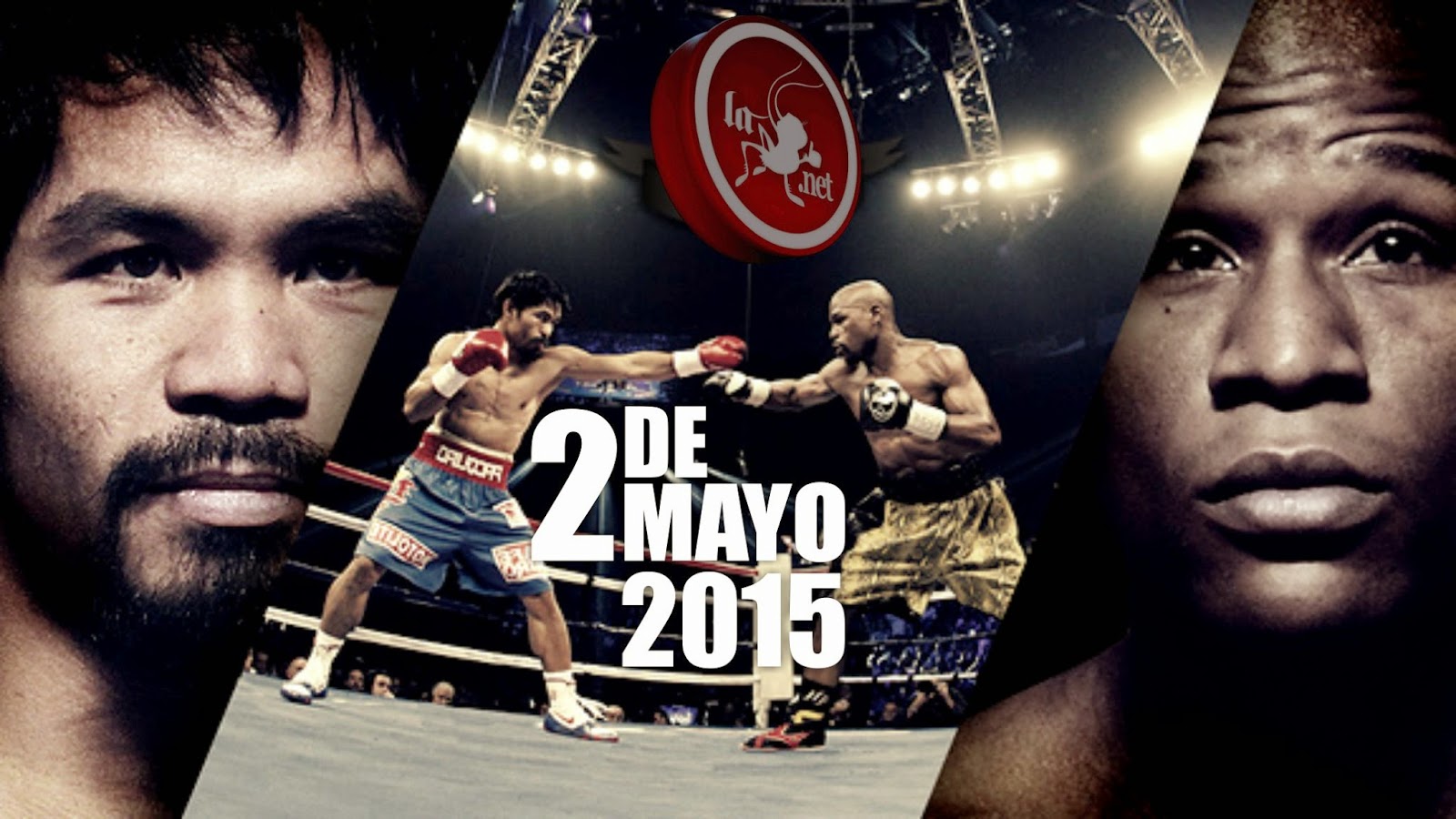
    Floyd Mayweather faces Manny Pacquiao in the “fight of the century” tonight on pay-per-view, with the main card broadcast beginning at 9 pm EST / 6 pm PST from the MGM Grand Garden Arena in Las Vegas, Nevada.

    This is the first time that premium cable giants HBO and Showtime have worked together on a fight since 2002’s Lennox Lewis vs Mike Tyson event, which generated record money for the time. Five years later, Mayweather’s fight with Oscar De La Hoya broke all the records. In 2013, Mayweather’s fight with Canelo Alvarez set new marks for PPV revenue and live gate revenue.

    Tonight, every record falls, as the biggest fight in the sport has finally come after five years of waiting.

    Here’s what you need to know:

    Fight Time: 9:00 pm EST

    Main Event Fight Time: Around 11:00 pm EST

    TV Channels: HBO/SHO PPV in the United States ($89.95-99.95); Sky Box Office in the United Kingdom (£14.95); Main Event PPV in Australia ($59.95); Sky Arena in New Zealand ($49.99); Televisa and Azteca in Mexico; Sport 1 in Hungary; Frecuencia Latina in Peru; Ma Chaine Sport in France.

  • Mexico’s ‘New Generation’ cartel takes police head-on

    Mexico’s ‘New Generation’ cartel takes police head-on

    OCOTLAN, MEXICO (TIP): The town still bears the scars from the unprecedented offensive launched by a powerful Mexican drug cartel against government forces: bullet-pocked buildings and blood stains on the street.

    The March 19 ambush that killed five federal gendarmerie officers, three gang suspects and three bystanders in Ocotlan signaled the start of a conflict between the authorities and the Jalisco New Generation Drug Cartel.

    The well-armed gang took its operation to a new level on April 6 when it surprised a Jalisco state police convoy, gunning down 15 officers in the deadliest single day for Mexico’s security forces in years of a bloody drug war.

    The western state of Jalisco is known as the birthplace of tequila, mariachis and the country’s most popular football team, the Chivas of Guadalajara.

    But now it is also known as the home of the New Generation, a rising power of Mexico’s underworld that had been overshadowed until now by other groups such as the Sinaloa, Zetas, Gulf and Knights Templar cartels.

    Officials say the Jalisco cartel has grown so powerful that it has produced its own assault rifles in makeshift gun assembly shops. The gang has even recruited military deserters, including foreign ones. “They were waiting for the moment when they felt strong to start this escalation,” Luis Carlos Najera, the chief prosecutor of Jalisco state, told AFP. Last year, authorities discovered a clandestine workshop with sophisticated equipment to build M16 and R15 rifles. Some of the homemade weapons were found following the recent attacks. The cartel has drawn the attention of the US government, which has funded Mexico’s battle against drug cartels by providing equipment, training and intelligence. Last week, the US Treasury Department slapped financial sanctions against the New Generation and its shadowy boss, Nemesio Oseguera, alias “El Mencho,” as well as its allies, the Los Cuinis cartel.

    The gang has expanded beyond Jalisco into neighboring Michoacan and Colima while forging ties with other criminal organizations in the United States, Latin America, Africa, Europe and Asia, according to the US Treasury.

    The growing power of the cartel is evident in the destruction it has left behind in Ocotlan, near Mexico’s second biggest city, Guadalajara.

    “My house was hit by 138 bullets,” said an Ocotlan resident who asked to remain anonymous due to safety concerns. The woman said she and her husband laid on the floor during the March 19 shootout, which lasted nearly two hours. That night, some 40 gunmen waited inside 12 pick-up trucks for the arrival of the convoy carrying the gendarmerie, a new elite police force launched last year by President Enrique Pena Nieto.

    The gangsters fired from several sides and rooftops, according to local residents. Soldiers rushed to the scene and burst into homes to find the shooters. People spent the night without light or telephone service because utility poles were hit in the firefight.

    Two weeks later, a new ambush was launched against the state police convoy, this time on a rural, curvy road in a mountain between Guadalajara and the Pacific resort town of Puerto Vallarta.