
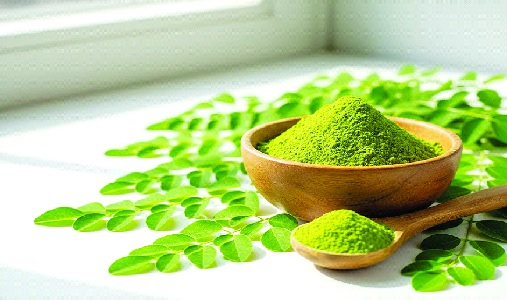

Often called the “drumstick tree”, moringa has been part of traditional Indian diets and wellness practices for generations. Today, its leaves are gaining fresh attention in the form of moringa powder, a convenient way to add the nutrient-rich plant to everyday routines. Packed with vitamins, minerals, plant compounds and antioxidants, moringa powder is increasingly being explored not only as a dietary supplement but also as a natural ingredient for skin and hair care. While it is not a miracle cure for skin or hair problems, its nutritional profile may support healthy skin and hair when combined with a balanced diet and sensible care.
Why moringa is attracting beauty enthusiasts
Moringa leaves contain nutrients including vitamin A precursors, vitamin C, vitamin E, calcium, iron and protein, along with various antioxidant plant compounds. These nutrients are important for maintaining normal skin, supporting tissue repair and helping the body produce proteins such as collagen and keratin. Antioxidants are particularly relevant to skin health because oxidative stress can contribute to cellular damage and premature signs of ageing. Including antioxidant-rich foods in the diet may therefore complement a broader skin-health routine.
A natural boost for glowing skin
Healthy-looking skin begins from within. Moringa powder can contribute nutrients that support normal skin function, particularly when the overall diet is varied and nutrient-rich. Vitamin C, for instance, plays a role in collagen formation and also functions as an antioxidant. Collagen helps provide skin with structure and elasticity. Moringa also contains carotenoid compounds, which the body can convert into vitamin A. Vitamin A is important for maintaining normal skin. However, simply consuming more moringa does not automatically mean clearer or younger-looking skin. Genetics, sun exposure, sleep, hydration, hormones and overall nutrition all influence skin health.
Could it help with premature ageing?
One reason moringa has become popular in natural beauty circles is its antioxidant content. Free radicals generated by environmental exposure, including ultraviolet radiation and pollution, can contribute to oxidative stress. Moringa contains several antioxidant compounds that have been studied in laboratory and nutritional research. These may help explain its traditional reputation as a health-promoting plant.
But there is an important distinction: antioxidant activity in laboratory studies does not automatically translate into proven anti-ageing effects in humans. Moringa should therefore be viewed as a nutritious addition to a healthy lifestyle rather than a replacement for sunscreen, adequate sleep or evidence-based skincare.
What about hair growth and hair fall?
Hair is largely made of keratin, a protein, and adequate intake of protein, iron and several vitamins and minerals is important for maintaining normal hair growth. Moringa leaves provide plant protein and minerals, including iron. This has made moringa powder particularly popular among people looking for plant-based nutritional additions.
However, hair fall has many possible causes, including nutritional deficiencies, hormonal changes, thyroid disorders, stress, genetics and certain illnesses. Moringa cannot be expected to reverse hair loss caused by an underlying medical condition.
If hair shedding is persistent, sudden or accompanied by scalp changes, it is better to identify the cause rather than relying solely on supplements.



Be the first to comment