Tag: Mount Abu

  • Mount Abu: A beautiful hill station in Rajasthan

    Mount Abu: A beautiful hill station in Rajasthan

    The only hill station of Rajasthan, Mount Abu is located in the Aravali range. The most important attraction, however, are undoubtedly the Dilwara temples, which is one of the most stunning pieces of architecture in the country. Travellers can enjoy calm and relaxed boating in Nakki Lake, and a view of the sunset from the vista points. The restaurants and eateries around the lake are great places to eat local food and chill. The highest peak of the Aravali Range – Guru Shikhar also lies in Mt. Abu. Mount Abu Forest Sanctuary with an abundance of flora and fauna is also a highlight.
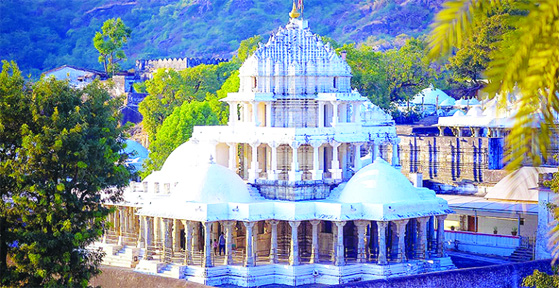
    The exceptionally intricate architecture of the Dilwara temples are of course the main attraction here, and you can easily spend hours wondering how these temples were built over 2 centuries, almost 1000 years back. The temples were specifically made so that they are plain from the outside to avoid the attraction of plunderers, and have withstood the test of time extremely well.
    NAKKI LAKE
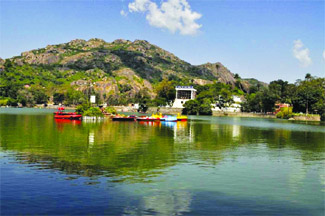
    Believed to be have been dug out by a god using his nails, the sacred Nakki Lake is one of the landmarks of the hill town of Mount Abu. About half a mile long, the lake is deeper towards the dam on the west. Carry your picnic hamper, a book and camera and spend a peaceful afternoon on the banks of the lake. Boat riding is another activity that interests visitors here. A pleasant stroll around the lake will lead you to Toad Rock, a boulder that looks just like a toad about to hop into the lake. The 14th-century Raghunath Temple stands near the lake’s southern shore.
    ACHALGARH FORT
    Bordered by massive walls that enclose a few beautiful temples inside, the Achalgarh Fort offers interesting glimpses of Mewar architecture. Built in the year 1452 by the famous Rajput ruler of Mewar, Rana Kumbha, the fort is situated 11 kms to the north of Mount Abu. Various viewpoints from the fort offer scenic lookouts onto the hill town, the Aravali ranges and the picturesque sunset views.
    ADHAR DEVI TEMPLE
    Situated atop a cliff in a cave, a visit to the Adhar Devi Temple, also known as Arbuda Devi Temple requires you to climb 365 steep steps, but the strenuous journey is worth the effort. Offering a bird-eye-view of the hill-station from the top, the temple is constructed out of a large rock, and visitors have to stoop and crawl to enter the inner shrine. Located 3 km away from Mount Abu, the temple is dedicated to Goddess Durga and is considered as one of the prominent religious spots in the hill town. The temple is visited by hordes of Hindu pilgrims during Navratri, a nine-day Hindu festival that is celebrated with full gusto.
    Adhar Devi Temple is quite old and legend has it that ‘Adhar’ of the Goddess fell here. It is also believed that goddess’s image hangs in the mid air. Besides, the temple has a number of gorgeous statues that you can admire and looking at those arts will make you praise the artists from the bygone era. And the view of mountains and forests you get to see after climbing those hundreds of stairs will make you forget all the tiredness and fatigue. It is recommended you wear proper and comfortable clothes and footwear because the climb uphill is really tiring.

  • Mount Abu: The hill station of Rajasthan

    Mount Abu: The hill station of Rajasthan

    Situated amidst lush green, forested hills on the highest peak in the Aravali range, Mount Abu is the summer capital for the Indian state of Rajasthan. Its cool and soothing climate makes it an ideal retreat. Explore a number of Jain temples, including the Dilwara Temples, a complex carved of while marble, or visit the nearby Achalgarh fort, which houses many beautiful temples of its own.
    NAKKI LAKE
    Recognized as the first ever manmade lake in India, Nakki Lake is also a preferred place to see in Mount Abu. You can choose to take a boat ride at the lake and watch the sun set past the beautiful hills surrounding this place. Nakki Lake is also popular for being the place where the ashes of Mahatma Gandhi had been immersed. Toad rock, a place for sightseeing in Mount Abu is located close to Nakki Lake.

    GURU SHIKHAR
    Recognized as the highest point on this mountain range, Guru Shikhar is an exquisite place for sightseeing in Mount Abu. Taking about 300 steps up to Guru Shikhar, you reach the temple of Guru Dattatreya, an incarnation of the Divine Trinity (Brahma, Vishnu and Shiva). People flock to this place both for its religious aspects and the panoramic views.
    TOAD ROCK VIEW POINT
    Known for being surrounded by a number of strangely shaped rocks, Nakki Lake offers numerous photo ops to visitors. One of the most popular destinations near Nakki Lake however, has to be the Toad Rock View Point. Located on the main trekking trail near the Lake, the Toad Rock has often been referred to as the mascot of Mount Abu. The massive rock structure is an excellent illustration of igneous rocks found in amazing shapes and is shaped, as the name suggests, like a toad. One of the most frequented places in the hill station; people visit this place out of sheer curiosity. It is pretty easy to climb the rock and the views that it offers of the Nakki Lake and the surrounding greenery are unparalleled. Apart from the novelty of the rock itself, the breathtaking scenery from atop just adds to whole experience, making it well worth your while.
    DILWARA JAIN TEMPLE
    Established some time in between the 11th and 13th centuries, the Dilwara Jain temples are considered to be among the best specimens of architectural perfection in the country. A complex of five temple structures, the Dilwara Jain temples are located at a distance of about 2.5 kilometres from Mount Abu. Carved out of white marble, these temples features interiors that have intricate designs spreading everywhere from doorways to ceilings. Dilwara Jain temples are a must visit place in Mount Abu.
    MOUNT ABU SANCTUARY
    Covering 288 square kilometres of area, the Mount Abu Wildlife Sanctuary is a part of the subtropical forest in this region. Containing rich flora and fauna, this sanctuary allows you to come close to some rare and exotic species of wild animals, including the Indian fox, pangolin, grey jungle fowl, striped hyena, and also Indian leopard, the apex predator here.
    PEACE PARK
    Nestled in between two famous Aravali peaks, the Guru Shikhar and Achalgarh, the Peace Park in Mount Abu is a part of the Brahma Kumaris’ establishment. With an ambiance that creates the perfect blend of serenity and tranquillity, the park offers a beautiful backdrop for silence and peaceful recreation. At the Peace Park, one can visit the rock garden that houses a wide variety of Cactaceae, the orchard, citrus corner, and view the numerous floral displays that include coleus, shrubs, hibiscus, creepers and climbers, and an exquisitely beautiful rose garden. The park also has a number of areas, like a stone cave and huts, where people can meditate in a tranquil environment. The Brahma Kumaris also provide a guided tour of the park, and you can also watch a short video film that explains interesting meditation concepts. This place of solitude in the lap of nature is something you must experience.
    LAL MANDIR
    Located on Delwara Road, near the Delwara Jain Temple, is this small temple dedicated to Lord Shiva. The temple offers a very peaceful ambiance and is considered as one of the most ancient holy places located in Mount Abu. A small and beautiful temple, the Lal Mandir gets its name from the fact that all the walls of the temple have been painted red. The temple is one of the must visit spots in Mount Abu, popular among the religious tourists as well as others. The temple is also quite well-known for being a Swayambhu ‘ Shiva Temple, so named because the idol placed inside the temple can be seen wearing a ‘jenau’.

  • Mount Abu: Rajasthan’s only hill station

    Mount Abu: Rajasthan’s only hill station

    Surrounded by verdant forests and perched at an altitude of 4000 feet, Rajasthan’s only hill station is an oasis of respite from the scorching heat. The charming hill town is an eclectic mix of experiences that you do not expect in a state which is mostly known for its arid desertscapes. Watered by the serene Nakki Lake and close to the famous Dilwara temples and centuries-old forts, the hill station has enough to keep visitors busy for two to three days. Mount Abu’s beautiful landscape, quaint heritage hotels, bustling street markets, restaurants and cafes make it one of the most popular getaways in western India.

    SUNSET POINT

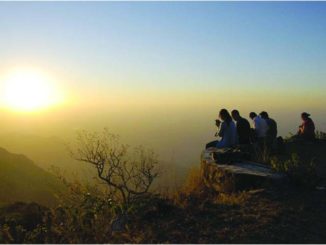
    One of the most well-known spots in Mount Abu, Sunset Point is located to the south-west of Nakki Lake. Best visited at dusk, this picturesque point commands magnificent views of the Aravali ranges. Thronged by travellers throughout the year, it is surrounded by numerous food stalls and souvenir shops. To get to Sunset Point, grab your camera and walk up the cobblestone pathways along the Nakki Lake for about a km. Those who do not wish to take a walk can also opt for pony rides.

    DILWARA TEMPLES

    The five marble temples of Dilwara are a sacred pilgrimage place for the Jain community, and rank among India’s finest temple architecture. Located in the northern part of the hill-station, these Jain temples are about two-and-a-half-kms away from the bustling town of Mount Abu. They comprise of five temples—Vimal Vasahi, Luna Vasahi, Pithalhar, Parshvanath, Mahavir Swami—each of which is dedicated to a revered Jain guru. Built in 11th and 13th centuries, the temples boast of opulent entrances, minutely-carved ceilings, doorways, pillars and panels and intricately-designed domes. Mahavir Jayanti, the most important festival of Jains, is celebrated with full vigour here and many Jain pilgrims visit the temples during the festival each year.

    NAKKI LAKE

    Believed to be have been dug out by a god using his nails, the sacred Nakki Lake is one of the landmarks of the hill town of Mount Abu. About half a mile long, the lake is deeper towards the dam on the west. Carry your picnic hamper, a book and camera and spend a peaceful afternoon on the banks of the lake. Boat riding is another activity that interests visitors here. A pleasant stroll around the lake will lead you to Toad Rock, a boulder that looks just like a toad about to hop into the lake. The 14th-century Raghunath Temple stands near the lake’s southern shore.

    ACHALGARH FORT

    Bordered by massive walls that enclose a few beautiful temples inside, the Achalgarh Fort offers interesting glimpses of Mewar architecture. Built in the year 1452 by the famous Rajput ruler of Mewar, Rana Kumbha, the fort is situated 11 kms to the north of Mount Abu. Various viewpoints from the fort offer scenic lookouts onto the hill town, the Aravali ranges and the picturesque sunset views.

    ADHAR DEVI TEMPLE

    Situated atop a cliff in a cave, a visit to the Adhar Devi Temple, also known as Arbuda Devi Temple requires you to climb 365 steep steps, but the strenuous journey is worth the effort. Offering a bird-eye-view of the hill-station from the top, the temple is constructed out of a large rock, and visitors have to stoop and crawl to enter the inner shrine. Located 3 km away from Mount Abu, the temple is dedicated to Goddess Durga and is considered as one of the prominent religious spots in the hill town. The temple is visited by hordes of Hindu pilgrims during Navratri, a nine-day Hindu festival that is celebrated with full gusto.

    Adhar Devi Temple is quite old and legend has it that ‘Adhar’ of the Goddess fell here. It is also believed that goddess’s image hangs in the mid air. Besides, the temple has a number of gorgeous statues that you can admire and looking at those arts will make you praise the artists from the bygone era. And the view of mountains and forests you get to see after climbing those hundreds of stairs will make you forget all the tiredness and fatigue. It is recommended you wear proper and comfortable clothes and footwear because the climb uphill is really tiring.