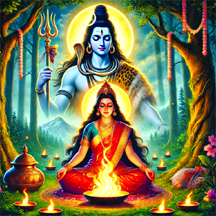
Nanda Vrat is a significant Hindu religious observance that is performed with deep faith and devotion. It is a special vrat (fast) dedicated to Goddess Nanda, who is believed to be an incarnation of Goddess Durga or Parvati. Devotees undertake this vrat to seek the blessings of the goddess for prosperity, happiness, and well-being. The vrat is especially popular in certain regions of India and is observed with great reverence by both men and women.
This article provides a comprehensive understanding of Nanda Vrat, including its history, significance, rituals, benefits, and the best way to perform it.
Meaning and Significance of Nanda Vrat
The word “Nanda” signifies joy, bliss, and happiness in Sanskrit. It is believed that observing Nanda Vrat removes obstacles in life and brings peace, wealth, and good fortune. It is also considered highly beneficial for those facing difficulties in marriage, health, or financial stability.
Spiritual Significance
– Connection with Goddess Durga/Parvati
– Goddess Nanda is often regarded as an aspect of Goddess Durga or Parvati, the divine consort of Lord Shiva.
– Devotees believe that by worshipping Goddess Nanda, they receive her divine grace, which removes negativity and ensures protection.
Fulfillment of Desires
– Those who undertake the Nanda Vrat with sincerity are believed to be blessed with good fortune, prosperity, and the fulfillment of their desires.
Symbol of Inner Peace and Strength
– Observing this vrat is believed to cleanse one’s mind, body, and soul, leading to inner peace and spiritual growth.
Mythological Origins
The origins of Nanda Vrat can be traced back to Hindu mythology. It is believed that Goddess Parvati herself observed this vrat to attain Lord Shiva as her husband. She performed intense penance and observed fasting with utmost devotion, which ultimately led to her divine union with Shiva.
Another legend associates Nanda Vrat with King Harishchandra, who is known for his truthfulness and unwavering commitment to dharma. According to the legend, he was able to overcome extreme hardships by observing this vrat with devotion.
Reference in Scriptures
Though specific references to Nanda Vrat in ancient Hindu texts may not be explicitly found, similar fasting rituals dedicated to Goddess Durga, Parvati, or Lakshmi are widely mentioned in scriptures like the Devi Bhagavata Purana and Skanda Purana. These texts emphasize the power of divine feminine energy in bringing success and removing obstacles.
When is Nanda Vrat Observed?
Nanda Vrat is usually observed on Ashtami Tithi (eighth day) of the lunar month, especially during Shukla Paksha (waxing phase of the moon). The vrat is particularly significant when it falls during Navaratri, the nine-day festival dedicated to Goddess Durga.
Many devotees also perform this vrat for 16 consecutive weeks to seek divine blessings.
How to Perform Nanda Vrat?
– Wake up early in the morning, take a bath, and wear clean clothes.
– Maintain a clean environment and set up a small altar or puja space.
– Arrange an idol or image of Goddess Nanda (or Durga/Parvati) on a clean altar.
– Gather Puja Samagri (Essential Items)
– Fresh flowers (preferably red or yellow)
– Fruits and sweets
– Incense sticks (Agarbatti)
– A lamp (Diya)
– Coconut and betel leaves
– Kumkum, turmeric, and sandalwood paste
– Panchamrit (a mixture of milk, curd, honey, sugar, and ghee)
– Sacred thread (kalawa)
Step-by-Step Rituals
– Sankalp (Taking the Vow)
– Sit in front of the deity and take a vow (sankalp) to observe the vrat with devotion.
– Mentally pray for the fulfillment of your desires.
– Offer Prayers and Aarti
– Light a lamp and incense sticks.
– Offer fresh flowers, fruits, and sweets to the goddess.
– Recite mantras such as:
“Om Dum Durgaye Namah”
“Om Hreem Nanda Devyai Namah”
– Sing the Nanda Vrat Katha (story of the vrat) if available.
– Perform abhishekam (ritual bathing) of the idol with Panchamrit.
– Offer coconut, sweets, and food prepared for the goddess.
– Giving food or donations to the poor is considered highly auspicious.
Fasting Guidelines
– The fasting can be nirjala (without water) or phalahar (fruits and milk only), depending on the devotee’s ability.
– Some people consume only one meal in the evening after completing the puja.
– Avoid consuming non-vegetarian food, alcohol, onions, and garlic.
Evening Aarti and Conclusion of the Vrat
– Perform an evening aarti with diya and bhajans.
– Conclude the vrat by distributing prasad (sanctified food) among family members and devotees.
Benefits of Observing Nanda Vrat
– Blessings of Goddess Nanda
– Removes obstacles and brings peace, happiness, and prosperity.
Marital Bliss
– Women seeking a good husband or wishing for harmony in their married life observe this vrat with devotion.
Health and Longevity
– The vrat is believed to bring good health and longevity to the devotee and their family.
Financial Stability
– Those facing financial troubles or business losses observe this vrat for success and wealth.
Spiritual Growth
– Increases faith, devotion, and inner peace, bringing one closer to divine consciousness.
Tag: Nanda Vrat
-

Nanda Vrat: A sacred Hindu observance for prosperity and well-being
-

Nanda Vrat: Dedicated to Shiva
Nanda Vrat is dedicated to Shiva and it is believed that Goddess Sati observed this fast to get Shiva as her husband. Sati followed the rituals of Nanda Vrat and made a Shivling of clay and followed the Vidhi Poorvaka Vrat and got Lord Shiva as her husband.
This fast is especially observed to get a good husband or wife. Goddess Sati observed this fast to get Shiva as her husband as she only wanted him to be her husband.
Goddess Sati observed Nanda Vrat to get Lord Shiva as her husband. She worshipped Lord Shiva with various food items and flowers at home with great devotion and concentrated mind on the following days:
Ashwin month
On Pratipada, Shashthi and Ekadashi, worshipped Lord Shiva with some rice and salt.
After offering Namaskar, spent the entire month with the same ritual.
Kartik month
On Chaturdashi, worshipped Shiva with Malpuas and spent time in contemplation.
Margashirsha month
Worshiped Shiva with sesame, barley and rice on Ashtami of Krishna Paksha.
Spent the day by showing a lighted lamp or performing aarti.
Paush month
Stayed awake all night on Saptami of Shukla Paksha and offered Khichdi as naivedya in the morning and worshipped Shiva.
Magh month
Stayed awake all night on Poornima and bathed in the river in the morning and worshipped Lord Shiva with wet clothes.
Phalgun month
Stayed awake at night on Chaturdashi of Krishna Paksha and worshipped Lord Shiva in all four prasads.
Chaitra month
Remembered Shiva day and night on Chaturdashi of Shukla Paksha. Worshipped Lord Shiva with Dhaak flowers and Davan.
Vaishakh month
On Shukla Tritiya, ate sesame and worshipped Lord Rudra with new barley rice.
Jyeshtha month
Worshipped Lord Shankar at night on Poornima with beautiful clothes and Bhatkataya flowers. Spent the month without food.
Ashadha month
Worshiped Rudra Dev with black clothes and Bhatkataya flowers on the Chaturdashi of Shukla Paksha.
Shravan month
Worshiped Shiva with Yagyopavit clothes and Kusha pavitri on the Ashtami and Chaturdashi of Shukla Paksha.
Bhadrapada month
Worshiped Shiva with various types of flowers and fruits on the Trayodashi of Krishna Paksha.
On Chaturdashi, took only water as diet.
Sati worshipped Shiva with different types of flowers and grains produced from them in all the months. She remained engaged in chanting only, taking very regular diet throughout the month. Sati remained engrossed in worshipping Shiva day and night in all the months.
In her human form, Sati used to observe Uttam Vrat as per the prescribed method. Thus, after completing the Nanda Vrat, Sati meditated with great love, concentrating on Lord Shiva with exclusive devotion and became steadfast in that knowledge.
Procedure of Nanda Vrat
This fast can be observed on Shukla Paksha Saptami, which is the seventh day during the rising phase of the moon in any Hindu month, particularly in Phalguna, Chaitra, Ashadha and Shravan. The procedure of the fast is as follows:
– Fasting: Fasting has to be observed from sunrise on the day of the fast to sunrise the next day.
– Purification and worship: Purify yourself before sunrise and worship Shiva.
– Mantra chanting: Include chanting the mantra ‘Om Namah Shivaya’ in the prayers.
– Prasad: Offer Bilva leaves and white coloured flowers to Shiva. You can make a simple sweet dish and offer it as prasad.
– Fasting foods: Fruits or other fasting foods can be eaten during the fast.
– Prayers: Offer prayers in the morning and evening.
– Ending the fast: The fast ends after sunrise the next morning. After completing the fast, donate food to poor children or elderly on any date.
By following this simple procedure of Nanda Vrat, devotees receive the blessings of Lord Shiva and get their desired life partner.