Tag: Nirjala Ekadashi

  • Nirjala Ekadashi: The austerity of devotion, the gateway to liberation

    Nirjala Ekadashi: The austerity of devotion, the gateway to liberation

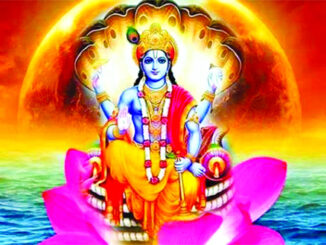
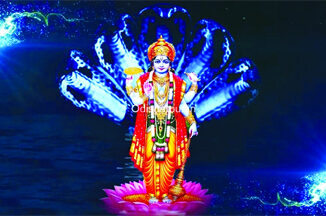
    In the vast ocean of Sanatana Dharma, Ekadashi stands as an island of purification and spiritual elevation. Each month, on the 11th lunar day, the devotee is offered a divine opportunity to transcend the pull of the material world through fasting, prayer, and surrender to Lord Vishnu.Yet among these luminous days, there is one that blazes with unmatched brilliance—Nirjala Ekadashi, the most austere, the most powerful, and the most sanctifying of them all.Observed during the Shukla Paksha of Jyeshtha month (May–June), when the sun blazes overhead and thirst scorches the throat, Nirjala Ekadashi calls the devotee to sacrifice even water, the very essence of life, in pursuit of a higher truth.This Ekadashi is more than a fast—it is a pilgrimage of the soul, an offering of the self at the lotus feet of Lord Vishnu. It is the day when the body is silenced, and the spirit speaks.
    The Legend of Bhima and the
    Divine Grace of Vyasa Muni
    The story of Nirjala Ekadashi is rooted in the Mahabharata tradition, and preserved in the Padma Purana.
    Bhima, the mighty son of Vayu and one of the Pandava brothers, was renowned for his enormous appetite and strength. His devotion to dharma and loyalty to Krishna were unwavering, yet he struggled with one command of spiritual discipline-fasting on Ekadashi.
    Despite the encouragement of his noble mother Kunti and his devout brothers-Yudhishthira, Arjuna, Nakula, and Sahadeva-Bhima admitted to his grandfather Sage Vyasa that he could not bear hunger and especially not thirst. He feared that he would fail in observing Ekadashi and thus lose the spiritual merit.
    Vyasa, filled with compassion, told him:
    “O Bhimasena! If you cannot observe all the Ekadashis, then observe one-Nirjala Ekadashi-with complete faith, without food or water, from sunrise to sunrise. This will bestow upon you the merit of all 24 Ekadashis and cleanse you of all sins.”
    Bhima agreed. He undertook the Nirjala fast with great difficulty, yet he endured it with the fire of bhakti (devotion) and emerged spiritually awakened. Since then, Nirjala Ekadashi has also been called Bhimaseni Ekadashi, and its observance is praised as the essence of all Ekadashis combined.
    The Spiritual Meaning of
    Fasting Without Water
    The word “Nirjala” means “without water.” To abstain from food is difficult, but to abstain from water, especially in the heat of Jyeshtha, is a supreme form of tapasya (austerity). It is a symbolic gesture of:
    – Self-surrender: Placing one’s entire bodily needs at the feet of God.
    – Renunciation of ego: “I do not rely even on water, Lord, but only on Your grace.”
    – Concentration on the soul: Turning away from the body’s call and toward the eternal Self (Atman).
    In the Bhagavad Gita, Lord Krishna declares:
    “Whoever offers Me with love and devotion a leaf, a flower, a fruit, or water, I accept that offering of devotion.” (Gita 9.26)
    But on this day, the devotee offers even water itself as a sacrifice.
    How Nirjala Ekadashi Leads
    the Soul to Liberation
    According to the Skanda Purana, those who observe Nirjala Ekadashi with faith and devotion:
    – Are forgiven for all sins, even the most grievous.
    – Do not meet the messengers of Yama, the god of death.
    – Are escorted to Vaikuntha, the eternal abode of Lord Vishnu, by divine beings.
    – Achieve freedom from the cycle of birth and death (moksha).
    The fast is not meant to be mere physical deprivation. It is a sacrifice born of devotion (bhakti-yajna). The body may thirst, but the heart must sing with the name of the Lord. That is the true essence of Nirjala.
    The Path of Devotion on Nirjala Ekadashi
    Even those unable to fast fully due to health or age can observe this sacred day with devotion, purity, and spiritual intent. What matters most is bhava-the inner feeling of surrender.
    Spiritual Practices on Nirjala Ekadashi
    – Waking early before sunrise and taking a sacred bath.
    – Offering prayers to Lord Vishnu, especially as Madhusudana or Narayana.
    – Chanting the Vishnu Sahasranama, reading the Bhagavad Gita or Srimad Bhagavatam.
    – Meditating and singing bhajans in praise of the Lord.
    – Performing charity-especially giving water, fans, clothing, or food to the poor.
    – Feeding cows, Brahmanas, or saints, a deeply purifying act.
    – Even a glass of cool water offered to a thirsty soul in the name of the Lord on this day brings great merit.
    Method of observing the fast
    Before observing the Nirjala fast, pray to God, “O Lord! Today I observe a Nirjala fast, and tomorrow I will eat food. I will observe this fast with devotion. May all my sins be destroyed by your grace.” On this day, one who remains without water himself and donates a pitcher full of pure water to a Brahmin or a needy person with this mantra, attains special virtue.
    Rules and importance of the fast
    This fast should be observed by both men and women. On this day, keeping a waterless fast and worshipping Lord Vishnu in the form of Sheshashayi has special importance. On this day, one should chant the mantra “Om Namo Bhagwate Vasudevay” and donate cows, clothes, umbrellas, fruits etc.
    In the Ekadashi fast, consumption of water is prohibited except for bathing and achamana. There should not be more than six mase of water in achamana, otherwise it becomes similar to drinking alcohol. Food should not be eaten on this day, because eating food breaks the fast.

  • Nirjala Ekadashi

    Nirjala Ekadashi

    Nirjala Ekadashi falls on the eleventh day (Ekadashi) of the waxing fortnight in Jyestha month. The Ekadashi derives its name from the water-less (Nir-jala) fast observed on this day. It is considered most sacred Ekadashi. It is the most rewarding Ekadashi. Nirjala Ekadashi Vrat is one of the toughest fasts of Ekadashi that is observed by the devotees as the intake of both, food and water is strictly prohibited. Nirjala Ekadashi is dedicated to Lord Vishnu. It is also known as ‘Jyestha Shukla Ekadashi,’ Pandava Nirjala Ekadashi’ or ‘Pandava Bhima Ekadashi.’ Nirjala Ekadashi washes all the sins and connects the devotees to the supreme creator. The fasting is observed without drinking water and eating food. Nirjala Ekadashi is the toughest and significant Ekadashi that is undertaken by staunch Vishnu devotees.
    Nirjala Ekadashi will be celebrated on June 18 this year.
    Observing fast on this Ekadashi give the results equivalent to observing 24 Ekadashi of an year. After observing this fast, a person should wake up early in the morning on Dwadashi (a day after Ekadasi), take bath, make donation and offer food to Brahmans. The devotee must chant “Om Namo Bhagwate Vasudevay” and donate cow, clothes, fruits etc. on this day.
    LEGEND
    Nirjala Ekadashi is also known as Pandava Bhima Ekadashi, or Pandava Nirjala Ekadashi. This name is derived from Bhima, the second and strongest of the five Pandava brothers, heroes of the Hindu epic Mahabharata. The Brahma Vaivarta Purana narrates the story behind the Nirjala Ekadashi vrata vow. Bhima, a lover of food, wanted to observe all ekadashi fasts, but could not control his hunger. He approached the sage Vyasa, author of the Mahabharata and grandfather of the Pandavas for a solution. The sage advised him to observe Nirjala Ekadashi, when for one day in the year, he should observe an absolute fast. Bhima attained the virtue of all 24 ekadashis, by observing Nirjala Ekadashi.
    PRACTICES
    While on other ekadashis abstinence of food is observed,on Nirjala Ekadashi, an absolute fast is observed, without partaking even water. The water-less fast is considered extremely difficult to follow as the day falls in the hot Indian summer and thus, it is deemed as very pious austerity. The fast is observed 24 hours from sunrise on Nirjala Ekadashi to sunrise the next day. Some observe it from sunrise to sunset. On the day before Nirjala Ekadashi, the devotee performs the evening prayer (Sandhyavandanam) and takes only one meal, without rice – as rice eating is prohibited. The devotee is however permitted to have a single tiny drop of water as part of the Achamana purification ritual. Water more than that equals breaking the vow.
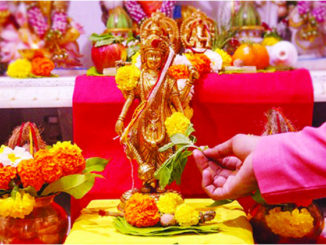
    Like other ekadashis, puja is offered to the god Vishnu, for whom ekadashis are sacred, to seek his grace. An image of Vishnu or a Saligrama stone (an iconic fossil stone in the form of Vishnu) is bathed (abhisheka) with Panchamrita, a mixture of five foods: milk, curd, ghee (clarified butter), honey and sugar. It is then washed with water and then dressed in royal finery. A hand-fan is also offered. Flowers, incense, water and arati (lamps) are also offered. Devotees meditate on the image of the god. In the evening, they worship Vishnu with durva grass in their hands. Devotees remain awake the whole night and sing praises of Vishnu or meditate on his image. Another characteristic of ekadashis is charity to Brahmins (the priest class). Clothes, food grains, umbrellas, hand-fans, pitchers filled with water, gold etc. are prescribed to be donated on Nirjala Ekadashi.
    MERITS
    According to the Markandeya Purana and the Vishnu Purana, the day of Ekadashi is itself a form of Vishnu. The vrata observed on this day is said to wash away all sin.[5]One who completes the vrata of Nirjala Ekadashi is mentioned to gain the favour of Vishnu, who grants him happiness, prosperity and forgiveness for sins. The devotee is described to receive the merit gained by the observance of all 24 ekadshis in the year. It is most popular and strictly observed by the Vaishnavas, in particular The observer gains longevity and moksha (salvation). Usually, the messengers of the god of death Yama are described to fetch the person’s soul after death. Yama then judges the person’s deeds and sends him to Svarga (heaven) or Naraka (Hell). However, one who observes the Nirjala Ekadashi rituals is believed to be excused Yama’s judgement and taken by messengers of Vishnu to Vaikuntha, the abode of Vishnu, after death.
    HOW TO OBSERVE NIRJALA EKADASHI VRAT
    Nirjala means without water. Hence, fast is observed without water and food. It is considered as the most strict and hence, most sacred of all Ekadashis. This fast is extremely difficult to follow as it falls in the hot Indian summer. The 24 hours long fast begins from sunrise on Nirjala Ekadashi to sunrise the next day. People fast and offer puja to Lord Vishnu on this day.
    The fast begins with Sandhyavandanam – a prayer. This prayer is performed in the evening before Nirjala Ekadashi, i.e. on 10th lunar day. After prayer devotee takes only one meal, without rice (as rice eating is prohibited). The strict fast continuous throughout Ekadashi. It gets over on next morning. Devotees offer prayer, tulsi, fruits, and sweets to Lord Vishnu and then finish their fast.
    RITUALS AND CELEBRATIONS OF NIRJALA EKADASI
    – Offer Puja to Lord Vishnu and seek his grace.
    – Bath the idol of Lord Vishnu with Panchamrit.
    – Wash with clean water and then dressed in new clothes.
    – Offer flowers, incense, water, lamps and a hand fan.
    – In evening, worship Vishnu with Durva grass.
    – Visit nearby Vishnu temple and observe Jagran at night.
    – Chant bhajans, Vishnu Sahasranama and other slokas dedicated to Lord Vishnu
    – Donate clothes, food grains, umbrellas, hand-fans, pitchers filled with water, gold etc.

  • Nirjala Ekadashi

    Nirjala Ekadashi

    Ekadashi fasting holds an important place in Hindu religion. Ekadashi of Shukla Paksha of Jyeshtha month is called Nirjala Ekadashi. Drinking water is prohibited during the fast of Nirjala Ekadashi, meaning that not a single drop of water is consumed in the whole fast. Therefore it is called Ekadashi Ho Nirjala Ekadashi. This Ekadashi is also called Bhimsen Ekadashi whose story is told in this article. Jyeshtha Shukla Ekadashi is considered to be the best among the twenty four Ekadashis of the year. By observing this fast, all the Ekadashi fasts are reaped.
    Legend
    Nirjala Ekadashi is also known as Pandava Bhima Ekadashi, or Pandava Nirjala Ekadashi. This name is derived from Bhima, the second and strongest of the five Pandava brothers, heroes of the Hindu epic Mahabharata. The Brahma Vaivarta Purana narrates the story behind the Nirjala Ekadashi vrata vow. Bhima, a lover of food, wanted to observe all ekadashi fasts, but could not control his hunger. He approached the sage Vyasa, author of the Mahabharata and grandfather of the Pandavas for a solution. The sage advised him to observe Nirjala Ekadashi, when for one day in the year, he should observe an absolute fast. Bhima attained the virtue of all 24 ekadashis, by observing Nirjala Ekadashi.
    Practices
    While on other ekadashis abstinence of food is observed,on Nirjala Ekadashi, an absolute fast is observed, without partaking even water. The water-less fast is considered extremely difficult to follow as the day falls in the hot Indian summer and thus, it is deemed as very pious austerity. The fast is observed 24 hours from sunrise on Nirjala Ekadashi to sunrise the next day. Some observe it from sunrise to sunset. On the day before Nirjala Ekadashi, the devotee performs the evening prayer (Sandhyavandanam) and takes only one meal, without rice – as rice eating is prohibited. The devotee is however permitted to have a single tiny drop of water as part of the Achamana purification ritual. Water more than that equals breaking the vow.
    Like other ekadashis, puja is offered to the god Vishnu, for whom ekadashis are sacred, to seek his grace. An image of Vishnu or a Saligrama stone (an iconic fossil stone in the form of Vishnu) is bathed (abhisheka) with Panchamrita, a mixture of five foods: milk, curd, ghee (clarified butter), honey and sugar. It is then washed with water and then dressed in royal finery. A hand-fan is also offered. Flowers, incense, water and arati (lamps) are also offered. Devotees meditate on the image of the god. In the evening, they worship Vishnu with durva grass in their hands. Devotees remain awake the whole night and sing praises of Vishnu or meditate on his image. Another characteristic of ekadashis is charity to Brahmins (the priest class). Clothes, food grains, umbrellas, hand-fans, pitchers filled with water, gold etc. are prescribed to be donated on Nirjala Ekadashi.
    Merits
    According to the Markandeya Purana and the Vishnu Purana, the day of Ekadashi is itself a form of Vishnu. The vrata observed on this day is said to wash away all sin.[5]One who completes the vrata of Nirjala Ekadashi is mentioned to gain the favour of Vishnu, who grants him happiness, prosperity and forgiveness for sins.[1] The devotee is described to receive the merit gained by the observance of all 24 ekadshis in the year. It is most popular and strictly observed by the Vaishnavas, in particular
    The observer gains longevity and moksha (salvation).[4] Usually, the messengers of the god of death Yama are described to fetch the person’s soul after death. Yama then judges the person’s deeds and sends him to Svarga (heaven) or Naraka (Hell). However, one who observes the Nirjala Ekadashi rituals is believed to be excused Yama’s judgement and taken by messengers of Vishnu to Vaikuntha, the abode of Vishnu, after death.
    Importance of Nirjala Ekadashi
    – It is equal to going on pilgrimage.
    – It provides virtue of all 24 Ekadashi.
    – It washes away all sin.
    – Grants happiness, prosperity, longevity and moksha (salvation).
    – This Ekadasi happens before monsoon season and therefore it is also helps in cleansing the body.
    How to Observe Nirjala Ekadashi Vrat
    Nirjala means without water. Hence, fast is observed without water and food. It is considered as the most strict and hence, most sacred of all Ekadashis. This fast is extremely difficult to follow as it falls in the hot Indian summer. The 24 hours long fast begins from sunrise on Nirjala Ekadashi to sunrise the next day. People fast and offer puja to Lord Vishnu on this day.
    The fast begins with Sandhyavandanam – a prayer. This prayer is performed in the evening before Nirjala Ekadashi, i.e. on 10th lunar day. After prayer devotee takes only one meal, without rice (as rice eating is prohibited). The strict fast continuous throughout Ekadashi. It gets over on next morning. Devotees offer prayer, tulsi, fruits, and sweets to Lord Vishnu and then finish their fast.
    Rituals and celebrations of Nirjala Ekadasi
    – Offer Puja to Lord Vishnu and seek his grace.
    – Bath the idol of Lord Vishnu with Panchamrit.
    – Wash with clean water and then dressed in new clothes.
    – Offer flowers, incense, water, lamps and a hand fan.
    – In evening, worship Vishnu with Durva grass.
    – Visit nearby Vishnu temple and observe Jagran at night.
    – Chant bhajans, Vishnu Sahasranama and other slokas dedicated to Lord Vishnu
    – Donate clothes, food grains, umbrellas, hand-fans, pitchers filled with water, gold etc.
    Story of Nirjala Ekadashi Vrat
    Bhimsen – the second Pandava brother and big eater wanted to keep Ekadashi Vrat. All his brothers, wife Draupadi and mother Kunti observed Vrat on 24 Ekadasis throughout the year and request him to do the same. But he was unable to perform the ritual due to unbearable hunger pangs. Bhima, was upset due to his weak determination. He was also sacred of dishonouring to Lord Vishnu. So, when Maharishi Vyasa visited them Bhima asked him to find a solution. Sage Vyasa advised him to observe single Nirjala Ekadasi fasting. This fast would compensate for not observing all Ekadashi fasting in a year. Bhima performed the fast with an ease but on the morning of very next day he became unconscious. Then he offered Ganga water with Tulsi to end up his day fast. Due to this legend Nirjala Ekadashi is also known as Bhimseni Ekadashi, Bhima Ekadashi or Pandava Ekadashi.

  • Nirjala Ekadashi

    Nirjala Ekadashi

    This year, Nirjala Ekadashi falls on Monday, June 21

    Nirjala Ekadashi is the most important and significant Ekadashis out of all twenty four Ekadashis in a year. Nirjala means without water and Nirjala Ekadashi fasting is observed without water and any type of food. Nirjala Ekadashi Vratam is the toughest among all Ekadashi fasting due to strict fasting rules. Devotees abstain not only from food but also from water while observing Nirjala Ekadashi Vrat.

    This year, Nirjala Ekadashi falls on Monday, June 21, 2021.

    Devotees who are unable to observe all twenty fours Ekadashi fasting in a year should observe single Nirjala Ekadashi fasting as fasting on Nirjala Ekadashi brings all benefits of twenty four Ekadashi fasting in a year.

    Nirjala Ekadashi is also known as Pandava Ekadashi or Bhimseni Ekadashi or Bhima Ekadashi due to one legend associated with Nirjala Ekadashi. Bhimsen, the second Pandava brother and voracious eater, was not able to control his desire of having food and was not able observe Ekadashi fasting. Except Bhima, all Pandava brothers and Draupadi used to observe all Ekadashi fasting. Bhima, being upset due to his weak determination and doing a dishonor to Lord Vishnu, met Maharishi Vyasa to find some solution. Sage Vyasa advised Bhima to observe single Nirjala Ekadasi fasting to compensate for not observing all Ekadashi fasting in a year. Due to this legend Nirjala Ekadashi is also known as Bhimseni Ekadashi or Pandava Ekadashi.

    Parana means breaking the fast. Ekadashi Parana is done after sunrise on next day of Ekadashi fast. It is necessary to do Parana within Dwadashi Tithi unless Dwadashi is over before sunrise. Not doing Parana within Dwadashi is similar to an offence.

    Parana should not be done during Hari Vasara. One should wait for Hari Vasara to get over before breaking the fast. Hari Vasara is first one fourth duration of Dwadashi Tithi. The most preferred time to break the fast is Pratahkal. One should avoid breaking the fast during Madhyahna. If due to some reasons one is not able to break the fast during Pratahkal then one should do it after Madhyahna.

    At times Ekadashi fasting is suggested on two consecutive days. It is advised that Smartha with family should observe fasting on first day only. The alternate Ekadashi fasting, which is the second one, is suggested for Sanyasis, widows and for those who want Moksha. When alternate Ekadashi fasting is suggested for Smartha it coincides with Vaishnava Ekadashi fasting day.

    Ekadashi fasting on both days is suggested for staunch devotees who seek for love and affection of Lord Vishnu.

    NIRJALA EKADASHI STORY

    The Nirjala Ekadashi vrat Katha or Nirjala Ekadashi story is from the Brahma-Vaivarta Purana. Nirjala Ekadashi vrat ki Katha comes through in a conversation between Bhimasena, better known as Bhima, one of the Pandava brothers of Mahabharata, and the grandson of great Sage Vyasadeva or Sage Veda Vyasa (grandfather of the Pandavas).

    Bimasena asks Vyasadeva whether it is possible for His soul to transcend to the spiritual realm even if all the rules of the Ekadashi vrat/fast are not followed strictly. Bhimasena or Bhima was extremely fond of eating and it is said he could eat huge quantities of food. So, in the Nirjala Ekadashi ki Kahani, Bhima tells Vyasadeva that his mother Kunti, his wife Draupadi and his other brothers, i.e. King Yudhistira, Arjuna, Nakula, and Sahadeva observe the Ekadashi fasts meticulously and have many times suggested to him to observe the Ekadashi vrats.

    But it was impossible for him to think of fasting for 24hrs; Bhima says that the mere thought of abstaining from eating food is scary and makes him shiver, as he was not able to control his hunger. Bhima says that he can easily do any amount of charity and worship Lord Vishnu with lavish offerings but fasting (vrat) was unthinkable for him.

    Bhimasena pleads to his grandfather to tell him of another way to earn the merits of Ekadashi in the easiest way without fasting. On hearing his grandson’s request, Sage Vyasasena tells Bhima about the many merits one can earn on observing Ekadashi fasts strictly and above all get abundantly blessed by Lord Vasudeva. But understanding the plight of his grandson, Sage Vyasasena said that observing only the Nirjala Ekadashi vrat/fast by maintaining a nirjala vrat (dry fast), along with not eating any food would make it possible to earn all the merits equivalent to that earned by observing fast on all the other Ekadashis. He further specifies in the Nirjala Ekadashi Katha that if anyone observes the Nirjala Ekadasi by following all the specified rules and by being completely immersed in chanting the name of Lord Vishnu/Krishna and sings praises of the Lord on the day and throughout the night of Nirjala Ekadashi, that devotee is sure to be liberated and secures a place at the Lotus feet of Lord Vishnu at his eternal abode Vaikuntha. Hearing the Nirjala Ekadashi kahani (story) and benefits of nirjala fasting from the great Sage Vyasasena, the Pandava Prince Bhima was satisfied and agreed to observe at least the Nirjala Ekadashi vrat on the auspicious Nirjala Ekadashi.

    NIRJALA EKADASHI VRAT VIDHI

    The Nirjala Ekadashi ki vidhi is specified in the ancient Hindu texts and have been specified by Lord Sri Krishna while answering King Yudhishthira’s (the eldest Pandava brothers from Mahabharata) query. The Nirjala Ekadashi benefits are actually innumerable if the nirjala fast/upvas is observed sincerely and with pure intention.

    –        Observe a waterless fast or Upavas. The fast begins on Ekadasi sunrise and ends on the next day (Dwadasi) Sunrise. However, fasting for two days is not possible for everyone. One may fast on the 1st. June, Tuesday, beginning at Sunrise and ending it between 6:00 AM and 12:04 PM on 2nd June (Wednesday). For advanced devotees, they may fast from 2nd June (Tuesday) onwards until the morning of 3rd. June and the Nirjala Ekadashi fast breaking time is during Nirjala Ekadashi Parana time between 6:03 AM and 8:39 AM.

    –        Early morning of Nirjala Ekadashi, the devotee should have a bath and should intend on keeping the fast meticulously.

    –        Perform Achamana but be careful not to put more than just one drop of water to sprinkle in the mouth during Achamana as then the purpose of observing Nirjala Ekadashi is not going to be served.

    –        You should visit Lord Vishnu/Krishna temple and offer prayers. If a temple is not around, you can worship him at your home in the early morning. The idols of Lord Vishnu should be worshipped with sandalwood, flowers, fruits, lighting pure Cow’s ghee Lamp, and light a dhoop as well. You can worship Lord Vishnu by using energized Vishnu Yantras. Offering delicious Bhog to the Supreme Lord Vishnu is a part of the Nirjala Gyaras/Ekadashi vrat vidhi.

    –        You can simply meditate on Lord Vishnu and chant His mantra: “Om Namo Bhagavate Vasudevaya”. Sage Narada gave this powerful mantra to Dhruva Maharaja as described in the Bhagavata Purana (4.8.54). You can also chant the Hare Krishna Maha-Mantra on the Tulsi bead.

    –        You should offer flowers and chant Vishnu Sahasranamam (Thousands name of Lord Vishnu). Chanting a thousand names of Vishnu or Vishnu Stotram has a purifying effect on the mind and the body. You can also play it in the morning while you engage in daily work.

    –        You should also perform a Vishnu Sahasranama Puja under qualified Brahmins. It is highly recommended on this day. The puja includes Vishnu- Lakshmi Abhishek and Pujan, Vishnu mantra Japa- 1100 times, Vishnu Sahasranama Stotra followed by Homa and Aarti.