

NEW YORK/ KABUL (TIP): The latest decree issued by the de facto authorities in Afghanistan further diminishes the rights of women and girls and exposes them to even greater risk of violence.
Shared with the courts for implementation in early January, Decree No. 12 formally removes equality between men and women before the law. It places husbands in a position of authority over their wives and limits women’s ability to seek protection or justice.
Under the decree, a husband is only criminally liable for violence within marriage if he causes severe and visible physical injuries. Other forms of violence – including psychological and sexual violence – are not prohibited.
Under Decree No. 12, and when coupled with existing decrees, women face serious obstacles when seeking justice. They must prove abuse before a male judge, while fully covered, and while accompanied by a male guardian – who may be the perpetrator of the violence.
The decree allows women, or their relatives, to be jailed if they go often to a relative’s home without their husband’s permission.
Acts deemed ‘immoral’ or ‘corrupt’ are defined as crimes, punishable by the harshest penalties, including death. Women are particularly vulnerable under these provisions because they are already more closely monitored within their communities, and existing decrees already prescribe so much of how women and girls can live.
Decree No. 12 criminalizes criticism of de facto officials, their policies, or their interpretation of Sharia law, subject to penalties including prison or corporal punishment, which further reduces participation in public space and advocacy for women’s rights.
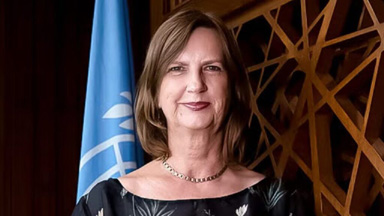
UN Women is profoundly concerned about the implications of the decree.
Afghan women and girls have the right to live free from violence and discrimination. They are entitled to dignity, safety, freedom of movement and participation in public life. Legal frameworks must uphold equality before the law, protect women from all forms of violence, and ensure meaningful access to justice without discrimination.
UN Women calls on the de facto authorities to ensure that all laws and policies protect the rights of women and girls, in line with human rights treaties and conventions to which Afghanistan is a party.


Be the first to comment