


- Why, despite the avalanche of revelations, has there been so little visible accountability in the United States compared to developments abroad?
- The Epstein saga is not about prurient intrigue. It is about structural credibility. It asks whether wealth and power confer effective immunity. It asks whether institutions still possess the will to confront entrenched influence.
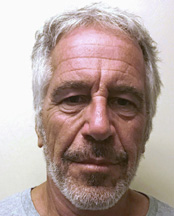
“On August 10, 2019, Epstein was found dead in his jail cell at the Metropolitan Correctional Center. Officially ruled a suicide, his death spawned global skepticism. Surveillance cameras malfunctioned. Guards reportedly slept or falsified records. The most consequential defendant in a sprawling trafficking network died before he could testify.”
“Grand juries, sealed documents, and redactions are tools designed to protect due process. Yet when used excessively or selectively, they nurture suspicion. Americans are left asking: Who remains shielded? Why have investigations not yielded broader prosecutions? If crimes were systemic, where are the systemic consequences?”
“The Epstein tragedy began with exploitation of the vulnerable. It continues with exploitation of uncertainty. The American people deserve clarity—not rumor, not selective disclosures, but full sunlight consistent with the rule of law.”

The saga of Jeffrey Epstein is not merely the story of a disgraced financier or a sordid criminal conspiracy. It is a mirror reflecting the fragility of democratic institutions when confronted with wealth, influence, royalty, and power. Years after Epstein’s mysterious death in a Manhattan jail cell in August 2019, the central question refuses to die with him: Why, despite the avalanche of revelations, has there been so little visible accountability in the United States compared to developments abroad?
The first arrest of a British royal in 400 years—Prince Andrew, Duke of York—encapsulated the widening fallout of the Epstein issue beyond American shores. In Britain, civil proceedings, police investigations, and public scrutiny reached into the highest echelons of aristocracy. The spectacle shook the foundations of an ancient institution and sent a stark message: no pedestal is immune. It revived this pressing question on this side of the Atlantic: If legal authorities in Britain and elsewhere in Europe can breach the protected circle around Epstein’s former network, why is it not happening in the United States? What is being concealed—and protected? And why?
The Rise and Fall of Jeffrey Epstein
To understand the present dilemma, we must revisit history. Jeffrey Epstein emerged from modest beginnings to cultivate an image of brilliance and exclusivity. By the late 1990s and early 2000s, he had become a fixture in elite circles—his residences frequented by billionaires, politicians, celebrities, and academics. His private island in the Caribbean became notorious, even before the public fully understood why.
In 2008, Epstein reached a controversial plea deal in Florida after being charged with procuring a minor for prostitution. Brokered by then–U.S. Attorney Alexander Acosta, the agreement allowed Epstein to plead guilty to state-level charges, avoid federal prosecution, and serve a lenient sentence that included work release privileges. The deal also shielded potential unnamed co-conspirators.
It was a stunning miscarriage of prosecutorial rigor. For many, that plea deal planted the first seeds of suspicion: that Epstein’s wealth and connections insulated him from full justice. Victims later testified that they were never notified of the agreement, in violation of their rights.
A decade later, investigative journalism—most prominently by The Miami Herald—resurrected the case. In July 2019, federal authorities in New York charged Epstein anew with sex trafficking minors. The message seemed clear: the era of impunity was ending.
But on August 10, 2019, Epstein was found dead in his jail cell at the Metropolitan Correctional Center. Officially ruled a suicide, his death spawned global skepticism. Surveillance cameras malfunctioned. Guards reportedly slept or falsified records. The most consequential defendant in a sprawling trafficking network died before he could testify.
For many Americans, that was the moment faith eroded.
The British Reckoning
The British chapter unfolded differently. Virginia Giuffre, one of Epstein’s most prominent accusers, filed a civil lawsuit against Prince Andrew in the United States, alleging that she had been trafficked to him as a minor. The 2019 BBC interview granted by Andrew—intended to exonerate himself—became a public relations disaster. He denied wrongdoing, but his explanations were widely viewed as implausible.
In 2022, Andrew settled the civil case out of court without admitting liability. The royal household stripped him of military titles and royal duties. The damage to the monarchy’s prestige was immense.
The symbolism was unmistakable: even centuries-old institutions must bend before public accountability.
This development raises uncomfortable comparisons. If a royal—representing a family that has reigned for generations—can face scrutiny, why does American democracy appear hesitant to expose and prosecute individuals who, though wealthy and connected, are ultimately citizens equal before the law?
The Files and the Silence
The so-called “Epstein files”—flight logs, contact books, sealed court documents—fuel both legitimate inquiry and fevered speculation. Names listed in Epstein’s address book or seen aboard his aircraft do not constitute proof of criminality. But transparency remains essential to democratic trust.
Grand juries, sealed documents, and redactions are tools designed to protect due process. Yet when used excessively or selectively, they nurture suspicion. Americans are left asking: Who remains shielded? Why have investigations not yielded broader prosecutions? If crimes were systemic, where are the systemic consequences?
The Department of Justice has pursued Maxwell and a handful of others. Yet critics argue that accountability has stopped at the periphery, not at the center of power networks. This perception—fair or not—erodes confidence in the equal application of law.
Democracy thrives on light. Shadows breed doubt.
The Broader Democratic Anxiety
The Epstein saga intersects with a wider unease about governance in America. The Constitution promises equal protection under the law. The First Amendment enshrines free speech. Yet citizens increasingly perceive a dual system: swift justice for the weak, procedural labyrinths for the powerful.
Under Donald Trump’s second tenure, controversies over executive authority, immigration enforcement, and foreign policy have intensified political polarization. The President who declared he would avoid “endless wars” has engaged in escalating tensions with multiple nations. Domestic rhetoric has sharpened along racial and religious lines, critics say, raising fears about the politicization of justice.
When leaders appear to operate above scrutiny—or wield legal processes selectively—public trust fractures. And when trust fractures, conspiracy theories fill the void.
The Epstein files have become, for many Americans, shorthand for something larger: the suspicion that there is one rule for ordinary citizens and another for elites.
Law, Impunity, and Moral Authority
History warns us what happens when legal systems bend to power. From Watergate to Iran-Contra, from corporate frauds to financial crises, American resilience has depended on one principle: accountability. No office, no fortune, no lineage confers immunity from justice.
The Epstein case tests that principle.
It also tests institutional integrity. Prosecutors must walk the fine line between due process and public transparency. Courts must protect the rights of the accused while honoring the rights of victims. Legislators must ensure oversight without exploiting tragedy for political gain.
If Britain’s experience demonstrates anything, it is that public scrutiny can penetrate long-protected circles. That does not guarantee conviction. But it restores faith that scrutiny exists.
Where Does It End?
The worry haunting Americans is not merely about the past. It is about trajectory. A government perceived as indifferent to law—whether through neglect or design—breeds cynicism. Cynicism breeds disengagement. And disengagement weakens democracy.
The Epstein saga is not about prurient intrigue. It is about structural credibility. It asks whether wealth and power confer effective immunity. It asks whether institutions still possess the will to confront entrenched influence.
Above all, it asks whether justice in the United States is blind—or selective.
The absence of visible, comprehensive action fuels speculation that something is being concealed. That perception, even if exaggerated, is corrosive. Transparency, not secrecy, is the antidote.
A Call for Clarity
Democracy does not demand perfection. It demands accountability. If investigations are ongoing, say so transparently. If evidence does not support charges, explain why. Silence is not neutrality; it is fertilizer for distrust.
The Epstein tragedy began with exploitation of the vulnerable. It continues with exploitation of uncertainty. The American people deserve clarity—not rumor, not selective disclosures, but full sunlight consistent with the rule of law.
If the United States cannot convincingly demonstrate that justice is applied equally—whether to financier, celebrity, politician, or prince—its moral authority diminishes.
And moral authority is the currency of leadership in a democratic republic.
The Epstein saga has already scarred institutions. It has embarrassed governments. It has wounded victims anew with every delayed disclosure. But it also presents an opportunity to reaffirm that in America, no one stands above the law.
If Britain could interrogate royalty, surely a constitutional republic can examine its elite without fear or favor.
Where this ends depends not on the past but on what comes next. Will institutions retreat into opacity, or embrace transparency? Will political divisions obscure shared principles? Or will Americans insist that democracy means equal justice, not selective amnesia?
The answer will determine more than the legacy of a scandal. It will determine the credibility of justice itself.
(Prof. Indrajit S Saluja is the Chief Editor of The Indian Panorama)

Be the first to comment