Tag: Paush Purnima

  • Paush Purnima: A sacred full moon of purity, devotion, and spiritual awakening

    Paush Purnima: A sacred full moon of purity, devotion, and spiritual awakening

    Among the many spiritually significant days in the Hindu calendar, Paush Purnima holds a special place as a festival of inner cleansing, devotion, and sacred resolve. Falling on the full moon day (Purnima) of the month of Paush-usually in December or January-this auspicious occasion marks a transition from material indulgence toward spiritual discipline. Bathed in the serene glow of the winter full moon, Paush Purnima invites seekers to purify the body, calm the mind, and elevate the soul.
    Origin and Scriptural Roots
    The origins of Paush Purnima are deeply embedded in ancient Hindu scriptures and Puranic traditions. The month of Paush is named after the Pushya Nakshatra, one of the most spiritually nourishing lunar constellations, symbolising growth, sustenance, and divine grace. When the full moon aligns with this sacred period, it is believed that spiritual energies reach their peak.
    References to Paush Purnima appear in texts such as the Padma Purana, Skanda Purana, and Narada Purana, which extol the merits of ritual bathing, charity, fasting, and devotional practices on this day. Traditionally, Paush Purnima also marks the beginning of Kalpavas at sacred riverbanks like Prayagraj, where devotees live a life of austerity, simplicity, and continuous prayer for an entire month.
    Spiritual Significance of Paush Purnima
    Paush Purnima is primarily associated with purification-both external and internal. The winter season in Hindu thought is considered ideal for spiritual sadhana, as the senses are naturally restrained and the mind more inclined toward introspection. The full moon on this day symbolises completeness, illumination, and the awakening of higher consciousness.
    A sacred bath taken at dawn in holy rivers such as the Ganga, Yamuna, Saraswati, Godavari, or Narmada is believed to wash away accumulated sins and negative karmic impressions. Scriptures state that bathing on Paush Purnima yields spiritual merit equivalent to performing great yajnas, as the devotee aligns personal discipline with cosmic rhythms.
    Equally important is the act of daan (charity). Offering food, warm clothes, blankets, grains, ghee, or money to the poor and needy during Paush Purnima is said to bring divine blessings, prosperity, and spiritual upliftment. Charity performed in winter, when suffering is more visible, is considered especially meritorious.
    Paush Purnima and the Path of Bhakti
    From a devotional perspective, Paush Purnima is closely associated with Lord Vishnu and Lord Krishna, the preservers of dharma. Devotees observe fasts, recite Vishnu Sahasranama, Bhagavad Gita, or perform Satyanarayan Katha to seek harmony, protection, and spiritual clarity.
    The full moon night is also ideal for japa, dhyana, and kirtan, as lunar energy is believed to stabilise emotions and enhance concentration. Many spiritual traditions consider Purnima nights powerful for mantra siddhi and inner awakening.
    Kalpavas and Paush Purnima
    One of the most distinctive traditions linked with Paush Purnima is Kalpavas, particularly observed at Prayagraj. Beginning on Paush Purnima and concluding on Magh Purnima, Kalpavas involves living by the river in tents or simple shelters, following strict vows of truth, celibacy, non-violence, minimal food, and constant remembrance of the divine.
    Kalpavas symbolises a temporary renunciation of worldly comforts to rediscover spiritual priorities. It is believed that sincere observance of Kalpavas purifies lifetimes of karma and brings the seeker closer to moksha.
    Symbolism of the Paush Full Moon
    The Paush Purnima moon shines in the cold winter sky with a gentle, soothing brilliance. Spiritually, this represents inner illumination amid life’s austerities. Just as the moon reflects the sun’s light, the human soul reflects divine consciousness when cleansed of ego, desire, and distraction.
    The chill of the season reminds devotees of discipline, restraint, and endurance-qualities essential for spiritual growth. Paush Purnima thus teaches that true warmth comes not from external comforts, but from inner devotion and self-awareness.
    A Day of Renewal and Sacred Resolve
    In essence, Paush Purnima is not merely a ritualistic observance but a spiritual invitation-to pause, purify, and realign life with dharma. It encourages individuals to let go of accumulated impurities, renew vows of righteousness, and cultivate compassion through charity and service. As the full moon rises on Paush Purnima, it illuminates not just the night sky but the spiritual path ahead, reminding humanity that even in the coldest season, the light of devotion, discipline, and divine grace can guide the soul toward peace and liberation.

  • Paush Purnima

    Paush Purnima

    Paush Purnima refers to the full moon of the “Shukla Paksha” in the month of Pausha, as per the Hindu Calendar. It is a significant day for Hindus and is celebrated all over the country by fasting, worshipping and conducting the Satyanarayan Katha. On the day of the Paush Purnima, the moon is visible in its complete size, and it is said that bathing in holy water, donating to the poor and offering “Prasada” to Suryadev on this day shall rid a person of all their sins and guide them towards the path of salvation. A full moon marks the day of Purnima, and according to the Hindu calendar, there are a total of twelve Purnimas in a year. However, the Pausha Purnima and the Magha Purnima are given the most importance.

    Significance

    The Paush Purnima is a significant day for the Hindu religion. The day marks the end of winter and the beginning of the Magha month, and even the “Maha Kumbh Mela” falls during this period.

    The Paush Purnima is an opportunity for devotees to end their inner darkness and follow the path of enlightenment, thus attaining salvation. According to the Hindu religion, taking a bath in the holy water at a Hindu pilgrimage place on this auspicious day rids a person of all their sins and helps them attain “Moksha.”

    It is believed that a person who wakes up early in the morning on this day and bathes in the holy water as he offers his prayers to the rising sun shall be forgiven for all the sins he has committed in his past lives and be entitled to salvation.

    The Fasting Procedure

    On the auspicious occasion of the Pausha Purnima, devotees all over the country bathe in the holy water of the Ganges, make donations and fast in an attempt to impress Suryadev and attain ultimate salvation. Mentioned below is the procedure to follow on the day of the Paush Purnima to impress Suryadev.

    Take a vow to fast throughout the day before taking a bath in the holy water.

    Pray to the Lord of Oceans, Varun dev.

    Now bathe in a holy river.

    Offer holy water to Suryadev while chanting his mantras.

    After the bath, pray to Lord Krishna by offering Prasada to the Lord.

    Donate food to a needy person or a Brahmin.

    Also, donate woollen clothes, blankets, and jaggery to the poor.

    Rituals

    Let us look at some of the rituals that are followed on the day of the Paush Purnima.

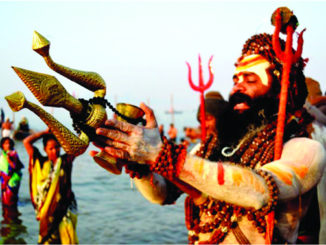
    Bathing is the most important ritual on the day of Paush Purnima. Devotees wake up very early in the morning and take a bath in the holy rivers at sunrise as they offer ‘Argha’ to the rising sun.

    After bathing, devotees must worship the “Shiva Linga” with water and meditate near the “Shiva Linga” in order to absorb the spiritual energy.

    Devotees are known to organise a Satyanarayan Katha on this day as they fast and pray to the Lord Vishnu and offer Prasada to the Lord.

    After the Katha, the Aarti is done, and the Prasada is distributed to the members present in the ceremony. On the day of Paush Purnima, ‘Pushyabhishek Yatra’ is celebrated in the temples of Lord Krishna all over India.

    Recitations of the Ramayana and the Bhagavad Gita are also organised on this day.

    Devotees must donate things and food to the poor on this day

    Under ‘Anna Daan’, free food is served in temples and ashrams to needy people all over India.

    Paush Purnima Vrat Katha (Stories Related to Paush Purnima)

    Mythology of Paush Purnima

    According to mythological texts, there was a time when a demon named Durgam had spread terror on the Earth. Due to this, the rain stopped, and this situation lasted for a hundred years. Due to lack of rain, there was a shortage of food and water, and there was a severe drought, due to which people started dying. Life on Earth was beginning to end. The inaccessible demon had also stolen all the four Vedas of Brahma. Then Maa Durga incarnated as Maa Shakambhari Devi. Goddess Shakambari had a hundred eyes. Seeing the plight of the Earth, his tears started flowing, and in this way, the water flowed again on the whole Earth. After this, Maa Shakambhari put an end to Durgam.

    Second story of Paush Purnima

    According to another legend, Goddess Shakambhari did penance for 100 years and used to eat vegetarian food once at the end of the month. As a result of her penance, trees and plants had grown on their own in a lifeless place where there was no water for 100 years. From far and wide, sages and saints came there to see the miracle of the mother and were given vegetarian food. Since the mother used to take only vegetarian food, The name of the mother was Shakambhari Mata.

    Mantras to Chant on the Paush Purnima

    Mantras of Lord Surya:

    Om Ghrini Surya Aditya

    Om Hrim Hrim Suryay Sahastrakiranray Manovanchhit Falam Dehi Dehi Swaha

    Om Aihi Surya Sahastranshaon Tejo Rashe Jagatpatye,Anukampayama Bhaktya, Grihanarghai Divakar:

    Om Hrim Ghrini: Surya Aditya: Cleam Om

    Om Hrim Hrim Suryaya Namah

    Om Surya Namah.

    Om Ghrini Surya Namah.

    Moon Darshan worship mantra:

    Om Kshirputray Vidmahe Amrit Tatvay Dheemahi, Tanno Chandra: Prachodayat.

    This mantra should be chanted while offering Argha to the moon.

    Shakambhari Mata Mantra:

    Neelavarnanilotpalvilochana.

    Mushtinshilimukhapoorna Kamalankamalalaya.’

    Paush Purnima is the opportunity to end your inner darkness, hence, use it to the fullest. May Suryadev be enchanted by your prayers and help you succeed in life.

  • Paush Purnima

    Paush Purnima

    The full moon day of Paush month is an important day in Hindu religion. The holy bath of Magh month begins with the full moon of Paush month. This day is considered auspicious in North India. On this day thousands of people take holy bath in the Ganges and Yamuna rivers.

    On the full moon day of Paush month, thousands of people come to Haridwar and Prayagraj to take a holy bath in the river Ganges. Despite it being winter, people have to take a bath in the holy water of Maa Ganga. It is believed that by taking a bath in the Ganges on this day one gets rid of all sins and even attains ‘Moksha’. Haridwar and Prayagraj have other major pilgrimage sites like Nashik, Ujjain and Varanasi.

    Important information

    Paush Purnima 2022

    Monday, 17 January 2022

    Purnima Tithi starts : 17 January 2022 at 03:18 AM

    Purnima Tithi ends : 18 January 2022 at 05:17 AM

    On the day of Paush Purnima, holy bath at ‘Dashashwamedh Ghat’ in Varanasi, ‘Triveni Sangam’ in Prayag, ‘Har Ki Pauni’ in Haridwar and ‘Ram Ghat’ in Ujjain is considered highly auspicious and important. It is believed that the holy dip on the auspicious day of Paush Purnima liberates the soul from the constant cycle of birth and death.

    If a person cannot go to these pilgrimage places, then he can take a bath on this day before sunrise with the water of a river, pond, well, etc. could. After this Lord Vasudeva is worshipped. After the worship is over, after feeding the Brahmins, they send them away by giving donations. Lord Vasudeva is pleased with this.

    Worship

    Lord ‘Satyanarayana’ fast is also observed on the day of Paush Purnima and Lord Vishnu is worshiped with full devotion. After fasting for the whole day, the story of ‘Satyanarayana’ should be recited. Special prasad is prepared to offer to the deity. Finally an ‘Aarti’ is performed after which the Prasad is distributed among all. On the day of Paush Purnima, special ‘Pushyabhishek Yatra’ is celebrated in the temples of Lord Krishna all over India. Lectures on Ramayana and Bhagavad Gita are also organized on this day.

    Fruit of Worship

    Donating on the day of Paush Purnima is also very auspicious. It is believed that donations made on this day easily bear fruit. Under ‘Anna Daan’ free food is served to the needy in temples and ashrams.

    Taking a bath in the Ganges on this day gets rid of all sins and even attains ‘Moksha’. Shakambhari Jayanti is also celebrated during Paush Purnima. The followers of ISKCON and Vaishnava sect begin the Pushyabhishek Yatra on this day. The tribes living in rural areas of Chhattisgarh celebrate Charta Parv (Chhirta Parv) on Paush Purnima.

    Paush Purnima Rituals

    The first and the most significant ritual to be performed on the day of Paush Purnima is to wake up early and observe holy bath in a sacred river during sunrise. The religious practice of offering ‘Arghya’ to Lord Sun is performed as a part of the ritual.

    After observing the holy dip, the observers are required to worship and offer prayers to ‘Shiva lingam’

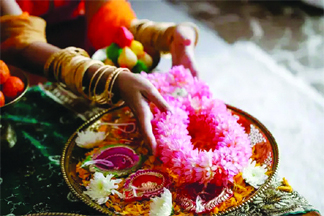
    Devotees worship Lord Vishnu and keep a ‘Satyanarayana fast’. They are required to recite the ‘Satyanarayana Katha’ and make sacred food which is offered to the deity.

    To conclude the rituals, Aarti is performed and Prasad (sacred food) is distributed among the invitees.

    Reading sessions for Bhagwad Gita and Ramayana is considered a significant ritual during this day.

    Across India, ‘Pushya Abhishek Yatra’ is performed in various temples of Lord Vishnu and Lord Krishna.

    People also perform several donations and charity work on this particular day of Paush Purnima where food, clothes, money and other essential things are provided to the needy people as a significant part of ‘Anna Daan’.

    Paush Purnima Vrat Vidhi

    On this day, people take an early morning holy bath on the banks of sacred rivers

    After this, they observe a Paush Purnima Vrat by abstaining themselves from eating food and drinking water

    Then they perform Vishnu Puja either in temples or at their homes/workplace.

    Once the Vishnu Puja is completed, devotees recite Satyanarayan Katha.

    They chant ‘Gayatri Mantra’ or the ‘Om Namo Narayana’ mantra for 108 times in a row.

    The individuals then offer food and clothes to the needy.