Tag: Prof. I.S. Saluja

  • Overview of the 2024 U.S. Presidential Election

    Overview of the 2024 U.S. Presidential Election

    By Prof. I.S. Saluja

    Elections are fundamental to any democracy, ensuring that the voices of citizens shape the leadership and direction of their country. In the United States, elections serve as the bedrock of democracy, allowing citizens to exercise indirect governance by choosing leaders who align with their values and aspirations. The U.S. stands as one of the most enduring democracies globally, demonstrating resilience and adaptability despite challenges. While it has faced moments of strain, it has never veered toward dictatorship, thanks in large part to its vigilant citizenry and robust democratic institutions. This is a testament to the commitment of the American people, who have maintained a system of governance that is both balanced and inclusive.

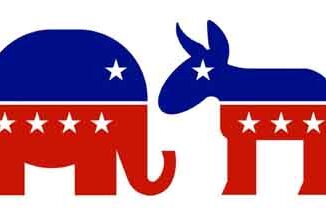
    The United States has sustained its democratic integrity with just two major political parties—the Democrats and the Republicans. This dichotomy, although not without its critics, has cultivated a mature democratic landscape similar to those seen in many European democracies, where governance is relatively stable, and political divides are streamlined. By contrast, nations like India, with a plethora of political parties shaped by caste, creed, and regional identities, showcase the diversity but also the complexities of multi-party democracies. In the U.S., the two-party system reflects an evolved democracy that efficiently channels political debate and decision-making.

    The strength of American democracy lies in its people—their wisdom, values, and resilience. Historically, the U.S. has managed peaceful transitions of power even amid significant challenges. However, the 2020 election saw unprecedented upheaval, culminating in an insurrection that has left many concerned about the stability of future elections. As the 2024 election approaches, these anxieties are palpable, especially given the potential for a repeat of the divisive atmosphere. Set for November 5, 2024, the election has garnered attention worldwide, with many viewing it as a pivotal moment for democracy in the U.S. Here, we will analyze the key candidates—Donald Trump and Kamala Harris—their respective strengths and weaknesses, and the central issues influencing voters this election cycle. Additionally, we will consider the insights of analysts, recognizing that while no prediction is foolproof, a thoughtful examination can offer valuable perspectives.

    The Candidates: Strengths and Weaknesses 

    Donald Trump

    Donald Trump, the Republican candidate, remains a polarizing figure in American politics. His base of support is solid, primarily among conservative voters who appreciate his “America First” approach. Trump’s tenure as president from 2016 to 2020 showcased his commitment to prioritizing American interests in areas such as trade, immigration, and foreign policy. His economic policies focused on deregulation and tax cuts, appealing to the business community and individuals who favor limited government intervention. Supporters argue that Trump brought a refreshing directness to politics, challenging traditional norms and confronting global entities in favor of national interests.

    However, Trump’s campaign faces considerable obstacles. His rhetoric, often described as divisive, has alienated certain groups and led to significant social polarization. Moreover, his handling of the COVID-19 pandemic remains a critical point of contention, with critics arguing that his administration’s response lacked organization and empathy. Legal issues surrounding Trump’s previous business dealings and his role in the January 6, 2021, Capitol riot have added further scrutiny to his candidacy. Despite these challenges, his followers remain fiercely loyal, viewing him as a champion against what they perceive as an overly bureaucratic and ineffective political establishment.

    Kamala Harris

    Kamala Harris, the Democratic candidate and current Vice President, represents a historic choice for the nation as the first woman of color to serve as Vice President and potentially as President. Her background as a former prosecutor and Senator from California provides her with substantial experience in governance and law. Harris has advocated for social justice, healthcare reform, and climate change policies, all of which align closely with progressive values and the priorities of the Democratic Party. Her approach is generally seen as a continuation of the Biden administration’s policies, with a focus on unity, inclusivity, and equality.

    Nonetheless, Harris faces challenges of her own. While she appeals to the Democratic base, particularly among progressives and minority communities, her tenure as Vice President has been critiqued by some as lacking visible achievements. Additionally, her prosecutorial record has drawn criticism from activists who argue that her approach to criminal justice reform is inconsistent. Harris’s ability to rally moderate voters and appeal beyond her core base is crucial, as this election is expected to hinge on swing states and undecided voters. For her, establishing trust and presenting a clear vision for the future are essential to securing broad support.

    Key Issues Shaping the 2024 Election

    As Americans head to the polls, several pressing issues dominate the national conversation. Each candidate’s stance on these issues could determine their success in garnering support from voters across the political spectrum.

    Economic Stability and Inflation: Economic concerns are paramount, as inflation has impacted the cost of living and purchasing power for many Americans. Trump has promised to curb inflation through tax cuts, deregulation, and stimulating domestic energy production, emphasizing American self-sufficiency. Harris, on the other hand, has focused on long-term investments in renewable energy, education, and infrastructure, arguing that these efforts will build a resilient economy over time.

    Healthcare: Healthcare remains a divisive issue, with Harris advocating for expanded access and affordability through policy reforms, including protections for Medicare and Medicaid. She emphasizes the importance of making healthcare accessible to all, drawing on her experience in the Biden administration, which pushed for expanded Affordable Care Act provisions. Trump opposes what he terms as “socialized medicine,” instead favoring market-driven solutions and reforms aimed at reducing healthcare costs by increasing competition.

    Climate Change and Environmental Policy: Climate change continues to be a critical concern, particularly for younger voters and progressives. Harris supports aggressive action on climate change, aiming for net-zero emissions by 2050 and investment in renewable energy. Trump has prioritized energy independence, advocating for increased oil and gas production while downplaying the immediate need for extensive environmental regulations.

    Immigration: Immigration policies are among the most polarizing issues in the 2024 election. Trump is known for his stringent stance on immigration, with a focus on border security and reducing illegal immigration. Harris, conversely, promotes a more compassionate approach, supporting pathways to citizenship and comprehensive immigration reform. Voters are divided on this issue, with each candidate’s stance aligning with their party’s ideological framework.

    Social Justice and Civil Rights: Issues of race, gender, and equity have gained prominence in recent years. Harris has championed policies to address systemic inequalities, including criminal justice reform, voting rights, and protections for marginalized communities. Trump and his supporters often argue that these policies lead to excessive government overreach and stoke division. For many Americans, these issues are deeply personal, influencing voter decisions along party lines.

    Foreign Policy and National Security: U.S. foreign policy is a significant topic, particularly concerning relations with China and Russia. Trump’s “America First” approach emphasizes reducing U.S. involvement in foreign conflicts and focusing on strengthening the U.S. economy through fair trade agreements. Harris and the Democrats advocate for global alliances and partnerships to address issues like climate change, international security, and human rights, reinforcing America’s role as a global leader. How each candidate addresses these international concerns will impact voter perceptions, especially among military families and international business stakeholders.

    Analyst Perspectives and Public Sentiment

    Political analysts have diverse perspectives on the election, with some predicting a tight race and others anticipating a clear victory for one candidate. Many analysts agree that this election could see high voter turnout, driven by strong feelings about the candidates and the issues at stake. Trump’s appeal to his base is formidable, but his challenge lies in broadening his appeal to undecided and moderate voters. Harris, meanwhile, has the advantage of incumbency but must address concerns regarding her policy impact and her vision for the future.

    Public sentiment is equally divided. Polls show that Americans are concerned about the polarization within the country, and many view this election as an opportunity to reset and restore unity. However, the legacy of the 2020 election and the January 6 insurrection has left a lingering fear of unrest. Observers worry that, regardless of the outcome, tensions may arise if the results are contested. Election security and integrity have thus become focal points, with both candidates urging their supporters to respect the democratic process.

    The Uncertain Road Ahead

    As Americans prepare to cast their votes on November 5, 2024, they face a critical decision that will shape the nation’s future. This election, set against a backdrop of political division, economic strain, and global uncertainty, underscores the importance of democratic resilience. Trump and Harris each represent divergent visions for America—one centered on conservative values and national priorities, the other on progressive ideals and global collaboration.

    While predictions abound, the outcome remains uncertain, as does the response from a deeply polarized public. Yet, as history has shown, the strength of American democracy lies in its ability to adapt and overcome challenges. The citizens of the United States, armed with their votes and guided by their values, hold the power to determine the nation’s course. This election is a reminder of the enduring strength of democracy and the role of the people in preserving it.

    Vote , and vote wisely.

    God Bless America!

  • India-Canada diplomatic spat: Dialogue is the only way out feels a vast majority in Indian Diaspora

    By Prabhjot Singh

    The diplomatic spat between India and Canada continues unabated,  a vast majority in the Indian Diaspora wants an early end to it suggesting both sides should exercise extra restraint and sit across the table to resolve the issues amicably. “Both India and Canada as members of the Commonwealth have well organized administrative structures to take care of all such aberrations than taking in washing their dirty linen in public.

    “Nothing comes out of such tit-for-tat policies as the public at large is the sufferer,” say several members of the Indian Diaspora, both in Canada and elsewhere in the world. Both countries affirm that their sovereignty is based on the Rule of Law and they have strong law enforcement pieces of machinery to tackle sensitive issues like foreign interference. Besides, they have diplomatic channels open to them to thrash out issues that are transnational or related to internal security or the overall well-being and security of the people. The two nations have strong people-to-people contacts besides huge bilateral trade.

    We talked to a cross-section of people from different walks of life, including politics, academics, social organisations, immigration, public affairs and media on this raging spat. Here are excerpts from what they said:

    Gurbax Singh Malhi

    Gurbax Singh Malhi, the first turbaned Sikh to sit in a federal Parliament outside India, says: “For the public, it is not good. The  public suffers.”

    Herb Dhaliwal

    Herb Dhaliwal, the first Indo-Canadian to become a federal Minister in Canada, says: “In regard to the Canada/ India relationship it has come to the lowest point in history. The Modi government is now seen, in the West, as a bunch of criminals and gangsters and the media as a mouthpiece for them.

    “India was the Centrepiece of the Canadian Indo-Pacific strategy is dead. A Canadian security team travelled to India to provide evidence of the killing of a Canadian citizen to get the cooperation of India but no cooperation came only stonewalling. I hope the media and the citizens of India will hold their government accountable for its actions.

    Tejinder Aujla

    Tejinder Singh Aujla, a social activist and hockey promoter from Surrey, says that Canada is a soft target for India and its agency Research and Analysis Wing (RAW). He feels that Canadian politicians are not as cunning as their Indian counterparts and it is why the Canadian Prime Minister spoke about foreign interference in the murder of Hardeep Singh Nijjar in the House of Commons.

    “We all come from farming backgrounds and know that irked by farmers’ agitation, the Indian government pointed fingers at Canadians of Punjabi origin blaming them for supporting the farmers back home.

    “Canadian Sikhs were happy that their Prime Minister Justin Trudeau stood by them and exposed the alleged interference of Indian agents in targeting Canadians on Canadian soil. A blame game does not help anyone. It is time for the Indian Government to cooperate with the investigations and stop blaming overseas Sikhs,” concludes Tejinder Aujla, holding that Five Eyes is supportive of the Canadian stand.

    Prof. I S Saluja

    Prof.  I S Saluja, a veteran journalist and Editor-in-Chief of The Indian Panorama, one of the most credible newspapers in North America, says: “The diplomatic tensions between India and Canada are not the result of a sudden incident but have deep historical roots. For decades, the two countries have had differing perspectives, particularly around the presence of a sizable Punjabi Sikh community in Canada. Punjabis, especially Sikhs, began settling in Canada almost a century ago, contributing significantly to its economy, particularly in agriculture and transportation. Over time, the community became politically influential, with many Sikhs holding positions of power in Canadian politics.

    “The relationship between India and Canada, however, began to sour in the 1980s, when Sikh separatists in Canada began supporting the demand for an independent Khalistan, a movement India strongly opposed. India accused Canada of providing sanctuary to these separatists, which Canada denied. This longstanding issue resurfaced with the assassination of Hardeep Singh Nijjar, a Khalistani leader, in 2023. Canada accused India of orchestrating the murder, a charge India has vehemently denied.

    “This accusation has further strained relations, with Canada insisting that it had intelligence from the Five Eyes alliance supporting its claims. India, on the other hand, remains sensitive to foreign criticism of its handling of separatist threats. The expulsion of diplomats and media narratives on both sides have exacerbated the situation, leading to a diplomatic standoff. Resolving these tensions will likely require diplomatic intervention, possibly through a neutral third party like the United States, to prevent further damage to bilateral ties and ensure the welfare of the Punjabi community in Canada.

    Seema Jham

    Seema Jham, a Public Relations and Communications professional, based in Toronto, writes:  “The ongoing diplomatic tensions between India and Canada are undoubtedly complex. Both nations, as two of the world’s largest democracies, have much to offer each other.

    “This diplomatic strain could have implications for various sectors, including trade, education, and the movement of people between the two countries.

    What’s happening now should be resolved through diplomatic action and open discussion, aimed at fostering collaboration, intelligence sharing, and mutual respect, rather than blame and accusations. Both countries have enjoyed a longstanding relationship, and there is immense potential for continued cooperation.

    Economically, the stakes are high. India is Canada’s 9th largest trading partner, with bilateral trade reaching $8 billion in 2023. This figure could grow significantly if current issues are resolved. As a developing country, India relies heavily on foreign direct investment, with Canada being one of its major investors. A prolonged diplomatic standoff could hinder growth for both nations.

    To move forward, both sides must engage in diplomatic dialogue, showcase mutual respect, and explore new avenues for collaboration and intelligence sharing. “I hope that both governments can engage in constructive dialogue and work toward a solution that benefits both nations,” she adds.

    Shefoli Kapur

    Shafoli Kapur (with pic), the Toronto-based Immigration specialist, says: “For the Indian community in Canada, this situation is particularly delicate. As one of the largest immigrant populations in Canada, Indian Canadians have significantly contributed to the country’s economic, social, and cultural fabric. However, this spat could increase polarization within the community, especially among Sikhs and Hindus, potentially giving rise to distrust and divisions. Many fear that the political rhetoric may amplify xenophobic sentiments or mischaracterizations of Indian diaspora groups. Additionally, visa restrictions and travel warnings could impact businesses, students, and family connections between the two countries.

    “In essence, while diplomatic disagreements can evolve, the Indian community in Canada may bear a more personal brunt of the fallout, navigating rising tensions both between their home and adopted nations.

    Naveen Prudhvinad Chintada

    Naveen Prudhvinadh Chintada (with pic), who moved from Hyderabad some years ago to make Canada his new home, says: “As I observe the changing diplomatic ties between India and Canada over the past year, it is evident that both countries have hit rock bottom in their relationship. The deterioration became more pronounced when Mélanie Joly, Canada’s foreign minister, made a strong and bold statement, indicating that there are active plans to impose sanctions on India. Such measures could have far-reaching consequences, directly impacting the vital trade relationship between the two nations. Currently, Canada exports $4.3 billion worth of goods and services to India while importing $3.8 billion from India. In this scenario, any aggressive actions could potentially hurt Canada’s economy more, given the trade imbalance.

    “Moreover, during a recent press conference, the Canadian government was unable to convincingly present or explain the evidence they claim to have against the Indian government. This raised concerns not only about the credibility of their allegations but also about the potential international fallout.

    “At the same time, many Canadians are growing increasingly dissatisfied with the current government, citing weak leadership and poor decision-making. Canada, once celebrated for being a beacon of multiculturalism and inclusivity, is no longer as open or welcoming, especially toward its growing South Asian communities. These recent allegations against India could escalate tensions and make the situation for Indian communities in Canada even worse, leading to greater division and mistrust.”

    Nirmal Singh, a scholar based in Florida, says: “The Five Eyes (FVEY) is an Anglosphere intelligence alliance comprising Australia, Canada, New Zealand, the United Kingdom, and the United States. These countries are party to the multilateral UK-USA Agreement, a treaty for cooperation in signals intelligence and are understood to have supported the Canadian position so far.

    The picture changed  when Canada declared India’s High Commissioner and some of the High Commission staff as persons of interest in the ongoing controversy. Media reported that NZ conditionally supports Canada in its action – the caveat being if proven. The UK and Australia also have let their positions known in support of Canada. The US had a clear position so far but the stakes have been raised by recent developments.

    New India Abroad in an analysis reported that “The prime ministers of India and Canada could benefit politically in the short term from the unprecedented expulsion of top diplomats from each country, analysts said on October 15 ” https://www.newindiaabroad.com/english/news/deepening-canada-india-standoff-seen-as-a-short-term-boost-for-modi-trudeau

    As for Sikhs in India, they are weighed down by the problems that seem to be only getting worse for Indian Punjab as evidenced by a news report a day or so back where a Farmers group and the Arhtiyas et al were protesting together.  It indicates that the fear of a failing farm economy is now affecting all Punjabis.

    My submission is that it is well recognized that there is hardly any support among Sikhs in India including those living in Punjab for the creation of Khalistan. Therefore, the development of Punjab could be delinked from the Khalistan-related happenings elsewhere.  This could go a long way in the optimization of the Punjabis in national endeavours.

    Lord Rami Ranger

    Lord Rami Ranger, a senior and respected member of the Indian Diaspora in the UK, feels strongly about this tiff. He says: ” First, Canada should not support the Khalistanis. They will damage the Canada-India relationship.

    “Second, not allowed parade showing  Mrs Gandhi being shot and PM Modi in a cage.

    “Thirdly, Canada should not allow the Indian flag to be desecrated in public.

    “If Canada had the evidence, it should have been discussed with India in private.

    “Finally, Canada should give land to make Khalistan,” he concludes.

    Tarlochan Singh

    Tarlochan Singh, a former MP and Chairman of the Minorities Commission in India, comments: “ I feel Trudeau is overstretching the killing of Najjar. For so many months they have been investigating and could not go to the Court to convict the assailant. They are only after the collaborators. They want to blame the Indian Embassy and Raw. This is a political game. Fault lies with Trudeau who himself addresses Press Conferences. No Prime Minister of any country has done this.

    (Prabhjot Singh is a Toronto-based  award-winning independent journalist, He was celebrated by AIPS, the international body of sports journalists, for covering ten Olympics at its centennial celebrations held at UNESCO Centre in Paris  during the 2024 Olympic Games. Besides, he has  written extensively about  business and the financial markets, the health industry, the public and private sectors, and aviation. He has worked as a political reporter besides covering Sikh and Punjab politics. He is particularly interested in Indian Diaspora and Sikh Diaspora in particular. His work has also appeared in various international and national  newspapers, magazines and journals. He can be reached at prabhjot416@gmail.com

    Visit www.probingeye.com; https://www.facebook.com/PrabhjotSingh.Journalist/?ref=pages_you_manage)

  • New York City needs attention of CityAdministration

    One of the world’s most populous megacities, with  over 8.5 million people New York City is a global cultural, financial, entertainment, and media center with a significant influence on commerce, health care and life sciences, research, technology, education, politics, tourism, dining, art, fashion, and sports. Home to the headquarters of the United Nations, New York is an important center for international diplomacy, an established safe haven for global investors, and is sometimes described as the capital of the world.

    The  name of the City creates visions of beauty, splendor  and grandeur in the minds of people across the world. It will not be an exaggeration to say that  it is the dream of every tourist in any part of the world  to see New York. They dream of a beautiful  New York with expansive gardens, walks along the Hudson, tall buildings, historic monuments, and endless sources of entertainment, exquisite shopping malls, and  a cultural variety not to be found anywhere else in the world.

    However, the majority is disappointed. It is not the Hudson River walks or the expansive gardens which  are missing. It is not that tall buildings and monuments are not there. It is not that the numerous entertainments are unavailable. It is the broken roads with potholes; it is the dirt and filth in the streets, including the Times Square area where the daily footfall numbers an astounding  330,000, many of them tourists, while over 460,000 pedestrians walk through Times Square on its busiest days. What do they see? Stinking garbage. Hardly any greenery. And, on top of that, there is ever-growing lawlessness. Times Square is no longer secure. In fact, the whole of New York is having to face insecurity. It is but natural that tourists will be reluctant to come, as do many who live in New York State itself.

    It appears that insanitary conditions- dirt, filth and garbage, broken roads with potholes ,  the barren, lifeless pavements , and the rising crime are the identity of New York.

    We wish the City administration  takes care of  once “the greatest city on the Earth”  before the conditions go from bad to worse , and a restoration becomes the more difficult.

  • Sanity has prevailed

    Sanity has prevailed

    On Prime Minister Narendra’s Announcement of repeal of farm laws

    By Prof. I.S. Saluja

    After remaining adamant for more than a year on not repealing the farm laws, Prime Minister Narendra Modi acknowledged in his address to the nation on November 19th, the 552nd birth anniversary of the First Master of the Sikhs Shri Guru Nanak Dev Ji, that there was widespread resentment among the farmers over the farm laws, and announced the laws will be repealed. Hopefully, the announcement will end a painful period in the lives of the farmers of India who lost 700 of their brethren during a year and a half of protest against the farm laws, besides untold suffering the protesters and their families went through.

    One man who with his plain-speak has endeared himself to farmers and all right-thinking people across the world is Satya Pal Malik, Governor of Meghalaya who despite being a Modi appointee, warned Modi government of consequences of having a confrontation with the farmers, and always asserted that he would prefer to stand with the farmers rather than stay glued to his cushy job.

    The farmers’ protest has united the farmers over a large part of north India. A number of leaders, including Rakesh Tikait, have emerged as potential power centers and have all the opportunity to lead farmers to political power. It is well to recall the well-known and strong leaders like Chaudhary Charan Singh in Uttar Pradesh and Devi Lal in Haryana who wielded political power on the strength of the farming community that they belonged to.

    Indians abroad must be feeling vindicated for their support to the protesting farmers in India. Some of them including Darshan Singh Dhaliwal in the US had their OCI cards revoked and they were not allowed to enter India for their support to protesting farmers. Government of India should now restore their OCI cards and visas and welcome themto India. And this decision should be taken now.

    Good to see sanity prevail.

    Happy Guru Nanak Jayanti!

    https://www.theindianpanorama.news/?p=116858&preview=true