US economic growth slowed to 1.1 percent in the first quarter of this year, the Commerce Department said on Thursday, as the possibility of a mild recession increases. The figure came in below economists’ expectations of 2 per cent growth, while core personal consumption expenditure for the first quarter rose by 4.9 per cent, versus economists’ projections of 4.7 per cent growth.
The economy grew by 2.6 per cent in the fourth quarter of last year.
The first-quarter GDP figure “reflected increases in consumer spending, exports, federal government spending,” along with some forms of investment, the Commerce Department said in a statement.
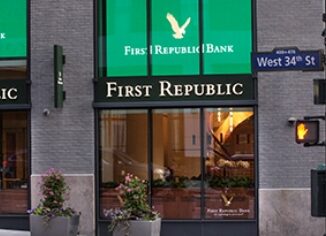
Economic activity has been easing as the US central bank has rapidly raised the benchmark lending rate to tackle stubborn inflation, while the full fallout from recent financial sector unrest — following the failures of three midsized lenders last month — has yet to be seen. Inflation and consumer spending figures could well keep the Federal Reserve on track to raise interest rates by a quarter of a percentage point next week. First Republic Bank’s continuing struggles, however, do raise the possibility that the central bank could pause.
“Inflation remains stubborn, and along with the continued strength in the labor market, it should keep the Fed on pace for a May and potentially a June rate hike,” said Cliff Hodge of Cornerstone Wealth.
Tag: Republic Bank
-
US Q1 growth slows to 1.1%, inflation rises
-

Major US banks inject $30 billion to rescue First Republic Bank
NEW YORK (TIP): Large U.S. banks injected $30 billion in deposits into First Republic Bank (FRC.N) on Thursday, swooping in to rescue the lender caught up in a widening crisis triggered by the collapse of two other mid-size U.S. lenders over the past week, a Reuters report said. Banking stocks globally have been battered since Silicon Valley Bank collapsed last week due to bond-related losses that piled up when interest rates surged last year, raising questions about what else might be lurking in the wider banking system.
Within days, the market turmoil had ensnared Swiss lender Credit Suisse (CSGN.S), forcing it to borrow up to $54 billion from Switzerland’s central bank to shore up liquidity. By Thursday afternoon, the spotlight whipsawed back to the United States as big banks led an effort to prop up support for First Republic, a regional lender whose shares had tumbled 70% in the last nine trading sessions.
Some of the biggest U.S. banking names including JPMorgan Chase & Co (JPM.N), Citigroup Inc (C.N), Bank of America Corp (BAC.N), Wells Fargo & Co (WFC.N), Goldman Sachs (GS.N) and Morgan Stanley (MS.N) were involved in the rescue, according to a statement from the banks. The deal was put together by power brokers including U.S. Treasury Secretary Janet Yellen, Federal Reserve Chairman Jerome Powell and JPMorgan Chase CEO Jamie Dimon, who discussed the package on Tuesday, according to a source familiar with the situation. U.S. regulators said the show of support was most welcome and showed the resilience of the banking system. A round of financing on Sunday raised through JPMorgan had given First Republic access to $70 billion in funds. But that failed to calm investors as worries of a contagion deepened with the demise of Signature Bank to follow that of SVB and depositors began moving cash to larger lenders. First Republic Bank’s stock closed up 10% on news of the rescue but its shares fell 18% in after-market trading, after the bank said it would suspend its dividend.
The bank’s stock price is down more than 70% since March 6.
News of the rescue also helped boost Wall Street indexes, with JP Morgan, Morgan Stanley and Bank of America all up more than 1%, while the benchmark S&P 500 Banks Index (.SPXBK) recovered 2.2%.
(Source: Reuters / Pete Schroeder, Chris Prentice and Nupur Anand)