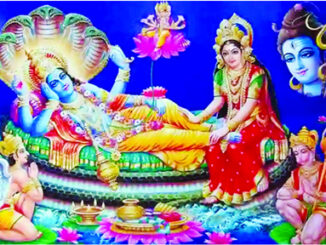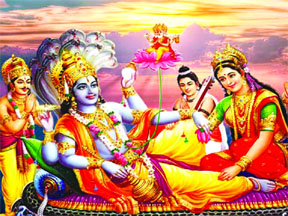
Saphala Ekadashi is a sacred day observed in the Hindu tradition, dedicated to the worship of Lord Vishnu, the preserver of the universe. Falling on the 11th day (Ekadashi) of the Krishna Paksha (waning phase of the moon) in the month of Pausha, this auspicious day is revered for its spiritual, moral, and religious significance. Derived from the Sanskrit term “Saphala,” meaning “fruitful” or “successful,” this Ekadashi is believed to grant immense blessings to devotees, helping them attain spiritual progress and material prosperity.
The Mythological Background of Saphala Ekadashi
Like other Ekadashis, Saphala Ekadashi is rooted in ancient Hindu scriptures, primarily the Puranas. The Padma Purana elaborates on the glory of this sacred day and recounts the story of a king named Mahishmata and his son Lumpaka. Lumpaka, a wayward and sinful prince, indulged in immoral activities, disrespecting his family and Dharma. As a consequence, he was exiled from the kingdom by his father.
Despite his misdeeds, Lumpaka unknowingly observed a fast and performed penance on Saphala Ekadashi while living in the forest. On this day, he abstained from consuming food and spent the night under a banyan tree, which is considered sacred in Hinduism. His accidental observance of the Ekadashi vrat (fast) pleased Lord Vishnu, who forgave Lumpaka’s sins and restored him to his rightful place as the heir to the kingdom. The story underscores the transformative power of Saphala Ekadashi, highlighting how even unintentional devotion can lead to redemption and divine grace.
The Significance of Saphala Ekadashi
– Spiritual Upliftment: Saphala Ekadashi is regarded as a powerful day for spiritual cleansing and advancement. Observing the fast with devotion helps individuals purify their minds and souls, bringing them closer to moksha (liberation).
– Forgiveness of Sins: According to the scriptures, fasting on Saphala Ekadashi absolves one of past sins and misdeeds. It is believed to erase the negative karmas that hinder spiritual growth.
– Material Prosperity: While the primary goal of Ekadashi vrat is spiritual enrichment, Saphala Ekadashi is also associated with material success. Devotees who sincerely worship Lord Vishnu on this day are blessed with prosperity and well-being.
– Alignment with Cosmic Energies: The observance of Saphala Ekadashi aligns devotees with the cosmic energies that govern the universe. This alignment helps them cultivate inner peace, resilience, and a positive outlook on life.
Rituals and Observances
The rituals associated with Saphala Ekadashi are steeped in devotion and discipline, designed to honor Lord Vishnu and invoke his blessings. Here is a detailed guide to the observances:
Pre-Fasting Preparations:
– Devotees wake up early, preferably during the Brahma Muhurta (around 4 AM), and take a ritual bath.
– The puja altar is cleaned and decorated with flowers, incense, and lamps.
– An idol or image of Lord Vishnu is placed on the altar, and offerings like fruits, Tulsi leaves, and sweets are prepared.
Fasting (Upavasa):
– Fasting is the cornerstone of Saphala Ekadashi observance. Some devotees observe a Nirjala fast (without water), while others consume only fruits and milk.
– The fast begins at sunrise on Ekadashi and ends at sunrise the following day, known as Dwadashi.
– During the fast, devotees abstain from grains, pulses, meat, onion, and garlic.
Worship and Prayers:
– Devotees perform Vishnu puja, chanting sacred mantras like the Vishnu Sahasranama (a thousand names of Vishnu) and Om Namo Bhagavate Vasudevaya.
– Reading or listening to stories from the Bhagavad Gita or Vishnu Purana enhances spiritual merit.
Night Vigil (Jagran):
– Staying awake throughout the night is a key aspect of Saphala Ekadashi. Devotees engage in kirtans (devotional songs), bhajans, and meditation to keep their minds focused on Lord Vishnu.
Charity and Acts of Kindness:
– Offering food, clothes, or monetary support to the needy is considered highly auspicious. Acts of charity performed on this day amplify the spiritual benefits of the vrat.
Breaking the Fast (Parana):
– On Dwadashi, devotees break their fast after offering food to a Brahmin or a needy person. The Parana should be completed within the prescribed time to ensure the vrata’s efficacy.
Astrological and Environmental Significance
– Astrological Influence: Observing Saphala Ekadashi during the Krishna Paksha amplifies the moon’s calming energies, aiding in emotional balance and mental clarity. This day is particularly beneficial for individuals seeking relief from stress and negative influences.
– Environmental Awareness: The rituals emphasize simplicity and mindfulness, encouraging devotees to reduce their ecological footprint. Abstaining from elaborate meals and opting for natural offerings aligns with sustainable practices.
The Global Observance of Saphala Ekadashi
Saphala Ekadashi is celebrated with great fervor across India and other countries where Hindu communities reside. Temples dedicated to Lord Vishnu, such as Tirupati Balaji, Ranganathaswamy, and Dwarkadhish, witness special pujas and festivities. Devotees gather to participate in collective prayers, kirtans, and charitable activities. The day fosters a sense of unity and shared devotion among the community.
Tag: Saphala Ekadashi
-

Saphala Ekadashi
-

Saphala Ekadashi
Saphala Ekadashi is observed in the honour of Lord Vishnu. Devotees observe a strict fast on this day and offer Tulsi leaves, incense sticks, dhoop batti, flowers, kumkum and sweets to the lord. They light oil and ghee lamps and observe ‘Jagran’ the whole night. They do aarti, puja, sing bhajans and holy mantras that night. The consumption of rice is absolutely banned on this day since it is believed that anyone who eats rice on any of the Ekadashi would have rice grains as worms in their stomachs owing to Lord Brahma’s curse. It is believed that observing Saphala Ekadashi fast brings immense happiness in the devotee’s life.
Glories of Ekadashi in Brahma Purana
This Ekadashi happens during the waning moon in the month of November, December or January. The glories of this Ekadashi are described in the Brahman Purana, between the conversation of Lord Krishna and Maharaja Yudhishthir. An excerpt of the conversation is as follows:
Yudhisthir said, “O Krishna! What is the name of the Ekadashi that occurs at the waning moon in December or January and how should one observe it? Please explain this to me in detail.”
Krishna replied, “O best of the Bharat dynasty, just as Shesha is best among the snakes, Garuda is best among the birds, Ashwamedha or the horse sacrifice is best among the sacrifices, Ganga is best among the rivers, Lord Vishnu is best among the demi-gods and the Brahmans are best among the human beings. Similarly, among all the vows the day of Ekadashi is best. Anyone who observes Ekadashi is very dear to me. The amount of piety that accumulates by undergoing austerities, five thousand years, is achieved simply by observing Ekadashi.”
In the conversation, Lord Krishna specifically mentioned that one should stay awake all night on Saphala Ekadashi. Devotees should offer him fresh fruits, betel nuts, leaves, spices, seeds, nuts, etc.
Saphala Ekadashi Vrat Katha
This Is How It Started
In the city of Champavati, this king, Mahishmati, had 4 sons. Among them, the eldest son, Lumpaka, was very sinful. He used to blaspheme the Brahmanas, Vaishnavas and the demigods. Consequently, his father exiled him. The exiled Lumpaka lived in a jungle but at night would sneak into the kingdom and steal various things including food. Despite him stealing, the citizens would set him free because he was the son of the king. Lumpaka spent his life regularly eating raw meats and fruits.
The Tale of Lumpaka
There was a banyan tree in this forest. It was as worshippable as the demigods. Lumpaka lived underneath this tree for some time. Lumpaka happened to be living this way on the Ekadashi of the waning moon in the month of November-December. Due to fatigue and weakness, Lumpaka became unconscious a day before Ekadashi and regained his consciousness at midday of Ekadashi.
Lumpaka couldn’t possibly kill any animal that day since he was so feeble. He was severely afflicted by hunger. He eventually found some fruits but offered them to Lord Vishnu praying for his mercy. He was up for the entire Ekadashi night. He unwittingly observed Saphala Ekadashi as a result of fasting and staying up.
Blessings Of Lord Vishnu For Lumpaka
Lord Vishnu accepted the worship and vows of this Ekadashi offered by the Lumpaka. Lord Vishnu blessed Lumpaka with a return of his kingdom. The next morning a divine horse came and stood by Lumpaka. At that time, a voice from the sky was heard, “Oh Prince, by the mercy of Lord Madhusudana and by the influence of Saphala Ekadashi, you will receive your kingdom and rule without any difficulty. Return to your father and enjoy the kingdom.”
In accordance with these instructions, Lumpaka returned to his father and accepted the responsibilities of ruling the kingdom. Thereafter, he got a beautiful wife and good sons.
Saphala Ekadashi Significance
In the Hindu calendar, the Ekadashi that is observed during the month of Paush is Saphala Ekadashi. It is also referred to as Paush Krishna Ekadashi. The word ‘Saphala’ means to prosper, therefore Saphala Ekadashi is rightfully described as a day when devotees are rewarded with good fortune by ending the miseries.
This day of fasting is considered as a medium to open the doors of abundance, success, prosperity and fortune. While keeping the Saphala Ekadashi fast, devotees must only eat Satvik food and donate essentials to the Brahmanasand needy people. It is believed that the devotees can wash away sins and attain liberation by fasting on this day.
This vrat has the ability to assist a person to accomplish his or her desires and dreams. On this day, by observing Vrat, one can reclaim everything that has been lost. And there’s a lot more, like wealth, affection, honour, health, and so on.
Saphala Ekadashi Puja Vidhi
Get up early on the day of Saphala Ekadashi. Perform your routine activities.
Take a vow of fast by wearing clean clothes and offering water to the Sun.
Offer yellow flowers and yellow objects to Vishnu.
Worship the Lord by offering incense, lamp, fruits, coconut, betel nut, amla, pomegranate, clove and Panchamrit, etc.
After this, recite Aarti, Chalisa, Mantra and a thousand names of God.
Chant “Om Namo Bhagavate Vasudevaya” 108 times.
The donation has special significance on this day, donate according to your ability.
Stay awake all night, sing bhajans, kirtans, or hymns in the name of Shri Hari.
End the fast on the day of Dwadashi.
Offer food and other donations to Brahmins and the needy. After this, you can eat too.
Saphala Ekadashi is an extremely auspicious day. One who observes fast on this day bears favourable results in life. It generates a different kind of reverberations into your whole being that takes you towards your betterment. All the fast and festivals in the Hindu culture were not about religion but about the highest way of living that transforms you into a conscious human being.
Source: Mypandit.com