Tag: SARS-CoV-2

  • Being overweight hampers body’s immune response to Covid infection

    Being overweight hampers body’s immune response to Covid infection

    Being overweight can impair the body’s antibody response to SARS-CoV-2 infection but not to the protection offered by COVID-19 vaccination, according to a study.
    The finding, published in the journal Clinical & Translational Immunology, builds on the team’s existing research on how COVID-19 affects people who are overweight.
    “We have previously shown that being overweight not just being obese increases the severity of SARS-CoV-2,” said Marcus Tong, a Ph.D. candidate at the University of Queensland in Australia. “But this work shows that being overweight creates an impaired antibody response to SARS-CoV-2 infection but not to vaccination,” Tong said. The team collected blood samples from people who had recovered from COVID-19 and not been reinfected during the study period, approximately three months and 13 months post-infection.
    “At three months post-infection, an elevated BMI was associated with reduced antibody levels,” Tong said. “And at 13 months post-infection, an elevated BMI was associated with both reduced antibody activity and a reduced percentage of the relevant B cells, a type of cell that helps build these COVID-fighting antibodies,” he added. The body mass index (BMI) is defined as the body mass divided by the square of the body height.
    In contrast, an elevated BMI had no effect on the antibody response to COVID-19 vaccination at approximately six months after the second vaccine was administered, the researchers said.
    According to Kirsty Short, Associate Professor at the University of Queensland, the results should help shape health policy moving forward.
    “If infection is associated with an increased risk of severe disease and an impaired immune response for the overweight, this group has a potentially increased risk of reinfection,” Short said. “It makes it more important than ever for this group to ensure they’re vaccinated,” she added. The researchers noted that from a public health perspective, this data draws into question policies around boosters and lockdowns.
    “We’d suggest that more personalised recommendations are needed for overweight people, both for ongoing COVID-19 management and future pandemics,” Short said.
    “Finally, the data provides an added impetus to improve SARS-CoV-2 vaccination in low-income countries, where there’s a high percentage of people who are overweight and are dependent on infection-induced immunity,” she added. Source: PTI

  • Human antibodies found that can block multiple coronaviruses: Study

    Human antibodies found that can block multiple coronaviruses: Study

    Scientists have found antibodies in the blood of certain Covid-19 donors that can block infection from a broad set of coronaviruses, specifically in people who have recovered from the SARS-CoV-2 virus and were then vaccinated.

    The researchers from Scripps Research and the University of North Carolina (UNC), US, found this includes not only the Covid -19-causing SARS-CoV-2, but also SARS-CoV-1 and MERS-CoV.

    The study, published in the journal Immunity, could lead to the development of a broad coronavirus vaccine and related antibody therapeutics. Both could be used against future coronavirus pandemics as well as any future variants of SARS-CoV-2.

    “We show here that there are individual human monoclonal antibodies that can be found that protect against all three recent deadly coronaviruses: SARS-CoV-1, SARS-CoV-2 and MERS-CoV,” said study co-senior author Raiees Andrabi, institute investigator at Scripps Research.

    SARS-CoV-2, along with SARS-CoV-1 — the cause of the 2002-04 SARS outbreak — and MERS-CoV, the cause of deadly Middle East Respiratory Syndrome, belong to a broad grouping of coronaviruses known as betacoronaviruses.

    These viruses mutate at a modestly high rate, creating a significant challenge for the development of vaccines and antibody therapies against them.

    In the case of SARS-CoV-2, although existing vaccines have been very helpful in limiting the toll of disease and death from the pandemic, new SARS-CoV-2 variants have emerged that can spread even among vaccine recipients.

    However, over the past two years, the team has been finding evidence that SARS-CoV-2 and other betacoronaviruses have a vulnerable site that does not mutate much. This site, which is in the S2 region (or base) of the viral spike protein, is relatively conserved on betacoronaviruses that infect a variety of animal species.

    By contrast, current SARS-CoV-2 vaccines mainly target the viral spike protein’s relatively mutable S1 region, with which the virus binds to host-cell receptors.

    The S2 site plays a key role in how betacoronaviruses progress from receptor-binding to the membrane fusion that enables entry into host cells in the respiratory tract.

  • T-cells from common colds can provide protection against Covid

    T-cells from common colds can provide protection against Covid

    High levels of T-cells from common cold coronaviruses can provide protection against COVID-19, an Imperial College London study published on Monday has found, which could inform approaches for second-generation vaccines.

    Immunity against COVID-19 is a complex picture, and while there is evidence of waning antibody levels six months after vaccination, T-cells are also believed to play a vital role in providing protection. The study, which began in September 2020, looked at levels of cross-reactive T-cells generated by previous common colds in 52 household contacts of positive COVID-19 cases shortly after exposure, to see if they went on to develop infection.

    It found that the 26 who did not develop infection had significantly higher levels of those T-cells than people who did get infected. Imperial did not say how long protection from the T-cells would last.

    “We found that high levels of pre-existing T cells, created by the body when infected with other human coronaviruses like the common cold, can protect against COVID-19 infection,” study author Dr Rhia Kundu said.

    The authors of the study, published in Nature Communications, said that the internal proteins of the SARS-CoV-2 virus which are targeted by the T-cells could offer an alternative target for vaccine makers.

    Current COVID-19 vaccines target the spike protein, which mutates regularly, creating variants such as Omicron which lessen the efficacy of vaccines against symptomatic infection.

    “In contrast, the internal proteins targeted by the protective T-cells we identified mutate much less,” Professor Ajit Lalvani, co-author of the study, said.

    “Consequently, they are highly conserved between the various SARS-CoV-2 variants, including Omicron. New vaccines that include these conserved, internal proteins would therefore induce broadly protective T cell responses that should protect against current and future SARS-CoV-2 variants.”   Source: Reuters

  • Exposure to common cold virus may protect from Covid-19: Study

    Exposure to common cold virus may protect from Covid-19: Study

    Exposure to the virus that causes common cold can protect against infection by the SARS-CoV-2 virus behind Covid-19, according to a study.

    The research, published on Tuesday, June 5,  in the Journal of Experimental Medicine, found that rhinovirus, the common respiratory virus, jump-starts the activity of interferon-stimulated genes.

    These genes trigger early-response molecules in the immune system which can stop reproduction of the SARS-CoV-2, the virus that causes Covid-19, within airway tissues infected with the cold, the researchers said.

    Triggering these defenses early in the course of Covid-19 infection holds promise to prevent or treat the infection, said senior study author, Ellen Foxman, assistant professor at the Yale School of Medicine in the US.

    One way to do this, Foxman said, is by treating patients with interferons, an immune system protein that is also available as a drug.

    “But it all depends upon the timing,” she said.

    Previous work showed that at the later stages of Covid-19, high interferon levels are associated with worse disease outcomes, and may fuel overactive immune responses.

    However, recent genetic studies show that interferon-stimulated genes can also be protective in cases of Covid-19 infection.

    The researchers wanted to study this defense system early in the course of Covid-19 infection.

    They decided to study whether rhinoviruses would have a beneficial impact against the SARS-CoV-2 virus. The team infected lab-grown human airway tissue with the virus and found that for the first three days, viral load in the tissue doubled about every six hours.

    However, the researchers found that reproduction of the Covid-19 virus was completely stopped in tissue that had been exposed to rhinovirus.

    If antiviral defenses were blocked, the SARS-CoV-2 could reproduce in airway tissue previously exposed to rhinovirus.

    The same defenses slowed down SARS-CoV-2 infection even without rhinovirus, but only if the infectious dose was low.

    Source: PTI

  • White House defends Dr Fauci over lab leak emails

    White House defends Dr Fauci over lab leak emails

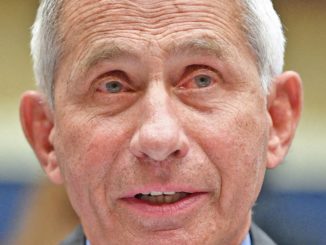
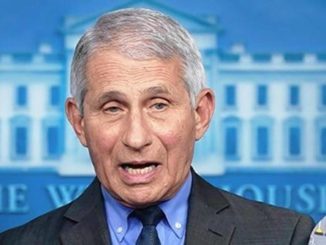
    WASHINGTON (TIP): The White House has defended the president’s top coronavirus adviser, Dr Anthony Fauci, amid scrutiny of his recently released work emails. Dr Fauci has been the face of the nation’s Covid-19 response, drawing both praise and criticism.

    “I’m very confident in Dr Fauci,” President Joe Biden said on Friday, June 4.

    But emails have raised questions on whether he backed Chinese denials of the theory that Covid-19 leaked from a lab in Wuhan.

    A trove of Dr Fauci’s emails covering the onset of the coronavirus outbreak were released this week to media under a freedom of information request.

    Why are people talking about Dr Fauci’s emails?

    In one email sent last April, an executive at a health charity thanked Dr Fauci for publicly stating that scientific evidence does not support the lab-leak theory.

    In an interview with CNN, Dr Fauci said the email had been taken out of context by critics and he had an “open mind” about the origin of the virus.

    In his defense, White House press secretary Jen Psaki said Dr Fauci had been an “undeniable asset”.

    In a daily press briefing on Thursday, she said: “The president and the administration feel that Dr Fauci has played an incredible role in getting the pandemic under control, being a voice to the public throughout the course of this pandemic.”

    Mr Biden reiterated his support after delivering remarks on Friday, when a reporter asked if he still had confidence in the infectious disease chief.

    There is no proof Covid-19 came from a lab, but Mr Biden has ordered a review into the matter that angered China, which has rejected the theory. Chinese authorities linked early Covid-19 cases to a seafood market in Wuhan, leading scientists to theorise the virus first passed to humans from animals.

    But recent US media reports have suggested growing evidence the virus could instead have emerged from a lab in Wuhan, perhaps through an accidental leak.

    What did Fauci tell CNN?

    On Thursday, Dr Fauci maintained there was nothing untoward in an email exchange between himself and an executive from a medical non-profit organization that helped fund research at a diseases institute in Wuhan, the Chinese city where Covid-19 was first reported.

    The NIH, which is a US public health agency, gave $600,000 (£425,000) to the Wuhan Institute of Virology from 2014-19 via a grant to the New York-based non-profit group EcoHealth Alliance, for the purpose of researching bat coronaviruses.

    Peter Daszak, head of EcoHealth Alliance, emailed Dr Fauci in April 2020, praising him as “brave” for seeking to debunk the lab leak theory. “Many thanks for your kind note,” Dr Fauci replied. Dr Fauci told CNN on Thursday, June 3, it was “nonsense” to infer from the email any cozy relationship between himself and the figures behind the Wuhan lab research. “You can misconstrue it however you want,” he said, “that email was from a person to me saying ‘thank you’ for whatever it is he thought I said, and I said that I think the most likely origin is a jumping of species. I still do think it is, at the same time as I’m keeping an open mind that it might be a lab leak.”

    He added: “The idea I think is quite farfetched that the Chinese deliberately engineered something so that they could kill themselves as well as other people. I think that’s a bit far out.”

    The face of America’s fight against Covid-19

    Allies of the US National Institutes of Health (NIH) infectious disease specialist say Dr Fauci’s messages show nothing more than a dedicated public servant navigating the early days of a once-in-a-century pandemic.

    But conservative critics are suggesting Dr Fauci may have engaged in a cover-up, and even claim he perjured himself in testimony to Congress.

    How has the lab leak theory gathered pace?

    According to an investigation in Vanity Fair magazine published on Thursday, Department of State officials discussed the origins of coronavirus at a meeting on 9 December 2020.

    They were told not to explore claims about gain-of-function experiments at the Wuhan lab to avoid attracting unwelcome attention to US government funding of such research, reports Vanity Fair.

    Gain-of-function studies involve altering pathogens to make them more transmissible in order to learn more about how they might mutate.

    The Wall Street Journal reported last month that three employees at the Wuhan Institute of Virology fell ill and were admitted to hospital in November 2019, just before the first reported Covid-19 cases.

    Days later, President Biden instructed US spy agencies to conduct a 90-day review into whether the virus could have emerged from a Chinese lab.

    His administration had previously deferred to the World Health Organization for answers on how the pandemic began.

    Why the lab-leak theory is being taken seriously

    “I would like to see the medical records of the three people who are reported to have got sick in 2019,” Dr Fauci told the Financial Times on Thursday. “Did they really get sick, and if so, what did they get sick with?”

    He called on China to also release the medical records of six miners who fell ill after entering a bat cave in 2012 in China’s Yunnan province.

    Three miners died, and Chinese researchers later visited the cave to take samples from the bats.

    “It is entirely conceivable that the origins of Sars-Cov-2 was in that cave and either started spreading naturally or went through the lab,” he said. Dr Robert Redfield, who led the Centers for Disease Control and Prevention during the Trump administration, told Vanity Fair that he received death threats from fellow scientists when he backed the Wuhan lab leak theory last spring. “I was threatened and ostracized because I proposed another hypothesis,” Dr Redfield said. “I expected it from politicians. I didn’t expect it from science.”

    What has Fauci previously said about the lab leak?

    During congressional testimony on 12 May, Dr Fauci emphatically denied the US had ever funded controversial gain of function research at the Wuhan lab. During a subsequent Senate hearing on 26 May, Senator John Kennedy, a Louisiana Republican, asked how Dr Fauci could be sure that Wuhan scientists did not use the money for gain-of-function research.

    “You never know,” Dr Fauci conceded, while adding that he believed the Chinese researchers were “trustworthy”.

    What’s the other political reaction?

    Former President Donald Trump – widely vilified last year when he raised the possibility that Covid-19 came from the Wuhan lab – said on Thursday that Dr Fauci had a lot of questions to answer.

    “What did Dr Fauci know about ‘gain of function’ research, and when did he know it?” Mr Trump wrote in a statement.

    He added: “China should pay Ten Trillion Dollars to America, and the World, for the death and destruction they have caused!”

    The same day, House of Representatives deputy Republican leader Steve Scalise demanded in a letter that Dr Fauci testify before Congress on the “US government’s role in funding research that may have contributed to the development of the novel coronavirus”.

    China’s foreign ministry last week dismissed the Wuhan lab leak theory as “extremely impossible”.

    Covid-19 is known to have infected some 172 million people, killing more than 3.5 million.

    (Source: BBC)

  • Eager to involve Indian investigators and sites in global clinical trials: Anthony Fauci

    Eager to involve Indian investigators and sites in global clinical trials: Anthony Fauci

    WASHINGTON (TIP): Dr. Anthony Fauci, who is the head of the U.S. National Institute of Allergy and Infectious Diseases, said that India and the U.S. must continue to collaborate on research related to SARS-CoV-2 as well as vaccines and adjutants.


    “We also are eager to involve Indian investigators and sites in global clinical trials to evaluate the safety and efficacy of various COVID-19 therapeutics,” he added, referring to the need to step up joint research into the treatment of COVID-19 patients.


    Speaking about lessons learned by the United States from the pandemic, Dr. Fauci said that it was necessary to implement “well designed and validated scientific approaches to guide effective public health and clinical practice”. The U.S. has seen the highest number of COVID-19 cases (more than 34 million) in the world and the highest number of deaths (611,000), India ranks second on cases (more than 28 million) and third on deaths (338,000), globally.


    “International cooperation and collaboration are essential to advance scientific discovery, and to manage global health threats,” said Dr. Fauci. “We must address inequities in our health systems, so that future epidemics are not a burden primarily borne by disadvantaged populations. Finally, we all need to make sure that the public receive accurate, evidence-based guidance from health officials, and political leadership,” he added.

  • Two meters social distancing not enough as Covid airborne

    Two meters social distancing not enough as Covid airborne

    Maintaining social distance of two meters is not enough as coronavirus, that spreads via aerosol, can be carried up to 10 metres through the air, experts warned on Tuesday, adding that double masks, coupled with hand hygiene and proper ventilation could be the key to curb the spread. Coronavirus was earlier deemed to be spread via droplets. But a new assessment published in the medical journal The Lancet last month revealed that there is consistent, and strong evidence to prove that the SARS-CoV-2 virus, which causes Covid-19, is predominantly transmitted through the air. On the other hand, evidence supporting large droplet transmission was almost non-existent. Earlier this month, the US Centers for Disease Control and Prevention (CDC) said that coronavirus is airborne.

    The Indian government also, in a recent advisory, said that aerosols can travel up to 10 metres from the infected person, and that aerosols, through the infected person, can fall within two metres but can be carried up to 10 metres through the air.

    “Obviously, a distance of two metres is not enough. That the virus is aerosol-borne probably explains why the disease is spreading more rapidly. What we must stress more on is Covid-appropriate behaviour,” HS Chhabra, Medical Director of Indian Spinal Injuries Centre, told IANS.

    “The virus can sustain in the air for six hours and it can travel 10 metres of distance. One should wear double masks and when someone is wearing double masks, then two metres distance is enough,” added Vikas Maurya, Director and HOD, Pulmonology, Fortis Hospital, Shalimar Bagh.

    The Union government’s Principal Scientific Advisor, Prof K Vijay Raghavan, recently released an advisory “Stop the Transmission, Crush the Pandemic – Masks, distance, sanitation and ventilation, to prevent the spread of SARS-CoV-2 virus”, which highlights the important role well-ventilated spaces play in diluting the viral load of infected air in poorly-ventilated houses, offices etc.

    Ventilation can decrease the risk of transmission from one infected person to the other.

  • Patent waivers alone may not lead to quick vaccine access, say experts

    Patent waivers alone may not lead to quick vaccine access, say experts

    The waiving off of patents alone is unlikely to help improve vaccine availability anytime soon, scientists, legal experts and pharma industry executives said, pointing to the complicated technical know-how, raw materials and infrastructure required to make vaccines while ensuring they are as safe and effective as the original developer intended it to be. Several countries, including the US, France and the European Union are considering backing efforts countries such as India and South Africa for a global waiver of coronavirus vaccine patents to boost supplies. While such a move could well be the first step in broadening access, patents alone do little to allow someone else to make biological therapeutics such as vaccines, unlike in the case of generic drugs, which are chemicals and can be replicated more easily with a recipe book of sorts. “Patents are a way of protection of your intellectual and commercial information, speaking from a legal point of view. But just by reading a patent, does not necessarily offer the ability to replicate the product or the process, because while a patent does share a lot of the generic information, it protects the specifics, and it is not a self-guide,” said Prabuddha Kundu, co-founder and managing director at Premas Biotech, which is working on an oral Covid-19 vaccine.

    To understand the challenge, consider the case of some coronavirus vaccines: AstraZeneca and J&J’s vaccines involve a bio-engineered adenovirus that expresses the Sars-Cov-2’s spike protein; Novavax’s vaccine consists directly of the spike protein that has been cultured and grown in moth cells in labs.

    “A chemical entity and a biological entity are very different. Even a simple protein, for example, is hundred times more complex or has more components than a drug like, say, paracetamol. There can be many ways to make paracetamol, and it would turn out to be exactly that but even if there were few ways to produce the protein, the final product varies in its final shape and form,” added Kundu.

    For that, he added, “you must understand the process so well, that every time you carry it out, you end up with exactly the same product. In many situations in biologics, the process is the product”.

    Legal experts in the pharma field said this constitutes know-how, which often is a trade secret. “There is a clear divide between a patent and a trade secret. The technical know-how is proprietary. TRIPS provides for protection of undisclosed information, which would not be found in patents,” said Dev Robinson, partner and head, Intellectual Property, at Shardul Amarchand Mangaldas.

    TRIPS refers to Trade-Related Aspects of Intellectual Property Rights agreement under the World Trade Organization (WTO), the specific framework that India and South Africa have sought waivers under.

                    Source: HT

  • Multivitamins, omega-3, probiotics may cut risk of Covid : Study

    Taking multivitamins, omega-3, probiotics or vitamin D supplements may reduce the risk of testing positive for the novel coronavirus which causes Covid, at least among women, according to a large observational study.

    The research, published in the journal BMJ Nutrition Prevention and Health, found that taking vitamin C, zinc, or garlic supplements was not associated with a lower risk of testing positive for the virus, the findings show.

    The researchers, including those from King’s College London in the UK, drew on adult users of the Covid Symptom Study app to see if regular supplement users were less likely to test positive for SARS-CoV-2.

    The app was launched in the UK, the US, and Sweden in March 2020 to capture self-reported information on the evolution of the pandemic.

    The researchers analysed information supplied by 3,72,720 UK subscribers to the app about their regular use of dietary supplements throughout May, June and July 2020 during the first wave of the pandemic as well as any coronavirus swab test results.

    Between May and July, 1,75,652 UK subscribers regularly took dietary supplements while 1,97,068 did not.

    Around two-thirds (67 per cent) were women and over half were overweight.

    In all, 23,521 people tested positive for SARS-CoV-2 and 3,49,199 tested negative between May and July.

    The study found taking probiotics, omega fatty acids, multivitamins or vitamin D was associated with a lower risk of SARS-CoV-2 infection by 14 per cent, 12 per cent, 13 per cent and 9 per cent, respectively.

    No such effects were observed among those taking vitamin C, zinc, or garlic supplements, according to the researchers.

    When the researchers looked specifically at sex, age and weight (BMI), the protective associations for probiotics, omega-3 fatty acids, multivitamins and vitamin D were observed only in women of all ages and weights.

  • ‘New COVID-19 vaccine may provide protection against existing, future strains’

    ‘New COVID-19 vaccine may provide protection against existing, future strains’

    A new experimental COVID-19 vaccine has shown promising results in early animal testing, according to researchers who say the preventive may provide protection against existing and future strains of the novel coronavirus, and cost about USD 1 per dose. The vaccine developed by researchers, including those from the University of Virginia (UVA) in the US, prevented pigs from being becoming ill with a pig model coronavirus, porcine epidemic diarrhoea virus (PEDV). PEDV infects pigs, causing diarrhoea, vomiting, and high fever, and has been a large burden on pig farmers around the world. The new vaccine approach might one day open the door to a universal vaccine for coronaviruses, including coronaviruses that previously threatened pandemics or perhaps even coronaviruses that cause some cases of the common cold, the researchers said. According to the researchers, the vaccine offers several advantages that could overcome major obstacles to global vaccination efforts. It would be easy to store and transport, even in remote areas of the world, and could be produced in mass quantities using existing vaccine-manufacturing factories, they said. “Our new platform offers a new route to rapidly produce vaccines at very low cost that can be manufactured in existing facilities around the world, which should be particularly helpful for pandemic response,” said Steven L. Zeichner from UVA. Described in the journal PNAS, the vaccine-production platform involves synthesising DNA that directs the production of a piece of the virus which can instruct the immune system to mount a protective immune response against the virus. “Killed whole-cell vaccines are currently in widespread use to protect against deadly diseases like cholera and pertussis. Factories in many low-to-middle-income countries around the world are making hundreds of millions of doses of those vaccines per year now, for a USD 1 per dose or less,” Zeichner said. “It may be possible to adapt those factories to make this new vaccine. Since the technology is very similar, the cost should be similar too,” he added. The vaccine takes an unusual approach in that it targets a part of the spike protein of the virus, the “viral fusion peptide,” that is essentially universal among coronaviruses. The spike protein helps the virus to enter the human cells. The fusion peptide has not been observed to differ at all in the many genetic sequences of SARS-CoV-2 that have been obtained from thousands of patients around the world during the pandemic. The researchers made two vaccines, one designed to protect against COVID-19, and another designed to protect against PEDV. PEDV and the virus that causes COVID-19 are both coronaviruses, but they are distant relatives. PEDV and SARS-CoV-2, like all coronaviruses, share several of the amino acids that constitute the fusion peptide.

  • Team led by Indian American Professor finds Covid-19 fighter human genes

    Team led by Indian American Professor finds Covid-19 fighter human genes

    NEW YORK (TIP): A team of US scientists led by Indian American professor Sumit K. Chanda have identified a set of human genes that fight SARS-CoV-2 infection, the virus that causes Covid-19.

    Knowing which genes help control viral infection can greatly assist researchers’ understanding of factors that affect disease severity and also suggest possible therapeutic options. The genes in question are related to interferons, the body’s frontline virus fighters, according to the study by scientists at Sanford Burnham Prebys published in the journal Molecular Cell, according to a media release. “We wanted to gain a better understanding of the cellular response to SARS-CoV-2, including what drives a strong or weak response to infection,” says Chanda, professor and director of the Immunity and Pathogenesis Program and lead author of the study.

    “We’ve gained new insights into how the virus exploits the human cells it invades, but we are still searching for its Achille’s heel so that we can develop optimal antivirals.”

    Soon after the start of the pandemic, clinicians found that a weak interferon response to SARS-CoV-2 infection resulted in some of the more severe cases of Covid-19, the release said.

    This knowledge led Chanda and his collaborators to search for the human genes that are triggered by interferons, known as interferon-stimulated genes (ISGs), which act to limit SARS-CoV-2 infection. Based on knowledge gleaned from SARS-CoV-1, the virus that caused a deadly, but relatively brief, outbreak of disease from 2002 to 2004, and knowing that it was similar to SARS-CoV-2, the investigators were able to develop laboratory experiments to identify the ISGs that control viral replication in COVID-19.

    “We found that 65 ISGs controlled SARS-CoV-2 infection, including some that inhibited the virus’ ability to enter cells, some that suppressed manufacture of the RNA that is the virus’s lifeblood, and a cluster of genes that inhibited assembly of the virus,” says Chanda.

    “What was also of great interest was the fact that some of the ISGs exhibited control across unrelated viruses, such as seasonal flu, West Nile and HIV, which leads to AIDS.”

    As a next step, the researchers will look at the biology of SARS-CoV-2 variants that continue to evolve and threaten vaccine efficacy.

    “It’s vitally important that we don’t take our foot off the pedal of basic research efforts now that vaccines are helping control the pandemic,” concludes Chanda. “We’ve come so far so fast because of investment in fundamental research at Sanford Burnham Prebys and elsewhere, and our continued efforts will be especially important when, not if, another viral outbreak occurs.”

  • Dialysis patients are at high risk to contract Corona-19 virus

    Dialysis patients are at high risk to contract Corona-19 virus

    30-40 percent already got afflicted in India: Nephrology Expert

    Dr Luvdeep Dogra, DM Nephrology
    By Dr Yash Goyal

    Can Covid-19be kind enough to my Kidneys!! Any patient having diabetes or Kidney illness can be apprehensiveof virus attack specially during ongoing second wave of pandemic in India at least where it has spiked multi-fold in just one month of April. Not long ago a new disease Covid-19 was found (may be invented) in humans which beyond anyone’s imagination changed the entire world for such a long period of time that it’s hard to find a precedent for the same. Dr Luvdeep Dogra, DM Nephrology @ Narayana Hospital in Rajasthan’s state capital, Jaipur told a few media persons on Gmail Meet, “We recognised early that this can be a deadly disease and has an immense potential to send shivers across the world. Today we talk on two aspects, first, COVID in a patient with kidney disease and secondly is kidney diseases which have been described in patients with severe SARS-CoV-2”.

    “Like any severe infection it’s rather naive to think that COVID doesn’t affect the kidney, it does involve the kidney and can cause a host of diseases including a new onset kidney disease to worsening of an already ageing kidney to something as severe as a rejection in a functioning graft”, Dr Luvdeep says. As per Centre for Disease Control (CDC), USA, one out of 8 persons (12-15 per cents of population) kidney related diseases that mostly include diabetes mellitus, he says adding, 16 percent of patients are suffering from diabetes and hypertension.

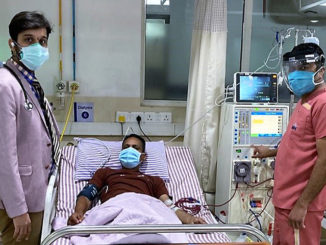
    The dialysis patients are at high risk to contract prevalent Corona virus, quoting recent findings Dr Luvdeep points out, “Patients visiting hospitals for dialysis twice/thrice every week and 10 times in a month are susceptible to the deadly virus. So far 30-40 percent patients went on dialysis got afflicted with the virus in the country”.

    While interacting Dr Luvdeep revealed many fact saying patients with kidney diseases are inherently immunocompromised and visit hospitals frequently it’s no surprise that COVID is usually under detected, more severe and fast progressing in patients with kidney disease and obviously this is in proportion to the severity of Kidney disease.

    Quoting a recent study from Journal American Society Nephrology (July, August 2020),titled: “High Prevalence of Asymptomatic Covid-19 Infection in Haemodialysis Patients Detected Using Serological Screening”, he said, “Patients with ESKD (End Stage Kidney Disease) may also be at an increased risk of dying from Covid-19. In one study, for example, nearly one third of hospitalised dialysis patients with Covid-19 died. In another study, one half of critically ill dialysis patients died within 28 days of admission to the ICU. The overall mortality among dialysis patients with Covid-19 was approximately 20 percent in two such studies”.

    When asked, so what do we do? Vaccinate all?

     He said, “Obviously yes, but remember vaccinating a country as big as ours is not going to be a cake walk, vaccination generates immunity over a period of weeks to month, so it’s not a ready solution either, also unfortunately we don’t have enough evidence on how much it protects dialysis patients from Covid infection”.

    So what next? On another quiz he said, “It’s high time we understand the importance of prevention, it’s easy too. Just follow a “Covid healthy behaviour”, always wear mask when you have people around you or you go out, maintain social distancing, limit unnecessary visits and visitors and then follow a good hand hygiene”.

    Is it that difficult? He smiled saying, “An appropriate behaviour may be our sole protection until we vaccinate our population to a critical level to develop ‘herd-immunity’ and beyond that too. Follow these precautions as Covid is merciless in its ways!”

  • Indian – origin scientist shows promise of leprosy drug for Covid-19

    Indian – origin scientist shows promise of leprosy drug for Covid-19

    Parminder S Aujla

    SACRAMENTO (TIP): Leprosy drug clofazimine, which is on the World Health Organization’s List of Essential Medicines, holds promise as at-home treatment for Covid-19, according to a Nature study co-authored by an Indian American scientist. The FDA approved drug exhibits potent antiviral activities against SARS-CoV-2 and prevents the exaggerated inflammatory response associated with severe Covid-19, it shows, according to a press release.

    Based on these findings, a Phase 2 study evaluating clofazimine as an at-home treatment for Covid-19 could begin immediately, suggest scientists at Sanford Burnham Prebys Medical Discovery Institute and the University of Hong Kong. “Clofazimine is an ideal candidate for a Covid-19 treatment. It is safe, affordable, easy to make, taken as a pill and can be made globally available,” says co-senior author Sumit Chanda.

    “We hope to test clofazimine in a Phase 2 clinical trial as soon as possible for people who test positive for Covid-19 but are not hospitalized,” says Chanda, PhD, professor and director of the Immunity and Pathogenesis Program at Sanford Burnham Prebys, La Jolla, California.

    “Since there is currently no outpatient treatment available for these individuals, clofazimine may help reduce the impact of the disease, which is particularly important now as we see new variants of the virus emerge and against which the current vaccines appear less efficacious.”

    Clofazimine was initially identified by screening one of the world’s largest collections of known drugs for their ability to block the replication of SARS-CoV-2, the release says.

    Chanda’s team previously reported in Nature that clofazimine was one of 21 drugs effective in vitro, or in a lab dish, at concentrations that could most likely be safely achieved in patients.

    In this study, the researchers tested clofazimine in hamsters—an animal model for Covid-19 —that were infected with SARS-CoV-2, the release says.

    The scientists found that clofazimine lowered the amount of virus in the lungs, including when given to healthy animals prior to infection (prophylactically).

    The drug also reduced lung damage and prevented “cytokine storm,” an overwhelming inflammatory response to SARS-CoV-2 that can be deadly.

    Clofazimine also worked synergistically with remdesivir, the current standard-of-care treatment for people who are hospitalized due to Covid-19, when given to hamsters infected with SARS-CoV-2.

    These findings suggest a potential opportunity to stretch the availability of remdesivir, which is costly and in limited supply, the release said.

    In July 2020 Sumit Chanda shared more about his team’s race to find a treatment for Covid-19, according to the release from Sanford Burnham Prebys Medical Discovery Institute.

    A Phase 2 trial evaluating clofazimine in combination with interferon beta-1b as a treatment for people with Covid-19 who are hospitalized is ongoing at the University of Hong Kong, the release said.

    Interferon beta-1b is an immunoregulator that is given as an injection and is currently used to treat people with multiple sclerosis.

    “Our data suggests that clofazimine should also be tested as a monotherapy for people with Covid-19, which would lower many barriers to treatment,” says Chanda.

    “People with Covid-19 would be able to simply receive a regime of low-cost pills, instead of traveling to a hospital to receive an injection.”

    Clofazimine was discovered in 1954 and is used to treat leprosy. Its promise for treating Covid-19 was discovered by high-throughput screening of more than 12,000 existing drugs from the ReFRAME drug library.

  • One year of pandemic

    Vaccine a bright spot, but no dearth of challenges

    A year has passed since the World Health Organisation declared a global pandemic after over a lakh cases of Covid-19 were confirmed across the world, transforming nearly every aspect of life and livelihood in critical ways. Effective tools have been developed to control the pandemic, but the repercussions of even momentary complacency have played out in recent weeks with a surge in coronavirus cases. Downplaying the risk factor, especially with the emergence of newer variants, is fraught with danger. Some sobering statistics need to be highlighted to mark 365 days: more than 11.74 crore confirmed cases and 26 lakh deaths in 221 countries and territories.

    That eight vaccines against SARS-CoV-2, the virus that causes Covid-19, have been approved by at least one country indicates a miraculous collaborative effort. Yet, the rollout can only be seen as a starting point. The race to end the pandemic and reduce it to a sporadic or endemic disease will be a long-drawn one. Studies predict that most high-income countries will have vaccinated their populations by early next year, but bigger hurdles need to be overcome: over 80 poor countries will have to wait until 2023. Simply put, the world won’t be back to normal travel, trade and supply chains until maybe 2024 unless rich countries play a proactive role in ensuring a level-playing field by waiving patents and supporting delivery. New Delhi’s outreach in this regard deserves global applause and recognition.

    The post-vaccine patterns in Israel and the UK have shown promising results, as the rate of new infections seems to be declining. Extensive research is already underway the world over to determine, among other things, how long the protection lasts, whether booster doses are required and the vaccine’s impact on viral transmission. Until high levels of population immunity via inoculation are achieved, precautionary measures will have to be kept in place. Any letup in outbreak responses could mean inviting serious trouble. The year gone by has been witness to immeasurable pain. Ensuring there’s no repeat demands individual and collective responsibility.

    (Tribune, India)


  • Oxford vaccine shows protection against COVID-19 in monkeys: Study

    Oxford vaccine shows protection against COVID-19 in monkeys: Study

    Preliminary results from this research were used to facilitate the start of clinical trials of the vaccine in humans, the researchers noted

    LONDON (TIP): A COVID-19 vaccine candidate developed by the University of Oxford in the UK elicits an immune response and reduces the viral load in monkeys exposed to SARS-CoV-2 virus, according to a study published in the journal Nature on Thursday, July 30.

    The researchers from National Institute of Allergy and Infectious Diseases in the US and the Oxford University found that the ChAdOx1 nCoV-19 vaccine protects the macaques from COVID-19 pneumonia — a complication of SARS-CoV-2 infection in which the lungs become inflamed and may fill with fluid.

    Preliminary results from this research were used to facilitate the start of clinical trials of the vaccine in humans, the researchers noted.

    ChAdOx1 nCoV-19 is made from a weakened chimpanzee adenovirus — a group of viruses that can cause a range of illnesses, including the common cold — that expresses the SARS-CoV-2 spike protein, a structure that enables the coronavirus to enter human cells.

    The researchers show that a single dose of ChAdOx1 nCoV-19, given to six macaques 28 days before exposure to SARS-CoV-2, is effective in preventing damage to lungs and drastically reduces the viral load, when compared with six control animals.

    A further six macaques were given a booster course of two doses of the vaccine, at 56 and 28 days before challenge, which increased the immune response, the team found.

    The vaccinated animals showed no evidence of immune-enhanced inflammatory disease, which has been observed in some preclinical studies of vaccines against SARS-CoV-2, according to the researchers.

    They noted that there was no difference in viral shedding from the nose between vaccinated and control animals.

    This finding indicates that ChAdOx1 nCoV-19 may not prevent infection or transmission, but may reduce illness, the researchers noted.

    The study has led to clinical trials of the ChAdOx1 nCov-19 vaccine, which have enrolled more than 8,000 volunteers as of the beginning of July 2020, they said.

    Another study on 52 adult rhesus macaques published in the journal Nature on Thursday found that a single dose of a vaccine made from an adenovirus, a group of viruses that are linked to illnesses such as the mild cold, protected the animals against SARS-CoV-2.

    The optimal version of the vaccine is currently being evaluated in clinical trials, said the researchers of this study from Harvard Medical School in the US.

    (Source: PTI)