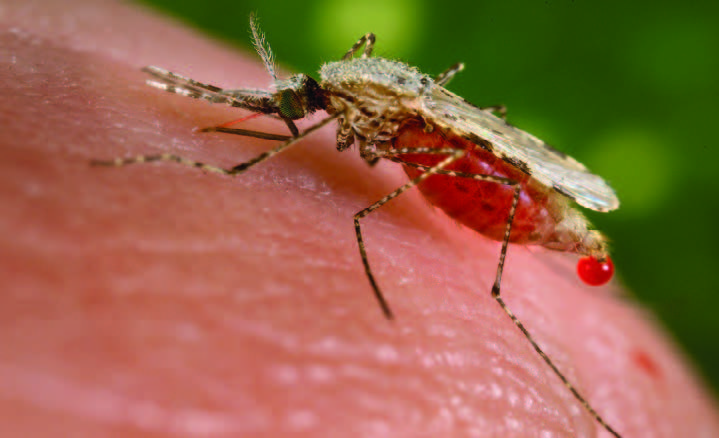
Achemical vapour exuded from human skin became the key reason why mosquitoes turned from feeding on animals to sucking the blood of people, a study has found. Sulcatone is an important ingredient in the distinctive human odour, and mosquitoes learnt to recognise it many thousands of years ago as a sign that they were near a source of food, scientists have discovered.
Researchers found that the present-day black-bodied mosquitoes that feed on the furry skin of forest animals do not show any preference for sulcatone, but the brown mosquitoes living in and around villages in Africa are highly attracted to the scent. “We knew that these mosquitoes had evolved to love the way we smell,” said Leslie Vosshall of Rockefeller University in New York, who led the study published in the journal Nature. “It was a really good evolutionary move. We provide the ideal lifestyle for mosquitoes. We always have water around for them to breed in, we are hairless and we live in large groups,” Professor Vosshall said.
The scientists identified a group of 14 genes in the mosquito genome that are strongly linked to their love of humans and one odour receptor in particular – called Or4 – stood out as being highly active in the human-preferring mosquitoes. They linked the Or4 receptor with one of many compounds collected from human skin that form part of the natural scent of people. This was the key that locked the mosquito to the smell of its new human host.
Tag: Science & Technology
-

SCIENTISTS DISCOVER WHY MOSQUITOES LOVE HUMAN BLOOD
-

Now, popping a pill may make you smart
It sounds like something out of a film, but scientists may have discovered a way to make you smarter – by reverting the brain to a “plastic” child-like state. Researchers at Stanford University experimented by interfering with PirB, a protein expressed in animal brain cells that allows skills to be recalled but which also hampers the ability to learn new skills, and realised they could disrupt the receptor’s regular function, allowing the brain to make faster connections.
By doing so, Professor Carla Shatz and her colleagues, Dr. David Bochner and Richard Sapp, found that their test subjects – animals – were better able to adapt to using only one eye, compared to animals that did not have the PirB molecule supressed. In repressing the protein to a “plastic” state – which is a technical term that implies the ability to adapt to new conditions – Professor Shatz saw that at least one part of the brain became more malleable and could more easily recover from damage, rewire itself and learn new skills – in effect making a person smarter. Health news: in pictures Neuroplasticity, which occurs in the brain under two primary conditions, describes how experiences reorganise neural pathways in the brain – or what happens when we learn something new (like a skill) or memorise information. -

RADIATION MAY CAUSE BRAIN TUMOURS LATER IN LIFE
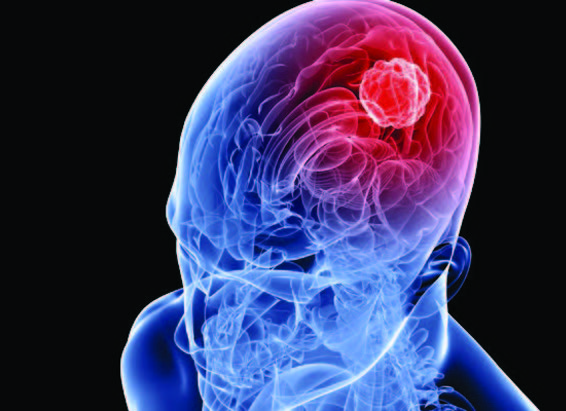
NEW YORK (TIP): Exposure to radiation either as a result of a nuclear accident or during treatment of diseases may increase the risk of brain tumours in people under the age of 30, says an Indian-origin specialist. “People who have been exposed to large doses of radiation to the head face a small risk of later developing brain tumors,” said first author of the study, Vikram Prabhu, a neurosurgeon at the Loyola University Medical Center, Chicago in the US. “If such a person experiences symptoms associated with brain tumours, including headaches, seizures, vomiting and blurry vision, he or she should see a doctor,” Prabhu added.
Researchers analysed records of 35 patients, who were diagnosed with a form of brain tumour called meningiomas before the age of 30. Five had been exposed to ionizing radiation earlier in their lives. Two patients received radiation for leukaemia at ages five and six respectively; one who received radiation at age three for a brain tumour known as medulloblastoma; and one who received radiation for an earlier skull base tumour that appeared to be a meningioma. The fifth patient had been exposed at age nine to radiation from the Chernobyl nuclear power plant disaster in Ukraine. Twenty years later, he was diagnosed with a meningioma.
“The results of this preliminary study have prompted us to look closely at radiation’s effects on the brain,” Prabhu said. They are doing a follow-up study on patients of all ages who have been treated at Loyola for meningiomas. Researchers so far have identified 14 meningioma patients who were exposed to radiation earlier in their lives. They include three patients who were exposed to Chernobyl radiation and 11 patients who received therapeutic radiation for such conditions as leukaemia, medulloblastoma tumours and fungal infections of the scalp.
-

VIRGIN GALACTIC LOOKS TO RESUME TESTS IN 2015
ALBUQUERQUE, New Mexico (TIP): The head of the space tourism company that suffered a tragic setback when its experimental rocket ship broke apart over the California desert says test flights could resume as early as next summer. Virgin Galactic CEO George Whitesides told The Associated Press that work is underway at the company’s shop in the Mojave desert to finish a second spacecraft. It will replace the first SpaceShipTwo, which was destroyed last week when it disintegrated during a test flight, killing one pilot and seriously injuring another. Whitesides says the new ship’s frame is complete, but critical flight control systems, wiring and windows still need to be installed. He says the work has become a form of therapy for employees as they try to focus on something constructive in the wake of the accident.
-

WORLD’S FIRST INHALABLE EBOLA VACCINE PASSES ANIMAL TESTS
LONDON (TIP): The world’s first inhalable Ebola vaccine in development has proved highly successful in animal studies. Scientists from the University of Texas have confirmed that a potentially breathable, respiratory vaccine in development has been shown to provide long-term protection for nonhuman primates against the deadly Ebola virus. Results from a recent pre-clinical study represent the only proof to date that a single dose of a non-injectable vaccine platform for Ebola is long lasting, which could have significant global implications in controlling future outbreaks.
A breathable vaccine could surmount the logistical obstacles of storing, transporting and administering injectable vaccines in parts of Africa most afflicted by the virus. Professor Maria Croyle along with Dr Gary Kobinger at the National Microbiology Laboratory in Winnipeg will make the announcement on Nov 5. The Ebola virus is an often fatal illness that is spread among the human population via direct contact with blood or bodily fluids from an infected individual. The current Ebola outbreak in West Africa is the largest and most complex epidemic since the virus was first discovered in 1976, according to the World Health Organization. With a fatality rate currently as high as 70 percent, officials are declaring this outbreak a public health emergency of international concern.
Croyle worked over seven years to develop a respiratory formulation that improved survival of immunized nonhuman primates from 67% to 100% after challenge with 1,000 plaque forming units of Ebola Zaire 150 days after immunization. This improvement is statistically significant because only 50% of the primates given the vaccine by the standard method of intramuscular injection survived challenge. Although progress has been made in understanding the virus’ biology, no licensed vaccines or treatments currently exist, noted the researchers. “There is a desperate need for a vaccine that not only prevents the continued transmission from person to person, but also aids in controlling future incidences.
The main advantage of our vaccine platform over the others in clinical testing is the long-lasting protection after a single inhaled dose,” scientists said. They added “This is important since the longevity of other vaccines for Ebola that are currently being evaluated is not fully evaluated. Moreover, this immunization method is more attractive than an injectable vaccine given the costs associated with syringe distribution and needle safety and disposal”. The next stage of research for Croyle’s team is a phase I clinical trial that tests the effectiveness of their vaccine on human subjects. They will also further explore preliminary data they have collected for administration of the vaccine as a thin film under the tongue in non-human primates.
-

Nasa rocket to click 1,500 images of Sun in 5 minutes
WASHINGTON (TIP): A sounding rocket fitted with technology to gather 1,500 images of the Sun in flat five minutes is set for launch on November 10. Capturing five images per second, the Rapid Acquisition Imaging Spectrograph Experiment (RAISE) mission will focus in on the split-second changes that occur near active regions on the Sun. These are areas of intense and complex magnetic fields that can give birth to giant eruptions on the Sun that shoot energy and particles out in all directions, the US space agency said in a statement. “Even on a five-minute flight, there are niche areas of science we can focus on well.
There are areas of the Sun that need to be examined with the high-cadence observations we can provide,” said Don Hassler, solar scientist at the Southwest Research Institute in Boulder, Colorado. RAISE will create a kind of data product called a spectrogram which separates the light from the Sun into different wavelengths. “The Sun has been extremely active recently, producing several X-class flares in the past few weeks. The team will aim their instrument at one of these active regions to try to understand better the dynamics that cause these regions to erupt,” Hassler explained. The team hopes to see how heat and energy move through such active regions, which, in turn, helps scientist understand what creates the regions and perhaps even what catalyses the sun’s eruptions. RAISE’s launch time is planned for 2.07pm(EST) from the White Sands Missile Range near Las Cruces, New Mexico.
-

Now, an app to monitor tweets to spot suicidal pals
Suicide prevention charity Samaritans has launched a service to help people spot whether their friends could be at risk of taking their own lives. Users of Twitter can set up Samaritans Radar to monitor their friends’ tweets for signs that they may be struggling to cope. The app uses an algorithm that detects specific keywords and phrases including “hate myself”, “tired of being alone”, “depressed”, “help me” and “need someone to talk to” in friends’ tweets. When trigge8red, it alerts the person who has installed it and offers guidance on the best way of reaching out and providing support to the person who could be at risk.
The Samaritans Radar app was developed by digital agency Jam using Twitter’s API, which allows third-party applications to easily interface with the service. Joe Ferns, executive director of policy, research & development at Samaritans, indicated that app would continue to be updated as more data became available. “We know that people struggling to cope often go online looking for support, however, there is still so much we need to learn about why this happens and how we can make the online environment safer for vulnerable people,” he said. “By not addressing this issue we run the risk of shutting these discussions down and driving them underground. Instead we need to use tools such as Samaritans Radar to encourage people to look out for one another online, helping them to reach out and offer support.” The charity showed a link between the rate of tweeting and risk of suicide as inspiration for development of the application. -

TOP INTERNATIONAL HONOUR FOR INDIAN NAVIGATION SCIENTIST
HYDERABAD (TIP): Dr G Satheesh Reddy, eminent scientist and Director of DRDO’s Research Centre Imarat, has been conferred the prestigious fellowship of the Royal Aeronautical Society, London for his outstanding contributions in the field of aeronautics and aerospace engineering. The society, a professional body dedicated to the aerospace community, has nearly 2,780 fellows elected and inducted from all over the world and Reddy is one of the only five from India, according to DRDO. Reddy is presently leading the design and development of avionics technologies in critical areas of inertial systems, embedded computers, control, real time software and simulation, power supplies, seekers and flight instrumentation for various defence applications. As a top navigation scientist in the country, he holds the distinction of being conferred with the full member diploma from the Russian Academy of Navigation and Motion Control and has been inducted into it as a foreign member. He is also one of the youngest recipients of Homi J Bhabha Memorial Award, it added.
-

AIR FRESHENERS MAY POISON INDOOR AIR
WASHINGTON (TIP): Cleaning products and air fresheners, which provide a pleasant smell to your house, may also spike indoor aerosol levels and hamper the quality of air, a new study has warned. “Some of the same chemical reactions that occur in the atmosphere as a result of smog and ozone are actually taking place in your house while you are cleaning,” researchers said.
In a new study, researchers took a closer look at these reactions, which involve an organic compound – called limonene – that provides the pleasant smell of cleaning products and air fresheners. The research helps determine what byproducts these sweet-smelling compounds are adding to the air while we are using them to remove germs and odours. Secondary organic aerosols (SOAs) are microscopic particles created when ozone reacts with volatile organic gases such as limonene – the chemical name for the smell of oranges – or its cousin alpha-pinene, which is part of the smell of pine trees.
“SOAs can come from ozone reactions with numerous sources, especially with compounds called terpenes that produce the scents we associate with cleaners, pine, lavender, and oranges,” Michael Waring, an assistant professor in Drexel University’s College of Engineering, said. Waring and his team used an air testing chamber that they specifically designed to study the reactive behaviour of air in an indoor environment. By adjusting elements of the test, such as the air exchange rate, which is the number of times per hour indoor air is replaced by outdoor air, as well as the concentrations of terpene and ozone in the chamber, the group was able to ascertain how those variables each affected the formation of secondary organic aerosols.
“We found that one of the biggest factors contributing to SOA formation by limonene ozonolysis was the air exchange rate,” Waring said. “This is because certain chemical reactions that form SOAs take longer than others. If the air is exchanged before these reactions can take place then the SOA production is weaker indoors,” said Waring. With 18 different scenarios tested, the team calculated a range of peak formation of secondary organic aerosols when typical concentrations of limonene were introduced to ozone-rich environments with a range of air exchange rates.
“Our findings show a significant enough range of SOA formation to warrant more in depth public health studies,” Waring said. “This research is particularly necessary in order to understand health impacts on people who use significant amounts of cleaning products such as house-cleaners or custodians,” said Waring. The resulting mass concentration of secondary organic aerosols was roughly between five and 100 microgrammes per cubic metre. -

POPULATION EXPLOSION IS UNSTOPPABLE, SAY SCIENTISTS
LONDON (TIP): Not even a third world war or a lethal pandemic, leave alone a one child policy globally, will be able to slow down the planet’s rocketing population rise, scientists say. New multi-scenario modeling of world human population has concluded that even stringent fertility restrictions or a catastrophic mass mortality would not bring about large enough change this century to solve issues of global sustainability.
Scientists concluded that even a world-wide one-child policy like China’s, implemented over the coming century would still likely result in 5-10 billion people by 2100. There are currently about 7.1 billion people on earth, and demographers estimate that this number could rise to about 9 billion by 2050. Professor Corey Bradshaw and Professor Barry Brook from the University of Adelaide’s Environment Institute said that the locked-in population growth means the world must focus on policies and technologies that reverse rising consumption of natural resources and enhance recycling. Fertility reduction efforts, however, through increased family-planning assistance and education, should still be pursued, as this will lead to hundreds of millions fewer people to feed by mid-century. -

NEW ZEALAND FAULT HOLE REVEALING SECRETS OF EARTH’S CRUST
WELLINGTON (TIP): An international team of scientists drilling a 1.3-km deep hole into the Alpine Fault in New Zealand’s South Island say they are already gaining valuable insights into the Earth’s crust less than a quarter of the way down. The New Zealand-led team had drilled 240 metres, already the deepest borehole ever attempted in the fault, through gravel-laden sediments north of the Franz Josef Glacier and hit schist bedrock, according to a joint statement.
“We have discovered that temperatures increase quite rapidly with depth,which tells us a lot about how fluids that once fell on the Southern Alps as rain circulate and warm up next to the Alpine Fault,” project co-leader Virginia Toy of the University of Otago, said in the statement. “These measurements are important scientific findings in their own right and also allow us to predict what we will encounter as we drill deeper.” The borehole would provide the scientific data required to improve understanding of the largest seismic hazard in the South Island, another project co-leader, John Townend of Victoria University, said in the statement, according to Xinhua.
“It’s also very important to the international scientific community in terms of understanding how large faults work mechanically, which is why so many scientists from around the world are working with us to extract maximum information from the borehole,” he said. The Alpine Fault, the on-land boundary between the Pacific and Australian tectonic plates, moved about 27 metres horizontally every 1,000 years, in three or four separate large ruptures.
Scientists had evidence that it had ruptured 24 times in the past 8,000 years at an average interval of 330 years, although individual intervals ranged from 140 to 500 years. The fault last ruptured 297 years ago in 1717 and scientists estimated it had a 28 percent probability of rupturing in the next 50 years, which was high by global standards. By comparing rocks retrieved by drilling with the rocks on the surface, the research team hoped to discover how the earth’s crust deformed during earthquakes, and learn about chemical and physical changes occurring at various depths inside the fault zone.
Other major faults around the world had been drilled in this way after a big earthquake, but this was the first time a major fault had been drilled before it ruptured. Scientists and engineers from New Zealand, the US, Britain, Germany, Canada, France, Italy, Japan, Australia and China are working on the project. -

Doctors find new way to treat epilepsy – through the cheek
LONDON (TIP): Doctors have found a new way to treat epilepsy – through the cheek. For those most severely affected, treating epilepsy means drilling through the skull deep into the brain to destroy the small area where the seizures originate – invasive, dangerous and with a long recovery period. Five years ago, a team of Vanderbilt engineers wondered: Is it possible to address epileptic seizures in a less invasive way? They decided it would be possible. Because the area of the brain involved is the hippocampus, which is located at the bottom of the brain, they could develop a robotic device that pokes through the cheek and enters the brain from underneath which avoids having to drill through the skull and is much closer to the target area.
To do so, however, meant developing a shape-memory alloy needle that can be precisely steered along a curving path and a robotic platform that can operate inside the powerful magnetic field created by an MRI scanner. The engineers have developed a working prototype. The business end of the device is a 1.14 mm nickel-titanium needle that operates like a mechanical pencil, with concentric tubes, some of which are curved, that allow the tip to follow a curved path into the brain.
Unlike many common metals, nickel-titanium is compatible with MRIs. Using compressed air, a robotic platform controllably steers and advances the needle segments a millimeter at a time. The needle is inserted in tiny, millimeter steps so the surgeon can track its position by taking successive MRI scans. According to associate professor of mechanical engineering Eric Barth, who headed the project, the next stage in the surgical robot’s development is testing it with cadavers.
He estimates it could be in operating rooms within the next decade. Associate professor of Mechanical Engineering Robert Webster had developed a system of steerable surgical needles. “The idea for this came about when Eric and I were talking in the hallway one day and we figured that his expertise in pneumatics was perfect for the MRI environment and could be combined with the steerable needles I’d been working on,” said Webster. The engineers identified epilepsy surgery as an ideal, high-impact application.
They learned that currently neuroscientists use the through-the-cheek approach to implant electrodes in the brain to track brain activity and identify the location where the epileptic fits originate. But the straight needles they use can’t reach the source region, so they must drill through the skull and insert the needle used to destroy the misbehaving neurons through the top of the head. “The systems we have now that let us introduce probes into the brain – they deal with straight lines and are only manually guided,” the doctors said. -

COMET MAKES RARE CLOSE PASS BY MARS AS ORBITERS WATCH
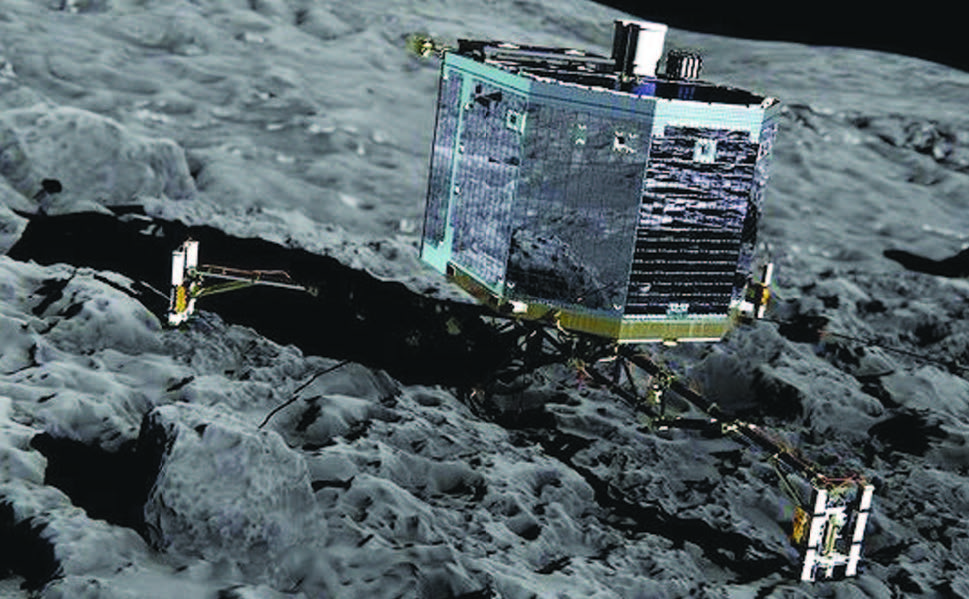
NEW YORK (TIP): A comet from the outer reaches of the solar system made a rare, close pass by Mars where a fleet of robotic science probes were poised for studies. Comet Siding Spring passed just 87,000 miles (140,000km) from Mars, less than half the distance between Earth and the moon and 10 times closer than any known comet has passed by Earth, Nasa said.
The comet, named for the Australian observatory that discovered it last year, is believed to be a first-time visitor to the inner solar system, having departed the Oort Cloud, located beyond Neptune’s orbit, more than a million years ago. Comets are believed to be frozen remnants left over from the formation of the solar system some 4.6 billion years ago. “This comet is on its way plunging in toward the sun, growing a tail,” astronomer David Grinspoon, with the Planetary Science Institute in Tucson, Arizona, said during a live webcast of the comet’s flyby on Slooh.com.
The comet made its closest approach to Mars at 2.27pm EDT/1827 GMT, hurling past at about 203,000kmph (126,000mph). Initially, Nasa was concerned the comet’s dusty tail could pose a threat to orbiting spacecraft as it brushes past Mars. Later assessments somewhat allayed those concerns, but Nasa still opted to tweak its satellites’ orbits so that they would be behind the planet during the most risky part of the flyby. “Mars will be right at the edge of the debris cloud, so it might encounter some of the particles, or it might not,” Nasa Mars scientist Rich Zurek, with the Jet Propulsion Laboratory in Pasadena, California, said in a statement.
Mars’s atmosphere, though much thinner than Earth’s, will shield Nasa’s Opportunity and Curiosity rovers from comet dust, which may trigger meteor showers. Mars also will pass directly through the comet’s coma, which is an envelope of gas and dust surrounding the comet’s nucleus, providing an unprecedented opportunity for study, Grinspoon said. “This is a really rare event.” -

An iPhone app to ensure eye health
WASHINGTON (TIP): Researchers have successfully used an iPhone app for imaging the inside of the eye of immobile and paediatric patients. The team used the iExaminer smartphone system and an iPhone to image 28 paediatric patients with a diverse range of retinal and optic nerve conditions. The system consists of a PanOptic Ophthalmoscope (a lighted instrument to examine the inside of the eye) and an adapter that attaches the ophthalmoscope to an iPhone to enable taking photos and videos.
It can image key structures of the back of the eye in a single view without necessarily requiring dilation drops. The associated app facilitates capture, storage and transfer of data. This also makes it possible for real-time tele-medicine consultation without violating patient identity as no external facial features are revealed. “This system could be useful not only to ophthalmologists but also physicians, hospitals and general practitioners,” said lead researcher Jiaxi Ding from the Ross Eye Institute at University at Buffalo in the US.
Because it can instantly capture photos and videos of the back of the eye through an undilated pupil, “there is potential for prompt tele-medicine consultations with an ophthalmologist and getting preliminary triage answers to the patient more quickly than waiting for standard office referral,” he added. Photography plays a critical role in documenting and tracking the progression of eye diseases. The results were shared at “AAO 2014” – the 118th annual meeting of the American Academy of Ophthalmology. -

BIONIC EYE ALLOWS BLIND MAN TO ‘SEE’ AFTER 33 YEARS
WASHINGTON (TIP): A revolutionary new bionic eye implanted into a 66- year-old blind man in the US has allowed him to ‘see’ for the first time in 33 years. Larry Hester was diagnosed with retinitis pigmentosa when he was in his early 30s. At the time, the degenerative disease that would rob his sight was poorly understood, and there were no known treatments, researchers said.
On October 1, 2014 Hester became only the seventh person in the US to have a so-called bionic eye – an Argus II Retinal Prosthesis Device – activated as a visual aid to send light signals to his brain. The device incorporates technology initially developed by researchers at the Duke Eye Centre; its sophisticated features were further enhanced and marketed by a company called Second Sight Medical Products. Using wireless technology, a sensor is implanted in the eye to pick up light signals sent from a camera mounted on special eyeglasses.
Paul Hahn, a retinal surgeon at Duke, implanted the sensor on September 10 and activated the device three weeks later – to the sheer delight of Hester and his family. Hahn cautioned the device will not restore eyesight, but provide a visual aid that could help Hester distinguish a door from a wall, or a crosswalk painted in a roadway. ptiHester describes seeing flashes of light that are more intense when he aims the camera at lights or light-coloured objects.
During a clinic visit, Hester described “seeing” sights he had long believed were past memories – a white duck swimming in a pond, the harvest moon, his wife’s yellow chrysanthemums. Hester’s wife, Jerry, said her most cherished moment came while they were watching a football game. She was sitting in a dark chair, and her skin was enough of a contrast that Hester could see flashes. He reached out and touched her face. -

US ASTRONAUTS STEP OUT ON SPACEWALK
WASHINGTON (TIP): A pair of American astronauts stepped outside the International Space Station on October 15 on a spacewalk to do repairs and upkeep at the orbiting outpost, Nasa said. Reid Wiseman and Barry “Butch” Wilmore began their spacewalk at 8:16 am (1216 GMT), starting an excursion that is scheduled to last six and a half hours. “During today’s spacewalk, Wiseman and Wilmore will replace a voltage regulation device called a sequential shunt unit and relocate camera and television equipment,” Nasa said in a statement. The spacewalk is being broadcast live on Nasa’s television and website.
-

HUMANS WON’T LAST MORE THAN 68 DAYS ON MARS: MIT
LONDON (TIP): In a big blow to plans of colonizing the Red planet, scientists have confirmed that humans won’t last more than 68 days in Mars with present day technology. Researchers have said that an oppressive environment would suffocate the first settler within an estimated 68 days. The non-profit company Mars One announced plans to establish the first human settlement on Mars by 2025. Solar panel powered huts is expected to supply the colony’s electricity, while a system to extract water from the soil would supply drinking water.
But engineers at MIT say the project may have to take a step back, at least to reconsider the mission’s technical feasibility. The MIT researchers developed a detailed settlementanalysis tool to assess the feasibility of the Mars One mission and found that new technologies will be needed to keep humans alive on Mars. For example, if all food is obtained from locally grown crops, as Mars One envisions, the vegetation would produce unsafe levels of oxygen, which would set off a series of events that would eventually cause human inhabitants to suffocate.
To avoid this scenario, a system to remove excess oxygen would have to be implemented – a technology that has not yet been developed for use in space. Similarly, the Mars Phoenix lander discovered evidence of ice on the Martian surface in 2008, suggesting that future settlers might be able to melt ice for drinking water – another Mars One goal. But according to the MIT analysis, current technologies designed to bake water from soil are not yet ready for deployment, particularly in space.
The team also performed an integrated analysis of spareparts resupply – how many spare parts would have to be delivered to a Martian colony at each opportunity to keep it going. The researchers found that as the colony grows, spare parts would quickly dominate future deliveries to Mars, making up as much as 62% of payloads from Earth. As for the actual voyage to Mars, the team also calculated the number of rockets required to establish the first four settlers and subsequent crews on the planet, as well as the journey’s cost. According to the Mars One plan, six Falcon Heavy rockets would be required to send up initial supplies, before the astronauts’ arrival. But the MIT assessment found that number to be “overly optimistic”.
The team determined that the needed supplies would instead require 15 Falcon Heavy rockets. The transportation cost for this leg of the mission alone, combined with the astronauts’ launch, would be $4.5 billion – a cost that would grow with additional crews and supplies to Mars. It would also take seven months to get to Mars each time. Olivier de Weck, an MIT professor of aeronautics and astronautics and engineering systems says “We’re not saying, black and white, Mars One is infeasible. But we do think it’s not really feasible under the assumptions they’ve made.
We’re pointing to technologies that could be helpful to invest in with high priority, to move them along the feasibility path. One of the great insights we were able to get was just how hard it is to pull this mission off”. Graduate student Sydney Do simulated the day-to-day life of a Mars colonist. Based on the typical work schedule, activity levels, and metabolic rates of astronauts on the International Space Station (ISS), Do estimated that a settler would have to consume about 3,040 calories daily to stay alive and healthy on Mars. He then determined crops that would provide a reasonably balanced diet, including beans, lettuce, peanuts, potatoes and rice.
Do calculated that producing enough of these crops to sustain astronauts over the long term would require about 200 square meters of growing area, compared with Mars One’s estimate of 50 square meters. If, as the project plans, crops are cultivated within the settlers’ habitat, Do found that they would produce unsafe levels of oxygen that would exceed fire safety thresholds, requiring continuous introduction of nitrogen to reduce the oxygen level. Owens points to technologies such as 3-D printing, which may enable settlers to manufacture spare parts on Mars.
But the technology as it exists today is not advanced enough to reproduce the exact dimensions and functions of many space-rated parts. In 2012, the “Mars One” project, led by a Dutch non-profit, announced plans to establish the first human colony on the Red Planet by 2025. The mission would initially send four astronauts on a one-way trip to Mars, where they would spend the rest of their lives building the first permanent human settlement. -

SNAKE ROBOT TO AID SEARCH-AND-RESCUE
WASHINGTON (TIP): Inspired by the amazing ability of sidewinder snakes to quickly climb sandy slopes, researchers have created a robot that can climb sand hills better, an advance that may aid search-andrescue operations. Researchers report that sidewinders improve their ability to traverse sandy slopes by simply increasing the amount of their body area in contact with the granular surfaces they’re climbing.
As part of the study, the principles used by the sidewinders to gracefully climb sand dunes were tested using a modular snake robot developed at Carnegie Mellon University. Before the study, the snake robot could use one component of sidewinding motion to move across level ground, but was unable to climb the inclined sand track the way the real snakes could readily ascend. In a real-world application – an archaeological mission in Red Sea caves – sandy inclines were especially challenging to the robot.
However, when the robot was programmed with the unique wave motion discovered in the sidewinders, it was able to climb slopes that had previously been unattainable. “Our initial idea was to use the robot as a physical model to learn what the snakes experienced,” said Daniel Goldman, an associate professor in Georgia Institute of Technology’s School of Physics. “By studying the animal and the physical model simultaneously, we learned important general principles that allowed us to not only understand the animal, but also to improve the robot,” said Goldman. The detailed study showed that both horizontal and vertical motion had to be understood and then replicated on the snake-like robot for it to be useful on sloping sand. -

MOM TO OBSERVE MARS’S CLOSE ENCOUNTER WITH COMET
MUMBAI (TIP): Isro’s Mars Orbiter Mission (MOM) will observe comet Siding Spring when it flies by the Red Planet around midnight on October 19.
The space agency moved MOM to a “safer position” on Tuesday to avoid any damage to its payloads from the comet’s debris.
“The spacecraft will carry out observations of the comet and even capture it on its Mars Colour Camera,” director of Isro’s Ahmedabad-based Space Application Centre, Kiran Kumar, said. He estimated that the duration between the comet’s arrival and departure on October 19 will be approximately one-and-a-half hours.
Isro scientists said that MOM’s payload Methane Sensor for Mars will check for presence of Methane on Siding Spring, which is travelling at a velocity of 56km/second relative to the planet.
At its closest approach Siding Spring will come within 1,32,000km of the Red Planet, which is about a third of the distance between Earth and moon. October 7 manoeuvre which consumed 1.9 kg of fuel will put the spacecraft at an approximate distance of 1,40,000km from the comet when it flies by. Kumar said MOM was now 400km away from the surface of the Red Planet on the opposite side of the comet.
The comet was discovered by Robert H McNaught at the Siding Spring Observatory in Australia on January 3, 2013. The comet’s mass is equivalent to 1,500 Empire State Buildings in New York or 70,000 Eiffel Towers in Paris. On October 9, Nasa’s Maven was placed behind the Red Planet and an hour prior to the arrival of the comet, it will go into what is known as a “planned minimum risk mode”.
MOM and Maven teams are expected to exchange data regarding the comet.
-

Isro to launch third IRNSS satellite on Oct 16
NEW DELHI: Isro will launch the third of seven satellites of its ambitious navigation system IRNSS on October 16, the space agency said on October 16. IRNSS-1C, the third satellite of the Indian Regional Navigation Satellite System (IRNSS) will be launched with the help of Polar Satellite Launch Vehicle (PSLV-C26) on October 16, Isro said. The launch window of the mission opens at 1.32am and last till 1.47am. The lift-off is scheduled at the opening of the launch window at 1.32am. The final phase of checks is in progress to carry the 1,425kg satellite. “The Mission Readiness Review (MRR) Committee and the Launch Authorization Board (LAB) met on October 7 to review the progress of pre-launch activities and cleared the launch for October 16. “The 67 hour countdown for the mission will commence at 6.32am on October 13,” Isro said in a statement. IRNSS is an independent navigation satellite system developed by India to provide accurate position information service to users in India.
-

MIND-CONTROLLED PROSTHETIC ARMS SOON
LONDON (TIP): The world’s first mind-controlled prosthetic arms that work in daily life and experiences the sense of touch has finally become a reality.
Scientists at Chalmers University of Technology in Sweden have made a breakthrough by anchoring bionic arms directly on to the bone to improve control and feel touch. The team mapped sensations to 19 different locations on the hand from the palm to the tip of the thumb and matched the sensors to the different electronic patterns of stimulation.
They then moved on to pressure and textures. The patient could tell while blindfolded whether he is holding something. The direct skeletal attachment is created by what is known as osseointegration, a technology in limb prostheses pioneered by associate professor Rickard Branemark and his colleagues at Sahlgrenska University Hospital.
The researchers said, “For the first time, robotic prostheses controlled via implanted neuromuscular interfaces have become a clinical reality. A novel osseointegrated (bone-anchored) implant system gives patients new opportunities in their daily life and professional activities”.
In January 2013, a Swedish arm amputee was the first person in the world to receive prosthesis with a direct connection to bone, nerves and muscles.
“Going beyond the lab to allow the patient to face real-world challenges is the main contribution of this work,” said Max Ortiz Catalan, research scientist at Chalmers University of Technology and leading author of the study.
“We have used osseointegration to create a long-term stable fusion between man and machine, where we have integrated them at different levels. The artificial arm is directly attached to the skeleton, thus providing mechanical stability. Then the human’s biological control system, that is nerves and muscles, is also interfaced to the machine’s control system via neuromuscular electrodes. This creates an intimate union between the body and the machine; between biology and mechatronics,” he said.
The patient’s arm was amputated over 10 years ago. The patient is also one of the first in the world to take part in an effort to achieve long-term sensation via the prosthesis.
“Reliable communication between the prosthesis and the body has been the missing link for the clinical implementation of neural control and sensory feedback, and this is now in place,” Catalan said. “So far we have shown that the patient has a long-term stable ability to perceive touch in different locations in the missing hand. Intuitive sensory feedback and control are crucial for interacting with the environment, for example to reliably hold an object despite disturbances or uncertainty,” he added.
-

Researchers identify new Ebola drug target
WASHINGTON (TIP): Researchers have identified a new Ebola drug target that will enable the discovery of therapies with the potential to treat any future epidemic, even if new virus strains emerge.
University of Utah biochemists produced a molecule, known as a peptide mimic, that displays a functionally critical region of the virus that is universally conserved in all known species of Ebola.
This new tool can be used as a drug target in the discovery of anti-Ebola agents that are effective against all known strains and likely future strains.
The peptide mimics a highly conserved region in the Ebola protein that controls entry of the virus into the human host cell, initiating infection.
The researchers were able to demonstrate this peptide target is suitable for use in high-throughput drug screens. These kinds of screens allow rapid identification of potential new drugs from billions of possible candidates.Current experimental drugs generally target only one of Ebola’s five species.
-

US navy eyes welding to make lighter uniforms
PAWTUCKET (TIP): Welding isn’t just for aircraft carriers anymore.
The US Navy could be turning to ultrasonic welding to make its uniforms lighter, stronger and cheaper. And if the project by a Rhode Island company and the Navy Clothing and Textile Research Facility is a success, it could help bring manufacturing back from overseas.
Welded seams — created when two pieces of fabric are essentially melted together by sound waves — are already used in some clothing that some Americans have in their closets. Patagonia and North Face both sell models of jackets with welded seams. But so far, most, if not all, of that manufacturing is done overseas.
Propel LLC is trying to figure out how to make one of the Navy’s more expensive and challenging garments to assemble — the Navy parka, which it buys for $190.50 each — without stitches. It has spent the past year testing welded seams, adhesive techniques and other bonds using a federal grant from the Navy.
“This was a good way for us to start to get an understanding of what the current state of the art is,” said Cleveland Heath, the technical program manager at the Navy facility in Natick, Massachusetts.
Current garment assembly methods can be cumbersome and costly, Heath said. Different kinds of stitches are used and garments have to be moved from sewing machine to sewing machine as they are formed. One welded seam could replace several stitch types and the sewing machines associated with them, he said.
The seam is a garment’s weak point, said Propel president Clare King. Using a needle and thread creates tiny holes that air and water can permeate, taping a seam to cover the holes adds weight.
The welded seams have proven to be lightweight, flexible and waterproof, King said.
“We have a lot of opportunity to improve the garments and also effect change at the factory level,” King said. “Some of these technologies have been used in factories overseas but we have no knowledge base here of how to do them or how to implement them.”
Seams are welded on some large tents, liners and other specialty industrial fabrics, but not on typical, casual clothing. For the Navy project, King consulted Patagonia, whose M10 jacket has welded seams and is made in Vietnam. Joe Vernachio, a vice president at The North Face, said he knows of only four or five factories overseas that weld seams for apparel. The military is required by law to manufacture all uniforms in the United States.
-

COMING BY 2050, AN ELEVATOR THAT TRAVELS 96,000KM INTO SPACE
MELBOURNE (TIP): A Japanese construction company aims to build an elevator that will reach 96,000km into space — and it may be ready by 2050. Japanese construction giant Obayashi said that robotic cars powered by magnetic linear motors will carry people and cargo to a newly-built space station, at a fraction of the cost of rockets. It will take seven days to get there, the company said. A space elevator can now become a reality because of the development of carbon nanotechnology, it said. “The tensile strength is almost a hundred times stronger than that of the steel cables so it’s possible,” Yoji Ishikawa, a research and development manager at Obayashi told ABC. Ishikawa admitted that at the moment they would be able to create carbon nanotubes that are only 3cm long, but cables long enough to reach into space may be ready by 2030. A working space elevator could signal the end of Earth-based rockets which are expensive and dangerous. Using a space shuttle costs about $22,000 per kilogram to take cargo into space. For the space elevator, the estimate is only about $ 200. Constructing the space elevator would allow small rockets to be housed and launched from stations in space without the need for massive amounts of fuel required to break the Earth’s gravitational pull. Obayashi is working on robotic cars that will carry 30 people up the elevator.
-

COMPUTERS TO GET FASTER, GREENER
LONDON (TIP): Faster, smaller, greener computers, capable of processing information up to 1,000 times quicker than currently available models, could be made possible by replacing silicon with phase-change materials, according to a new study. Researchers found that the present size and speed limitations of computer processors and memory could be overcome by replacing silicon with ‘phase-change materials’ (PCMs).
PCMs are capable of reversibly switching between two structural phases with different electrical states – one crystalline and conducting and the other glassy and insulating – in billionths of a second. Modelling and tests of PCM-based devices showed that logic-processing operations can be performed in non-volatile memory cells using particular combinations of ultra-short voltage pulses, which is not possible with silicon-based devices.
In these new devices, logic operations and memory are co-located, rather than separated, as they are in siliconbased computers. These materials could enable processing speeds between 500 and 1,000 times faster than the current average laptop, while using less energy. The processors, designed by researchers from the University of Cambridge, the Singapore A STAR Data- Storage Institute and the Singapore University of Technology and Design, use a type of PCM based on a chalcogenide glass, which can be melted and recrystallized in as little as half a nanosecond using right voltage pulses.