Tag: Science & Technology

  • Tiny gold particles shown to kill deadly brain cancer in new study

    Tiny gold particles shown to kill deadly brain cancer in new study

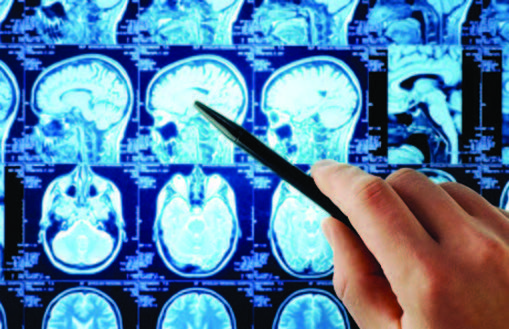
    NEW DELHI (TIP): Scientists at the University of Cambridge have been successful in treating a deadly and common type of brain cancer using tiny gold particles. The ground-breaking technique could eventually be used to treat glioblastomamultiforme (GBM), which is the most common and aggressive brain tumor in adults, and notoriously difficult to treat.

    Many sufferers die within a few months of diagnosis, and just six in every 100 patients with the condition are alive after five years, a University statement said. “The combined therapy that we have devised appears to be incredibly effective in the live cell culture,” said Professor Welland, professor of nanotechnology at the University of Cambridge, who led the research.

    “This is not a cure, but it does demonstrate what nanotechnology can achieve in fighting these aggressive cancers. By combining this strategy with cancer cell-targeting materials, we should be able to develop a therapy for glioblastoma and other challenging cancers in the future.”” The research involved building nanoparticles of gold with a conventional chemotherapy drug cisplatin attached.

    These were released into tumor cells that had been taken from glioblastoma patients and grown in the lab. Once the gold nanoparticles entered the cancer cells they were exposed to radiotherapy. This caused the gold to release electrons which damaged the cancer cell’s DNA and its overall structure, thereby enhancing the impact of the chemotherapy drug. The process was so effective that 20 days later, the cell culture showed no evidence of any revival, suggesting that the tumor cells had been destroyed, the University statement said. While further work needs to be done before the same technology can be used to treat people with glioblastoma, the results offer a highly promising foundation for future therapies.

    Importantly, the research was carried out on cell lines derived directly from glioblastoma patients, enabling the team to test the approach on evolving, drug-resistant tumors. Their work is reported in the Royal Society of Chemistry journal, Nanoscale. “We need to be able to hit the cancer cells directly with more than one treatment at the same time,” Dr Colin Watts consultant neurosurgeon at the university said. “This is important because some cancer cells are more resistant to one type of treatment than another.

    Nanotechnology provides the opportunity to give the cancer cells this ‘double whammy’ and open up new treatment options in the future.” The researchers believe that similar models could eventually be used to treat other types of challenging cancers. First, however, the method itself needs to be turned into an applicable treatment for GBM patients. This process, which will be the focus of much of the group’s forthcoming research, will necessarily involve extensive trials.

    Sonali Setua, a PhD student who worked on the project, said: “It was hugely satisfying to chase such a challenging goal and to be able to target and destroy these aggressive cancer cells. This finding has enormous potential to be tested in a clinical trial in the near future and developed into a novel treatment to overcome therapeutic resistance of glioblastoma.”

  • SCIENTISTS CREATE BIO BATTERIES WHICH CAN BE CHARGED WITH HUMAN SWEAT

    SCIENTISTS CREATE BIO BATTERIES WHICH CAN BE CHARGED WITH HUMAN SWEAT

    LONDON (TIP): You may soon be able to charge your phone with your sweat. For the first time ever, scientists have found away to make human sweat power your small electronic devices. Researchers have designed a sensor in the form of a temporary tattoo that can both monitor a person’s progress during exercise and produce power from their perspiration.

    The device works by detecting and responding to lactate, which is naturally present in sweat. Scientists have created a sweat-powered bio battery. Batteries produce energy by passing current, in the form of electrons, from an anode to a cathode. In this case, the anode contained the enzyme that removes electrons from lactate, and the cathode contained a molecule that accepts the electrons.

    When 15 volunteers wore the tattoo bio batteries while exercising on a stationary bike, they produced different amounts of power. Interestingly, people who were less fit (exercising fewer than once a week) produced more power than those who were moderately fit (exercising one to three times per week). Enthusiasts who worked out more than three times per week produced the least amount of power. The researchers say that this is probably because the lessfit people became fatigued sooner, causing glycolysis to kick in earlier, forming more lactate.

    The maximum amount of energy produced by a person in the low-fitness group was 70 microWatts per cm2 of skin. Wenzhao Jia from University of California San Diego said: “The current produced is not that high, but we are working on enhancing it so that eventually we could power some small electronic devices.

    Right now, we can get a maximum of 70 microWatts per cm2, but our electrodes are only 2 by 3 millimeters in size and generate about 4 microWatts – a bit small to generate enough power to run a watch, for example, which requires at least 10 microWatts. So besides working to get higher power, we also need to leverage electronics to store the generated current and make it sufficient for these requirements.” “Lactate is a very important indicator of how you are doing during exercise,” says Jia. In general, the more intense the exercise, the more lactate the body produces. During strenuous physical activity, the body needs to generate more energy, so it activates a process called glycolysis.

    Glycolysis produces energy and lactate, the latter of which scientists can detect in the blood. Professional athletes monitor their lactate levels during performance testing as a way to evaluate their fitness and training program. In addition, doctors measure lactate during exercise testing of patients for conditions marked by abnormally high lactate levels, such as heart or lung disease. Currently, lactate testing is inconvenient and intrusive because blood samples must be collected from the person at different times during the exercise regime and then analyzed.

    Jia therefore have developed a faster, easier and more comfortable way to measure lactate during exercise. They imprinted a flexible lactate sensor onto temporary tattoo paper. The sensor contained an enzyme that strips electrons from lactate, generating a weak electrical current. The researchers applied the tattoo to the upper arms of 10 healthy volunteers. Then the team measured the electrical current produced as the volunteers exercised at increasing resistance levels on a stationary bicycle for 30 minutes. In this way, they could continuously monitor sweat lactate levels over time and with changes in exercise intensity.

  • Farthest stars in Milky Way are two Red Giants

    Farthest stars in Milky Way are two Red Giants

    NEW DELHI (TIP): Astronomers have discovered two Red Giant stars at the very outskirts of the Milky Way, in a lonely and unexplored region of space. One of them is 890,000 light years from Earth in the constellation Pisces while the other is about 780,000 light-years distant in the constellation Gemini and more than a million lightyears from the other star.

    At these distances both the stars easily become the most distant stars found in our Milky Way. The previous record holder was only 500,000 light years from Earth “They’re the most distant stars that we’ve ever seen in our Milky Way,” says John Bochanski of Haverford College, the astronomer who found them, quoted by Scientific American magazine.

    The finding appears in the July 20 issue of The Astrophysical Journal Letters. Bochanski and his team drawn from Harvard, Boston University and Michigan State University in the US and the Kapteyn Astronomical Institute in the Netherlands, started off with seven million stars and using various kinds of measuring instruments whittled it down to 404 M-type stars.

    After getting spectra from a group of this stars theyfound that most were red dwarfs but five of them were red giants. Of these, only two were dim, indicating that they were very far from Earth. These lonely stars present a riddle for astronomers. There brightness suggests that they are M-type stars containing metals.

    But such stars have never been found at such great distances. Usually, stars in the Milky Way’s halo, that is, the envelope of ancient stars that surround the galaxy’s main disk, have much less heavier elements and cannot become an M-type red giant. Scientists are speculating about how these red giants came to be patrolling the perimeter of The Milky way in their lonely orbits at such a great distance from the galactic center. One theory is that they drifted in from a neighboring galaxy.

    There are two dozen galaxies that orbit the Milky Way and two of the closest ones, called the Large and Small Magellanic Clouds, have many stars like these M-type red giants. But if that happened then such a galaxy should be bright enough to be visible. It is possible that the original home galaxy of these two is so diffuse that we can’t see it or it may even have disintegrated.

  • ROSETTA MAKES A HISTORICAL FIRST BY ARRIVING AT A COMET AFTER A 10-YR CHASE

    ROSETTA MAKES A HISTORICAL FIRST BY ARRIVING AT A COMET AFTER A 10-YR CHASE

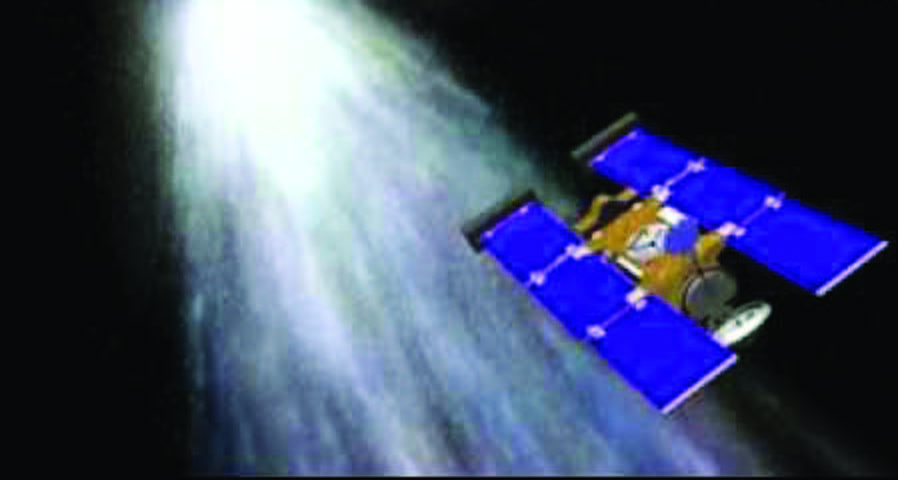
    LONDON (TIP): In what is a historical first for space history, Europe’s Rosetta probe arrived at a comet after a 10-year chase becoming the first ever spacecraft to begin mapping its surface in detail. The spacecraft fired its thrusters for six and a half minutes to finally catch up with comet 67P/Churyumov- Gerasimenko.

    “We’re at the comet” said Sylvain Lodiot of the European Space Agency operations centre. “After 10 years, five months and four days travelling towards our destination, looping around the Sun five times and clocking up 6.4 billion km, we are delighted to announce finally ‘we are here’,” said Jean-Jacques Dordain, director general of Esa. Comet 67P/Churyumov- Gerasimenko and Rosetta now lie 405 million kilometres from Earth, about half way between the orbits of Jupiter and Mars, rushing towards the inner Solar System at nearly 55,000 kilometres per hour.

    The comet is in an elliptical 6.5-year orbit that takes it from beyond Jupiter at its furthest point, to between the orbits of Mars and Earth at its closest to the Sun. Rosetta will accompany it for over a year as they swing around the Sun and back out towards Jupiter again. Comets are considered to be primitive building blocks of the Solar System and may have helped to ‘seed’ Earth with water, perhaps even the ingredients for life. But many fundamental questions about these enigmatic objects remain, and through a comprehensive, in situ study of the comet, Rosetta aims to unlock the secrets within.

    The comet began to reveal its personality while Rosetta was on its approach. Images taken by the OSIRIS camera between late April and early June showed that its activity was variable. The comet’s ‘coma’ – an extended envelope of gas and dust – became rapidly brighter and then died down again over the course of those six weeks.

    In the same period, first measurements from the Microwave Instrument for the Rosetta Orbiter, MIRO, suggested that the comet was emitting water vapour into space at about 300 millilitres per second. Meanwhile, the Visible and Infrared Thermal Imaging Spectrometer, VIRTIS, measured the comet’s average temperature to be about -70oC, indicating that the surface is predominantly dark and dusty rather than clean and icy.

    Then, stunning images taken from a distance of about 12,000 km began to reveal that the nucleus comprises two distinct segments joined by a ‘neck’, giving it a duck-like appearance. Subsequent images showed more and more detail – the most recent, highestresolution image was downloaded from the spacecraft earlier today and will be available this afternoon. ESA’s comet-chasing space probe woke up from a 31 month long hibernation on January 20, 2014, nine million kilometres from the comet.

    Following wake-up, the orbiter’s 11 science instruments and 10 lander instruments were reactivated and readied for science observations. Rosetta was to become the first space mission to rendezvous with a comet, the first to attempt a landing on a comet’s surface and the first to follow a comet as it swings around the Sun. This milestone is a big win for the UK space industry which has significant involvement in the mission. Minister of State for Science Greg Clark said “Rosetta is a big mission for the UK, with much of the spacecraft built and designed here and our scientists involved in 10 of the mission’s instruments”.

    “Our first clear views of the comet have given us plenty to think about,” says Matt Taylor, ESA’s Rosetta project scientist. Today, Rosetta is just 100 km from the comet’s surface, but it will edge closer still. Over the next six weeks, it will describe two triangular-shaped trajectories in front of the comet, first at a distance of 100 km and then at 50 km. At the same time, more of the suite of instruments will provide a detailed scientific study of the comet, scrutinising the surface for a target site for the Philae lander.

    As many as five possible landing sites will be identified by late August, before the primary site is identified in mid-September. The final timeline for the sequence of events for deploying Philae – currently expected for Novermber 11 – will be confirmed by the middle of October. Among its wide range of scientific measurements, Philae will send back a panorama of its surroundings, as well as very high-resolution pictures of the surface.

    It will also perform an on-thespot analysis of the composition of the ices and organic material, including drilling down to 23 cm below the surface and feeding samples to Philae’s on-board laboratory for analysis. UK said “Once the Philae lander touches down on the comet, we will be looking for evidence recorded in remnants of debris that survived the processes of planet formation. This is not merely a period of pre-history, but one that pre-dates the origin of life itself. Our quest is to gain insights into this transitional era, which took place more than 4.5 billion years ago.”

  • GOOGLE ACQUIRES DIRECTR, EMU APPS

    GOOGLE ACQUIRES DIRECTR, EMU APPS

    NEW DELHI (TIP): Google has acquired movie making app Directr and intelligent messaging app Emu. The Directr app targets businesses and enables to them to conceptualise, create, edit and publish short, marketing or promotional videos. The financial details of the transaction was not disclosed.

    According to Google, Directr employees will join YouTube’s video-ads team. The iOS-only app was previously priced between $25 and $400 per month, differing with features and usage, across five plans. Google has said it will now offer the app for free. The move was also confirmed by Directr via a blog post. “For now, everything you love about Directr is staying the same and we’ll continue to focus on helping businesses create great video quickly and easily.

    One immediate bonus: Directr will soon be all free, all the time. Thanks, YouTube,” the post said. Google has also acquired Emu, a mobile messaging app that also integrates a Siri or Google Now-like virtual assistant. The app’s artificial intelligence engine looks for keywords in messages and returns contextual information.

    It lets users perform tasks like fixing appointments or reserve restaurant tables, among others from within the app. The app’s co-founder Gummi Hafsteinsson was part of teams responsible for Google Maps and even Siri. The free app started out on Android but the company discontinued it and switched completely to iOS. Announcing the news on its home page, Emu also clarified that the app will be shut down on August 25 and won’t be available for download on the App Store.

    Existing users won’t be able to send, receive, or download messages. It’s likely that Google will integrate Emu’s features into its Hangouts app to make it more intelligent.

  • Used-cigarette butts are all set to become the world’s next generation energy storage device

    Used-cigarette butts are all set to become the world’s next generation energy storage device

    LONDON (TIP): A group of scientists from South Korea have converted used-cigarette butts into a high-performing material that could be integrated into computers, handheld devices, electrical vehicles and wind turbines to store energy. The researchers have demonstrated the material’s superior performance compared to commercially available carbon, graphene and carbon nanotubes.

    It is hoped the material can be used to coat the electrodes of super capacitors – electrochemical components that can store extremely large amounts of electrical energy – whilst also offering a solution to the growing environmental problem caused by used-cigarette filters. It is estimated that as many as 5.6 trillion used-cigarettes or 766,571 metric tons are deposited into the environment worldwide every year.

    In their study, the researchers demonstrated that the cellulose acetate fibres that cigarette filters are mostly composed of could be transformed into a carbon-based material using a simple, one-step burning technique called pyrolysis.

    As a result of this burning process, the resulting carbonbased material contained a number of tiny pores, increasing its performance as a super capacitive material. “A high-performing super capacitor material should have a large surface area, which can be achieved by incorporating a large number of small pores into the material,” said Professor Jongheop Yi from Seoul National University.

    “Our study has shown that used-cigarette filters can be transformed into a high-performing carbon-based material using a simple one step process, which simultaneously offers a green solution to meeting the energy demands of society. Numerous countries are developing strict regulations to avoid the trillions of toxic and non-biodegradable used-cigarette filters that are disposed of into the environment each year – our method is just one way of achieving this.”

  • Horses ‘talk’ with their eyes, ears

    Horses ‘talk’ with their eyes, ears

    LONDON (TIP): Horses are sensitive to the facial expressions and attention of other horses, including the direction of the eyes and ears. British researchers have observed that horses rely on the head orientation of their peers to locate food.

    However, that ability to read each other’s interest level is disrupted when parts of the face – the eyes and ears – are covered up with masks. The ability to correctly judge attention also varied depending on the identity of the horse pictured, suggesting that individual facial features may be important. “Our study is the first to examine a potential cue to attention that humans do not have: the ears,” says Jennifer Wathan of the University of Sussex.

    “Previous work investigating communication of attention in animals has focused on cues that humans use: body orientation, head orientation and eye gaze; no one else had gone beyond that. However, we found that in horses their ear position was also a crucial visual signal that other horses respond to.

  • NASA’S CASSINI SPACECRAFT FINDS 101 GEYSERS ON ICY SATURN MOON

    NASA’S CASSINI SPACECRAFT FINDS 101 GEYSERS ON ICY SATURN MOON

    WASHINGTON (TIP): Scientists using mission data from Nasa’s Cassini spacecraft have identified 101 distinct geysers erupting on Saturn’s icy moon Enceladus. Their analysis suggests it is possible for liquid water to reach from the moon’s underground sea all the way to its surface.

    Over a period of almost seven years, Cassini’s cameras surveyed the south polar terrain of the small moon, a unique geological basin renowned for its four prominent “tiger stripe” fractures and the geysers of tiny icy particles and water vapour first sighted there nearly 10 years ago.

    The result of the survey is a map of 101 geysers, each erupting from one of the tiger stripe fractures, and the discovery that individual geysers are coincident with small hot spots. To determine the surface locations of the geysers researchers employed the same process of triangulation used historically to survey geological features on Earth, such as mountains.

    When the researchers compared the geysers’ locations with low-resolution maps of thermal emission, it became apparent the greatest geyser activity coincided with the greatest thermal radiation. Comparisons between the geysers and tidal stresses revealed similar connections. The researchers then compared the survey results with high-resolution data collected in 2010 by Cassini’s heatsensing instruments.

    Individual geysers were found to coincide with small-scale hot spots, only a few dozen feet (or tens of metres) across, which were too small to be produced by frictional heating, but the right size to be the result of condensation of vapour on the nearsurface walls of the fractures.

    This immediately implicated the hot spots as the signature of the geysering process. “Once we had these results in hand, we knew right away heat was not causing the geysers, but vice versa,” said Carolyn Porco, leader of the Cassini imaging team from the Space Science Institute in Boulder, Colorado, and lead author of the first paper. “It also told us the geysers are not a near-surface phenomenon, but have much deeper roots,” Porco said.

    The researchers concluded that the only plausible source of the material forming the geysers is the sea now known to exist beneath the ice shell. They also found that narrow pathways through the ice shell can remain open from the sea all the way to the surface, if filled with liquid water.

  • ANTIBIOTICS AND CHICKEN: ALL YOU NEED TO KNOW

    ANTIBIOTICS AND CHICKEN: ALL YOU NEED TO KNOW

    Each time you eat chicken, you could also be consuming a cocktail of antibiotics. A lab study released by Centre for Science and Environment (CSE) found antibiotic residues in 40% of chicken samples bought from outlets in Delhi and NCR. Antibiotics are substances that can destroy or inhibit the growth of micro-organisms. They are widely used in prevention and treatment of infectious diseases.

    1: Six antibiotics tested from there antibiotic classes – tetracyclines, fluoroquinolones and aminoglycosides.

    2: Each chicken sample analyzed thrice.

    3: Antibiotics found in all tissues tested- muscles, liver and kidney.

    4: No significant difference in residues in different parts of chicken. 5: More than on antibiotic found in 17% chickens.

    Why this could be dangerous?

    1: Banned in certain countries for use in animals due to concerns about antibiotic resistance (Enrofl oxacin and Ciprofl oxacin).

    2: Considered critical (ciprofl oxacin) and highly important (tetracyclines) for humans. 3: Among the highest prescribed in India (ciprofl oxacin).

    Why antibiotics are given to chicken?

    1: Because this cheap input has a growth promoting effect, making the chicken look fatter.

    2: Due to unsanitary conditions in poultry, chickens contract bacterial infections that require treatment antibiotics.

    3: Antibiotic for feed is freely available at a low cost in Delhi and outside.

    4: Raw chicken has more antibiotic residue than cooked chicken.

    5: Regularly exposing yourself to antibiotics through chicken will lead to resistance to some of the important and common antibiotics.

    Prevalence of antibiotic resistance? In US:

    2 million illnesses and 23,000 deaths annually; estimated $ 20 billion as direct annual healthcare cost. In EU: 25,000 deaths and about Euro 1.5 billion of healthcare cost & productivity losses.

    In India (no national level estimate): About one-third of two lakh children that die in the fi rst four weeks are victims of antibiotic resistance; about 15% of those re-treated for TB are resistant to multiple drugs.

    What about regulations

    India has no regulations or standards for antibiotics given to farm animals.

    Some European countries banned use of penicillin, streptomycin and tetracyclines as growth promoters in 1970s. In 1986, Sweden banned antibiotic growth promoters and Denmark followed it.

    EU prohibited antibiotic growth promoters in 2006. Between 1995 and 2008, Denmark’s strong policies led to reduction in antibiotic usage by 90% in poultry and 51% in pigs. USA’s voluntary approach a failure. About 80% of antibiotics used in food-producing animals. In 2009-11, use of lincosamides, penicillins and tetracyclines grew by 64%, 44% and 22%, respectively.

  • Indian scientists clone male calf from dead bull’s semen

    Indian scientists clone male calf from dead bull’s semen

    CHANDIGARH (TIP): Scientists in Karnal have successfully cloned a male calf from the frozen semen of a Murrah bull which died 10 years ago. “We have for the first time produced a male cloned calf from the somatic cell of progeny-tested bull which died 10 years ago,” director of National Dairy Research Institute (NDRI) Dr AK Srivastava said.

    The calf, who has been given name of Rajat, was born on July 23 by using “hand-guided cloning” technique and its weight at the time of the birth was 32 kg, a release from NDRI said. The Murrah bull, whose frozen semen was used to produce male calf, had been ranked first in the 5th set of all-India progeny-testing programme.

    A progeny test is performed by mating the male with a number of females to produce many progenies and the average performance of the offspring is then found, giving a measure of the male’s respective value, and it takes years to evaluate its superiority, an NDRI release said. The NDRI Director said there was an acute shortage of good-quality bulls and the technology of “hand-guided cloning” could decrease this gap and supply elite bulls in the shortest possible time.

    “We do not have progeny-tested bulls and moreover, there is a shortage of 80-90 million doses of semen in the country.We have frozen semen of progeny-tested bulls and we can produce good quality of bulls by this cloning technique,” Srivastava said. Cloning, which helps in faster multiplication of superior germplasm, can be done through males by producing clones of progeny-tested bulls and through females by producing clone of high-yielding lactating females.

    A team of seven scientists — SK Singla, MS Chauhan, RS Manik, P Palta, Shiv Parsad, Anuj Raja and Amol Sahare — was involved in the production of cloned calf. S Ayyappan, secretary, department of agricultural research and education (DARE) and director general, Indian Council of Agricultural Research (ICAR), congratulated the team and said this achievement of producing cloned calf from progeny-tested bull by hand-guided cloning technique will facilitate faster multiplication of elite germplasm and help face the challenges of increasing demands of milk, said the release.

  • Scientists warn of Earth’s sixth mass extinction event

    Scientists warn of Earth’s sixth mass extinction event

    WASHINGTON (TIP): The loss and decline of animals is contributing to what appears to be the early days of the planet’s sixth mass biological extinction event, scientists warn. Since 1500, more than 320 terrestrial vertebrates have become extinct. Populations of the remaining species show a 25 per cent average decline in abundance.

    The situation is similarly dire for invertebrate animal life, researchers said. While previous extinctions have been driven by natural planetary transformations or catastrophic asteroid strikes, the current die-off can be associated to human activity, a situation that the lead author Rodolfo Dirzo, a professor of biology at Stanford University, designates an era of “Anthropocene defaunation.”

    Across vertebrates, 16 to 33 per cent of all species are estimated to be globally threatened or endangered. Large animals – described as megafauna and including elephants, rhinoceroses, polar bears and countless other species worldwide – face the highest rate of decline, a trend that matches previous extinction events. Larger animals tend to have lower population growth rates and produce fewer offspring.

    They need larger habitat areas to maintain viable populations. Although these species represent a relatively low percentage of the animals at risk, their loss would have trickle-down effects that could shake the stability of other species and, in some cases, even human health.

  • NEW SMART GOGGLES TO LET PILOTS SEE THROUGH FOG

    NEW SMART GOGGLES TO LET PILOTS SEE THROUGH FOG

    LONDON (TIP): In some good news for pilots who often face adverse weather conditions such as fog, torrential rain and dust storms, new smart goggles have been developed that can help them in smooth landing and take off.

    The goggles known as Skylens have been created by an Israeli company and can provide pilots of small business jets or helicopters with a better view of their surroundings. The goggles are fed video by multispectral cameras embedded in the plane’s nose, providing clear, wraparound images of the terrain, ‘New Scientist’ reported.

    Skylens also displays information such as altitude, speed and an artificial horizon to help the pilot keep the aircraft level. A depth-sensing camera on the instrument panel tracks head motion. The headset works with an aircraft’s other on-board systems to monitor the positions of nearby aircraft from their radar signals. “We have had 150 pilots try it out in rain, snow, haze and dust on five types of aircraft.

    They really like it,” said Dror Yahav of Elbit Systems, the makers of Skylens. The goggles are expected to hit the market in 2016, the report said.

  • SCIENTISTS DISCOVER NEW CLUES TO BRAIN’S WIRING

    SCIENTISTS DISCOVER NEW CLUES TO BRAIN’S WIRING

    WASHINGTON (TIP): In a step forward in learning how a developing brain is built, researchers have identified a group of proteins that programme a common type of brain nerve cell to connect with another type of nerve cell in the brain.

    The study provides an intriguing glimpse into the processes that establish connections between the nerve cells in the brain. “We are now looking at how loss of this wiring affects brain functions in mice,” said Azad Bonni, head of department of anatomy and neurobiology at Washington University’s school of medicine in St. Louis. Bonni is studying synapses in the cerebellum – a region of the brain that sits in the back of the head.

    The cerebellum plays a central role in controlling the coordination of movement. New results show that a complex of proteins known as NuRD (nucleosome remodelling and deacetylase) plays a fairly high supervisory role in some aspects of the cerebellum’s construction. When the researchers blocked the NuRD complex, cells in the cerebellum called granule cells failed to form connections with other nerve cells.

    These circuits are important for the cerebellum’s control of movement coordination and learning. “The NuRD complex not only affects the activity of genes directly, it also controls other regulators of multiple genes,” Bonni informed. The findings may help understand the causes of intellectual disability and autism, said the study appeared in the journal Neuron.

  • ‘SMART’ CAR SEATS ALERT SLEEPY DRIVERS

    ‘SMART’ CAR SEATS ALERT SLEEPY DRIVERS

    LONDON (TIP): The dangers of falling asleep while driving may soon become a thing of the past, thanks to new smart car seats which can detect when a driver is beginning to nod off and alert them. The car seats which warn drivers if they start to fall asleep at the wheel are being developed by researchers at the Nottingham Trent University, UK.

    Professor Tilak Dias and William Hurley of the university’s Advanced Textile Research Group will be working with company Plessey on a feasibility study to investigate how to integrate an Electrocardiogram (ECG) sensor system directly into the fabric of car seats in an effort to save lives. Researchers aim to embed a fabric based sensor system within the seat which can detect the heart signals that indicate a driver is losing alertness. The data would be used to send a warning to the driver to pull over.

    Should the warning be ignored, the vehicle could engage systems such as active cruise control or lane departure technology to prevent accidents. The information could also be sent over a wireless network to a control centre to take further action. “Plessey has already demonstrated that cardiac signals can be measured unobtrusively using capacitive sensors mounted within the driver’s seat; the requirement now is to improve the consistency and reliability of the data so that it can be used for the intended purpose,” Dias said.

    “This requires a novel approach to the design of the electrodes, and the University’s knitted conductive textile technology offers the potential to produce robust electrodes that can be easily incorporated into automotive seats,” said Dias.

  • KERALITE DISCOVERS NEW ‘OIL EATING’ BACTERIA

    KERALITE DISCOVERS NEW ‘OIL EATING’ BACTERIA

    THIRUVANANTHAPURAM (TIP): A scientist from Kerala has discovered three new species of oil-degrading bacteria from industrial waste. Dr R B Smitha of the Malabar Botanical Garden (MBG) in Kozhikode discovered one new species of Pseudomonas and two new species of Burkholderia, widely known as good bio-degraders of toxic and tough compounds.

    The discovery was made as part of her Young Scientist Project – ‘Isolation and purification of Catecol 2,3 dioxygenase, a key hydrocarbon degrading enzyme present in industrial waste’ with MBG Director Dr R Prakash Kumar as the mentor. The project is funded by the Union Department of Science and Technology. The findings have been submitted to GenBank, a nucleotide sequence database.

    Dr Smitha, a native of Thiruvananthapuram, was awarded PhD in Biotechnology in 2010 by the Enzyme Technology Laboratory, University of Calicut. She already has patents pending from her previous work on the extraction of alpha amylase enzyme and insecticidal toxins from the bacterium Bacillus thuringiensis kurstaki and tests for their efficacy in controlling the Eriophyid mite parasite, which causes the destructive ‘mandari’ (root wilt disease) in coconut palms. Her current study has resulted in the discovery of two new members in the genus Burkholderia which consists of a number of versatile bacteria that occupy a wide range of ecological niches.

    Some of them are capable of breaking down toxic compounds found in pesticides and herbicides and others found to repress pathogens present in soil and help promote crop growth. Burkholderia strains have exceptional metabolic versatility and can also be used for bioremediation, a process for removing waste and pollutants from contaminated sites using microbes or other organisms. More than 190 known species belonging to the genus Pseudomonas are already targets of considerable research for their ability to thrive in diverse and often harsh environments, and their ability to metabolise a variety of nutrients.

    Like Burkhoderia, Pseudomonas bacteria have also been found to be effective agents for bioremediation. Since the mid-1980s, certain members of the Pseudomonas genus have been applied to cereal seeds or applied directly to soils as a way of preventing the growth or establishment of crop pathogens, practice referred to as bio control.

  • CANCER DRUG CAN DETECT HIV VIRUS

    CANCER DRUG CAN DETECT HIV VIRUS

    MELBOURNE (TIP): In a key discovery against HIV, researchers have shown that an anti-cancer drug can activate hidden HIV to levels readably detectable in the blood by standard methods. The anti-cancer drug romidepsin increased the virus production in HIV-infected cells between 2.1 and 3.9 times above normal.

    “The viral load in the blood increased to measurable levels in five out of six patients with HIV infection,” informed the team from Aarhus University and Aarhus University Hospital in Denmark. Presenting the results at the ongoing international AIDS conference (AIDS 2014) in Melbourne, Australia, researchers said the findings open possibilities of a vaccine to strengthen the ability of the immune system to fight HIV. HIV can hide in a “state of hibernation” in the CD4 cells.

    These cells are a part of the body’s immune system, but the CD4 cells cannot fight the virus themselves; killer T-cells can. However, killer T-cells cannot tell if a CD4 cell contains “hibernating” HIV virus. In the new findings, when the virus is activated and moves towards the bloodstream, it leaves a trace on the outside of the infected CD4 cells. “In principle, this means that the killer T-cells can now trace and destroy the HIV-infected CD4 cells,” said senior researcher Ole Schmeltz Sogaard. In addition to measuring the increased viral load in six HIV-infected patients, researchers tested the side effects of the medicine.

  • GOVT PLANS SELLOFF IN OVER 12 PSUs

    GOVT PLANS SELLOFF IN OVER 12 PSUs

    NEW DELHI (TIP): The government has identified over a dozen blue-chip public sector companies for disinvestment during the current financial year and plans a second exchange-traded fund (ETF) as it tries to scale the stiff target set by finance minister Arun Jaitley.

    Sources said the idea of a second ETF was proposed by ratings agencies to the department of economic affairs recently and it is being “considered seriously”, although unlike the first such fund, the new one will be ?energy light’. An ETF is a basket of stocks that is traded on stock exchanges and the first one launched during the last fiscal was seen to have a heavy presence of energy PSUs.

    The government hopes to garner Rs 43,325 crore through disinvestment in PSUs, while another Rs 15,000 crore is expected to come from stake sale in Axis Bank, whose shares are held by Specified Undertaking of UTI (SUUTI), the entity that took over the assets and liabilities of the erstwhile UTI. An additional Rs 5,000 crore is budgeted to come from sale of residual shares in Balco and Hindustan Zinc, where the Centre is about to kick off the valuation exercise and hopes to complete the transactions by the end of October.

    Apart from SAIL, Coal India and ONGC, there are several mid-rung PSUs, including five from the power sector where the government is eying a possible stake sale. ONGC and Coal India alone are expected to mop up Rs 35,000 crore based on current market price. While National Hydel Power Corporation, Power Finance Corporation and Rural Electrification are comparatively easier ones where the Centre is expected to divest through an auction of shares on the stock exchanges, the government will seek permission from states for joint ventures Tehri Hydro Development Corporation and SJVN, said sources familiar with the development.

    In addition, some of the companies where the government holds over 75% stake, will also see a stake dilution to comply with the recent Sebi move that public shareholding in all listed entities should be at least 25%, as against the earlier floor of 10%.

    There are 19 such PSUs where the government has to dilute its holdings but is opting to begin with companies where the stake is closer to 80%. As a result, companies such as MOIL and NMDC (where the government holds 80% each) and NBCC and Neyveli Lignite (90% each) are on the radar, although officials said that some of them may be deferred to next year. The government wants to ensure that there is no bunching of share sales so that there is investor appetite and private sector is not starved for funding.

  • EXPORTS CONTINUE TO GROW AT DOUBLE-DIGIT RATE IN JUNE

    EXPORTS CONTINUE TO GROW AT DOUBLE-DIGIT RATE IN JUNE

    NEW DELHI (TIP): Merchandise exports grew 10.22 per cent to $26.4 billion in June from $24.02 billion in the same month last year, driven by strong demand for engineering goods, ready-made garments and petroleum products. This was even as the export number for June 2013 was revised upwards from $23.78 billion, thereby increasing the base.

    This was a second straight month of double-digit growth in exports, with the rate in May higher at 12.40 per cent, official data released on Wednesday showed. After contracting for almost 13 months, imports grew 8.33 per cent to $38.24 billion in June from $35.3 billion in the same month last year. The figure for imports in June 2013 was revised from $36.03 billion.

    The June trade deficit widened to a 13-month high of $11.76 billion from $11.24 billion in May 2014. Exports during the April-June quarter stood at $80.11 billion, up 9.31 per cent from $73.28 billion in the corresponding period last year. However, imports during April-June 2014 contracted 6.92 per cent to $113.19 billion from $121.61 billion during the same period last year.

    In June, oil imports soared by 10.90 per cent to $13.34 billion, compared with $12.03 billion in the same month a year ago. Oil imports during April-June also grew by four per cent to $40.78 billion from $39.20 billion. Non-oil imports during the month were up seven per cent to $24.9 billion. Non-oil imports during April-June reached $72.41 billion, down 12.1 per cent from $82.40 billion in the same period last year.

    Gold imports were up 65.13 per cent to $3.12 billion in June from $1.88 billion in the same month last year, due to a partial easing of import restrictions and a lower base. According to credit rating agency CRISIL, since large private gold importers were allowed to resume purchases and nominated banks were permitted to offer gold loans to jewellery manufacturers from May, gold imports doubled in June from $1.7 billion in April 2014.

    Non-oil, non-gold imports, an indicator for domestic demand and industrial growth, rose 1.42 per cent to $21.78 billion in June. In May, these imports were up for the first time in 10 months, at a lower rate of 0.5 per cent. This shows industrial production is on its way to a slow recovery. According to experts, outbound shipments are slowly seeing a turnaround on account of an improved global economy, coupled with a low base effect. Exports in June 2013 contracted 4.5 per cent.

    Exports were driven by a 21.57 per cent rise in engineering goods, 38.37 per cent in petroleum products and 14.39 per cent in ready-made garments. “We are getting a good number of orders from the US. Our domestic manufacturing infrastructure is not able to support these,” said Anupam Shah, chairman of the Engineering Export Promotion Council.Aditi Nayar, an economist with rating agency Icra, said the double-digit growth of exports was not expected to continue as the base effect waned and also because of the relative stability in the exchange rate.

    She added an unfavourable monsoon would also impact farm exports. Improving global economies had kept export growth buoyant, the only silver lining as the trade deficit widened, said a note by Anand Rathi Research. The trade deficit rose just 6.66 per cent in April-June 2014 to $70.3 billion from $65.87 billion in the corresponding period of the previous year.

  • RBI issues draft norms for small banks, payment banks

    RBI issues draft norms for small banks, payment banks

    MUMBAI: A week after Budget announcement, the Reserve Bank today issued draft guidelines for setting up of ‘local feel’ small banks, which will disburse small-ticket loans to farmers and businesses. The central bank also issued draft guidelines for setting up of payment banks, which will cater to marginalized sections of society, including migrant labourers, for collecting deposits and remitting funds.

    Such banks can be set up with a minimum capital of Rs 100 crore as against Rs 500 crore required for normal commercial banks, according to the guidelines. “Both payments banks and small banks are ‘niche’ or ‘differentiated’ banks, with the common objective of furthering financial inclusion,” the RBI said while issuing draft guidelines for licensing of payments banks and small banks.

    The proposed small banks will provide a whole suite of basic banking products such as deposits and supply of credit, but in a limited area of operation, it said. On the other hand, payments banks will offer a limited range of products such as acceptance of demand deposits and remittances of funds. They will have a widespread network of access points particularly in remote areas, either through their own branch network or through Business Correspondents (BCs) or through networks provided by others.

    Foreign investments in these new category banks would be as per the FDI policy. The existing non-bank prepayment instrument issuers, nonbanking finance companies (NBFCs), corporate BCs, mobile telephone companies, super-market chains, companies, real sector cooperatives and public sector entities may apply to set up a payments bank.

    In case of small banks, resident individuals with 10 years of experience in banking and finance, companies and Societies will be eligible as promoters to set up small banks. NBFCs, micro finance institutions (MFIs), and Local Area Banks (LABs) can also opt for conversion into small banks. “Preference will be given to professionals from banking or financial sector, NBFCs and MFIs to set up small banks, if they meet the ‘fit and proper’ criteria,” the draft said.

    Local focus and the ability to serve smaller customers will be a key criterion in licensing such banks, it said. “The area of operations of the small bank will normally be restricted to contiguous districts in a homogeneous cluster of States/Union Territories so that the bank has the ‘local feel’ and culture,” it said, adding, the bank may be allowed to expand in one or more states with geographical proximity.

  • Blackstone-Embassy JV plans to buy 3 IT parks for Rs 3,000 cr

    Blackstone-Embassy JV plans to buy 3 IT parks for Rs 3,000 cr

    MUMBAI/BANGALORE (TIP): Embassy Office Parks, a joint venture between private equity firm Blackstone Group and office space developer Embassy Group, is in advanced talks to acquire three large IT parks spread over two million sq ft each in Bangalore, Pune and the National Capital Region (NCR) for Rs 3,000 crore. “The deal will be closed in less than a year,” Michael Holland, CEO of Embassy Office Parks said. . Michael Holland added that the talks were initiated in the second half of last year, the period that he described as “the low point in Indian real estate”.

  • ASTEROIDS KEY TO FUTURE MARS MISSIONS: NASA

    ASTEROIDS KEY TO FUTURE MARS MISSIONS: NASA

    WASHINGTON (TIP): Near-earth asteroids provide a unique opportunity to test the new technologies and capabilities we need for future human missions to Mars, Nasa has said. Nasa will mark 45 years of the first human landing on the moon July 20. It will launch a robotic mission to rendezvous with a near-earth asteroid around 2019, Nasa said in a statement.

    “The spacecraft will either capture an asteroid in its entirety or retrieve a boulder off a much larger asteroid, then redirect the asteroid mass to a stable orbit around the moon,” Nasa said. “The new technologies we test through the Asteroid Redirect Mission, and the new human space flight capabilities we prove by sending astronauts to study the asteroid, will make important advances to safely send humans to Mars,” the statement added.

    This includes tools like Solar Electric Propulsion, a highly efficient way to help transport large objects and heavy cargo to support future Mars missions. Outlining future projects, Nasa said it would continue to make significant investments in new technologies vital to achieving exploration goals.

    This includes advancements in entry, descent and landing technologies such as Low Density Supersonic Decelerators. July 20, 2014 will mark the 45th anniversary of the first “Moonwalk”. It was 45 years ago that Neil Armstrong took the small step onto the surface of the moon that changed the course of history, Nasa said in a statement. “The years that followed saw a ‘space age’ of scientific, technological and human research, on which we have built the modern era.

    We stand on a new horizon, poised to take the next giant leap – deeper into the solar system,” Nasa said. The Apollo missions blazed a path for human exploration to the moon and today we are extending that path to near-earth asteroids, Mars and beyond, the statement added.

  • Google contact lens to detect diabetes

    Google contact lens to detect diabetes

    WASHINGTON (TIP): Beauty might lie in the eye of the beholder, but if Google has its way, so will medical diagnostics.

    In the first step towards designing miniature technology products that can monitor body functions Google has joined forces with pharmaceutical giant Novartis to advance the Silicon Valley giant’s work on “smart” contact lenses that can measure the wearers’ blood sugar levels, a basic for people with diabetes. The move comes just a day after one of the principals behind the technology, Babak Parviz, an Iranian-American who also pioneered the Google Glass, left the company to join Amazon.

    But Google pressed ahead with the tie-up with Swiss multinational, which is at the center of a drug spat with India. The two companies said Novartis’s Alcon eyecare division would license and commercialize ”smart lens” technology designed by Google[x], a development team at the search engine giant. The announcement is the latest in a trend of tech companies getting into the health and fitness domain.

    Google already has a platform called Google Fit to measure heath metrics such as sleep and exercise on devices running on its android platform headed by the Indian-American Sundar Pichai. Apple has a similar platform called HealthKit. But Google Smart Lens is, literally, visionary technology to address diabetes.

    It is particularly relevant to India, which already has 65 million diabetics (dismissively called ”sugar disease”), a figure that is expected to top a staggering 100 million by 2030. In a note they published earlier this year, Babak Parviz and Brian Otis, the project co-founders, explained the reasoning and technology behind the smart lens, pointing to the difficulties in measuring blood sugar through traditional methods such as wearing glucose monitors, which involves disruptive and painful process of pricking the figure and drawing blood.

    Since scientists had developed ways to measure glucose through body fluids such as tears, they figured that miniature electronics — including chips and sensors so small they look like bits of glitter, and an antenna thinner than a human hair — might be a way to crack the mystery of tear glucose and measure it with greater accuracy. The result: ”smart lens” that contains a miniaturized glucose sensor and a tiny wireless chip (to transmit information) that are embedded between two layers of soft contact lens material.

    Early prototypes they tested could generate a reading once per second. They said they were also investigating the potential for this to serve as an early warning for the wearer, including exploring integrating tiny LED lights that could light up to indicate that glucose levels have crossed above or below certain thresholds. Evidently, Google has made sufficient progress to draw Novartis/Alcon into a tie-up. Novartis CEO Joe Jiminez has indicated that the technology could be commercialized within five years.

  • Sunflowers track sun due to internal clock, not sunlight, says new research

    Sunflowers track sun due to internal clock, not sunlight, says new research

    NEW DELHI (TIP): Everybody knows that sunflowers track the sun as it rises in the east every morning and sets in the West every evening. It has been assumed that light rays from the sun must be triggering off some mechanism in the sunflower plant causing this fascinating movement.

    But scientists Hagop Atamian and Stacey Harmer of the University of California in Davis have upended this theory. They discovered that the flowers are not just responding to light but also to an internal biological clock, according to a report published in the scientific journal Nature. To reach this stunning conclusion, Atamian and Harmer carried out experiments in which sunflower plants grown in fields were shifted into specially made chambers with a fixed overhead light that was always on.

    To their surprise, the sunflower carried on as if the sun was rising in the east and setting in the west. The flowers’ faces were moving as if nothing had changed. This continued for several days, according to the Nature report, suggesting that they were not responding only to the direction of the light, but their own timekeeper.

    Another discovery presented by Atamian at the annual meeting of the American Society of Plant Biologists in Portland, Oregon, was that the sunflowers bend when one side of the stem grows faster than the other. Faster growth on the west side of the stem, for example, causes the plant to bend towards the east.

    The scientists are now studying gene expression on each side of the plant to learn more about how a sunflower’s internal clock can alter growth on one side of the stem but not the other. “Somehow the same clock in the same organ is having opposite effects on opposite sides of the stem,” he was quoted by Nature as saying. “It’s a big open question.”

    There are other plants that align themselves to the sun on a daily basis. These include agriculturally important crops such as soybeans, cotton and alfalfa. Scientists have shown that this tracking boosts plant yield. It is also known that mature sunflowers stop tracking the sun and stand straight but facing east, ready to soak up each new sunrise.

  • Nasa closer to finding life beyond earth

    Nasa closer to finding life beyond earth

    WASHINGTON (TIP): Do you often dream about extraterrestrial life beyond earth? Nasa scientists are engaged in proving your dreams to be true. In a panel discussion held at Nasa headquarters in Washington, DC, experts outlined Nasa’s road map to the search for life in the universe, an ongoing journey that involves a number of current and future telescopes. “Sometime in the near future, people will be able to point to a star and say: That star has a planet like earth,” said Sara Seager, a professor of planetary science and physics at the Massachusetts Institute of Technology in Cambridge, Massachusetts.

    The Nasa road map will continue with the launch of the Transiting Exoplanet Surveying Satellite (TESS) in 2017, the James Webb Space Telescope (Webb Telescope) in 2018, and perhaps the proposed Wide Field Infrared Survey Telescope — Astrophysics Focused Telescope Assets (WFIRST-AFTA) early in the next decade.

    These upcoming telescopes will find and characterise a host of new exoplanets – those planets that orbit other stars — expanding our knowledge of their atmospheres and diversity. “This technology we are using to explore exoplanets is real. The James Webb Space Telescope and the next advances are happening now.

    These are not dreams — this is what we do at Nasa,” explained John Grunsfeld, an astronaut and associate administrator for Nasa’s science mission directorate in Washington.

  • SALT MELTED ICE TO FORM WATER ON MARS?

    SALT MELTED ICE TO FORM WATER ON MARS?

    NEW YORK (TIP): Researchers have discovered that water could have flowed on the surface of Mars with the help of salt present in the Martian soil that can melt ice. The findings reveal that Martian salts can help liquid water form but only when the salts touch the ice. “It takes ice to make liquid water on Mars,” said Nilton Renno, a planetary and atmospheric scientist at University of Michigan at Ann Arbor.

    Researchers found that the conditions that support salty water on the Red Planet can last for a few hours per day during late spring and early summer at the polar regions of Mars. “They probably can last weeks per year or even longer in the shallow subsurface at mid-latitudes. We are talking about the formation of small amounts of liquid water like droplets, not rivers and lakes,” Renno was quoted as saying in a Live Science report. It means that the shallow subsurface of Mars could be habitable,” Renno added.

    To understand this, Fischer and team recreated Mars conditions in their lab in metal cylinders. The scientists mimicked temperatures in the late Martian spring and early summer as well as atmospheric pressure. When the scientists placed calcium perchlorate or salty soil directly on ice layer, drops of liquid water formed within minutes, researchers found. Last year, Nasa’s Mars rover Curiosity has discovered water locked up in the planet’s surface soil.